
“They shall grow not old, as we that are left grow old: Age shall not weary them, nor the years condemn. At the going down of the sun and in the morning We will remember them.”
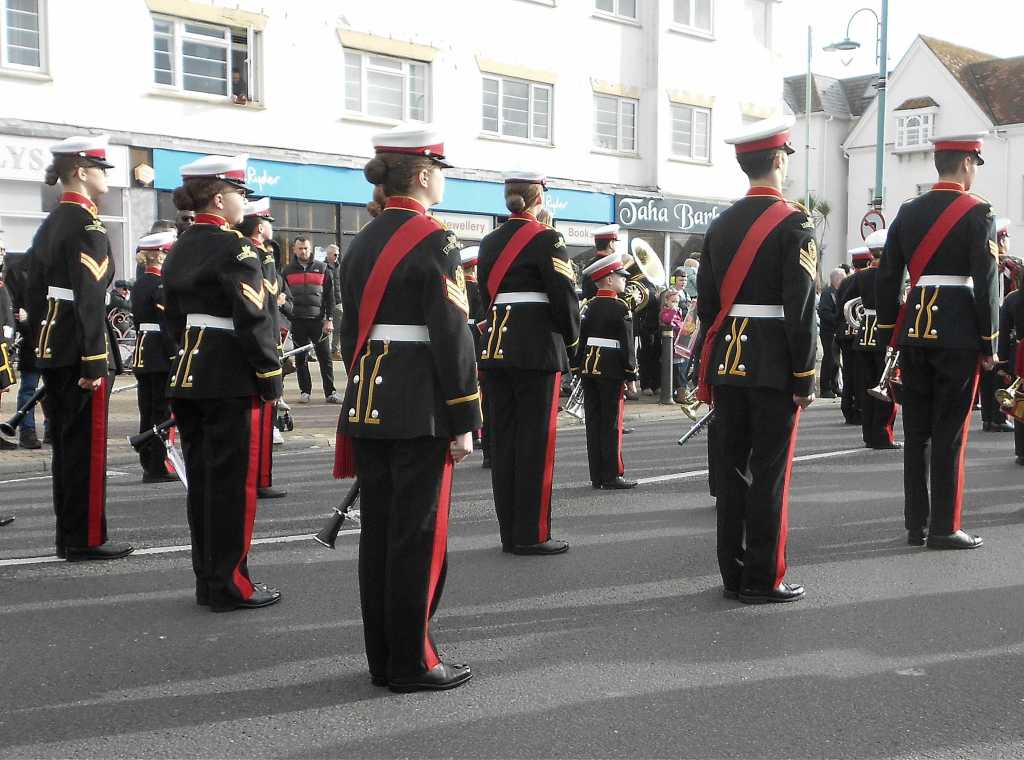


“They shall grow not old, as we that are left grow old: Age shall not weary them, nor the years condemn. At the going down of the sun and in the morning We will remember them.”
Were the River Test meets Southampton Water is the small town of Eling. Eling is now part of the city of Southampton, has a long history of its own. The quay dates back over a thousand years; a medieval tidal mill was the centre of settlement it was once a hub for industries such as shipbuilding and timber. Today, the mill is open to the public, the area has light industry, and private boat mooring.


A walk early this morning, started from Eling and followed Southampton Water down towards Marchwood. The unofficial path follows the water opposite the city’s container terminal, giving both views of the workings of the docks and mudflats.
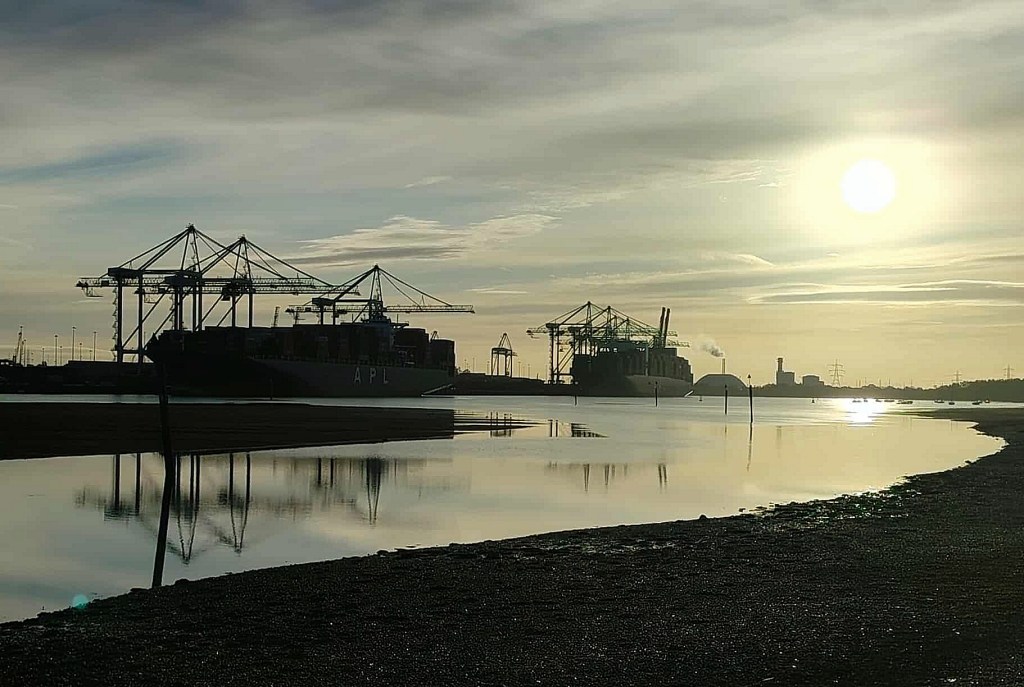
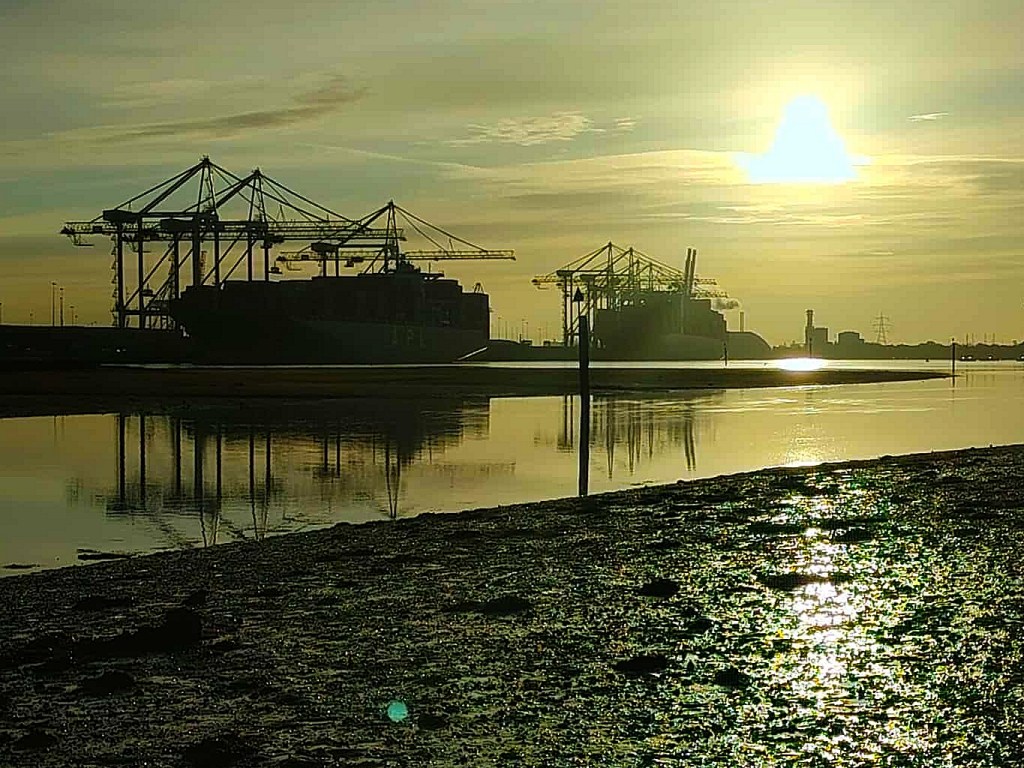


Engineers need a head for heights for pilon work!

Some interesting wildlife on the walk. Starting with Little Egret.


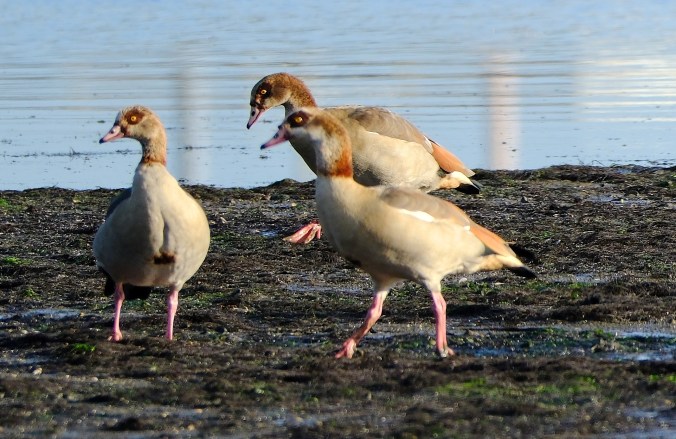
Egyptian geese. This goose is related to the Shelduck. It was introduced to ornamental ponds, but escaped into the wild, where it’s now successfully breeding. In 2009, it was officially declared a non-native species.


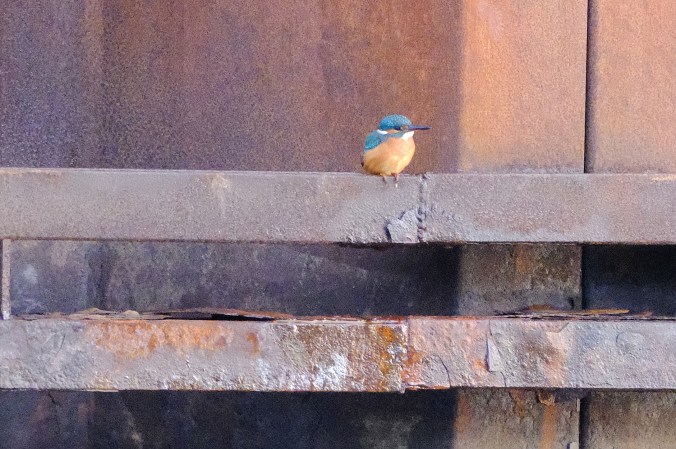
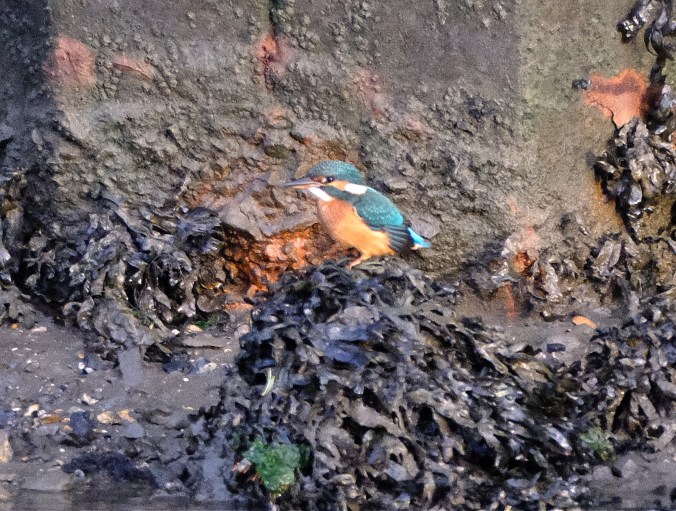
Very distant Kingfisher.
Female Reed Bunting.


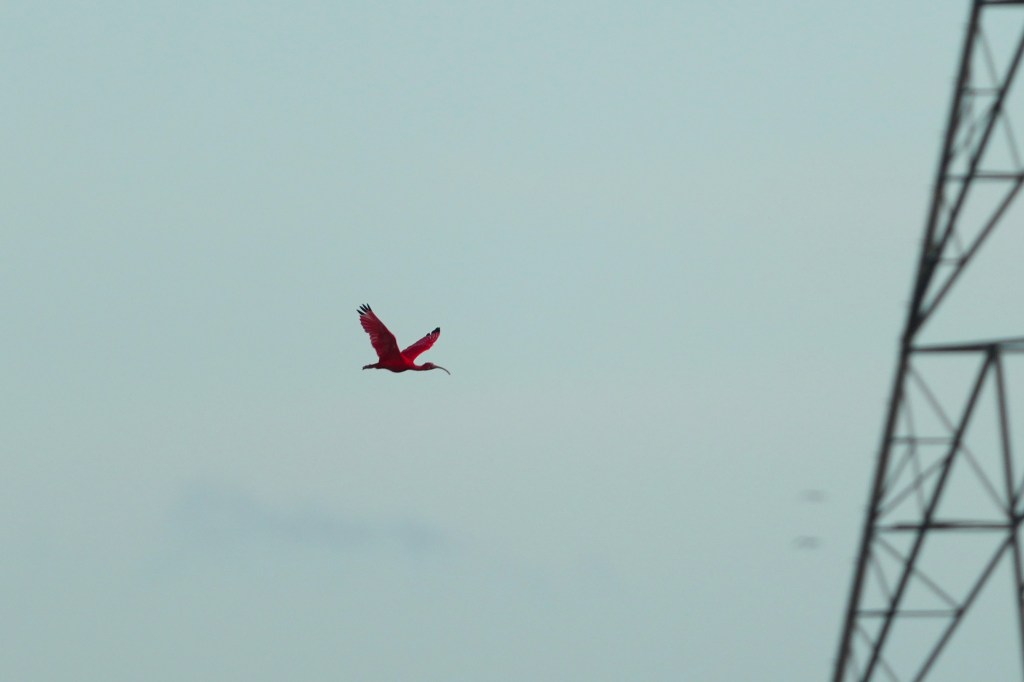
Scarlet Ibis, not very clear pictures, but this bird was some distance off. A surprise sighting of a non-native Scarlet Ibis! It seems several of these South American natives escaped from a local bird park a few months ago.

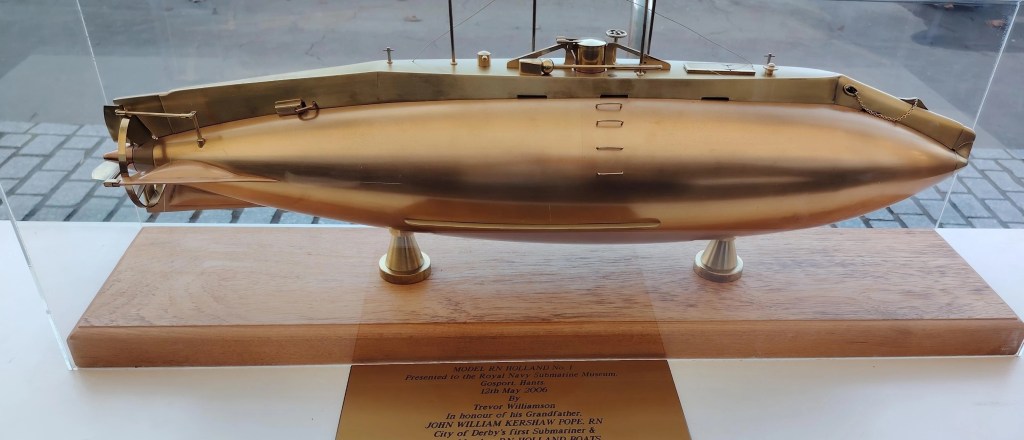
A museum visit today.

Holland 1 was the first submarine commissioned by the Royal Navy. She was the first in a five-boat batch of the Holland-class submarine, launched in 1901. She sank 12 years later in 1913 when under tow to be scrapped following her decommissioning. She was recovered in 1982. She was preserved and put on display at the Royal Navy Submarine Museum, Gosport.
Museum film below.
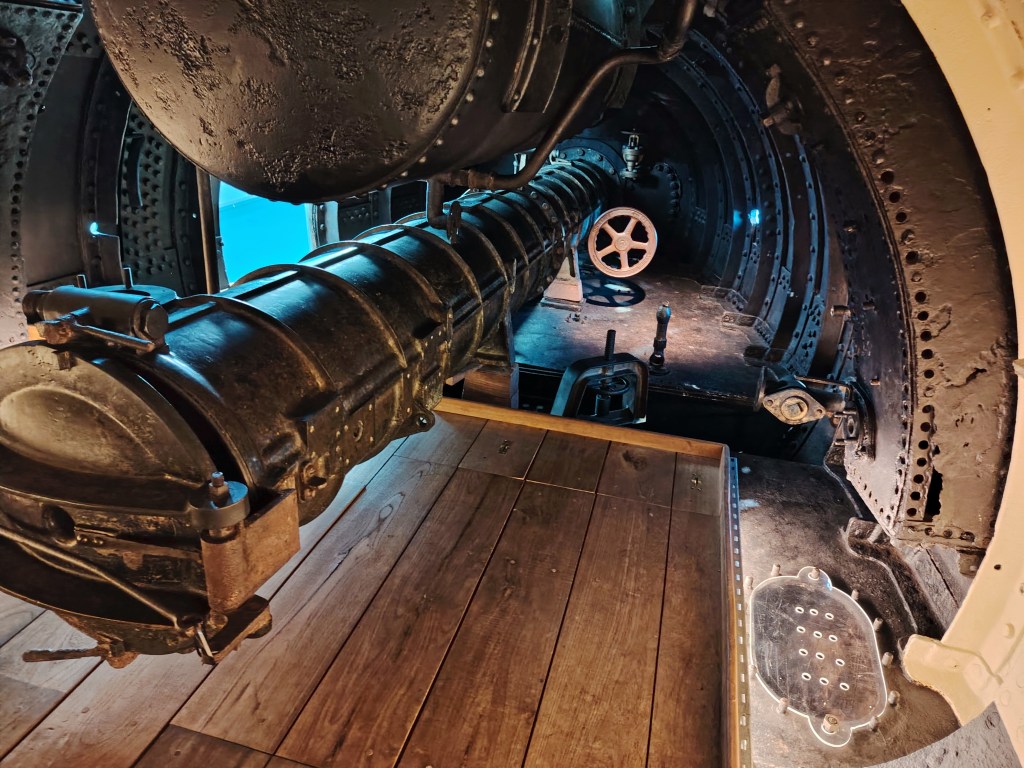


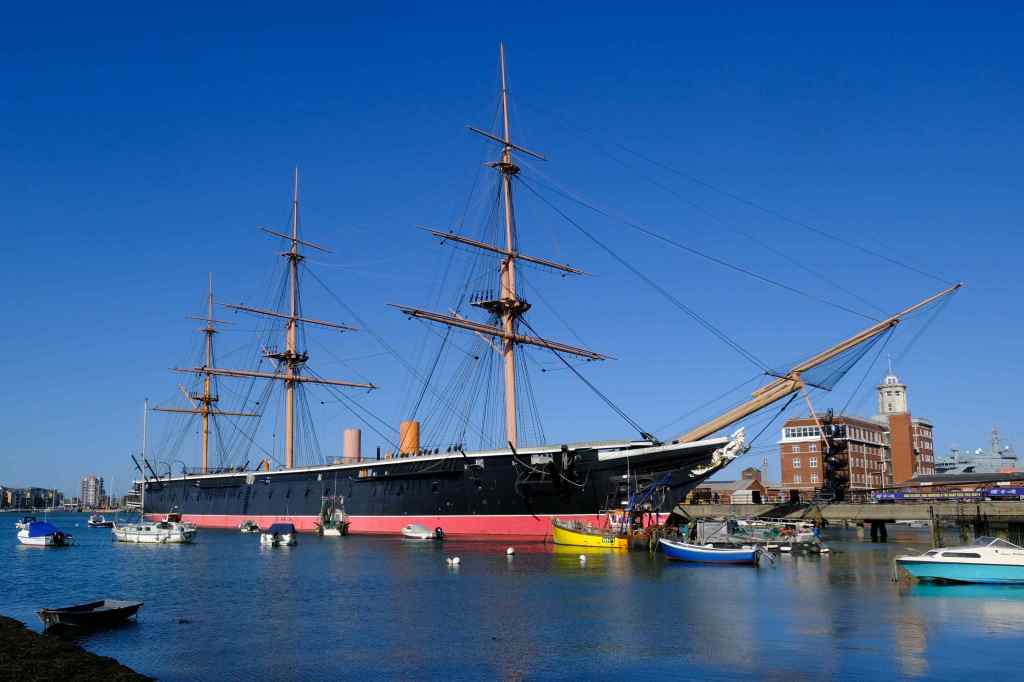
I 1st remember seeing HMS Warrior as a hulk from the bridge at Pembroke Dock in Wales. That was back in the 1970s. She was towed there on 13 March 1929, where she served as a floating oil jetty. For the next fifty years, the ship lay just offshore from an oil depot at Llanion Cove. In August 1979, Warrior began her 800-mile journey to a temporary home in the Coal Dock at Hartlepool, where the £9 million restoration project, largely funded by the Manifold Trust, commenced.
Launched in 1860, HMS Warrior was Britain’s first iron-hulled, armoured battleship. She was the pride of Queen Victoria’s fleet and the largest and fastest ship of her time
This innovative ship signalled a significant evolution in the Royal Navy, being powered by steam and marking the first departure from traditional wooden ships.
Today, she is open to the public at Portsmouth Historic Dockyard.
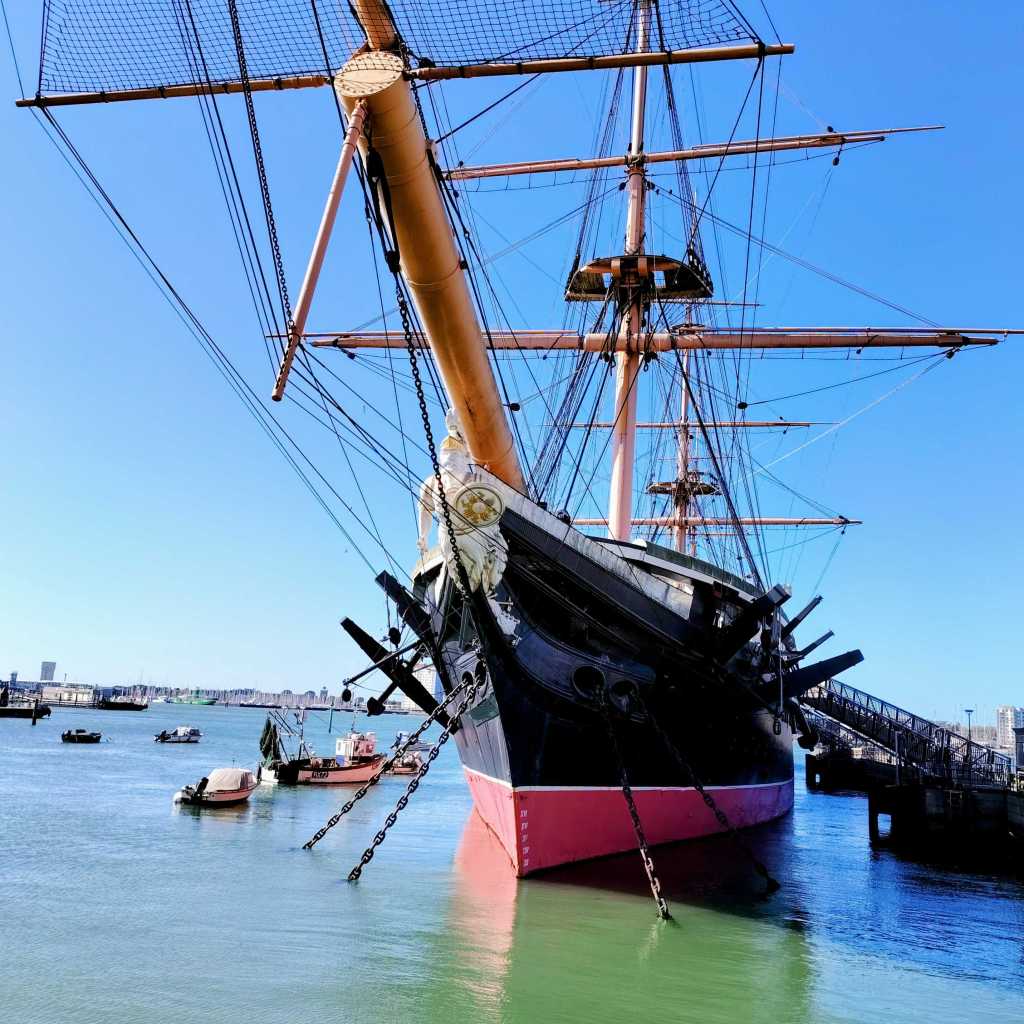
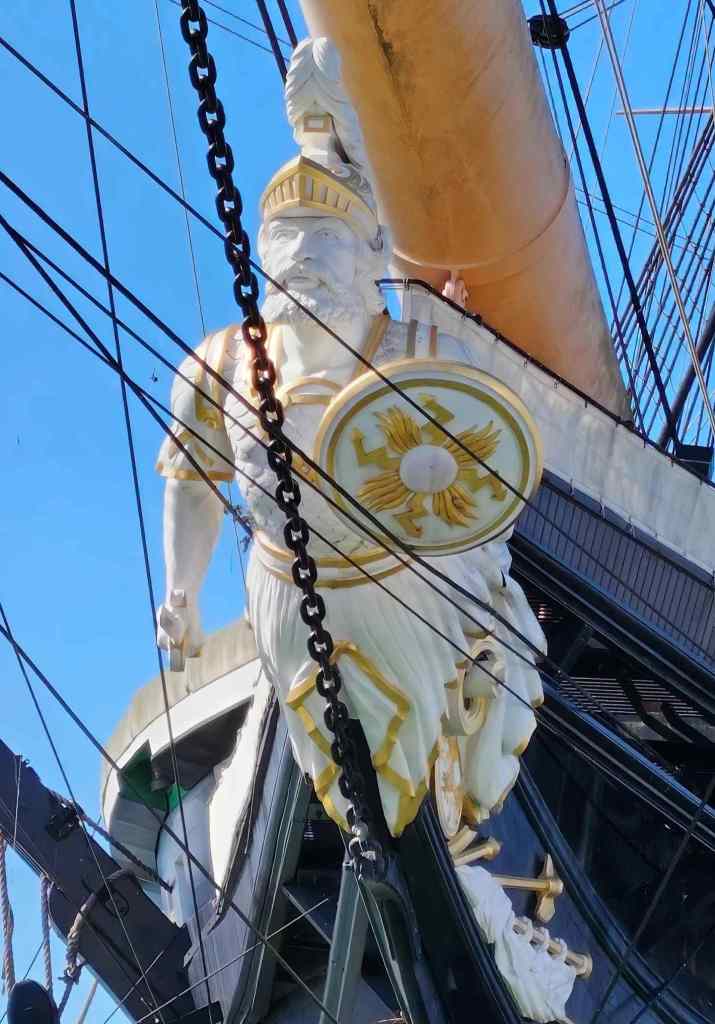
HMS Warrior is a real mix between modern and old.
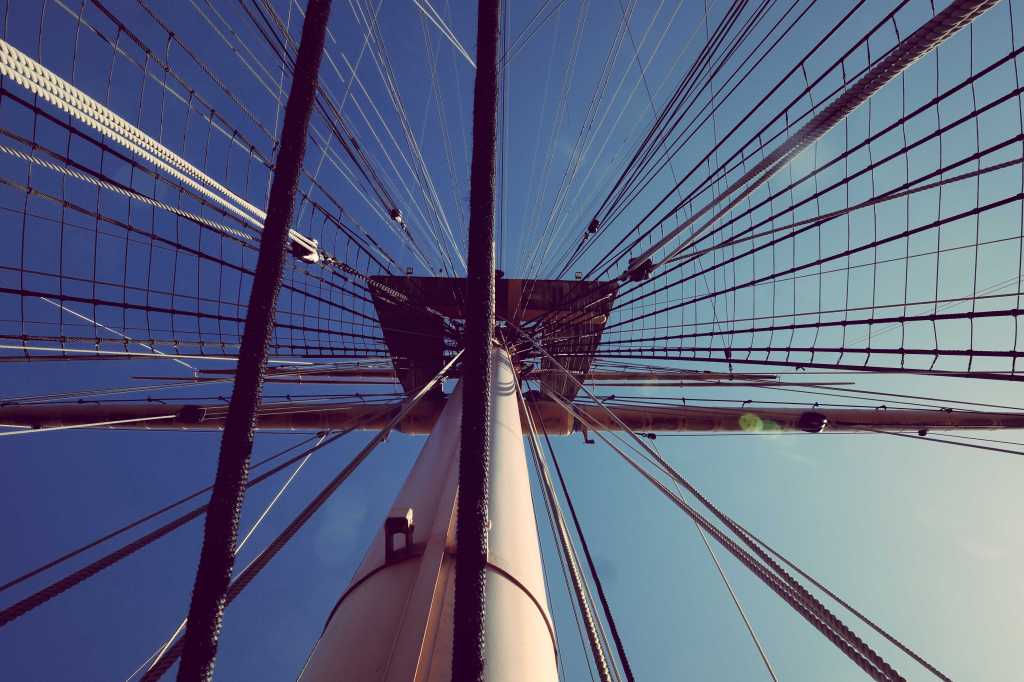


Back in the Spring, we booked a trip on the SS Shieldhall yesterday, the weather held, and the promised rain held off. We had a 7-hour trip – 2025 is set to be a special year for Shieldhall, built in 1955, as she celebrates her 70th birthday. SS Shieldhall is the largest working steamship in Britain. The trip was down Southampton Water and into the Solent. We met up with the historic Paddle Steamer Waverley just off the Isle of Wight. PS Waverley was built in 1946 and is the last seagoing passenger-carrying paddle steamer in the world. She is also steam-powered. Both ships are on the National Historic Fleet Register. In the past, I have sailed on both these ships, but it is always a treat to step back in time and travel at a slower pace.
Part 1: Leaving Southampton Docks and heading down Southampton Water.
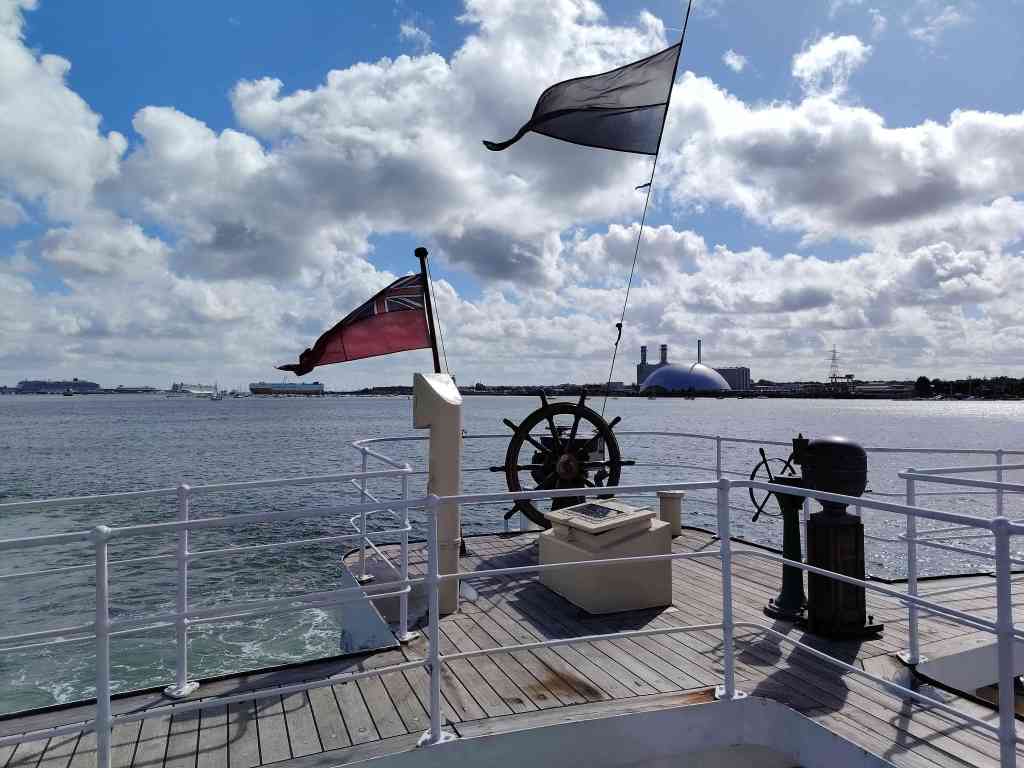
Leaving 110 Berth, Southampton Docks. View of the emergency steering gear.
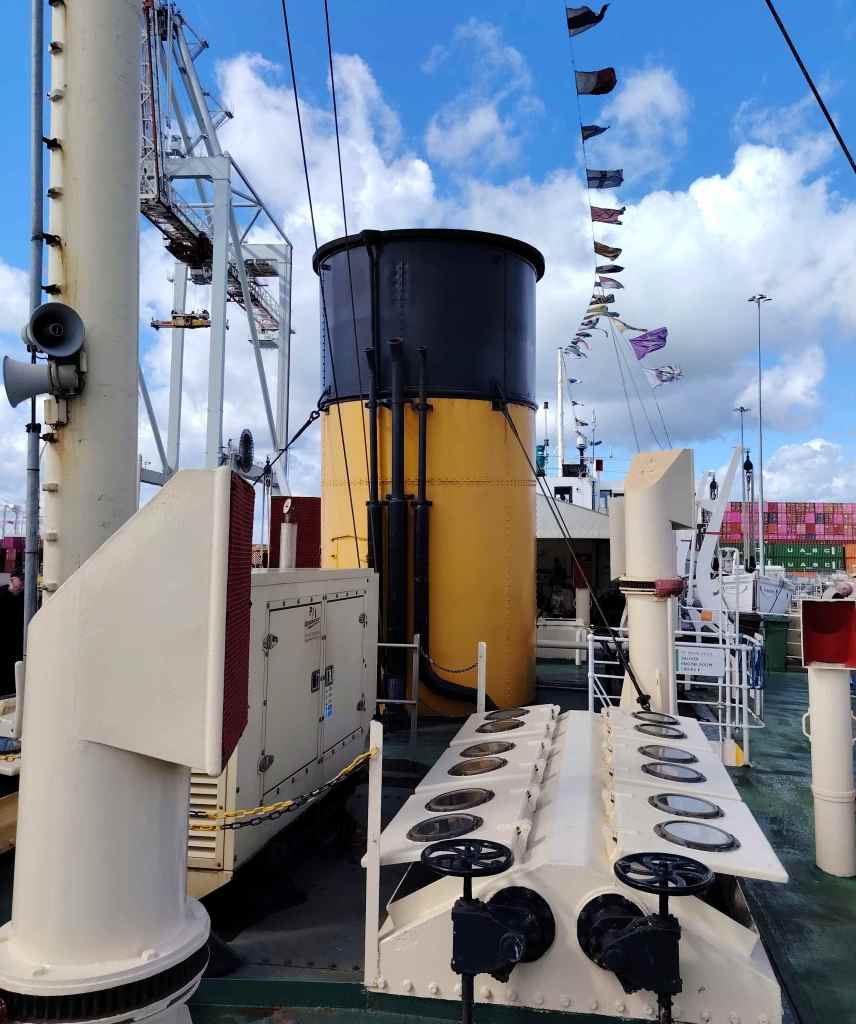
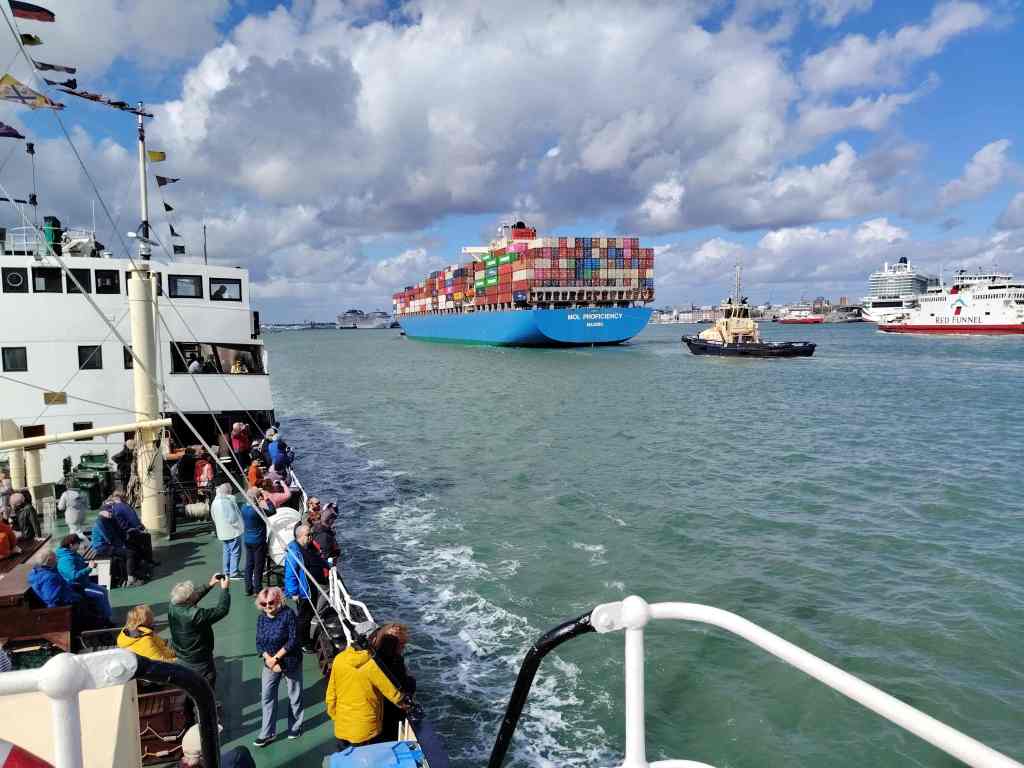
Passing shipping in Southampton Water. Container Ship and Isle of Wight Ferry.
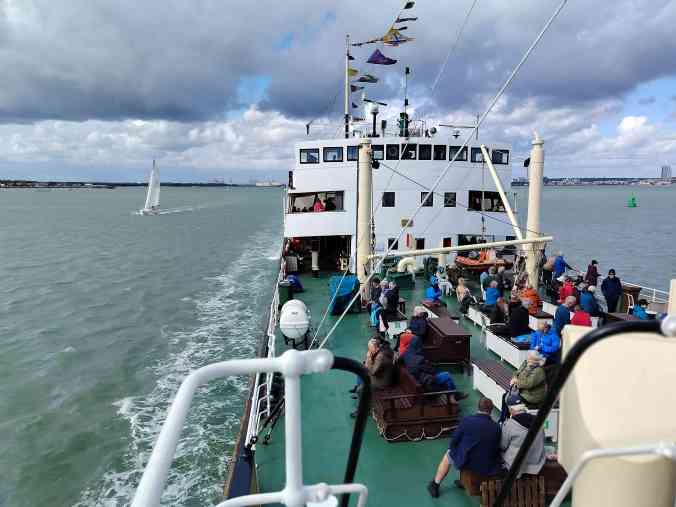
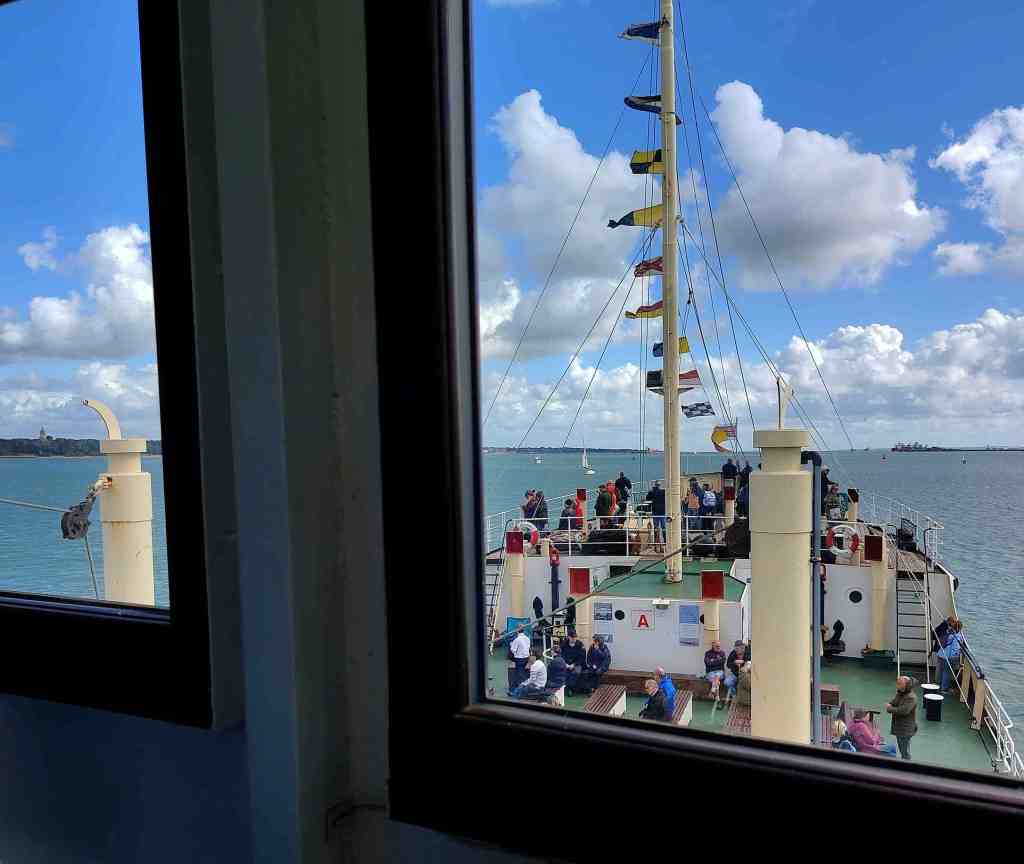
The Bridge.


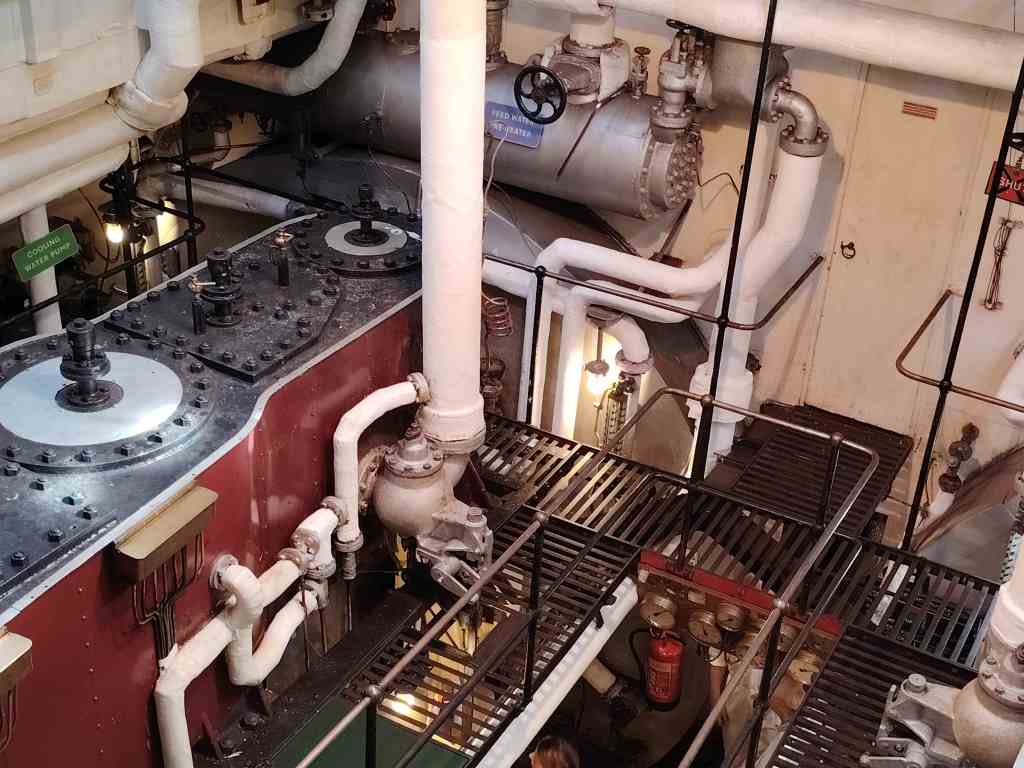
Engine room.
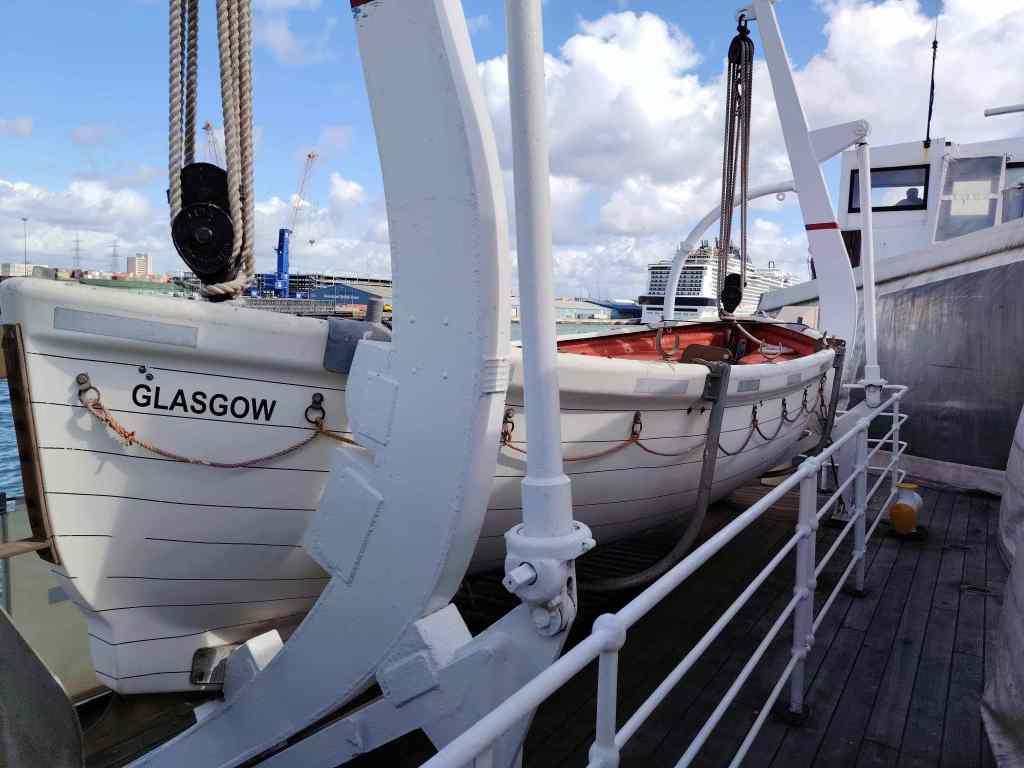
Lifeboat.
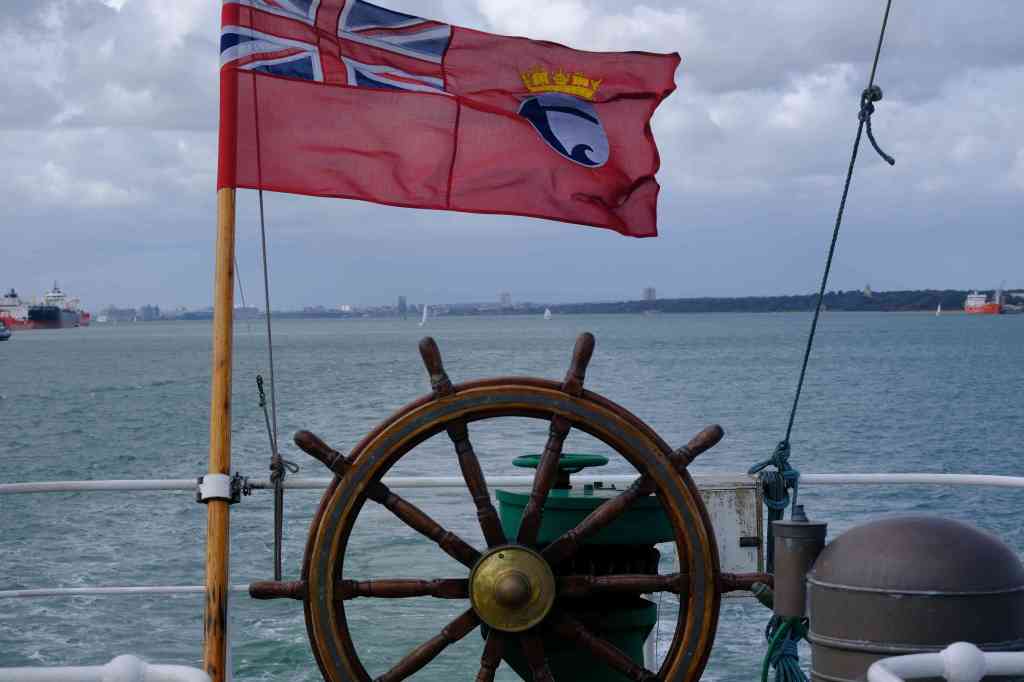
Part 2: Meeting Paddle Steamer Waverley.
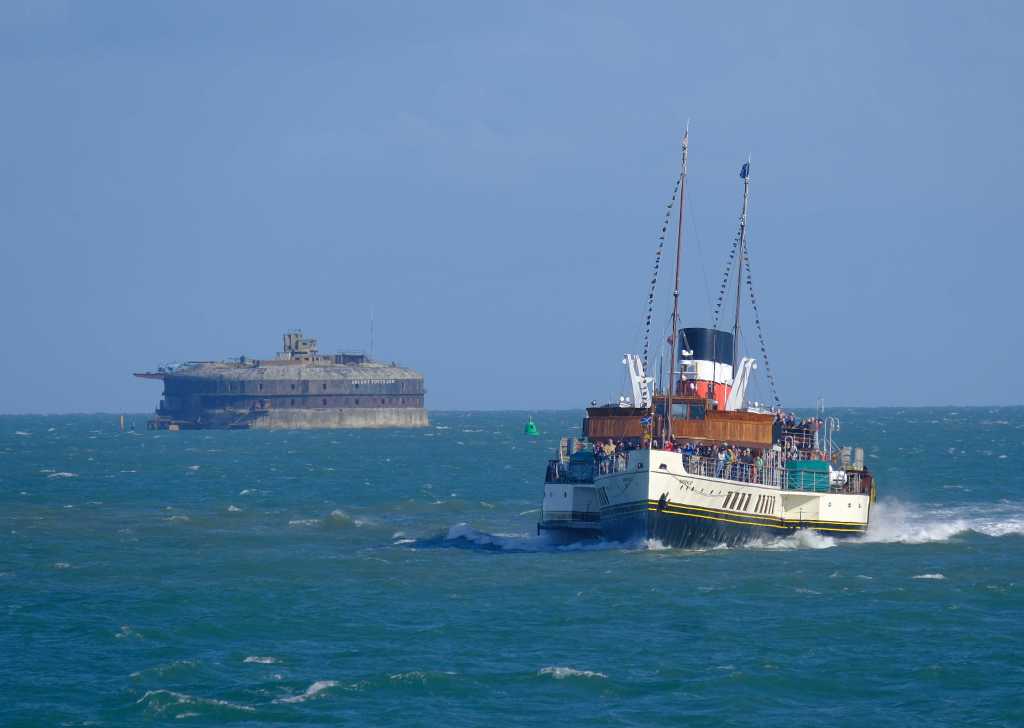

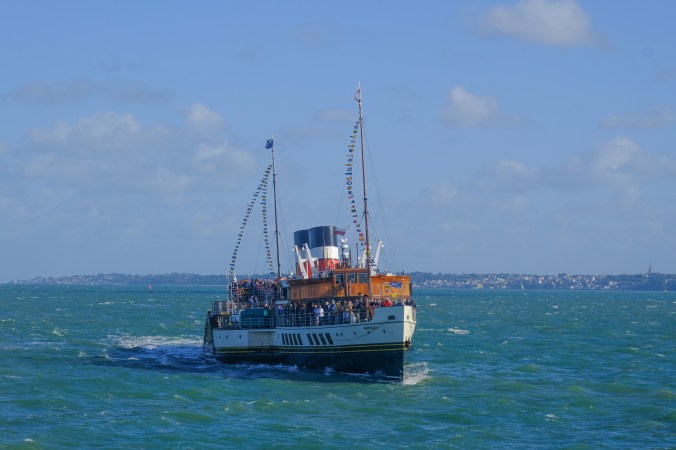
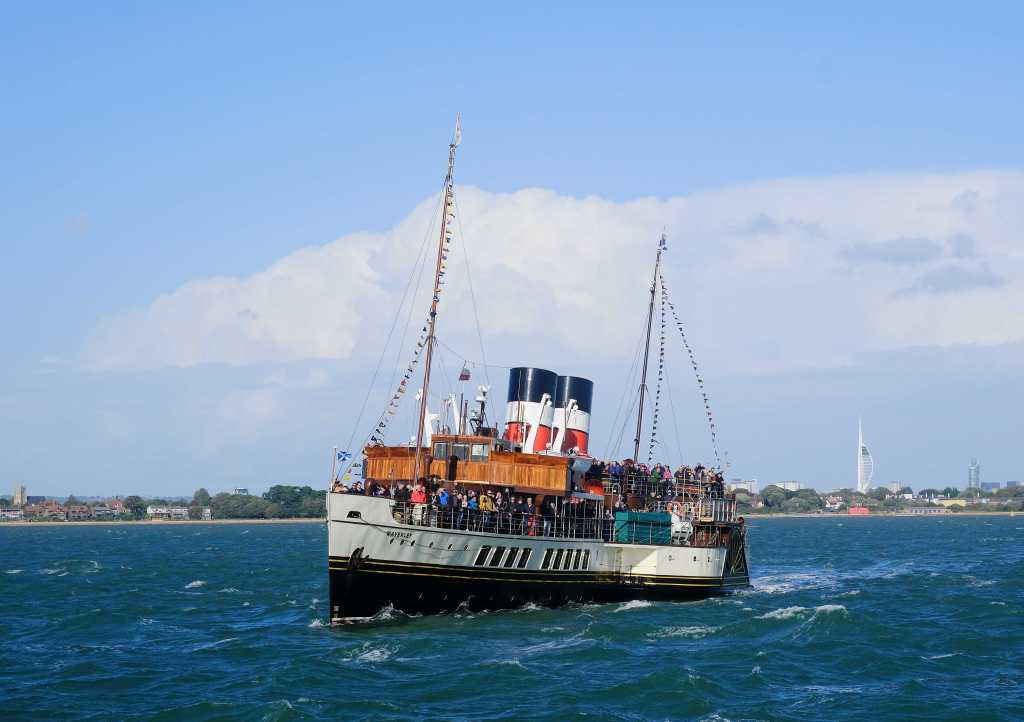
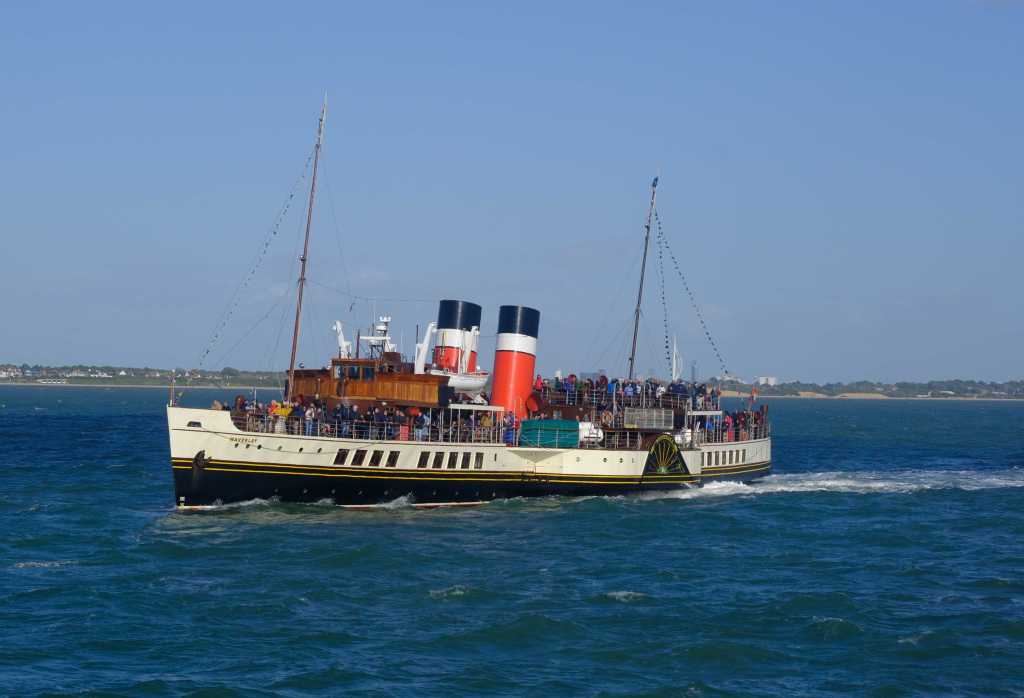
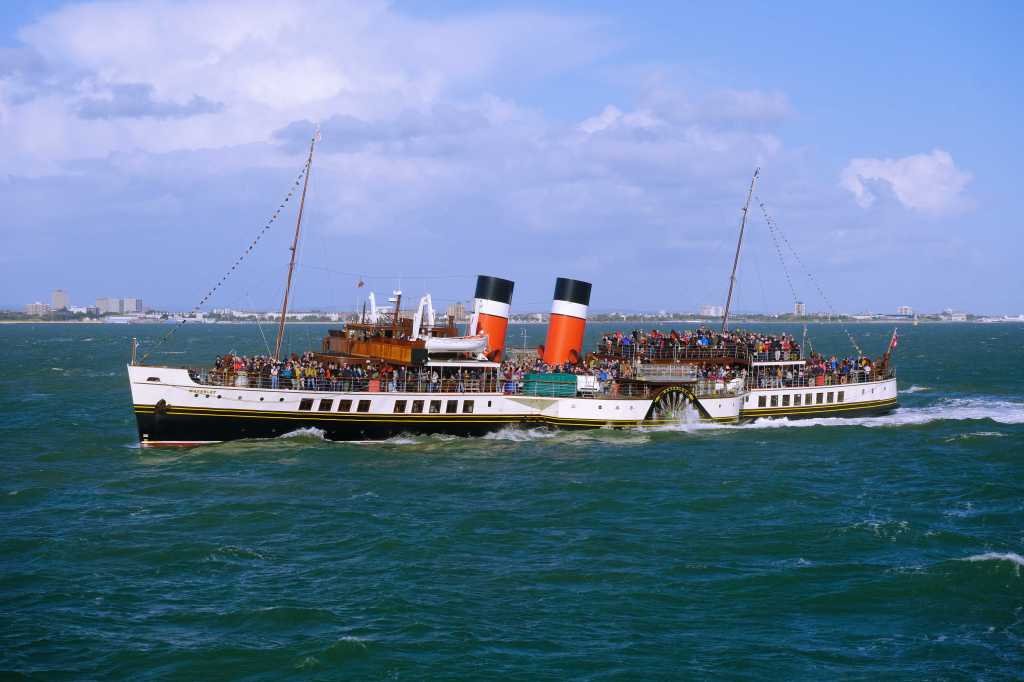
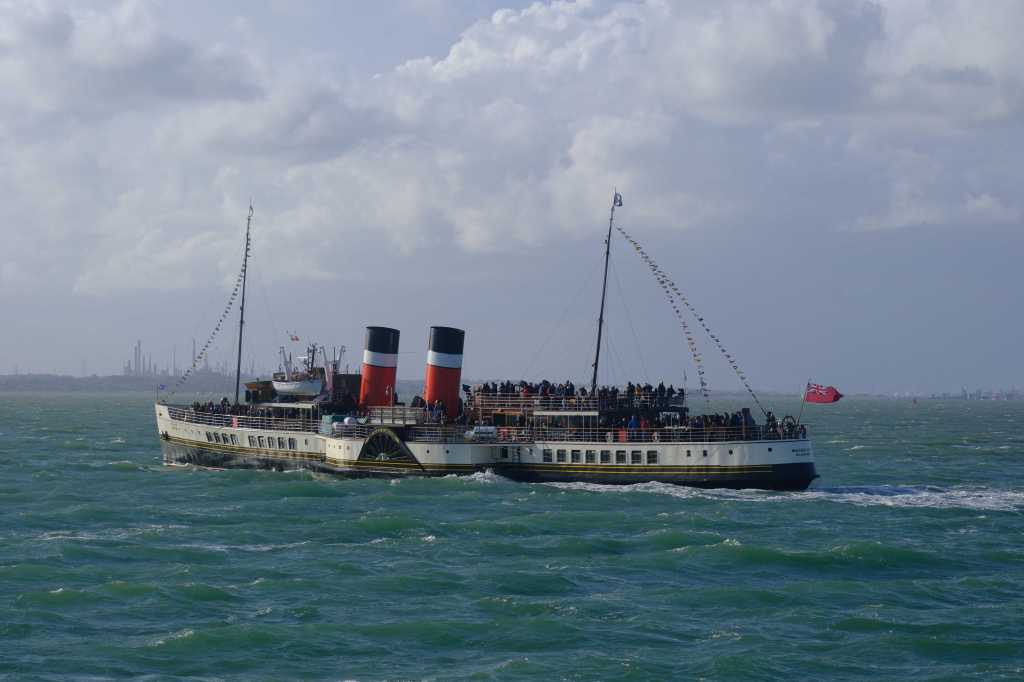
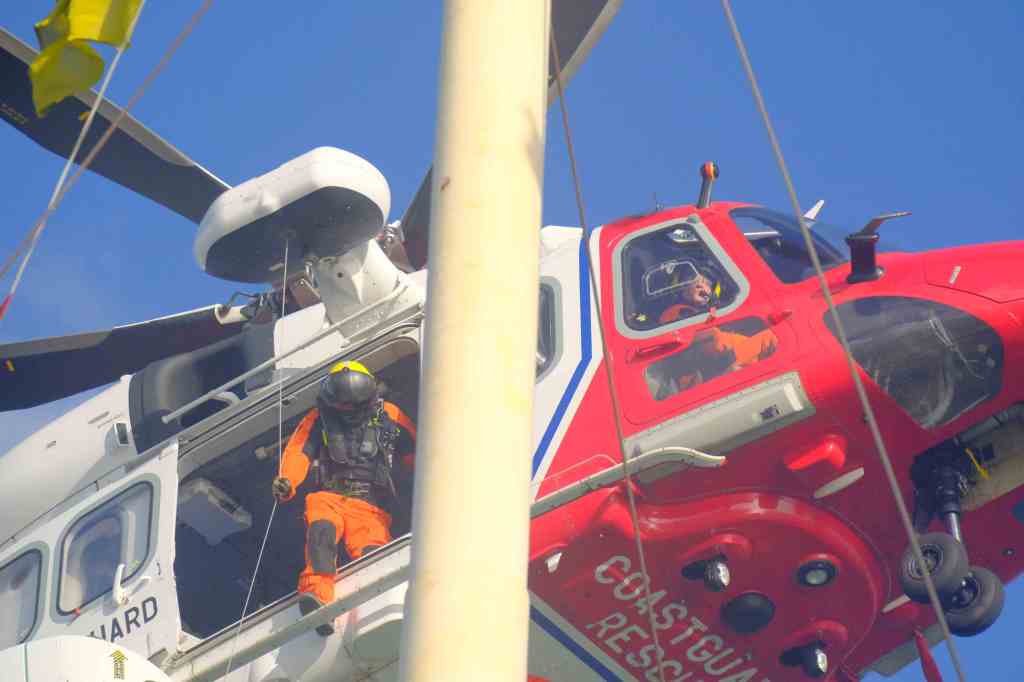
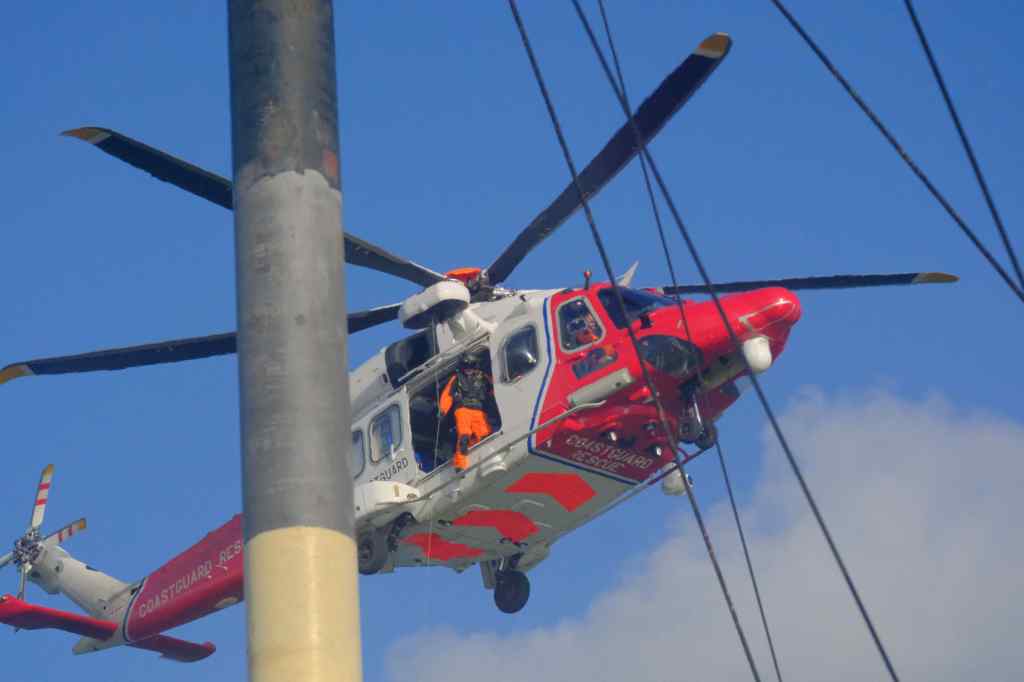
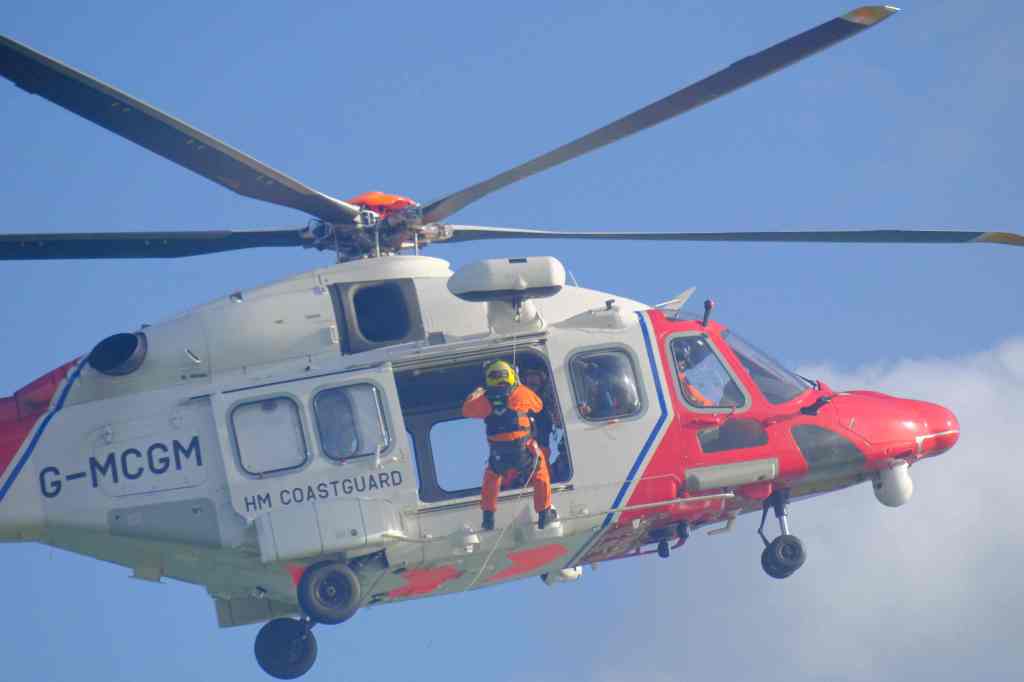
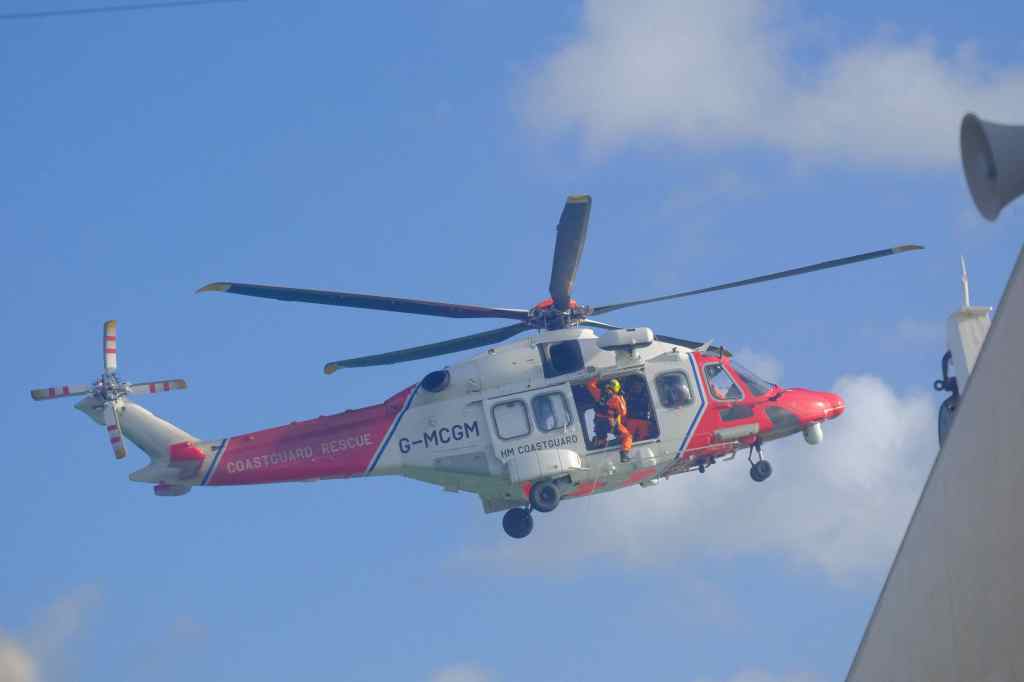
Part 3: A Visit from the Coastguard.
The Team on the Shieldhall have a good rapport with Solent Coastguard and undertakes exercises with them. We were lucky to have an exercise with the Solent Coastguard helicopter. The unit, currently operates two Leonardo AW189 helicopters and is staffed and maintained by Bristow Helicopters Ltd under contract with the Maritime and Coastguard Agency. These aircraft are available 24/7 to respond to coastal and maritime emergencies, often working with lifeboat crews and other emergency services. They operate from their base at Lee on Solent.
You must respect both the skill of the aircrew in putting a winchman on the deck of a moving ship with all the wires and superstructure.
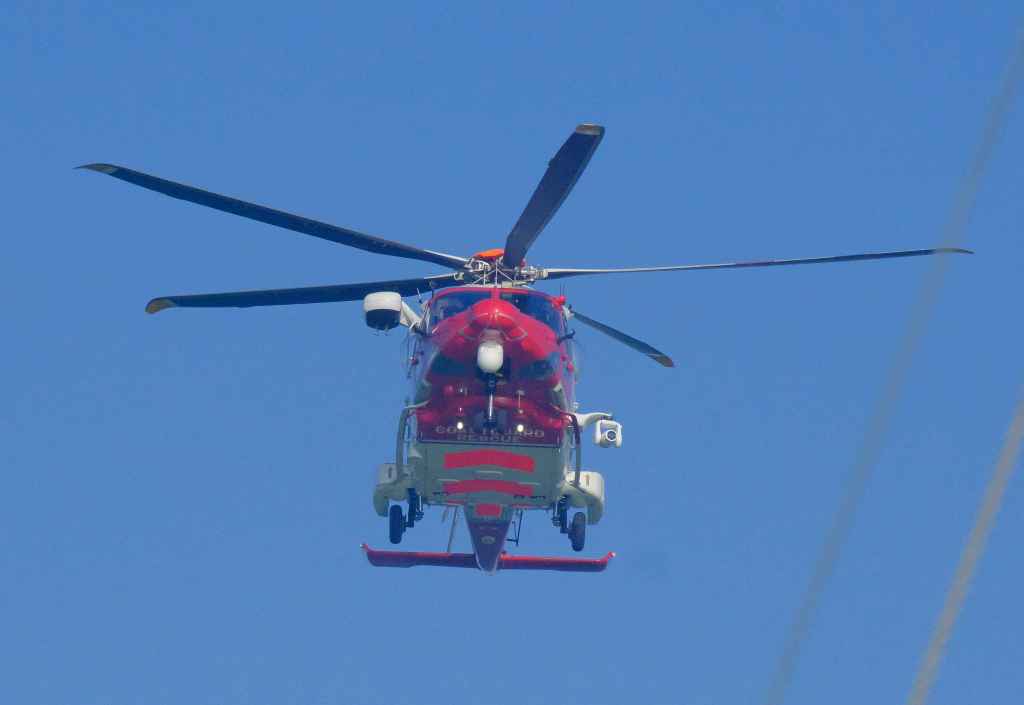


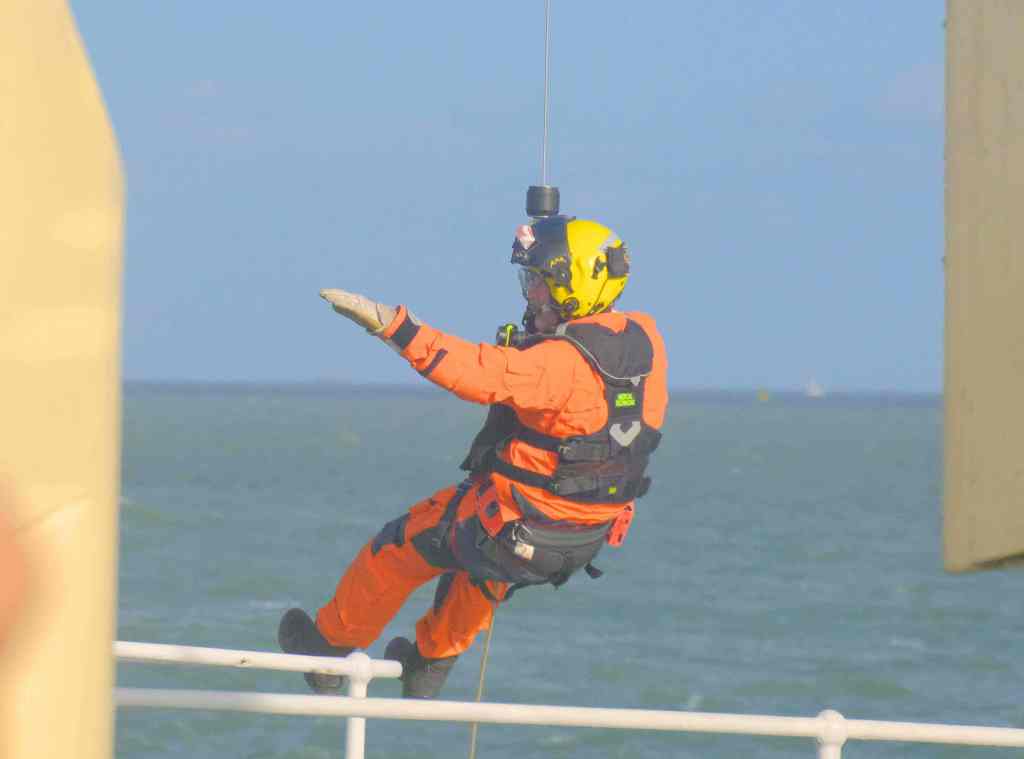
Part 4: Return to port.
After a great trip, once the helicopter departed, we sailed back to Southampton. In the last hour of the trip, the weather broke, and heavy rain came in. We arrived in port at approximately 1900 hours.

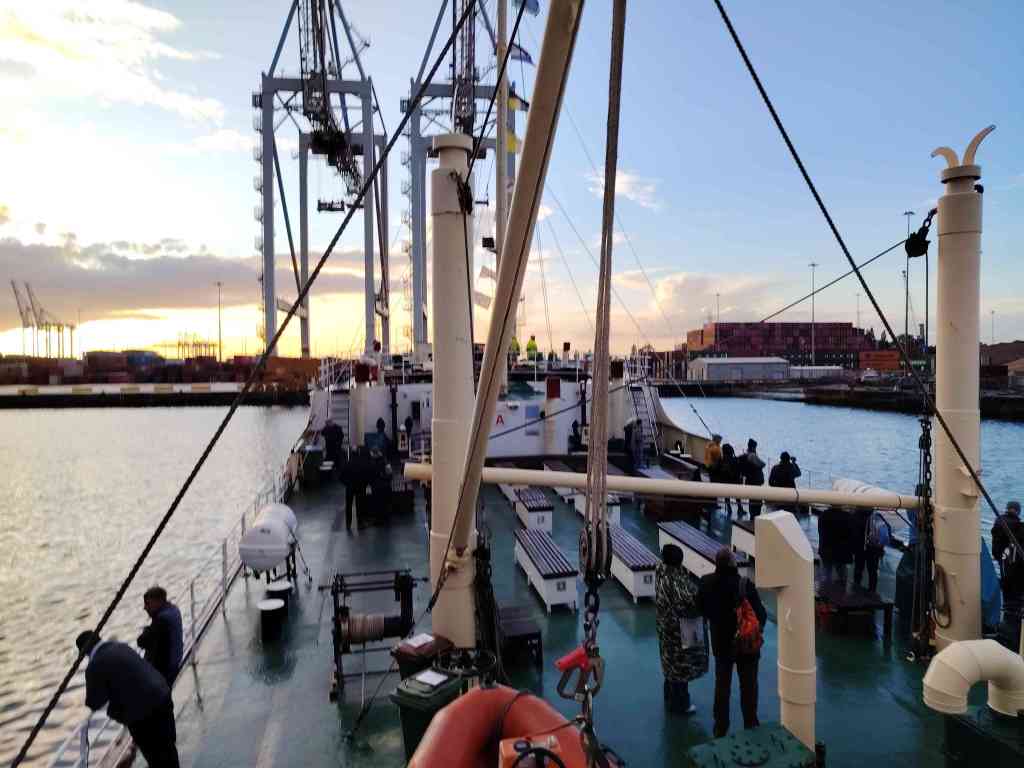
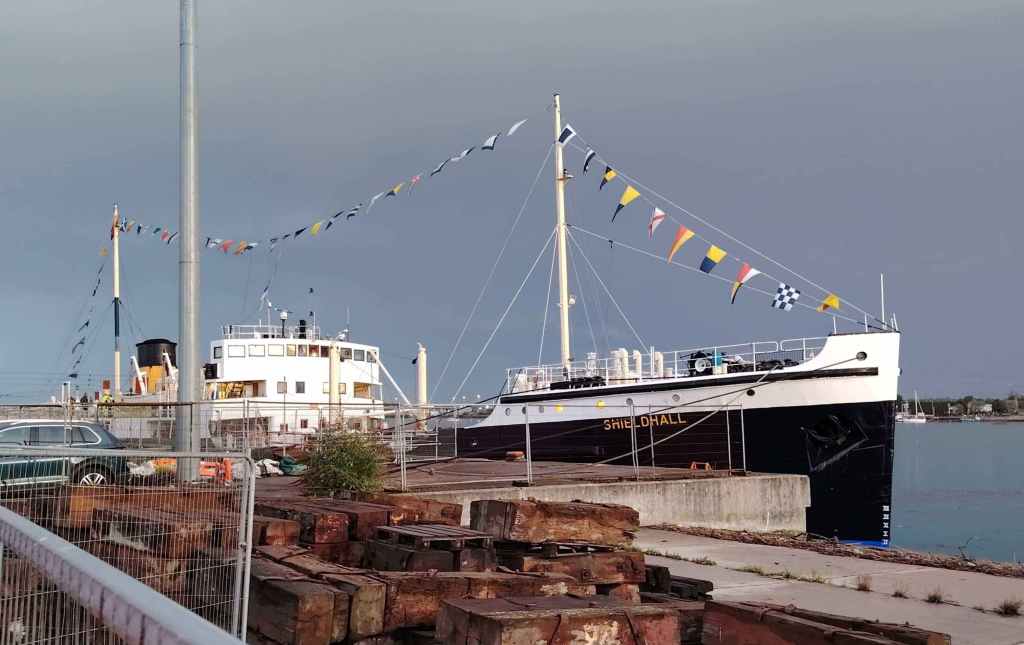
On Wednesday, our walk was a circular route of approximately 7 miles, starting from our campsite at Acton Fields, and then heading down to the coast at Dancing Ledge, along the coast to Winspit. The coast in Purbeck is dotted with quarries and caves, a legacy of the stone-cutting industry. Then back inland “uphill” to Worth Matraver and along the Priests Way back to the van.
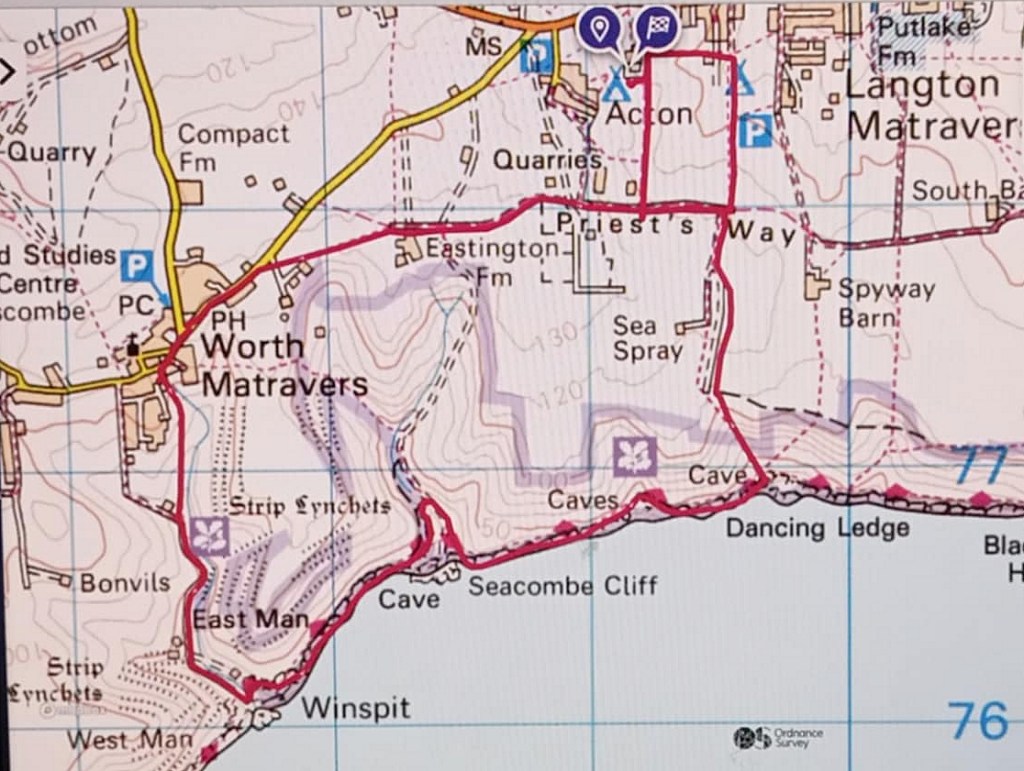


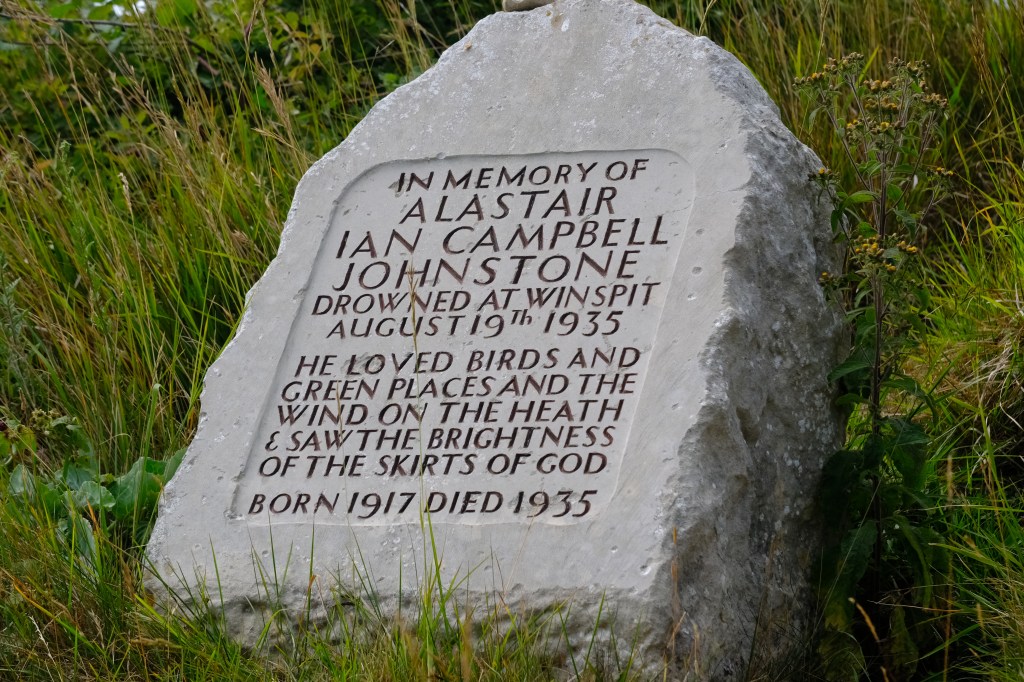
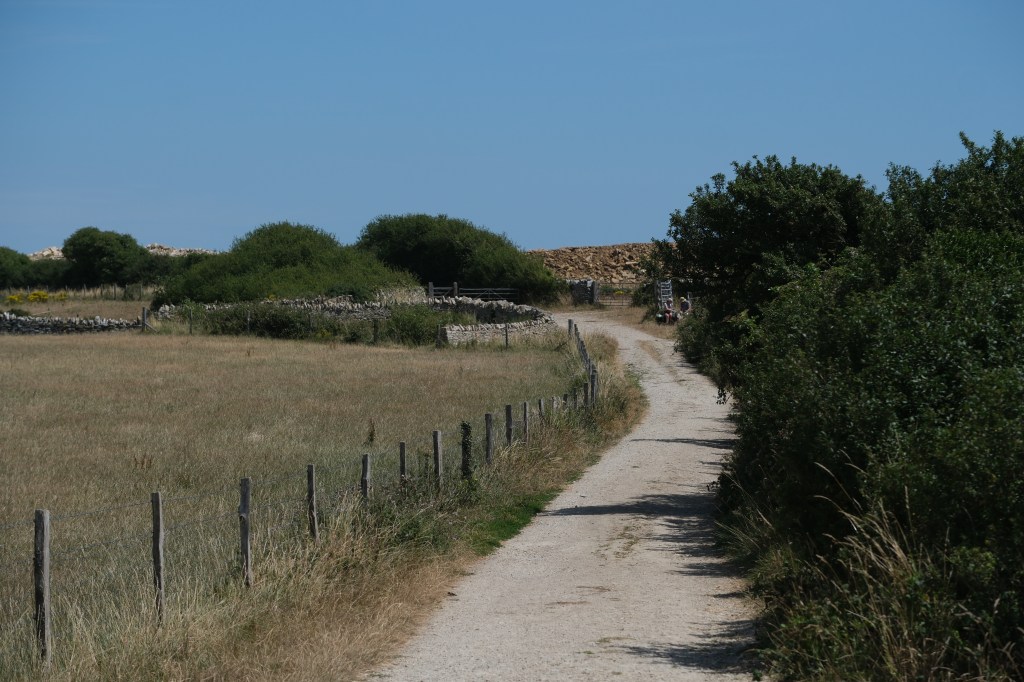
A couple of nights camping in the van at Acton fields campsite near Swanage Dorset. A chance to explore the coastal path near Worth Matraves about a miles walk from the campsite. The last time I was at Acton fields I broke my shoulder when I fell at Kimmeridge Bay!
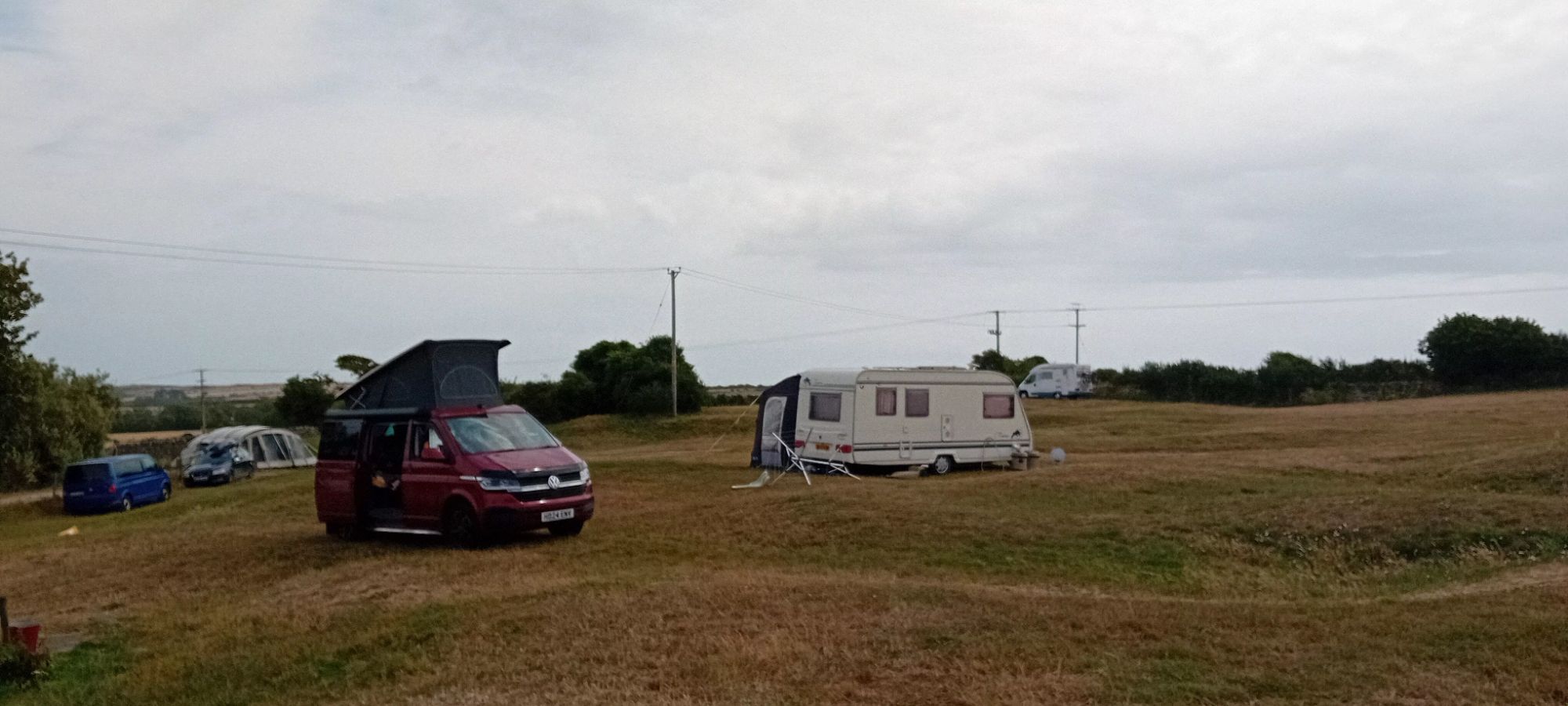
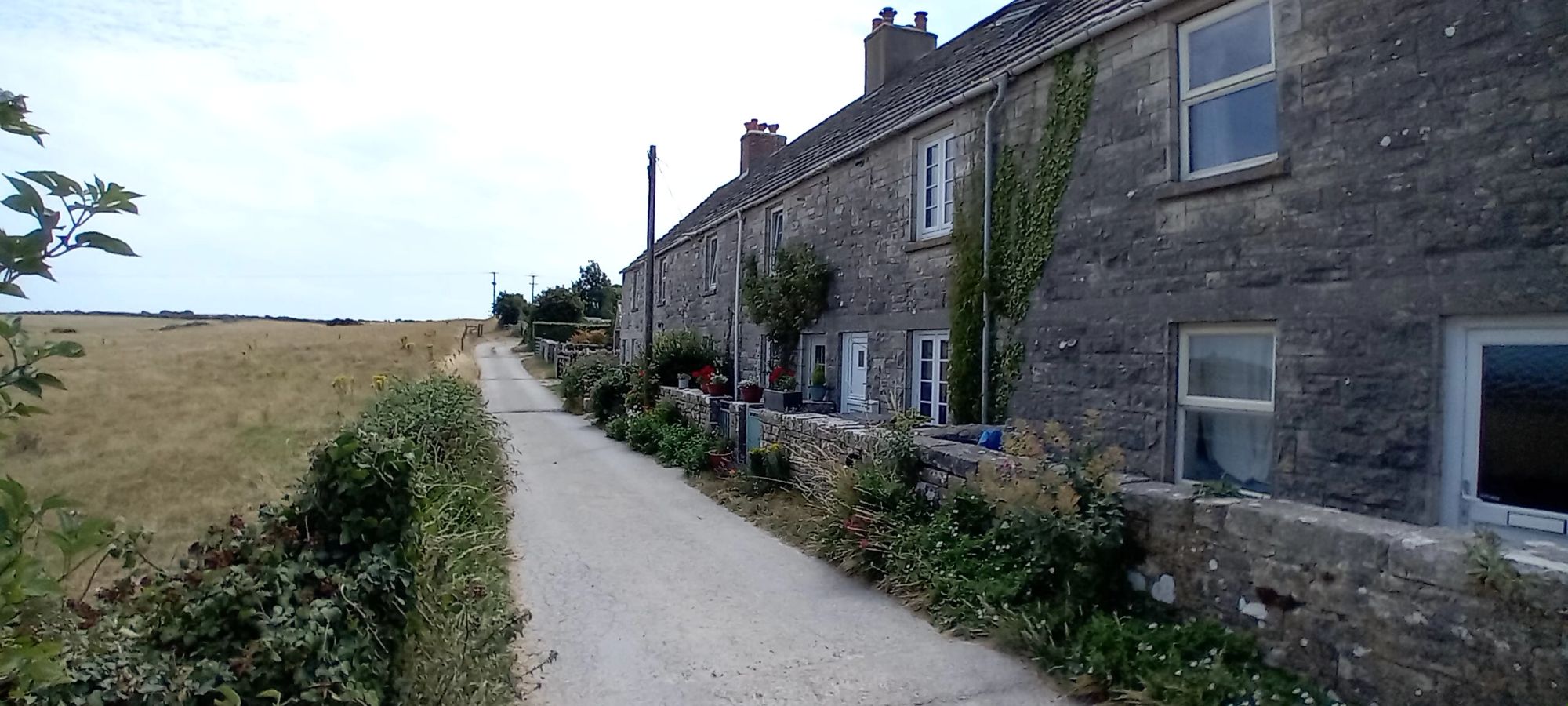
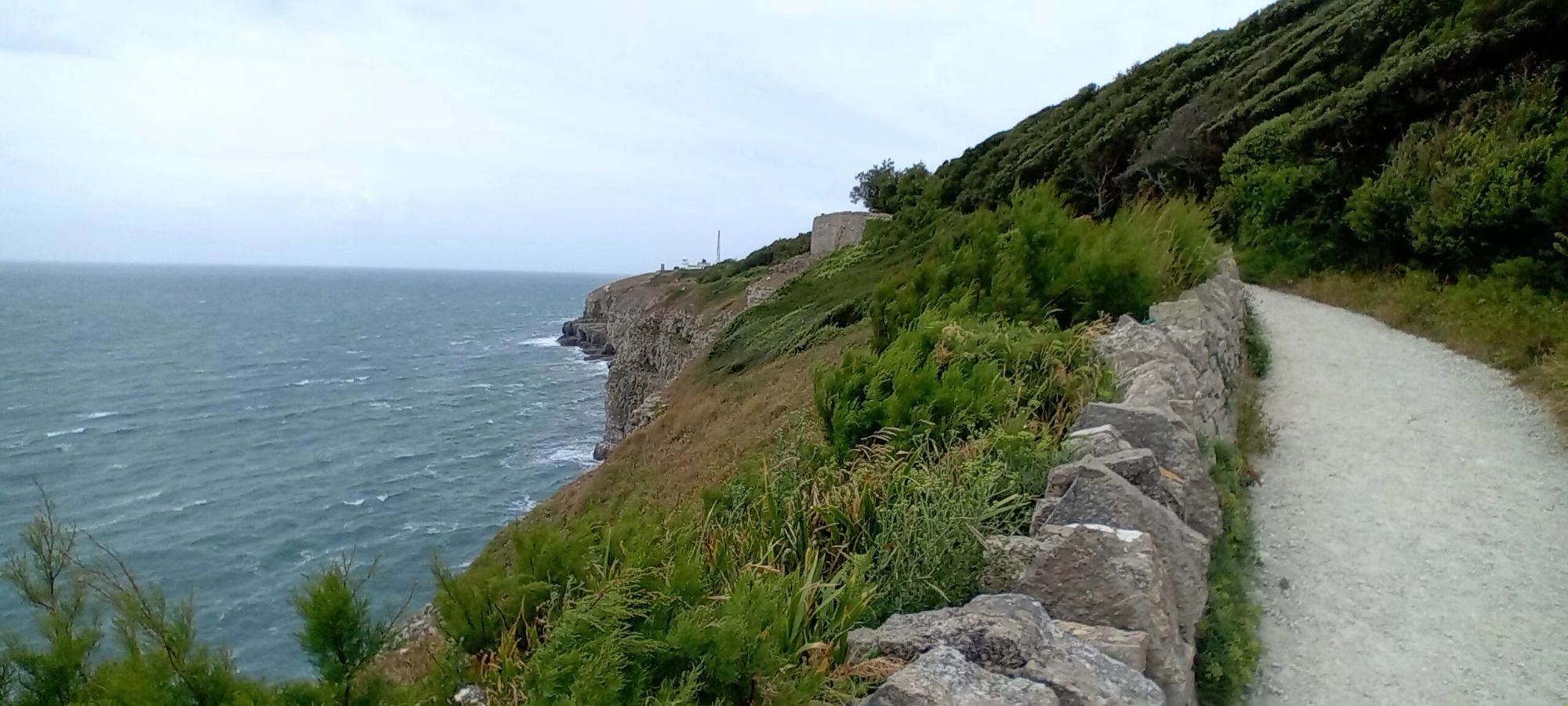


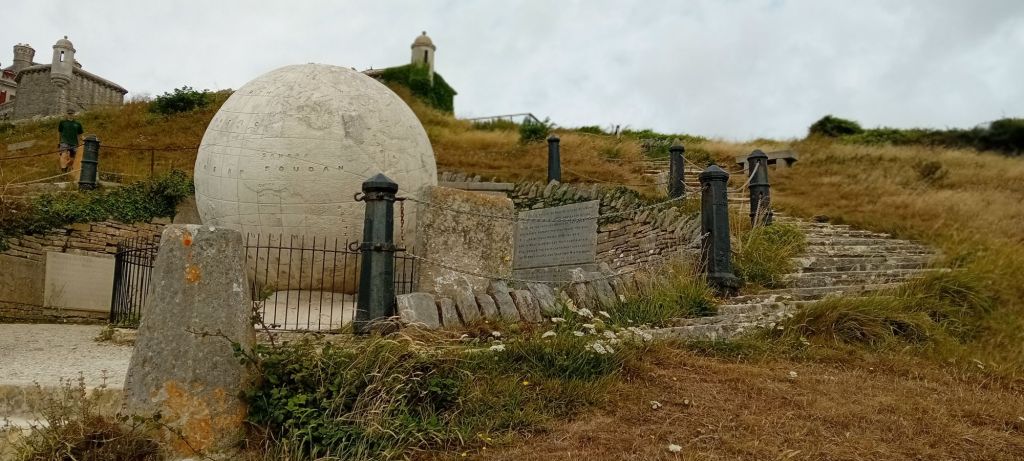

(Posted via smartphone).
An open day visit to Twyford Waterworks near Winchester was worth a visit this morning. I had not visited the works since the pandemic, so it was nice to go there again.
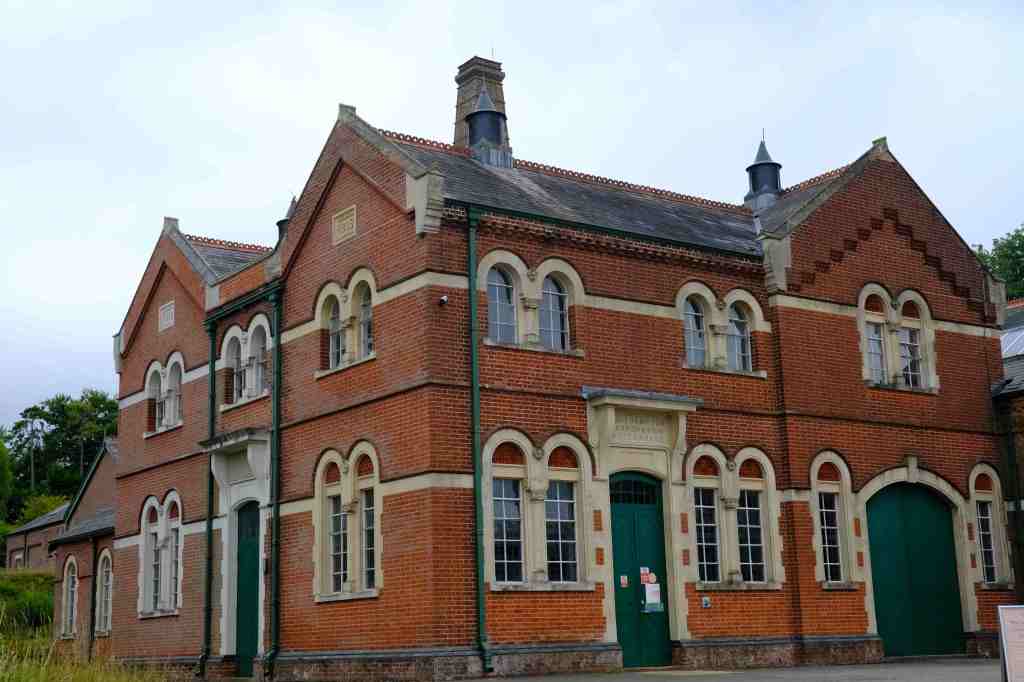

The Chalk bedrock under the site acts as a giant sponge, storing rainwater. Wells are sunk into these aquifers, and water is pumped into the underground reservoirs. The site remains in the ownership of Southern Water, and their modern pumps under the site still takes 15 megalitres of water per day, which is put into the public supply. The old part of the site is a Scheduled Ancient Monument and is run by a trust.
The original wells were sunk in 1898, with the steam pumps installed in 1900.
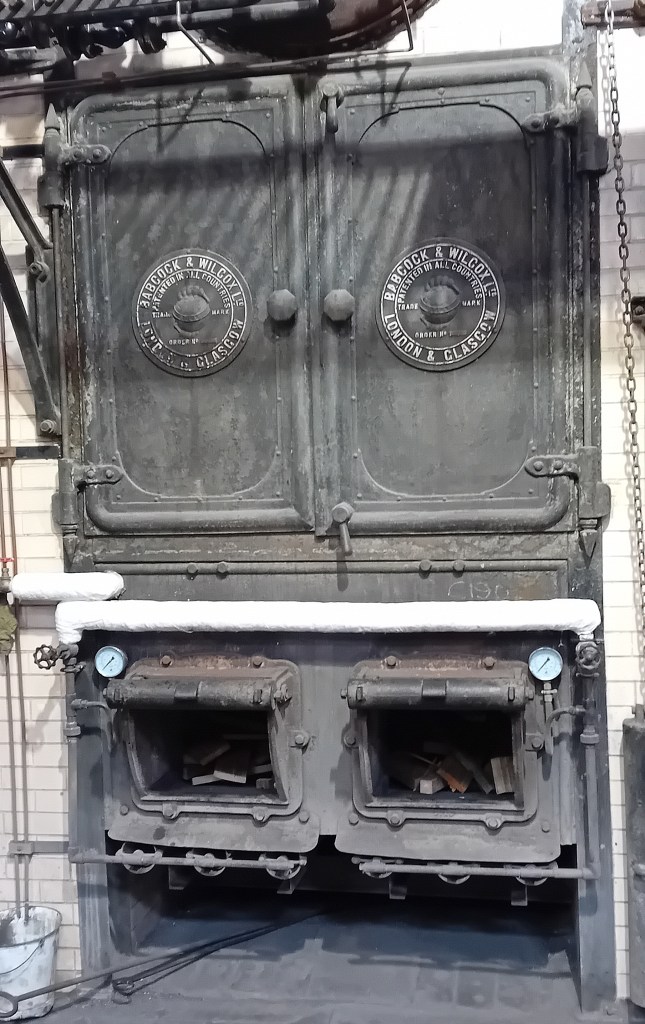
One of the 3 Badcock and Wilcox boilers for the steam engines.

Later 1930s Diesel pumping engine. (One of 3).
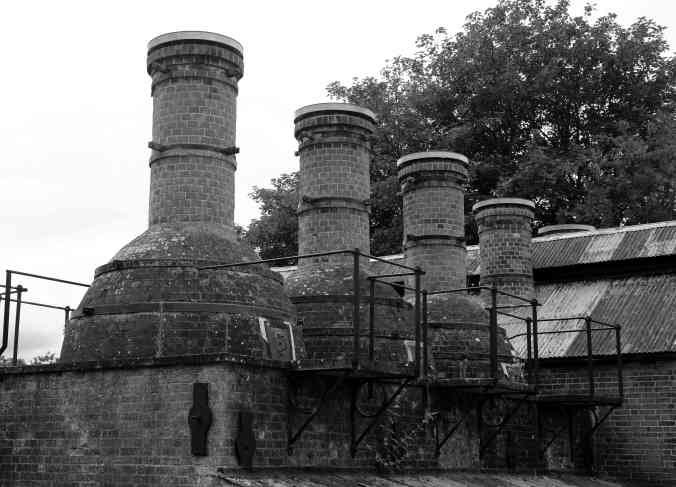
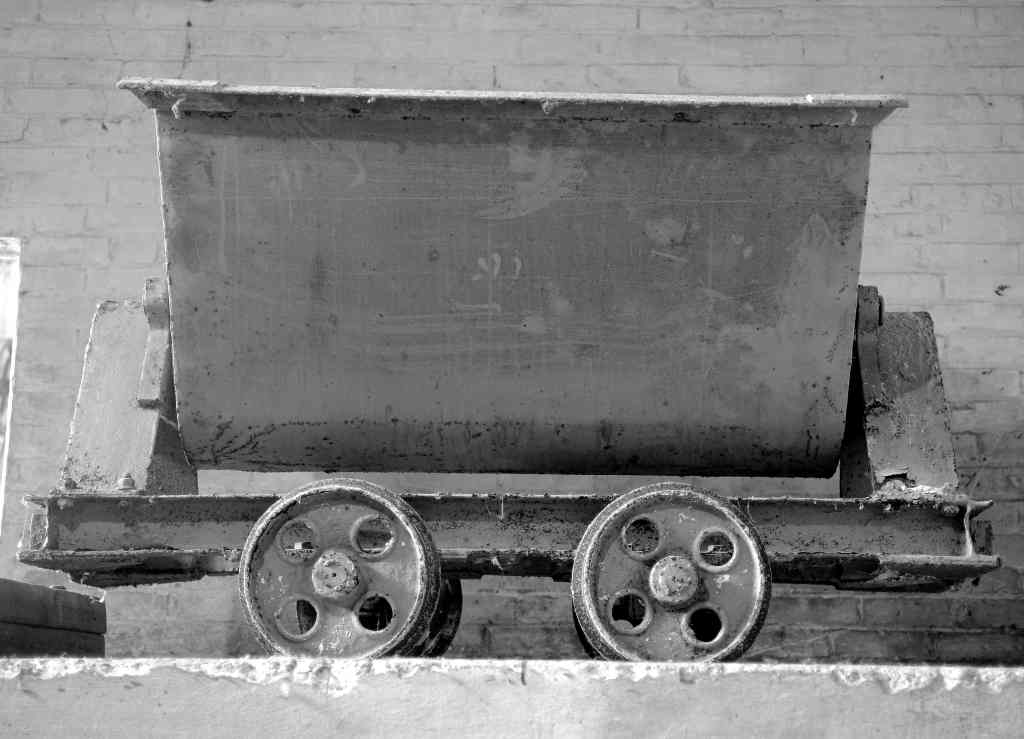
As part of the process, the water was softened, and the site had its own lime kilns. Three extra kilns were added in the 1930s to the original two. Chalk was moved to them from a quarry on a small railway.
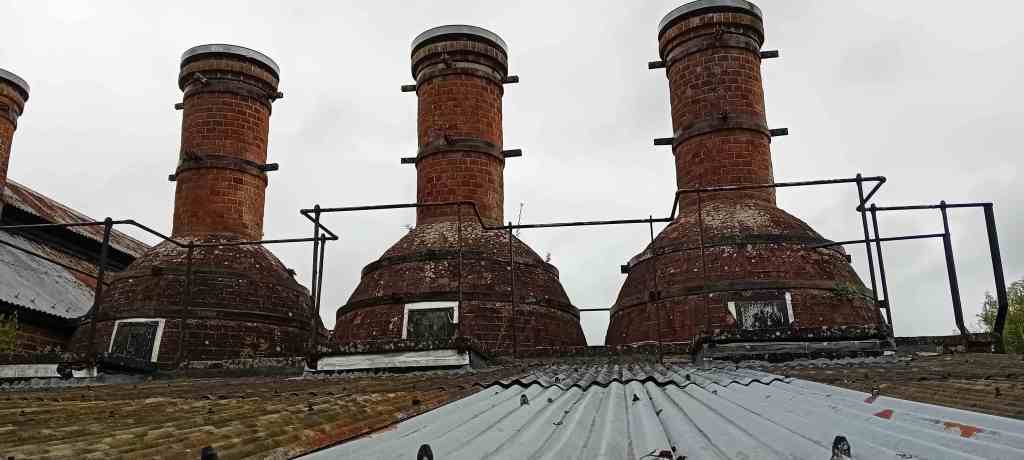
The Kilns are known as “flare ” kilns.

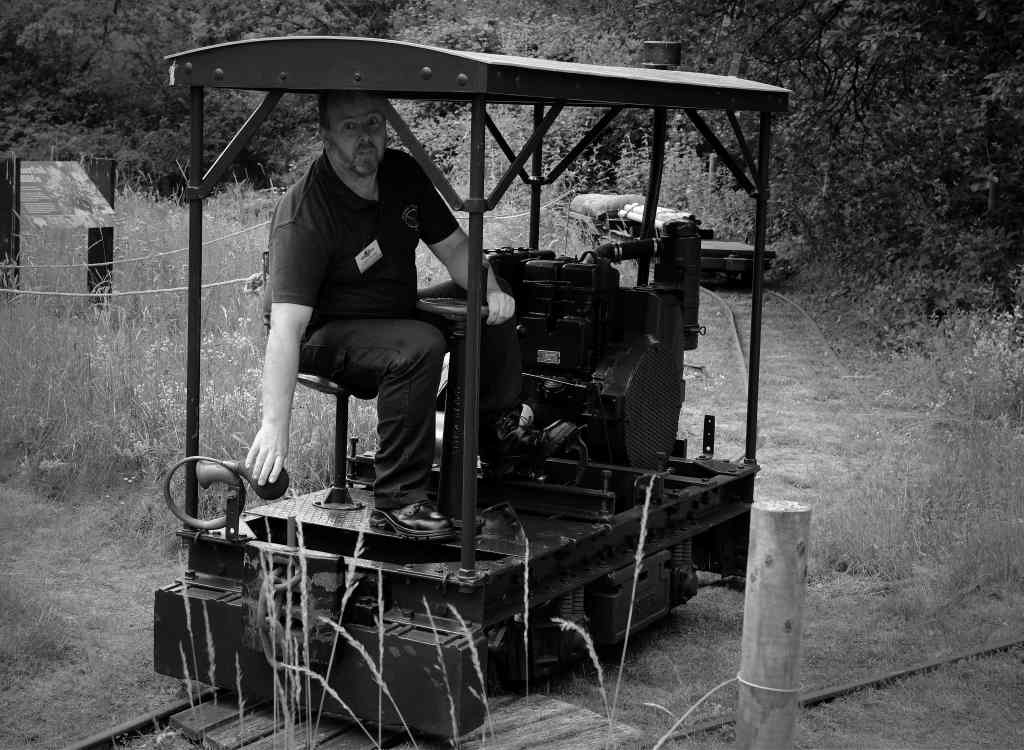
Lister locomotive railway engine



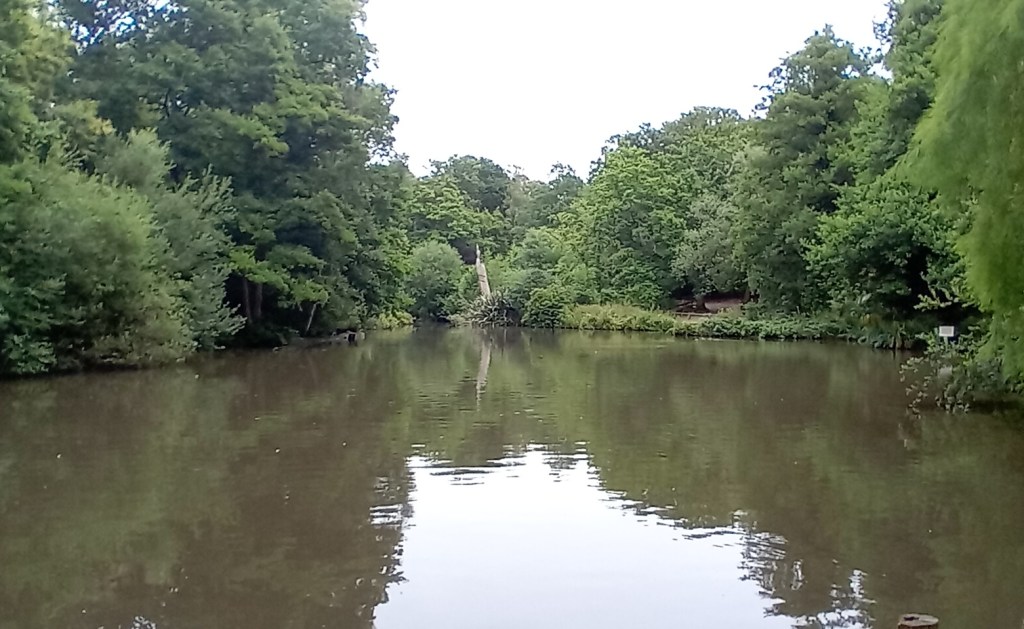
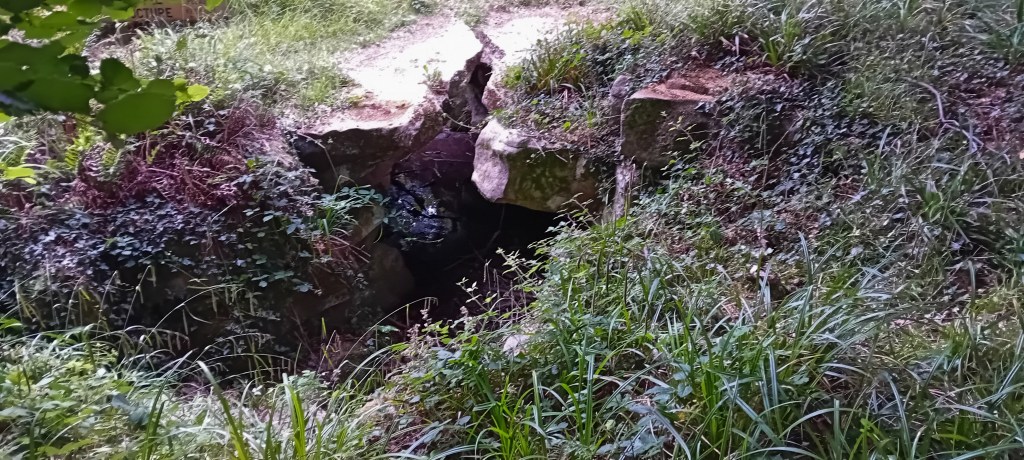
Holly Hill Park is situated on the eastern banks of the River Hamble, north of Warsash. The land is now owned by the council but was once the gardens of a long-lost mansion. As part of this, the mansion the grounds were landscaped, the stream was dammed to form a large lake and further damming was done to create a series of terraced lakes within the valley, rocky outcrops, cascades, and a grotto were made by Pulham Company. They made artificial rocky outcrops with their ‘Pulhamite’ mixture of Portland stone and cement poured over rubble, and individually moulded into shape. {date around 1870} A sunken garden was added in 1936 on the site of a large glasshouse. The building suffered from neglect and was eventually demolished. Fareham Borough Council purchased Holly Hill in 1954.
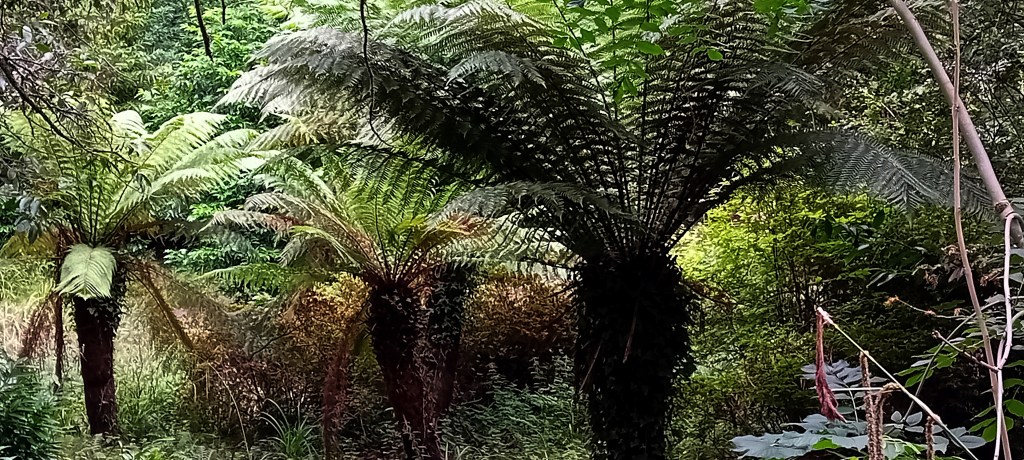



Wordless Wednesday.





 Continued Reflections from my World.