I’ve been away since last week, touring in West Wales. Poor or no wifi, so no posts. It rains a lot in Wales! Some good coastal nature spotting to follow. Posted from a smartphone.
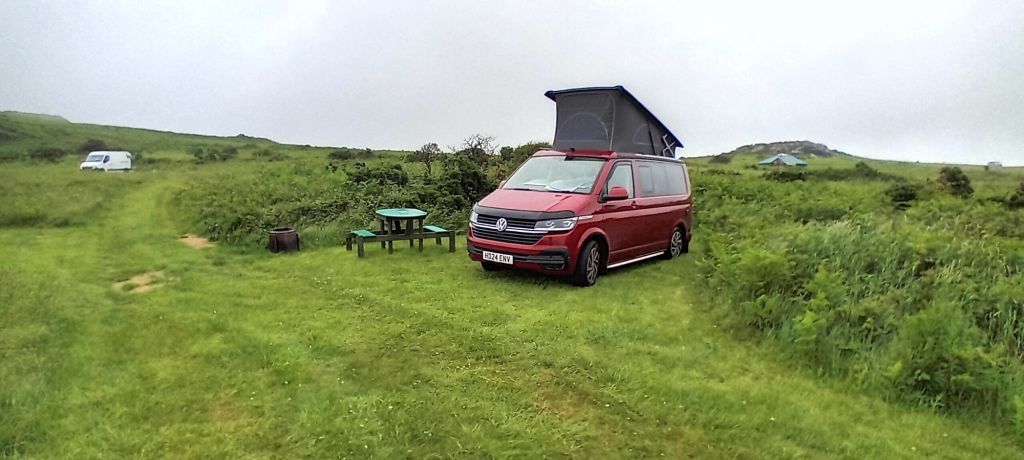
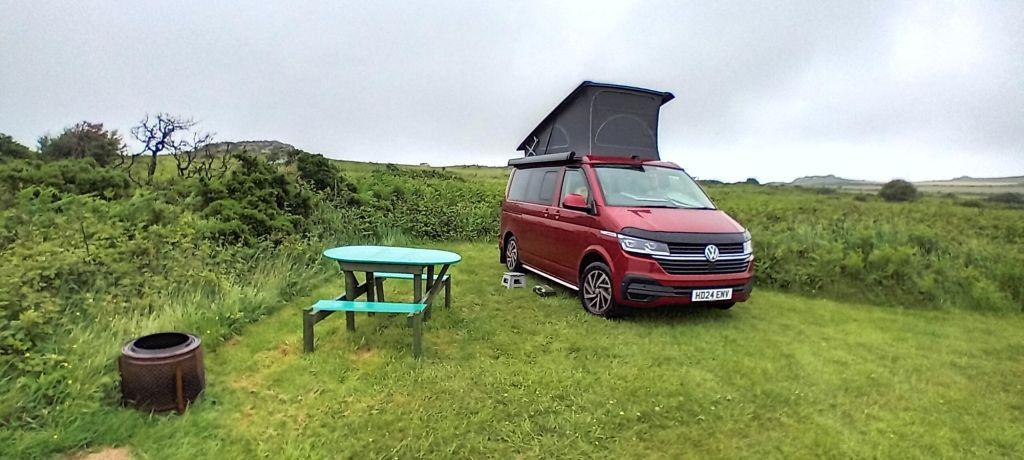
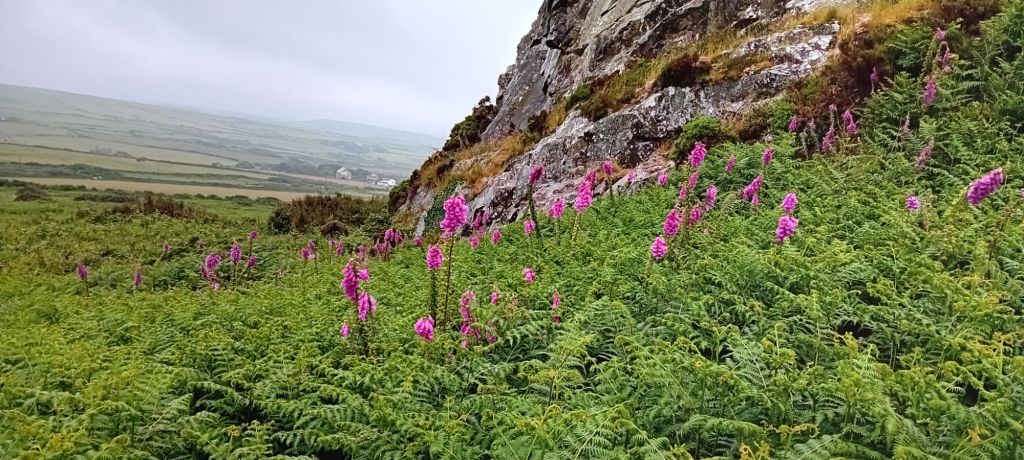

I’ve been away since last week, touring in West Wales. Poor or no wifi, so no posts. It rains a lot in Wales! Some good coastal nature spotting to follow. Posted from a smartphone.
Today we had an exciting fast boat trip from Portsmouth Historic Dockyard. On High Speed Launch 102.
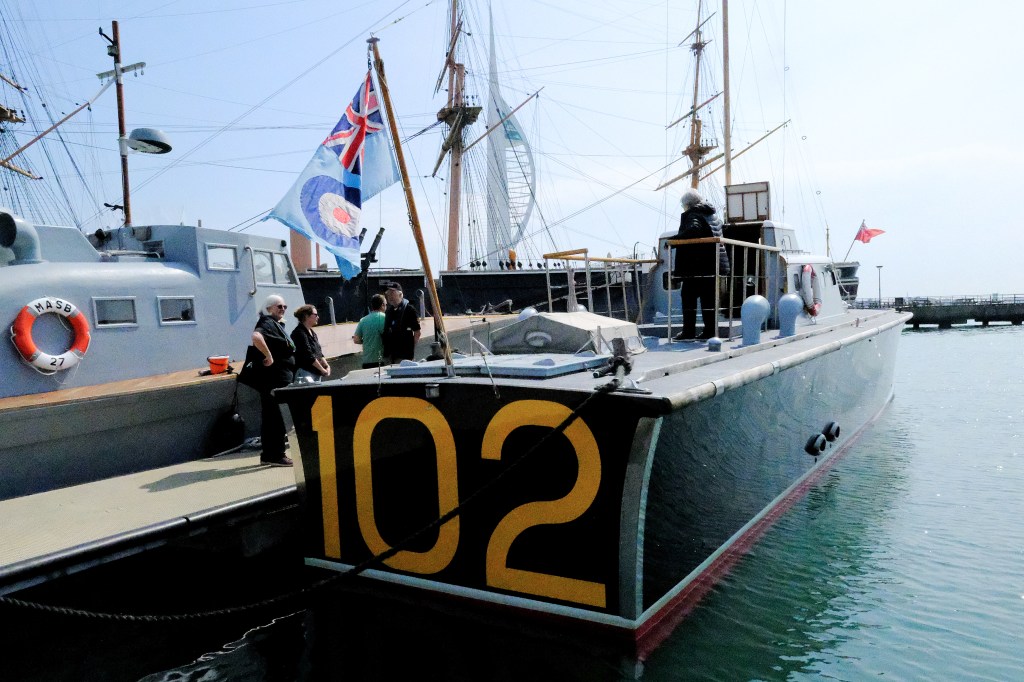
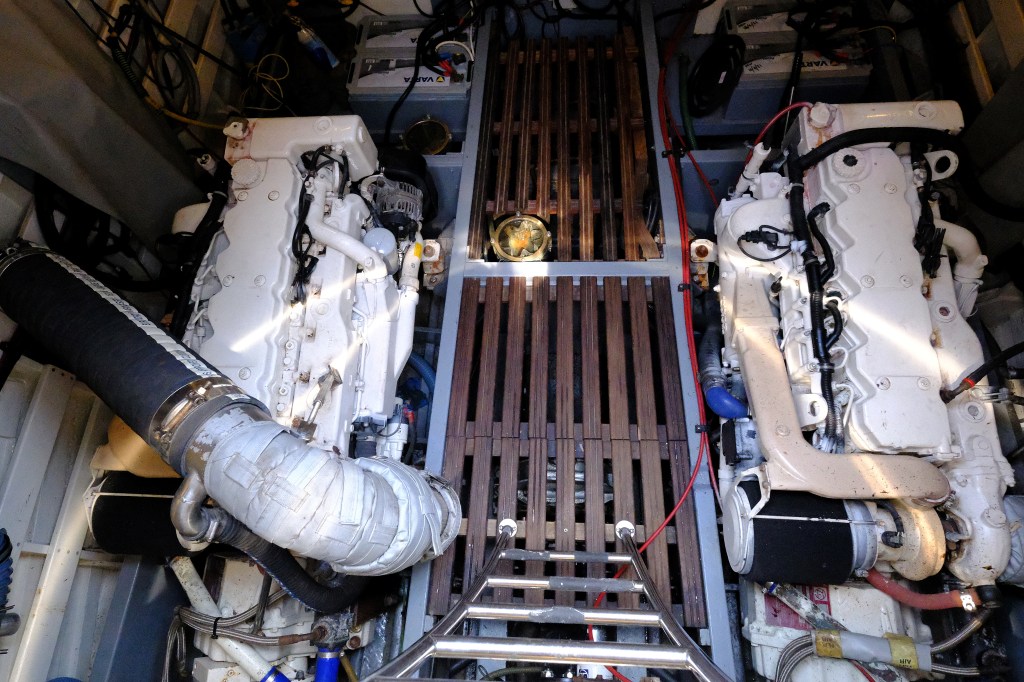
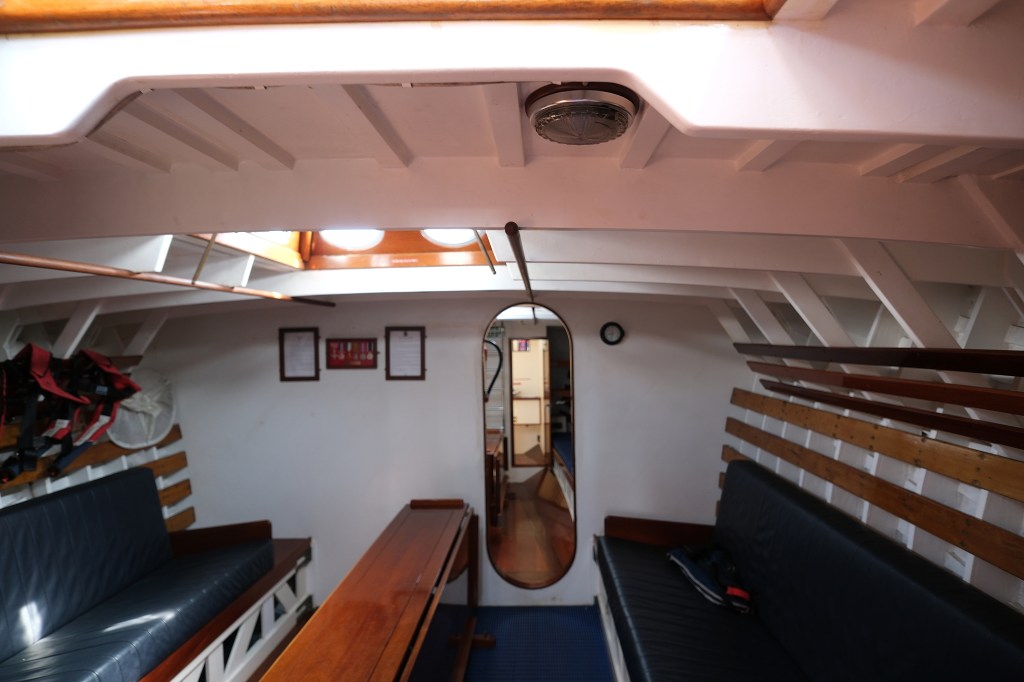
A calm sea and sunny weather added to the experience.
102 is the only survivor of the 100 class in the UK. She was launched in 1936. She was one of the first, fast offshore rescue boats in service with the Royal Air Force. She was one of the most technologically advanced production craft of the day, She saw active service in WW2. Off Calshot, she was damaged by a Messerschmitt 109 which also killed her radio operator. 1943, she transferred to the Royal Navy for target towing. She was sold off off in 1946. She became a houseboat. She was restored between 1993 and 1996 at Fawley. Now she is in Portsmouth Historic Dockyard.

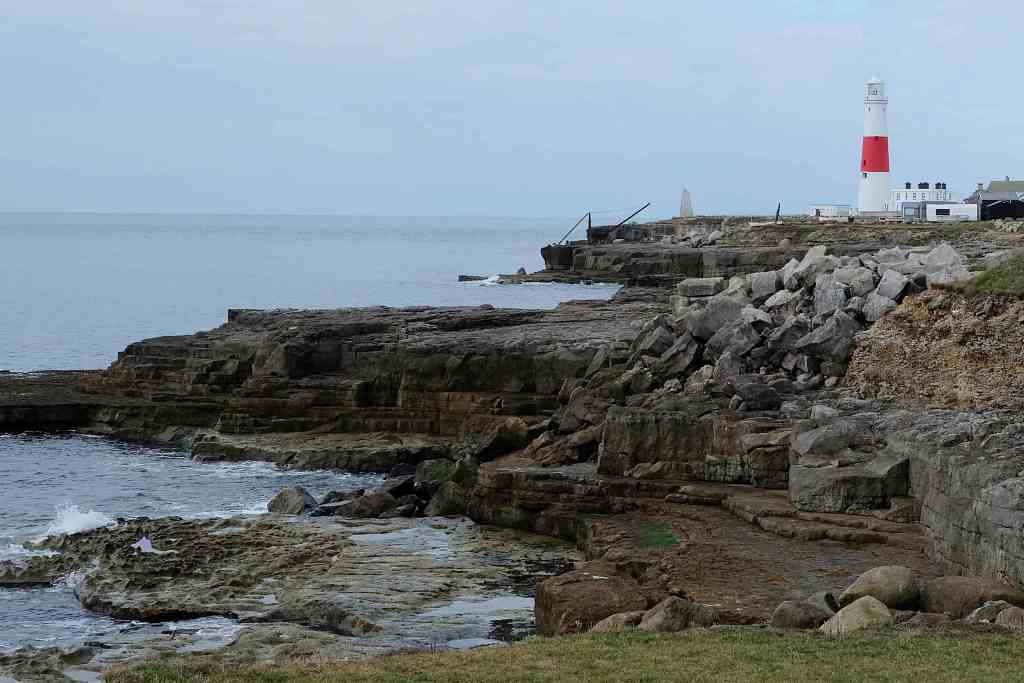
Over time, three lighthouses have been built on Portland Bill headland. The original two short lighthouses were built in 1716. They worked together as a pair, and had coal-fired lights, and were said to be unreliable. They were replaced in 1906 by the current red and white striped one. All three lighthouses are still standing.
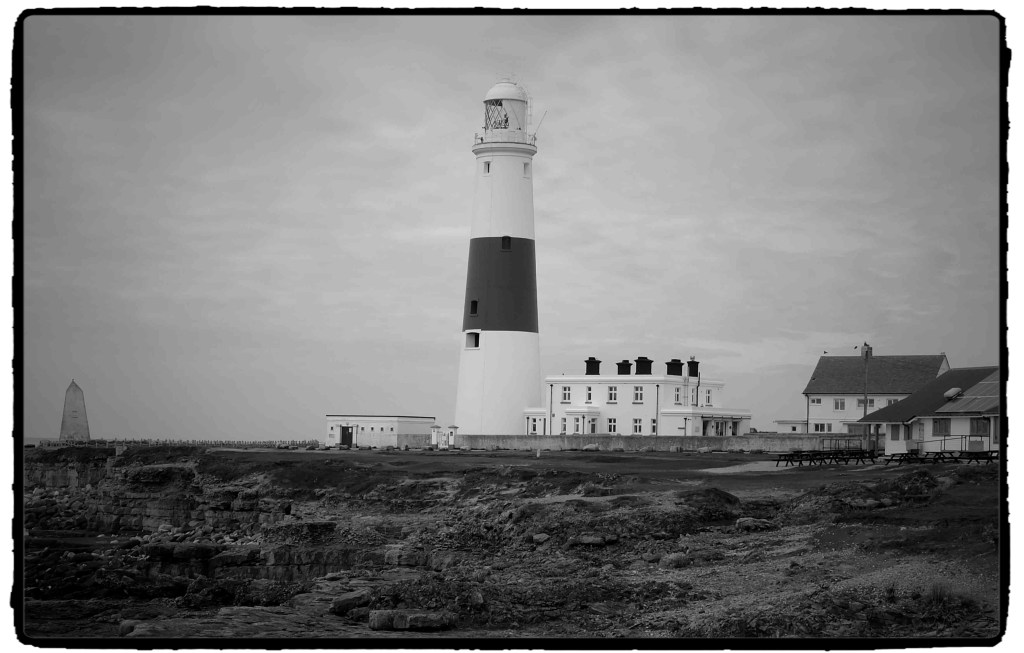
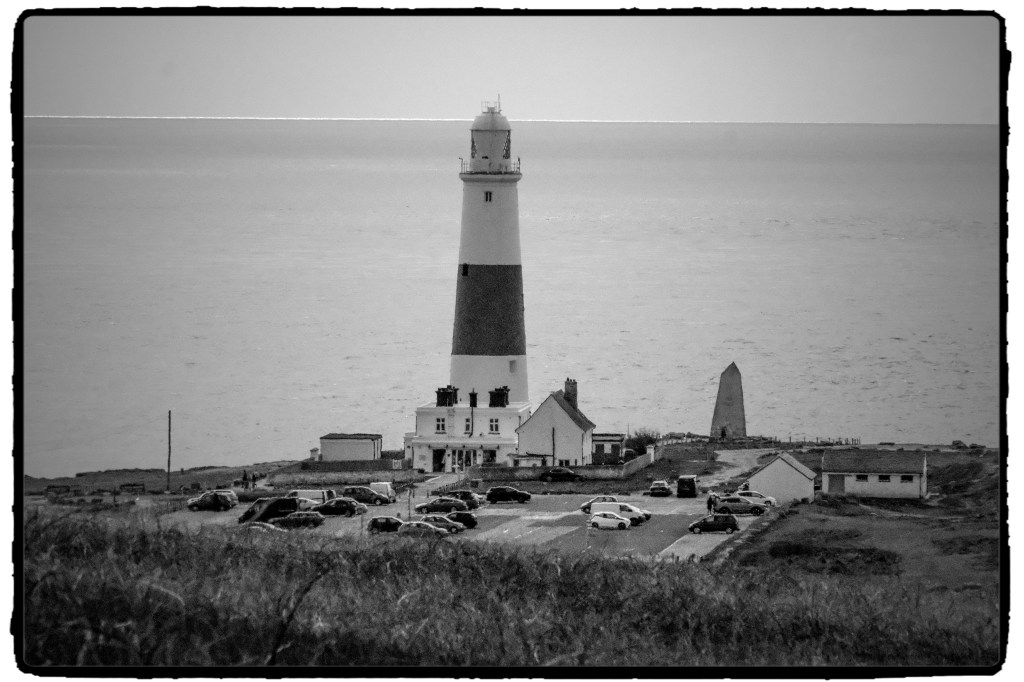

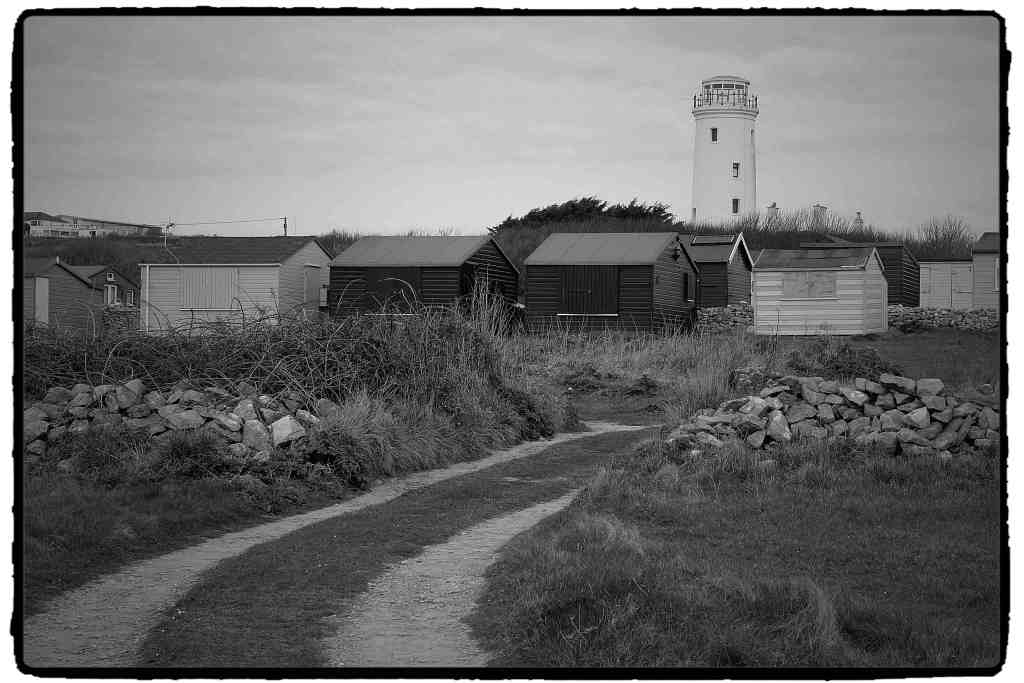
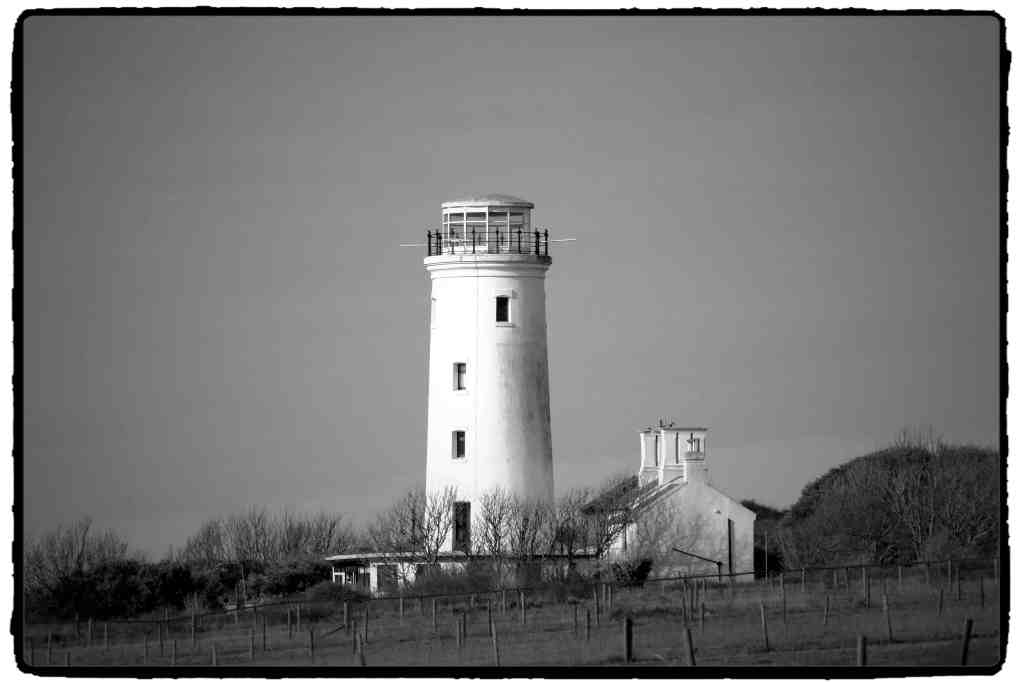
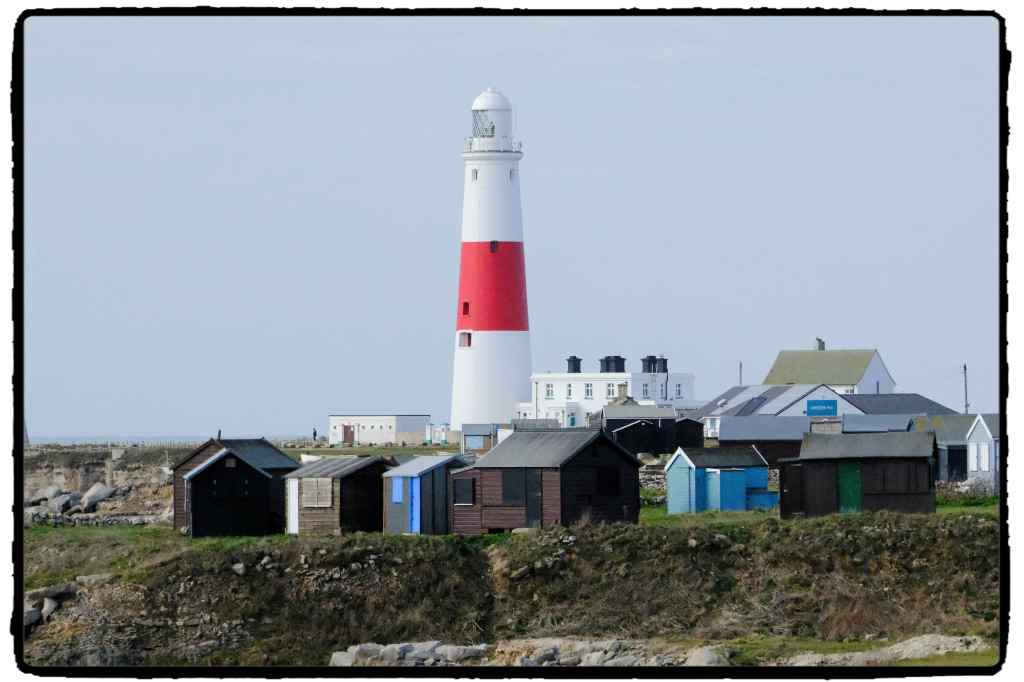
Our 1st Camper Van Trip of 2025 was just a couple of hours’ drive from home. It gave us a return visit to the Dorset Coast around Portland Bill.

Hive Beach is, made up of shingle, surrounded by striking sandstone cliffs. It forms part of the larger Chesil Beach. It is part of the Jurassic Coast World Heritage Site. It is also the largest shingle ridge in the world. Burton Cliff offers one of the finest examples of the distinctive geology of this Bridport Sands area. The cliffs glow bright gold in the sunlight.

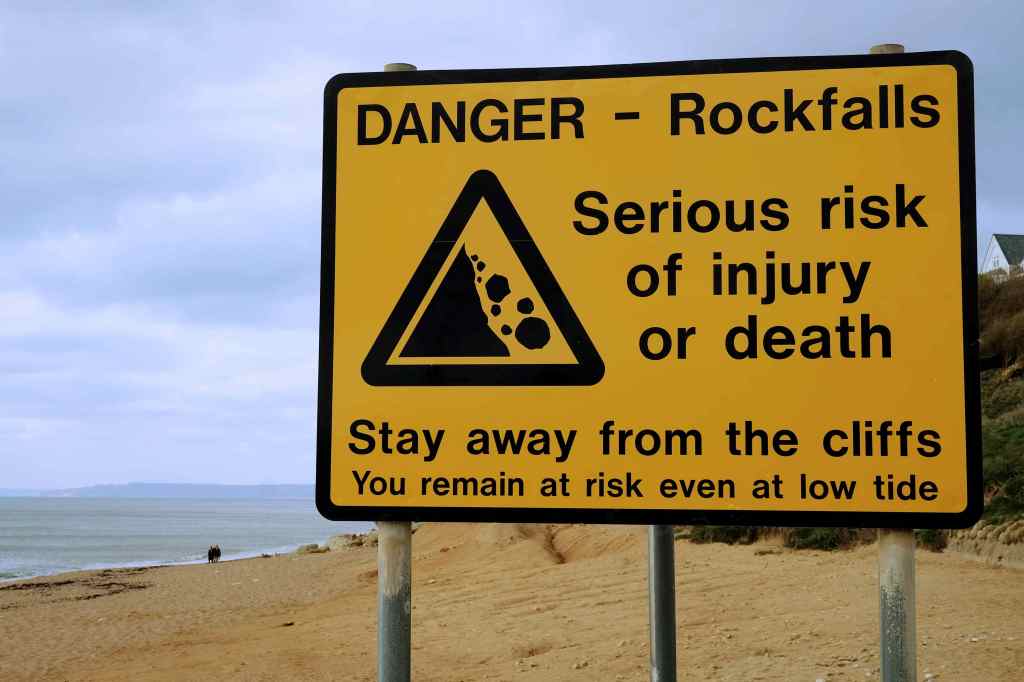


Chesil Bank looking towards the Isle of Portland and Portland Bill.

The Hardy Monument stands on a hill above the village of Portesham. It has uninterrupted views across the Dorset countryside. It was built in 1844 to honor Vice-Admiral Sir Thomas Masterman Hardy. He was the Flag Captain of HMS Victory at the Battle of Trafalgar. Lord Nelson died in his arms, saying the immortal words ‘Kiss me Hardy’.

The Isle of Portland is an island linked to the mainland by the Chesil bank. It is 6 kilometers long and 2.7 kilometers wide. The southern tip is known as Portland Bill. It lies 8 kilometers south of the resort of Weymouth. This location forms the southernmost point of the county of Dorset.
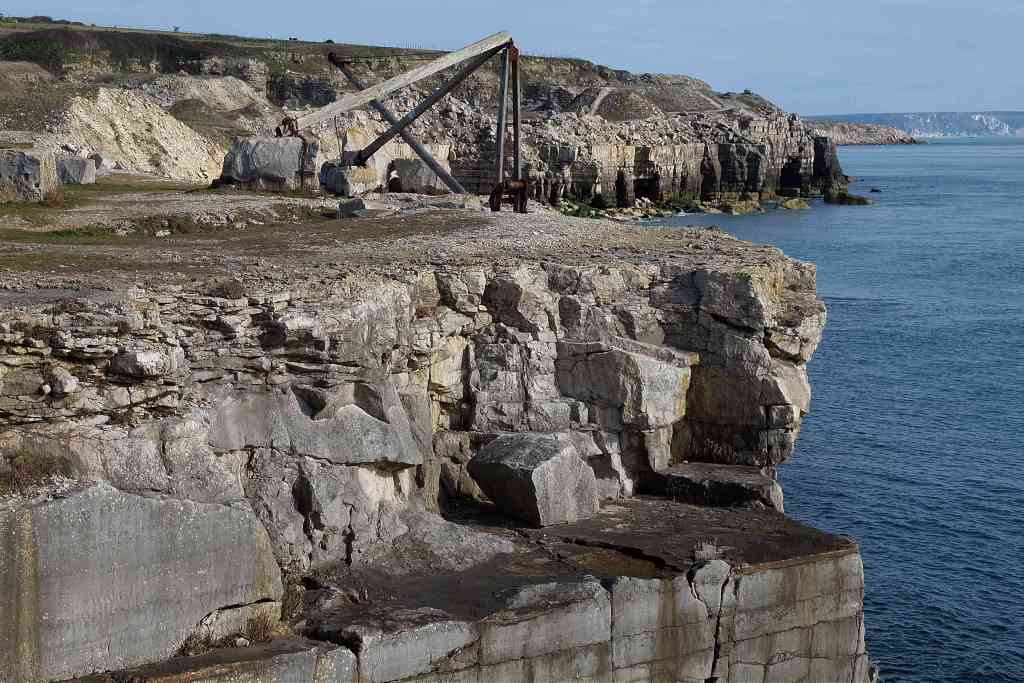
Portland stone is a limestone geological formation. It dates to the Tithonian age of the Late Jurassic period. It is quarried on the Isle of Portland. The quarries are cut in beds of white-grey limestone. It has been used extensively as a building stone throughout the British Isles. It is notably used in major public buildings in London, like St Paul’s Cathedral and Buckingham Palace. Portland stone has been exported to many countries. For example, it is used at the United Nations headquarters in New York City.
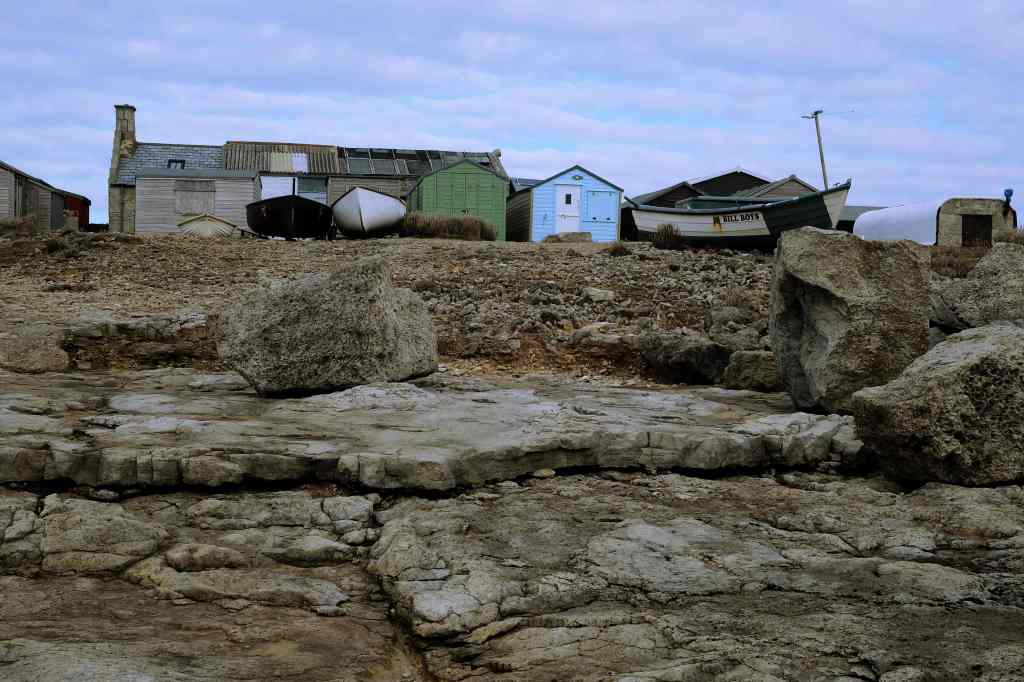
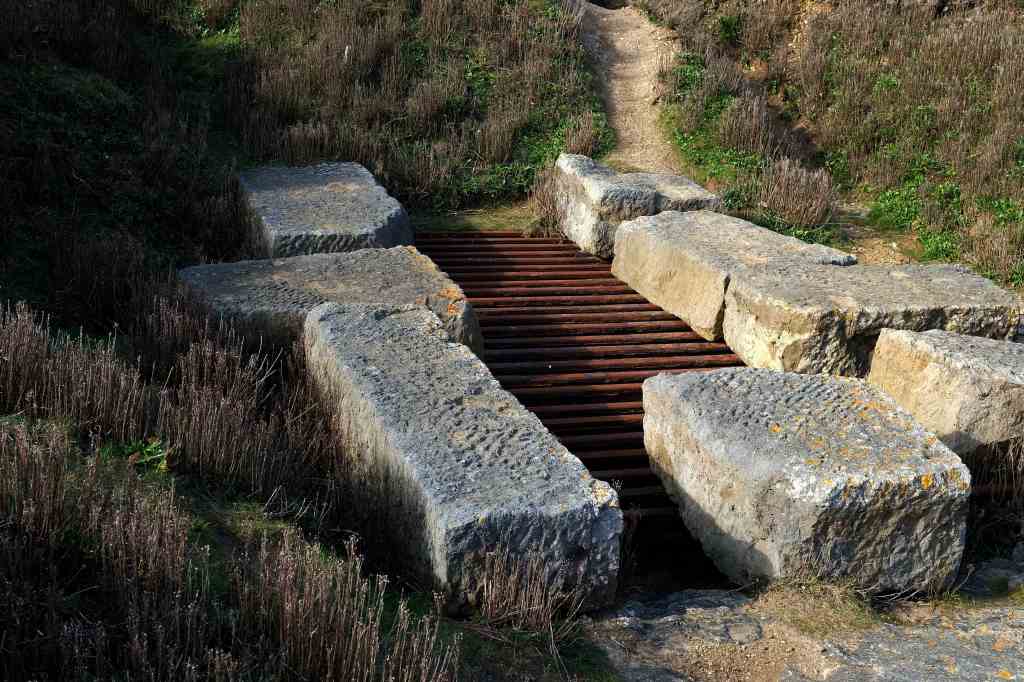
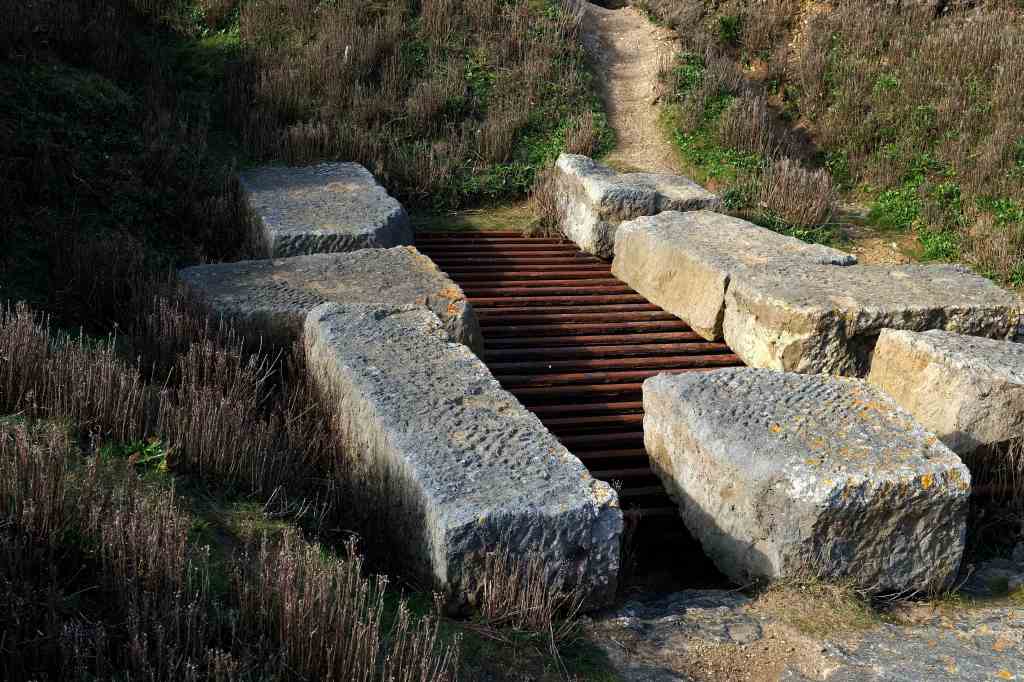
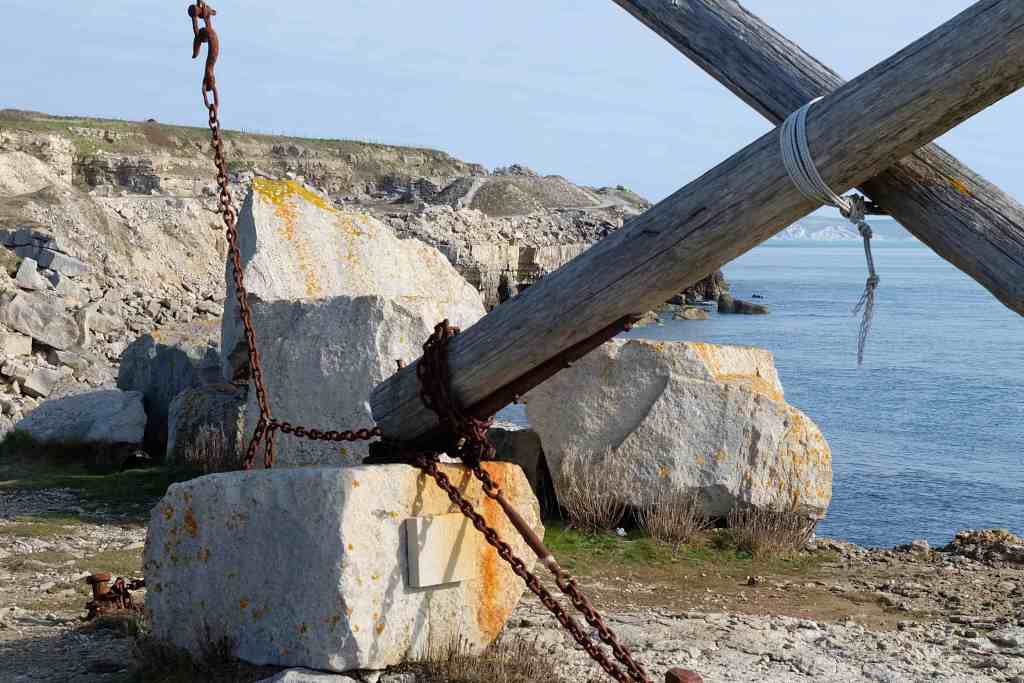
Portland’s quarries are interesting places to explore. They are full of tunnels and gullies. Many tramways and cranes can be found as you walk the area.




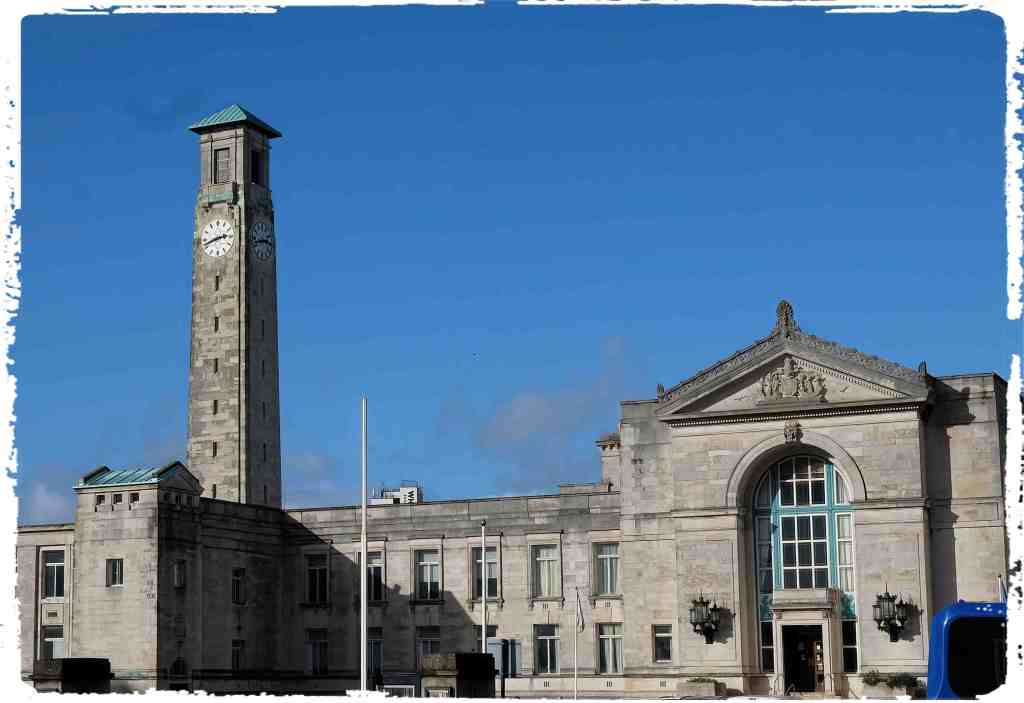
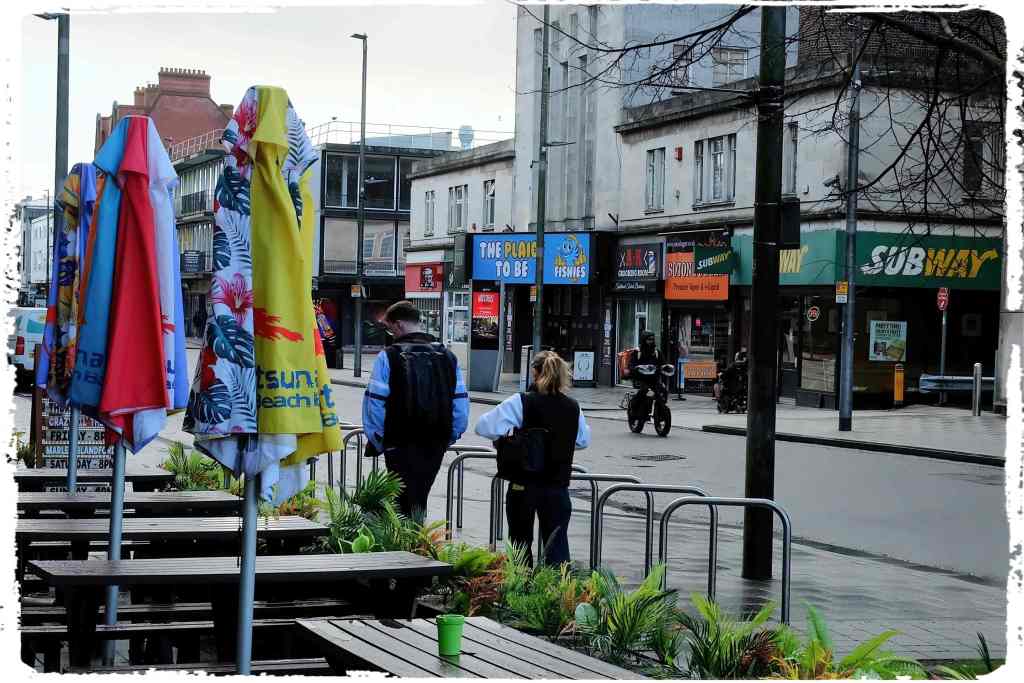
12 views of Above Bar Southampton. A stroll around the city this afternoon.


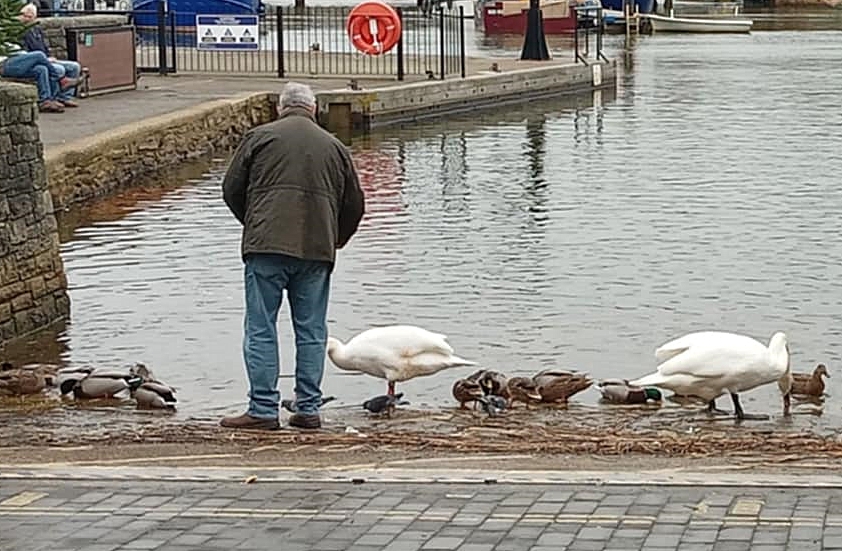
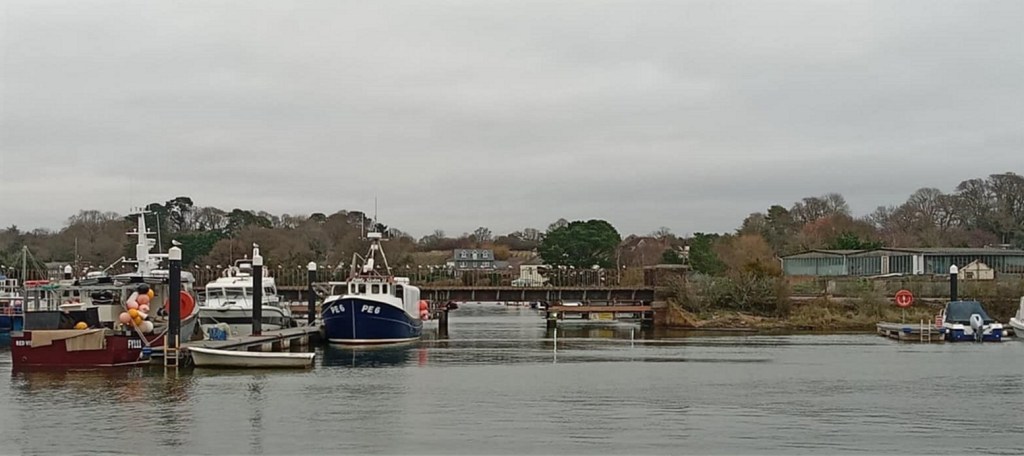
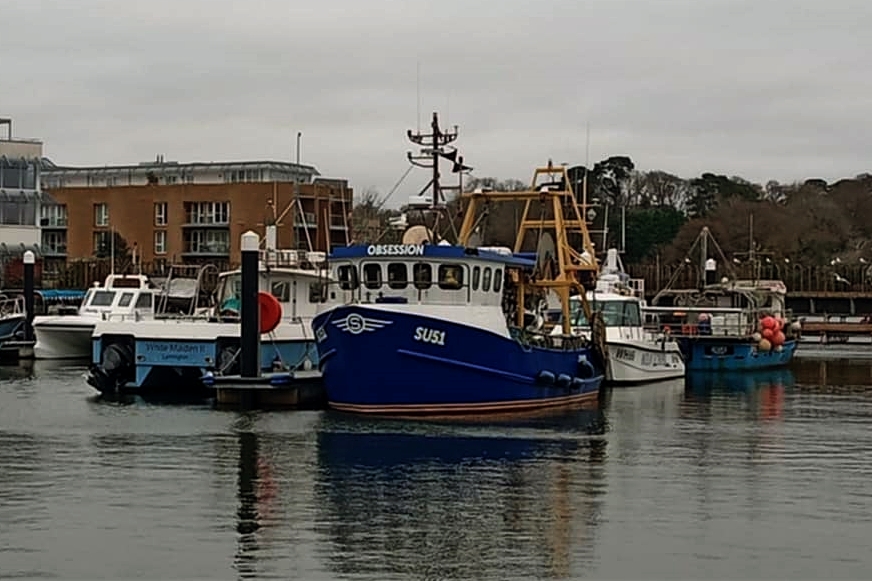
Lymington Quay on the Beaulieu River on the edge of the New Forest hints at its fishing past but now meets up with the modern leisure sailing world.
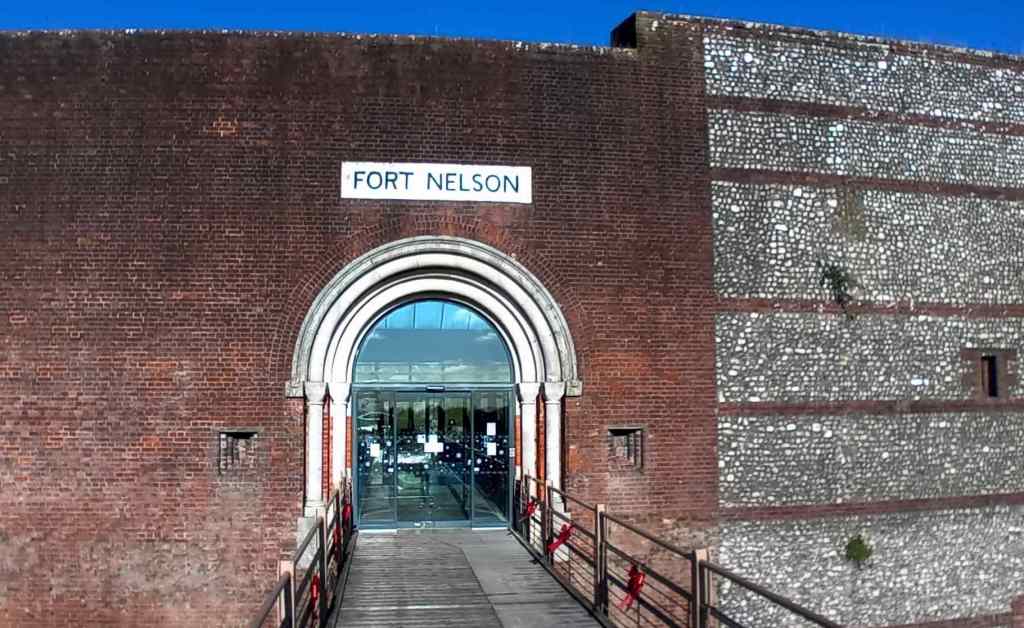
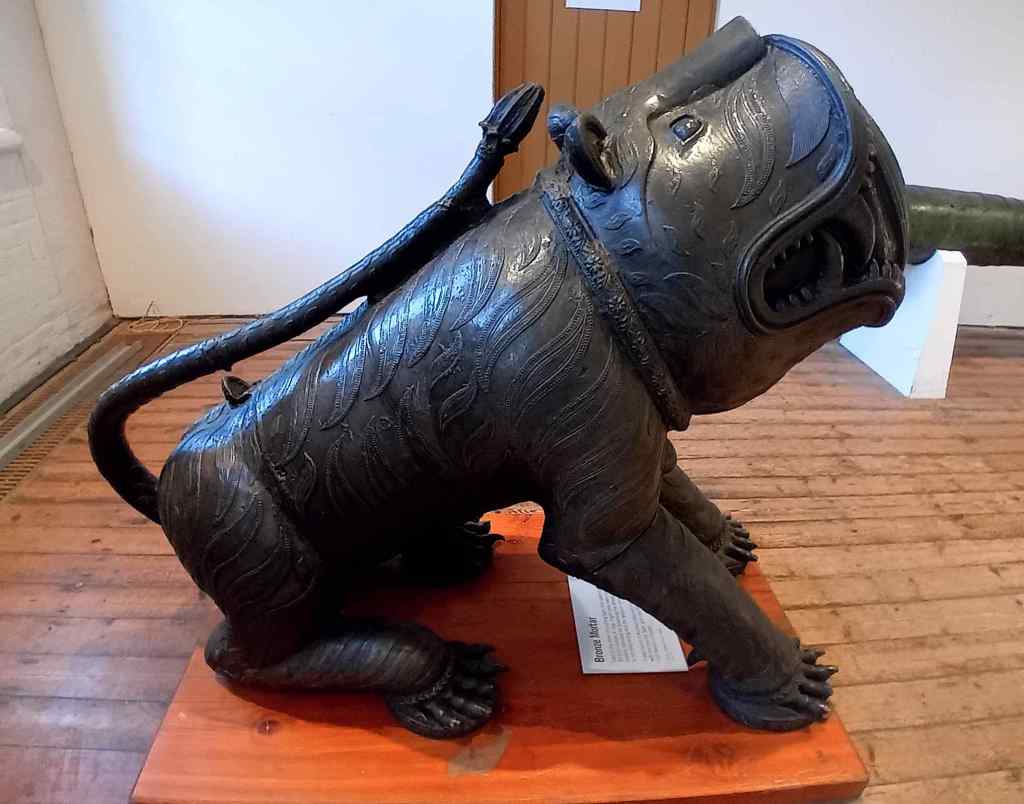
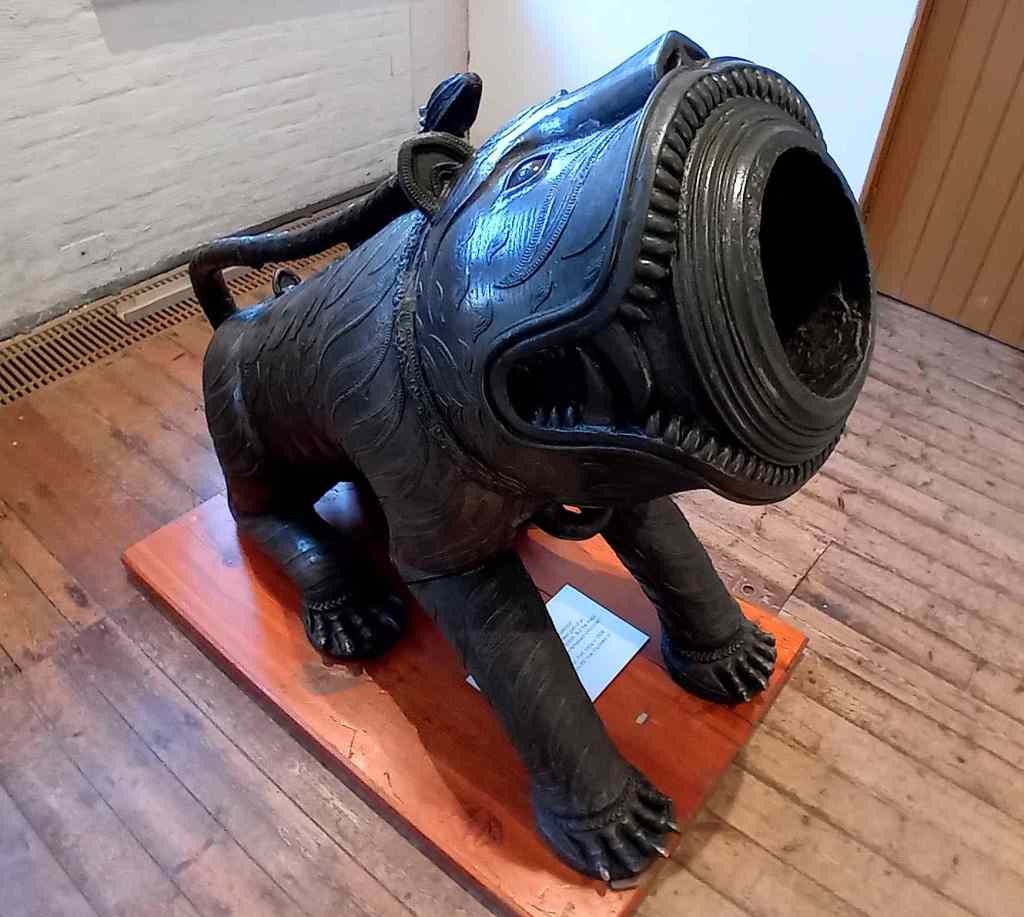
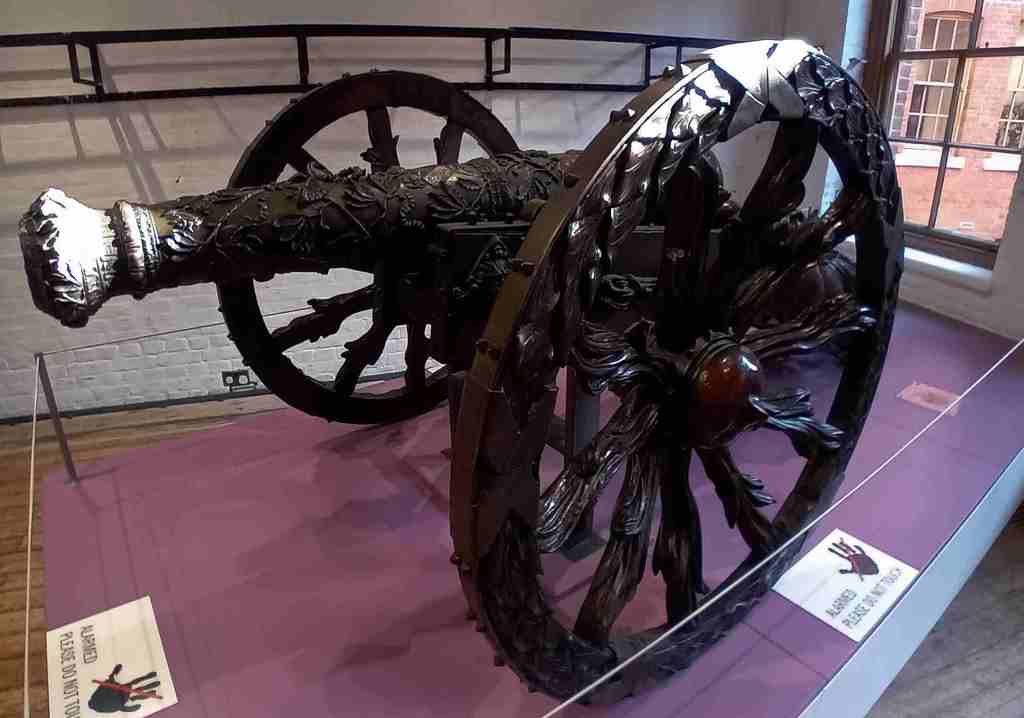
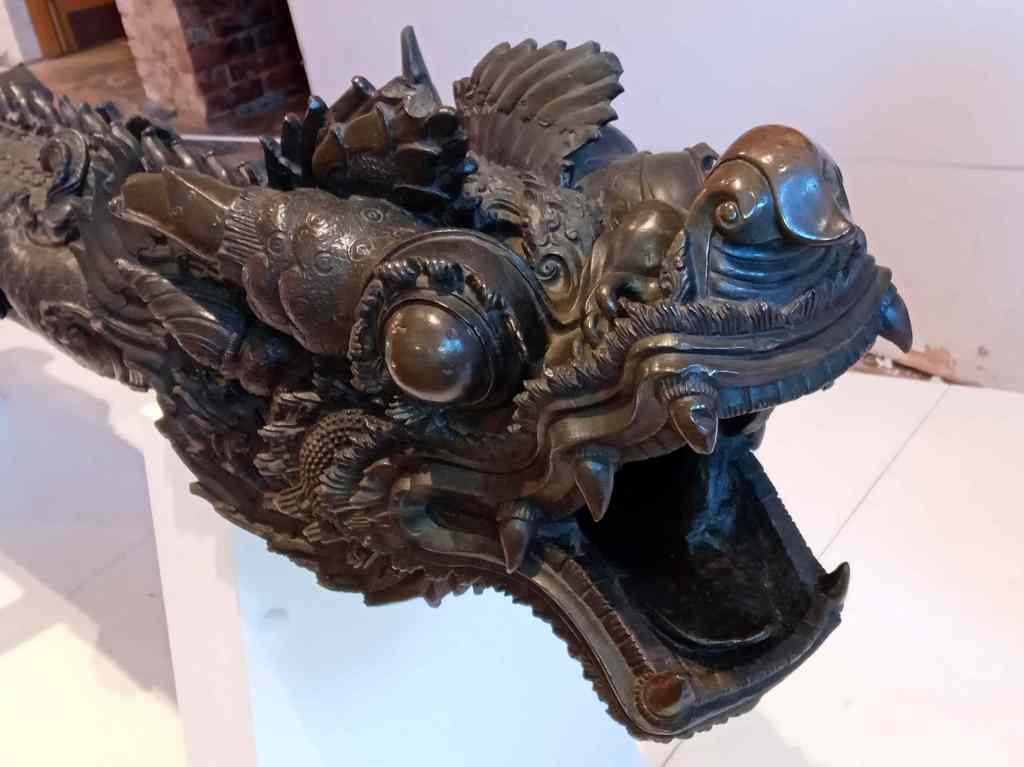
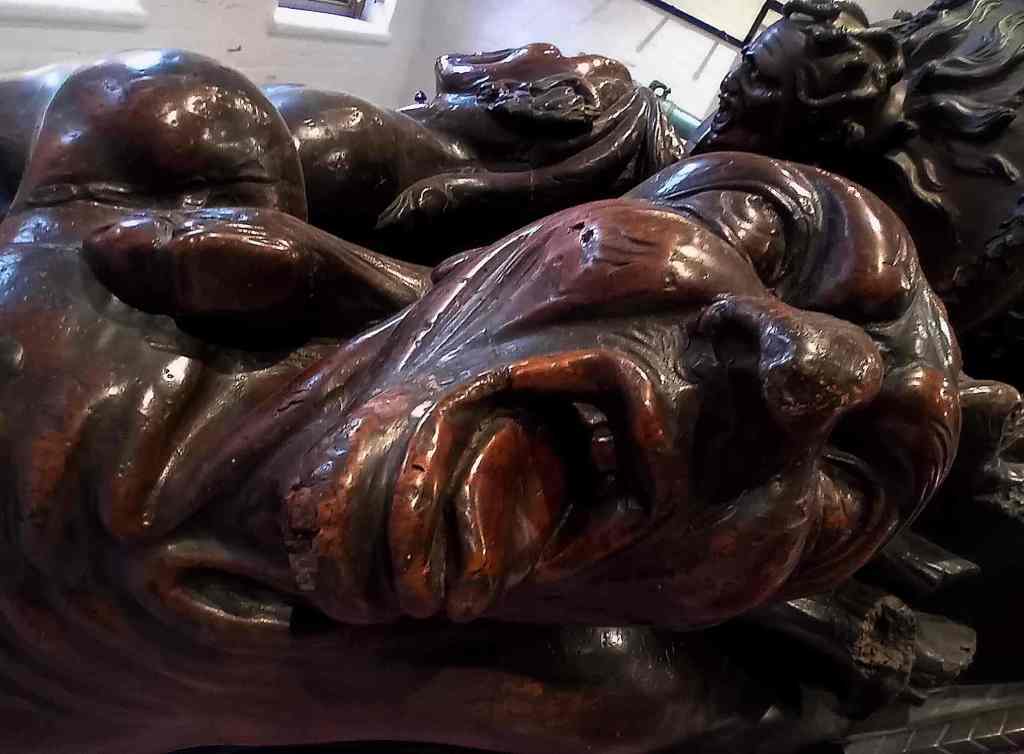
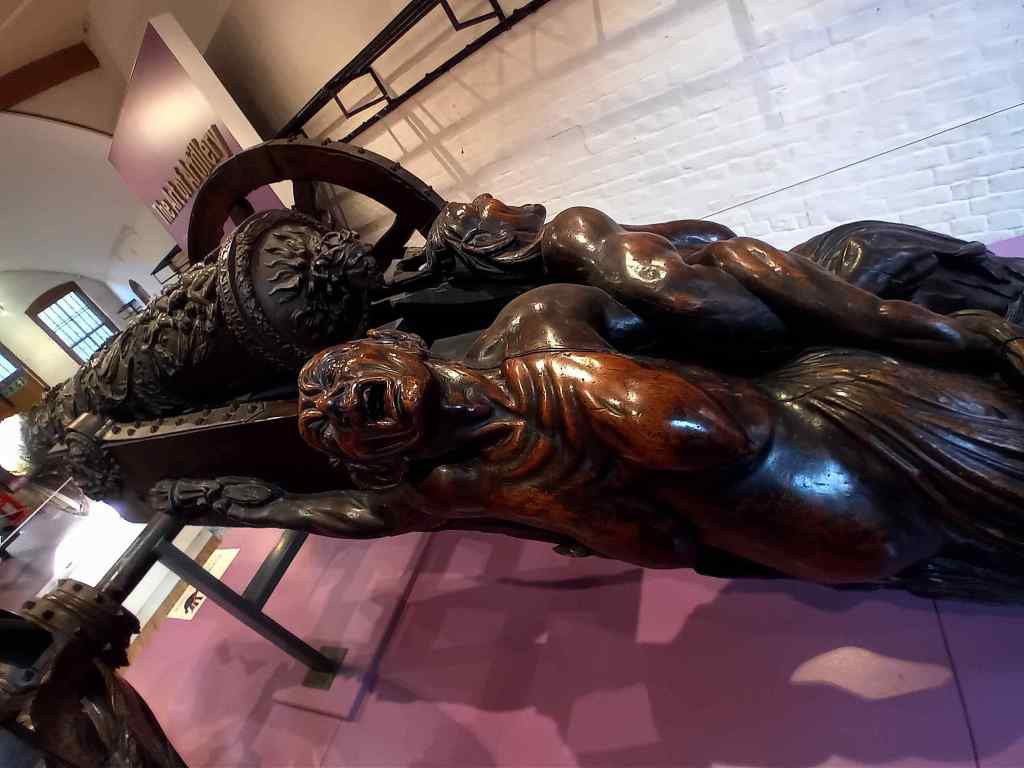
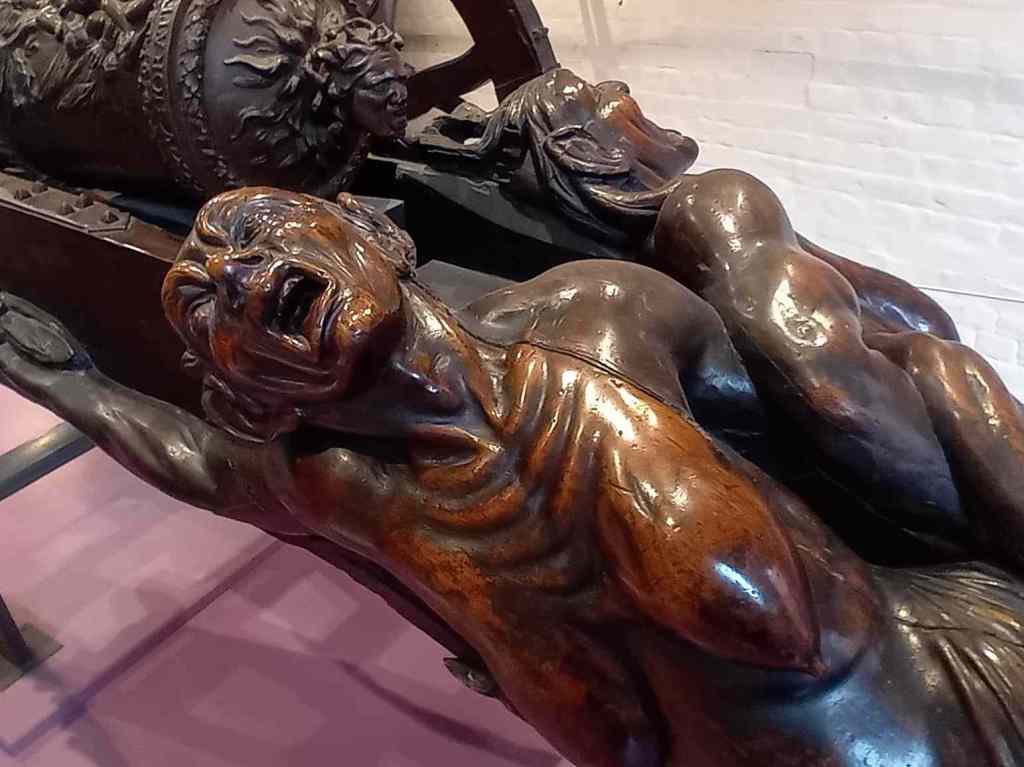
A visit to Fort Nelson and a closer look at some of the fine art on canons at the Royal Armourers Museum this morning. Guns made to kill but are a work of art!


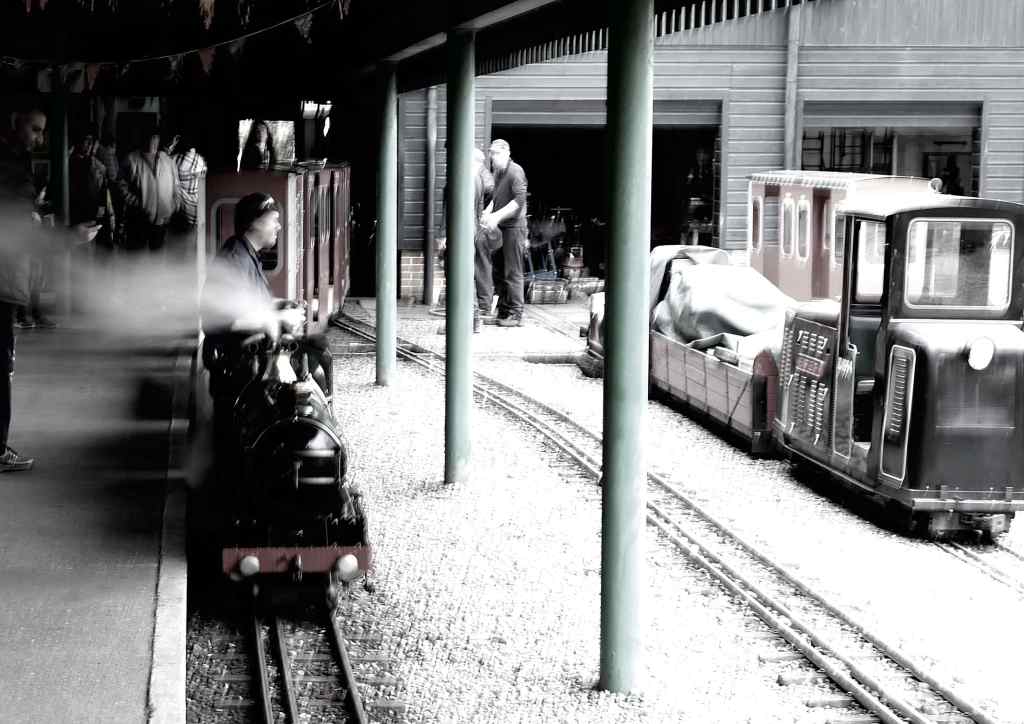
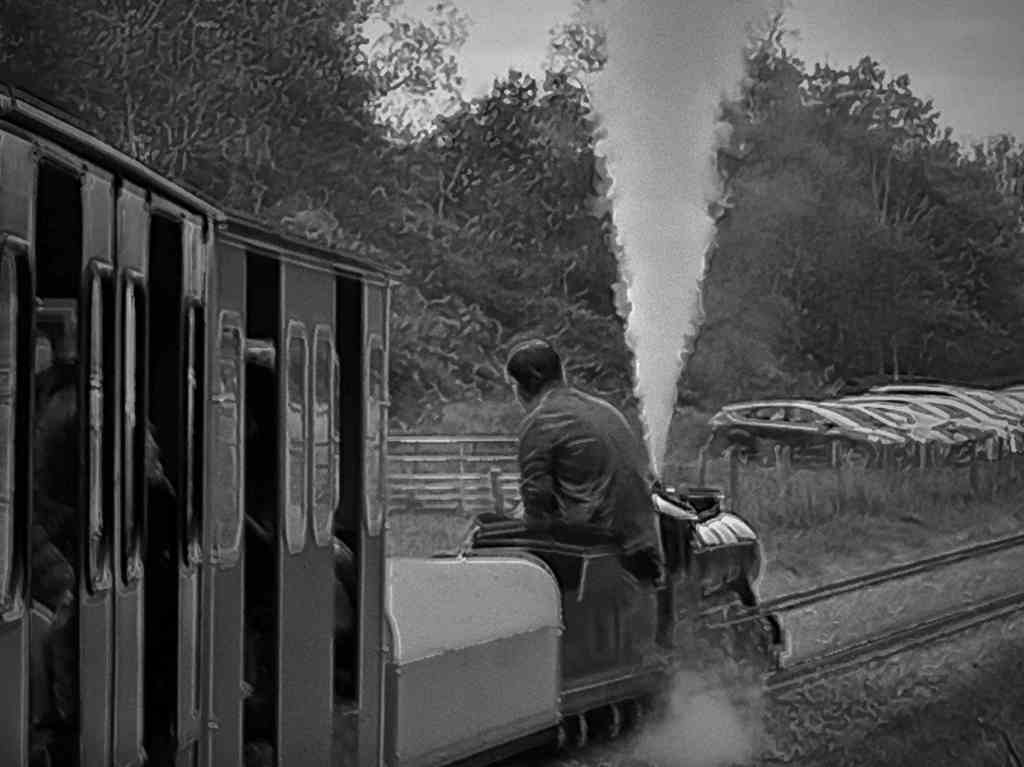
With the school 1/2 term holidays underway the little narrow gauge railway around Lakeside at Easleigh is running daily this week. Pictures were taken at slow speeds to give some movement!



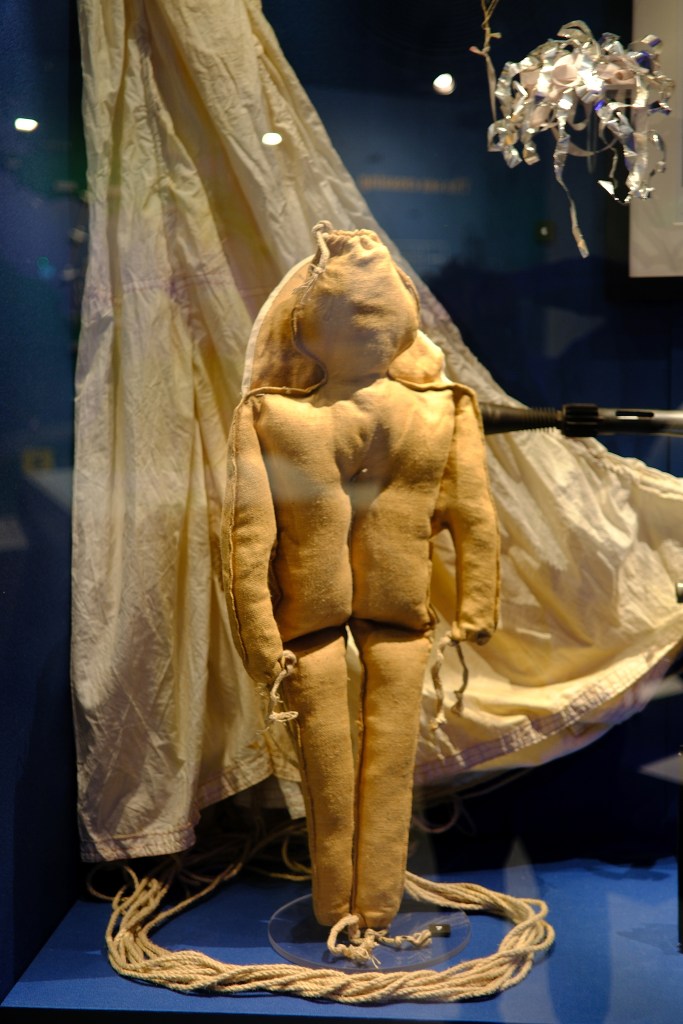
WW2 British D-Day Deception Decoy Paratrooper Dummy, these dummies were produced for the decoy operation, known as Operation Titanic part of the larger operation for the deception of the D-Day landings. The Allied forces dropped hundreds of these sacking dummies across parts of France on the 5th / 6th of June 1944 to deceive the Germans to move their forces away from the actual invasion force on the Normandy drop zones. Although these dummies are much smaller than a person when at a height they did fool the German forces, they were packed with an incendiary which would ignite them when they hit the ground, in the hope of destroying the evidence of the decoy from the Germans. These dummies were given the nickname ‘Rupert’s’.
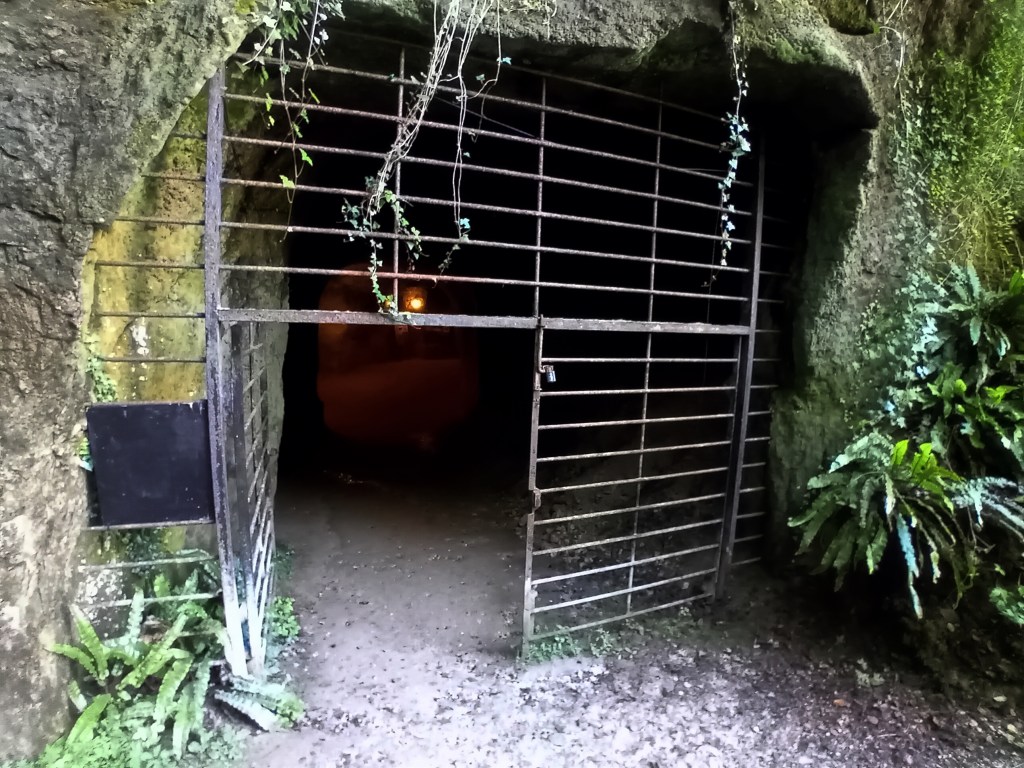
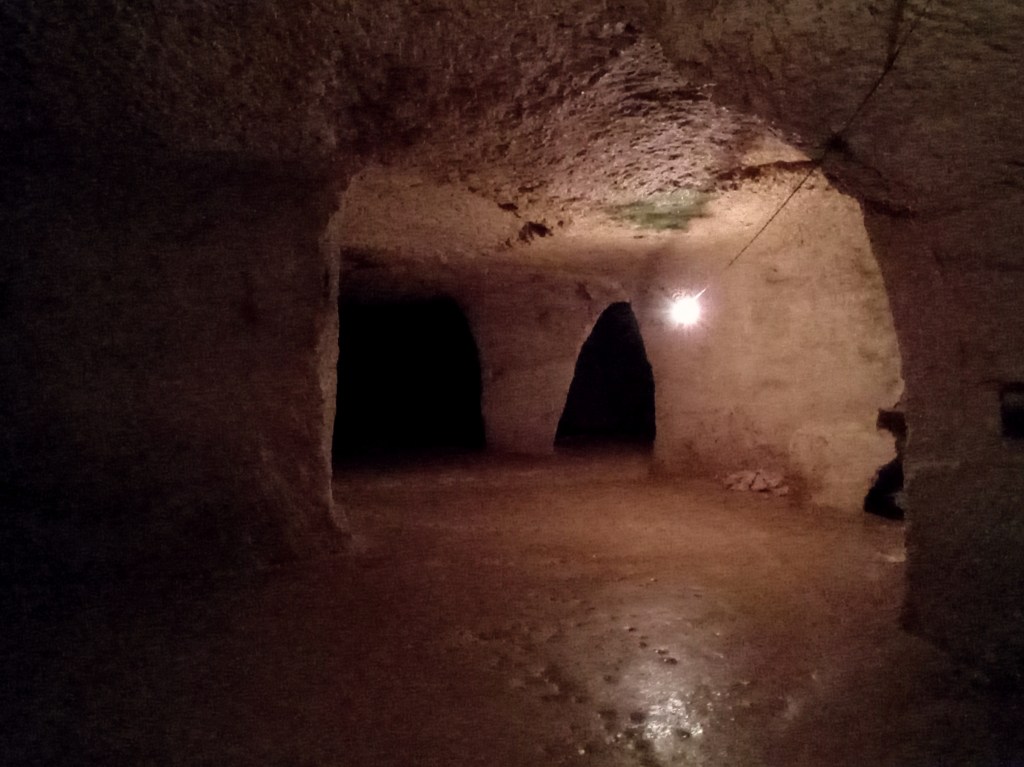
Beer Quarry Caves are a man-made underground complex located a mile west of the village of Beer, Devon. The tunnels resulted from 2,000 years of quarrying Beer stone, which was particularly favoured for the cathedral and church features such as door and window surrounds because of its colour and workability for carving. Stone from the quarry was used to construct several of Southern England’s ancient cathedrals and other important buildings, as well as many town and village churches and some buildings in the United States. Extraction was particularly intense during the Middle Ages the quarry closed in the 1920s.
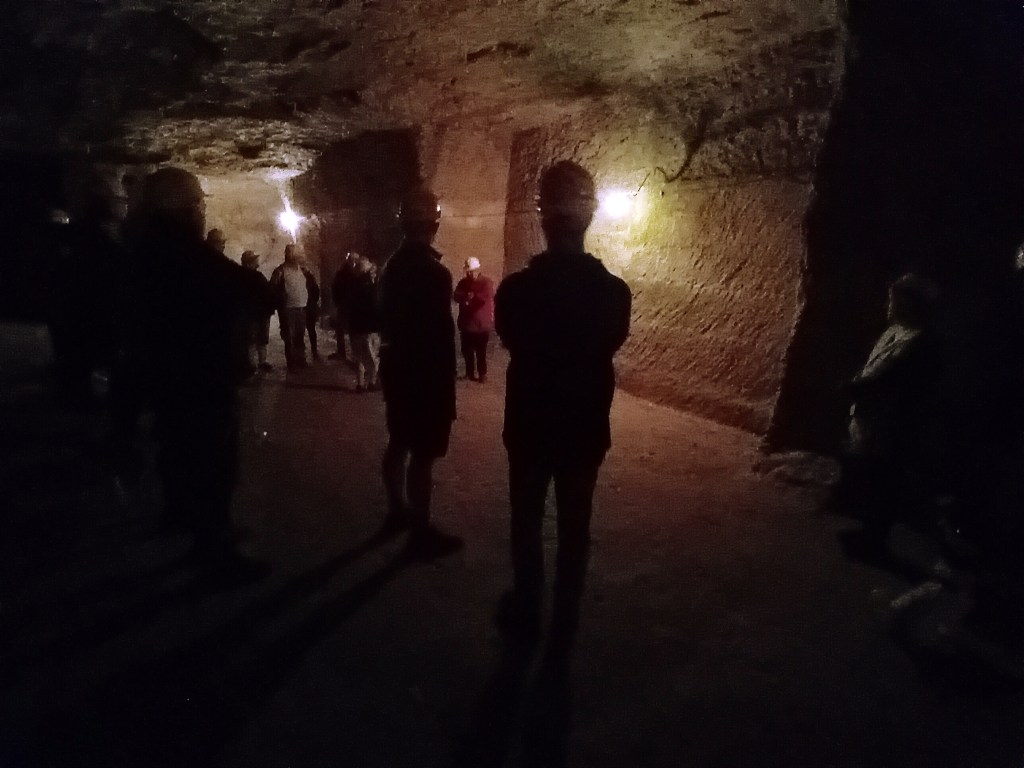
Today you can visit the caves on an hour-long underground tour through the vast man-made complex of underground caverns There are large halls with vaulted roofs and pillars of Beer Stone which have been likened to a vast underground cathedral.



 Continued Reflections from my World.