“Nests on seaside cliffs, often among auks and Northern Fulmar.” This bird, in non-breeding plumage, was in a flock of Black-headed Gulls at Titchfield Haven on Tuesday, a relatively rare sight for us on the Hampshire coast.
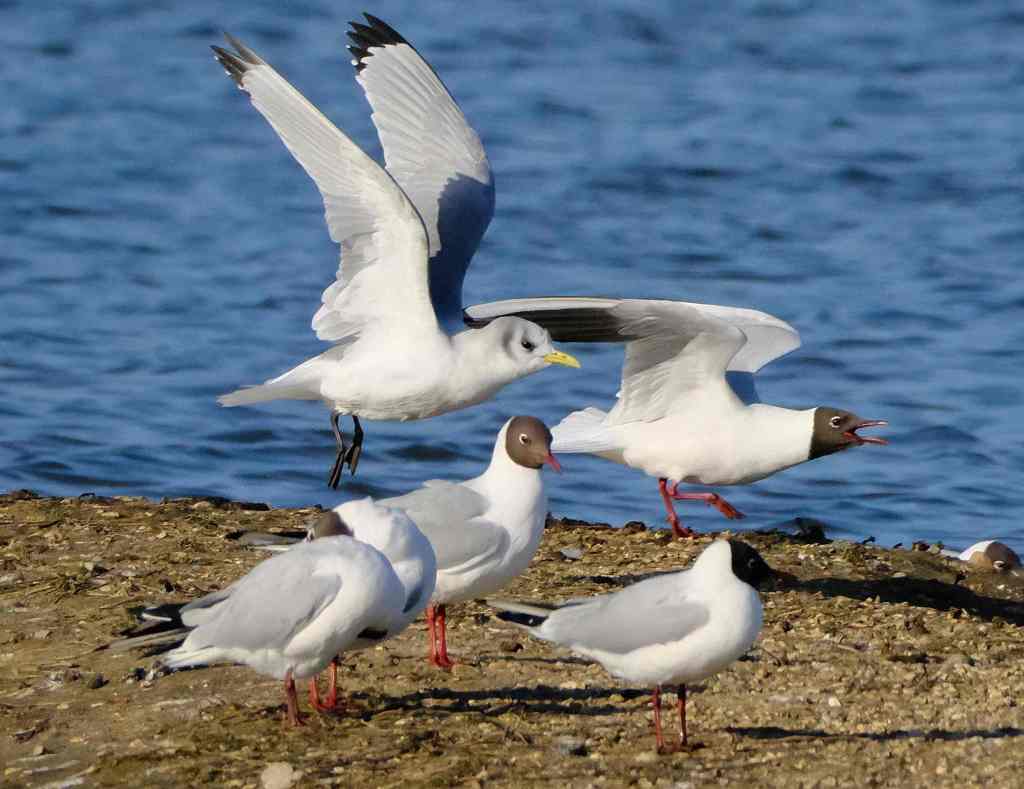
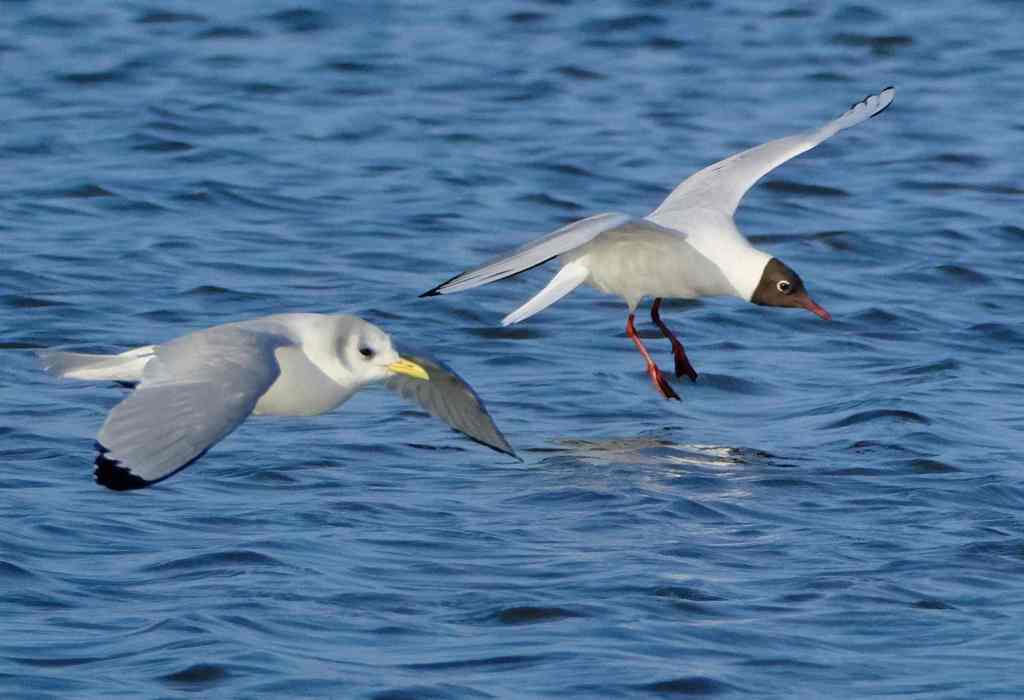
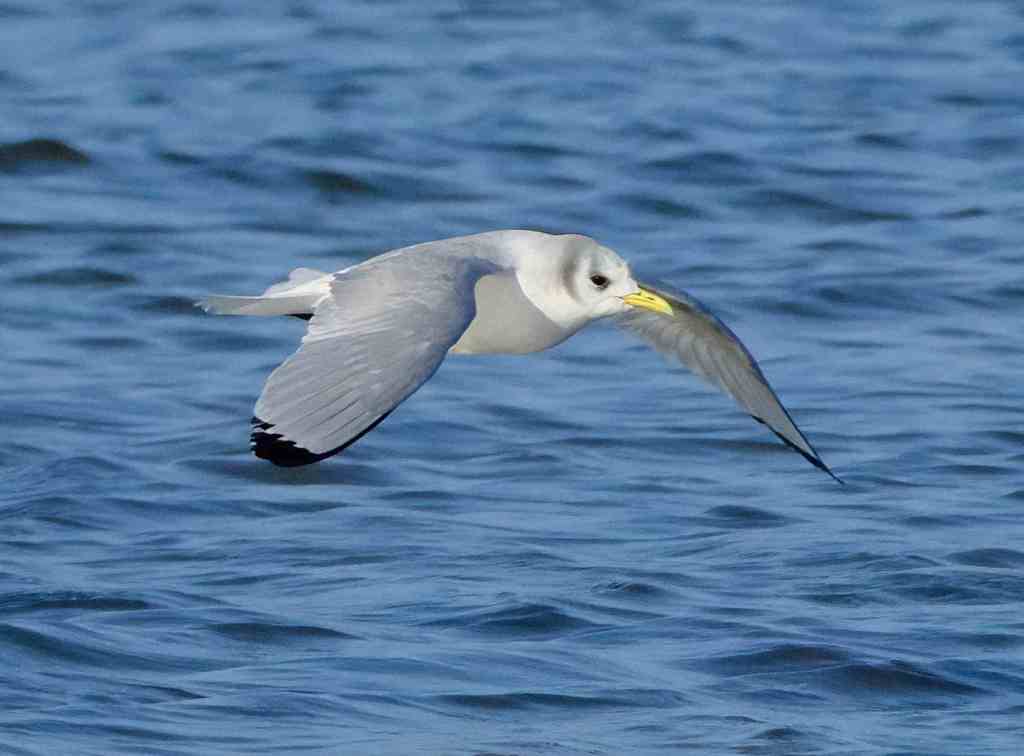
“Nests on seaside cliffs, often among auks and Northern Fulmar.” This bird, in non-breeding plumage, was in a flock of Black-headed Gulls at Titchfield Haven on Tuesday, a relatively rare sight for us on the Hampshire coast.
The Curlew is one of my favourite waders. I never tire of watching these large waders, whether on our coast in winter or on the moors during their nesting season. Not only are they a pleasure to see, but their call over the mashes is also a joy to hear. Just one picture today, and a video – something I have not captured before, a Curlew catching a Ragworm.

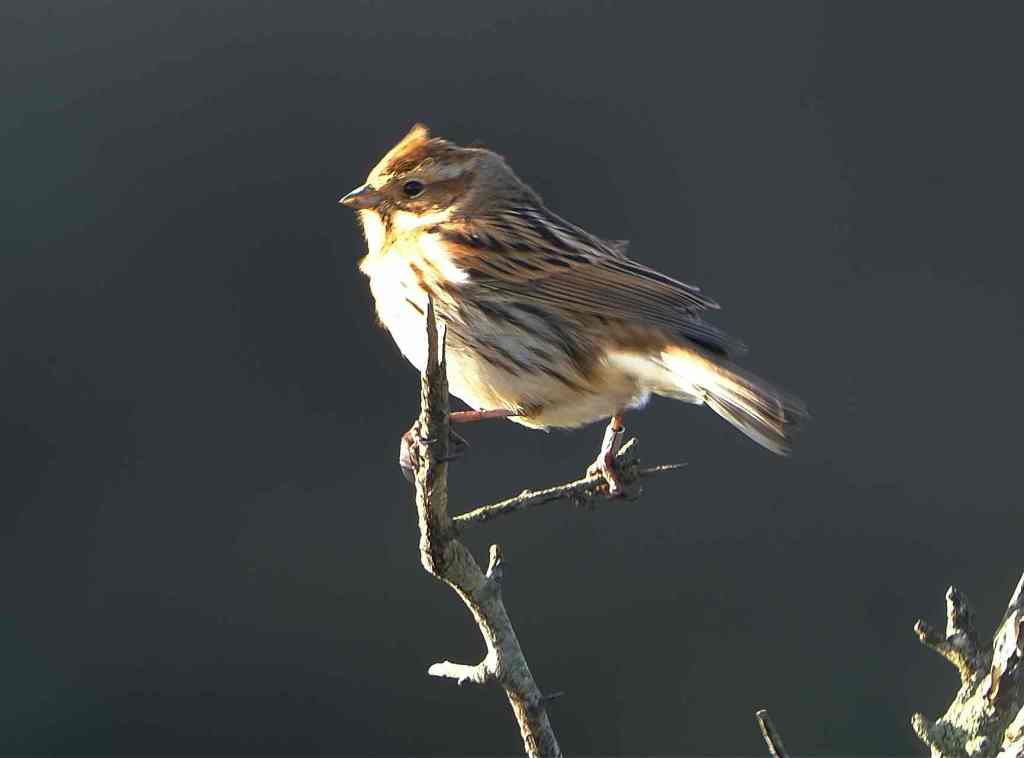
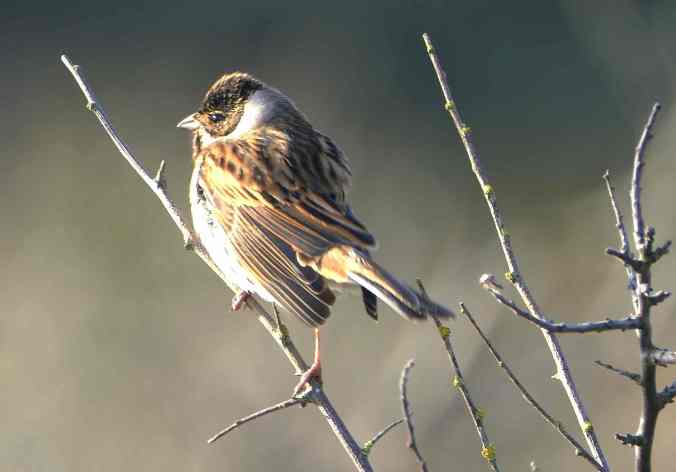
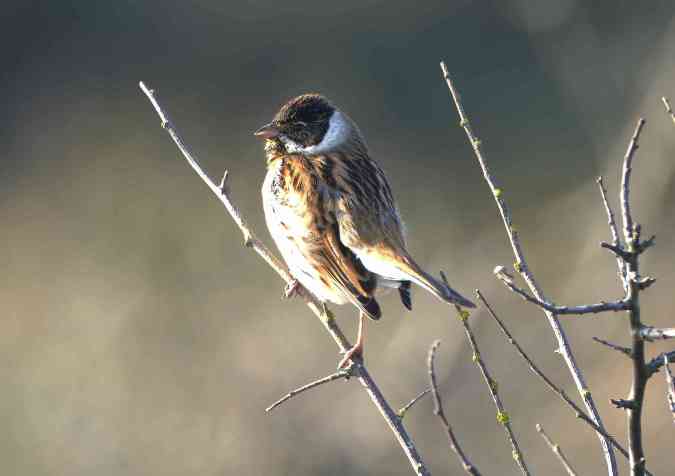
A pair of Reed Buntings. The male bird sports a striking black head in the breeding season, but as we are now in winter, this has become duller. Females are brown, making them harder to distinguish from females or other brown birds. Note the female bird in my picture is ringed.

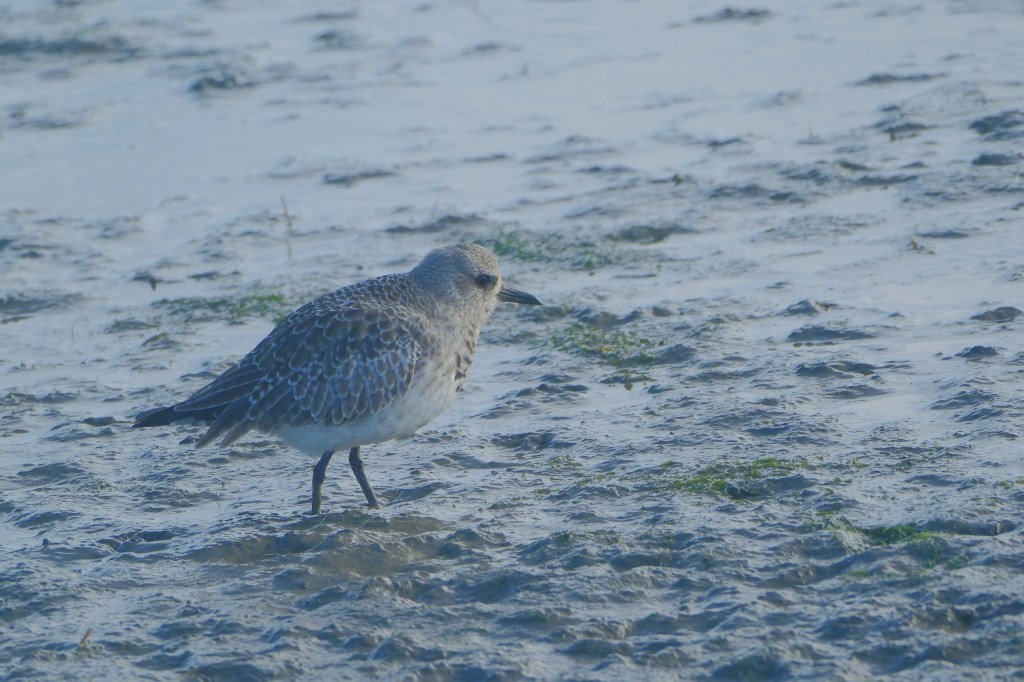
Spotted a few Grey Plovers on Keyhaven Marshes near Lymington, Hampshire yesterday. I also see them regularly on the mud on the River Hamble. I have only seen them in their winter plumage; usually, I find them fairly difficult to photograph decently due to how far off they are.
In summer, they have silver and black spotted upperparts, a black face, neck and belly. In winter, they lose the black feathers and take on a grey look.

As winter approaches, the number of Sanderlings increase on Meon Shore. This is because the small number of resident birds increased with migratory birds from their breeding grounds in the Arctic Circle arriving.
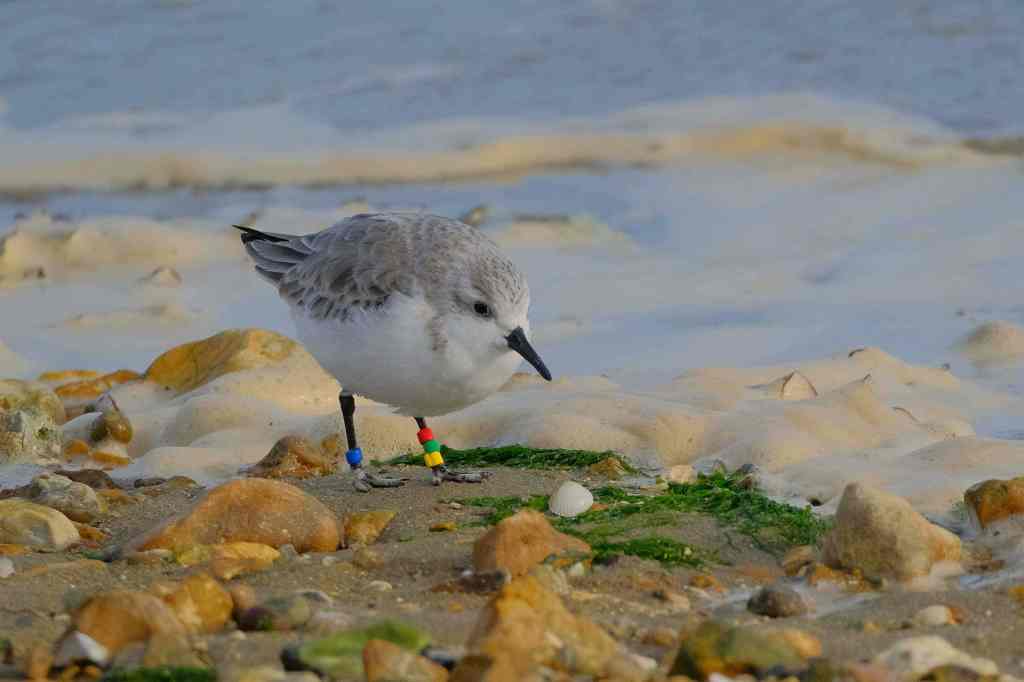


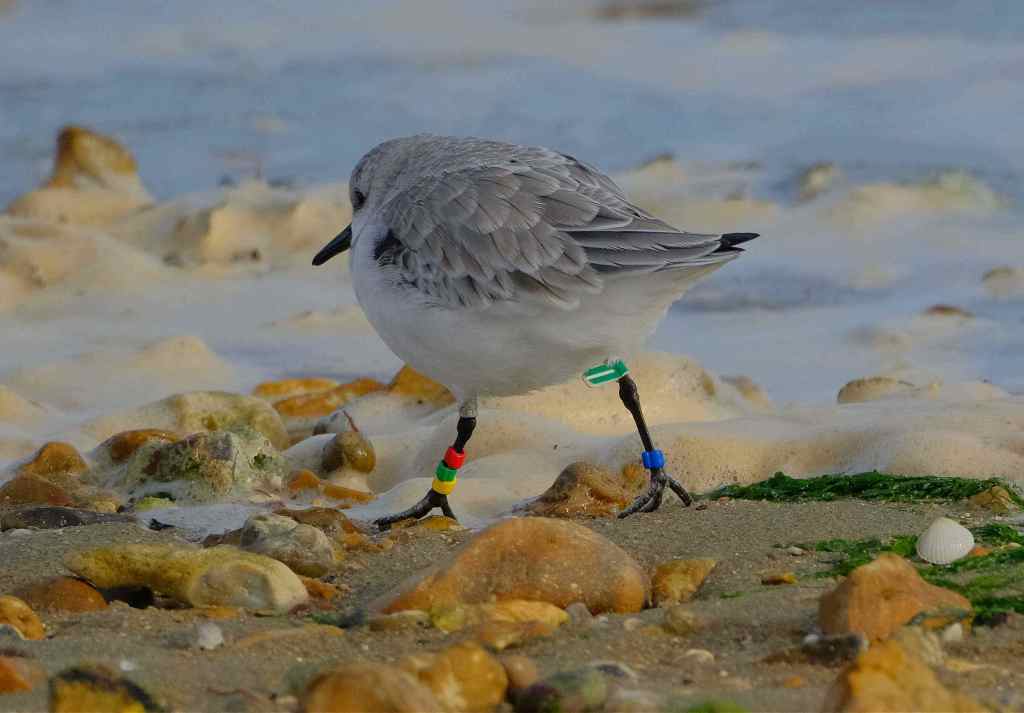
This ringed bird
This ringed bird has been on the beach for a few weeks. Ringed as an adult bird on a nest in NE Greenland on nesting grounds in summer 2025. I am always amazed at how a bird weighing just 60 grams makes this journey each year, then returns to their breeding grounds in the spring.
Over the past few weeks, the number of Ringed Plovers resting on the spit at Meon Shore has been increasing. This post is concentrating on this small wader.
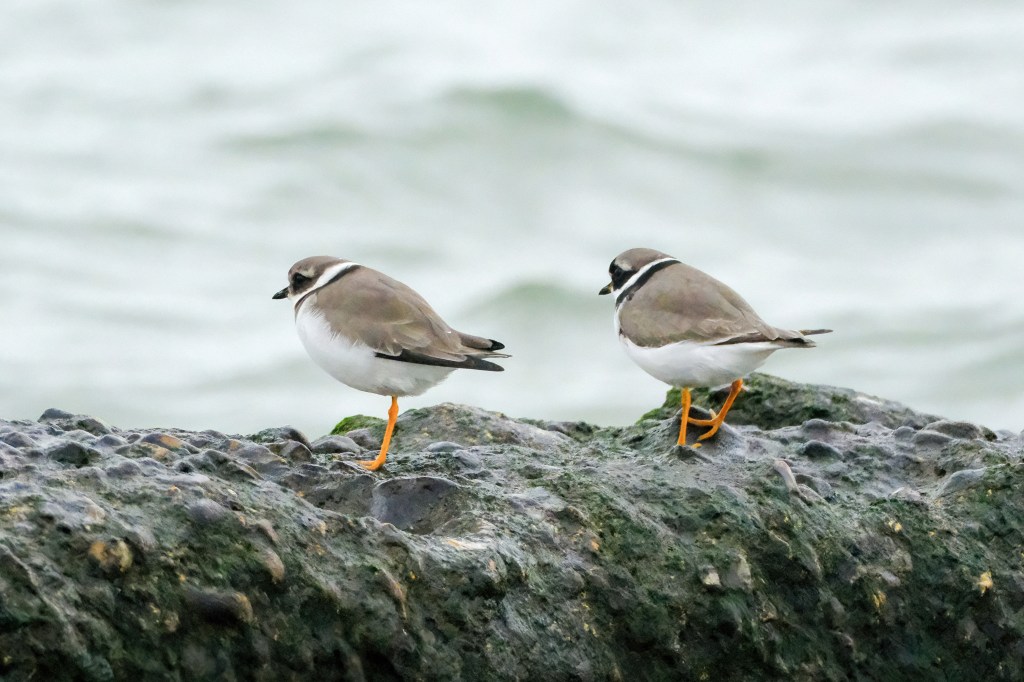
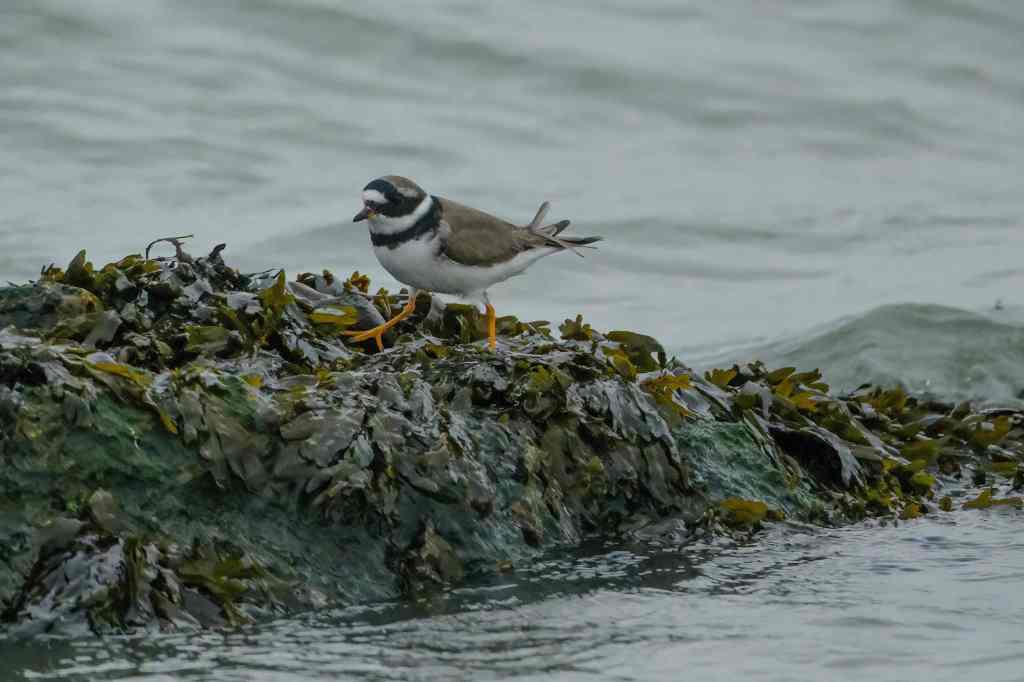
Ringed plovers are described as small and dumpy wading birds with orange legs and a black and white head and breast pattern. They can be seen foraging for small invertebrates and crustaceans in a characteristic “stand and watch, run, peck” pattern.
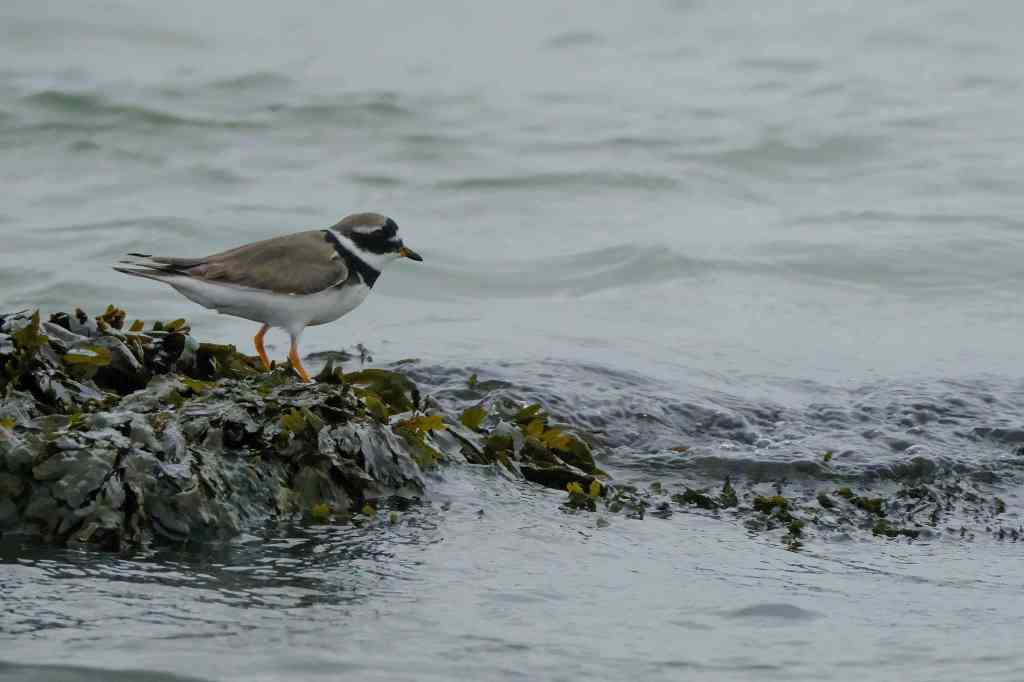
UK numbers ; breeding birds 5,450+ pairs; wintering 42,500 birds

The birds group up beach and will fly together in small flocks.
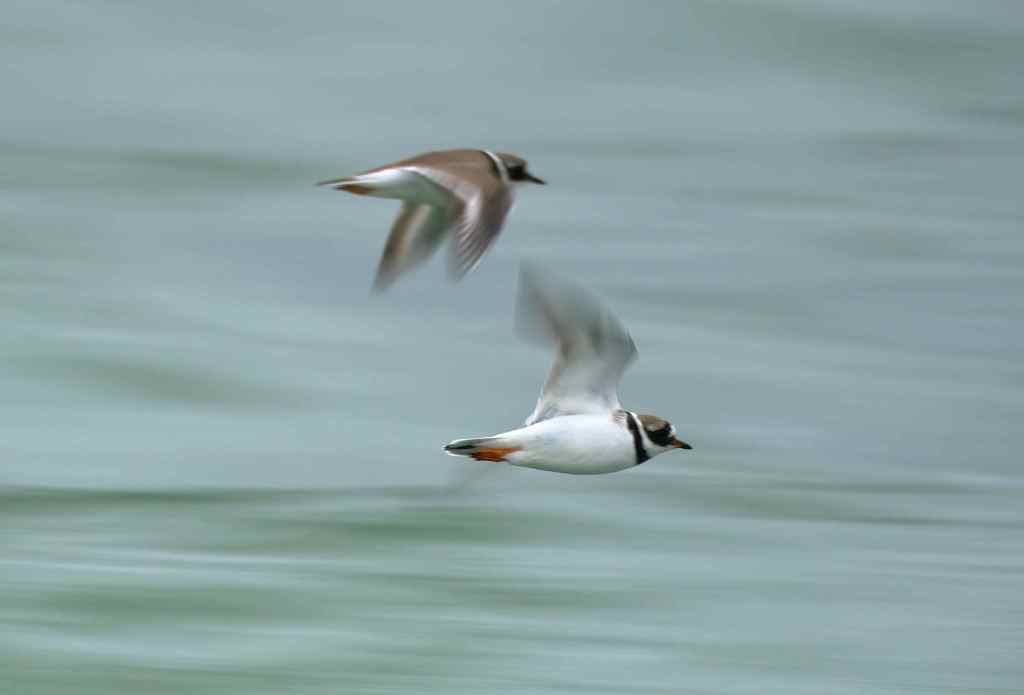
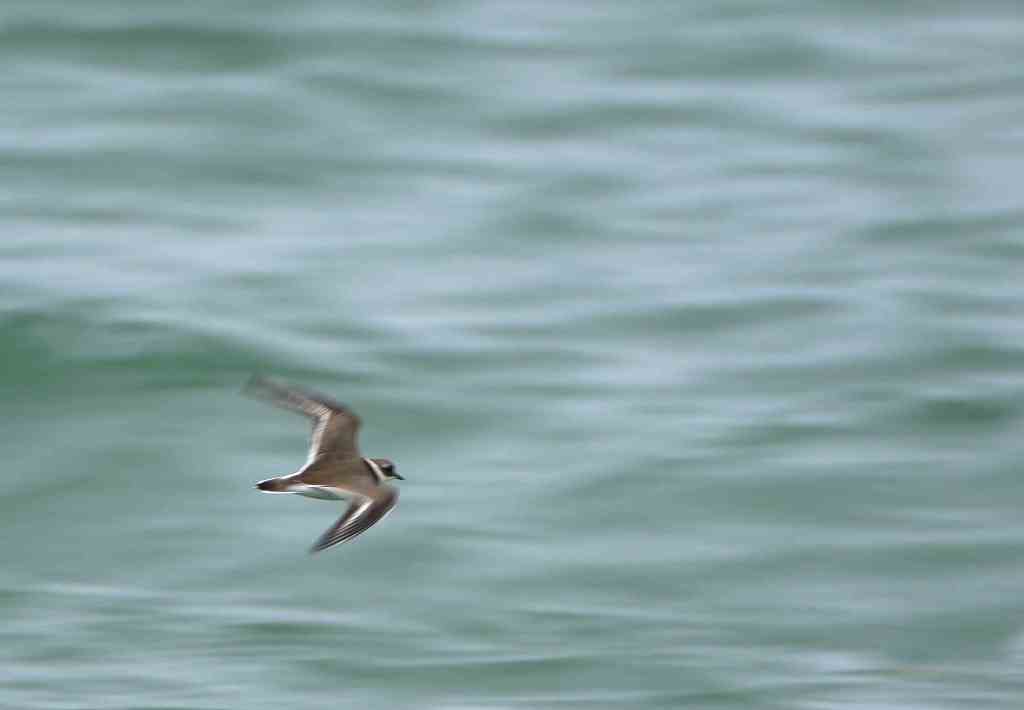
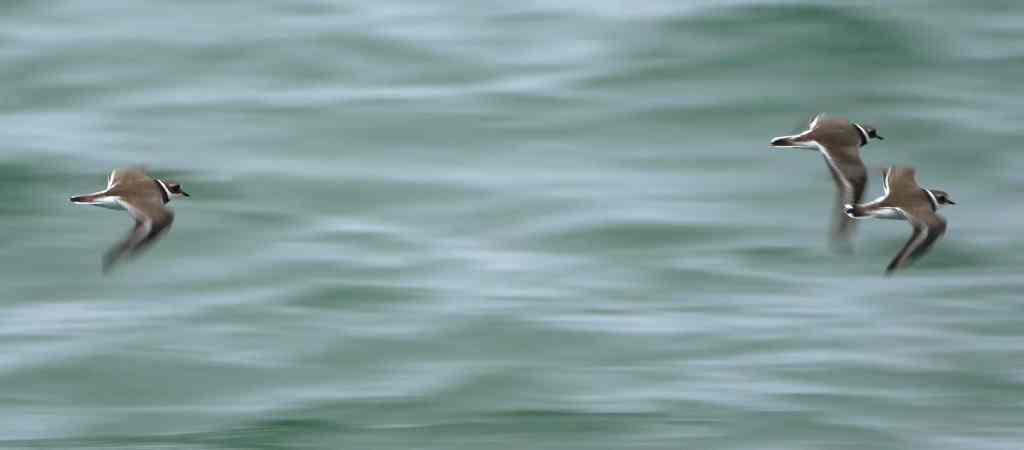

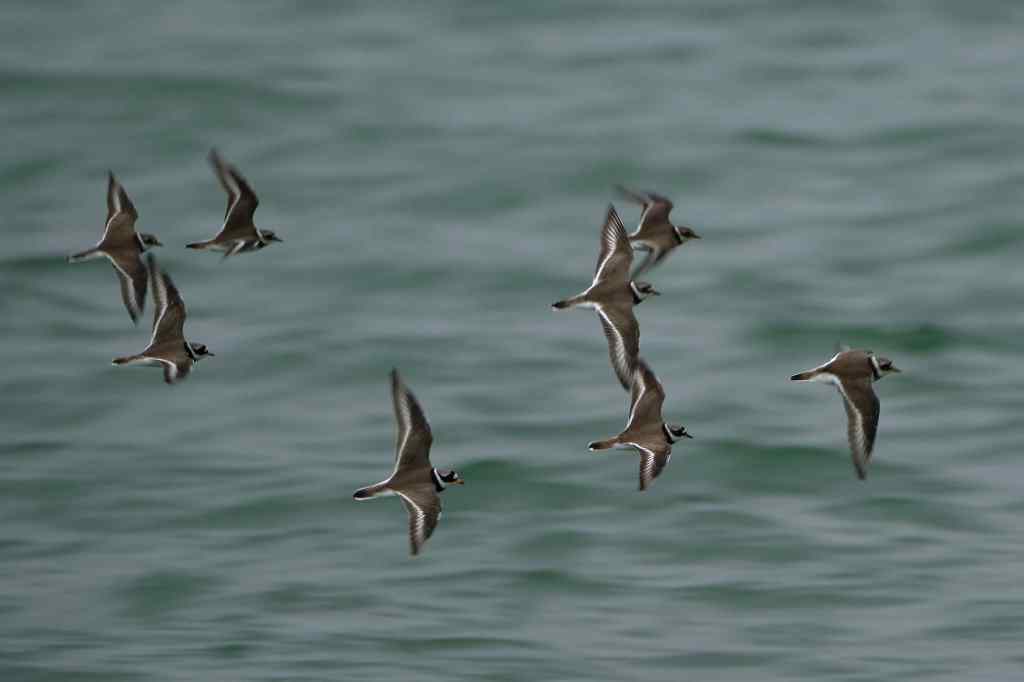
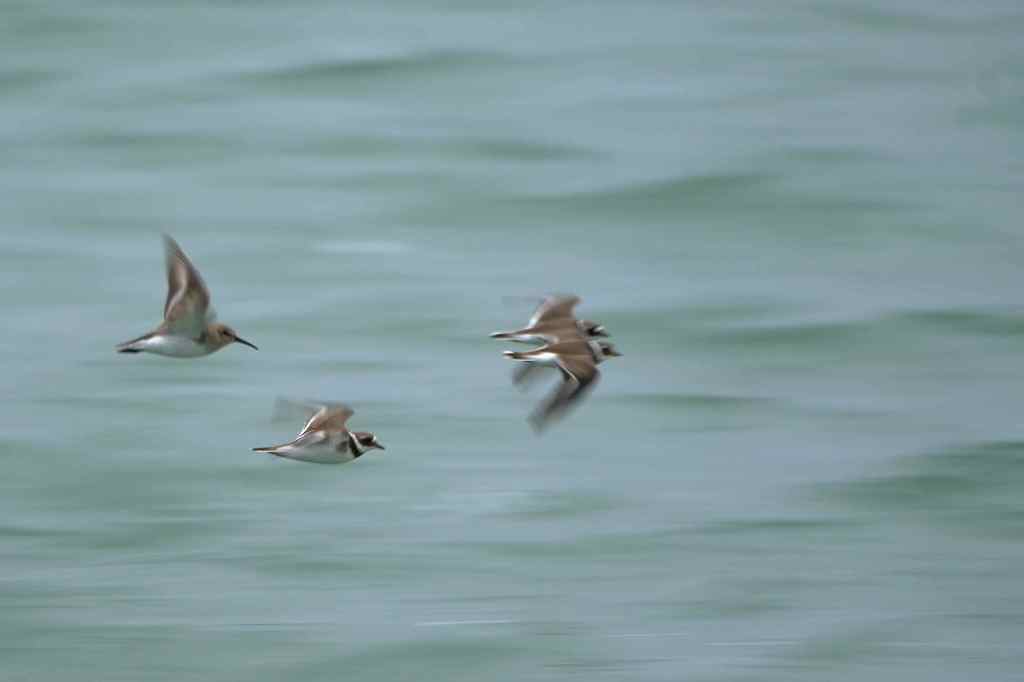
Note in the last picture, a Dunlin has tagged on!
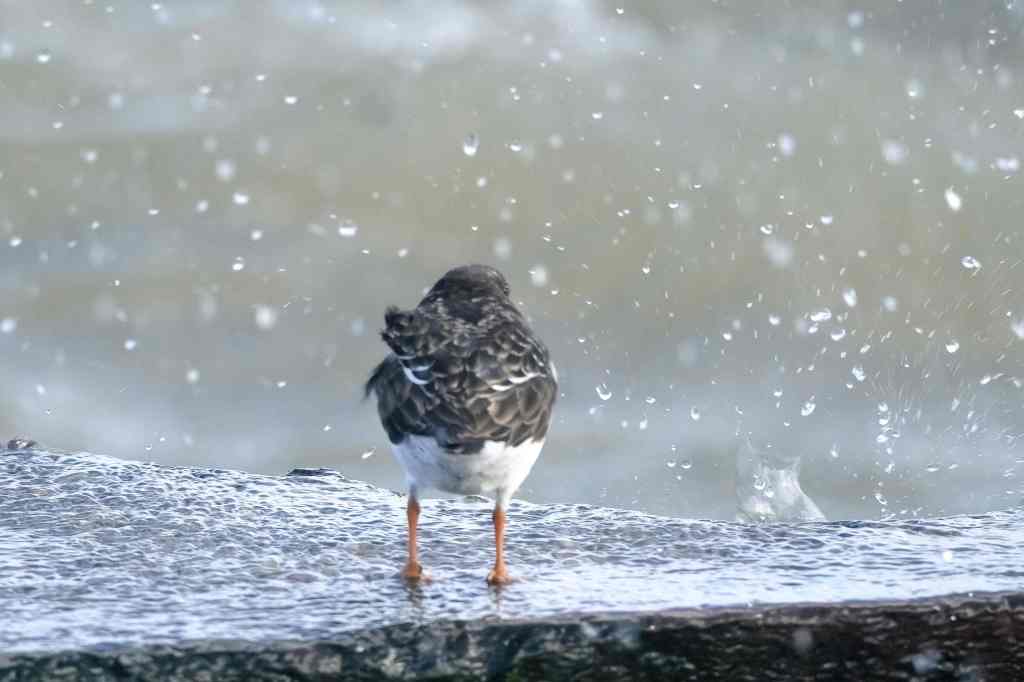
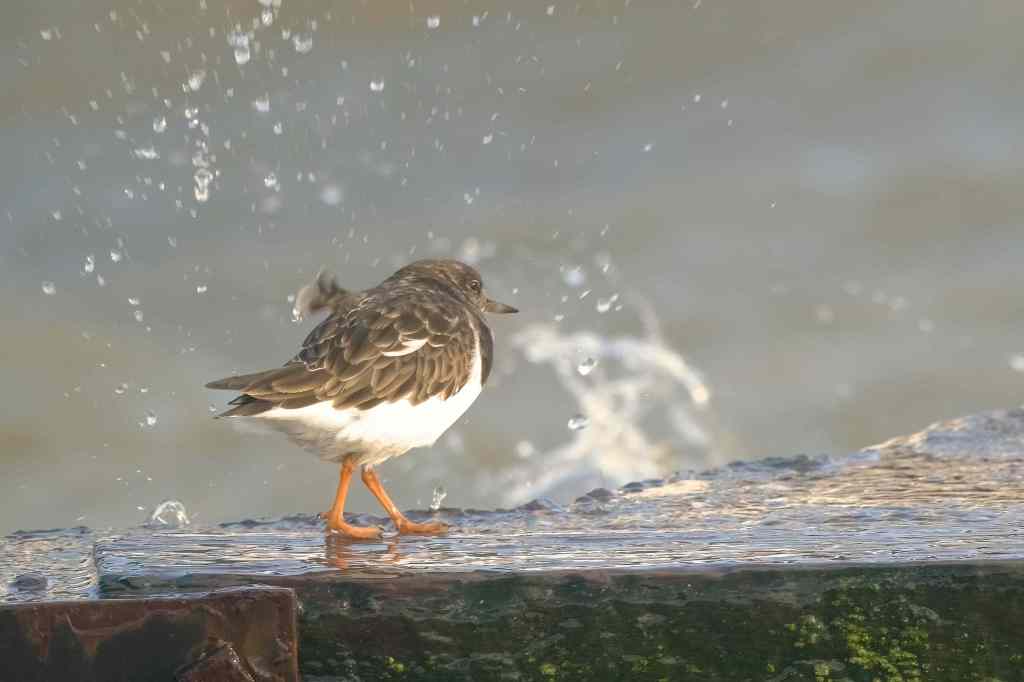
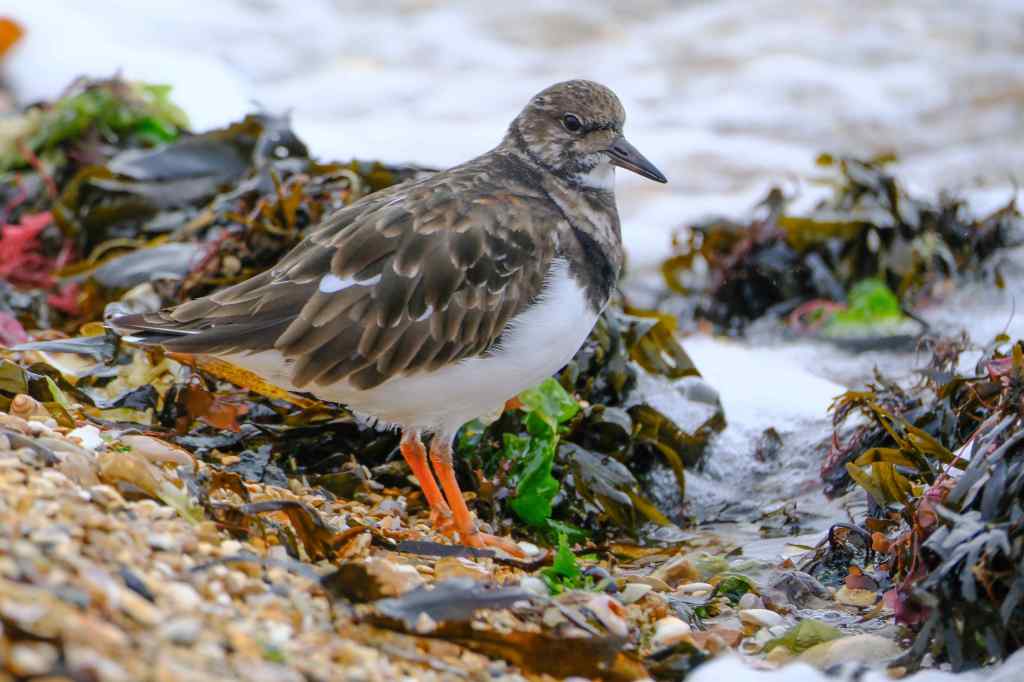
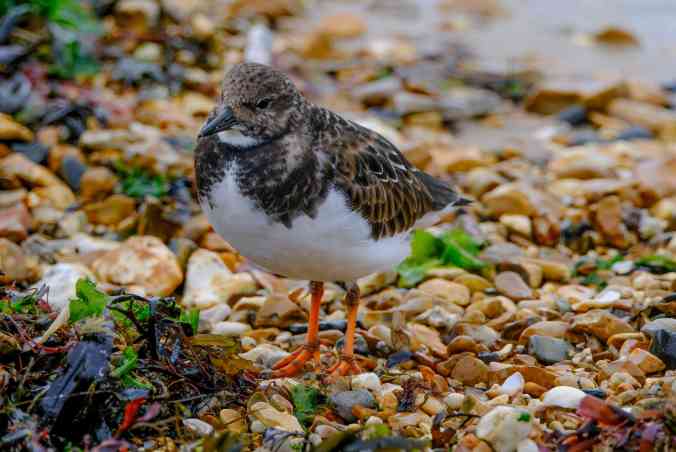
Like little Bulldozers on the beach, turning over seaweed and stones, looking for little invertebrates on the tideline, Turnstones do what their name suggests.
Turnstone on Meonshore.
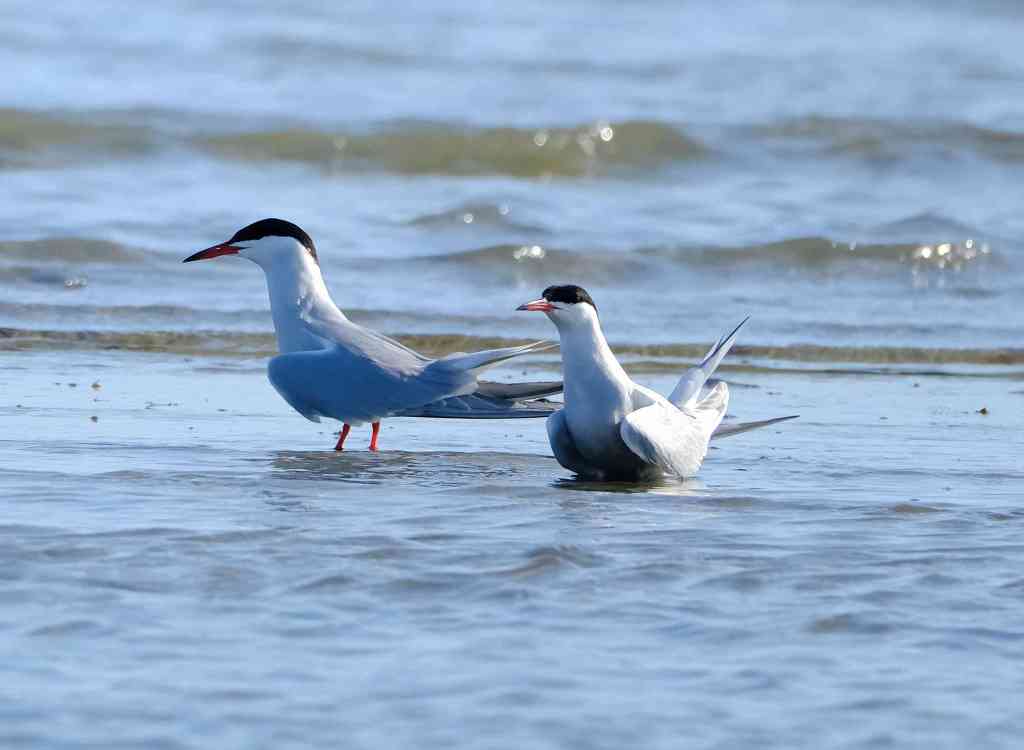
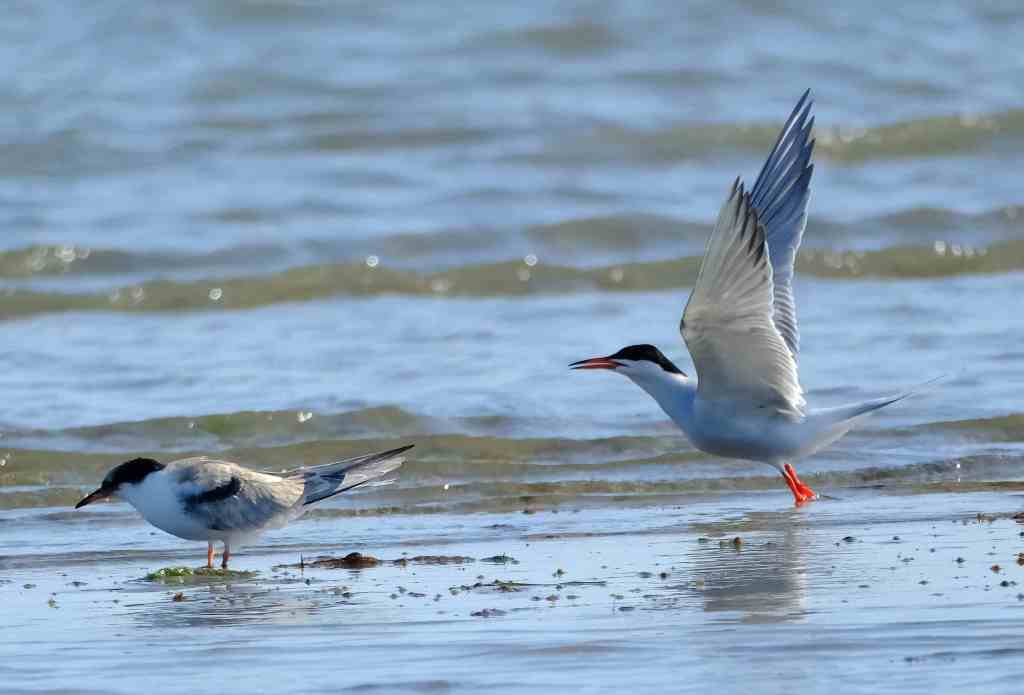
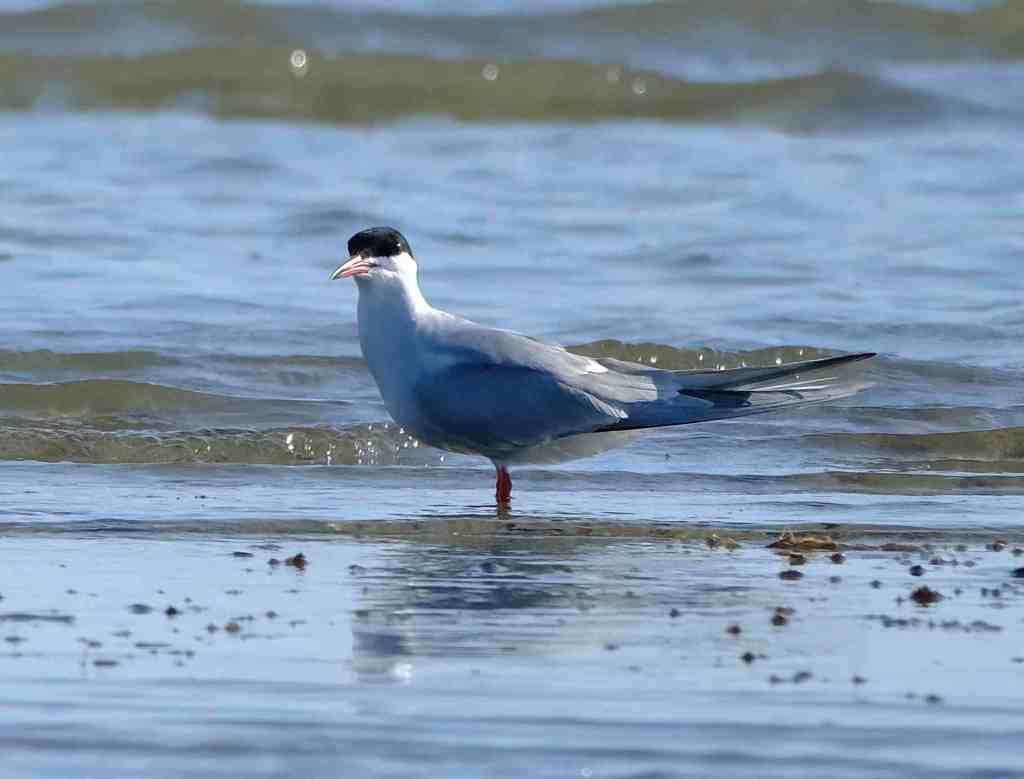
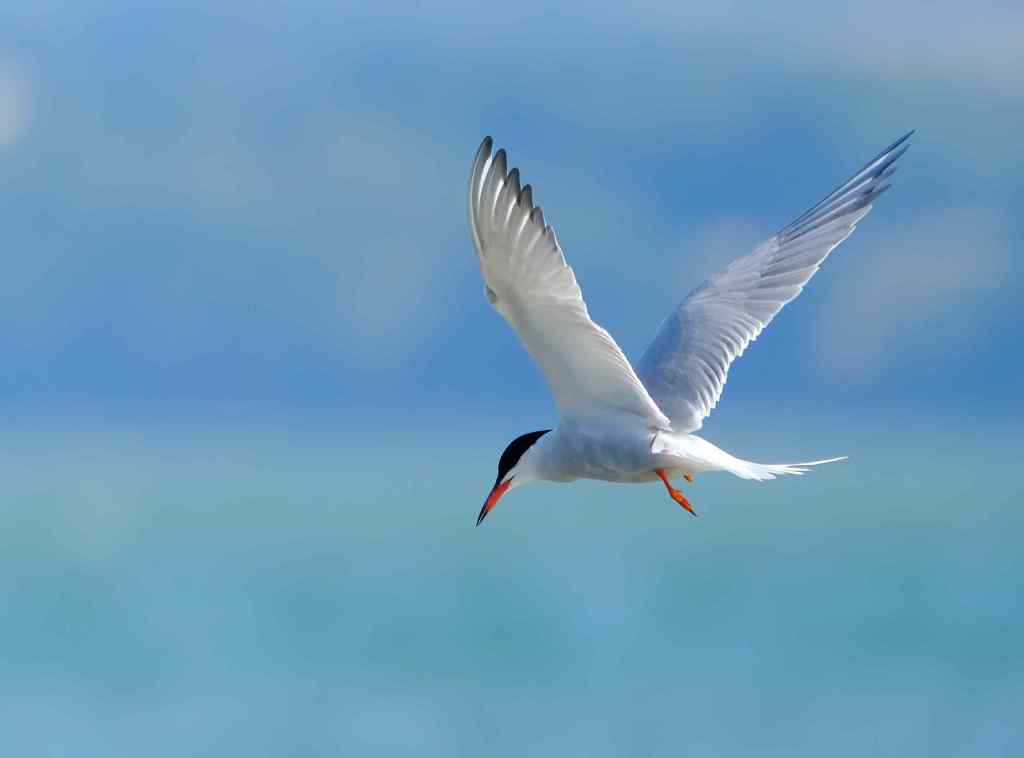
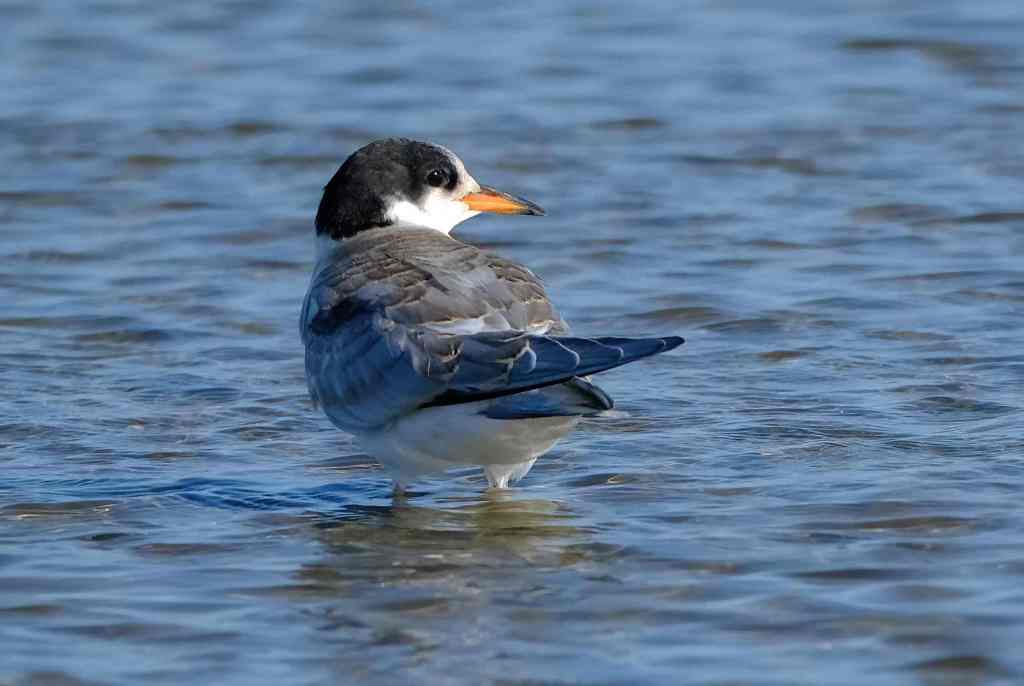
After a successful evening watching Common Terns off the Beach at Meon Shore on Friday, this morning we return for a few hours of bird watching.
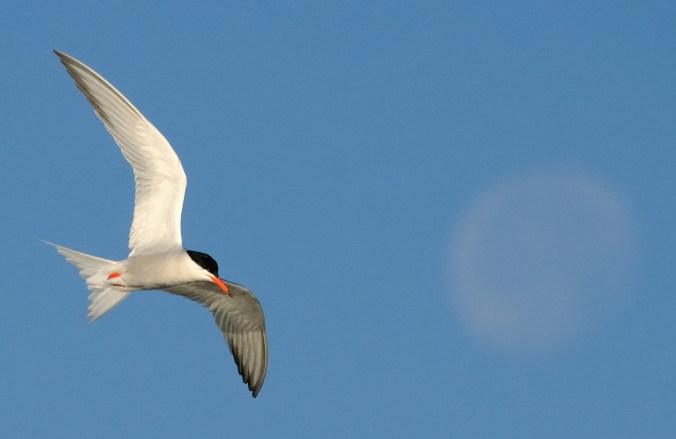


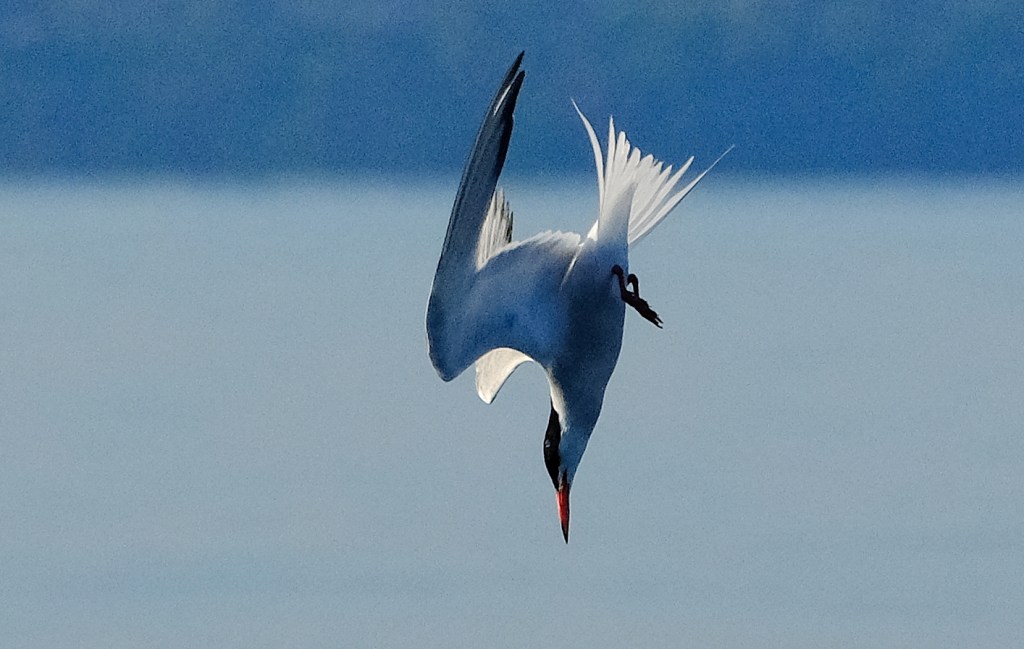

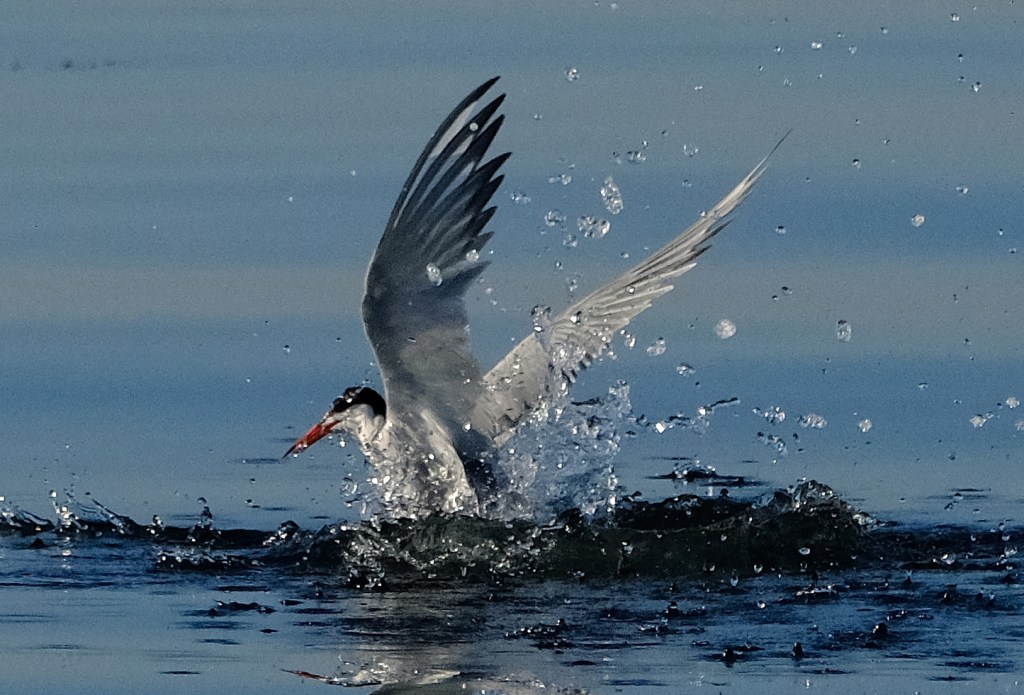


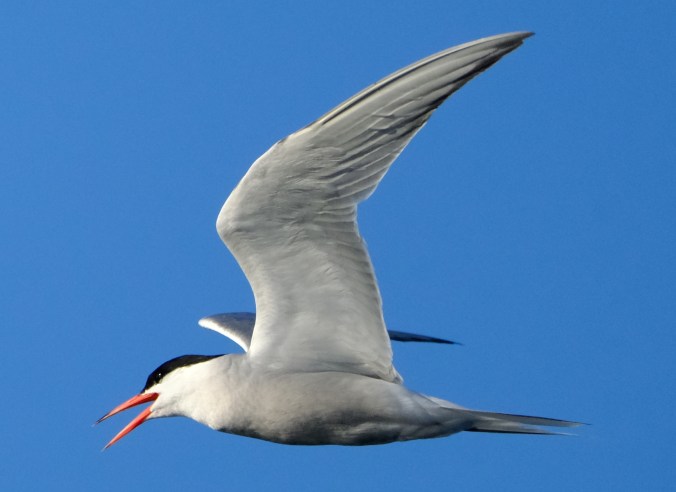
Families of Common terns fishing off Meon Shore. Adult birds have orange bills, while juvenile birds have black and Yellow Bills
.





 Continued Reflections from my World.