The Common Gull looks like a smaller version of the Herring Gull, with greenish/blue legs and a yellow bill. Despite its name, it is not common.
Conservation status: Red
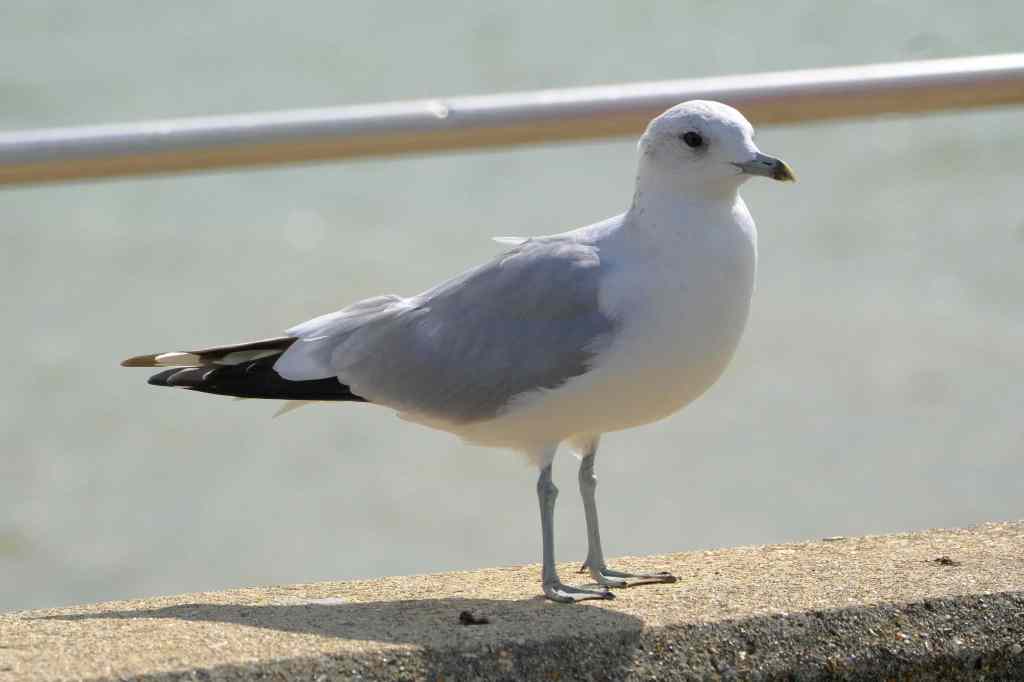
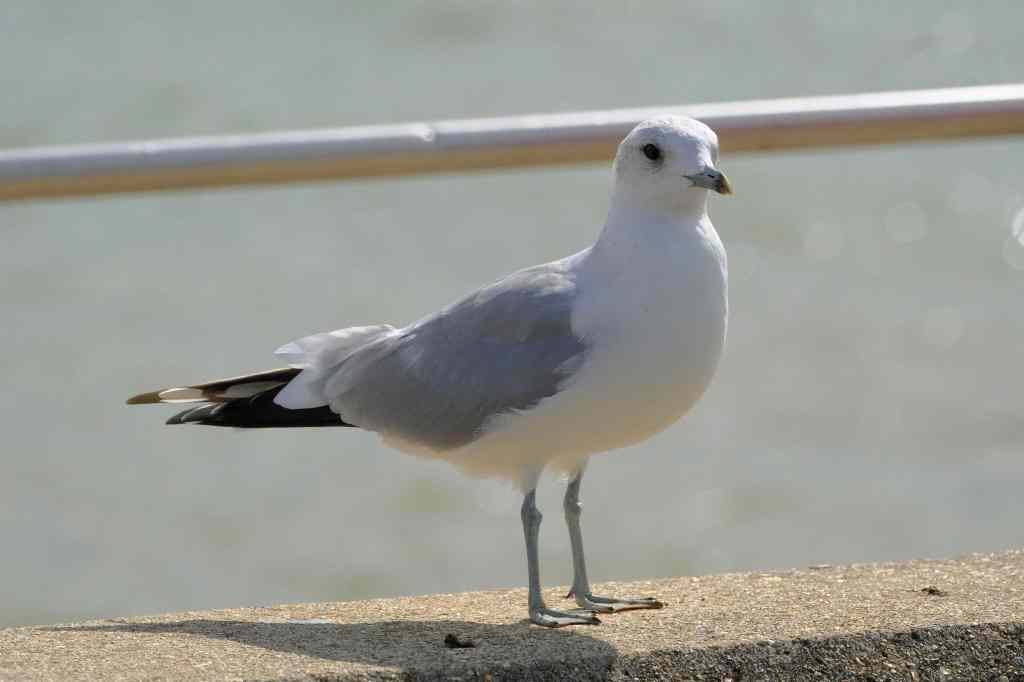
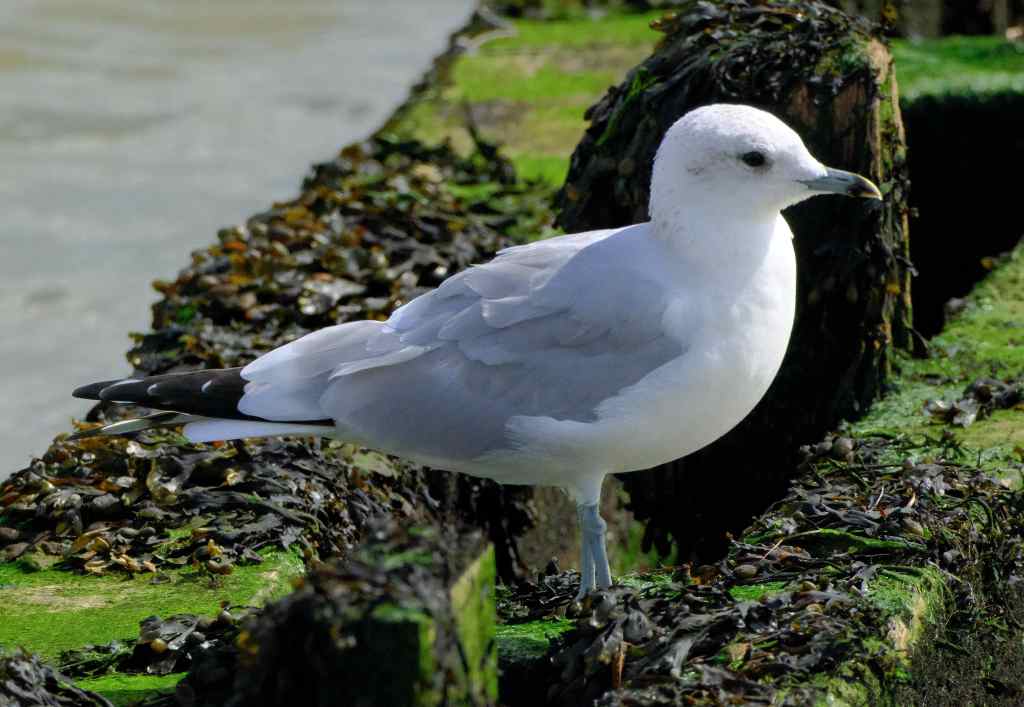
The Common Gull looks like a smaller version of the Herring Gull, with greenish/blue legs and a yellow bill. Despite its name, it is not common.
Conservation status: Red
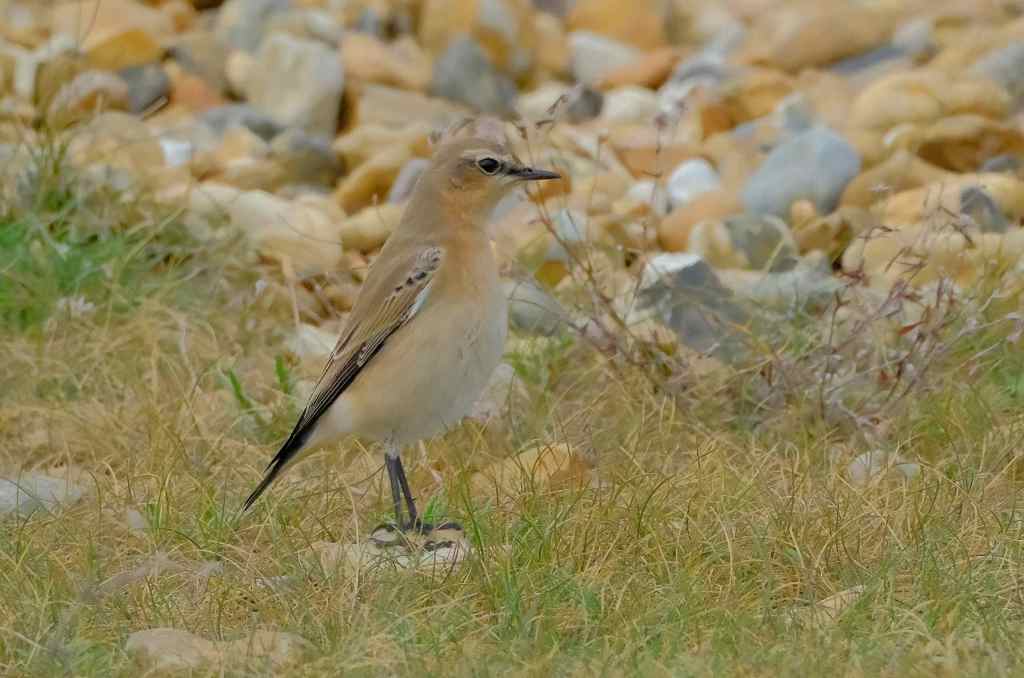
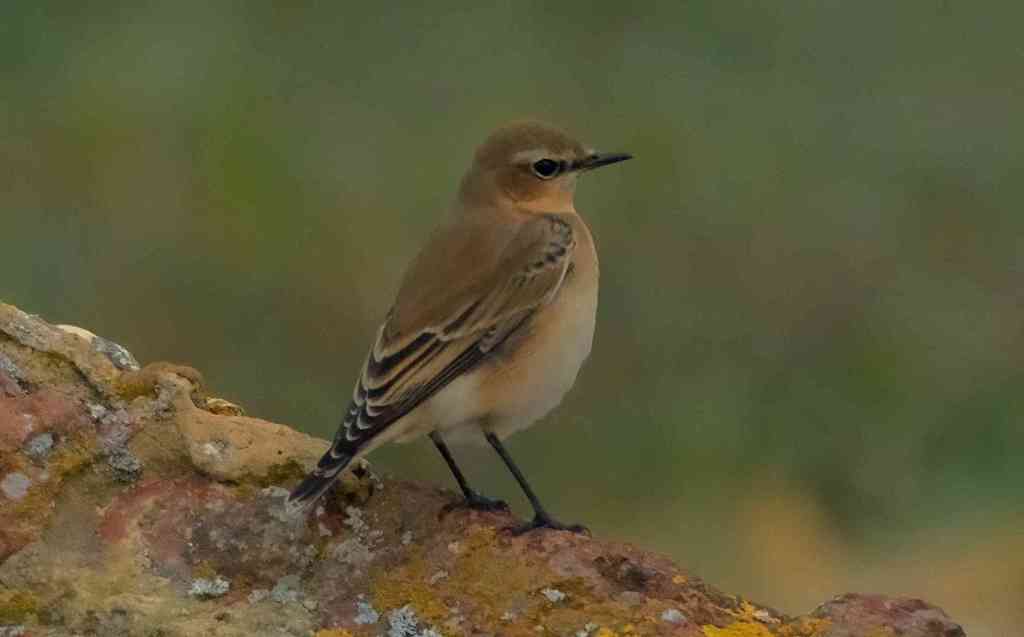
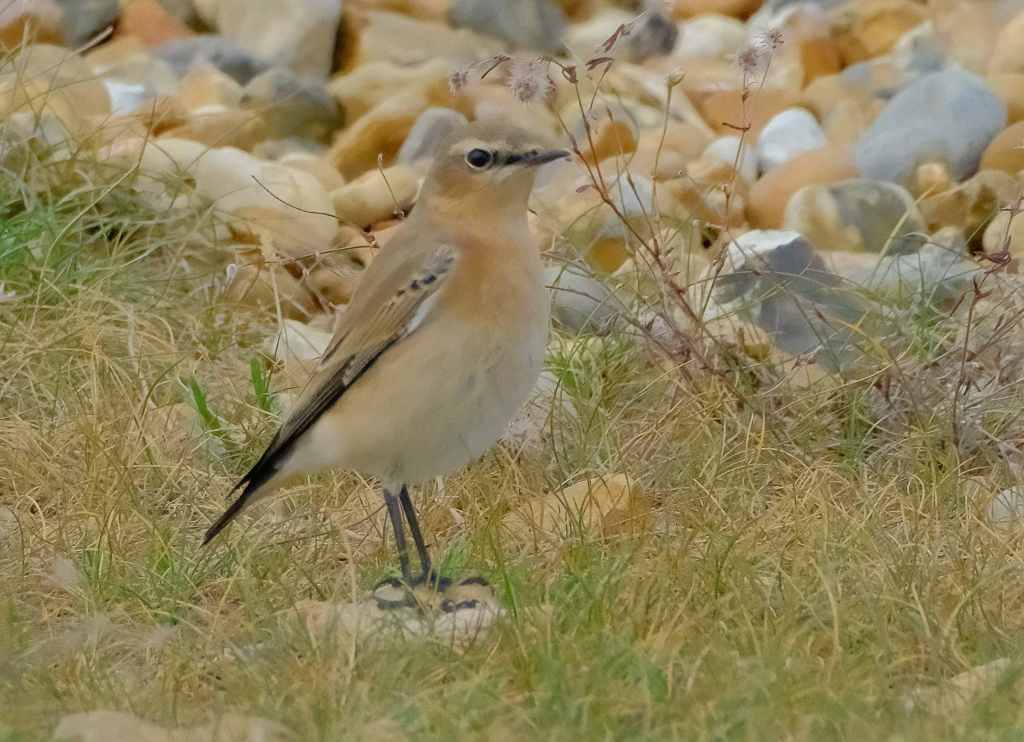
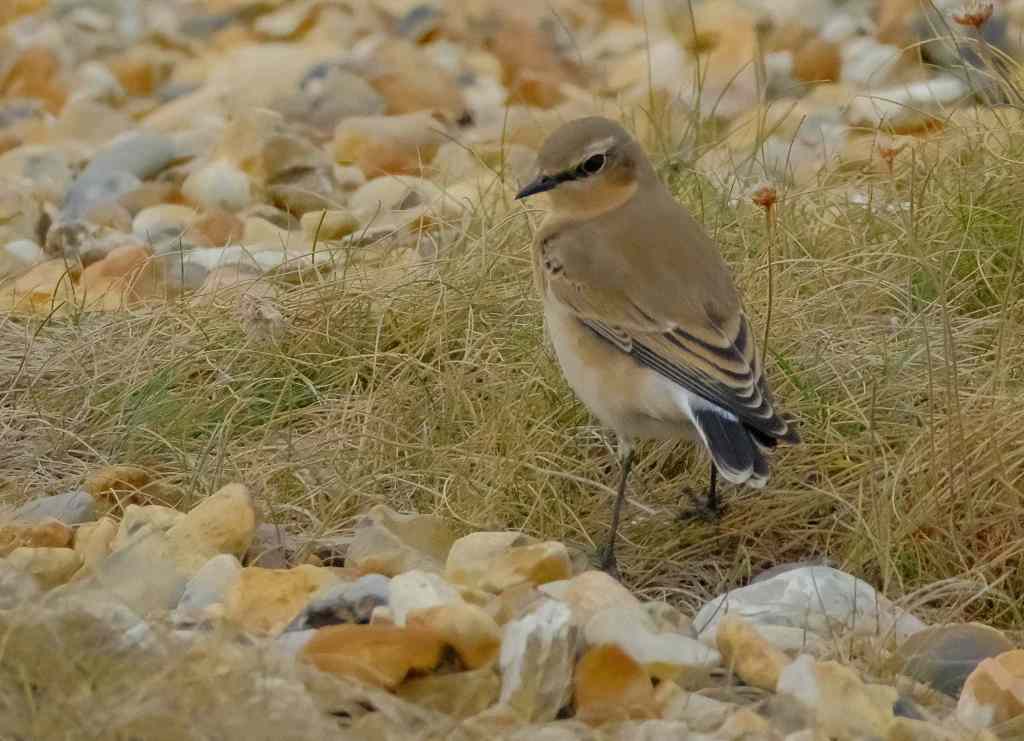
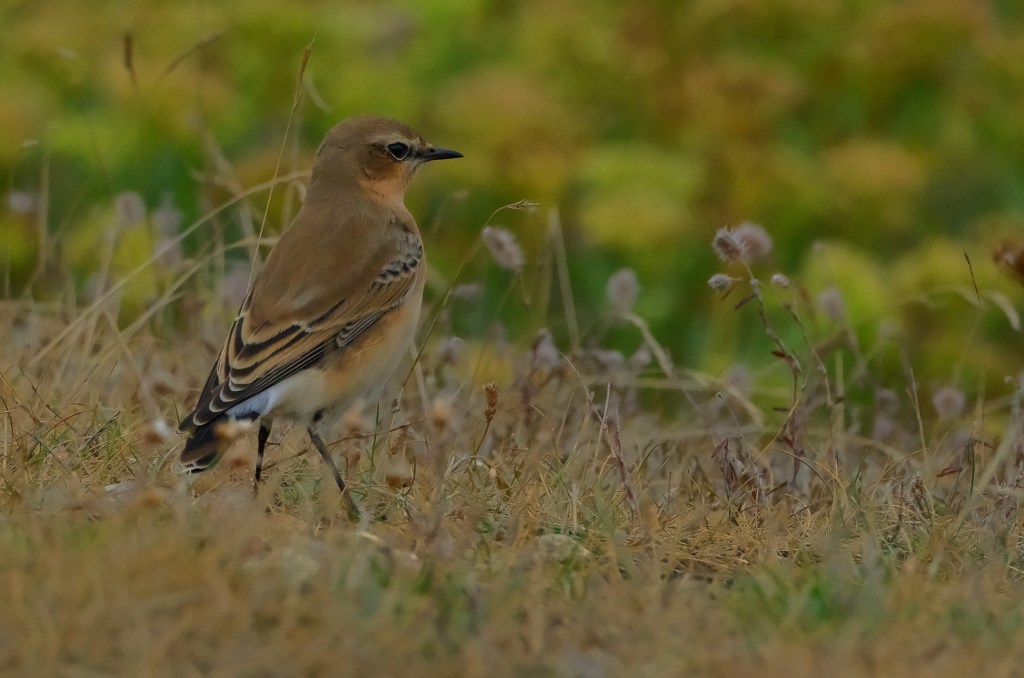
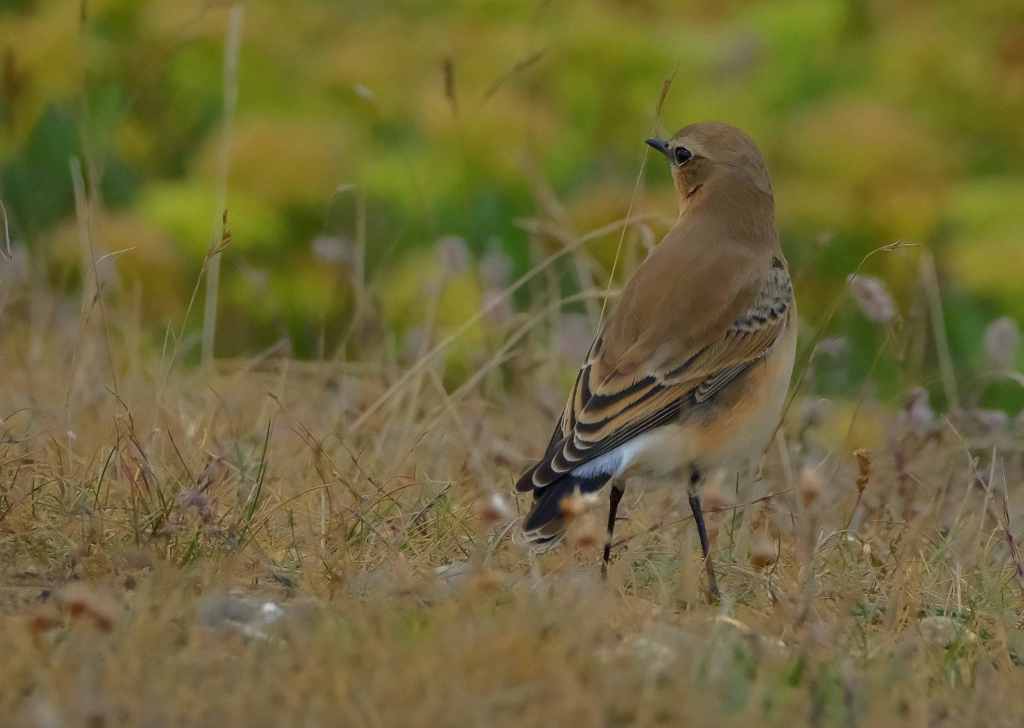
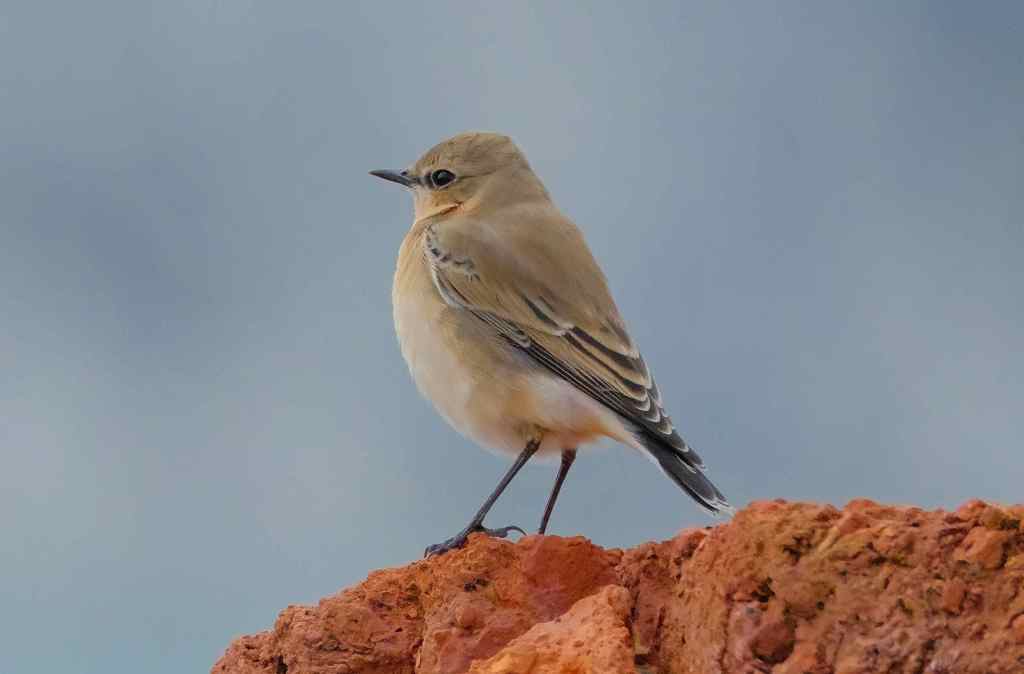
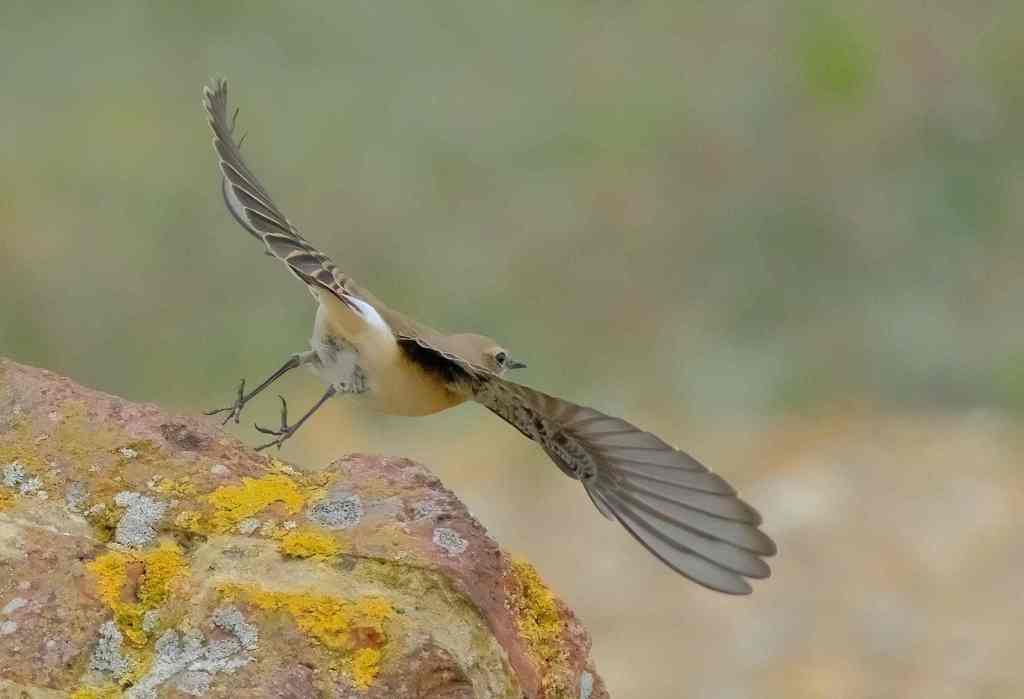
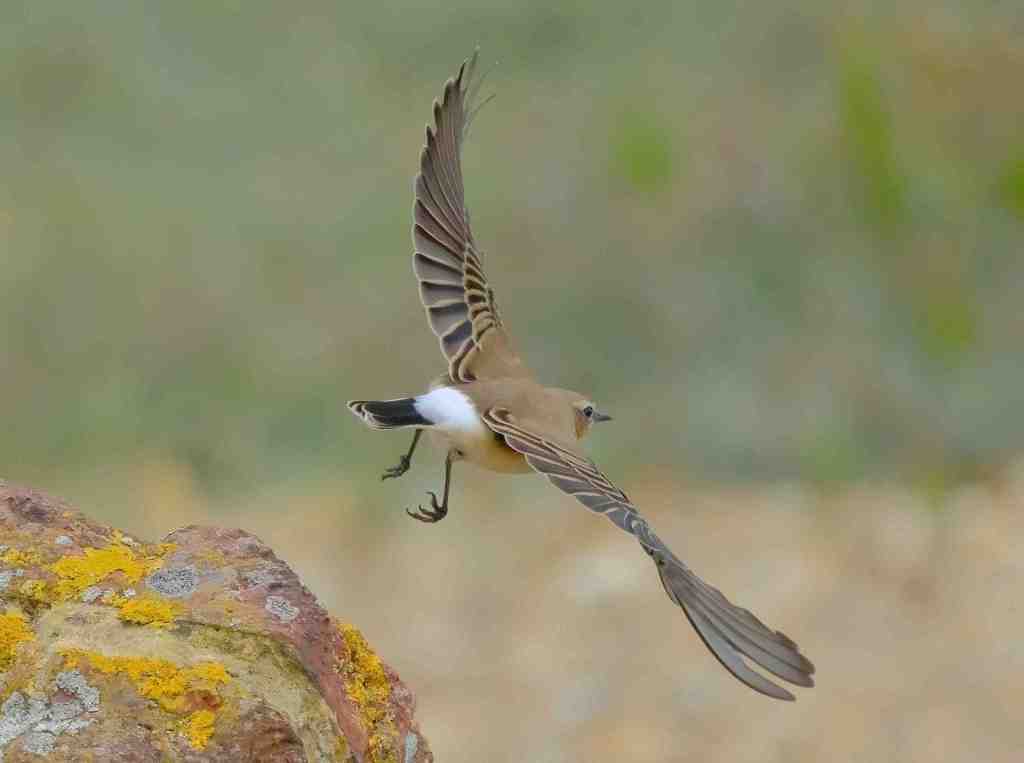
A UK robin-sized chat, the wheatear is a summer visitor, arriving here in early March and leaving in September for its African wintering grounds. There were several of these good-looking birds on Hurst Spit today. They are mainly ground-dwelling birds. It hops or runs on the ground looking for food.
Along the River Hamble from Warsash, a favourite short walk for Sunday morning. Nothing new today but some old favourites
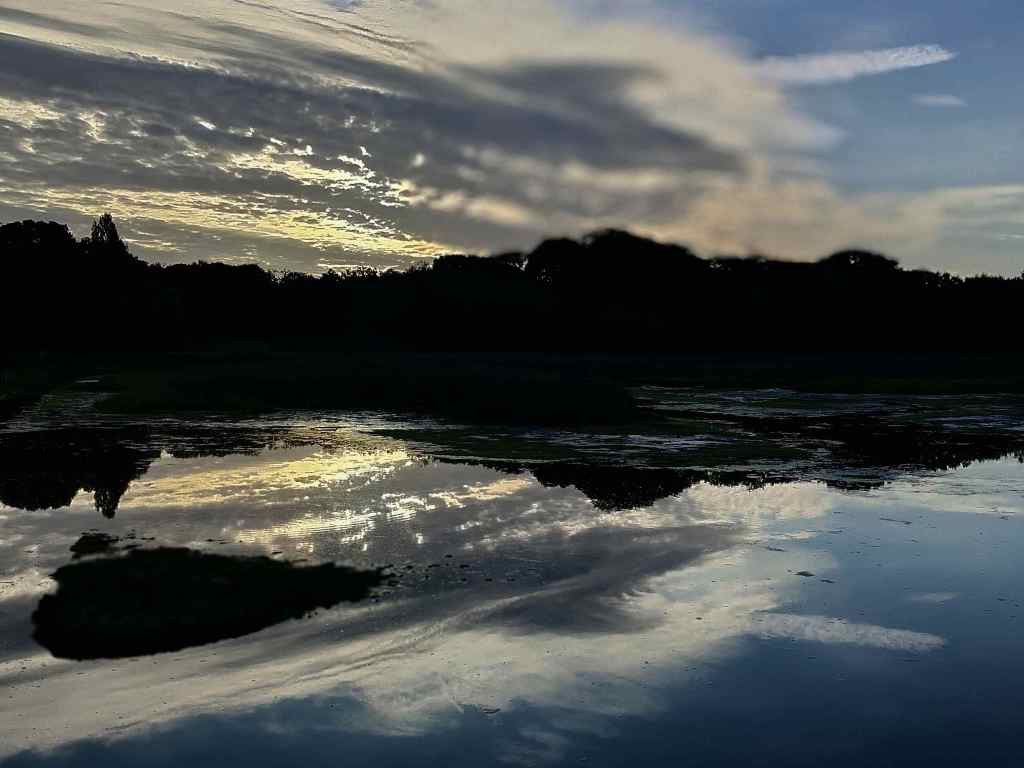
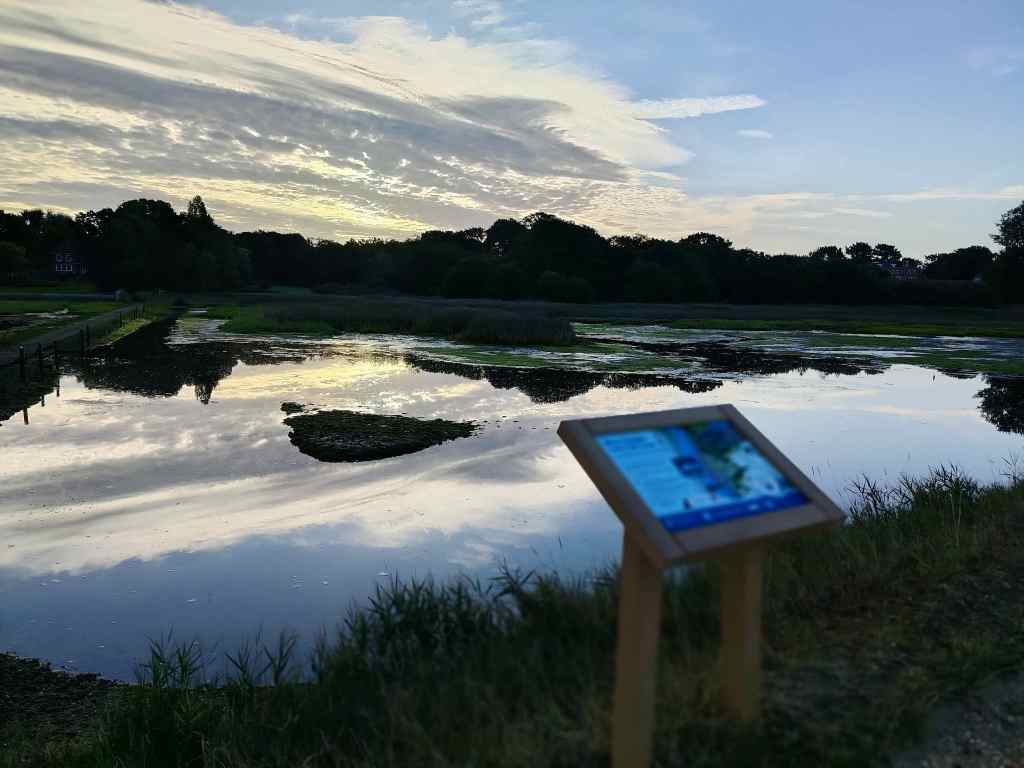
The tide was on the turn and starting to come in.
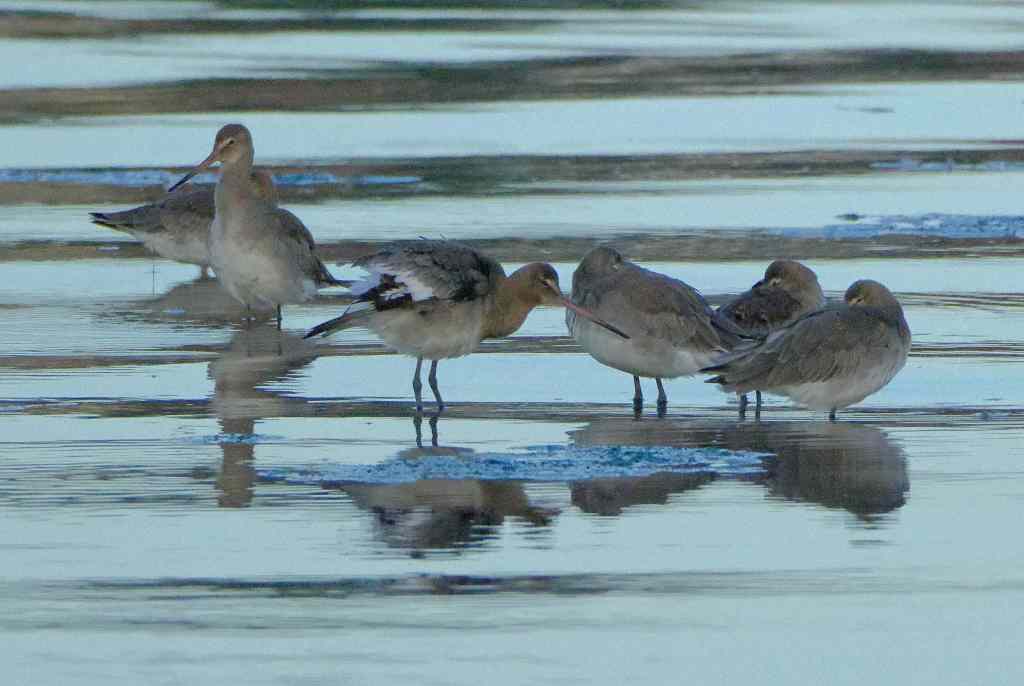
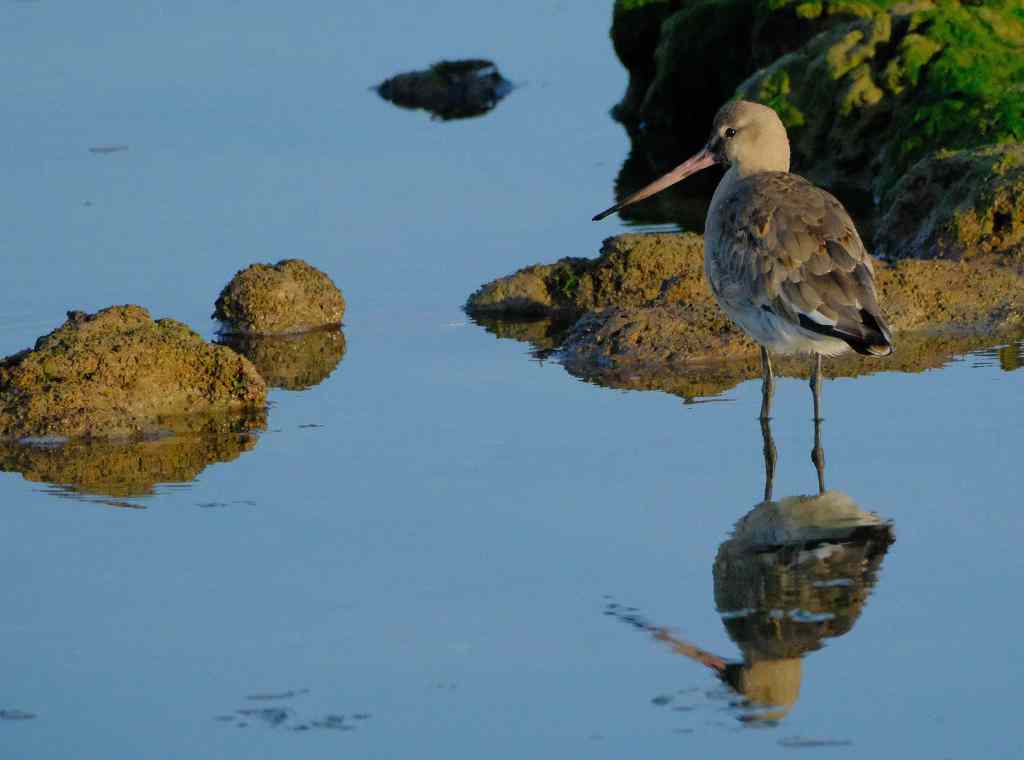
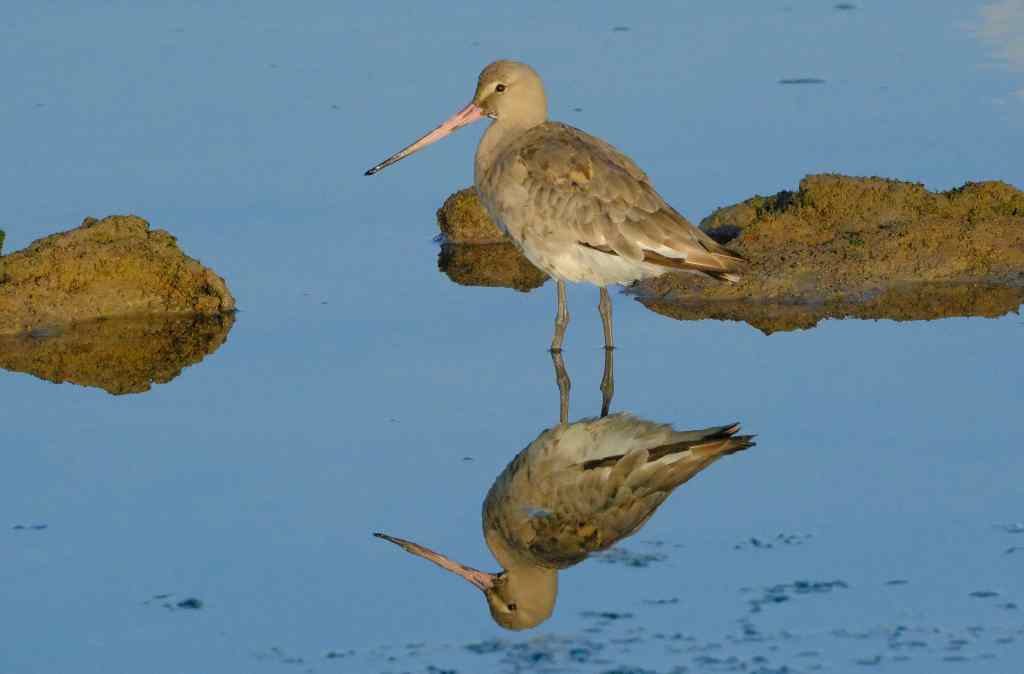
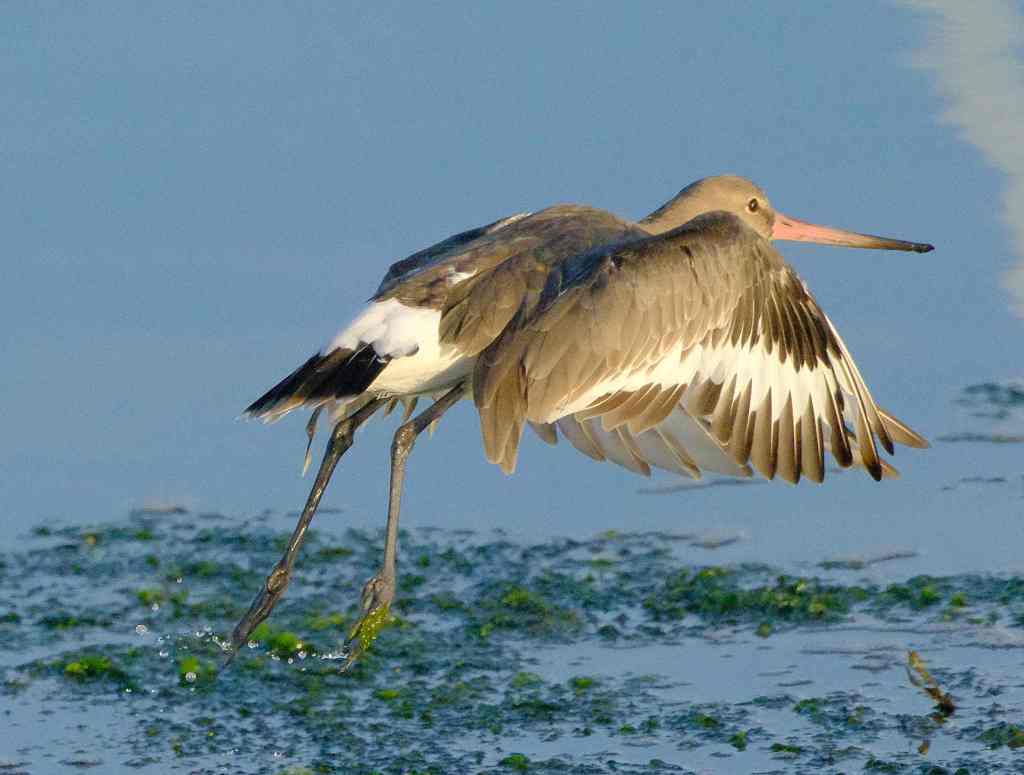
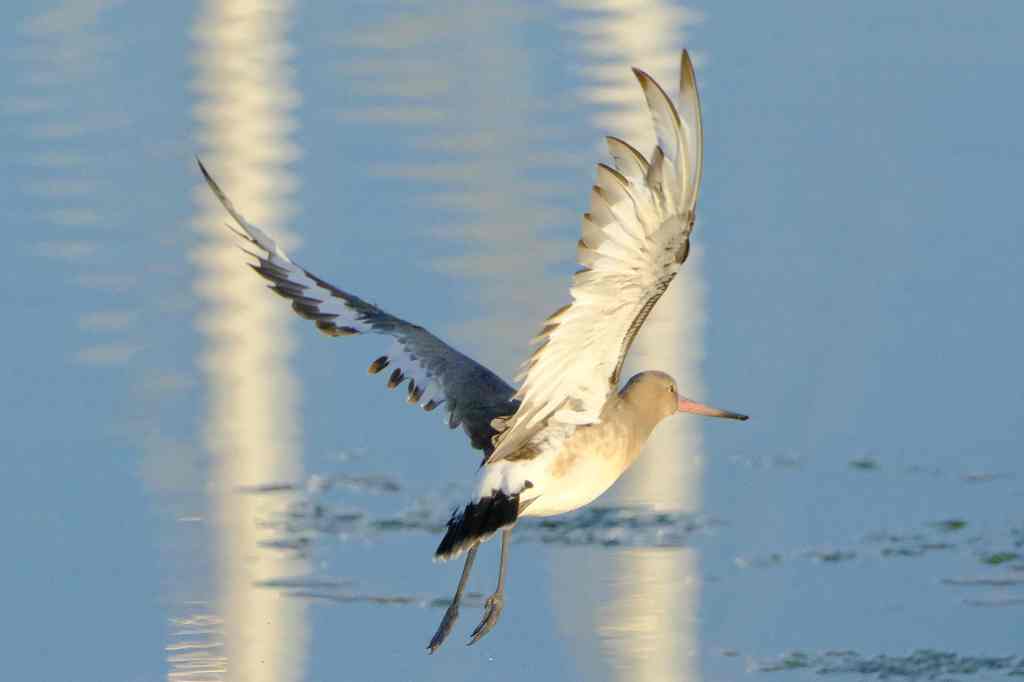
Blacktail Godwitts – there were good numbers of these waders, which have now lost their summer breeding plumage.
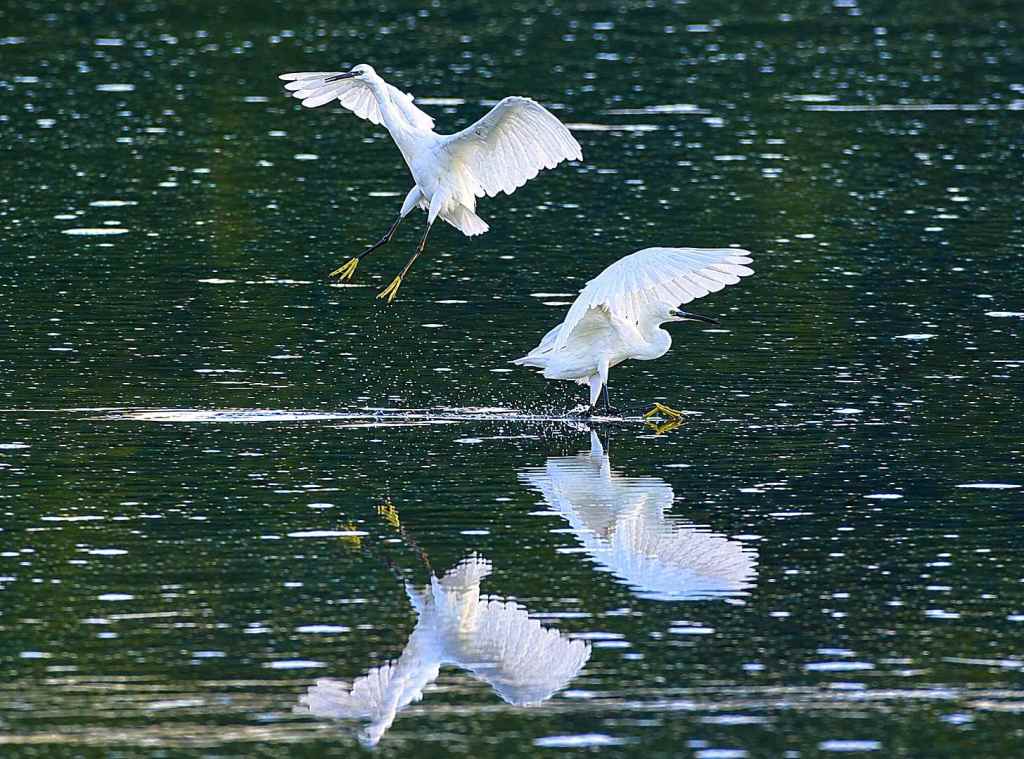
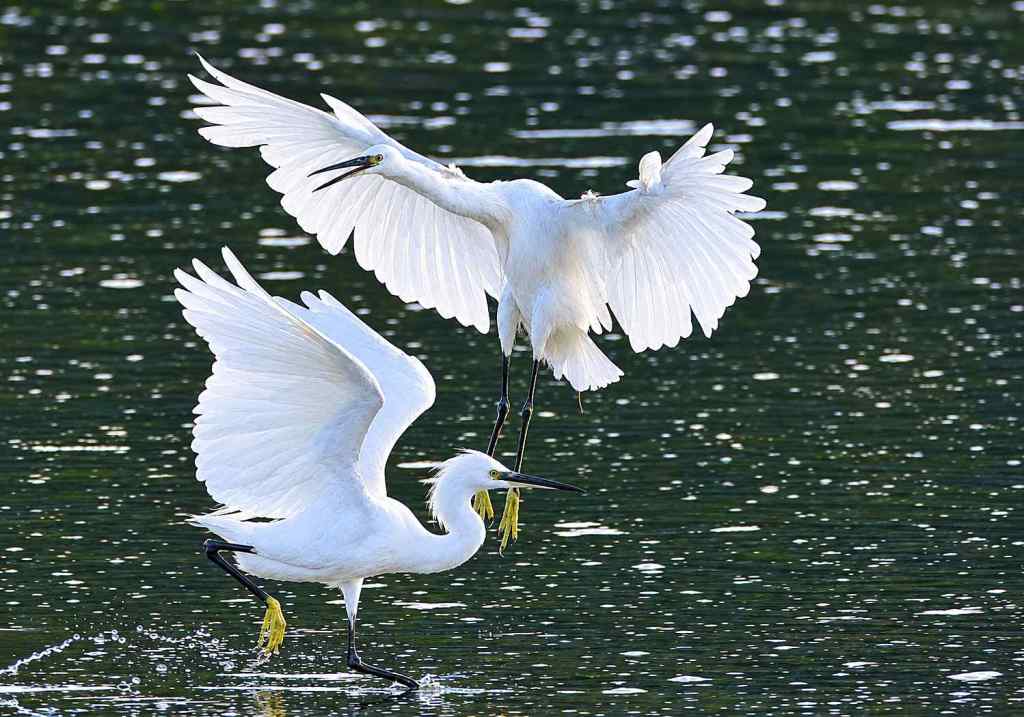
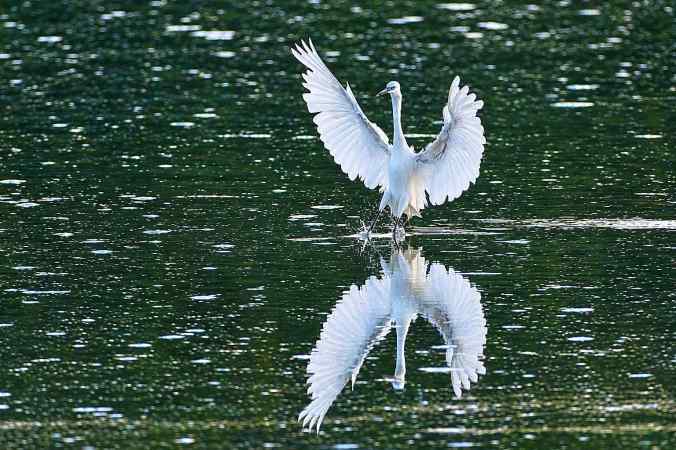
A high number of Little Egrets were on the river and in the surrounding areas.
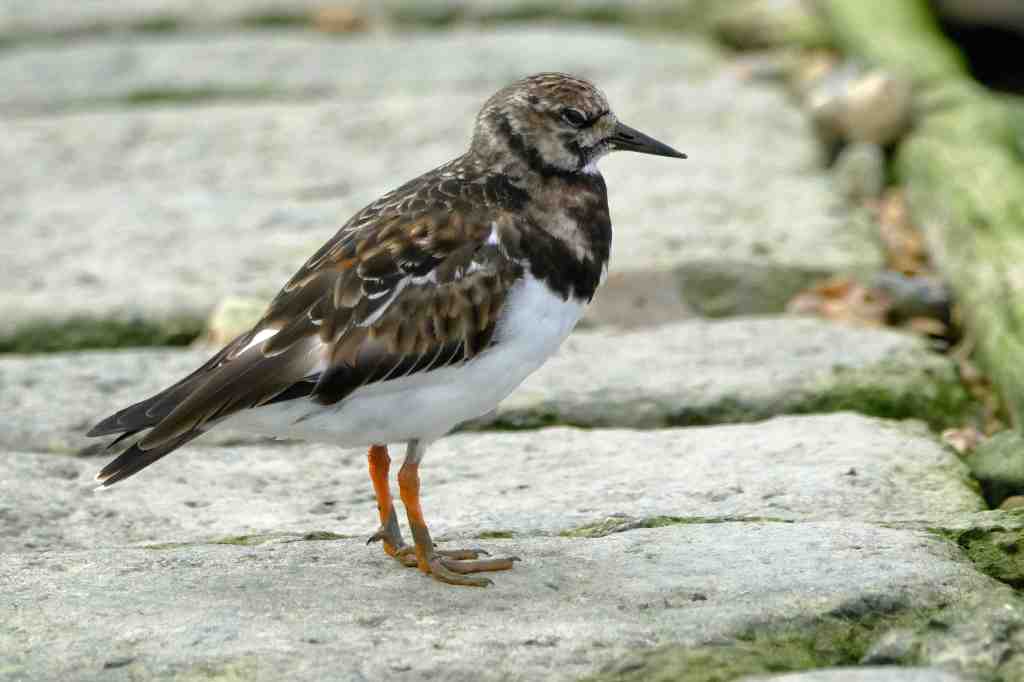
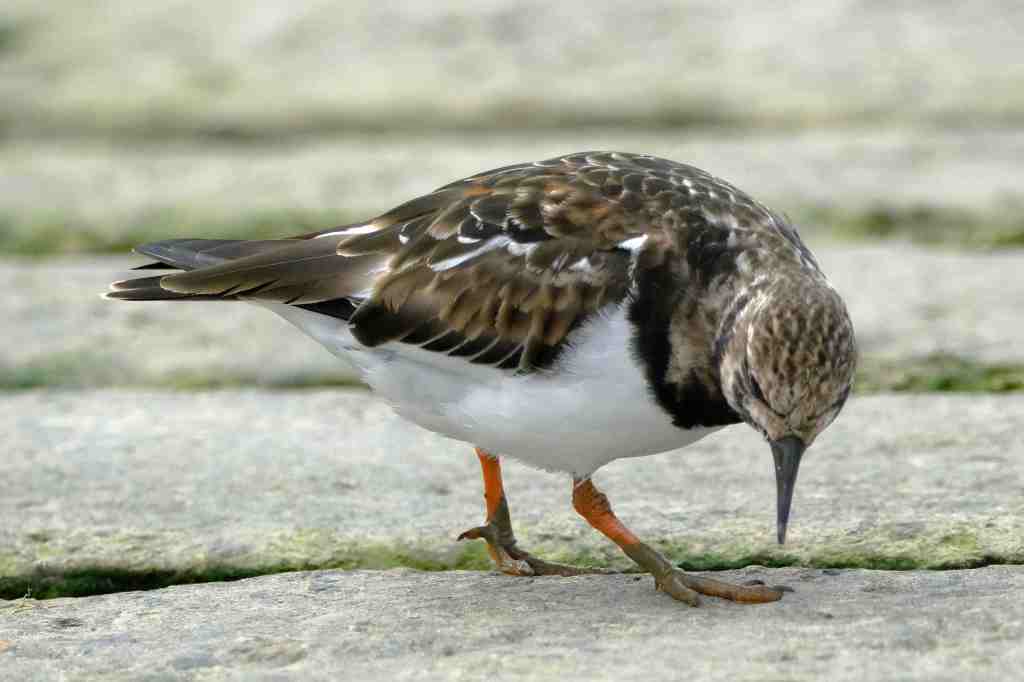
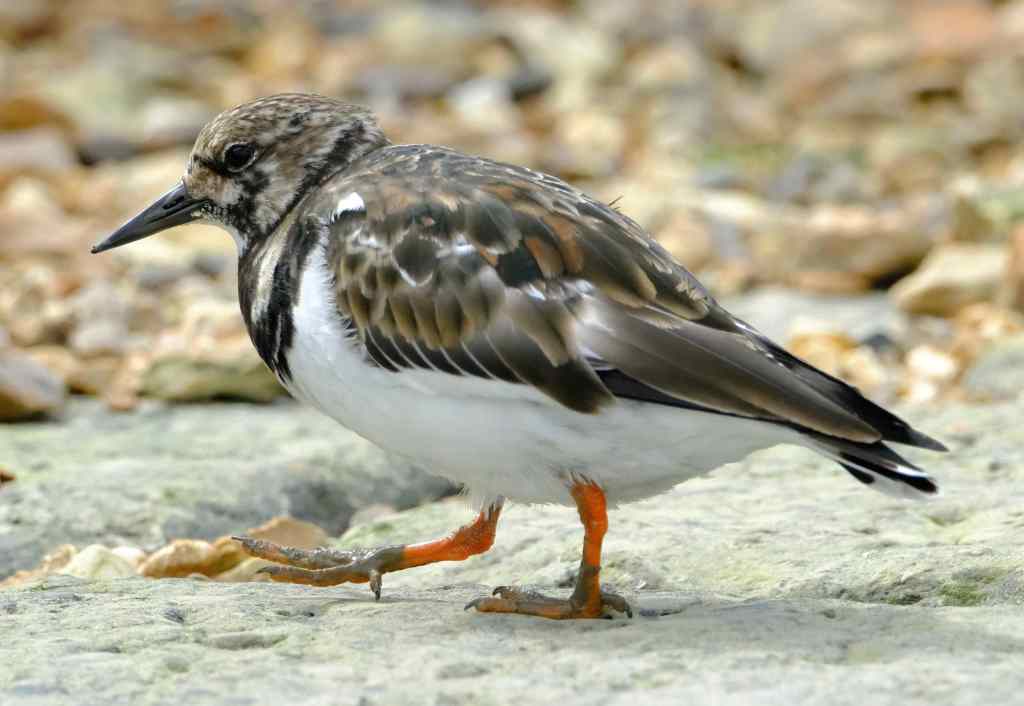
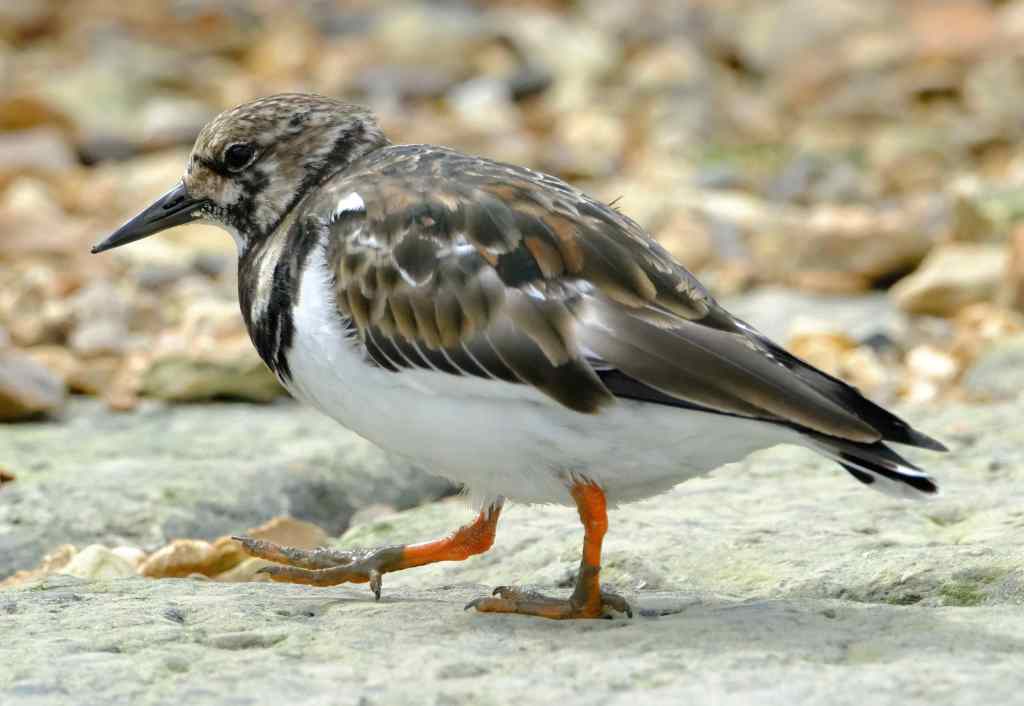
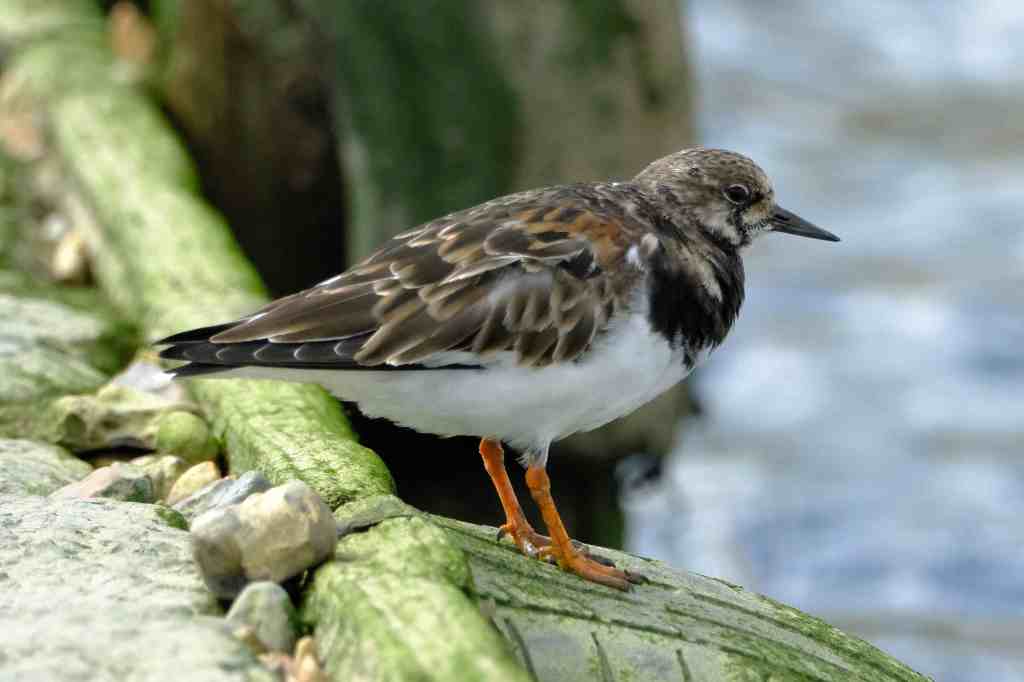
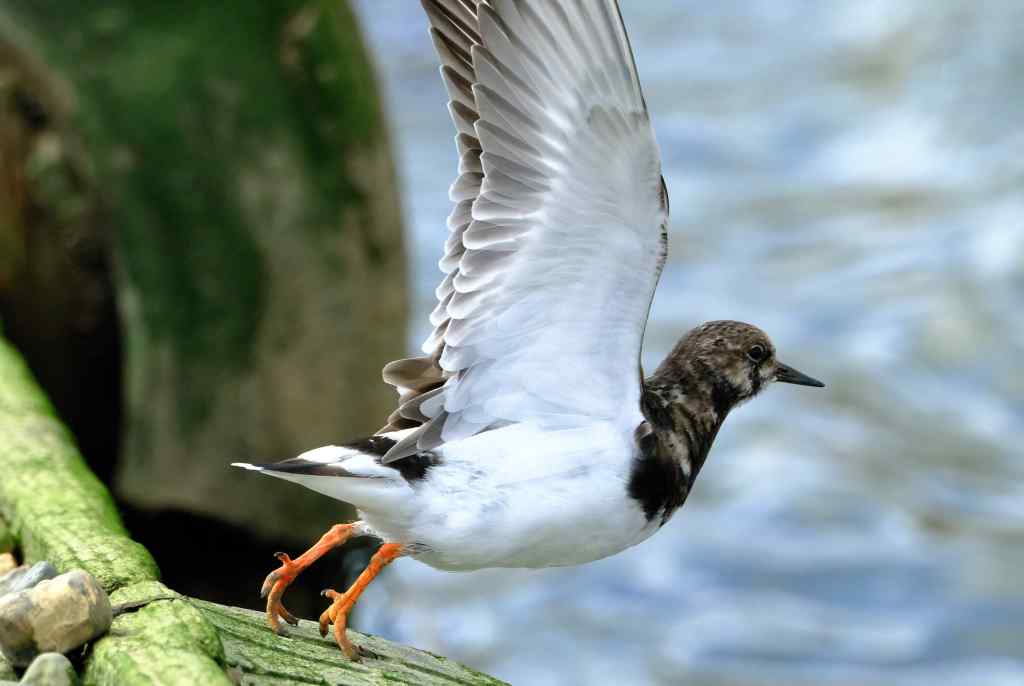
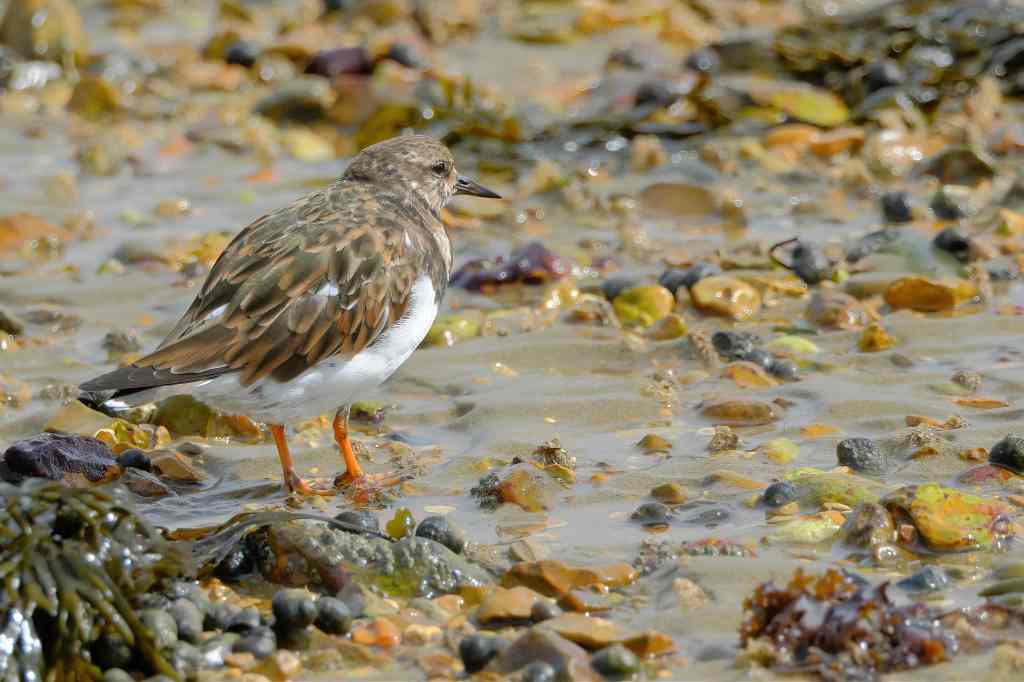
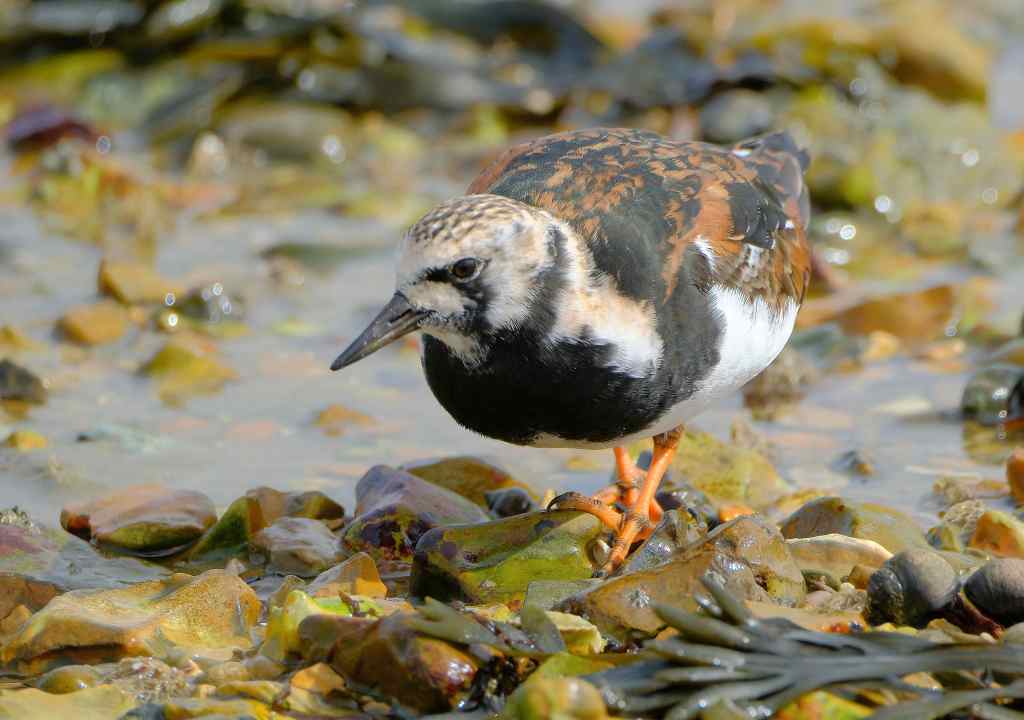
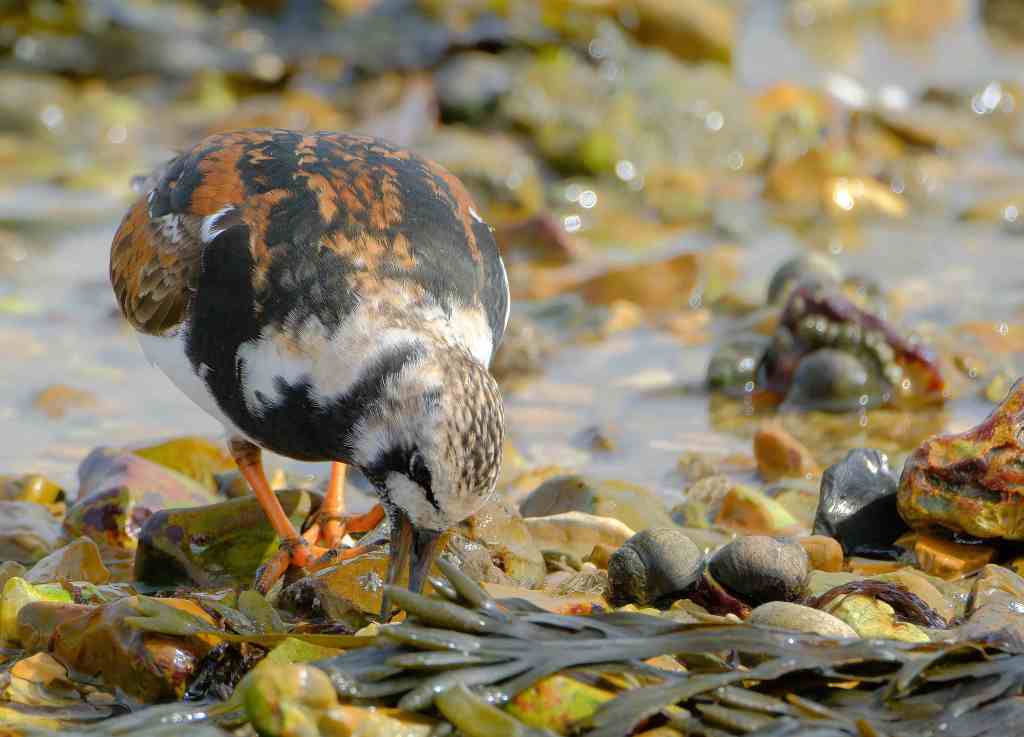
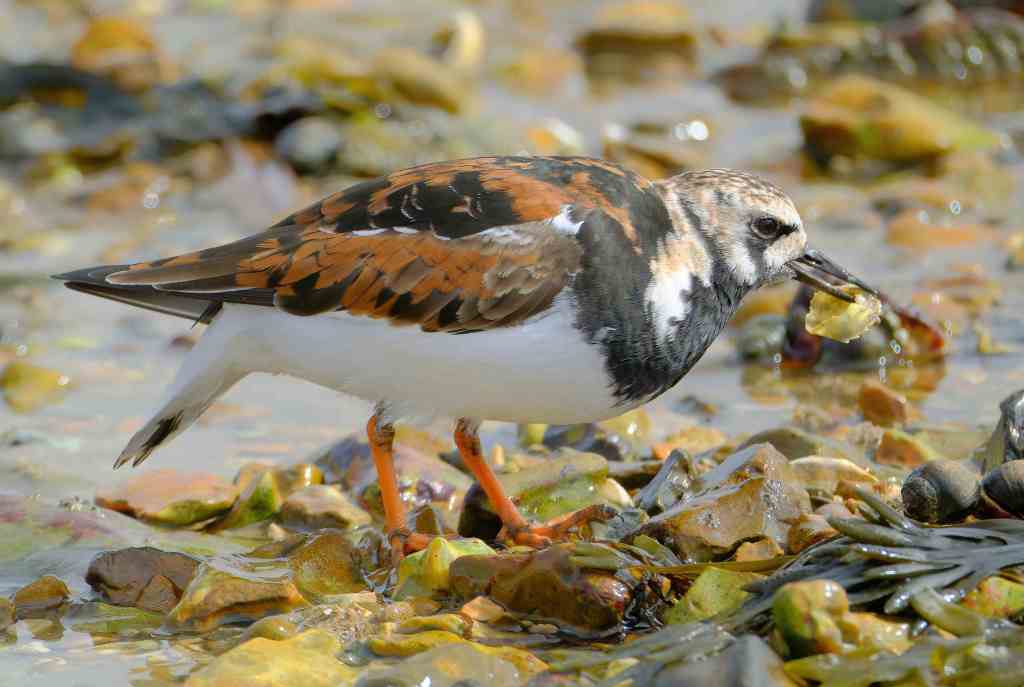
Turnstone
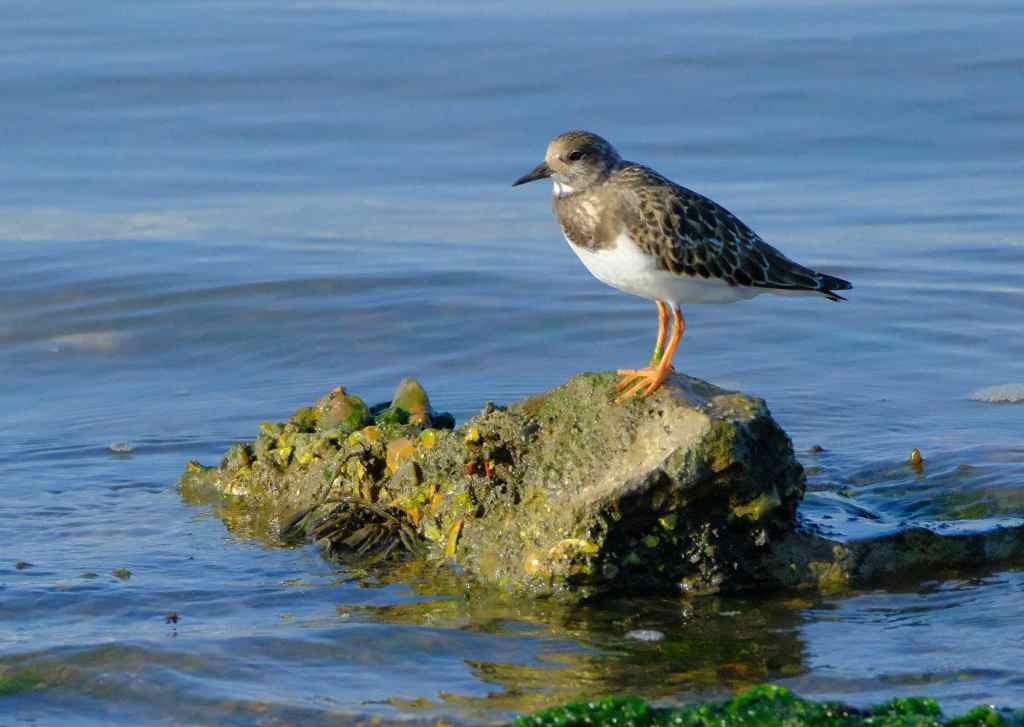
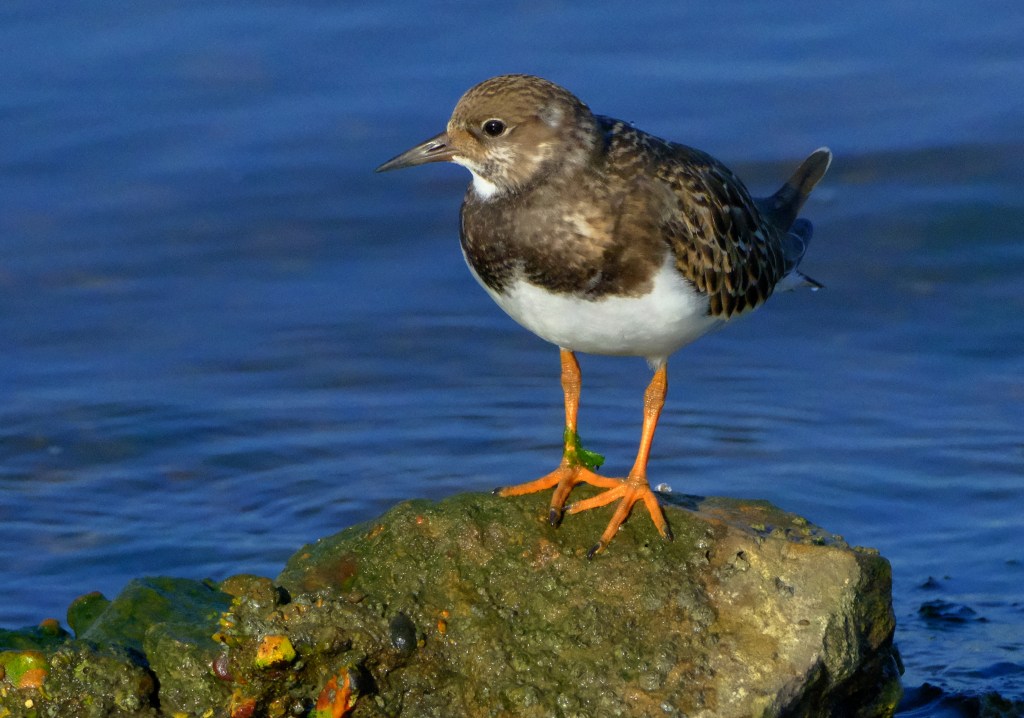
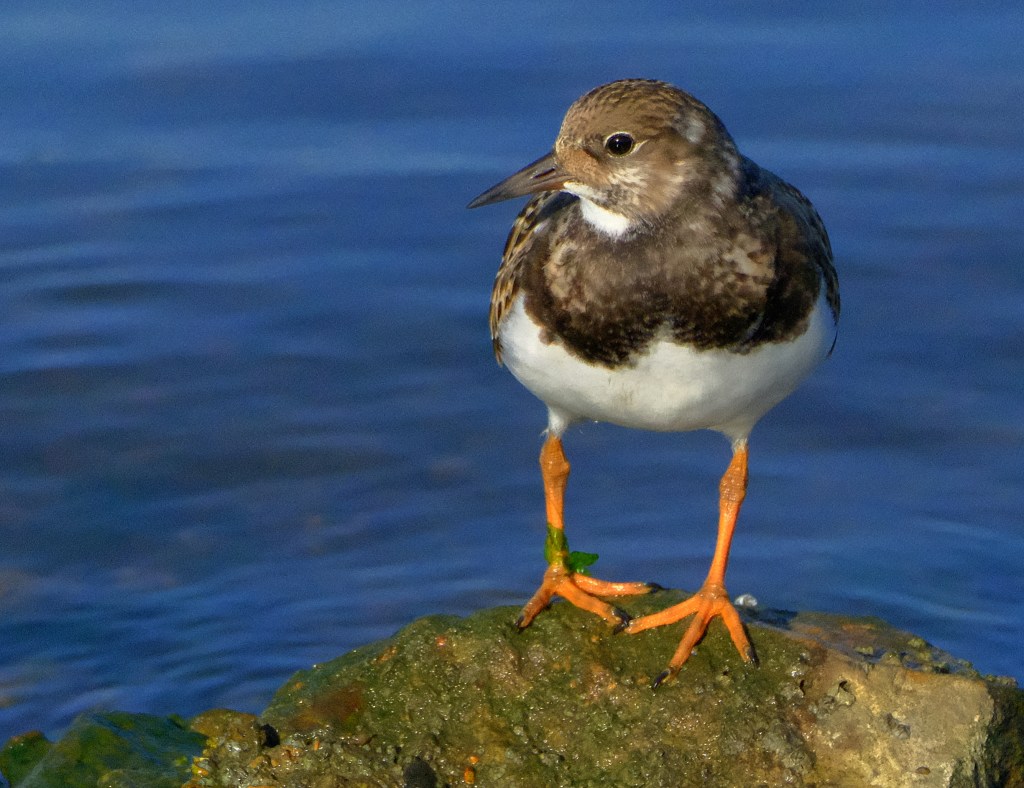
Ring Plover.
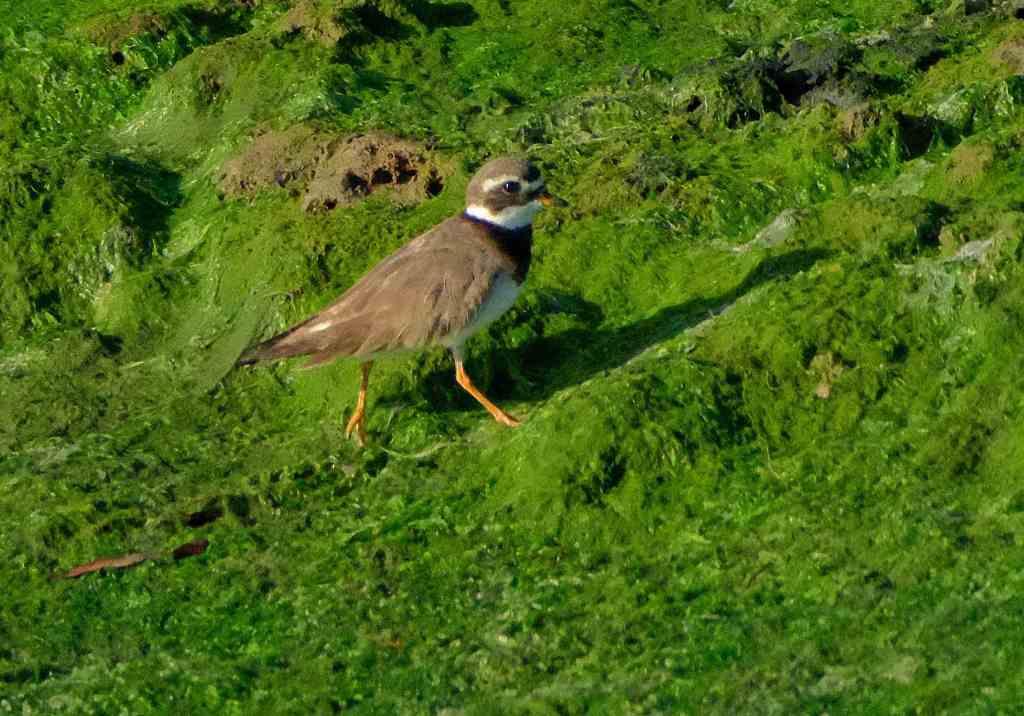
Photo blog.
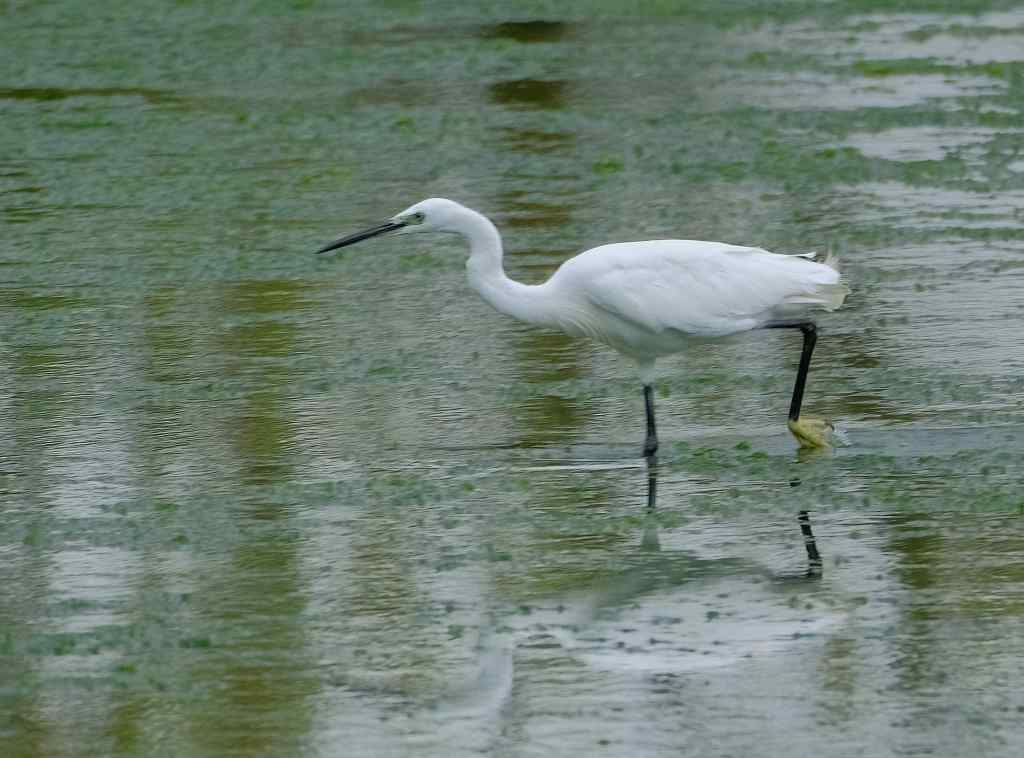
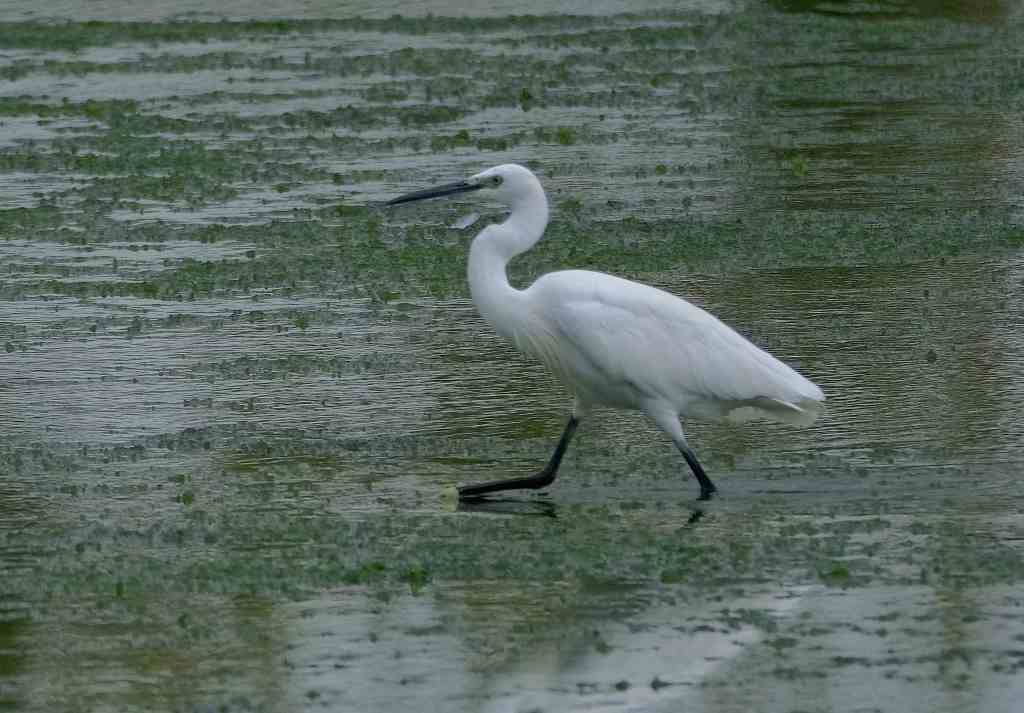
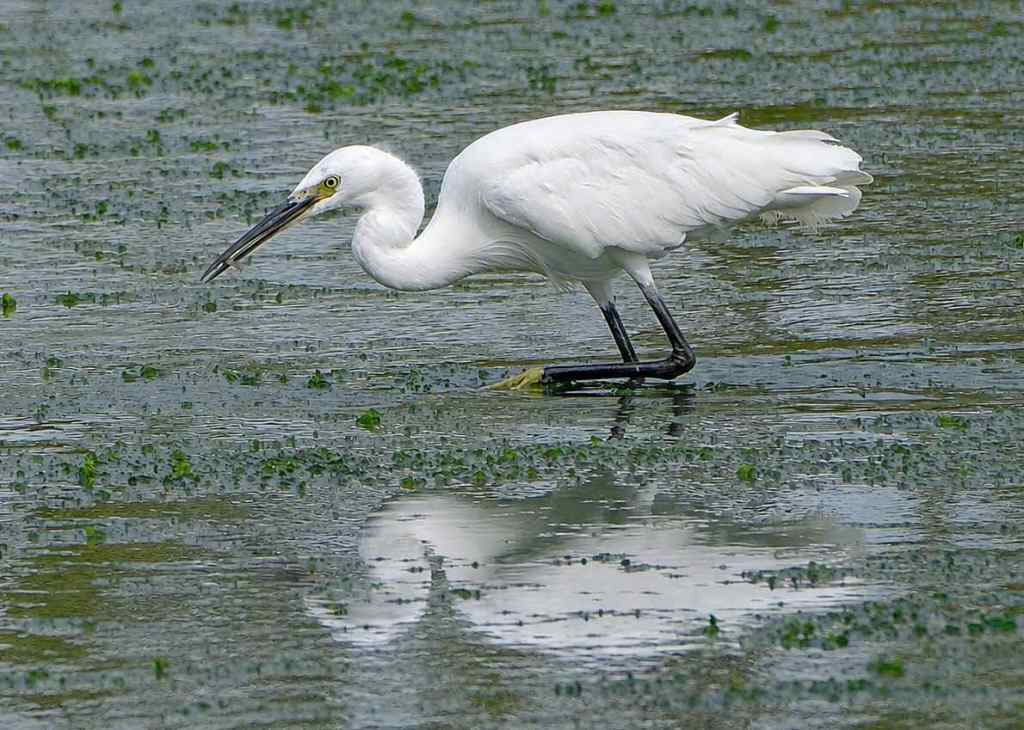
Photo Blog.
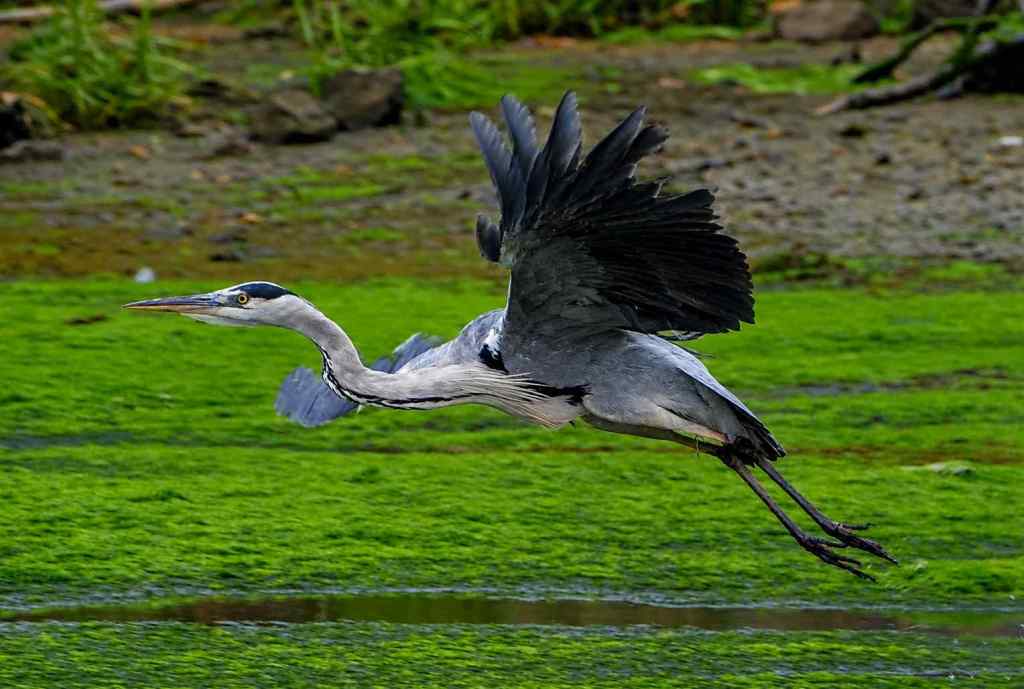
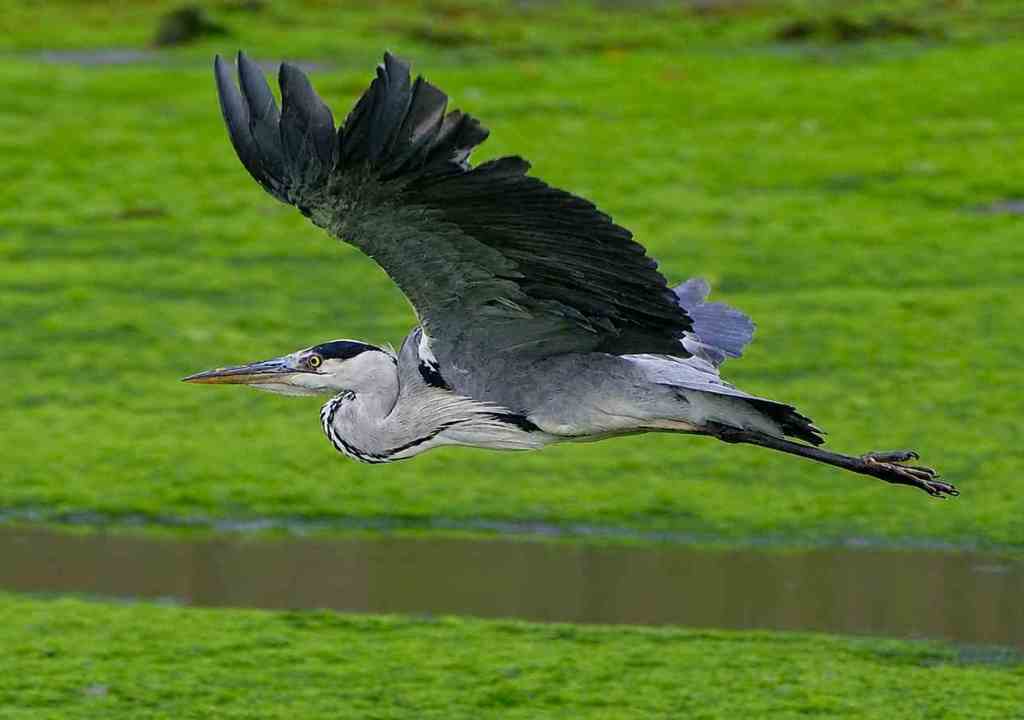
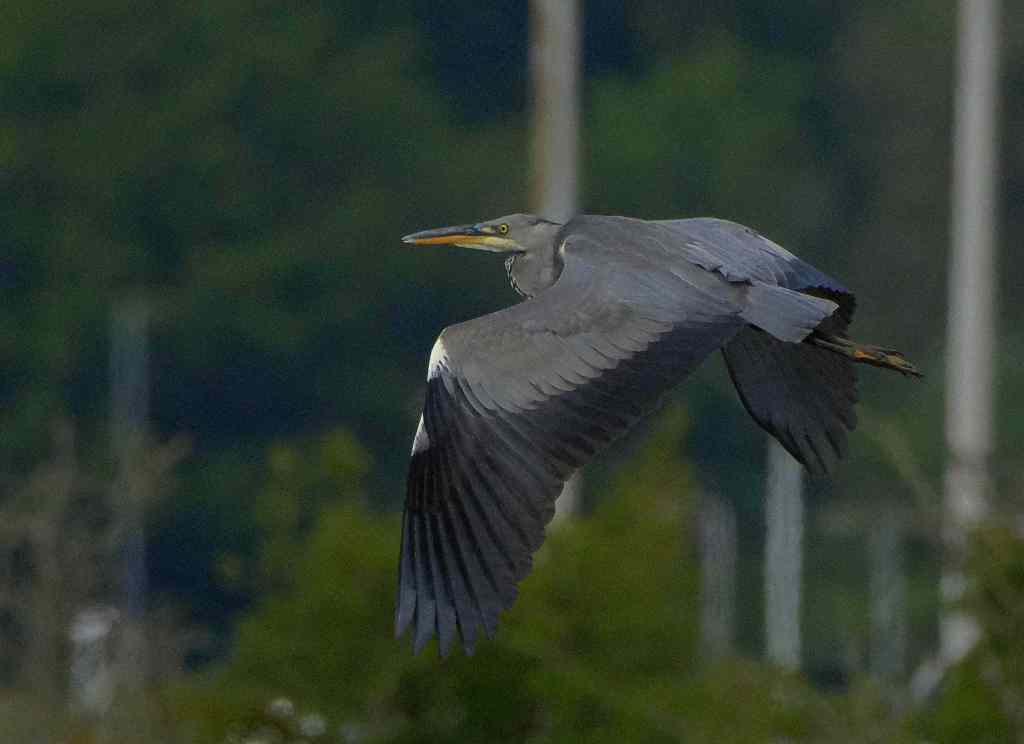
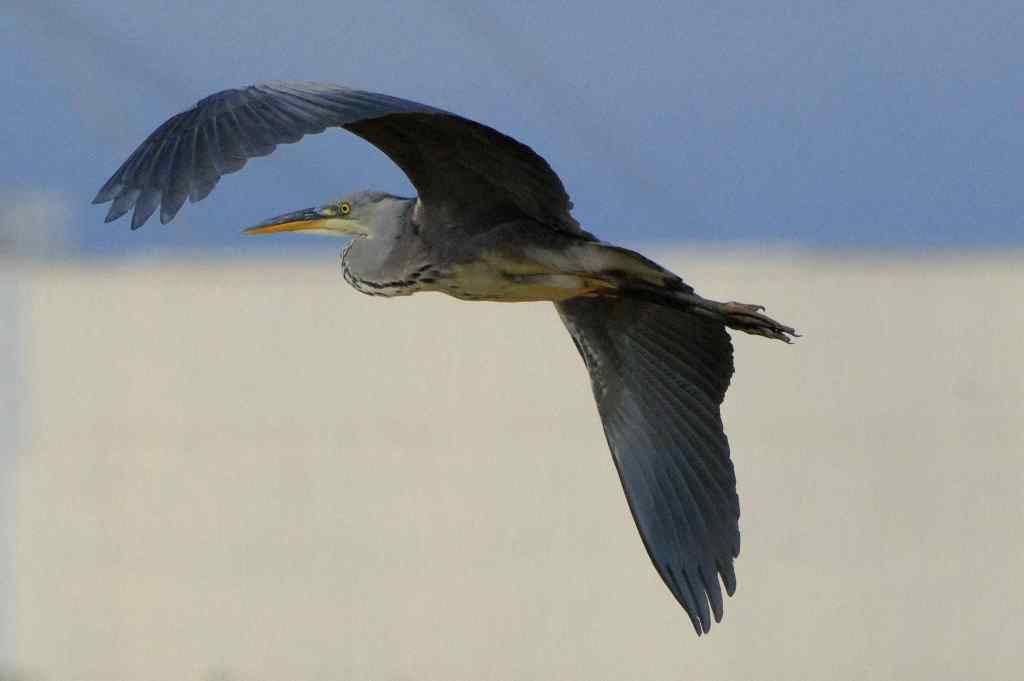
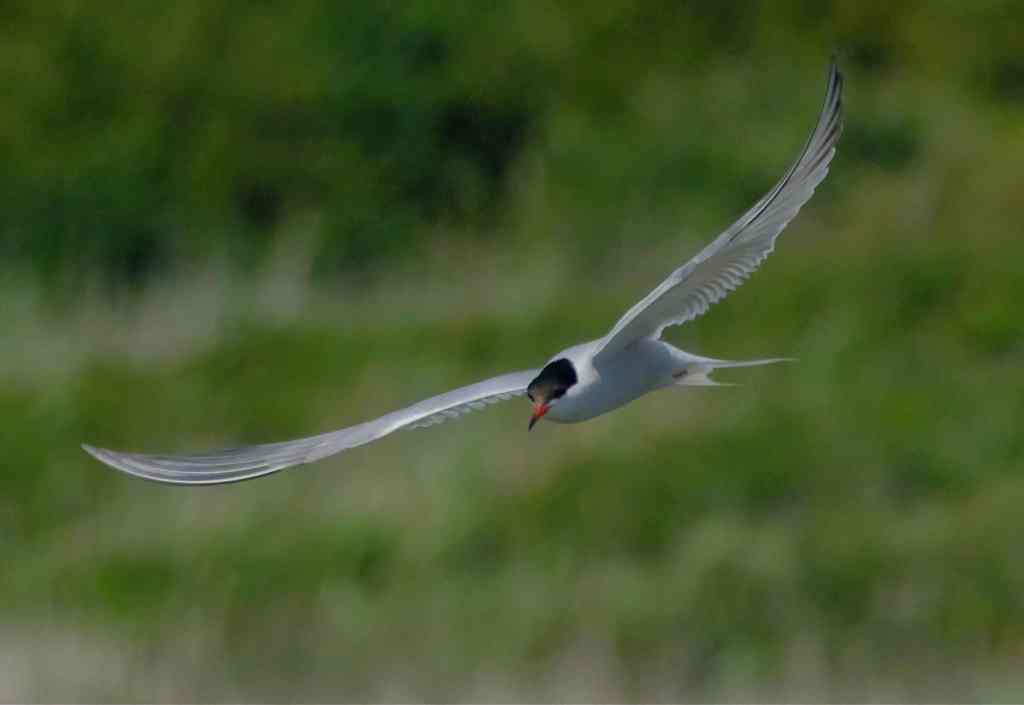
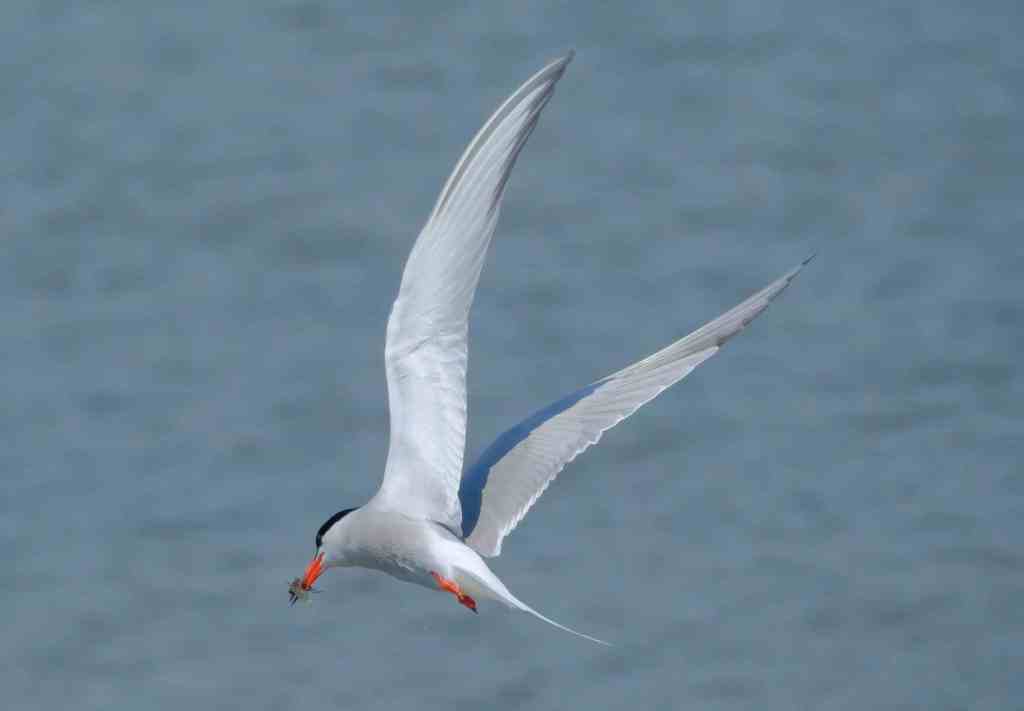
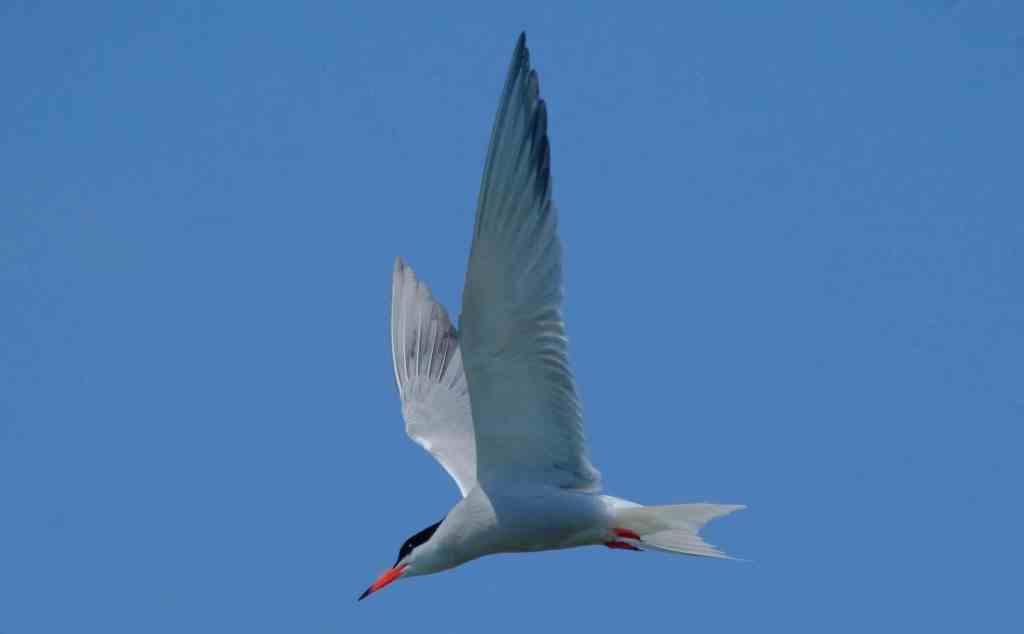
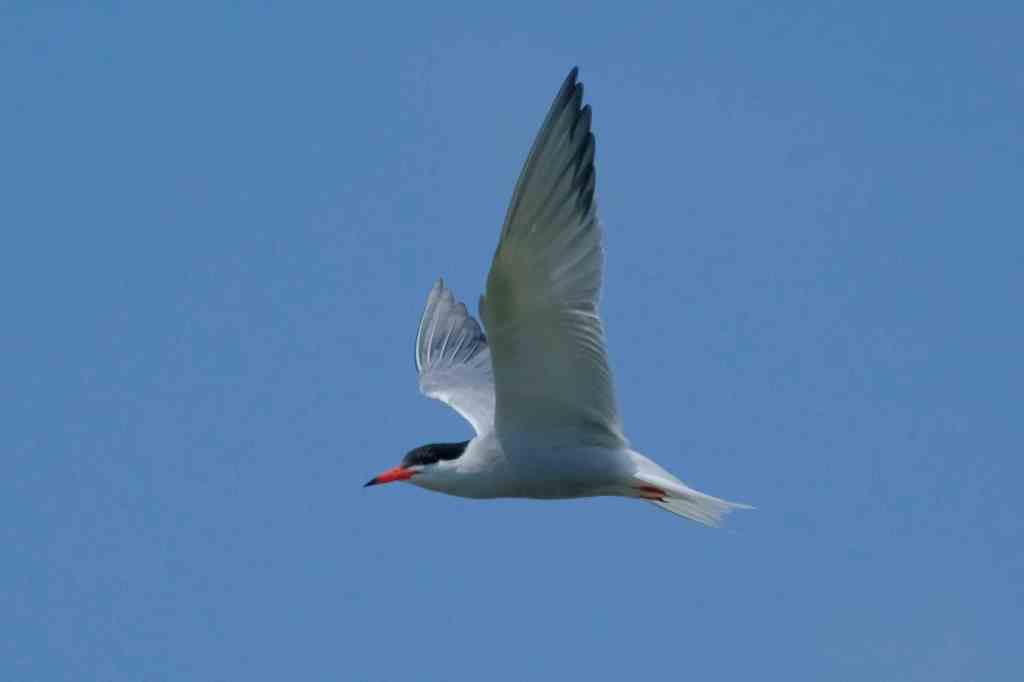
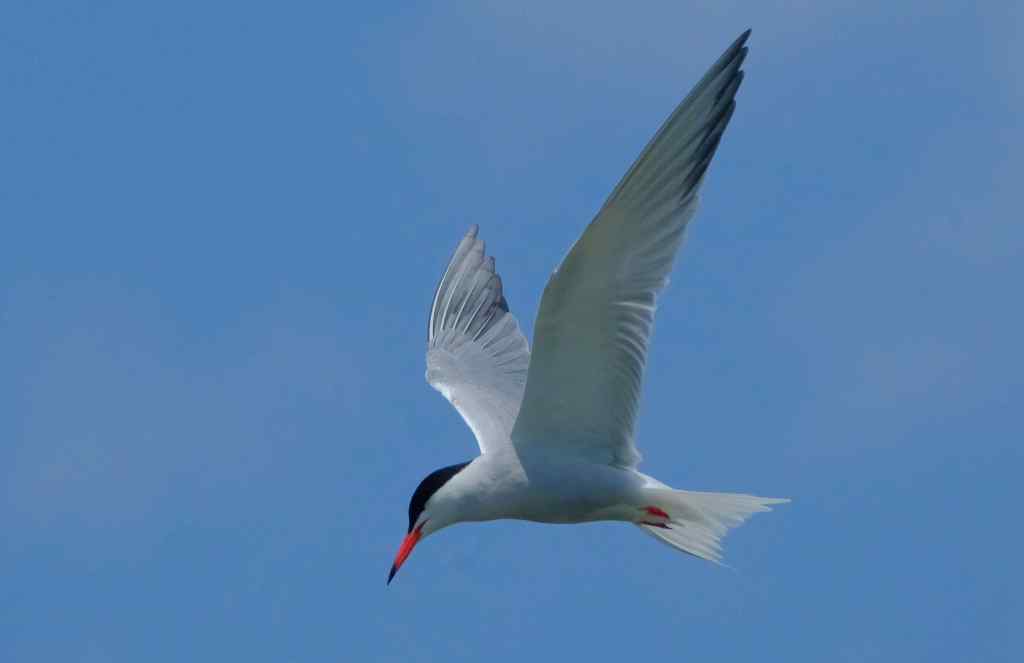
Common Tern Hill Head.
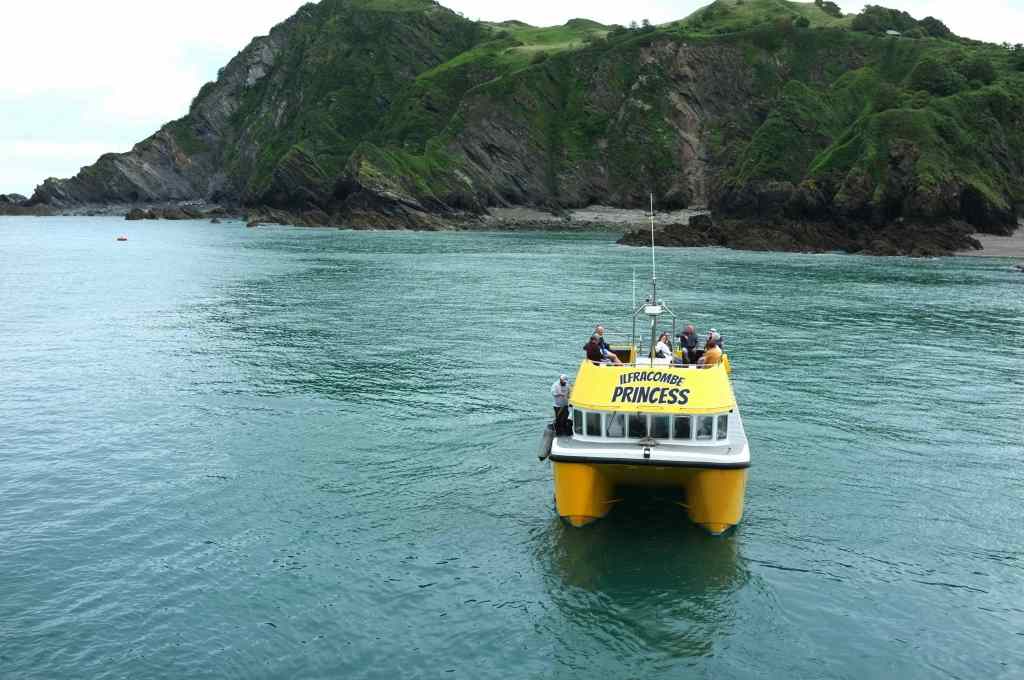
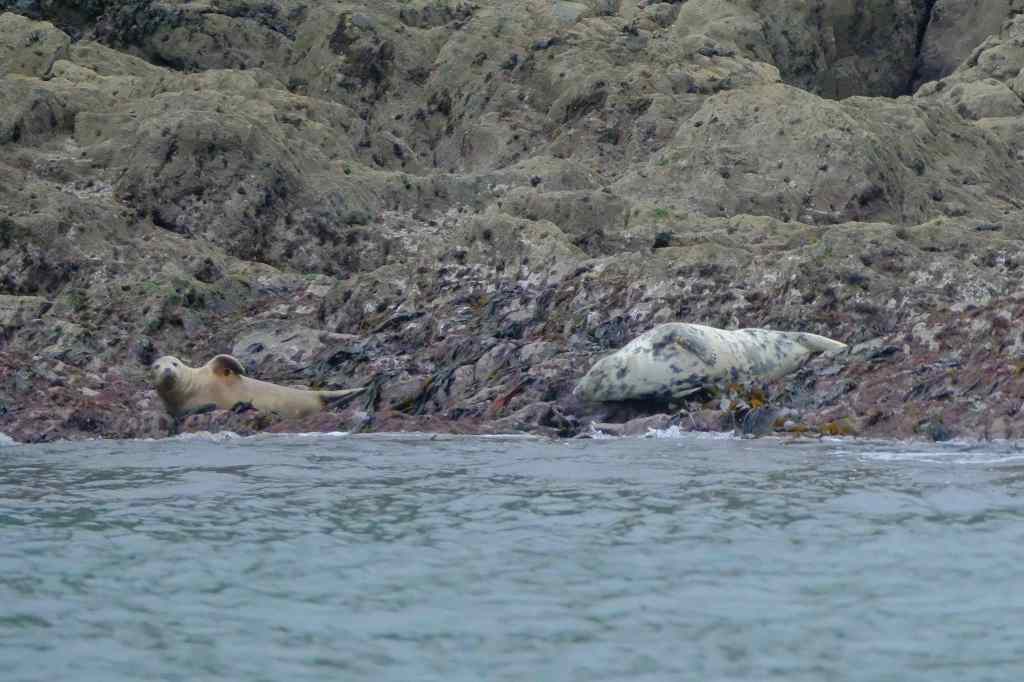
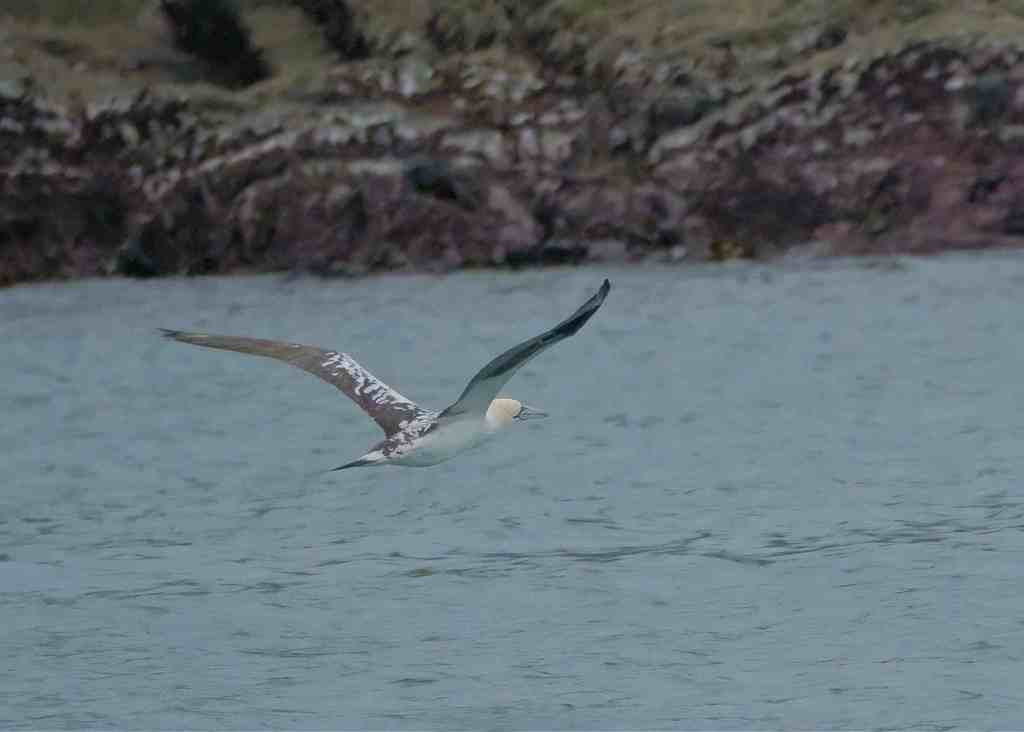
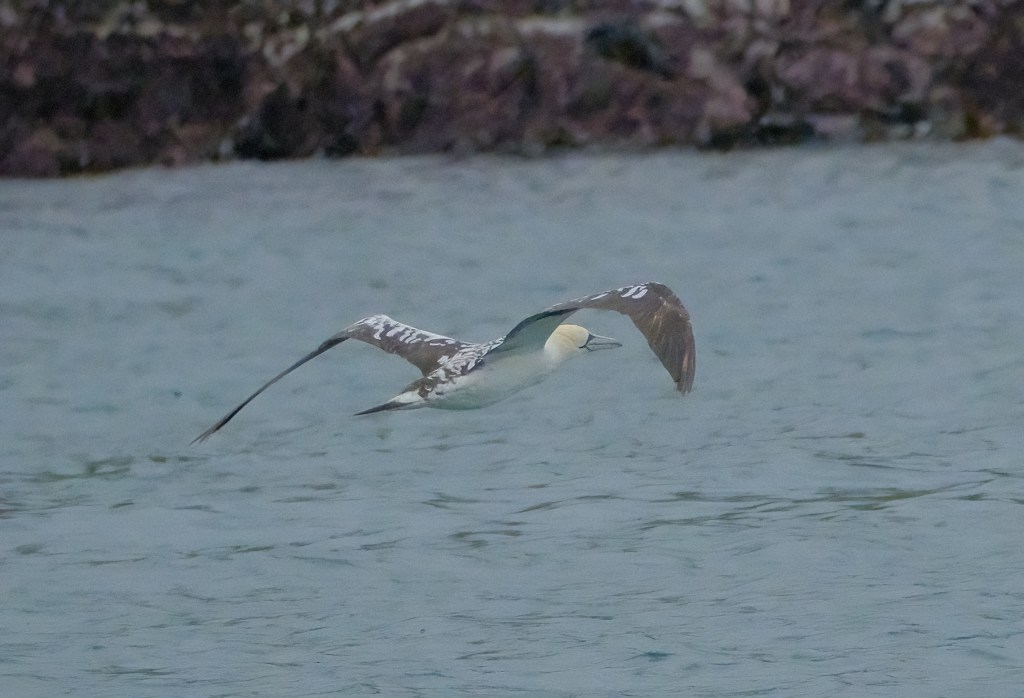
Wednesday, we took to the sea in Ilfracombe and went on a 2-hour boat trip on the Ilfracombe Princess along the coast . We spotted about 20 Grey Seals. Not many seabirds were still on the cliffs as the breeding season has now passed, but I did spot one lone Gannet.
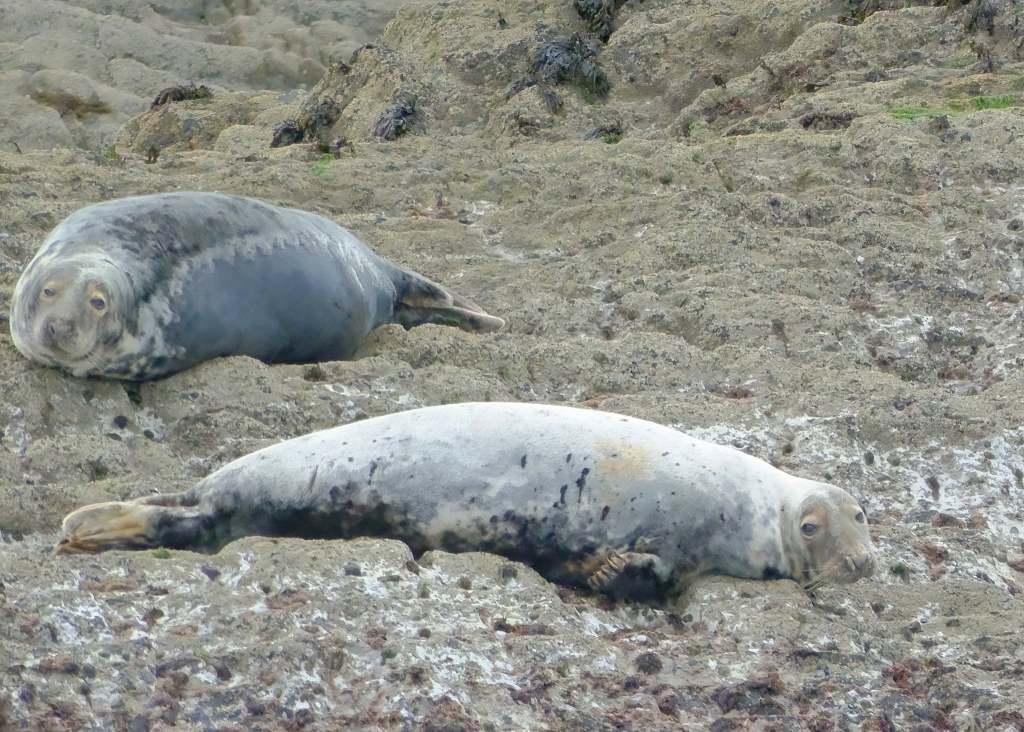
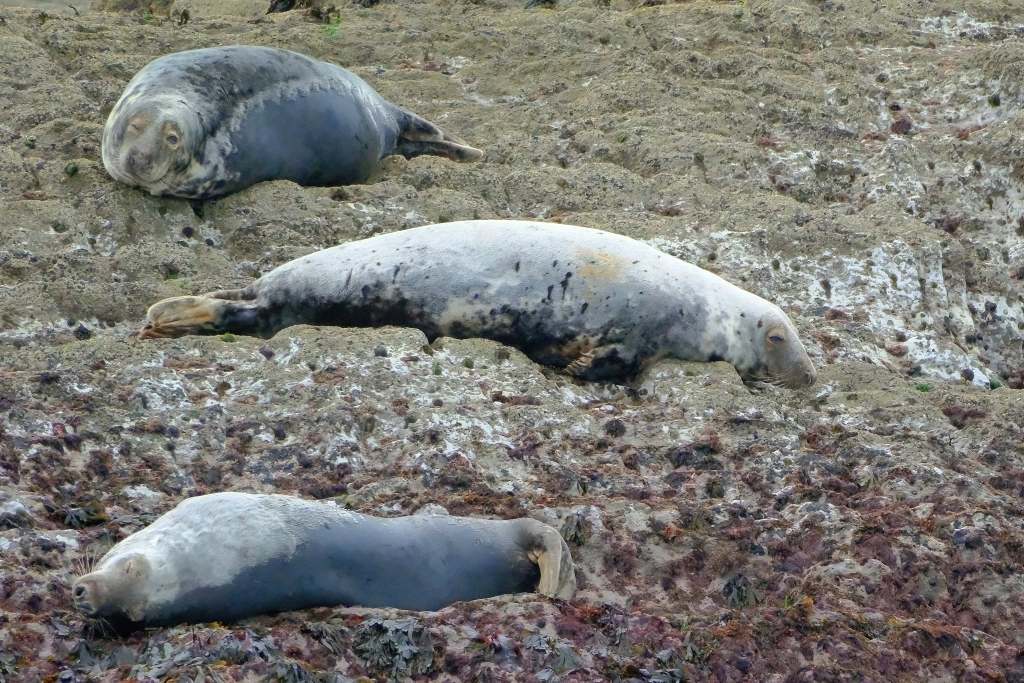
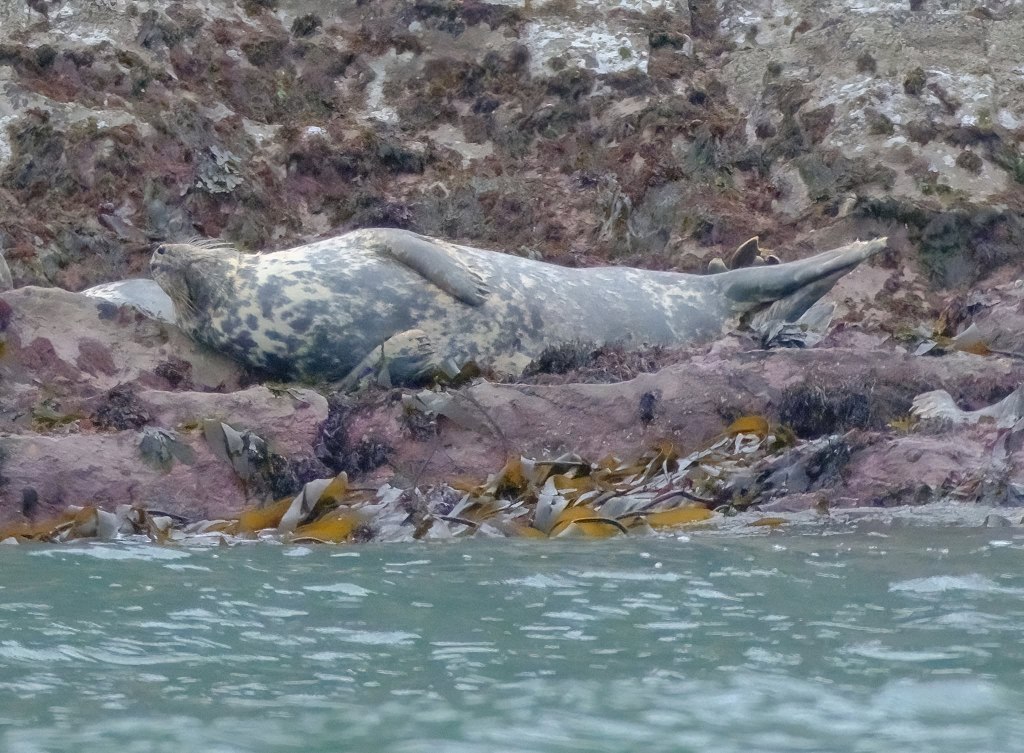
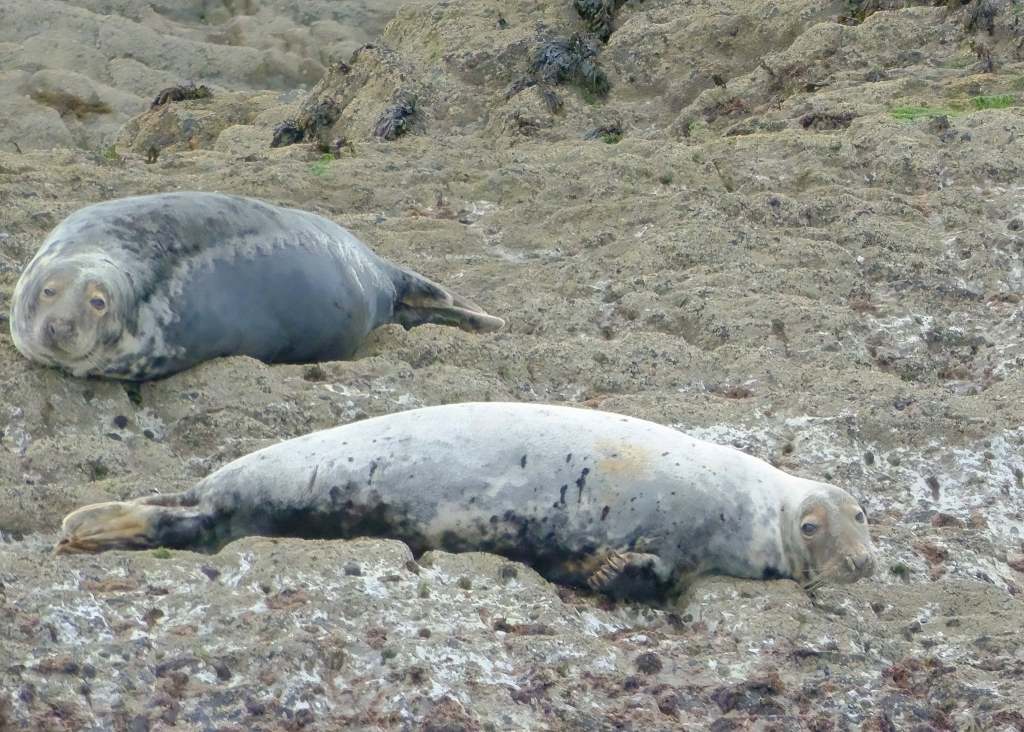
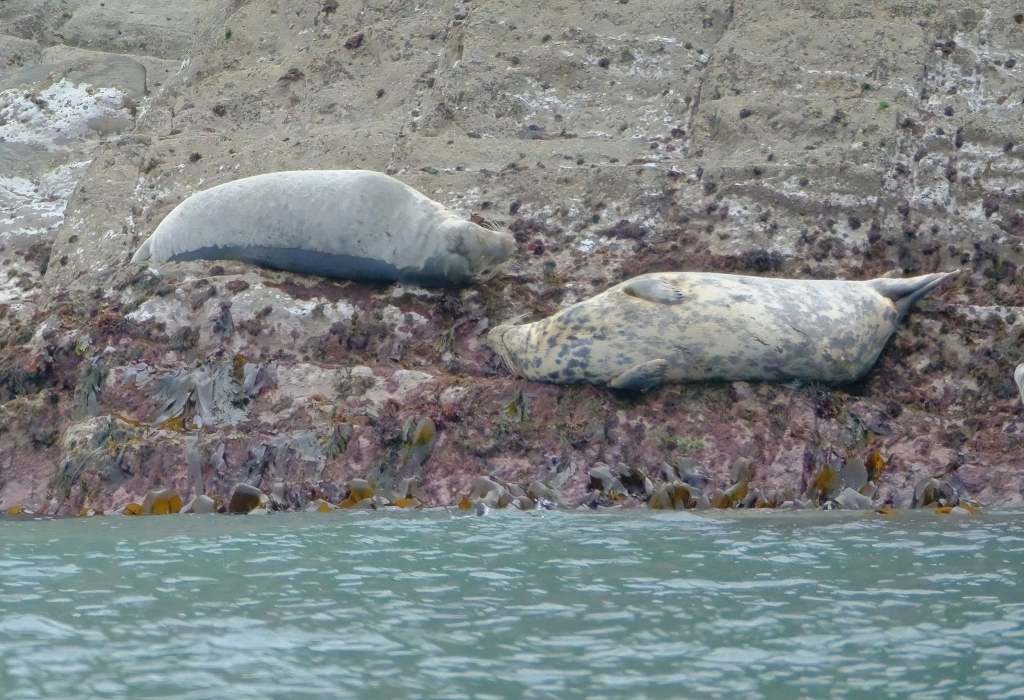
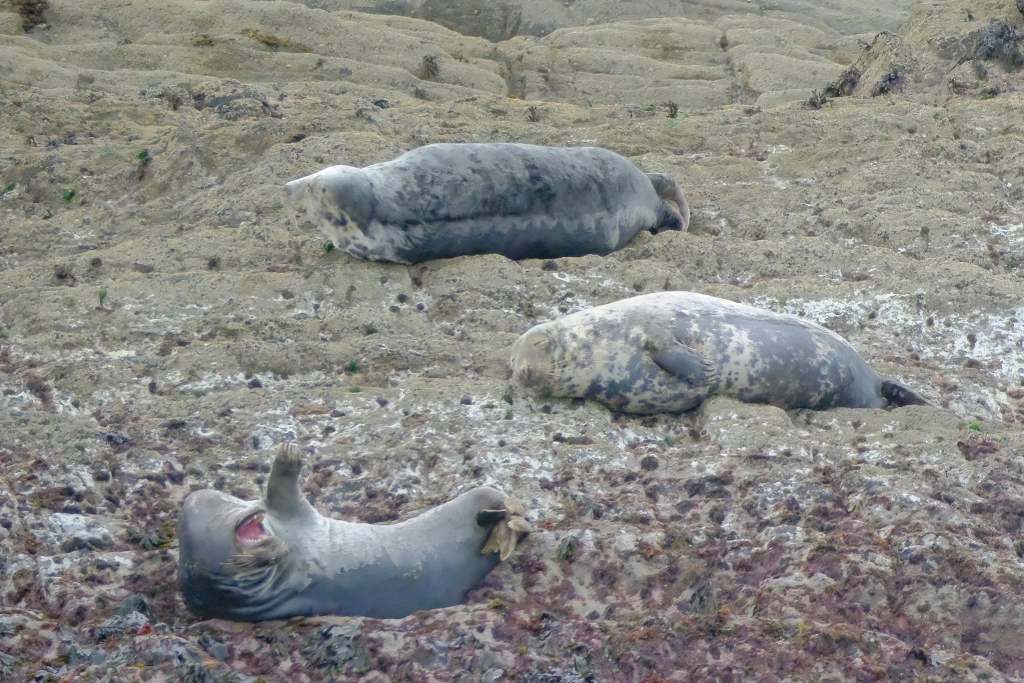
A picture {or afilm says a 1000 words!}
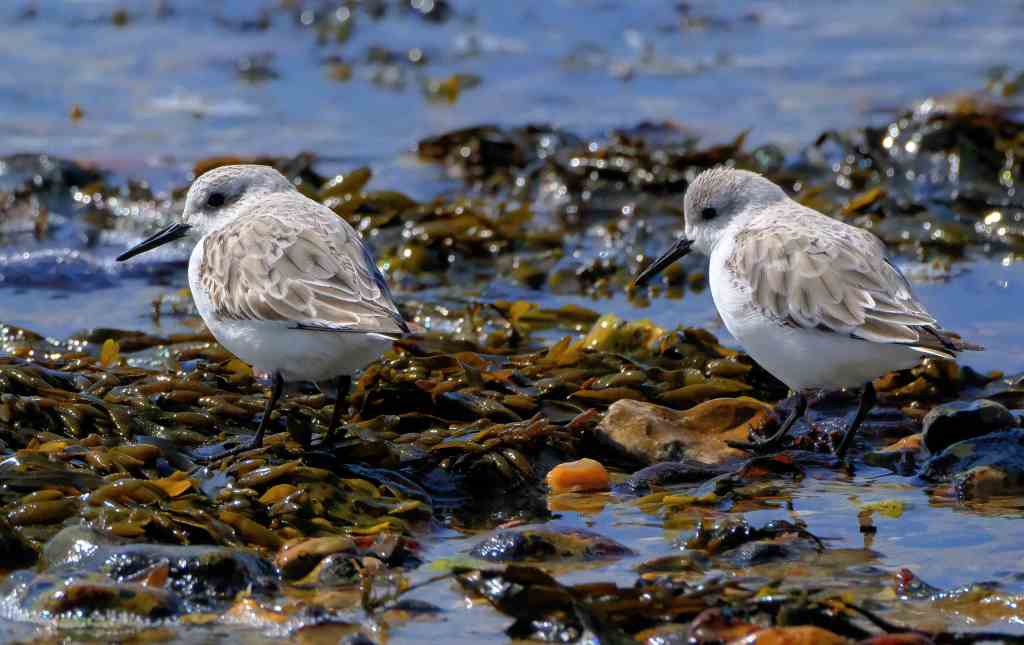
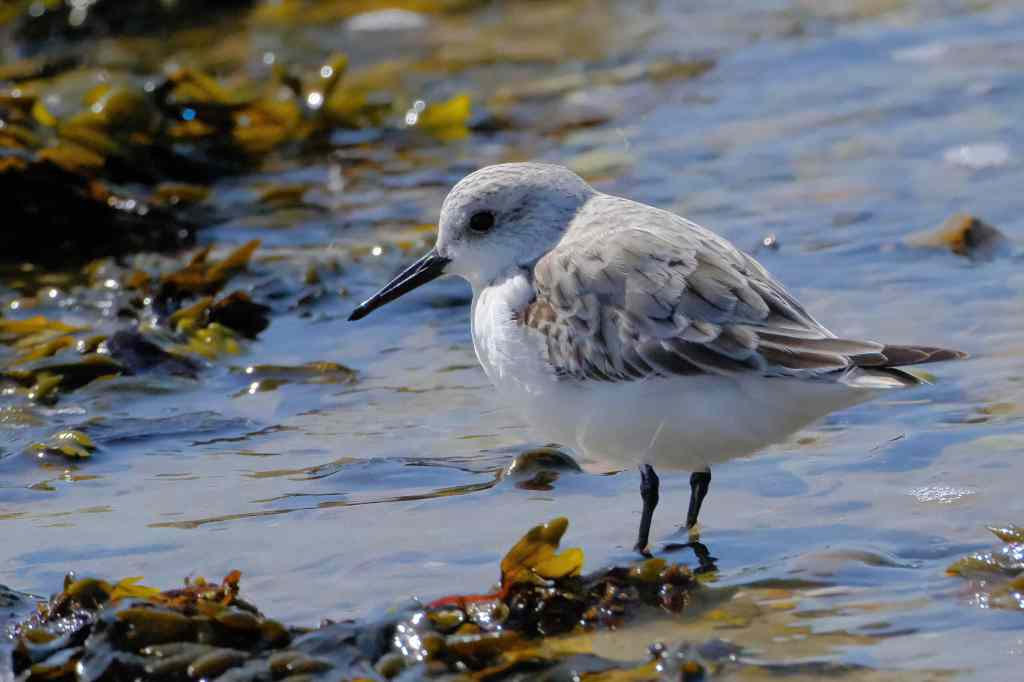
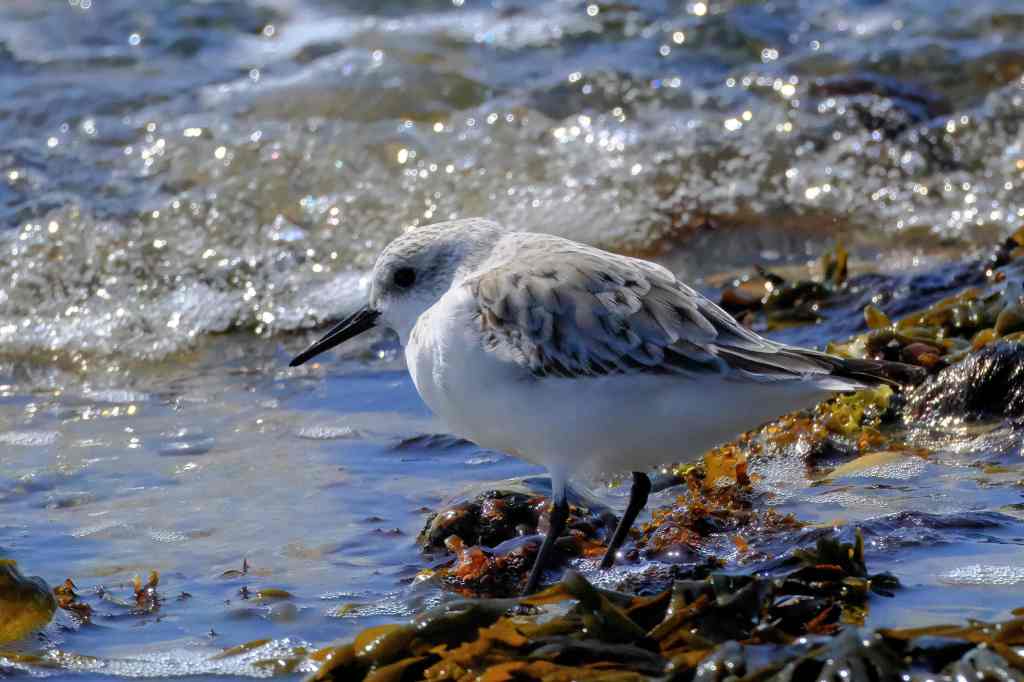
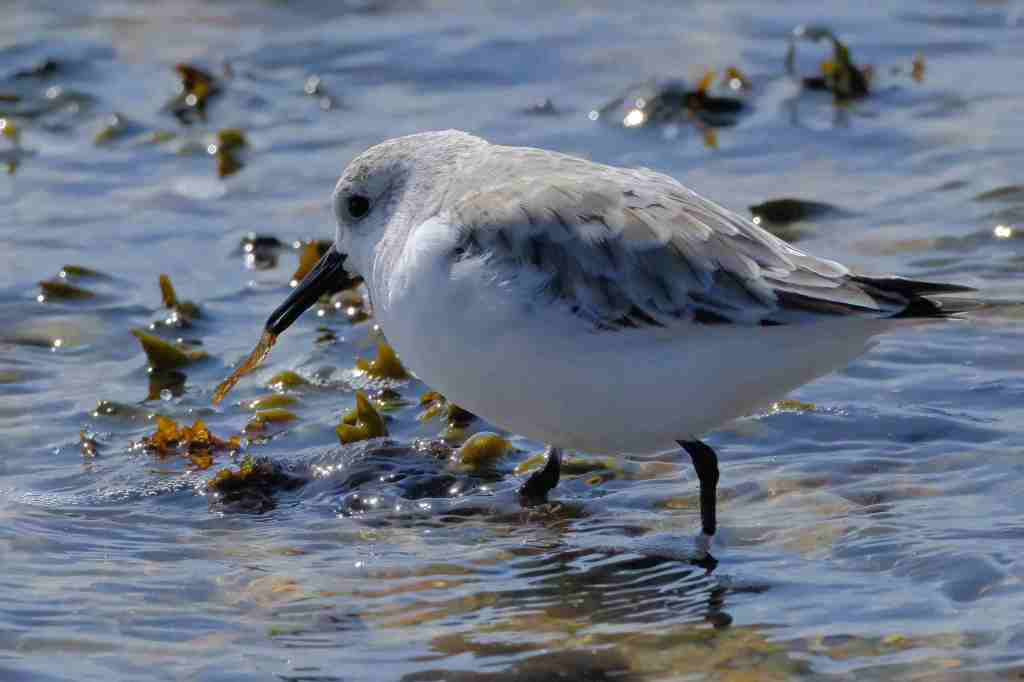
The Brent Geese have left and are heading north to their breeding grounds. Most of the Sanderlings have also left. With the shift in season, the return of Terns is due on our shores.
I did spot two Sandlings who may have decided to remain here this year.
A couple of hours watching Turnstone around the harbour at Titchfield,