
Early start to walk by the sea. Little Egret fishing at low tide.


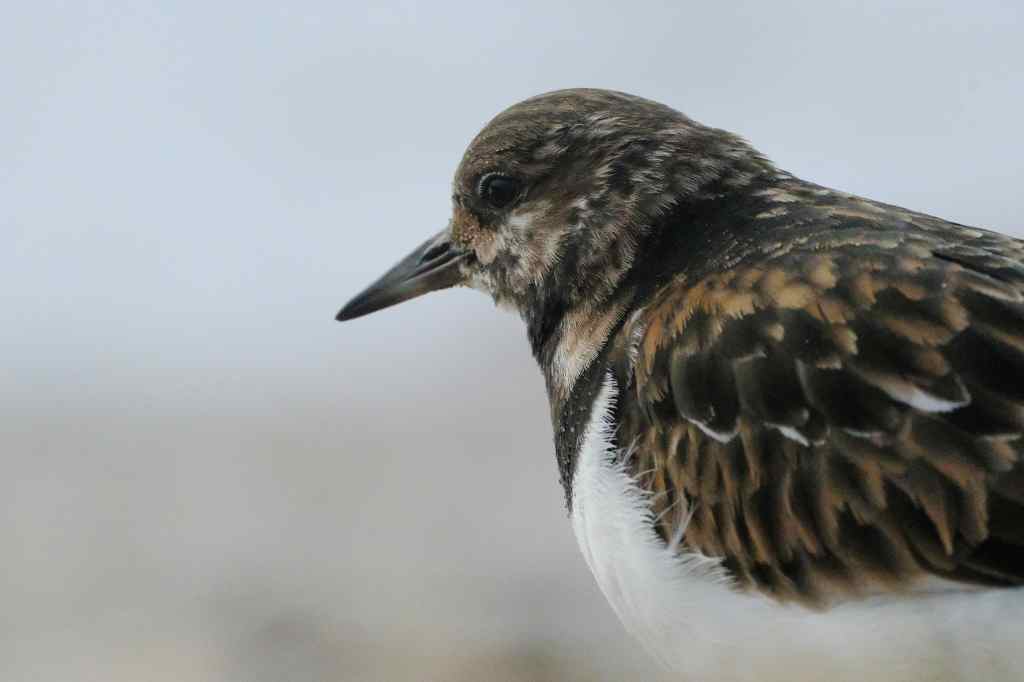
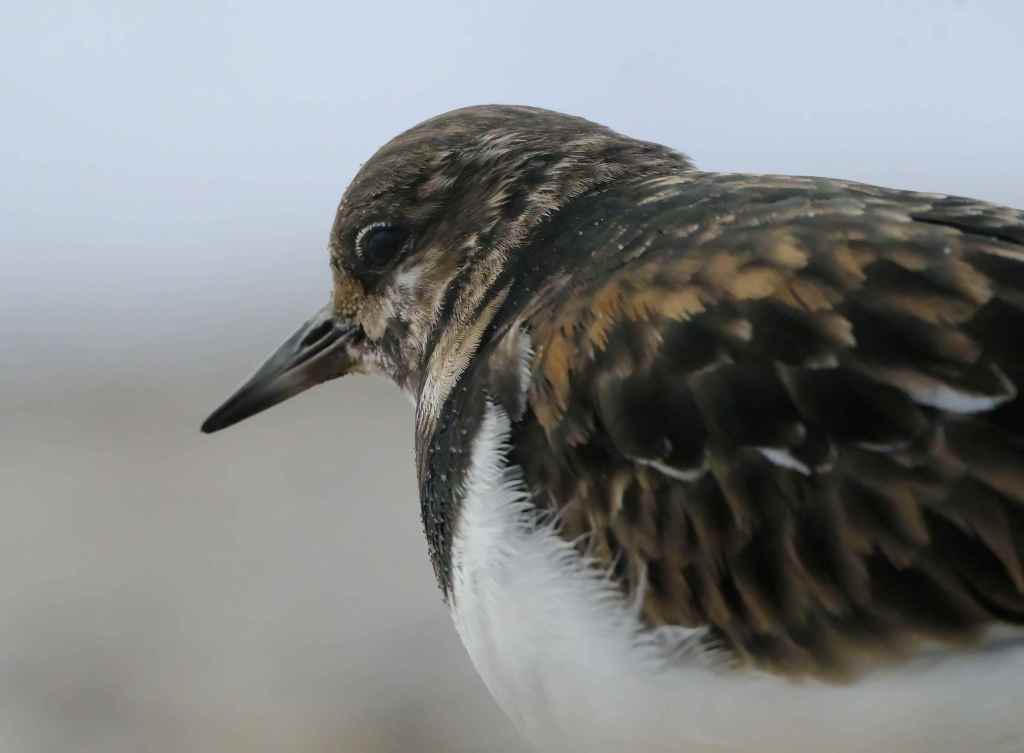
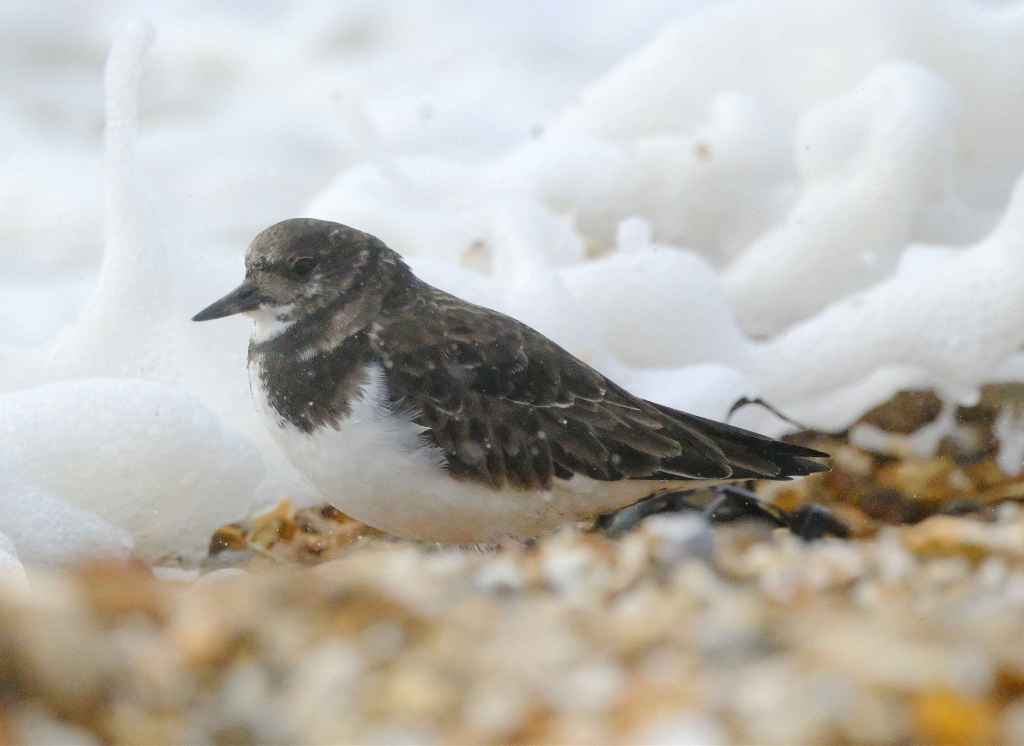
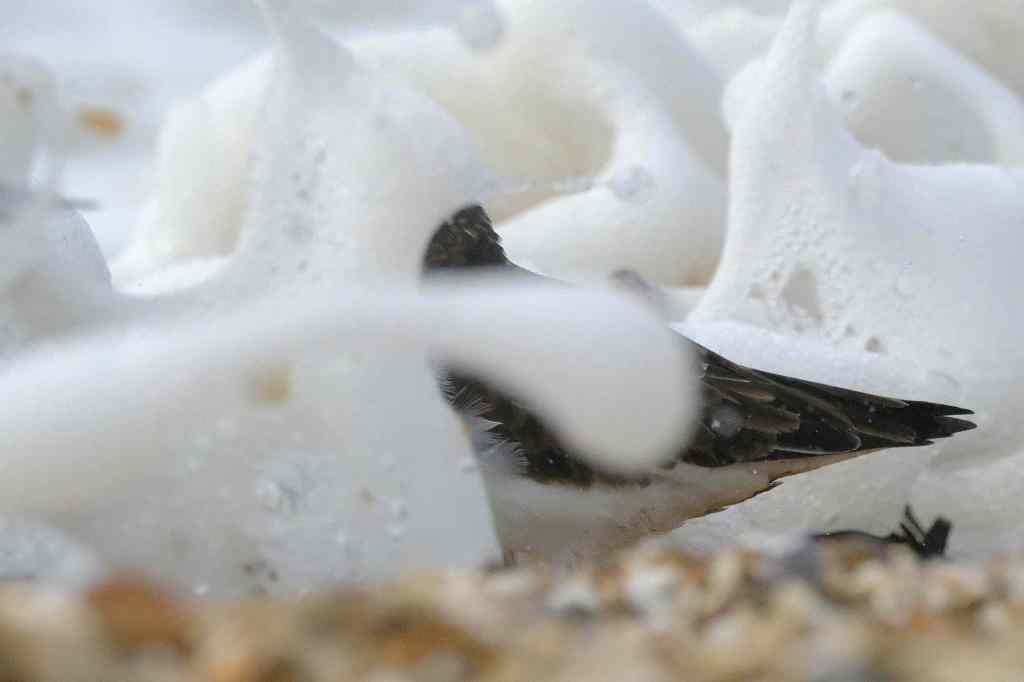
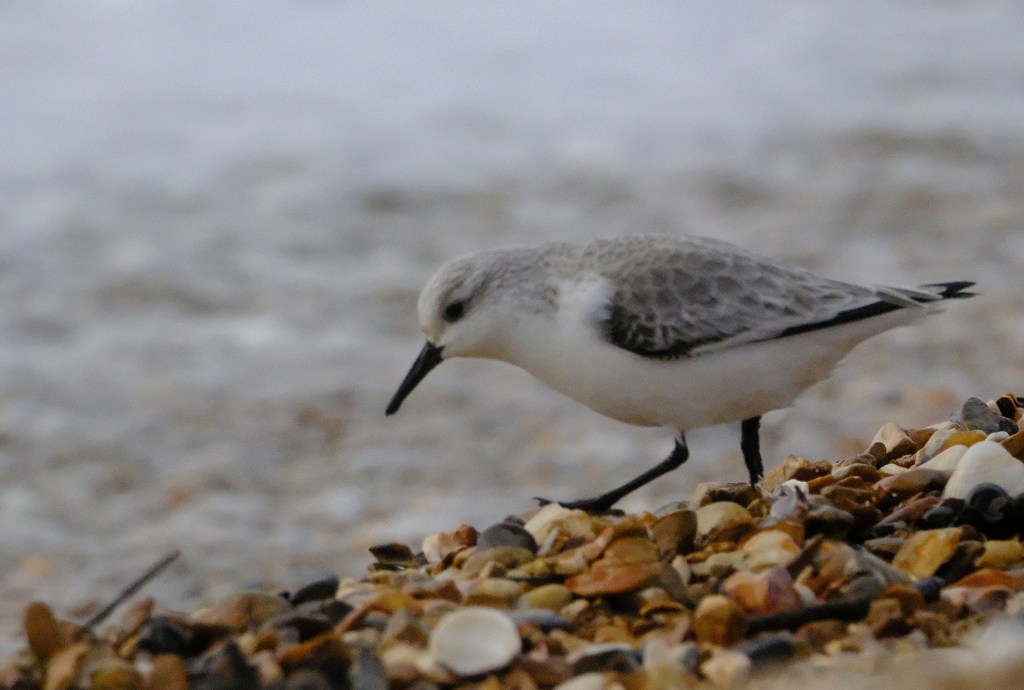
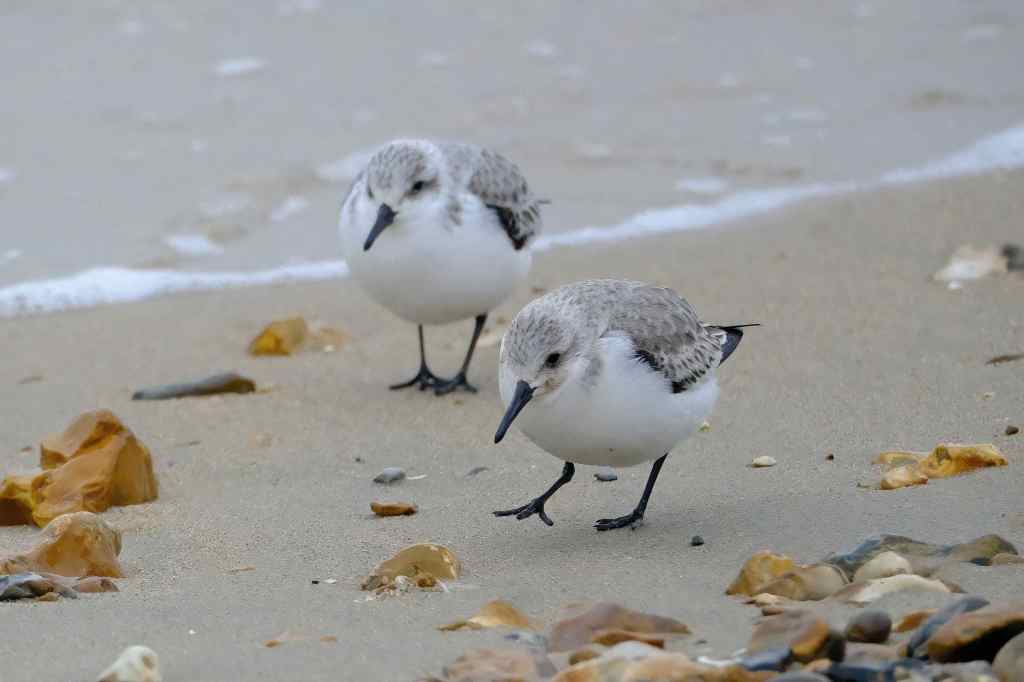
I spent an hour well-wrapped up from the cold wind and watched the incoming tide. I saw a few Turnstone dodging the spray along with some Sanderlings. You have to wonder how these small birds survive the power of the sea.


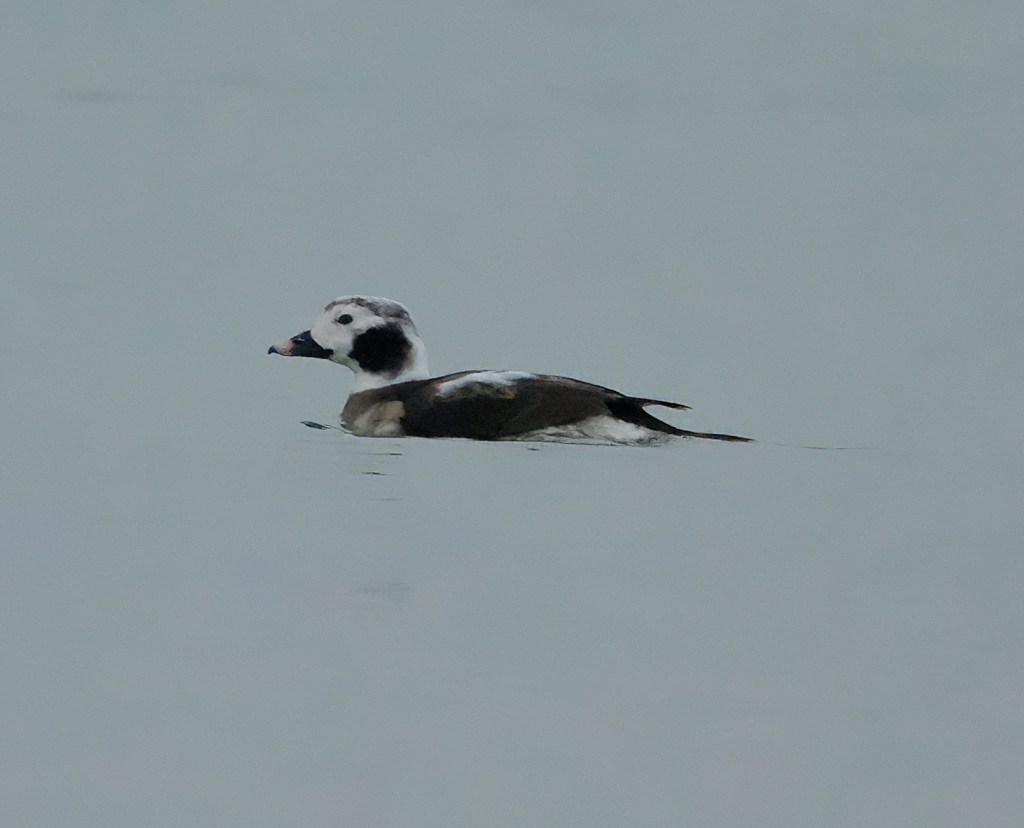
A first in the wild on the South Coast for me today. A Long-Tailed Duck in Southampton Water off Hill Head today.
The Long-tailed Duck is a winter visitor to UK coastal waters, arriving from their arctic breeding grounds. The majority of these wintering birds in the UK are seen in the north, around Shetland, Orkney, and northeast Scotland. Smaller numbers are found further south along England’s east coast.
These sea ducks were formerly known as the “Oldsquaw” .

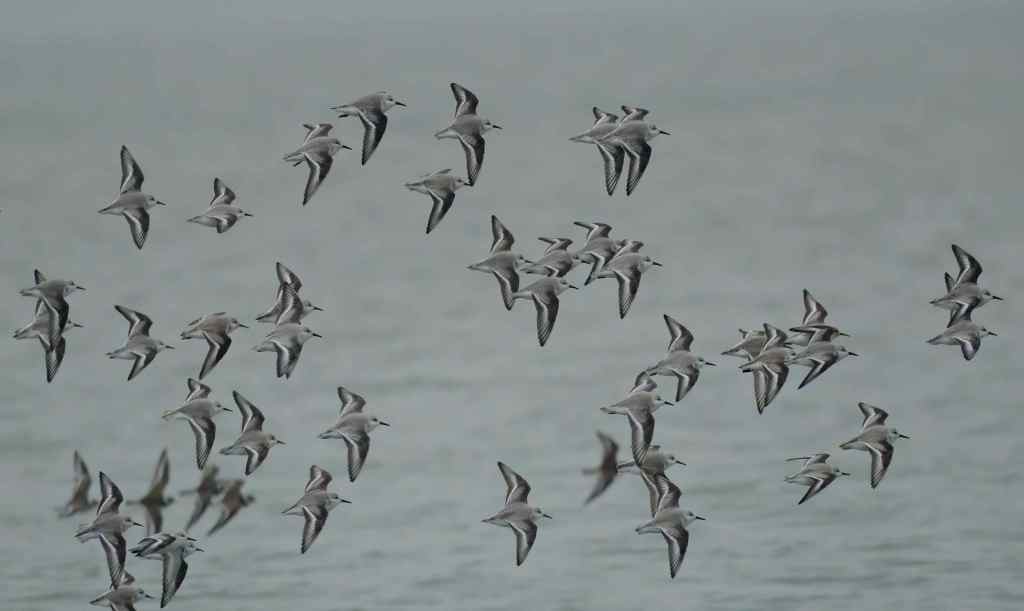
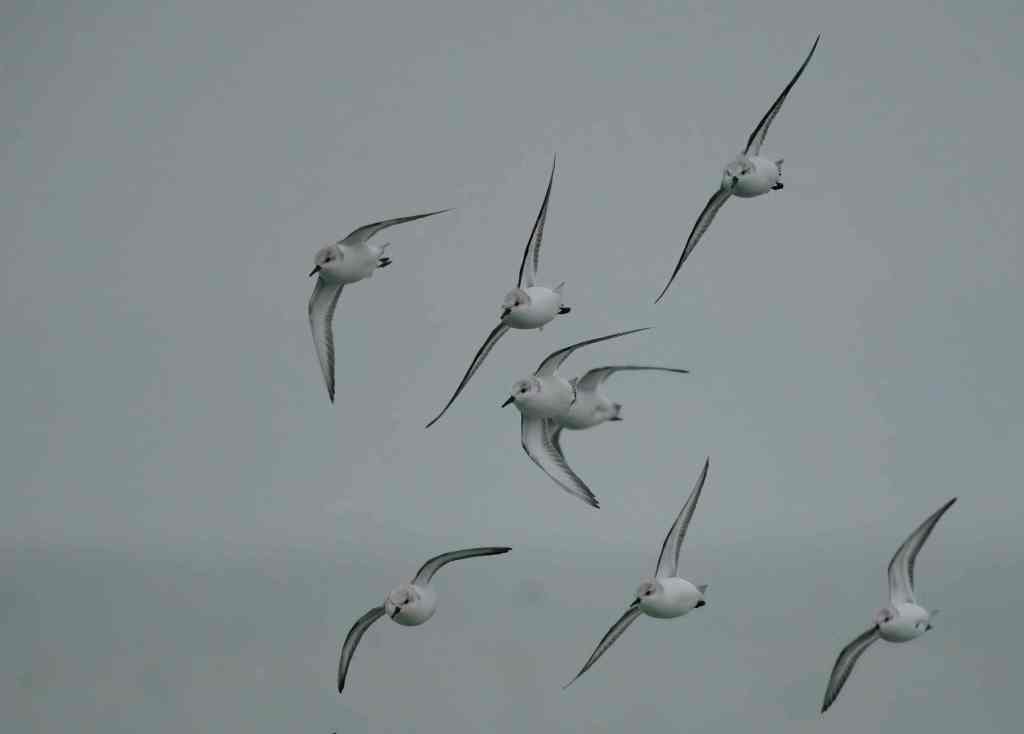
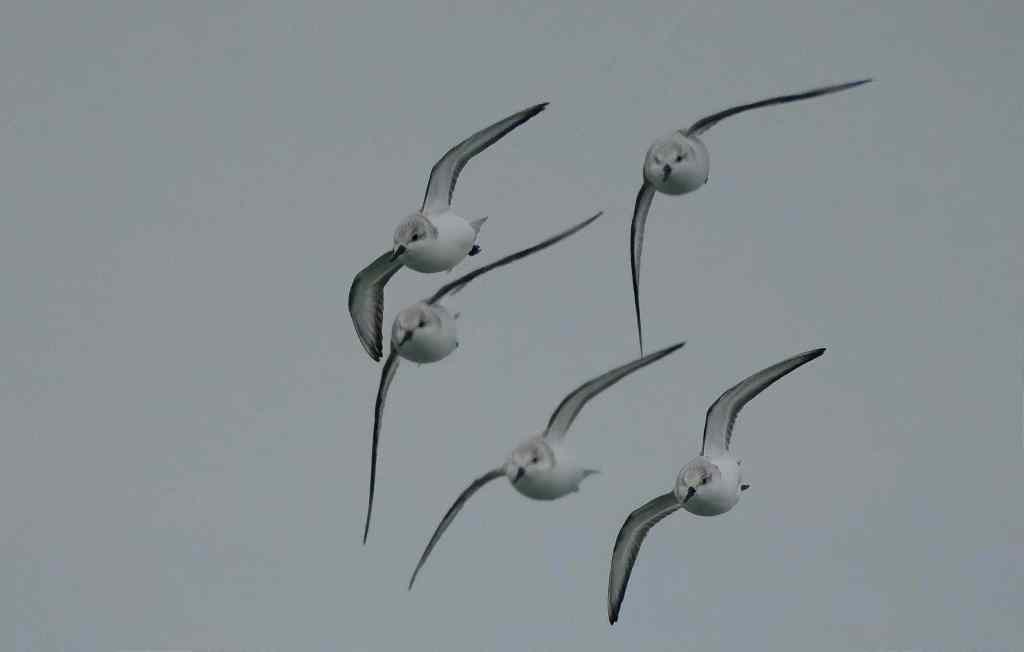
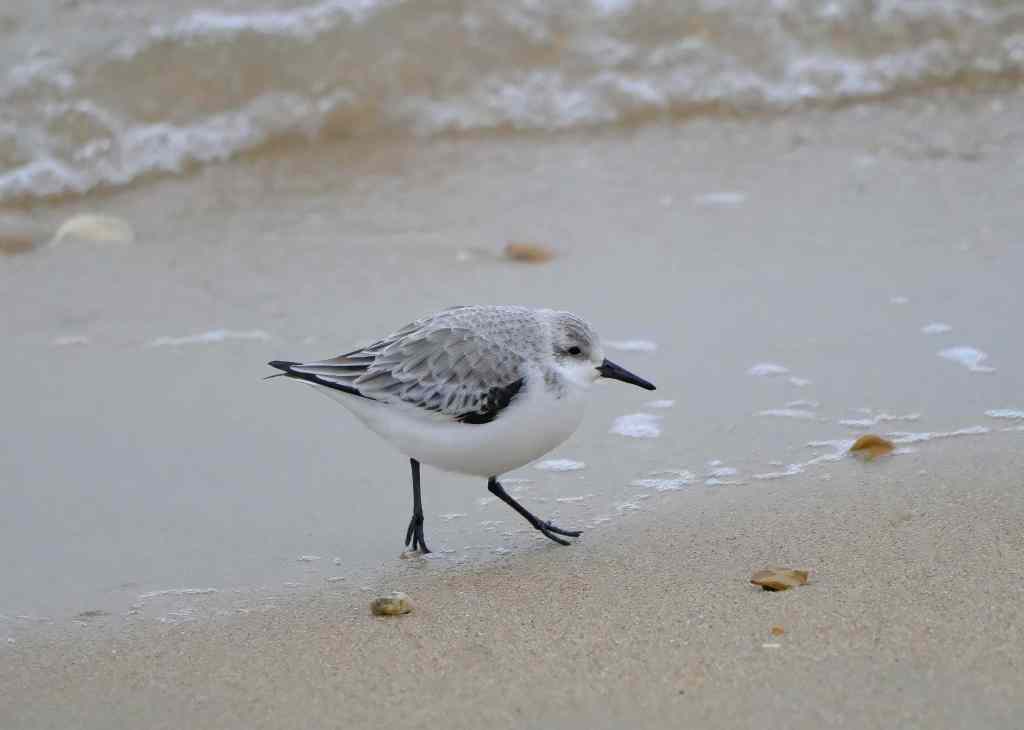
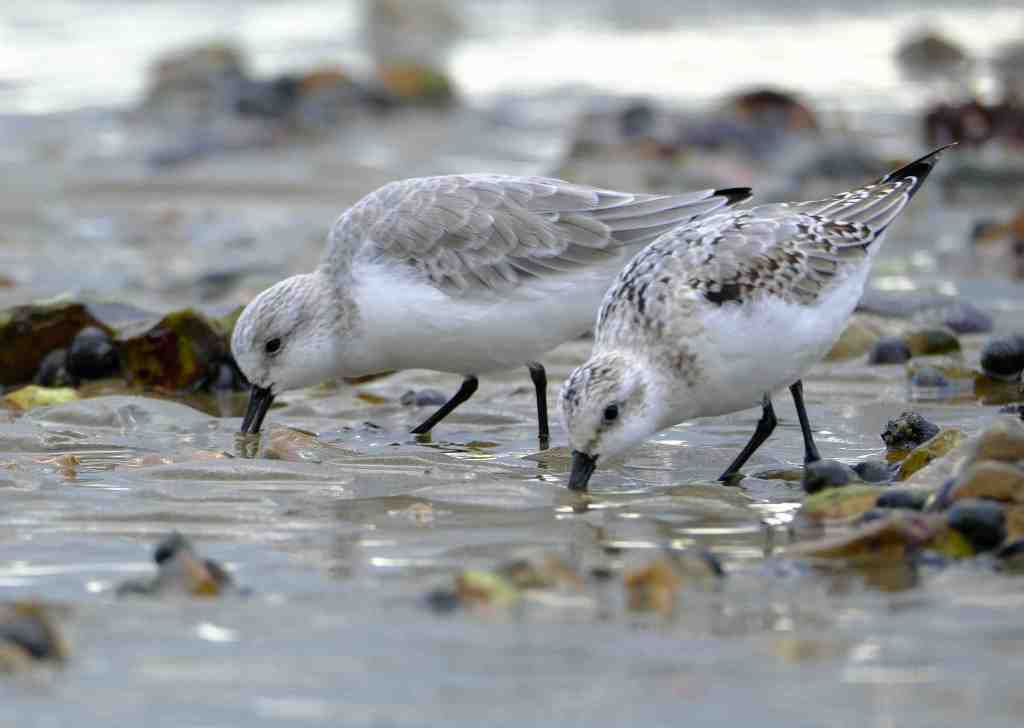
Sitting on the spit as the tide changes and the Sanderlings arrive. they wait for the tide to drop so they can feed on the beach.


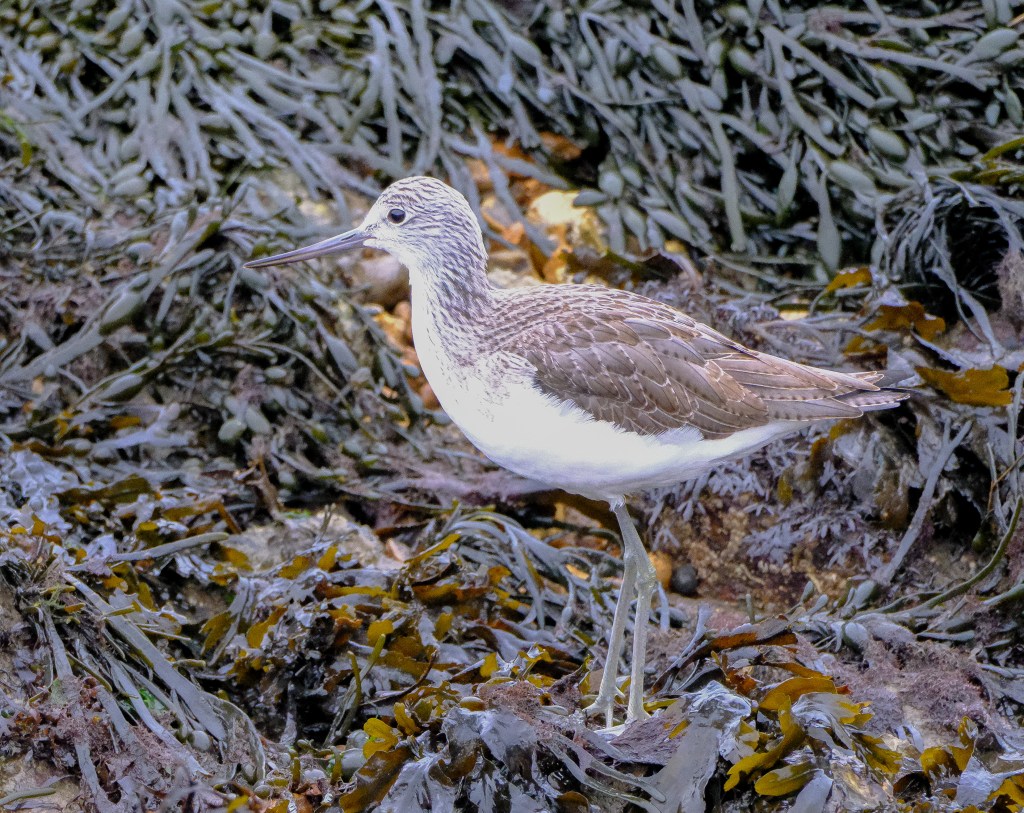
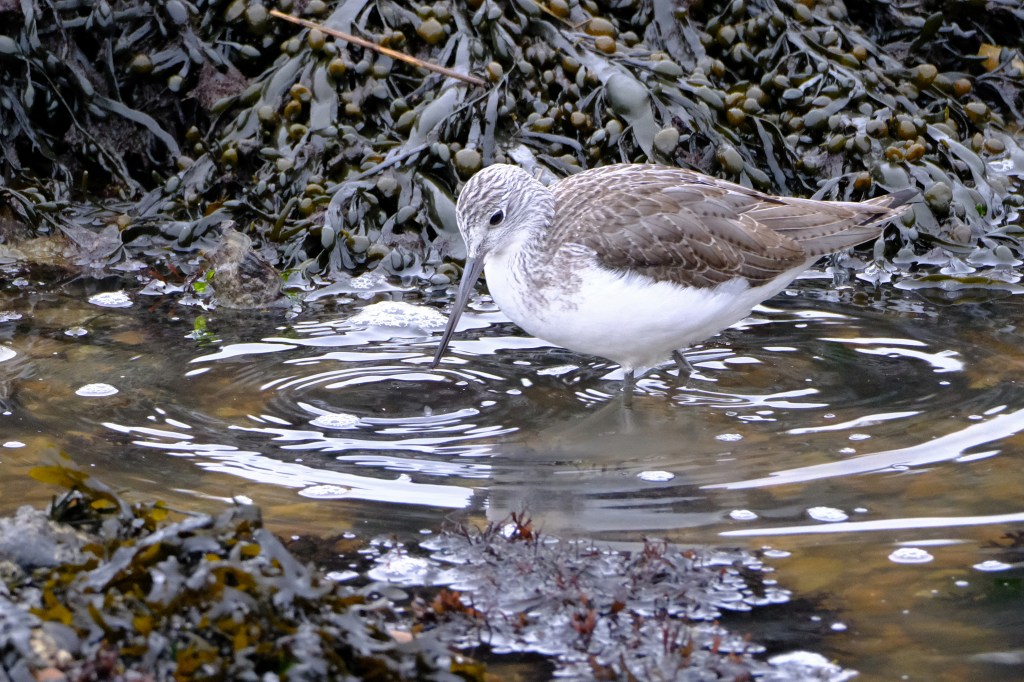
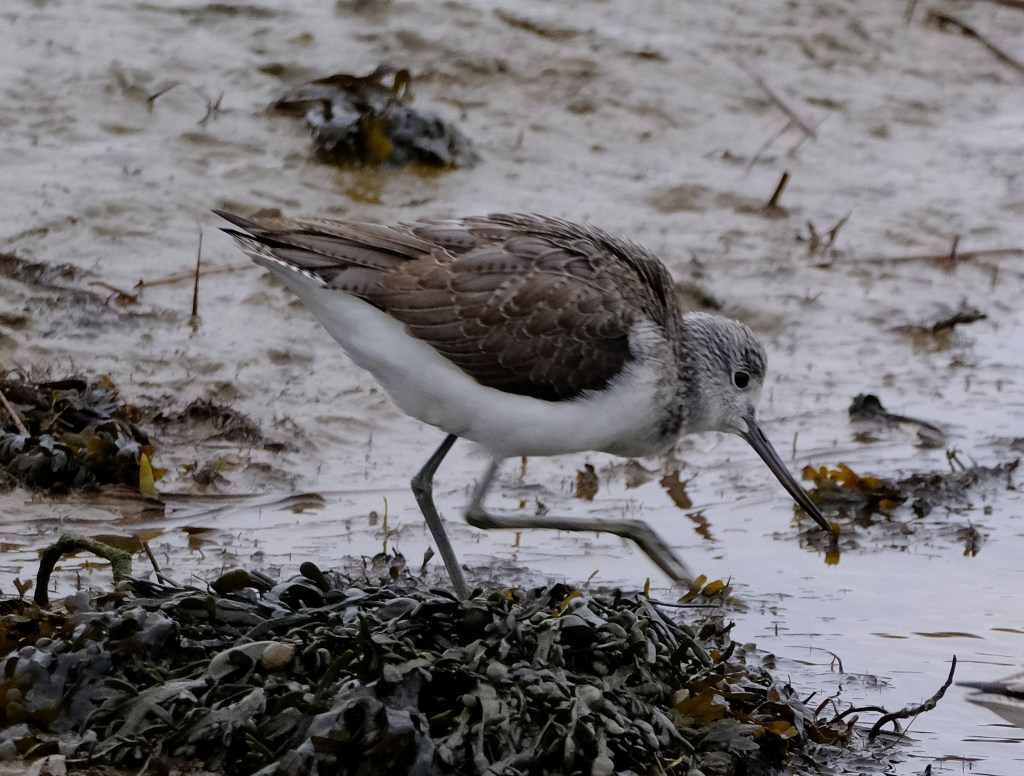
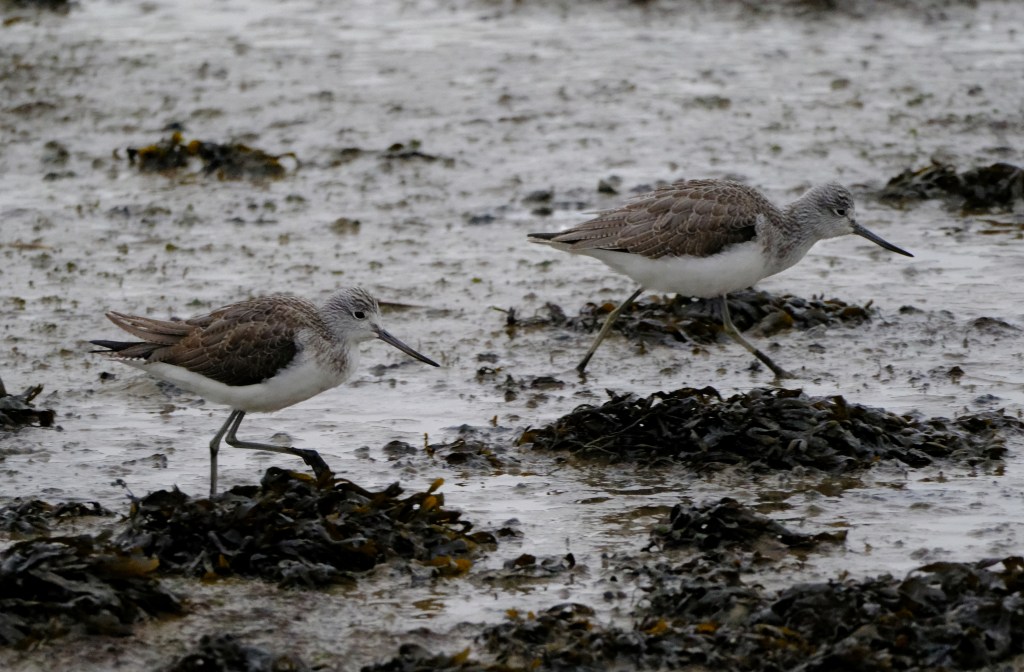
The Common Greenshank is a medium-sized slim wader with a dark grey back and white underparts. It has green legs and a slightly upturned bill. At this time of year, I regularly see a small number of these birds.

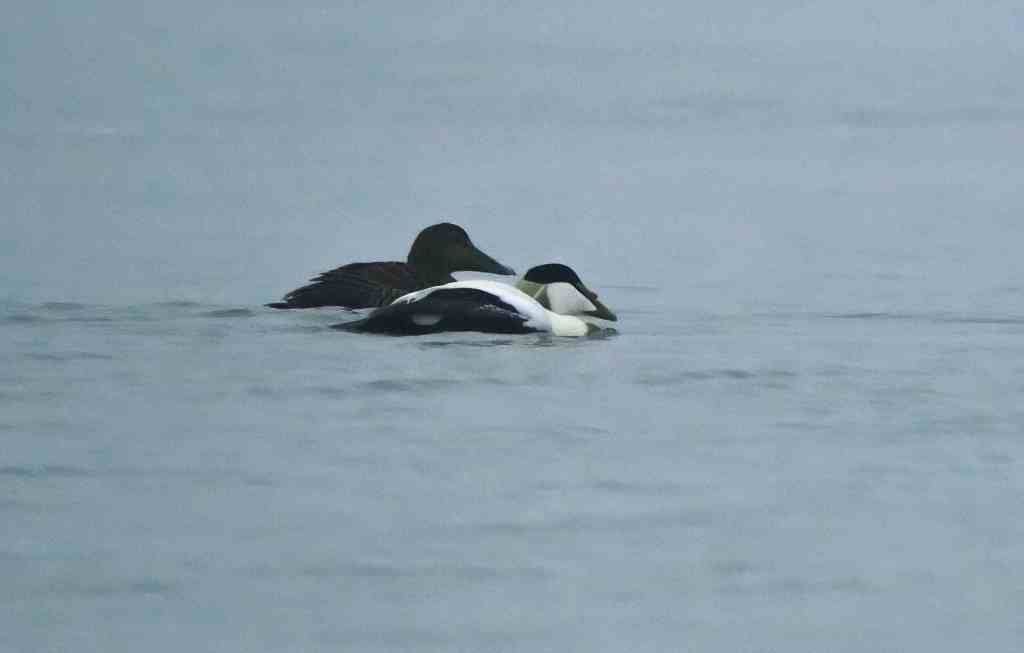
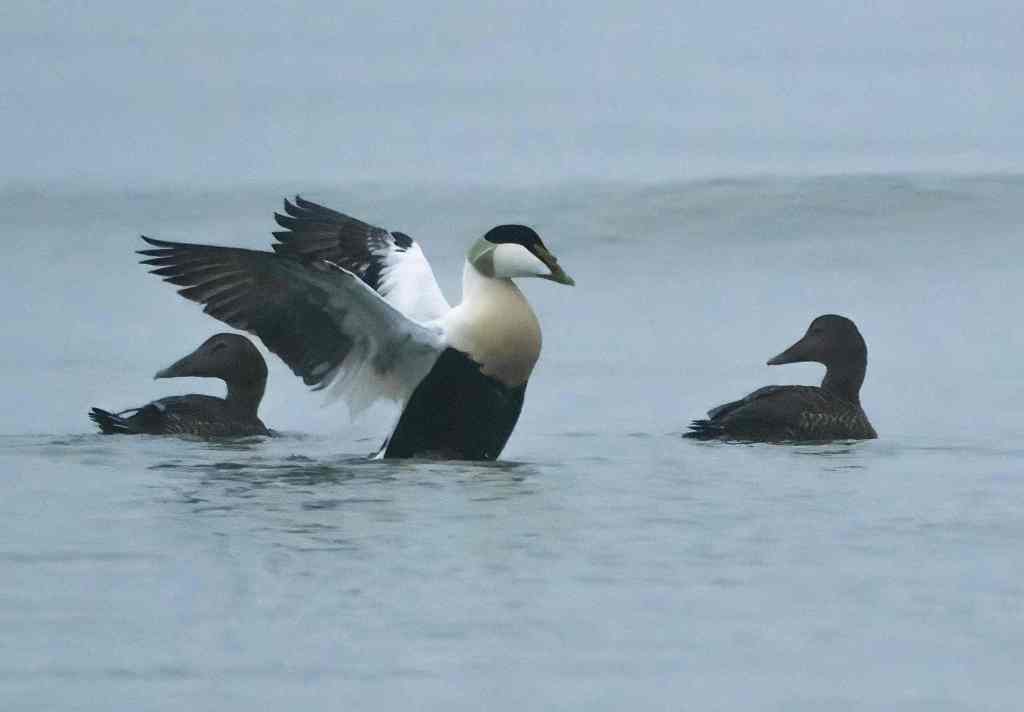
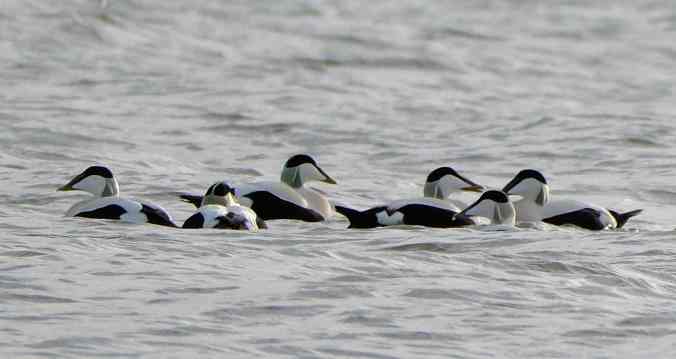
An eider raft is a large group of Eider Ducks that float close together on the sea. These rafts happen in the winter after they finish nesting. {Eider nest in the UK but are much further north than here} They stay close together to find food like shellfish and crustaceans by diving into the water
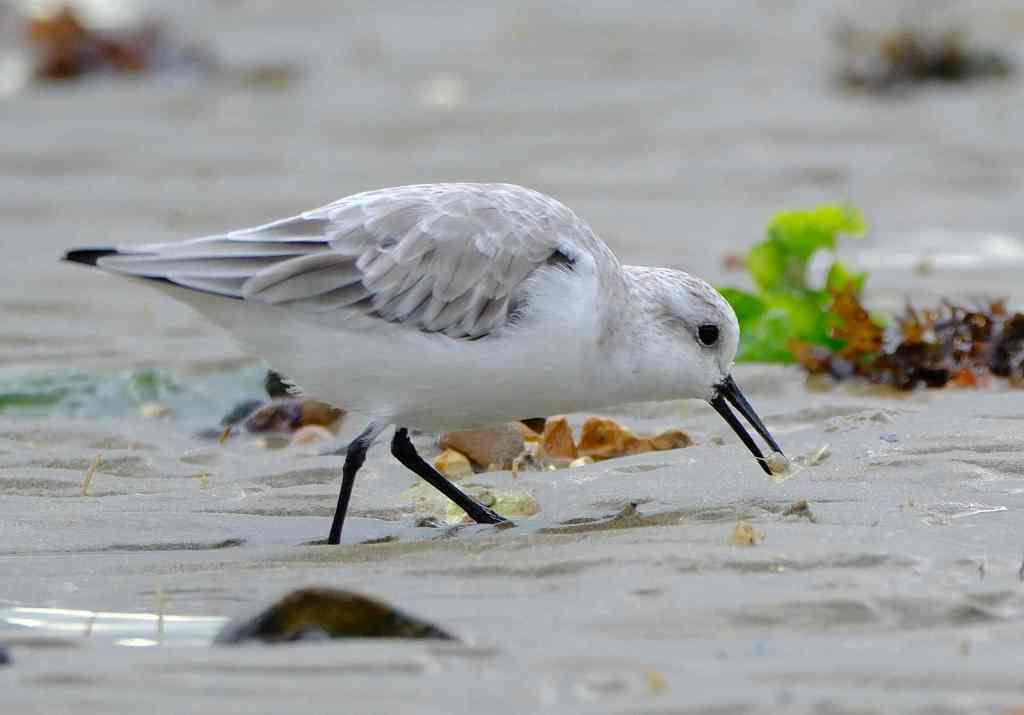
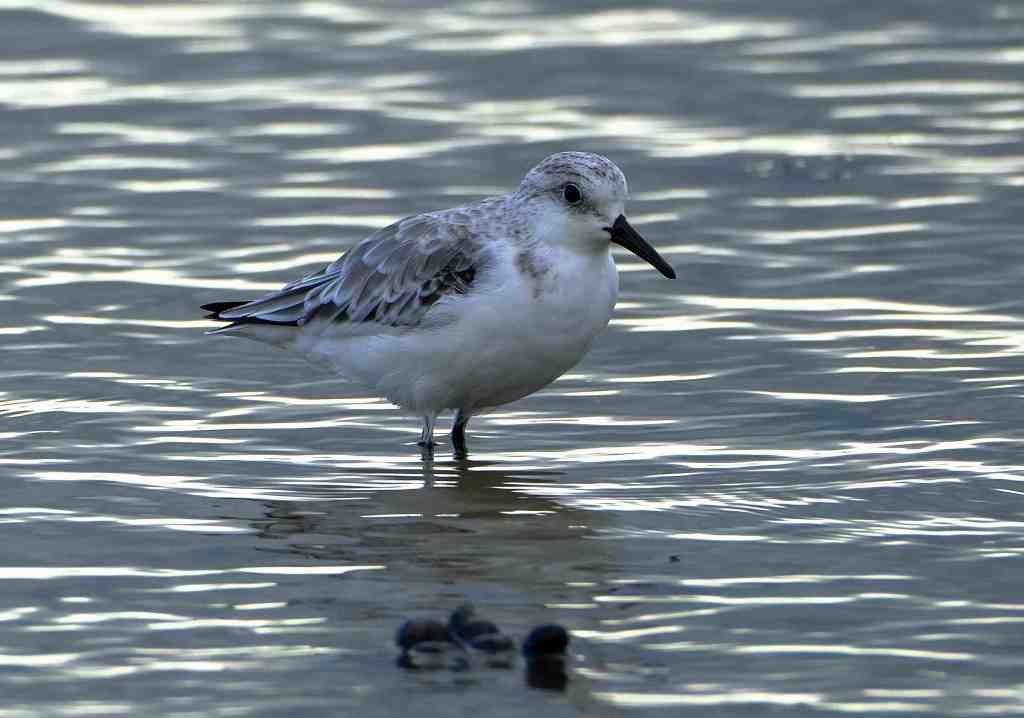
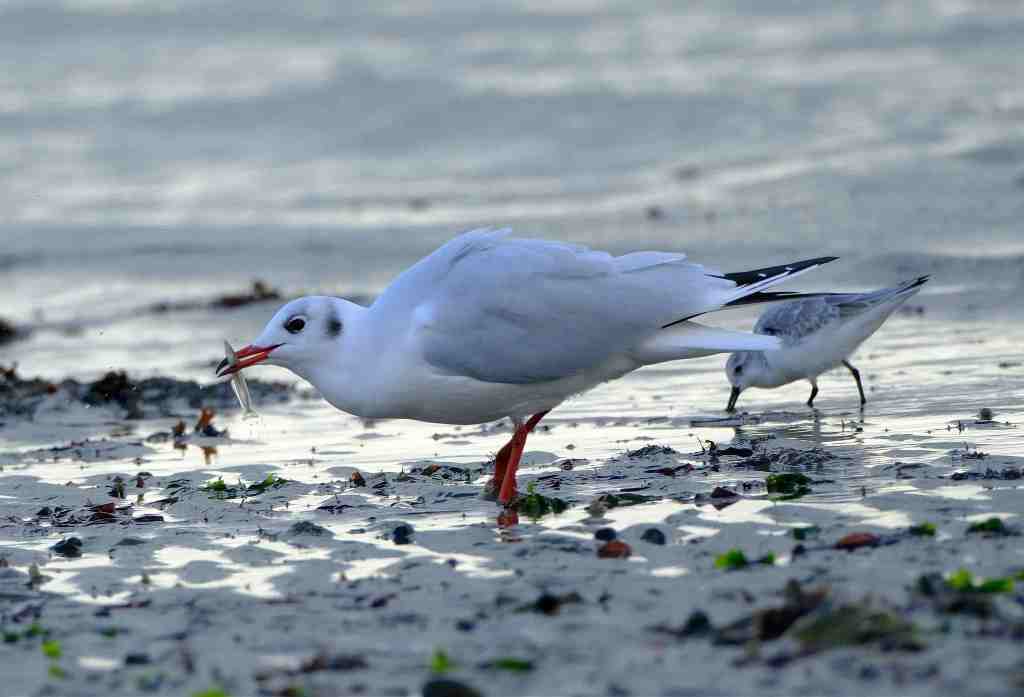
I spent a few hours on the beach watching the Sanderlings on Meon Shore.



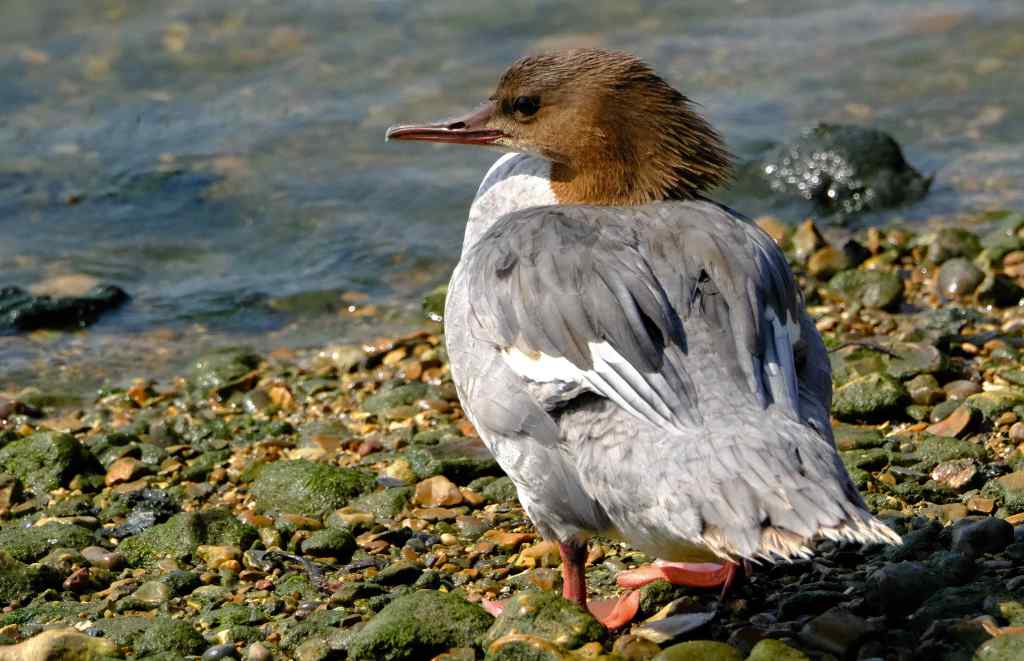
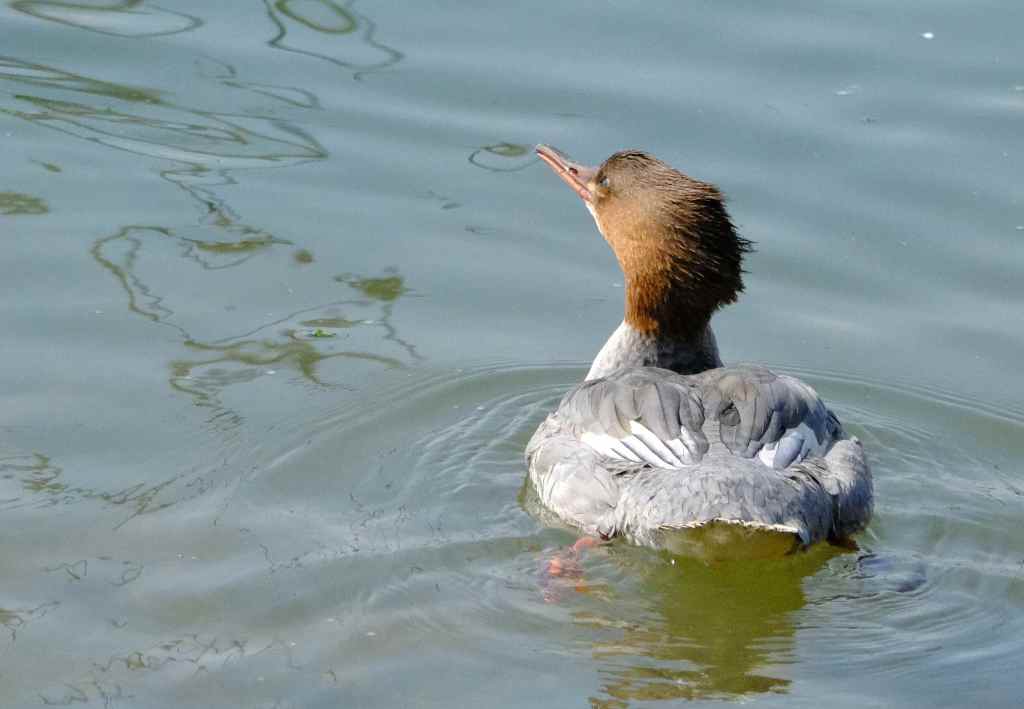
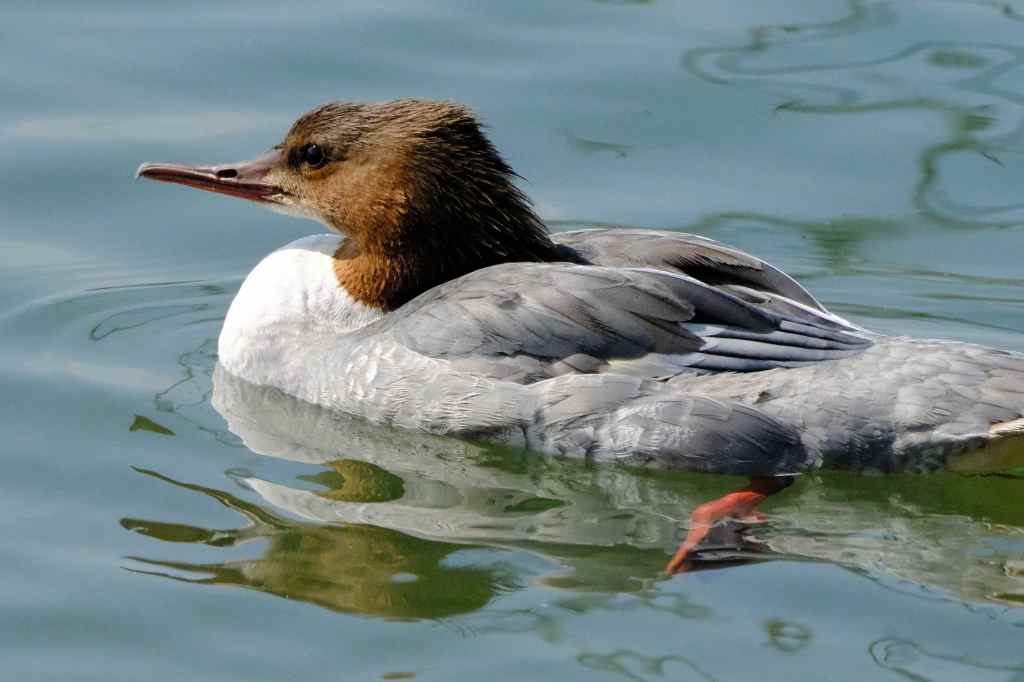
These diving ducks are a member of the sawbill family, named for their serrated bills, that they use to catch fish. A largely freshwater bird, they first bred in the UK in 1871. It built up numbers in Scotland and, since 1970, it has spread across northern England into Wales, reaching south-west England. Its love of salmon and trout has brought it into conflict with fishermen. This bird seen today in Titchfield Habour is a female (the male has a green head).

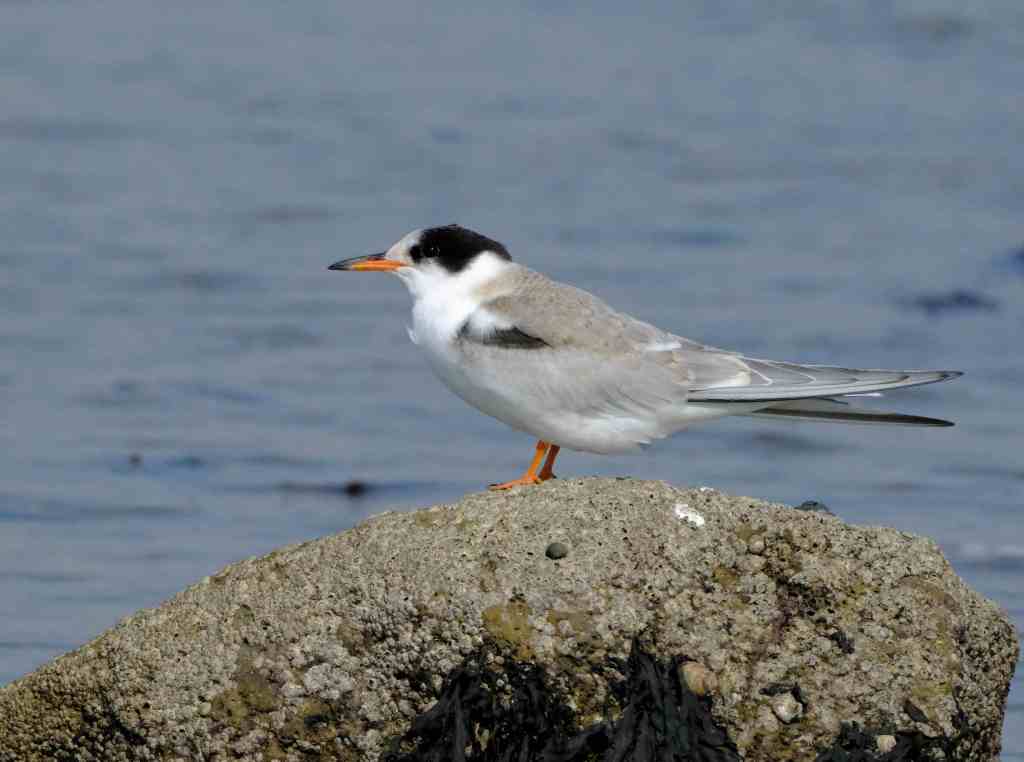
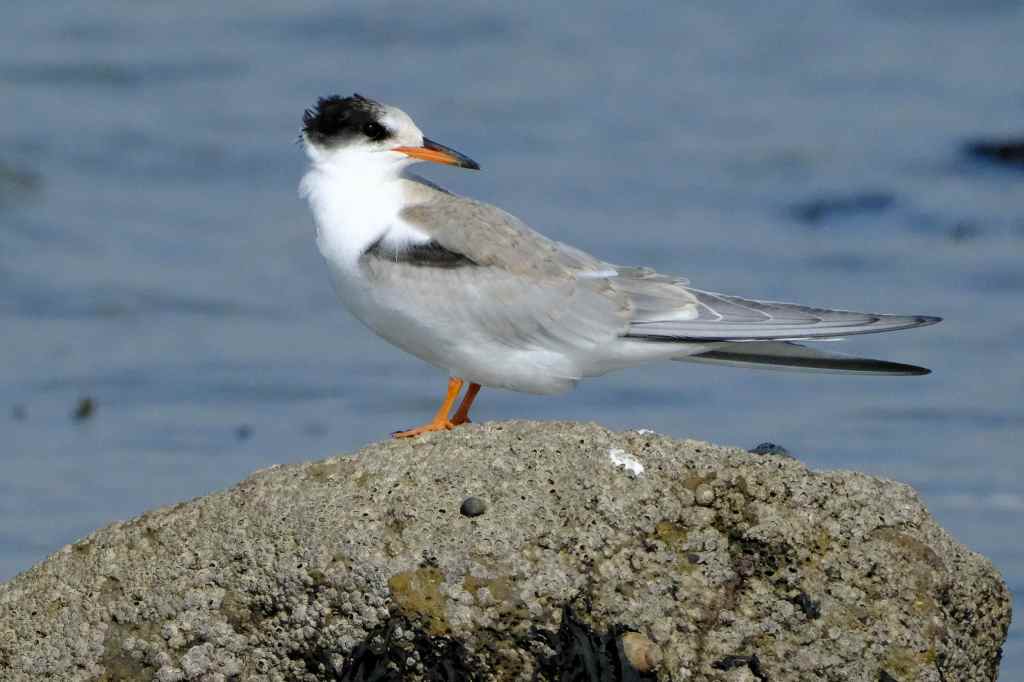
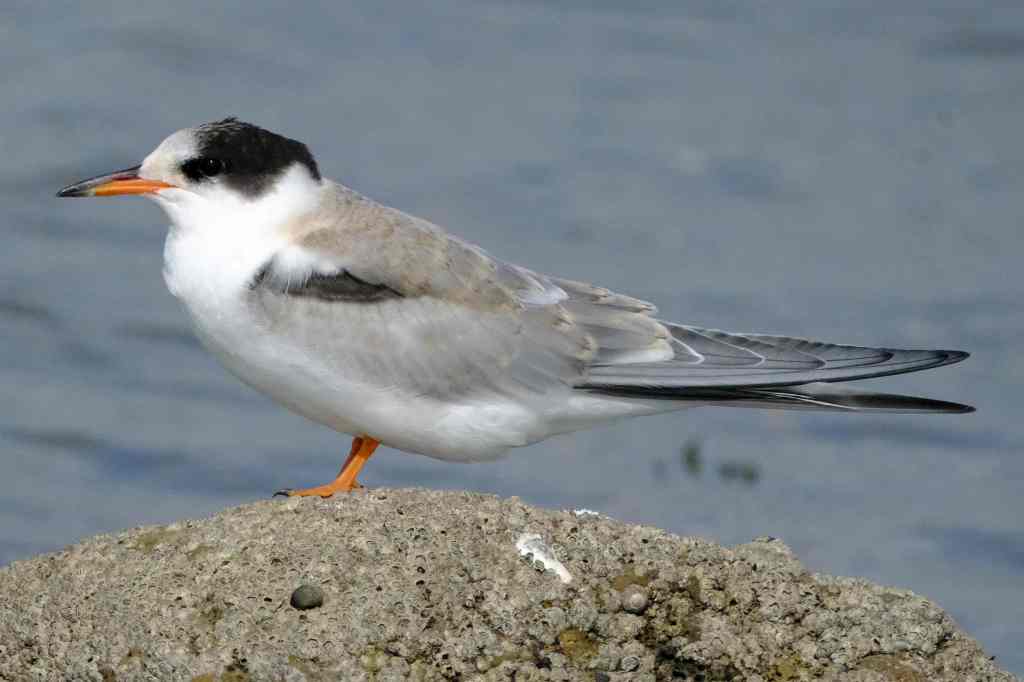
A juvenile Common Tern on Meon Beach.

 Continued Reflections from my World.