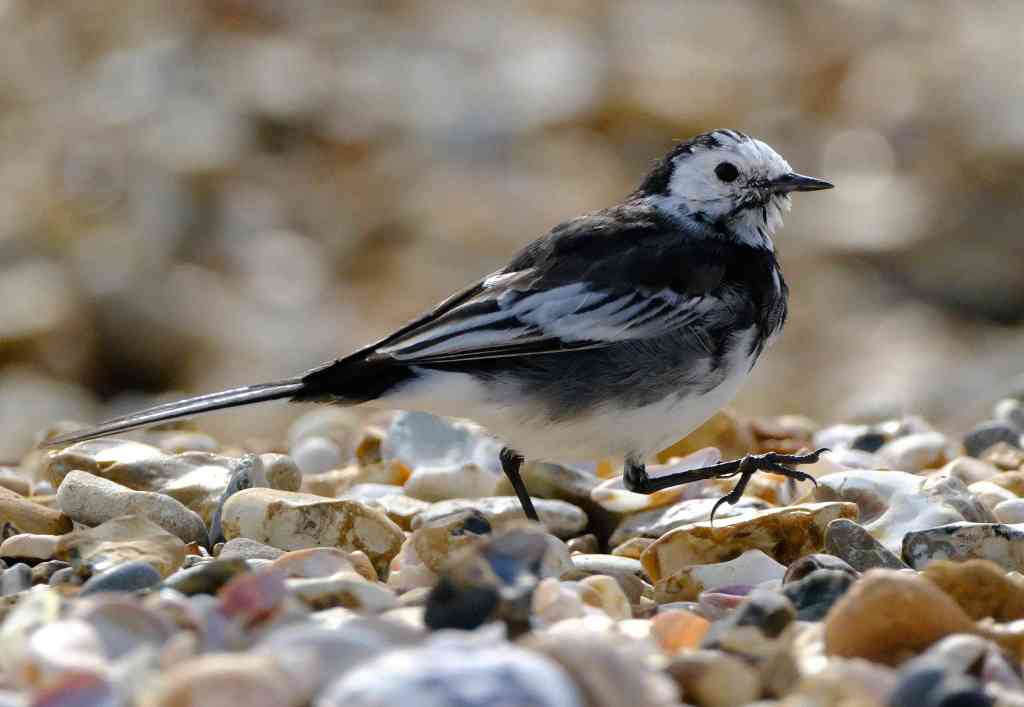
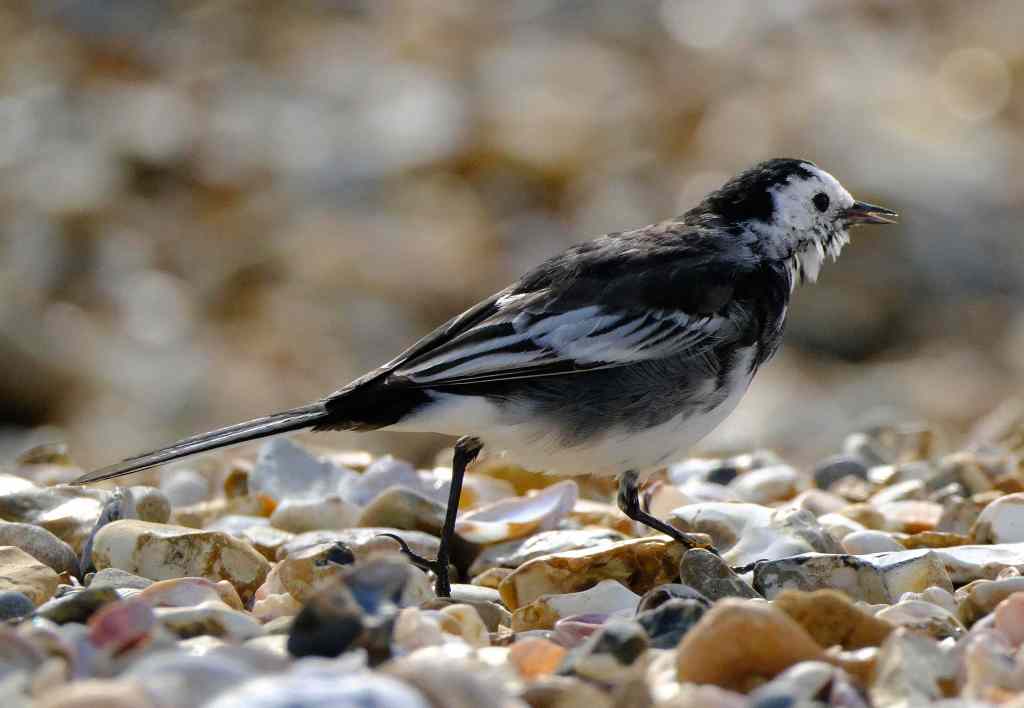
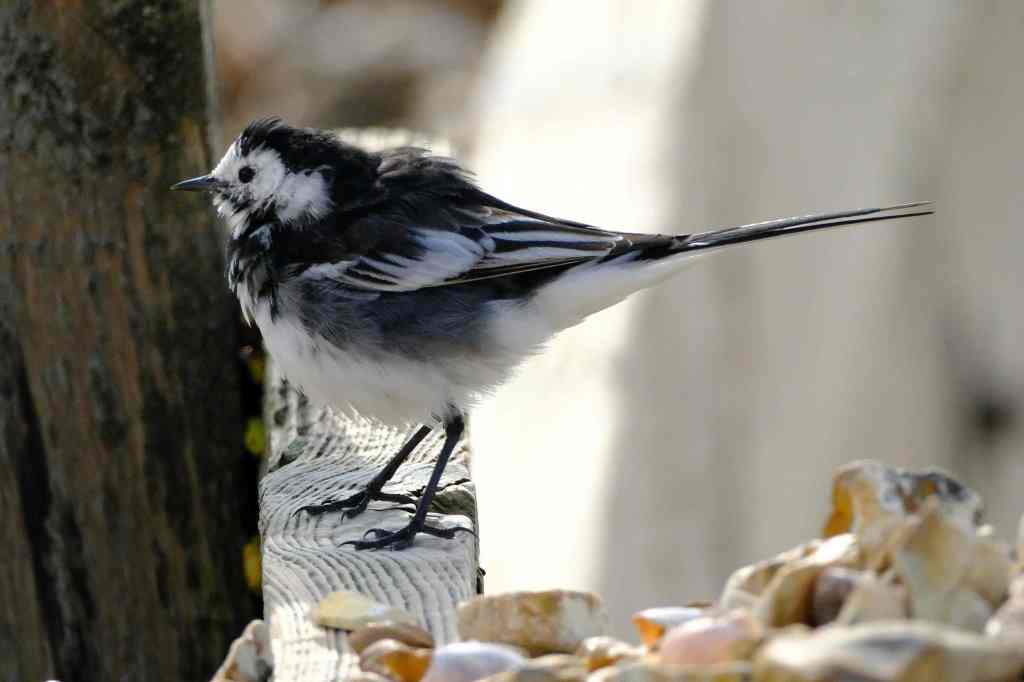
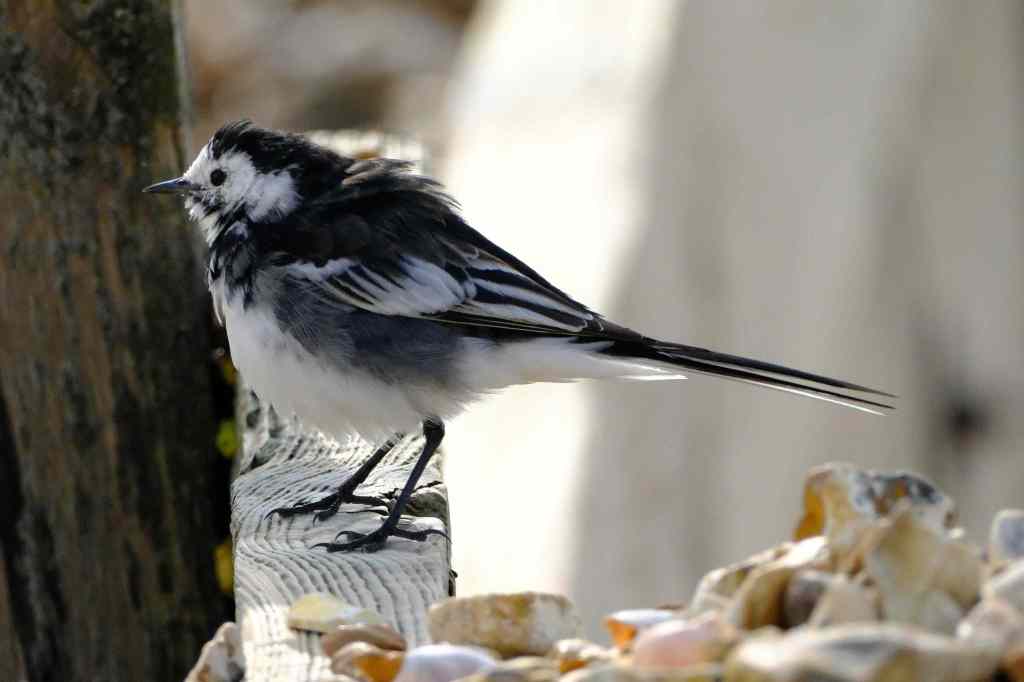
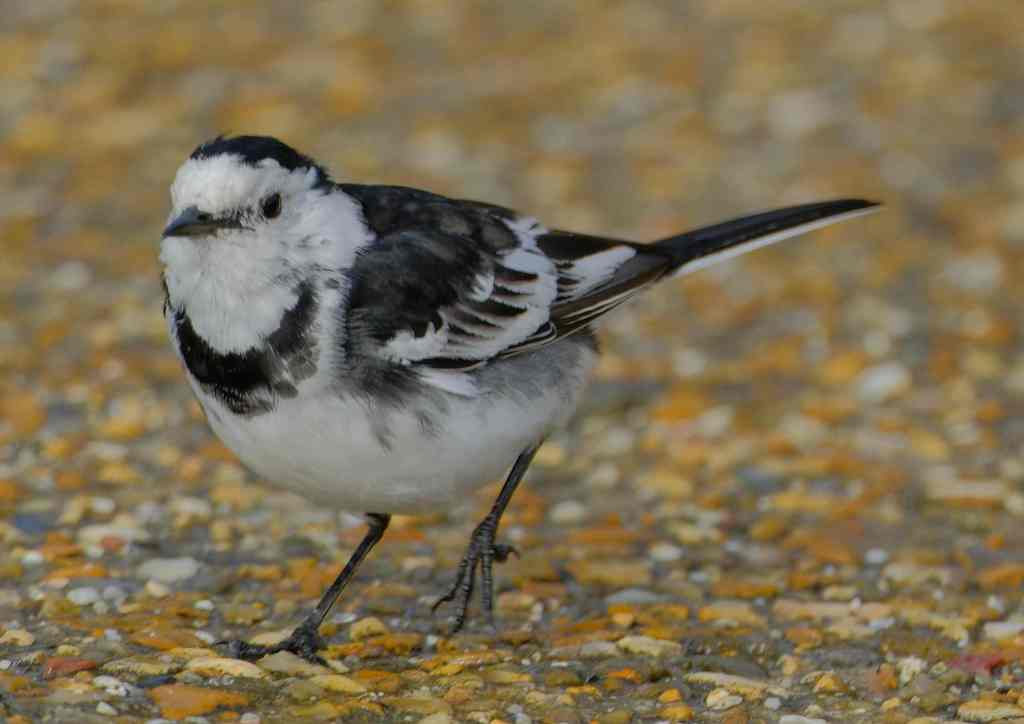
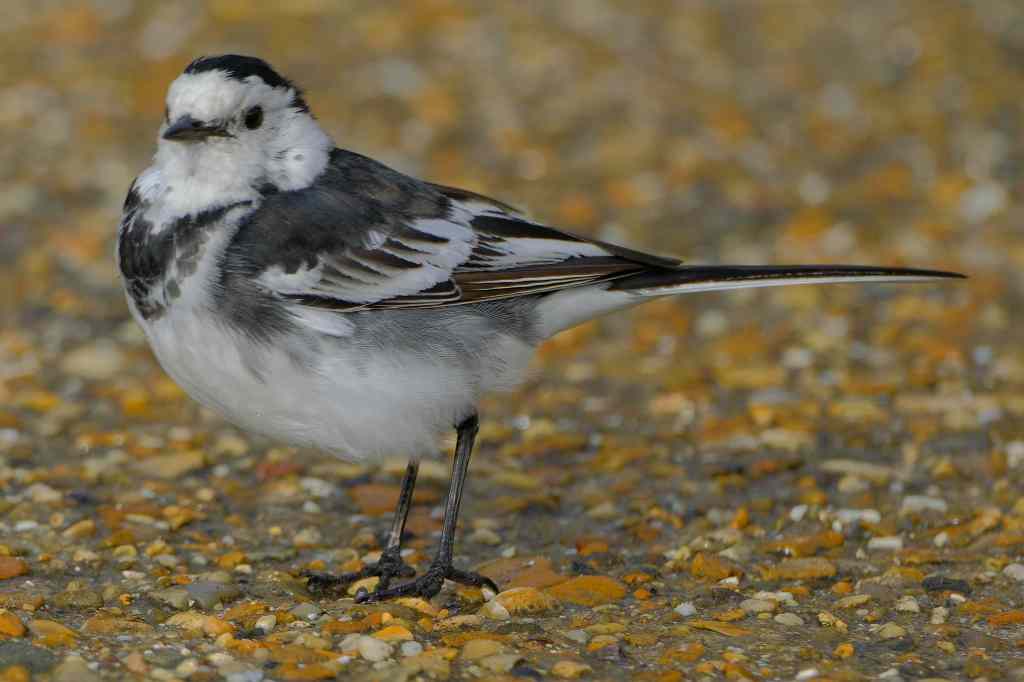
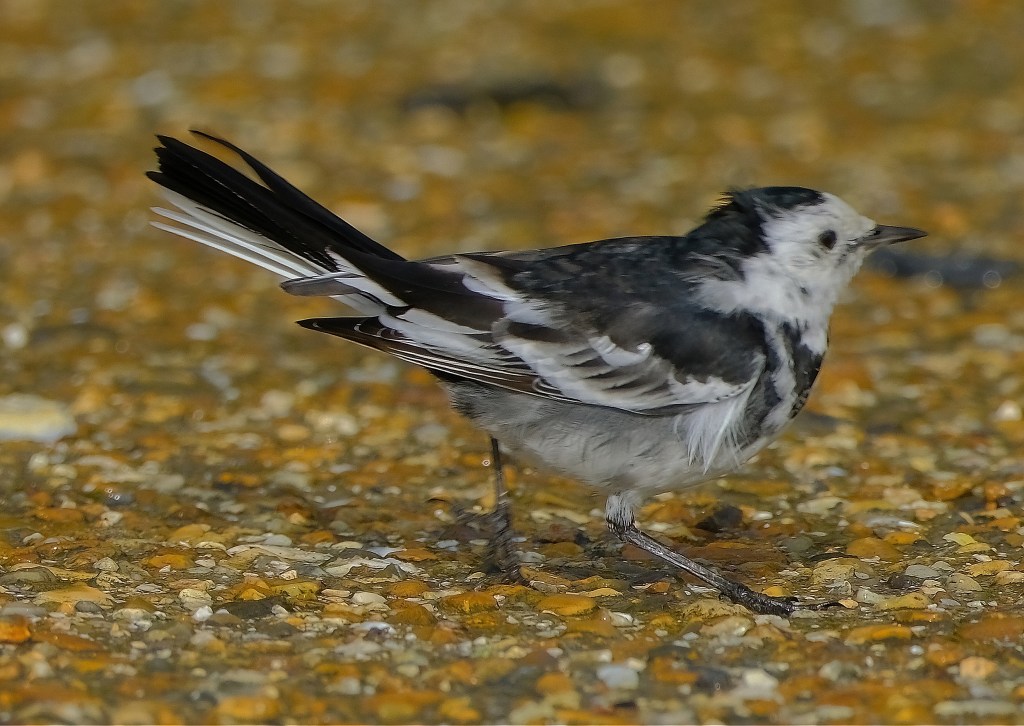
A Pied Wagtail on Meon Shore Beach. Frantically wagging their long tail up and down is an easy way to ID these little birds. I regularly see Pied and Grey Wagtails and very occasionally Yellow Wagtails. Their favourite food is insects.
Still, the photographs below are stitched together and run fast to show tail wagging.
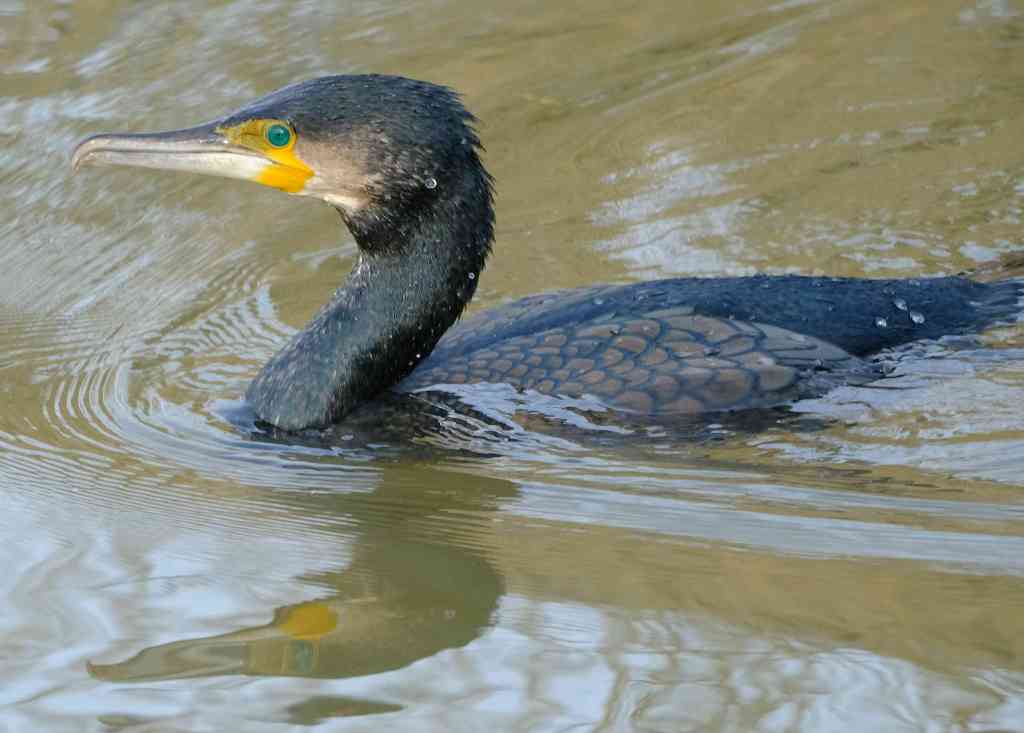
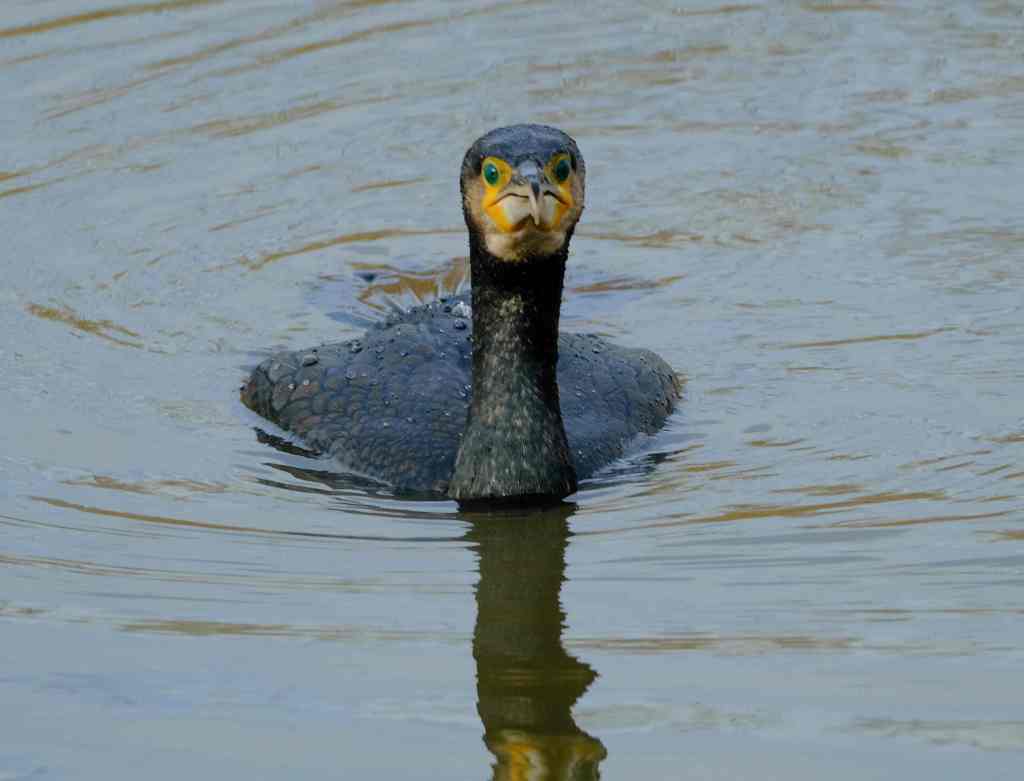
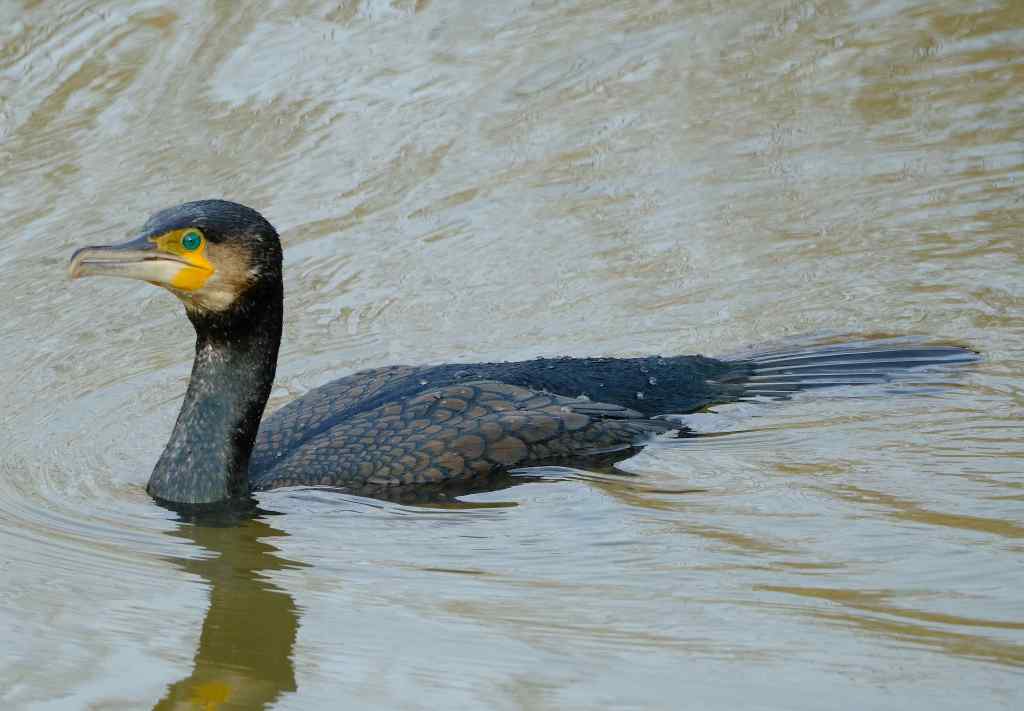
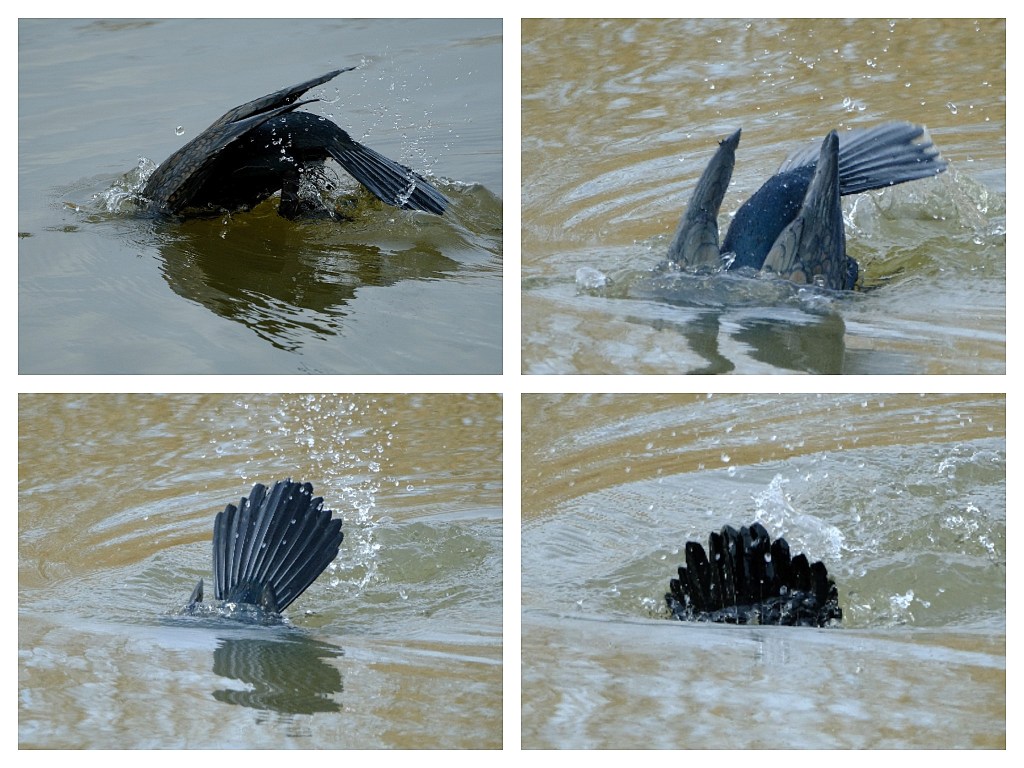
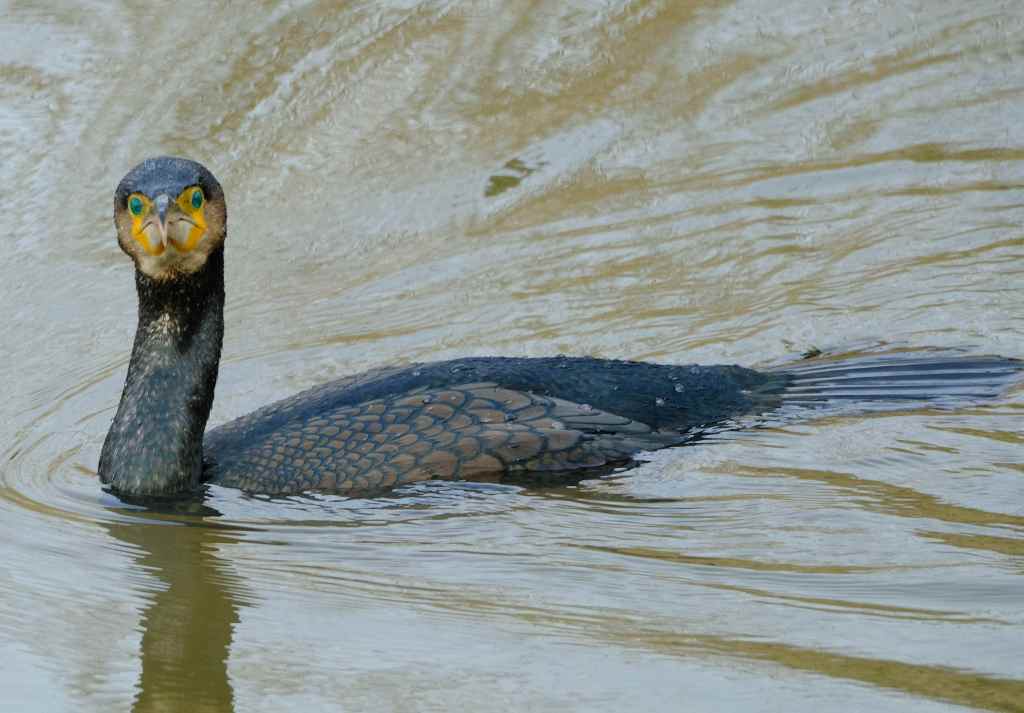
Cormorants are great divers for fish -although this one was unlucky while I watched the action.
Cormorant fishing is a traditional fishing technique that fishermen have used in China and Japan. They train the birds to catch fish. It was once a successful fishing method, today it serves the tourism industry. It is no longer used anywhere except in southwestern China.
To control the birds, the fishermen tie a loose rope near the base of the bird’s throat. The snare does not stop the bird from swallowing small fish but prevents the bird from swallowing larger fish, these are held temporarily in their gullet. When a cormorant has caught a fish in its throat, the fisherman brings the bird back to the boat to regurgitate the catch.
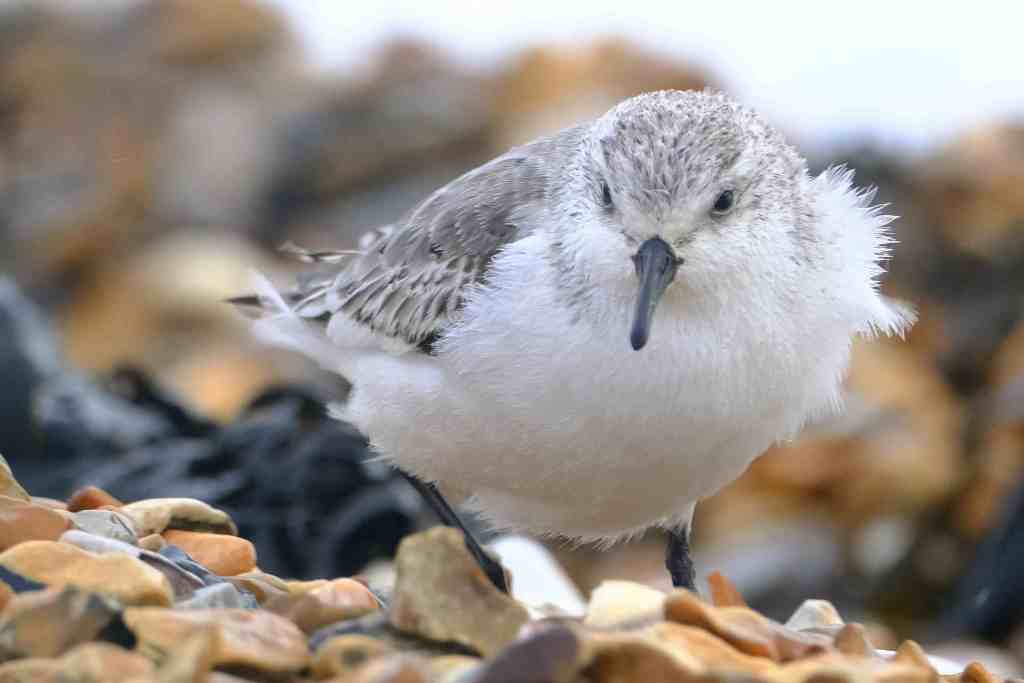
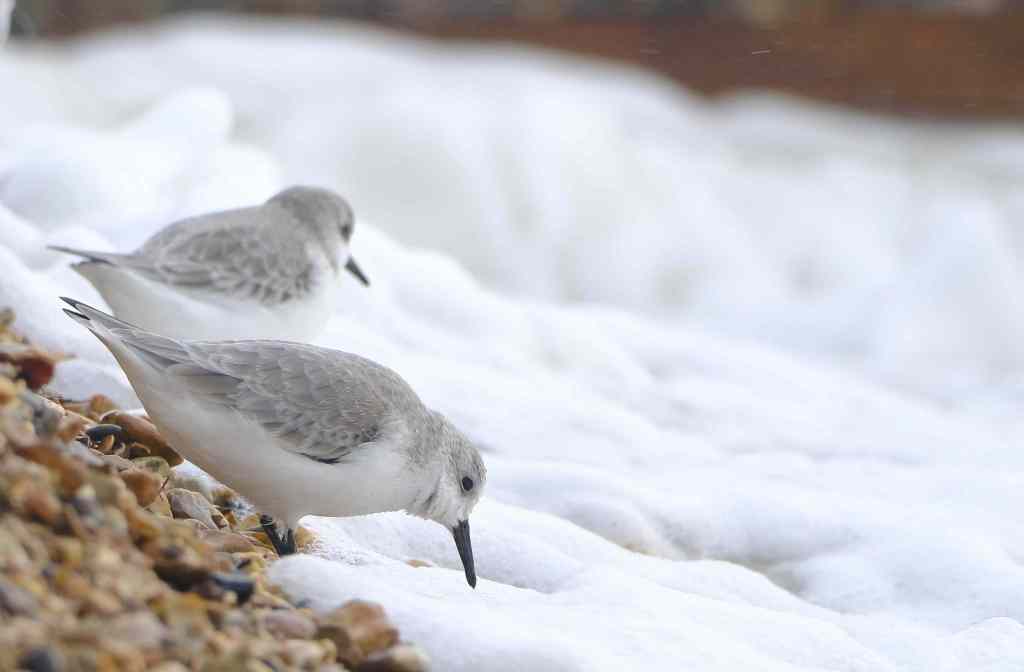
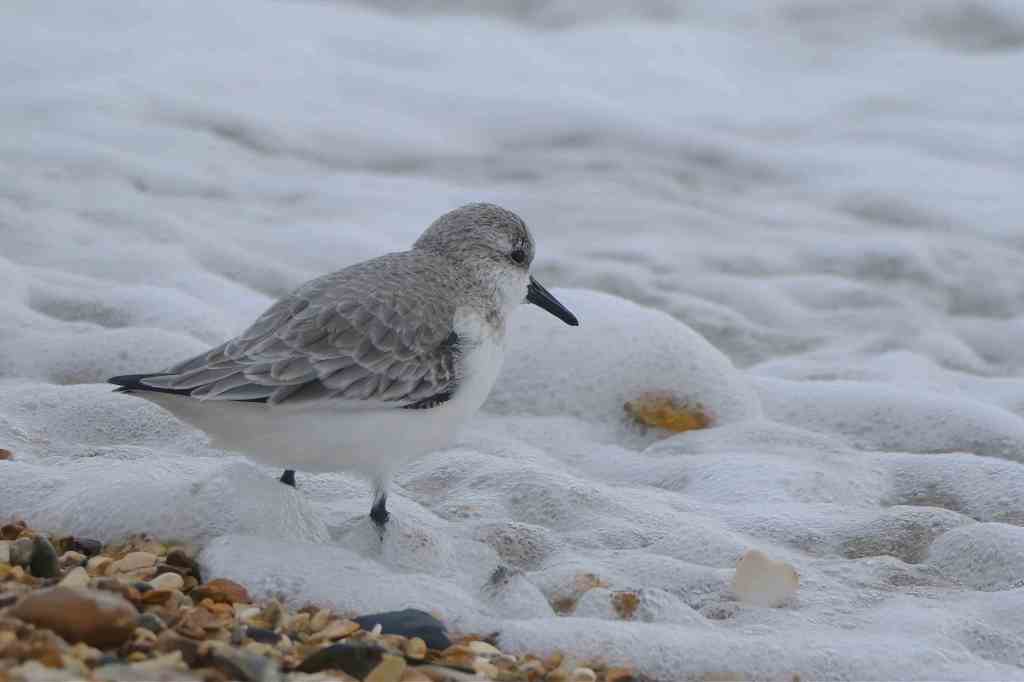
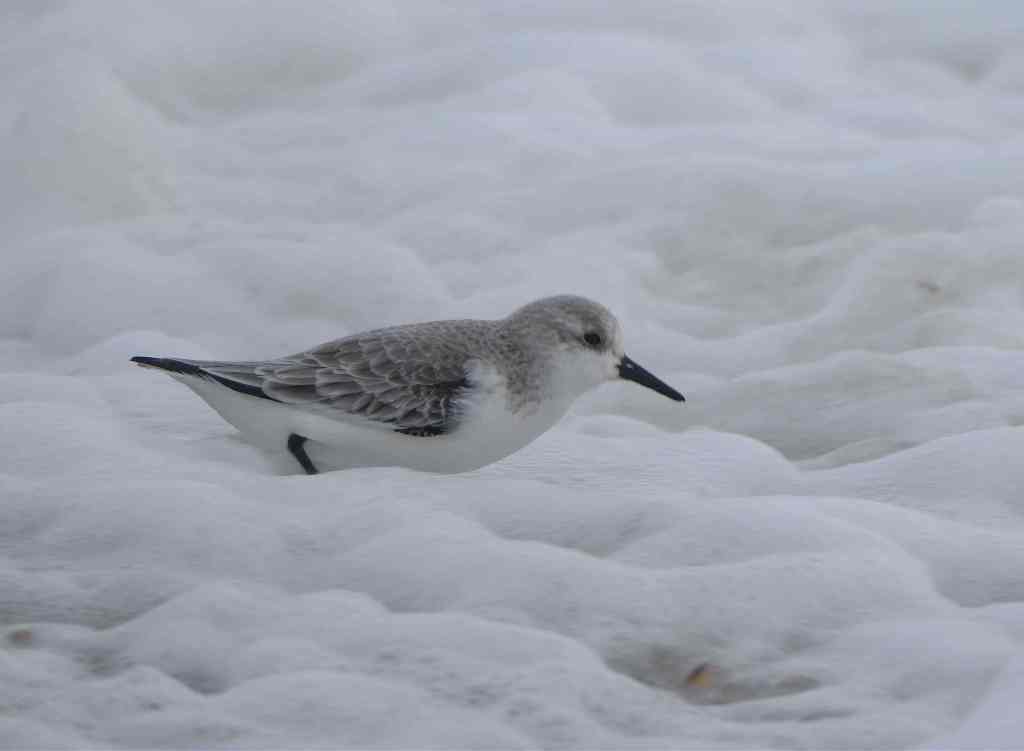
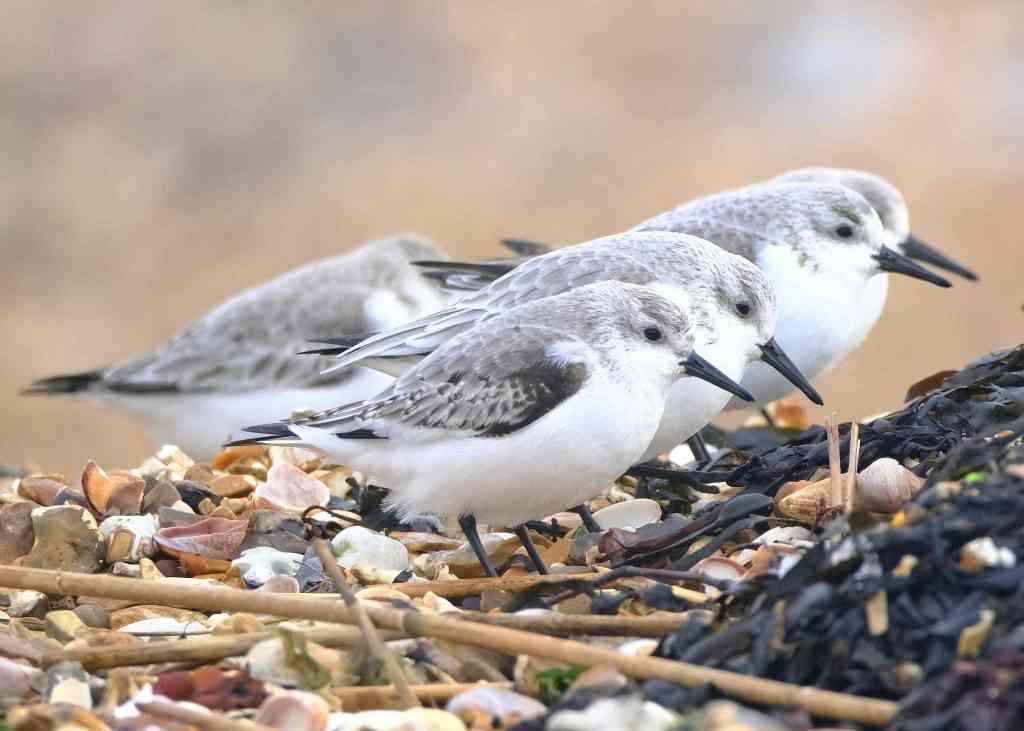
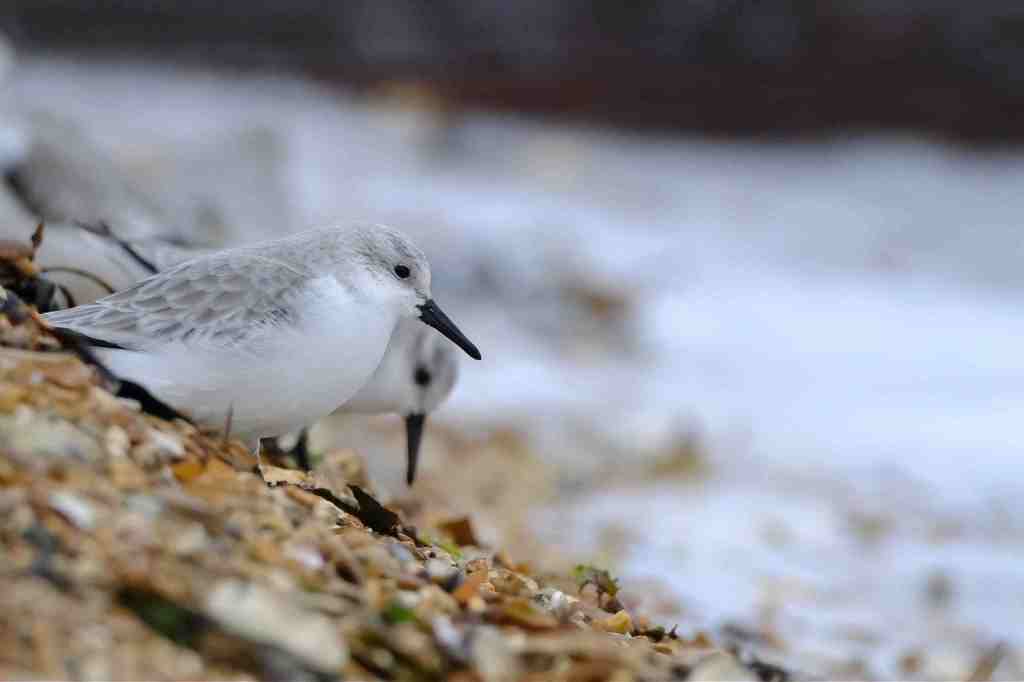
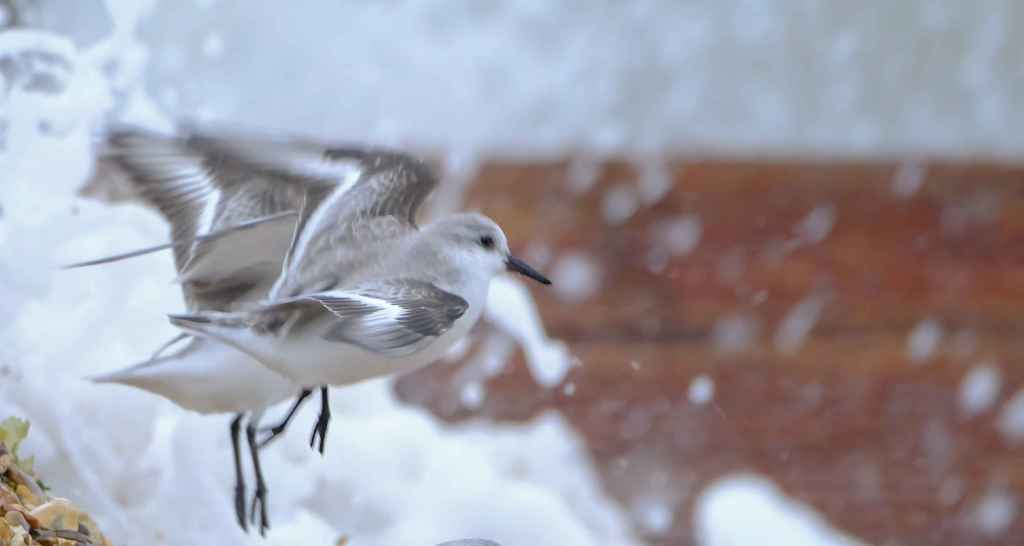
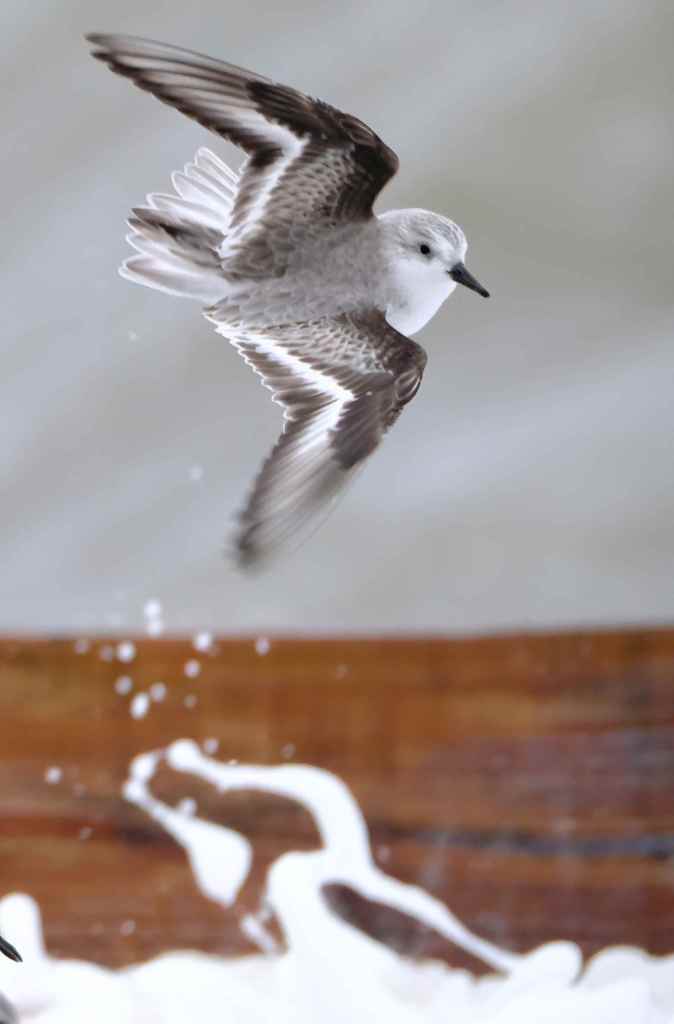
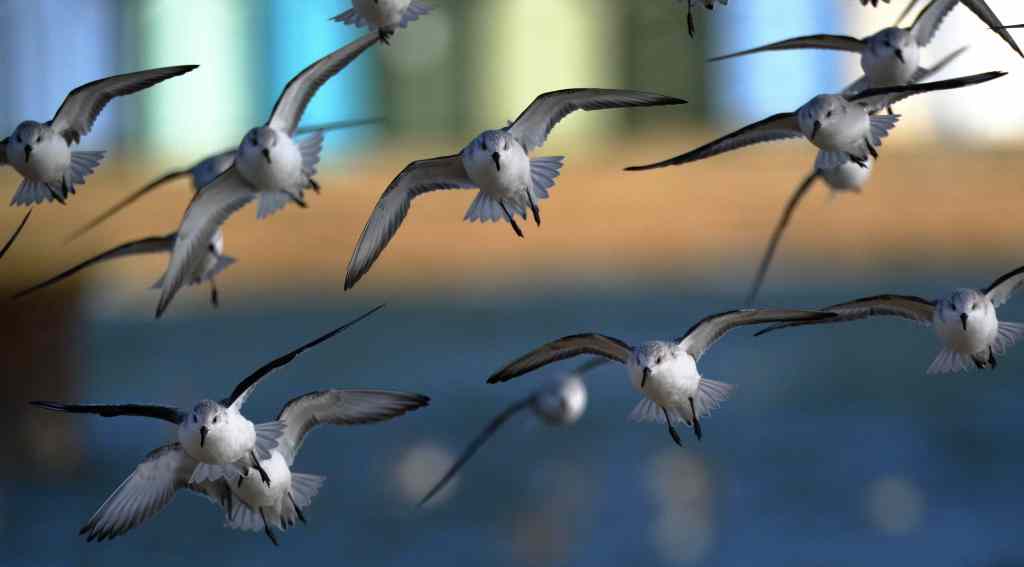
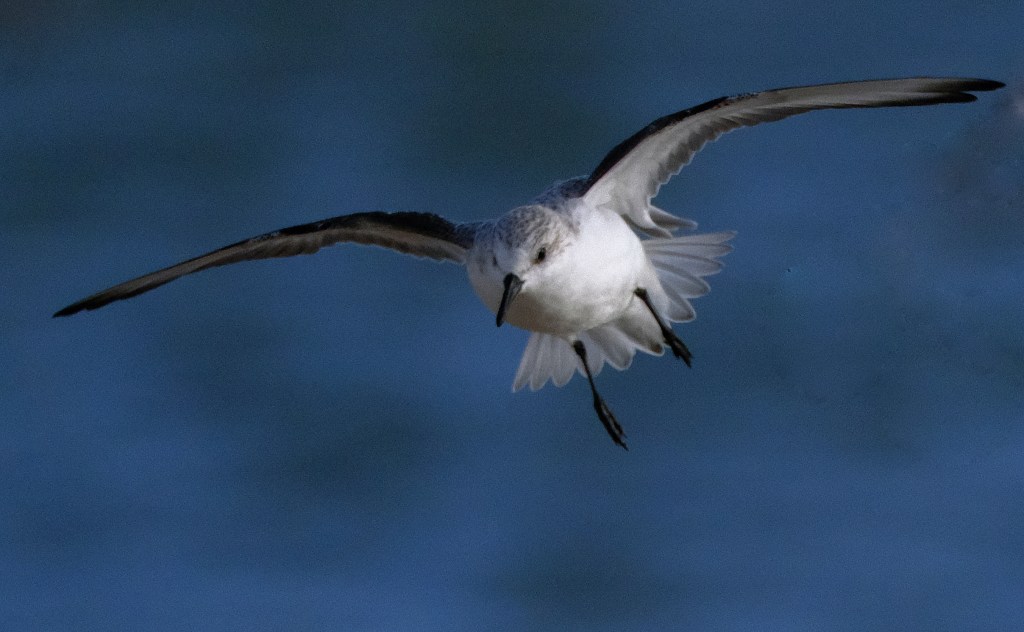
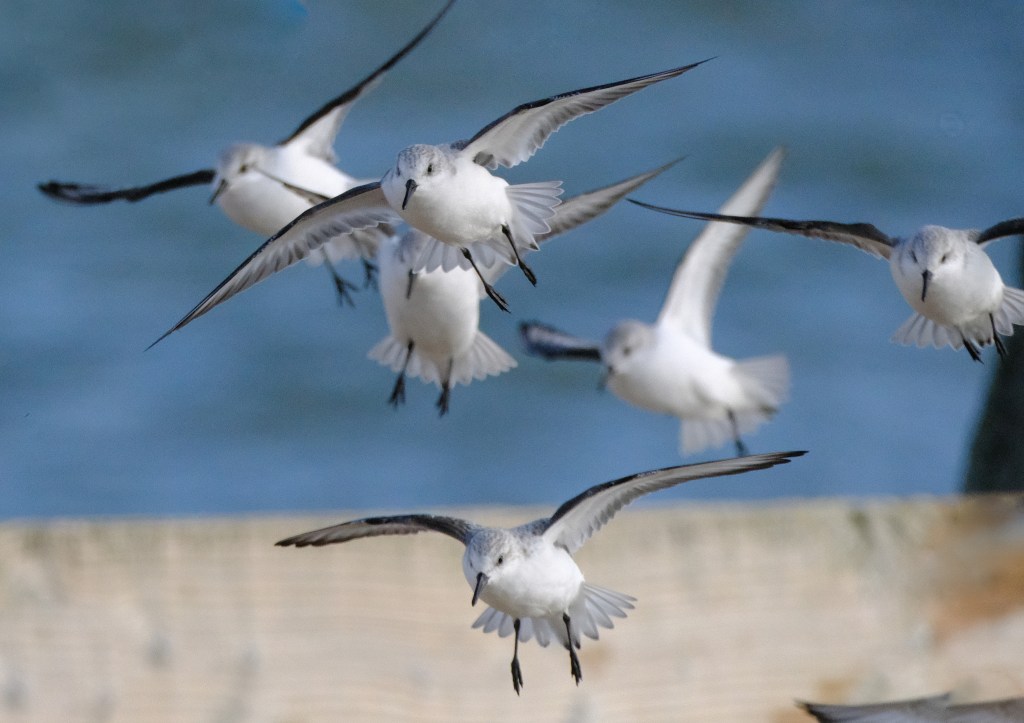
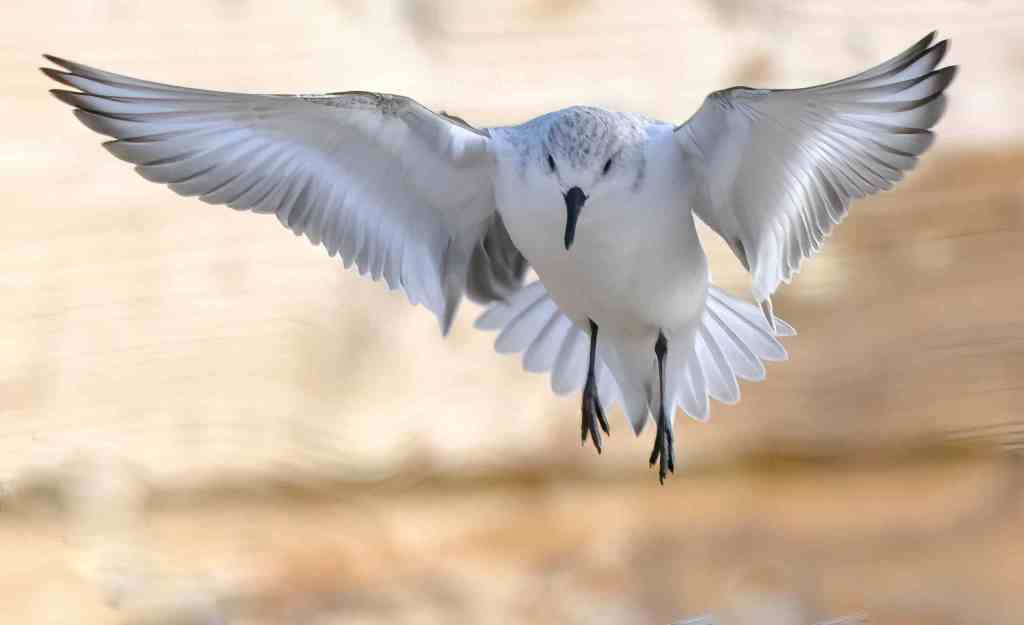
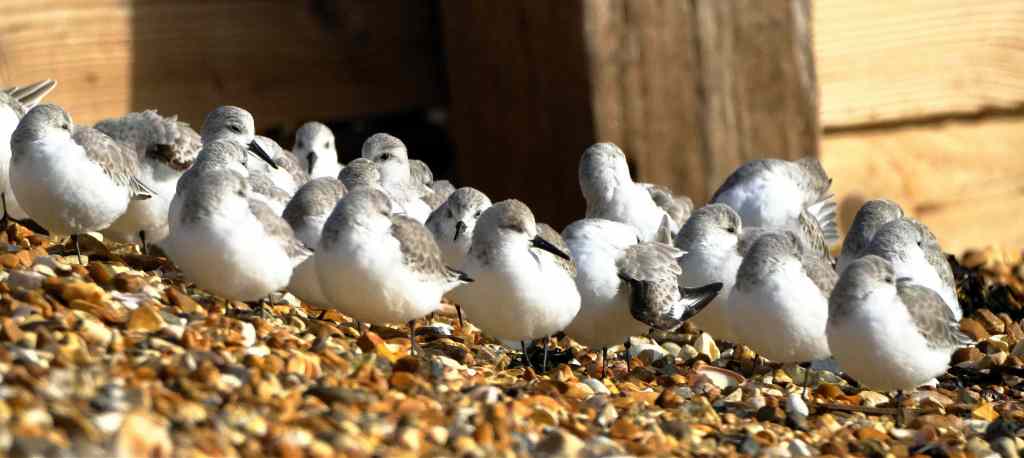
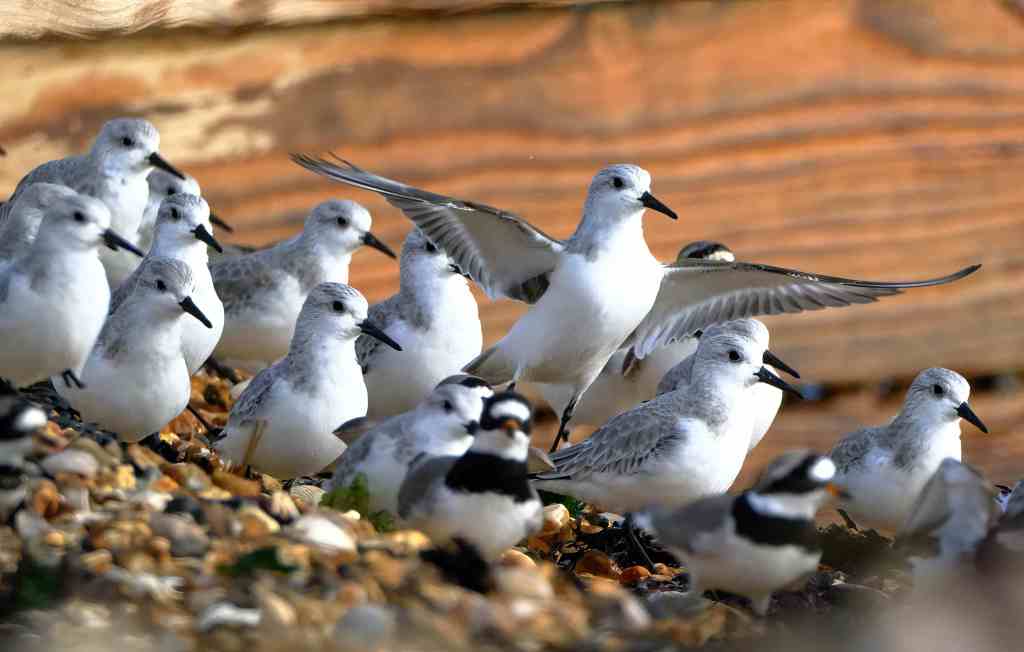
An enjoyable morning at the coast watching one of my favourite shoreline birds the Sanderlings. My last outing of 2024 and although stormy I could settle down behind one of the groins and watch these little birds dancing with the waves.
The name derives from Old English sand-yrðling, “sand-ploughman”. These little birds are in the Sandpiper family they are a passage migrant spending the winter on our coast before going north to their breeding grounds their Arctic breeding grounds.
Another storm touched landfall this morning Storm “Gerrit” hit Meon Shore off Titchfield Haven at about 10.30 this morning. Sanderlings struggle with a very high tide simultaneously as the storm force wind.
Today’s walk was along the coastal path from the seaside town of Lymington to Normandy Lagoon. On the Lymington-Keyhaven marshes, the lagoons lie just inside the seawall. Records show that the sea salt industry has operated in the Solent for at least 2000 years. The industry flourished and by medieval times was well established at Lymington. Salt was obtained by keeping seawater in shallow lagoons known as salterns. This allowed evaporation during the summer months to remove the water. The process was undertaken on land that had been reclaimed from the sea through the construction of a series of sea walls.
The first reference to a medieval salt industry in Lymington comes from the Domesday Book of 1086. Salt production remained an asset of the area throughout the Middle Ages. By the 17th century records show a flourishing economy in the area.
The industry reached its peak early in the 18th century when 163 saltpans were in use at Lymington. Boiling Houses were used as the process became more industrialised. Sea salt from Lymington was exported as far as Norway, Newfoundland and the USA.
The 19th century saw the decline of the industry. The final Lymington saltern closed in 1865.
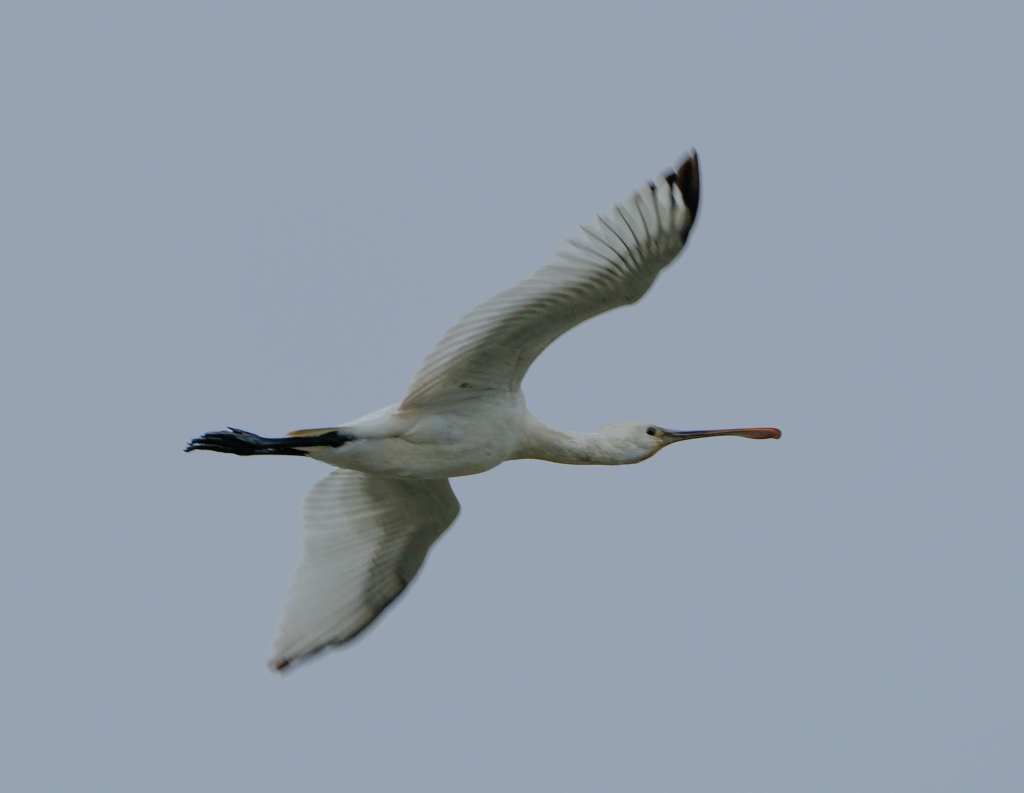
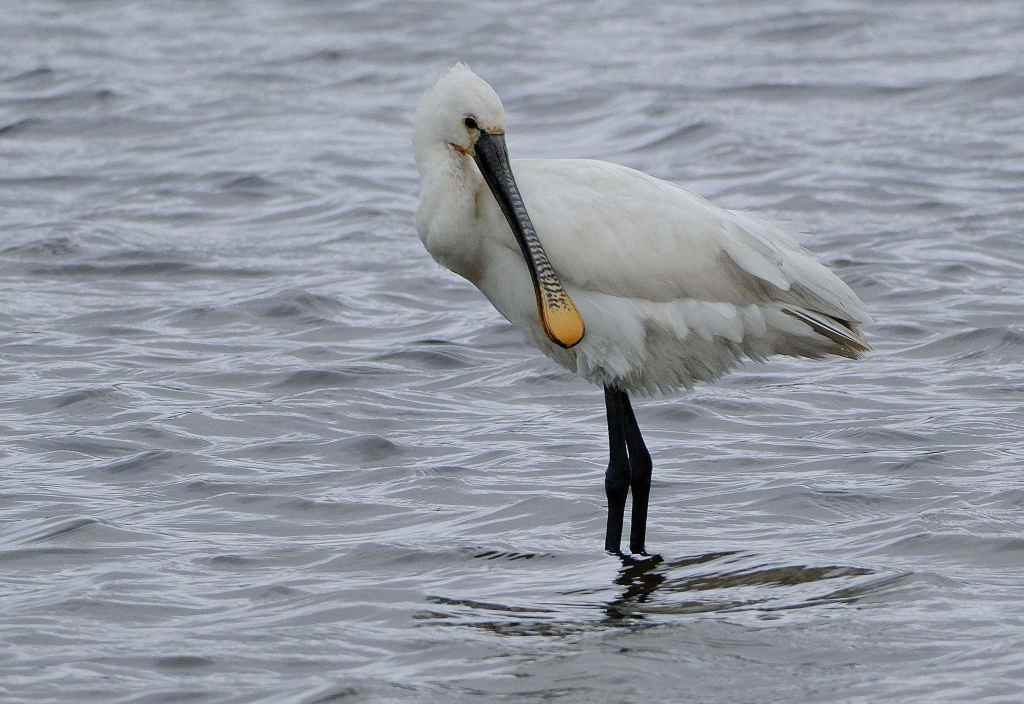
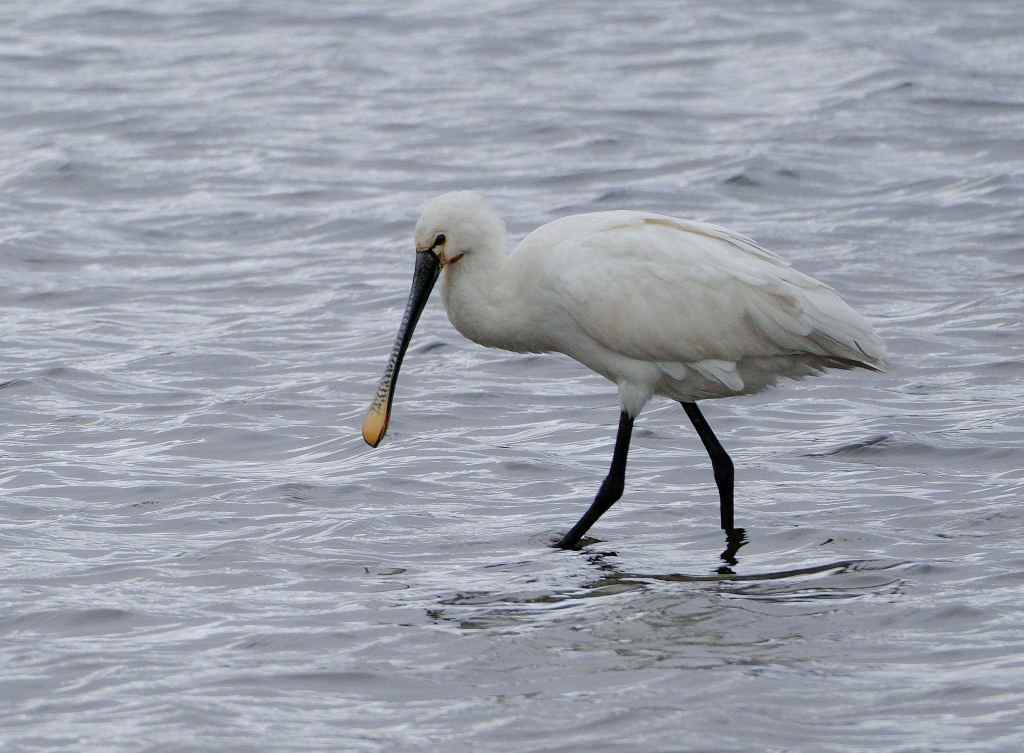
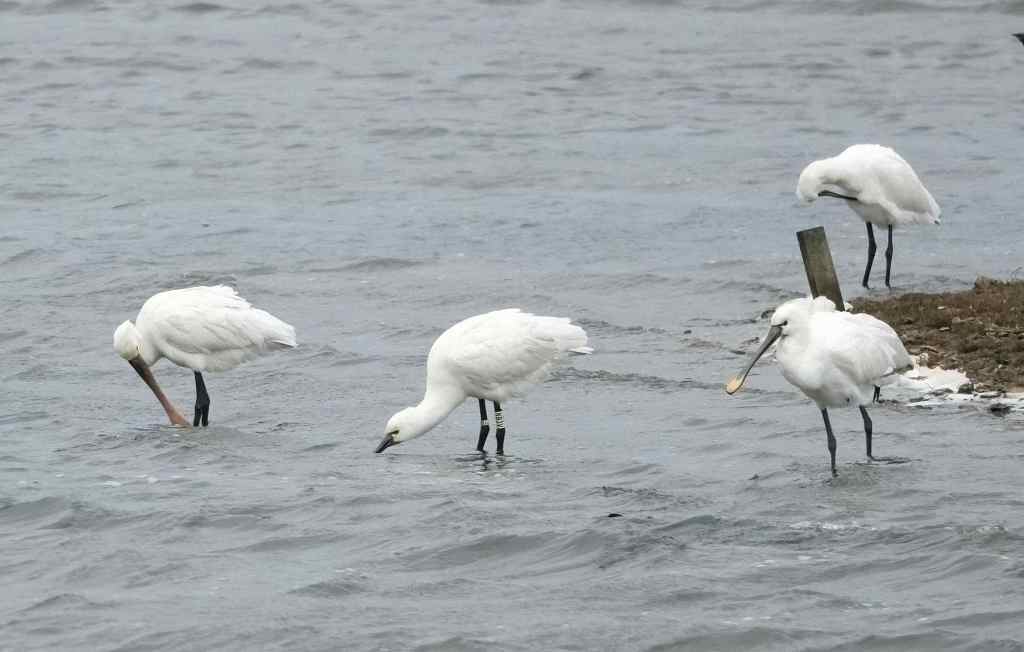
The best observation on today’s walk was a flock of 12 Spoonbills. A first for this year. Spoonbills are distinctive tall white waterbirds with long broad black bills and black legs. They are smaller than a Grey Heron in size. Adult birds have yellow on their bill tips. They fly with necks and legs extended. They feed with elegant sideward sweeps of their bill. The species is of European conservation concern. In recent years they have been visiting wetlands on the South Coast of the UK, small numbers now breed here. Listed on Schedule 1 of The Wildlife and Countryside Act, making it illegal to disturb these birds. Most birds migrate south in the winter, but many individuals remain and spend winter in Western Europe.
Little Egret
Cormorant – unlike many diving birds Cormorants do not have waterproof feathers. They are great at diving for fish so when they have finished fishing to dry out they sit with their wings open, The warmth of the sun or the wind dries out the bird.
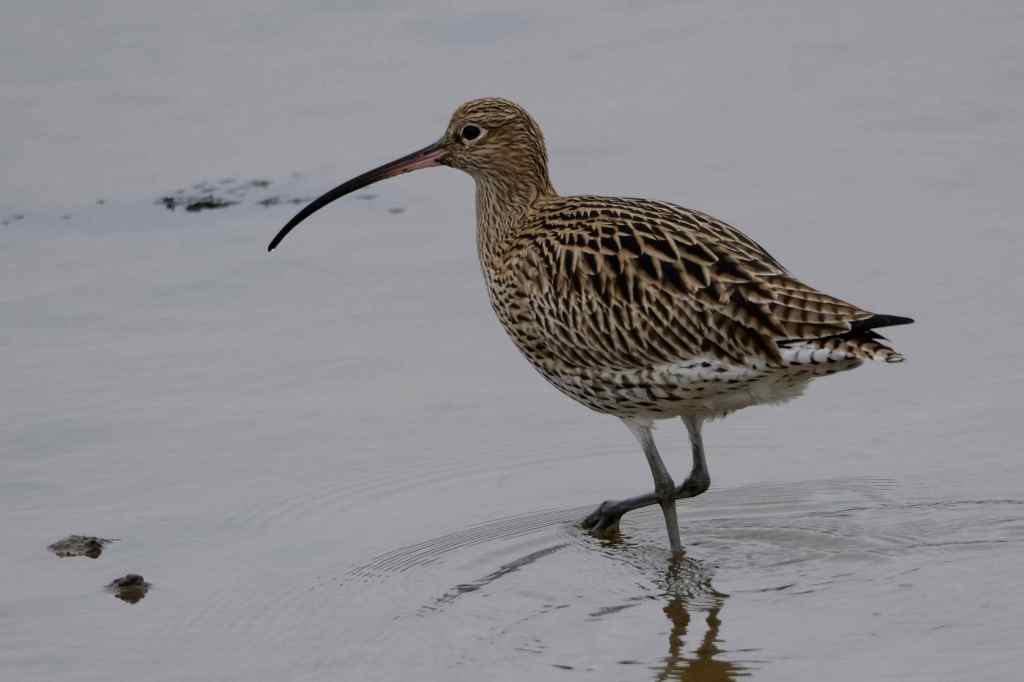
Curlew. They are the largest European wading bird I watched one pass a Brent Goose last week and you can see their size is only a tiny bit smaller than the Brent!
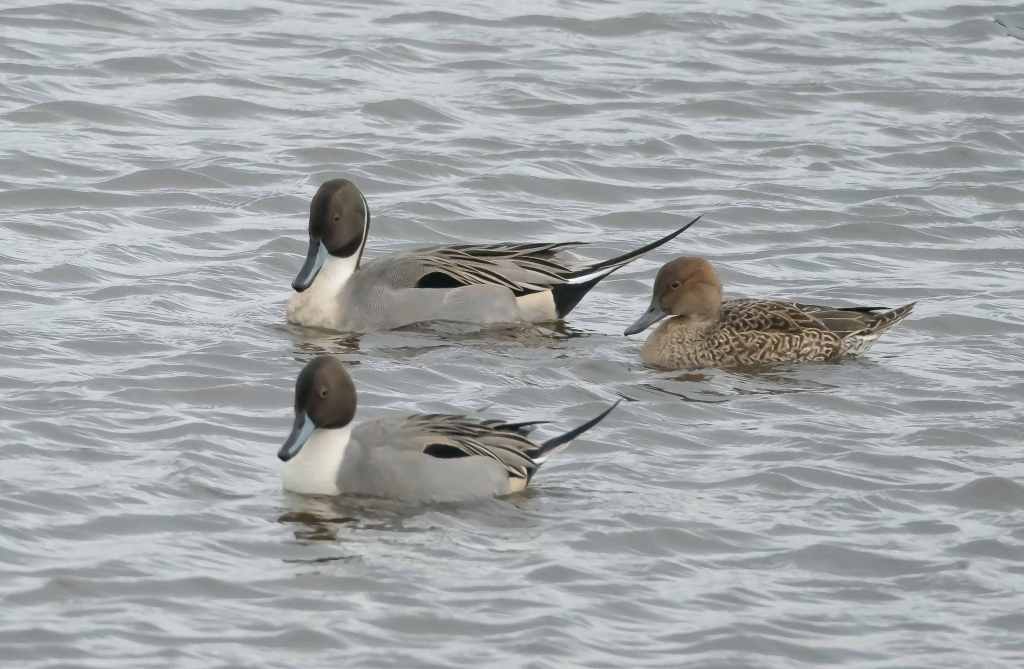
Pintail, – only a few of these duck breed in the UK (under 30 pairs), however in the winter over 20,000 birds winter here. Like all dabbling ducks, Pintails feed at the surface rather than diving for their food. They eat plant food when dabbling, but will supplement their diet with insects and molluscs.
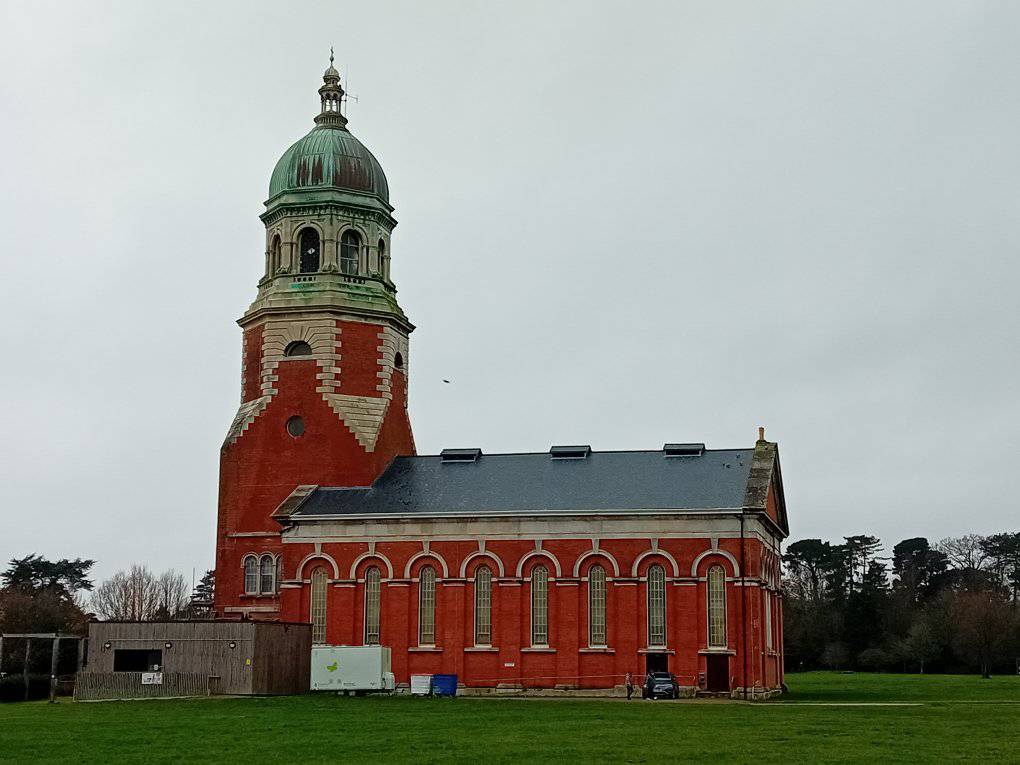
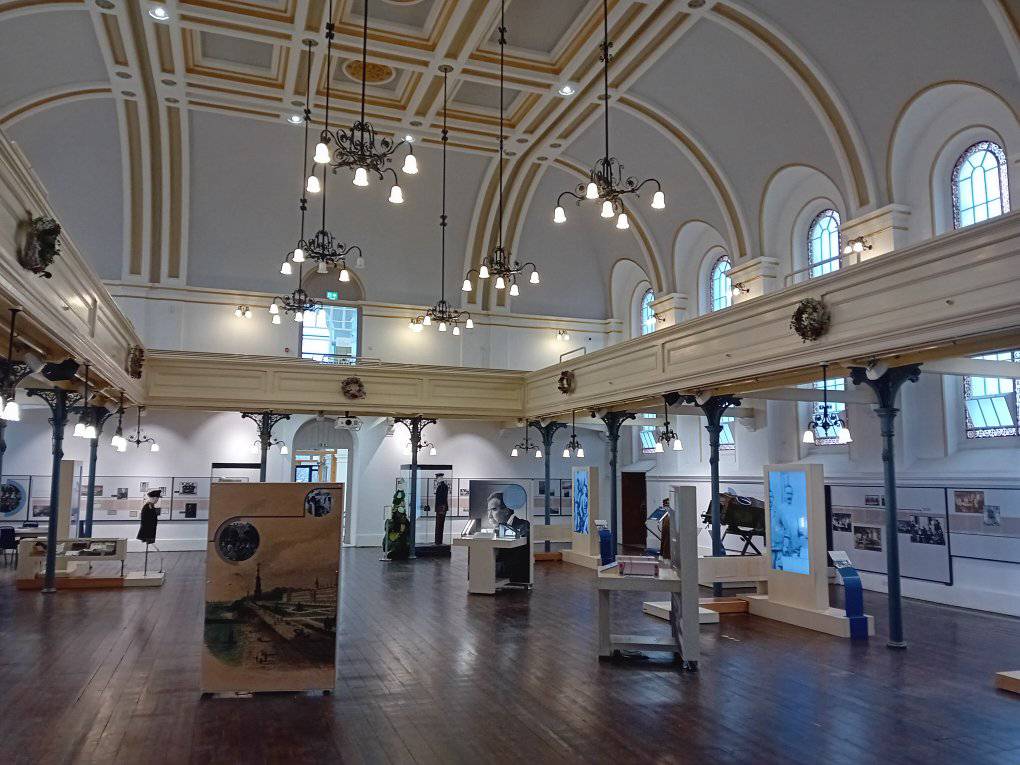
Western Shore on Southampton Water at the site of Netley Military Hospital.
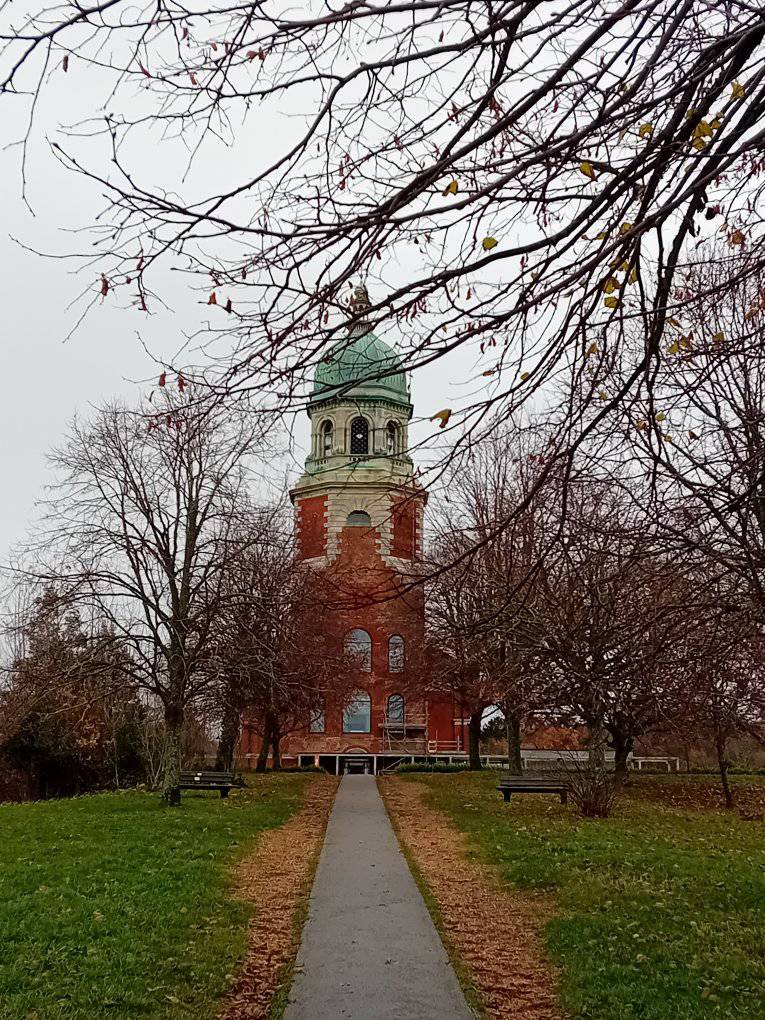
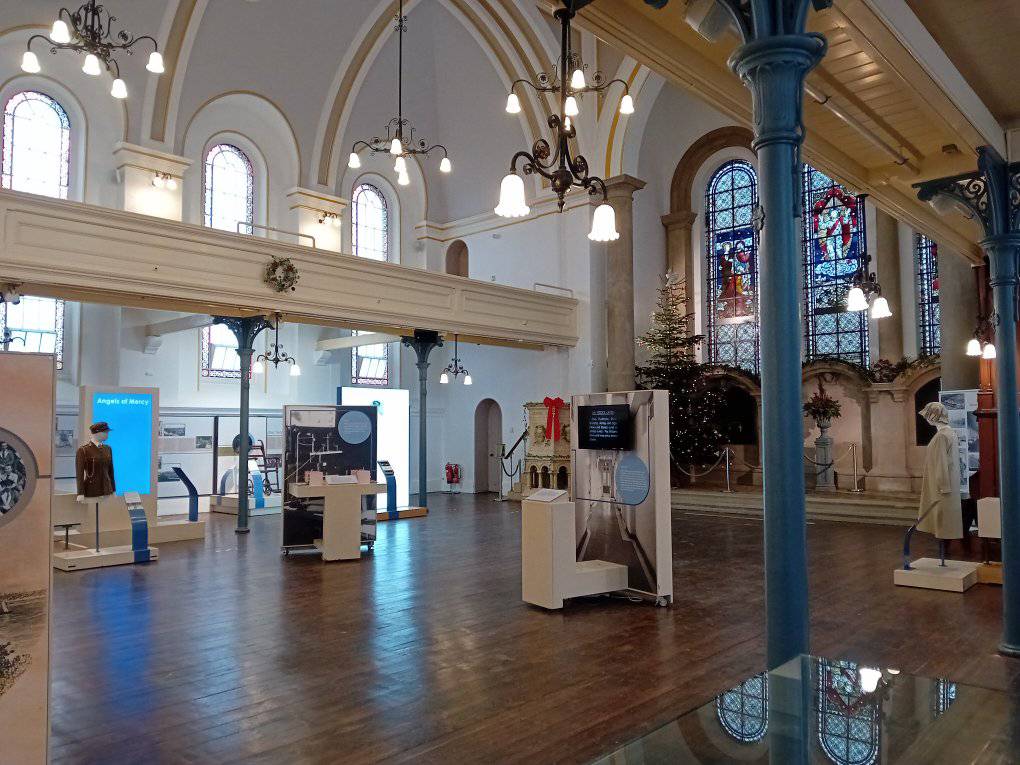
Netley Hospital, officially called The Royal Victoria Hospital. Construction started in 1856 at the suggestion of Queen Victoria, she often visited from one of her favourite homes with Prince Albert which was close by at Osbourne House on the Isle of Wight.
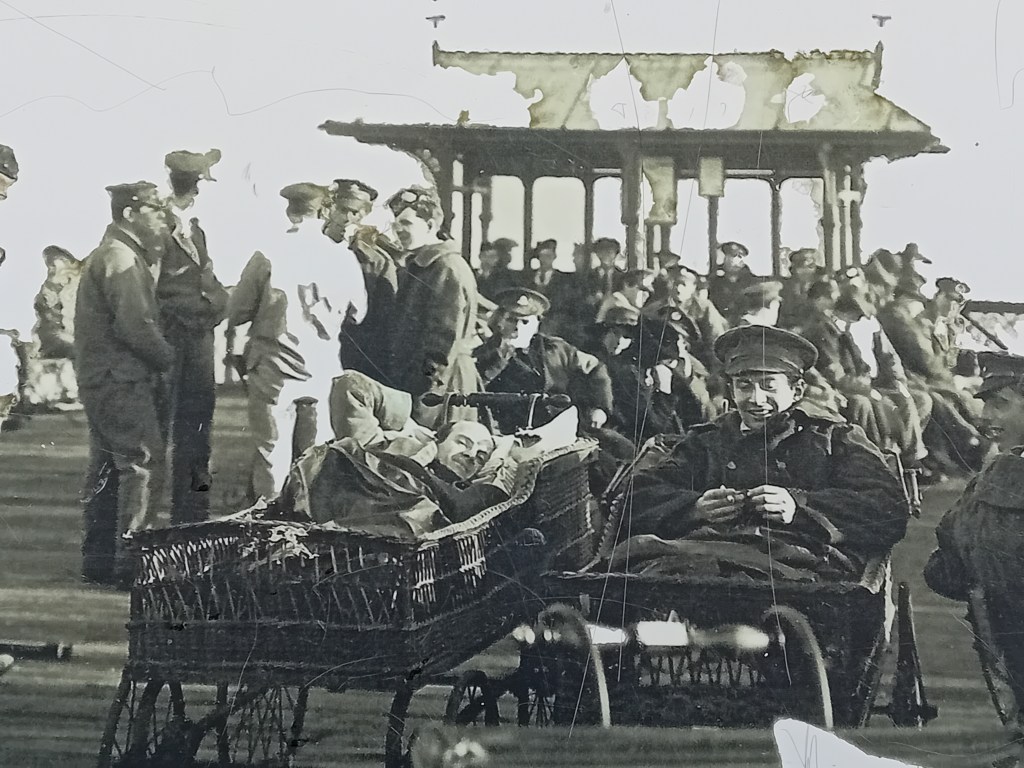
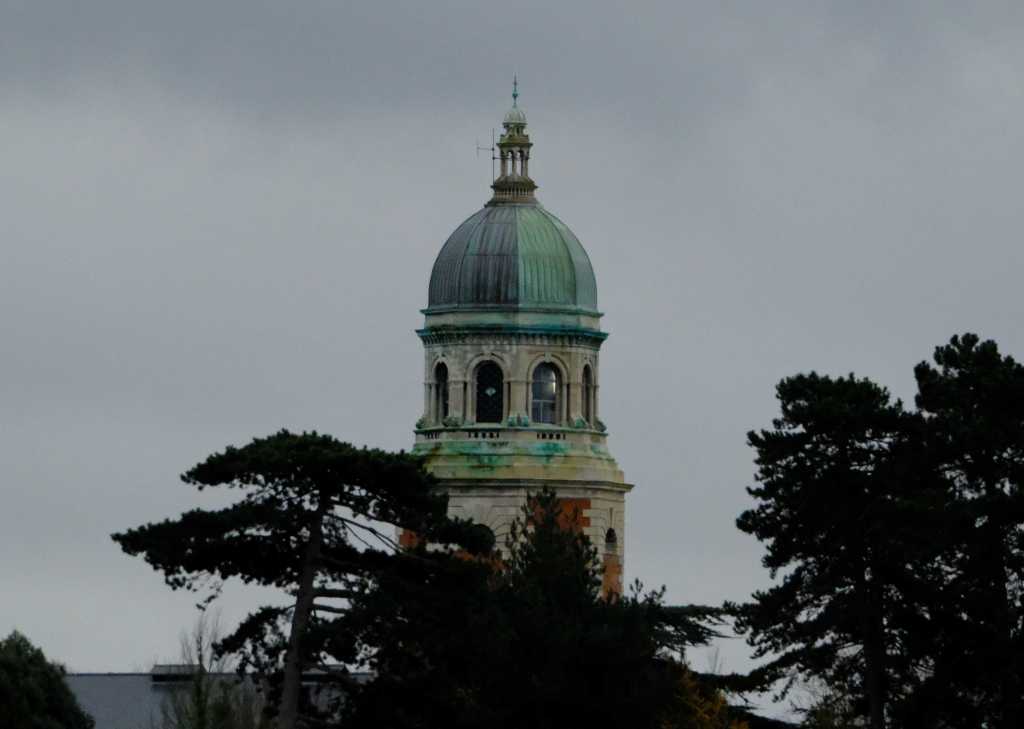
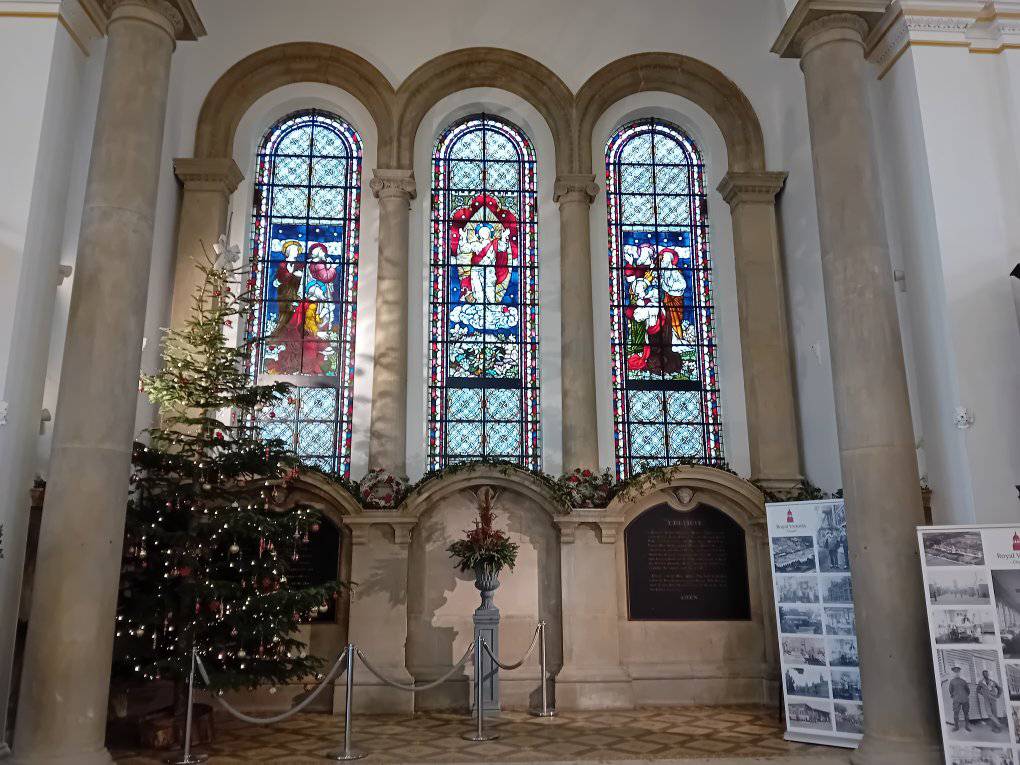
The hospital was extensively used during the First World War. Wounded troops from war could disembark directly to the hospital onto its own pier which reached out into Southampton Water. There was a branch Railway line direct to the hospital. The main building was the world’s longest building when it was completed. Sadly the main hospital building was demolished in 1966. In WW2 the hospital was used by the Americans after D-Day. The Chapel at the hospital’s centre remains and today is a museum.
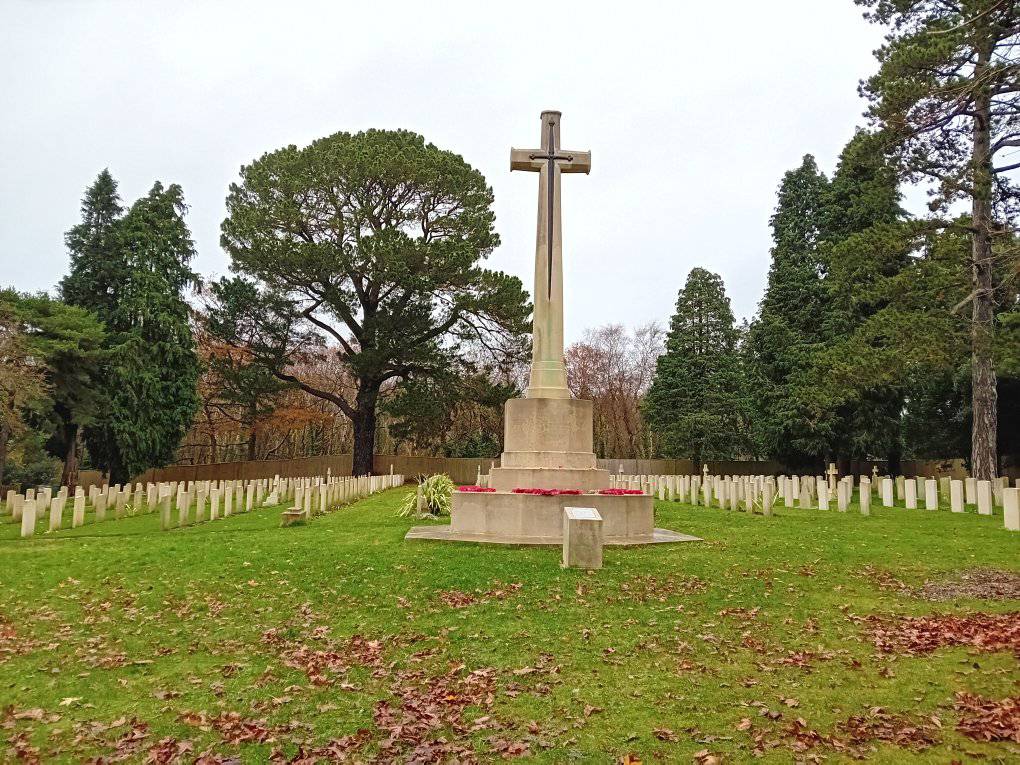
There is a CWCC cemetery within the grounds of the hospital for those who could not be saved.
Here on the Solent, almost all the Terns and summer visitors have gone for the winter. It was a very poor year for Tern numbers. I think this was due to the bird flu outbreak we had and the height of the breeding season. The black-headed gulls which are with us all-year numbers also remain low following the bird flu.
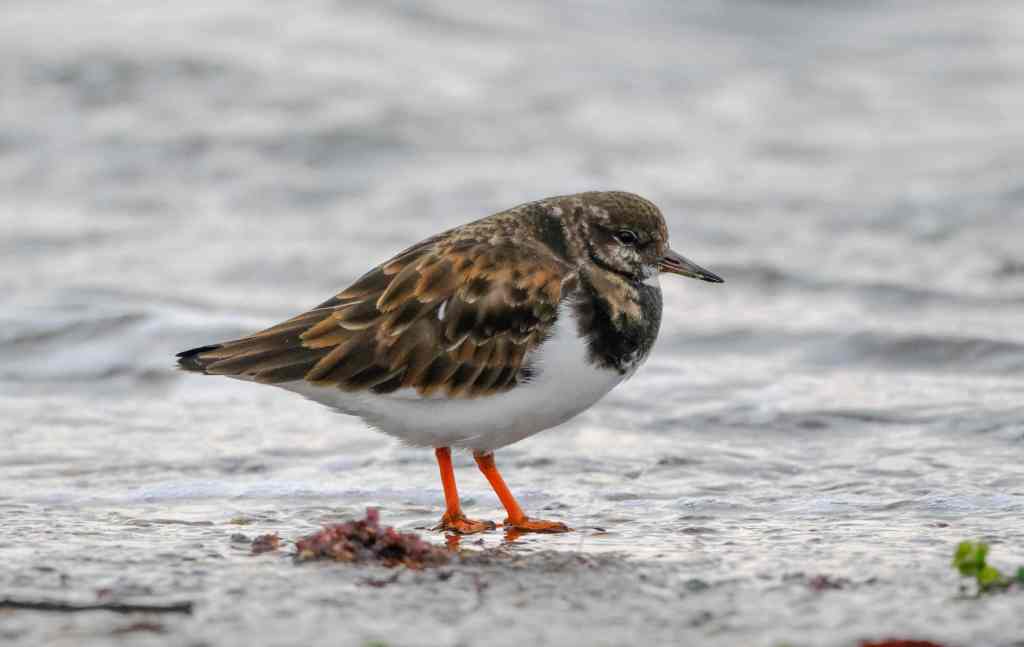
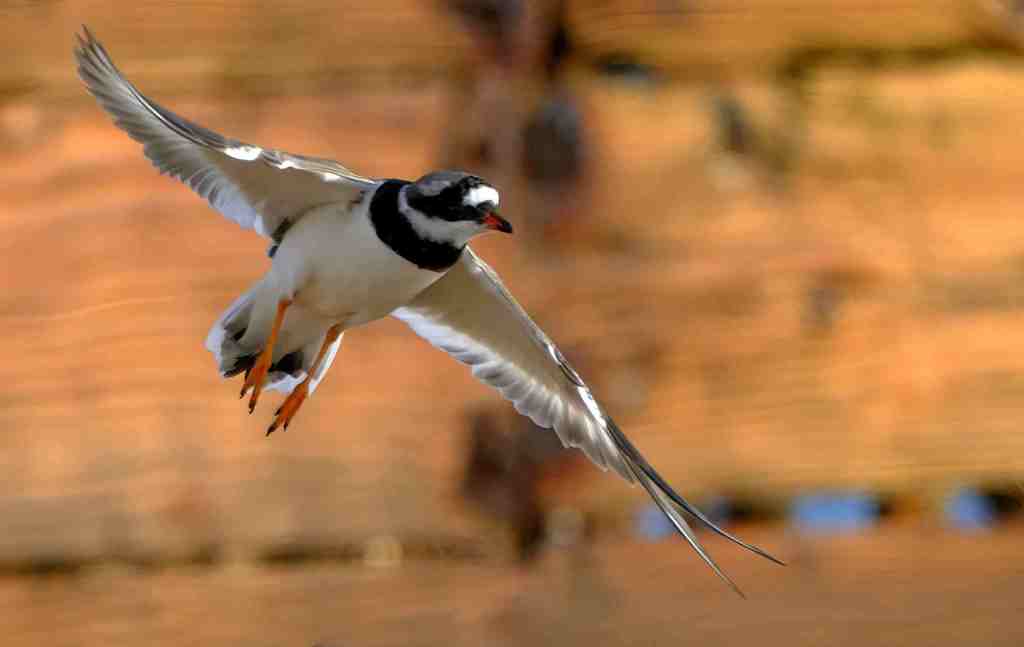
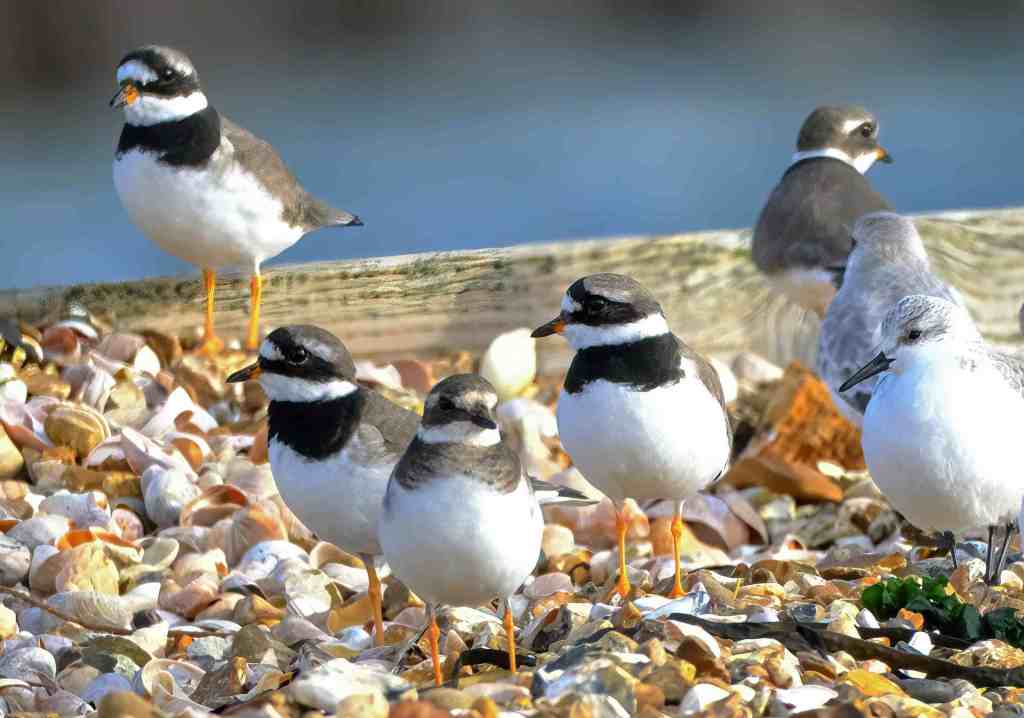
Soon the Brent Geese will be arriving in large numbers from Siberia, I have only seen a few so far this year. Sanderling numbers and Ring Plover numbers are increasing with the arrival of the cooler months. Taking advantage of a bright rain-free morning it was a pleasure to watch these little birds fly in while sitting on the beach.

























 Continued Reflections from my World.