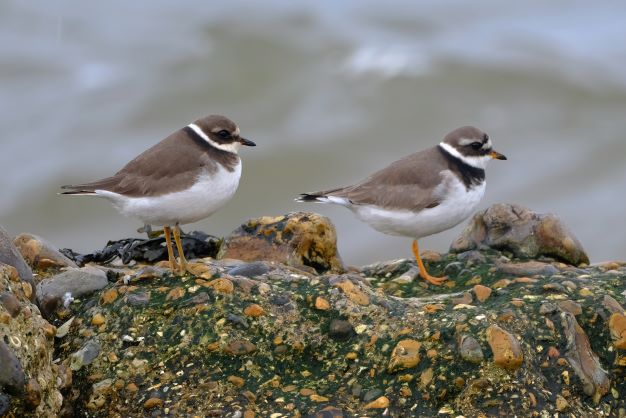
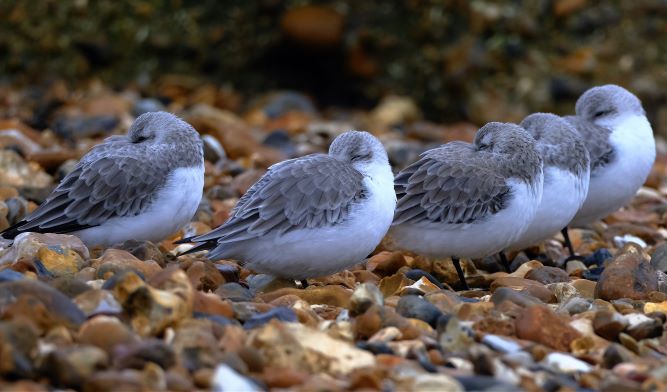
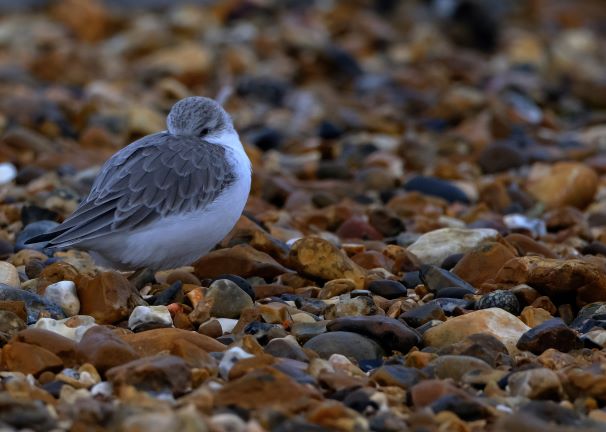
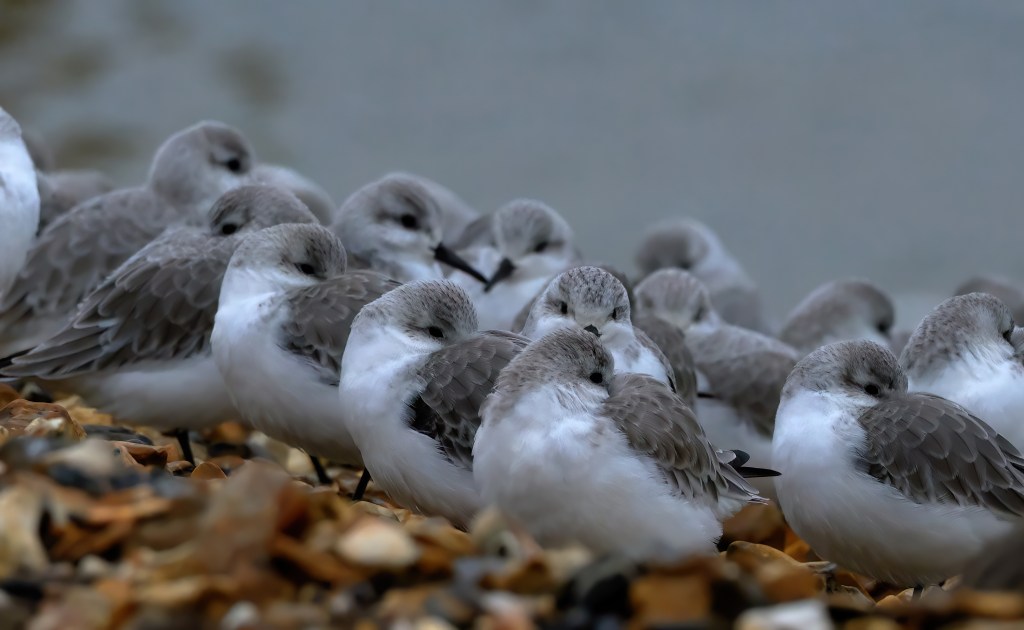
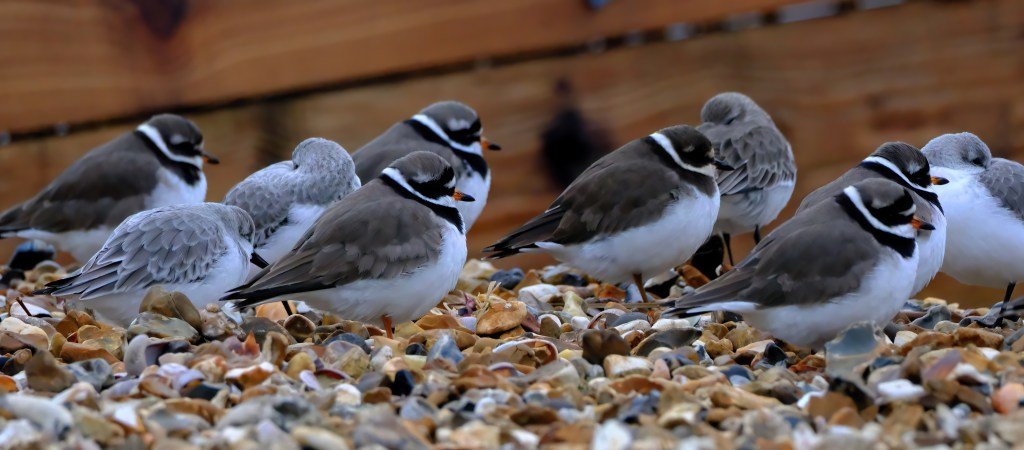
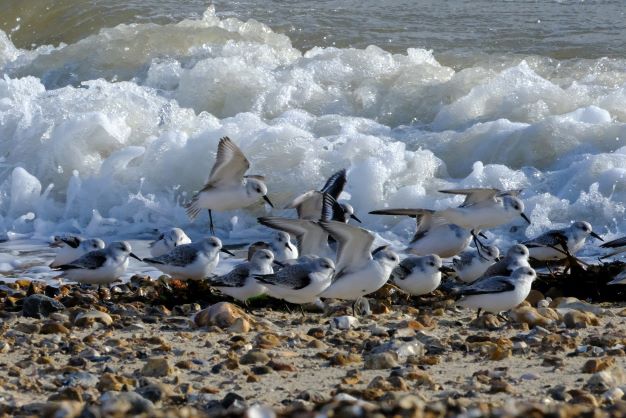
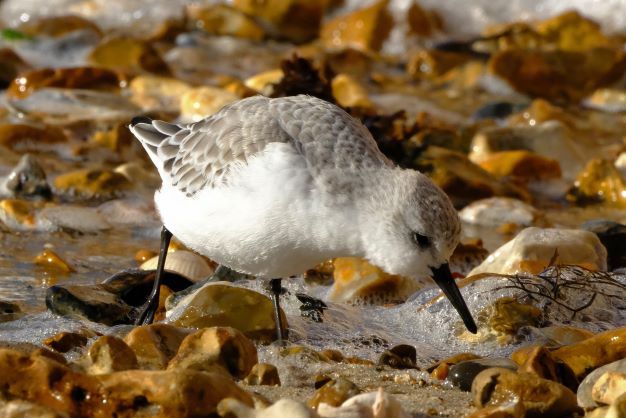
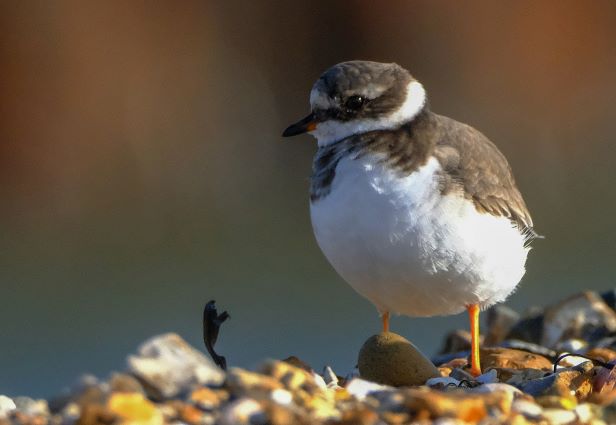
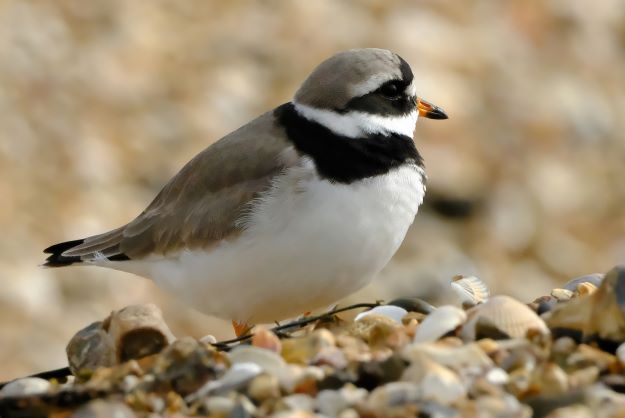
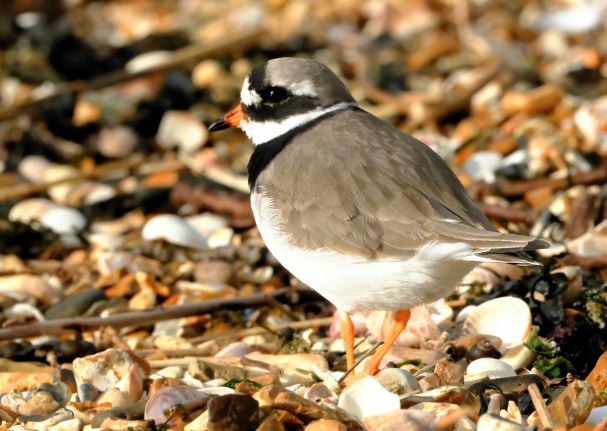
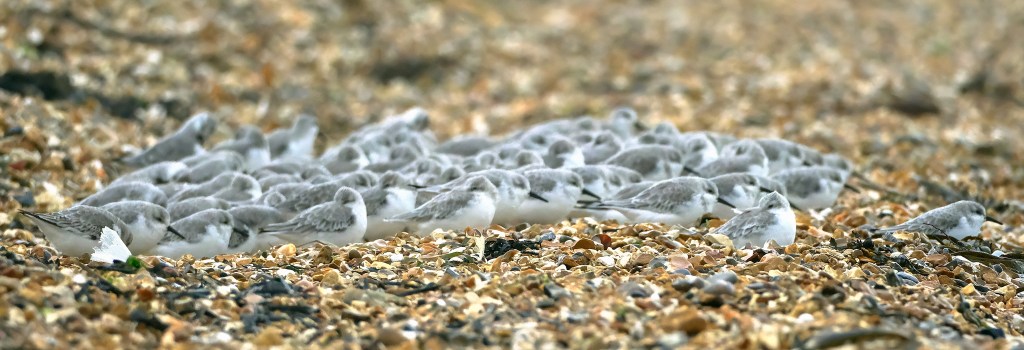
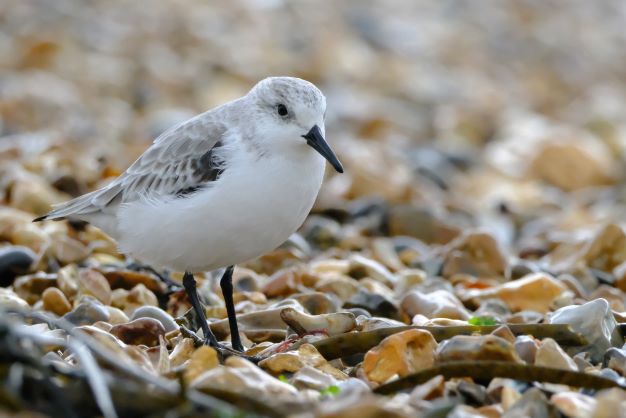
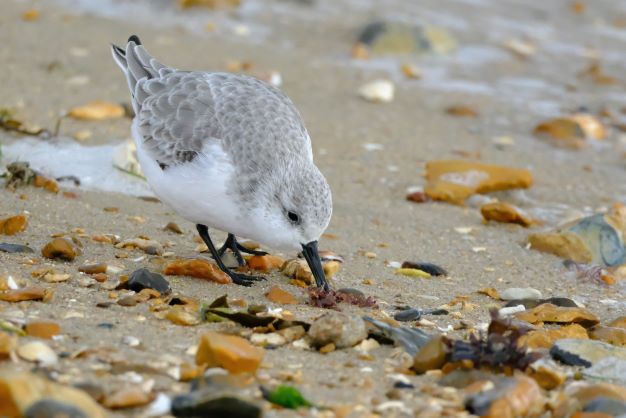
Ringed Plovers and Sanderlings gathering at high tide rest out of the wind


Ringed Plovers and Sanderlings gathering at high tide rest out of the wind


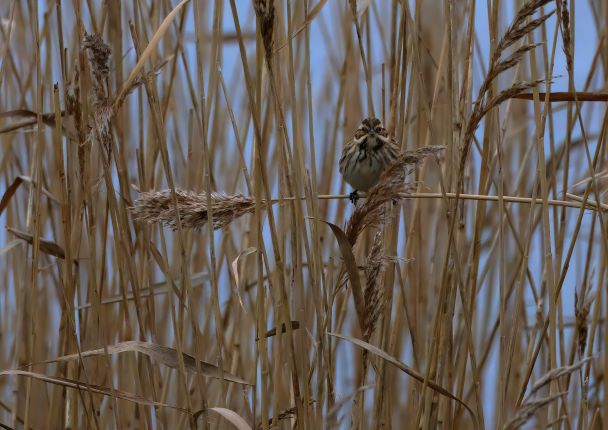
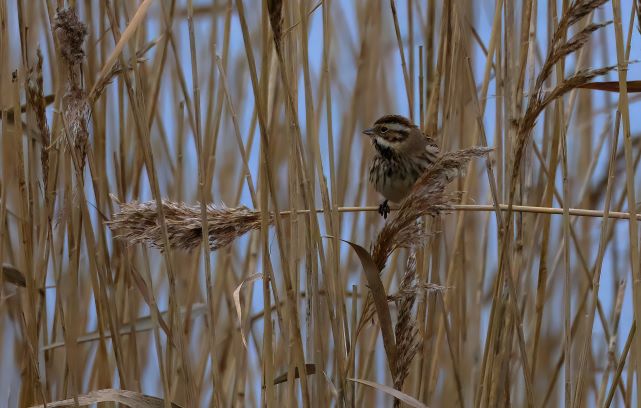
Just a glimpse in the reeds this morning a bit of brightness on a dull day.
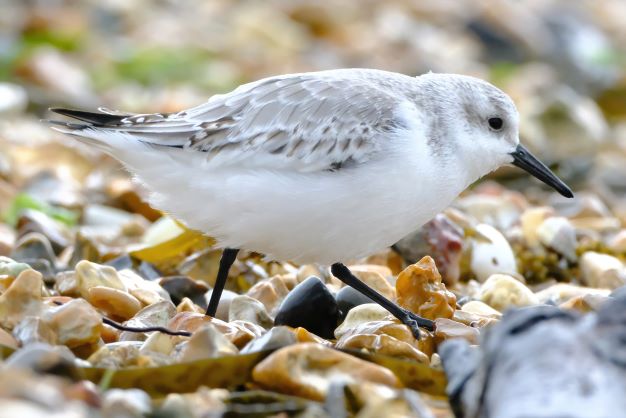


#Wordless Wednesday


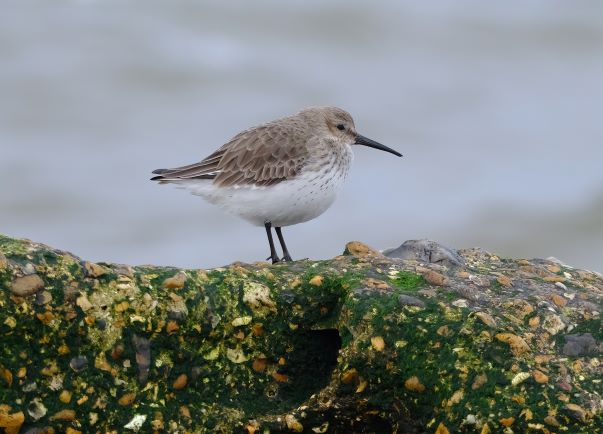
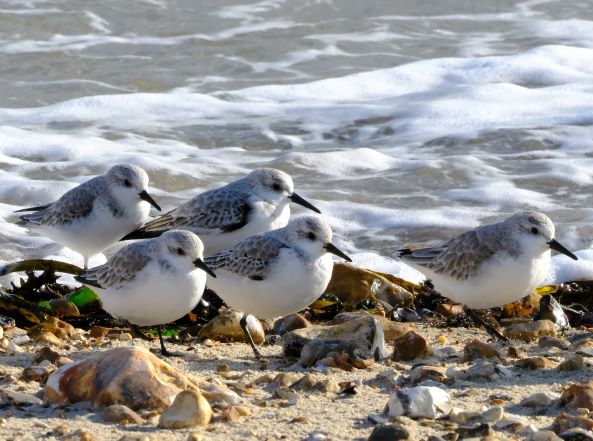
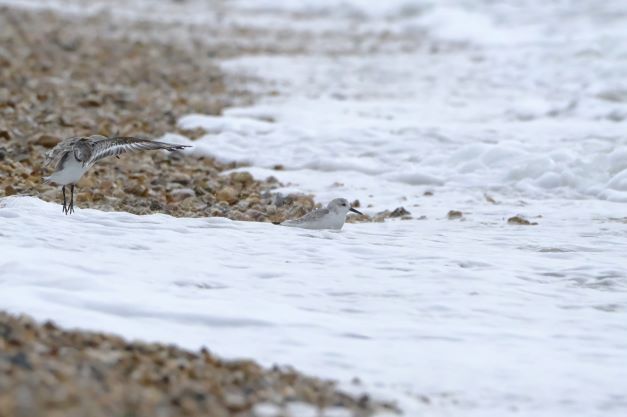
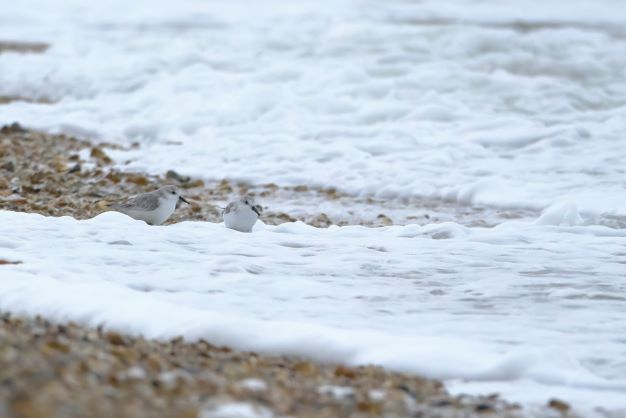
This little sandpiper runs up and down the beach ‘like a clockwork toy,’ dodging the spray and waves. There antics on the shore are always a joy to watch.


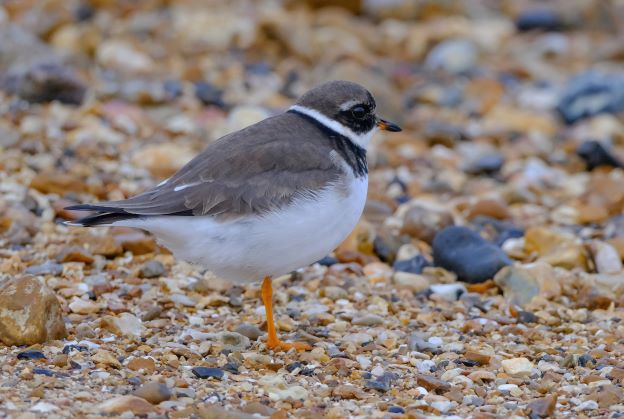
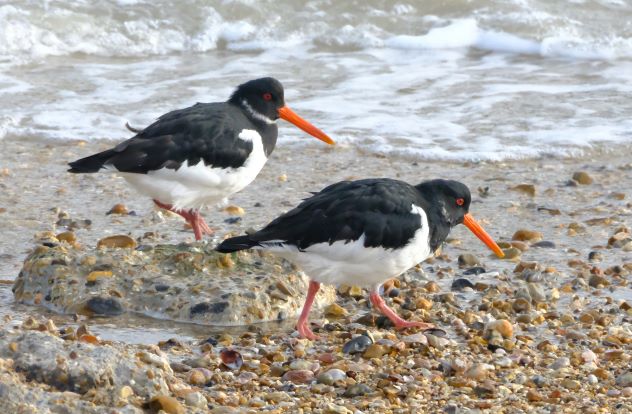
Ringed Plovers on Meon Shore Hampshire.


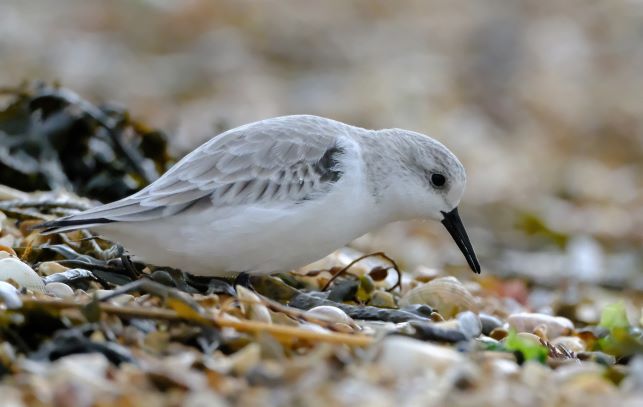
Sanderling numbers have started to increase on our coast as we move to the colder months. Over 60 were resting at high tide today. I always find them a joy to watch so I sit on the shingle they continue their routine and slowly come very close.
For me, these little birds’ arrival from their summer breeding grounds on the far Arctic tundra is a signal that we are moving into our winter. The terns have gone south but the Sanderlings have arrived.


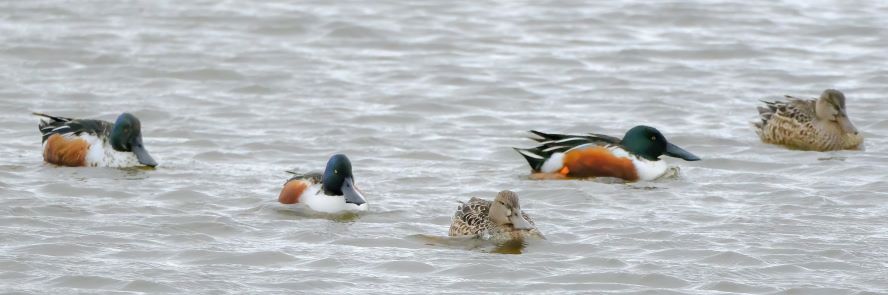
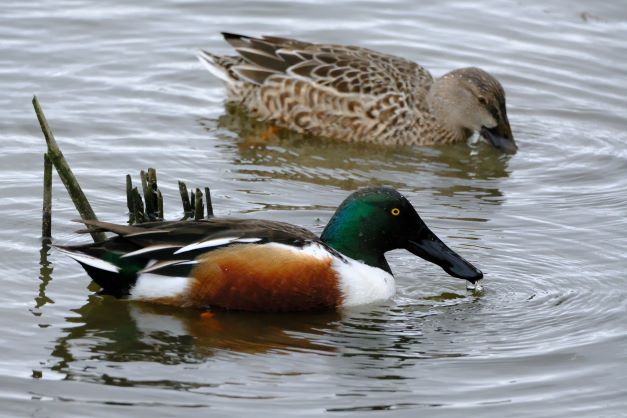
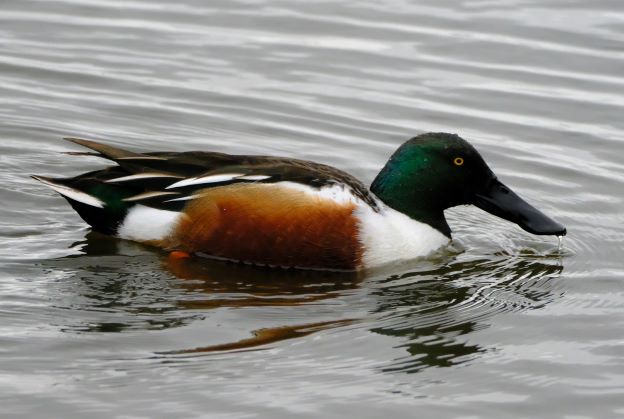
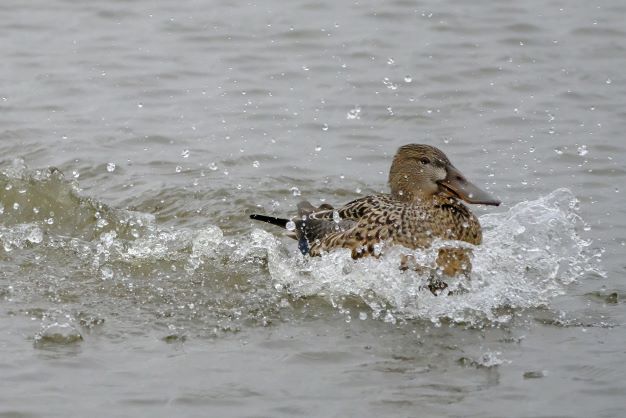
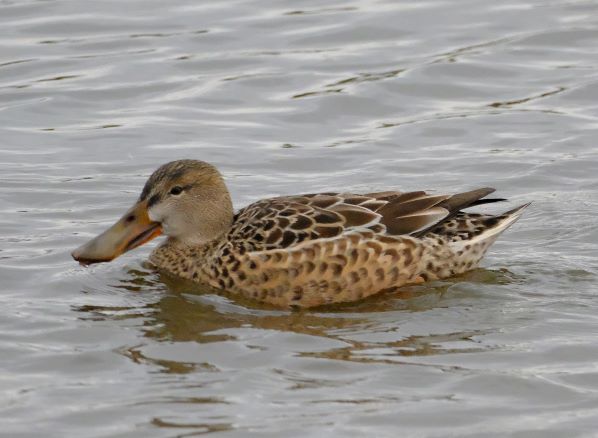
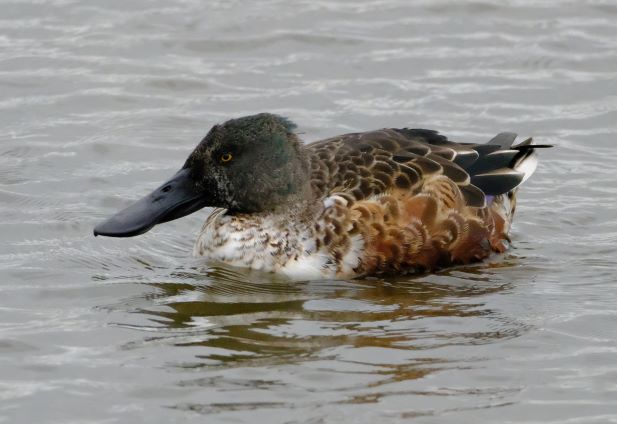
The northern shoveler, known in Britain as the Shoveler. The UK has around 1,100 breeding pairs of this duck but wintering numbers increase to nearly 20,000 birds. Last week there were a few birds in Titchfield Haven nature reserve today the numbers have increased – I counted at least 30 birds.


The curlew is the largest European wading bird. There were around 10 birds on the mudflats at the edge of the incoming tide catching small crabs at Lepe Beach on the edge of the New Forest. They also feed on worms, shellfish and shrimps. The UK breeding population is around 58,500 pairs and the wintering population increases to some 125,000 birds.
UK conservation status: Red.


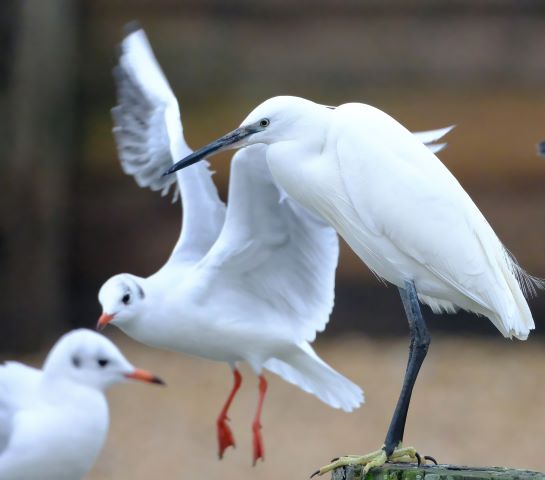
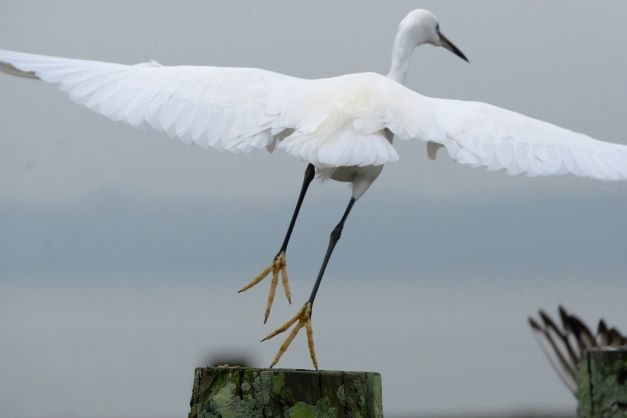
The Little Egret is a small, white heron. They feed on small fish and crustaceans. Once a very rare visitor from the Mediterranean but today they are a common bird in the UK. I often see more Little egrets than Grey Herons on a trip out.