

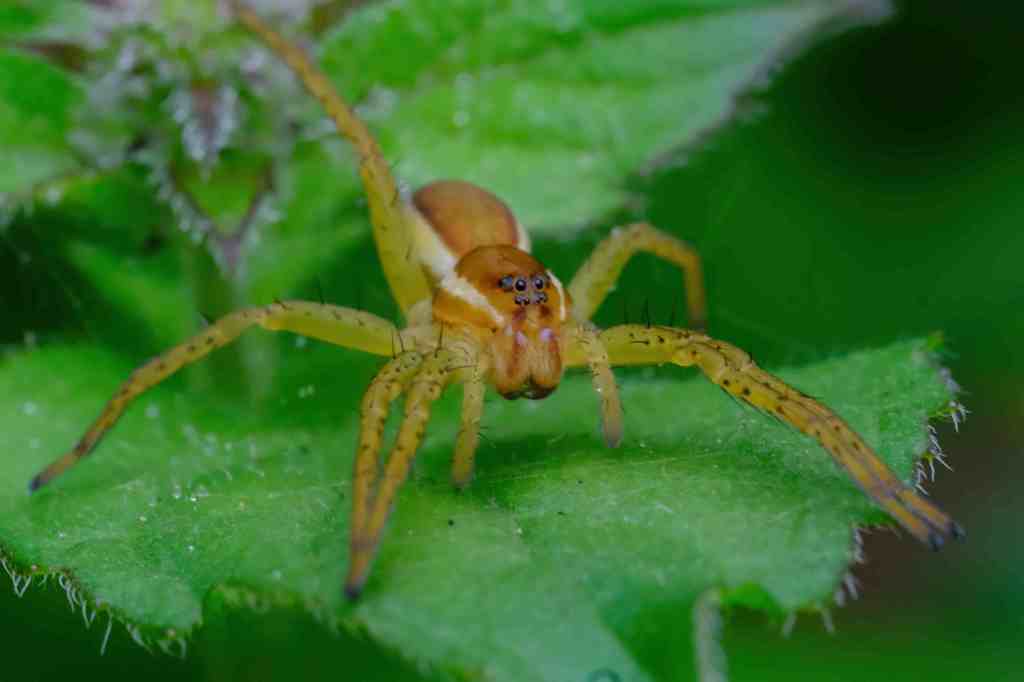
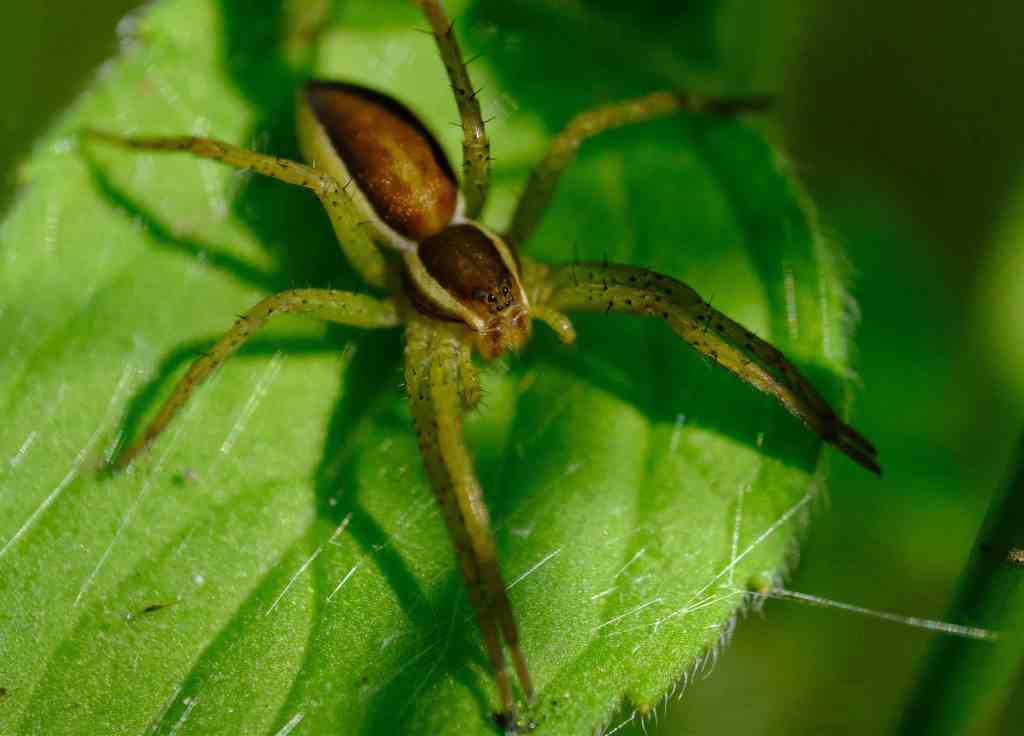
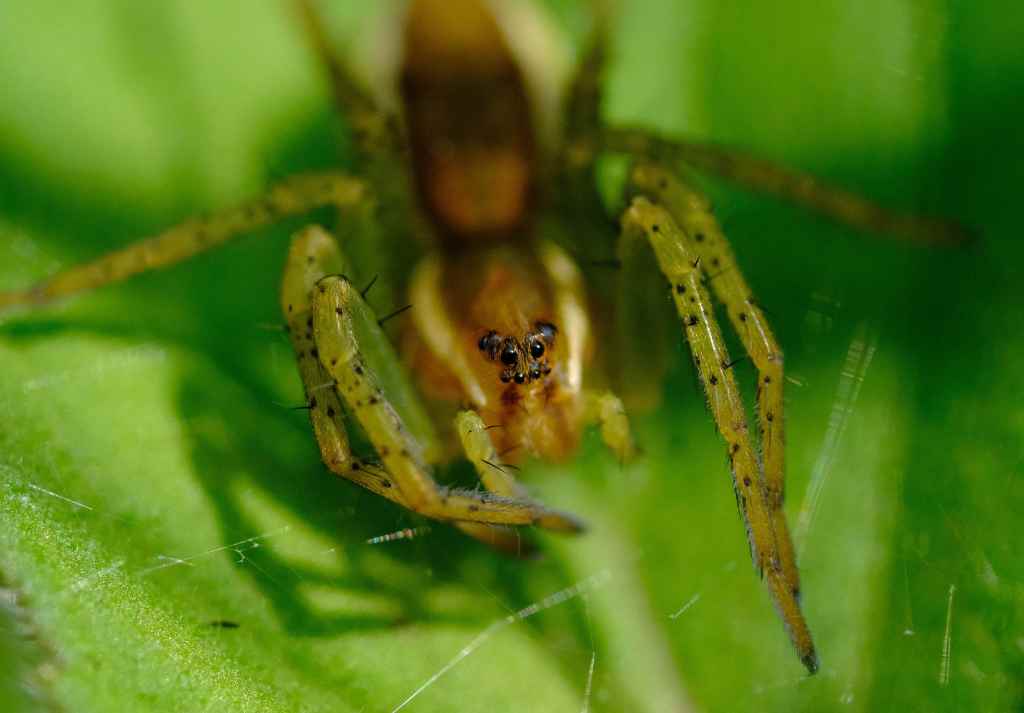
The Raft Spider. Dolomedes fimbriatus



A hours quite walk with nature.


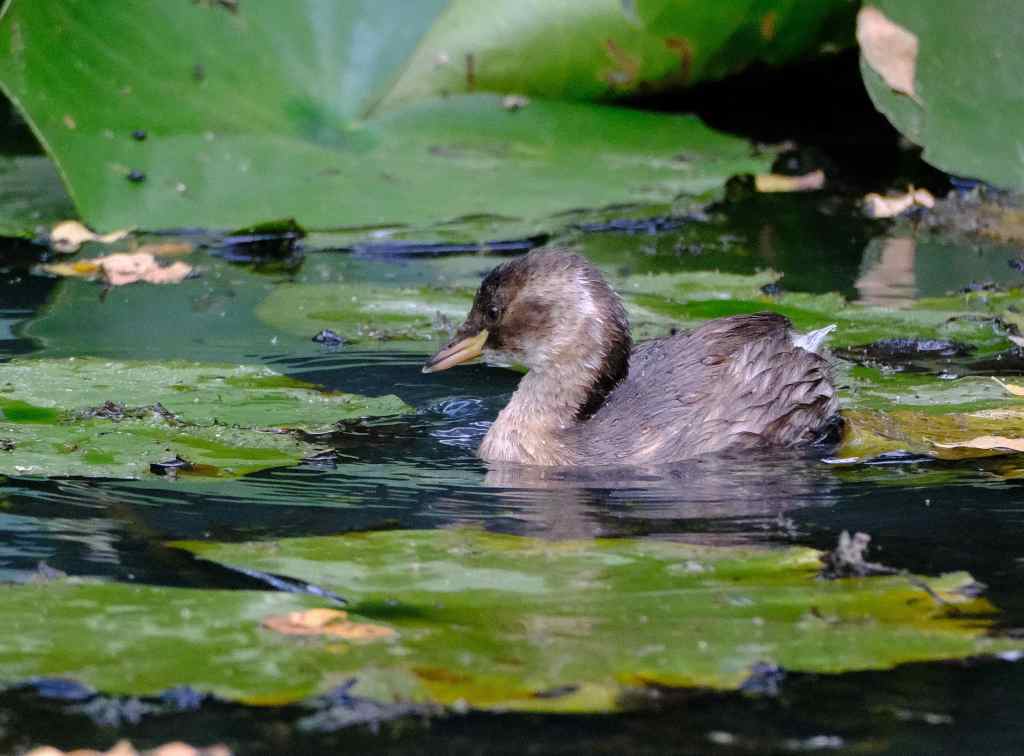

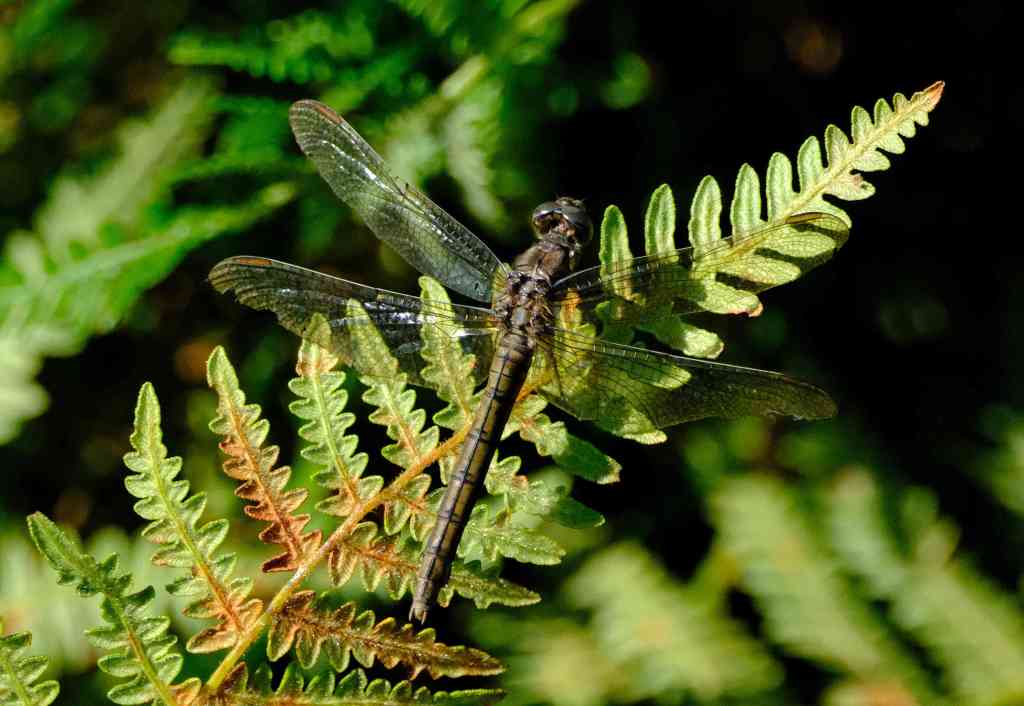
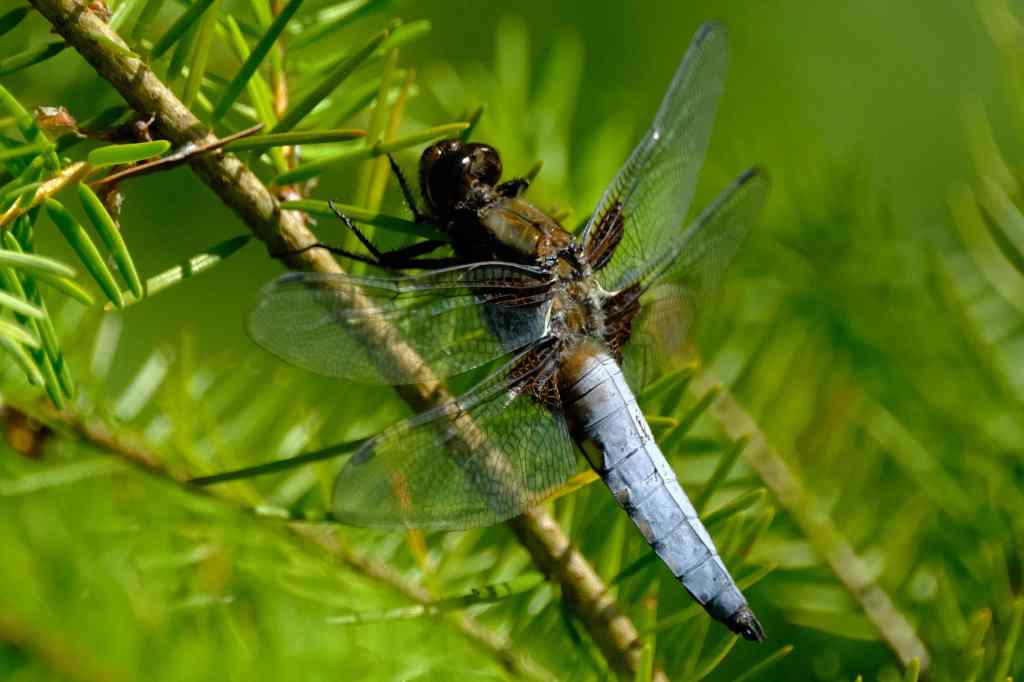
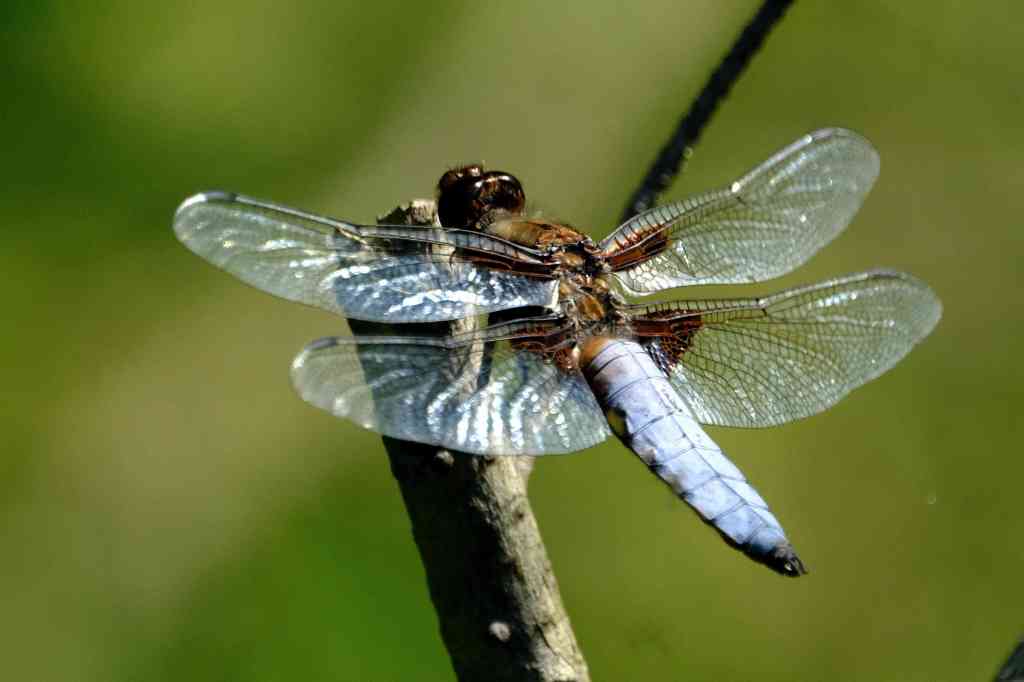
Today’s Dragons of the air from Titchfield haven.




Marsh frogs were regularly imported into the UK from the late nineteenth century and were introduced to the Walland Marsh in Kent in 1935, from Hungary. They originate from the eastern half of Europe into western Asia. There are established populations in the UK, which are now predominantly found in south-east England, with populations in other areas in the south are far west as Devon. Following seeing some in “captivity” in The New Forest Reptile Centre I wanted to see some in the wild as there was said to be an established population in the forest.
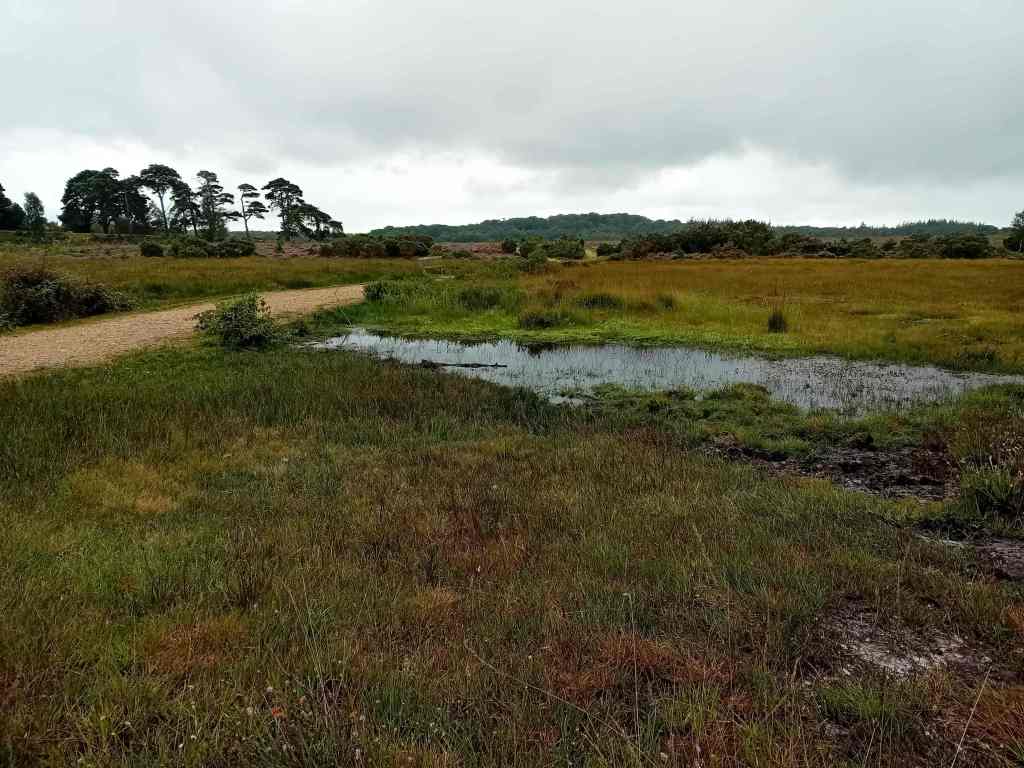
On a tip-off with my brother we last year looked at marshland southwest of the national park near Lymington. After unsuccessful trips, we tried again this year and spotted one solitary Marsh Frog last week. Yesterday we returned to look closer and were lucky to spot at least 6.

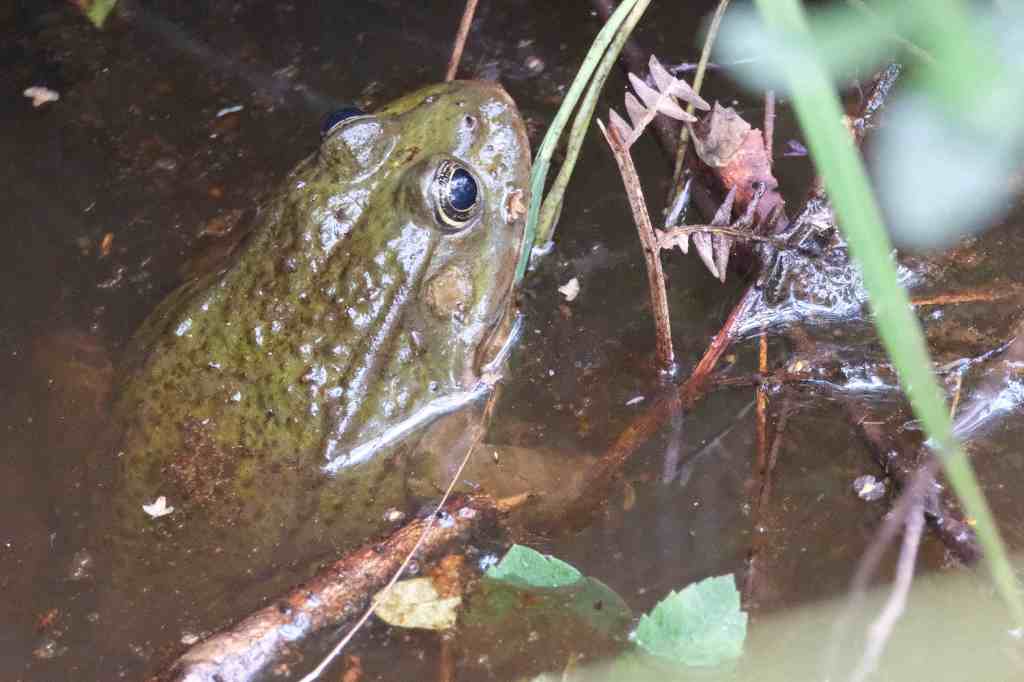
Some information on how to spot a Marsh Frog

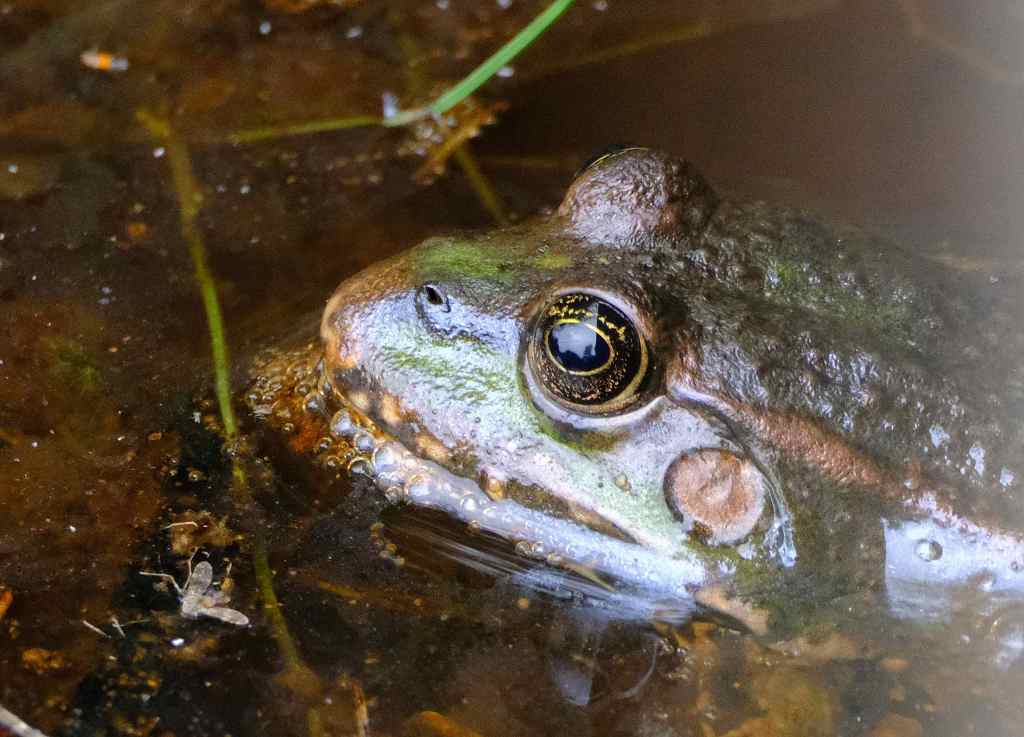


Schedule 9 of the Wildlife and Countryside Act, makes it illegal to distribute or allow the release of Marsh Frogs into the wild.
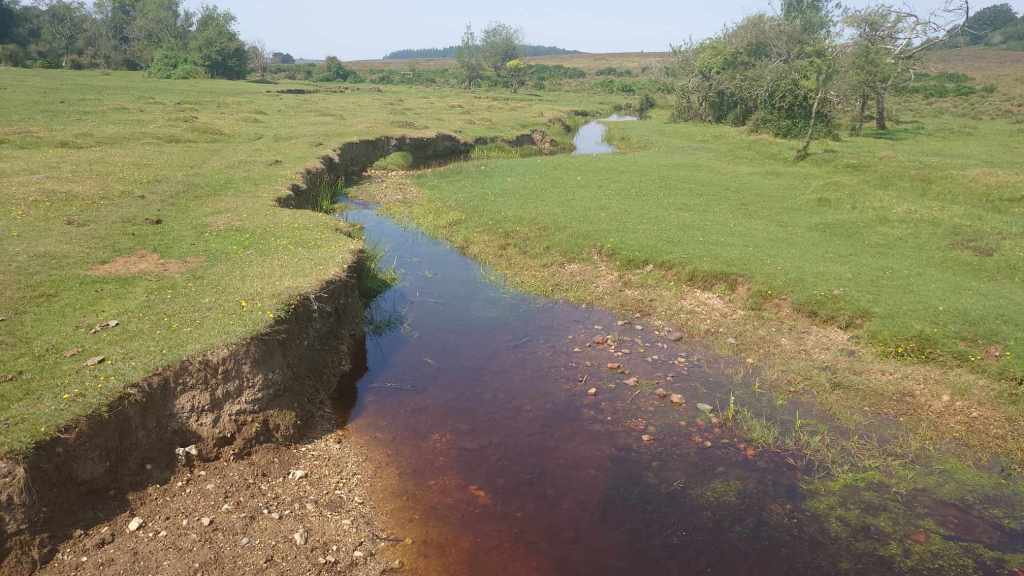
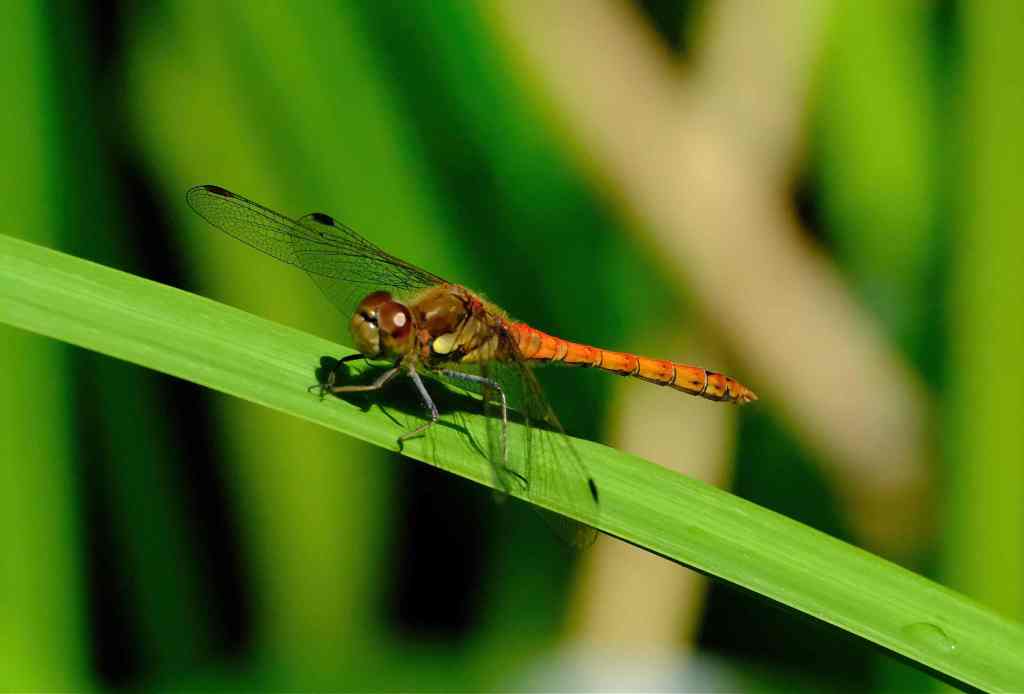
Another hot weather walk in the New Forest this morning found us following a small stream on the flat which helped us keep cool. There were many Dragonflies – Emperor Dragonflies were “dipping”. An action where they lay their eggs.


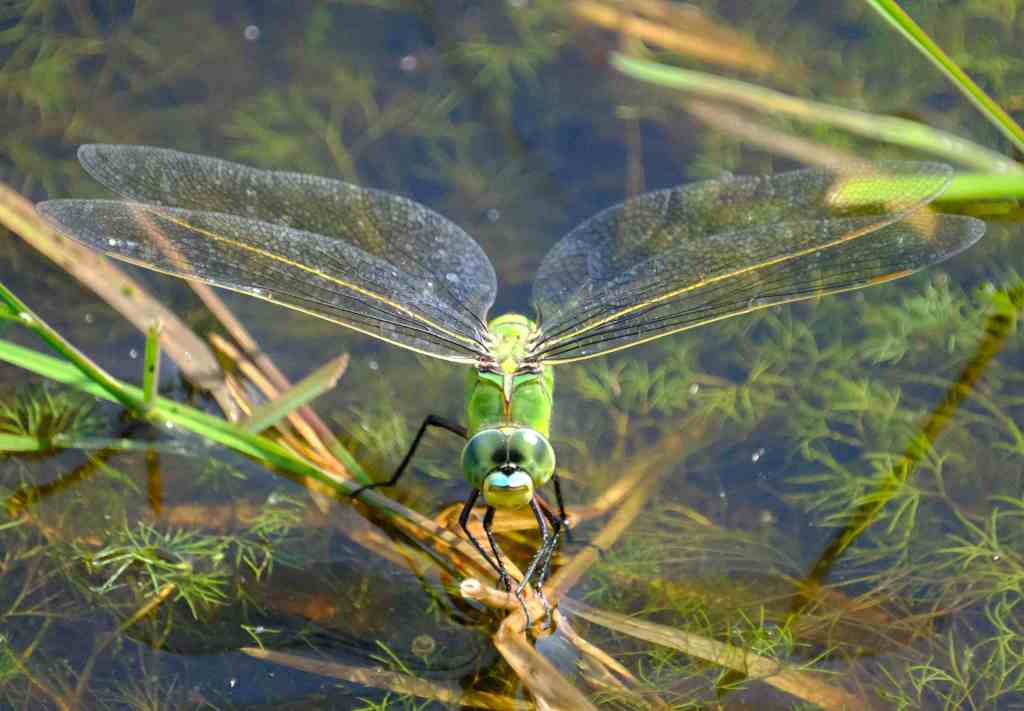


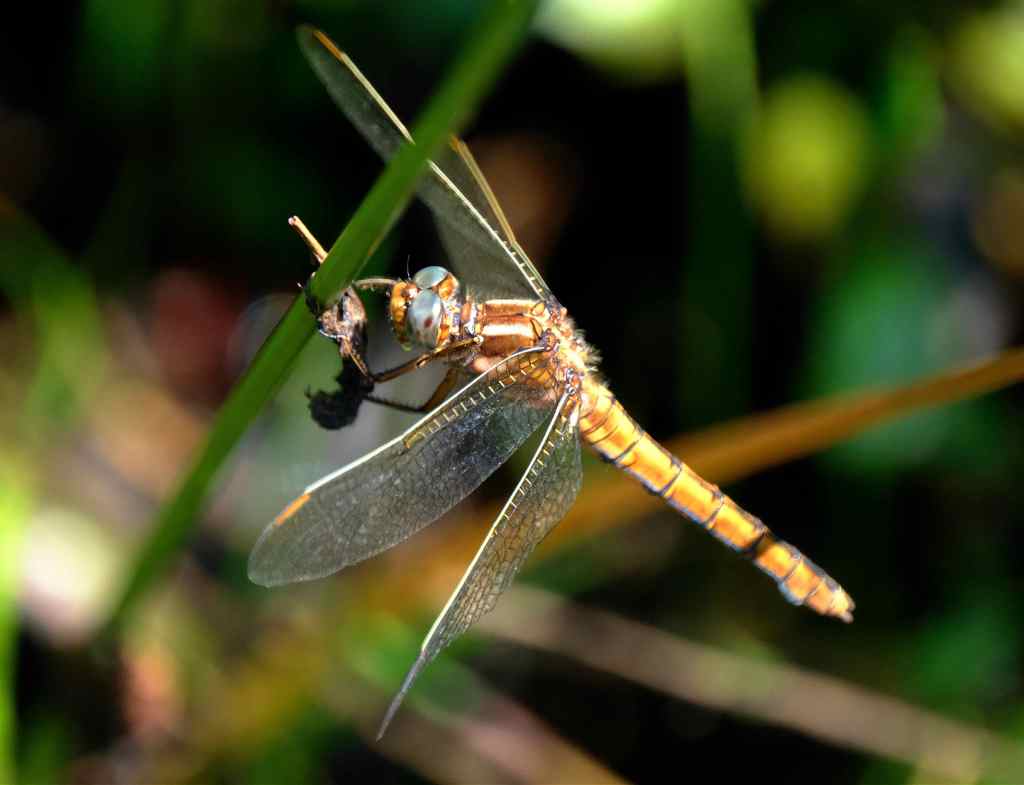
Another Dragonfly that was about in good numbers was the Golden-ringed Dragonfly.

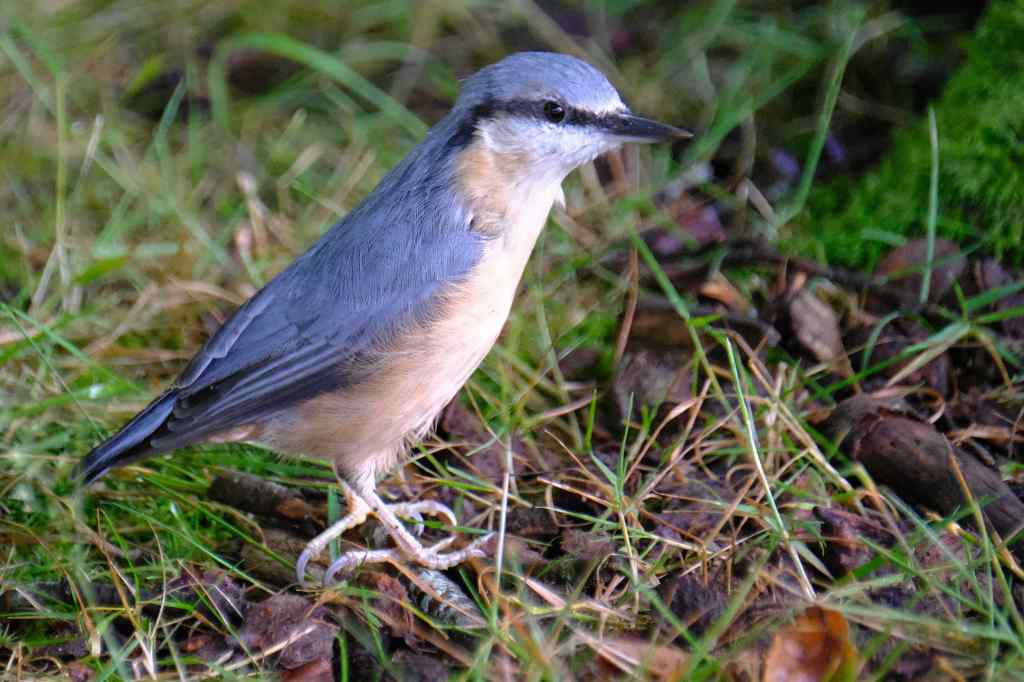
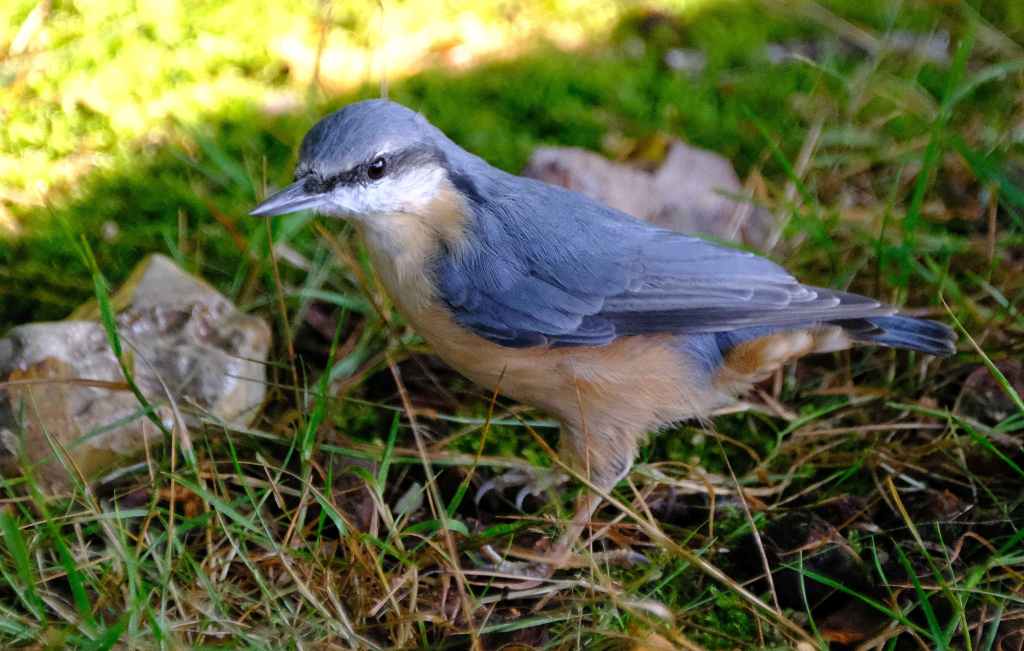
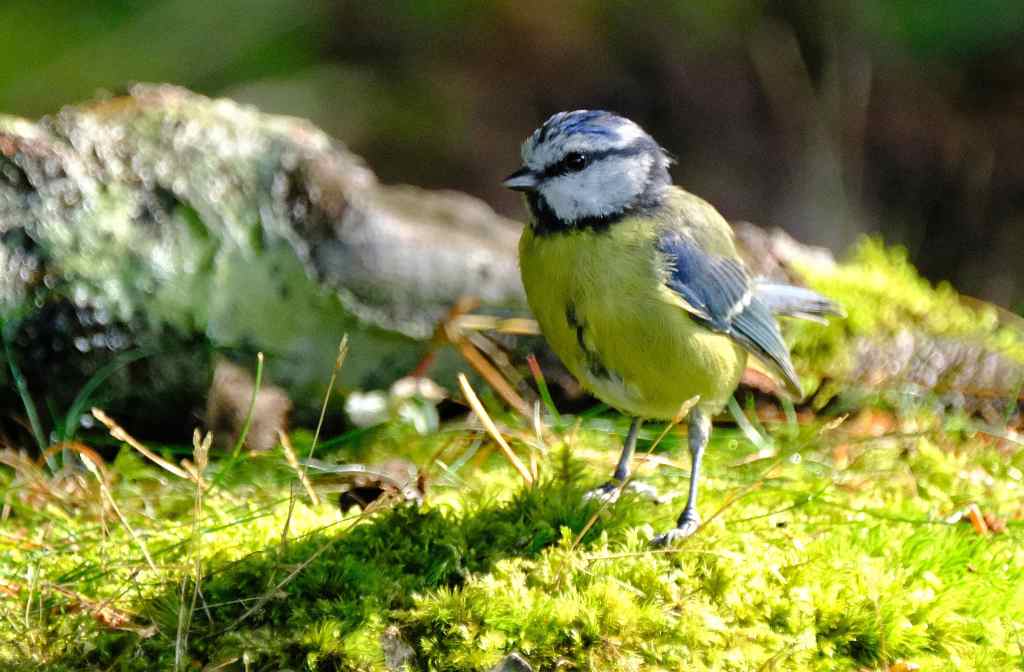
A few bird spots.
Nuthatch.

Blue Tit.
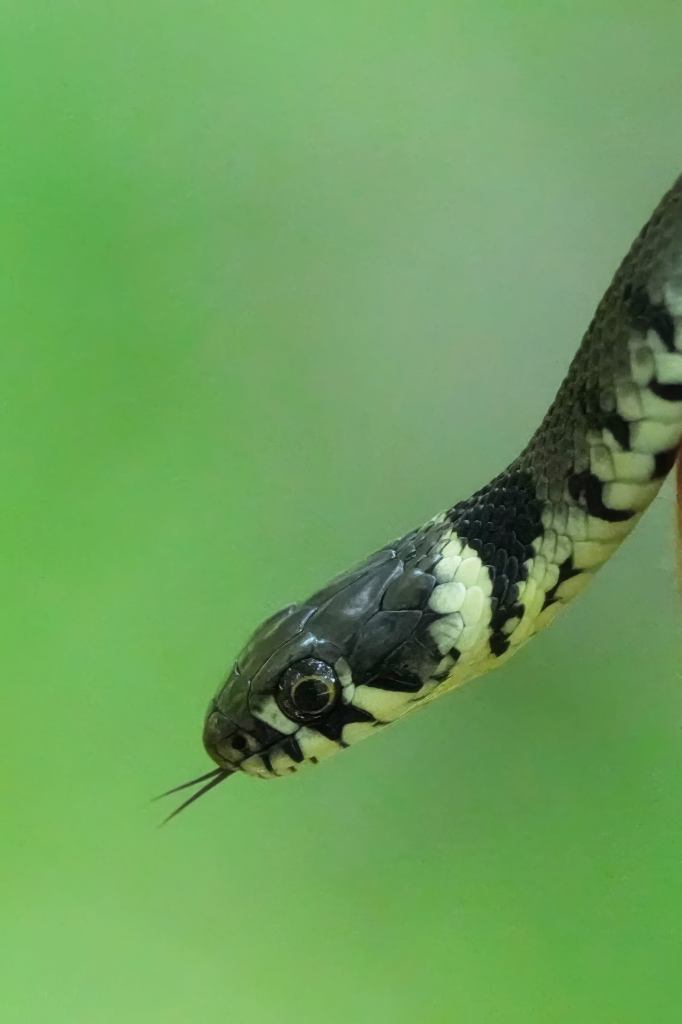
A lucky spot walking back to the van was a young Grass Snake.

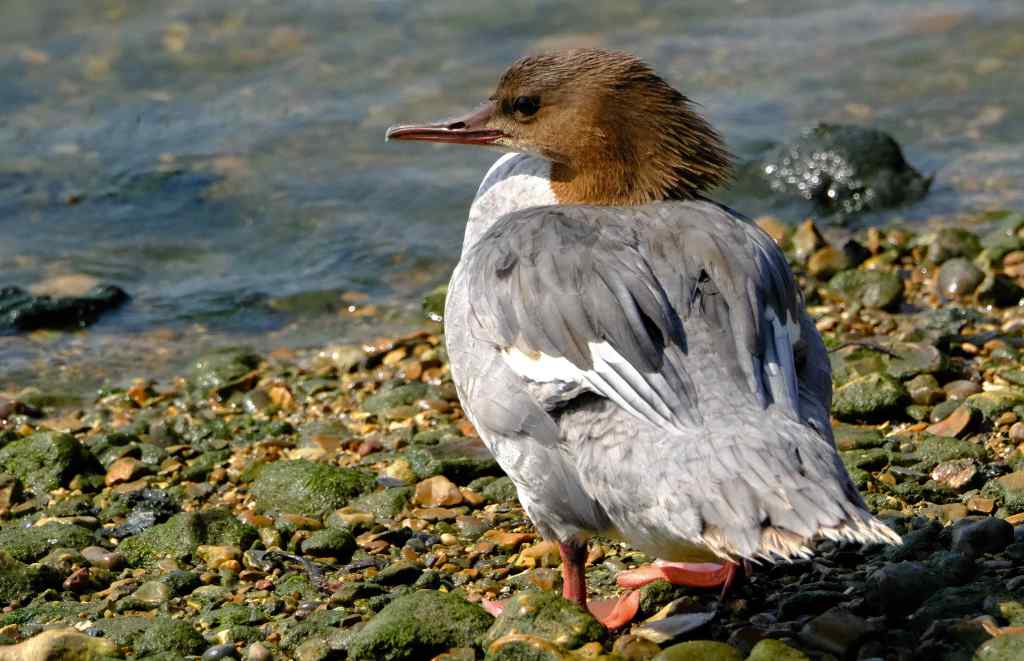
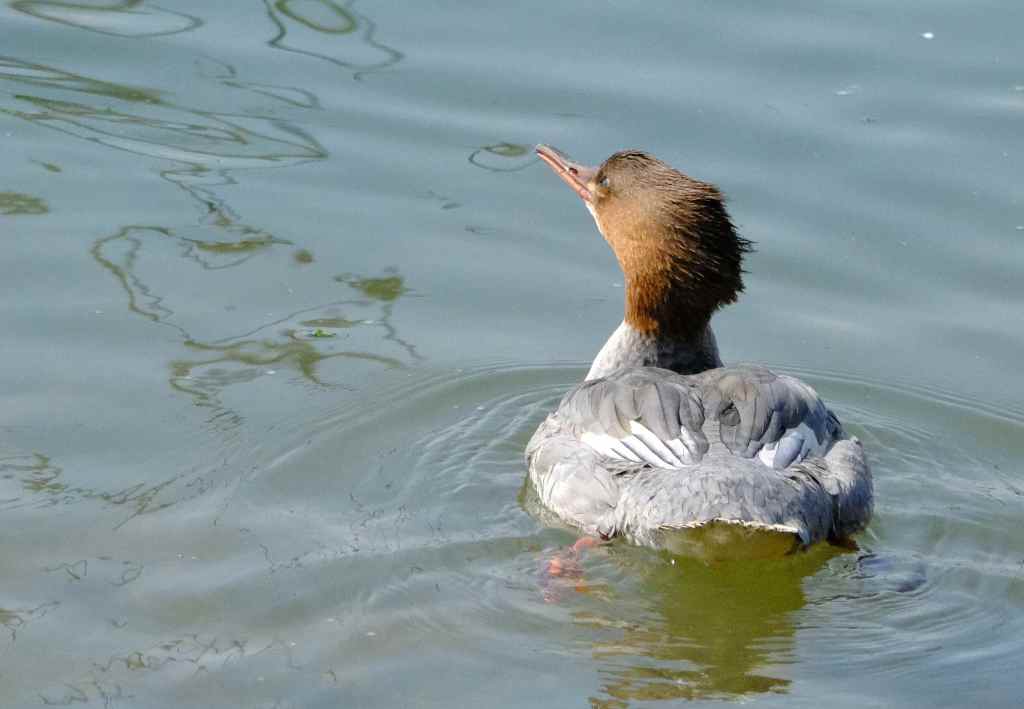
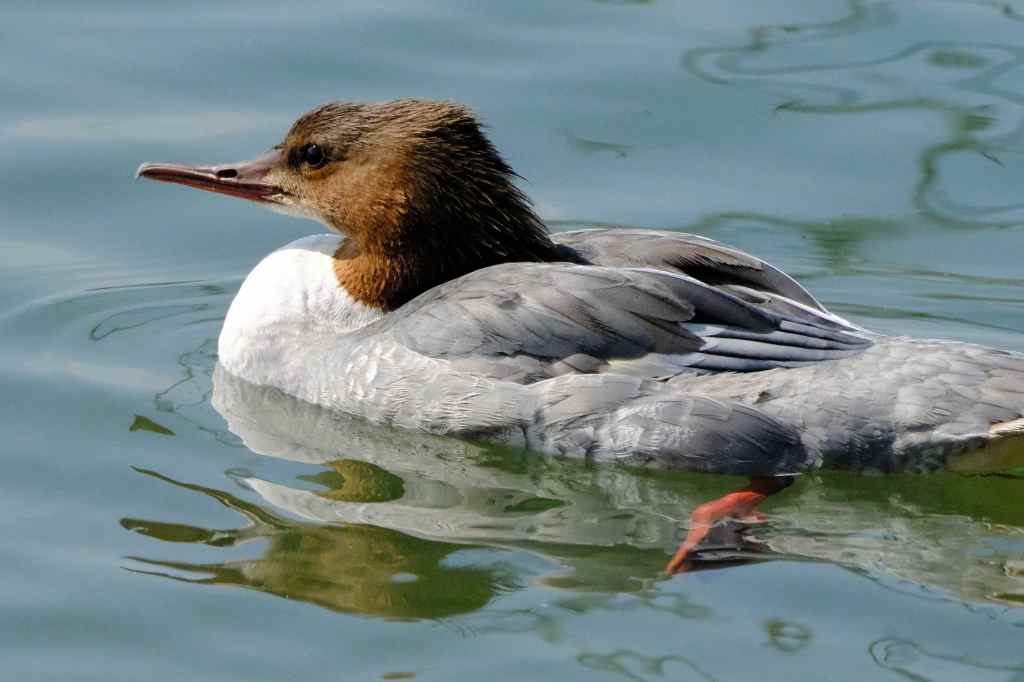
These diving ducks are a member of the sawbill family, named for their serrated bills, that they use to catch fish. A largely freshwater bird, they first bred in the UK in 1871. It built up numbers in Scotland and, since 1970, it has spread across northern England into Wales, reaching south-west England. Its love of salmon and trout has brought it into conflict with fishermen. This bird seen today in Titchfield Habour is a female (the male has a green head).

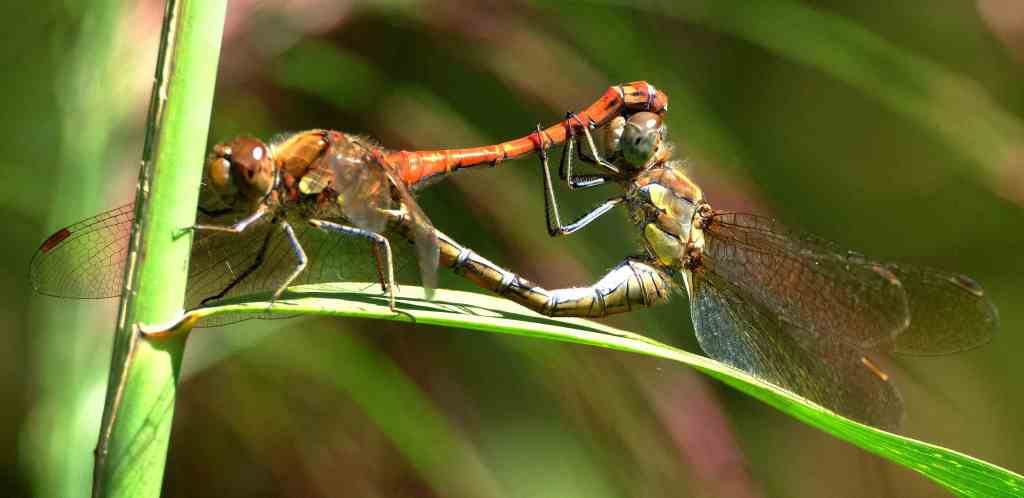
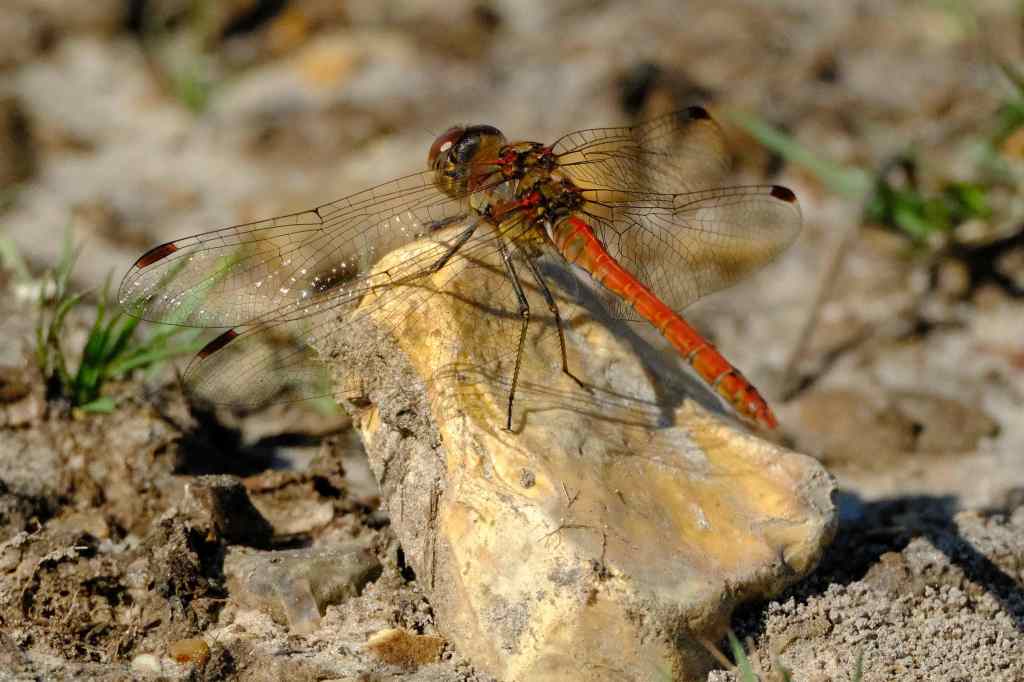
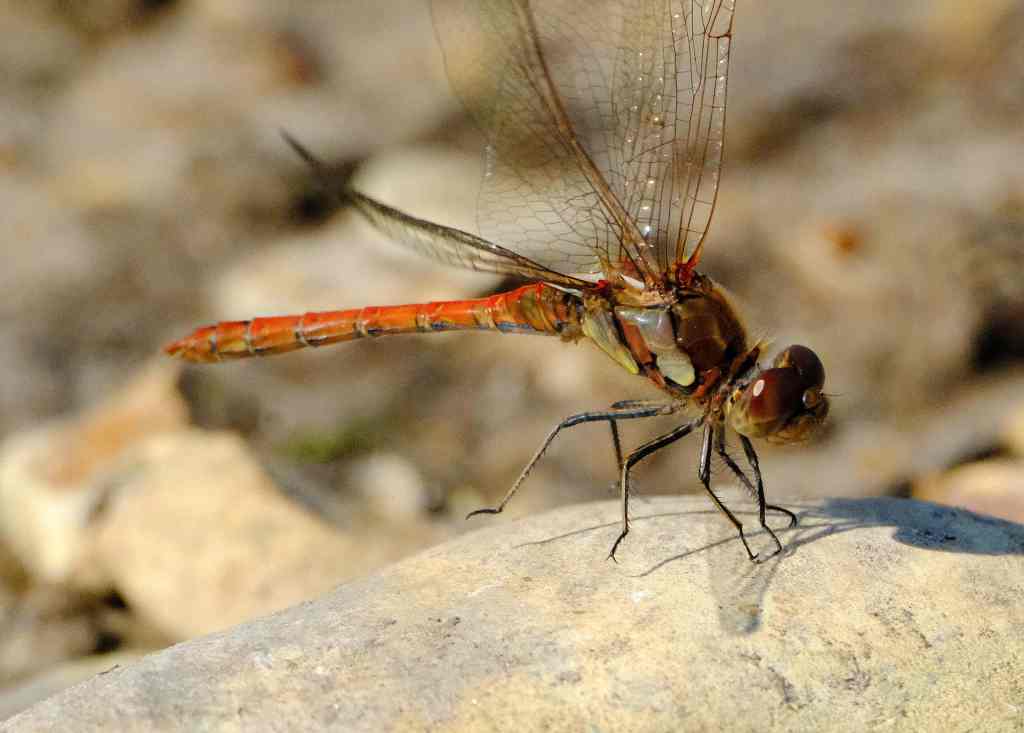
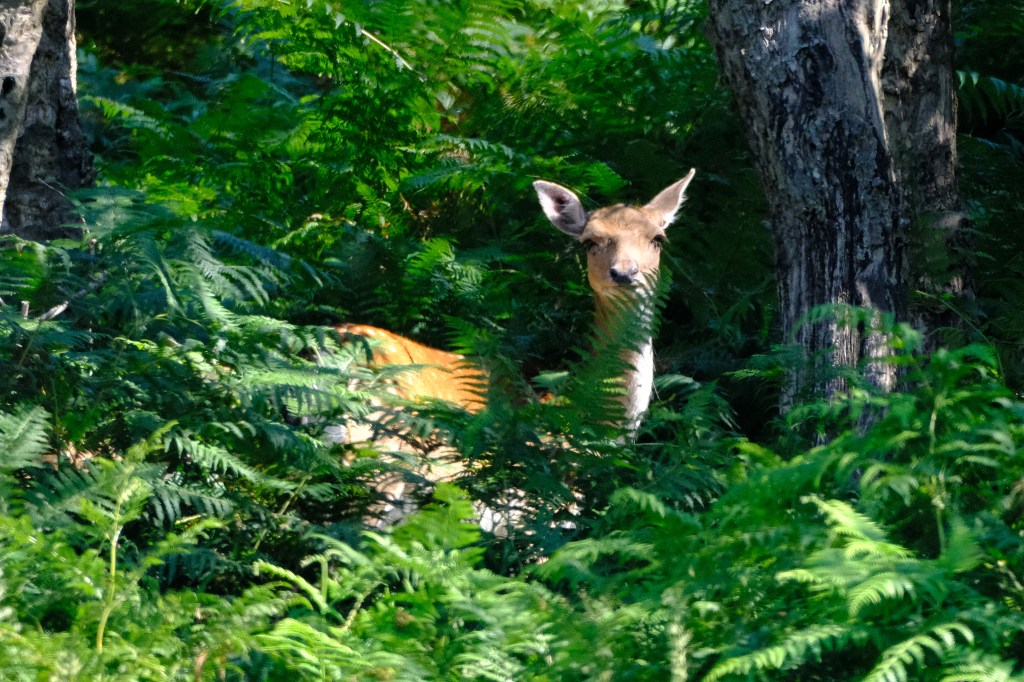
We went looking for deer in the New Forest today but were not very lucky only distant Fallow Deer. However, on a small pond, several dragonflies were buzzing overhead.


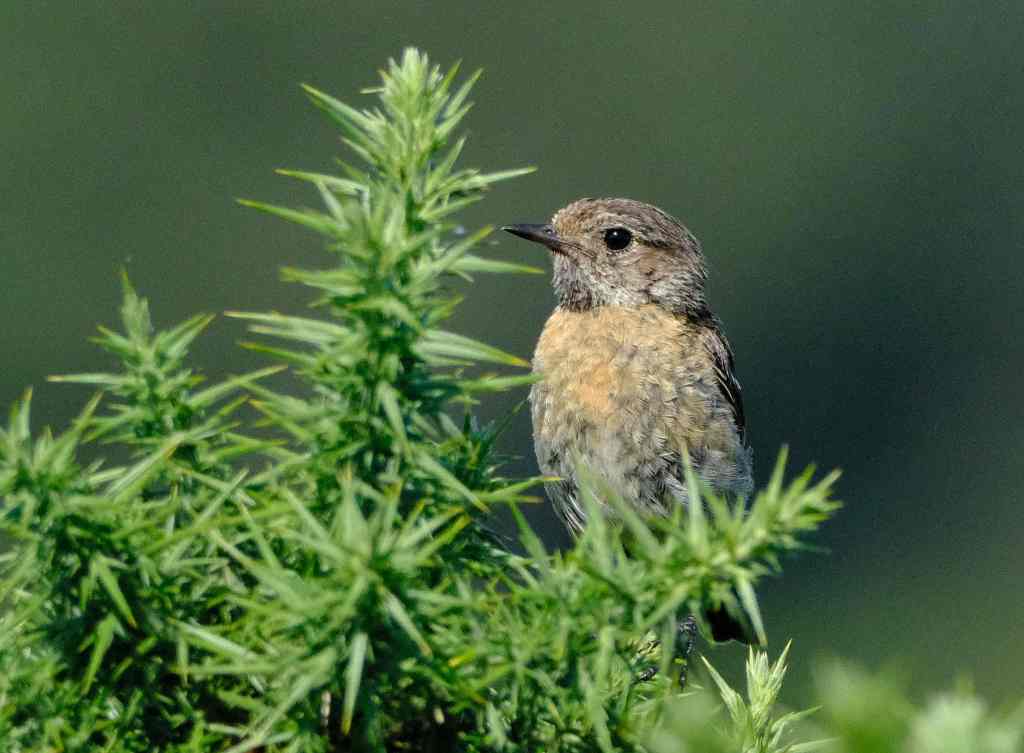
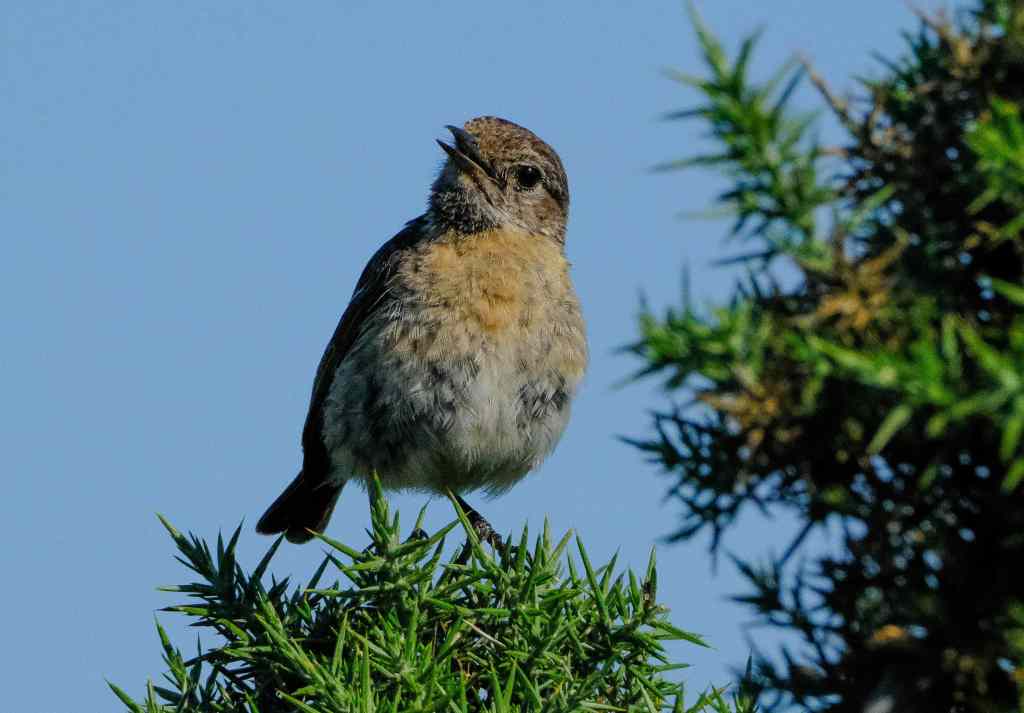
A female Stonechat.
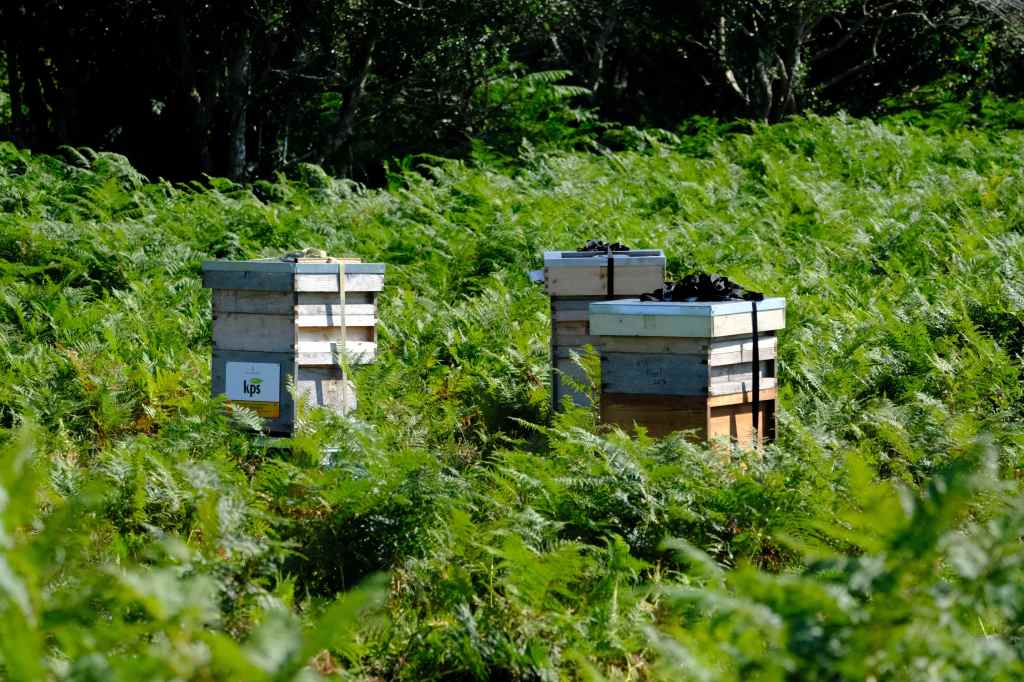
Bee Hives are out in the Forest – As the Heather comes into flower Bee Hives are placed to take advantage of these nectar-rich flowers.
A lone Fallow Deer.

A pictorial record of a short walk along a small New Forest stream.







 Continued Reflections from my World.