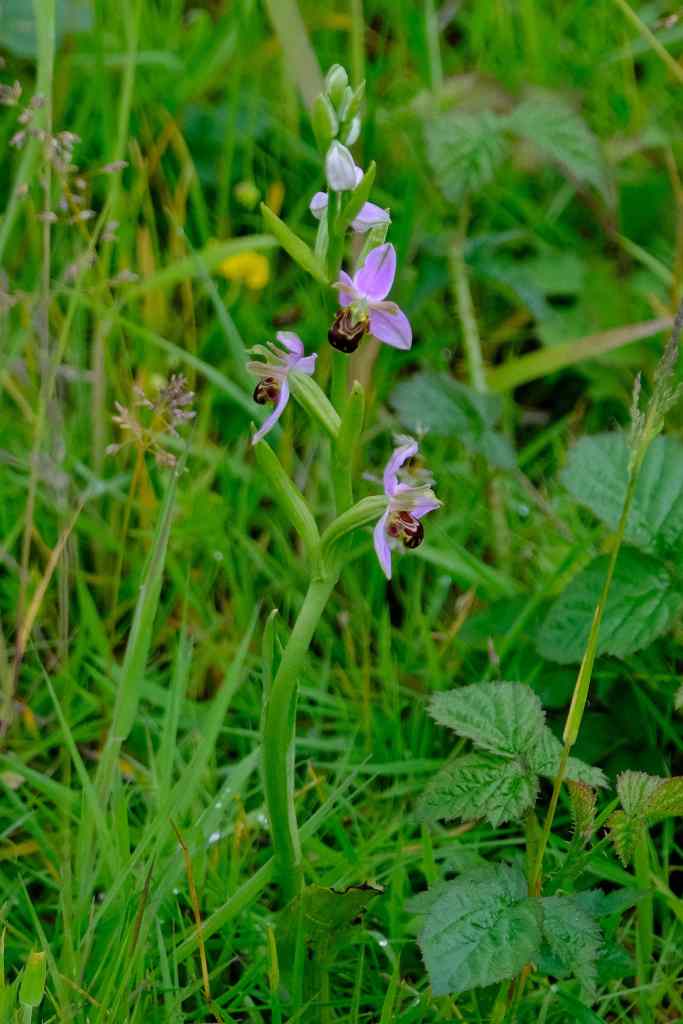
Bee Orchid.

The flower’s velvety lip looks like a female bee. So this cleaver orchid fools a male Bee to fly in to try to mate with it, in doing so it will pollinate the flower. Sadly, the right bee species don’t live here, so this orchid is self-pollinated in the UK.
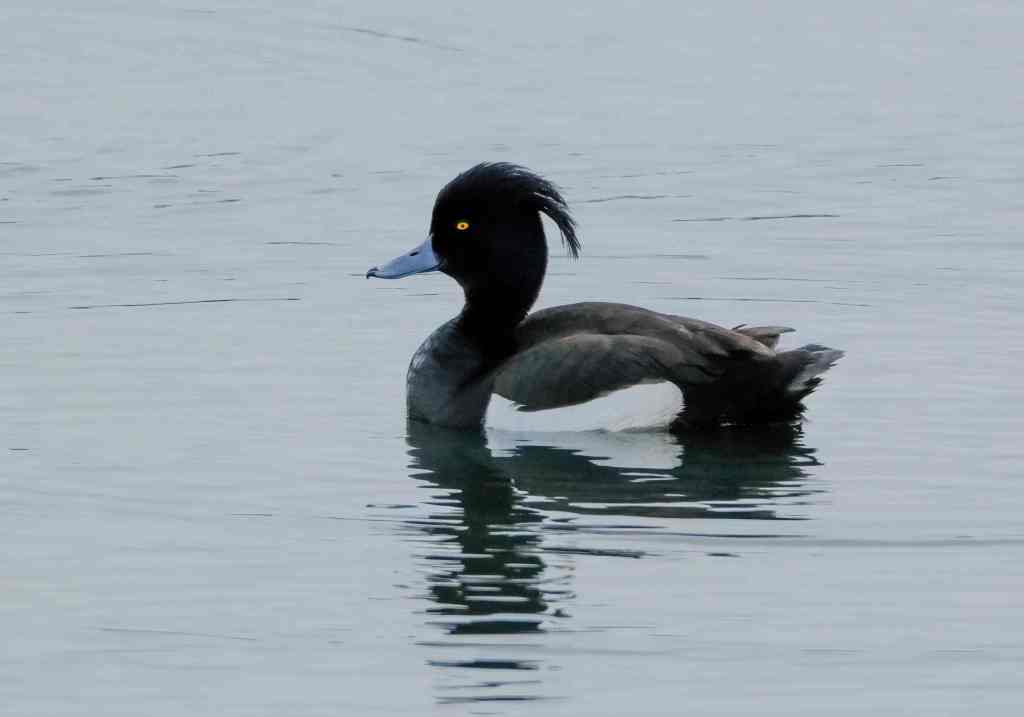
Tufted Duck

Smaller than a Mallard the Tufted Duck is a medium-sized diving duck the male is black on the head, neck, chest and back, and white on the sides. It has a small crest and a yellow eye. In winter, numbers increase because birds are moving to the UK from Iceland and northern Europe {The female is entirely chocolate-brown, with yellow eyes }.

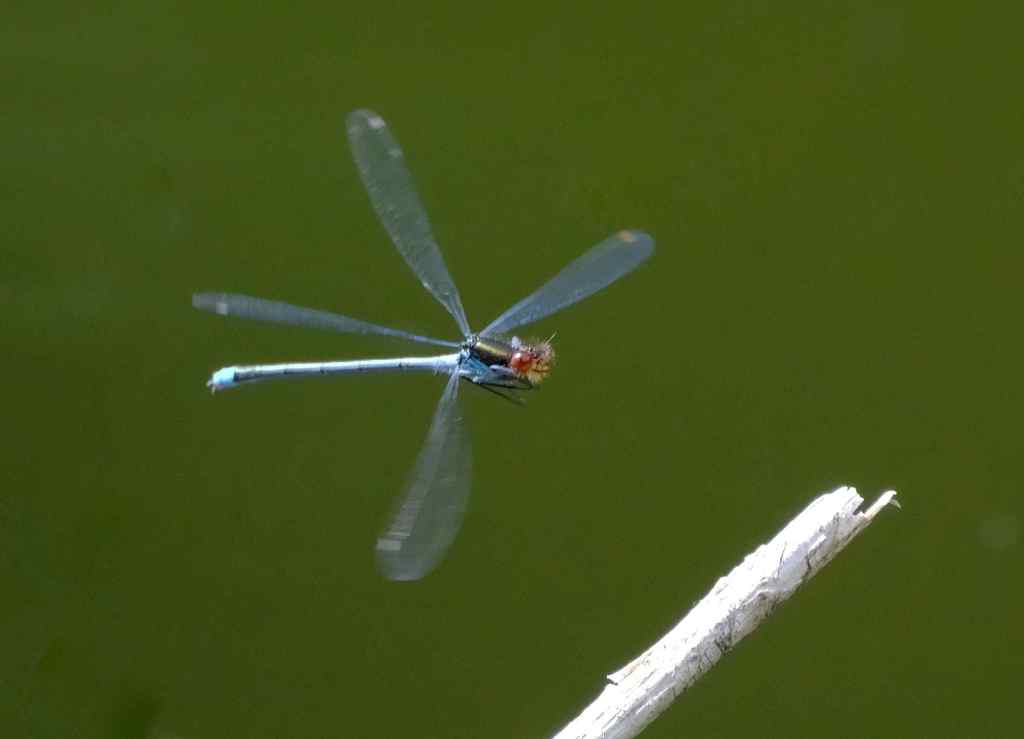
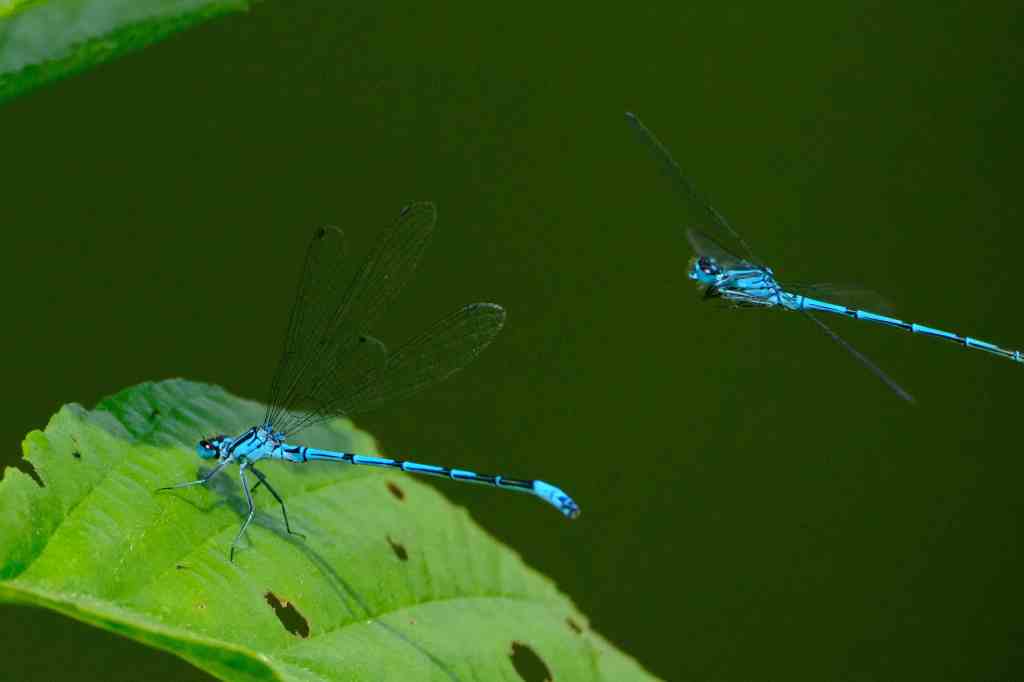
Damselflies.

Similar to Dragonflies, Damselflies are usually smaller and have slimmer bodies. Most species will fold their wings along the body when at rest, unlike dragonflies which hold the wings flat and away from the body. They have existed since the Jurassic Age.

All damselflies are predatory insects; both nymphs and adults actively hunt and eat other insects.

Long legs!

Tetragnatha Montana is a species of long-jawed orb weaver spiders commonly known as the silver stretch spider. These spiders have a habit of extending their front legs into a stick like shape

Now the sun is out.

Now the sun is out Dragonflies and Damselflies are starting to fly.

Four-Spotted Chaser.

Four-Spotted Chaser. This Dragonfly has emerged deformed and missing one wing.

The Chaser below is deformed and missing 1 wing.

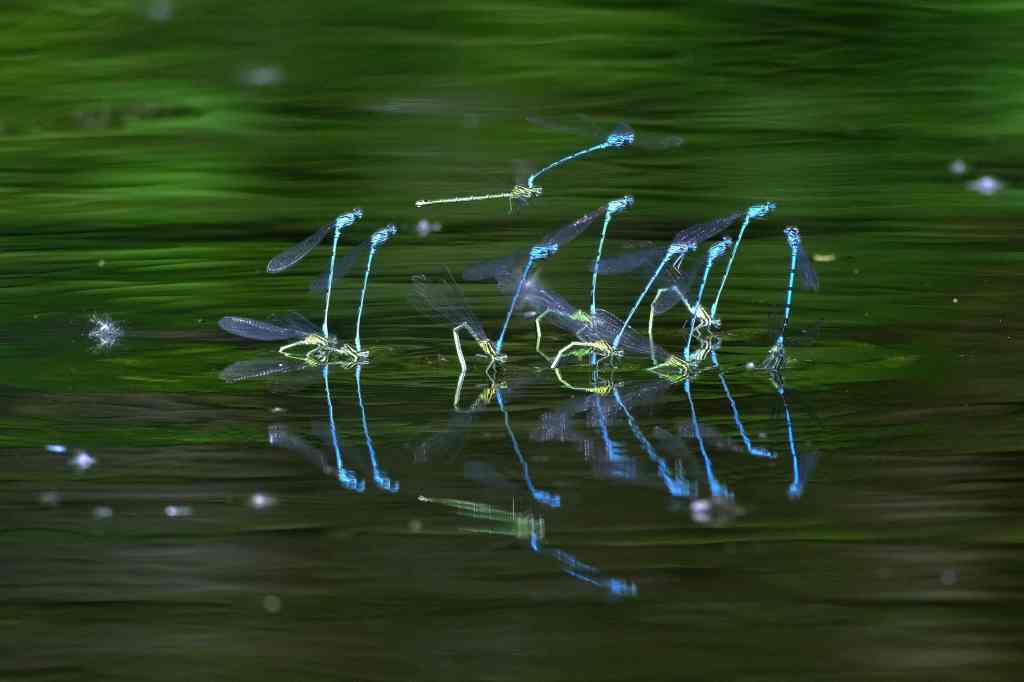
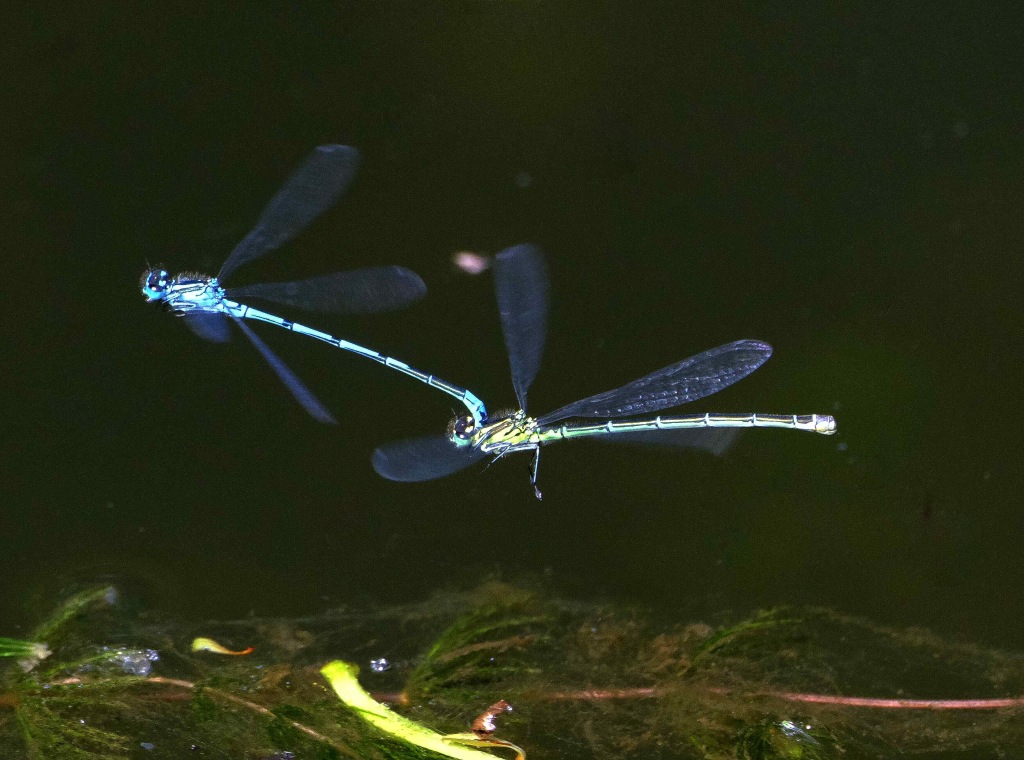
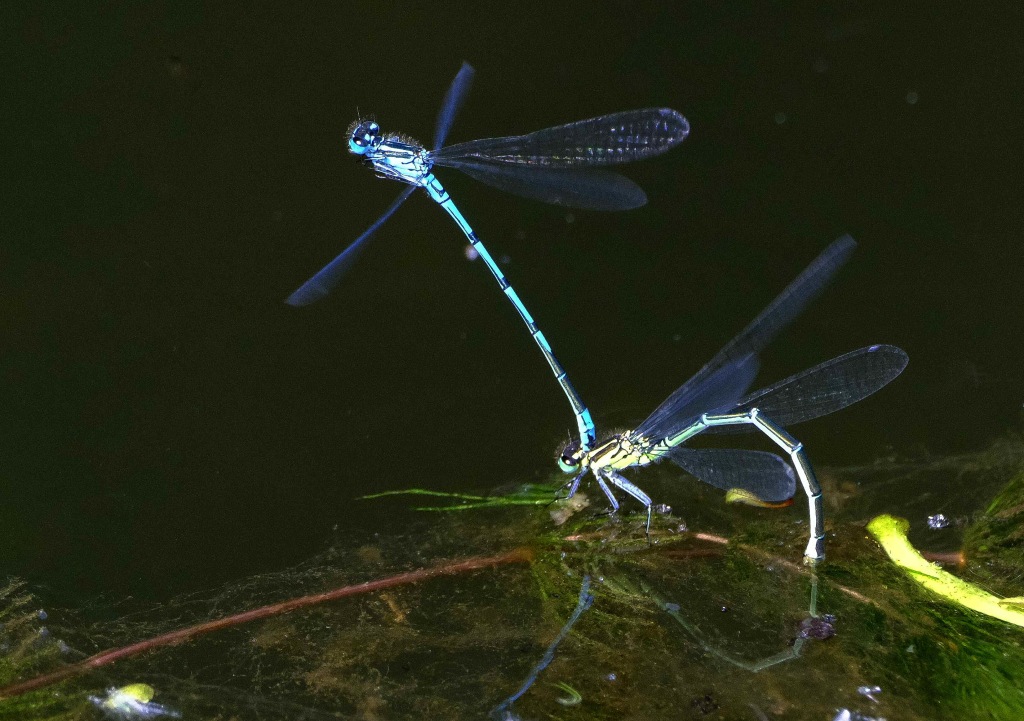
Azure Damselfly pair mating.

Hairy Dragonfly.

Banded Demoiselle.

Back to the woods.

Back home after our campervan trip to Wales and a day in the New Forest. Looking in a wet area for some small creatures.

Water Skimmer.

Raft Spiders.

This one is hunting on a Milkmaid flower.

Distant Fallow Deer – young bucks.

Minotaur Beetle – Typhaeus Typhoeus {size of my thump nail}.

I have to get down low for these creatures.