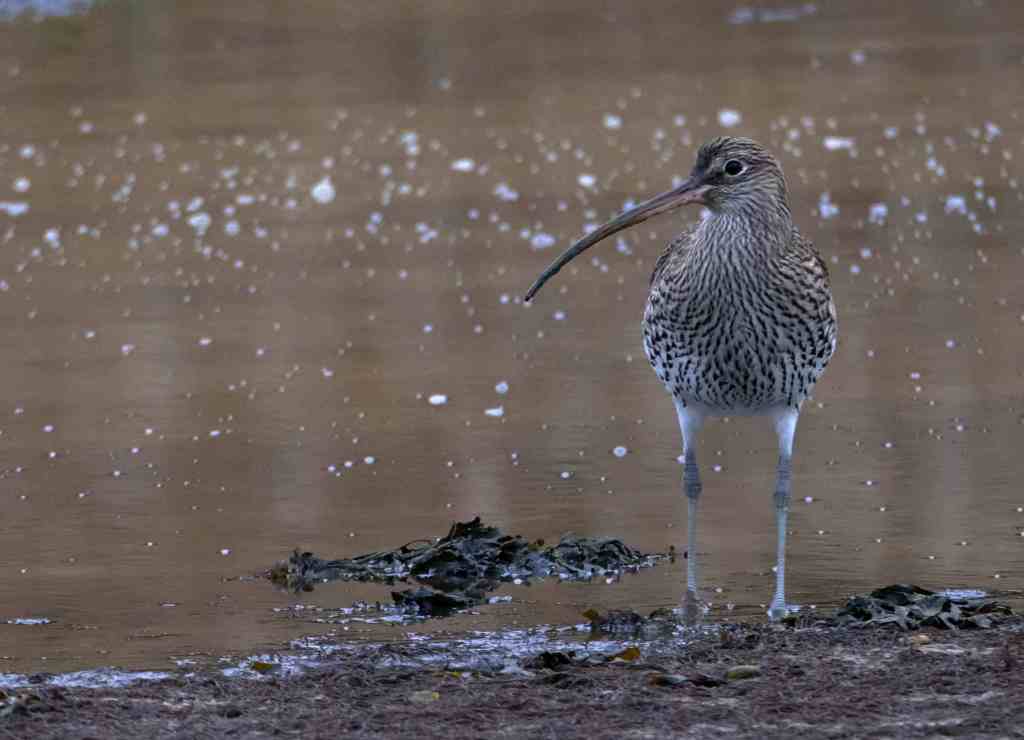
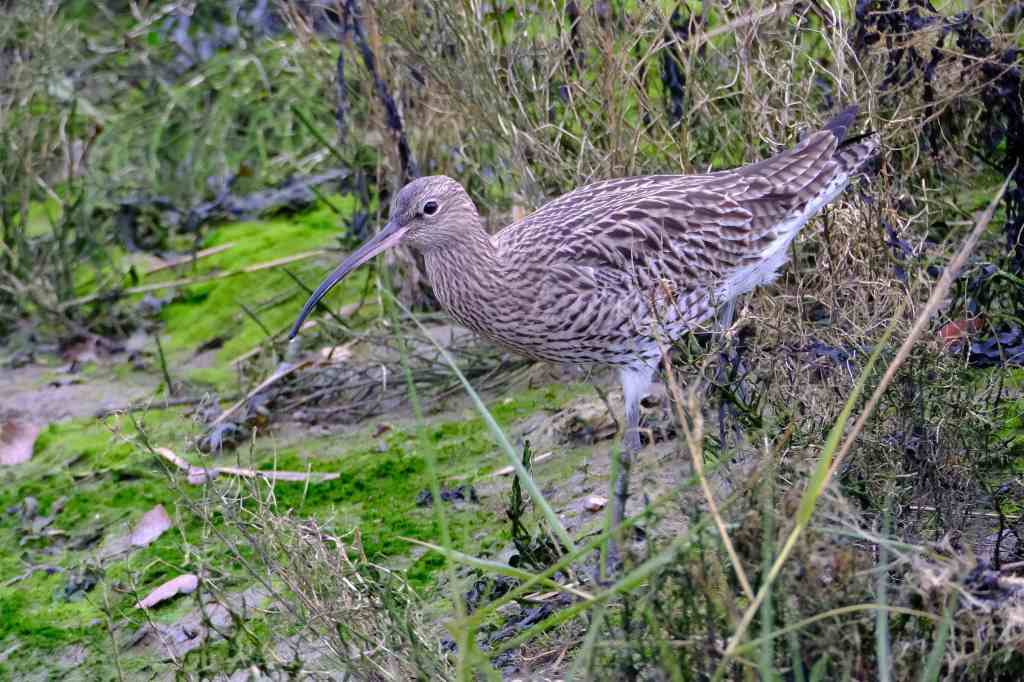
The Curlew is the largest European wading bird, found on estuaries in winter and moors in summer. Look for its down-curved bill,

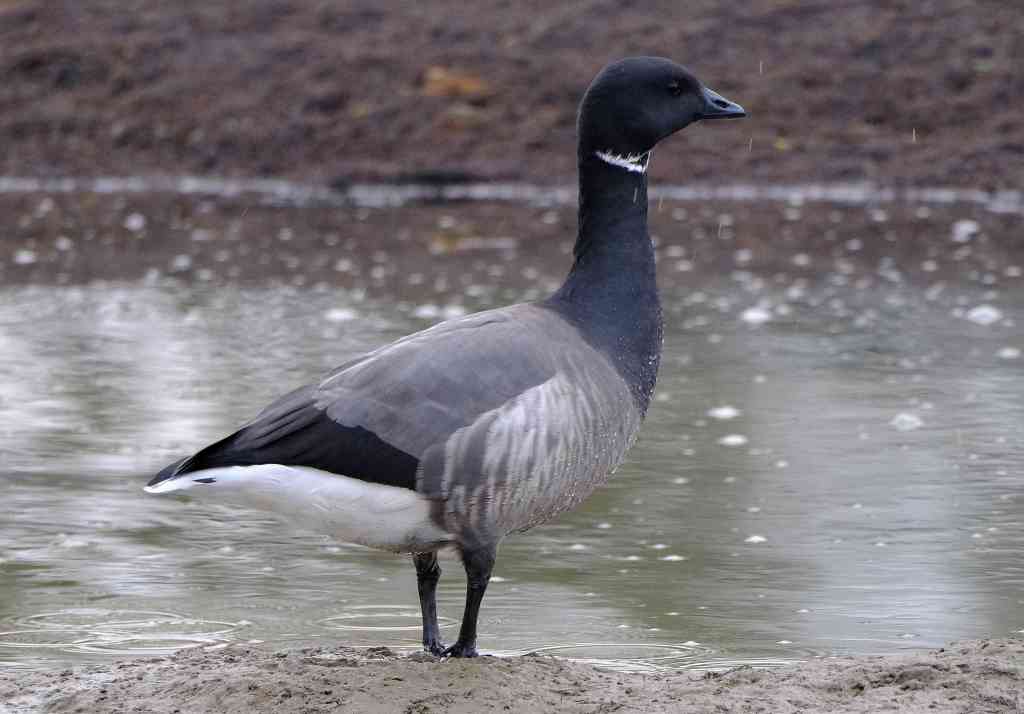
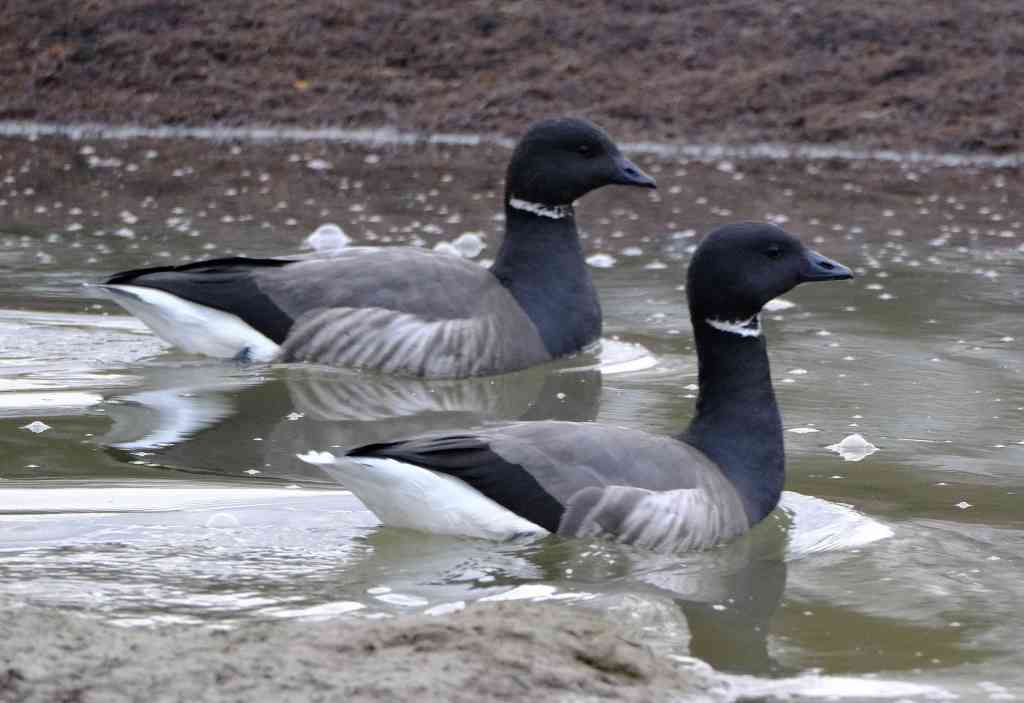
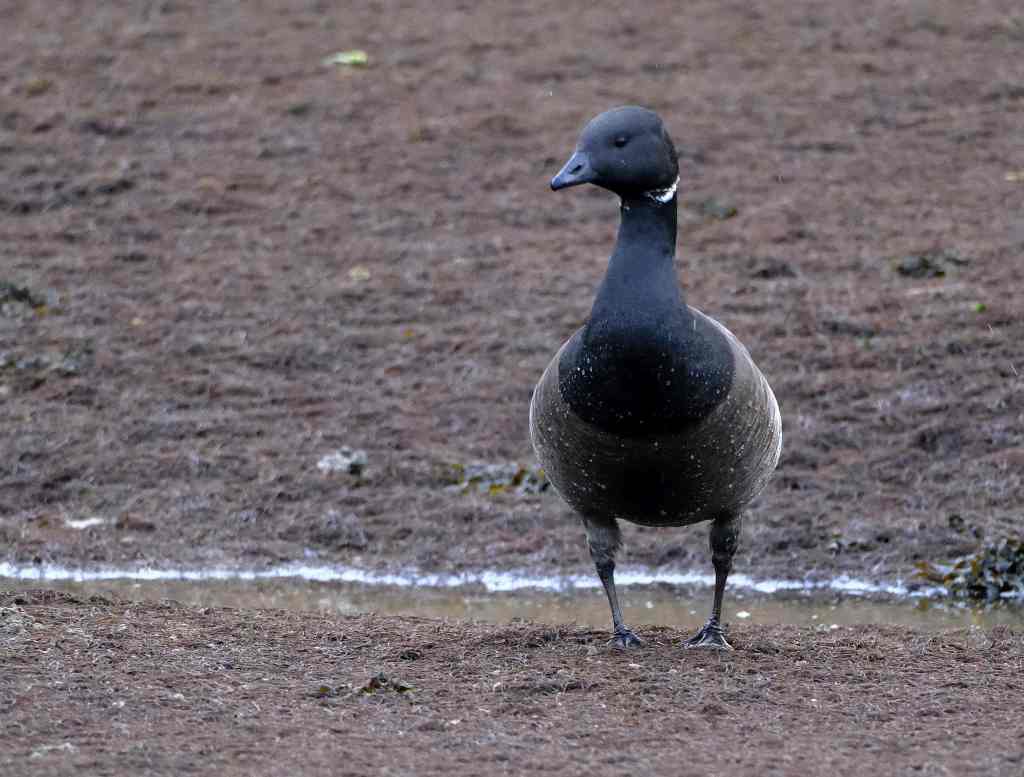
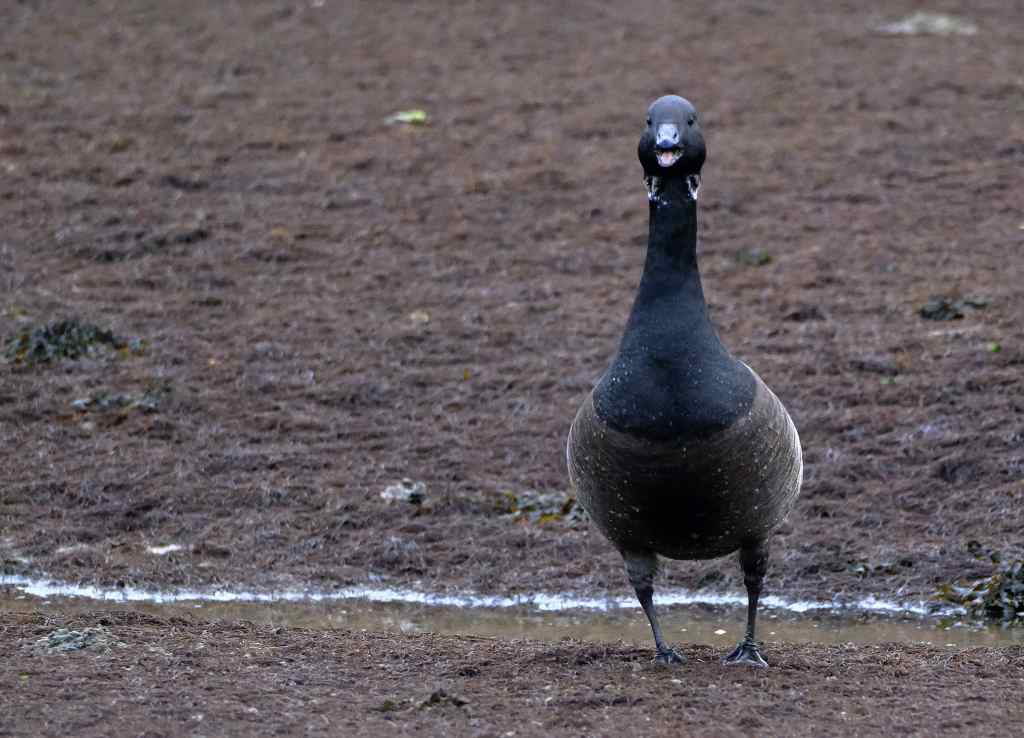
The Brent Goose is a small, dark goose – of similar size to a Mallard Duck.
The Curlew is the largest European wading bird, found on estuaries in winter and moors in summer. Look for its down-curved bill,
The Brent Goose is a small, dark goose – of similar size to a Mallard Duck.
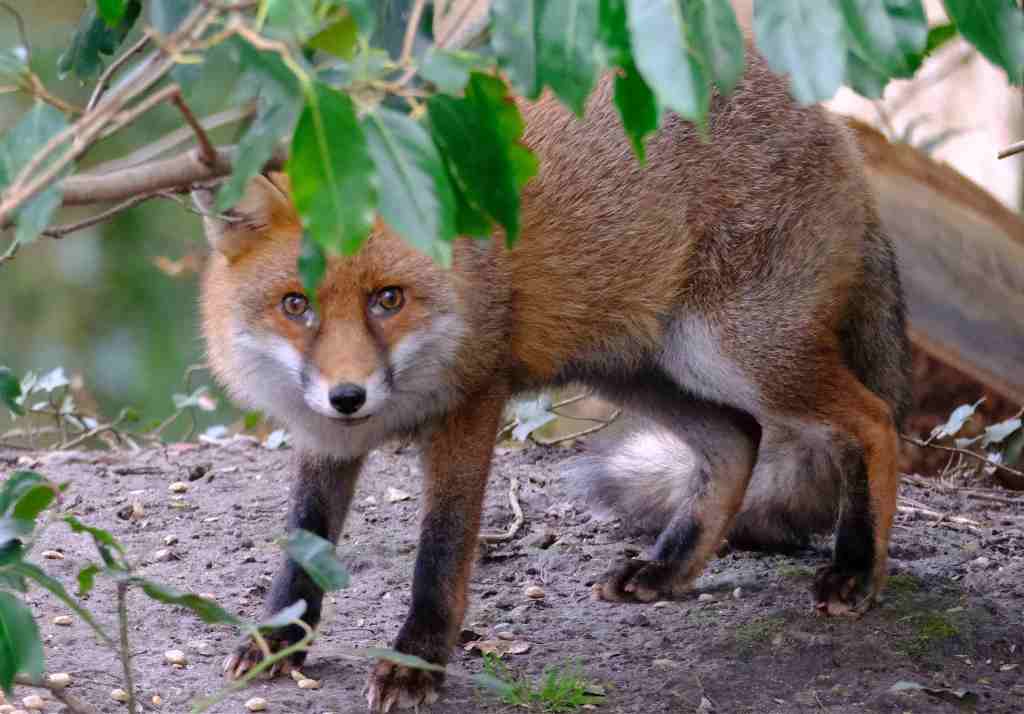
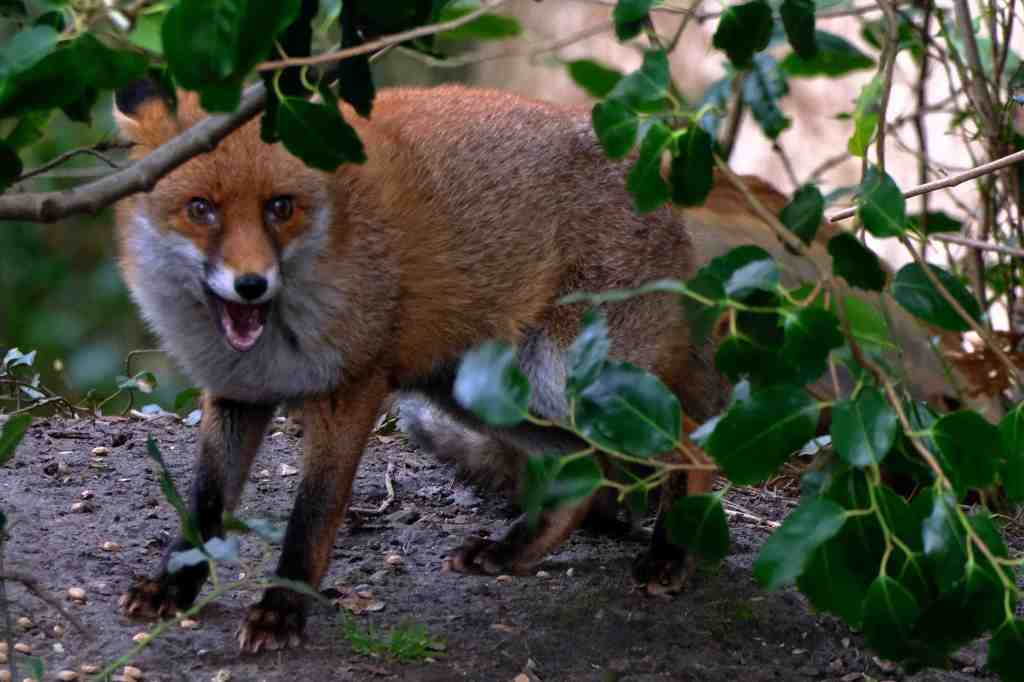
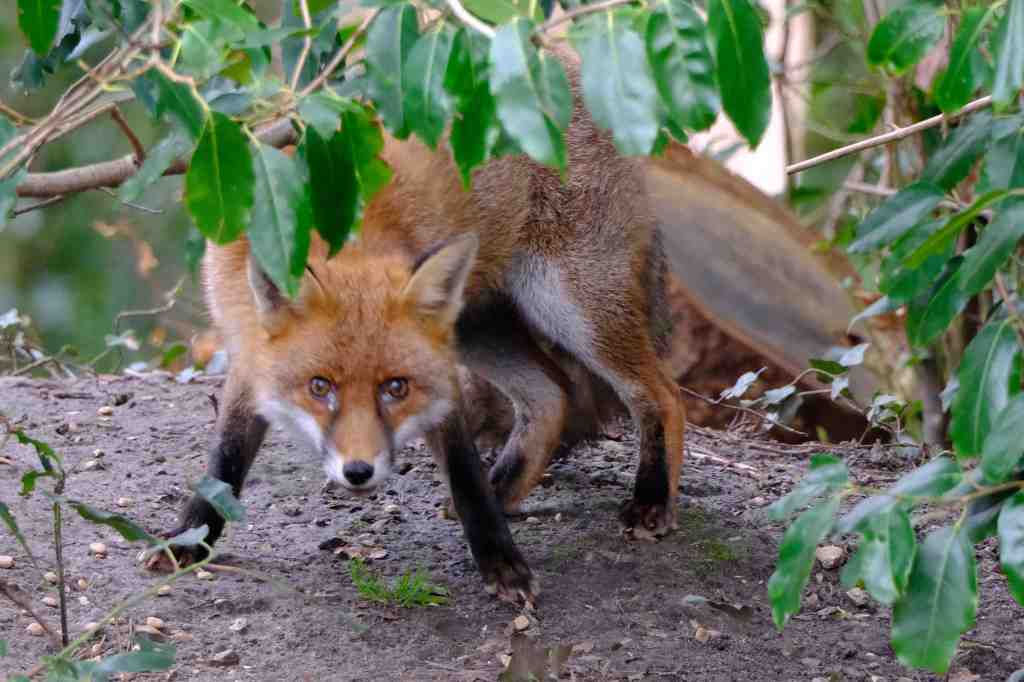
This morning, I was spotted by this fox, and he was as interested in me as I was in him.


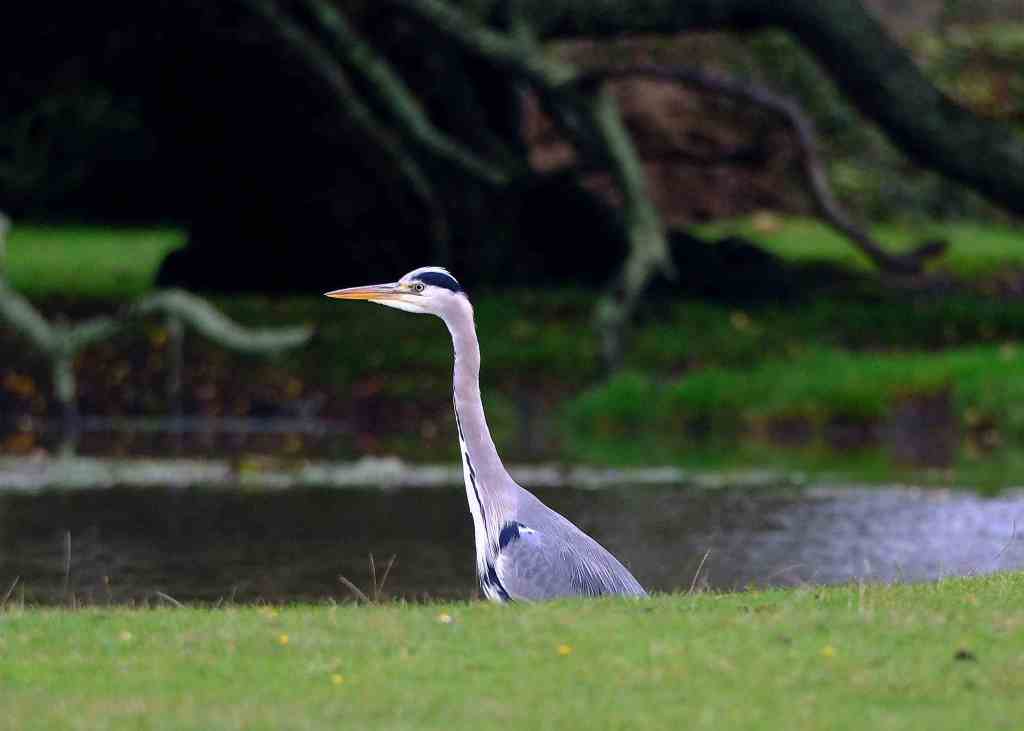
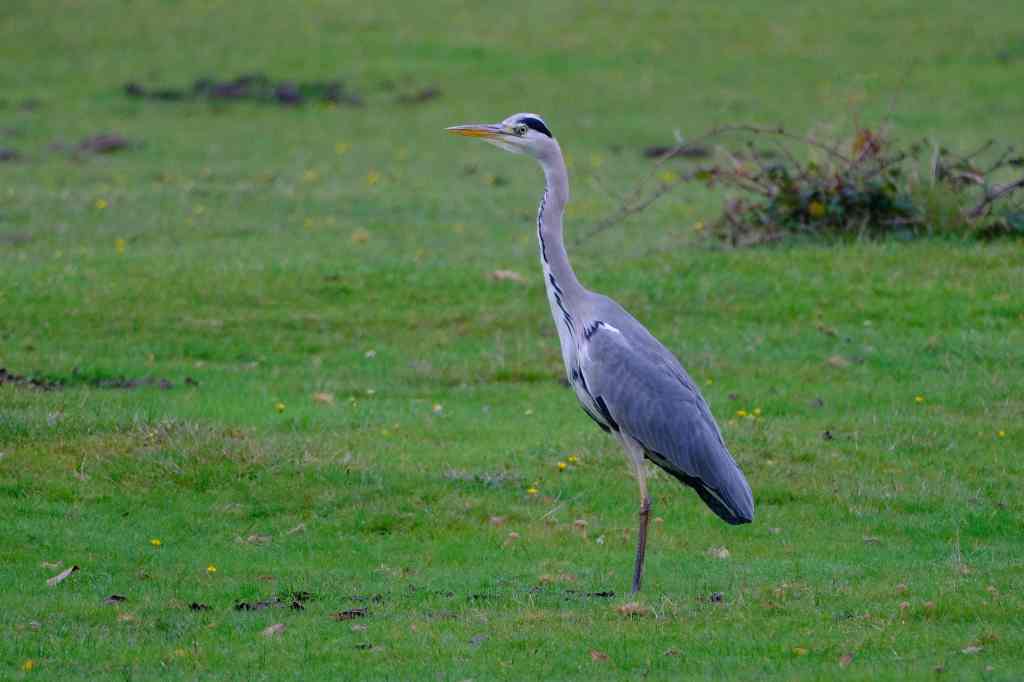
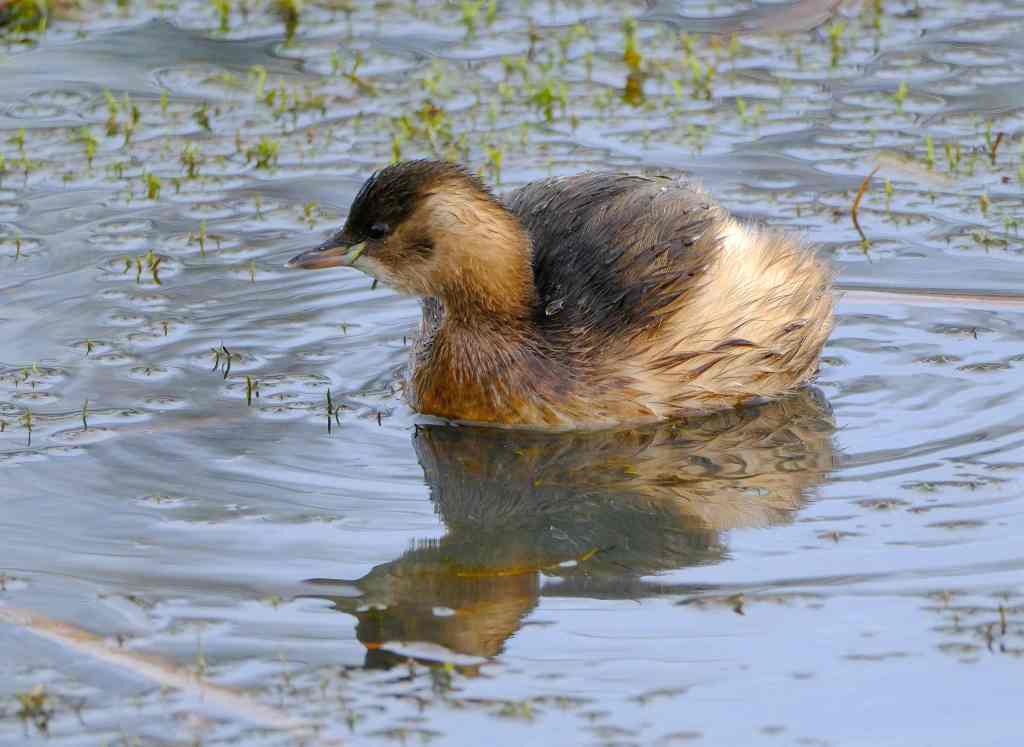
Fishing with no luck!
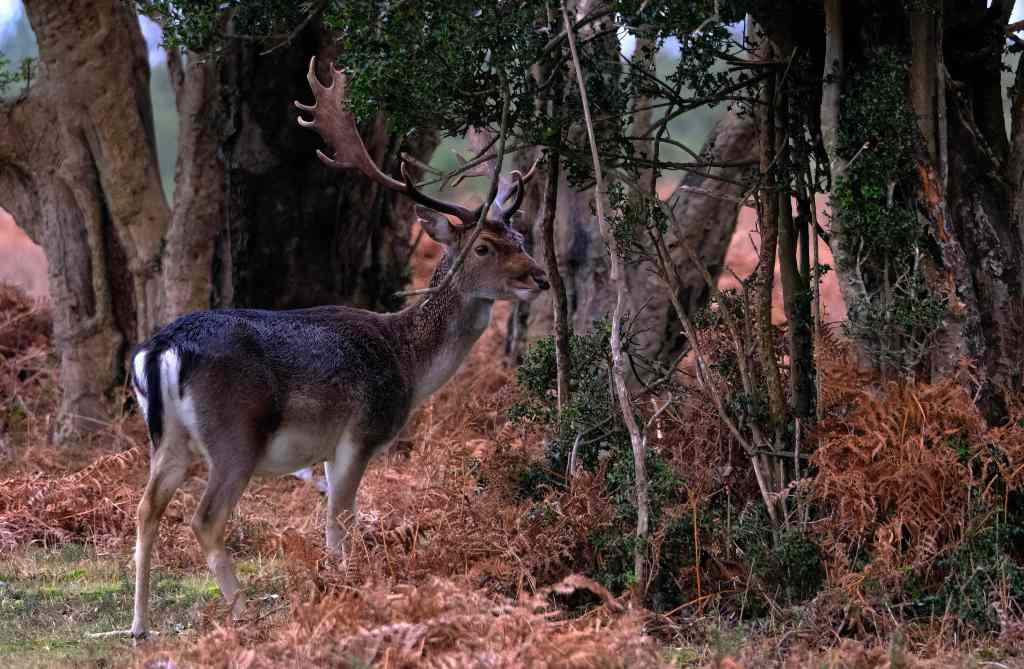
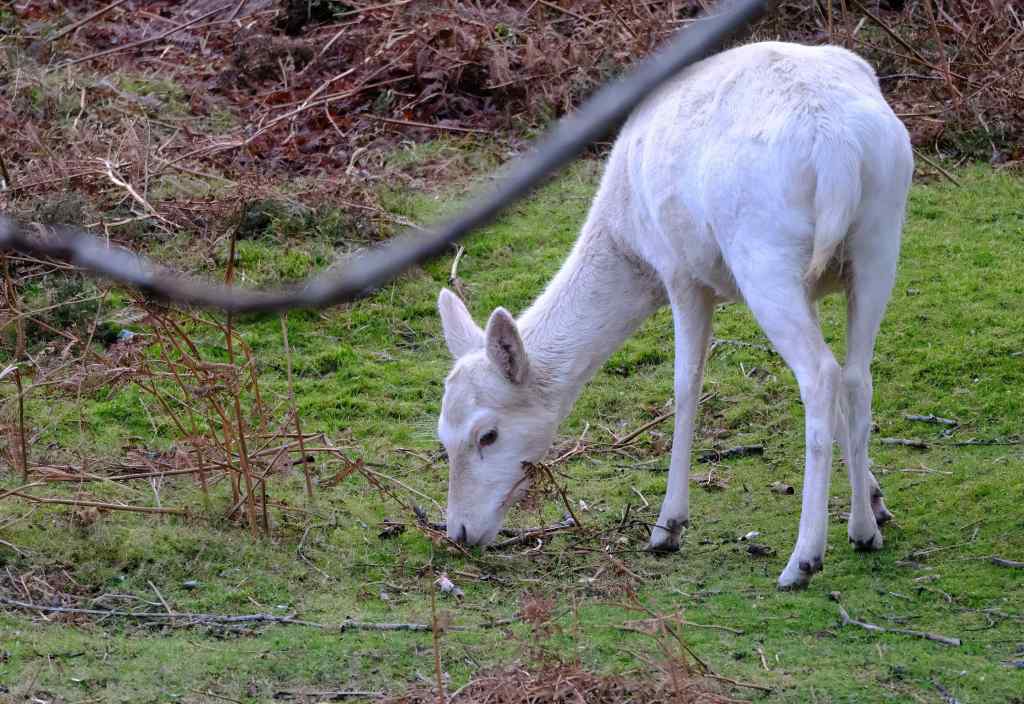
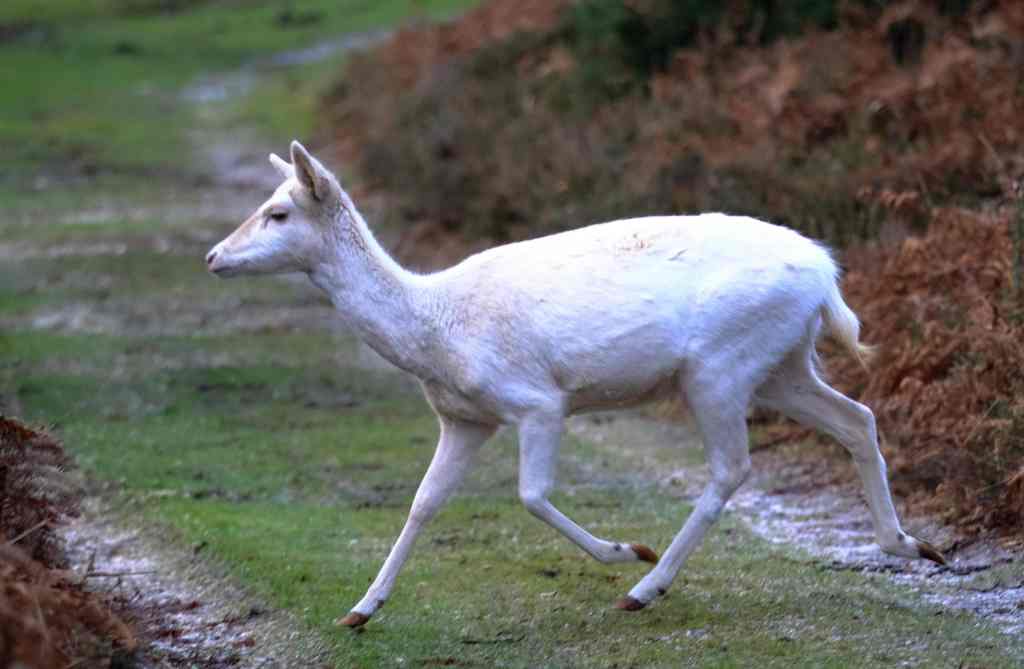
Seeing one of the white Fallow Deer in the New Forest this morning was nice.


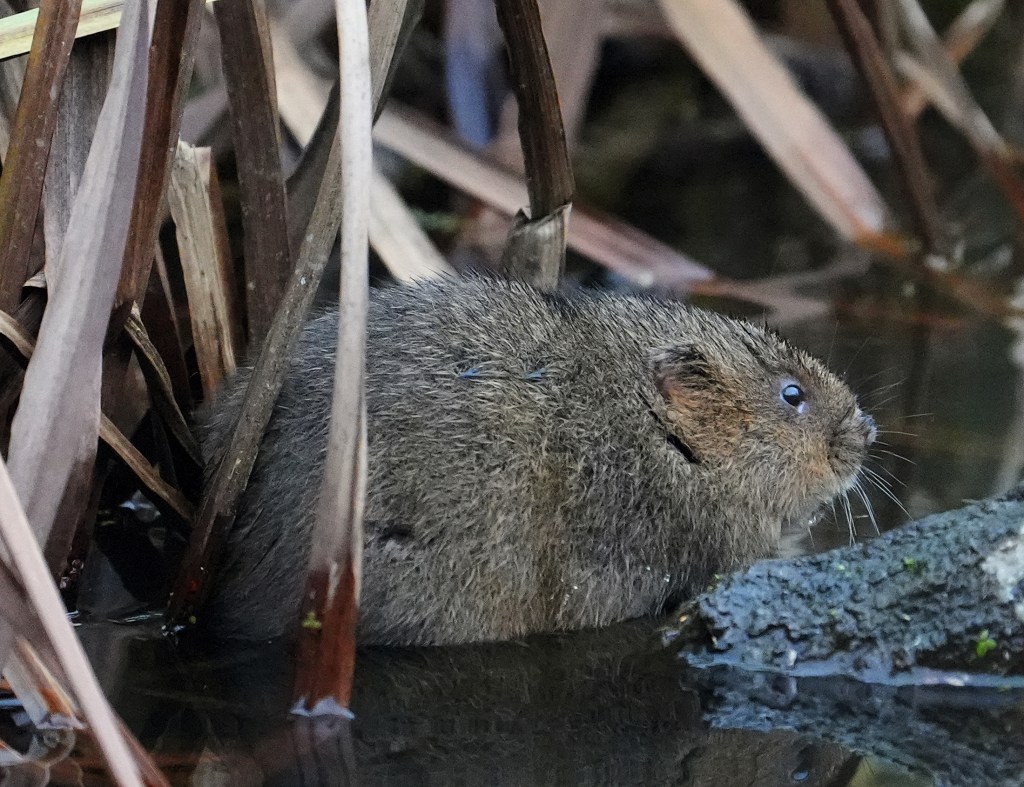
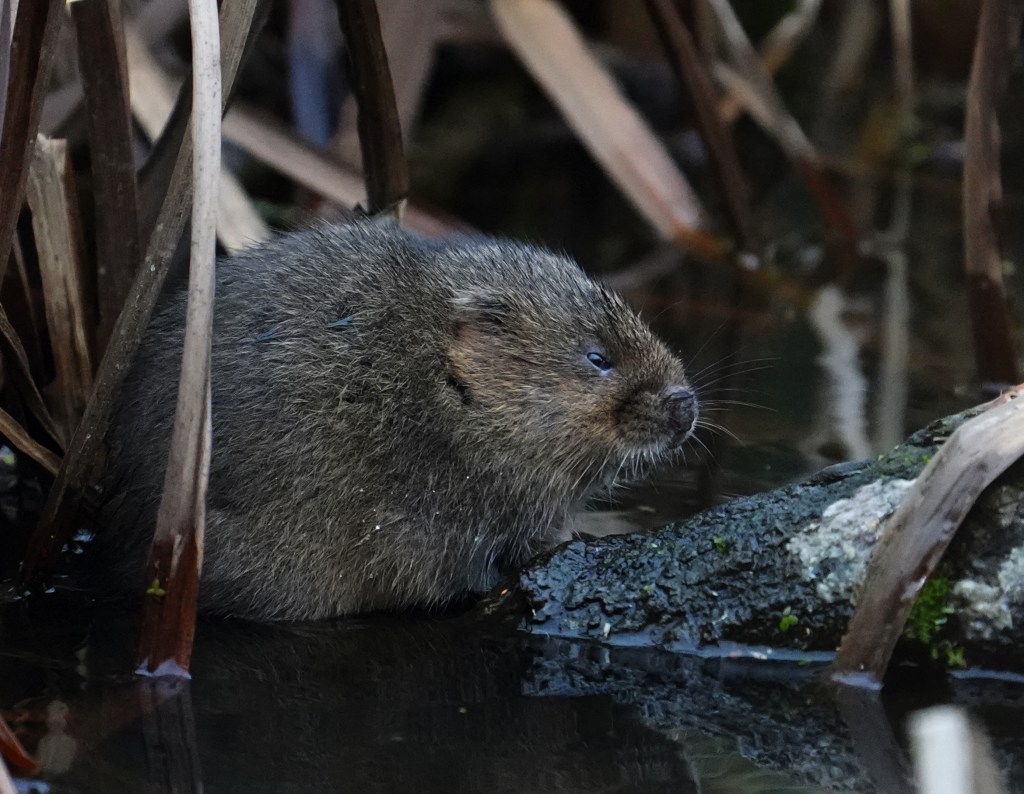
A walk later in the day paid off yesterday when I spotted a Water Vole in the reeds at Titchfield Haven. Water Voles were once widespread and common in the UK. They have undergone a serious decline in Britain, which has continued in the last 10 years. They are our fastest-declining mammal. They were given full legal protection in 2008 including protection of their habitat. In 1900 there were some 8 million Water Voles in the UK today their numbers are said to be less than 100,000. Ratty is one of the four main characters in the 1908 book “The Wind of the Willows”. He is referred to as a water rat in the book who lives on a riverbank in England. One spring day, he meets and befriends Mole, who had left his underground home to explore the outside world after getting bored of spring cleaning. Mole goes on to become Ratty’s housemate and meets his other friends Otter and Mr. Toad.


Little Egret Hamble River.



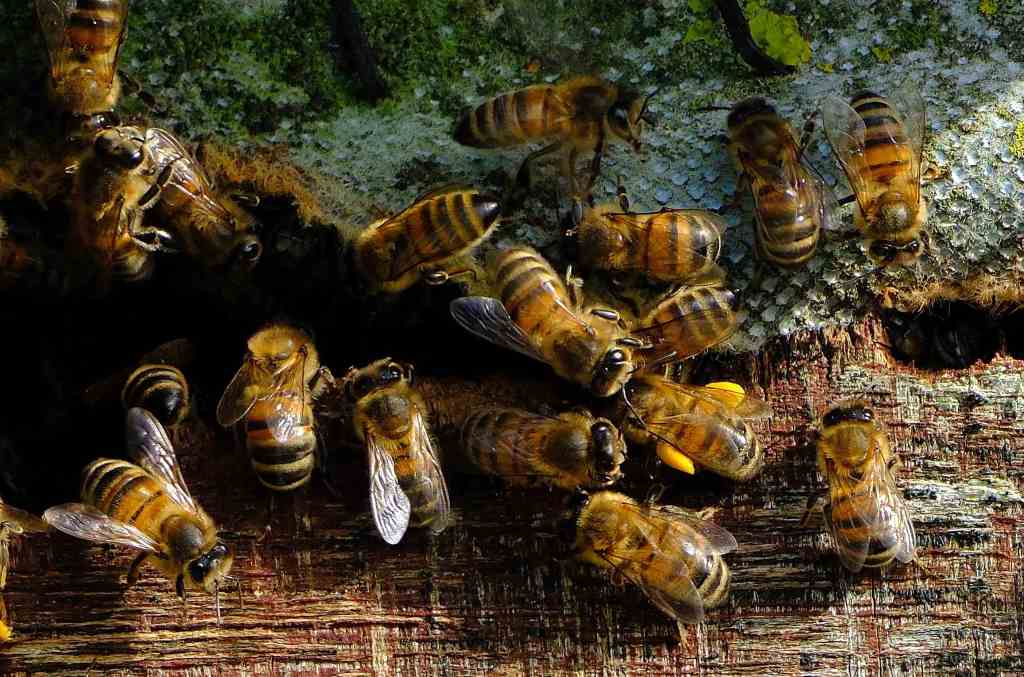
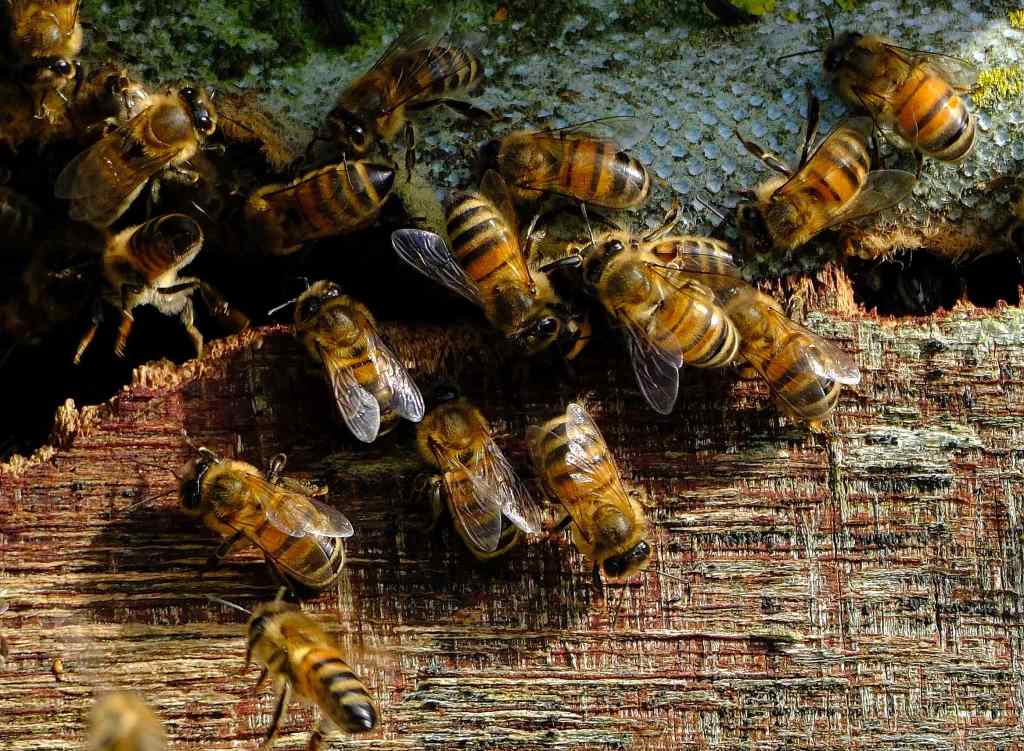

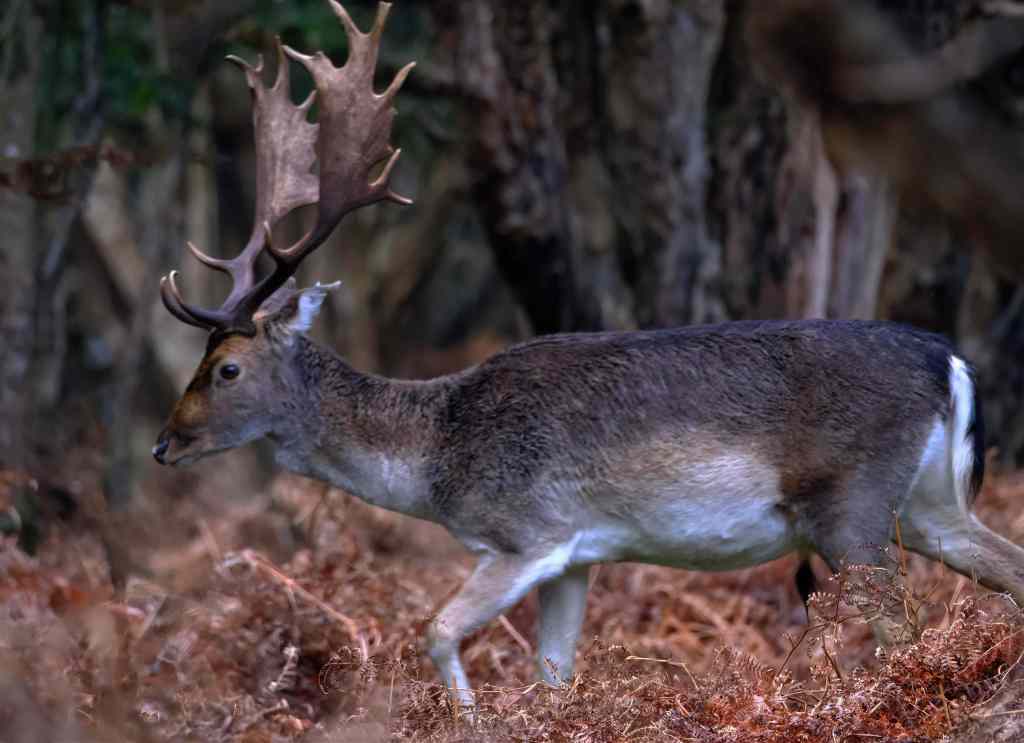
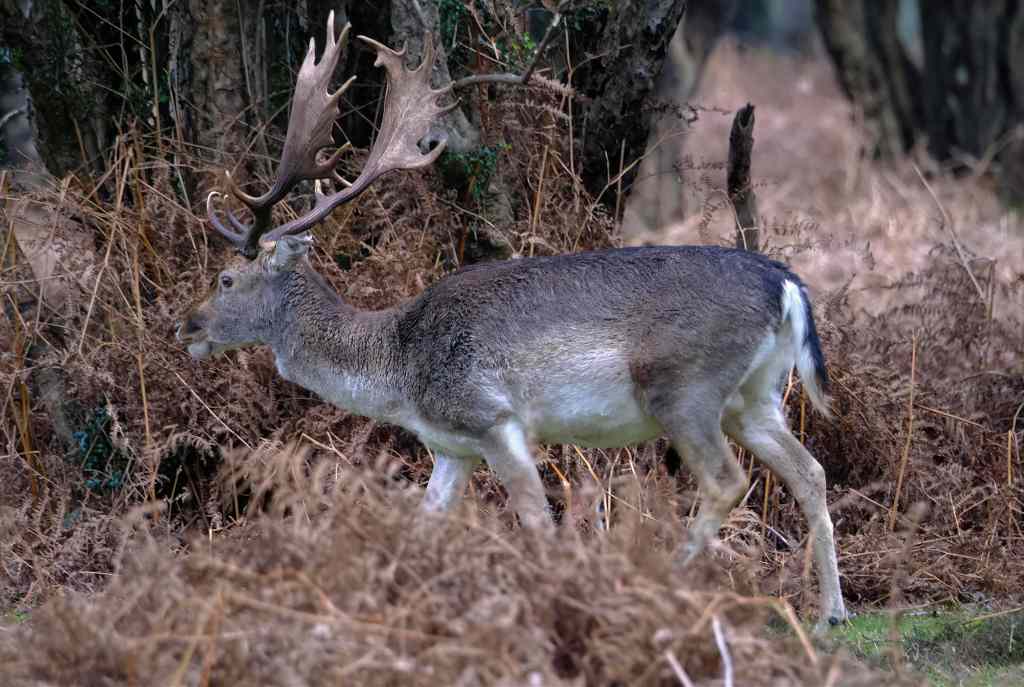
A few hours walking in the New Forest between heavy rain showers.