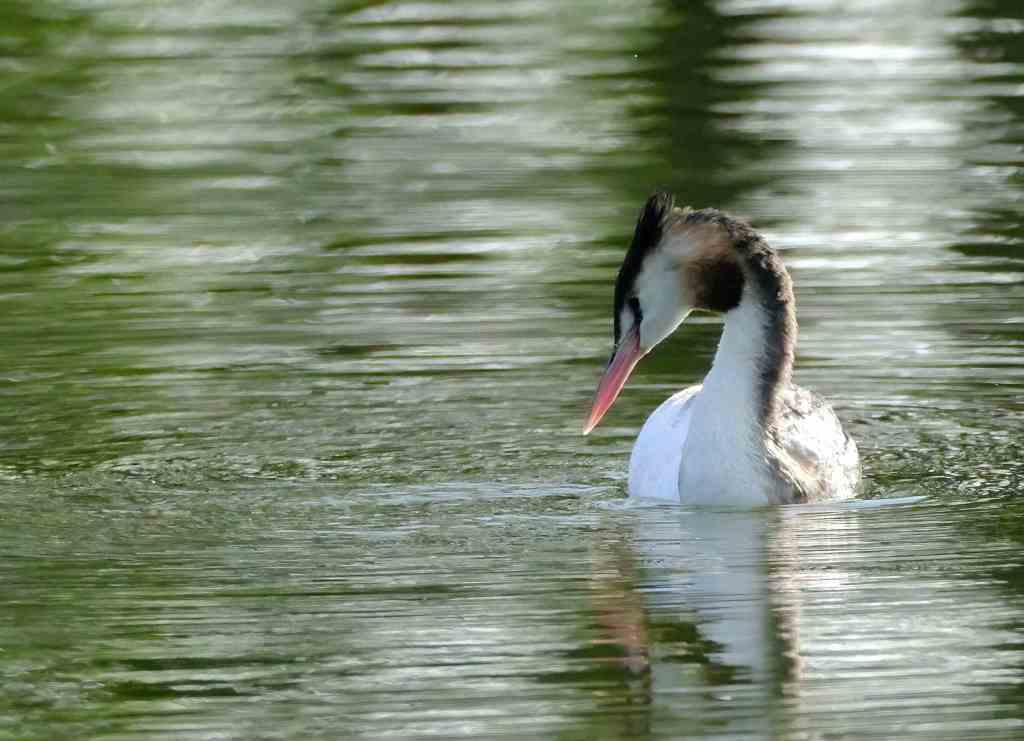
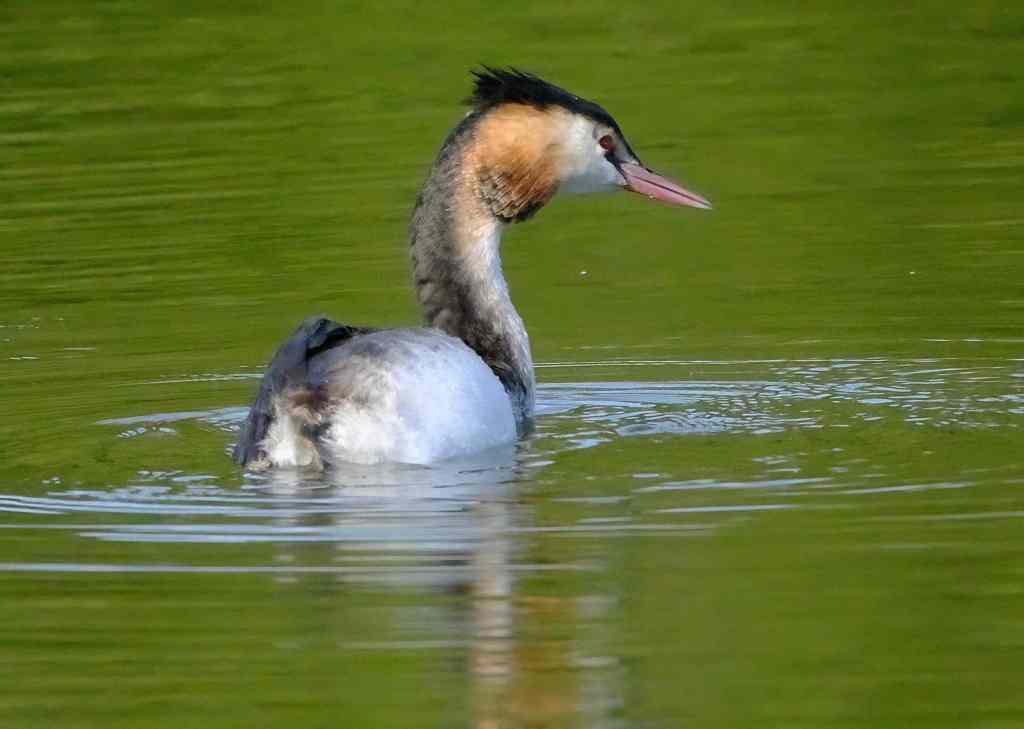
Stoney Cross.

A walk across Stoney Cross around the edge of the WW2 airfield today’s nature walk gave a few gifts, although no deer sightings today.

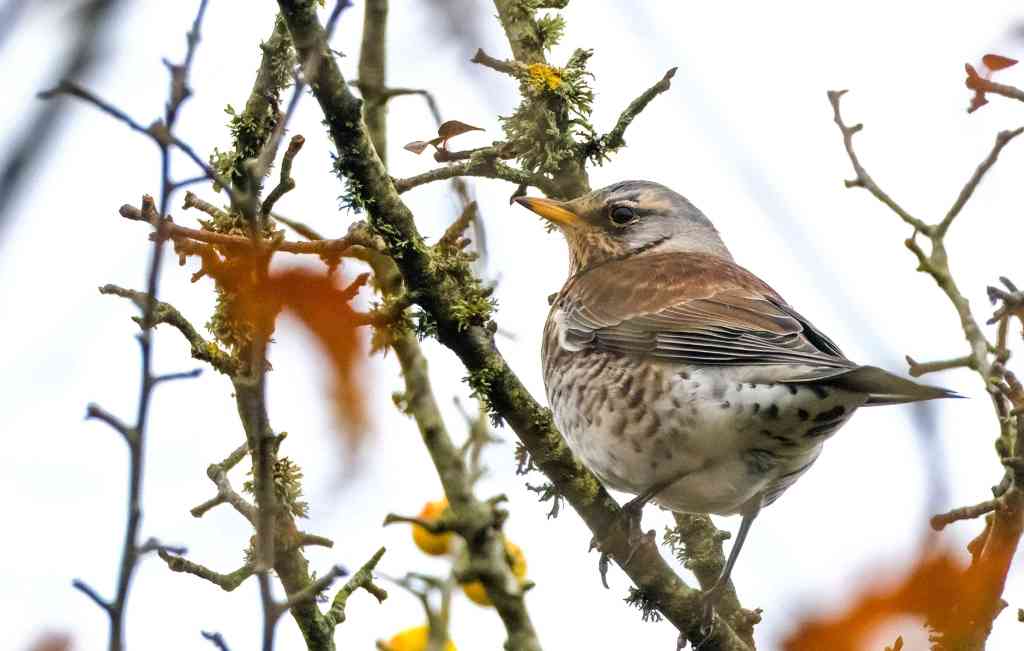
Large flocks of “Fieldfare” were everywhere but not keen to stay for me to take a photograph or two! Fieldfares are large and colourful thrush. They are social birds, wintering in the UK. Flocks can be ten or twenty birds to several hundred strong. The flocks are noisy and the birds chuckle as they fly between trees looking for the best berries. Finally today and after trying for the last 3 weeks I got a couple of shots.

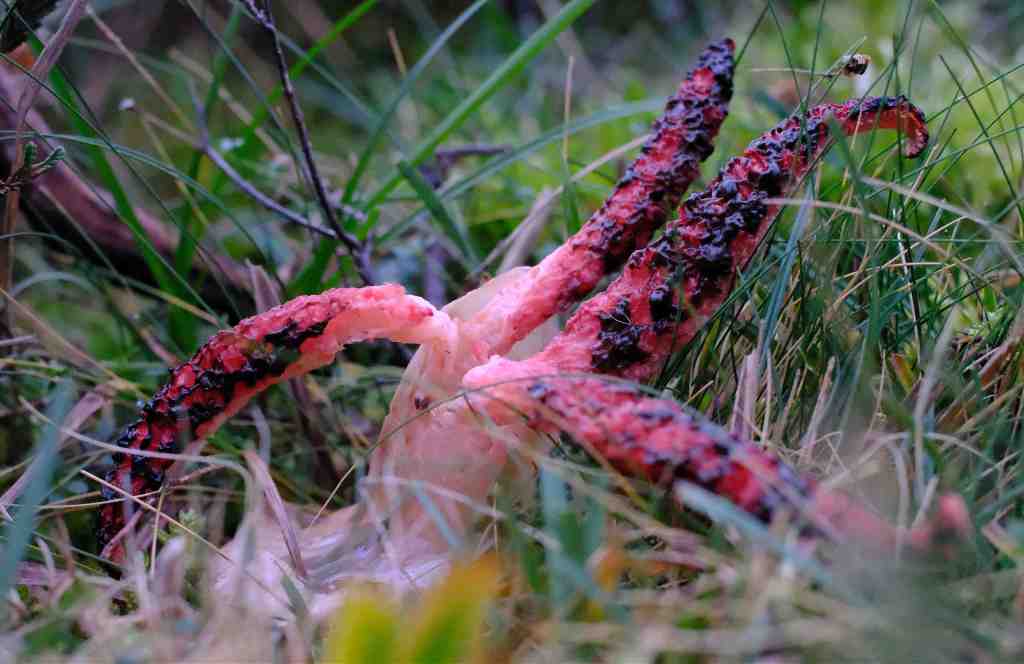
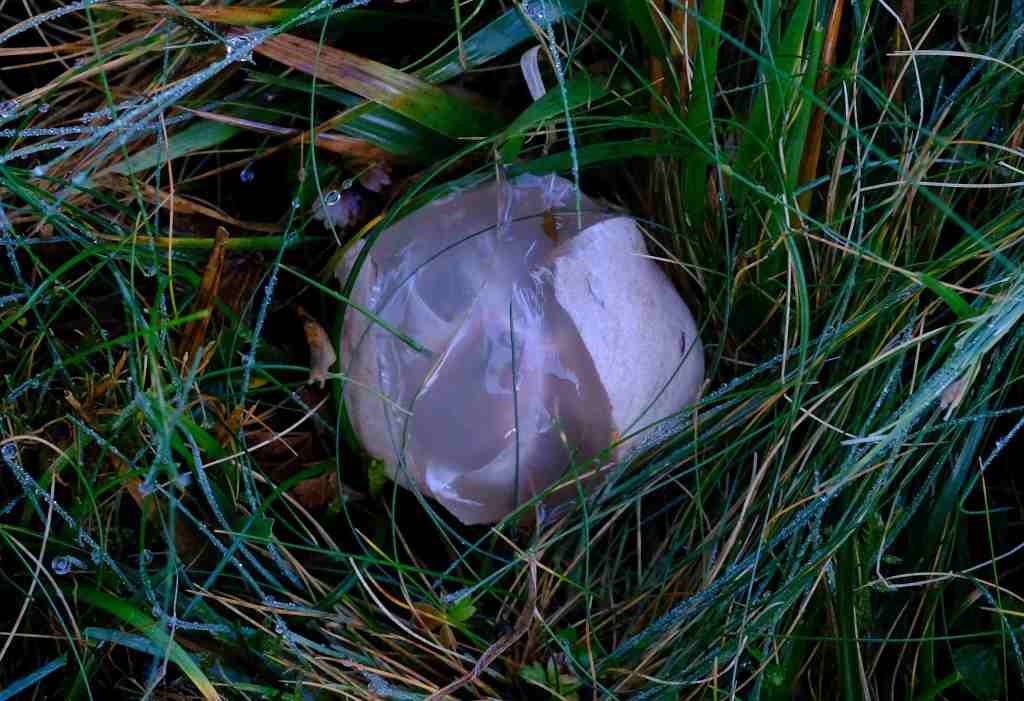
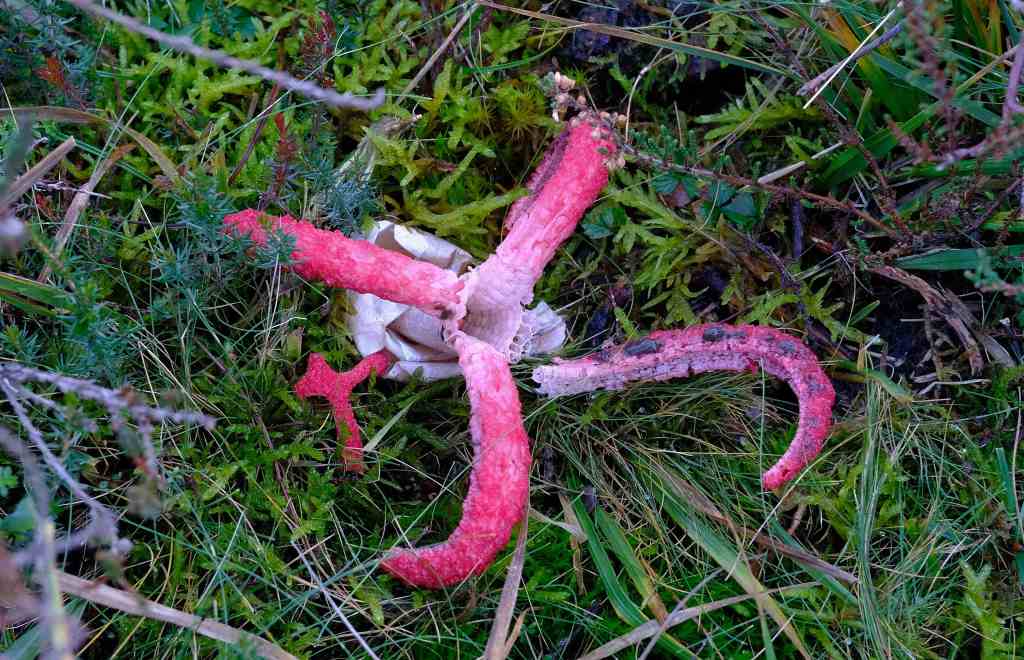
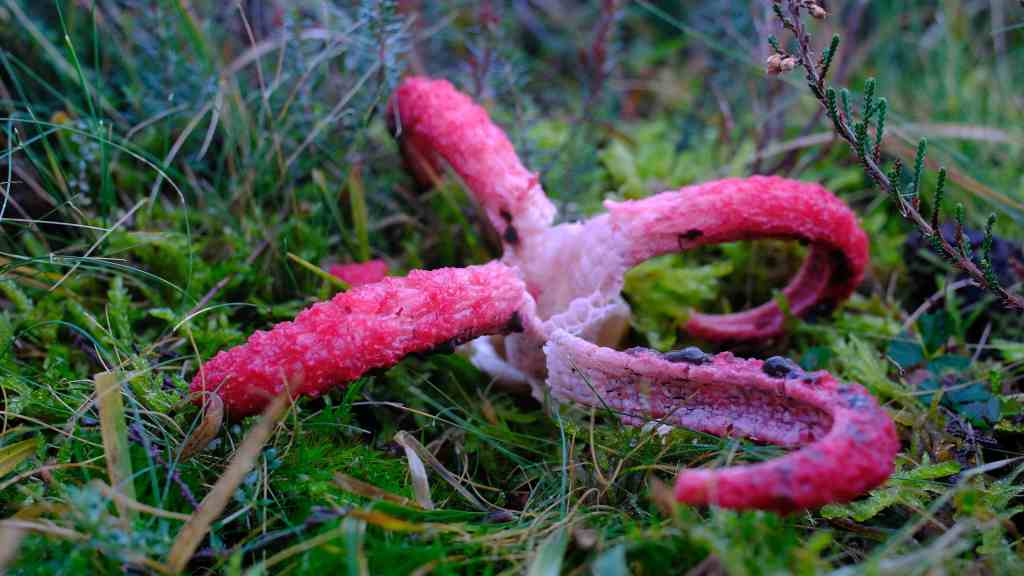
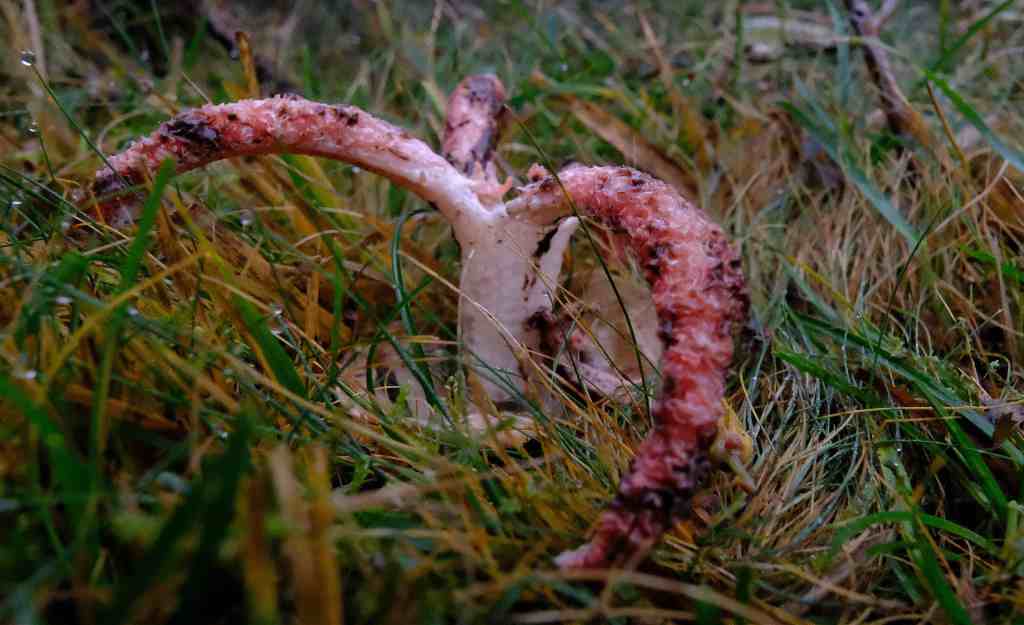
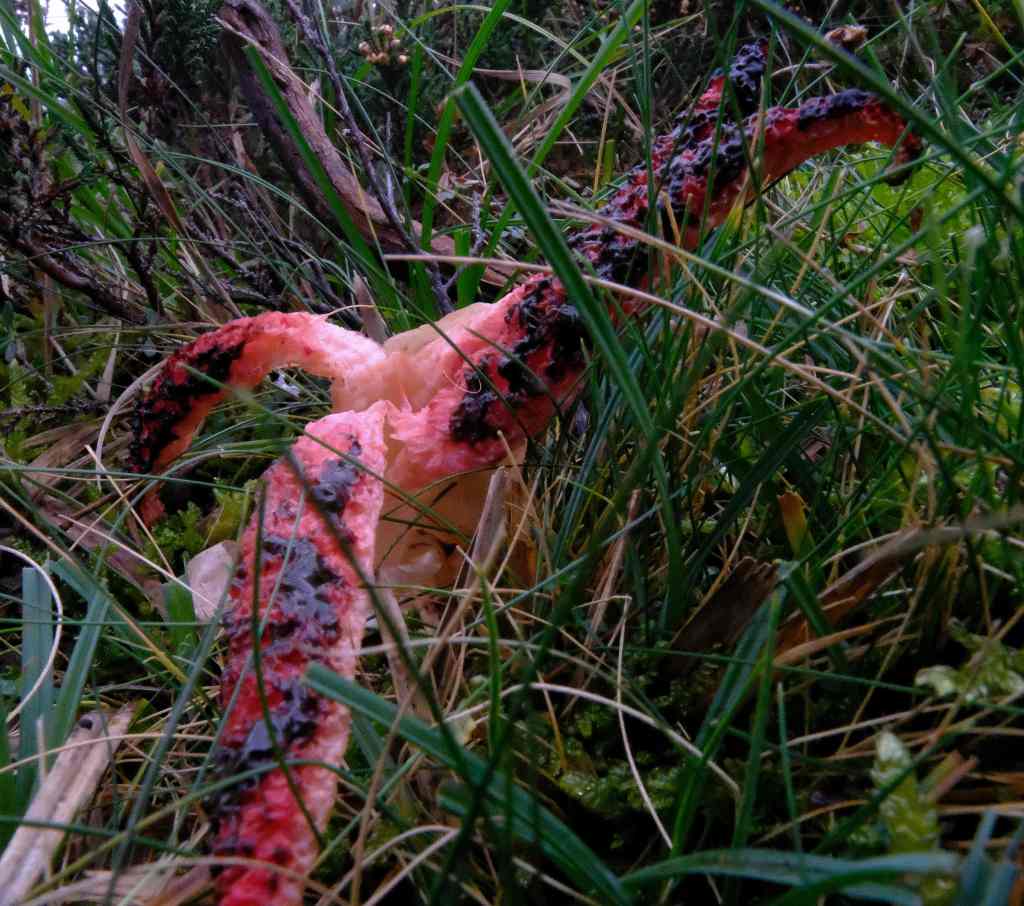
The Devil’s Fingers fungus  [Clathrus archeri], this rare fungus I posted pictures of a few weeks ago has now gone over but others have now grown.
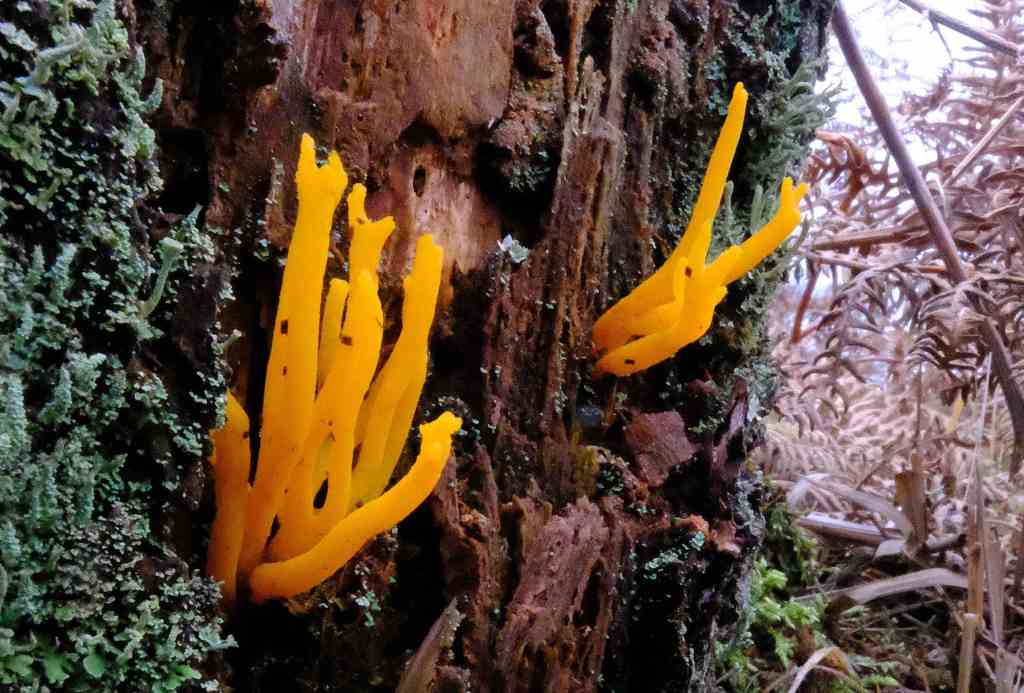
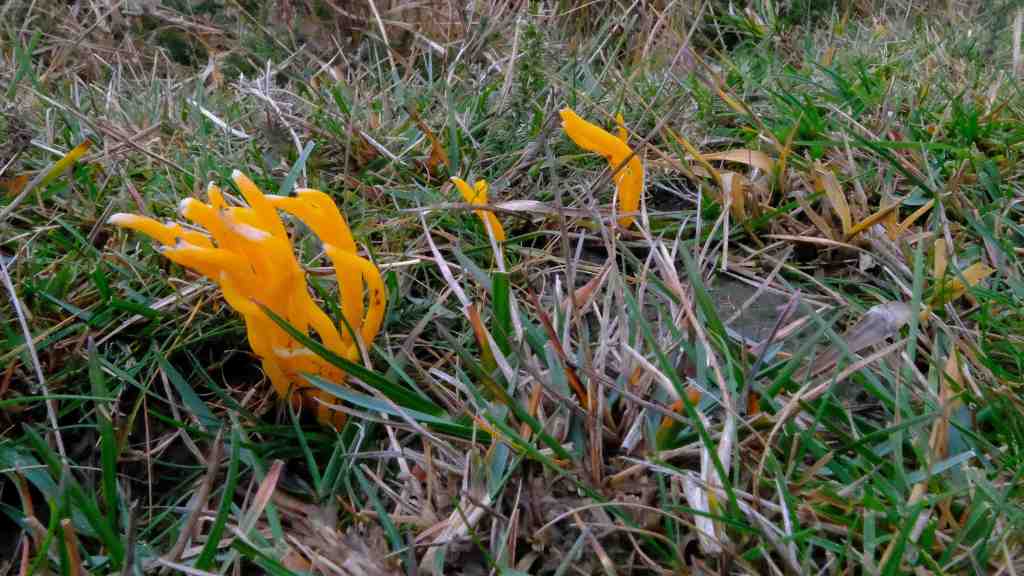
Another fungus spotted was a Yellow Stagshorn – {Calocera viscosa} – It is a Jelly Fungus which grows on decaying conifer wood, typically stumps and roots. This was a 1st for me this year.
Canal walk.

A muddy walk along the Titchfield Canal. The canal is a two-mile watercourse between the village of Titchfield and the coast at Titchfield Haven.  Starting at the sea I quite like the wall art that had appeared on the back of the toilet block. In my view one up on some of the so-called tags which are appearing everywhere and I am told is art.

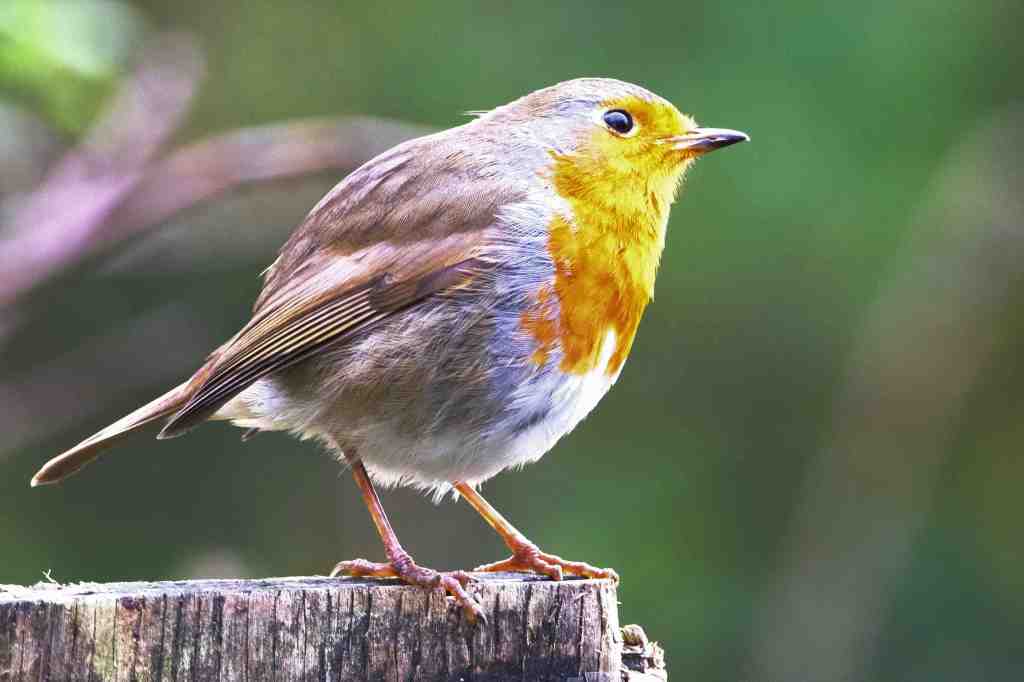
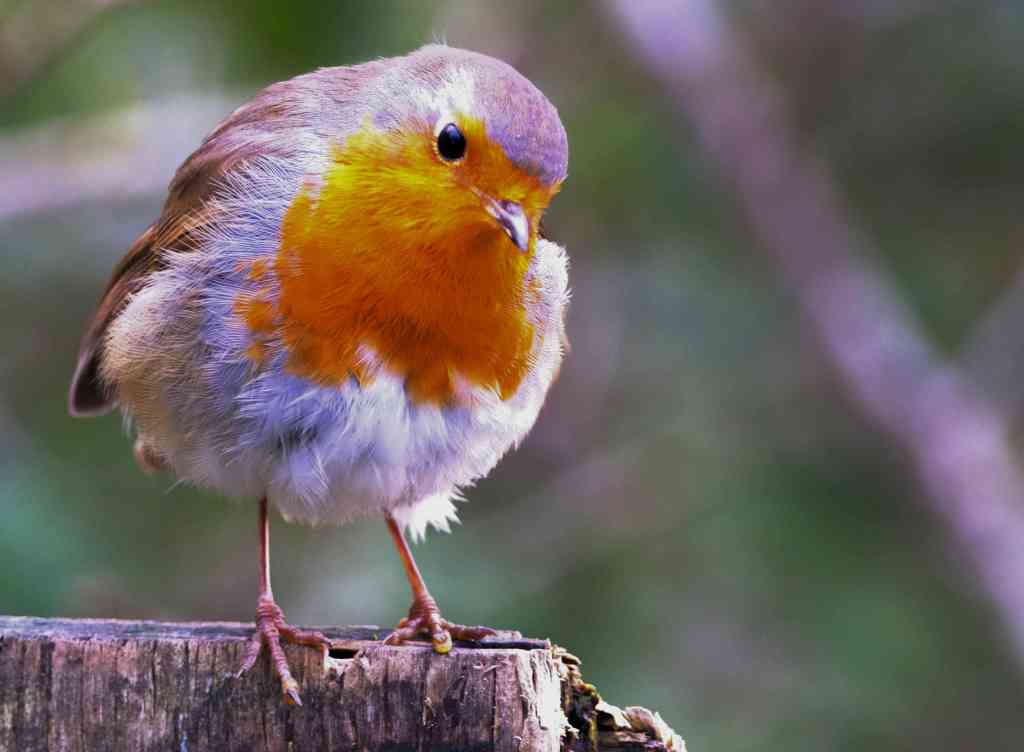
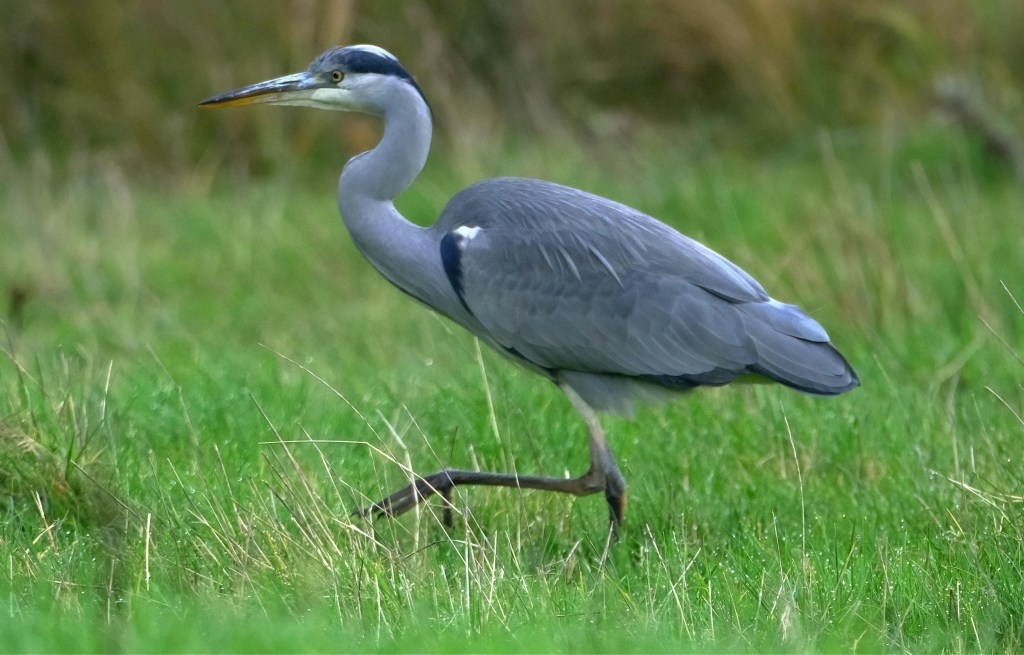
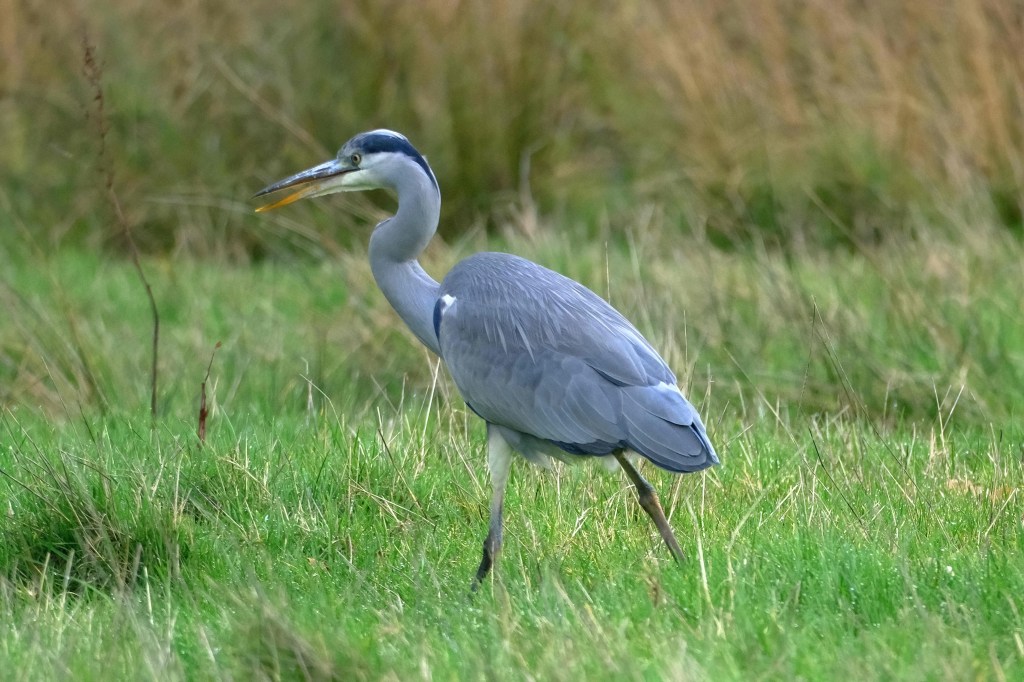
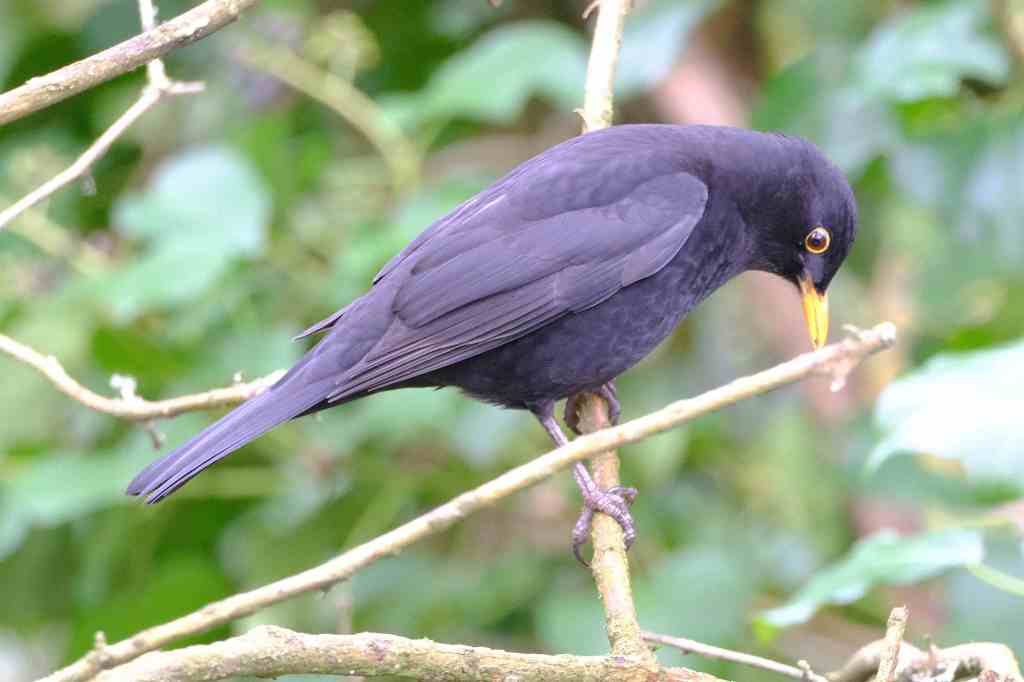
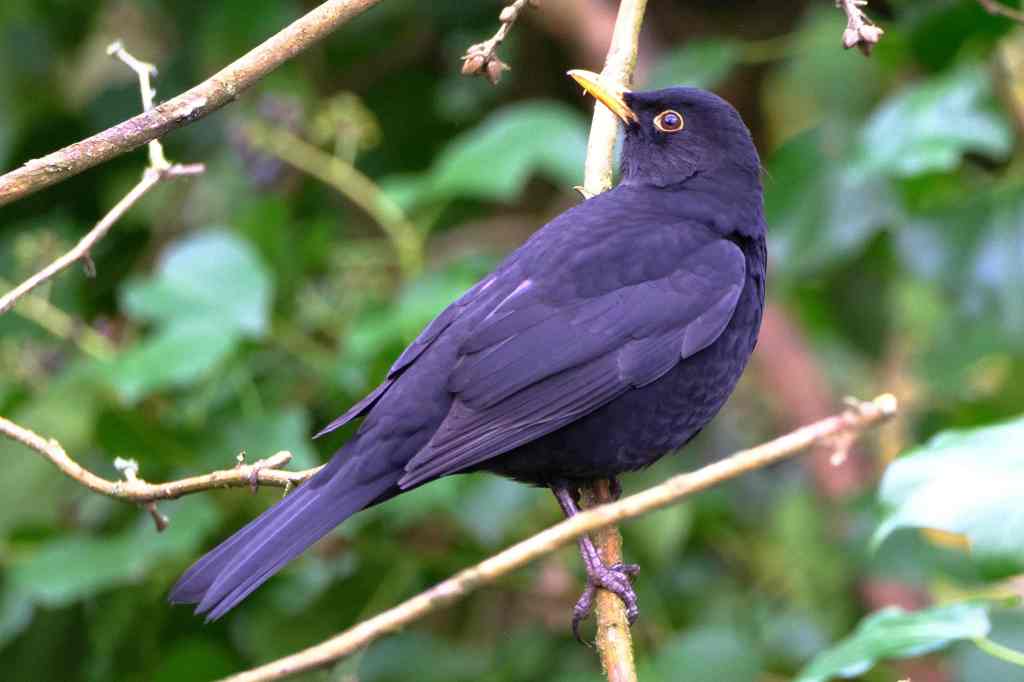
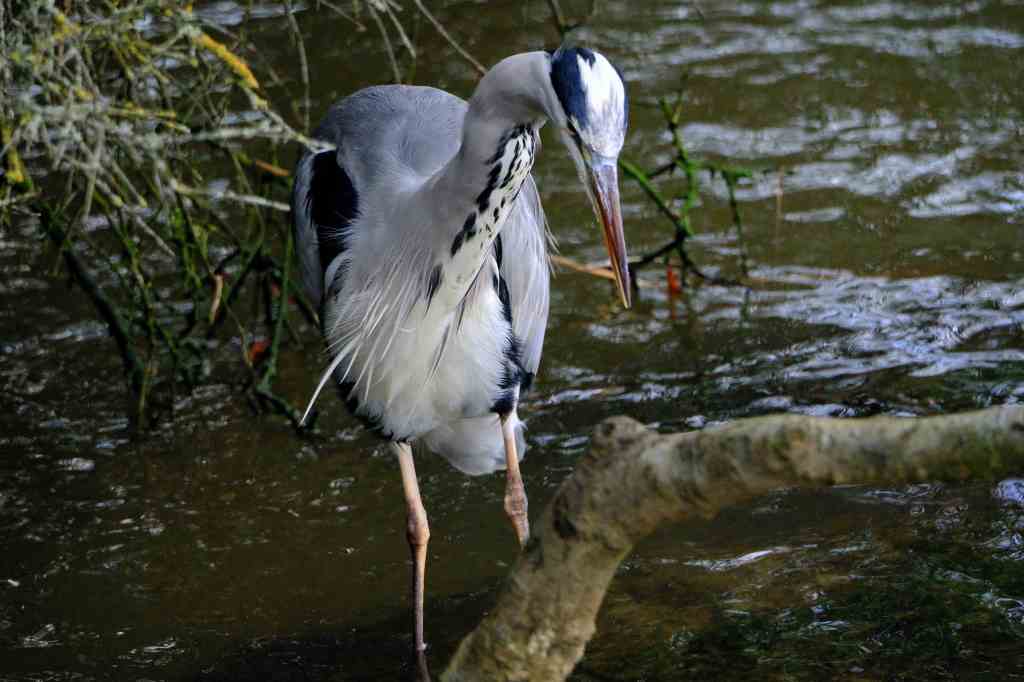
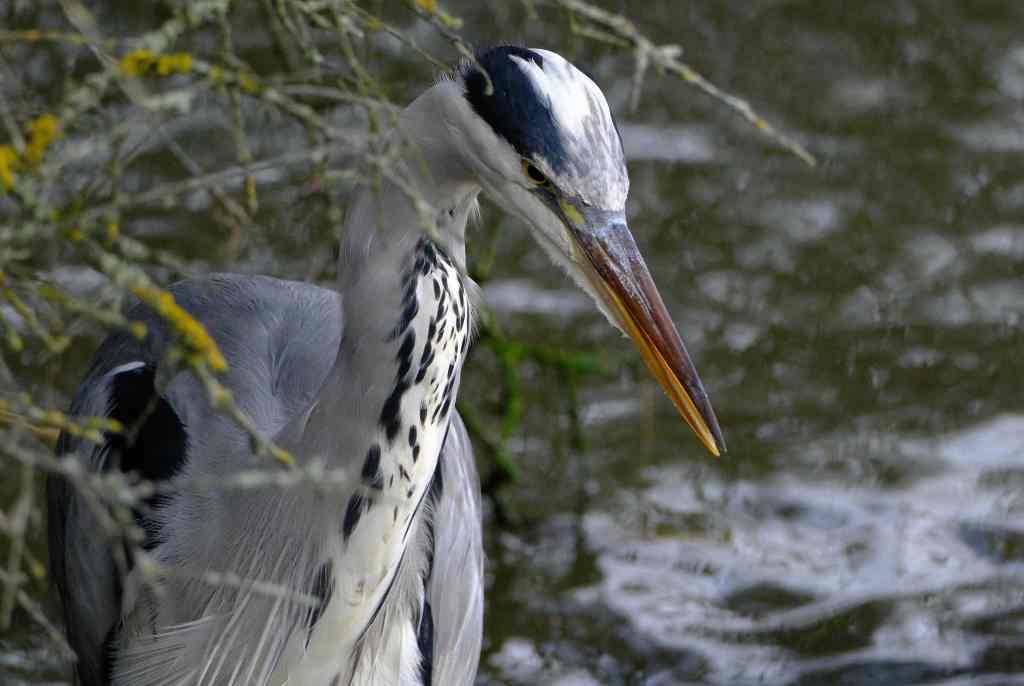
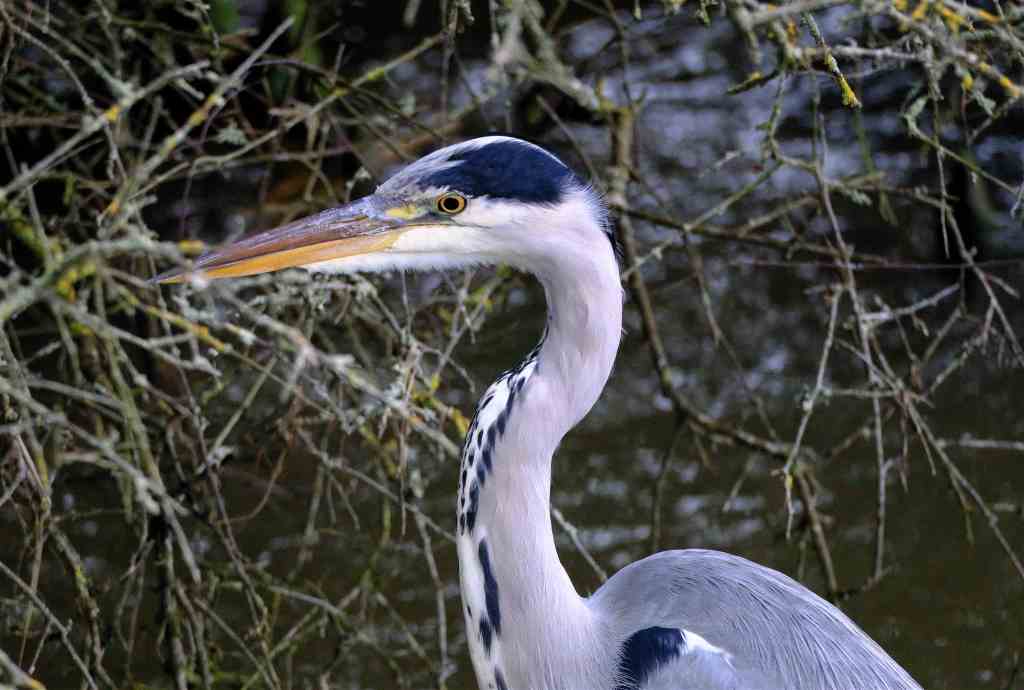
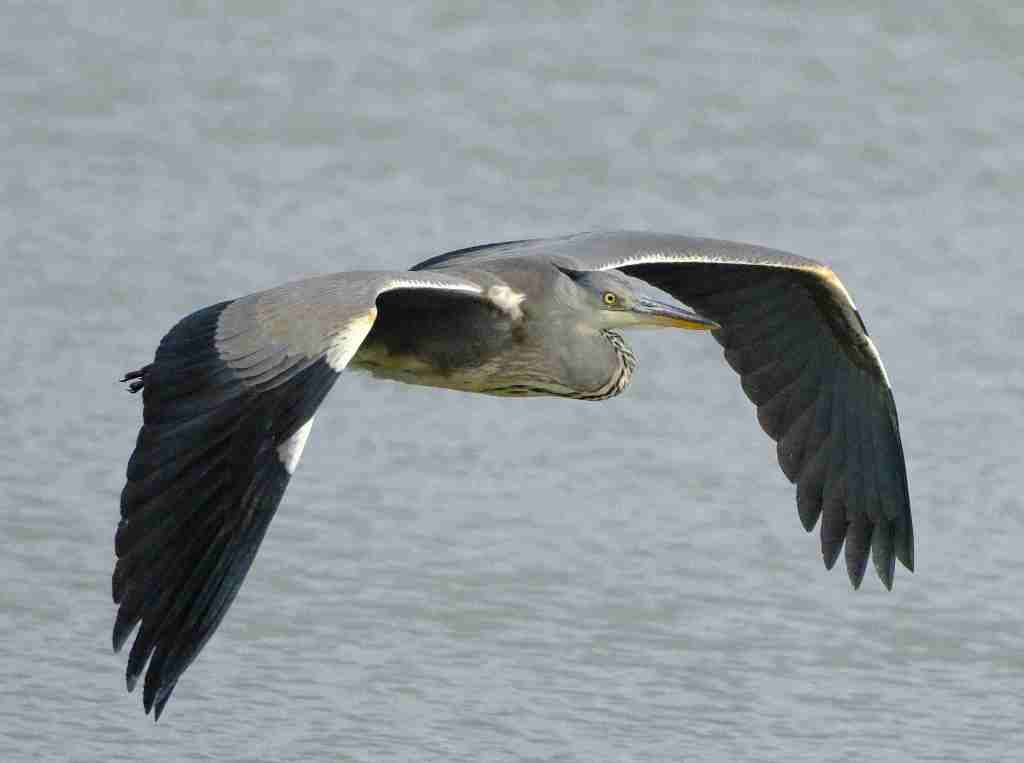
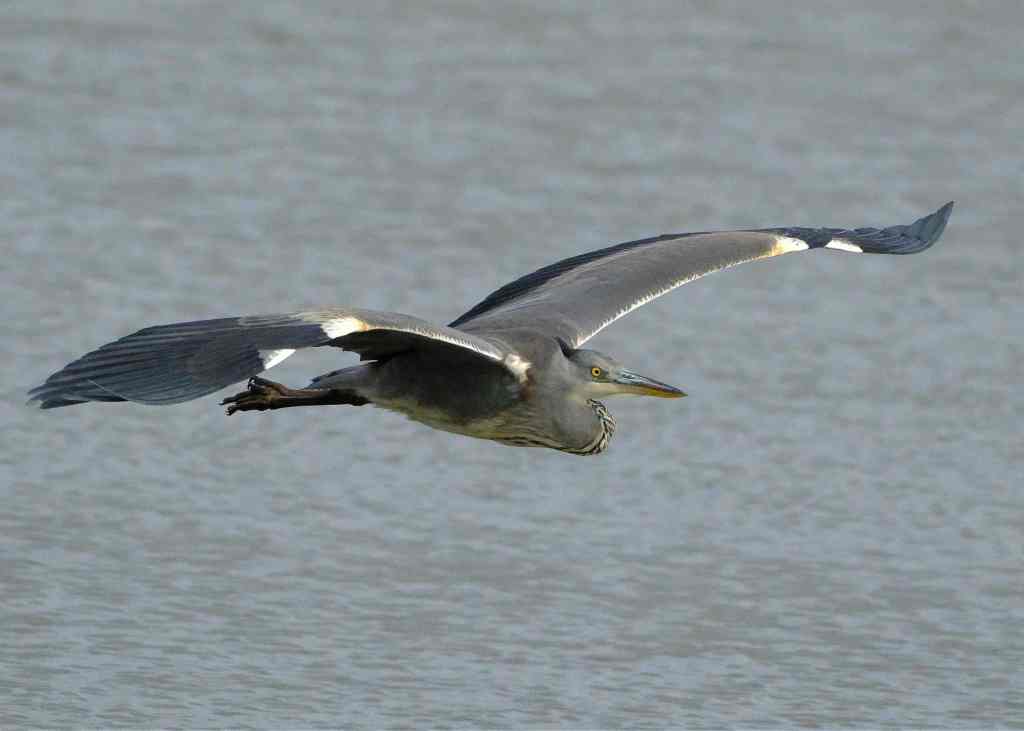
A few of the birds I spotted along the route.

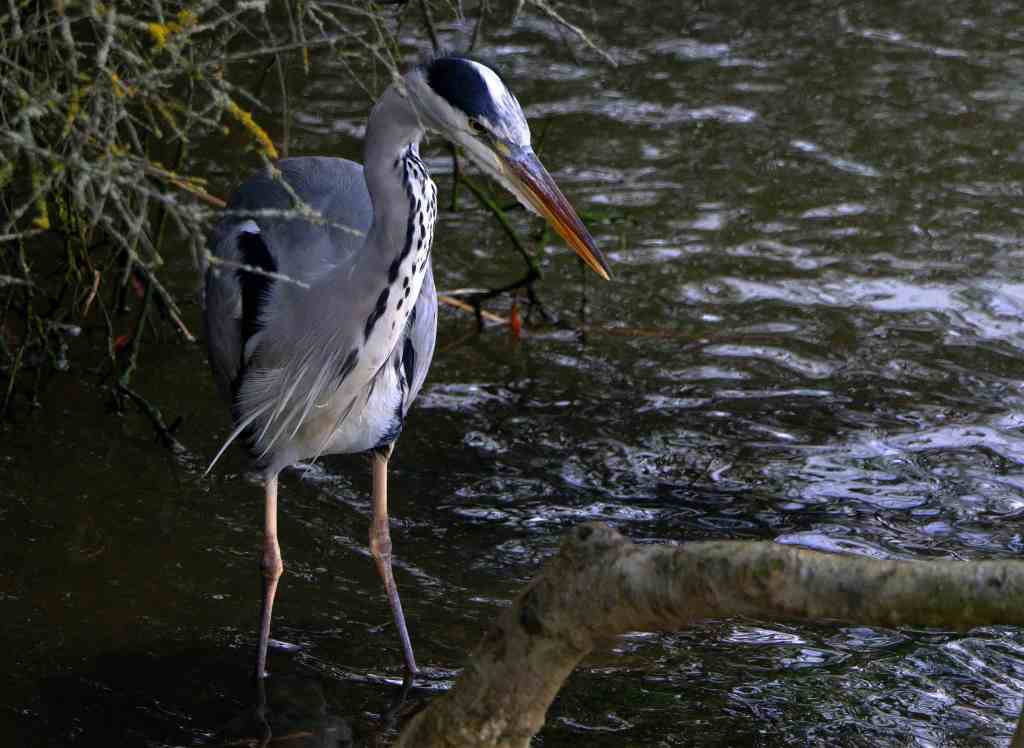
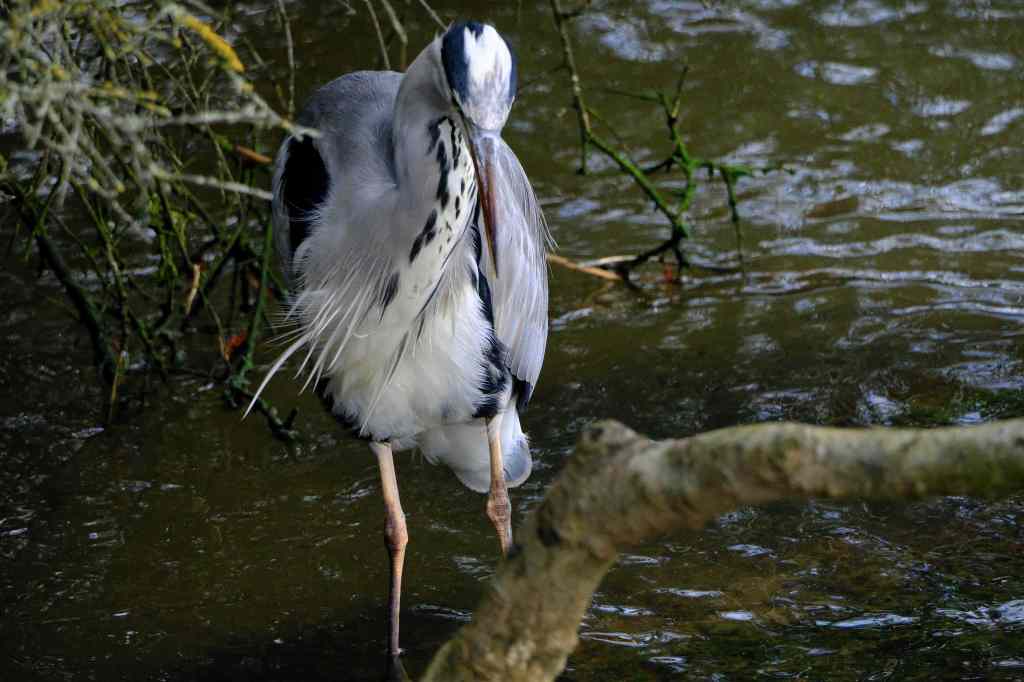
A Robin heron and Blackbird.

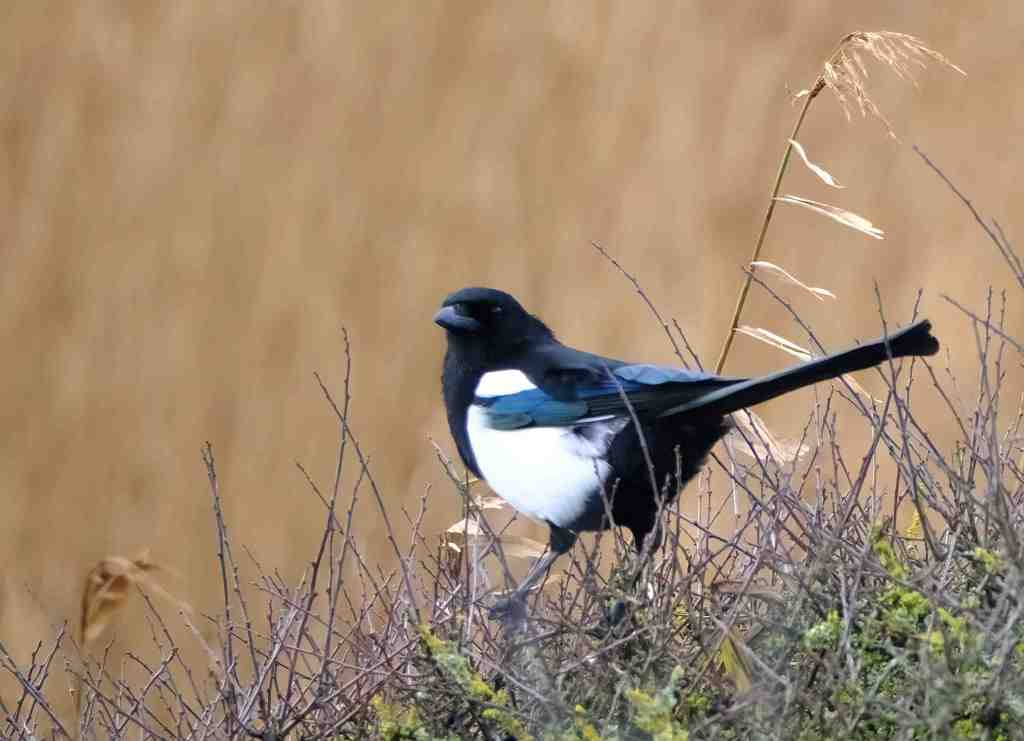
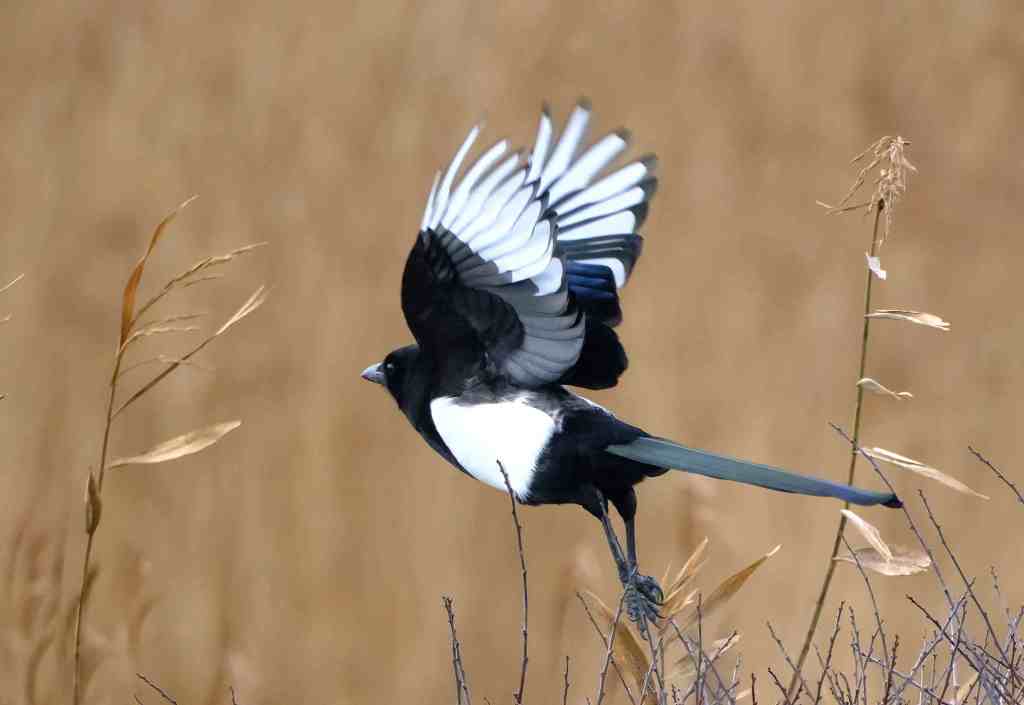
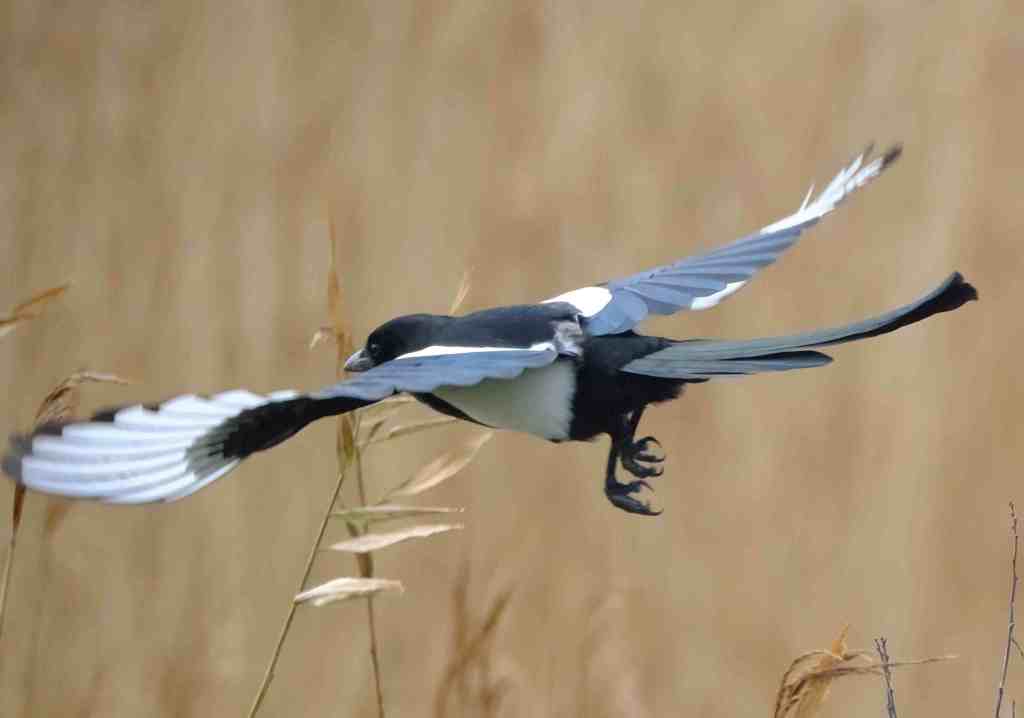
Magpie.

From a distance a bird with just black-and-white plumage but when seen close-up, its black plumage reveals a purplish-blue iridescent sheen to the wing feathers and a green gloss to the tail.

Magpie rhyme: ‘One for sorrow, Two for joy, Three for a girl, Four for a boy, Five for silver, Six for gold, Seven for secrets to never be told’.

They are birds of the  Corvidae family. Like other members of this family, they are widely considered to be intelligent creatures.

Something in the woods.

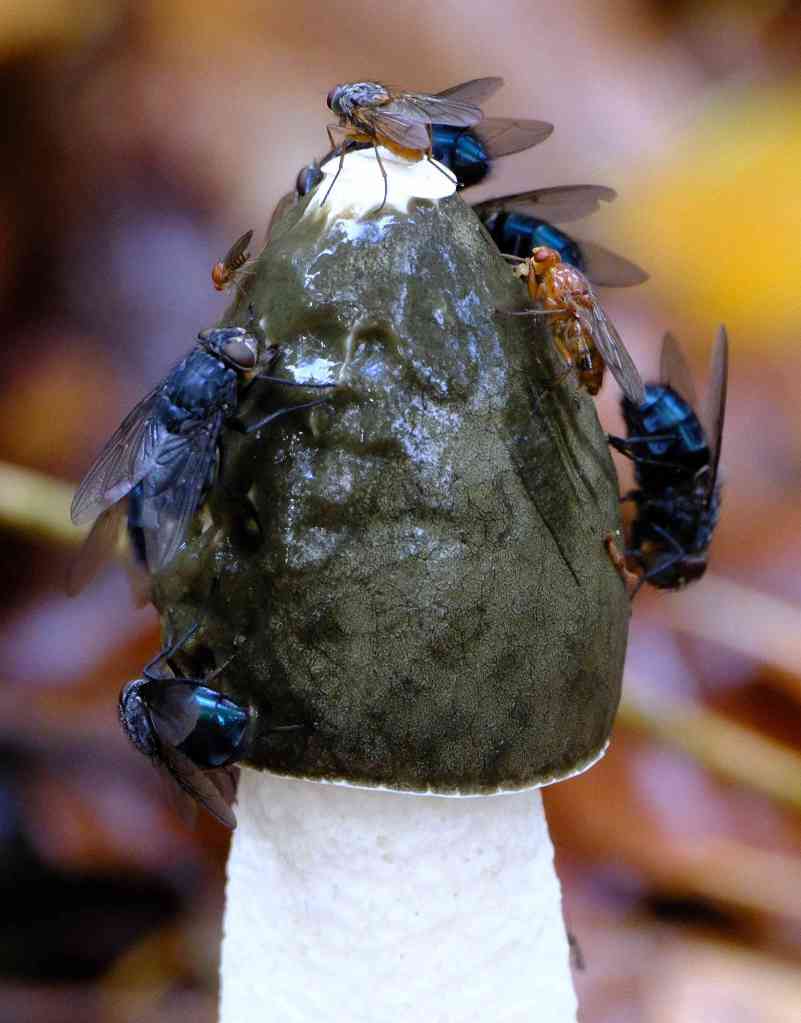
Common Stinkhorn.

The appearance of a stinkhorn is very distinctive: they have a phallic, white, stem structure, with a brown, bell-shaped head.

You smell it before you see it – when you smell it you just follow your nose. The unmistakable and strong stench has been likened to rotting flesh from a dead carcass. The spores of this fungus are contained within the slime that covers its cap. Flies are attracted to the offensive- smell, and sticking to their feet the spores are spread.

A Few Fallow Deer.
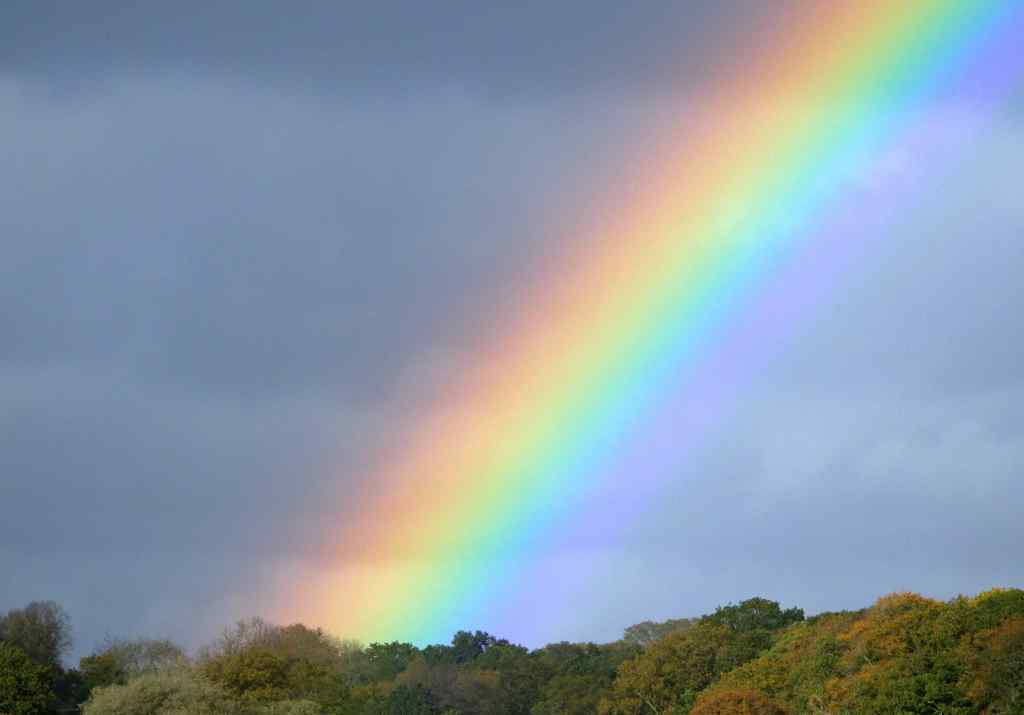
After the storm.

The storm passed through without incident over Southampton but our coast got a bashing.

So with the calm a few hours back in the New Forest.

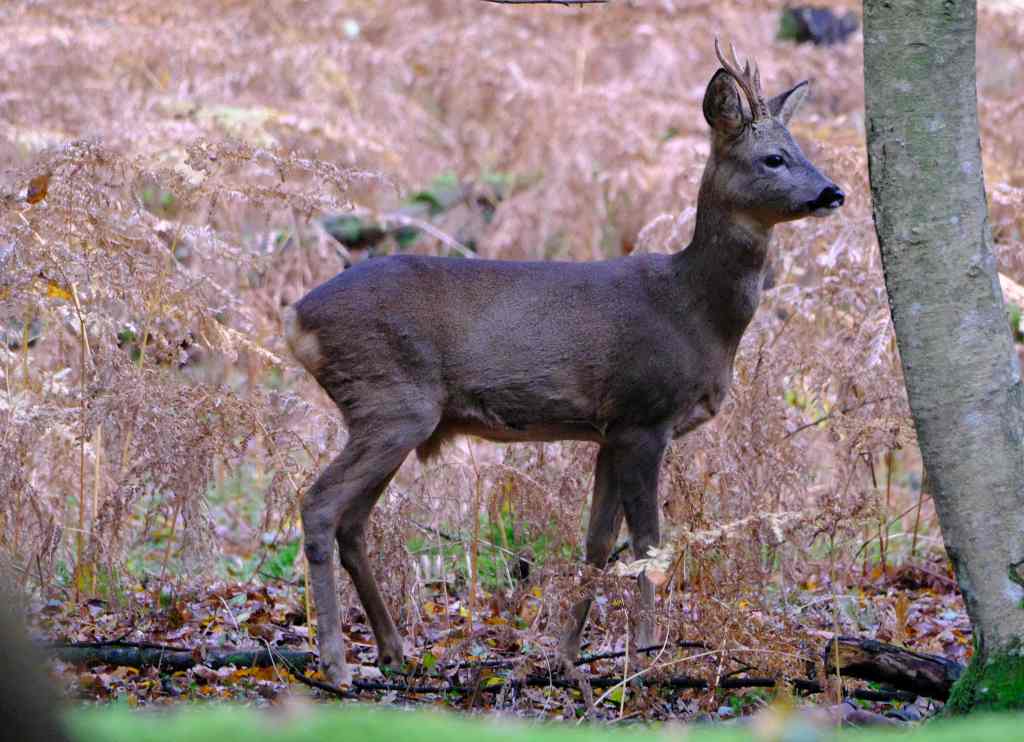
A good-looking Roebuck.

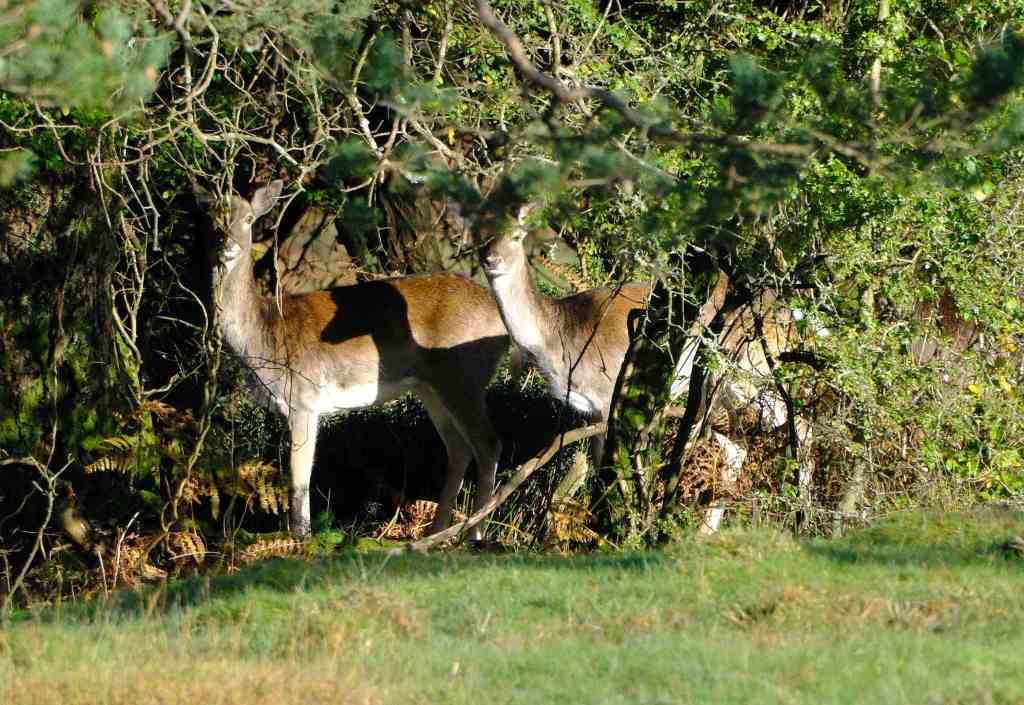
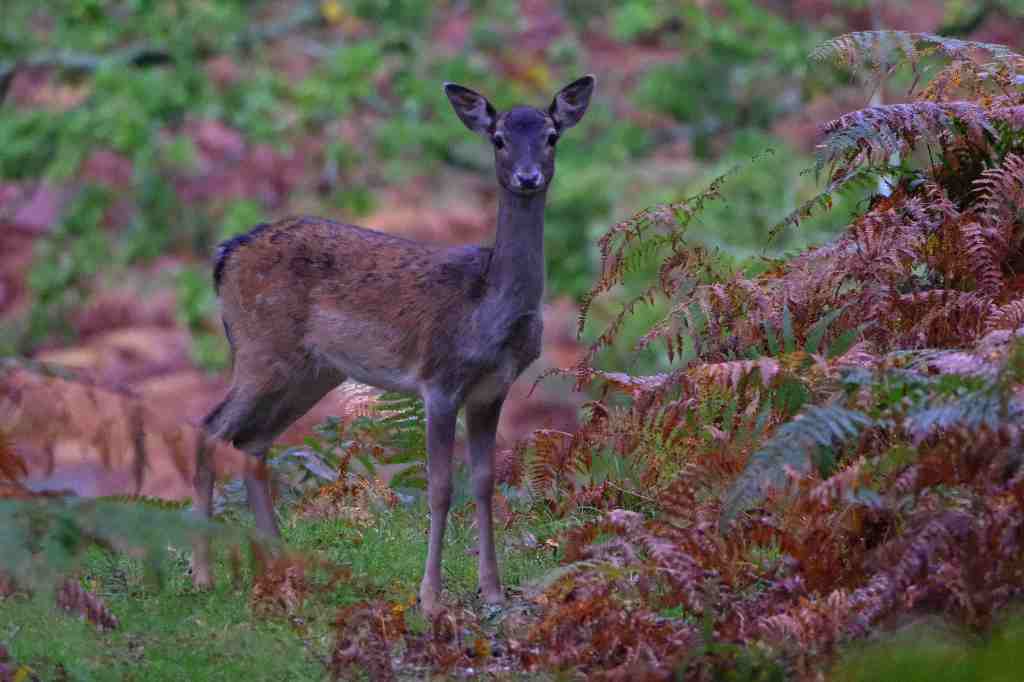
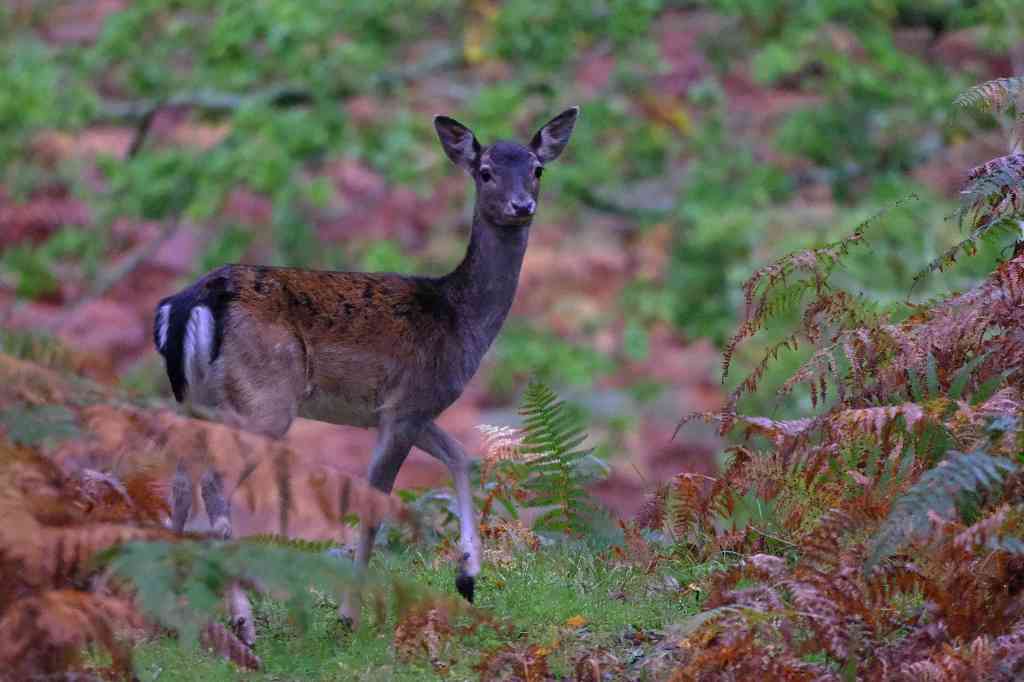
And a small heard of young Fallow Deer.

I wanted to take another look at the Devil’s Fingers fungus to see if any more of the eggs had erupted. There were about 10 eggs last week but only one had “hatched”. Normally fungi develop quickly so I thought more would have been showing – perhaps the cold wet weather had slowed down their development, so I will try again next week to see if there is more movement.

A feast of fungus.

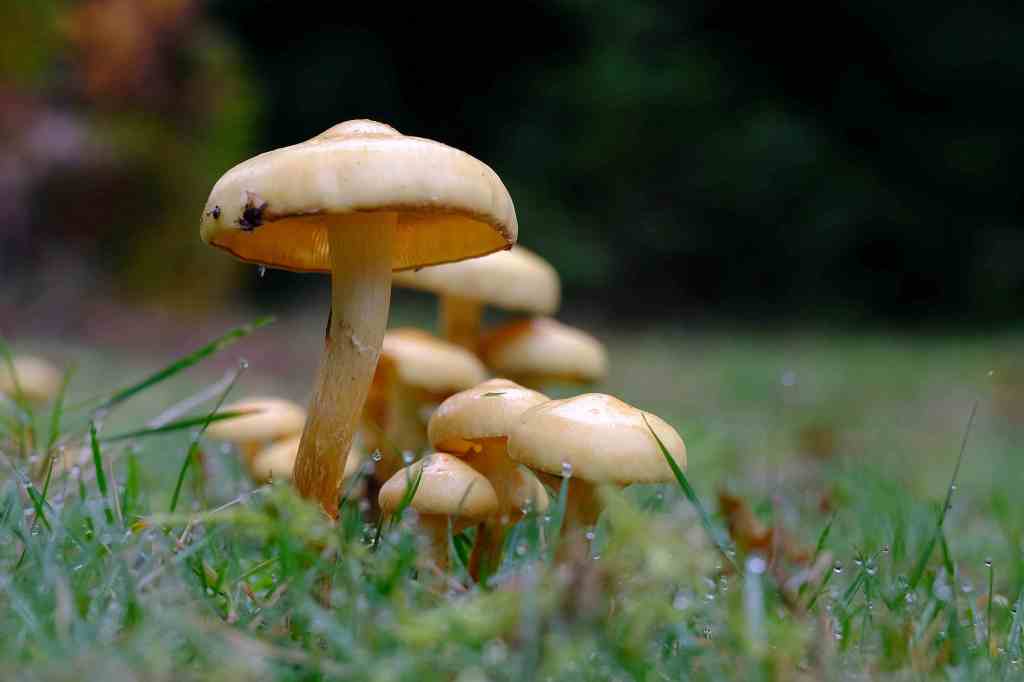
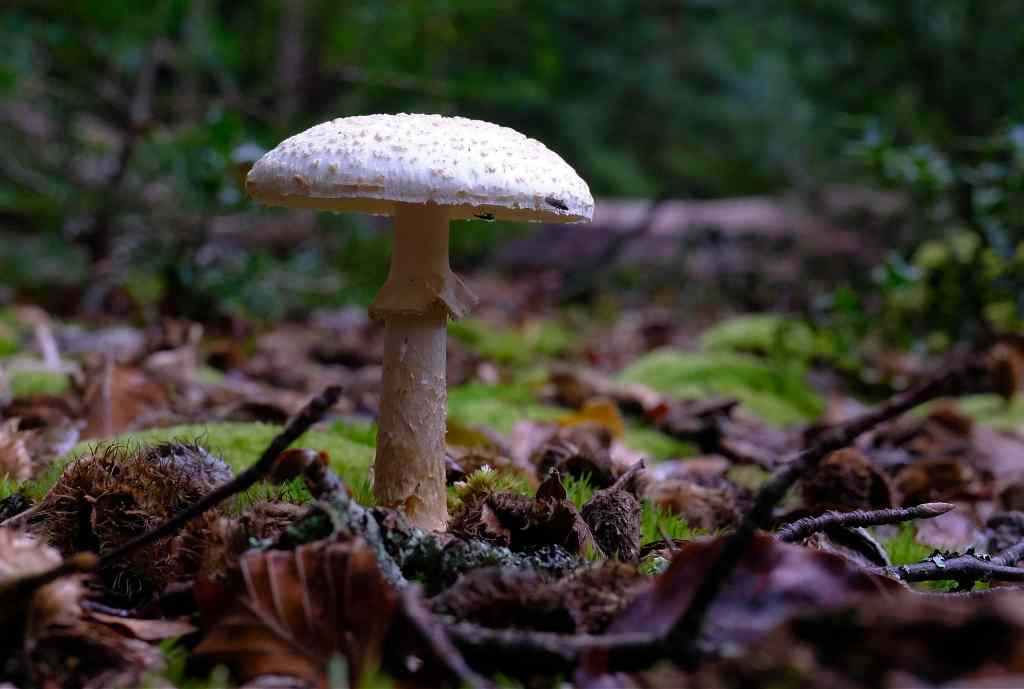
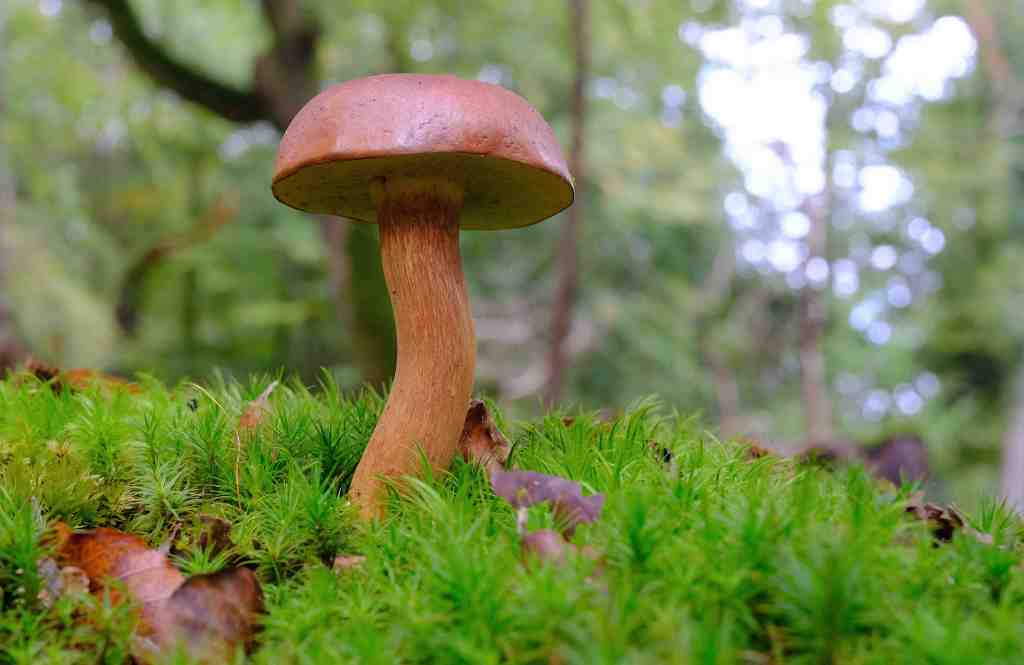
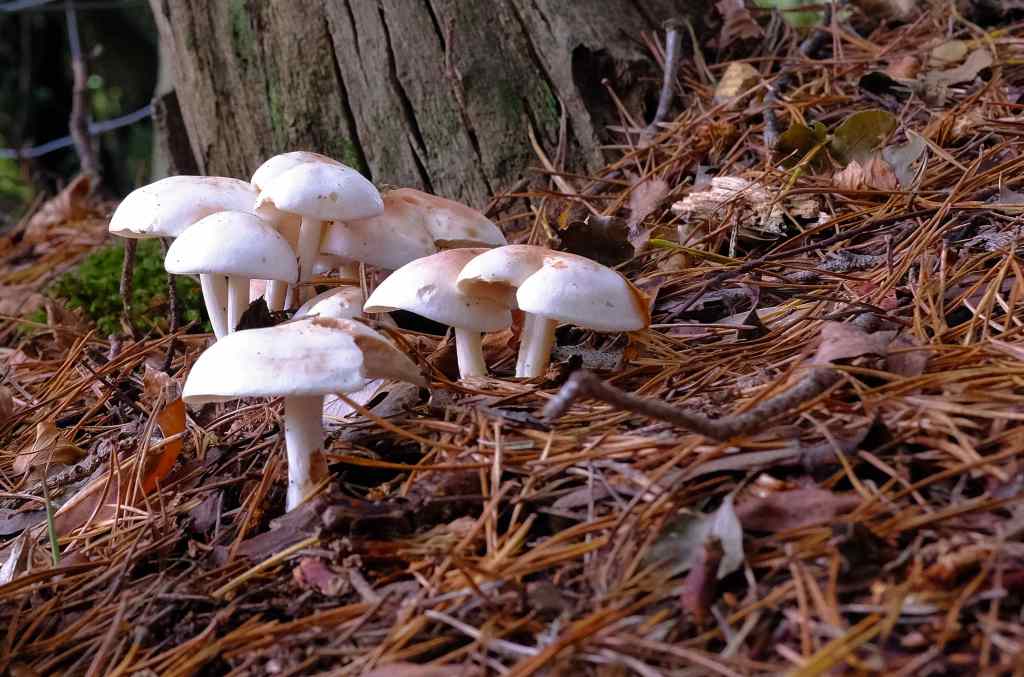
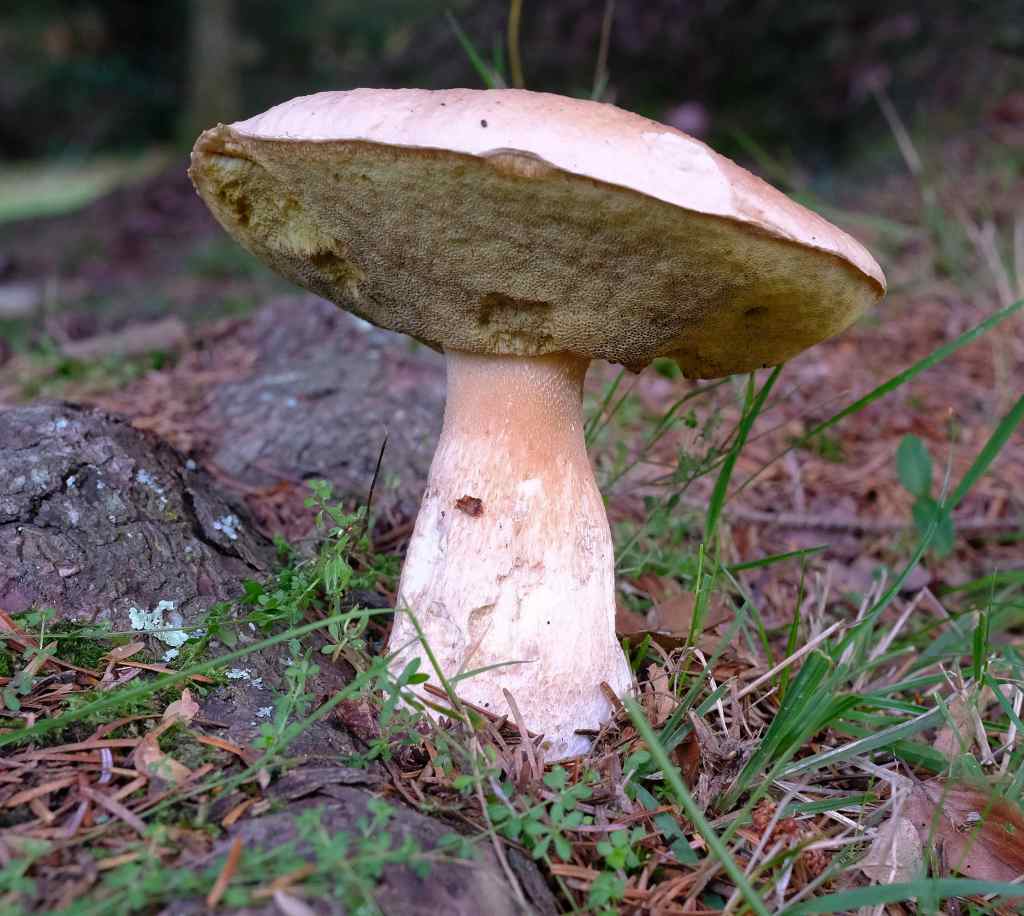
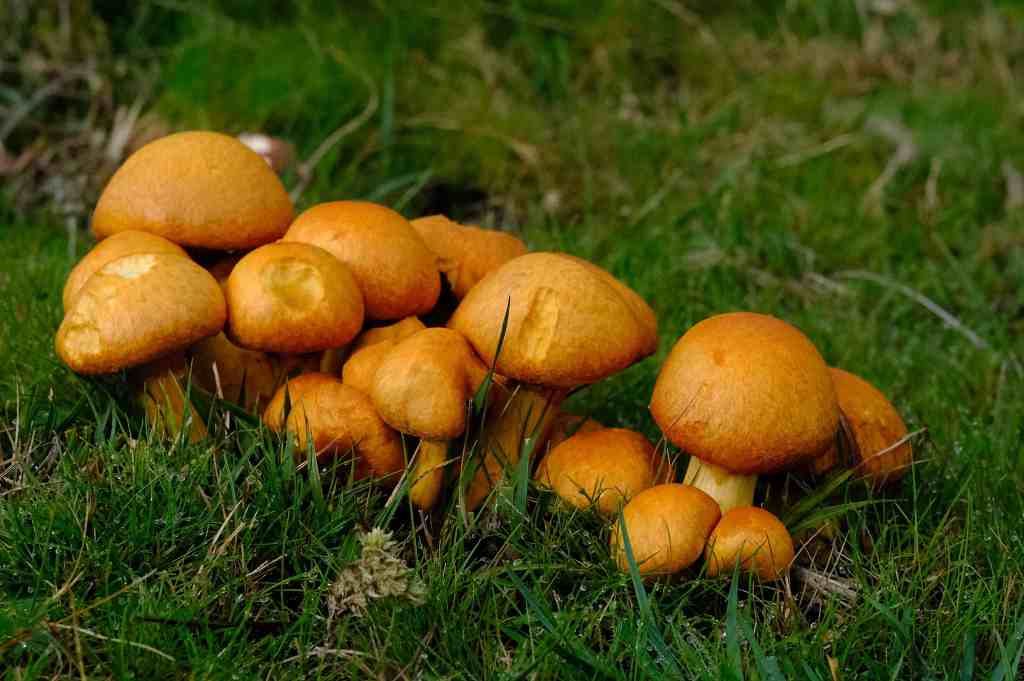
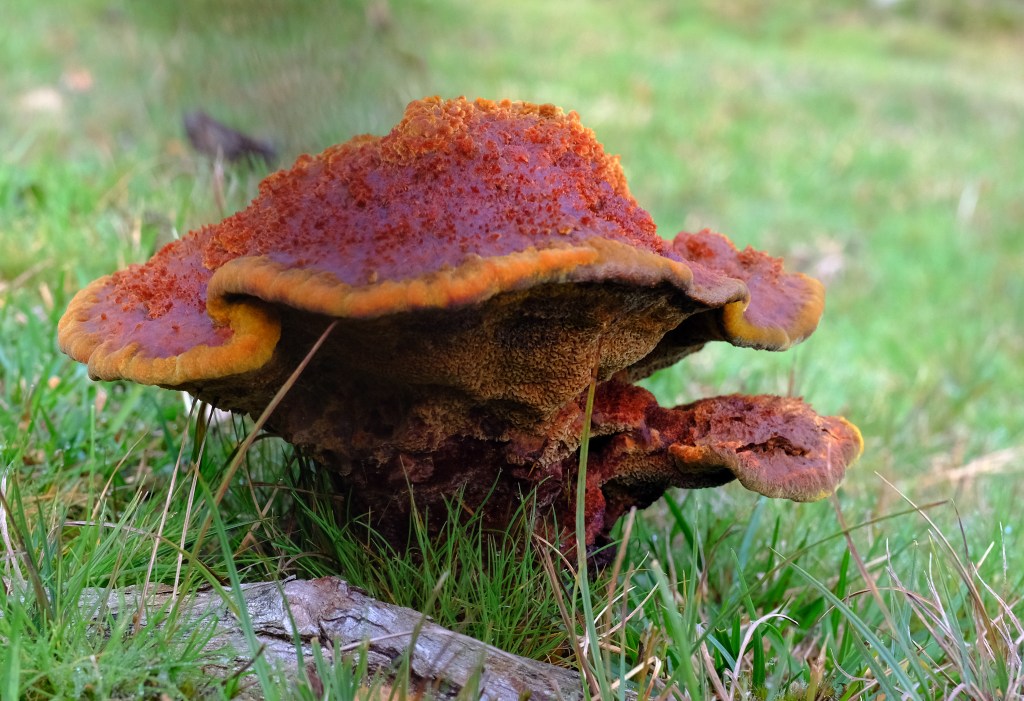
A feast of fungus – although many are not edible. – Another New Forest walk looking for fungi. This time I have tried to name my finds – I am no expert so I am not 100% sure about all the naming if you spot an error please let me know. The common names may differ in different countries or areas.

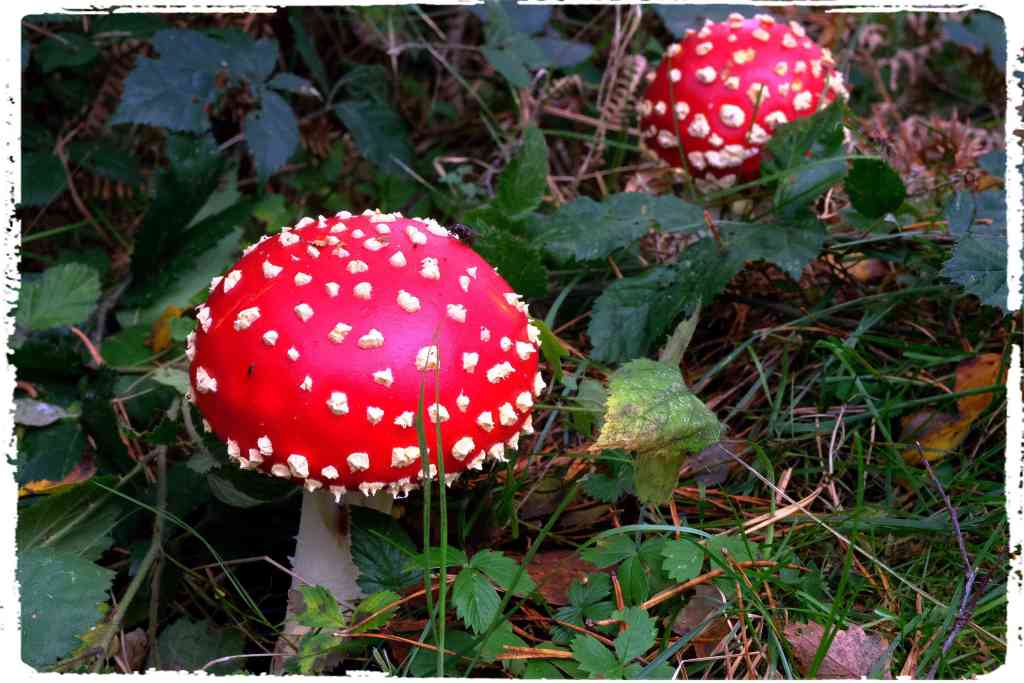
I will start with one we all know the stunning FLY AGARIC (AMANITA MUSCARIA)

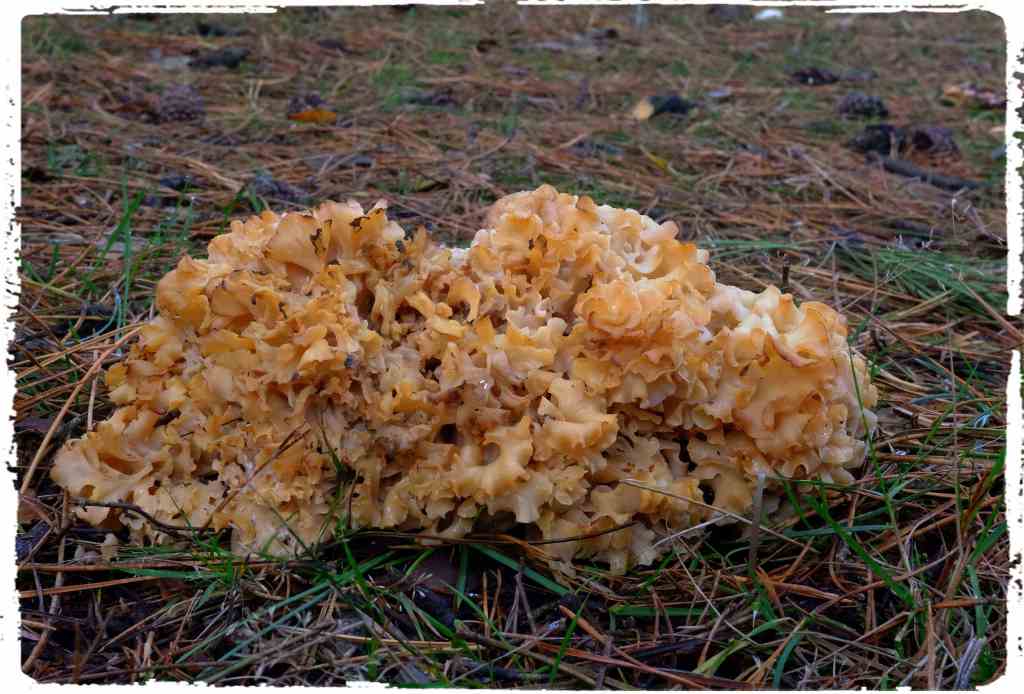
This fungus looks like a brain ! but is locally known as the WOOD CAULIFLOWER (SPARASSIS CRISPA).

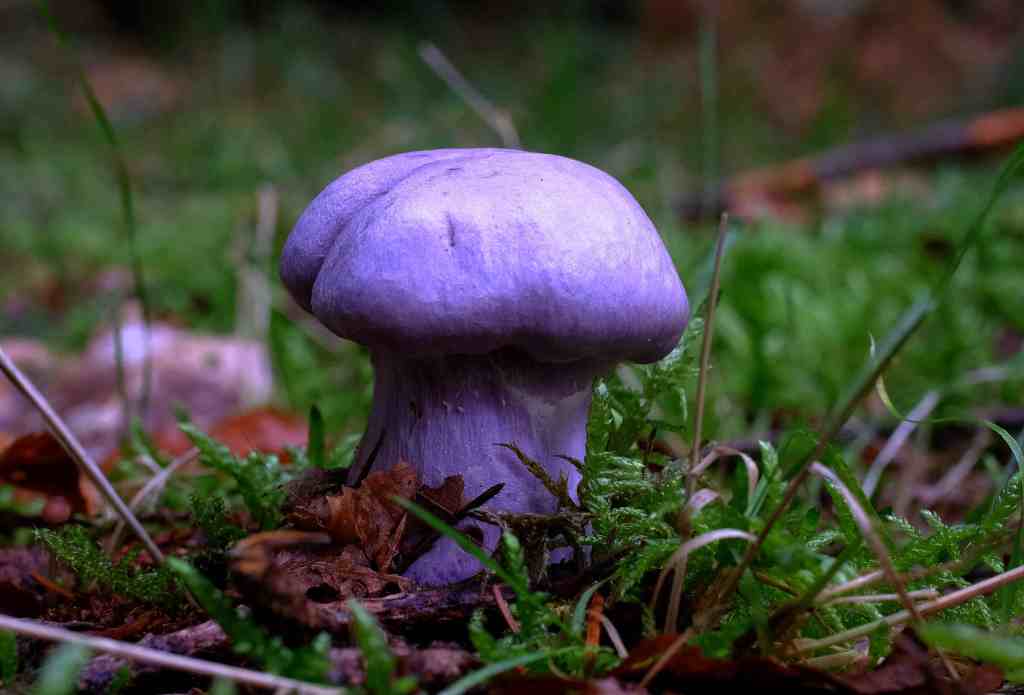
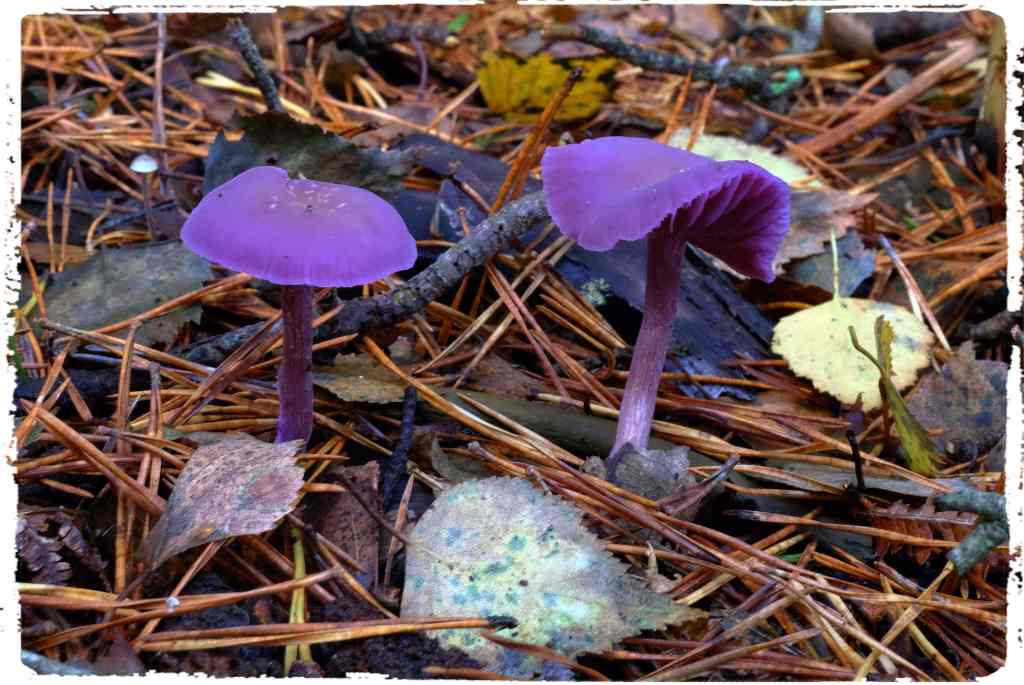
Another great colour fungus which seems abundant this year is the AMETHYST DECEIVER (LACCARIA AMETHYSTINA).

COMMON EARTHBALLS (SCLERODERMA CITRINUM). Often confused with puff balls which are similar but tend to be smoother and pure white in colour.

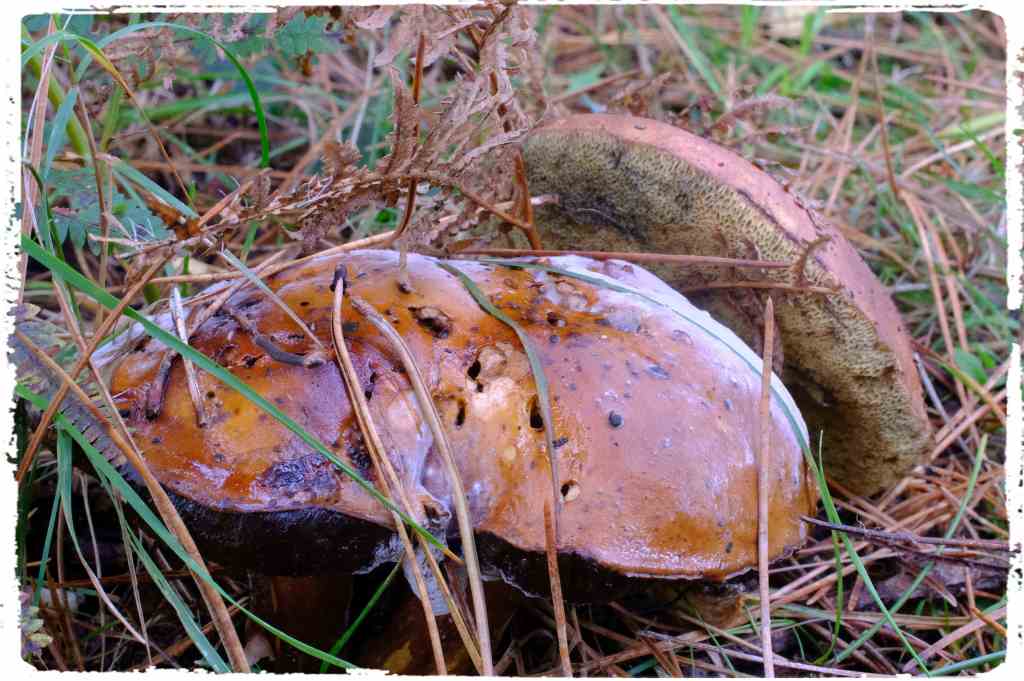
SLIPPERY JACK (SUILLUS BREVIPES). Is a fungus with spores on its underside rather than gills.

PRIMOSE BRITTLEGILL (RUSSULA SARDONIA). Another purple fungus.

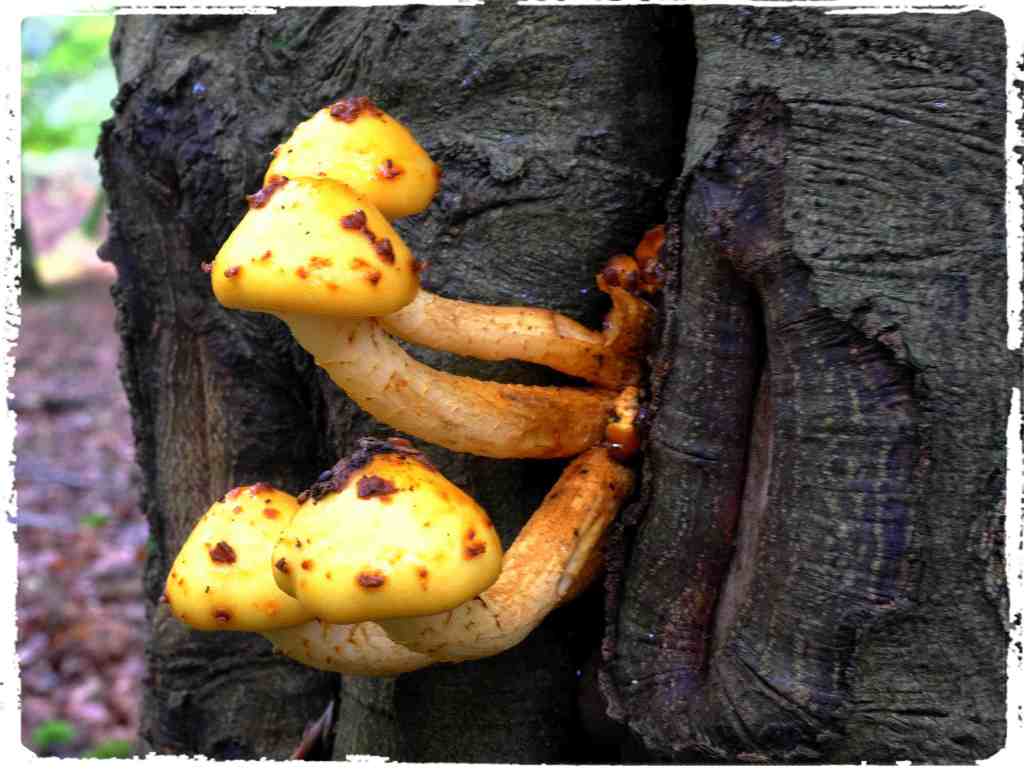
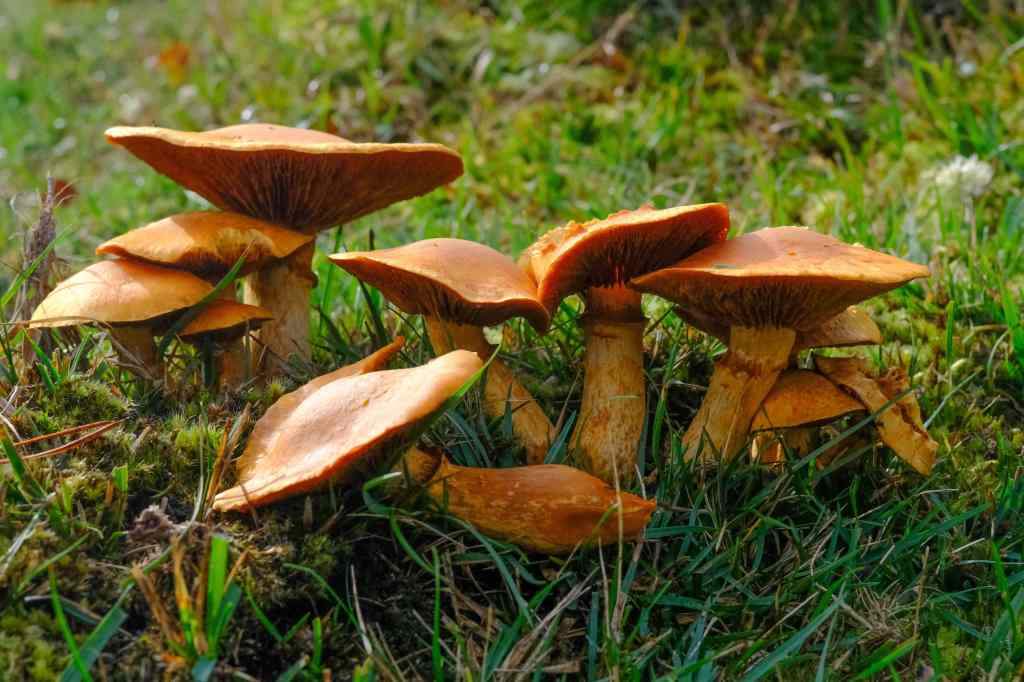
Bright yellow and given the common name of GOLDEN SCALYCAP (PHOLIOTA AURIVELLA). The colour can be a bright golden yellow to rusty brown with a slimy or greasy surface covered in darker-brown scales that sometimes wash off in the rain.

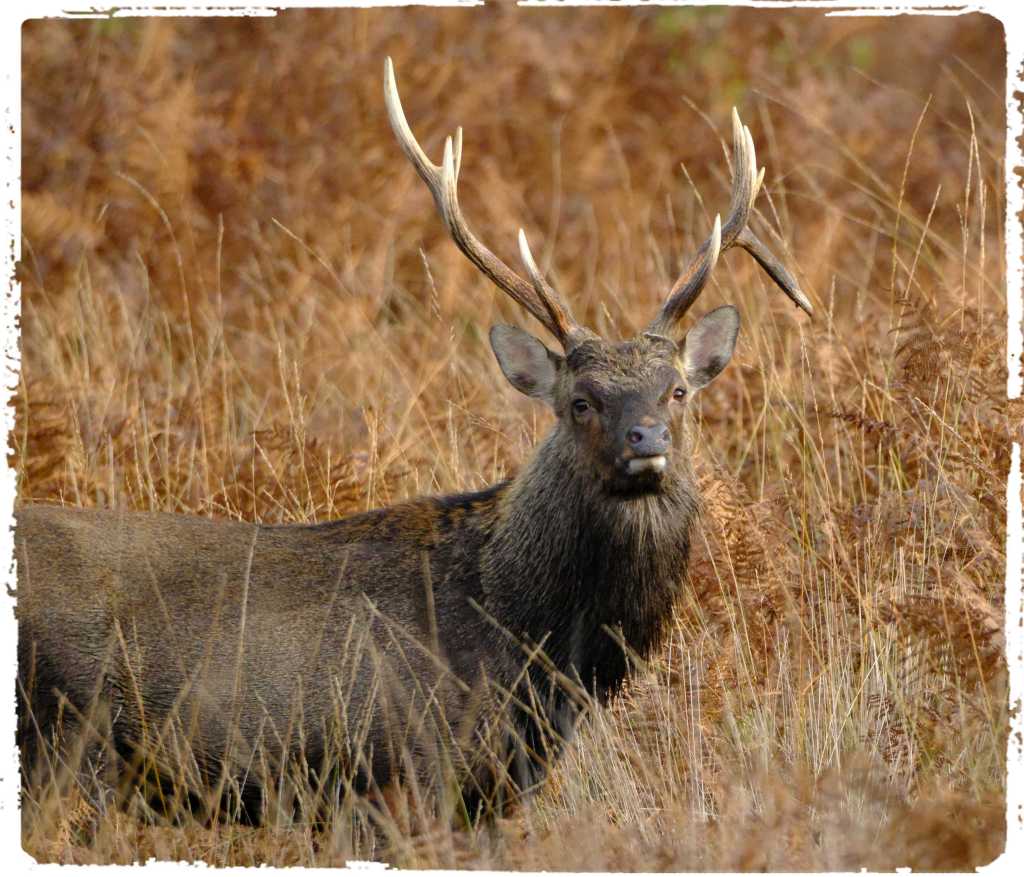
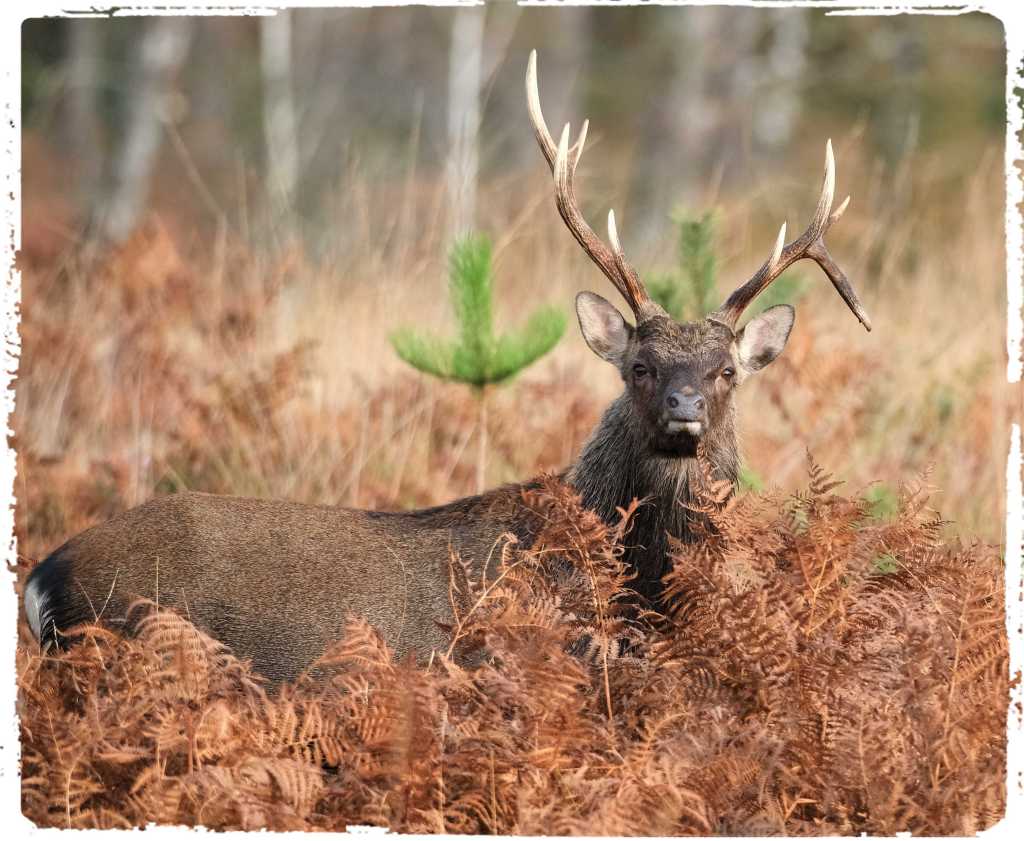
While walking we spotted this fine Sika Stag.

Nature spots at Bratley View.

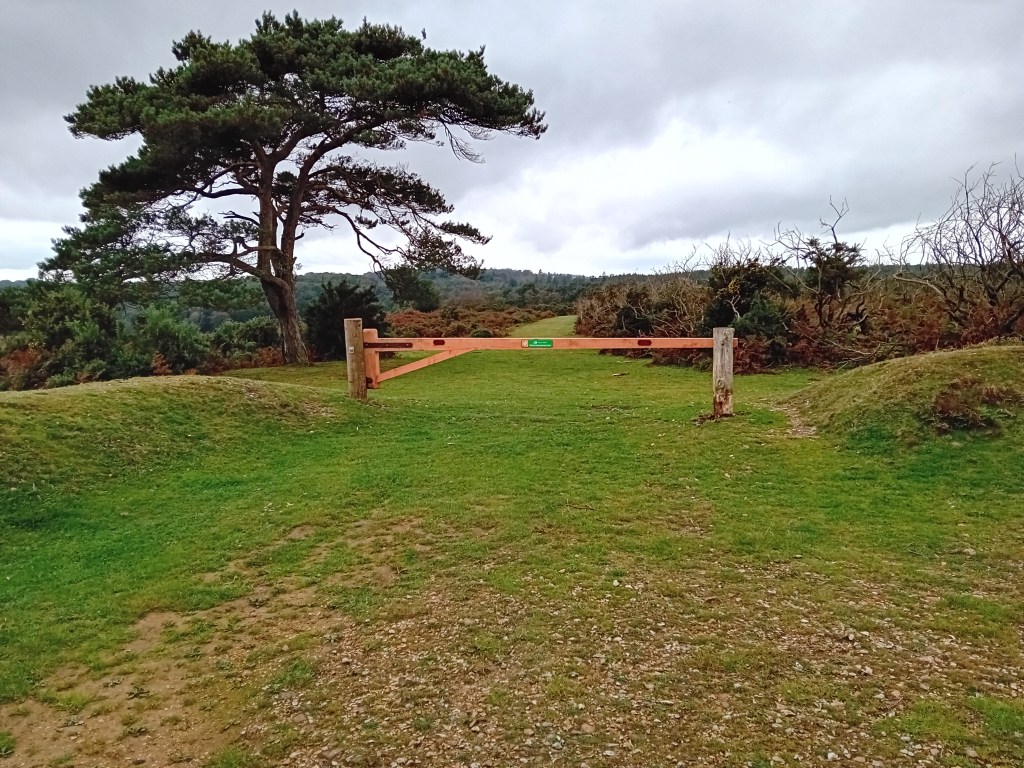
5-mile circular walk into the New Forest from Bratley View.

We started the day ringing Forestry England to report fly-tipping of Kitchen White goods into the National Park from the car park sadly this year there seems to be an increase in this anti-social behaviour. As we are out early we see what has been dumped the previous night, at least once a week we see something. People even dump cars and set them on fire this buggy was reported a few weeks ago!

Below a young Fallow deer she was very interested in us so I was not sure if she had seen people before.

Male Stonechat.

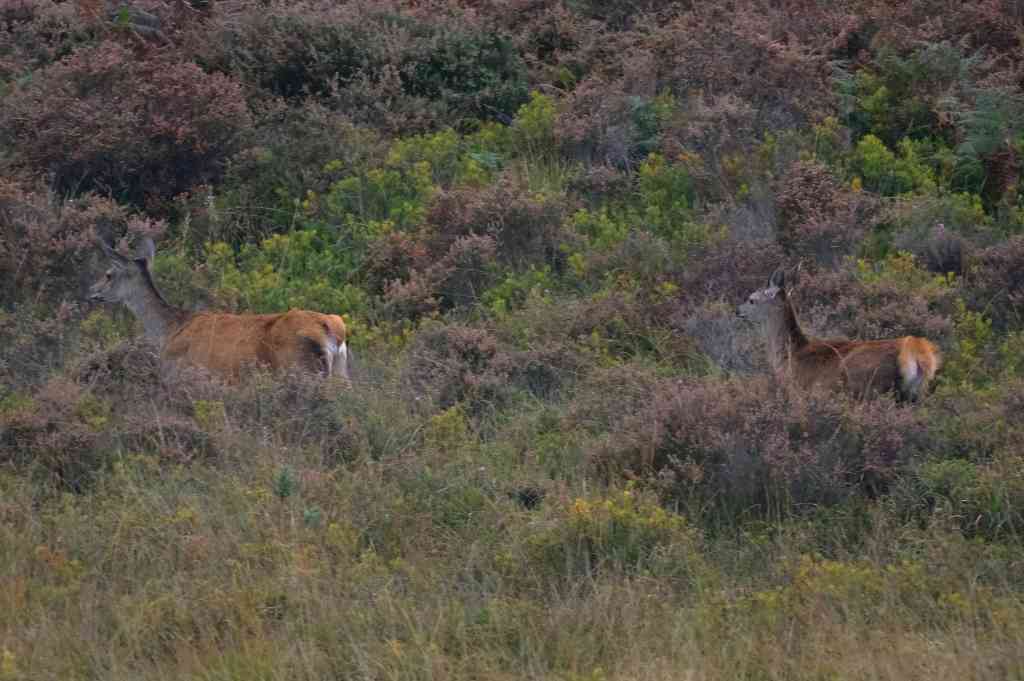
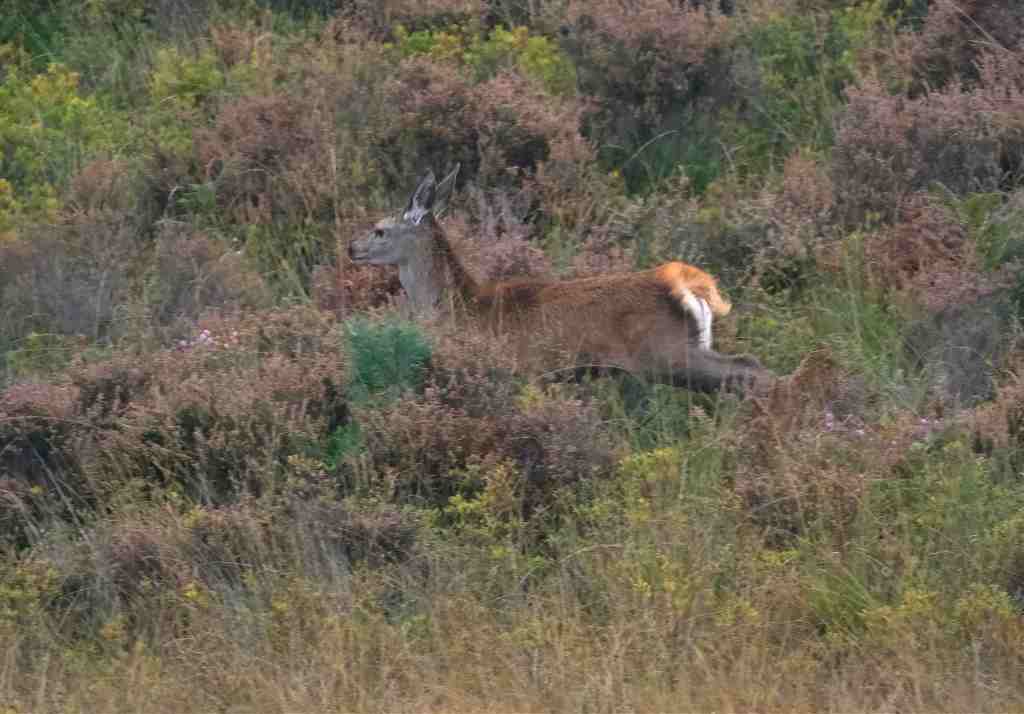
Spotted a few distant Red Deer.