Pair of mating Common Darter dragonflies at Titchfield Haven
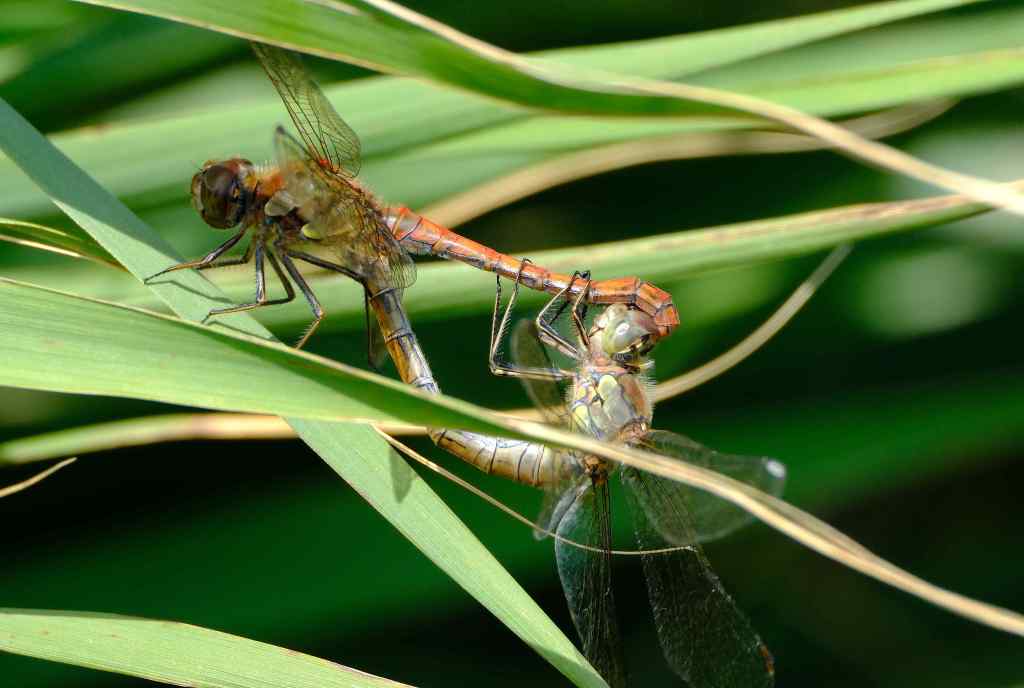

Pair of mating Common Darter dragonflies at Titchfield Haven
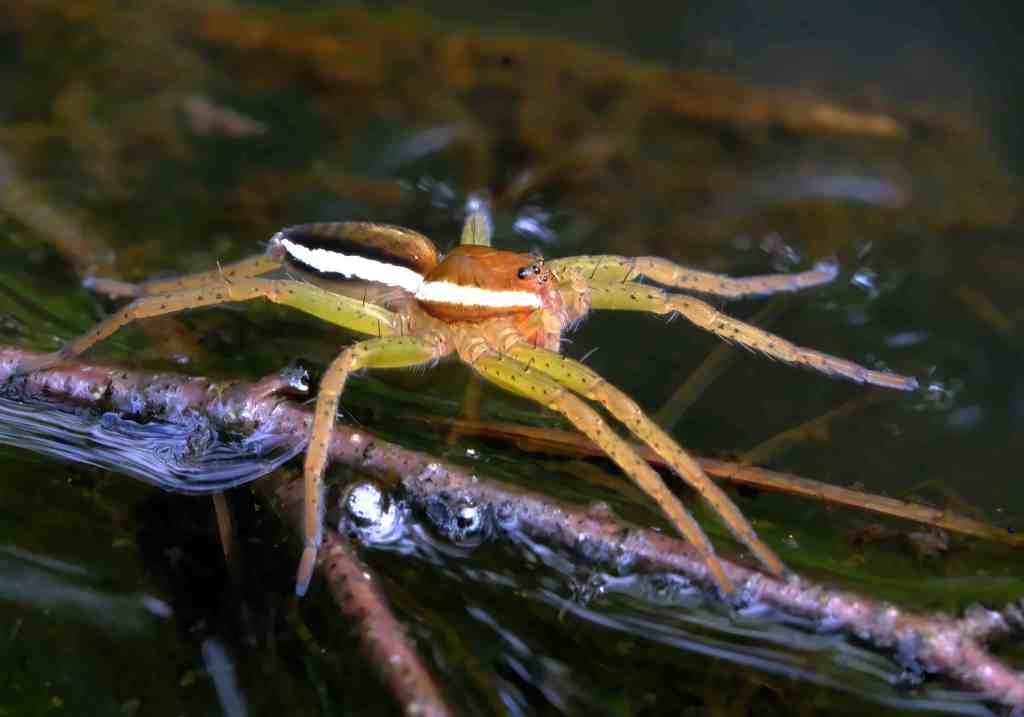
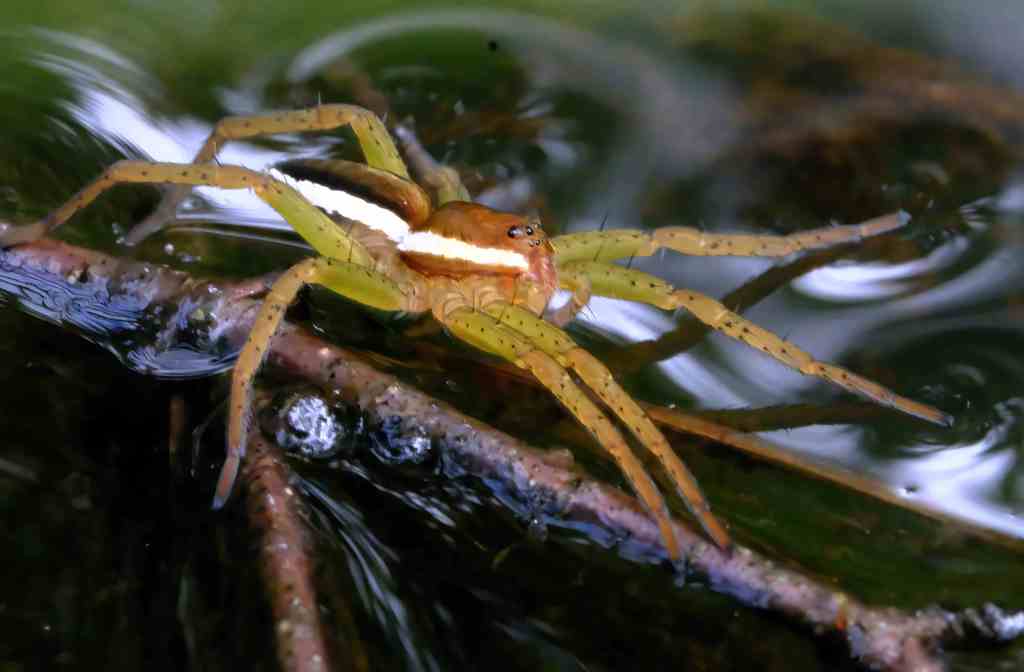
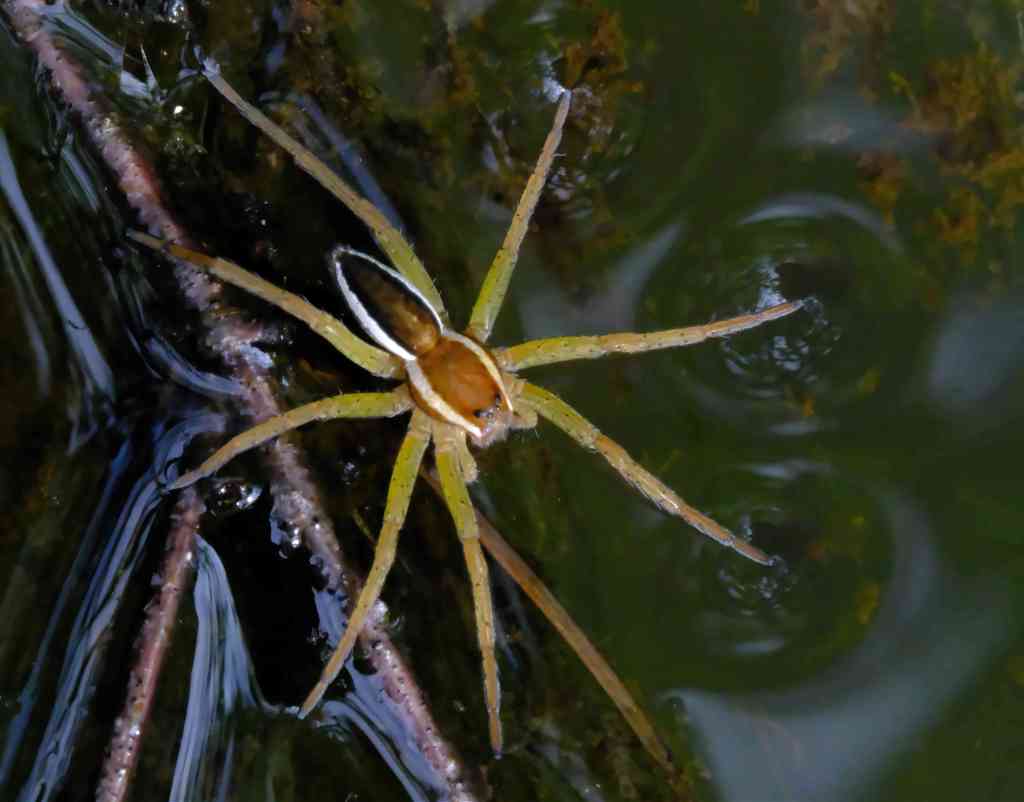
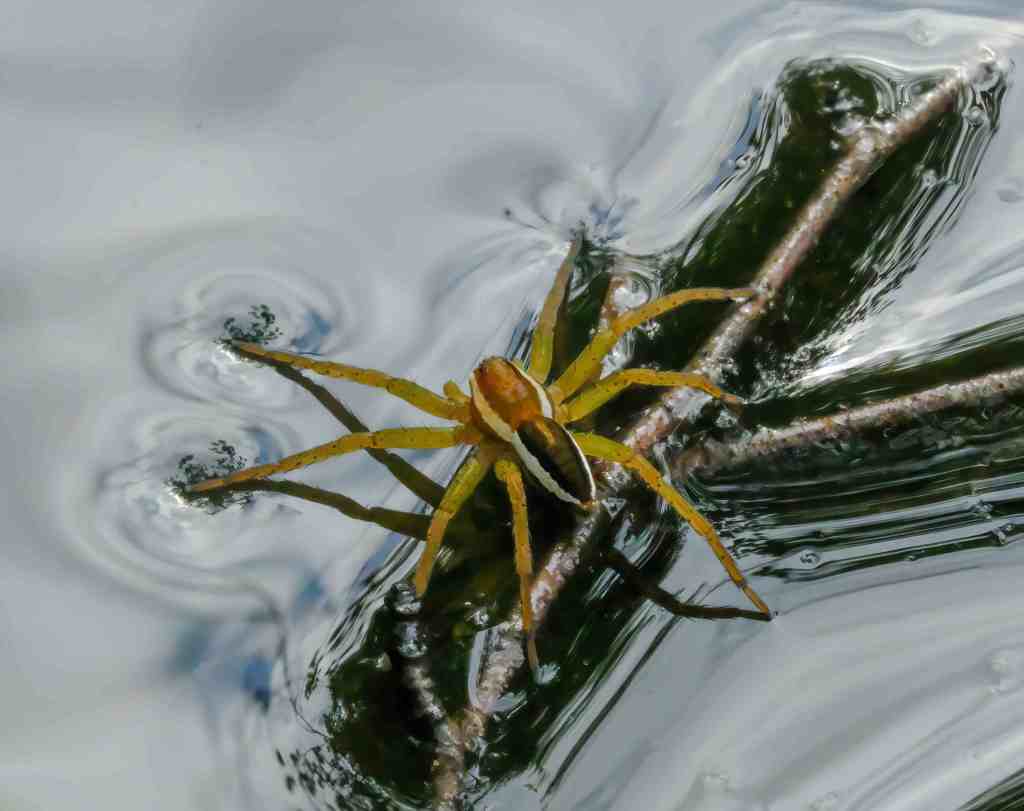
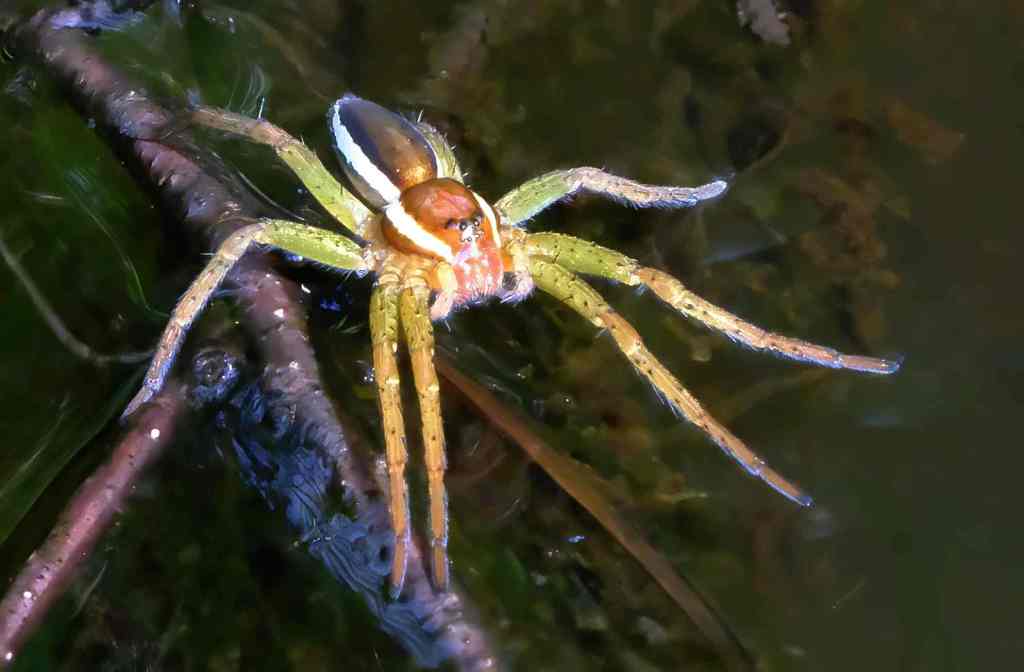
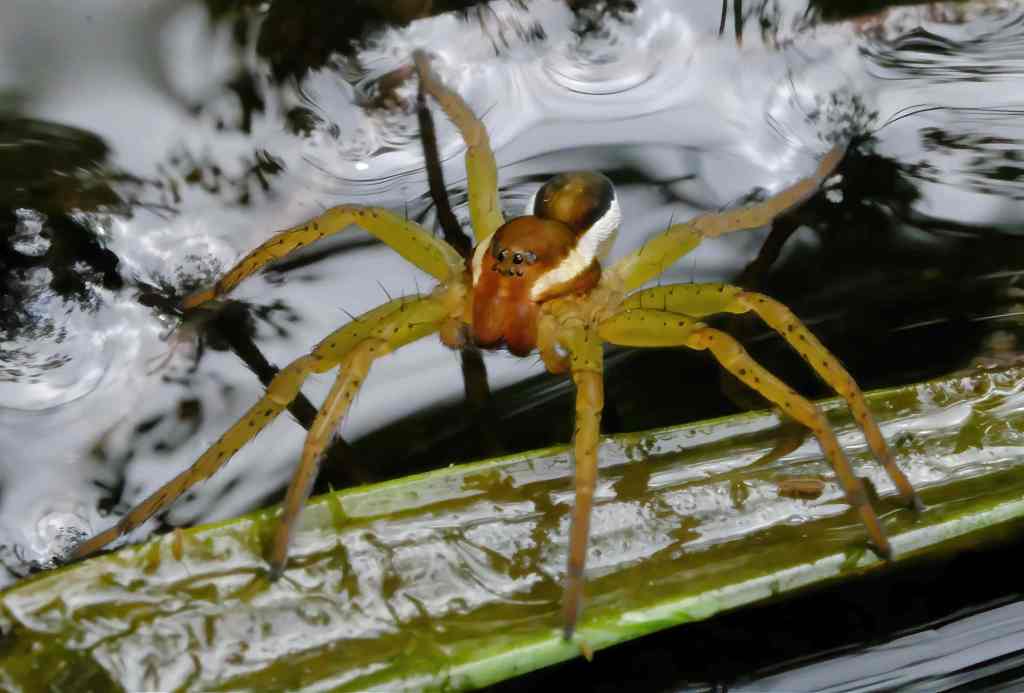
Another study of Raft Spiders (Dolomedes fimbriatus) (& a post). The adult male Raft Spider is 9 -16mm & the female a larger 13-22mm. They are found in wet lowlands and heaths & upland mires. Widespread in Southern England on wet heaths & scattered colonies throughout the rest of Britain. We have found a stream in the New Forest where they seem abundant. Here they seem to favour wild mint growing on the edge of the small stream where they wait for a passing meal – dropping down to walk on the water’s surface to catch their prey.
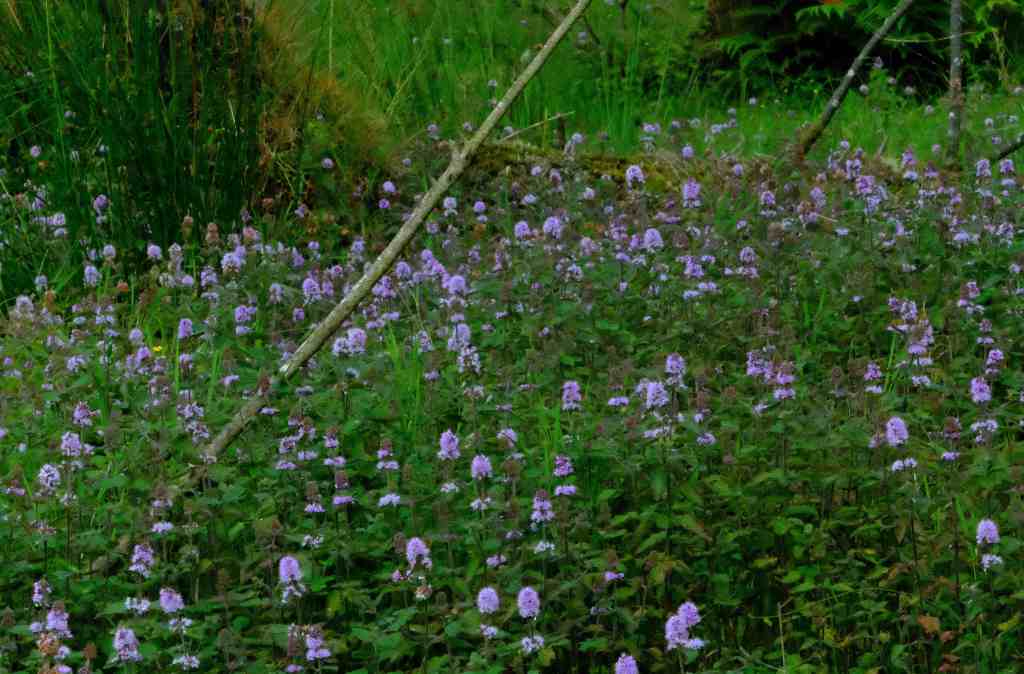
Wild mint bed in the New Forest.

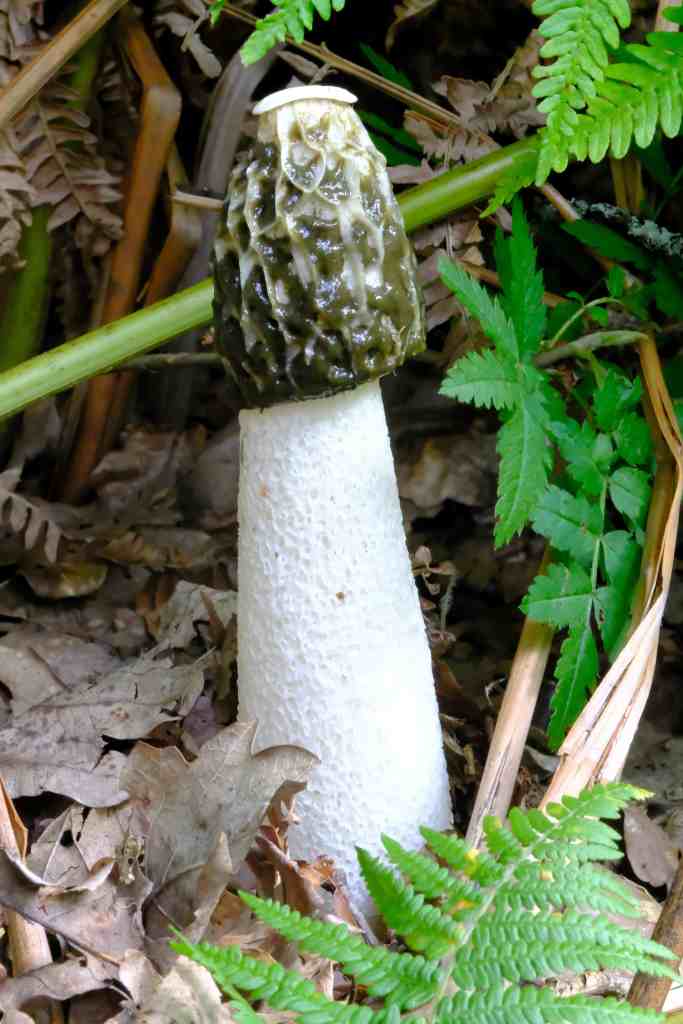
The Stinkhorn is a fungus that can grow up to 25cm tall and resembles a phallus when they fully emerge from an egg-like structure which contains the immature fruiting body. The young cap oozes gleba a spore-bearing smelly sticky gel. The smell of rotting flesh fills the air which attracts the flies and other insects which then carry off the fungus’s spores.
It is said Victorians were so embarrassed by the look of a Stinkhorn that they would attack them with sticks to stop any impressionable young ladies from seeing such a thing.

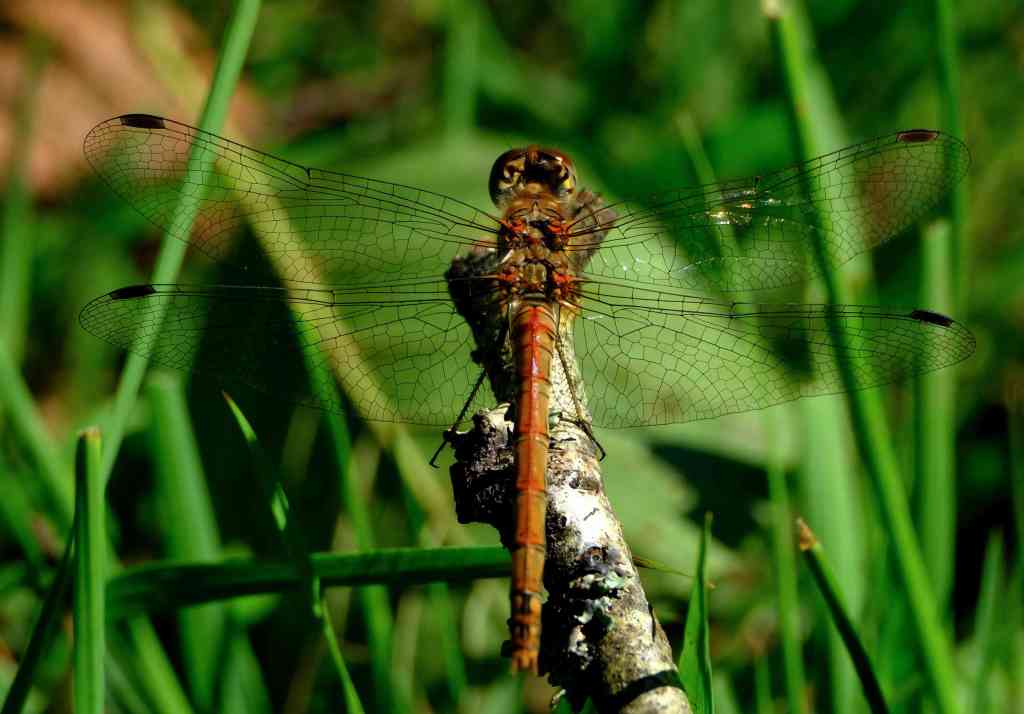
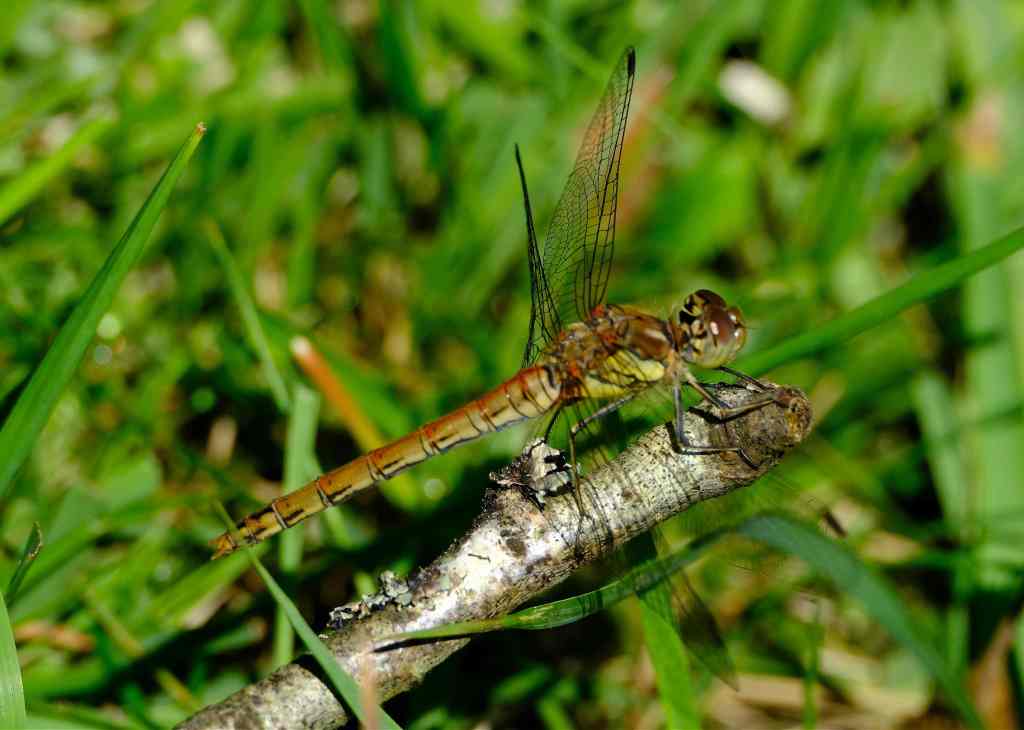
Some Dragonflies and Damselflies spotted in the New Forest today.
The “Common Darter” is a smaller Dragonfly. The male is orange-red but becomes brown with age. Females (and juvenile males) are yellowish to light brown. I believe this one is a male.
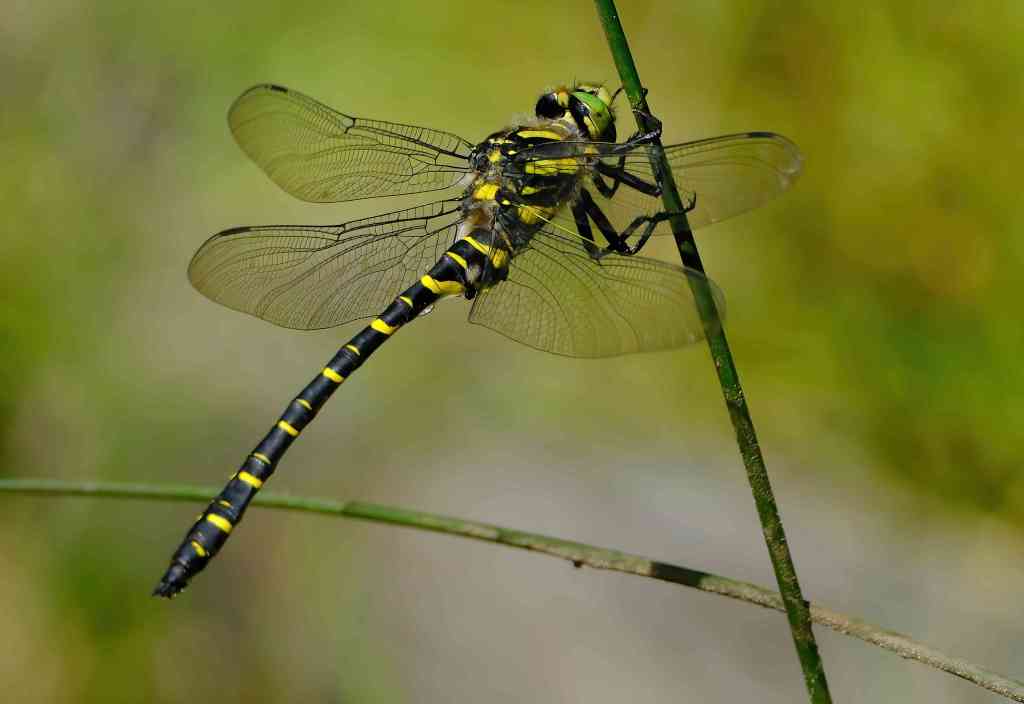
A “Golden-ringed dragonfly” is a very large,and handsome dragonfly, they are on the wing from May to September.

“Beautiful demoiselle” damselfly the metallic blue males have solid dark blue wings.
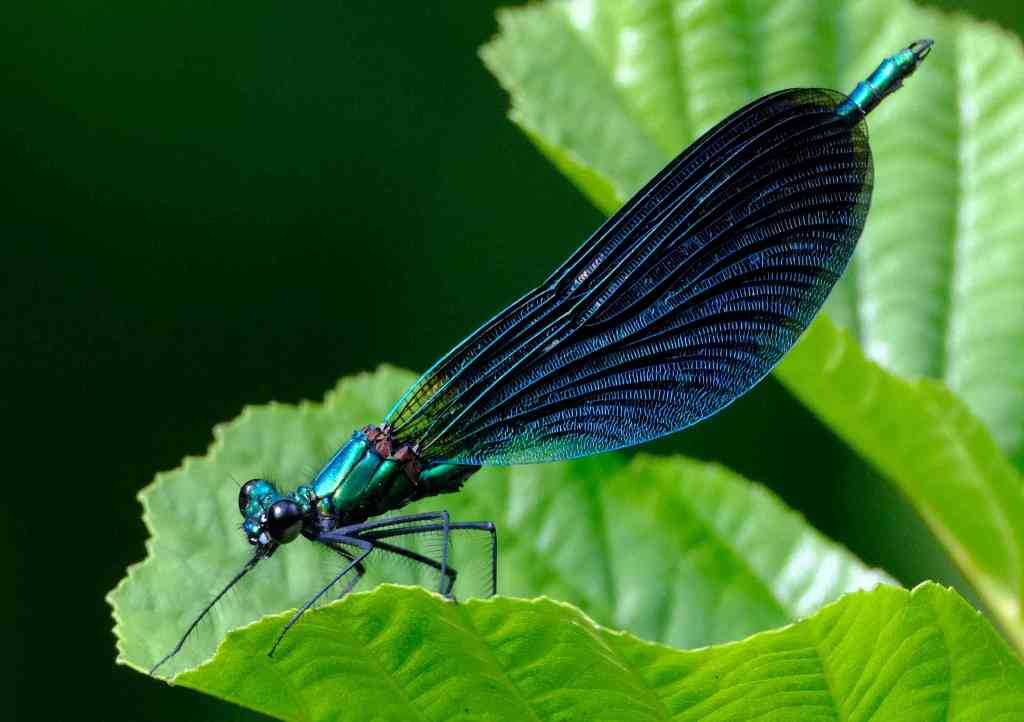

The damselfly below had landed in the stream.

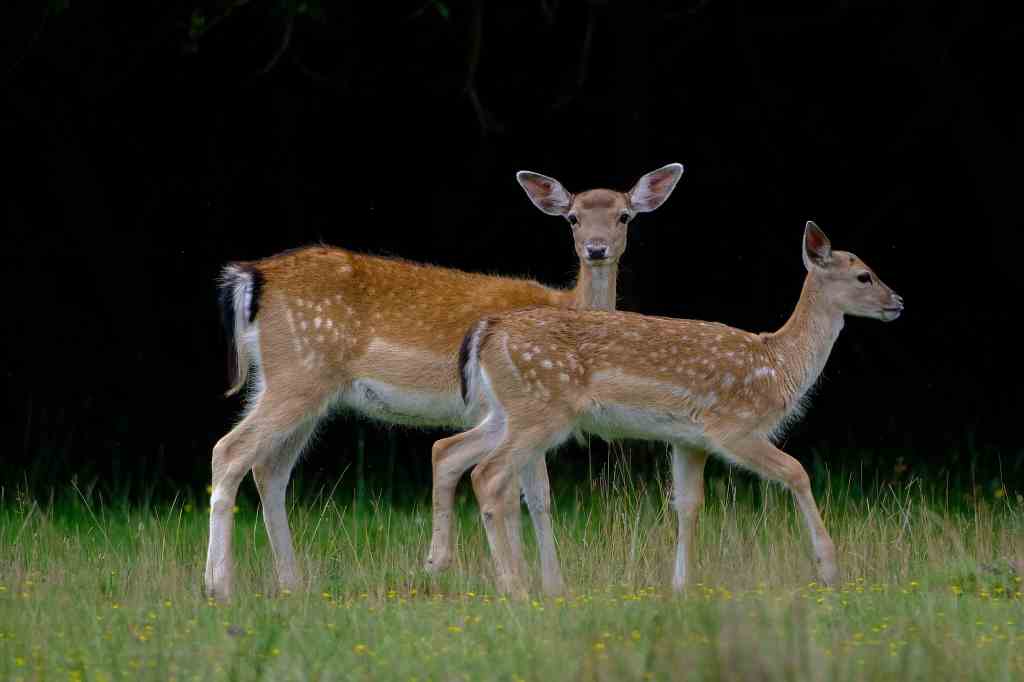
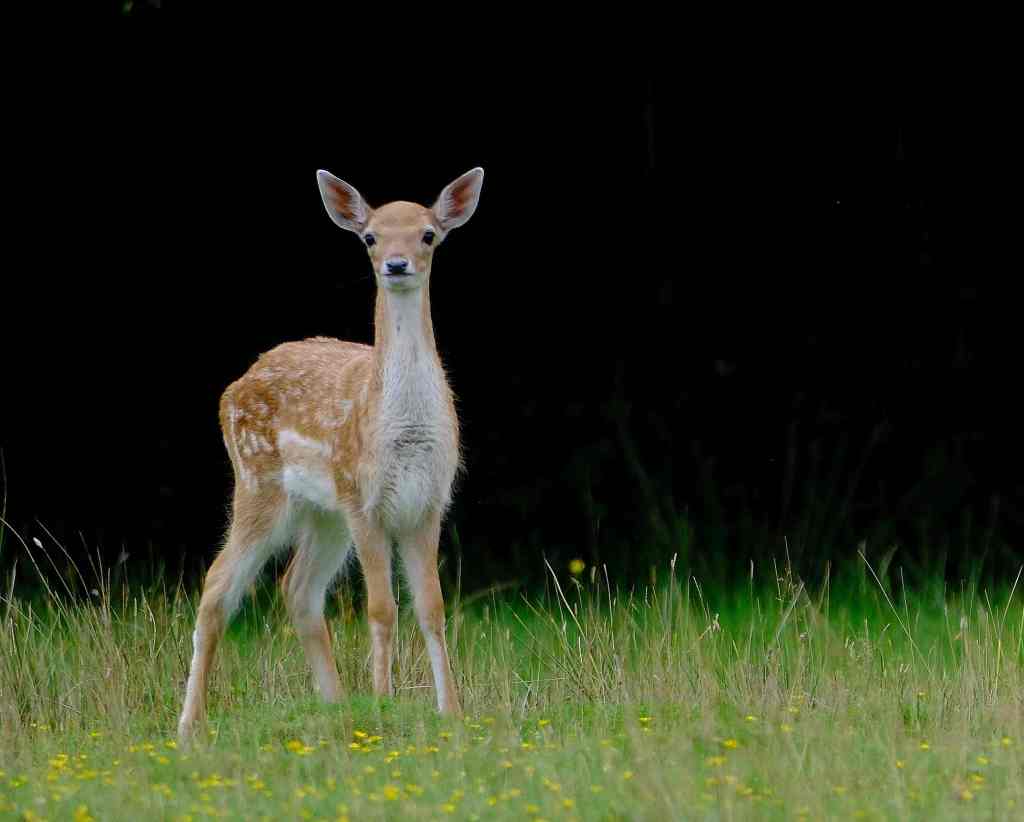
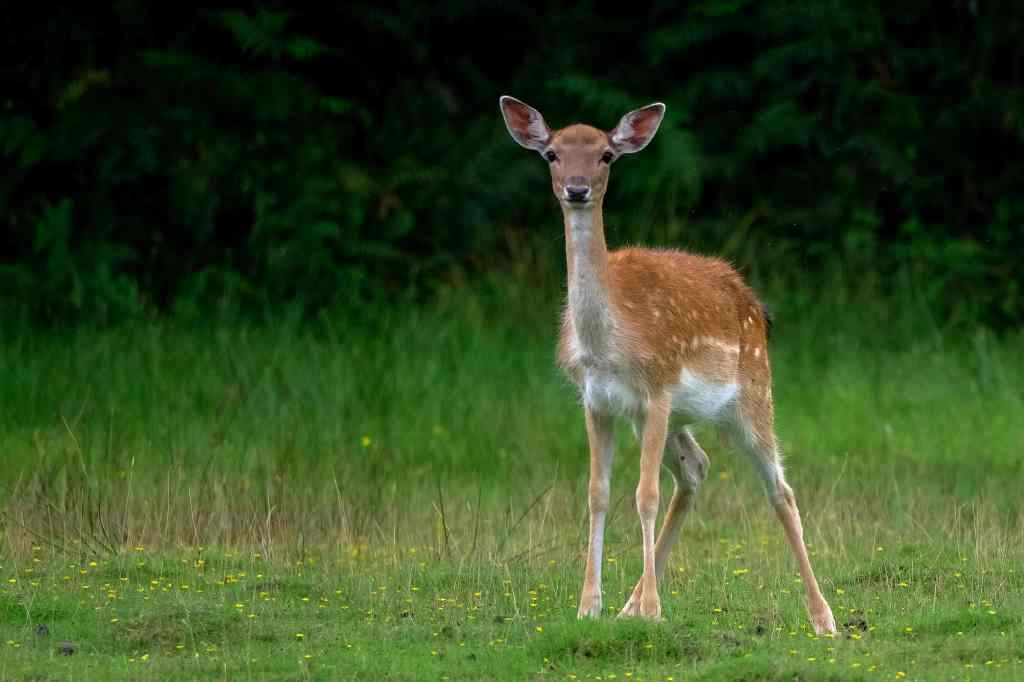
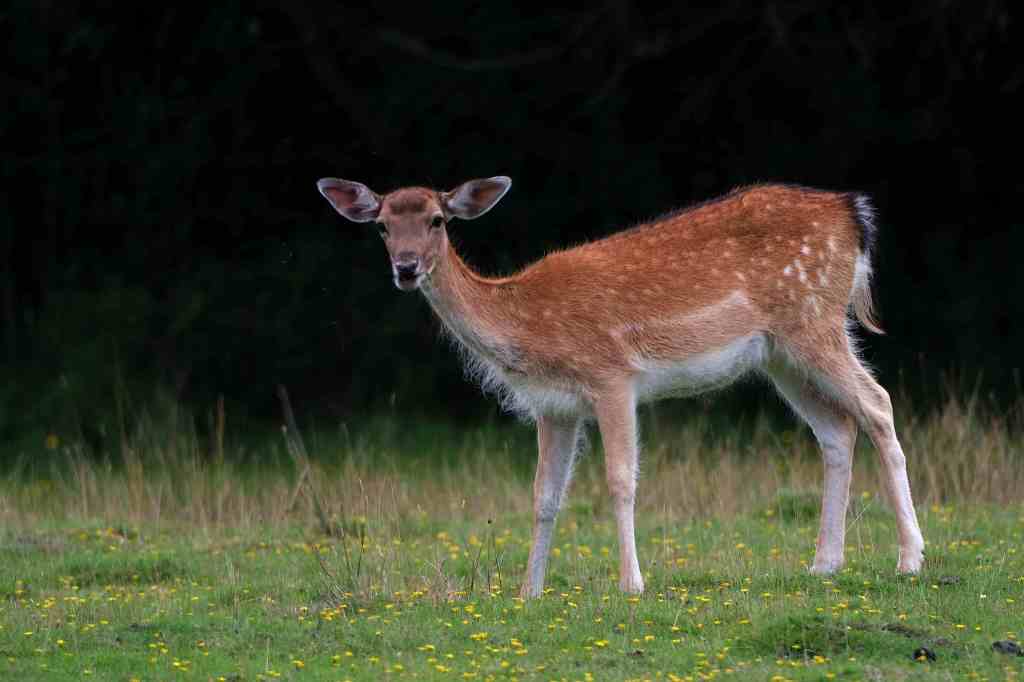
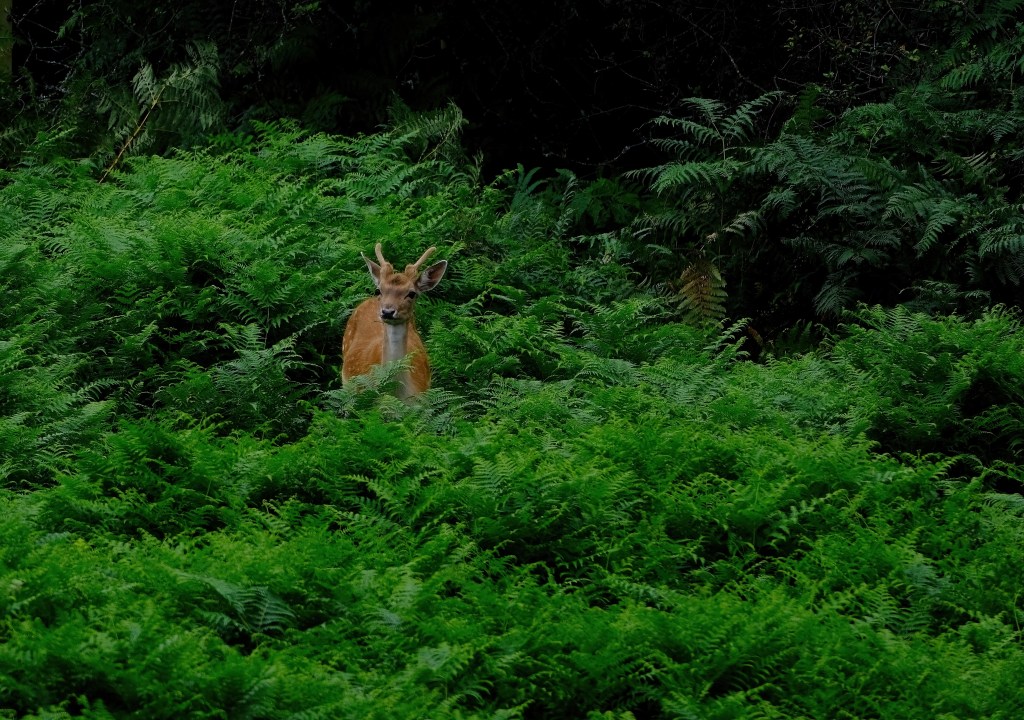
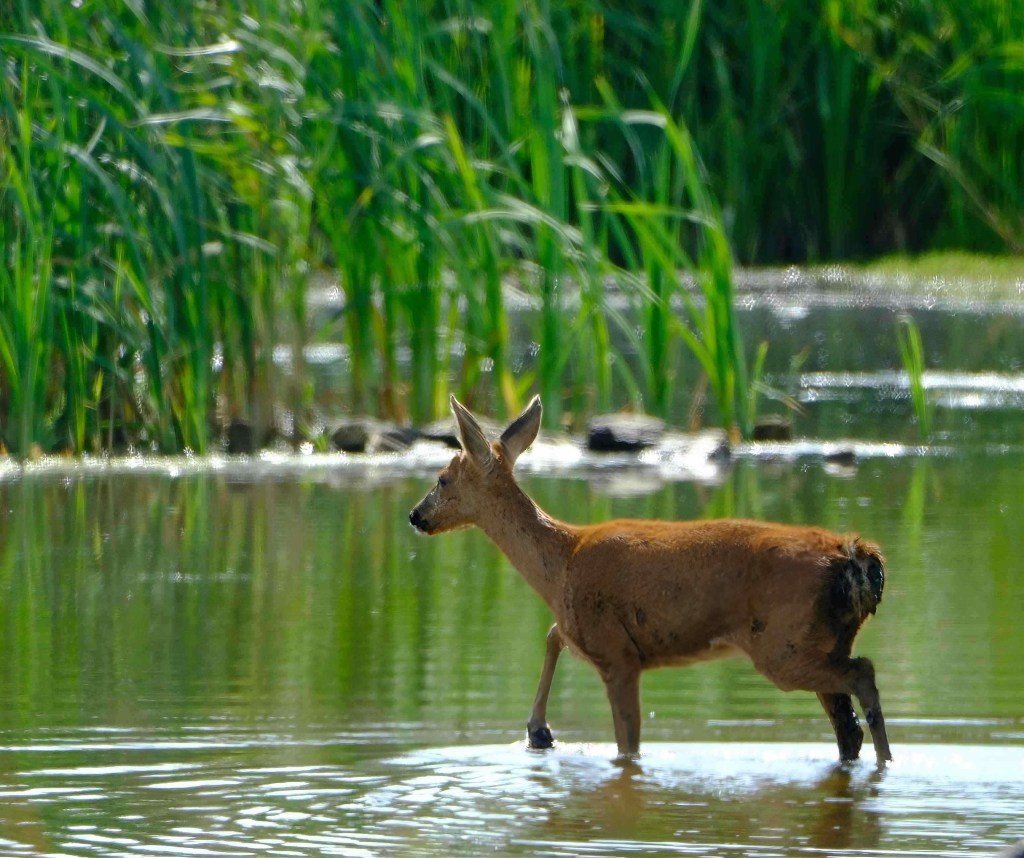
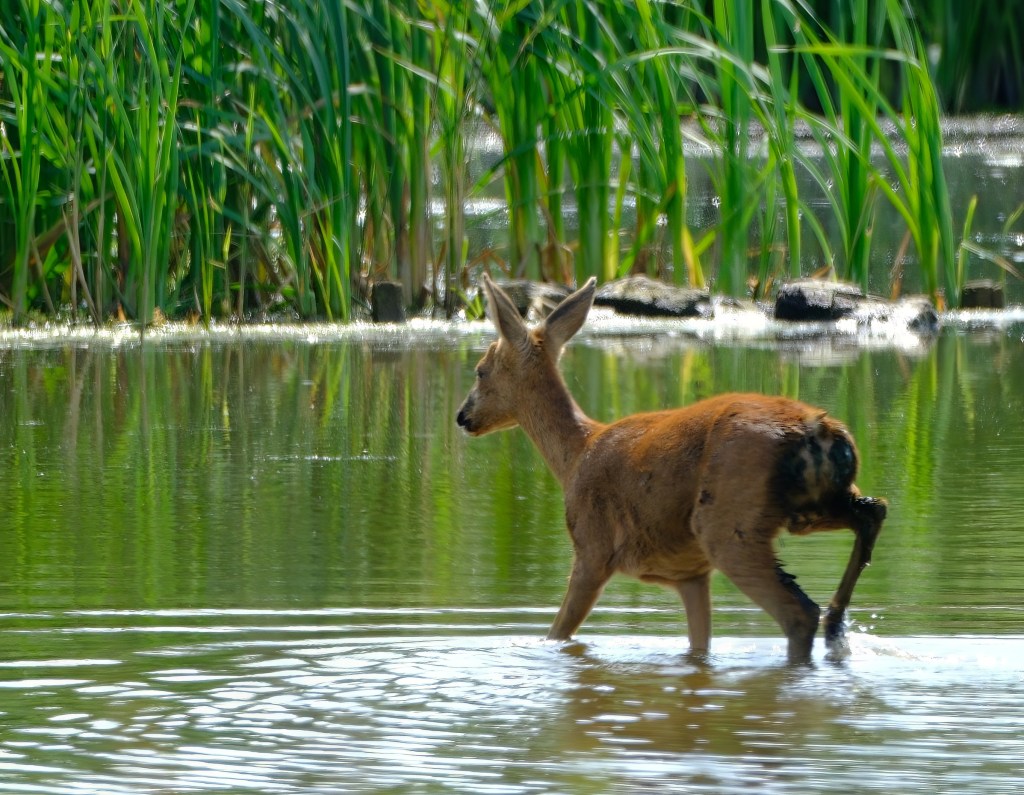
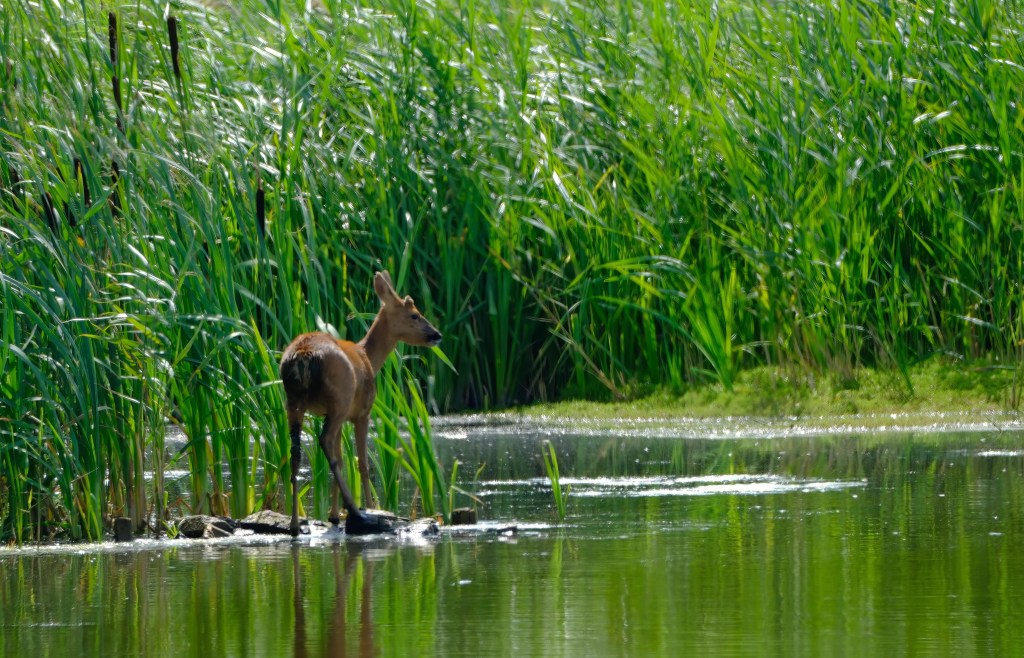
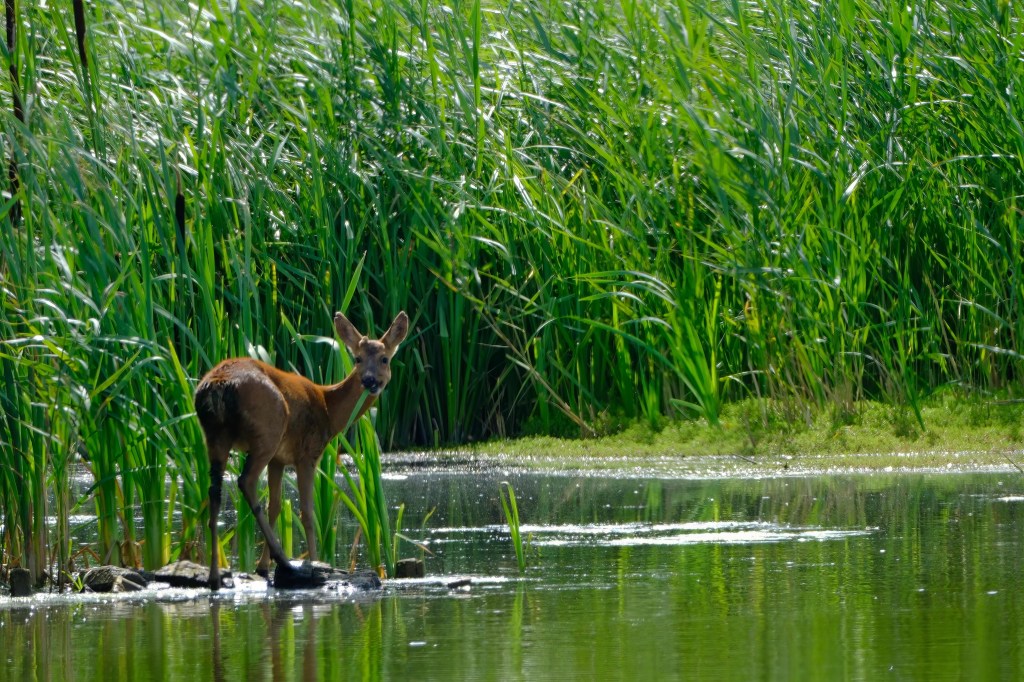
Fallow deer New Forest.

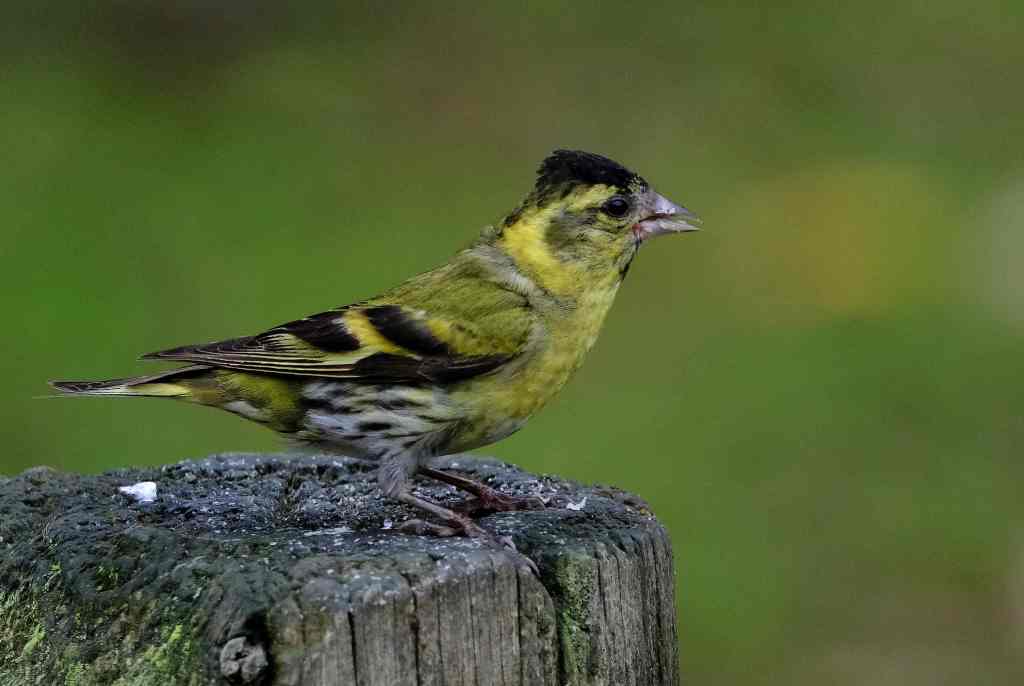
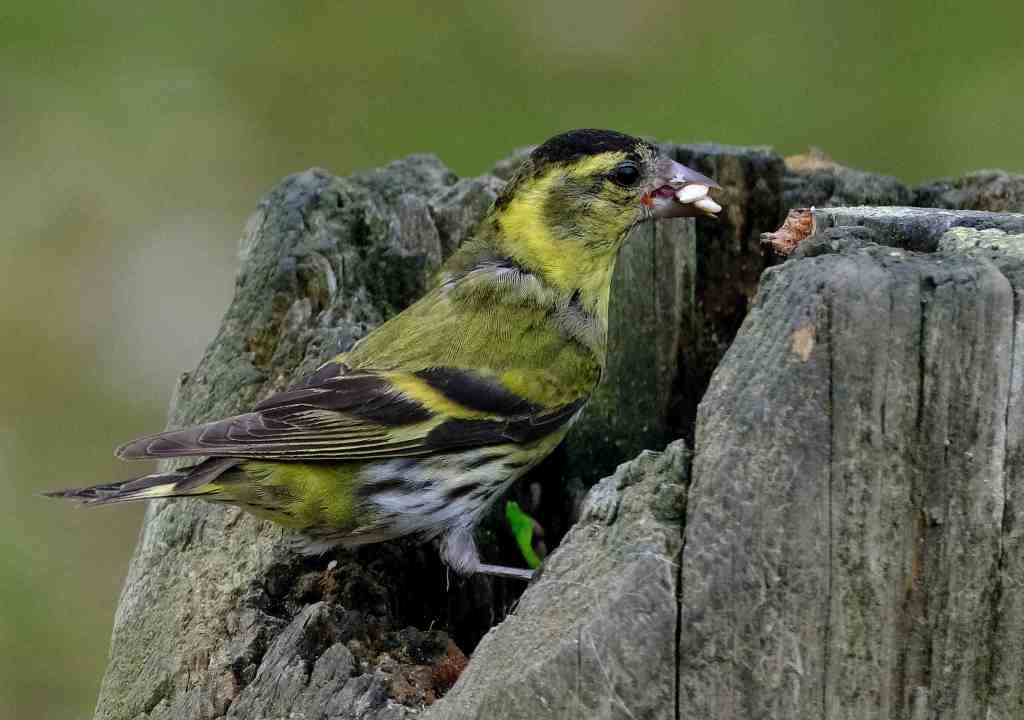
The Siskin is a small, finch it has a distinctly forked tail and a long narrow bill. The male as pictured here has a streaky yellow-green body and a black crown and bib. There are yellow patches on the wings and tail.

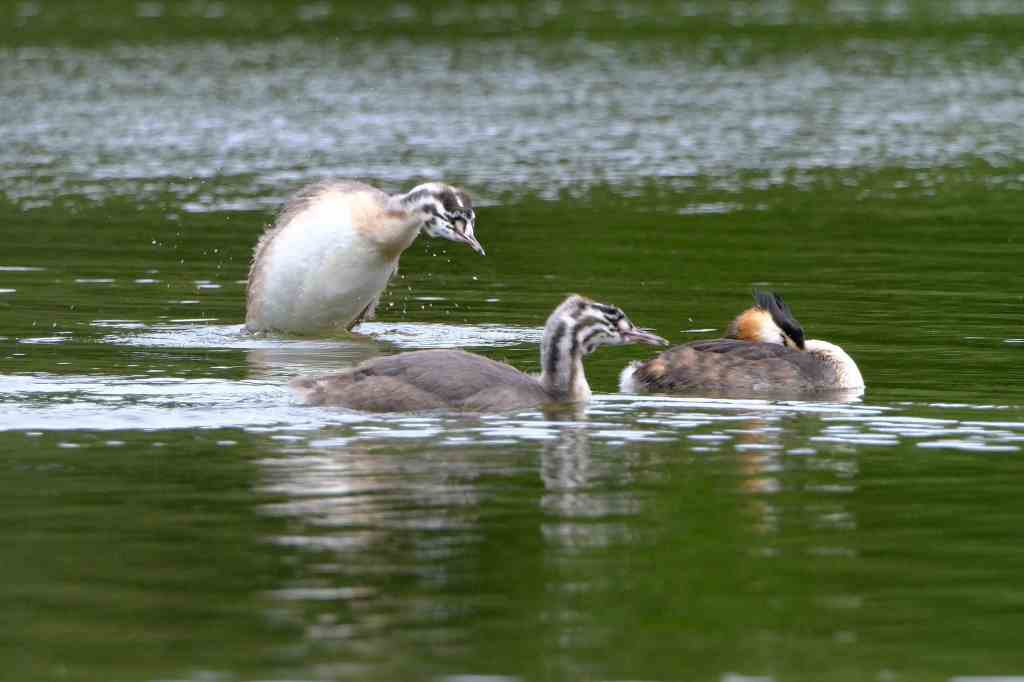
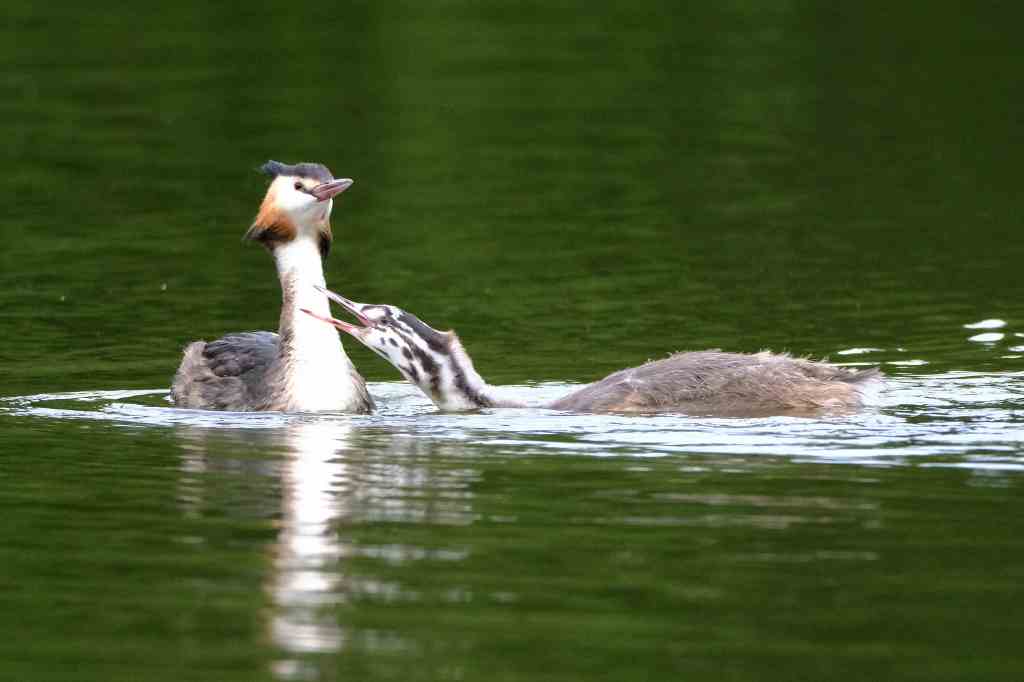
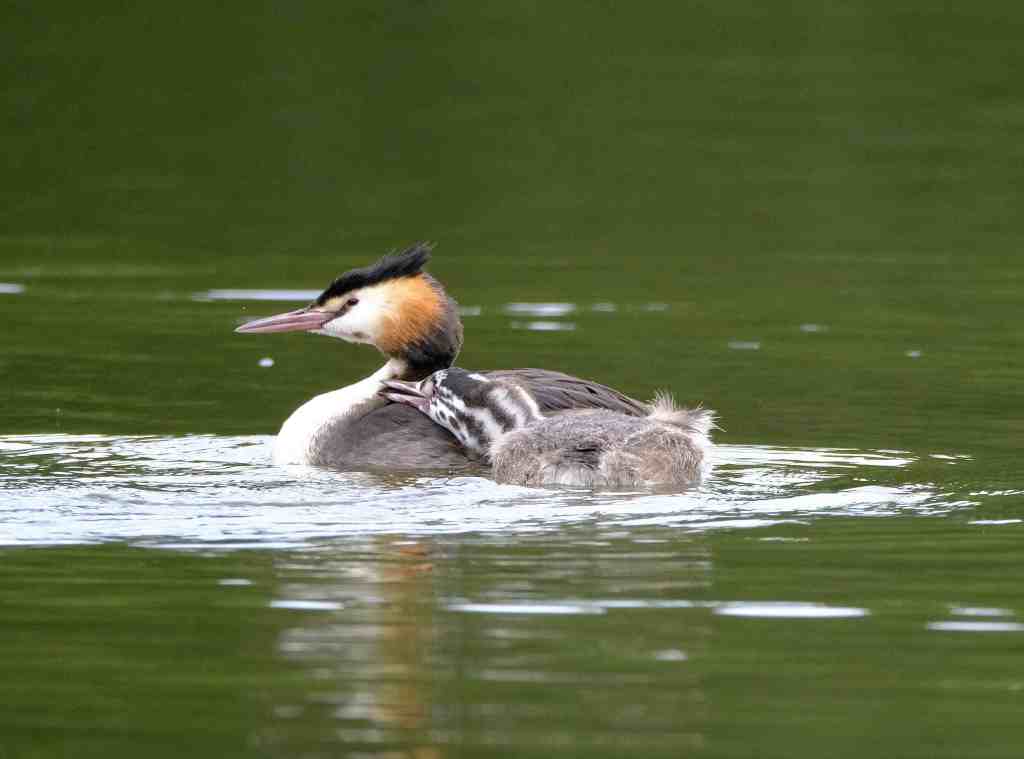
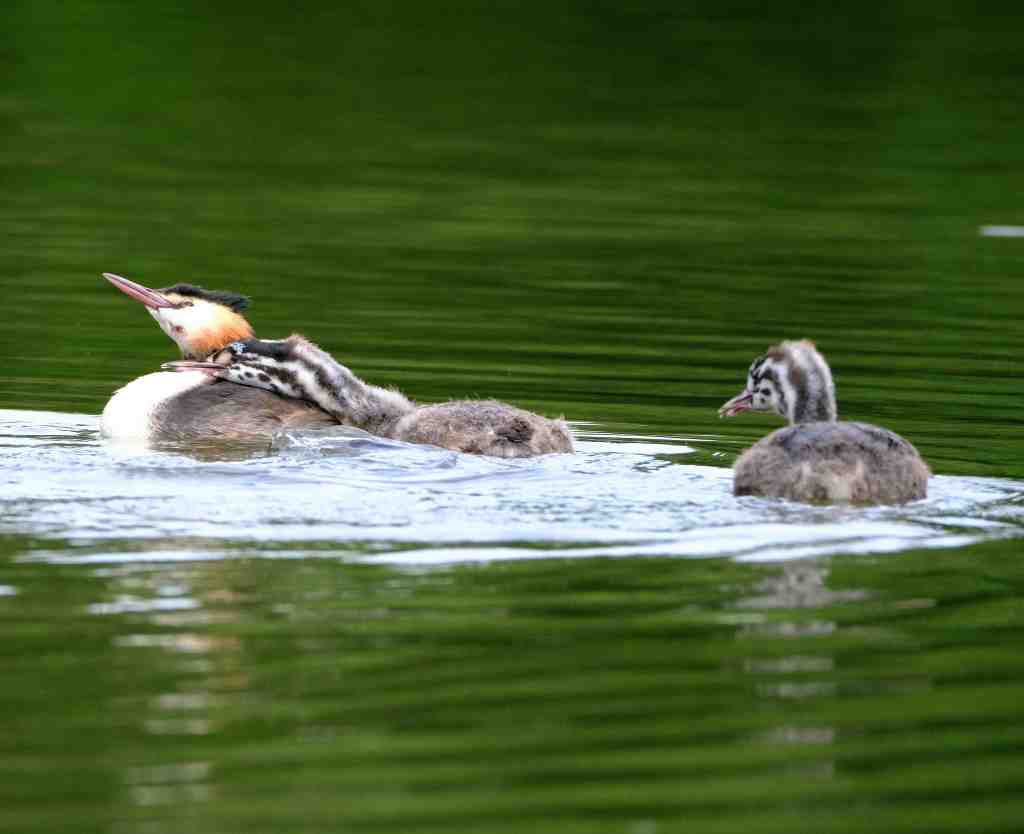
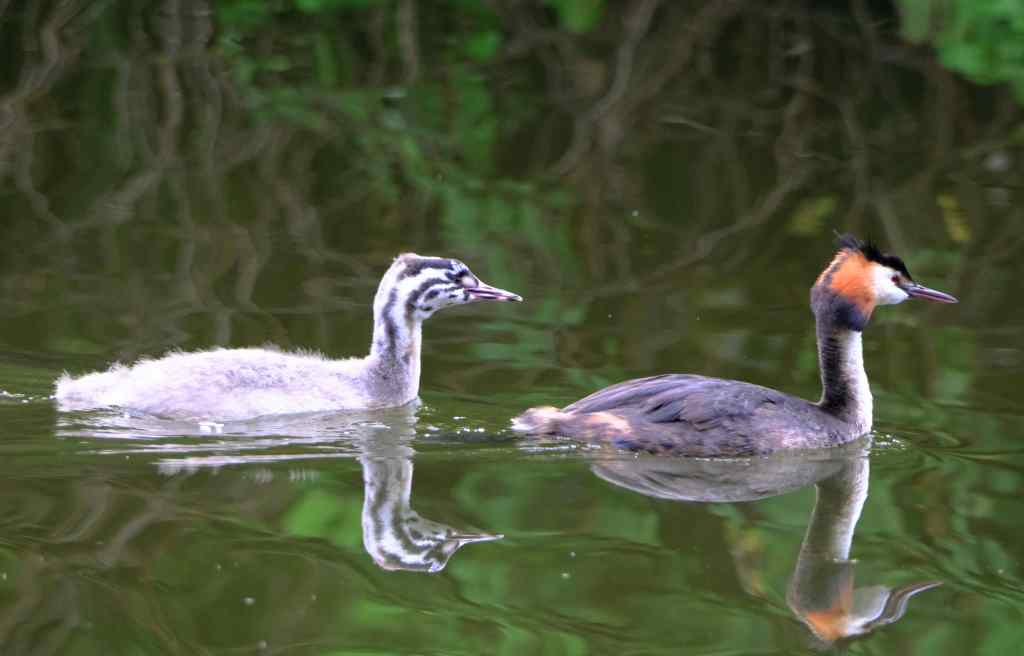
An update on past posts following the Great Crested Grebes family on a local lake. The chicks are growing well and all four have survived. They remain close to their parents but are fishing independently. The group comes together but a lot of the time 2 chicks stay with each parent bird.
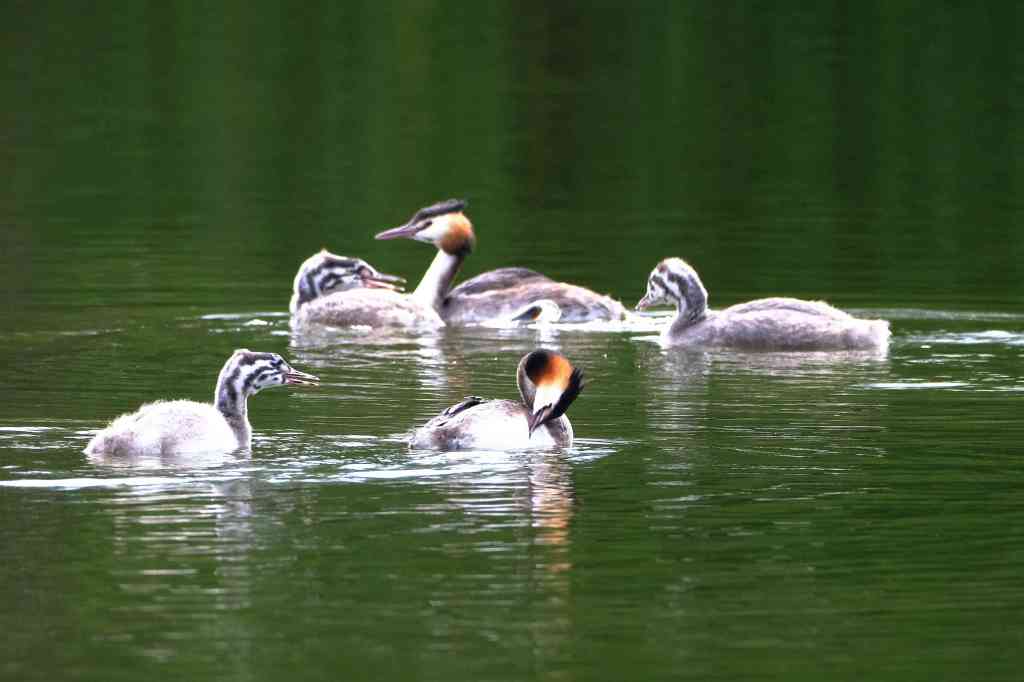
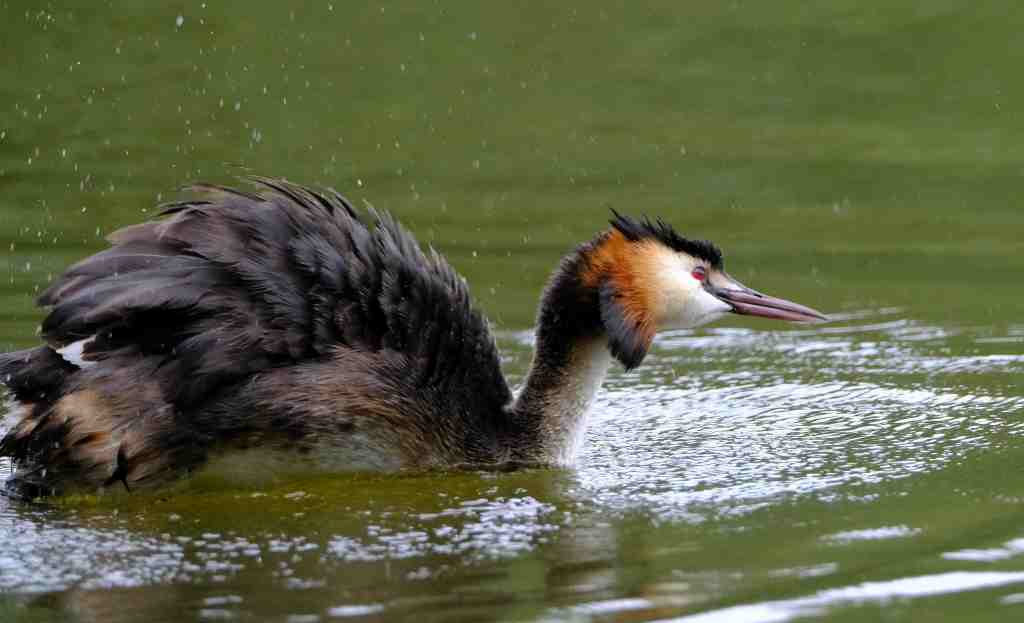
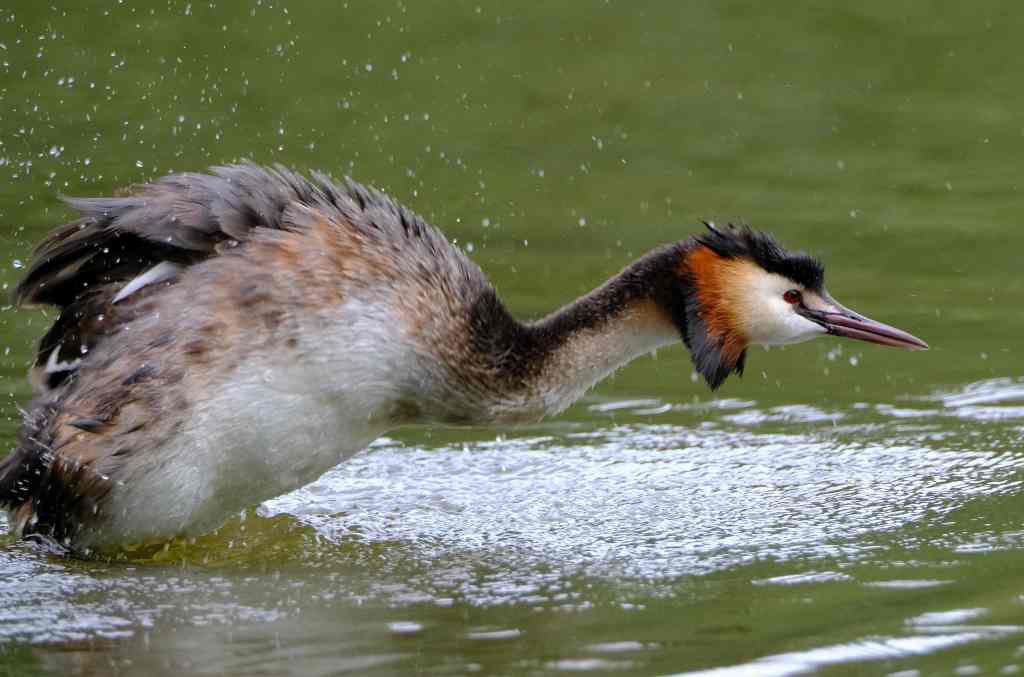

The chicks are about the same size as the adult birds but remain in their humbug juvenile plumage.
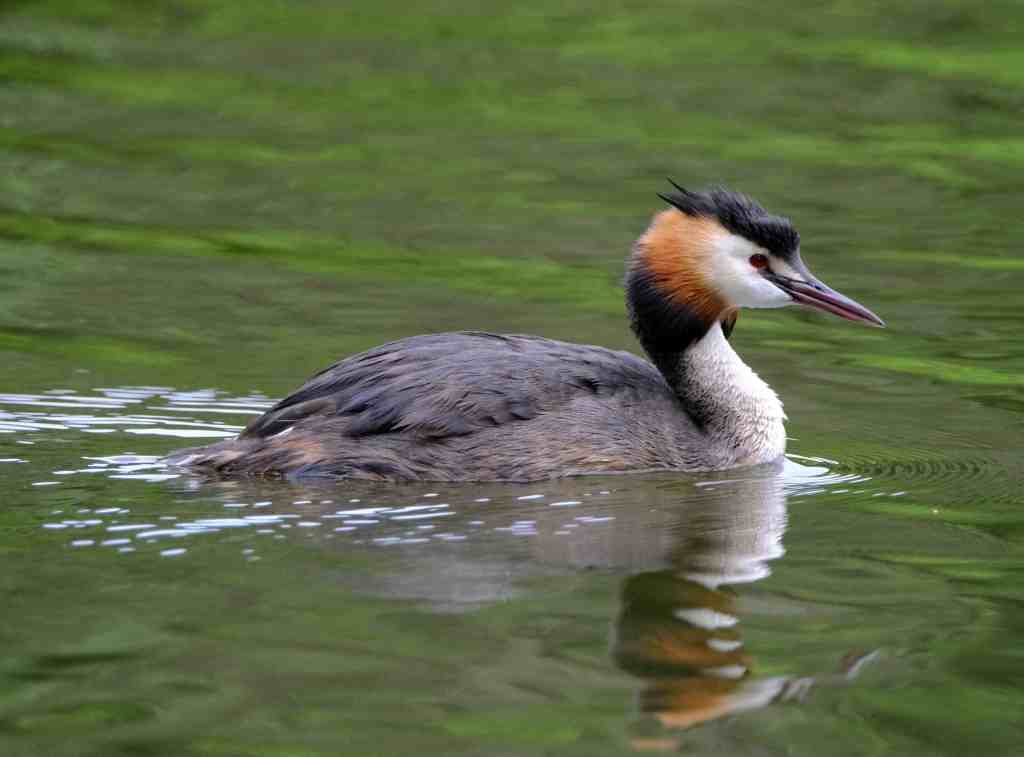




#Wordless Wednesday

Interesting and excited to see a Water Vole today. The water vole is under serious threat from habitat loss and predation by the American mink. Many 1000’s of mink were released by animal rights activists from fur farms in the 1990s mink are an efficient killing machine of our native species, especially Water Voles. Earlier in the year, I was speaking to a water bailiff on the river Itchen where I was looking for Voles which I had seen there as a child. He said they had not been on that stretch of river for some years. They had culled over 30 mink last year. Water Voles look similar to the brown rat but with a blunt nose, small ears and furry tail. This animal ran into the hide where we were sitting this morning at Titchfield Haven Nature Reserve, and hesitated before realising he had made an error – exiting via the door he had just come in!


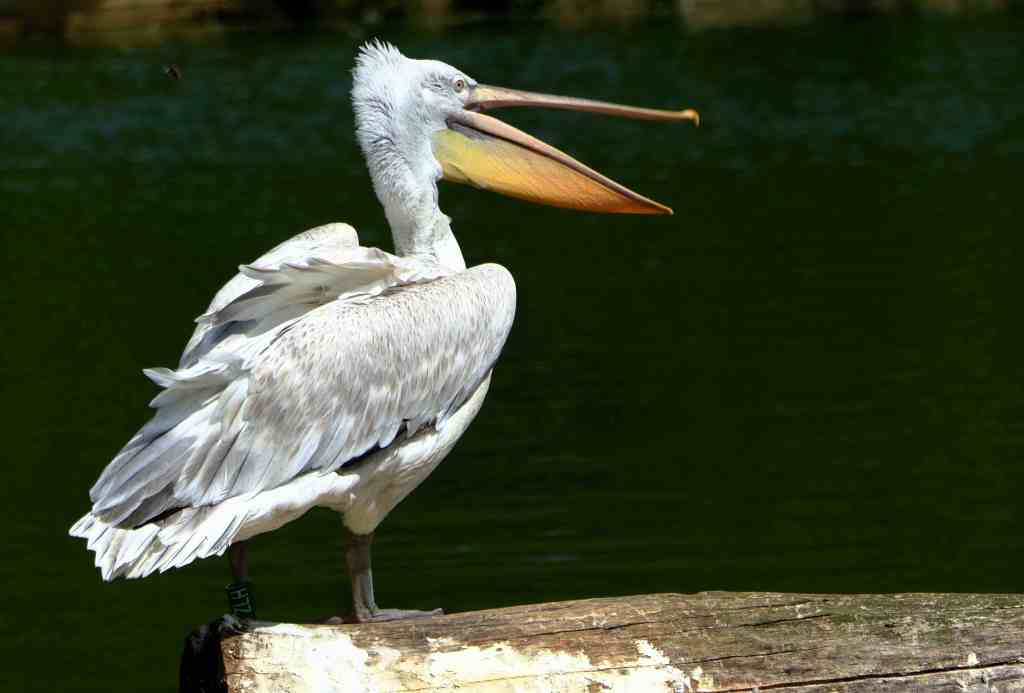
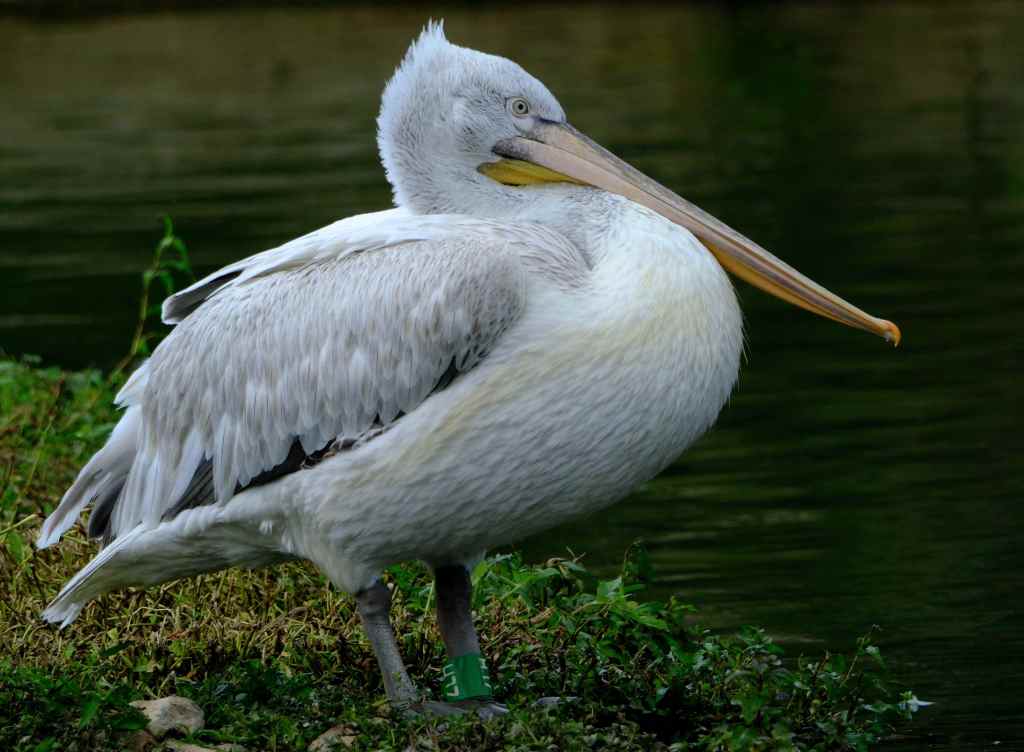
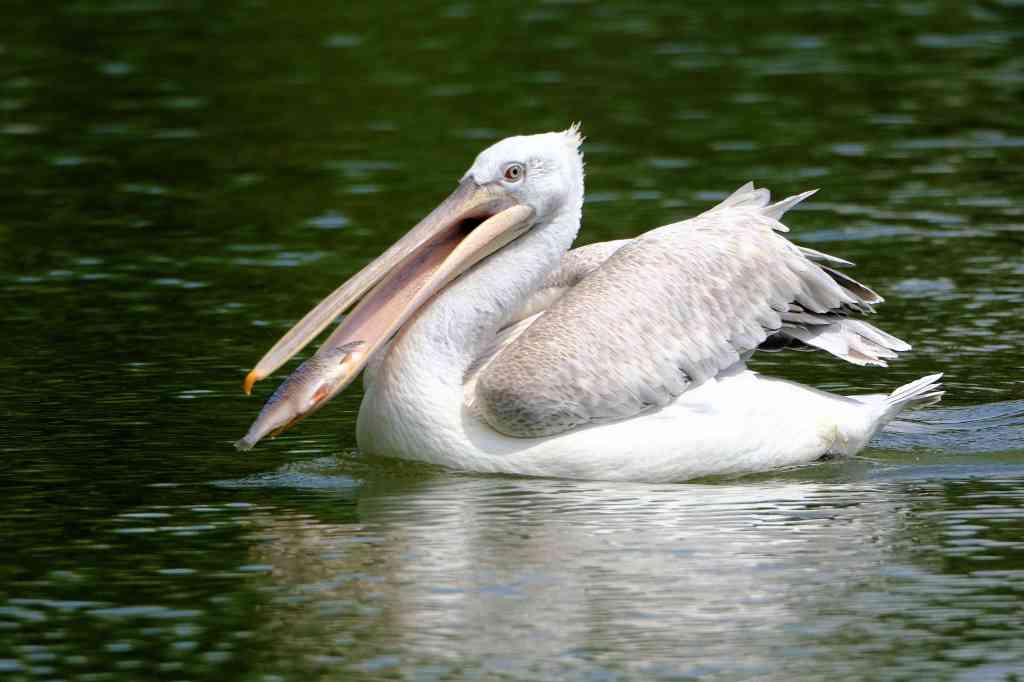
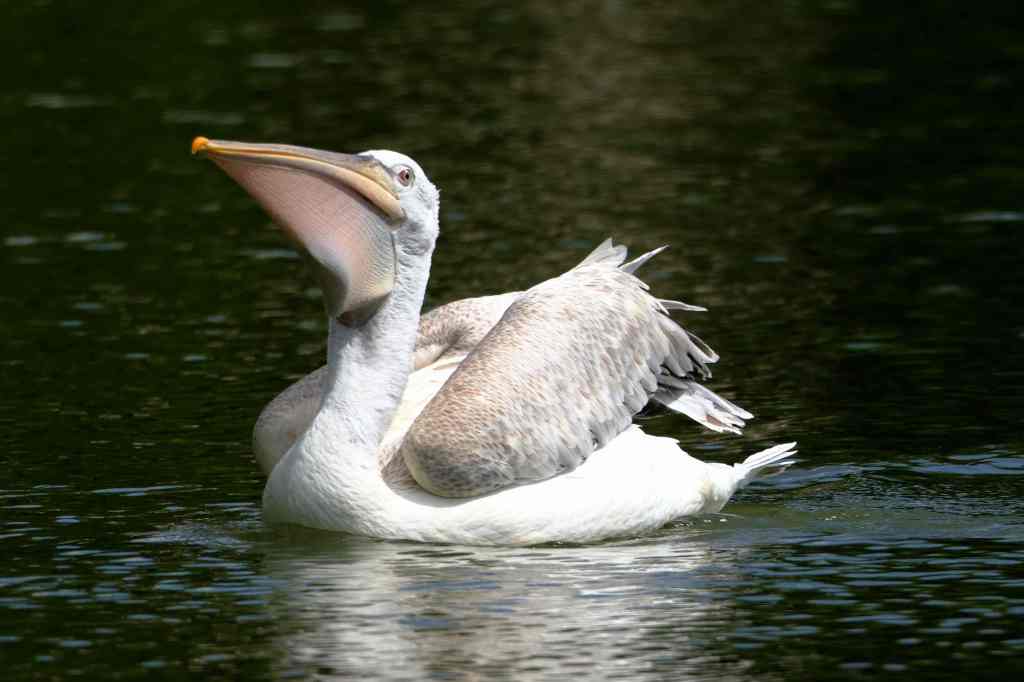
Fossil and archaeological records show that the Dalmatian Pelican bred in Britain until medieval times other references say they were lost to Britain earlier and they were hunted to extinction during the Roman occupation, almost 2,000 years ago. they are now an extremely rare visitor from southeast Europe and an occasional escapee from waterbird collections. There are some thoughts of a reintroduction programme of Dalmation Pelicans to the UK.
I see posts on WP of Pelicans on jetties in the US. I always love those views. Today I visited the WWT centre at Arundel where they have these 2 birds in their collection of waterbirds.


 Continued Reflections from my World.