Last week, with my brother, we placed trail cameras again at one of the Badger set we have been watching in the New Forest. Some night footage of a Wood Mouse.
nature spots
Trail Camera.
Last week, I decided to charge up the batteries on my trail cameras and head deep into the New Forest to hide one near a location where we had found a Badger set last year. It is always a risk that someone will steal my camera if they come across it. I lost one camera in the local woodland during lockdown. The New Forest is a public National Park, so camera loss is always a risk.
Upon collecting the camera, it had captured a passing Badger. So yesterday, with my brother, we set up 4 cameras around where the badgers may pass. We aim to pick them up next week, so a further post will follow if we successfully capture any images.
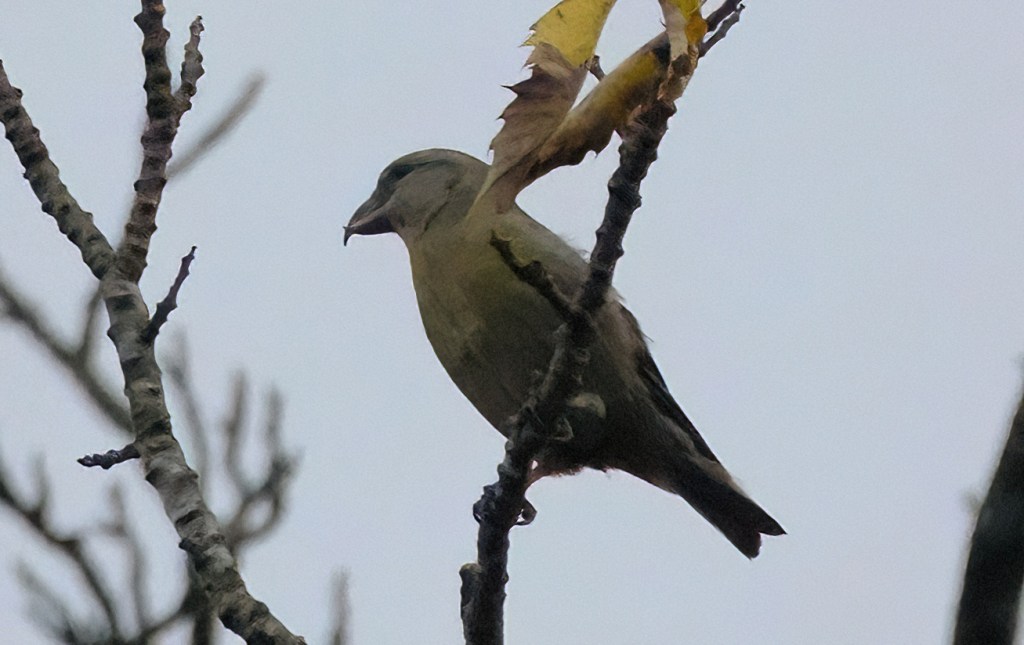
Crossbills again.
In search of Crossbills in the New Forest. Sadly, the weather was dull and the light was poor. However, the day was successful with several large flocks spotted high up in the pine trees and flying overhead. I managed to get a few record photographs, but I hope to try again on a brighter day to get some better shots.

Male birds are Red and females Green. I spotted a couple of Crossbills earlier in the year (when they were a first for me), link below.

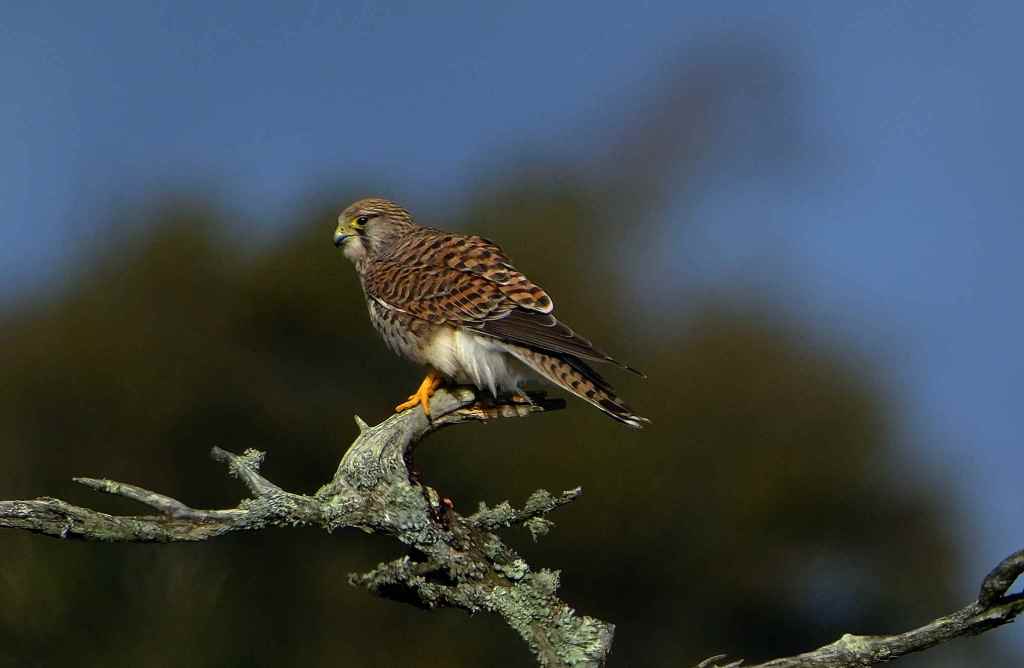
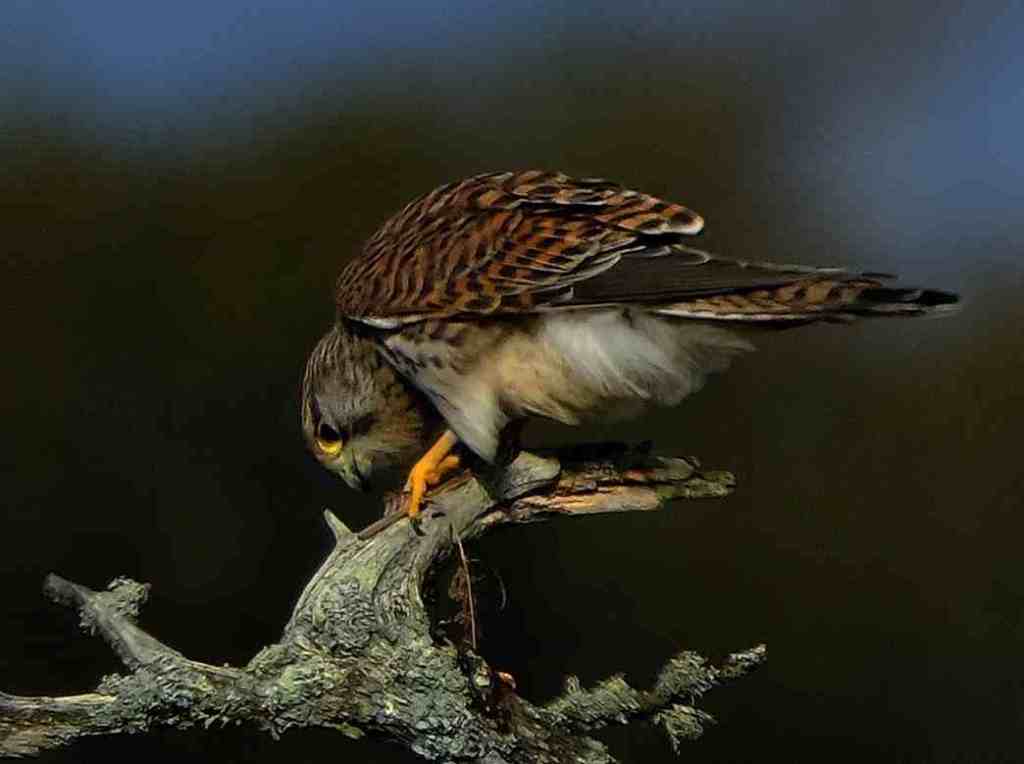
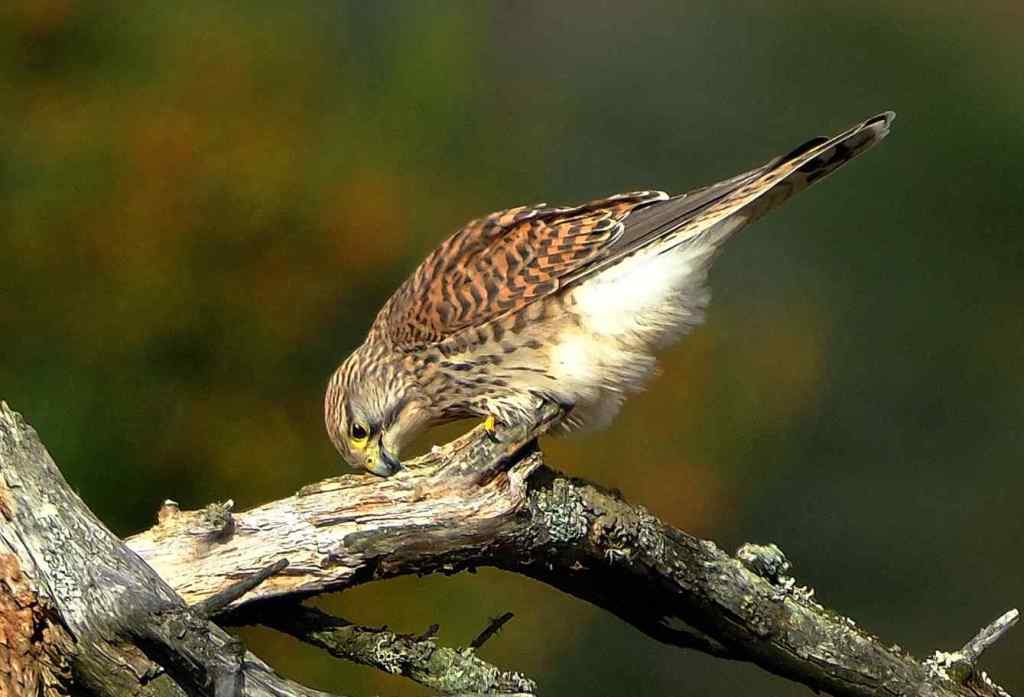
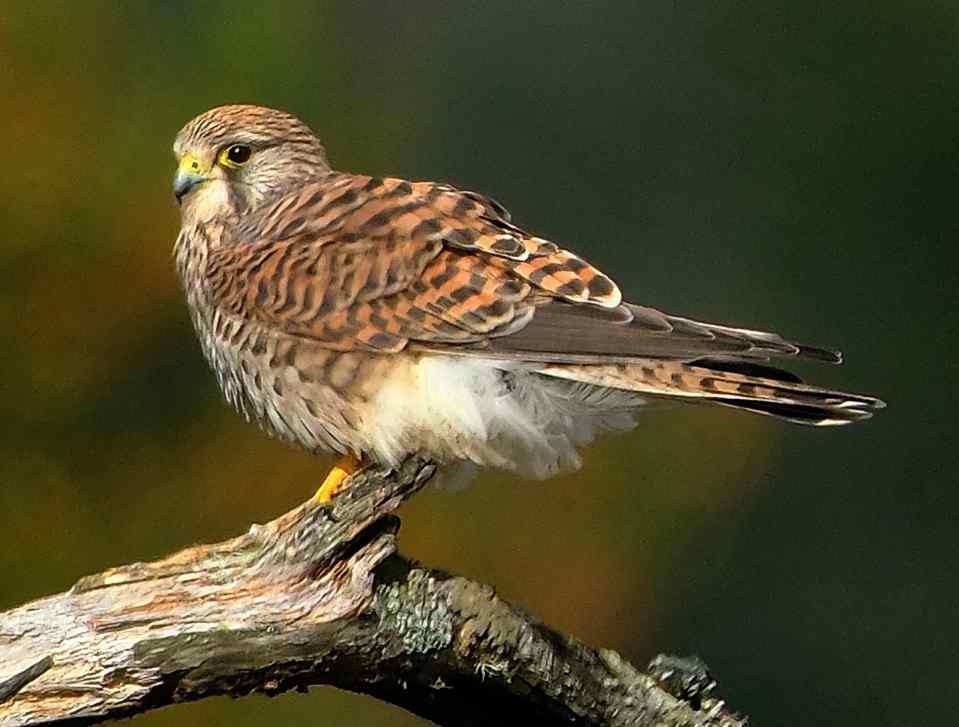
European Kestrel.
After a morning’s walk in the New Forest with little about. We headed back to the car park and spotted a Kestrel hunting. She was using a dead tree to eat her catch. This gave a photo opportunity.
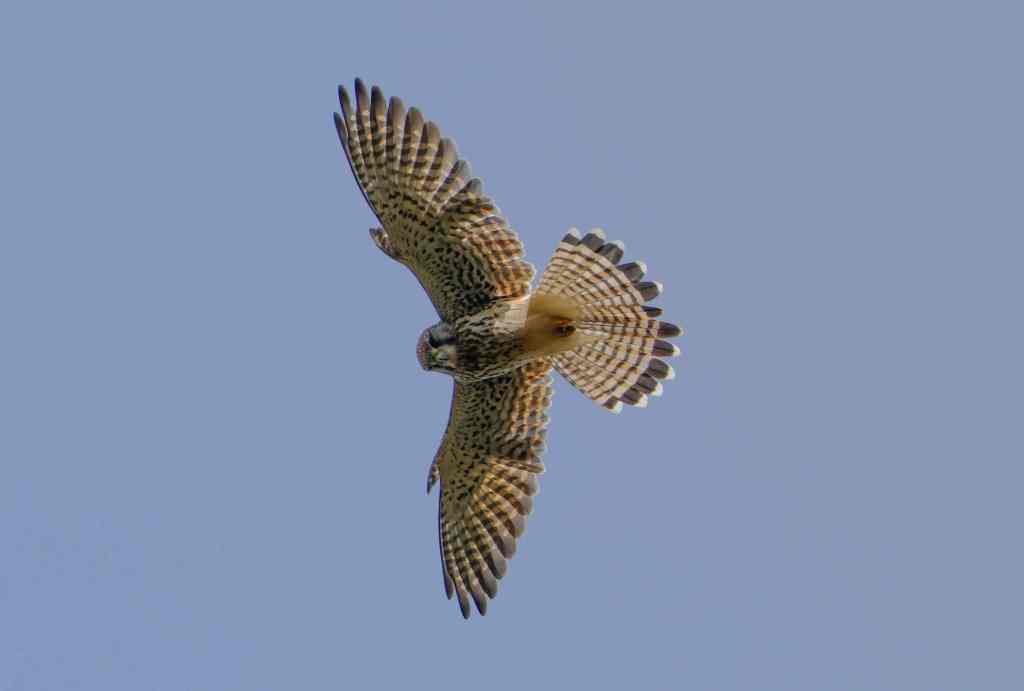
Male and female kestrels are different. How to Spot the Difference – Males and females have distinct plumage. The male has a blue-grey tail and wings, and a chestnut-brown back with black spots. The female has a brown tail and wings, with darker brown streaks on the feathers.
- Length: 32–35cm
- Wingspan: 71–80cm
- Weight: 156–252g



Turning stones.
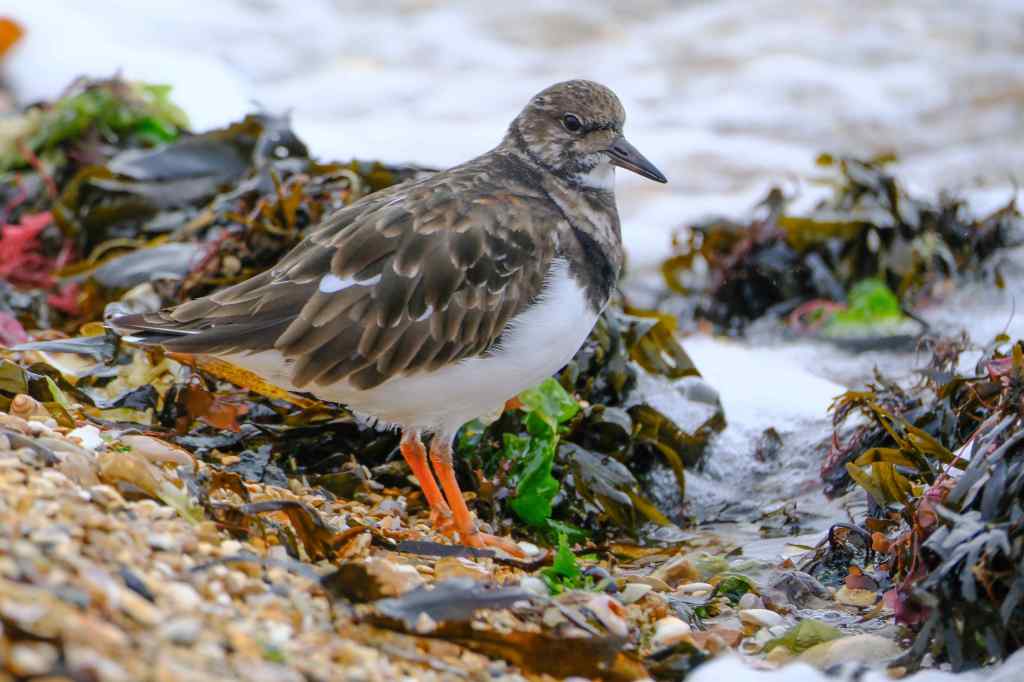
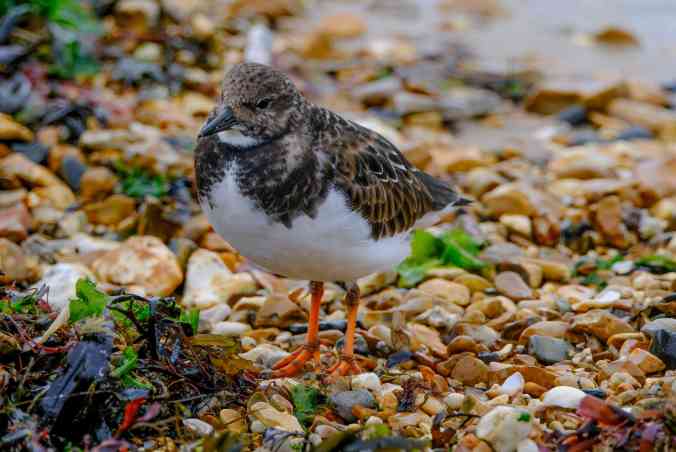
Like little Bulldozers on the beach, turning over seaweed and stones, looking for little invertebrates on the tideline, Turnstones do what their name suggests.
Turnstone on Meonshore.
Raptor Centre.
Photo-heavy post.
Something a little different today, we spent the day at a local Raptor centre. So all photographs are captive birds.
https://www.libertyscentre.co.uk/about-us
Great Grey Owl. This Owl is the world’s largest species of owl by length. It is distributed across the Northern Hemisphere. The wingspan can exceed 5 ft, They breed in North America.
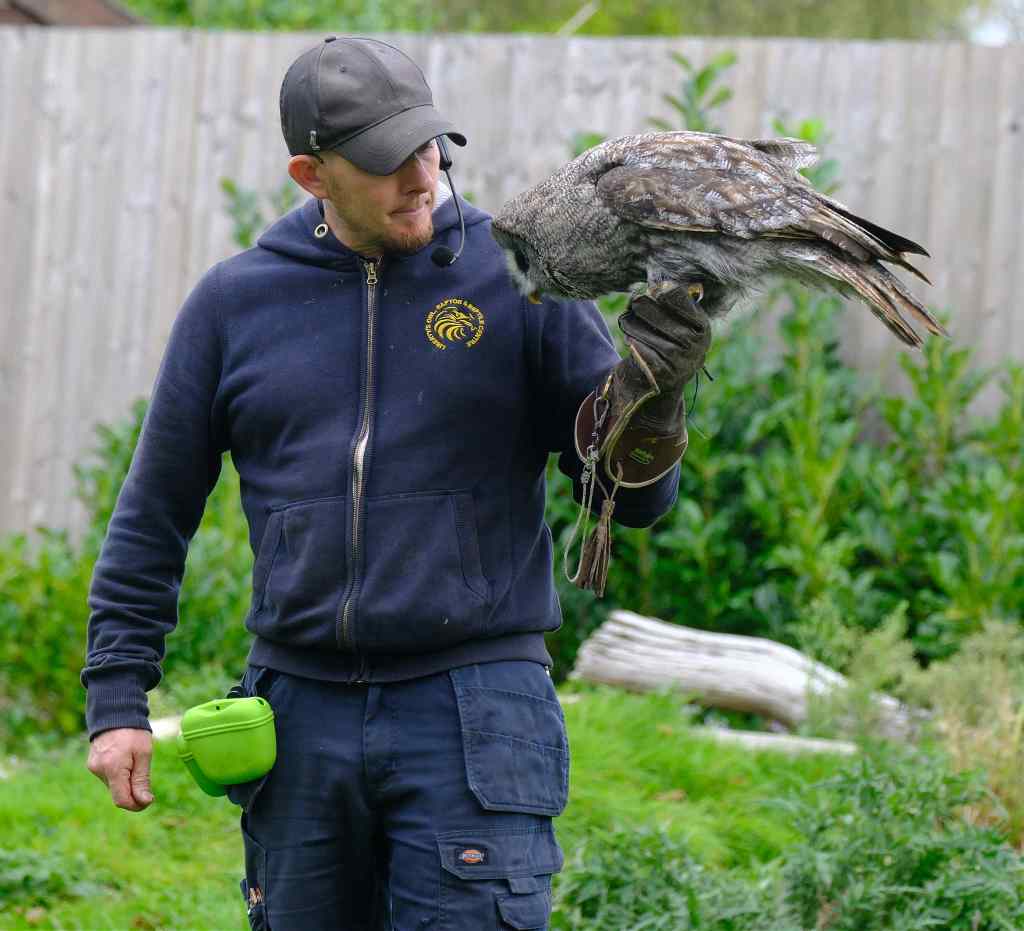
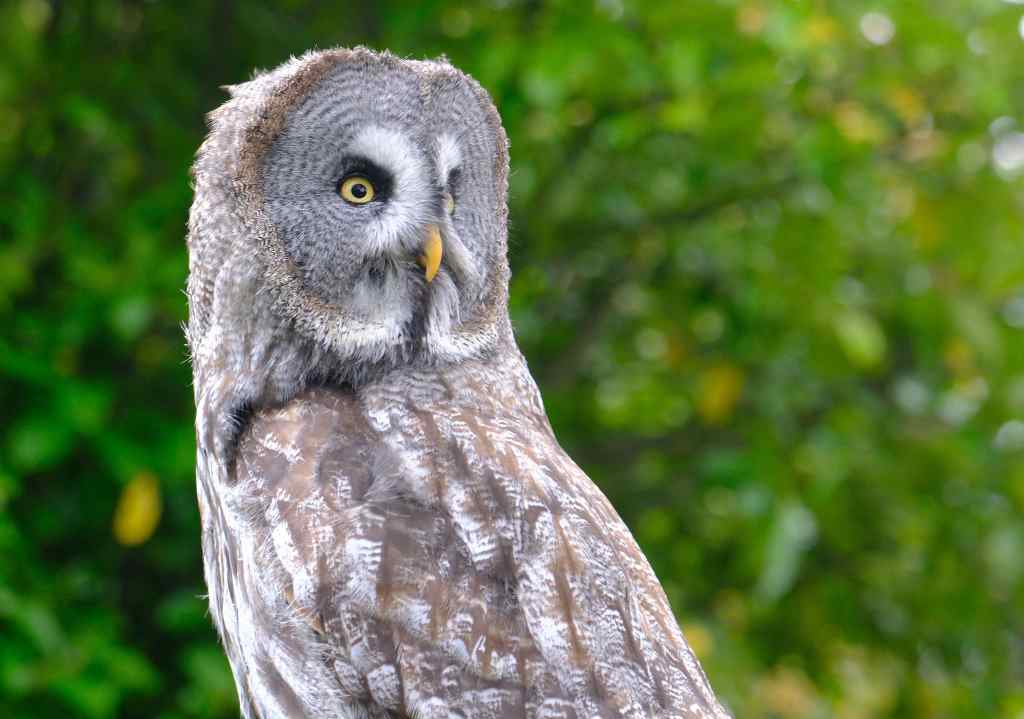
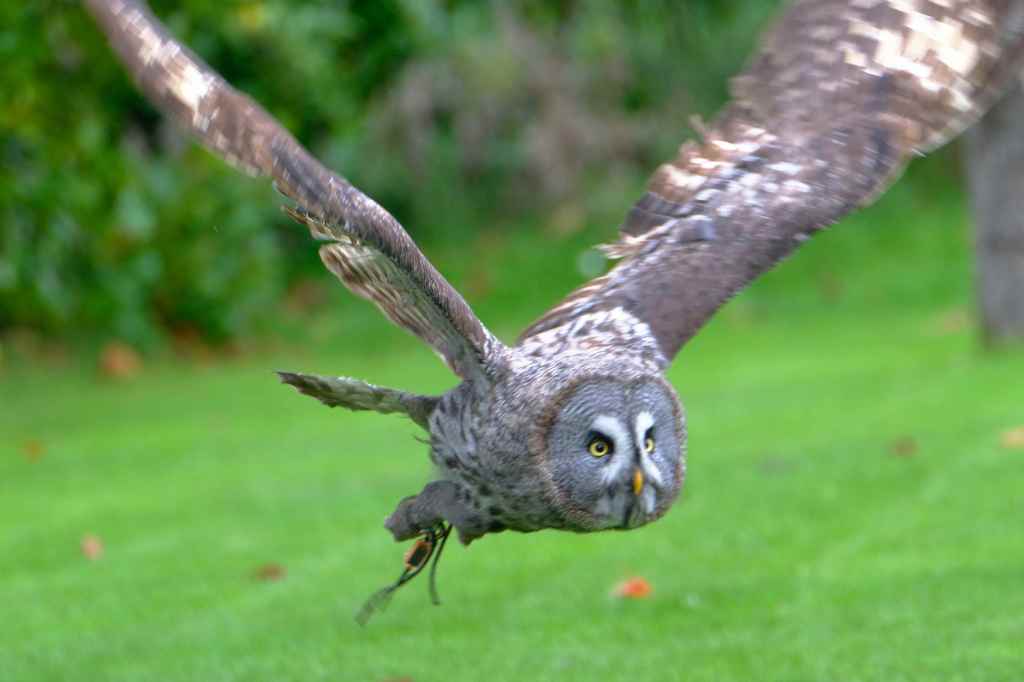
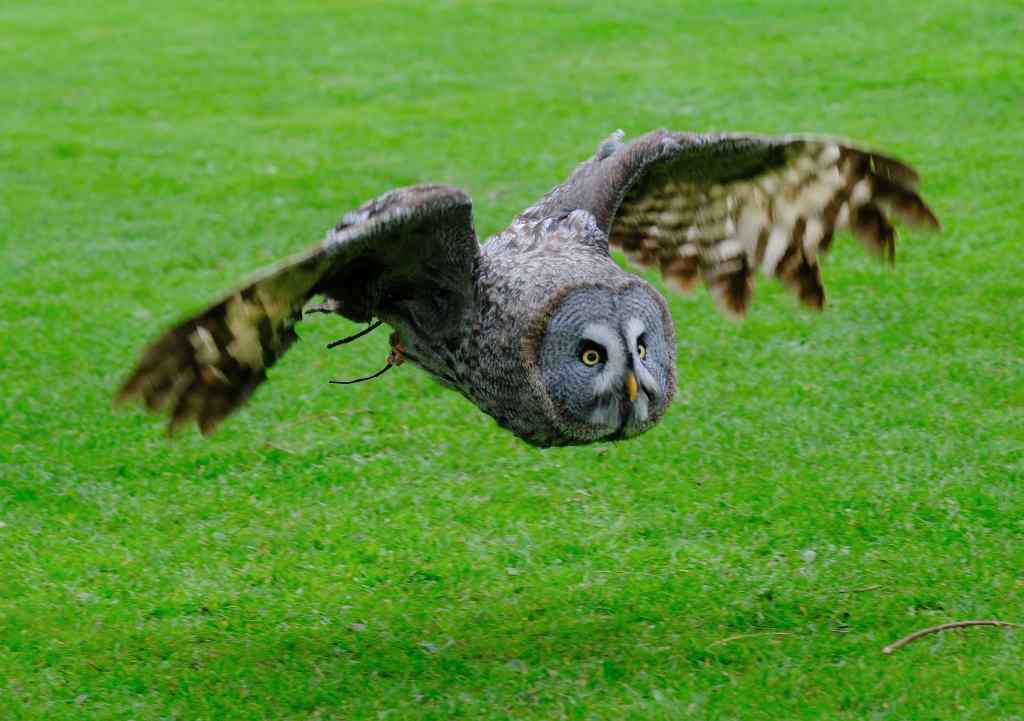

A smaller Owl, although not much smaller, is the Siberian Eagle Owl. However, they have a wingspan of 6ft.

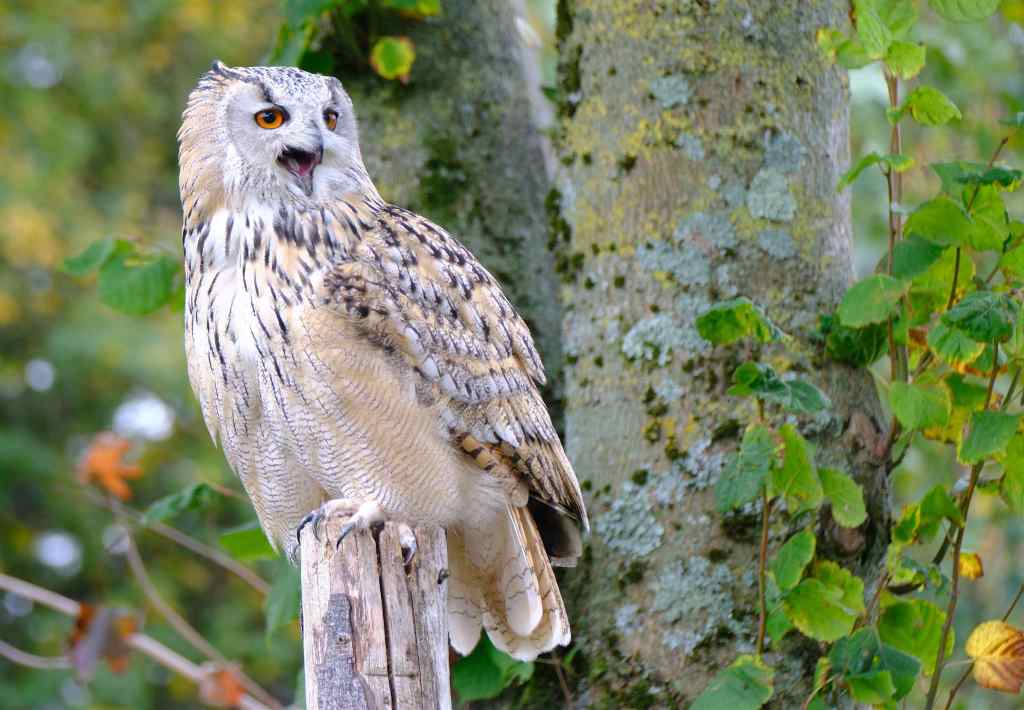

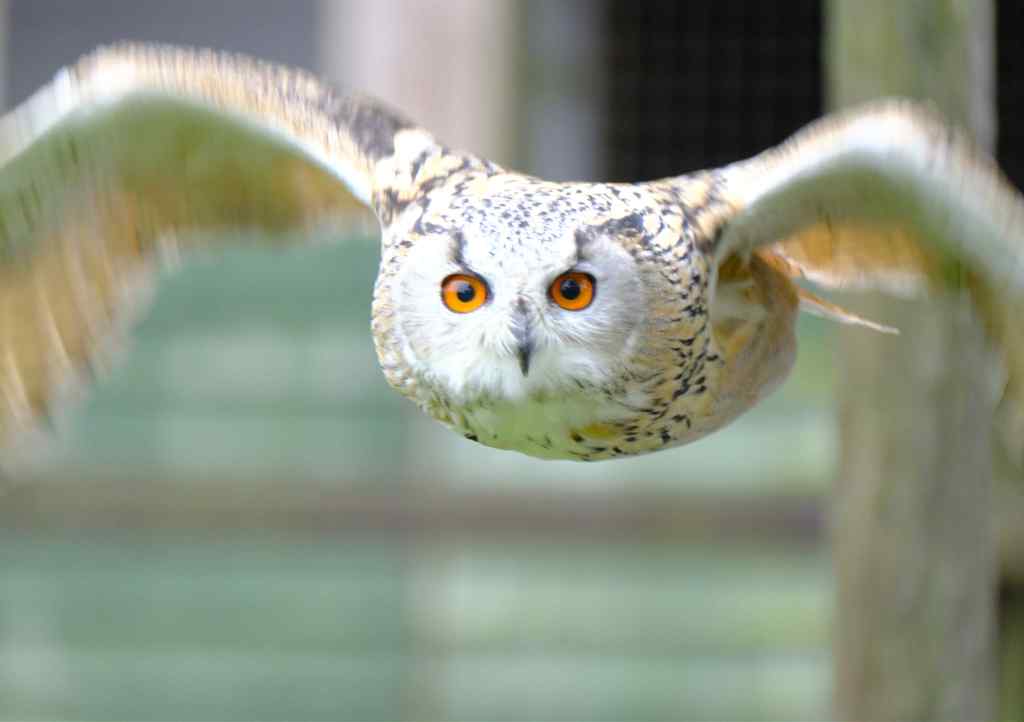

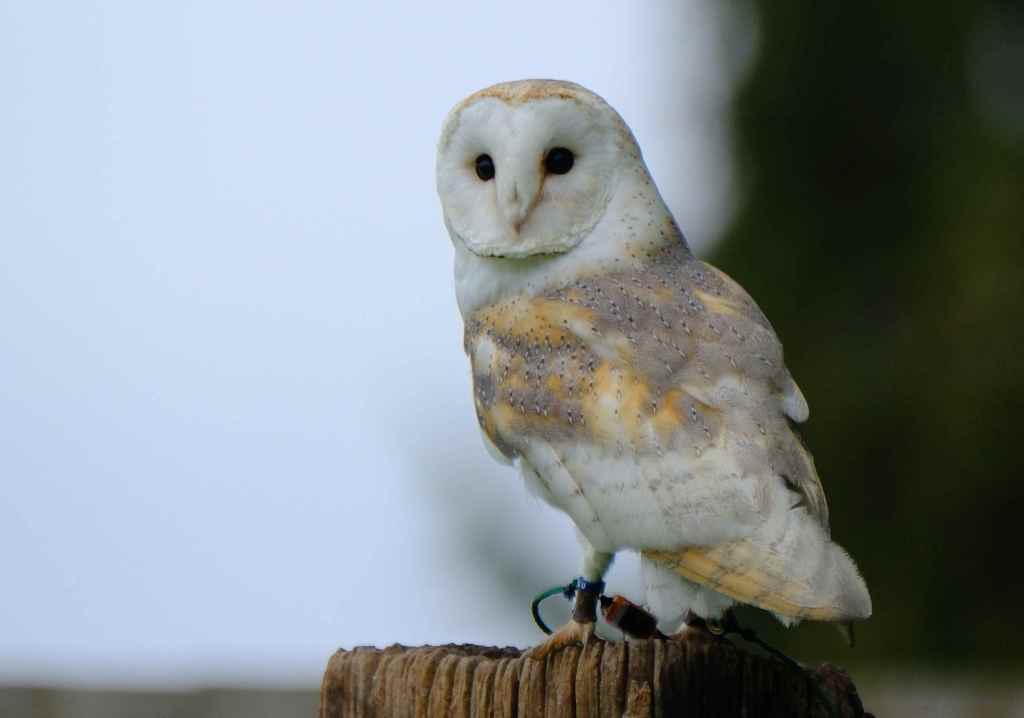
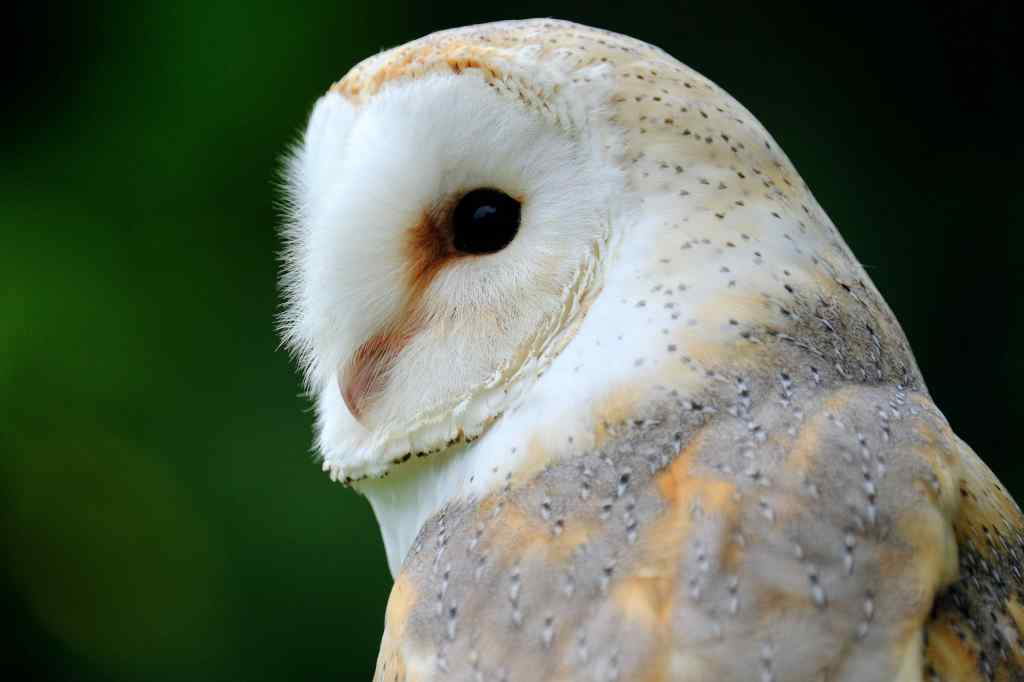
One of our native Owls is the Barn Owl. Tiny compared to the 2 previous birds, the Barn Owl has a wingspan just over 2 & half feet. Normally, I have to get up at 05:00 hours to watch our local birds!



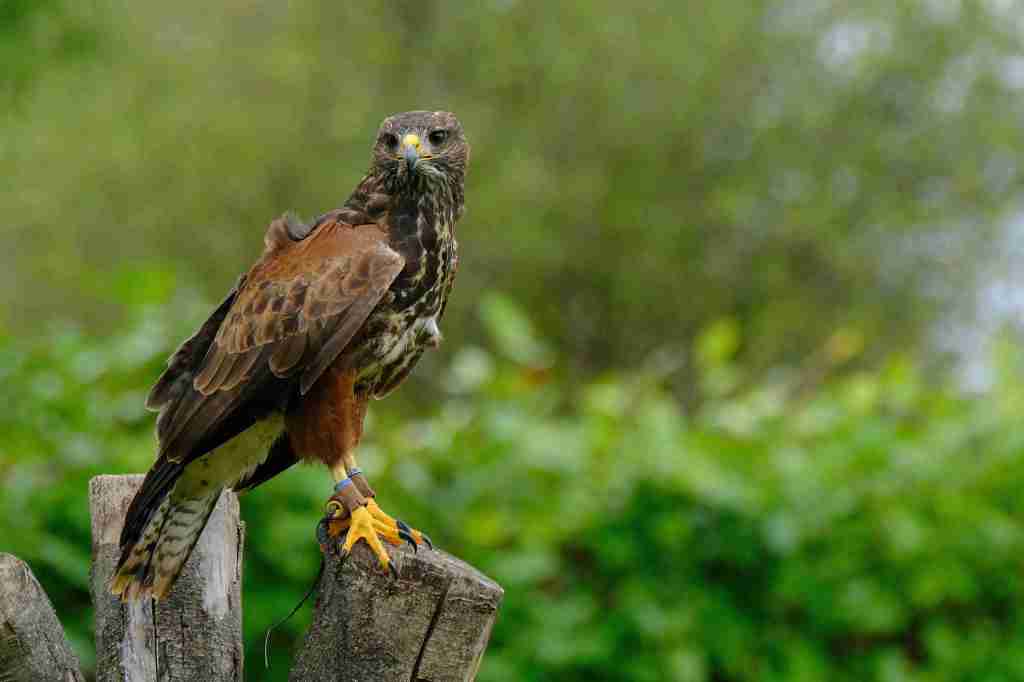
Harris Hawk. They are native to the Americas. However, they are a popular species in falconry and are often used for pest control in the UK,


Hazzard, Hazzards are a very rare hybrid of a Buzzard and a Harris Hawk.



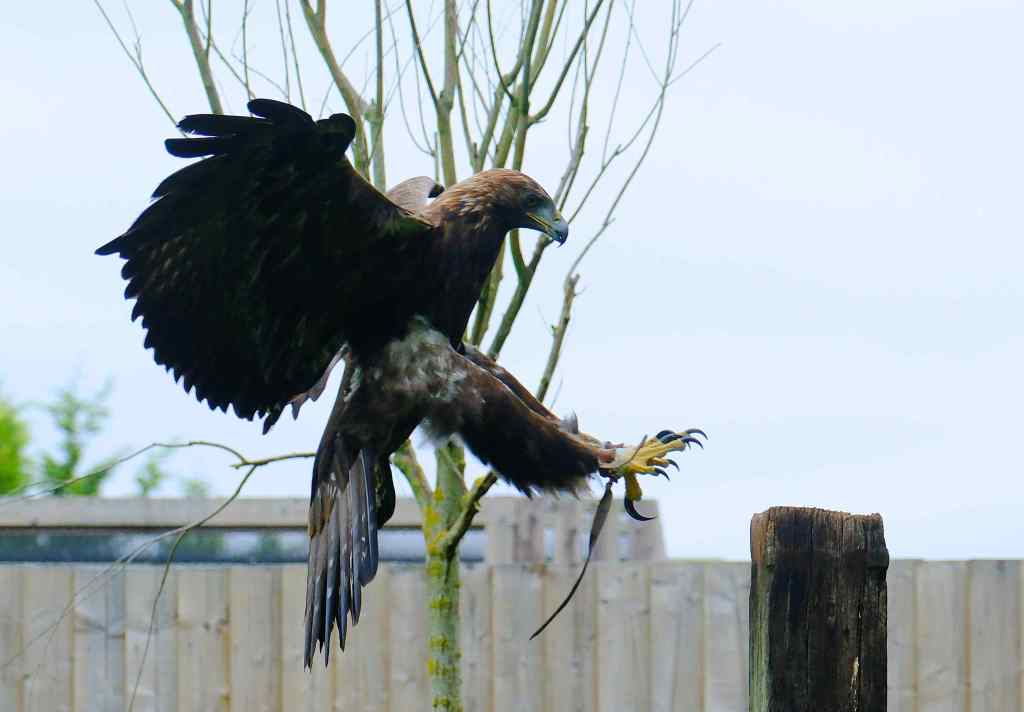
Golden Eagle. I have only ever seen a pair of Golden Eagles once in the Highlands at some distance away, so it was a treat to see this bird today. With a wingspan of nearly 7ft, they are a big bird.


First light.
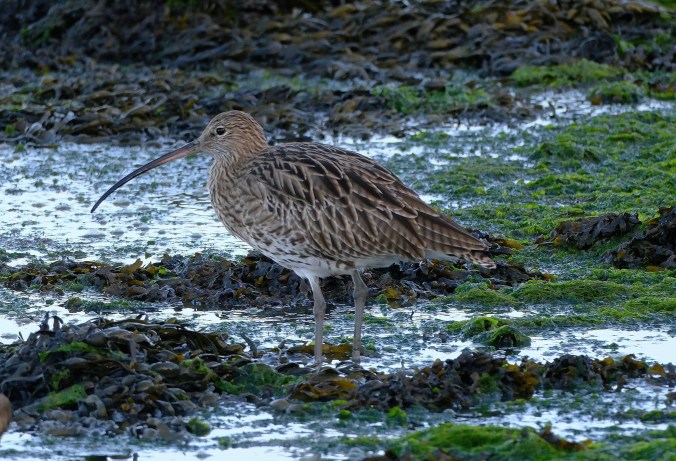
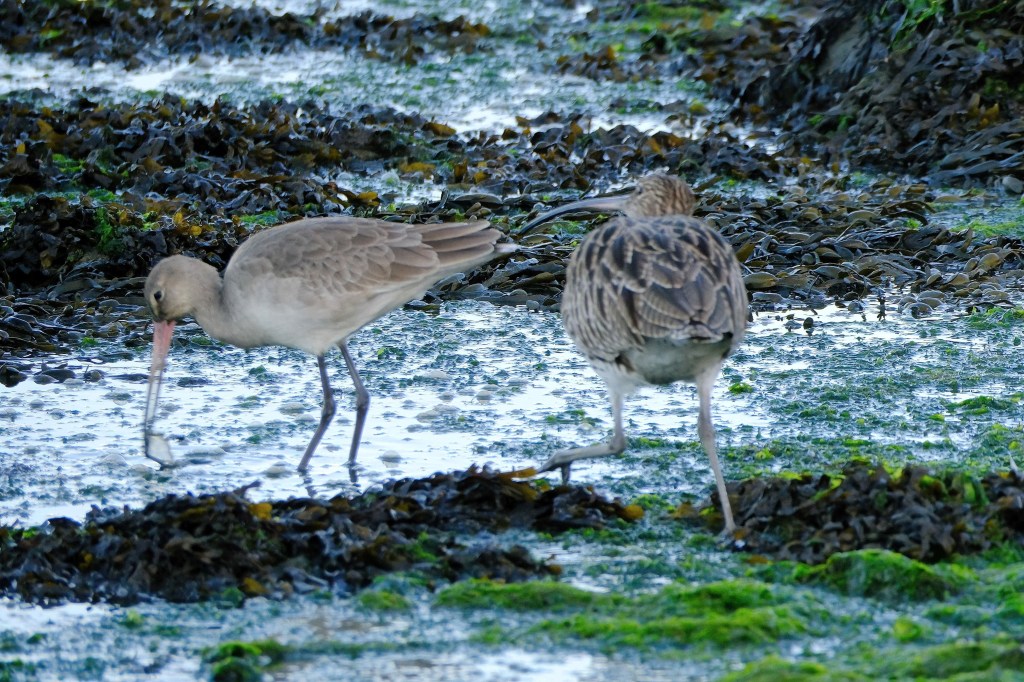
An early morning walk up the Hamble River. This part of the river is tidal, so it is always good for waders. The light at this time of day presents some challenges in taking pictures with the sun low. As always, lots to see, Curlews and Greenshanks are regularly on the river here, and always a favourite to get photographs of.
Curlew.
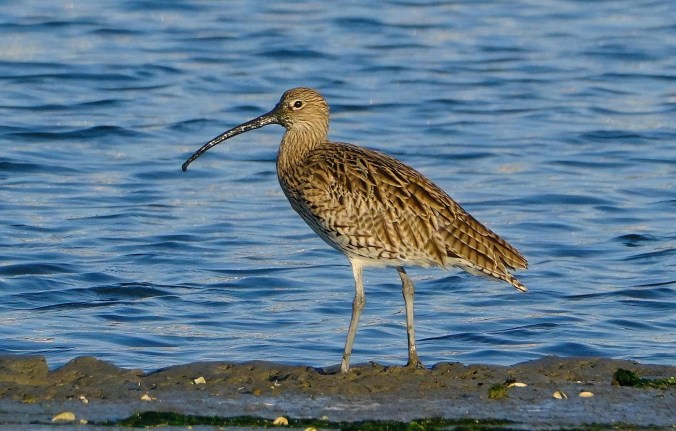
Greenshank,
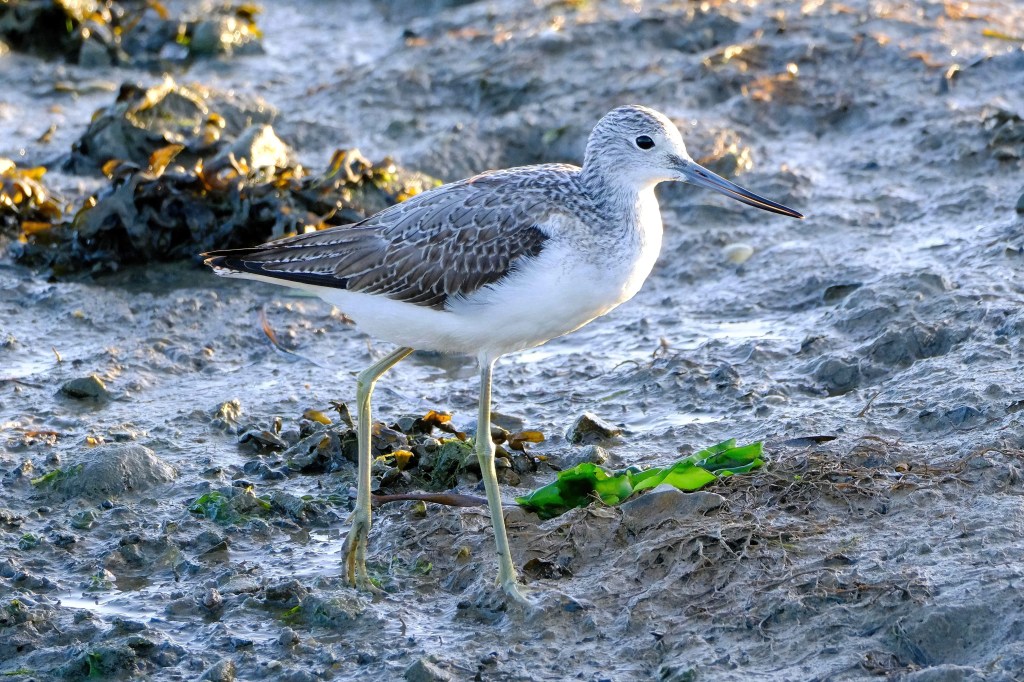
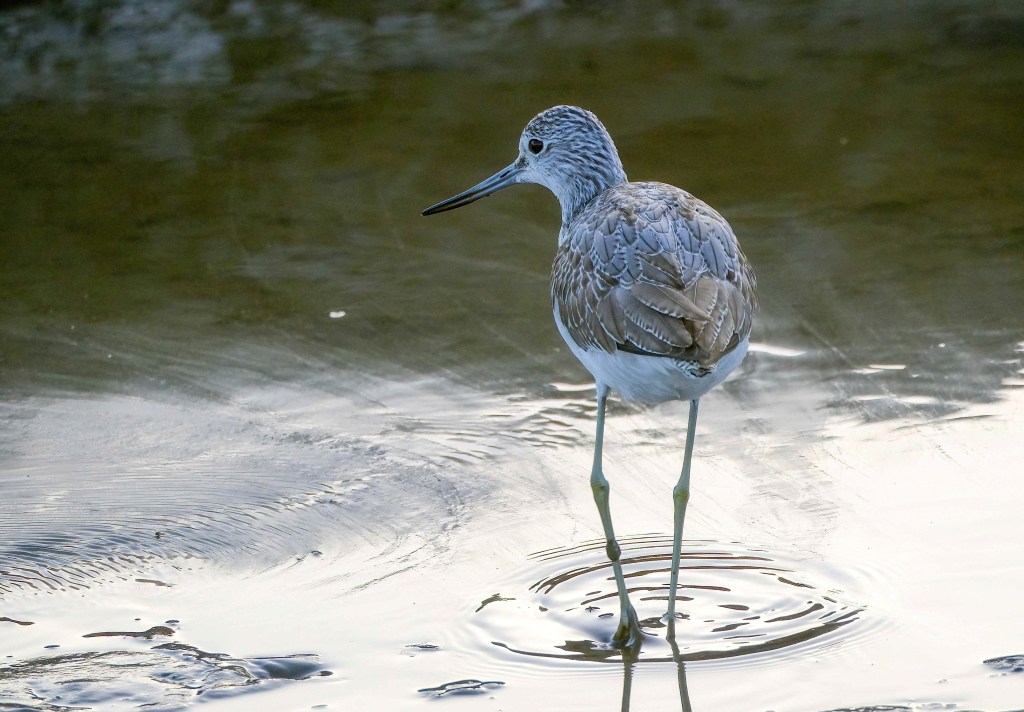
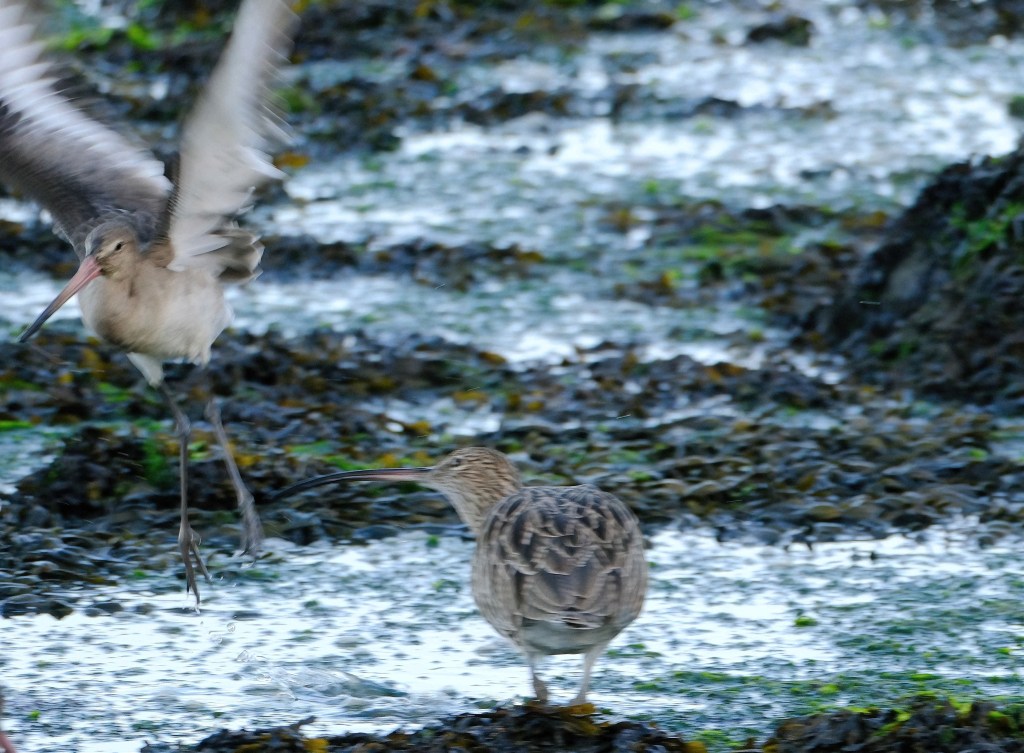
Blacktailed Godwit numbers are increasing on the Hamble as we move towards Winter; they are less colourful this time of year.


This lone Juvenile Ringplover came quite close as the tide came in.
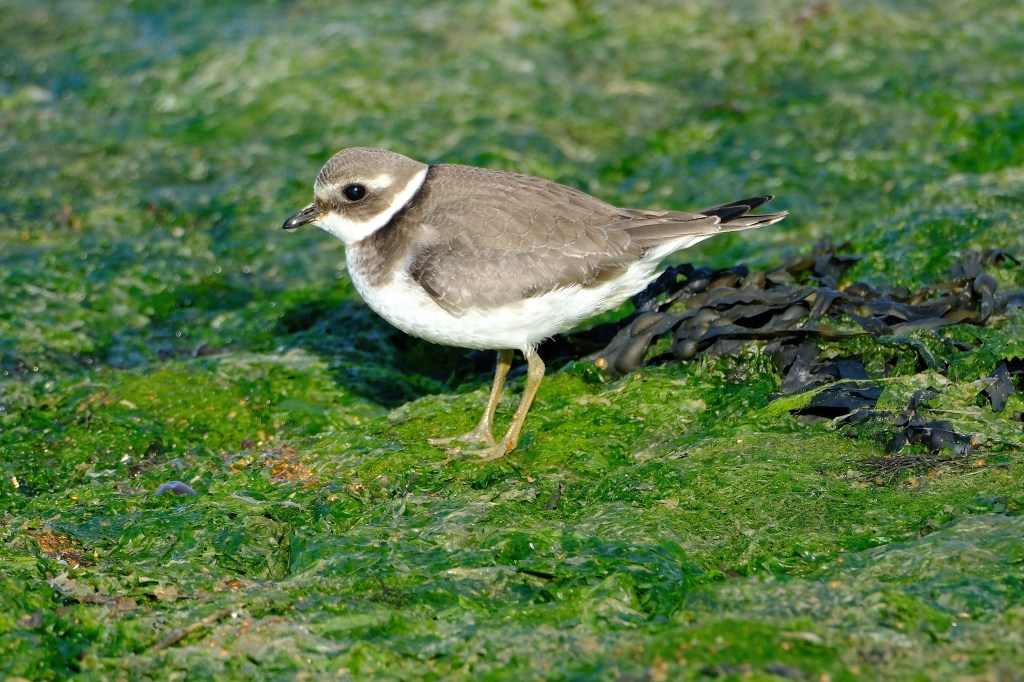
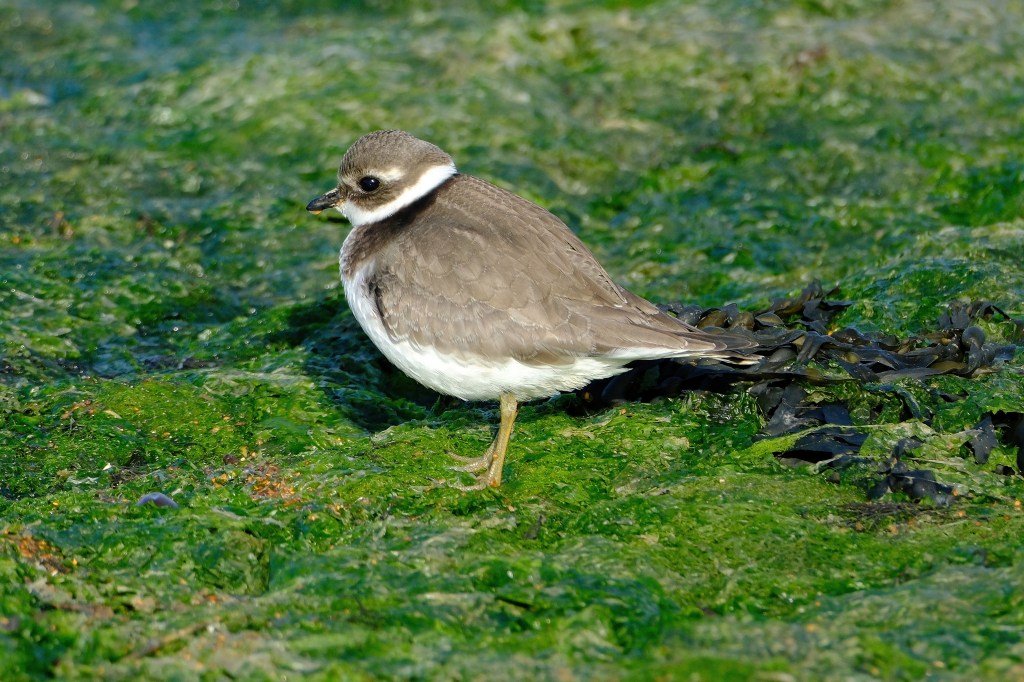
This Curlew took objection to the approaching Godwit!


I have seen reports since the Lockdown of Seals on the river at this point, but until this walk, I had not seen one. Normally, what I think is a Seal turns out to be a mooring buoy.


Walk with a phone!
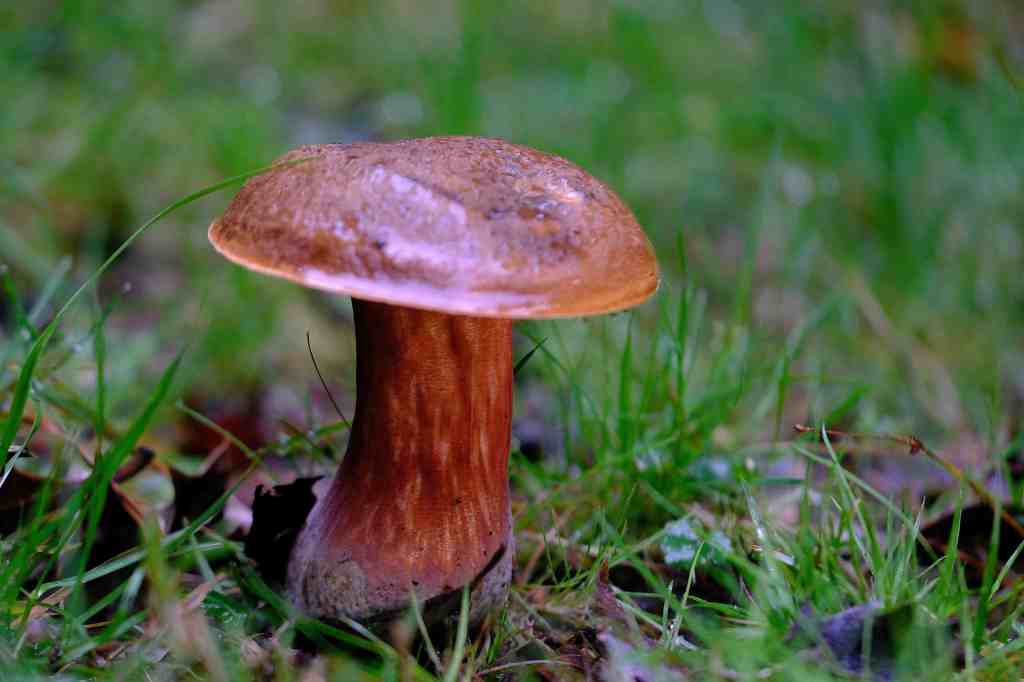
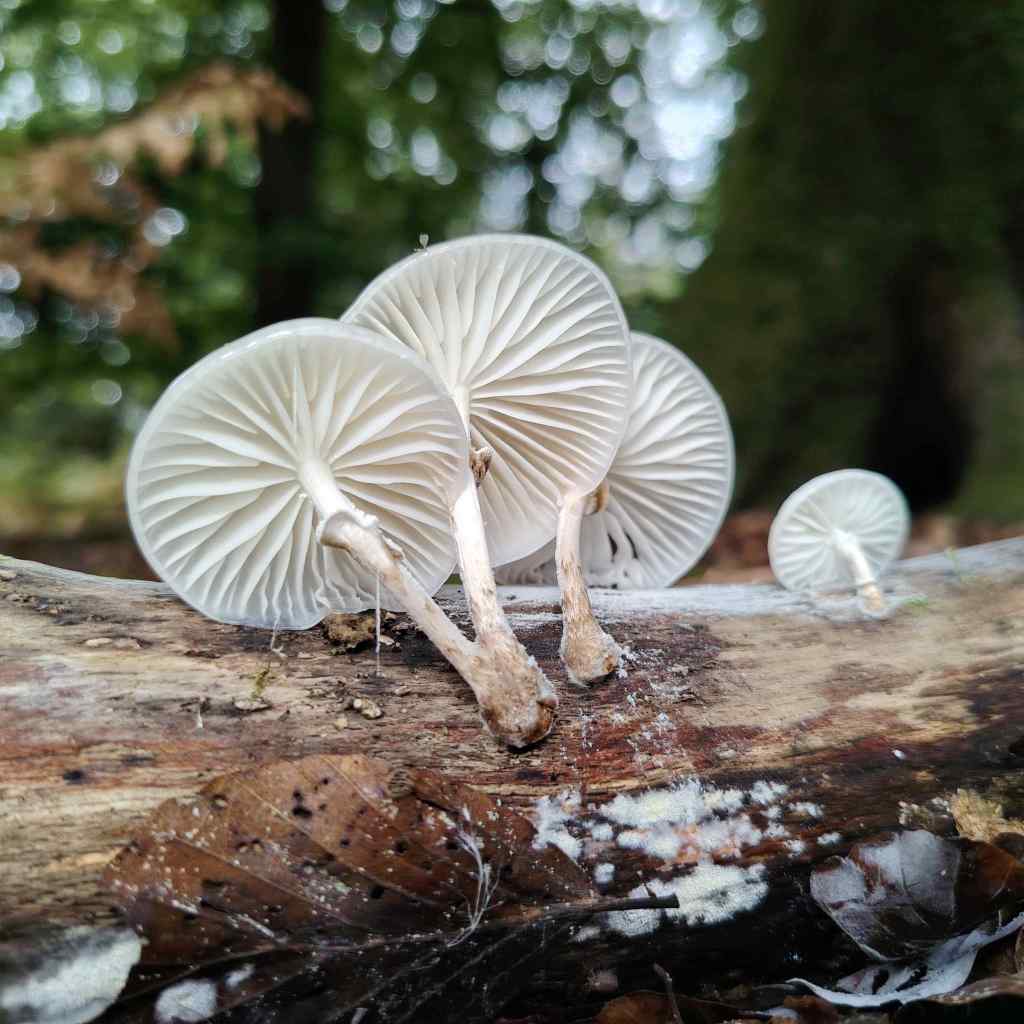
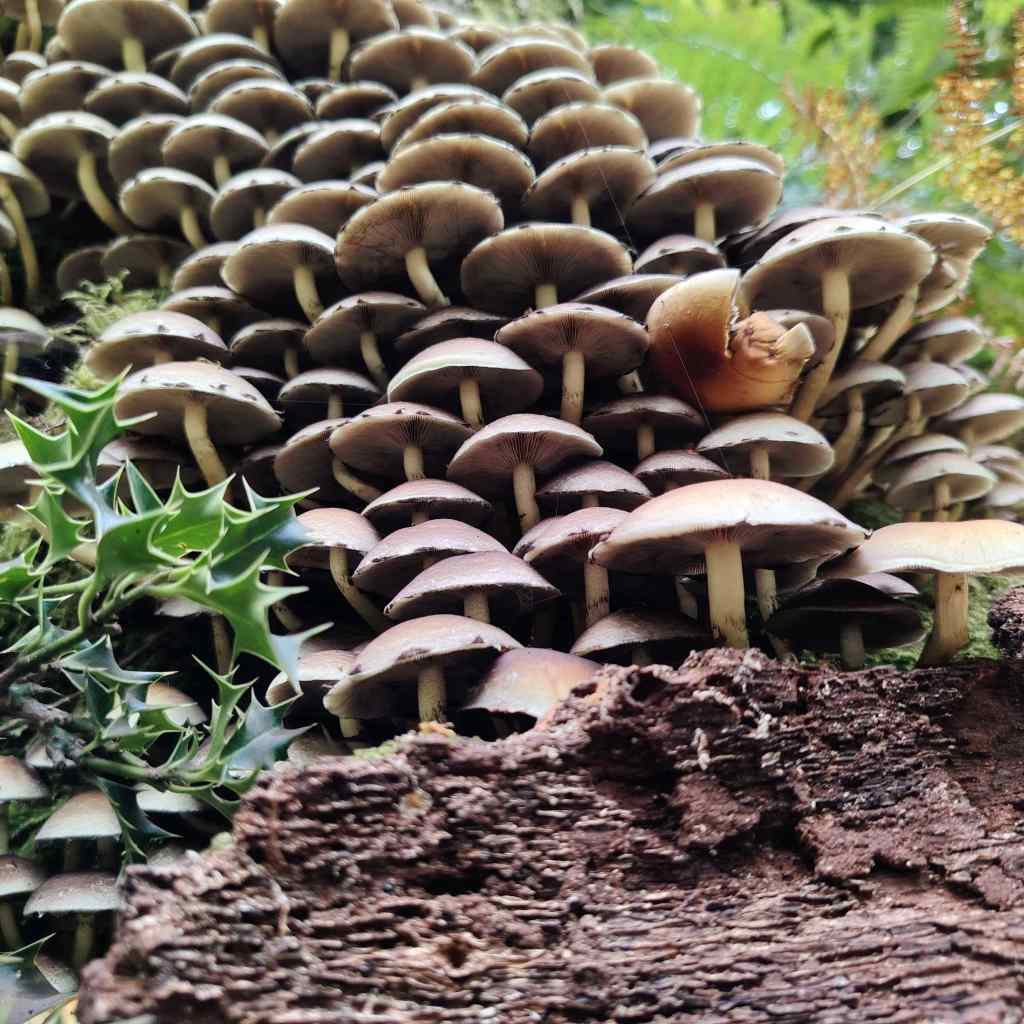
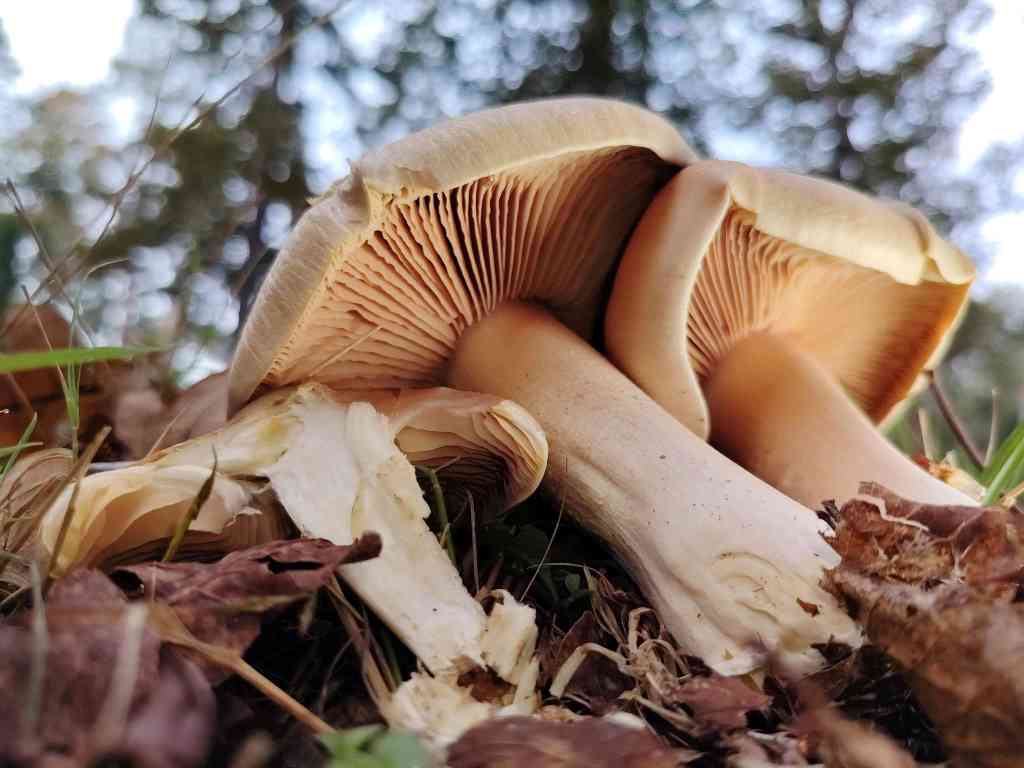
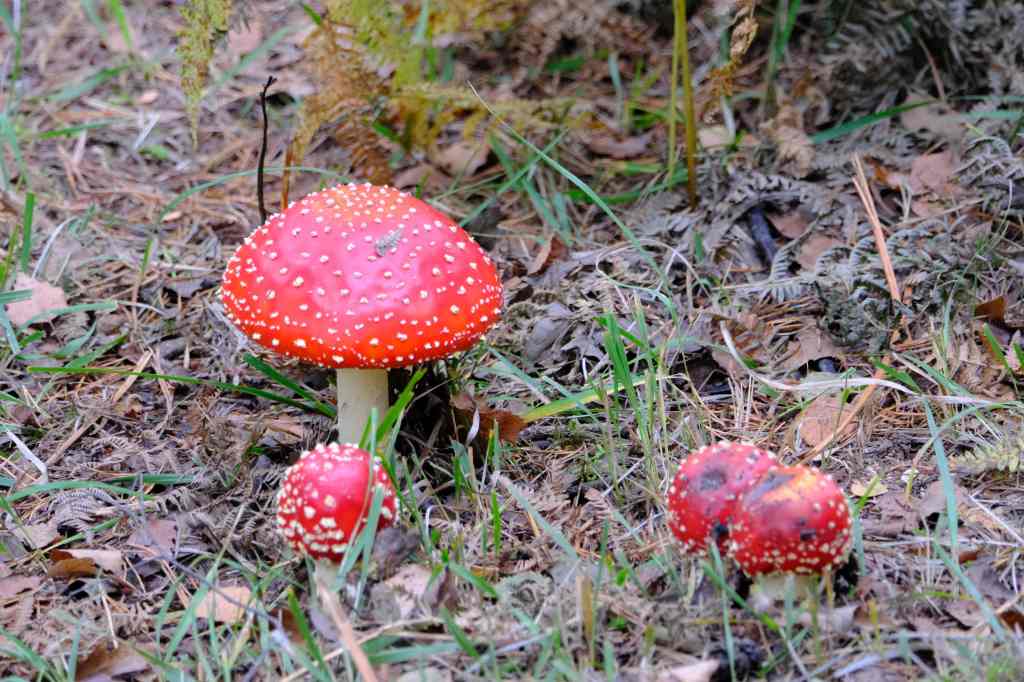
Another fungi walk in the New Forest this morning. All pictures today were taken with my phone, which it edited into a short film -so a bit of fun.
Sadly, too many people are foraging for fungi in the New Forest and spotting edible fungi is now difficult in many areas.
Forest floor.
#Wordless Wednesday






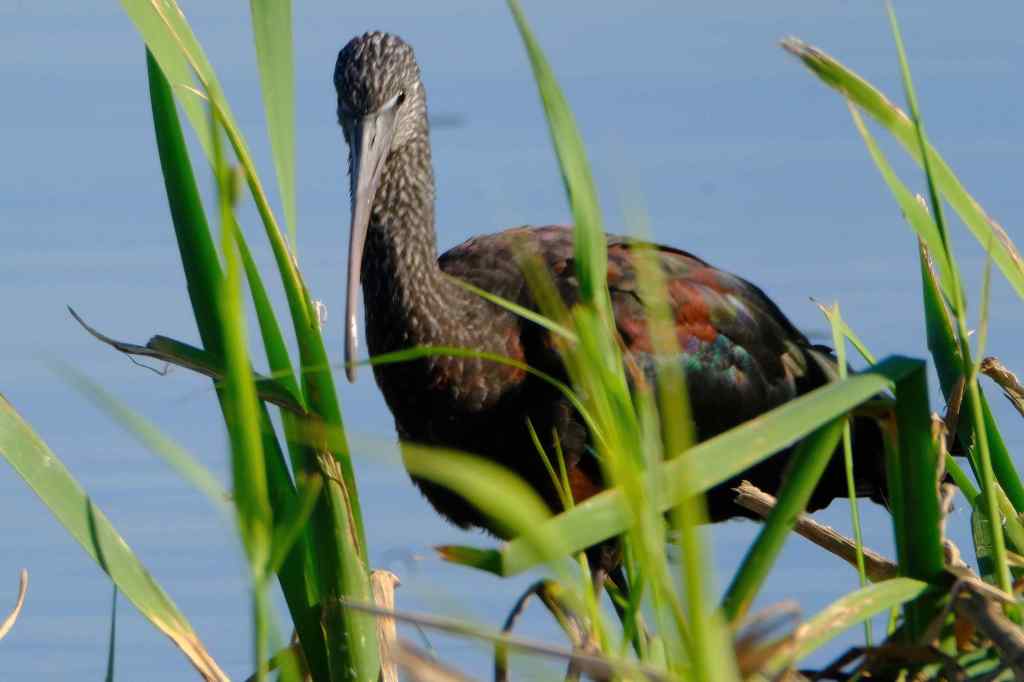
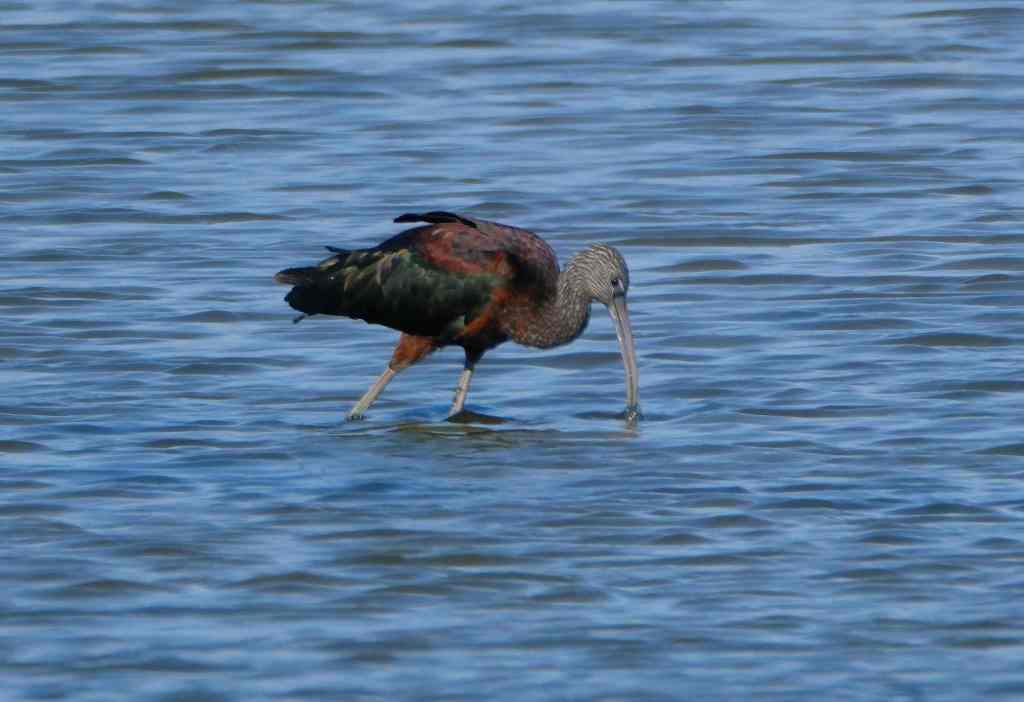
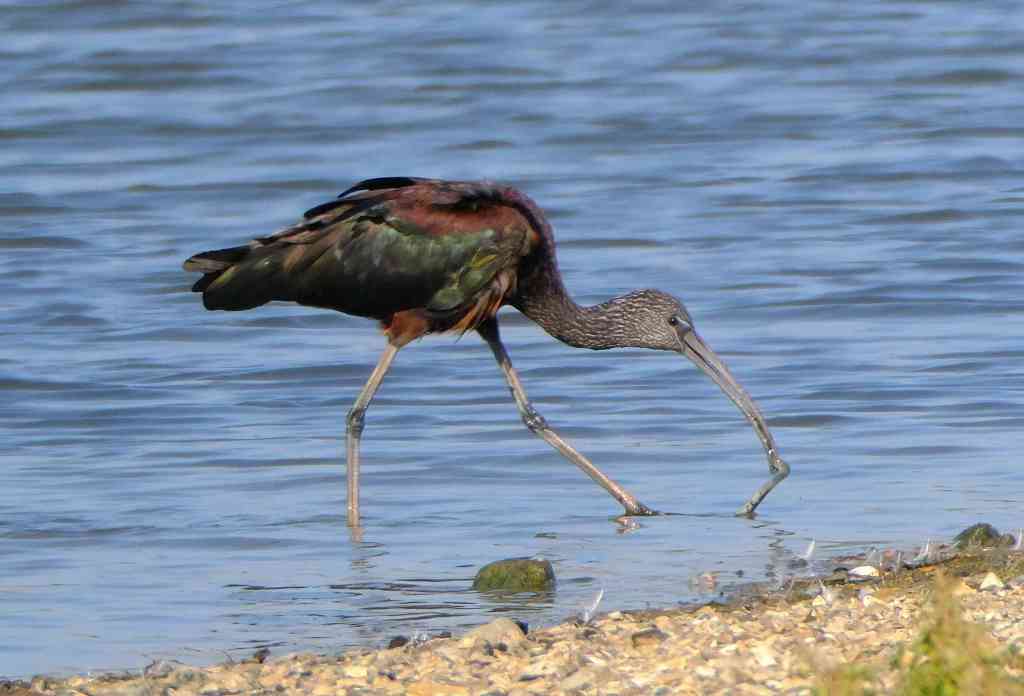
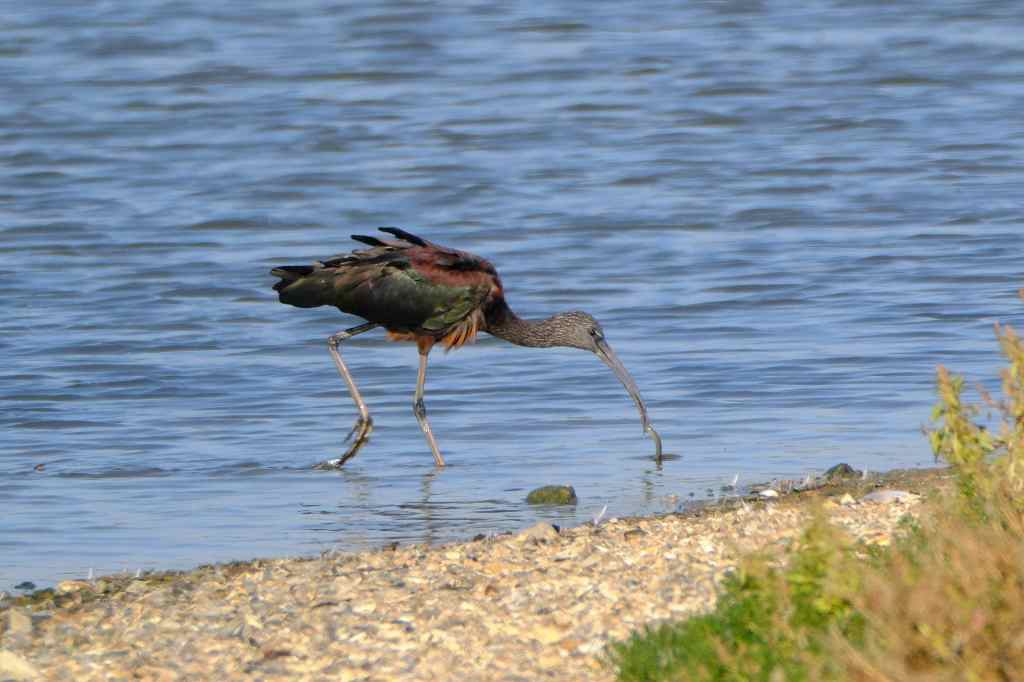
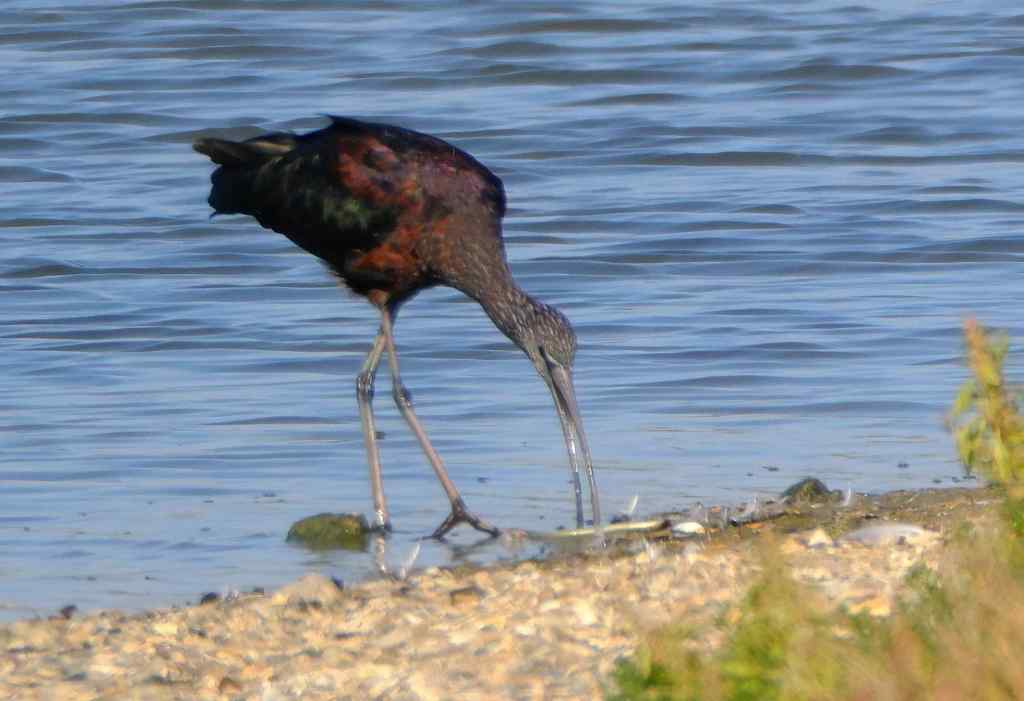
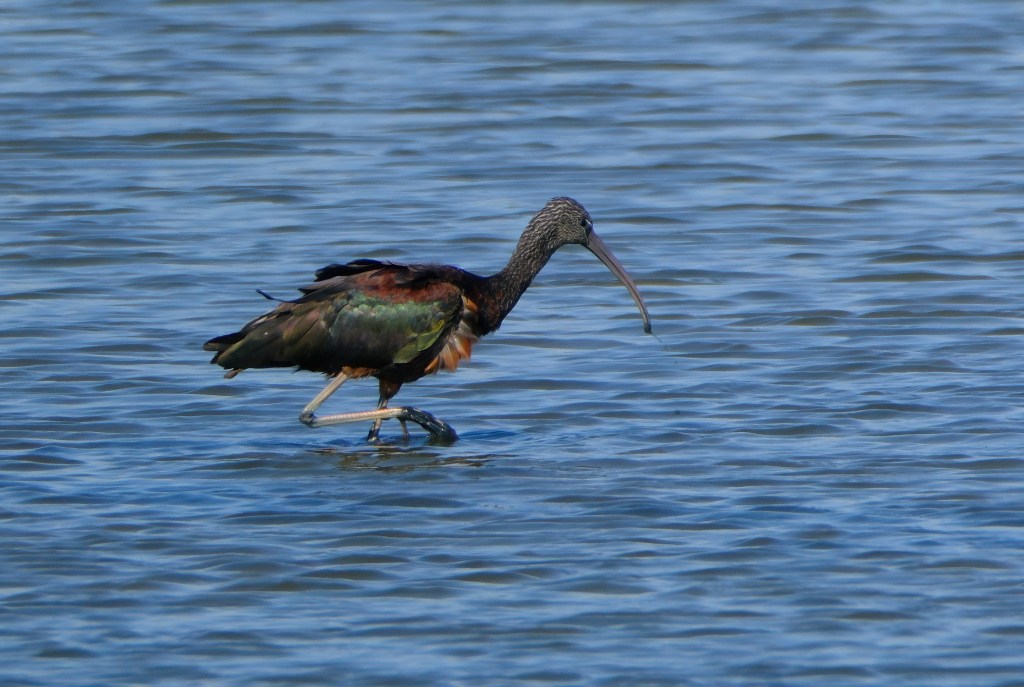
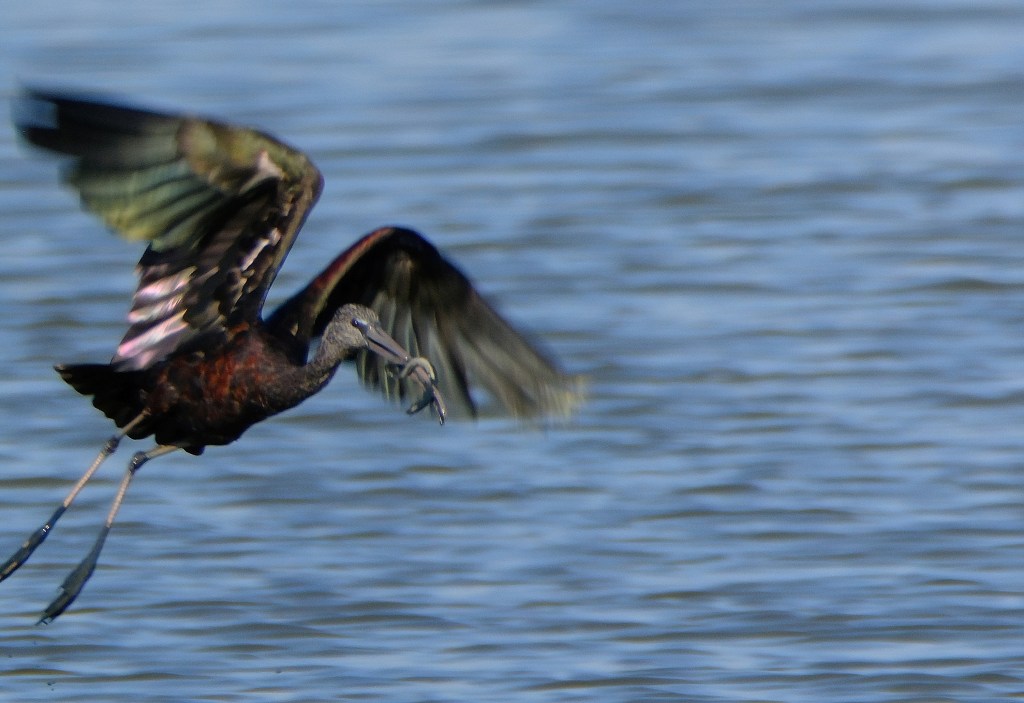
Glossy Ibis.
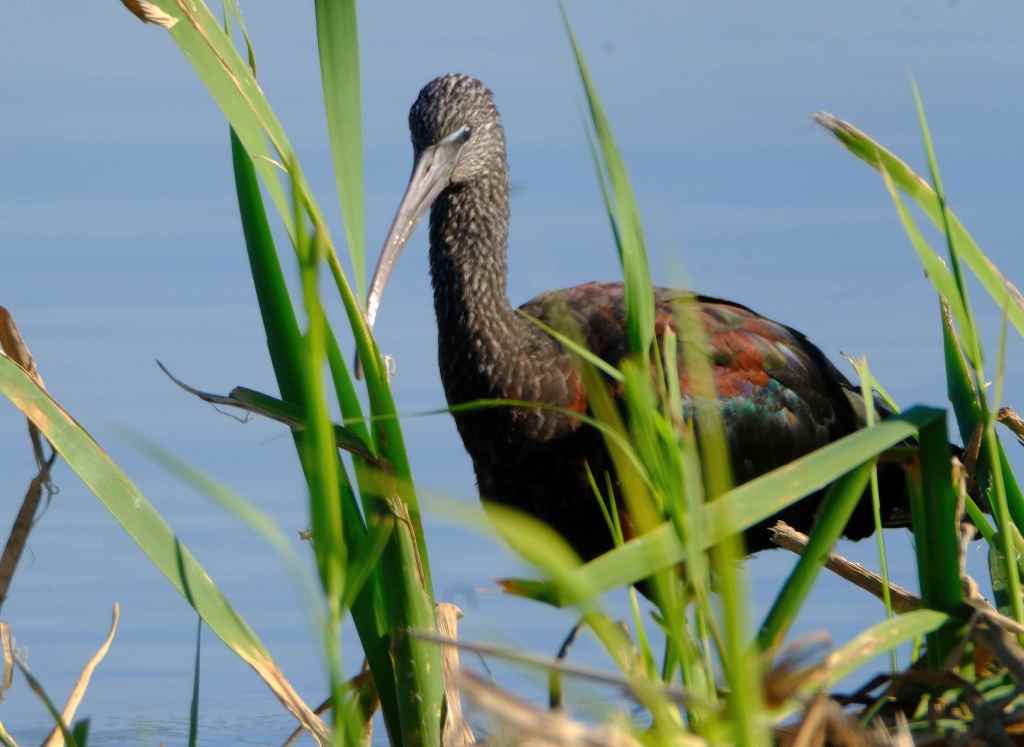
I have been seeing one or two Glossy Ibis at Titchfield Haven Nature Reserve for a couple of weeks. Today, I was able to get some pictures as they came closer to where I was watching from.
Looking at reports on the news and online, there has been a huge influx of Glossy Ibis across Britain and Ireland, with large flocks appearing across a wide area.
The arrival breaks all modern records for the species, which has been increasing across Western Europe in recent years. They bred in Britain for the first time in 2022.
In early September, a minimum of 605 Ibis were recorded across Britain and Ireland.

 Continued Reflections from my World.