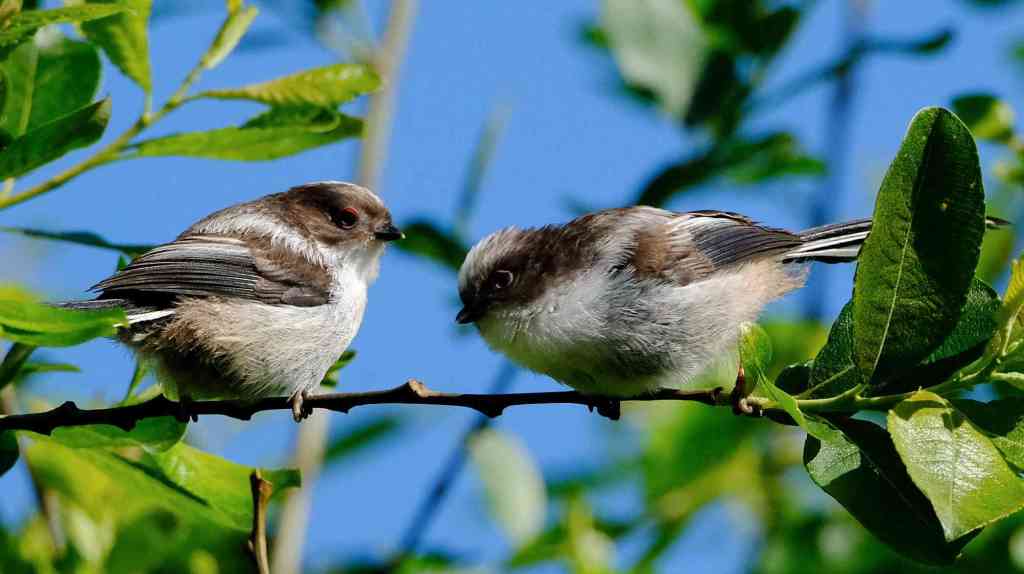
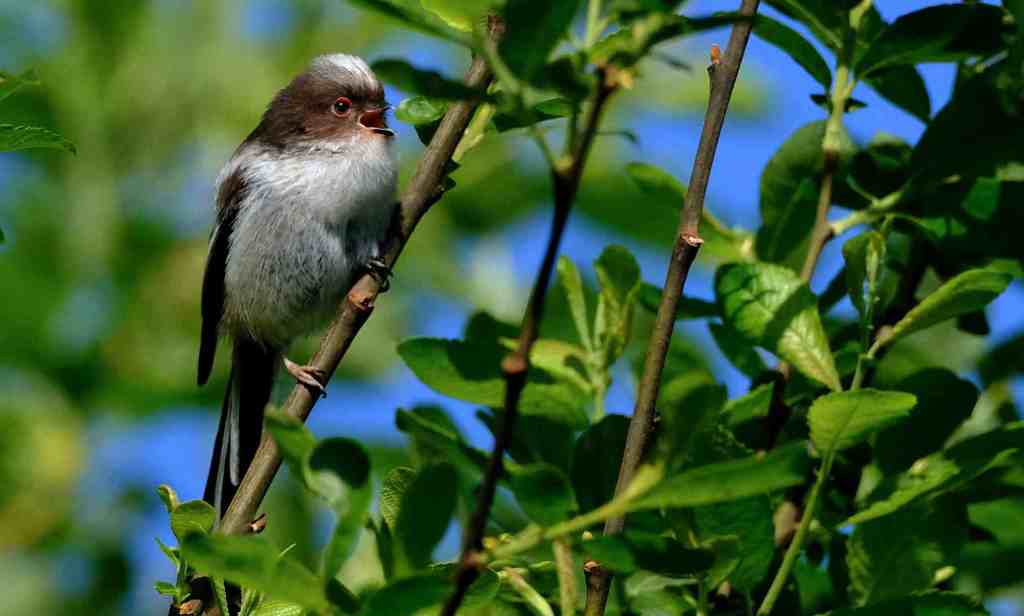
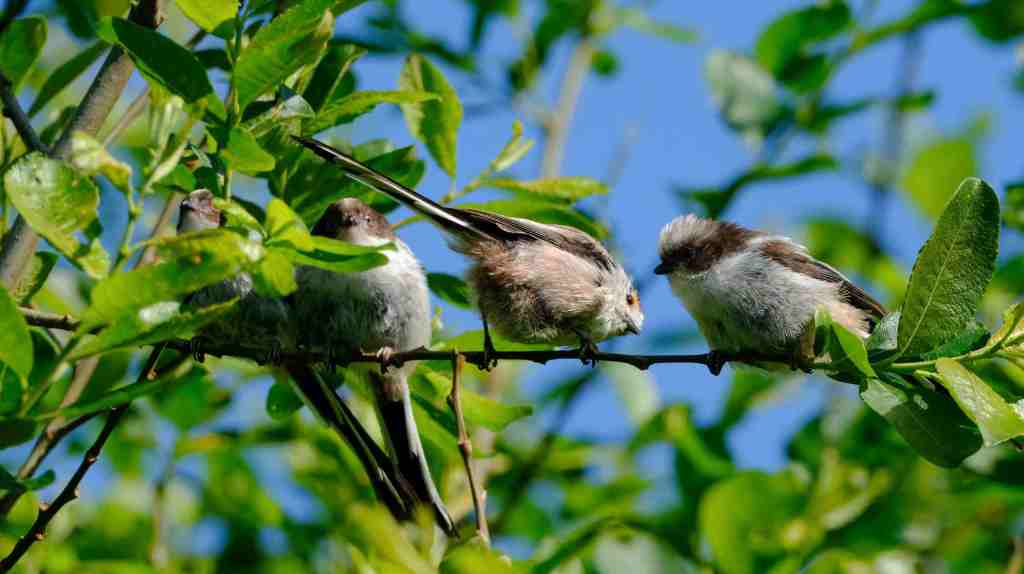
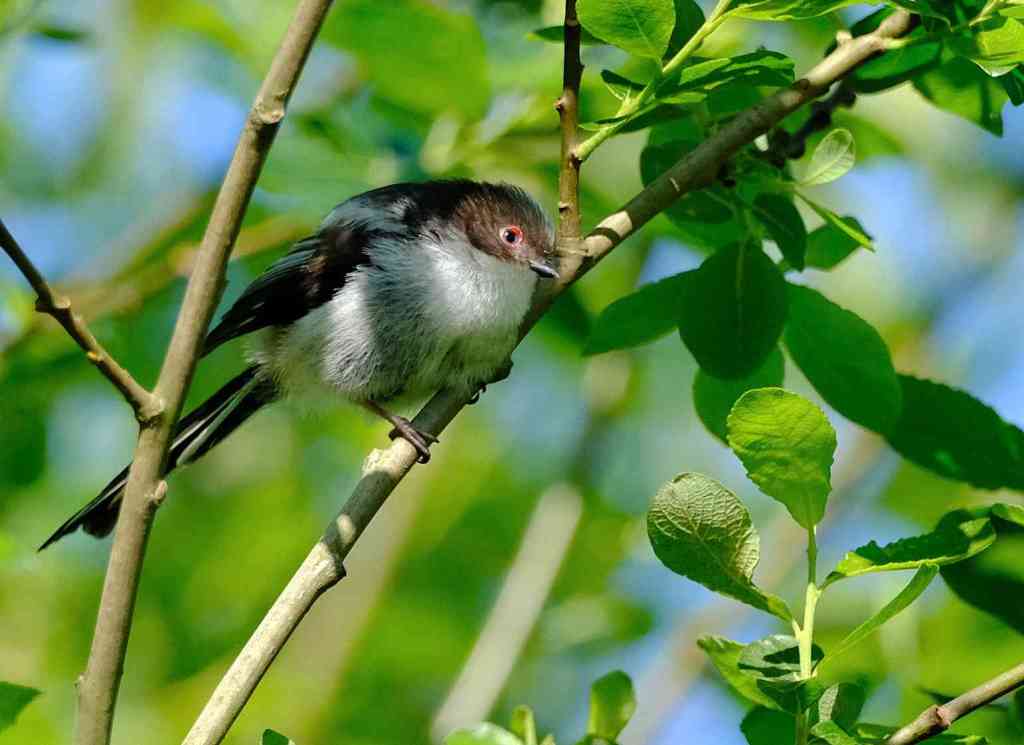
A long-tailed tit family.
The male and female birds work together to build their nest, which will take the best part of three weeks if it’s early in the season. Later builds can be done in a week.
The nest is shaped like a bottle, usually with a roof and an entrance hole near the top. They construct it in a bush or in the fork of a tree, from moss, camouflaged with lichen with interwoven cobwebs and sometimes bits of paper stuck on the outside. they add a feather lining. As the chicks grow the nest expands.
The female incubates a clutch of between 8-12 and eggs – sometimes as many as 15. Once they hatch, things get crowded but the nest is stretchy the nest expands.
When they leave the nest the family of young birds are often seen lining up together. I spotted this family while out for a walk this morning.
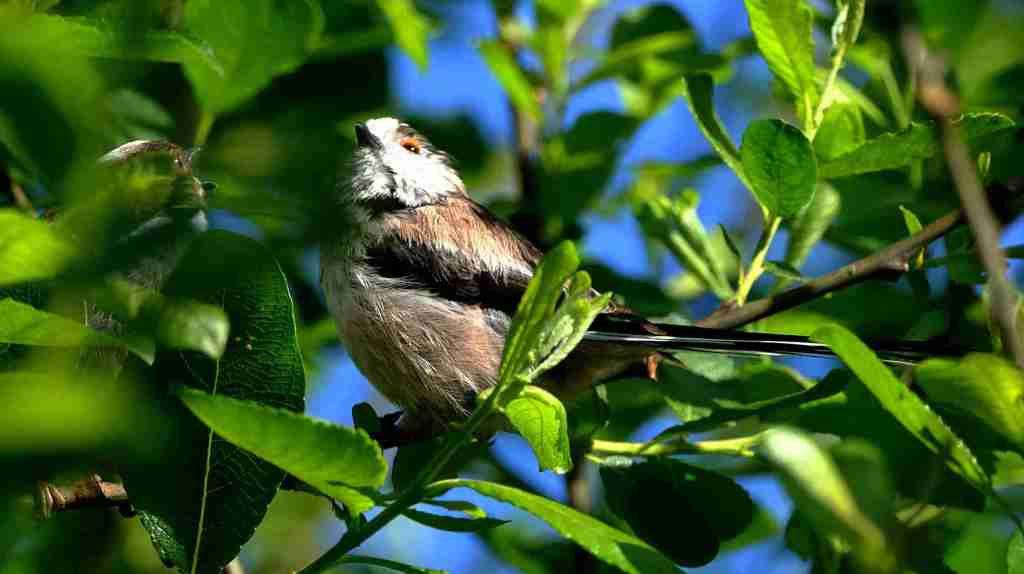
Above is a parent bird, all other pictures as young birds.



I believe this beetle is Geotrupes Stercorarius – It is commonly known as the Dor Beetle or Dung Beetle. A large beetle up to 26 mm long. This beast was in the New Forest.


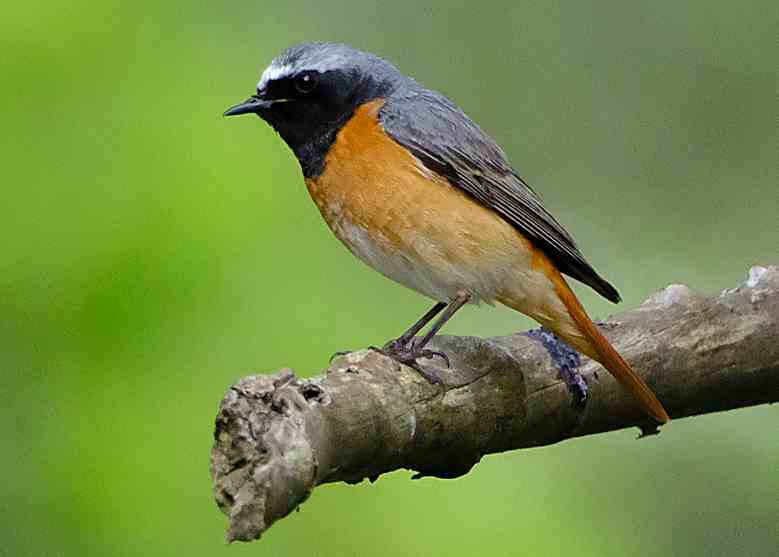
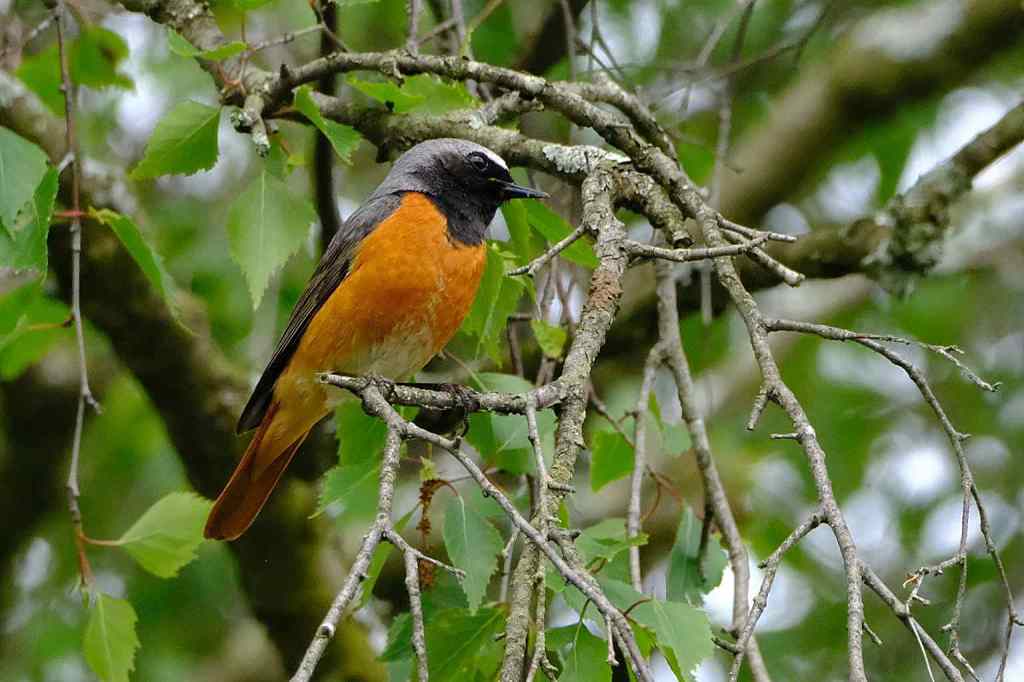
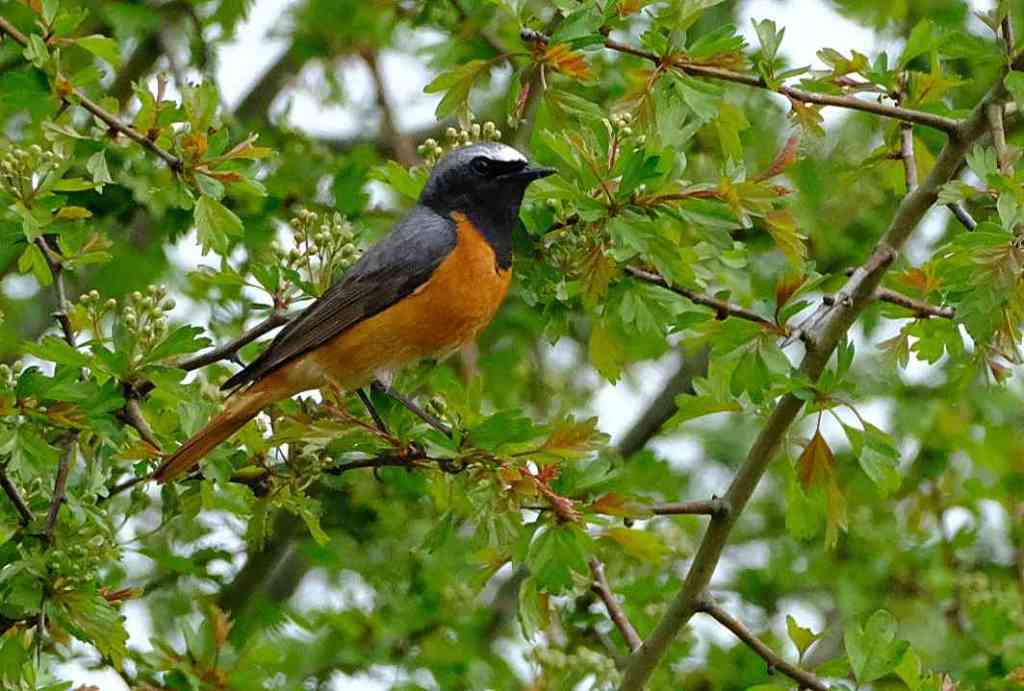
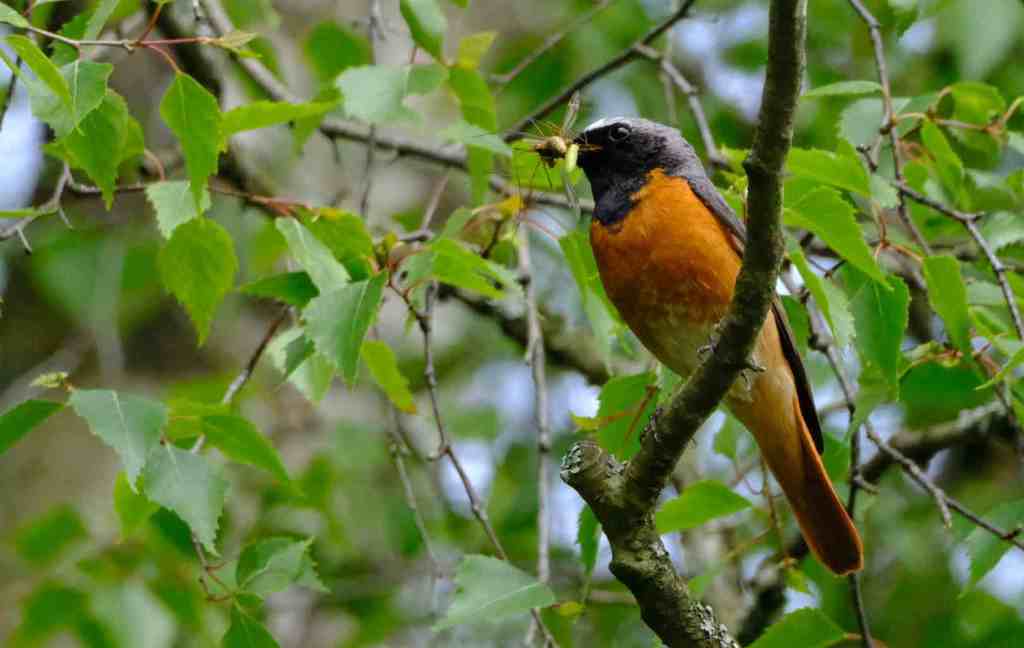
Further to my post last week (see link) focusing on a female Redstart, returning to the same spot in the New Forest this morning I caught up with a male bird.
skylid.travel.blog/2023/05/12/redstart/



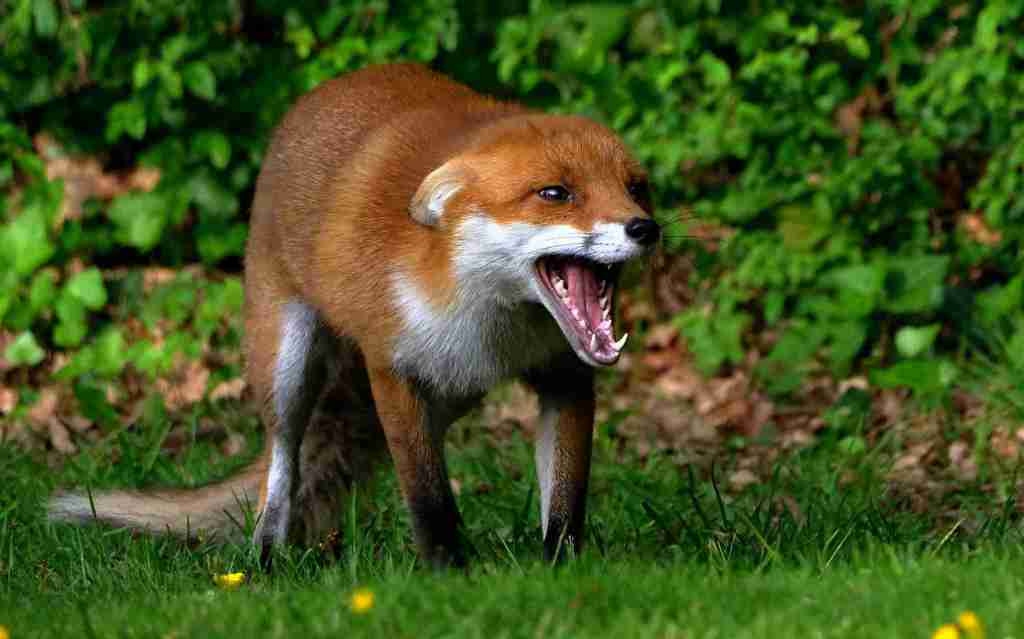
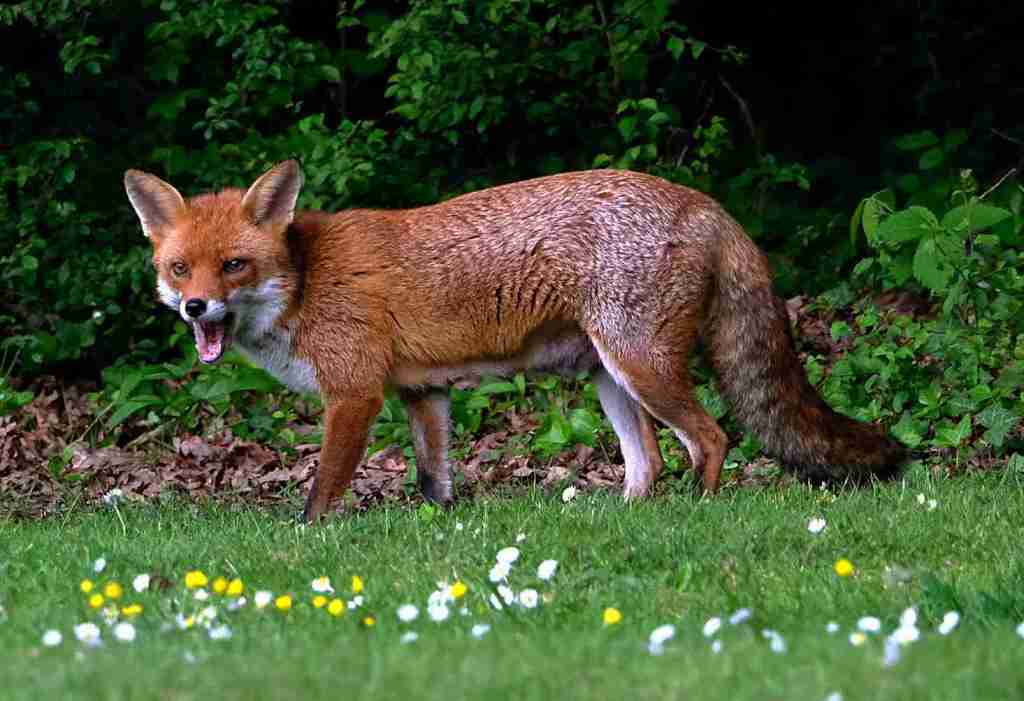
As part of my volunteer work, I have access to the grounds of a restricted training area which is closed to the public. Roe deer & foxes have no such access restrictions and in the quiet of the early morning or early evening under the nose of the security cameras they go about their routines within the grounds. Wednesday evening with good weather I took the opportunity to photograph some of the foxes. Many of the females have cubs – in the some of pictures you can see some are heavy with milk however, they are keeping the cubs safe deep in the woods. One family live under a storage container wary of people and Police dogs.
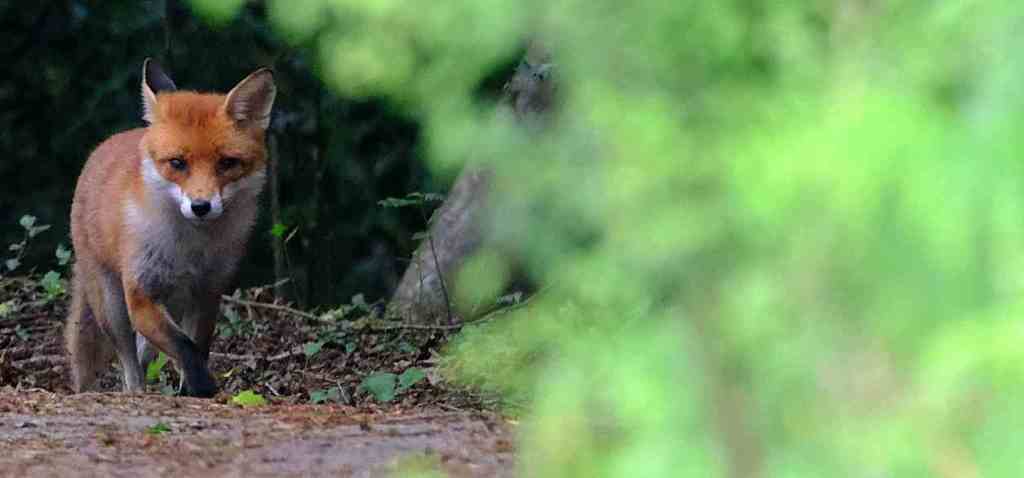
Sitting quietly I was pleased to get some pictures.

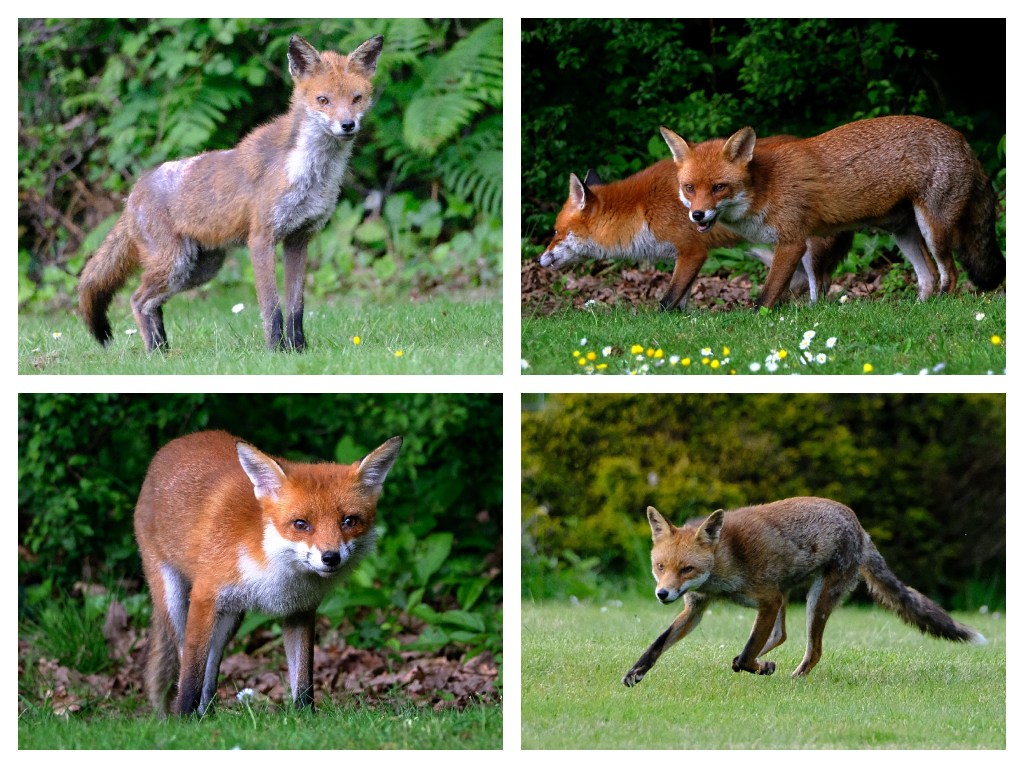

One fox is in poor condition suffering from mange. Sarcoptic mange is a disease caused by mites irritating the skin. This condition is common in foxes in the UK.
#Wordless Wednesday

Swanwick Lakes is a local nature reserve which has been re-wilded from the clay pits of the old Burseldon Brick Works. Our walk today shows how the return to nature of an old industrial site can work.

Female Mallard.
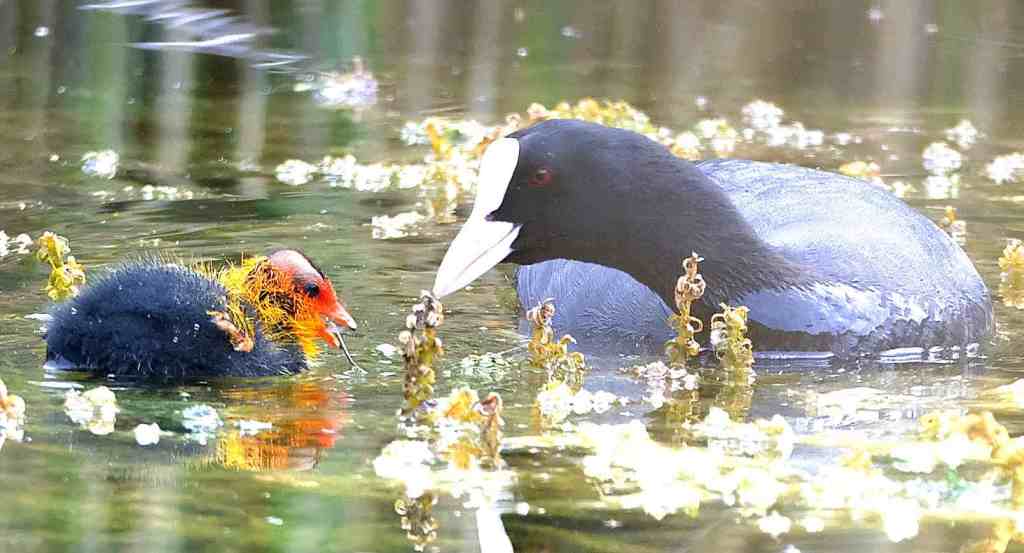
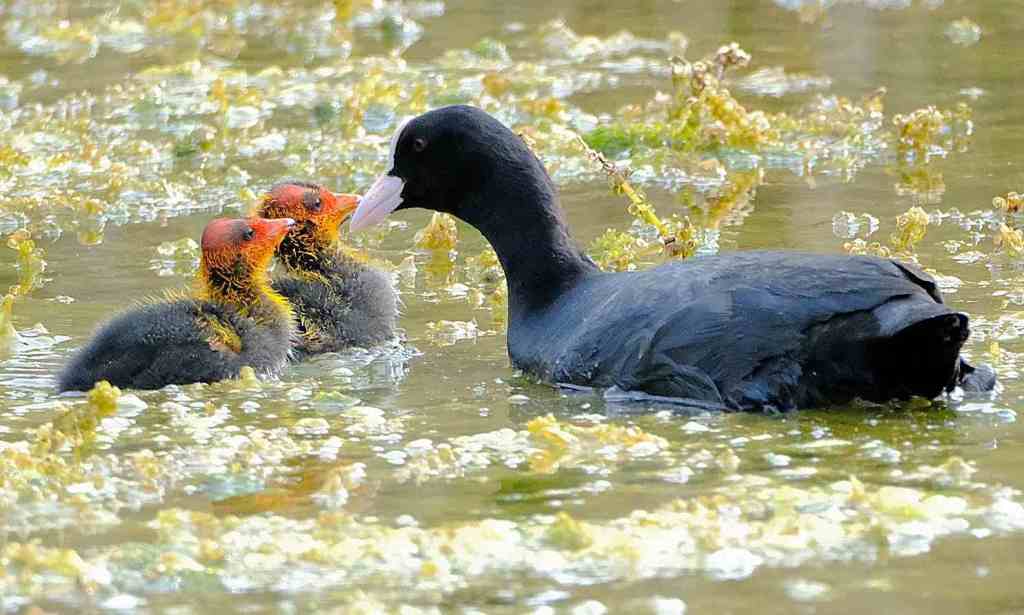
Coot family.
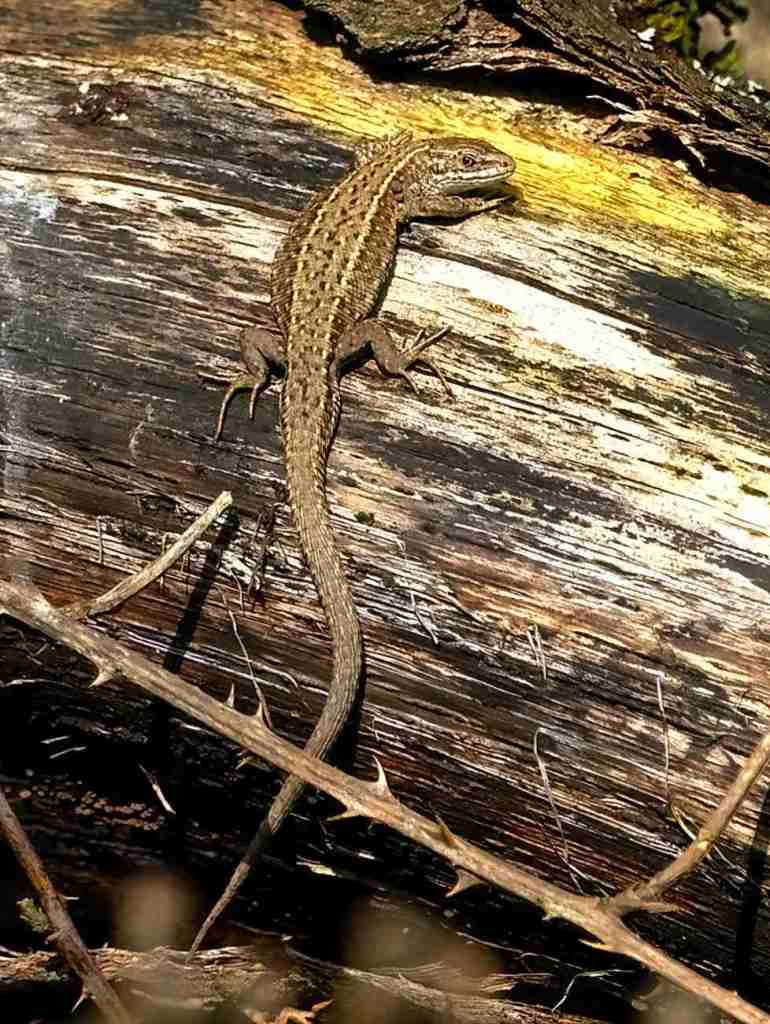


Common Lizard.

Mouse.
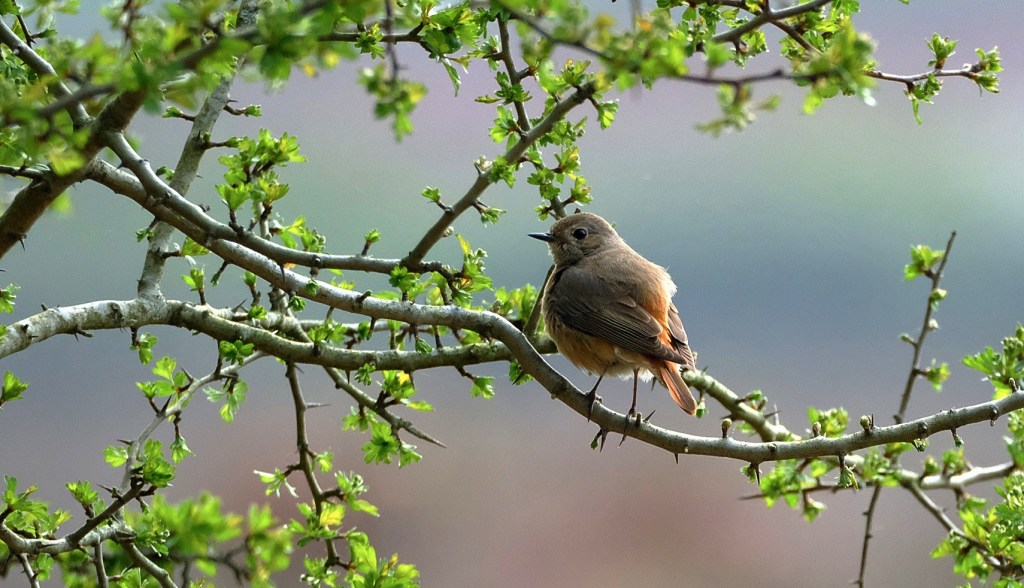
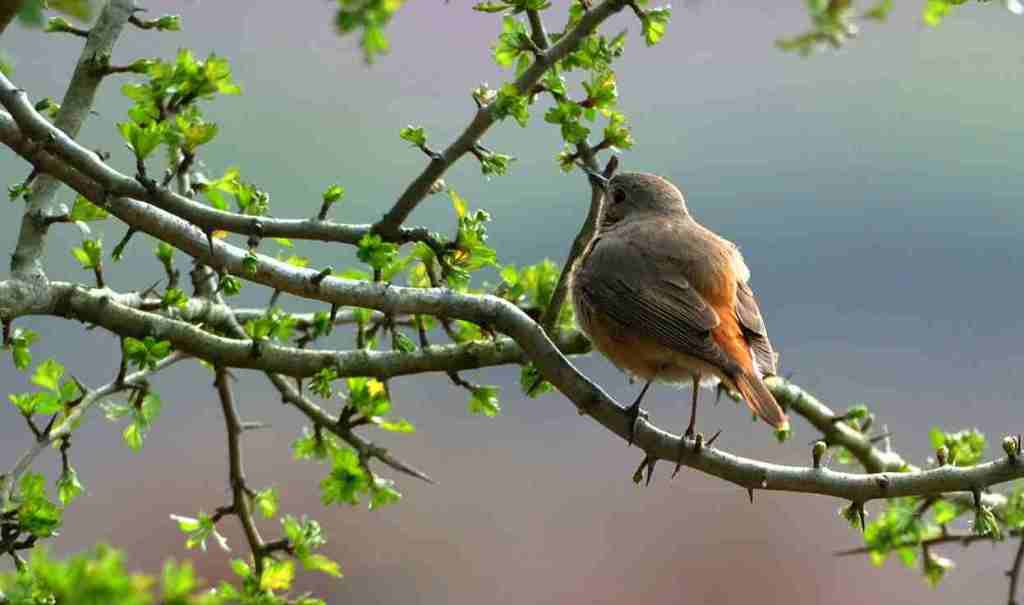
A female Redstart in the New Forest. I did spot some Male birds but did not get any photos. The male bird is more striking and more colourful

Local roebuck a deer we have seen locally for a number of years so nice to see him again.


I try and get out in the environment not only is it physical exercise it is mental exercise. I always take a camera with me I never know what I will see on my trips out. A couple of times a week I go to the coast on Southampton Water. There were 3 Grey Heron fishing together at the Haven this morning. The 1st 5 pictures are of an adult bird the other pictures show young immature birds probably born last year.


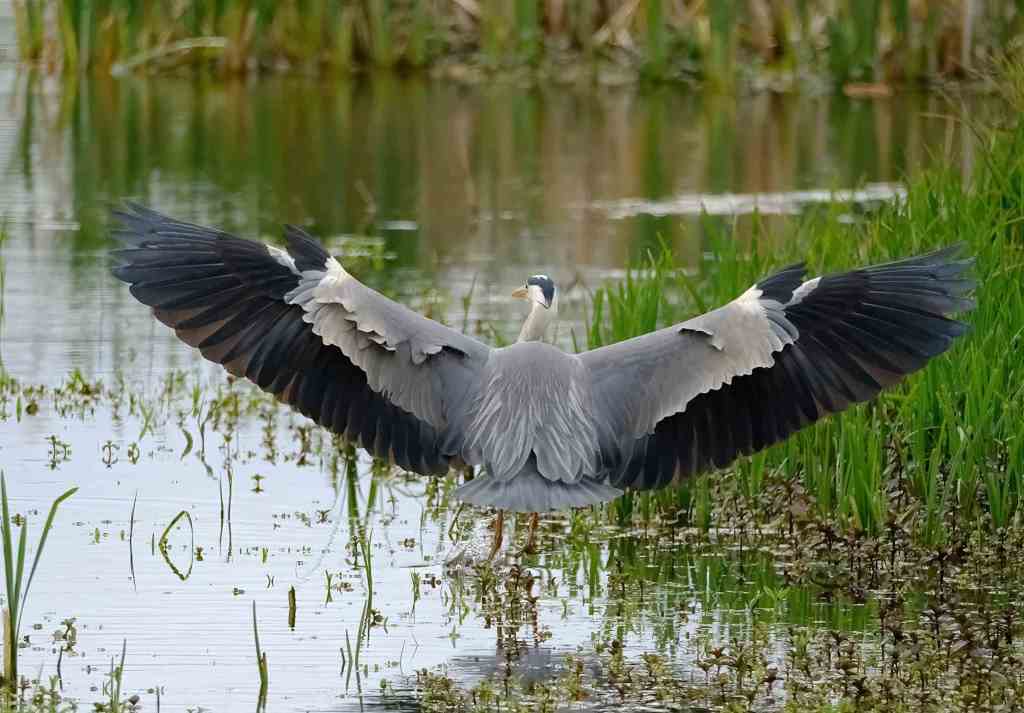

The collective noun for Herons is a ‘siege‘,


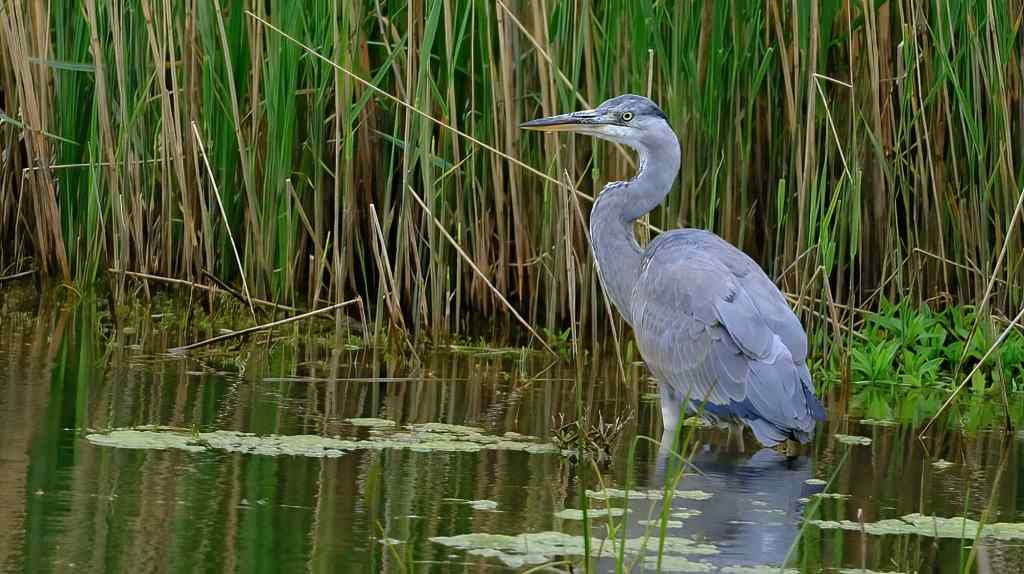

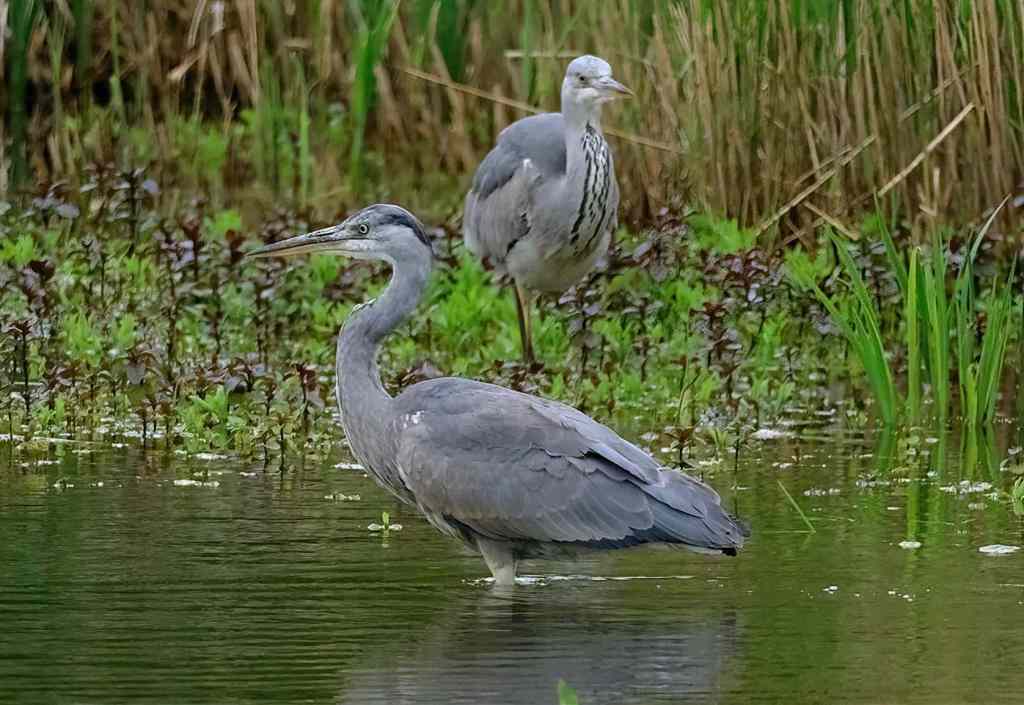
Heron eat, lots of fish and eels, but also small birds such as ducklings, small mammals like voles and amphibians.
 Continued Reflections from my World.