Not the well-known fizzy drink but the number of relatively newly hatched Mute Swan cygnets on Hatchet Pond in the New Forest.
I will say no more and let the photographs do the speaking – the only words I could find were ” just so cute.”


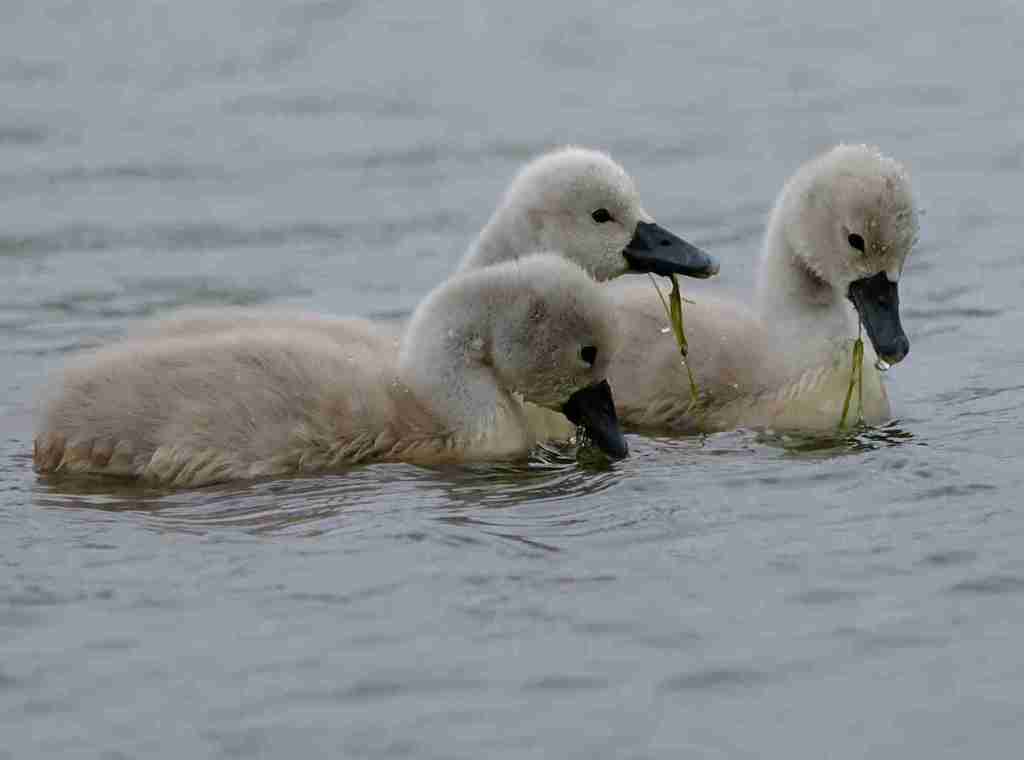

Not the well-known fizzy drink but the number of relatively newly hatched Mute Swan cygnets on Hatchet Pond in the New Forest.
I will say no more and let the photographs do the speaking – the only words I could find were ” just so cute.”
Yesterday we collected our trail cameras placed at a Badger Sett in the New Forest. It was great to see several Cuckoos en route (see yesterday’s post).
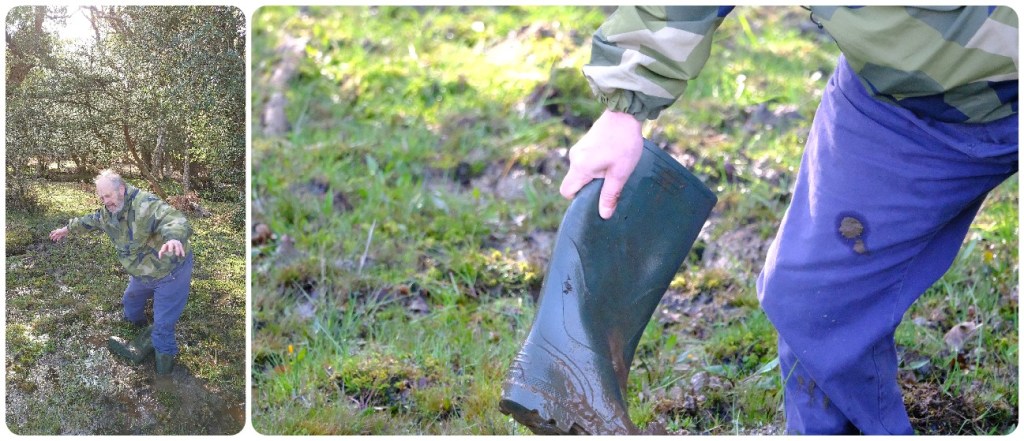
Got a bit muddy in the process trying to get some photos of a small fungus.
In the UK and Ireland, it is known as the Bog Beacon,( in the USA it is commonly referred to as the Swamp Beacon.) This little fungus occurs only in very wet places and looks like a flower popping out of the water.


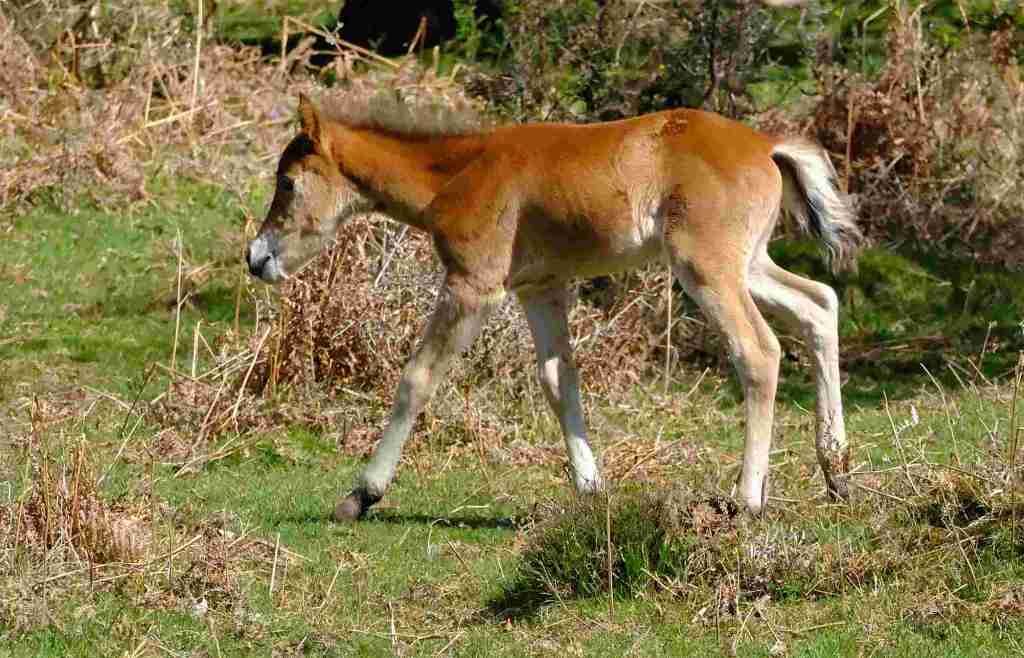
1st New Forest Pony foals of the year were also spotted during today’s walk.

The camera had some good Badger footage.
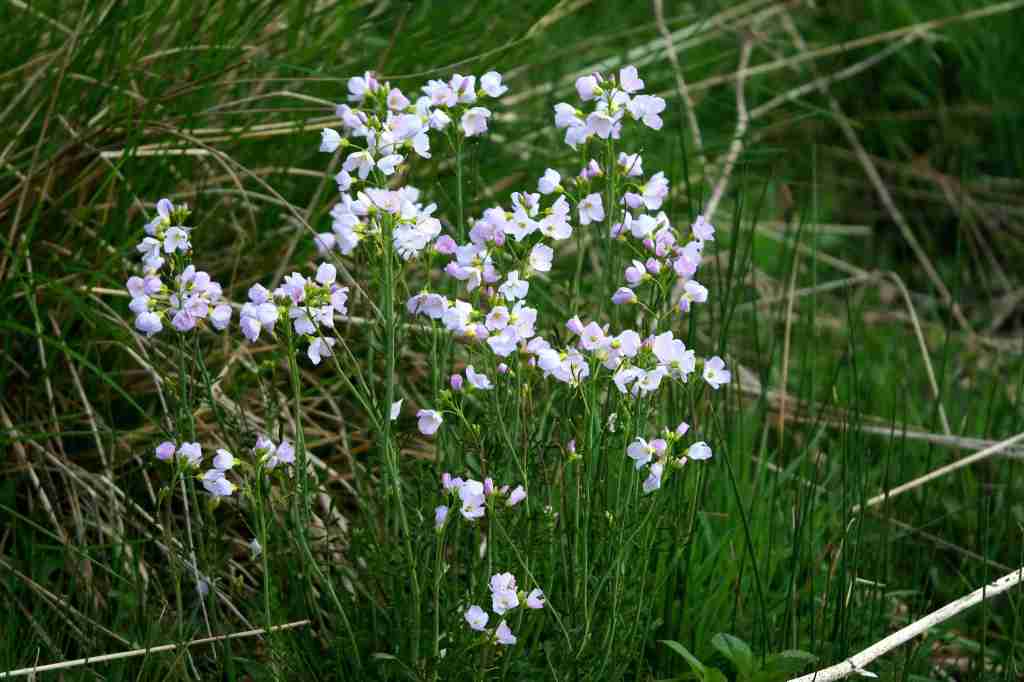

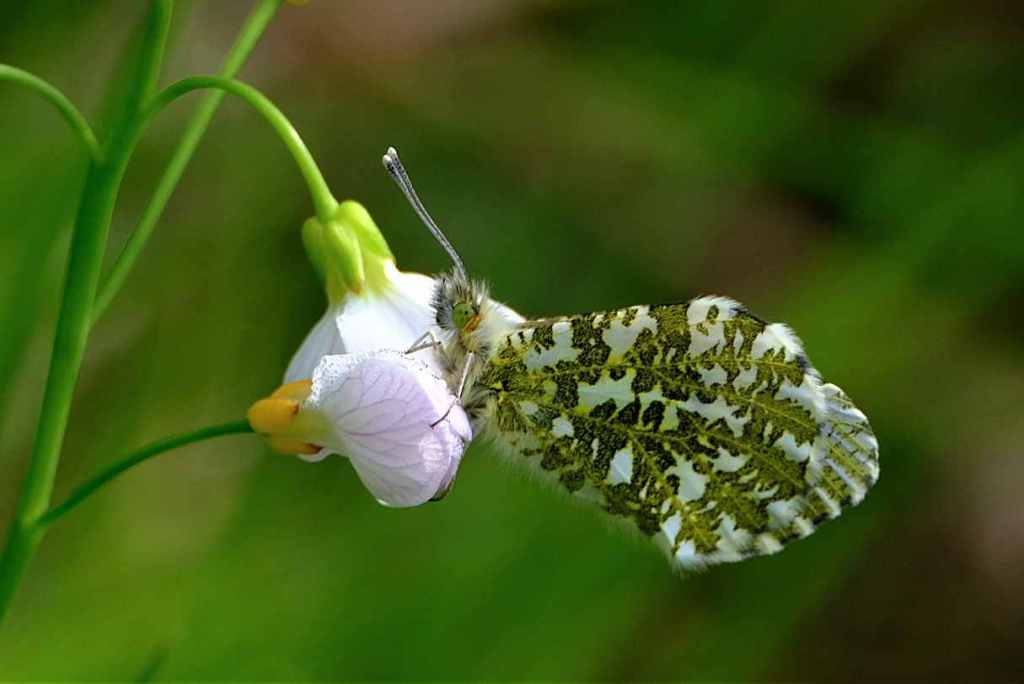
A plant that favours the Water Meadow is The Milkmaid, a member of the mustard family it is also known as the lady’s smock or Cuckoo flower. The flowers; colour can vary from pale lilac to white. A food plant for the Orange-tip butterfly caterpillars – this female Orange-tip had found the Milkmaid flowers.
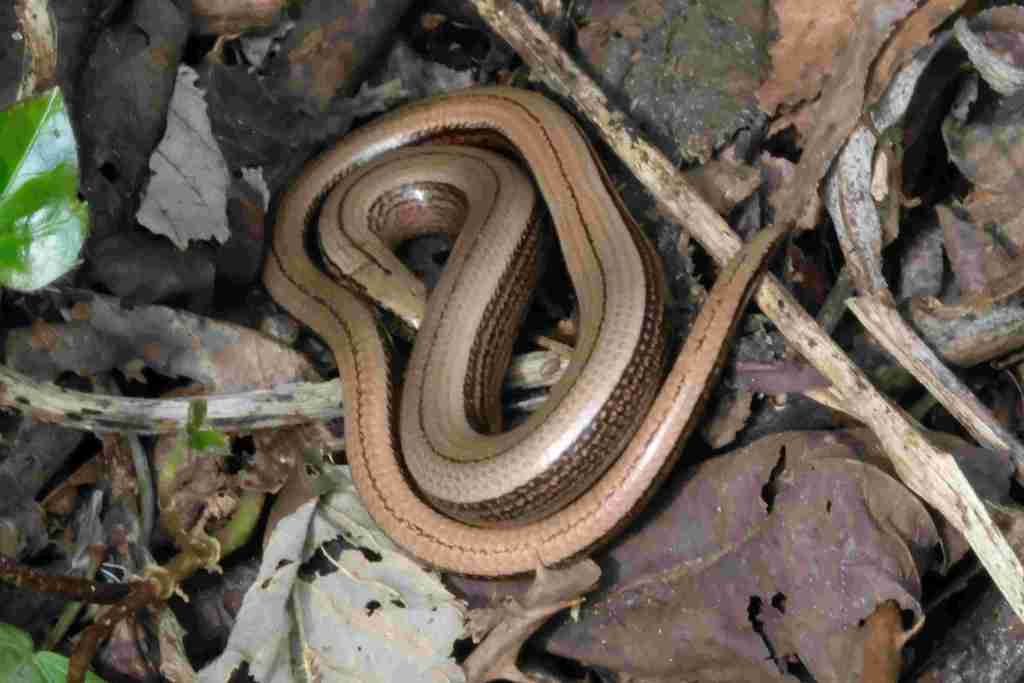
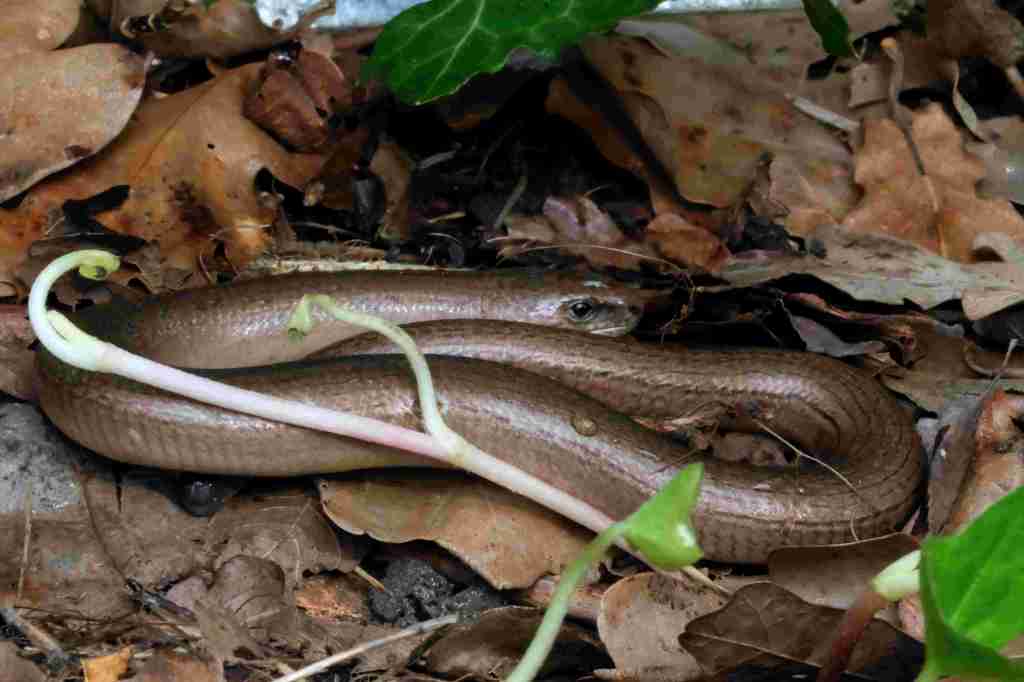
Today’s lucky spot was some Slow Worms. Mistaken by many for a snake Slow worms are legless lizards.
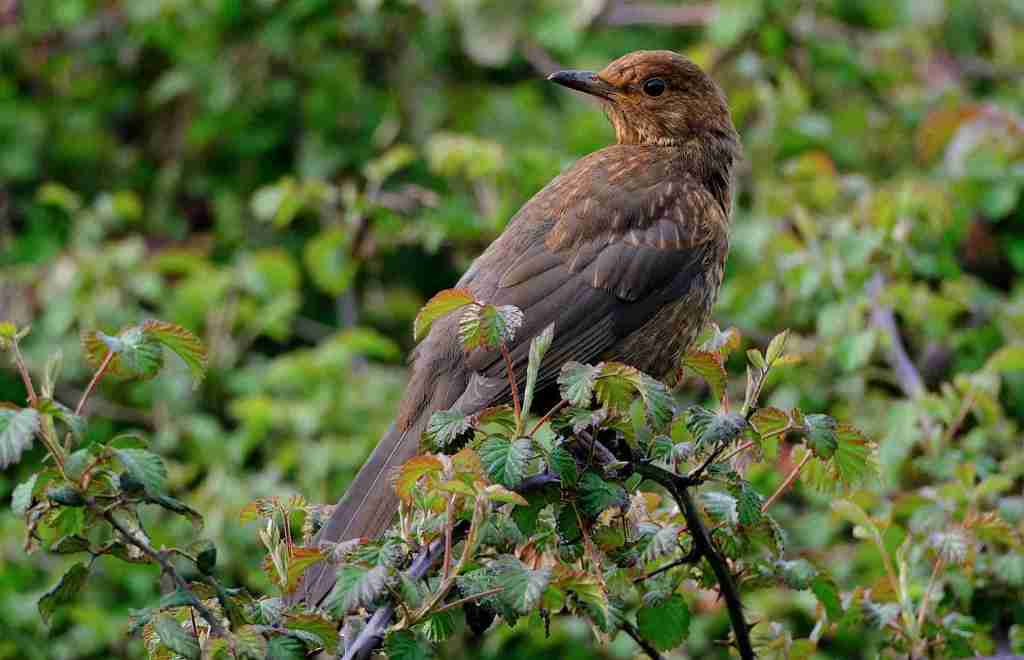
A female Blackbird.



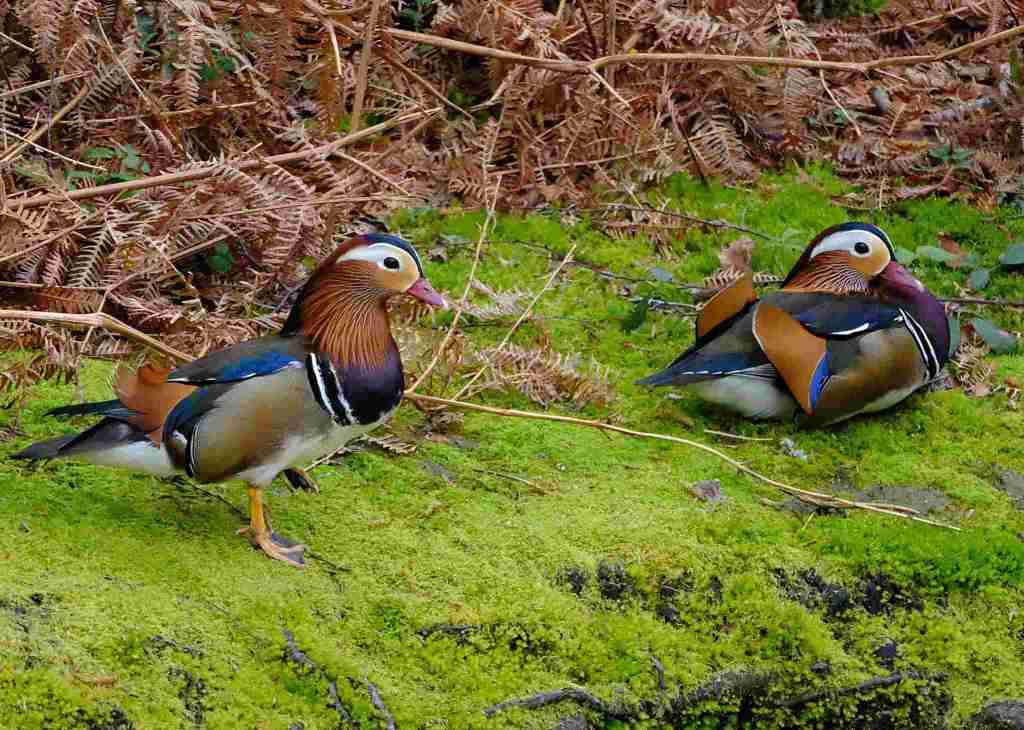
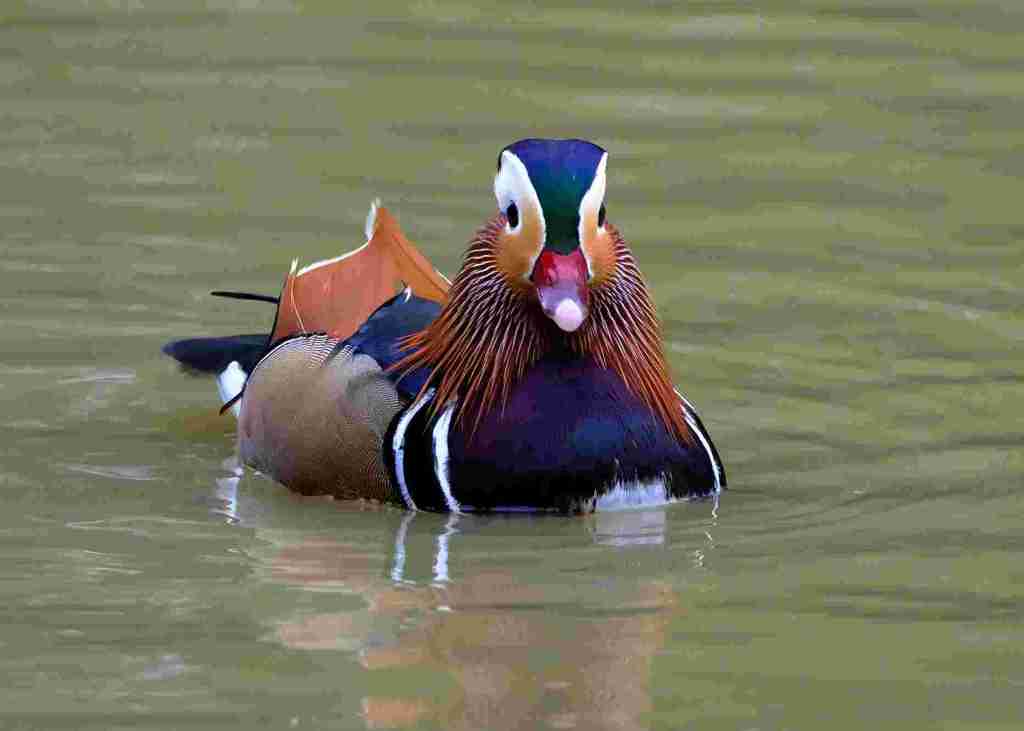
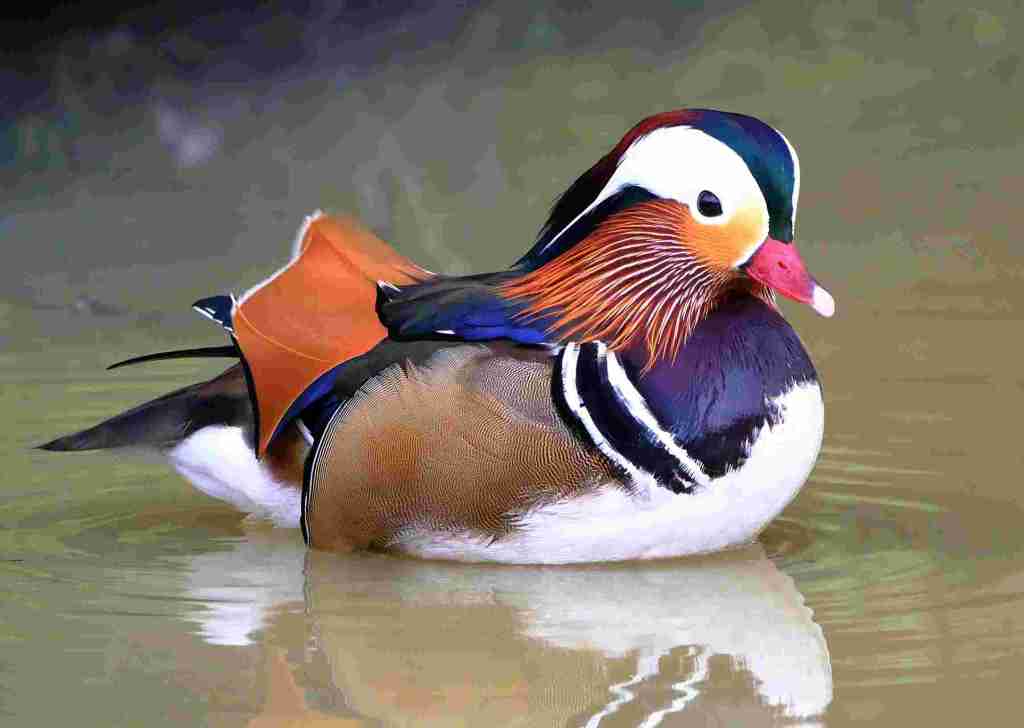
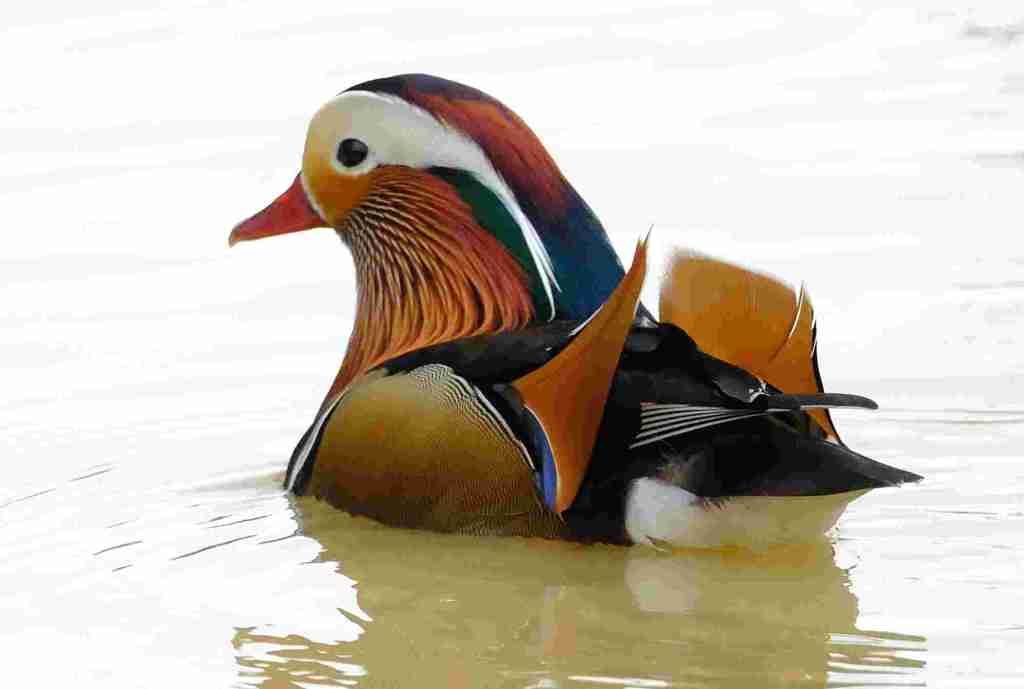
What is odd about Mandarin ducks? They nest in trees often high above the water. Two drakes spotted today but no female ! not even up in the trees so they must be well camouflaged.


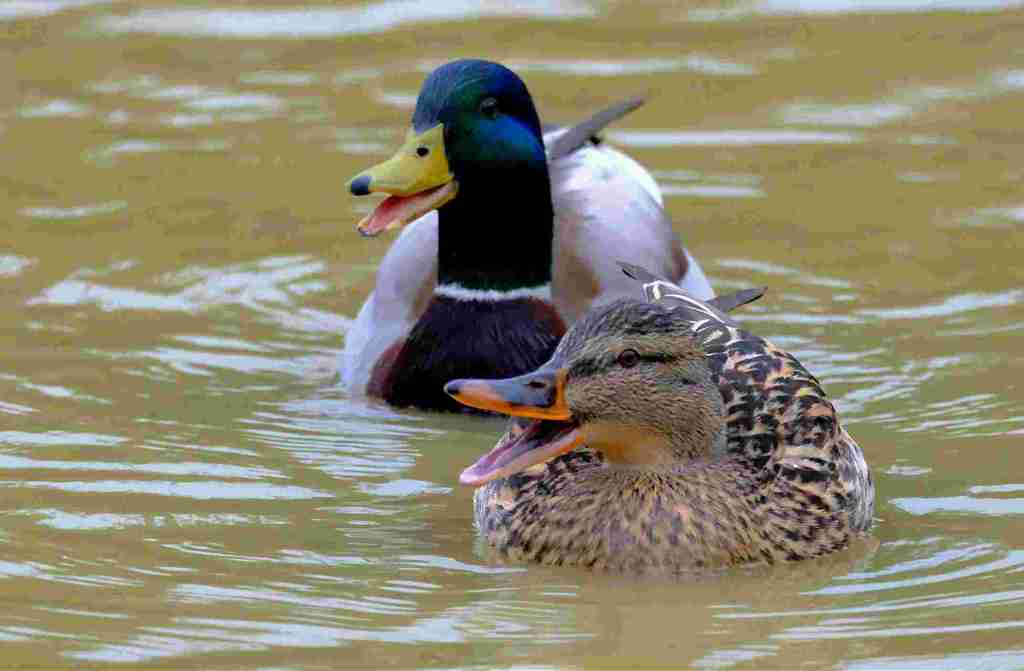
The Mallards on the pond were not amused!
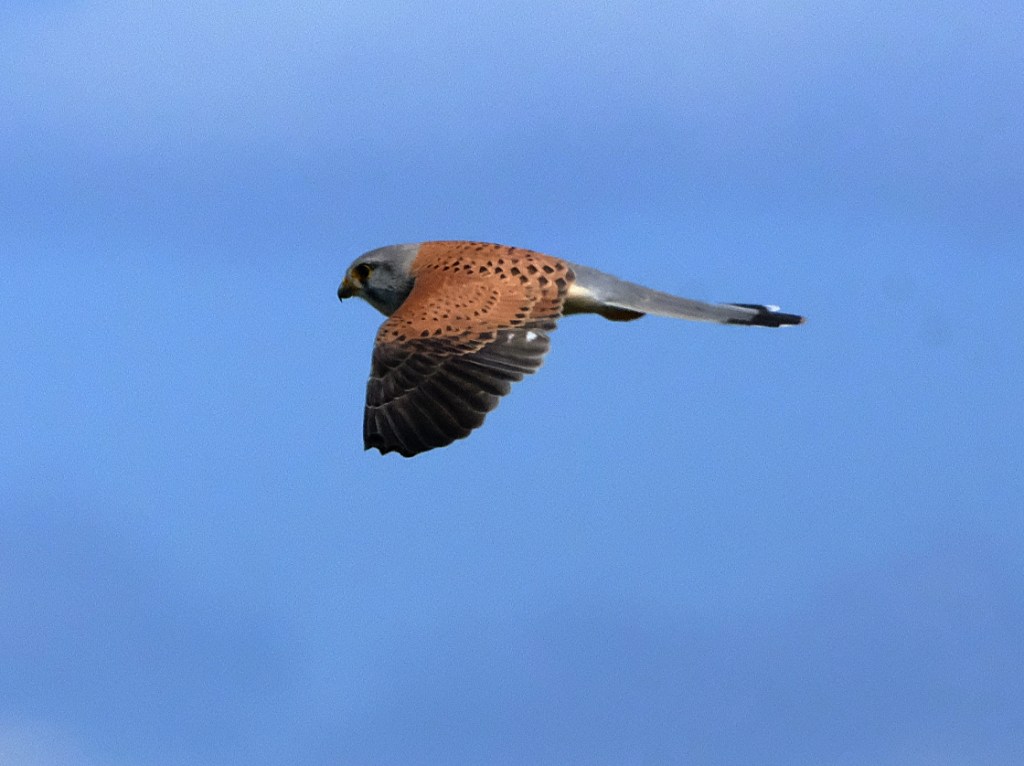
Every time I see a Kestrel in the hover it reminds me of the book by Barry Hines – A Kestrel for a Knave published in 1968. A book we had to read a school – set in a mining area in Northern England, the book follows Billy Casper, a young working-class boy troubled at home and at school, who finds and trains a Kestrel whom he names “Kes”.




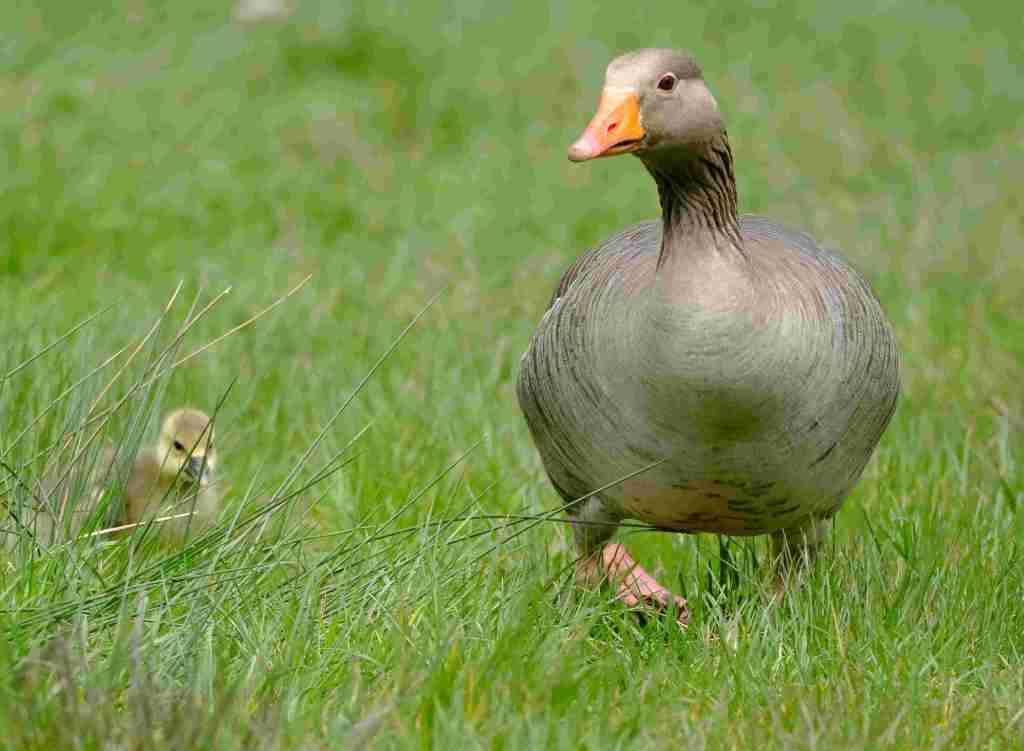
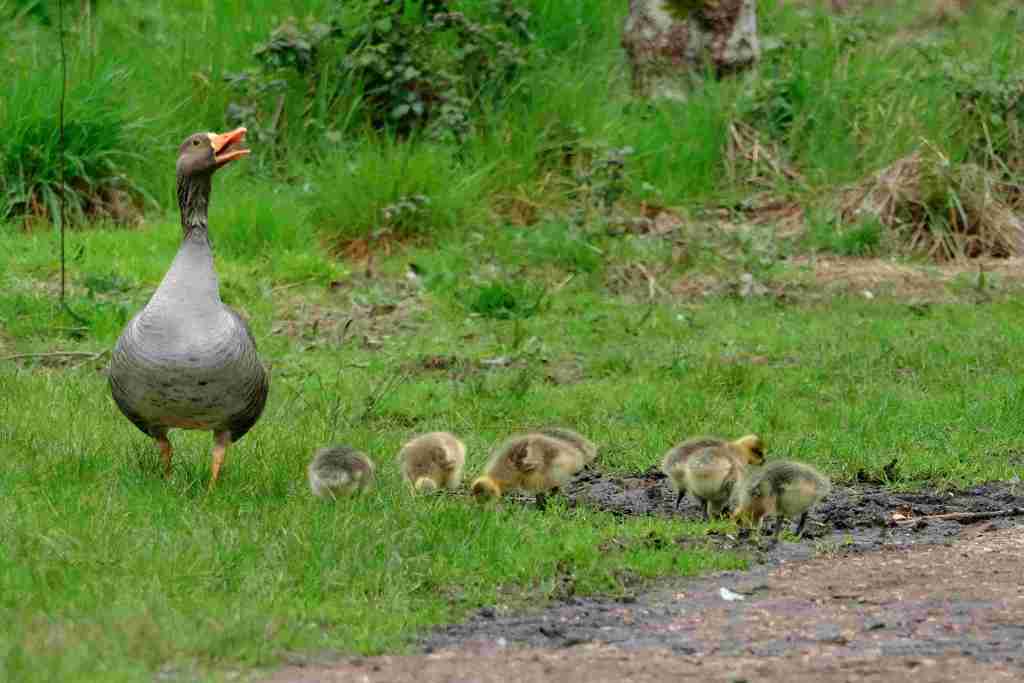
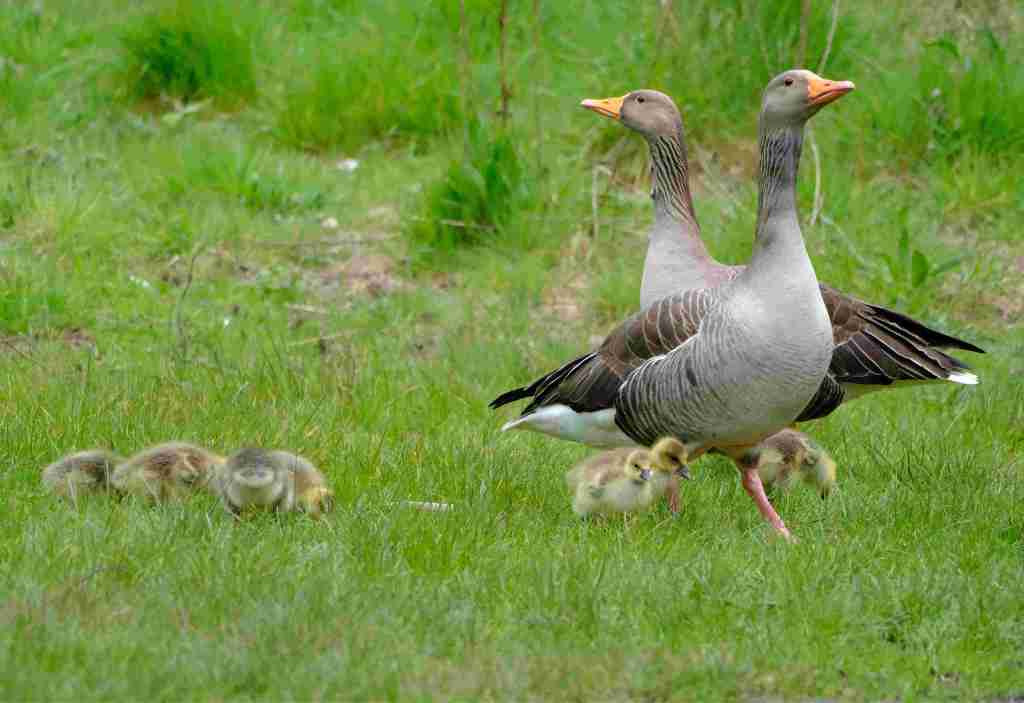
The ancestor of most domestic geese, the greylag is the largest of the wild geese native to the UK and Europe. Nice to see some of this years 1st goslings.



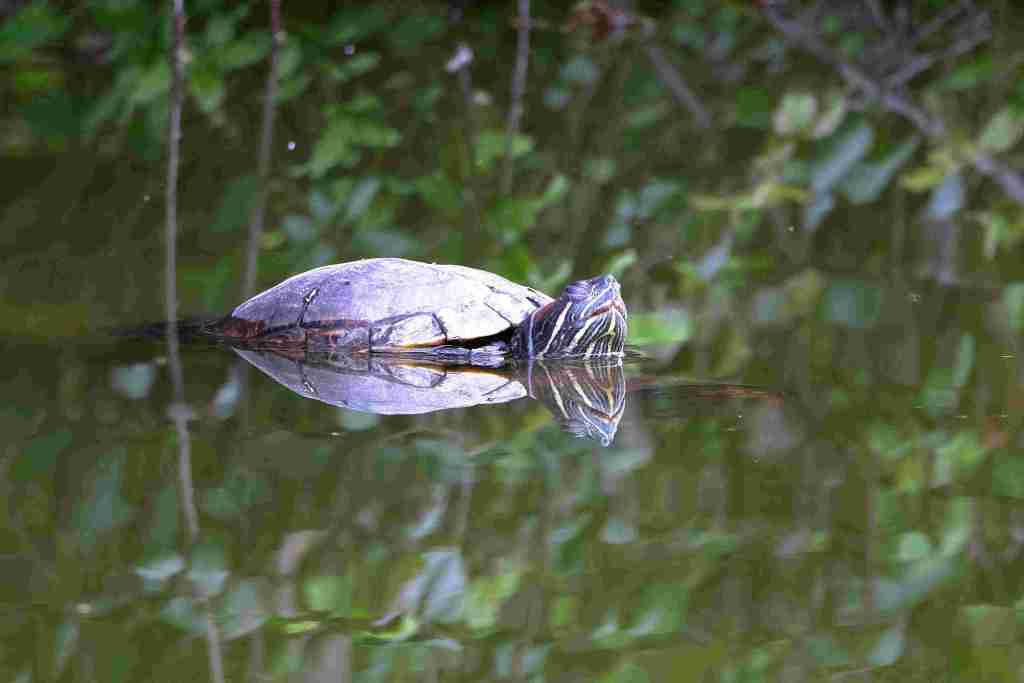
Red-eared slider – kept as a pet in the UK many have been irresponsibly released into the wild. They are ill-equipped to survive in the damp British climate.- however, will global climate increases change this. What effect do these invasive animals have on our wildlife? What effects on our native waterfowl’s eggs and insects lava does releasing these unwanted pets have?
Red-eared sliders are considered an invasive species, they are seen as a pest in many countries including here in the U.K. the U.S.A and Australia as they can outcompete and predate upon native fauna.
Spotted in a local pond.

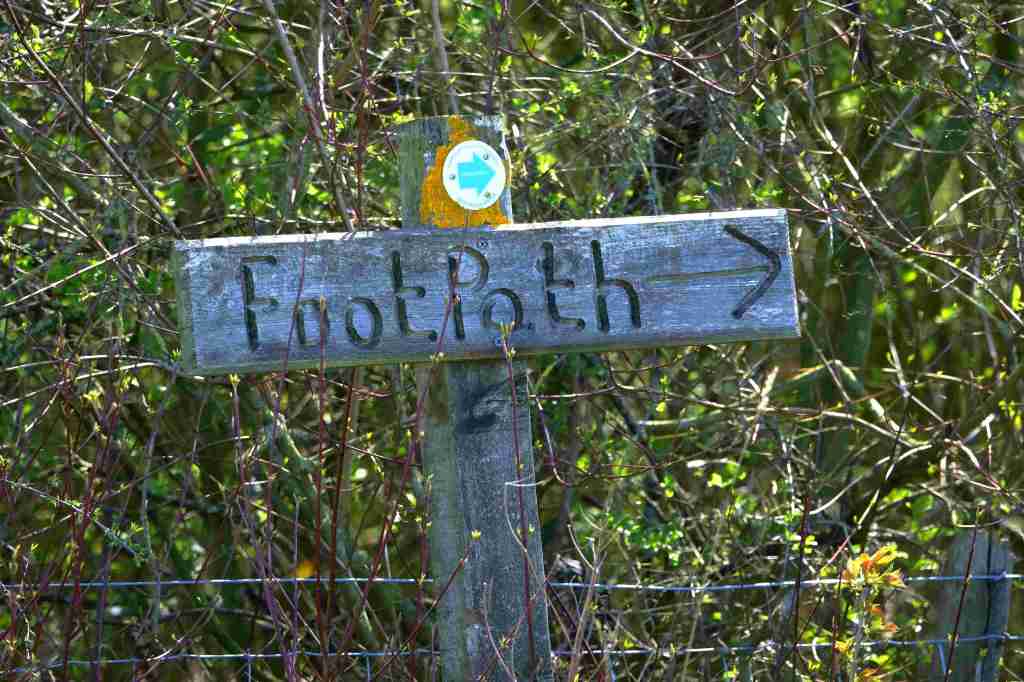
Another walk on the South Downs, paths are well marked and marked where not to go!

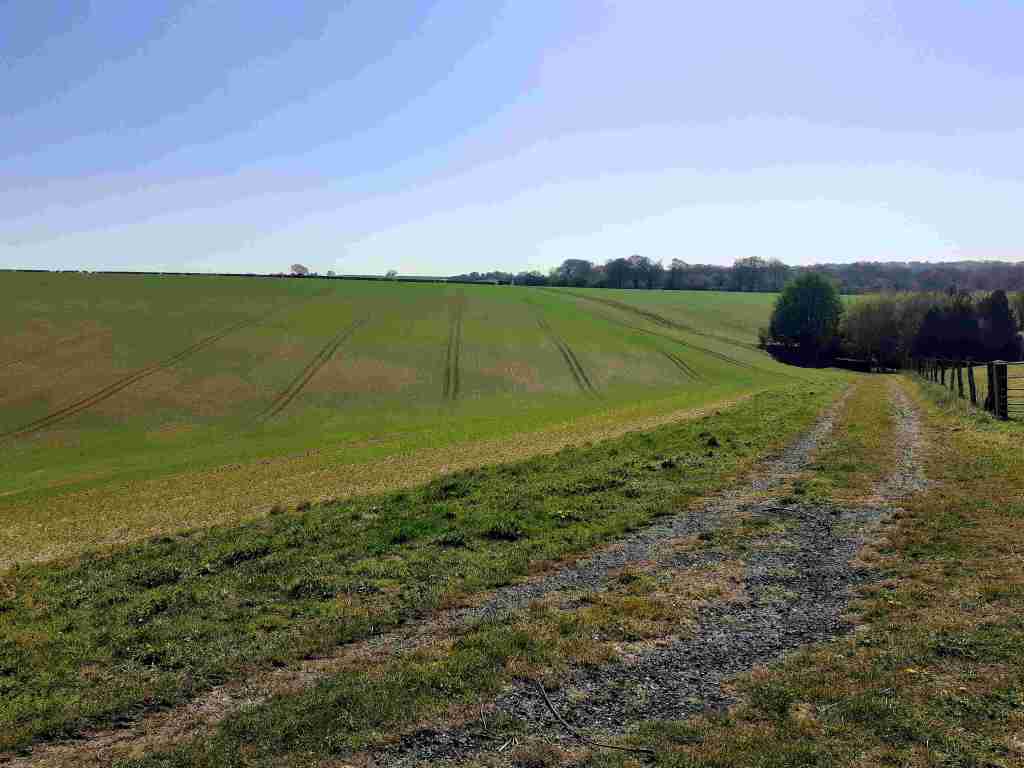
The land is well-managed and farmed fairly intensively but there are wildlife strips and borders but not an area where you can wander off the paths.

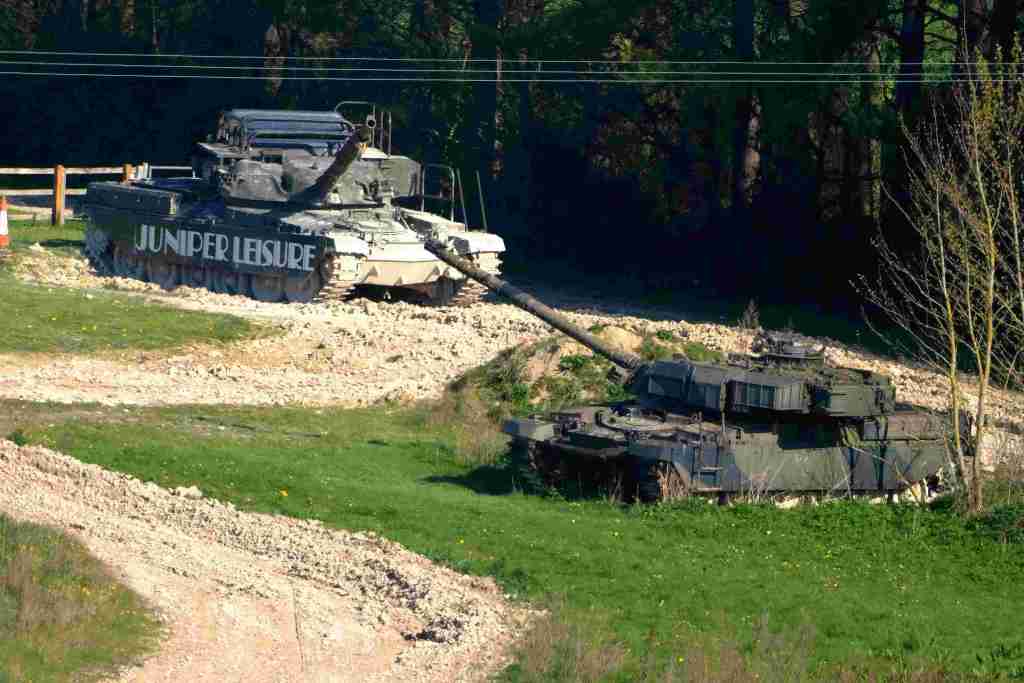
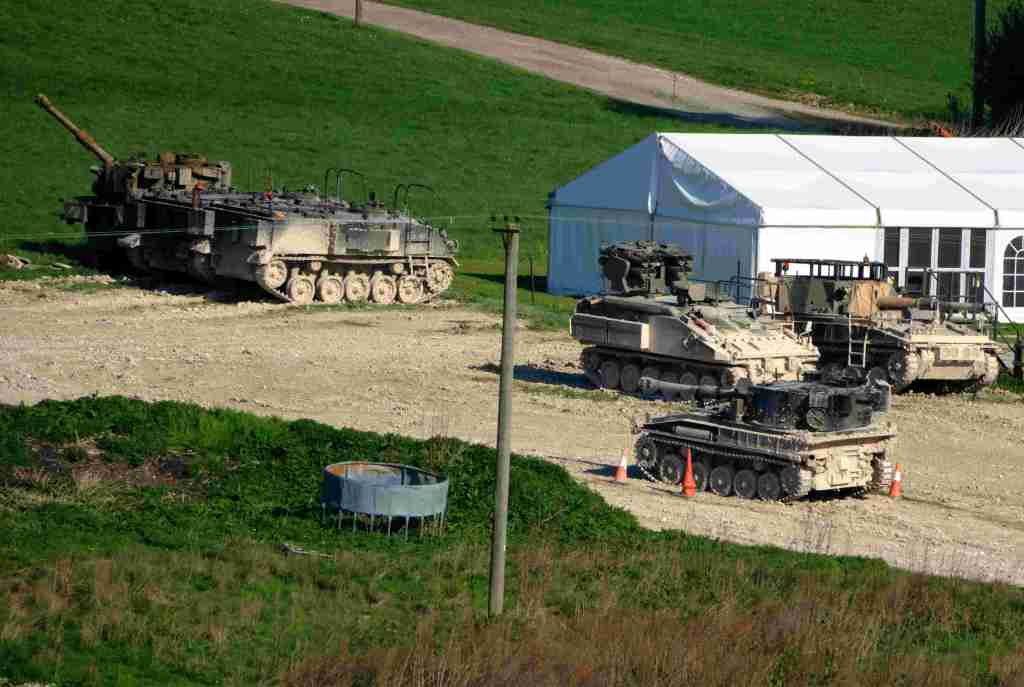
Tank rides and driving are available for those that want to make a noise.


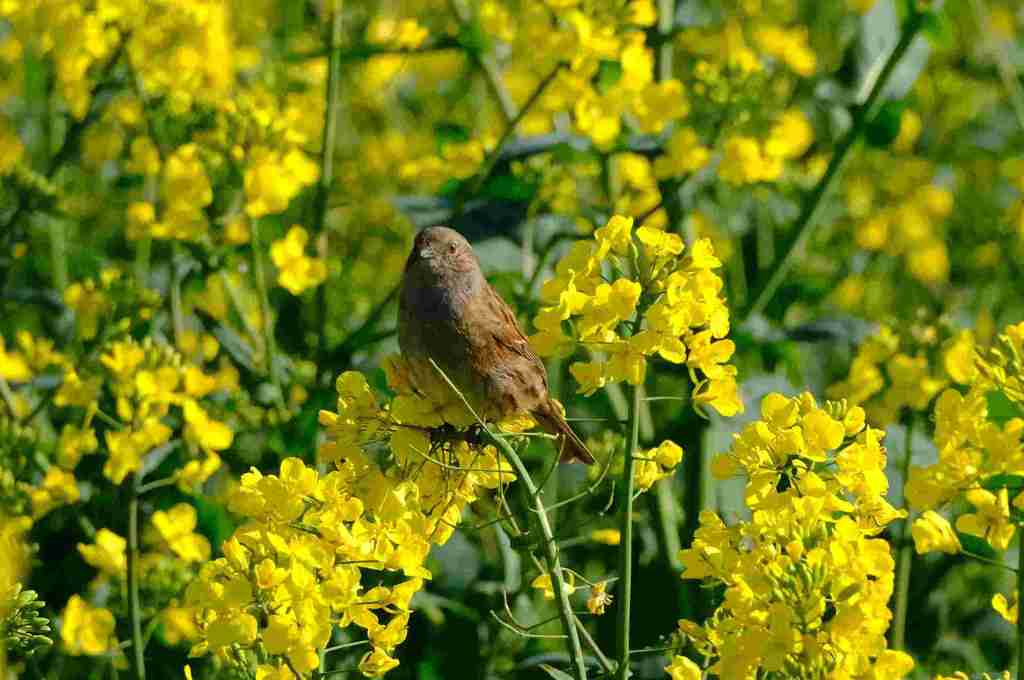
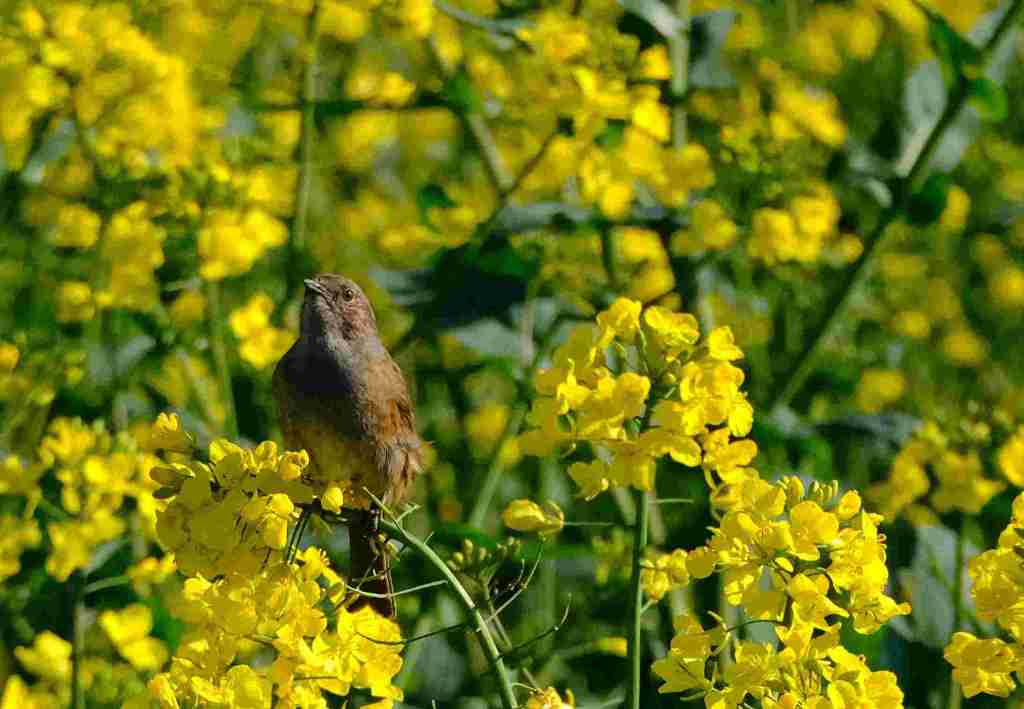
Dunock in the oilseed rape flowers.
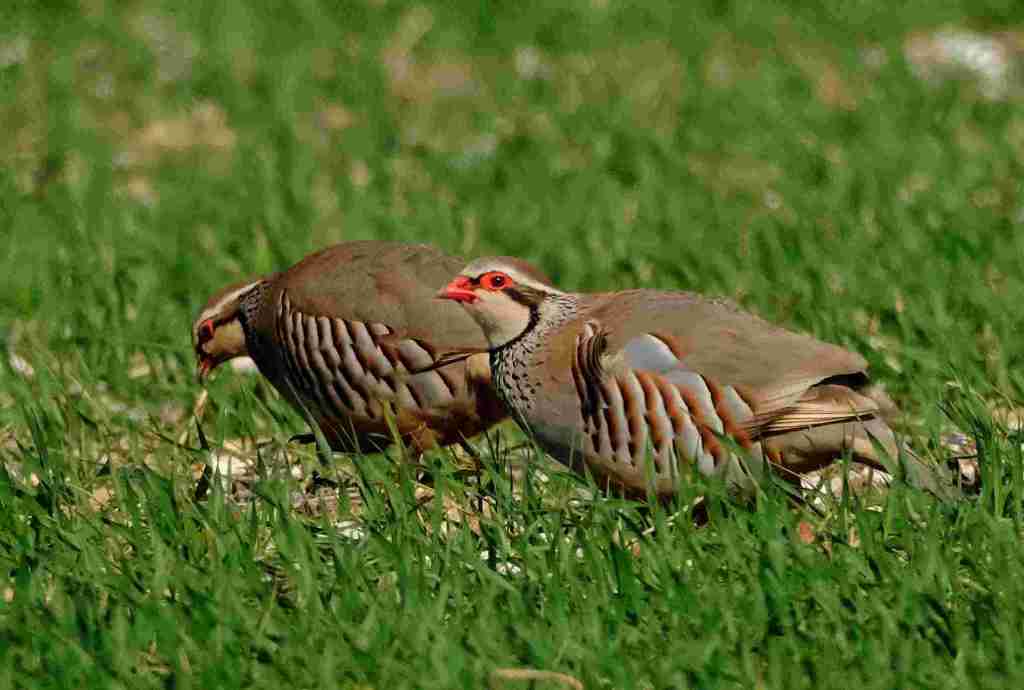
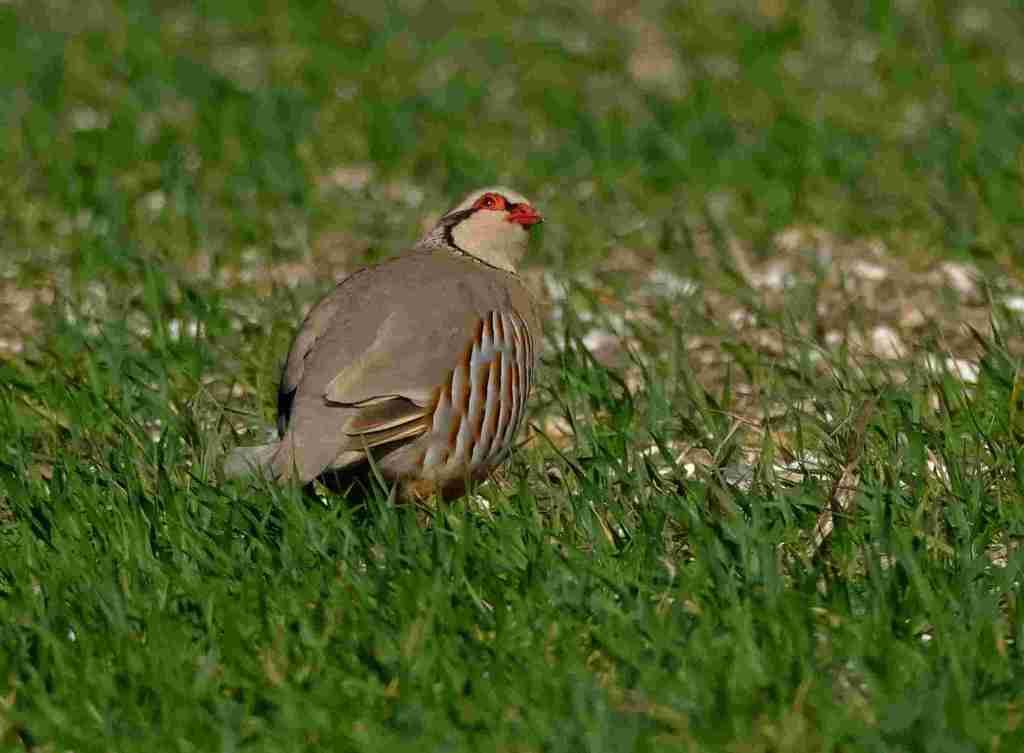
Red-legged Partrages – The red-legged partridge is a gamebird a member of the pheasant family. They were introduced to Britain in the 1600s by Charles II, and they are now relatively common and can be spotted in its favoured open scrub and farmland habitats. They often run rather than fly when disturbed.
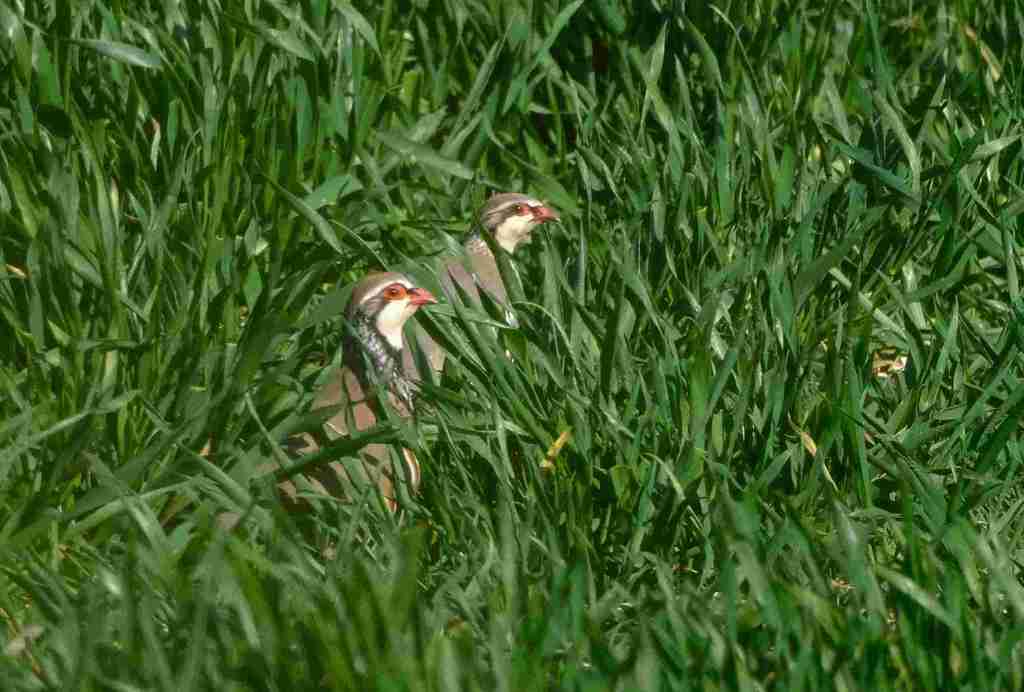
This bird spotted something above.
A Red Kite. On the hunt.
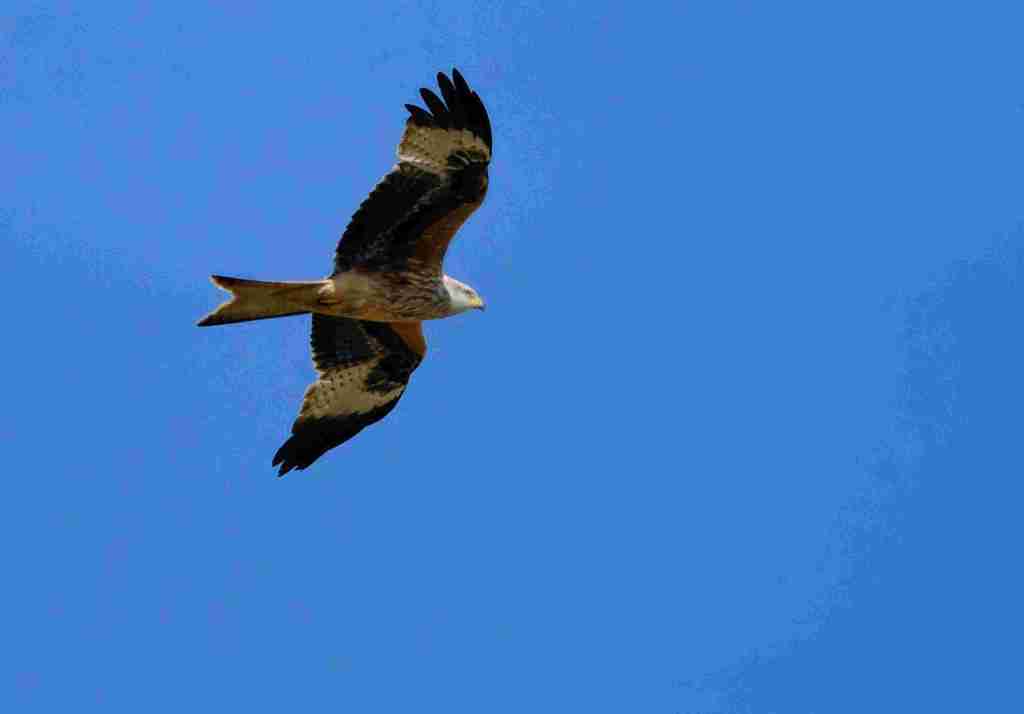
The Red Kite feeds mainly on carrion and worms but is opportunistic and will occasionally take small mammals. Today the RSPB states there are an estimated 4,400 pairs in the UK. I recall 1st seeing these magnificent birds in South Wales in the 1980’s when there were only 25 pairs in the UK mainly in Wales.
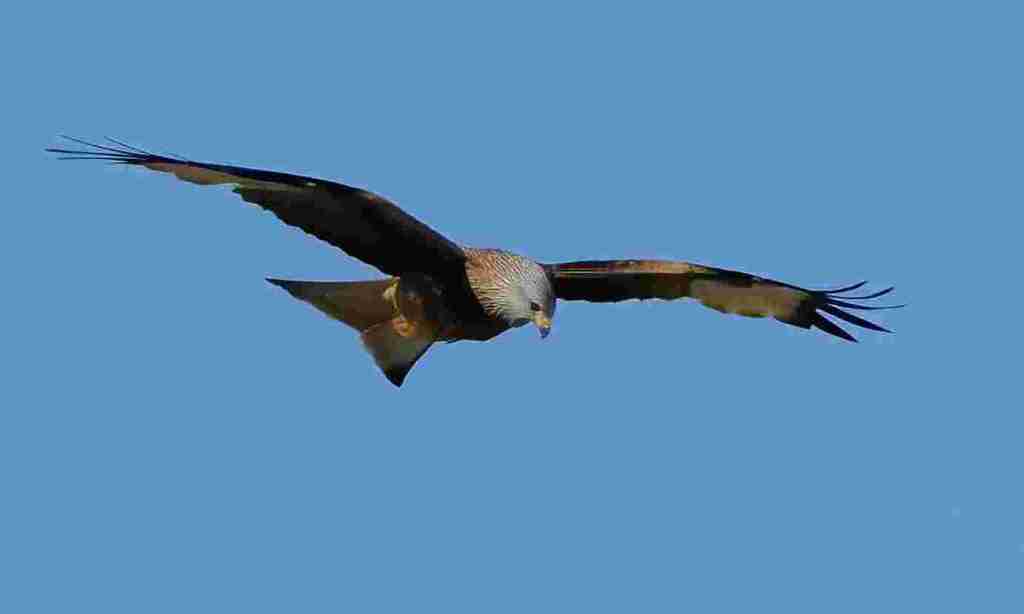
This bird picked up something for lunch.

Good Hare country as earlier in the week.

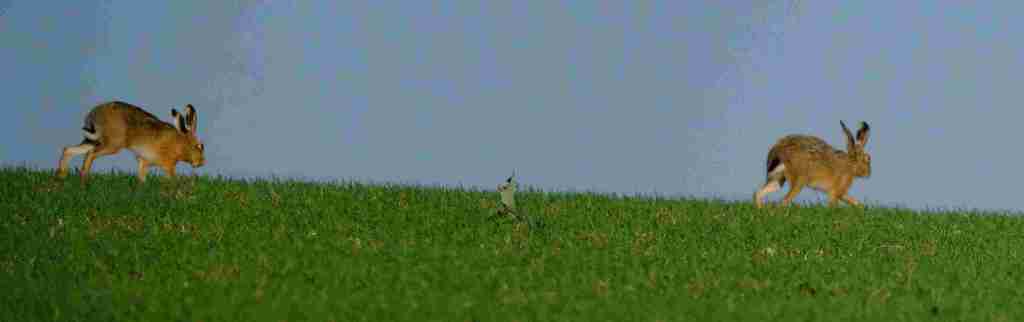

Goldfinch.

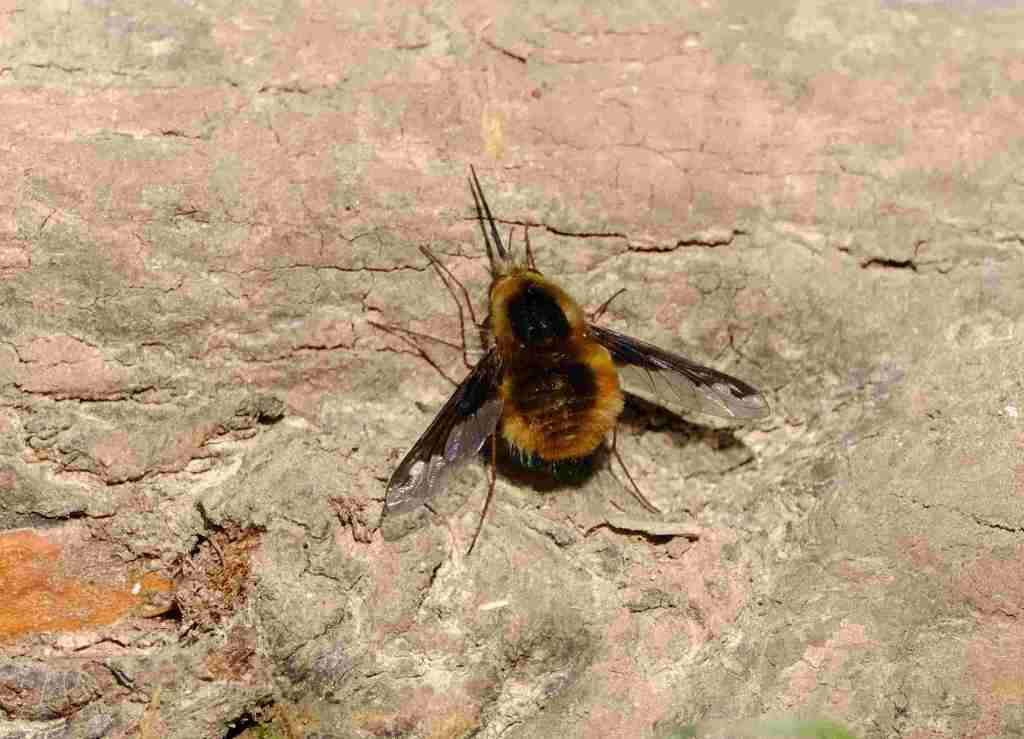
Insects are starting to come out as the weather warms up. This Bee-fly landed on the path. At a glance, it’s easy to mistake one for a bee.
 Continued Reflections from my World.