Some small birds on the Itchen Navigation on my walk this morning – everywhere was very green after the recent wet weather.
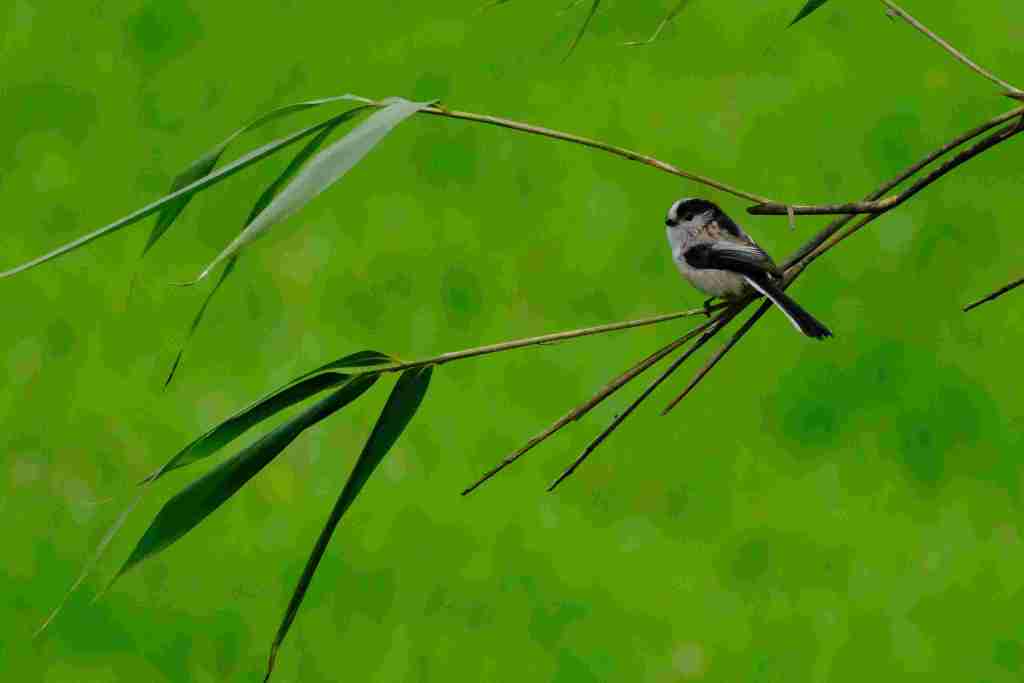
A Long-tailed Tit.
A Chiffchaff.

Some small birds on the Itchen Navigation on my walk this morning – everywhere was very green after the recent wet weather.
A Long-tailed Tit.
A Chiffchaff.
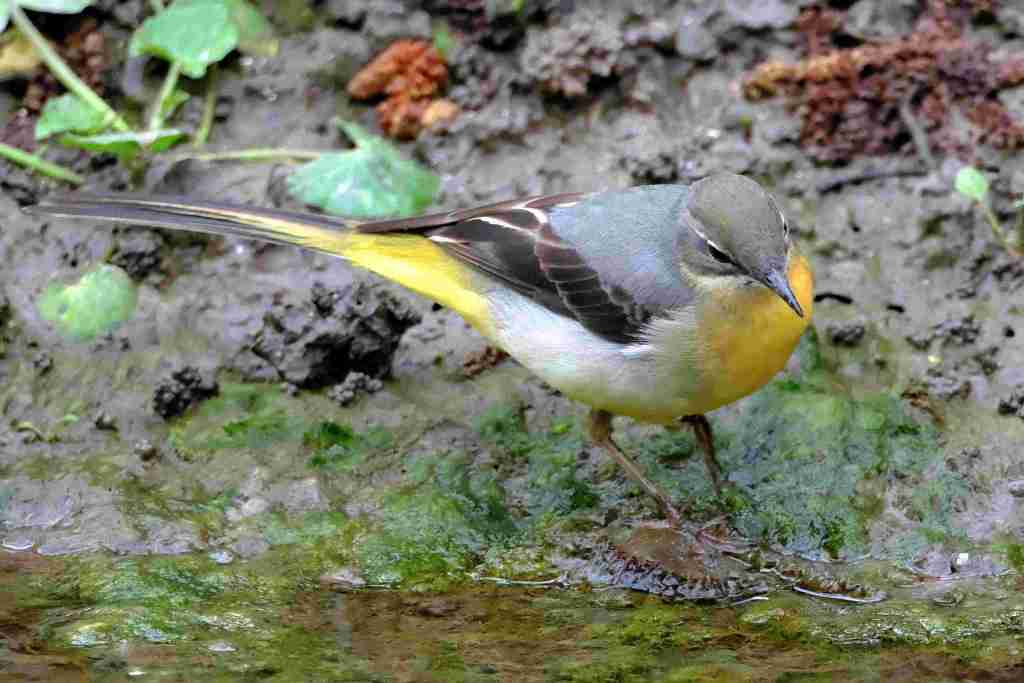
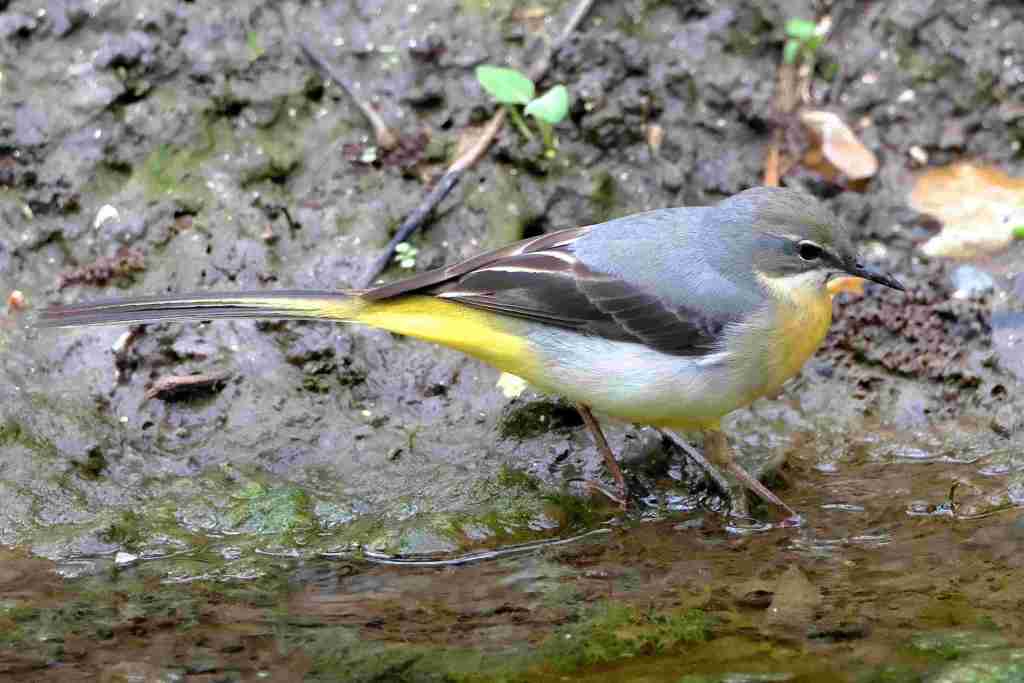
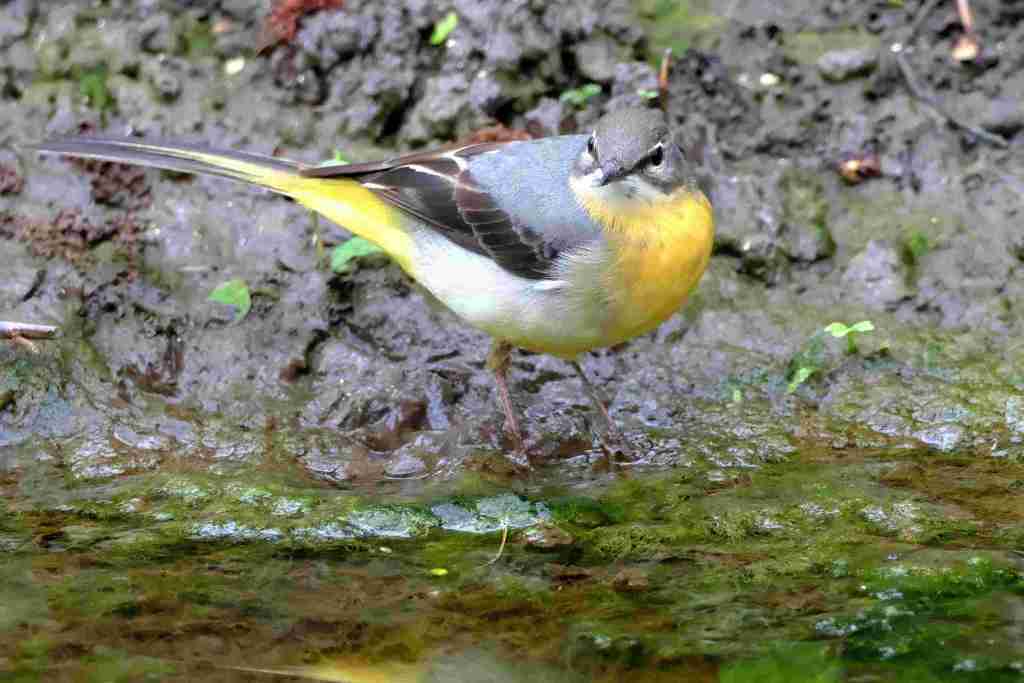
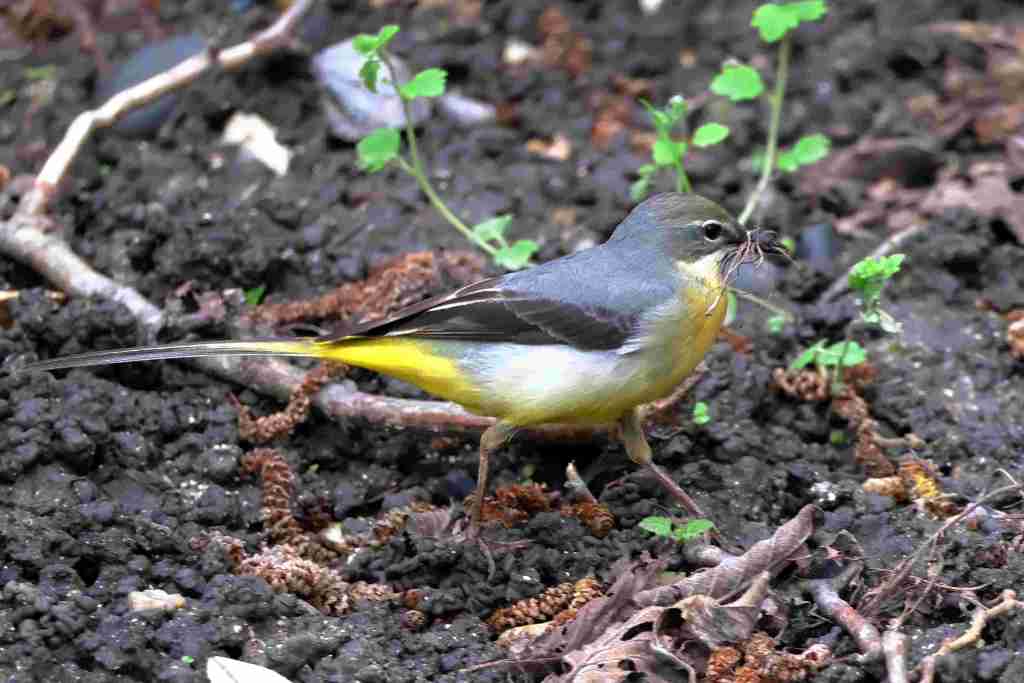
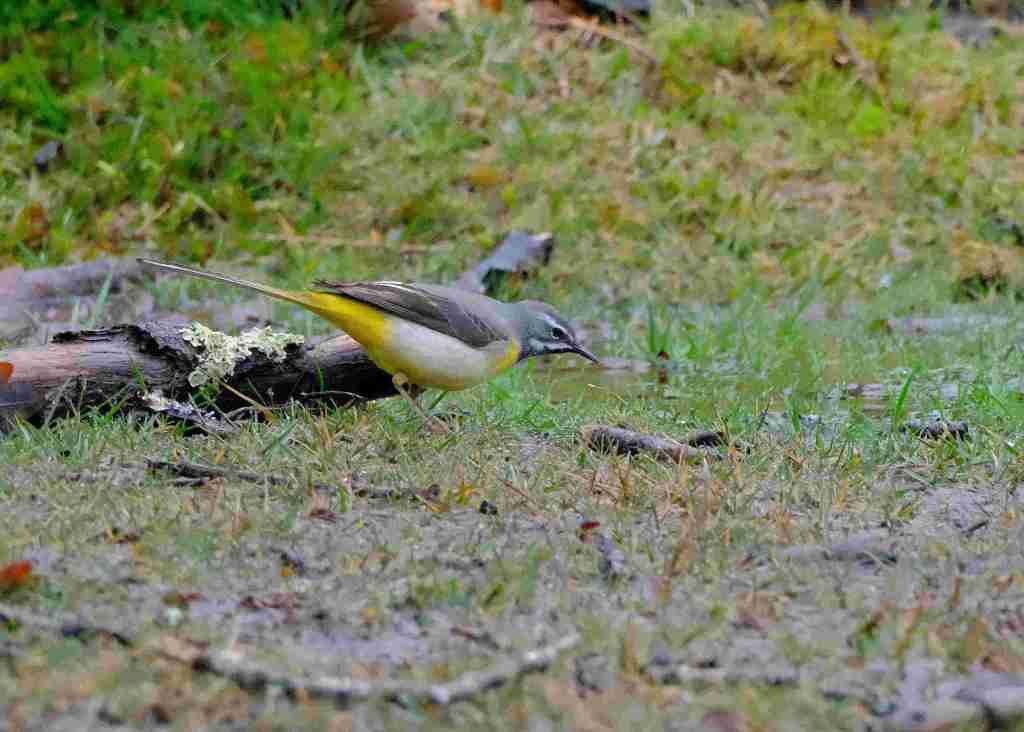
A Grey Wagtail on the Itchen Navigation near Eastleigh Hampshire
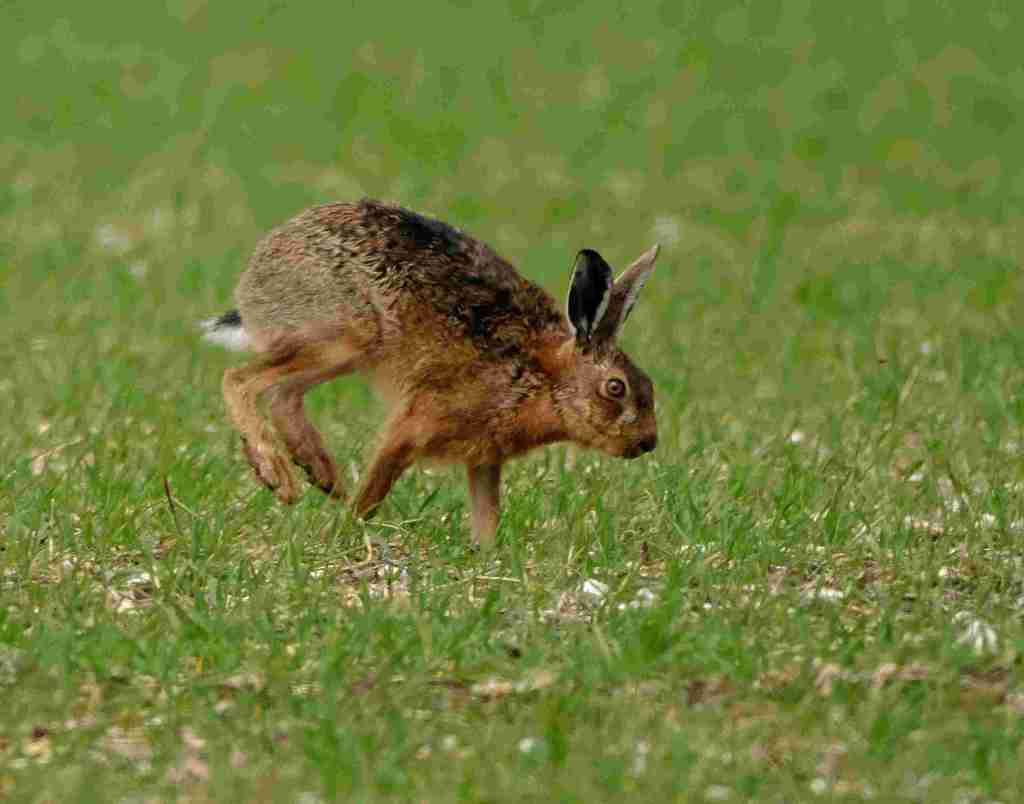
Brown Hares are said to have been introduced into the UK in Roman times, they are now considered naturalised. They are found on open farmland, in grassland habitats and at woodland edges. They graze on vegetation and the bark of young trees and bushes. Brown hares do not dig burrows, but shelter in ‘forms’, which are shallow depressions in the ground or grass. When disturbed, they can be seen running across open land reaching the speed of 45mph – they are Britain’s fastest wild mammal. Brown hares are most visible in early spring when the breeding season encourages fighting or ‘boxing’. Females can produce three to four litters of two to four leverets {young} a year.
Today a visit to some open farmland on the edge of the South Downs National Park gave us some good views of this sacred and mystical animal. In folk law, they were believed to have connections to the “otherworld.” They were treated with great respect and never eaten.



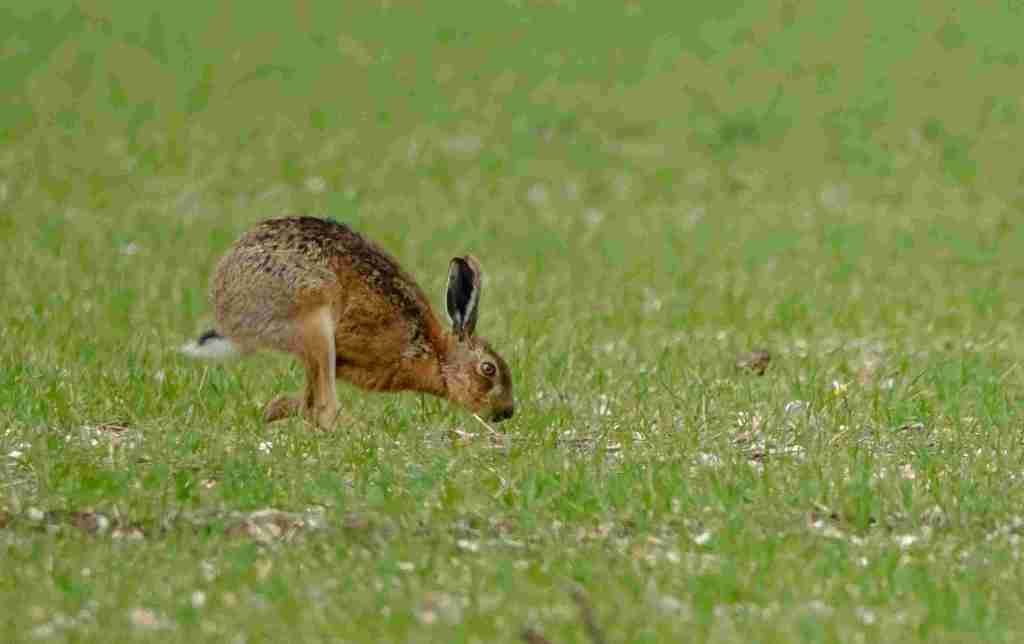
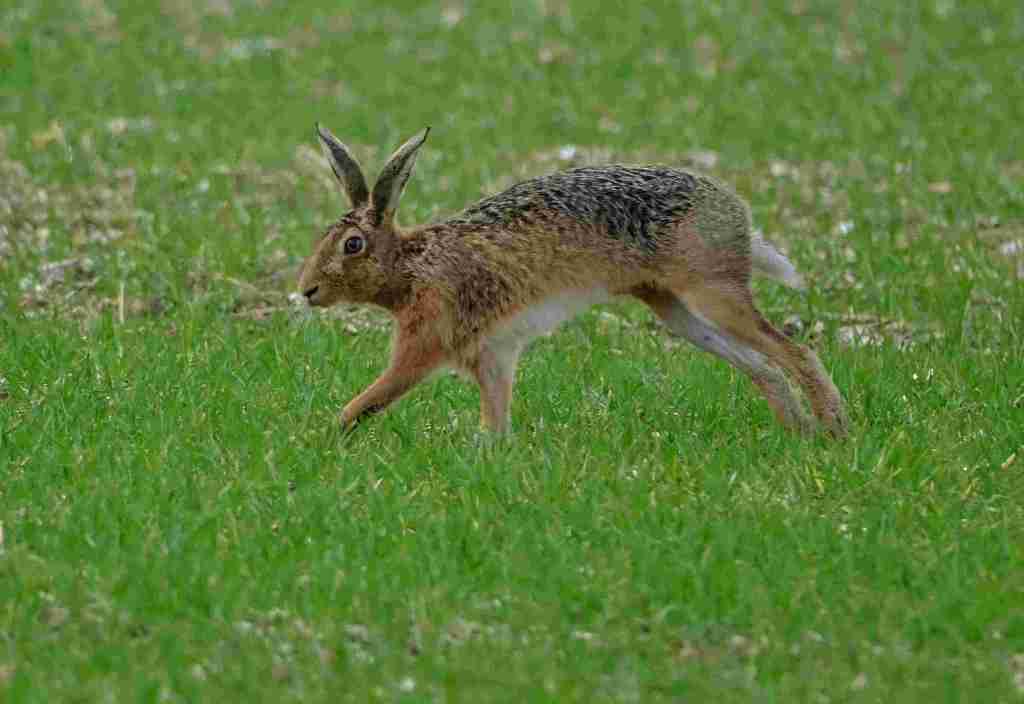


Speeding off!
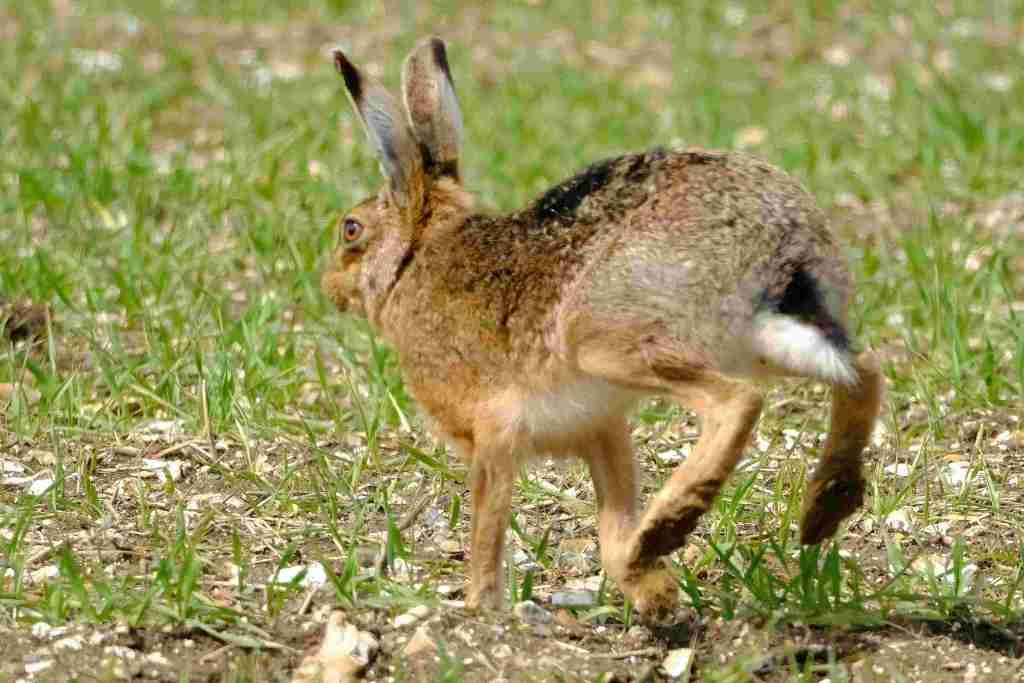
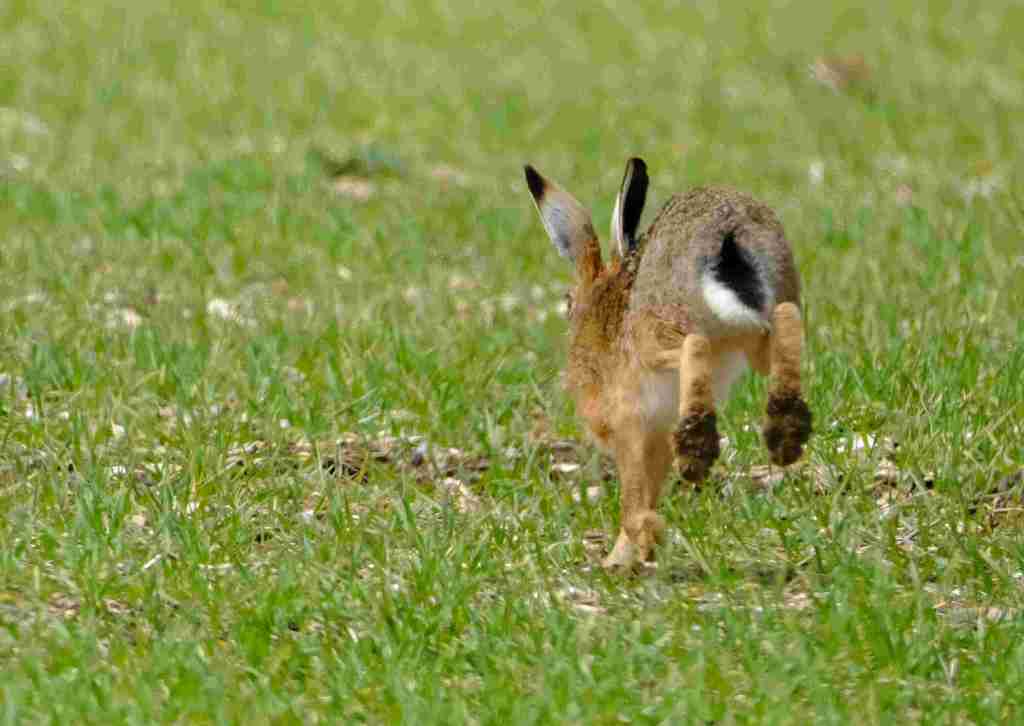
A very short film.
The Osprey became extinct in the British Isles in 1916 but recolonised in 1954. Scandinavian birds migrate through Britain on the way to their breeding sites.
The Ospreys’ main UK stronghold is now in Scotland. In 2001, they began breeding in England in Cumbria, at Rutland Water. {here they were introduced}.
UK breeding:240+ pairs.
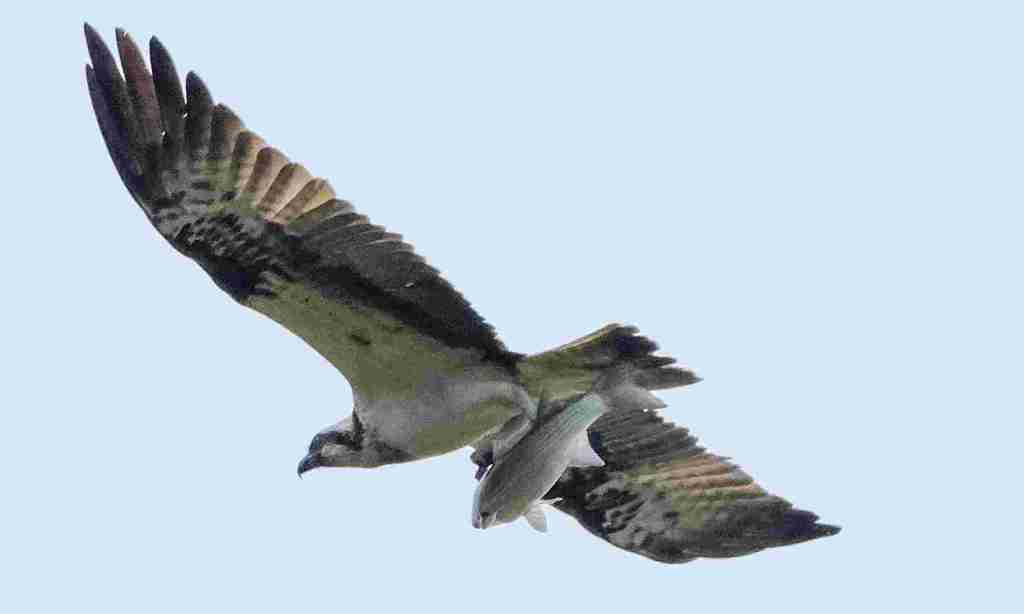
Birds are seen in our area on migration – We spotted this bird with fish today at Titchfield Haven which I expect stopped off for lunch on passage North.
Far off so zoomed in. A rare spot for me in the UK.

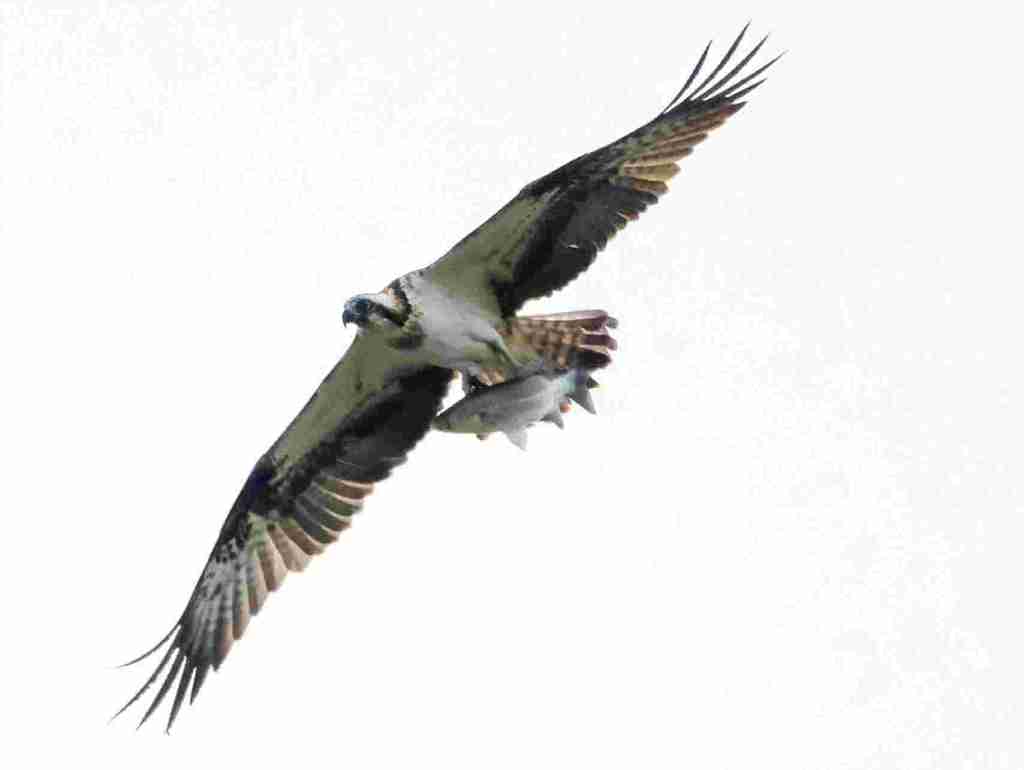
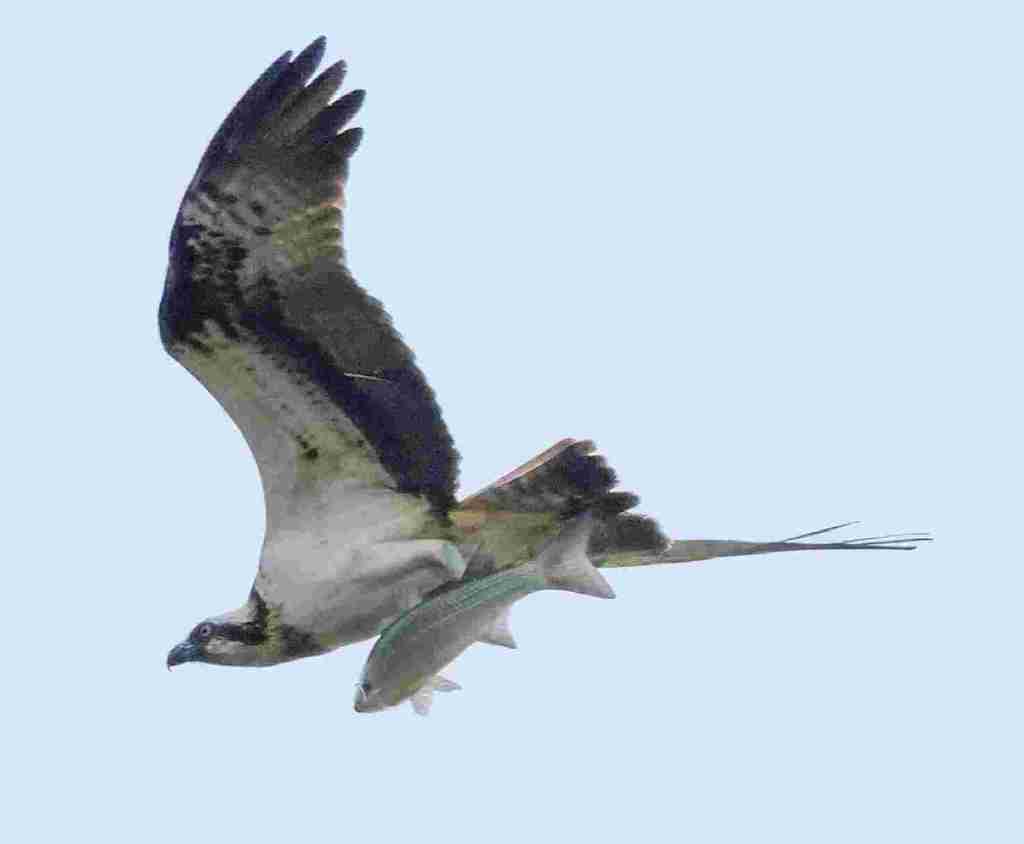

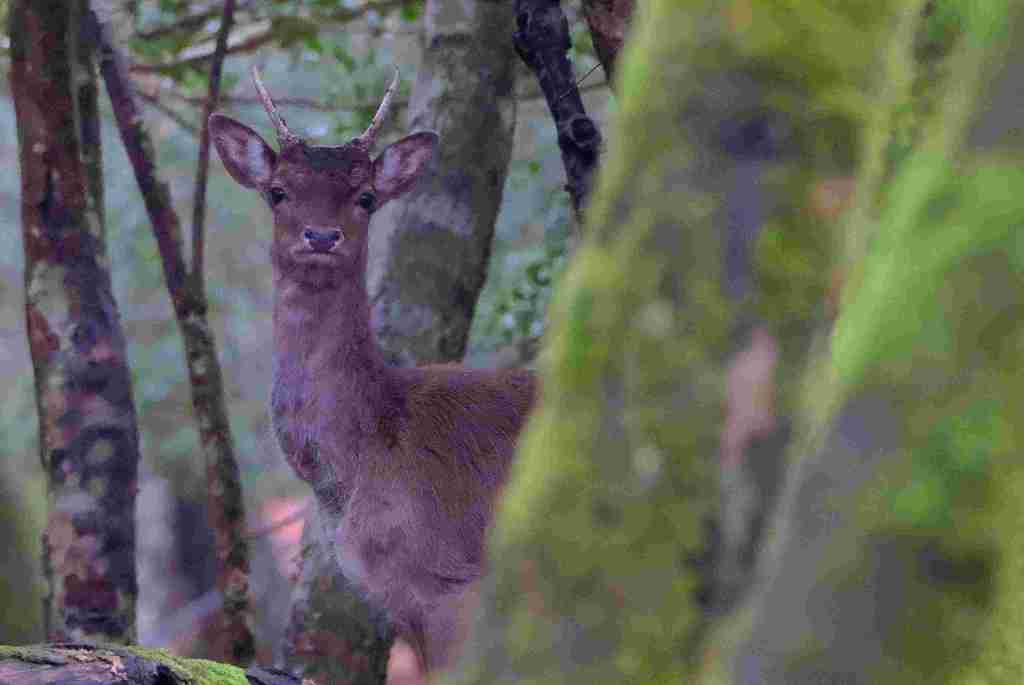
A few pictures that I took while walking in the New Forest to collect our Badger sett trail cameras which had been out in the forest for a week.
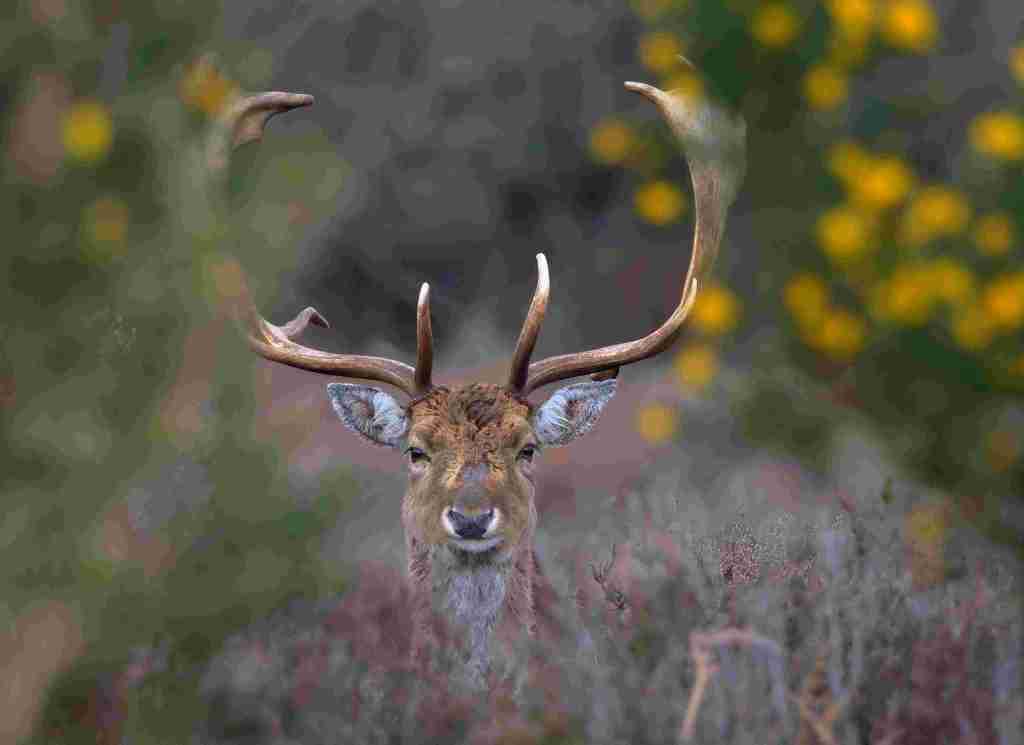
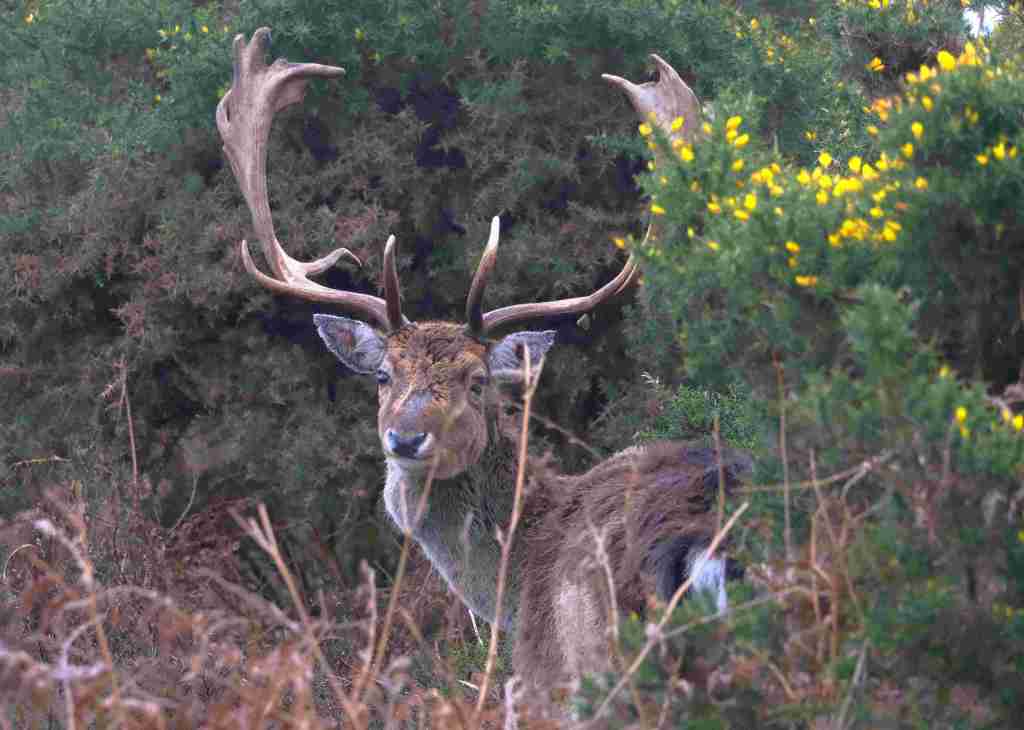
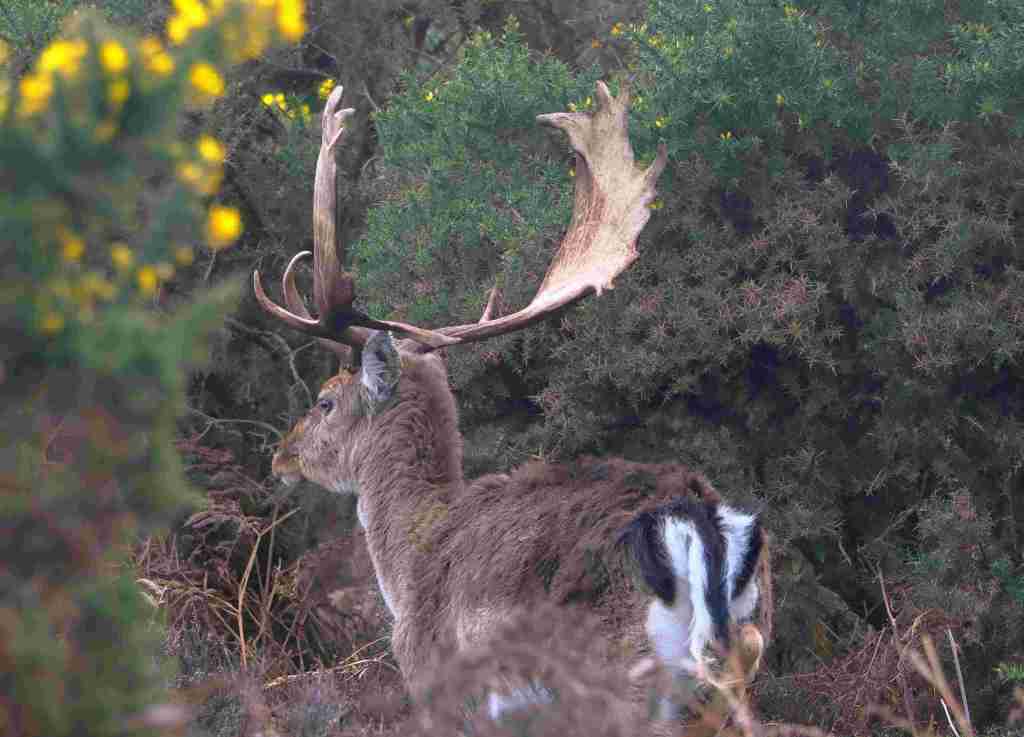
A juvenile Fallow deer Buck. He will be a magnificent beast in a few years.
A small herd of juvenile Fallow deer hinds.

It was nice to see a Grey wagtail they are a relatively rare bird with a population of just 38,000 breeding pairs in the UK. They are, subsequently, classified as Red Status bird due to this low number.
Badger sett trail camera stake out deep in the New Forest – Return visit to a couple of Badger Setts we found last year.
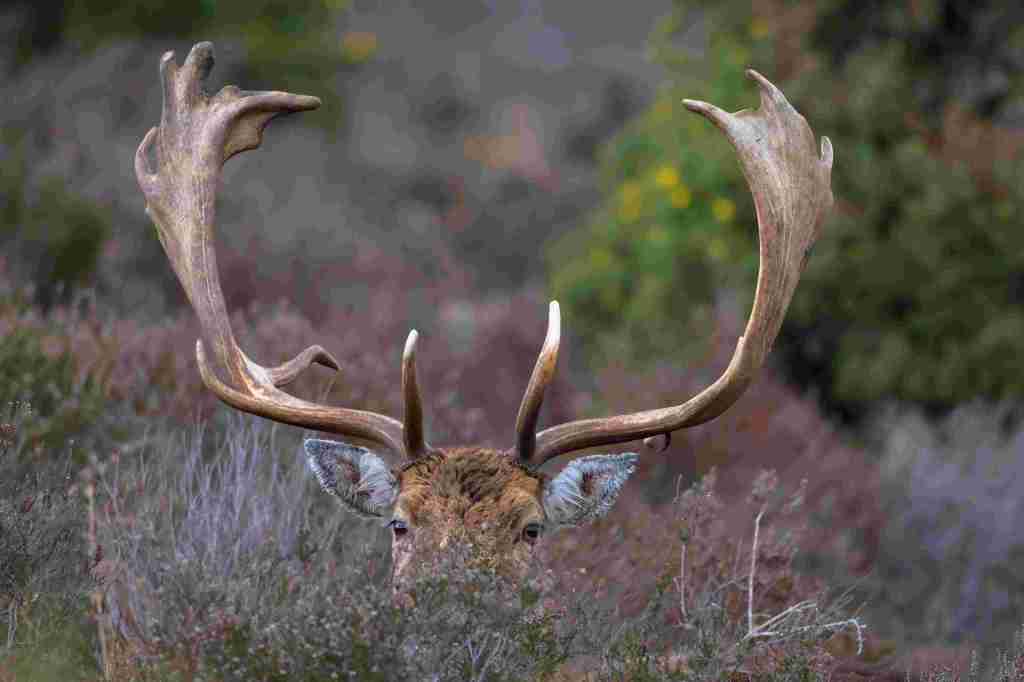
A short walk in the New Forest this afternoon became one of those stand-out moments. Walking among flowering Gorse bushes turning a corner I came face to face with this Fallow Buck.

After a few seconds of watching each other, I was hoping he would let me raise my camera before running off or running at me! Not to worry he just looked at me allowing me to photograph him before I backed away and he walked off.

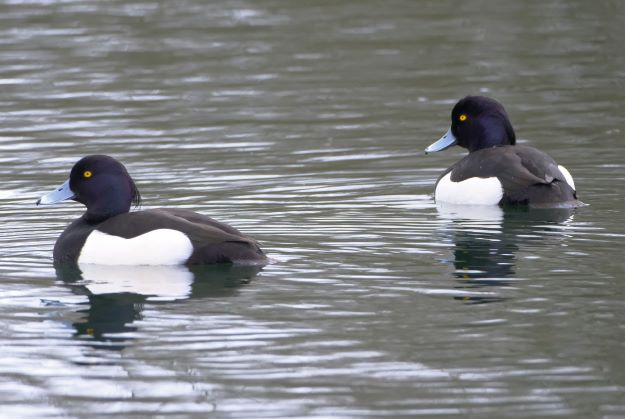
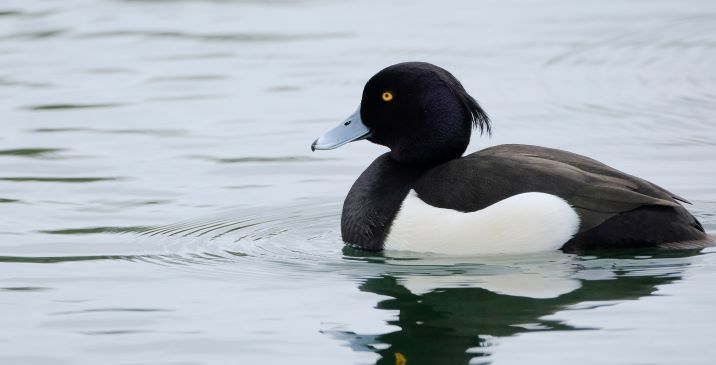
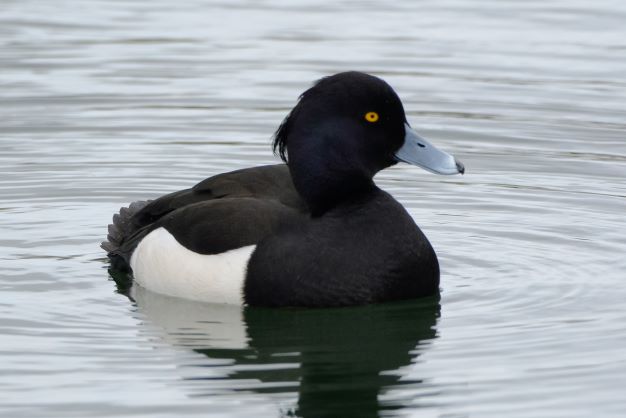
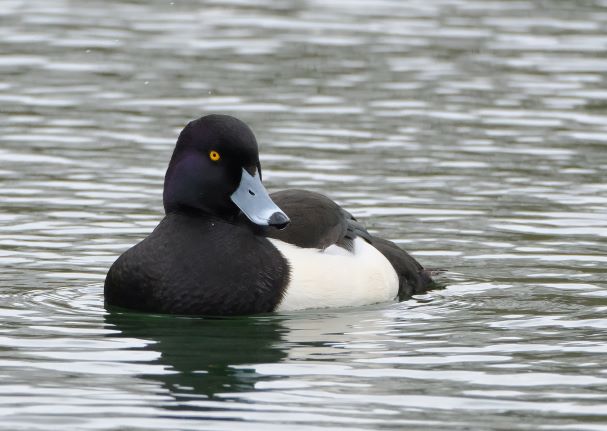
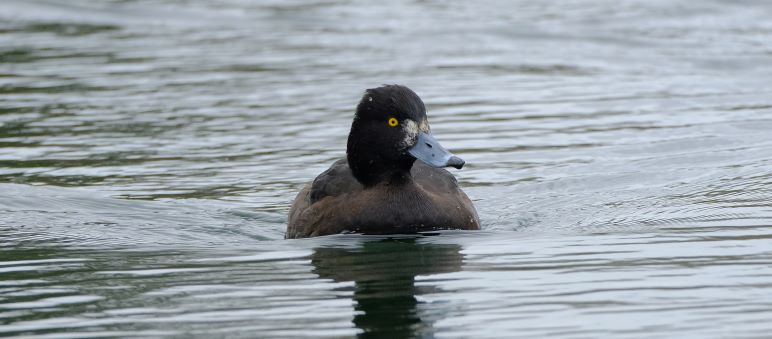
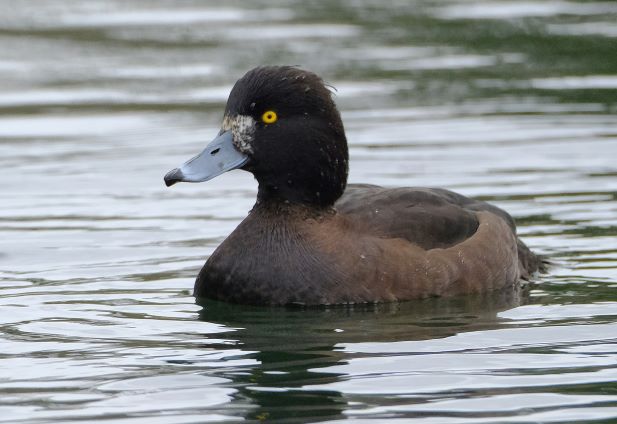
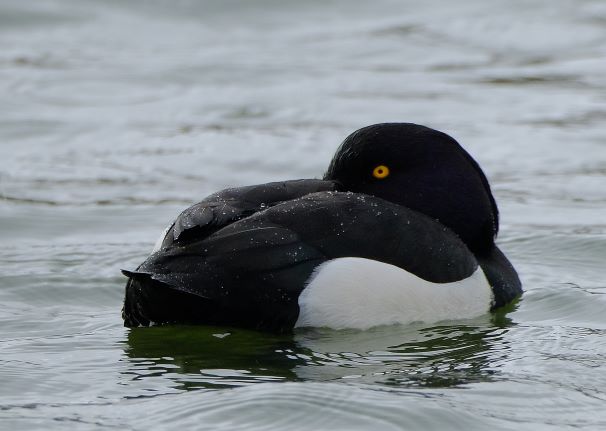
Some more views of Tufted Ducks – these were on the old mill pond at Bishop’s Waltham near Winchester.
The drakes are black and white with a golden eye and sport a tuft. The hens are more camouflaged and brown in colour.
As kids, we called Tufted ducks Tufties.
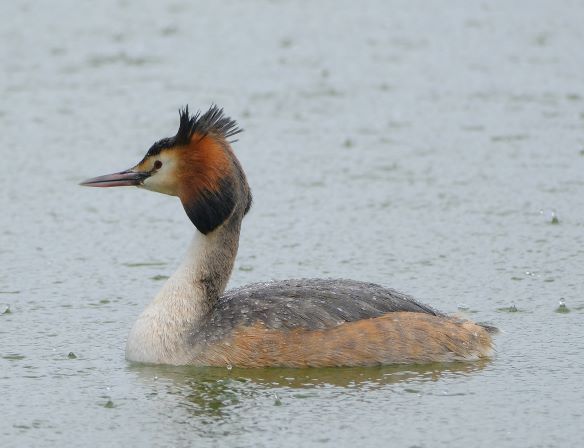
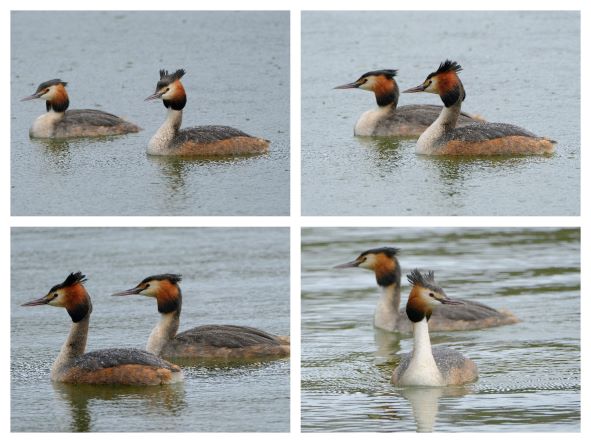
Another visit for an hour on a wet Friday morning to a local Lakeside park with the aim of watching the resident Grebes, it was nice to see 6 birds in 3 pairs so I am hopeful there will be some nests this year.
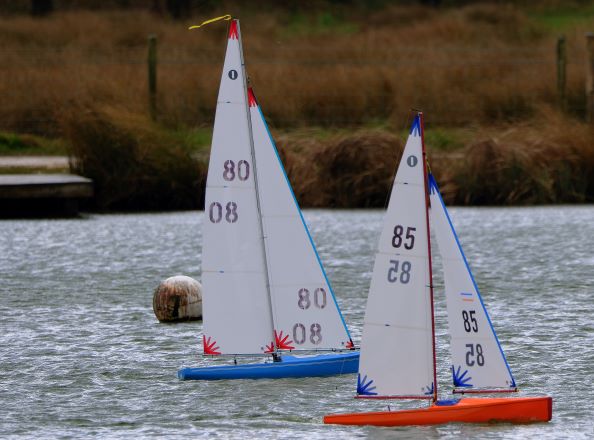
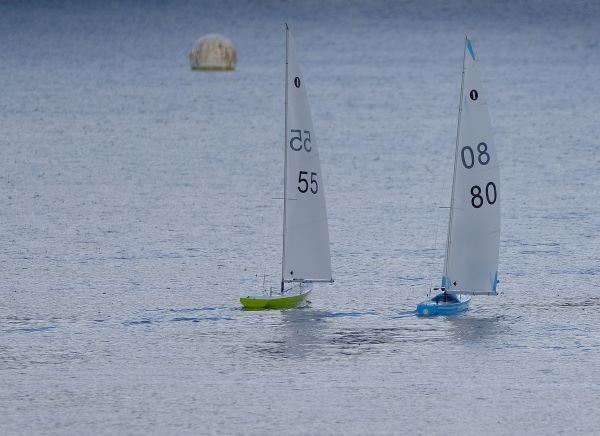
A local radio-controlled yacht group were sailing their pond yachts on one of the lakes, this quiet past-time does not conflict with the life on the water.




Tufted Ducks are smaller than the mallard. They have a small crest although you can not see it in my photographs.

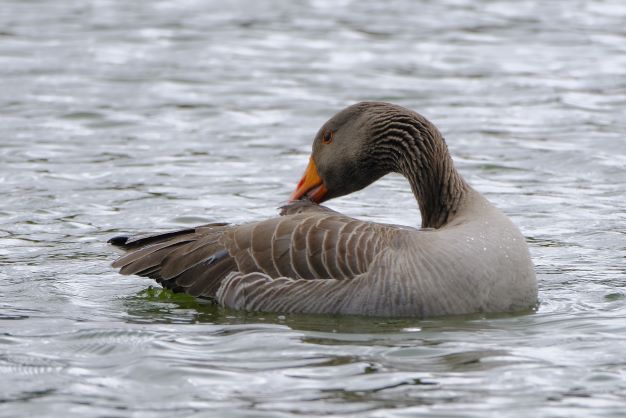
Graylag geese seem very at home with the visitors and allow you to get close to them.


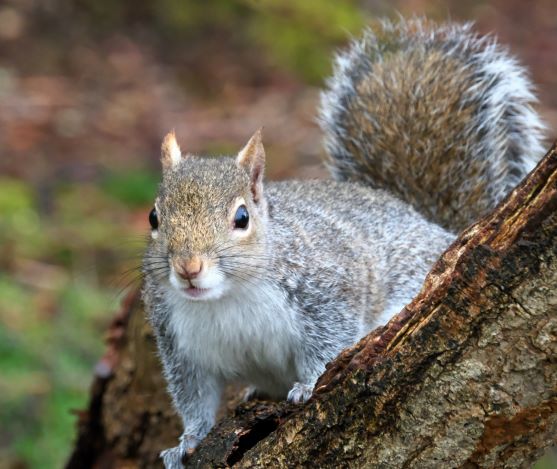
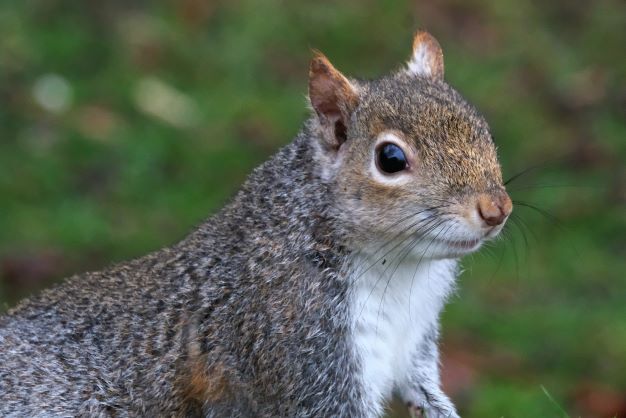
The grey squirrel was introduced into the UK in the 1870s from North America as an ornamental species to populate the grounds of stately homes. Introductions occurred until 1930. At this time the damage caused by the grey squirrel was recognised and it was made illegal to release a grey squirrel into the wild. Grey squirrels have rapidly spread and colonised much of mainland England with detriment to our wildlife, especially the native red squirrel, and tree species.

However, watching Grey squirrels is a pastime for many and despite their negative effect on native wildlife.
 Continued Reflections from my World.