Deer and more.

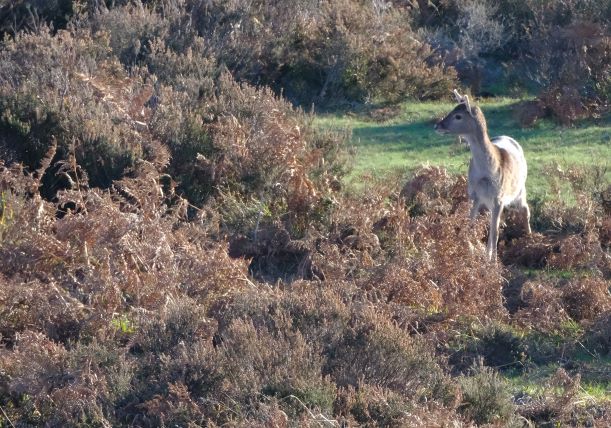
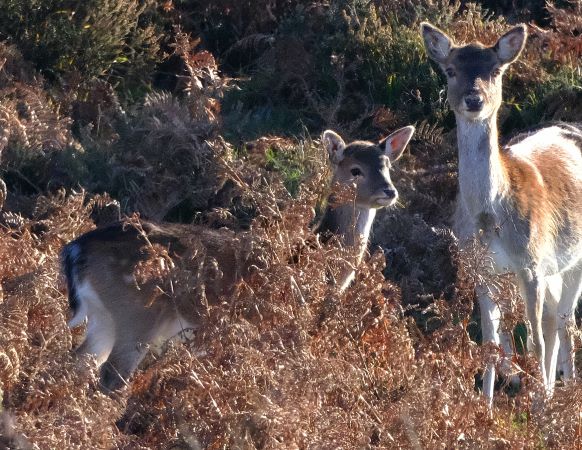
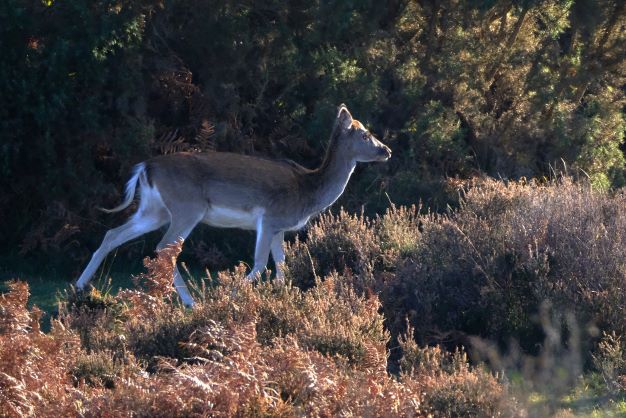
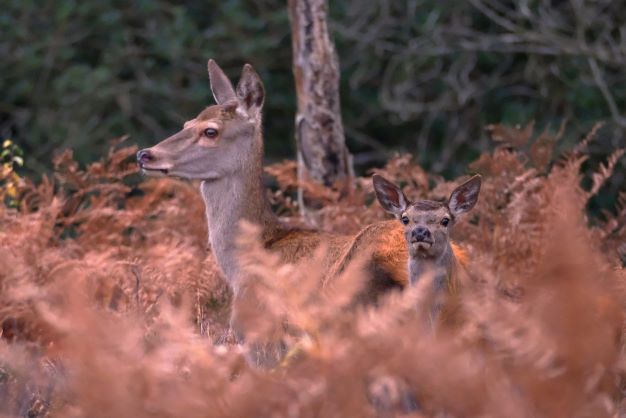
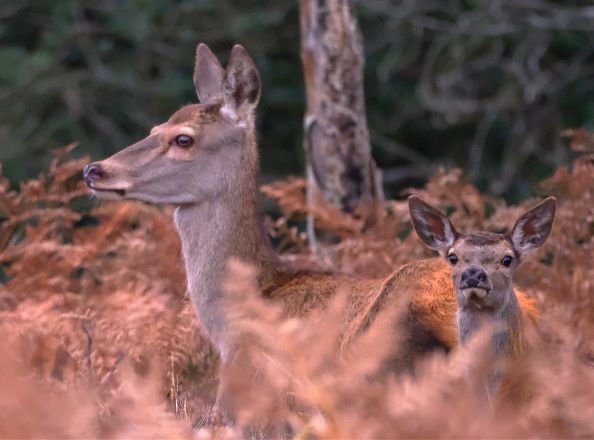
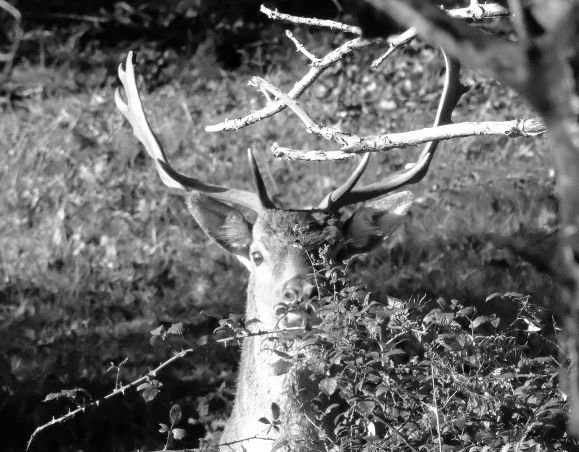
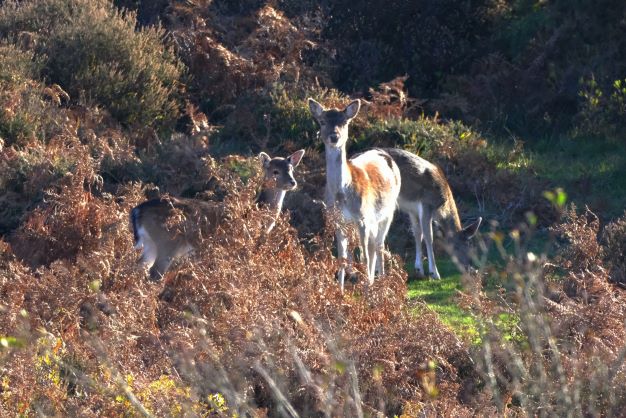
A different area of the New Forest today gave a glimpse of both some Fallow Deer and some Red Deer. All females and youngsters.

Fallow Deer.

Red Deer.

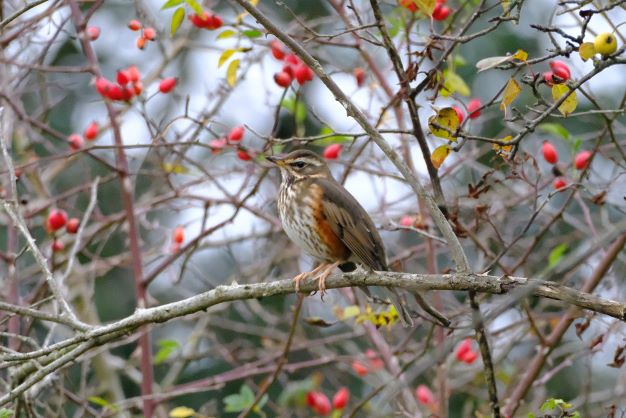
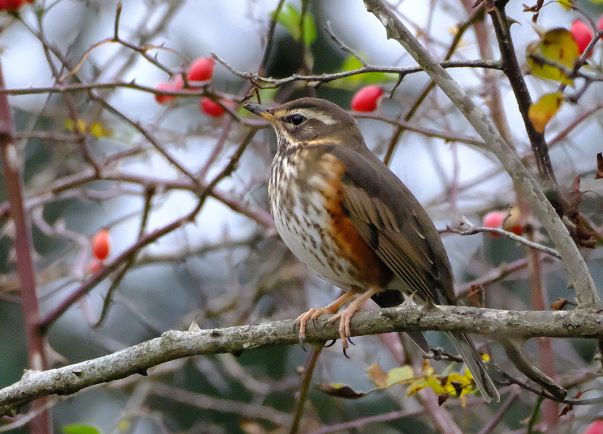
Also, a few Redwing were about. The redwing is a common winter visitor and is the UK’s smallest true thrush. Its creamy strip above the eye and orange-red flank patches make it distinctive. Rare in summer with under 20 pairs but in the winter the influx of some 8.6 million birds!

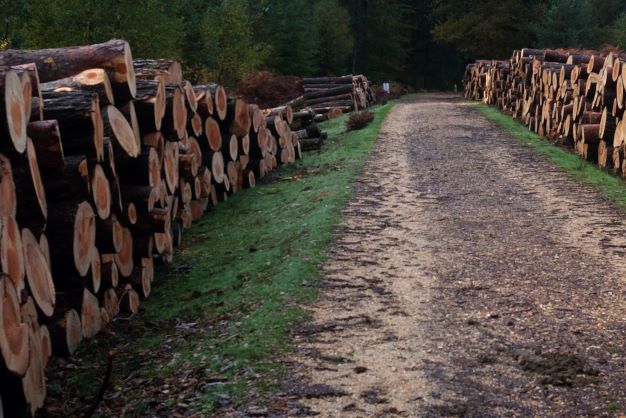
Timber from the New Forest.

At the start of World War, One much of the timber required by the UK came from Canada. By 1916 Canadian timber could no longer be imported on a large enough scale to meet requirements for the war effort as there were not enough freight ships for all the country’s munitions, food and other essential items. Timber production from English forests and woodlands had to be increased to meet the Canadian shortfall. Labour was short due to the war. To harvest local timber the First Battalion of Lumbermen was formed of 1500 Canadian workers who started coming to the UK. The Canadians brought over their own equipment an initial advance party of 15 Canadians set up in a camp near Lyndhurst. which quickly grew and later received help from Portuguese labourers.

The camp was some 4 to 5 acres in size and surrounded by fences It was like a self-contained village with over 25 huts. Including workshops and even a hospital. At the height of the camp’s usage, there were around 100 Portuguese and 200 associated workers on site. There was also a Light railway that helped speed up timber production. Other camps were set up mainly in Southern England.

Little remains of the timber camp today as most of the buildings were wooden.

Concrete remains of the sawmill.

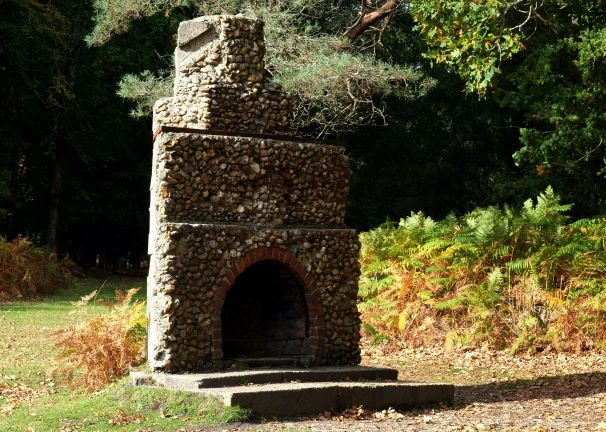
Now a monument “The Portuguese fireplace” is the chimney of the former cookhouse.

Timber Work in the New Forest is still being undertaken.
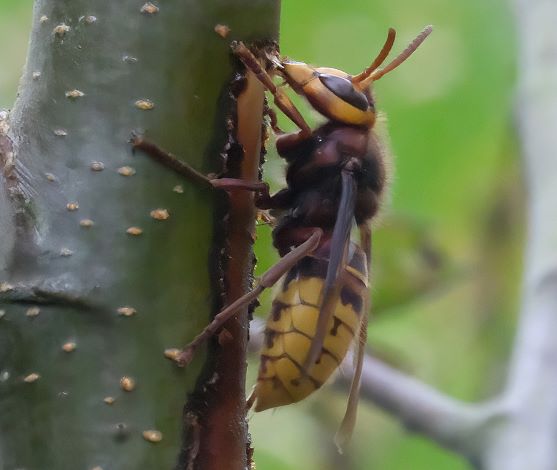
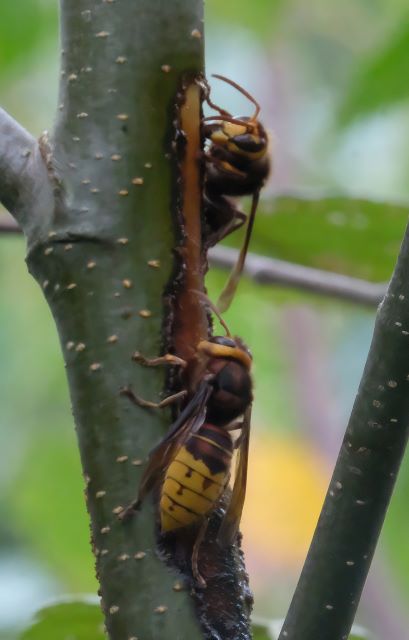
European Hornets.
In the summer we spotted Hornets catching bees and spiders. In addition to eating insects, in late summer and early autumn they can be spotted feeding on fallen fruit and sap from tree bark. They engage in feeding on plant tissues beneath the bark of trees and shrubs. This feeding has been observed on many types of trees and shrubs. We spotted these Hornets today feeding on sap and you can clearly see where they have stripped off the bark on this sapling to get to the sap.

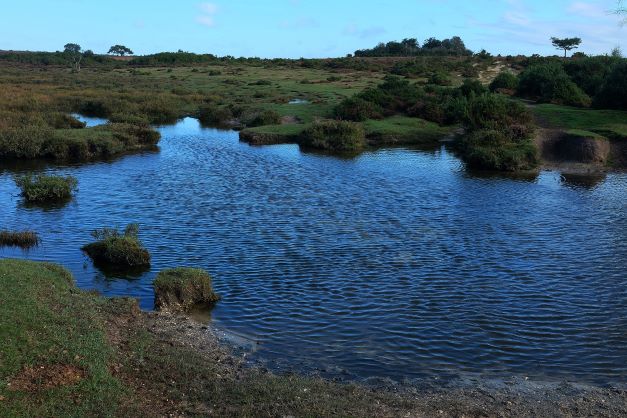
Around the water hole.

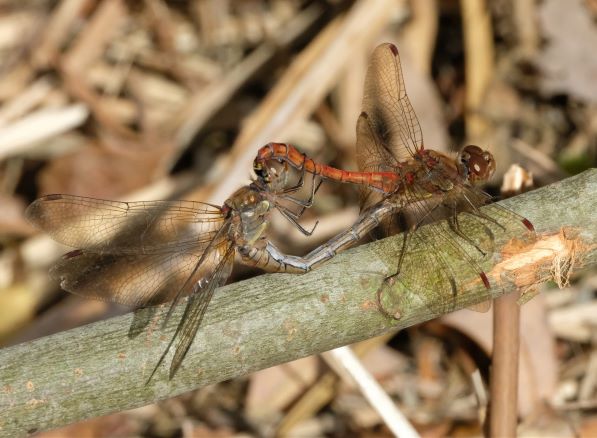
Around a small pond, a lot of Dragonflies (Common Darters) were mating and dipping. It seems late in the year so I wonder if this is because of the drought we had in the summer and the loss of egg-laying water at that time.

In the above picture there a 10 Dragonflies this was just a small amount of the actual there!

Runway walk.

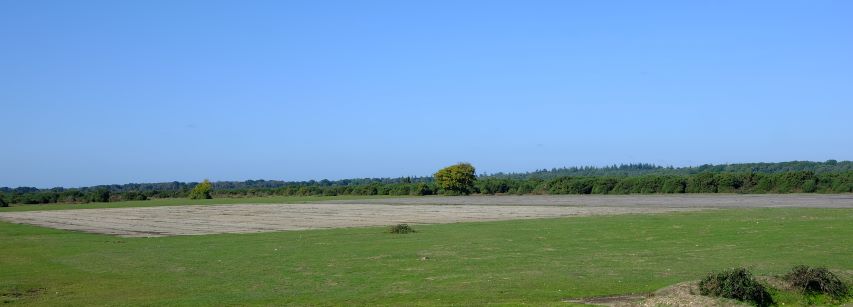
RAF Beaulieu was also known as USAAF Station AAF 408. It is located near the village of East Boldre, and about 2 miles west of the village of Beaulieu. The area had early links with flying. During the First World War, a Royal Flying Corps training airfield, RFC Beaulieu, at East Boldre was established this was closed in 1919. The World War 2 RAF Beaulieu was built on the opposite side of the road to the aerodrome it opened in 1942. During the war, it was used as a bomber and fighter airfield. After the war, it was used for experimental work before it was closed in 1959.

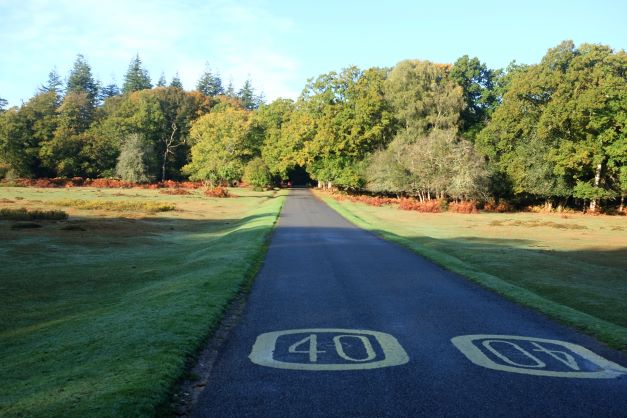
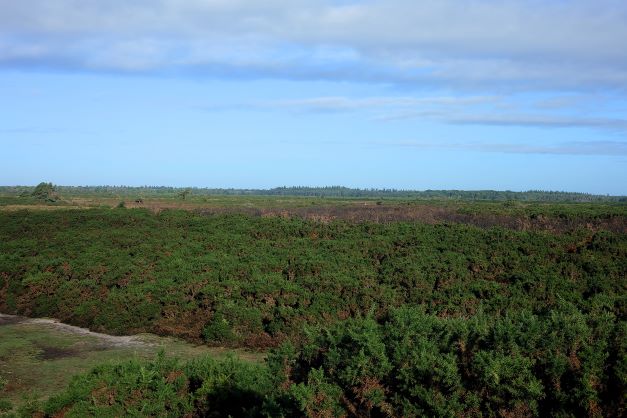
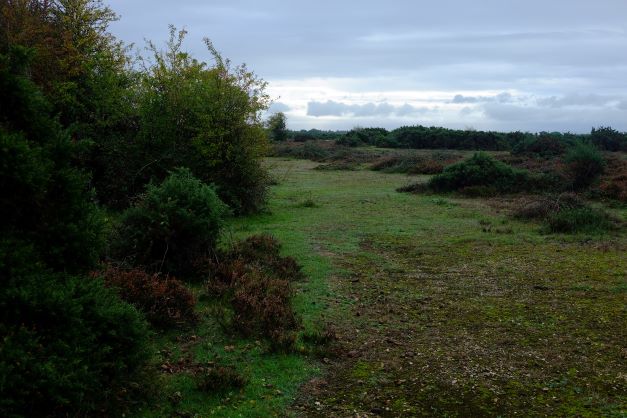
The area around the airfield is heath and made a good circular and flat walk this morning. Some areas of the runways remain but much has been removed.

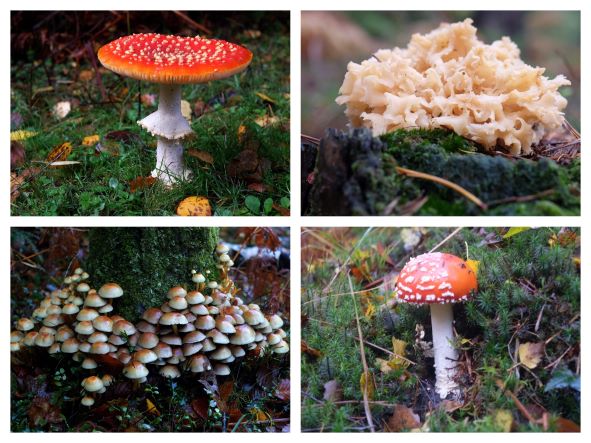
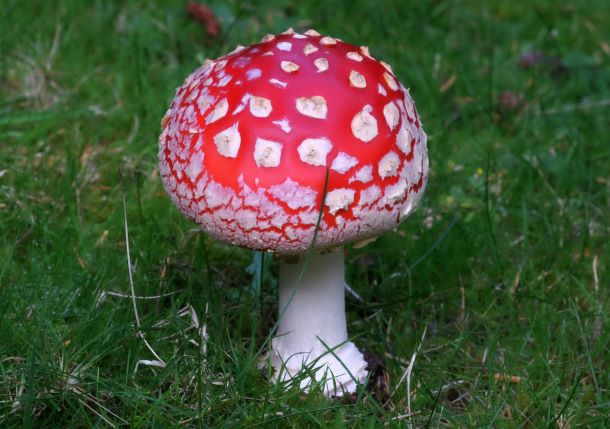
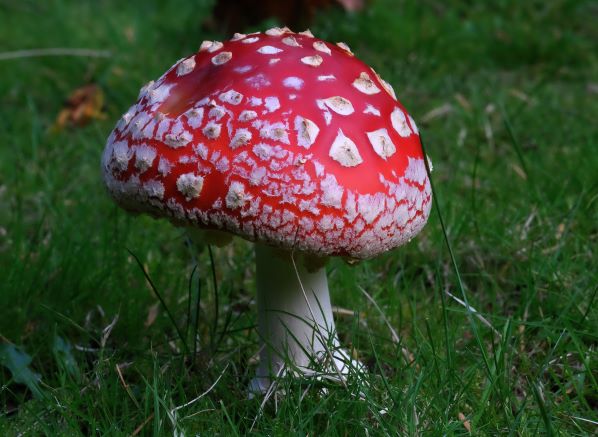
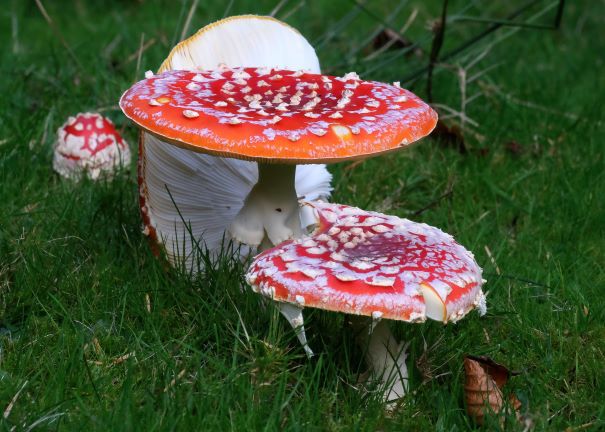
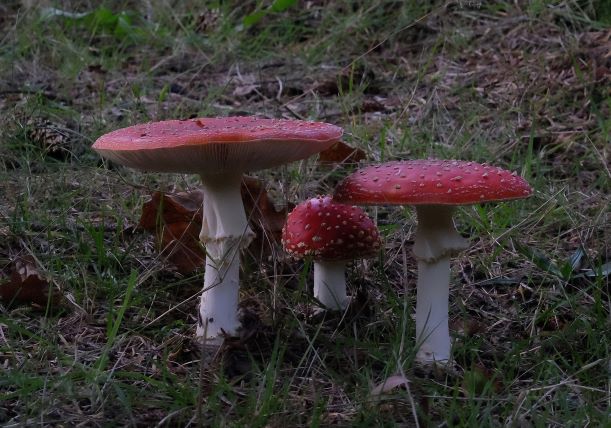
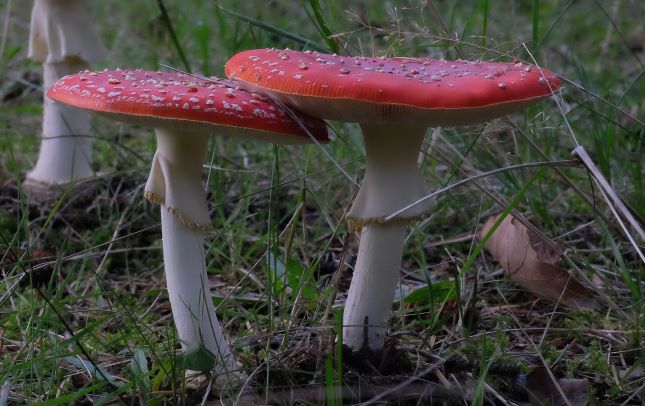
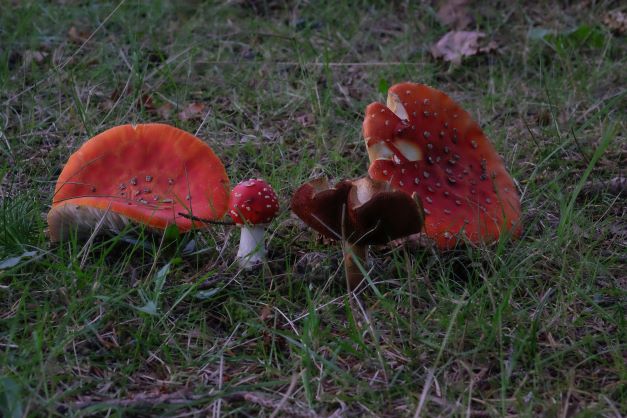
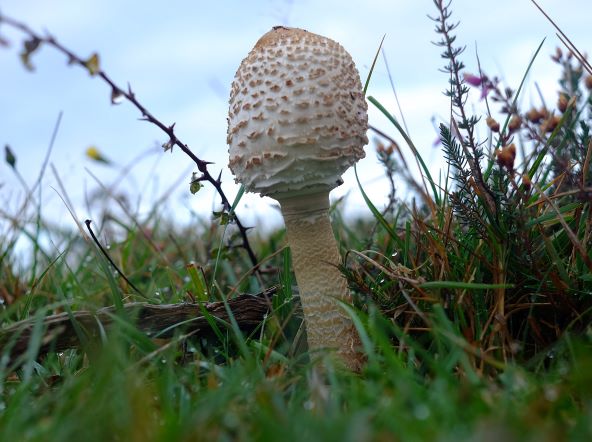
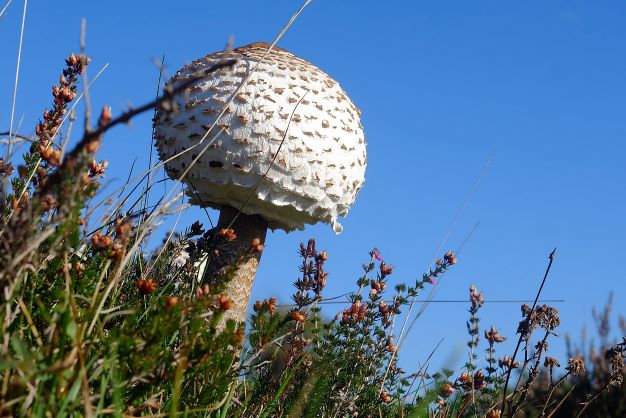
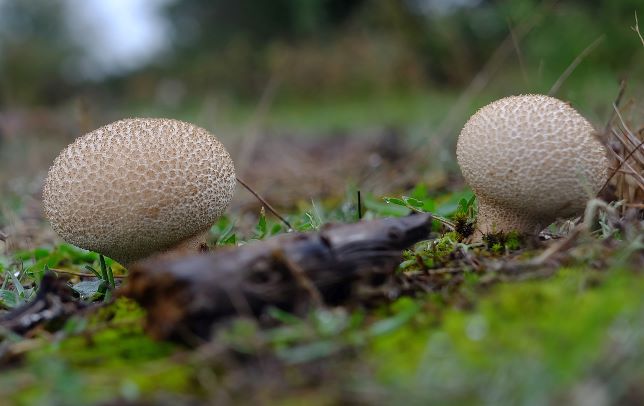
Lots of Fungi were starting to show.

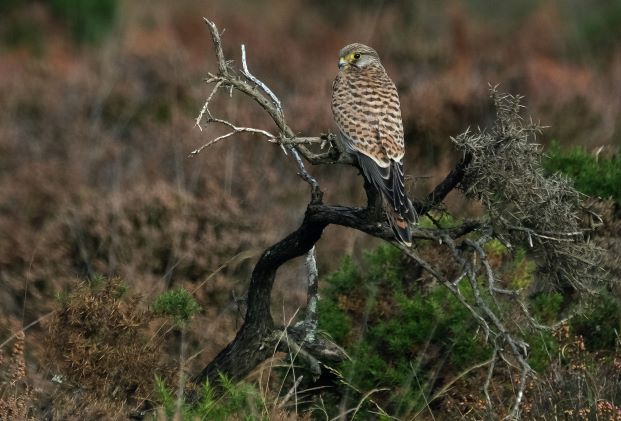
Kestrel. We later watched this bird catch a snake and fly off with it.