Leafhoppers are small, sap-sucking insects that feed on leaves and stems. Nearly 300 species have been recorded in the UK. This leafhopper, I believe, is a Cicadella viridis. It is more commonly known as a Green Leafhopper, Size 6-8mm
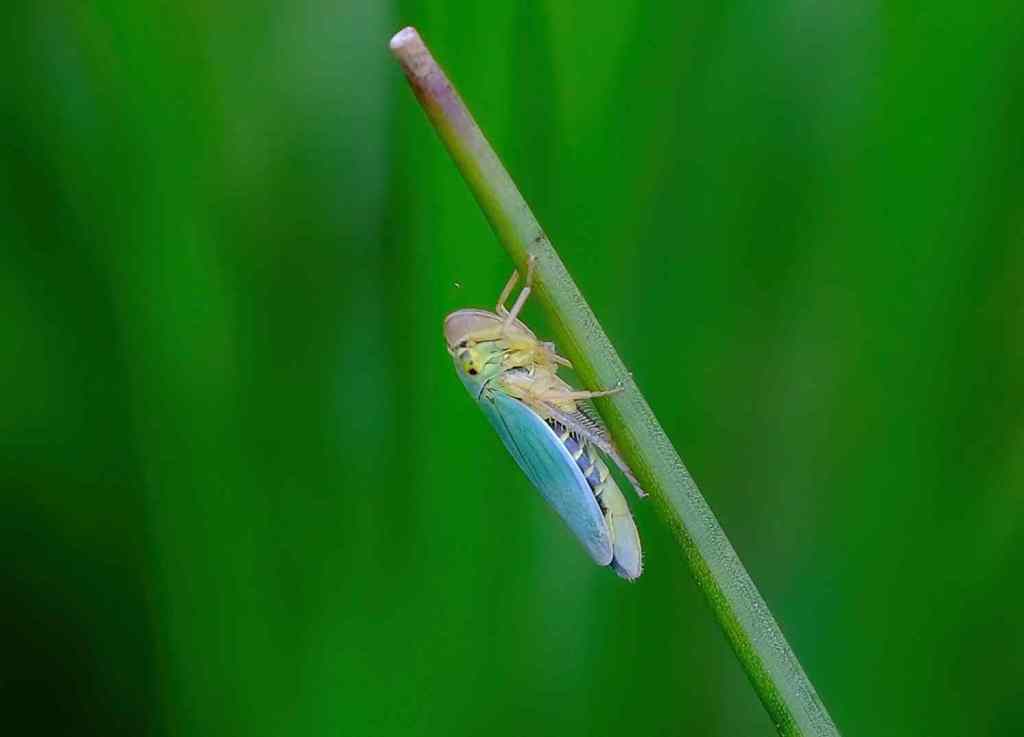
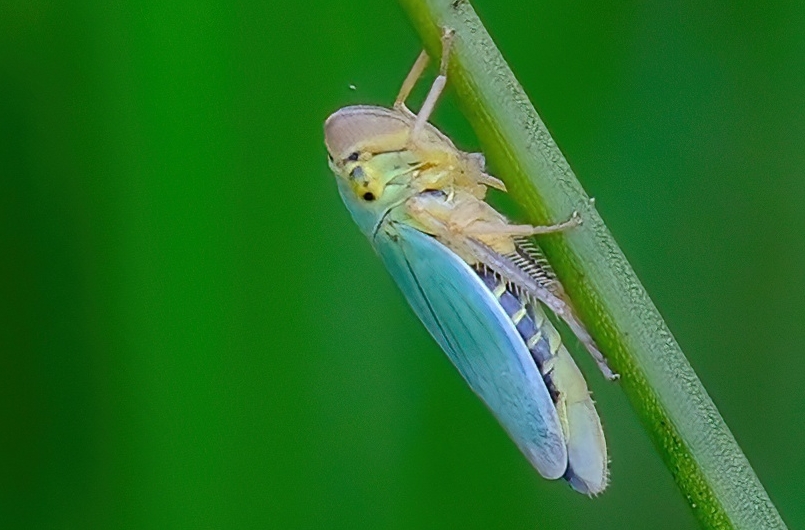

Leafhoppers are small, sap-sucking insects that feed on leaves and stems. Nearly 300 species have been recorded in the UK. This leafhopper, I believe, is a Cicadella viridis. It is more commonly known as a Green Leafhopper, Size 6-8mm


A 1st for me, a Lulworth Skipper, they are one of the smallest of the UK’s butterflies. It has a very restricted range in the extreme south of Dorset, where it can be found in good numbers along a stretch of coast centred on the village of Lulworth, where the species was first discovered in 1832.
My picture is of a female, near Winspit. Females can be distinguished from other skippers by the pale orange ‘sun-ray’ markings on their forewings, whereas the males have darker-brown, almost olive coloured wings .
They can be seen from early June to mid-August.

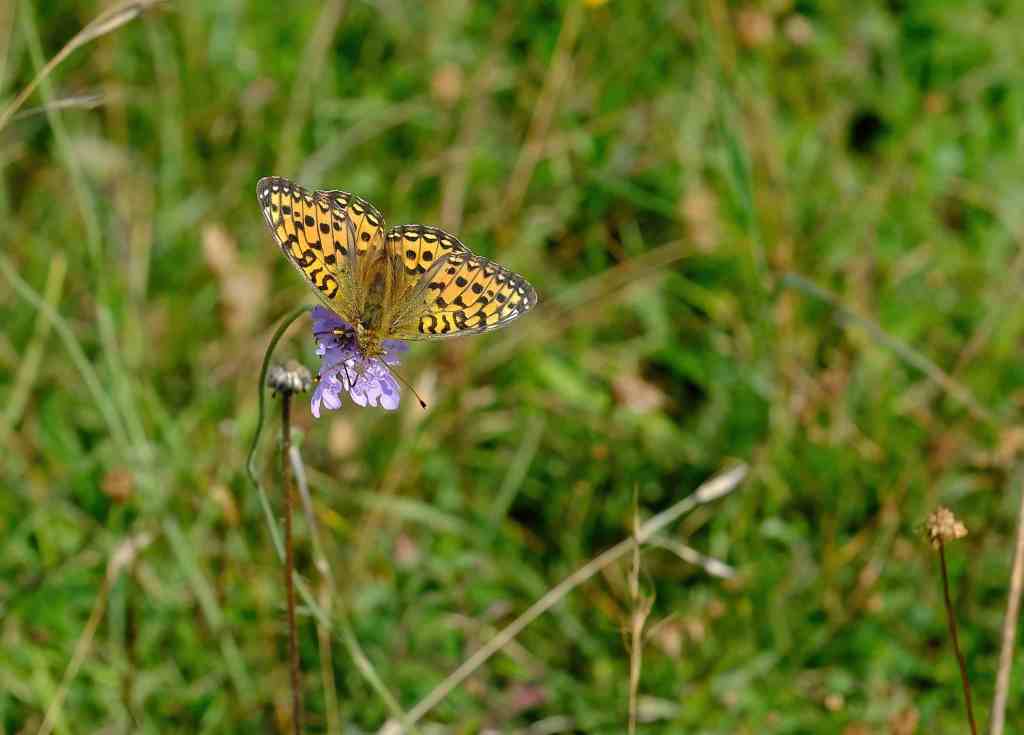
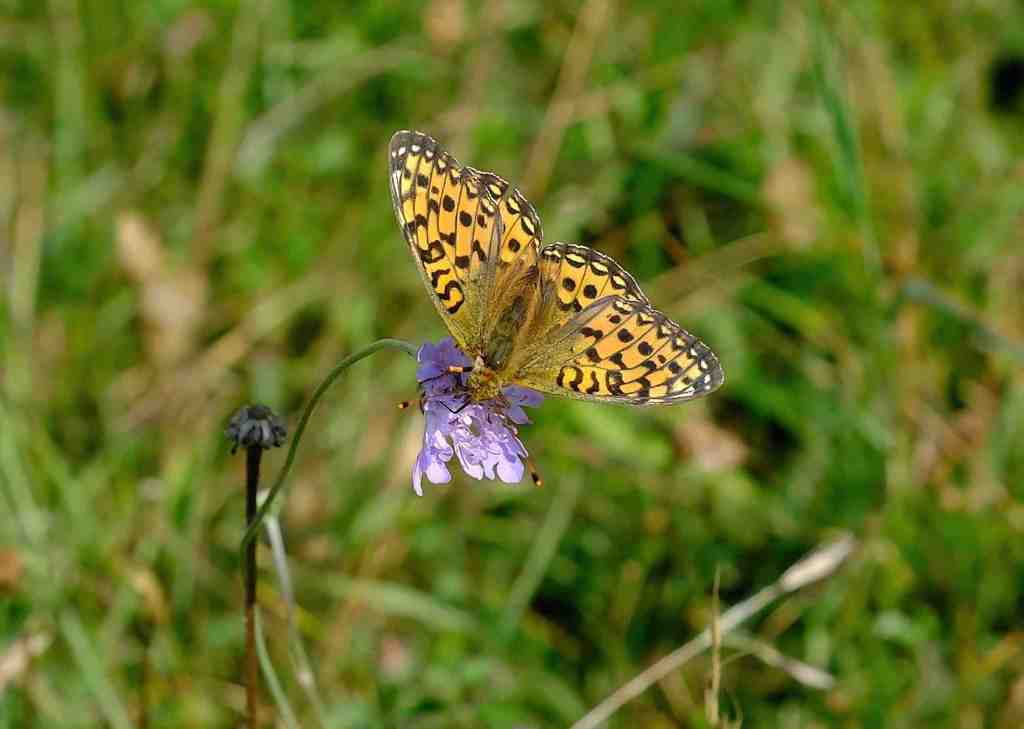
On the coastal path near Dancing Ledge in Dorset, I spotted this rather faded Six-spot Burnet Moth feeding on a teasel flower. These moths are day-flying moths.


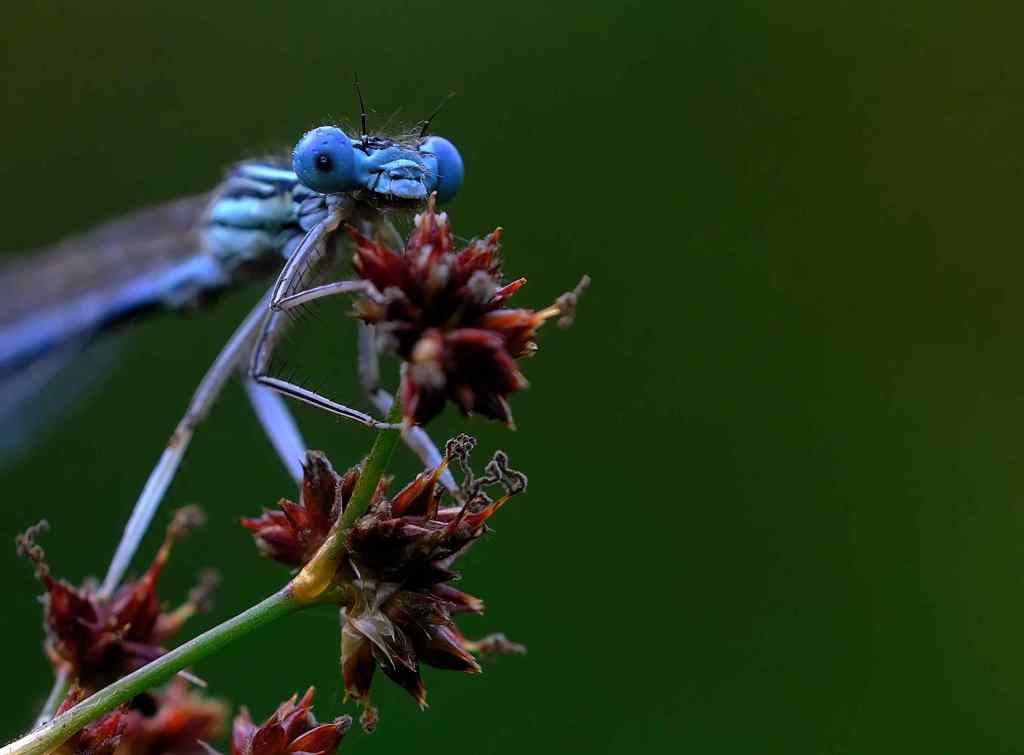
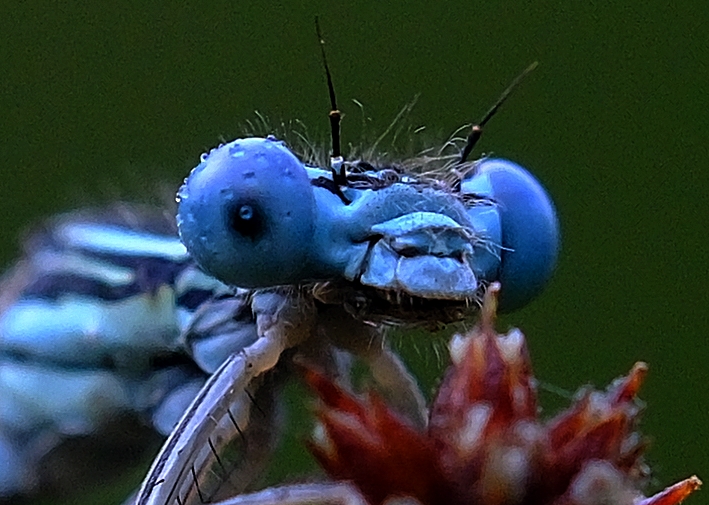
The Common Blue is one of the most common damselflies in the UK.
The Male is blue and black with a button-shaped mark on the segment below the wing base. The female is less colourful – she is dull green /light yellow with a thistle-shaped mark below the wing base and black bands.


A master of flight, and a fairly commonly spotted dragonfly along many of the small streams at this time of year. Appearance – striking black body with distinctive yellow bands. Green eyes.


#Wordless Wednesday


Grey Heron and Great White Egret in competition for the same fishing spot and airspace at Titchfield Haven; after a bit of argy-bargy, they flew off in different directions.


I watched a commotion: a mother duck flying at a Herring Gull. It was sad to see her give up, and the gull fly off with a duckling in its mouth. Walking the other side of the pond, I found her again with only one lone duckling trying to keep it in the water lilies for safety.


New Forest ponies taking a drink.

Magpie


Looking for Raft Spiders again in the New Forest, we found a good population in the usual place. Some 16 adult spiders along the stream were viewed. along with several nests which were full of baby spiders. The spider in the 1st picture was eating a “Daddy Longlegs”.


Male skylarks will rise almost vertically from grassland, salt marshes and moorland. They hover effortlessly, singing from a great height. Normally, a speck in the sky, but a treat to hear. This bird was keeping its feet on the ground, singing like mad.
UK Conservation status: Red