European Hornets.

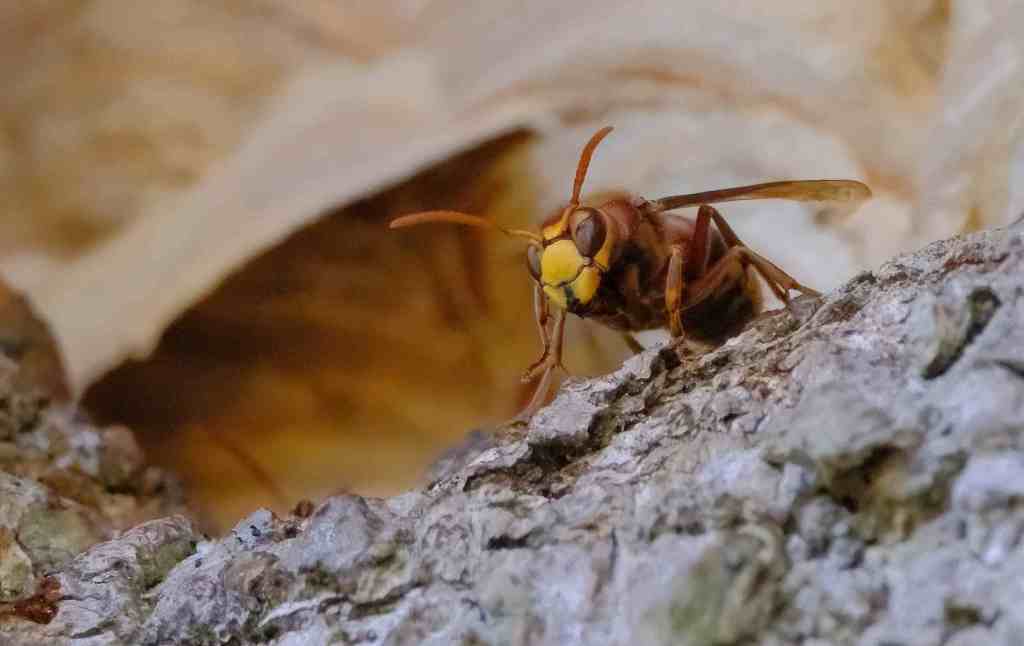
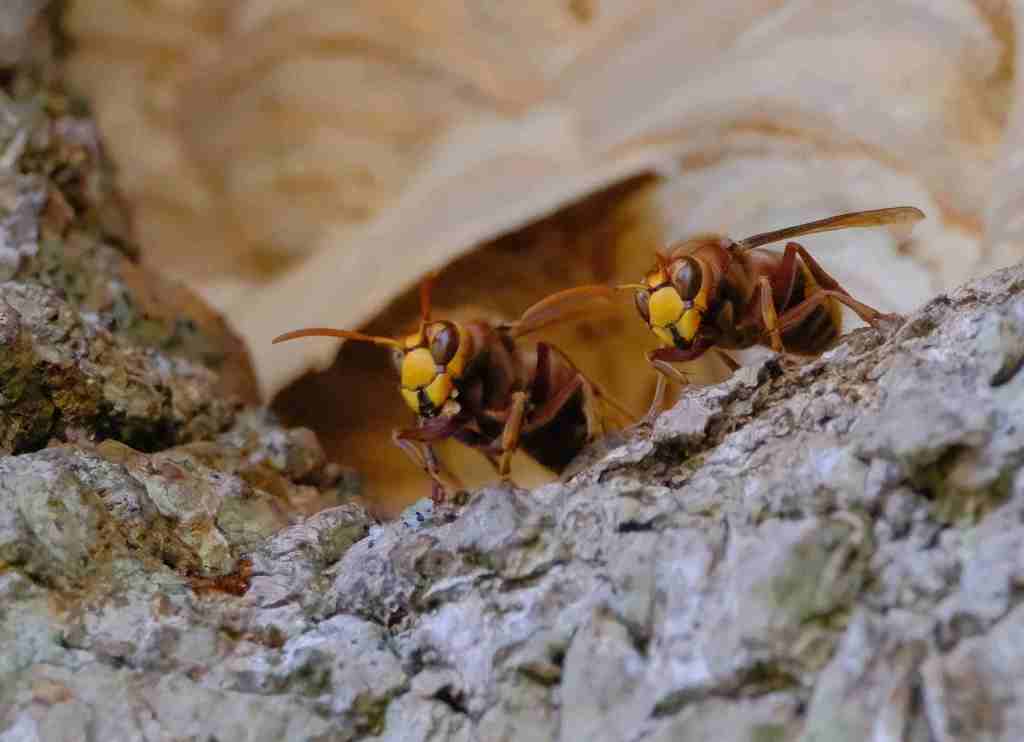
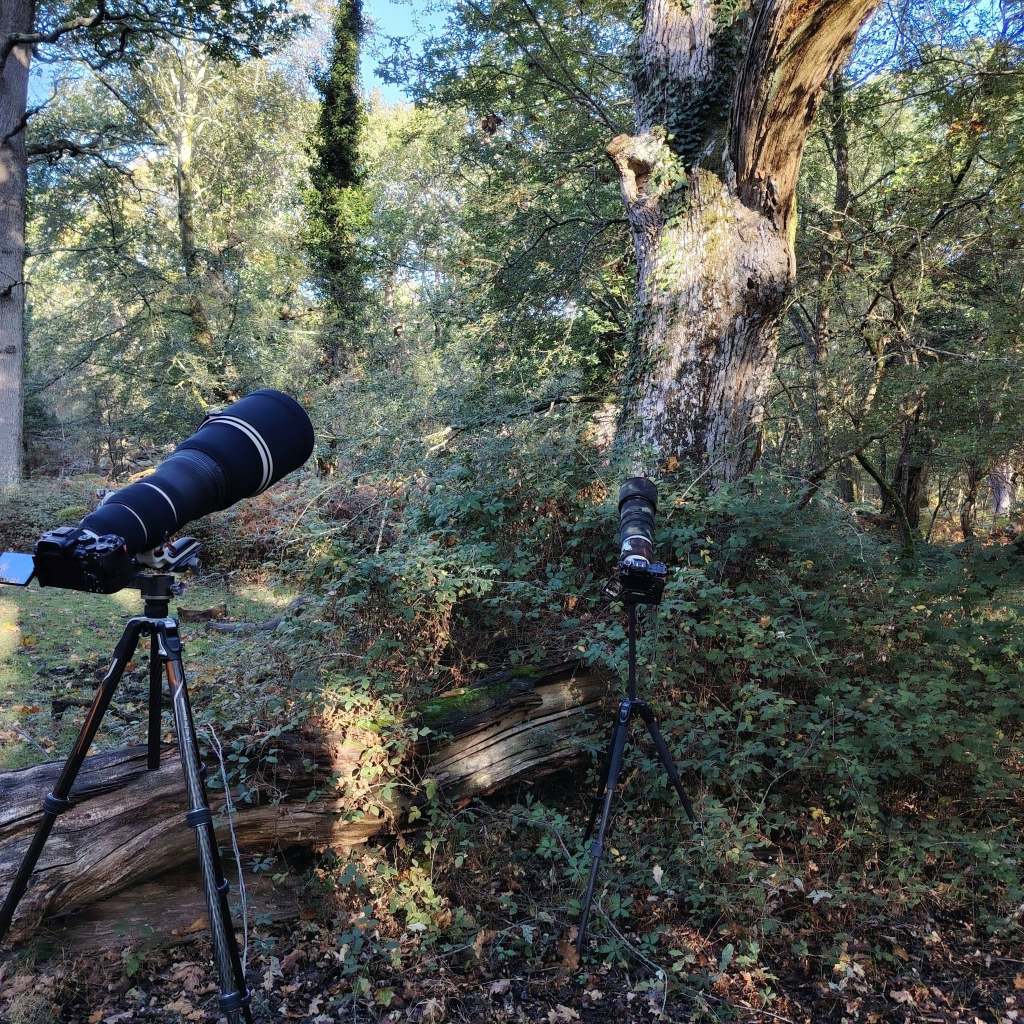
On our Monday walk looking for fungi in the New Forest, we came across a hornet’s nest and returned today with tripods to get better pictures of these interesting insects.
Despite their size and loud buzz, European hornets are placid and non-aggressive; they rarely sting unless the nest site is directly threatened. They feed on invertebrates, nectar, sap, and windfall fruit. They will bring back the invertebrates to their nests to feed their larvae.

Workers grow up to 25mm and queens can reach 35mm long, making them significantly larger than common wasps.

It is important not to confuse our native European hornet with the invasive non-native Asian Hornet, which is reportable; their nests are destroyed they are a threat to honey bees.
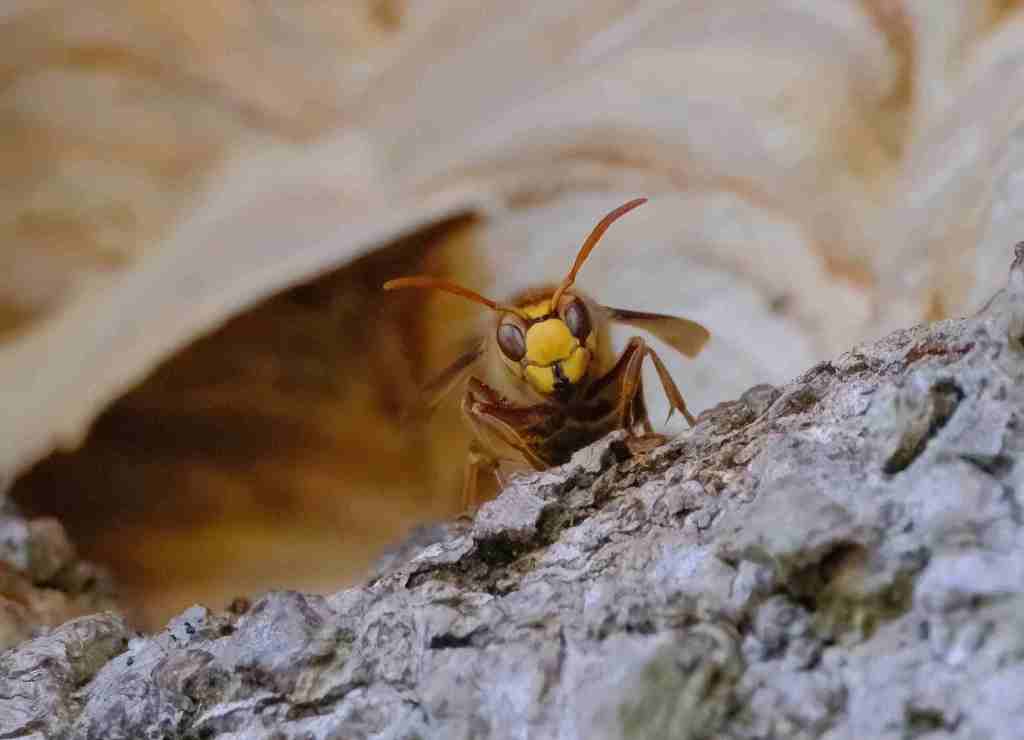
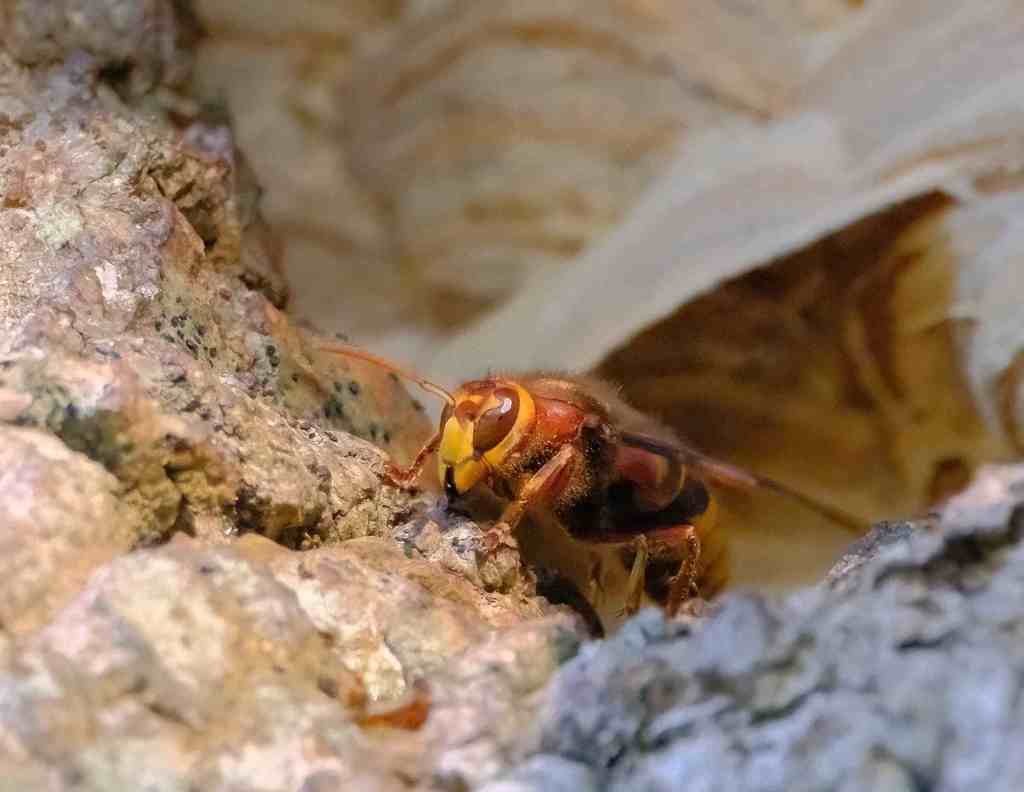
1st October 2026.

First of the month, and a walk in the New Forest: fungi are starting to show not sure how the season will be given the dry conditions through the summer only time will tell.

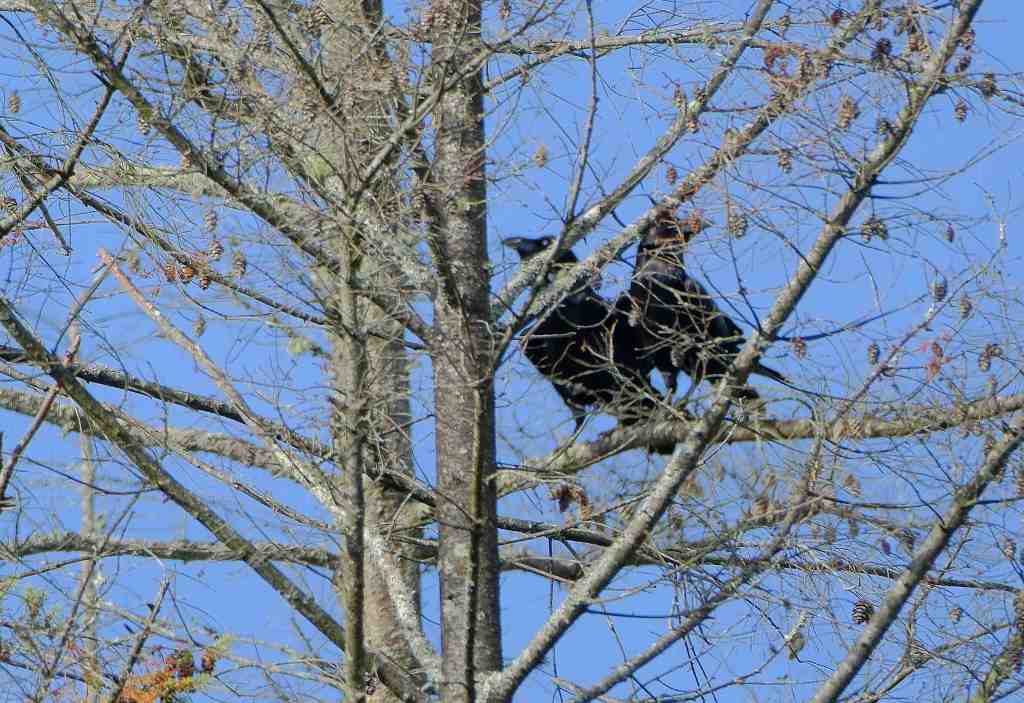
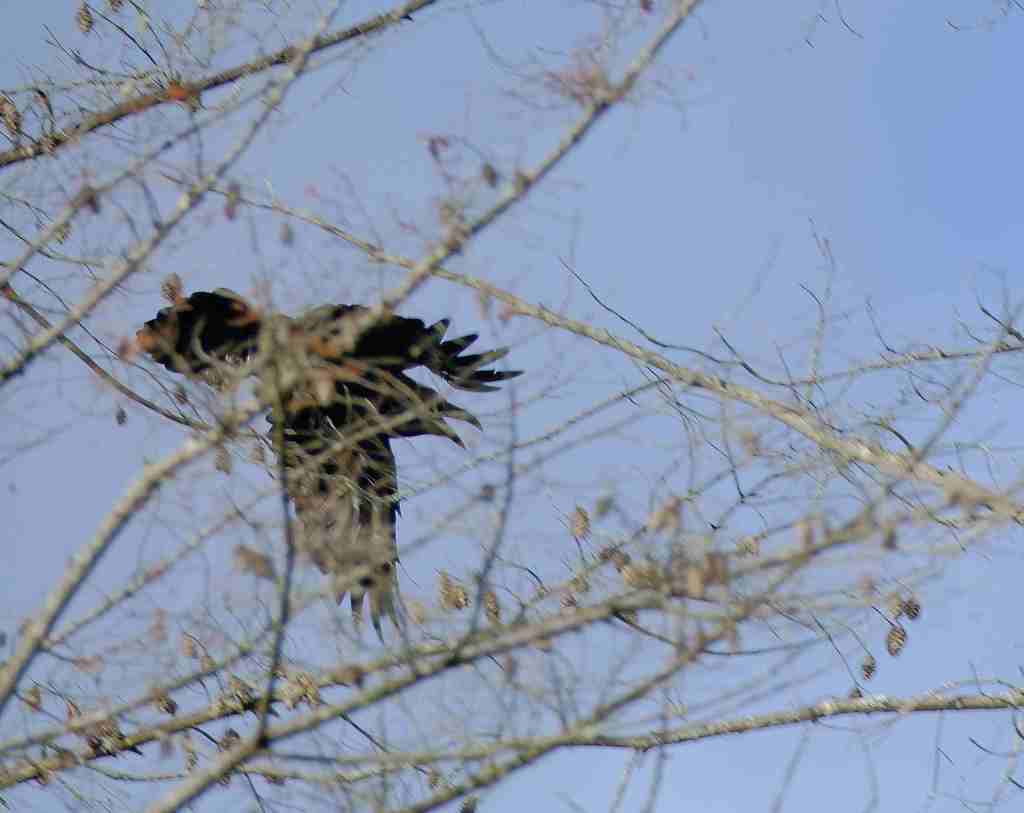
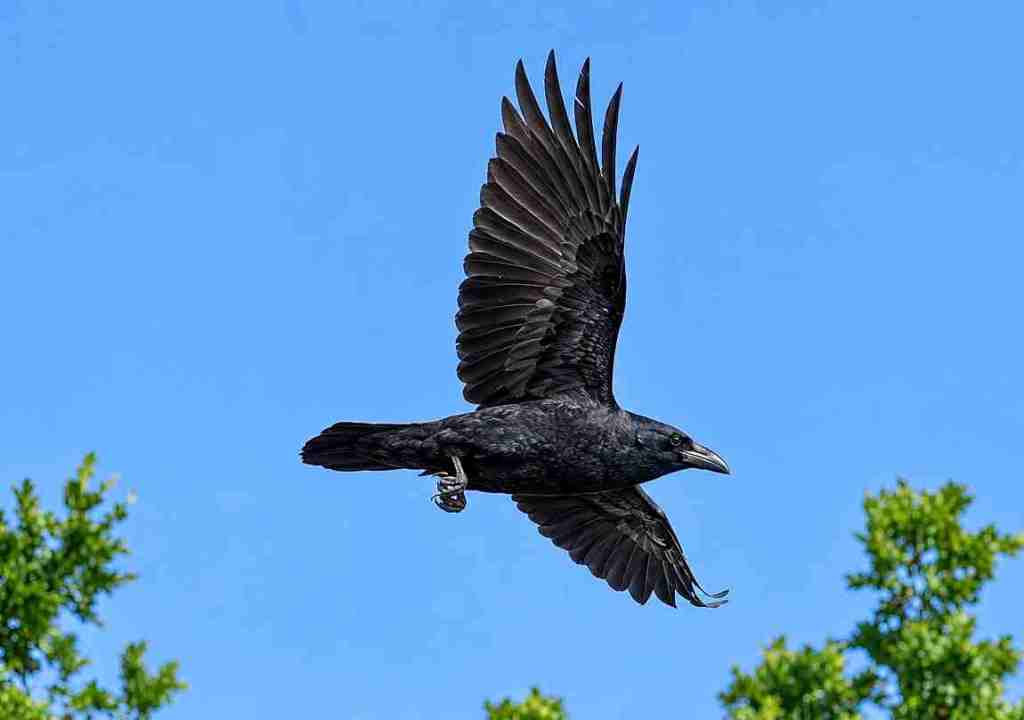
We had 6 Ravens flying over our heads as we were on our walk today. Ravens are our largest corvid; they’re often seen in pairs, but particularly in the winter, young birds can come together to roost in big groups. Ravens are mostly carrion eaters, but they will eat insects and hunt small live prey.

  • Length: 60–68cm 
  • Wingspan: 120–150cm 
  • Weight: 800–1,500g 

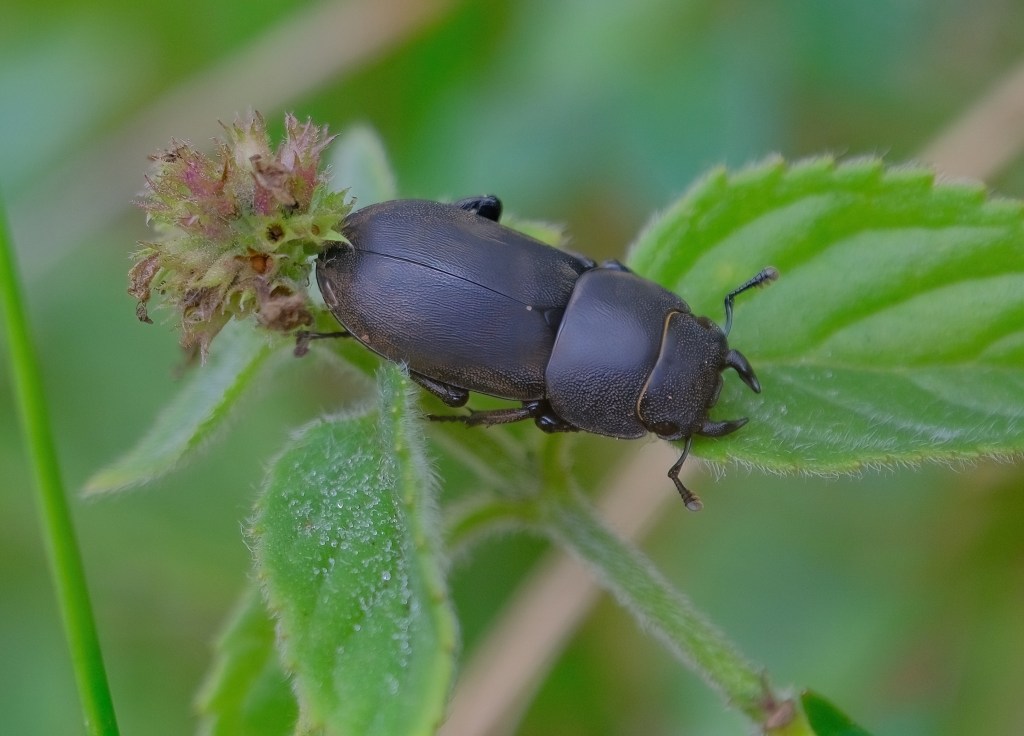
Another interesting spot was a Lesser Stag Beetle.

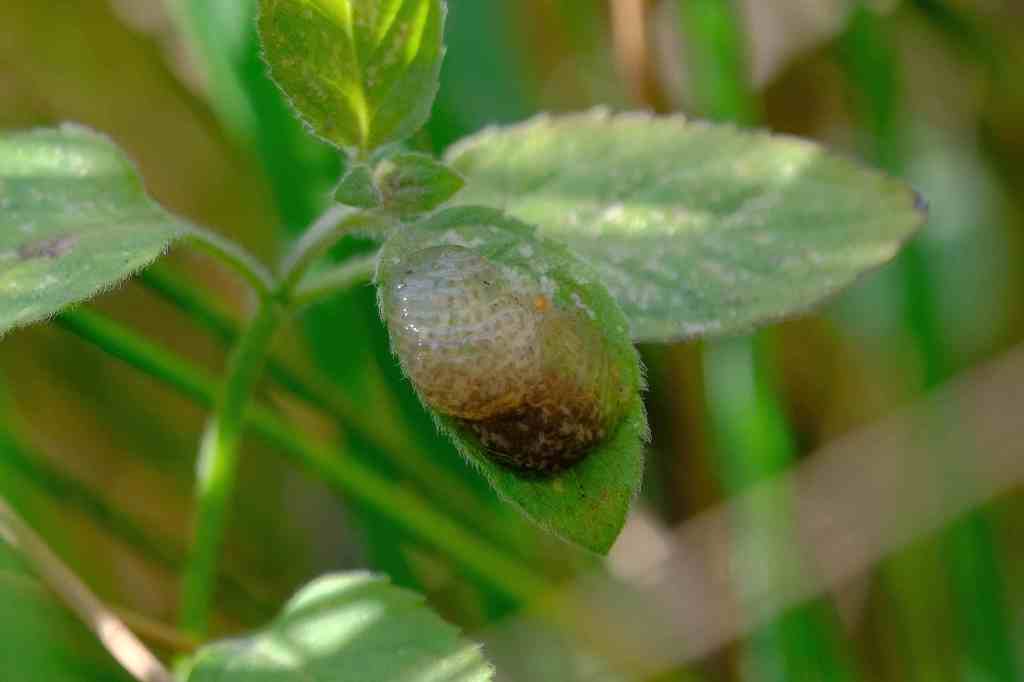
and some Caddisfly eggs.

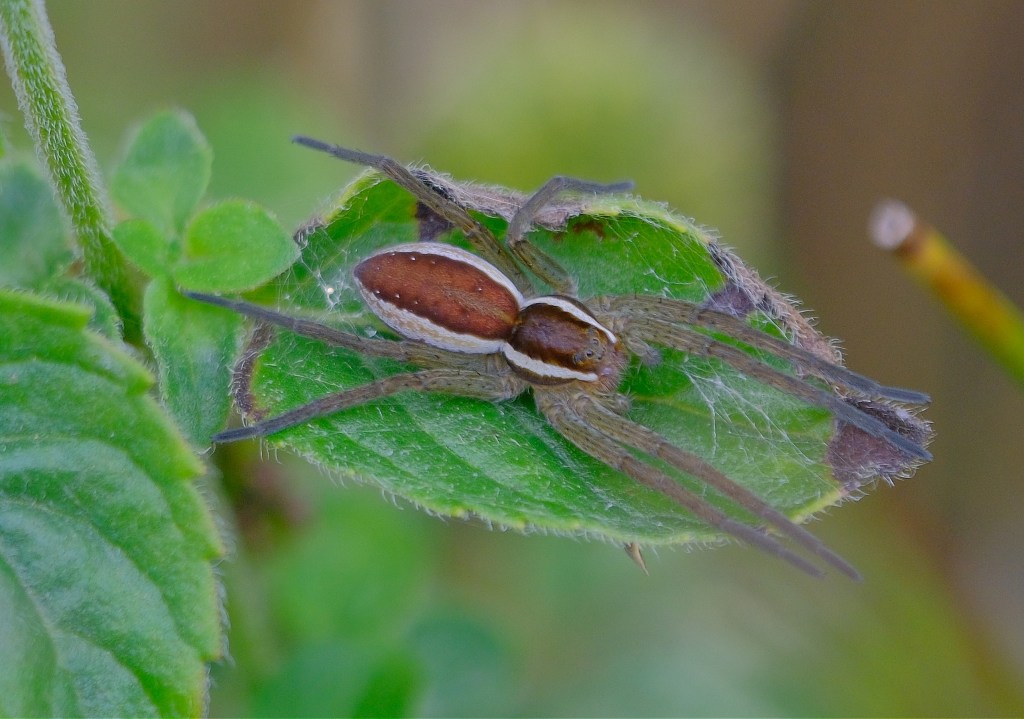
Just one Raft Spider seen.

Aftermath.

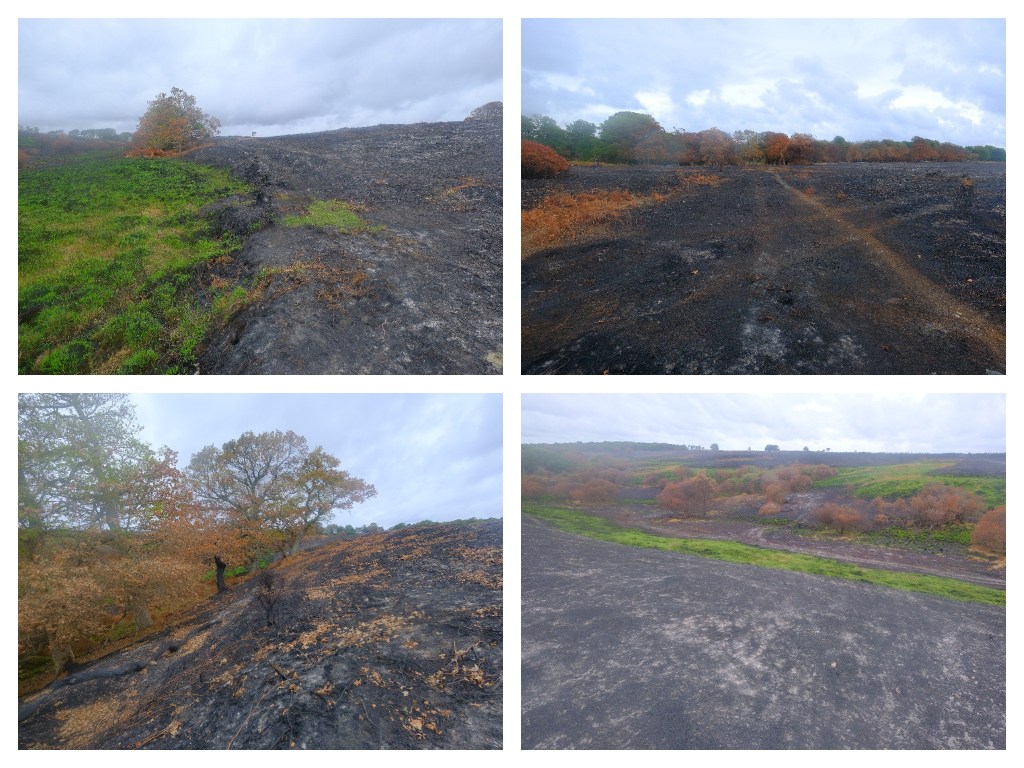
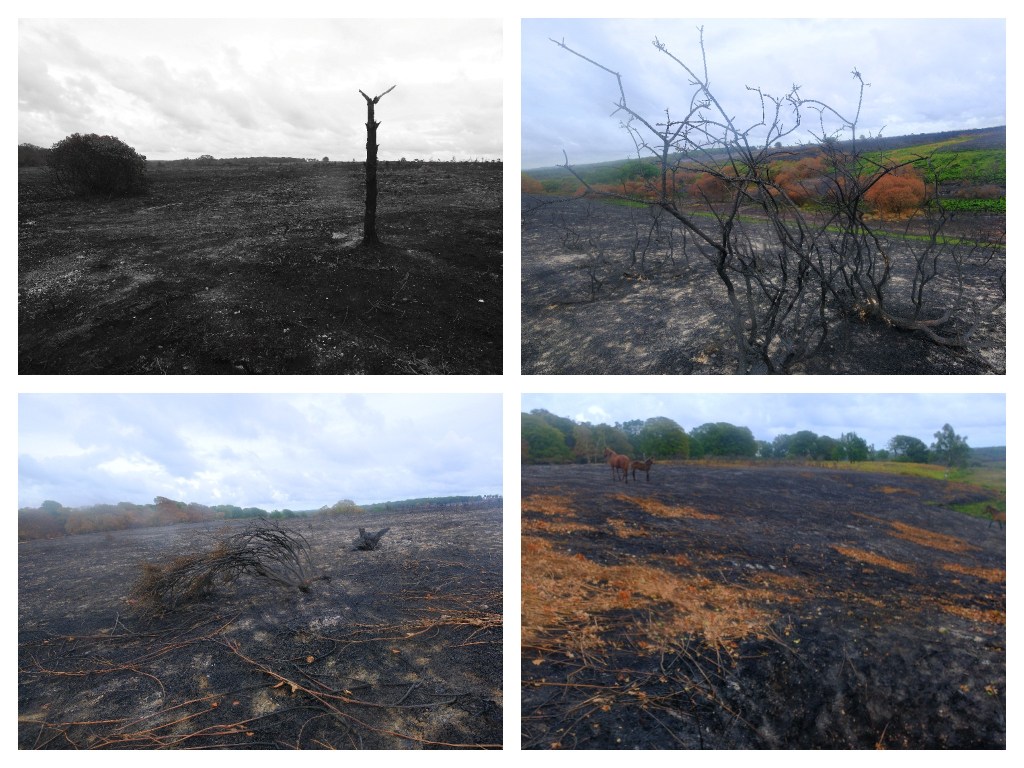
Today we walked into an area of the New Forest where we regularly walk about a six-mile circular walk. We know the area and its wildlife well. This time, it was heartbreaking to see the fire damage and total destruction to part of the walk.

On the 9th August 2026, a van caught fire on the A31 dual carriageway where it crosses Heathland close to Ringwood in the New Forest. Fueled by prolonged severe heatwave and drought conditions across the UK, the vehicle fire rapidly spread into the surrounding national park. 23 drivers had to abandon their cars as the fire spread. The wildfire damaged more than 100 hectares (247 acres). The fire was declared a major incident, and firefighters fought the blaze, even pumping water across the forest from a lake 5 miles away in special pipes they had to lay. The road was closed for 2 weeks. The emergency response was stood down on 23rd August.

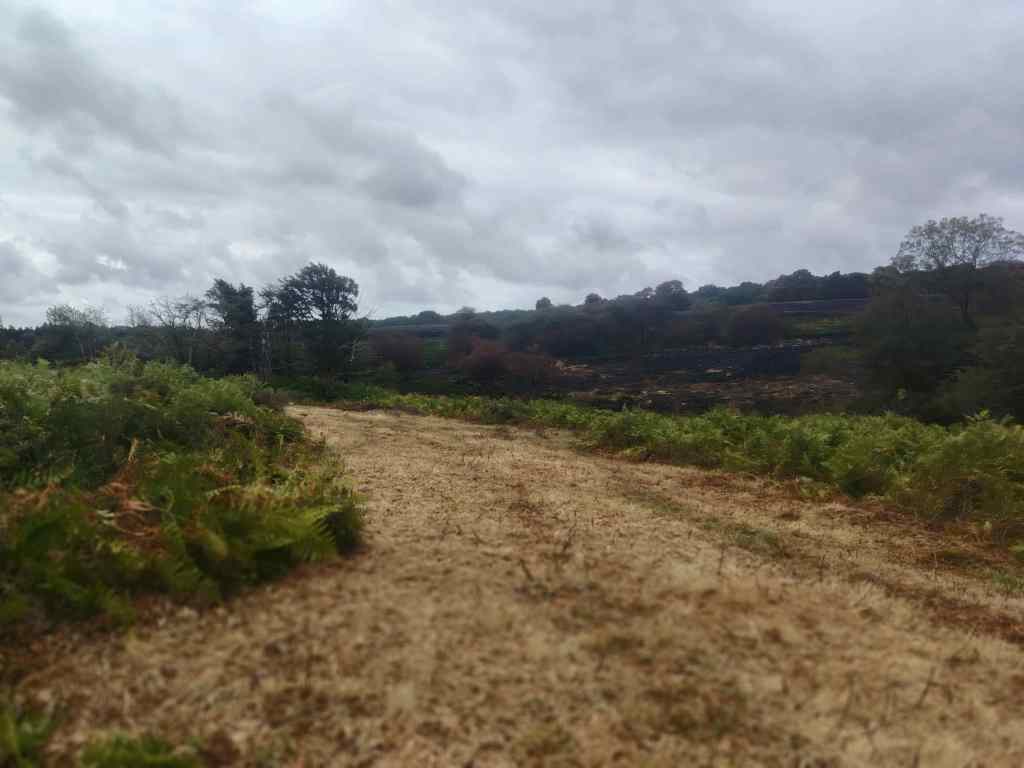
Fire break cut into the heath.

Back to the Forest.

Back into the New Forest after a 10-day gap due to the large wildfire, which closed the A31, the main road crossing the forest. Although other parts were accessible, we chose to stay away, as many of the smaller roads were gridlocked with diverted traffic.

Today’s walk.

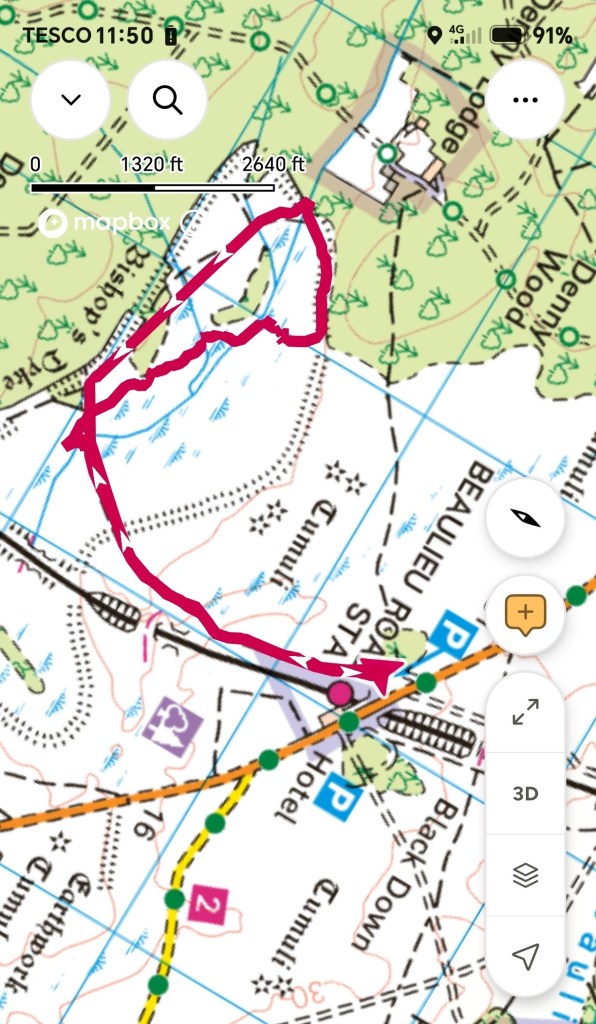
about 4 miles through some fairly boggy ground. Some of which would be impassable if we had not had a drought.

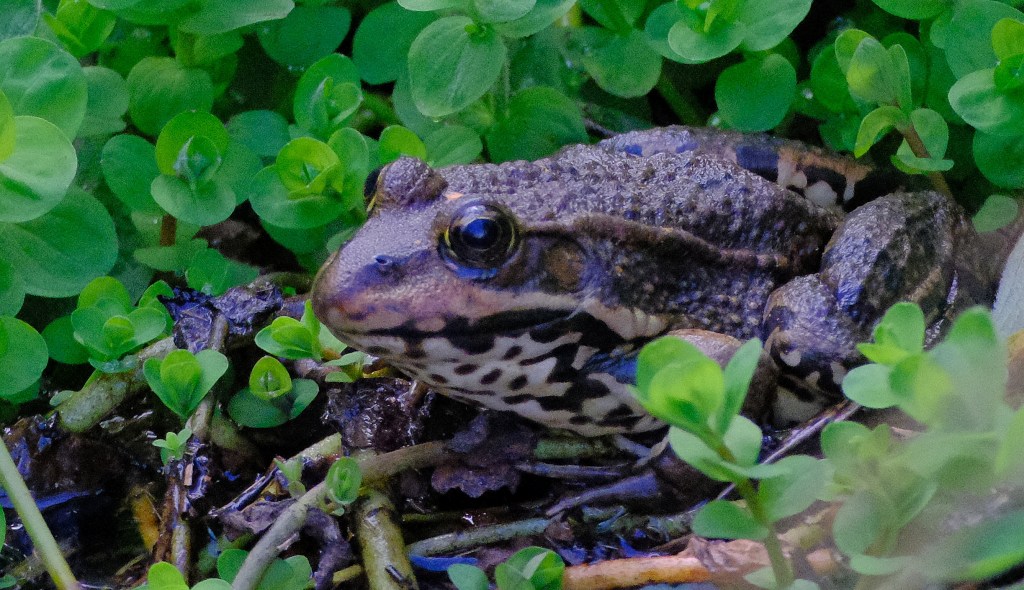
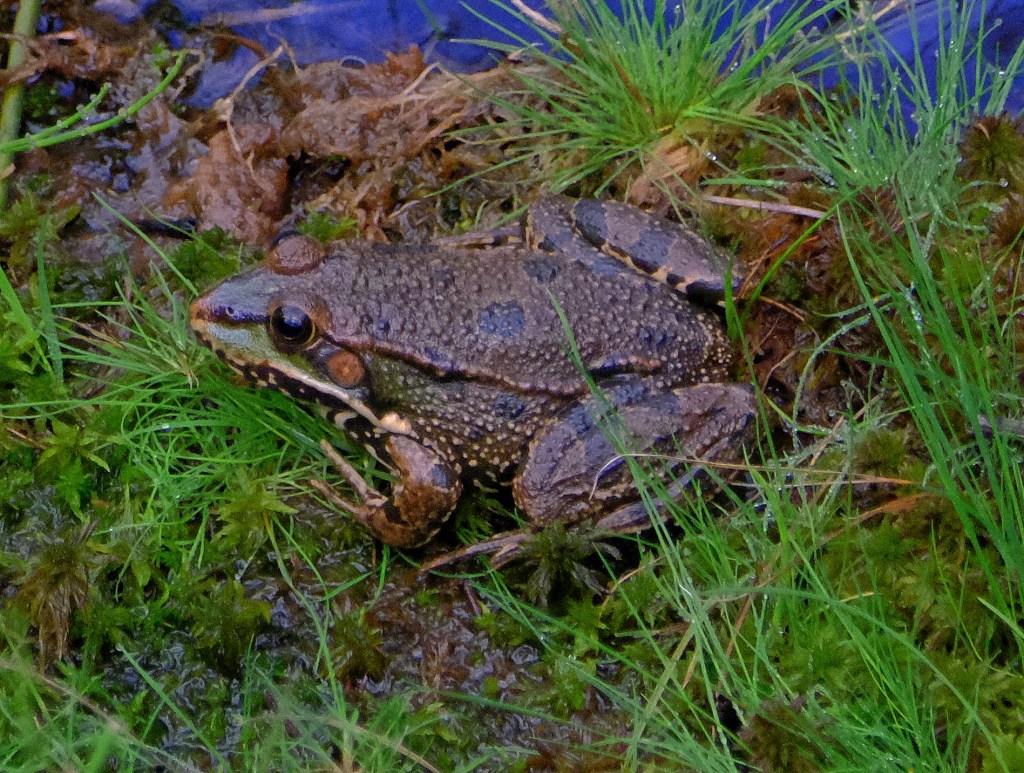
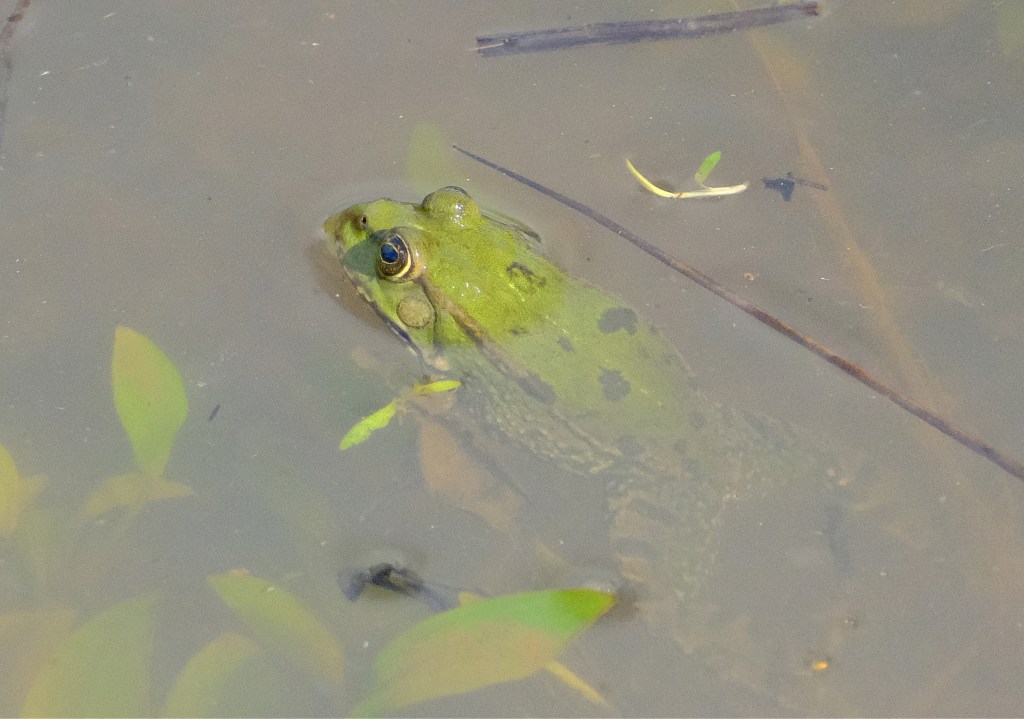
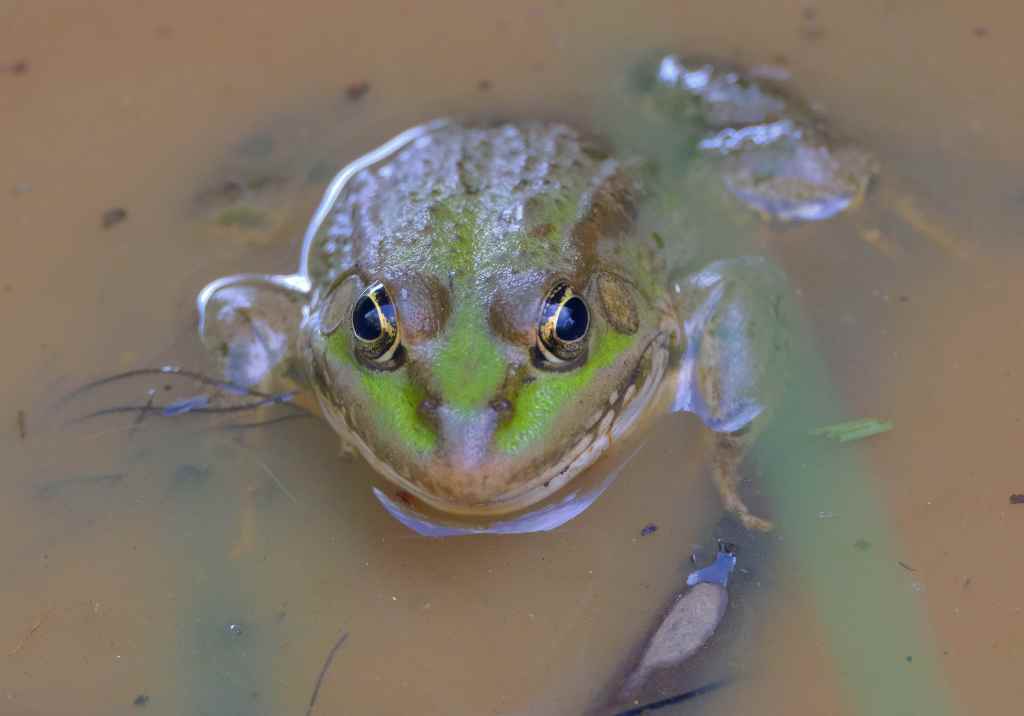
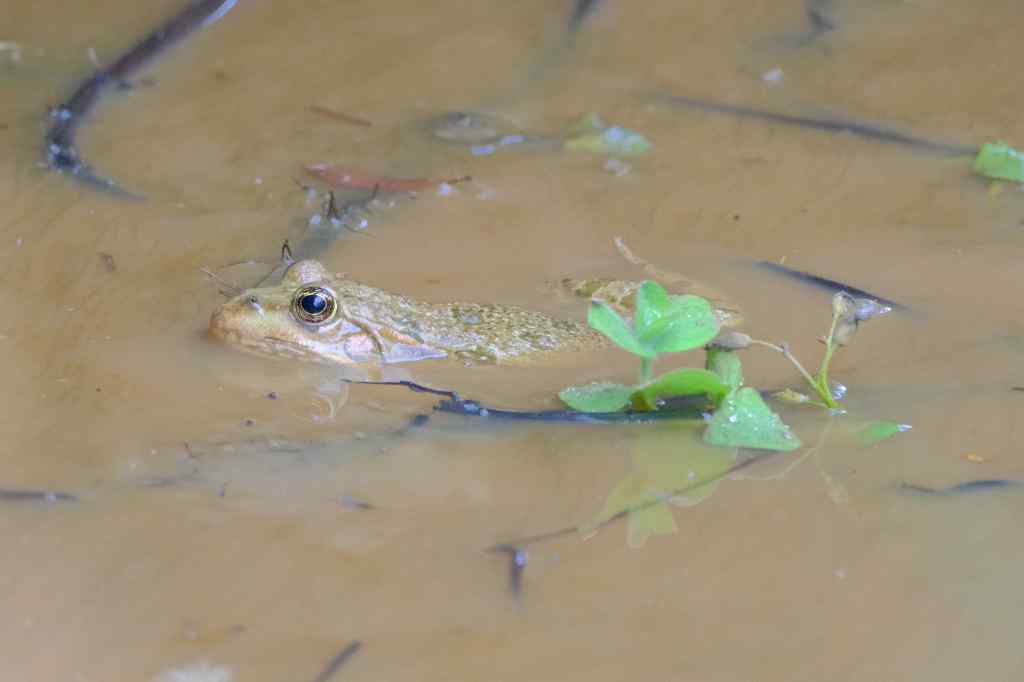
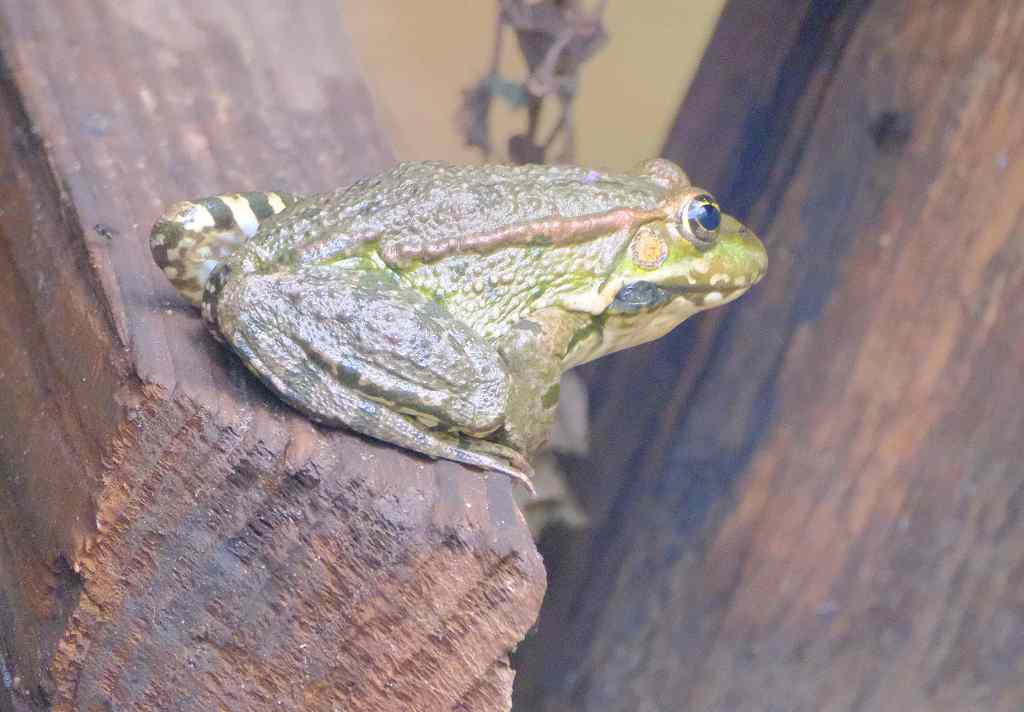
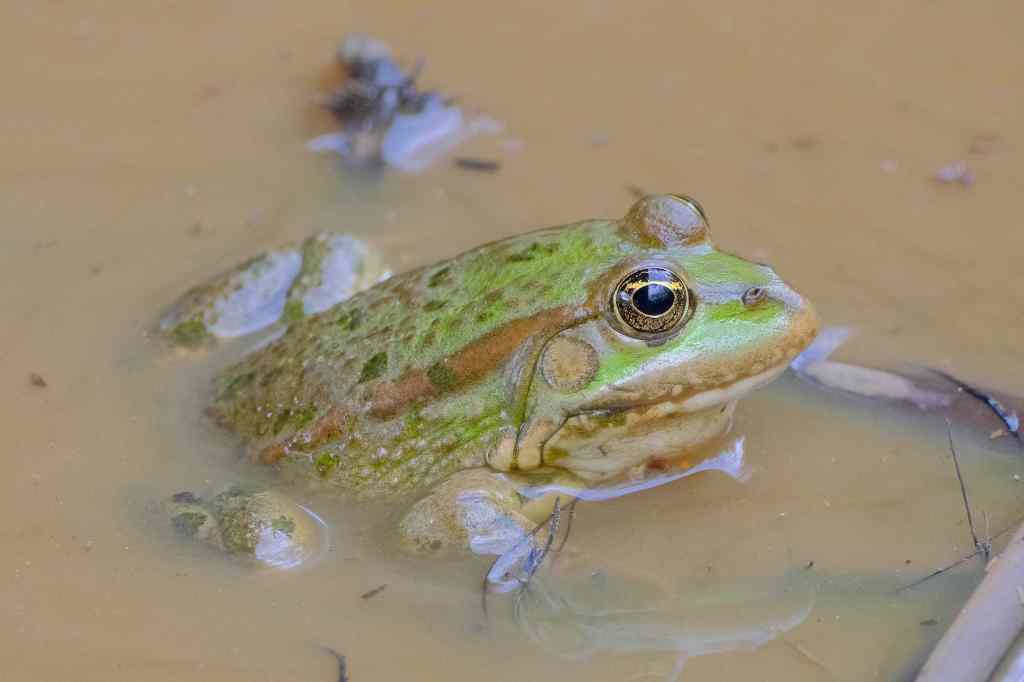
Marsh frogs.

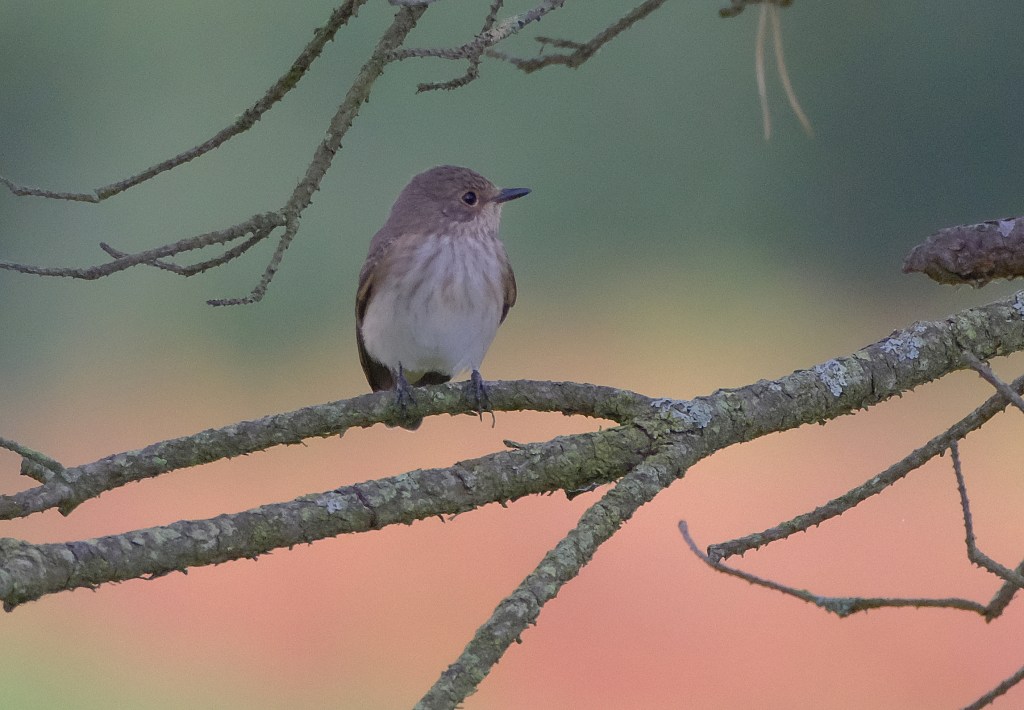
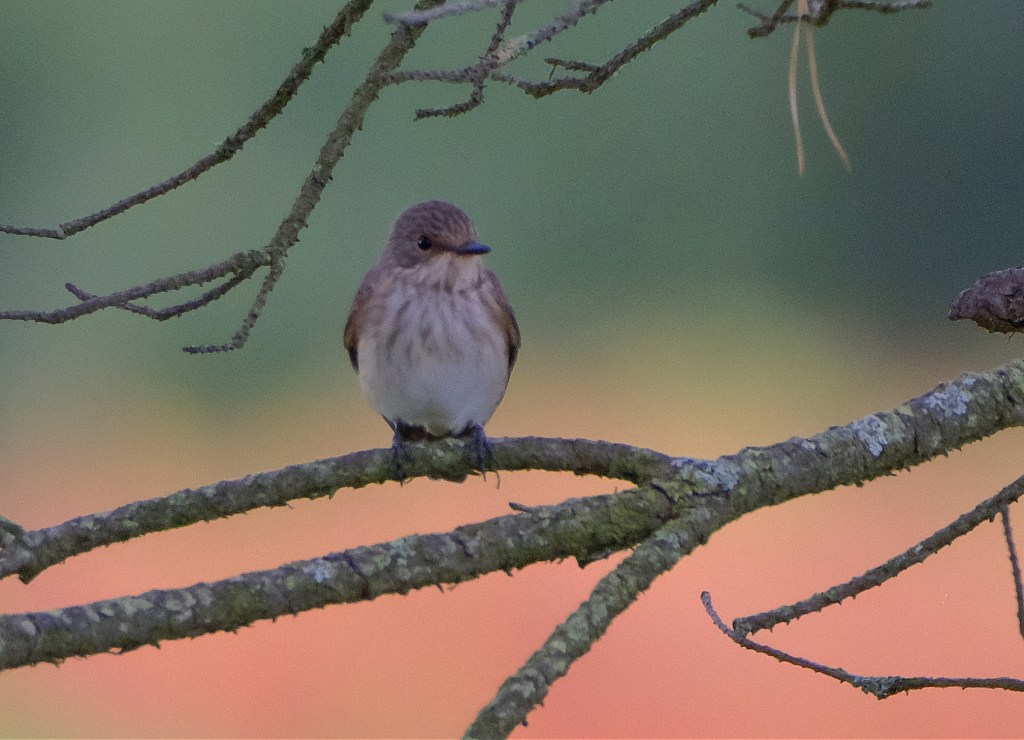
Spotted flycatcher.

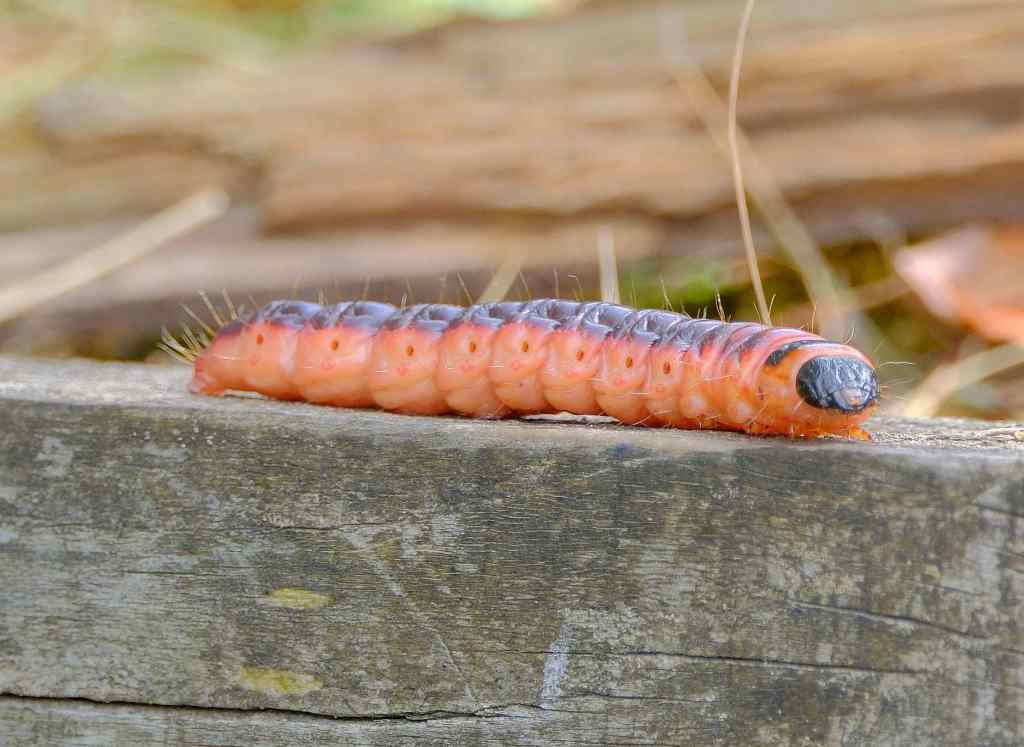
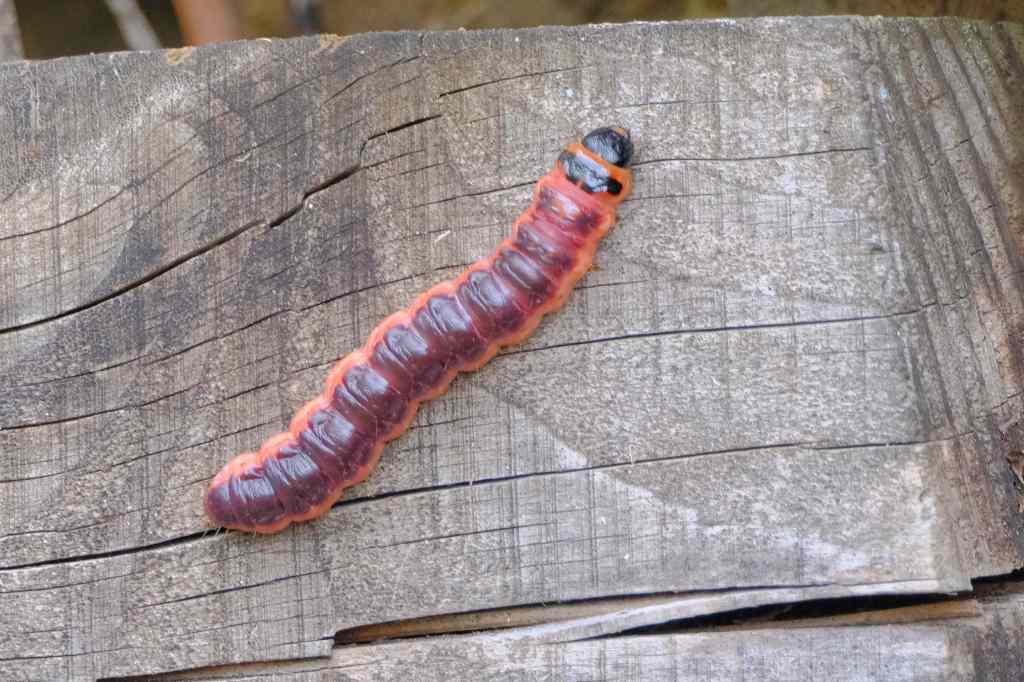
A first for me today, a Goat Moth caterpillar.

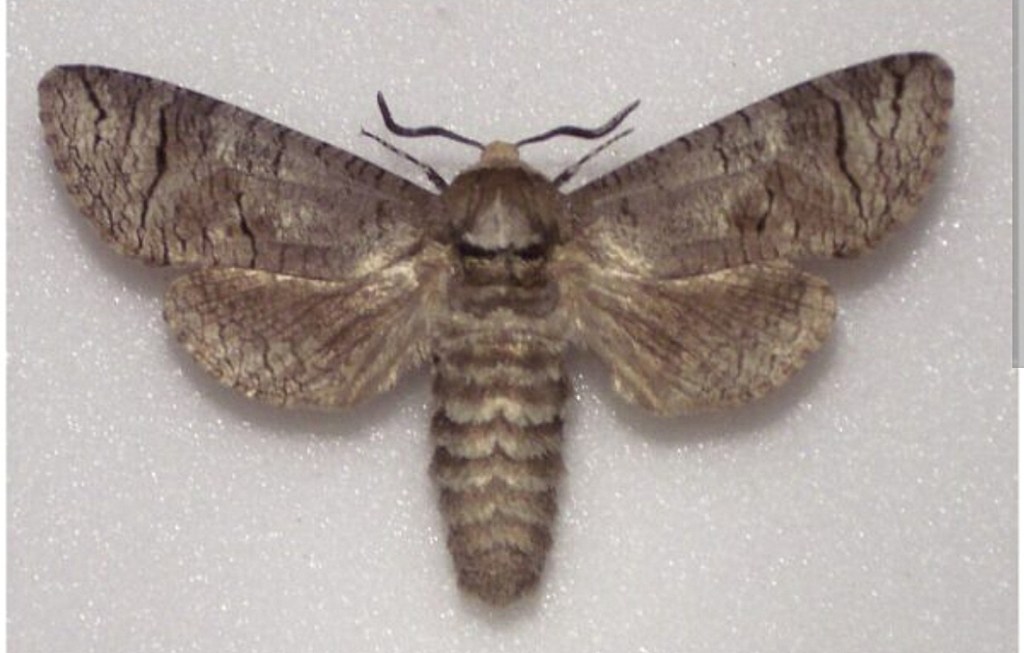
)As an adult, the moth cannot feed. The caterpillars live inside the trunks of a variety of broad-leaved trees, feeding on the wood. They overwinter three or four times as larvae and a final time as pupae. The caterpillar can grow to 10 cm (about 4 inches), and the moth has a wingspan of up to 9.5cm (about 3 1/2 inches).

Stock image of a Goat Moth.

Photo Editing 2026?

Has it gone too far? In the “old days,” you could tweak your pictures in the darkroom. Then came digital, and I used Photoshop to edit my pictures – crop and adjust exposure, etc.

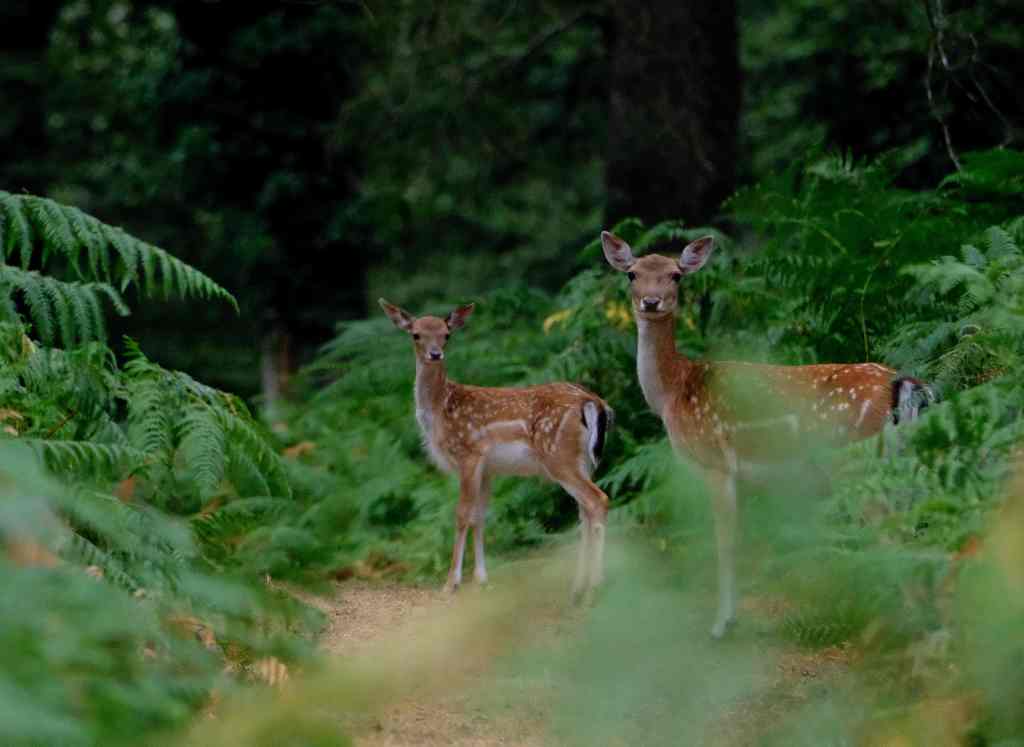
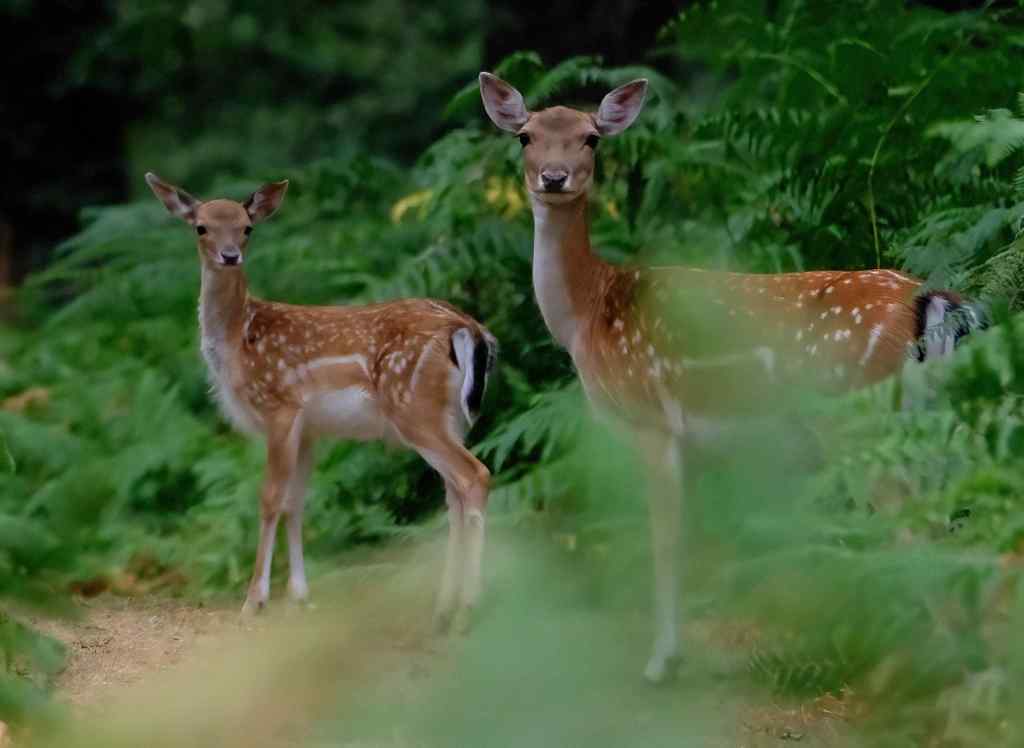
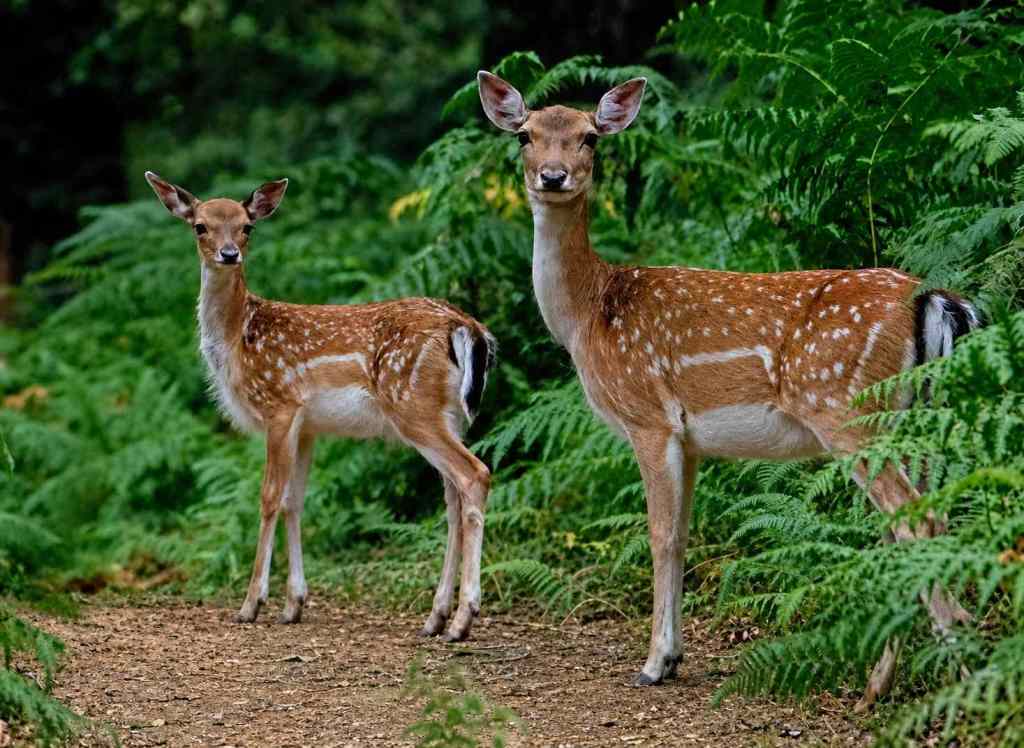
Today, on a long walk in the New Forest, we spooked a Fallow Deer doe with her fawn. They hopped out of the dense Bracken stop and had a good look at us before heading back into the undergrowth.

I took a series of pictures, but the deer were obscured in the foreground by the undergrowth.

Now with A1-supported photo editing, you can go further. I ran one of my pictures through a trial editing package.

I asked it to sharpen, de-noise, and remove the foliage from one of my pictures. This is the result, but I have to ask: is this acceptable, or is it a step too far in wildlife photography?
https://en.wikipedia.org/wiki/Cottingley_Fairies