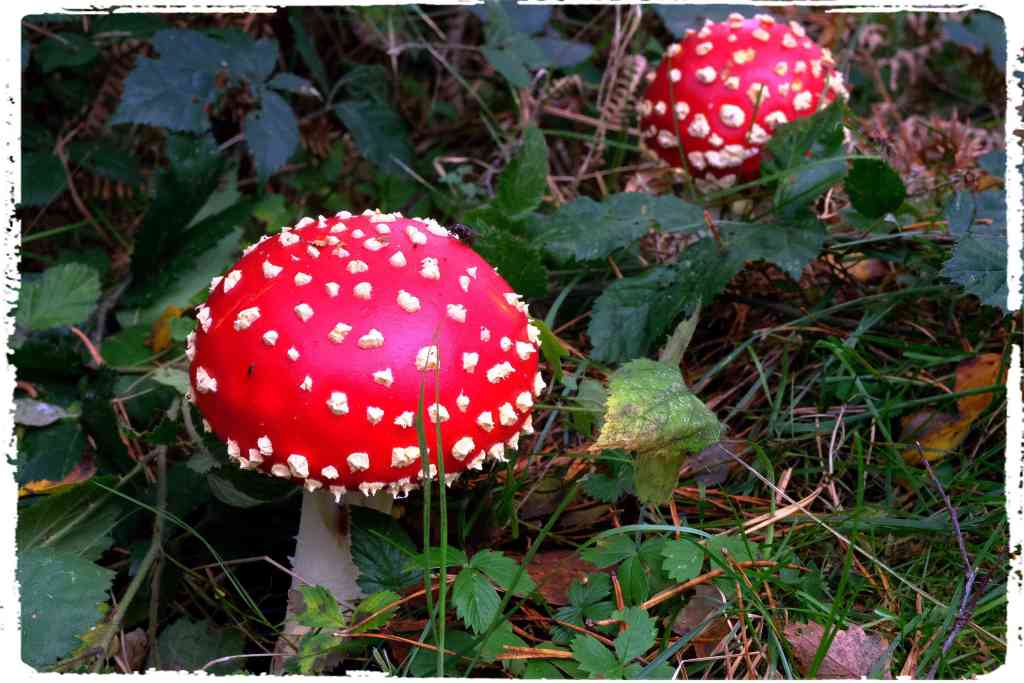
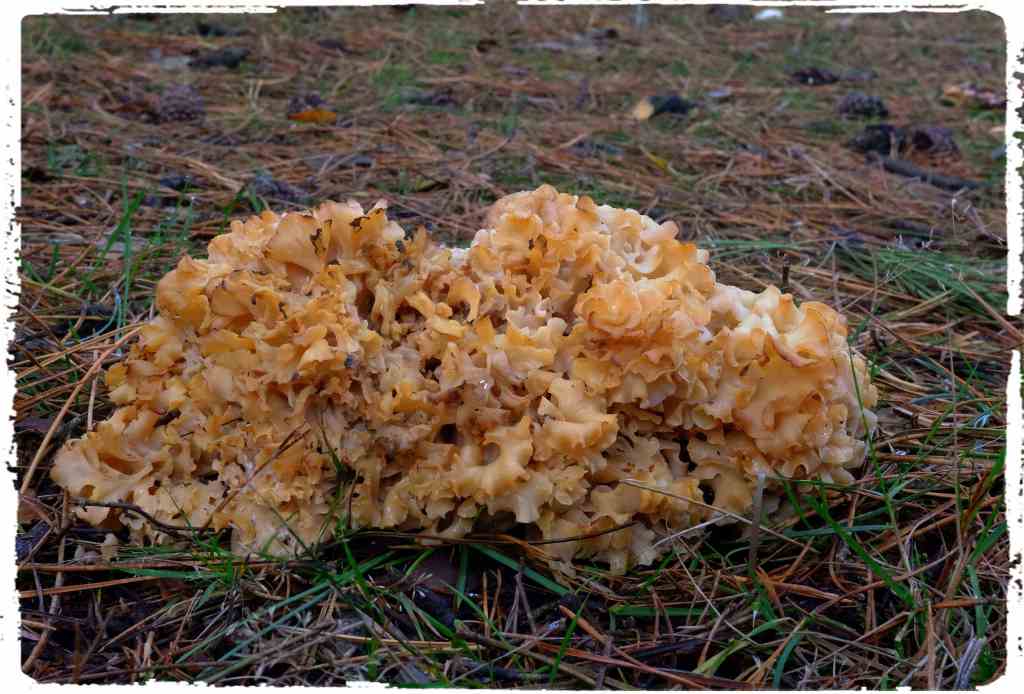
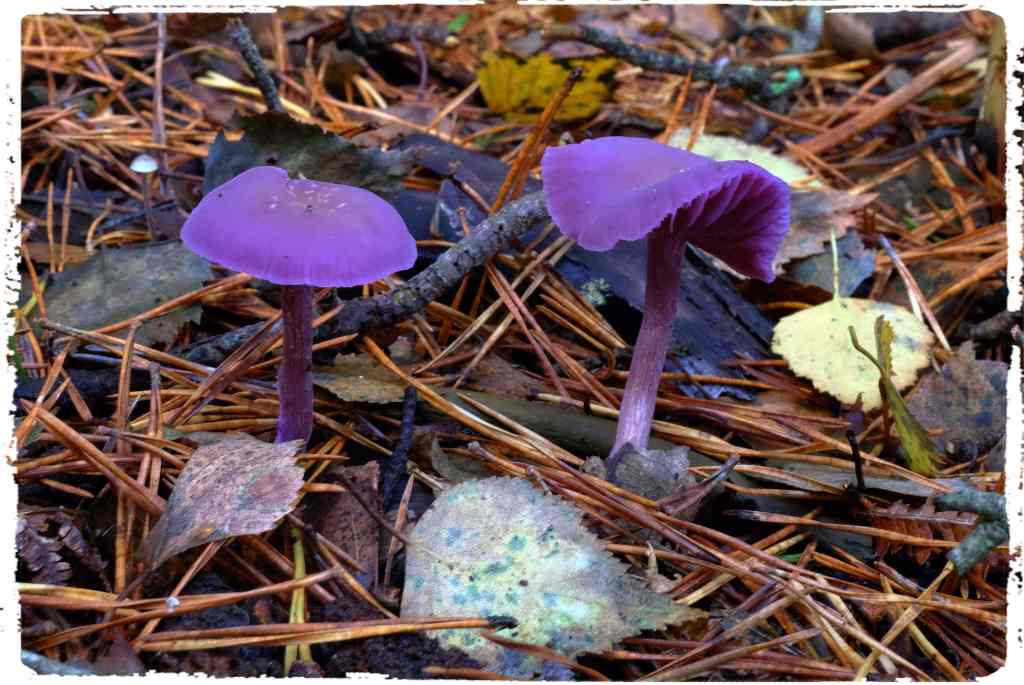
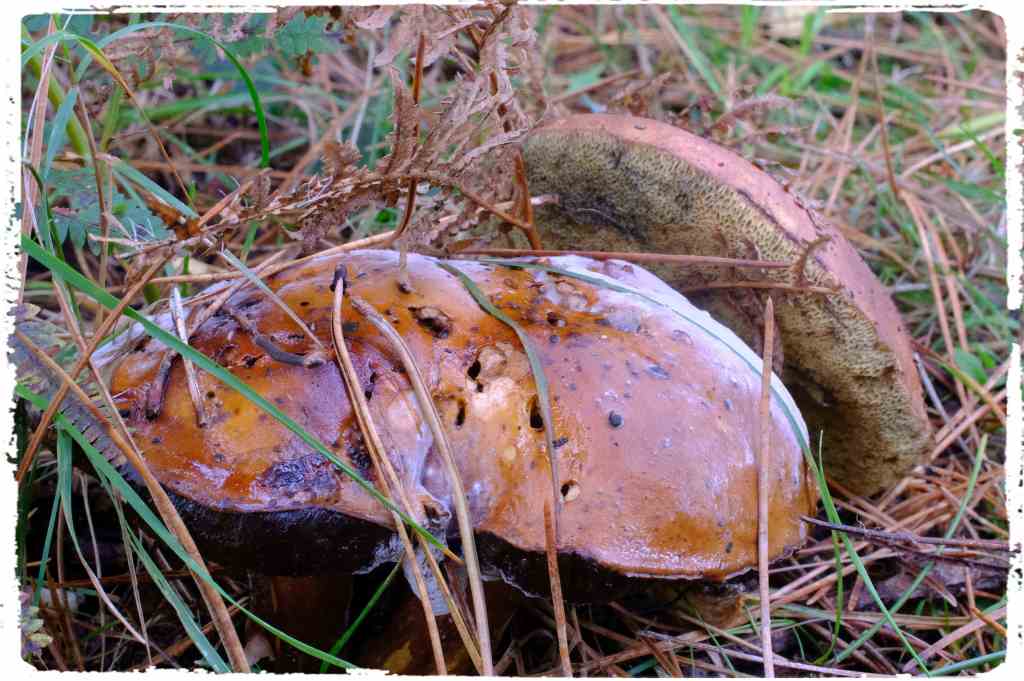
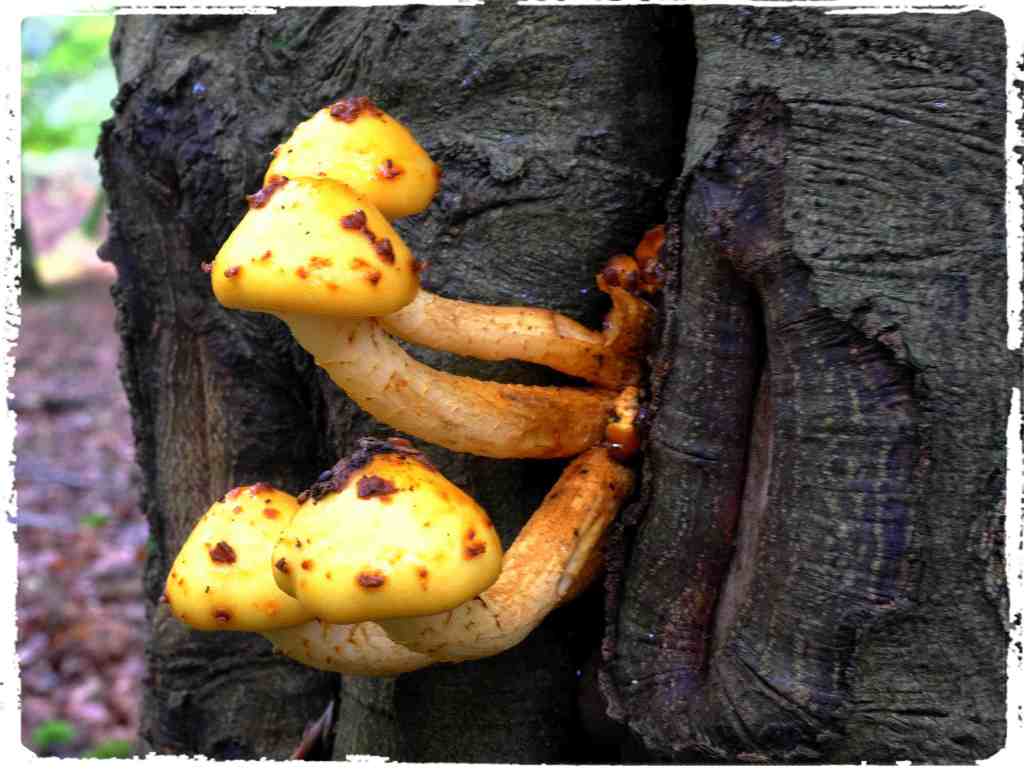
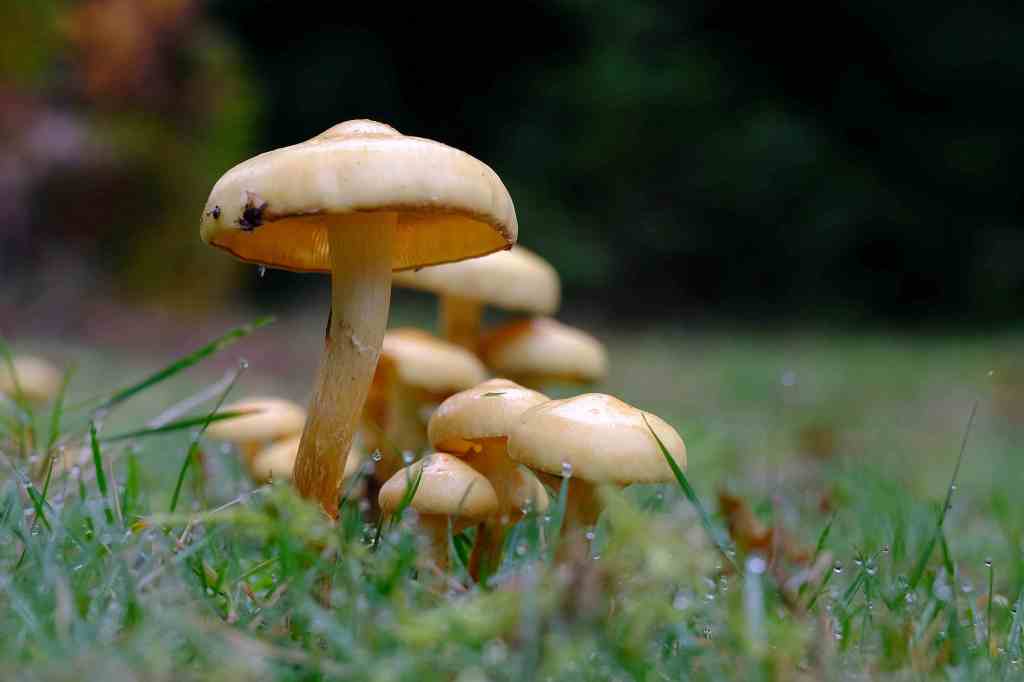
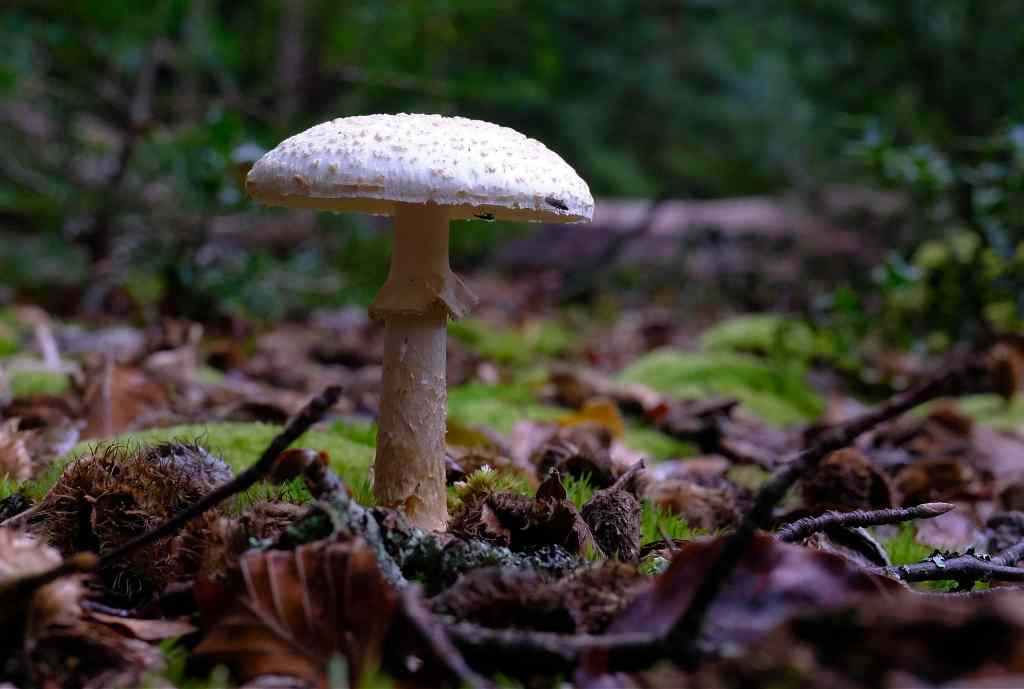
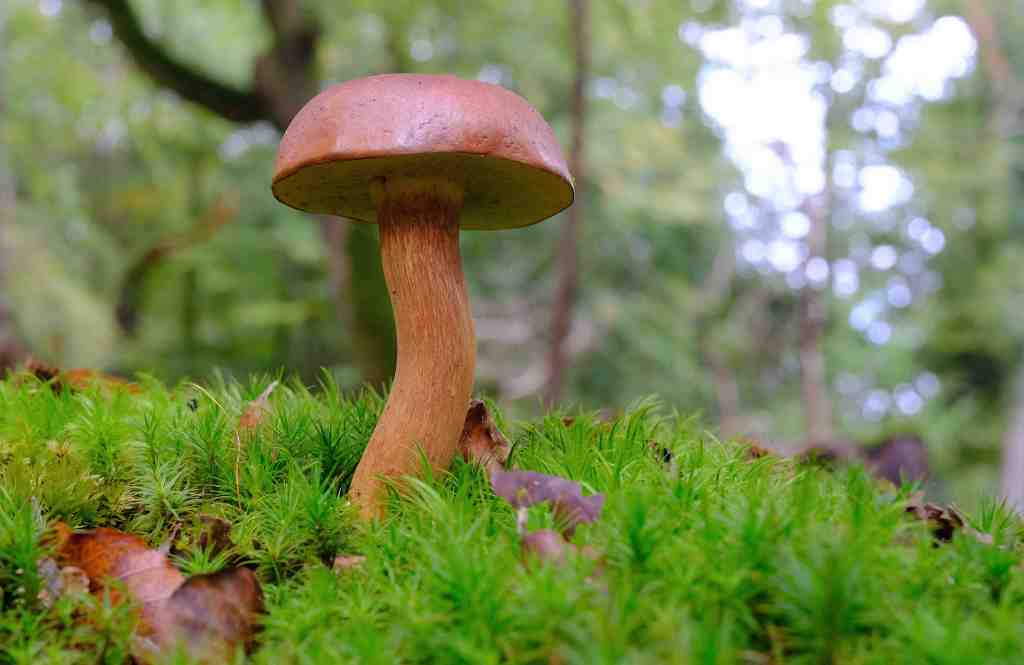
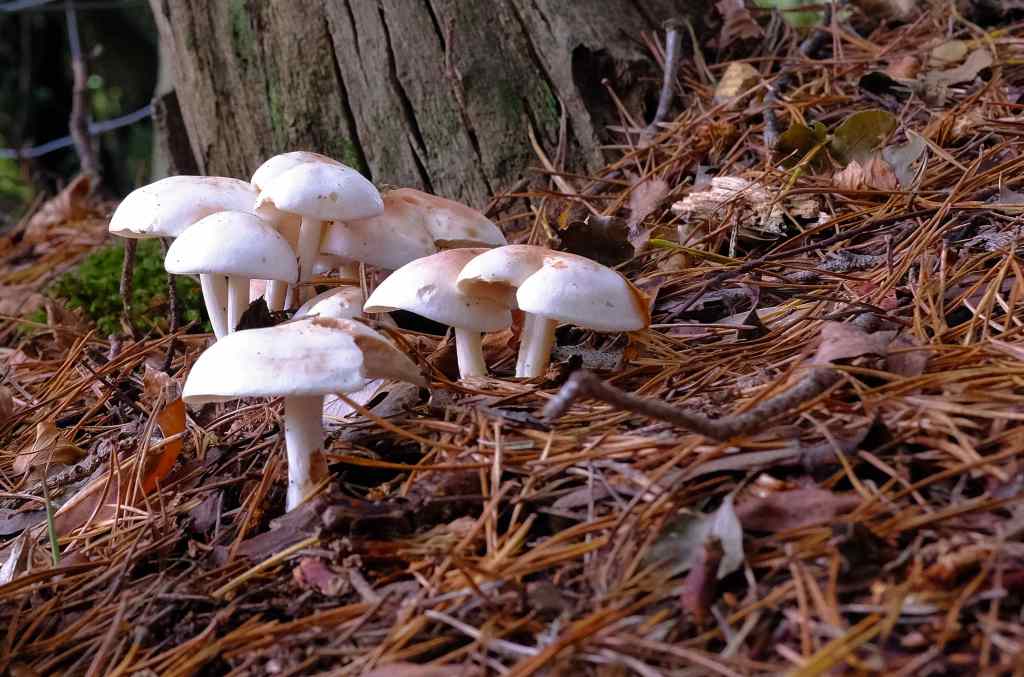
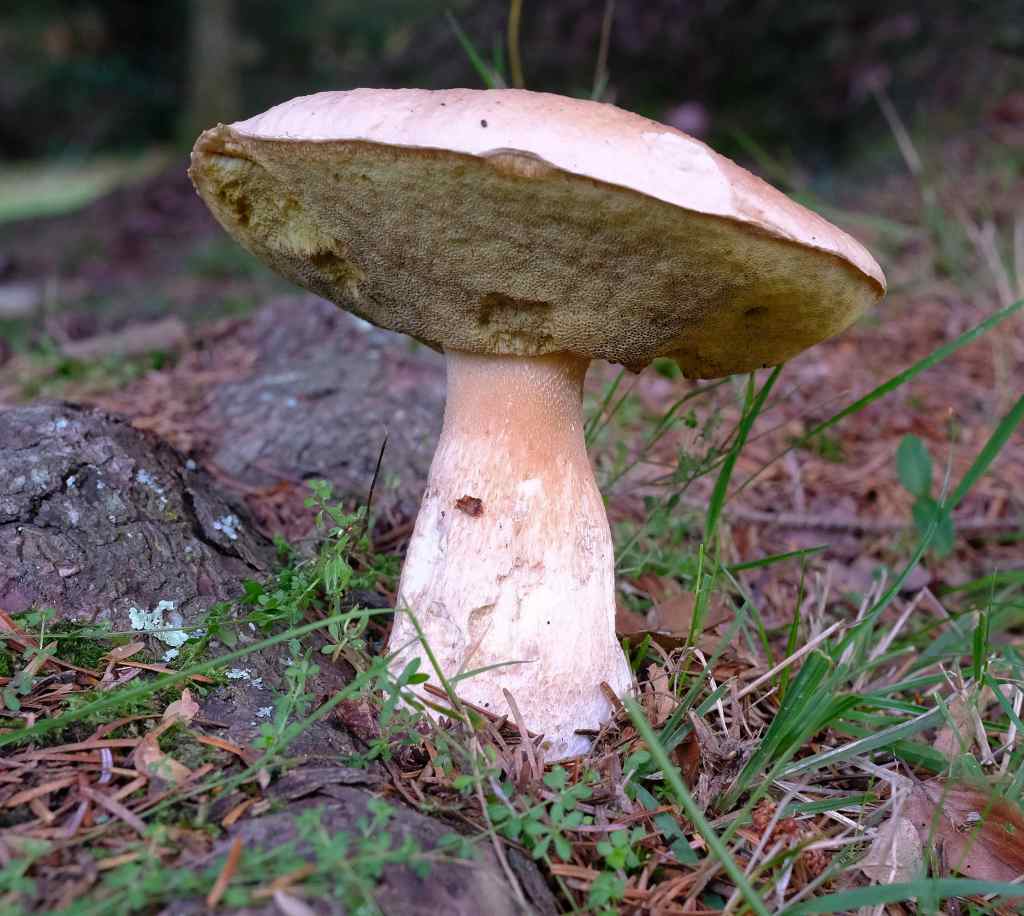
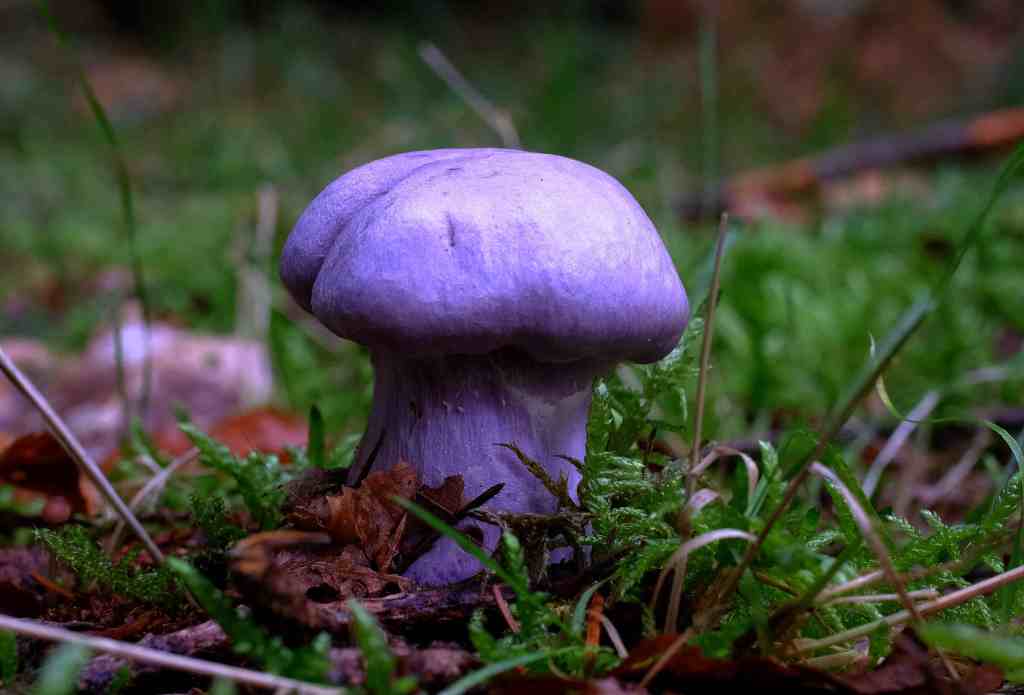
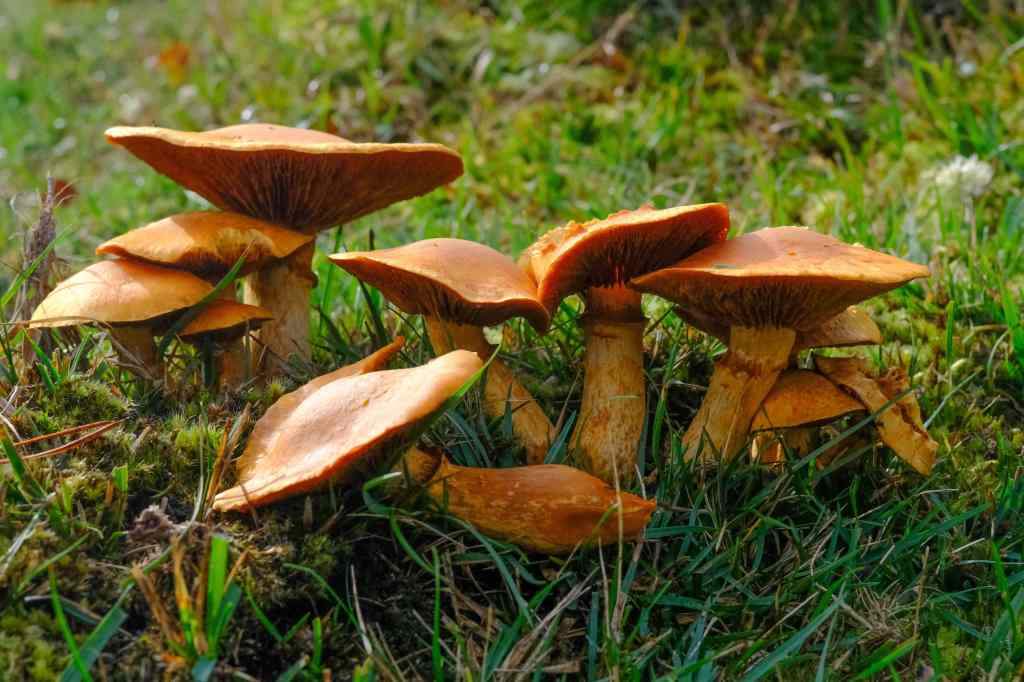
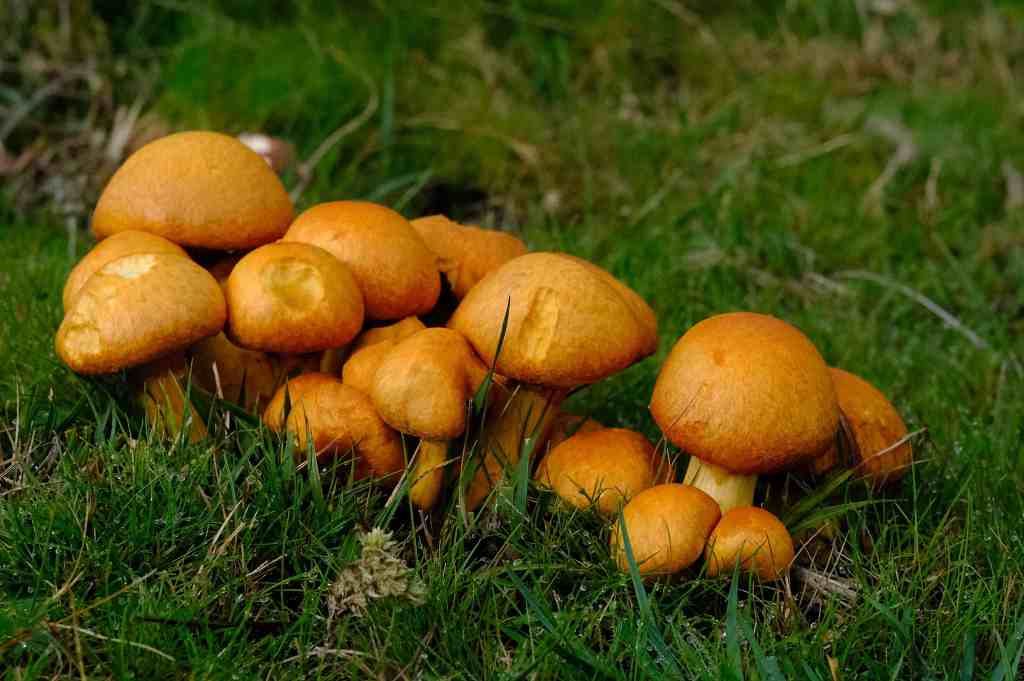
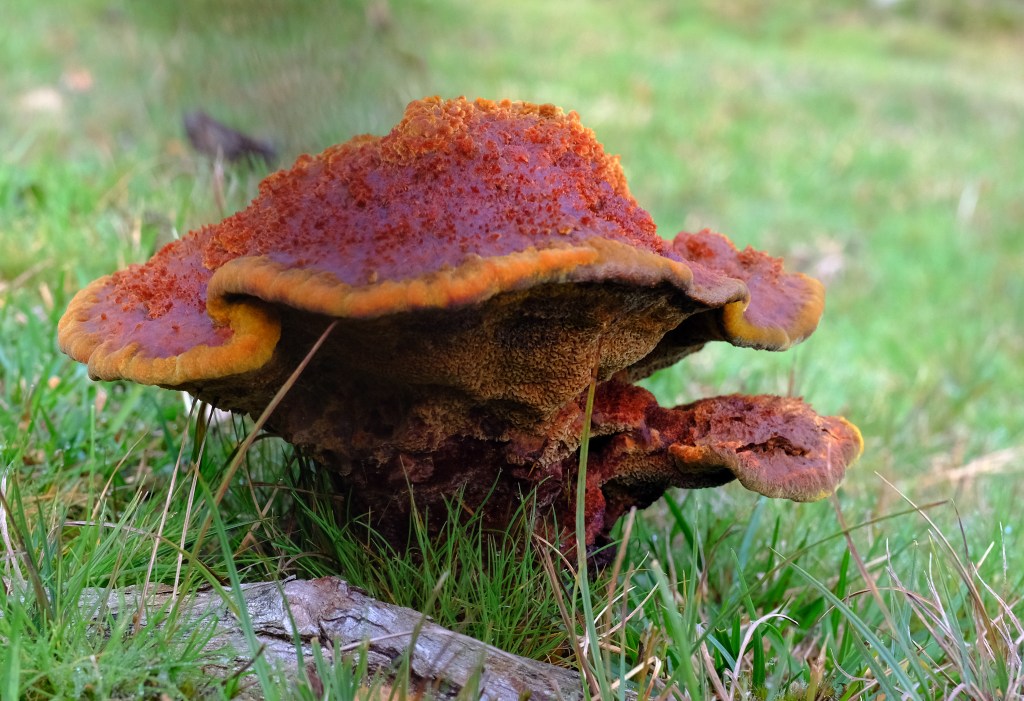
Toadstool – no mushroom and frog!


Toadstool – no mushroom and frog!


A walk from Cadnams Pool uphill to Fritham Plain and Hiscock Hill in the New Forest.
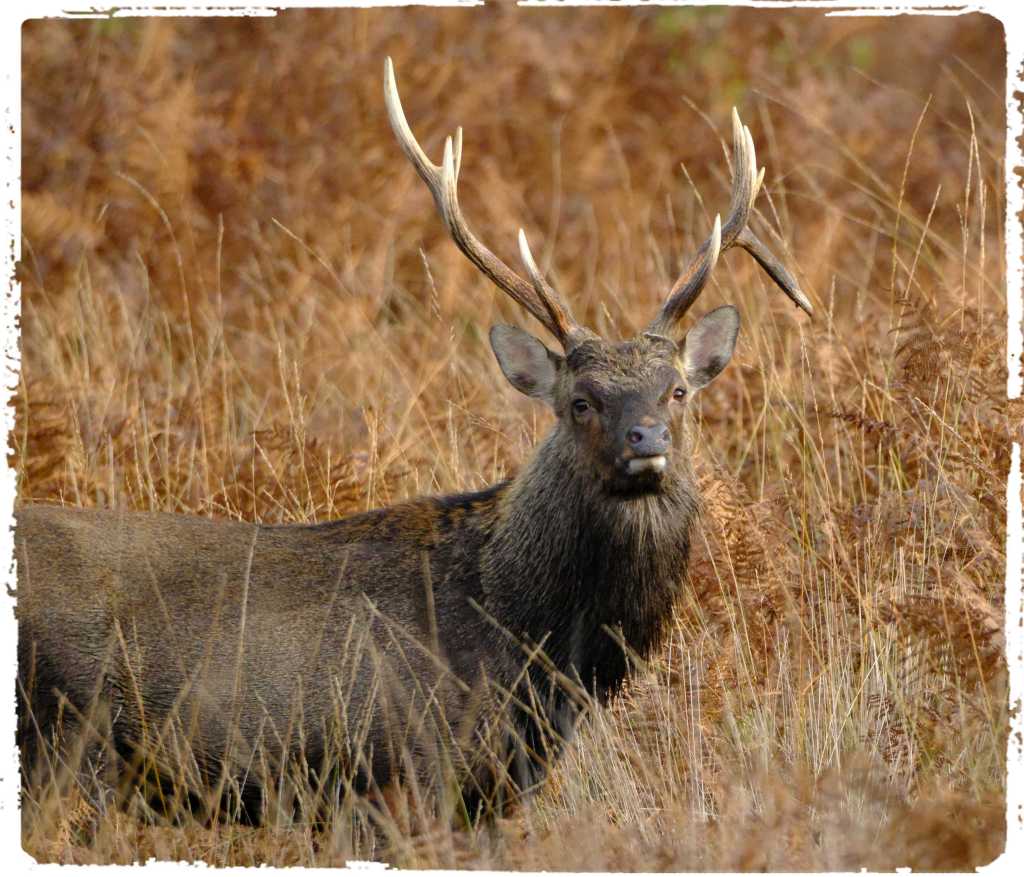
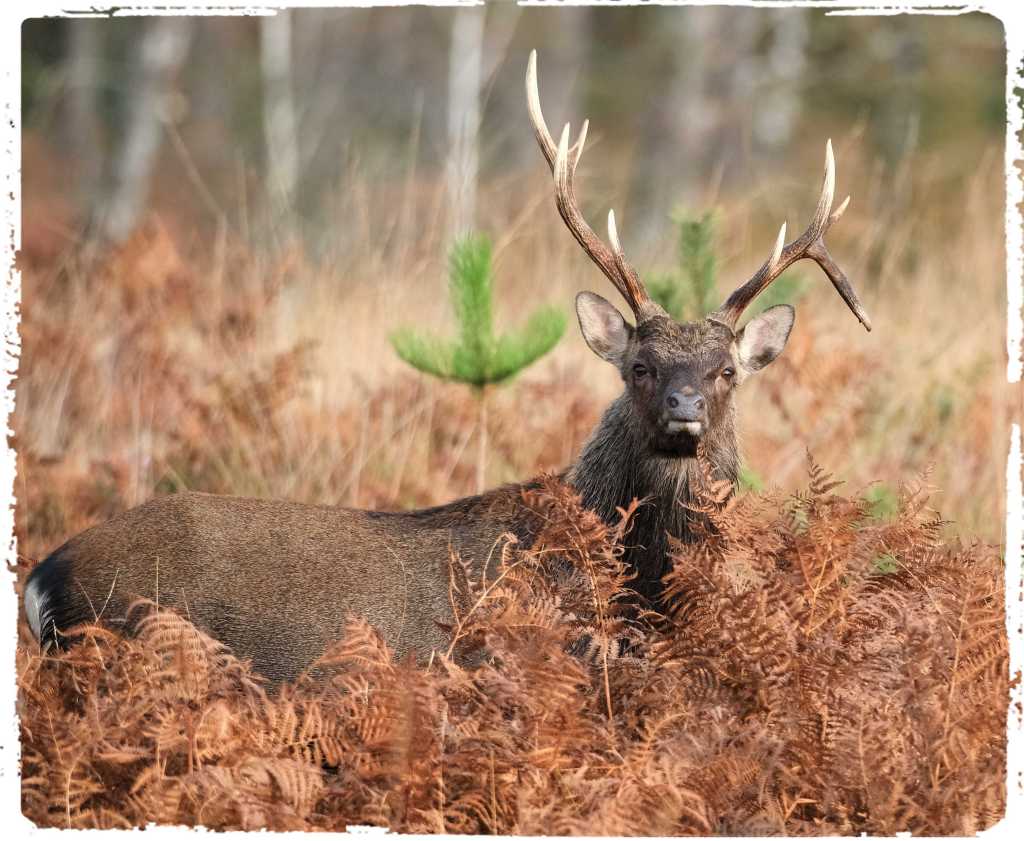
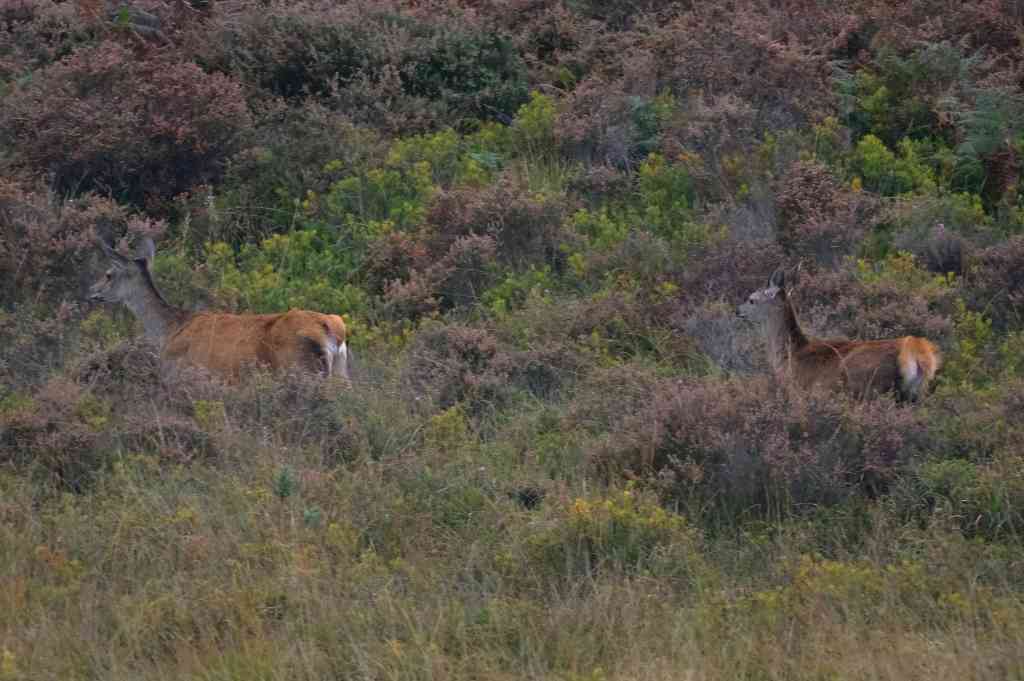
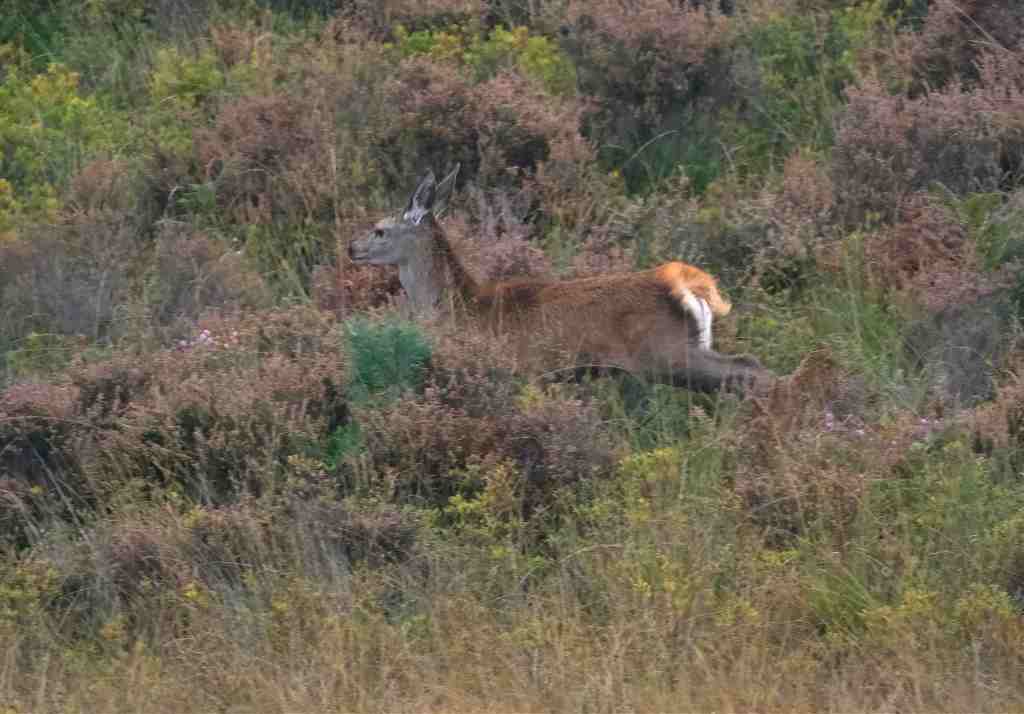
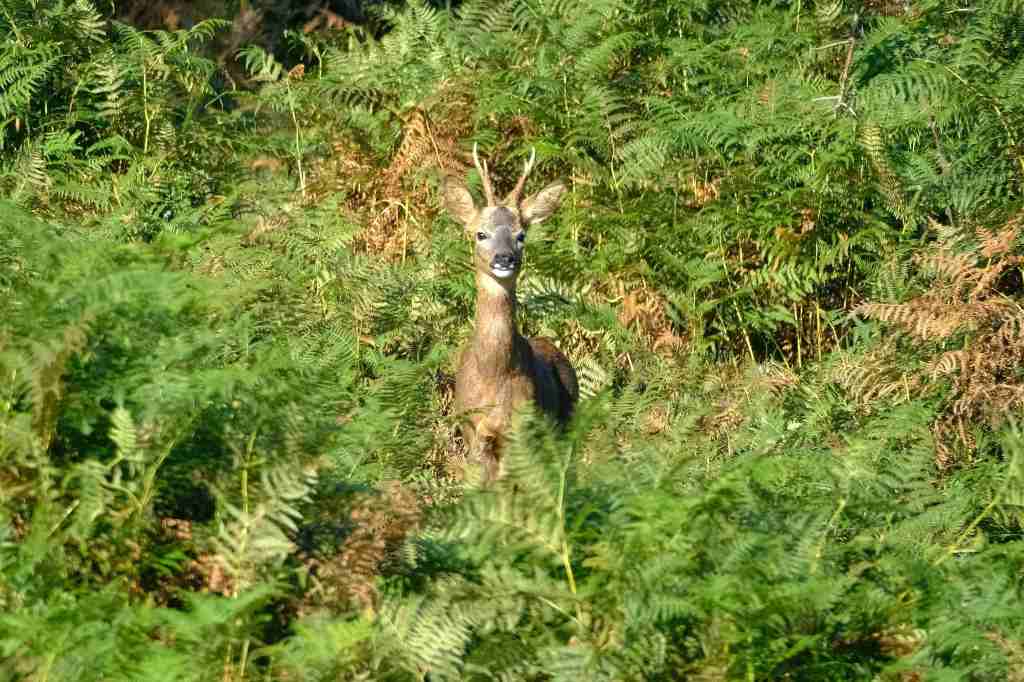
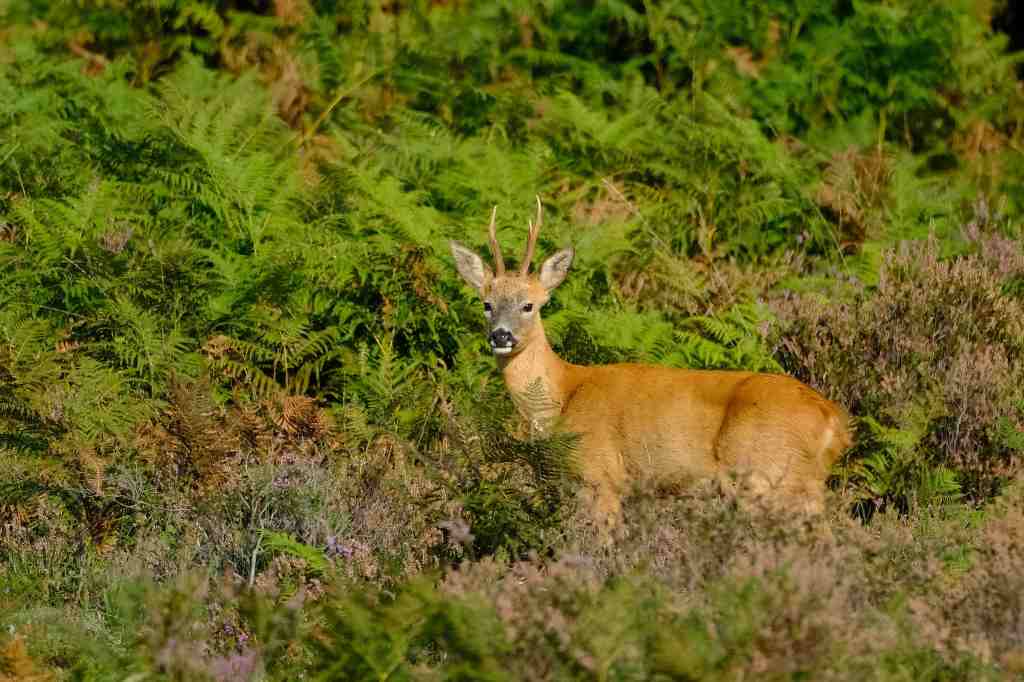
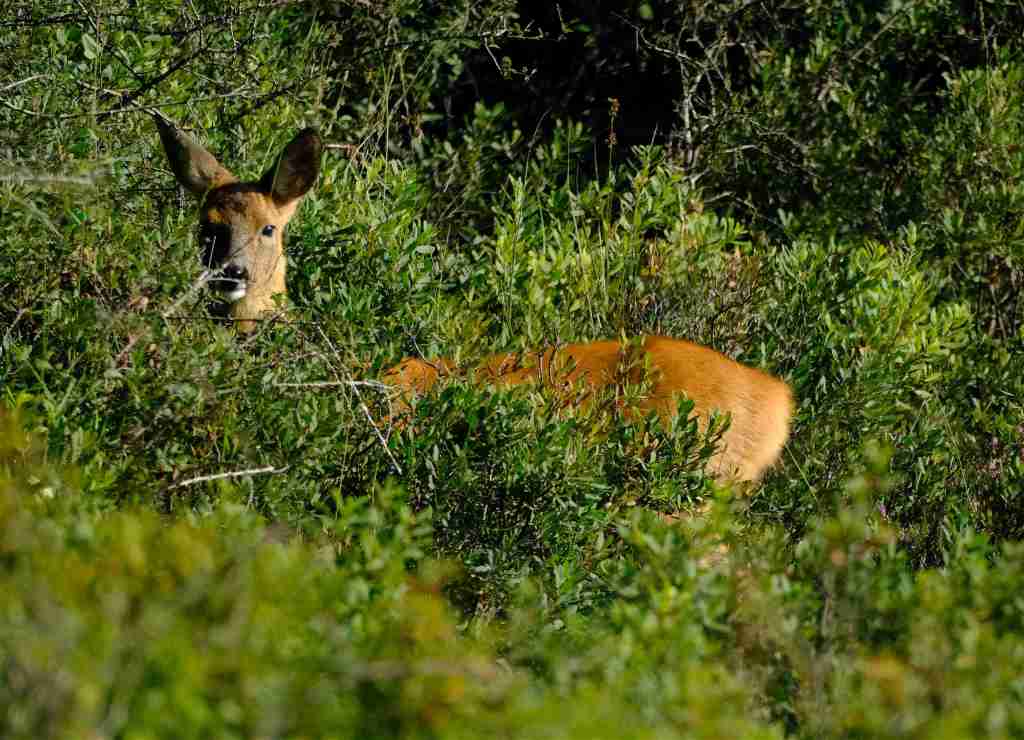
Most of the deer I spot have spotted me before I have spotted them! A good-looking Roebuck in the Bracken.


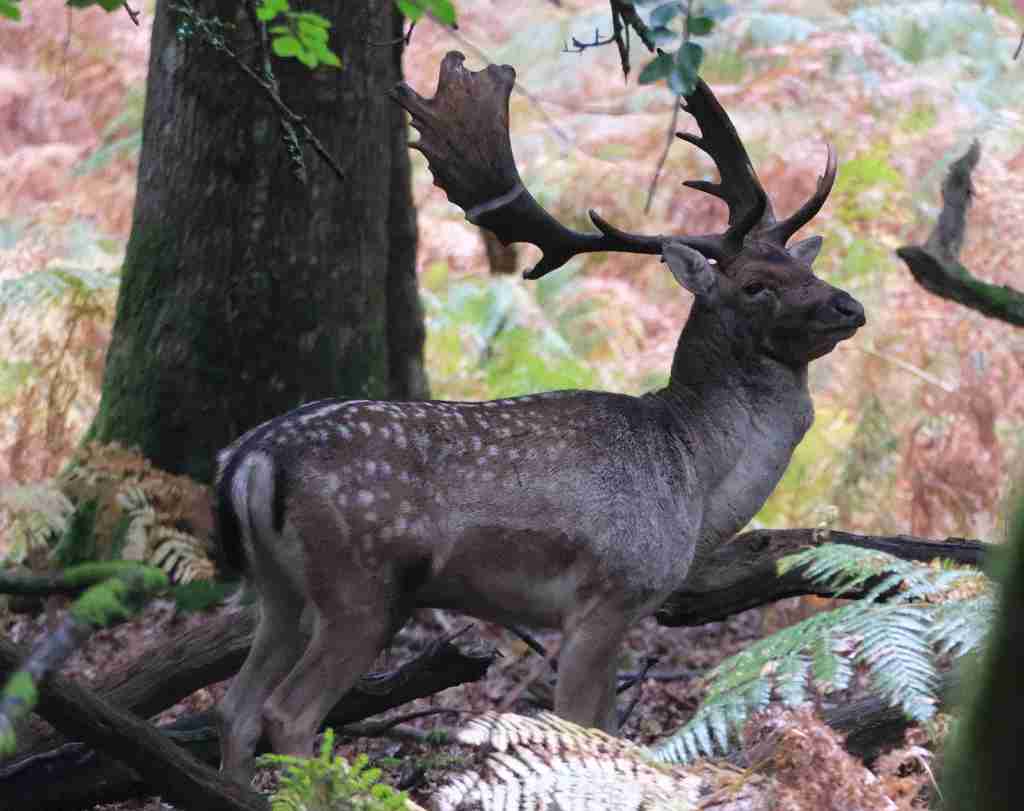
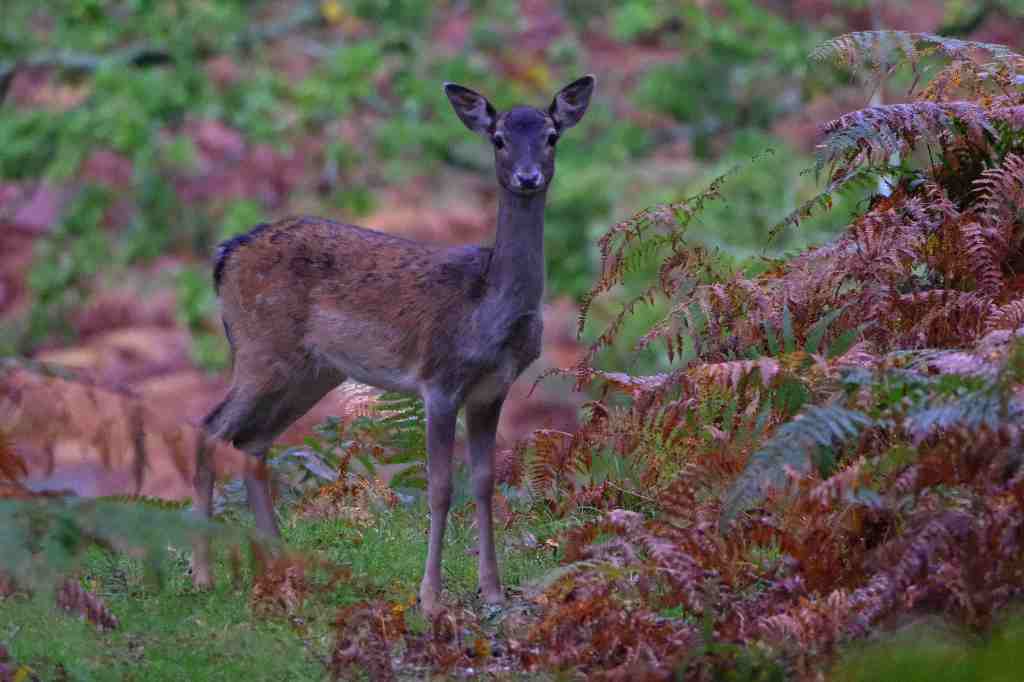
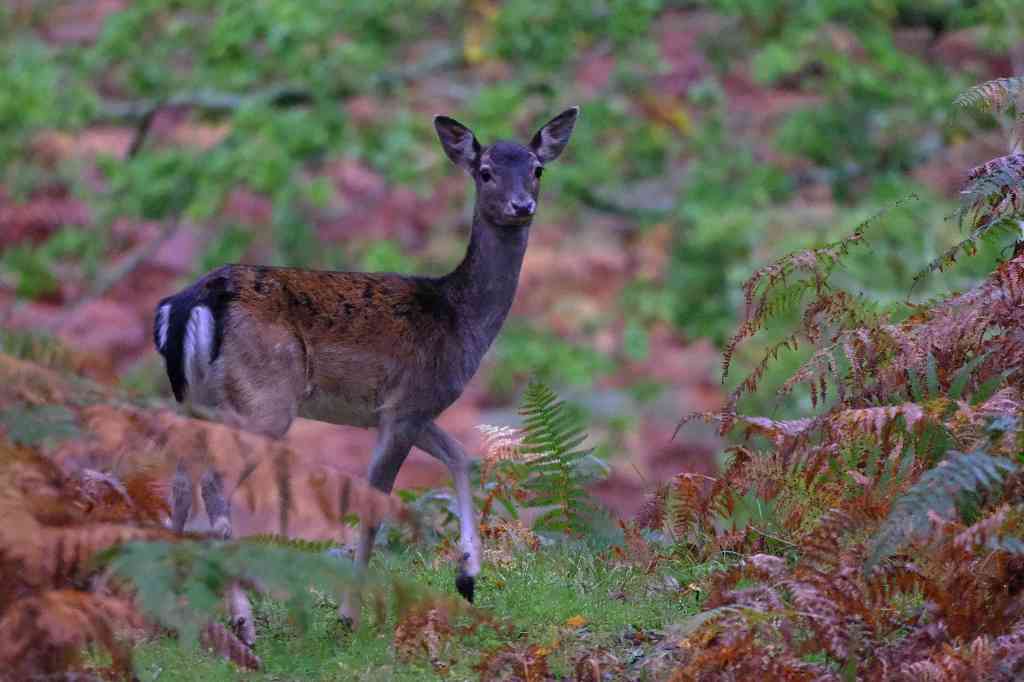
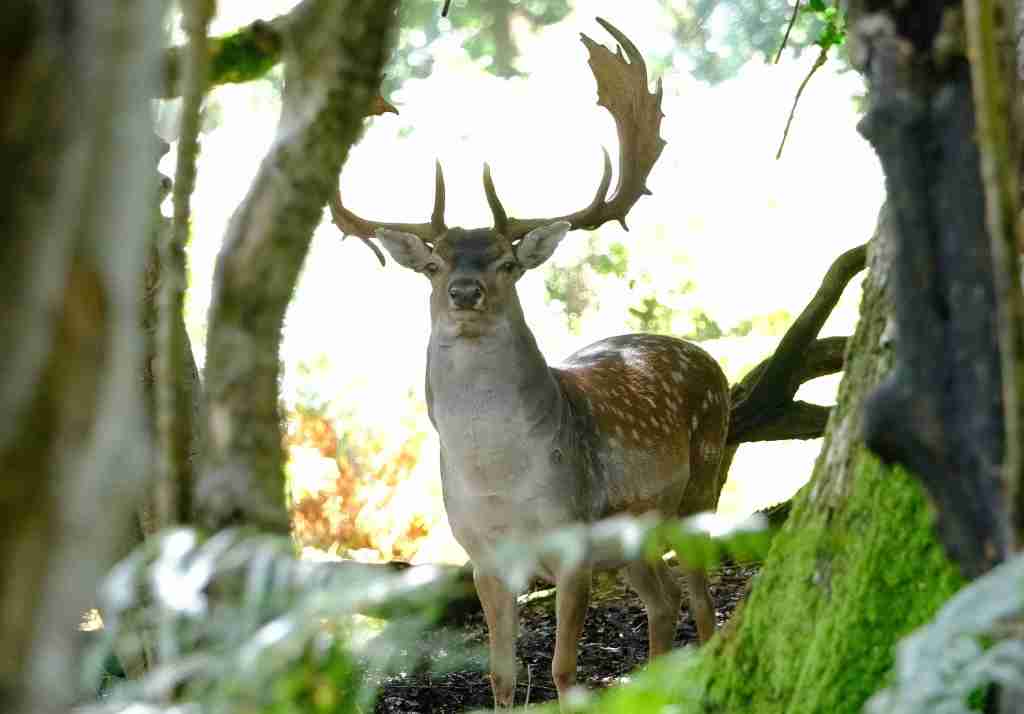
Further up the hill, we came across a Fallow Buck who was looking in really good condition and would be a formidable animal in the coming rut.


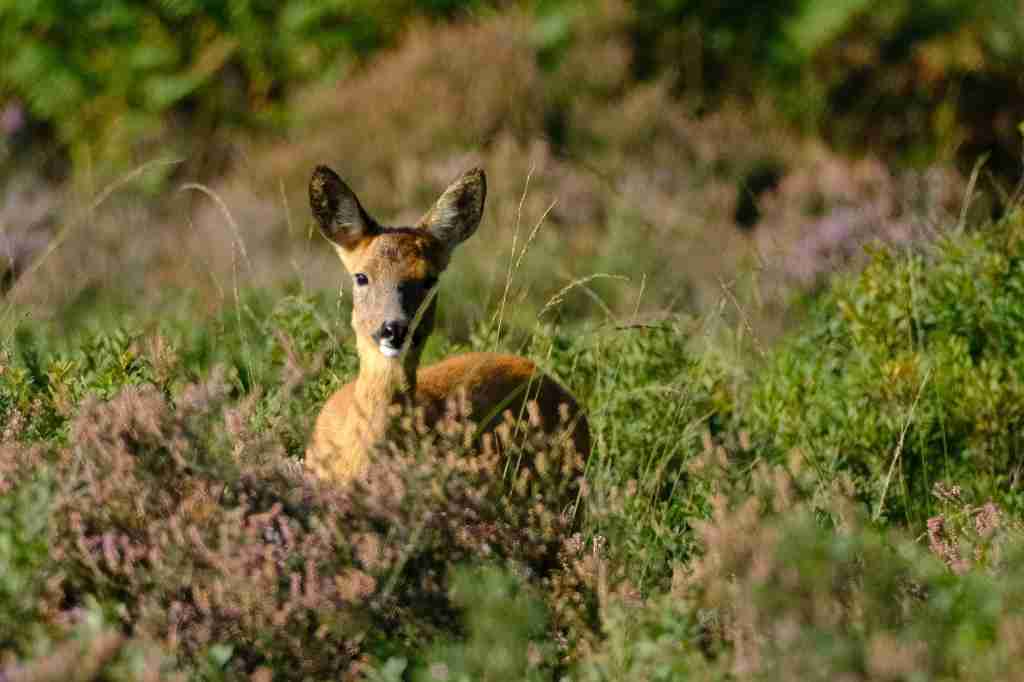
The Roe deer is a native deer to the UK where the larger Fallow deer was introduced by the Romans and then reintroduced in the 11th century, they were kept in parks as their populations increased they became an important source of venison on aristocratic tables. By the 15th century, many parks fell into disrepair and these medieval escapee deer are the foundation of the wild population in Britain today.
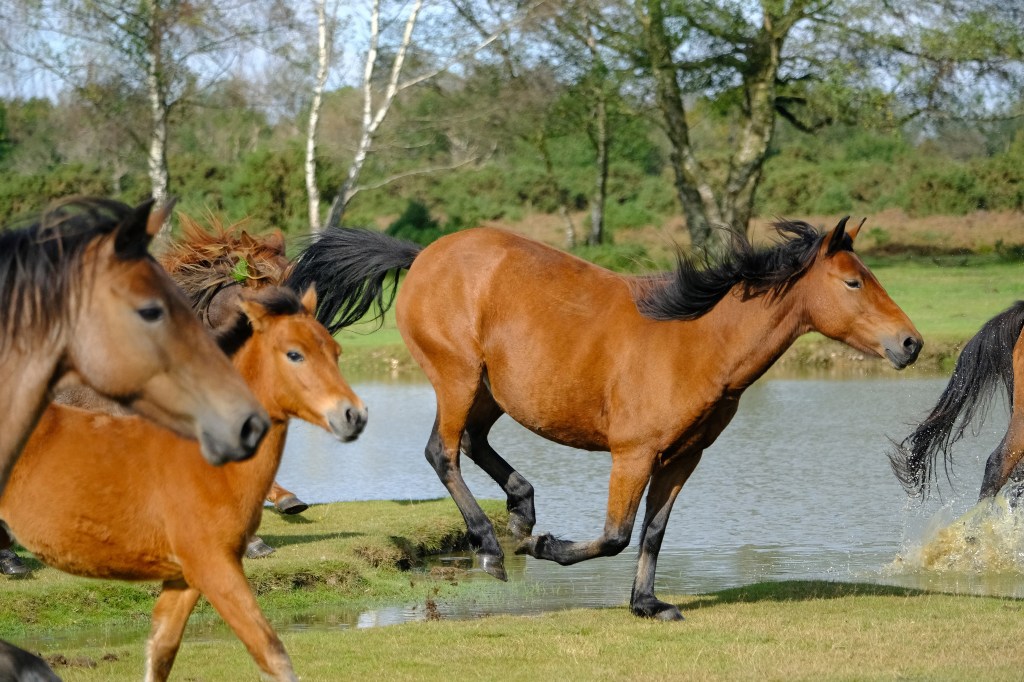
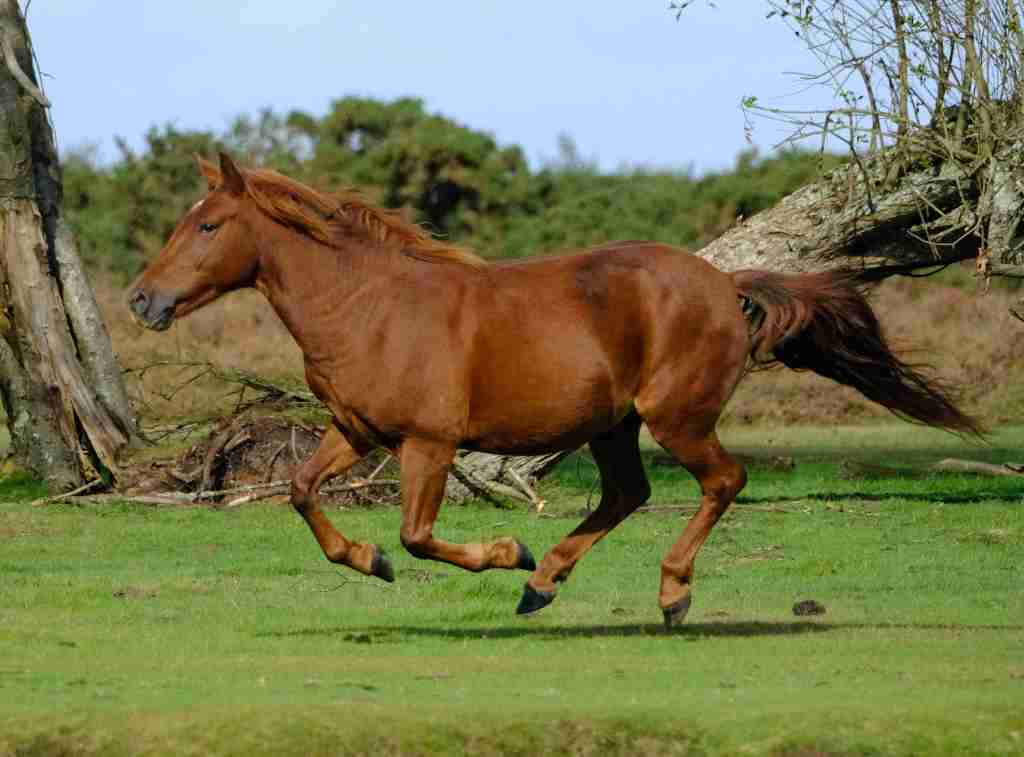
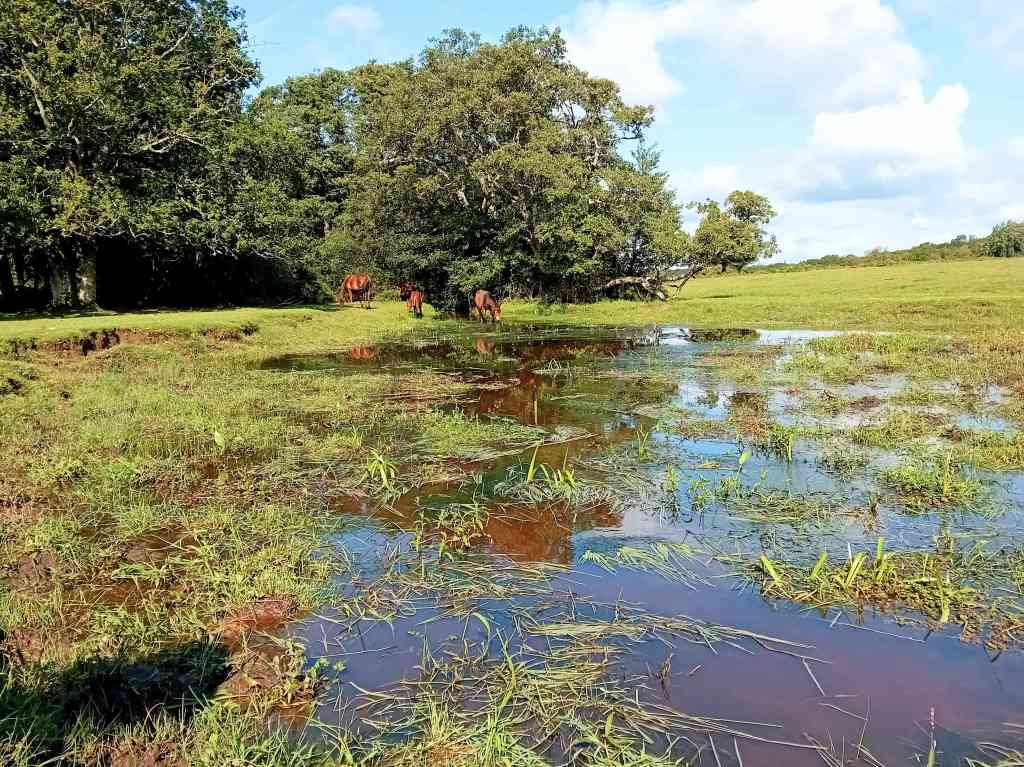
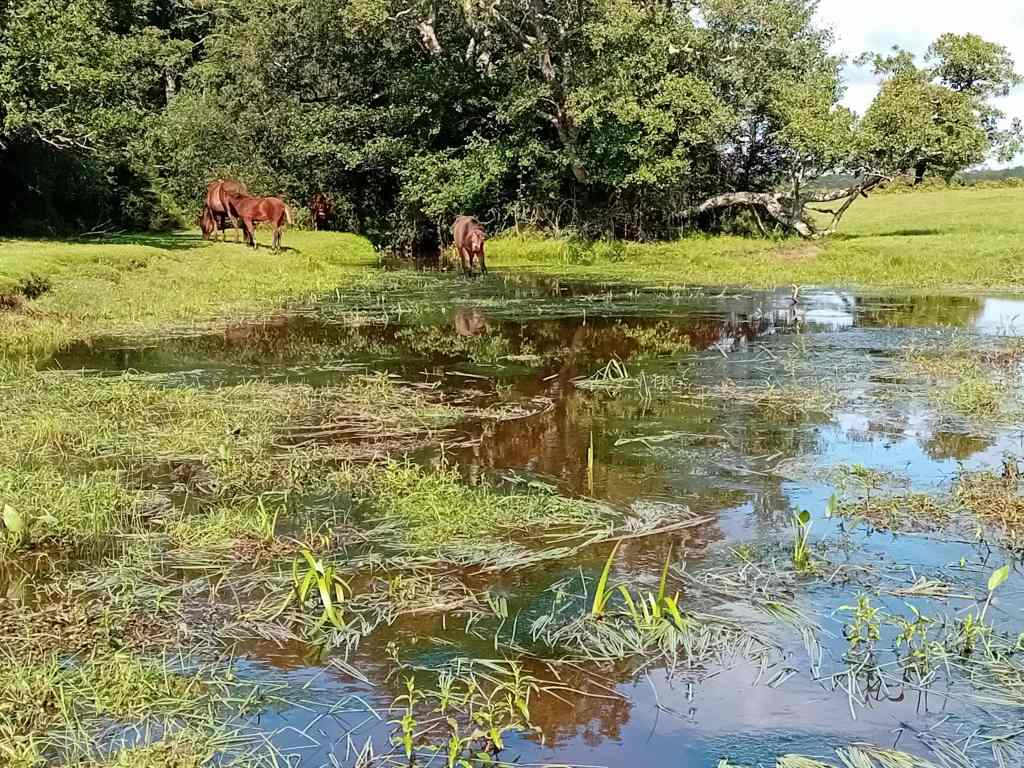
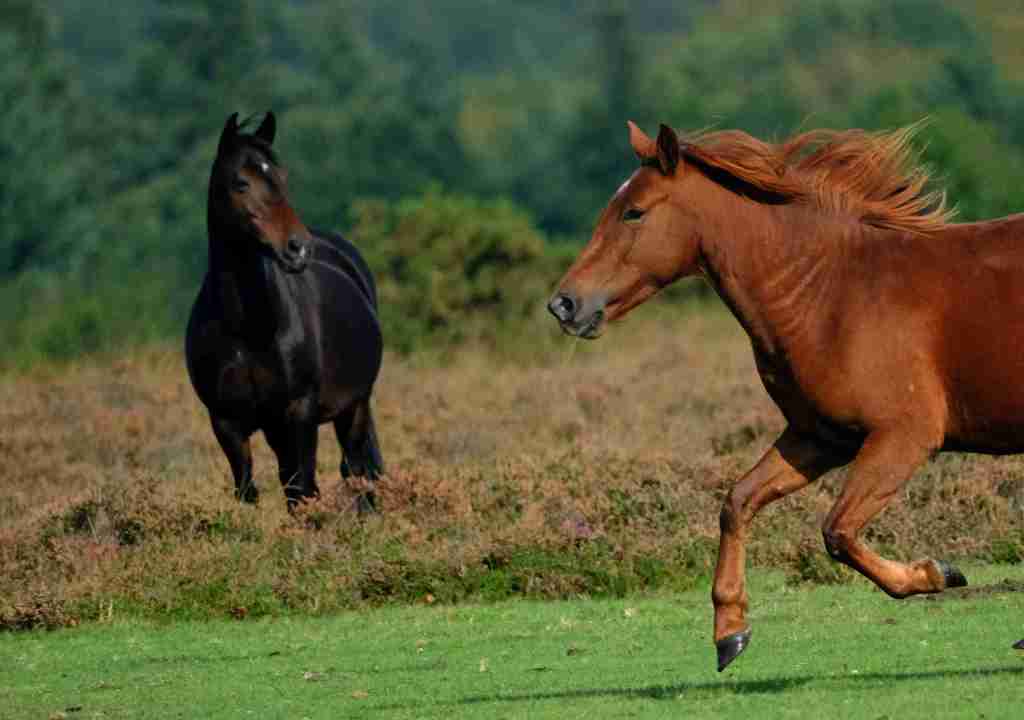
Passing New Forest Ponies. When a large herd gallop towards you at full speed and you are on an open plain there are not many places to hide.


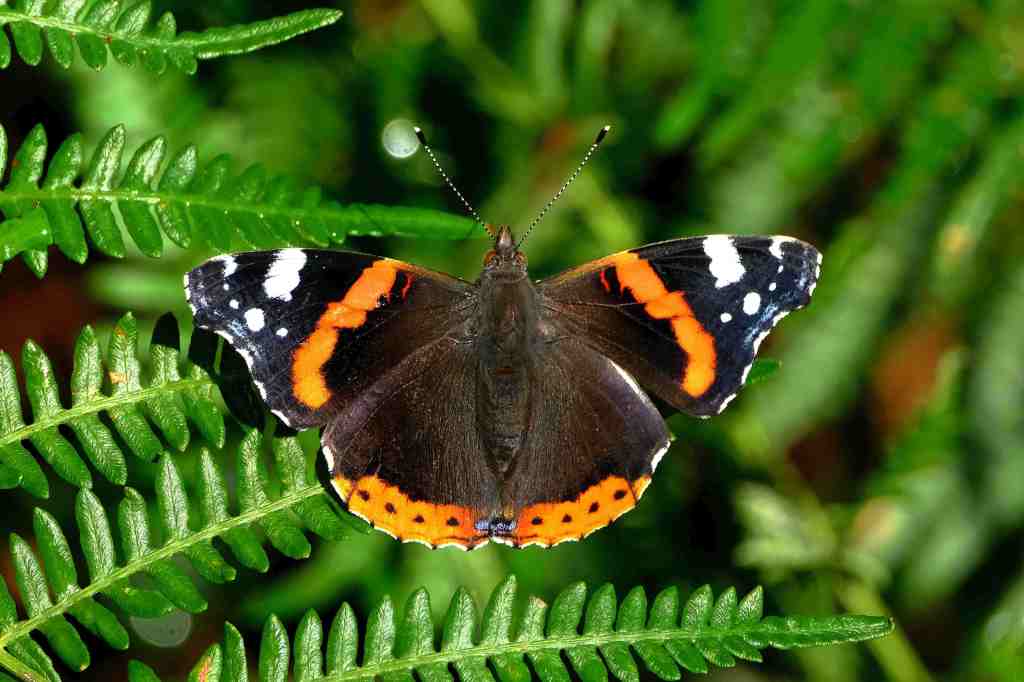
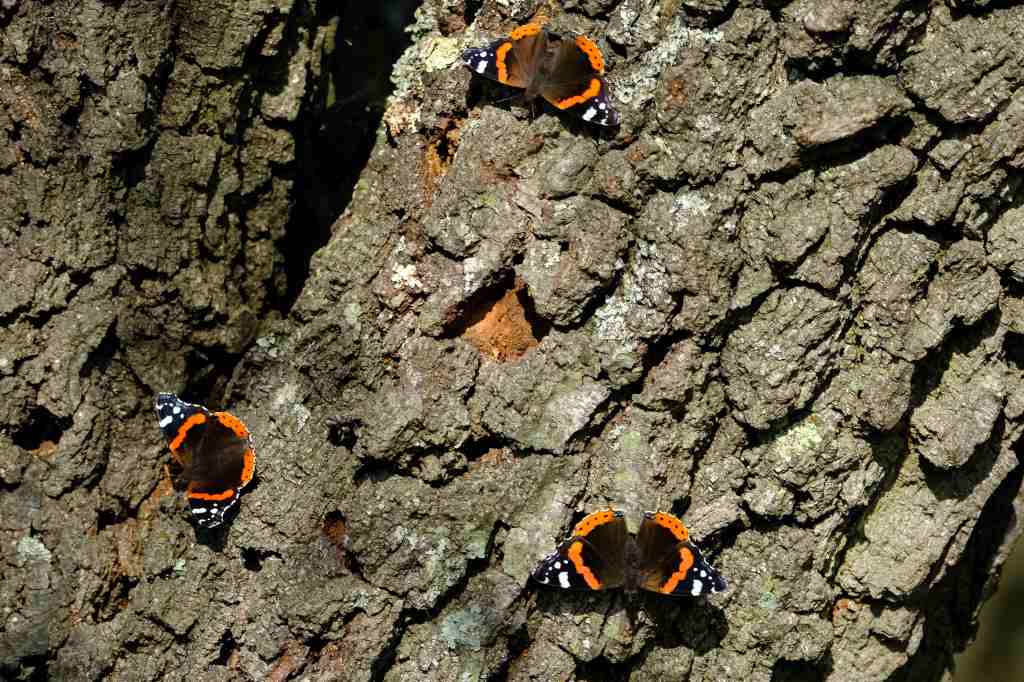
Red Admirals enjoying the late summer sun. They were first described by Carl Linnaeus in his 1758 book. They were then known as the Red Admirable.


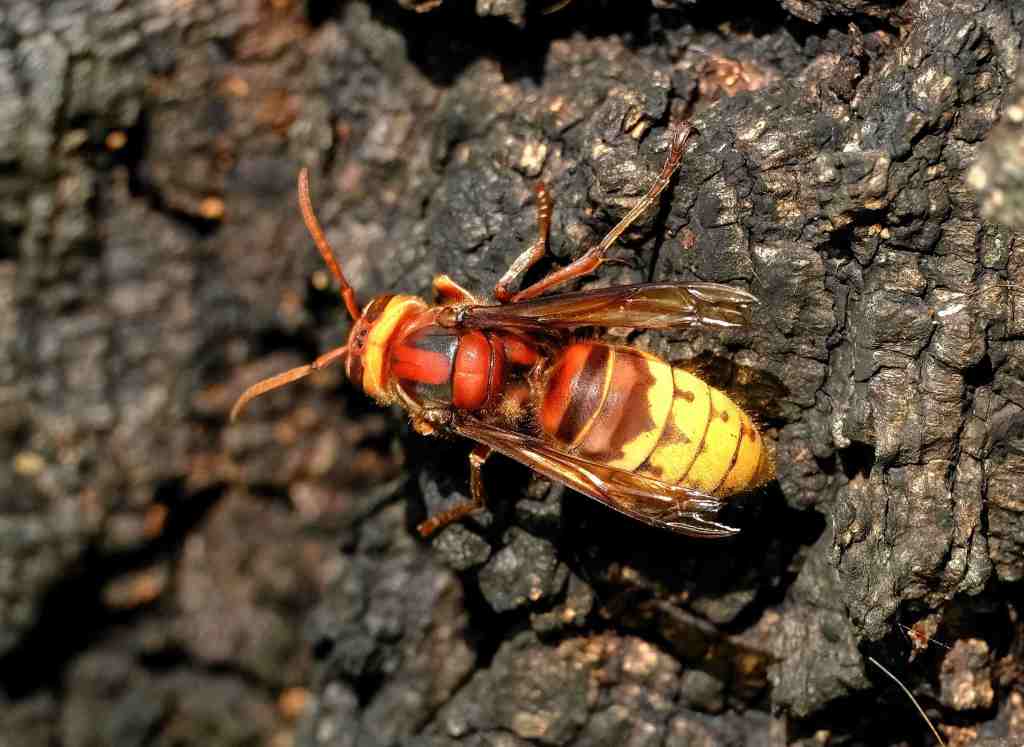
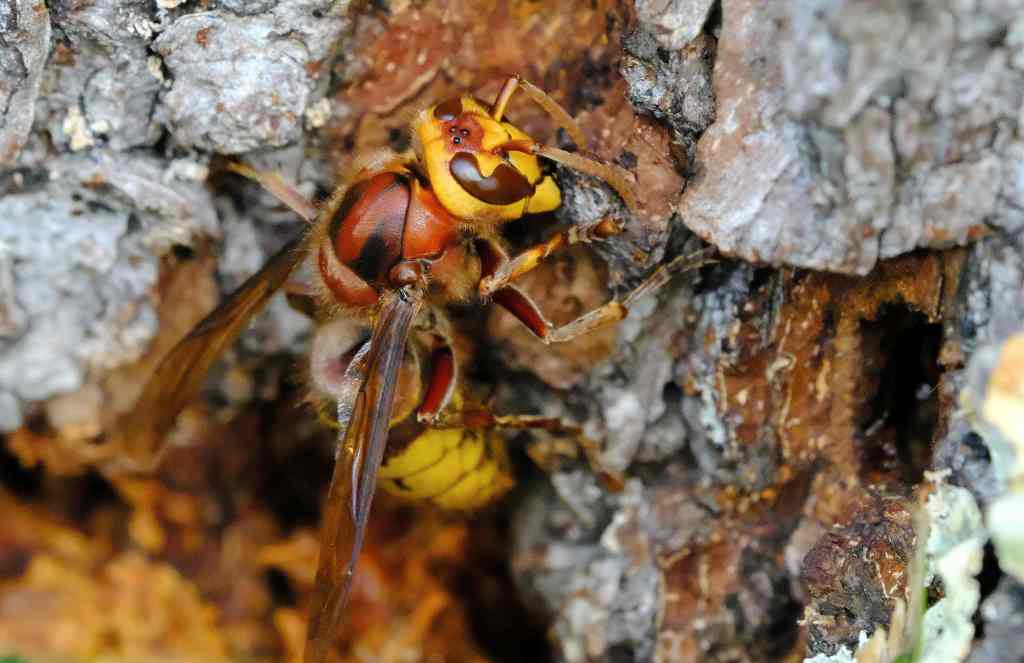
A good number of European Hornets were on a Silver Birch tree taking sap.


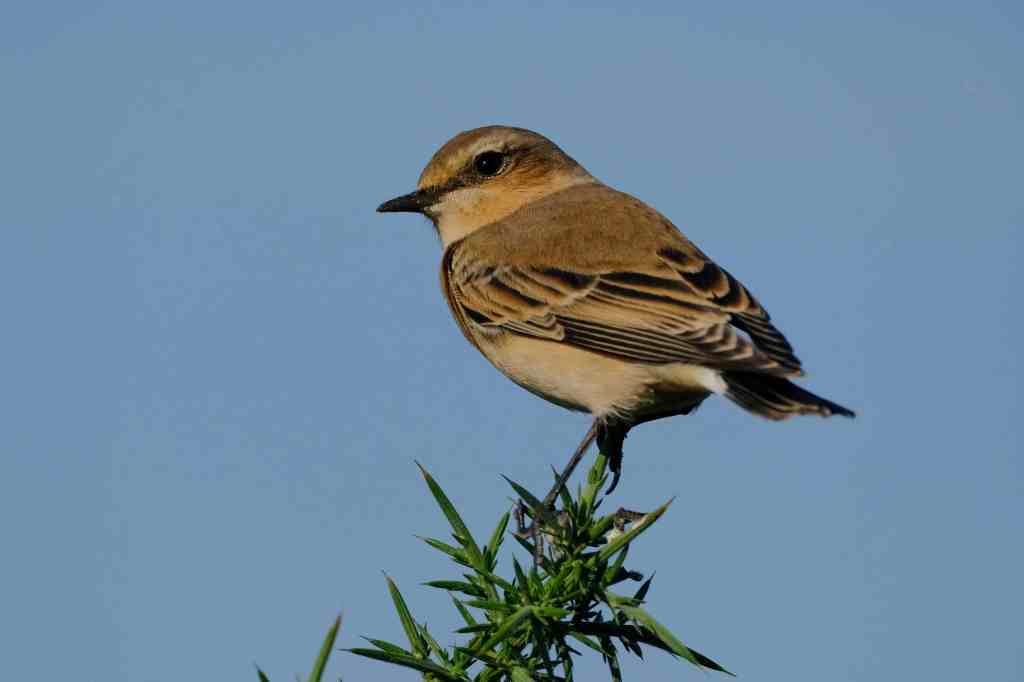
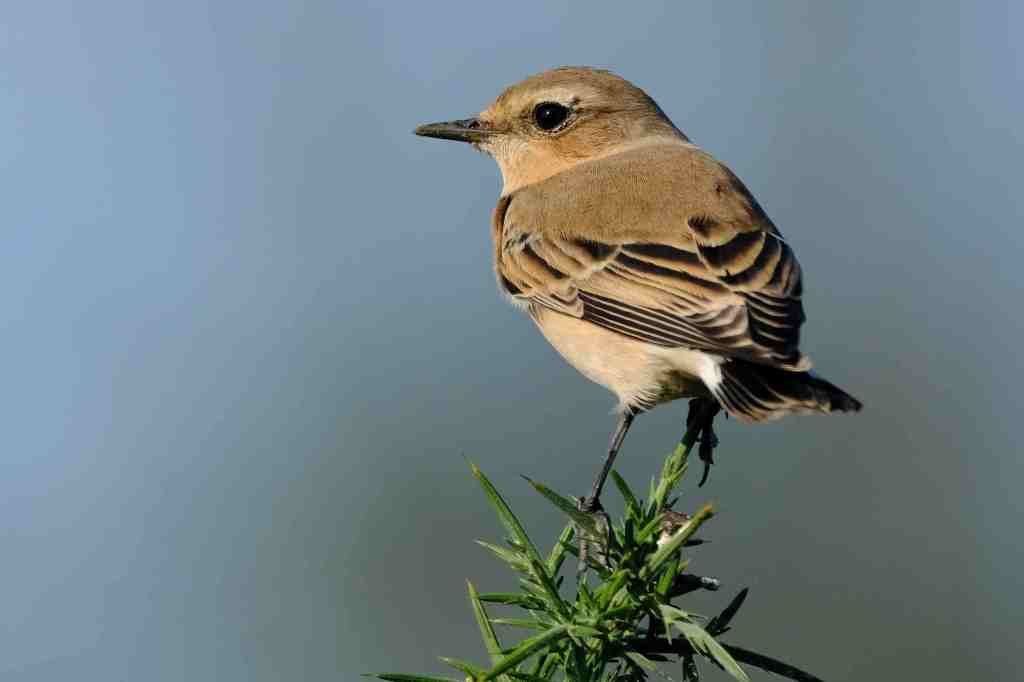
A Wheatear this female bird was probably a juvenile as it allowed a close approach.


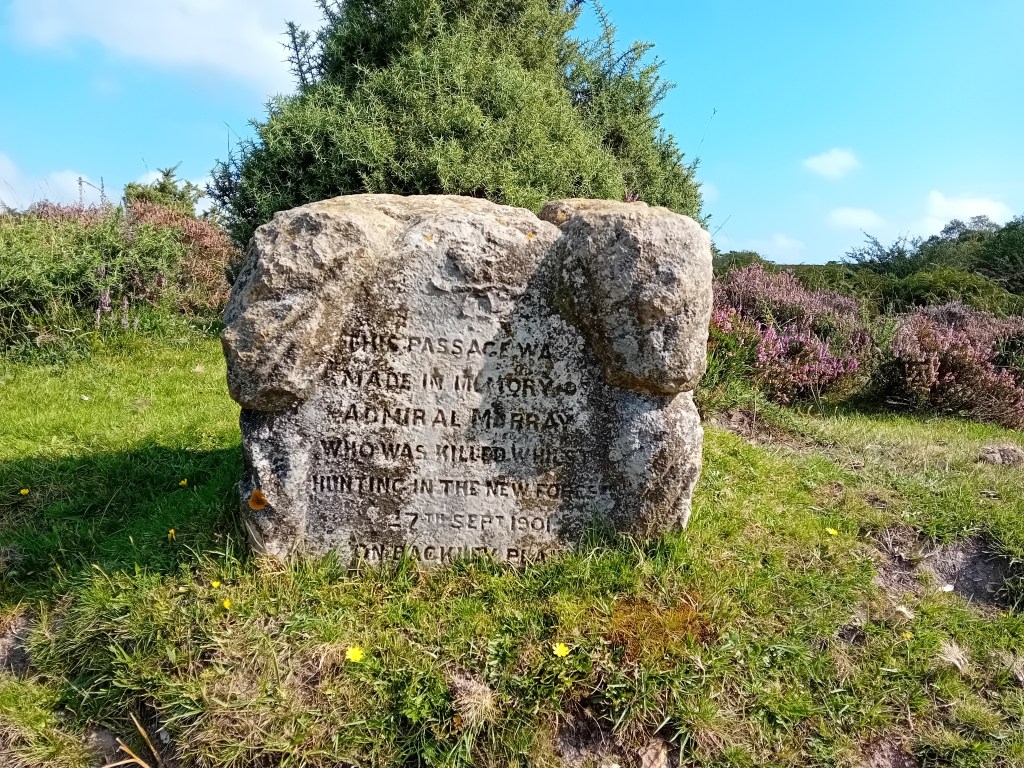
Murray’s passage in the New Forest is a safe crossing across a boggy valley of Backley Plain – It is named after Admiral Murray who, in 1901, was killed whilst out hunting on 17th September 1901. The construction of the passage was paid for by monies donated to his memory. It is commemorated on a nearby engraved stone.
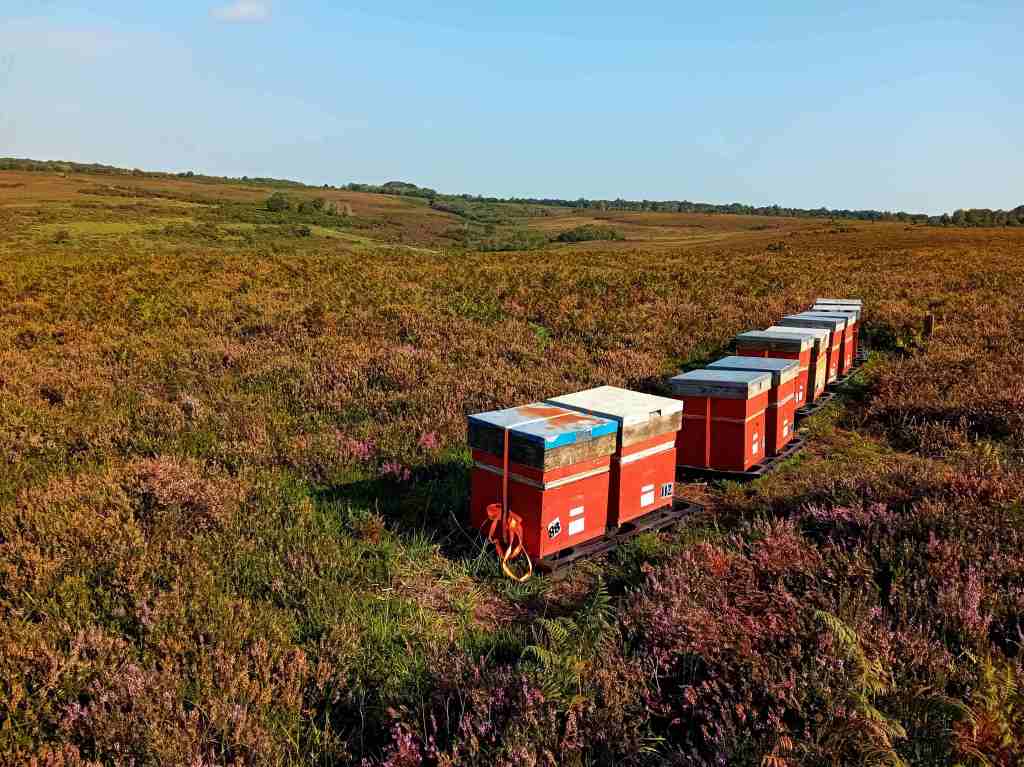
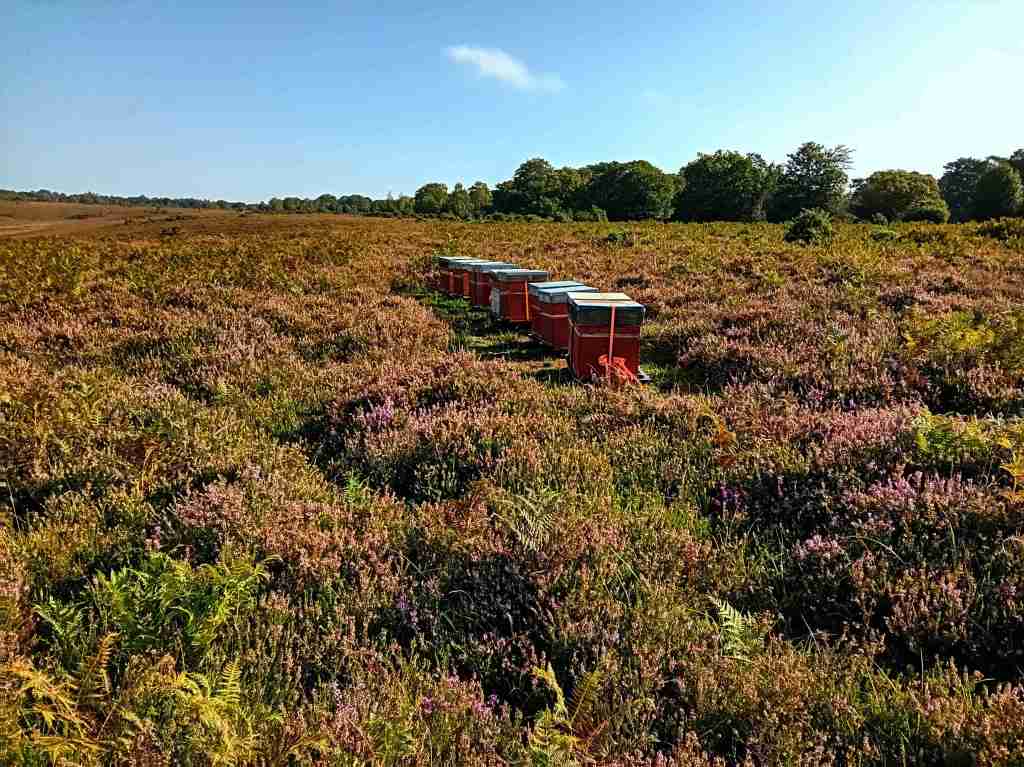
Roe Deer and Beekeeping on Backley Plain.


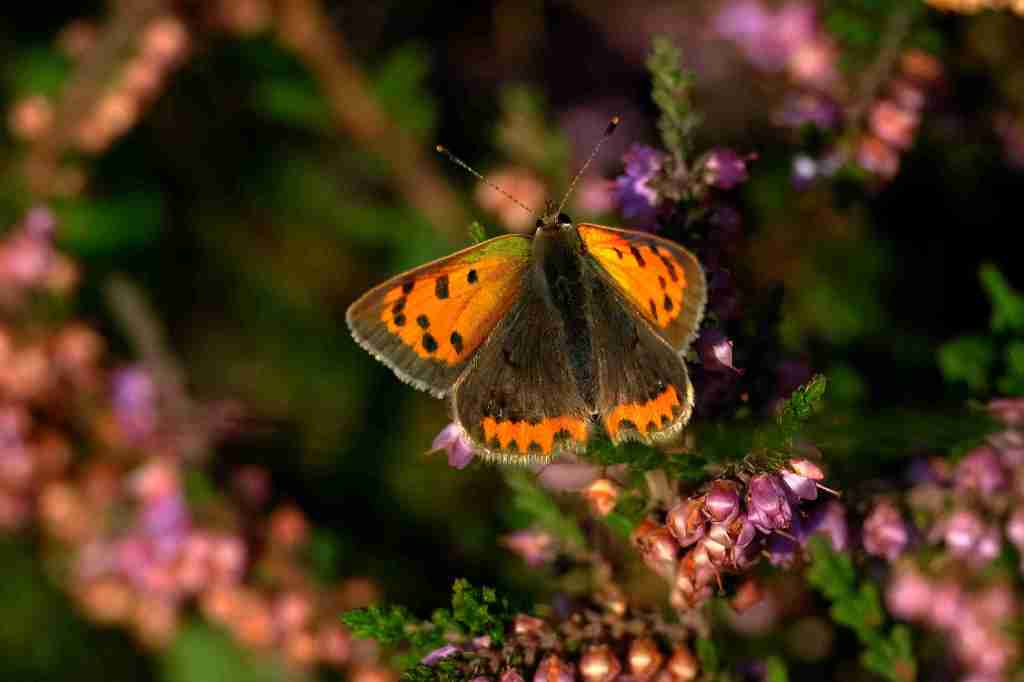
Small Copper Butterfly.

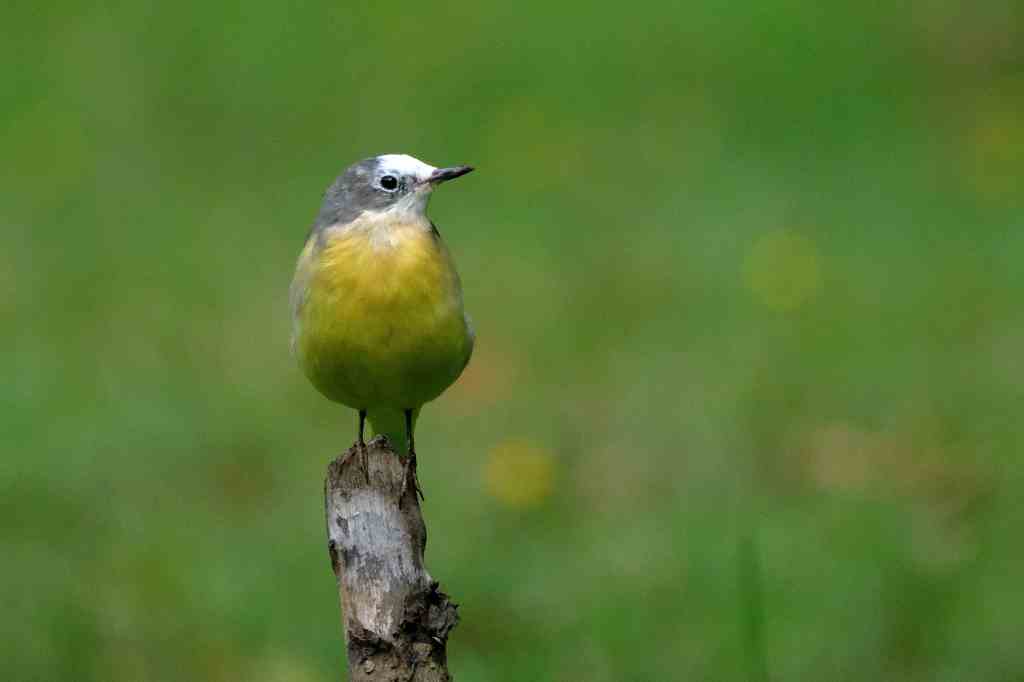
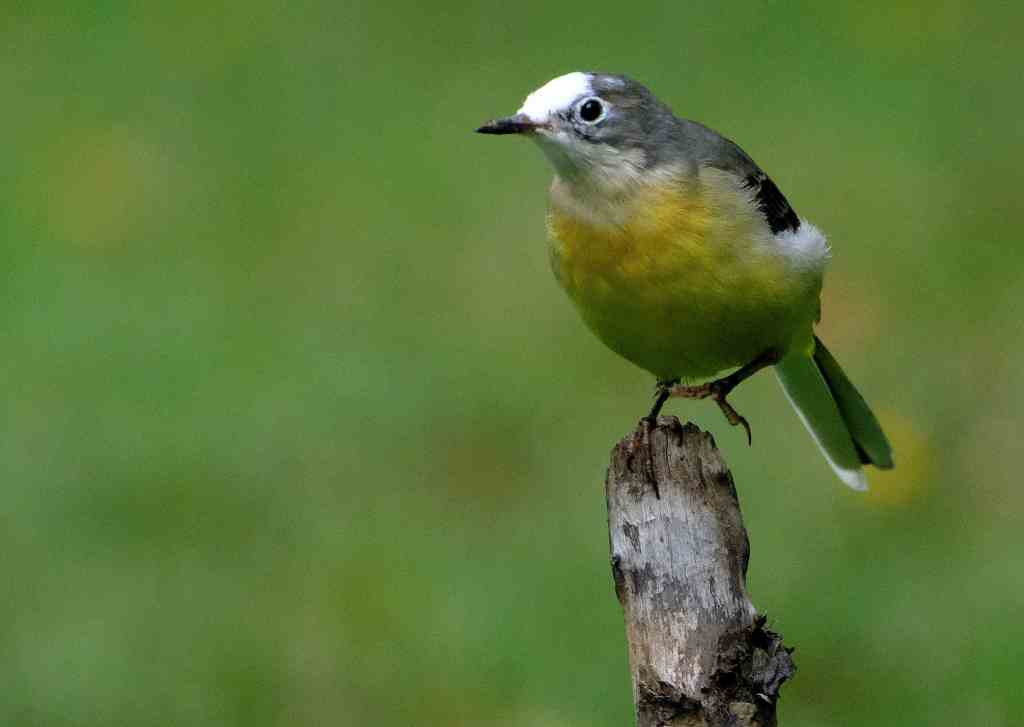
Leucistic birds have affected plumage which lacks the melanin pigment due to the cells responsible for melanin production being absent. This results in white feathers, unless the normal plumage colour also comprises carotenoids, these remain unaffected by the condition.
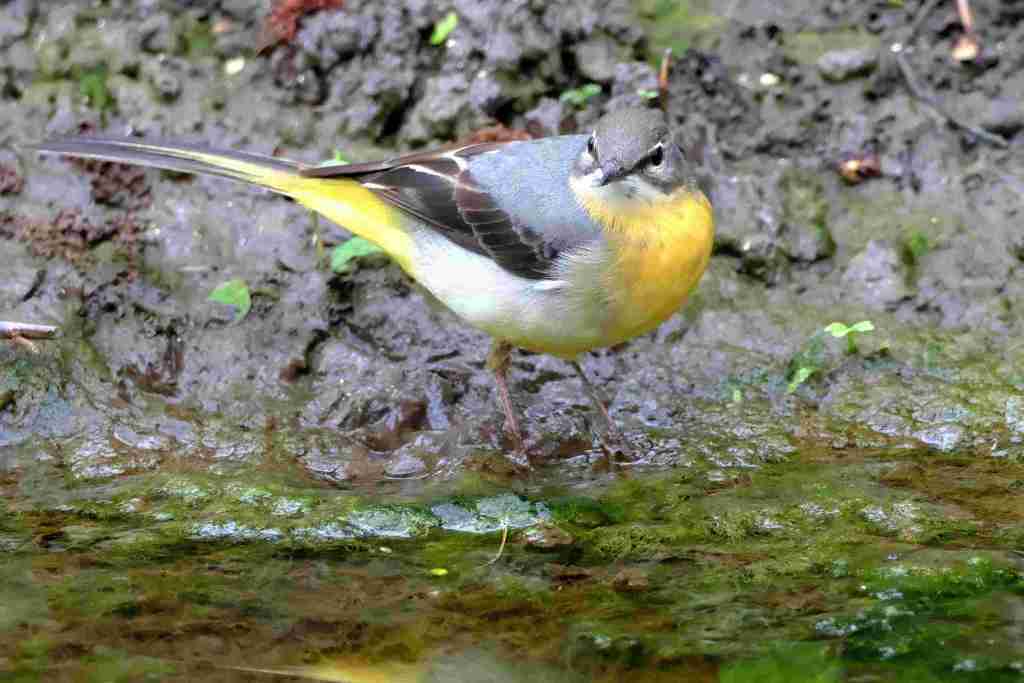
Below is a Grey Wagtail I photographed and posted earlier in the year.

Today in the New Forest we spotted A Grey Wagtail with a Leucistic head cap.


#wordless Wednesday.


Some Hornets spotted while out in the New Forest this morning. Hornets are giant wasps with yellow and brownish-red striped bodies, reddish wings and a yellow head. The Queen is larger than the males and workers. They have a wingspan of between 2.5 to 3.5 cm. In the UK many people are fearful of our native Hornets but they are actually much less aggressive than the common wasp. It is also an important pollinator and a predator of species that feed on plants and crops, I have watched them hunt and decapitate wasps!


The New Forest Reptile Centre is located near Lyndhurst in the New Forest. There are unique outdoor ‘pits’ that provide a natural home for reptiles and amphibians found in the forest. During the summer season to help educate visitors to the forest and help them see our various snakes lizards and frogs they are on show in the pits (they are released after a couple of weeks).
As part of a walk through the forest on Friday we called into the centre. We arrived on foot just prior to the car park gate opening. So had the opportunity to chat to the staff before the influx of holidaymakers. The snakes were being offered food – this adult female Adder was quick to come out of the undergrowth and take the offering. Adders are the only venomous snake found in the UK. Sightings are not guaranteed.


A number of juvenile Adders were visible (about 8 inches long) note their zig-zag pattern has not yet developed.


Traction engine New Forest this afternoon.


Due to the nonstop heavy rain, this morning walk was under the trees on our forest walk.

Tree views set on monocrome with green highlighted.


Forest Pony brands on an old wooden forest pen.

Rhinefield House was once a private country mansion in the heart of the New Forest. Today it is a hotel. The house was built in the 1880s with a huge garden and ornamental ponds. Many non-native trees were planted along the track leading to the house. Dwellings were on the site since the New Forest was first proclaimed by William the Conqueror in about 1097.
Trees that can be seen include giant redwoods and Douglas firs. In fact, the two tallest trees of the New Forest are here, a pair of redwoods standing on each side of an open grassy ride.