Rhinefield.

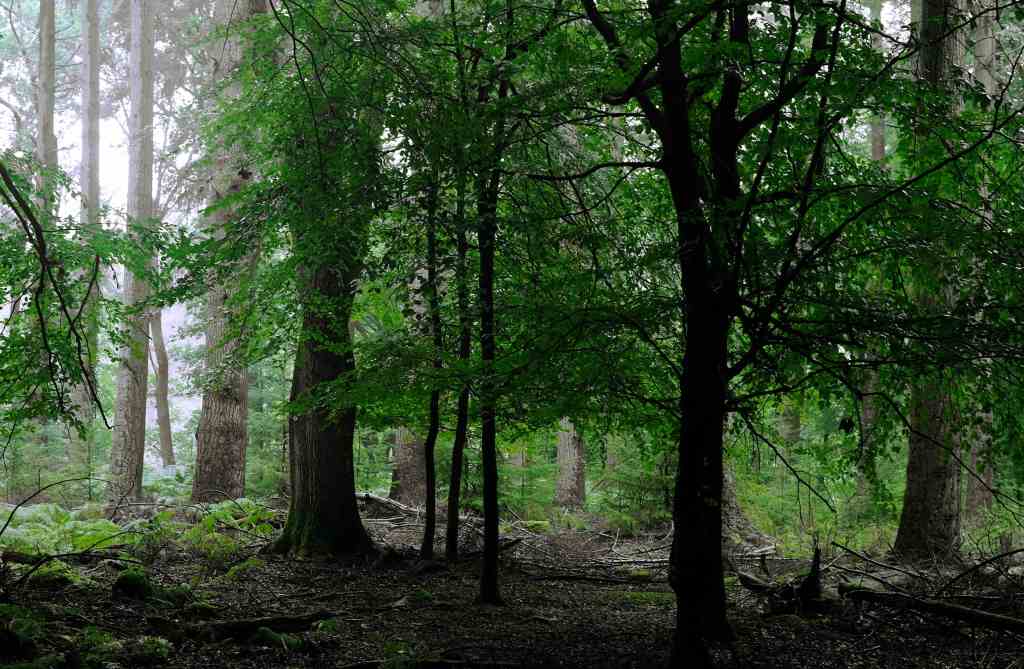
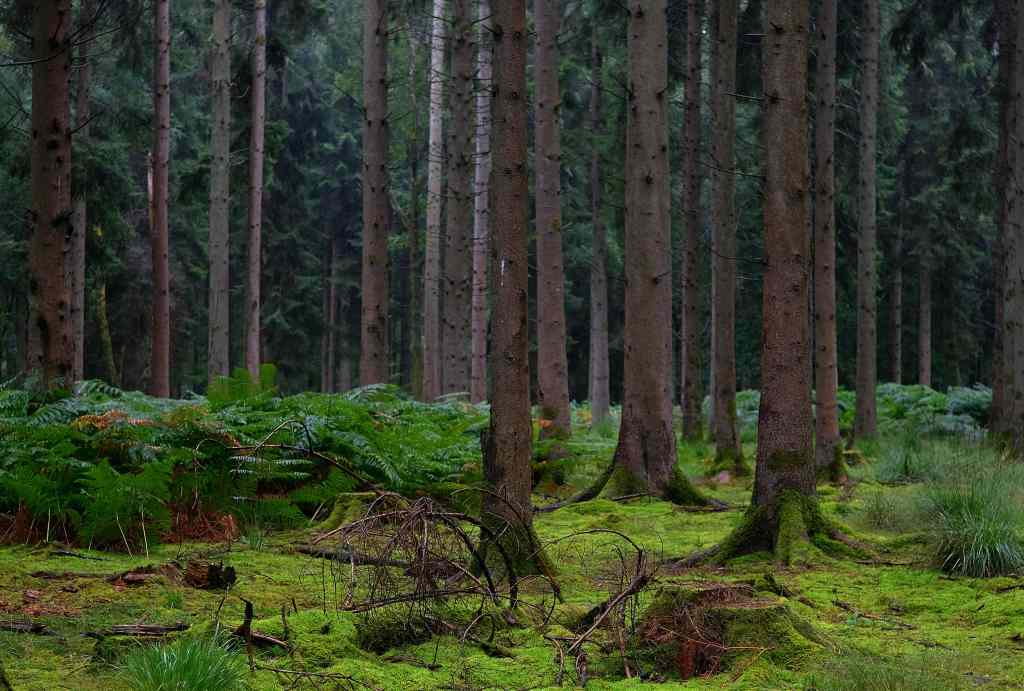
 Rhinefield House was once a private country mansion in the heart of the New Forest. Today it is a hotel. The house was built in the 1880s with a huge garden and ornamental ponds. Many non-native trees were planted along the track leading to the house.  Dwellings were on the site since the New Forest was first proclaimed by William the Conqueror in about 1097.

Trees that can be seen include giant redwoods and Douglas firs. In fact, the two tallest trees of the New Forest are here, a pair of redwoods standing on each side of an open grassy ride.

Thursdays walk.

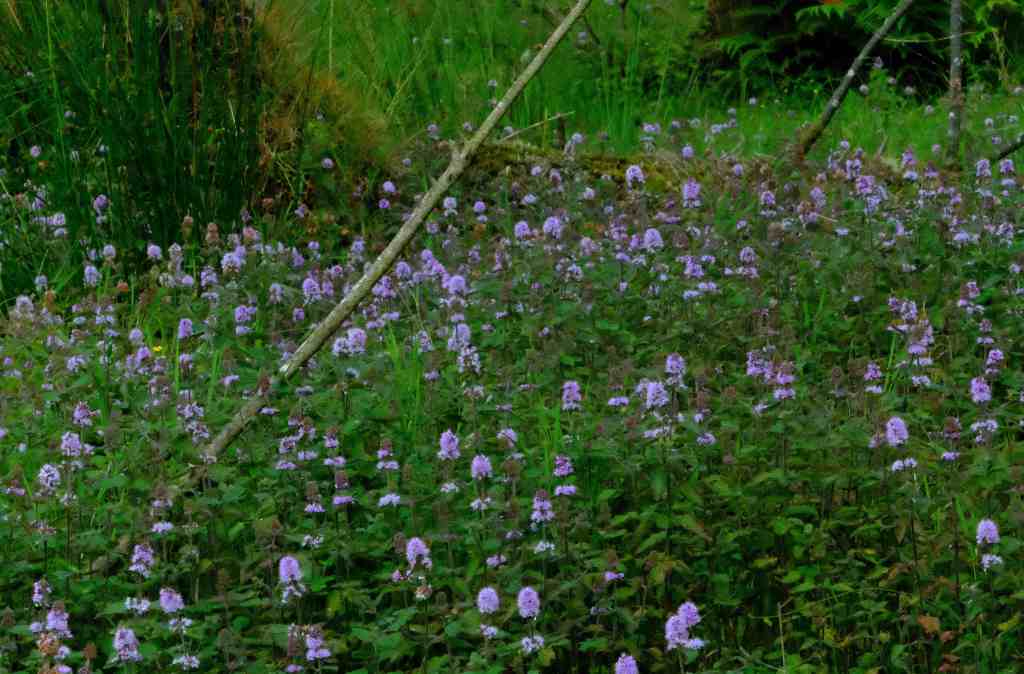
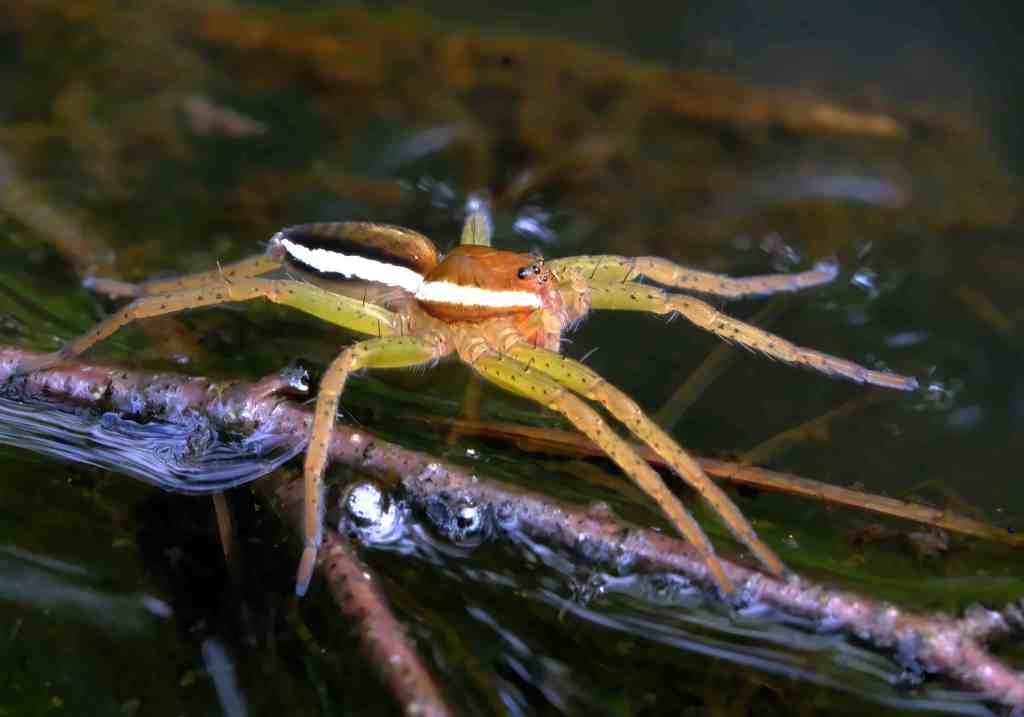
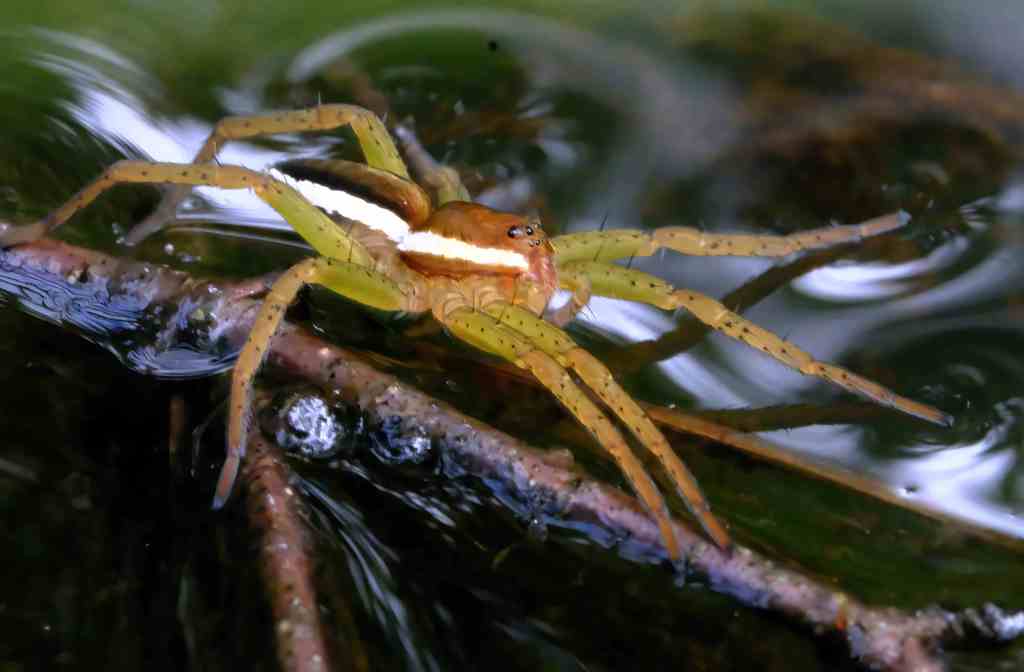
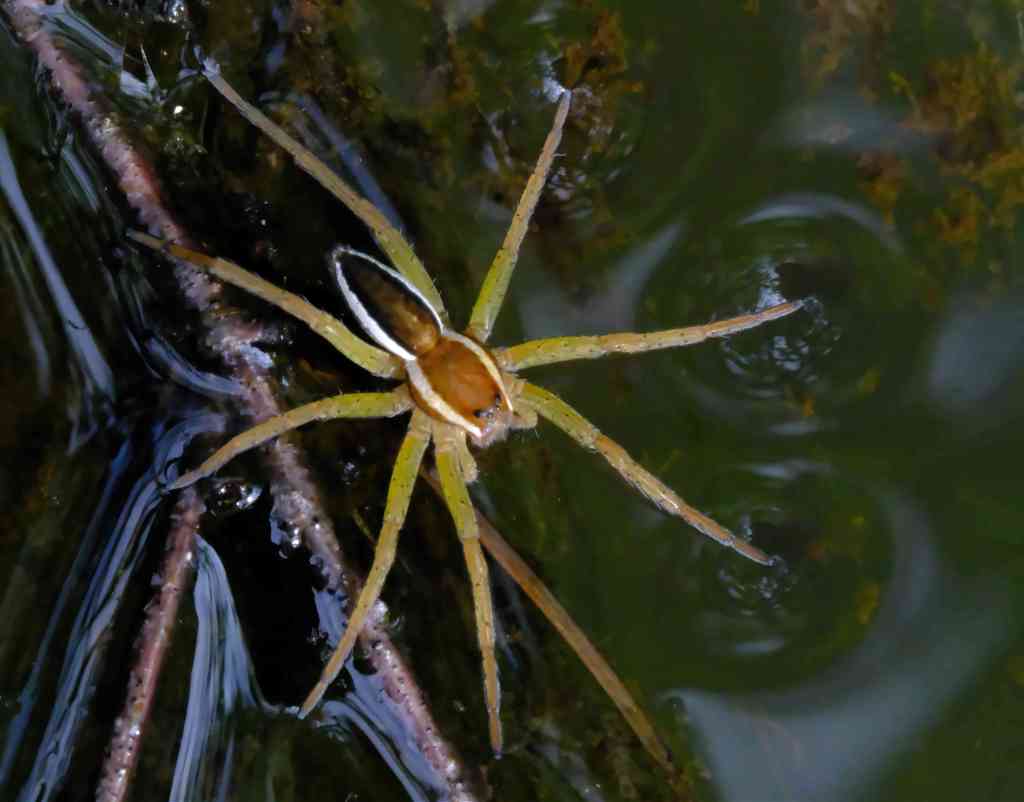
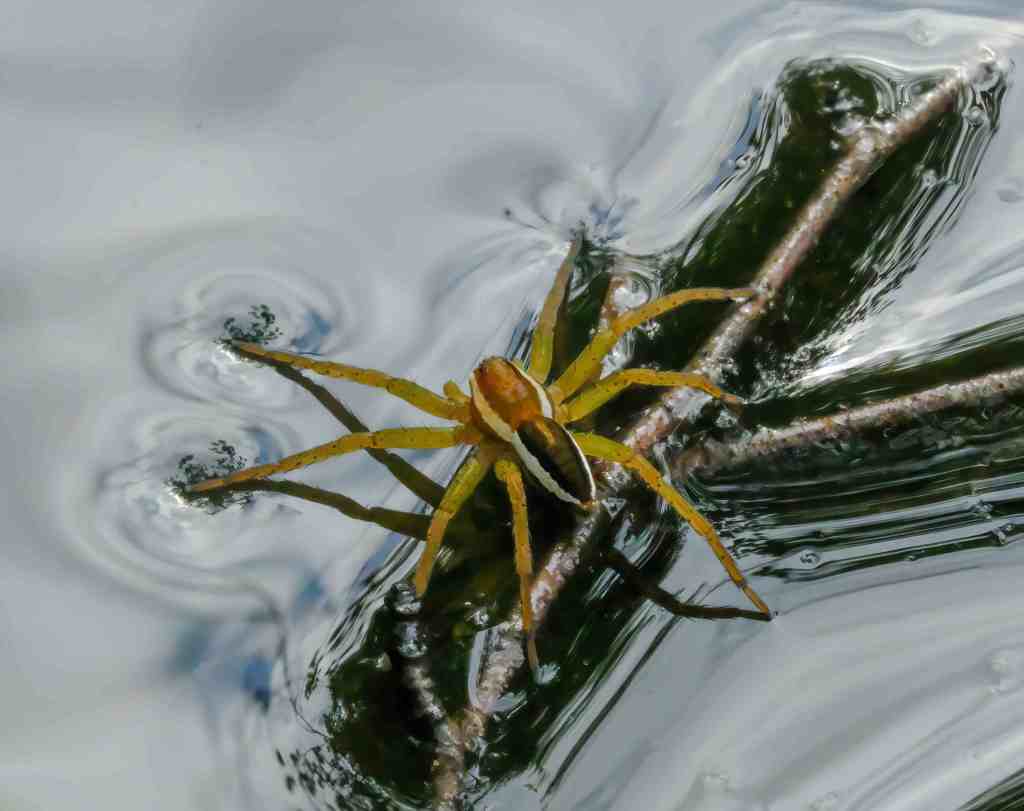
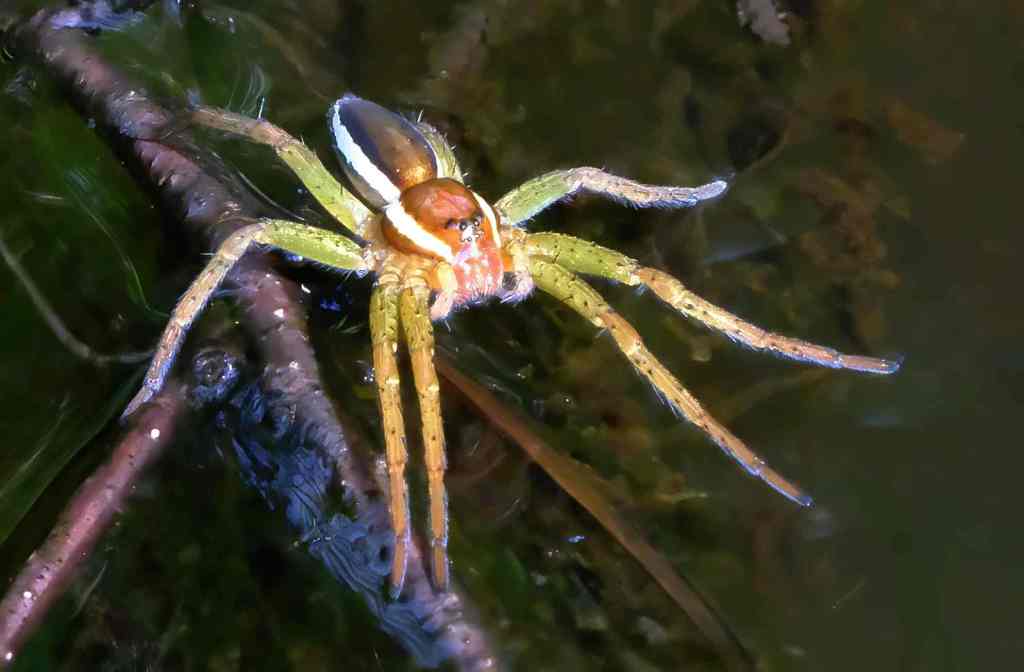
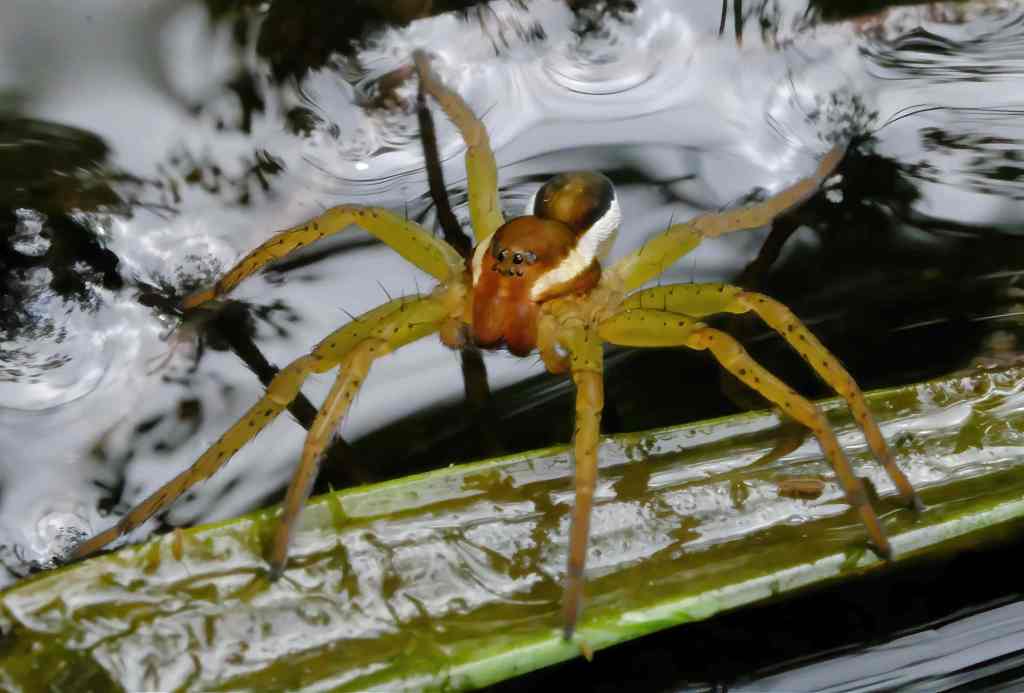
Another study of Raft Spiders (Dolomedes fimbriatus) (& a post). The adult male Raft Spider is 9 -16mm & the female a larger 13-22mm. They are found in wet lowlands and heaths & upland mires. Widespread in Southern England on wet heaths & scattered colonies throughout the rest of Britain. We have found a stream in the New Forest where they seem abundant. Here they seem to favour wild mint growing on the edge of the small stream where they wait for a passing meal – dropping down to walk on the water’s surface to catch their prey.

Wild mint bed in the New Forest.

Pong in the woods.

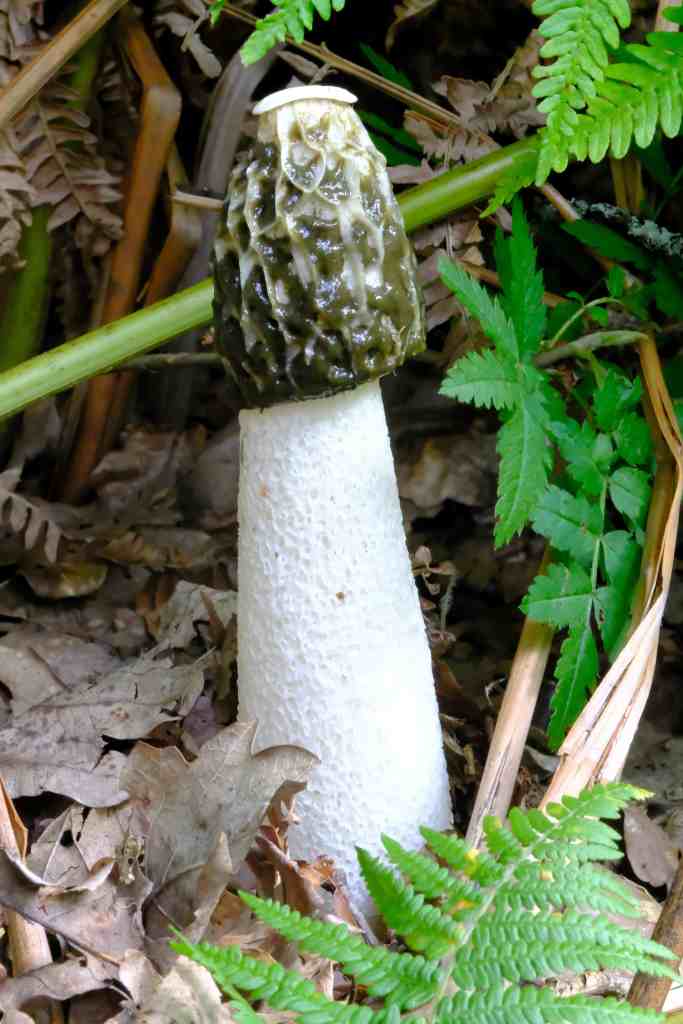
The Stinkhorn is a fungus that can grow up to 25cm tall and resembles a phallus when they fully emerge from an egg-like structure which contains the immature fruiting body. The young cap oozes gleba a spore-bearing smelly sticky gel. The smell of rotting flesh fills the air which attracts the flies and other insects which then carry off the fungus’s spores.

It is said Victorians were so embarrassed by the look of a Stinkhorn that they would attack them with sticks to stop any impressionable young ladies from seeing such a thing.

Near a stream.

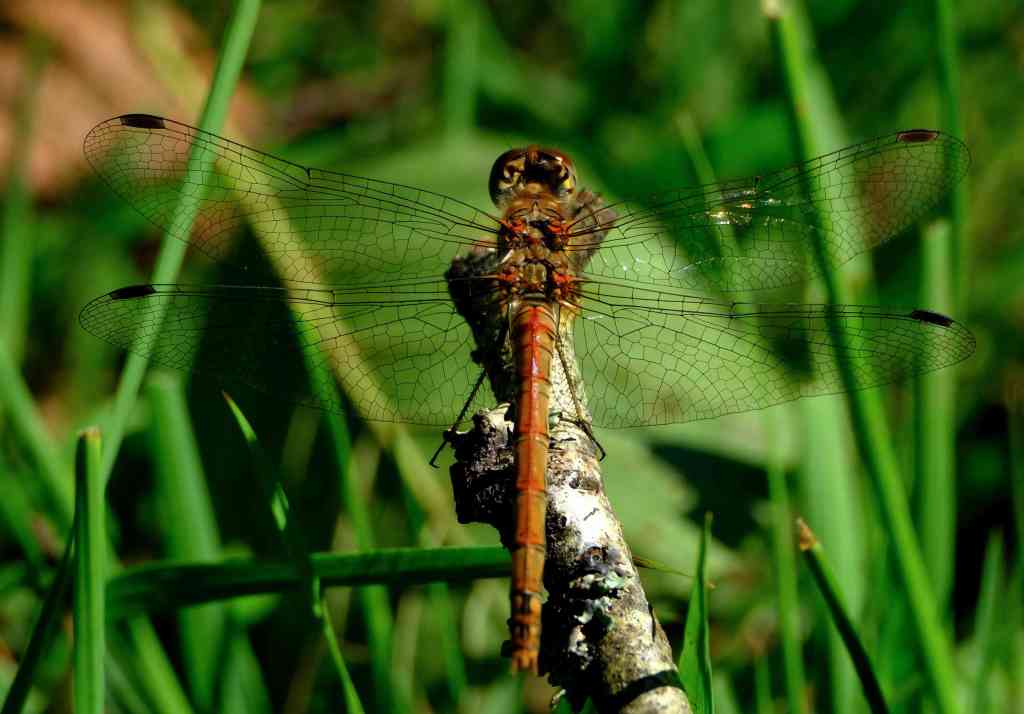
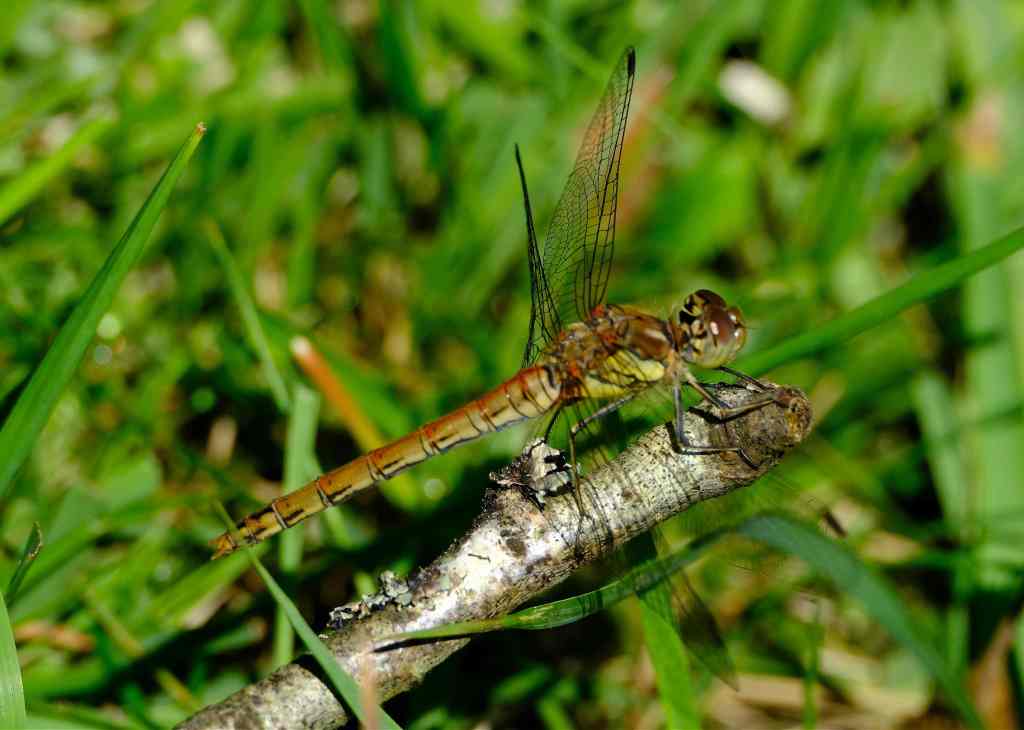
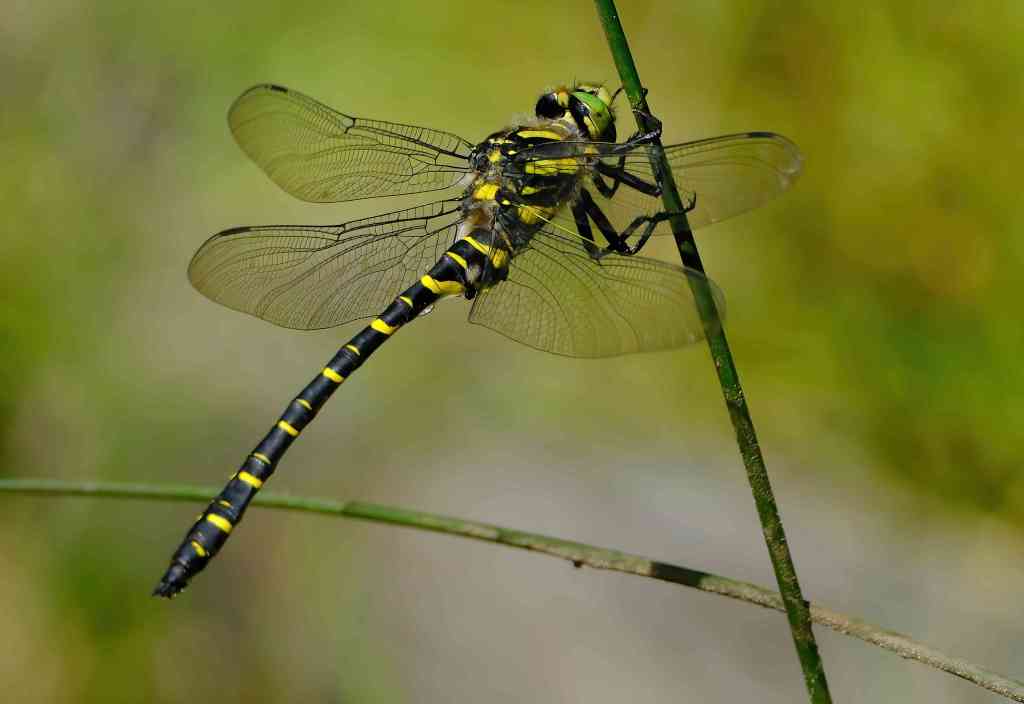
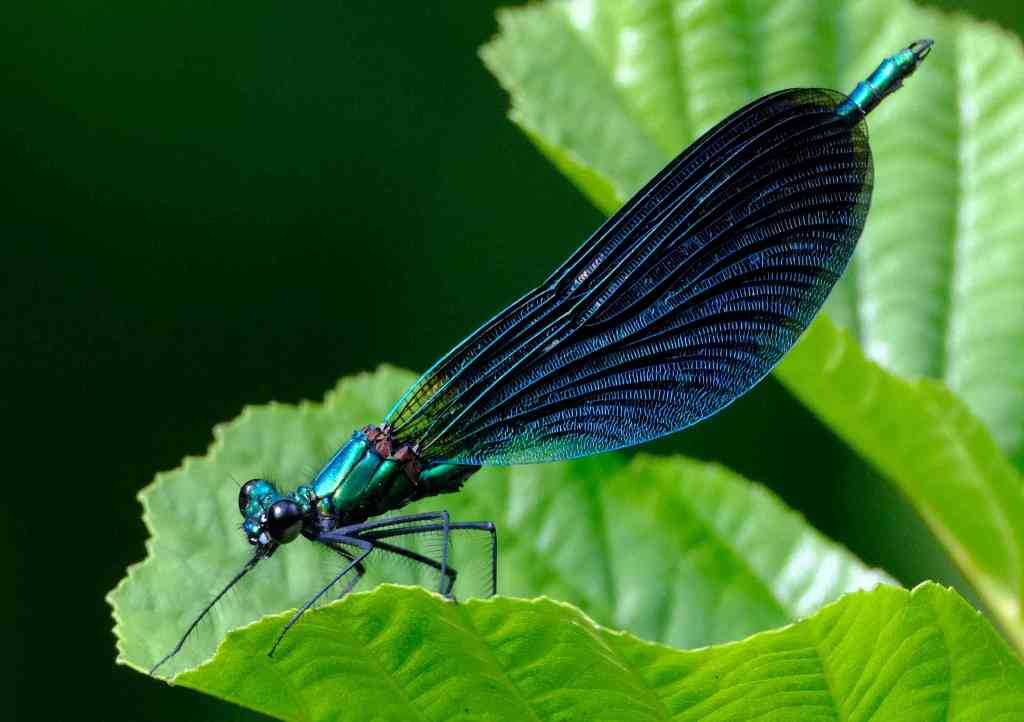
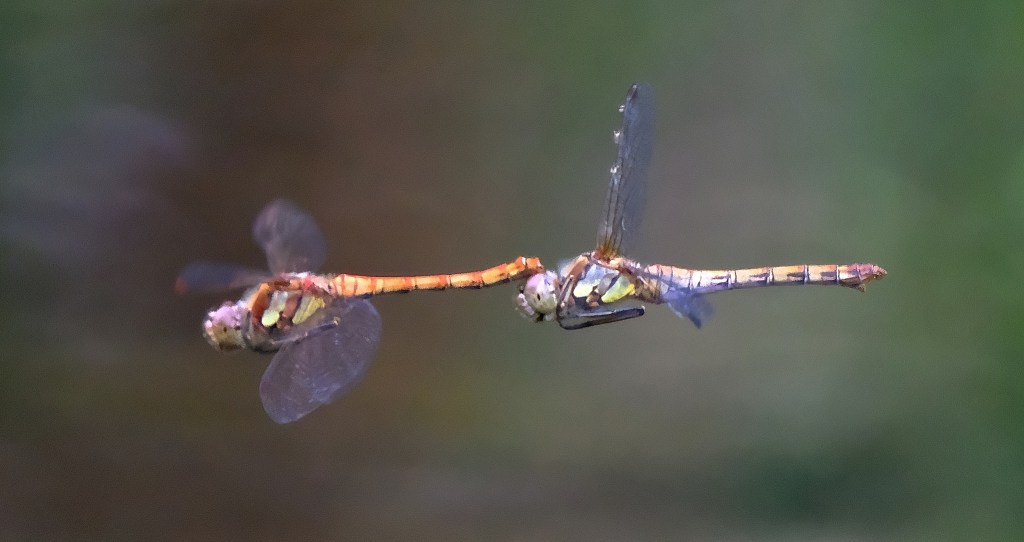
Some Dragonflies and Damselflies spotted in the New Forest today.

The “Common Darter” is a smaller Dragonfly. The male is orange-red but becomes brown with age. Females (and juvenile males) are yellowish to light brown. I believe this one is a male.

A “Golden-ringed dragonfly” is a very large,and handsome dragonfly, they are on the wing from May to September.

“Beautiful demoiselle” damselfly the metallic blue males have solid dark blue wings.

The damselfly below had landed in the stream.

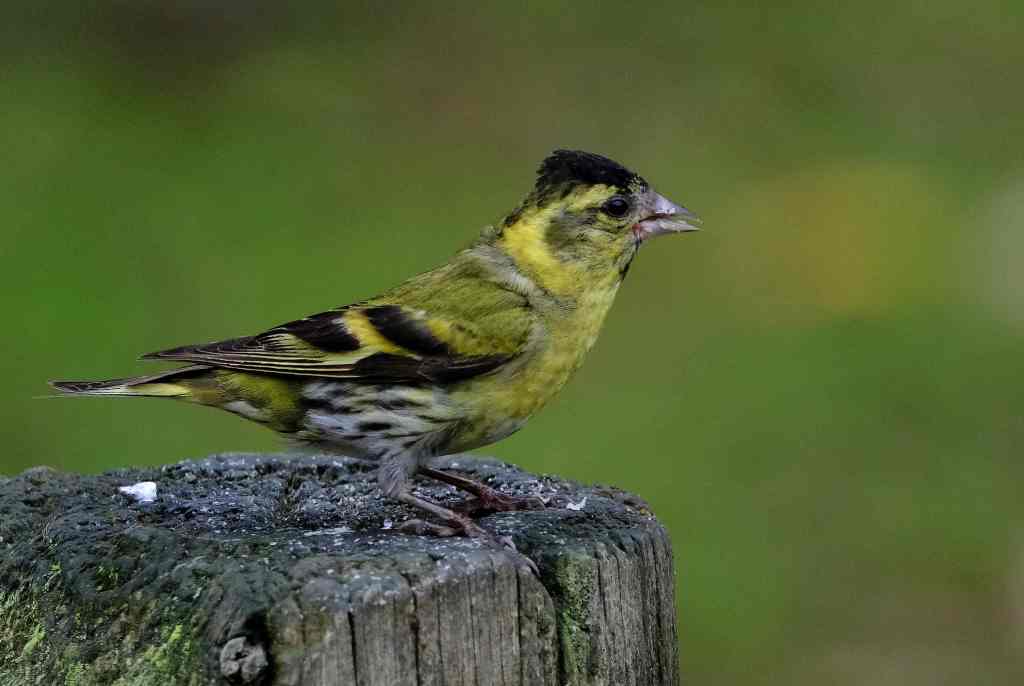
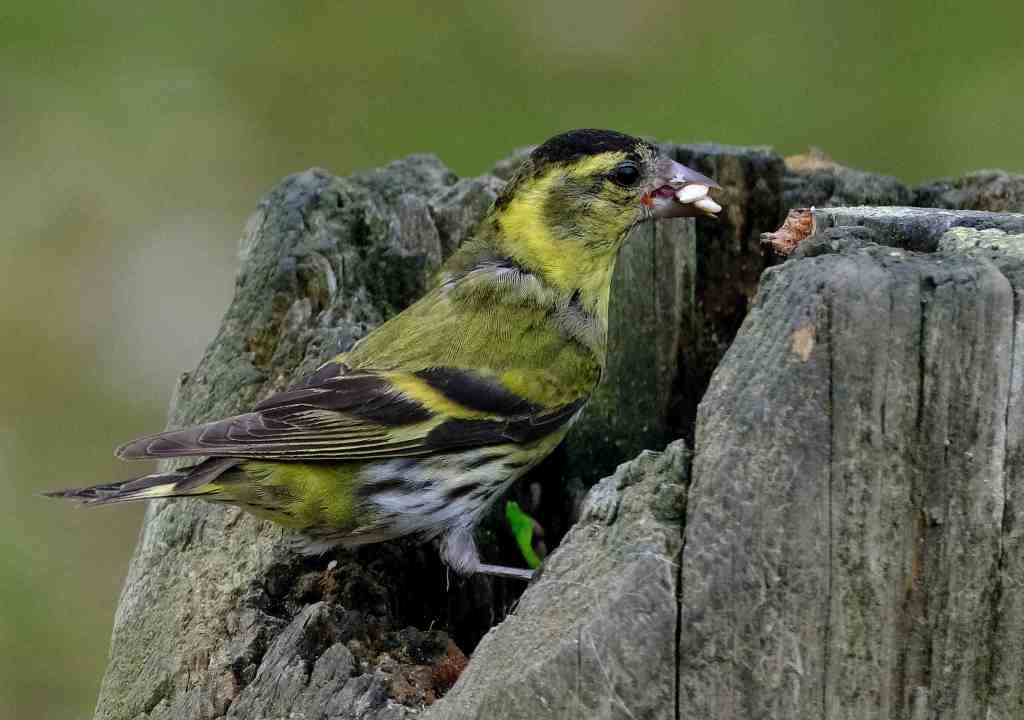
Siskin.

The Siskin is a small, finch it has a distinctly forked tail and a long narrow bill. The male as pictured here has a streaky yellow-green body and a black crown and bib. There are yellow patches on the wings and tail.

Further Lizards spotted.
 After spotting a Common Lizard last week we returned to the same area of the New Forest. We spotted another 3 today – one a female was heavily pregnant – as I said in last week’s post Common Lizard is unusual among reptiles as it incubates its eggs inside its body and ‘gives birth’ to live young rather than laying eggs. Adults emerge from hibernation in spring, mating in April and May, and producing three to eleven young in July.

After warming their bodies by basking in the sun Common Lizards feed on small invertebrates such as flies, spiders and snails. They hunt during the day using sight and scent.

Raft Spiders.

Further to my previous post which included Raft Spiders I revisited the New Forest stream where we found several of these interesting arachnids. We found 7 Raft Spiders today including a juvenile spider and a female with an egg sac.

Raft Spiders will carry their egg sac around for some time before creating a nursery web for their spiderlings. (Last time we found a nursery web.)

These large spiders will sit at the edge of the water, or on floating vegetation, with their front legs resting on the water’s surface in order to feel for the vibrations of potential prey, they chase out onto the water to catch their prey, ranging from tadpoles or small fish. They will also swim underwater.

Below. Adult female with egg sac.

Below. nursery web with tiny spiderlings.

Below. Juvenile Raft Spider is now independent of the nursery web.

Common Lizards.

Common Lizards are found in many UK habitats, including heathland, moorland, woodland and grassland, they like basking in the sun. The common lizard is also known as the Viviparous lizard. They are unusual among reptiles as they incubate their eggs inside their body and ‘gives birth’ to live young rather than laying eggs.
We spotted this Lizard in the New Forest enjoying the sun on a fallen branch which spanned a small stream.