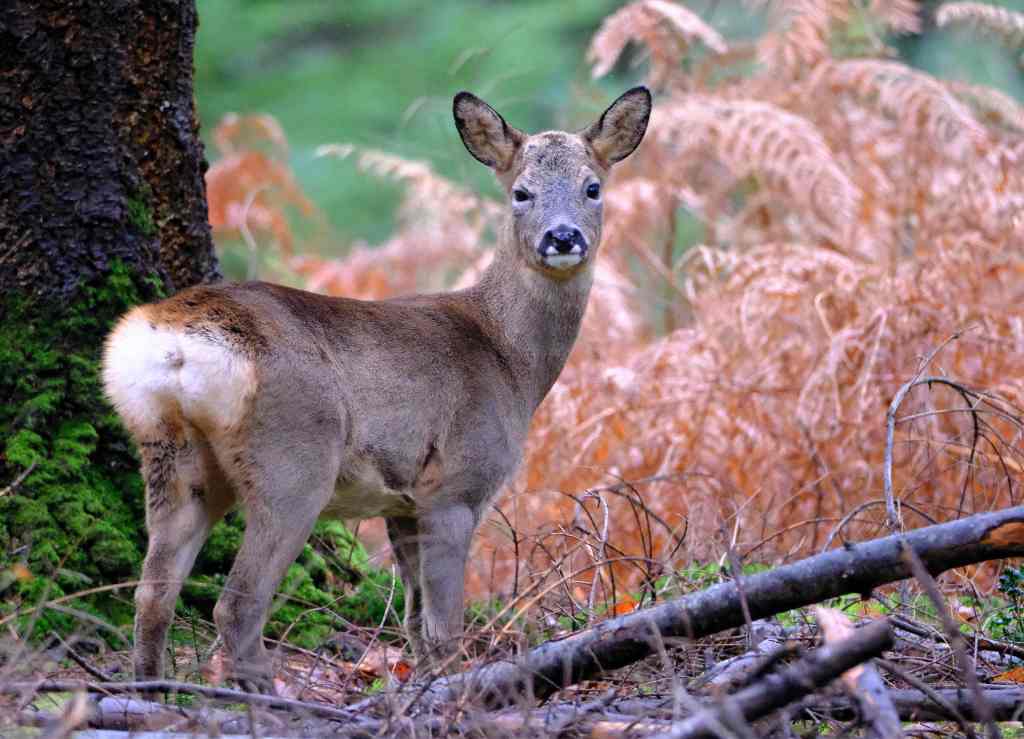
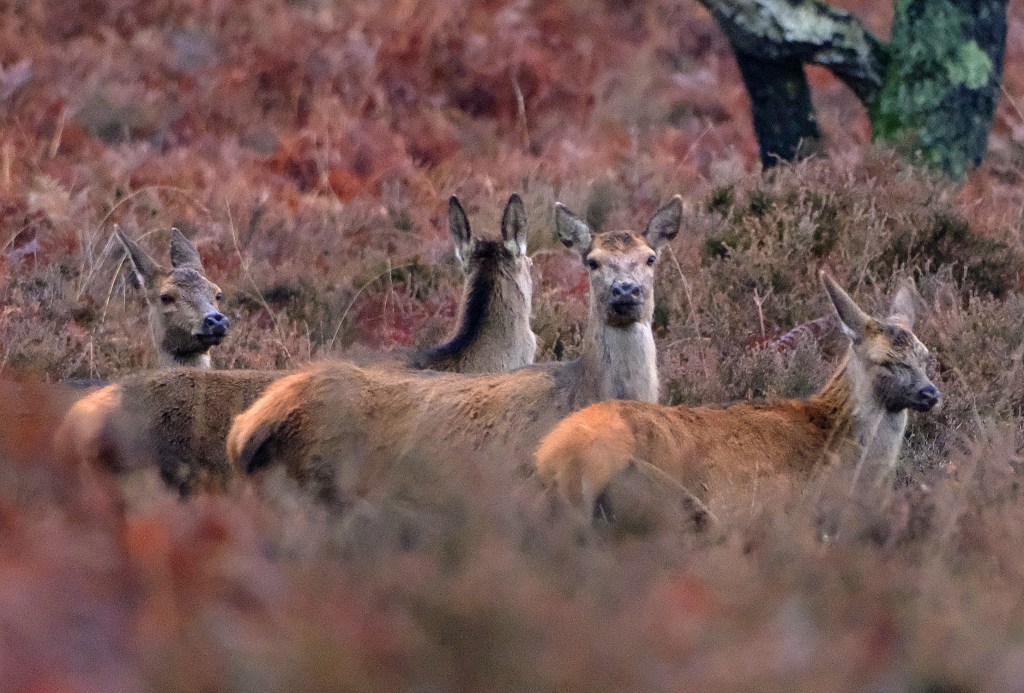
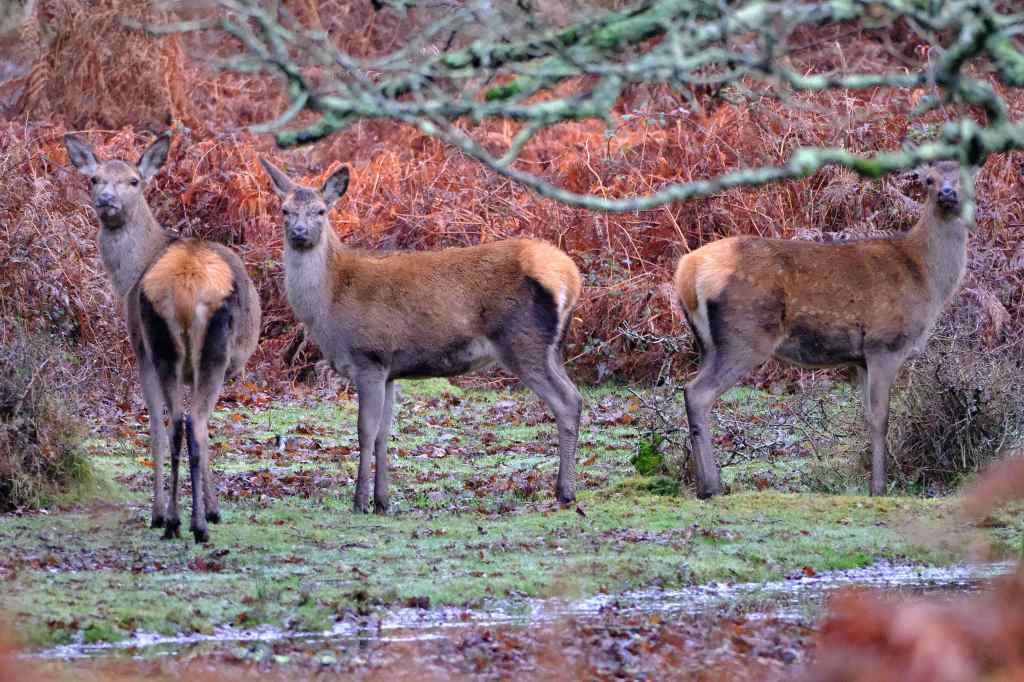
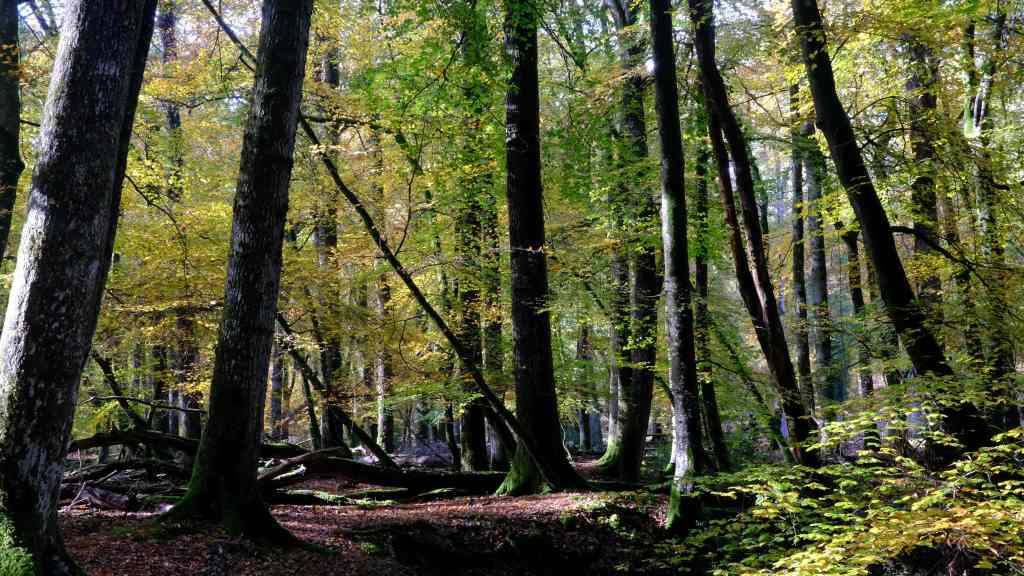
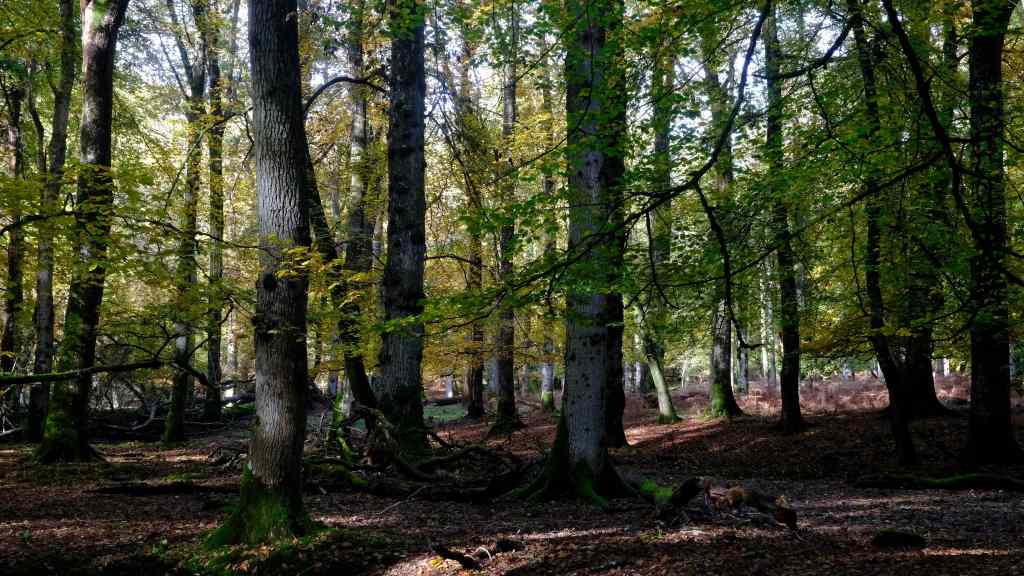
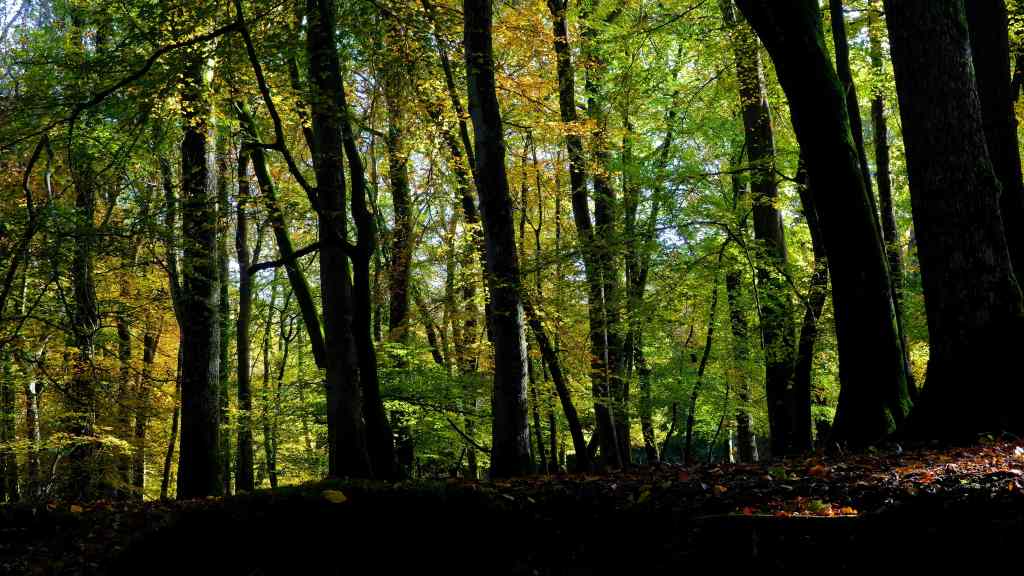
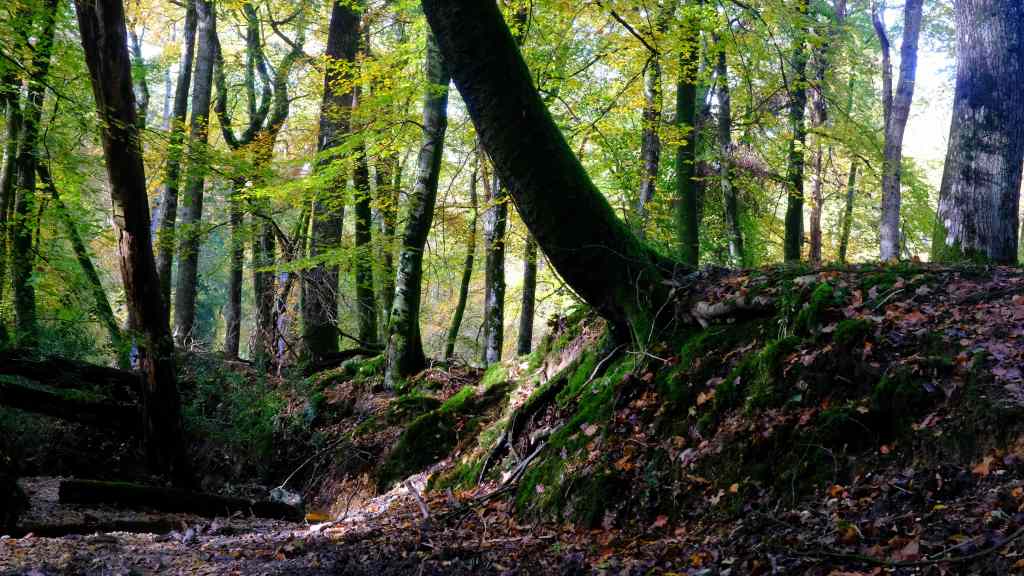
When I grow up – I will be like Dad. A young Fallow Deer buck and an adult. On most walks in the New Forest once you get away from people on mountain bikes and dog walkers – walk quietly through the enclosures and across the moorland of the National Park rarely do I not see some deer.
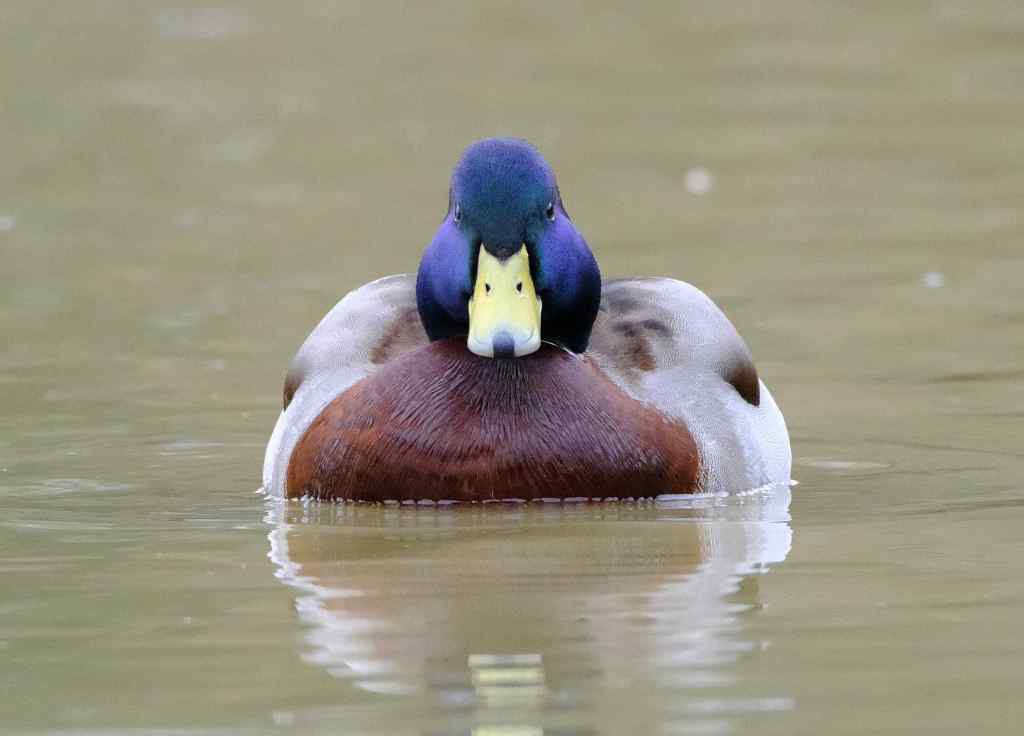
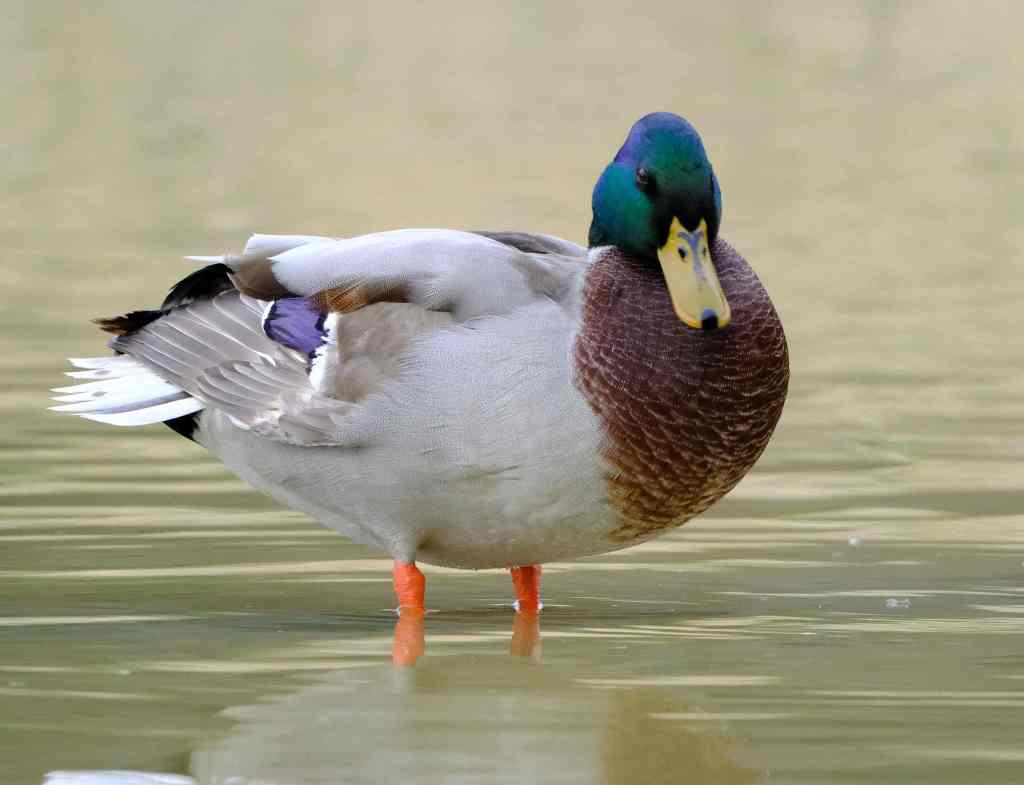
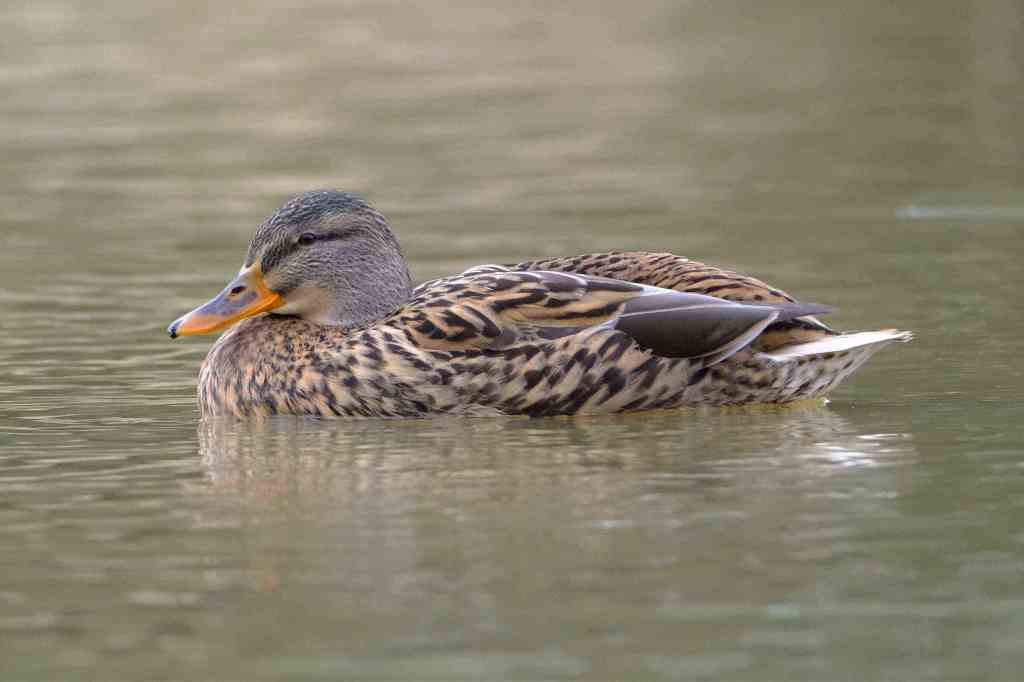
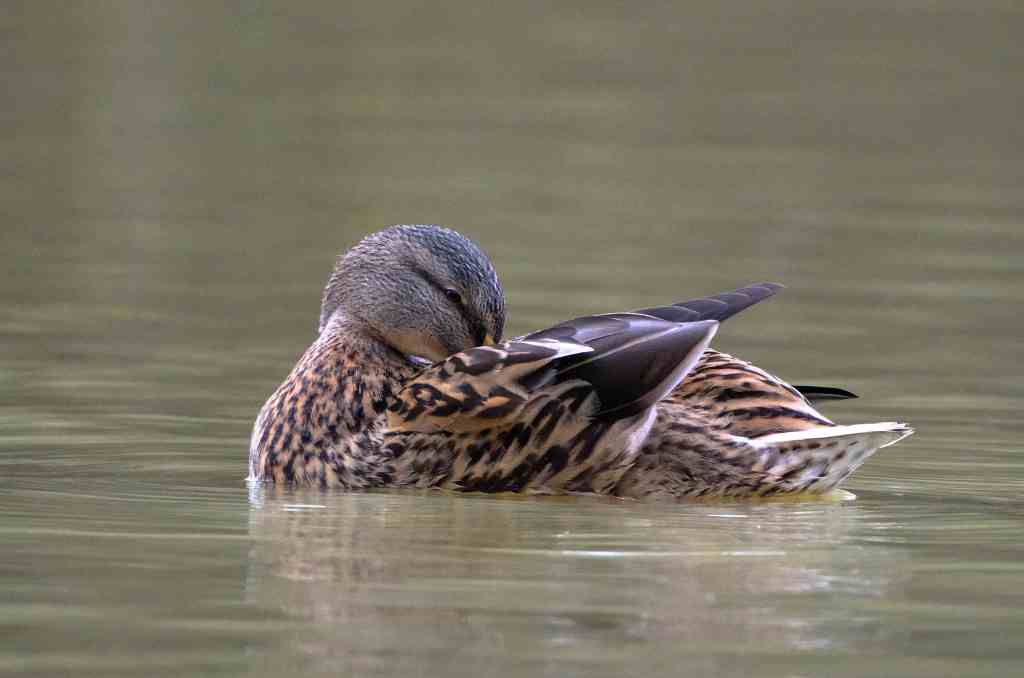
So common is and we have all grown up with Mallard ducks around us so we often overlook this handsome dabbling duck. The Mallard is a large and heavy-looking duck. The male has a dark green head, and a yellow bill. They are mainly purple-brown on the breast and grey on the body. The female is mainly brown with an orange bill. Mallards breed in all parts of the UK
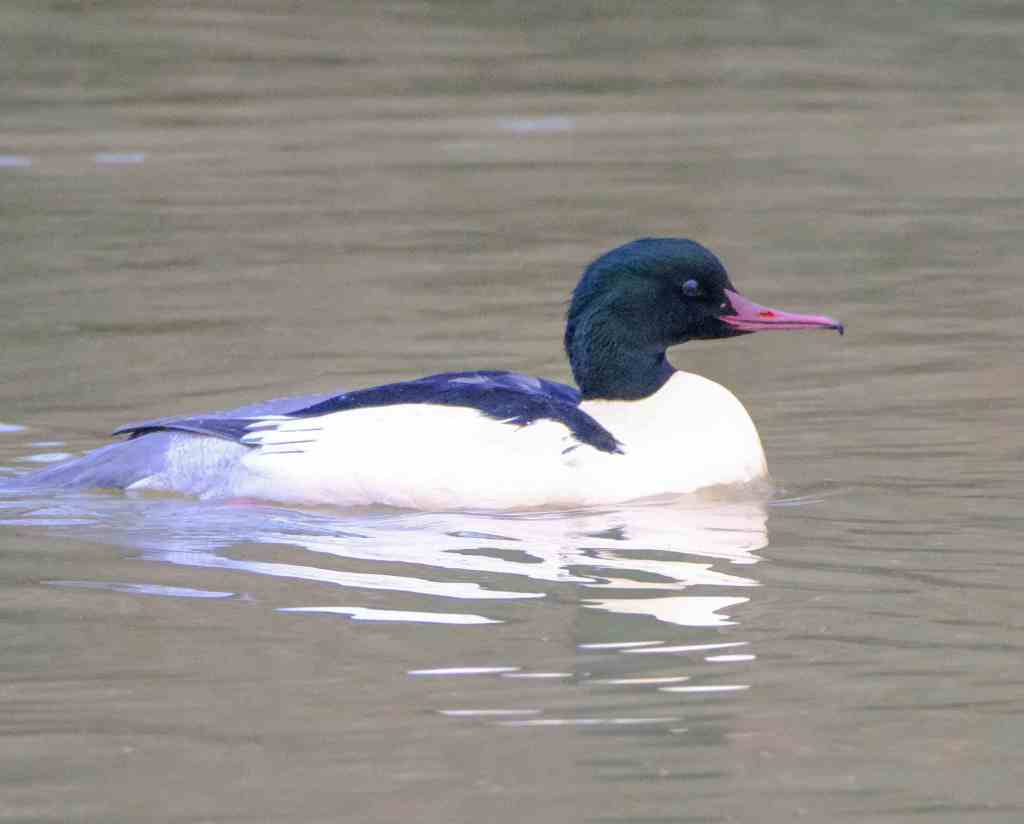
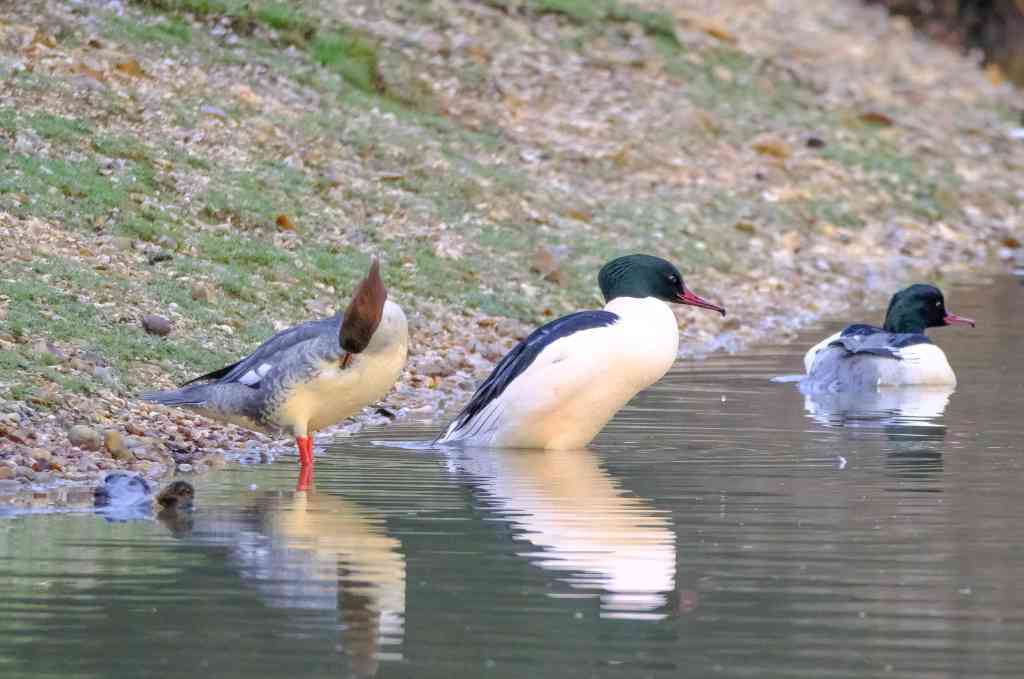
On one of the New Forest ponds I visit, there were several Goosander’s last week. Although I was able to get some photographs it was raining hard so I decided to return today in the hope they were still there and with better weather picture opportunities would be better. The Goosander is a diving duck which is a member of the sawbill family, named because of its serrated bill, which they use for catching fish. Mainly a freshwater bird, the Goosander first bred in the UK in 1871. Goosander’s are known as Common Mergansers in some parts of the world.
Two male birds with green heads. (the females have brown heads).
A walk across Stoney Cross around the edge of the WW2 airfield today’s nature walk gave a few gifts, although no deer sightings today.
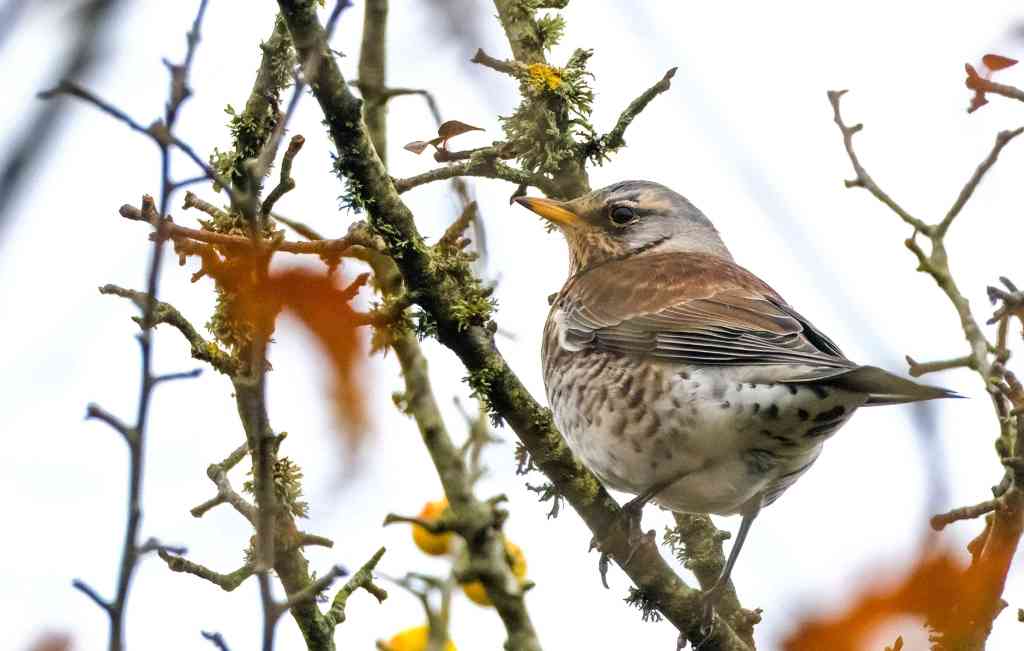
Large flocks of “Fieldfare” were everywhere but not keen to stay for me to take a photograph or two! Fieldfares are large and colourful thrush. They are social birds, wintering in the UK. Flocks can be ten or twenty birds to several hundred strong. The flocks are noisy and the birds chuckle as they fly between trees looking for the best berries. Finally today and after trying for the last 3 weeks I got a couple of shots.
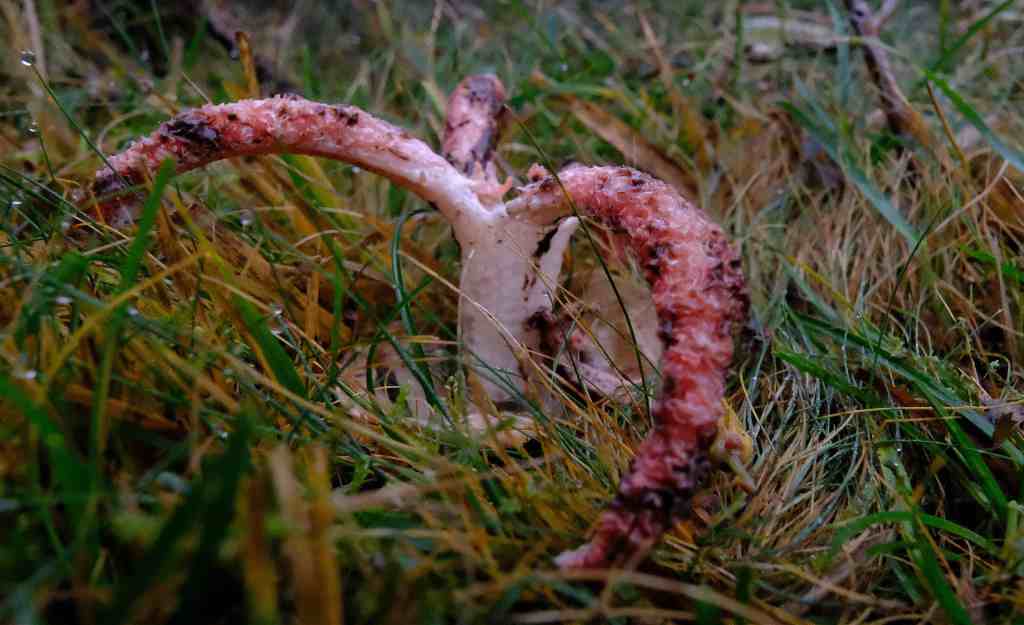
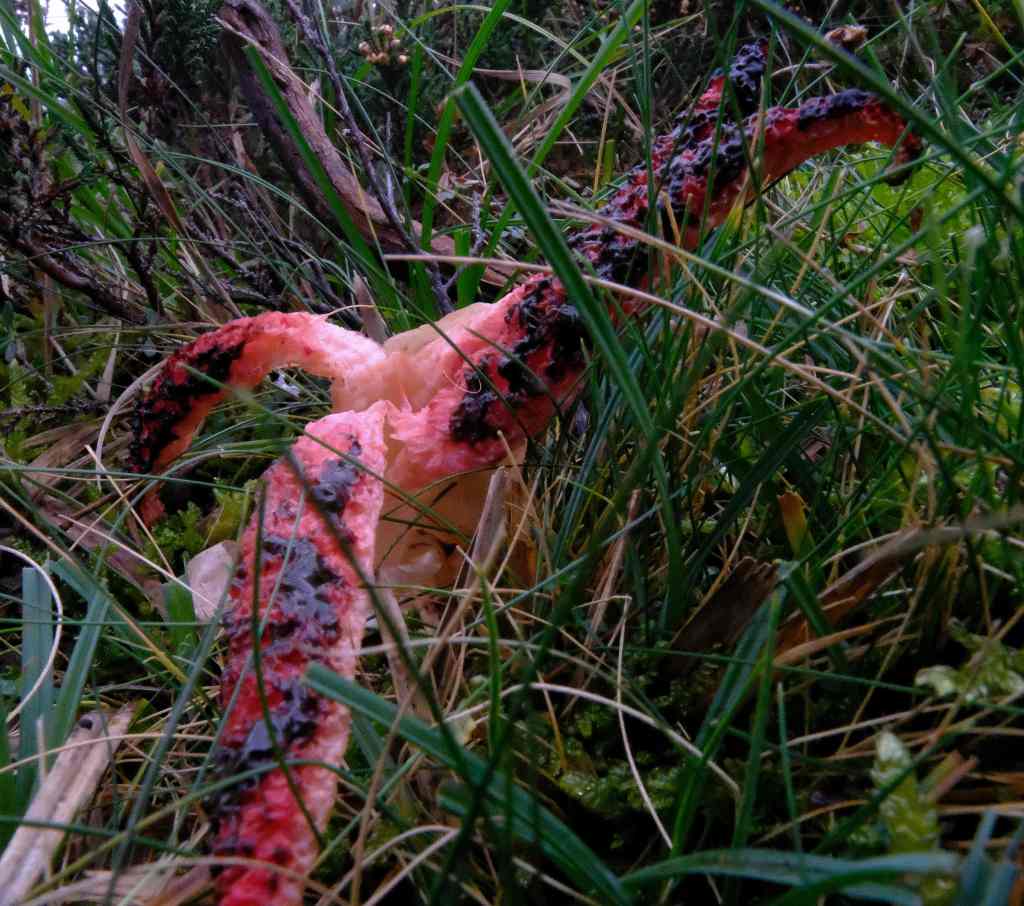
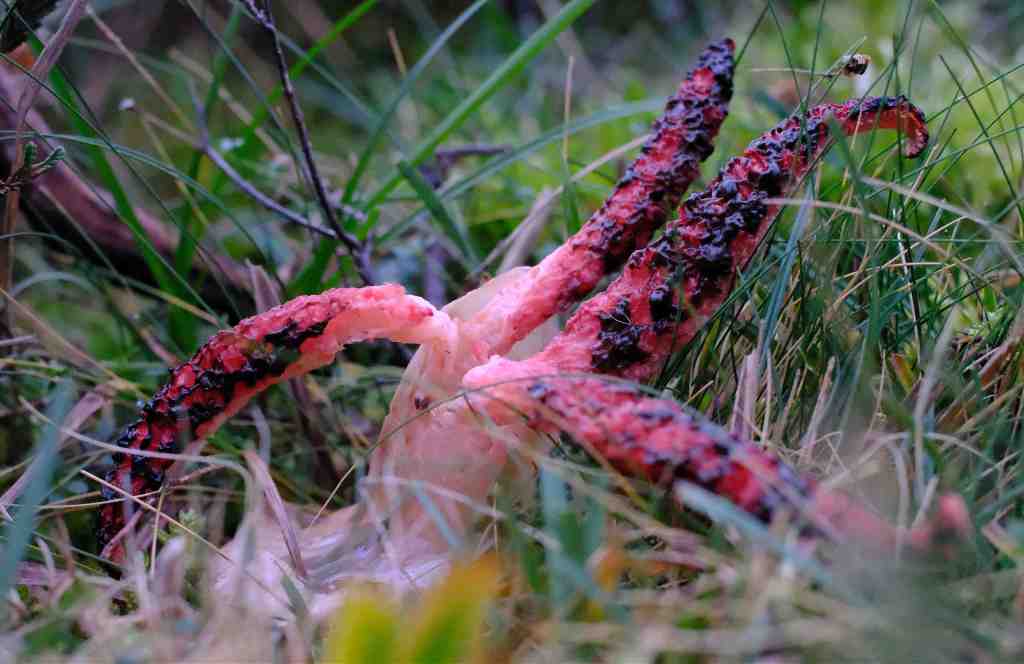
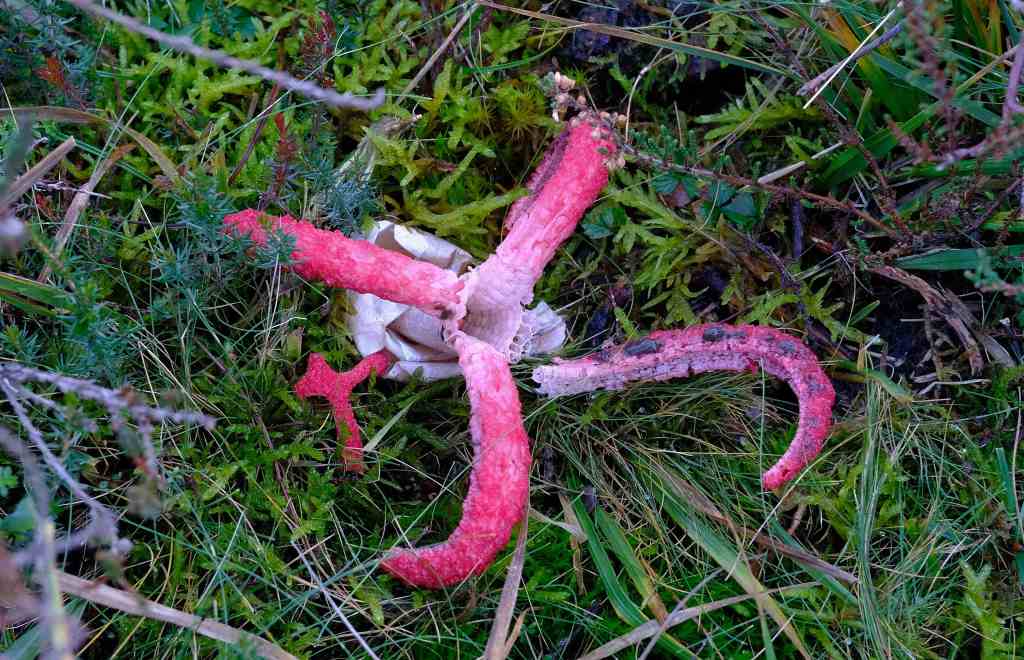
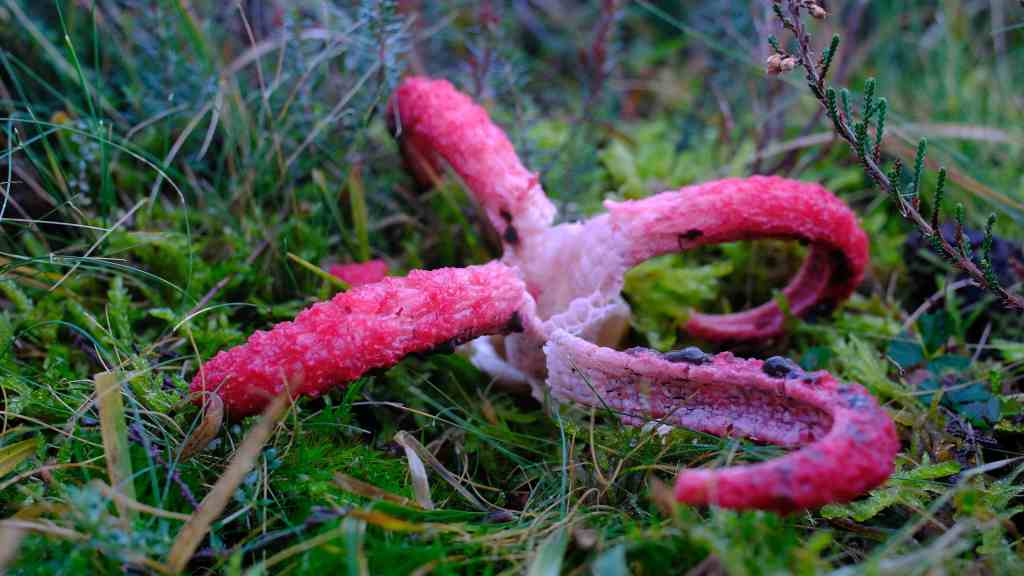
The Devil’s Fingers fungus [Clathrus archeri], this rare fungus I posted pictures of a few weeks ago has now gone over but others have now grown.
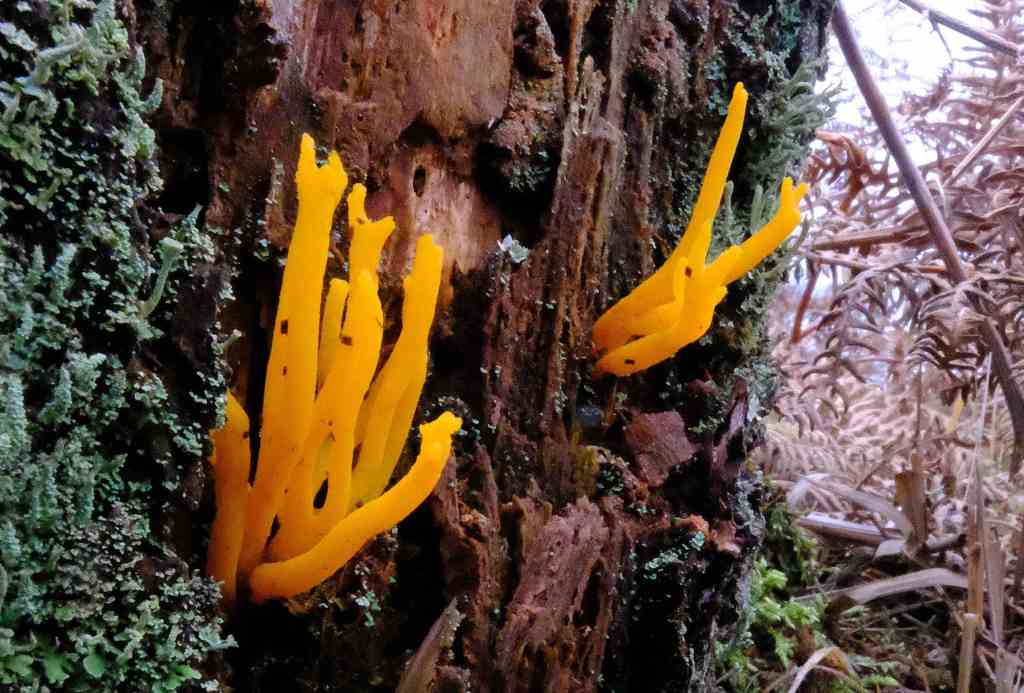
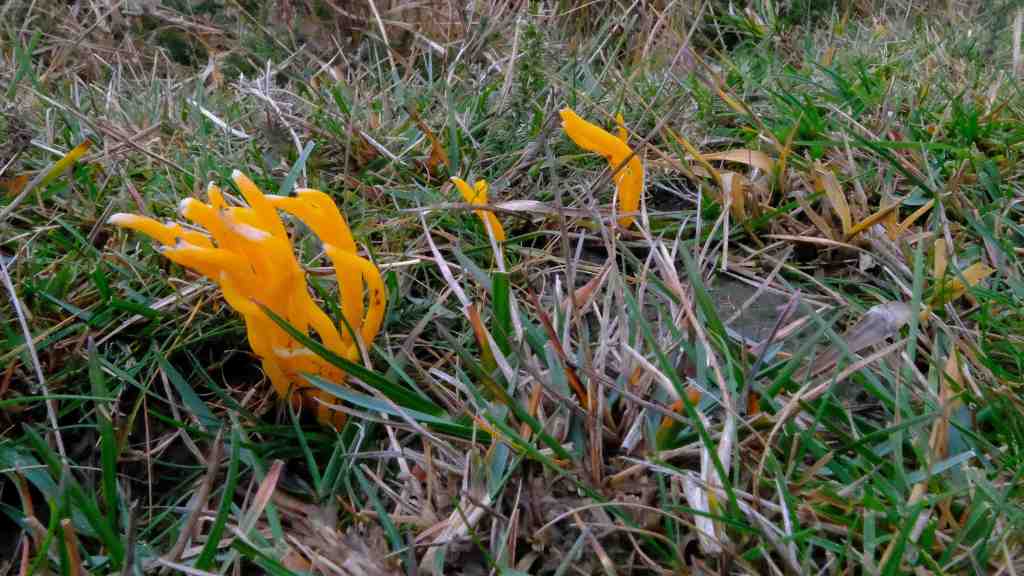
Another fungus spotted was a Yellow Stagshorn – {Calocera viscosa} – It is a Jelly Fungus which grows on decaying conifer wood, typically stumps and roots. This was a 1st for me this year.
Today was an open-heath walk within the former World War 2 bombing range on Ashley Heath near the village of Godshill and 5 miles northwest of Lyndhurst The range was used by aircraft from the Aeroplane & Armament Experimental Establishment at RAF Boscombe Down, nr Salisbury. The range was used for training and testing, all types of munitions fired or dropped from British aircraft were tested here first, except live incendiaries due to the fire risk. Barnes Wallis’s prototype Bouncing bombs used in Operation Chastise by the Dambusters and the Grand Slam bomb were tested on the site. Several different types of targets were built on the range including air-to-ground attack, mock ship targets, aircraft pens, gun emplacement, bomb fragmentation areas, and what is said to have been some Submarine pens. There were two small grass airstrips, observation shelters, and towers. The site was used both in daylight and night targets were illumination targets specifically for night bombing practice.
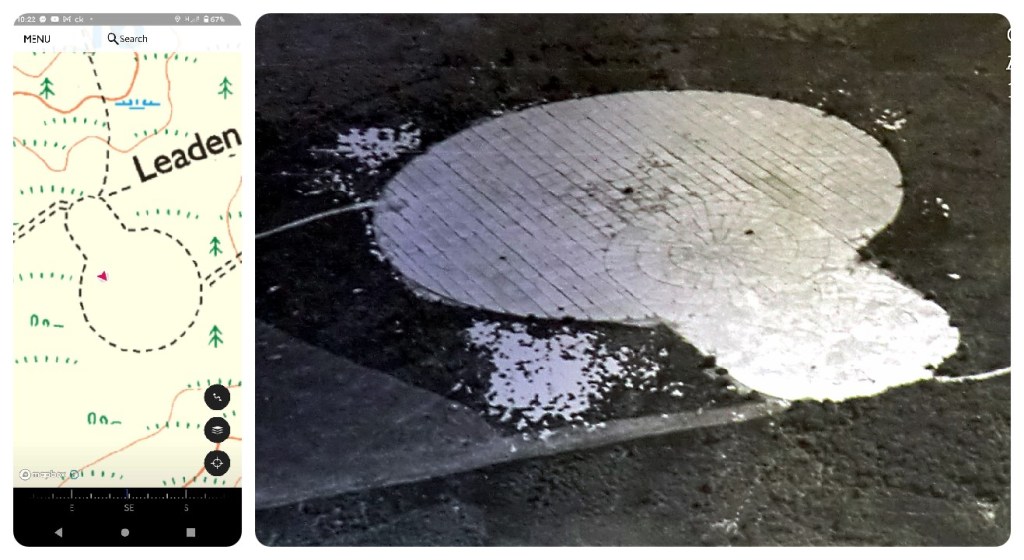
Our walk today was the 1st in this area of the New Forest with the aim of seeing the remains of a large target. Known as target number 2.
The shape of the target is visible from the ground the concrete wall around the target was removed for construction materials in the 1970’s
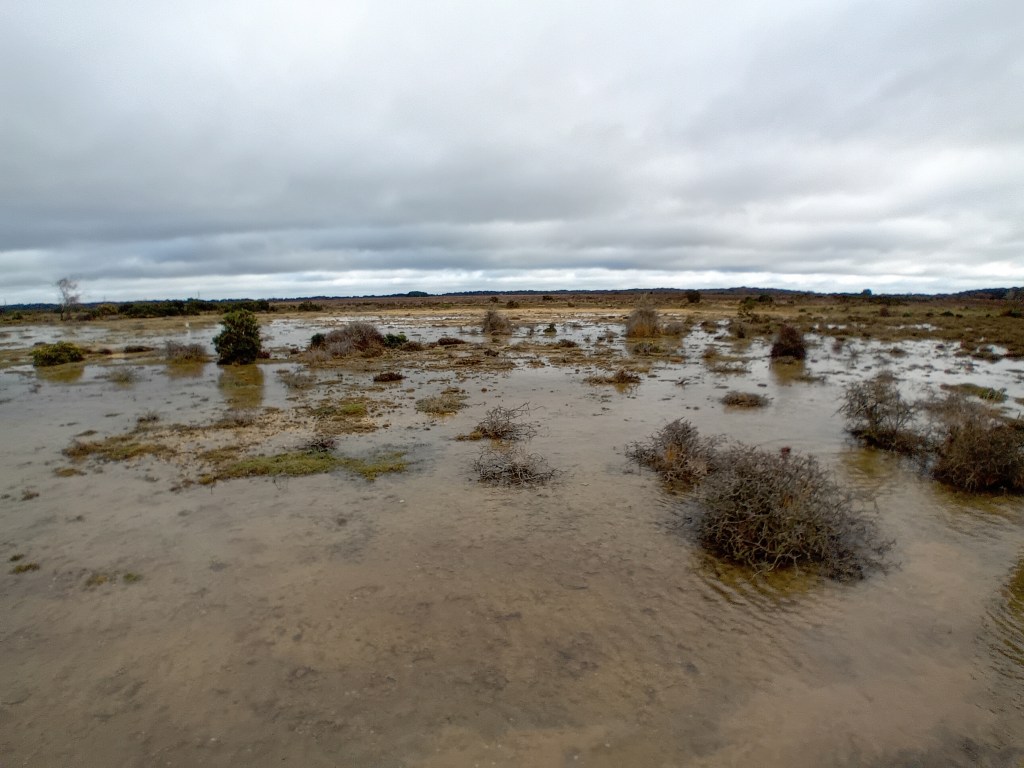
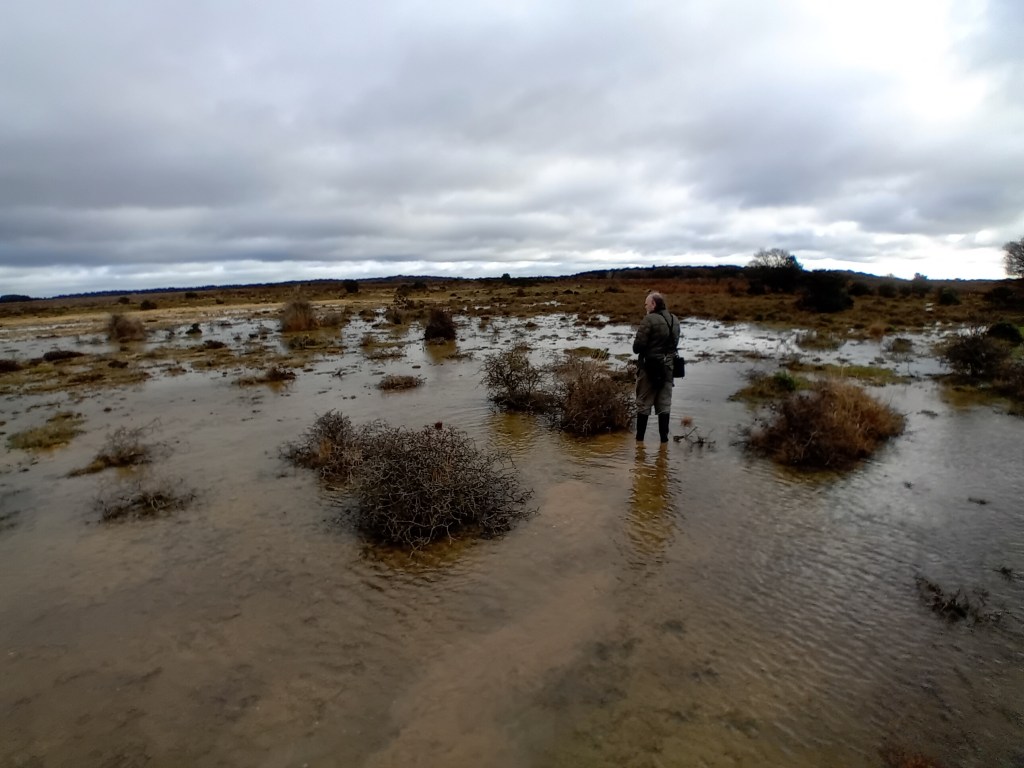
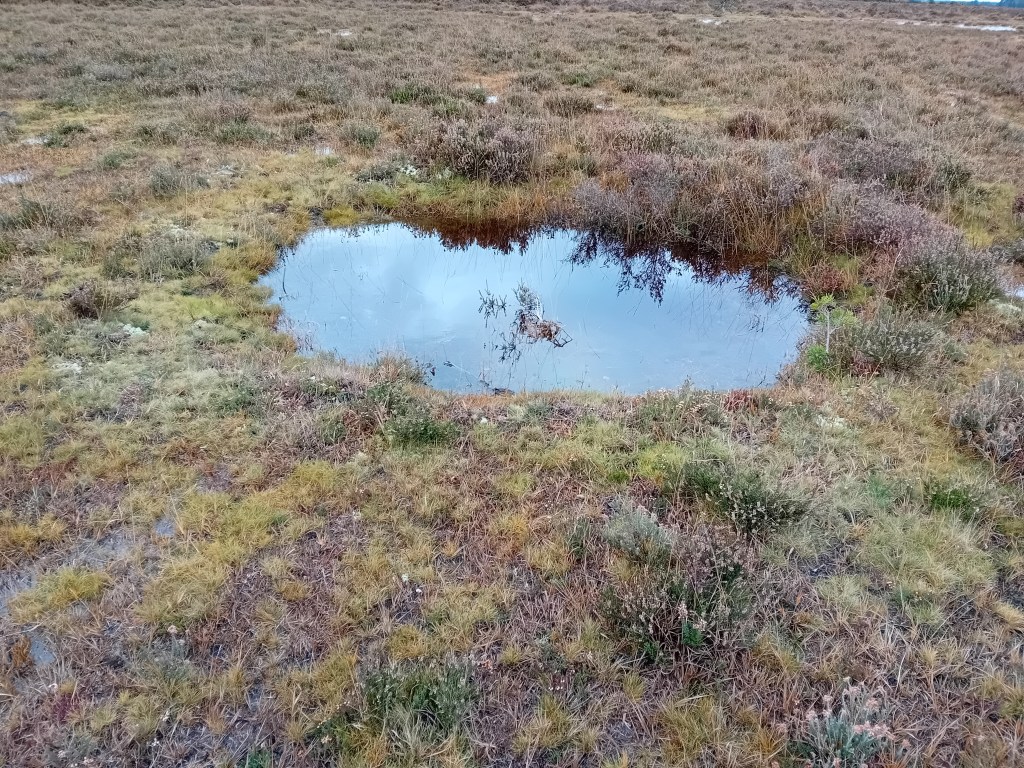
Many small ponds are on the heath most are water-filled bomb craters.
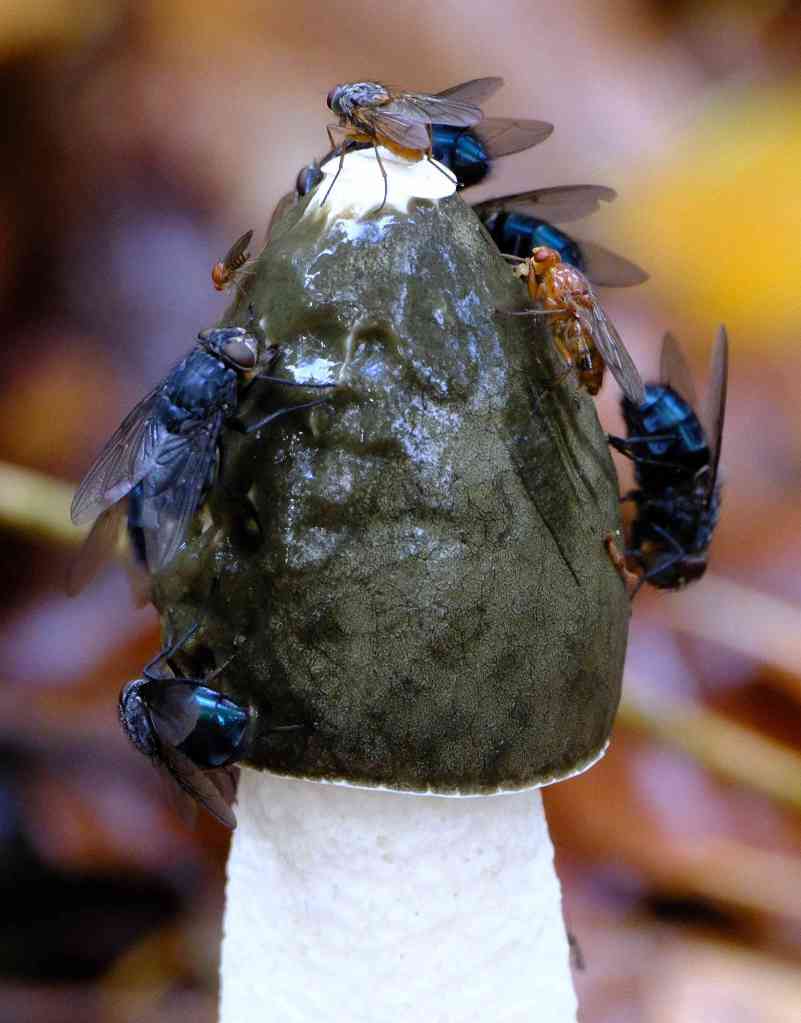
The appearance of a stinkhorn is very distinctive: they have a phallic, white, stem structure, with a brown, bell-shaped head.
You smell it before you see it – when you smell it you just follow your nose. The unmistakable and strong stench has been likened to rotting flesh from a dead carcass. The spores of this fungus are contained within the slime that covers its cap. Flies are attracted to the offensive- smell, and sticking to their feet the spores are spread.
The storm passed through without incident over Southampton but our coast got a bashing.
So with the calm a few hours back in the New Forest.
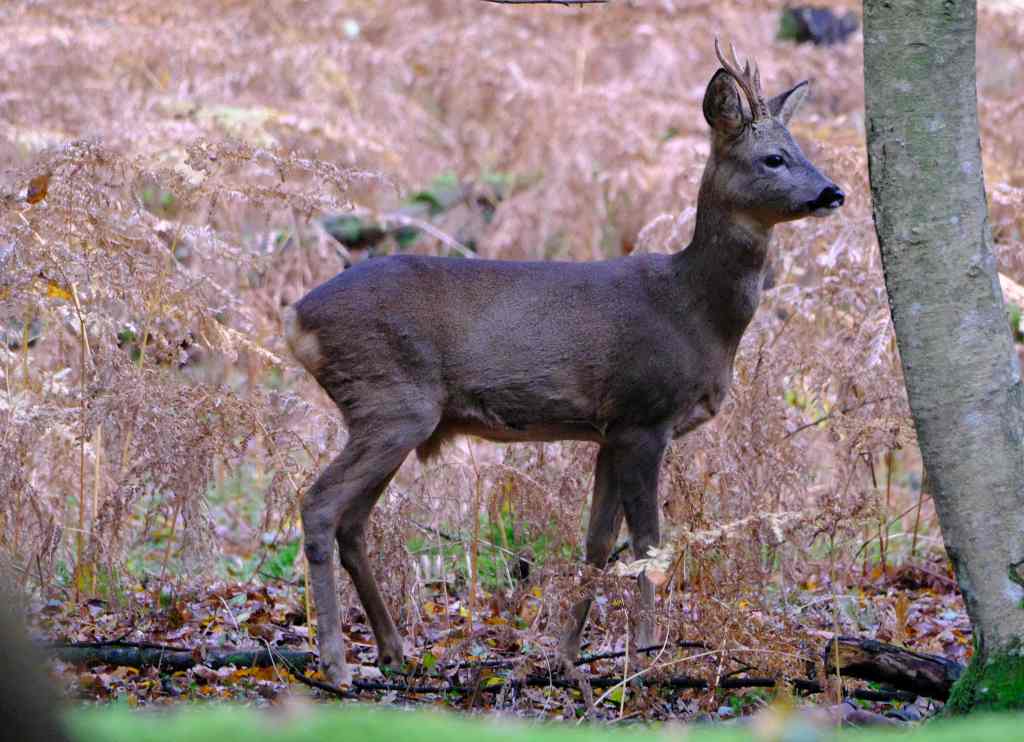
A good-looking Roebuck.
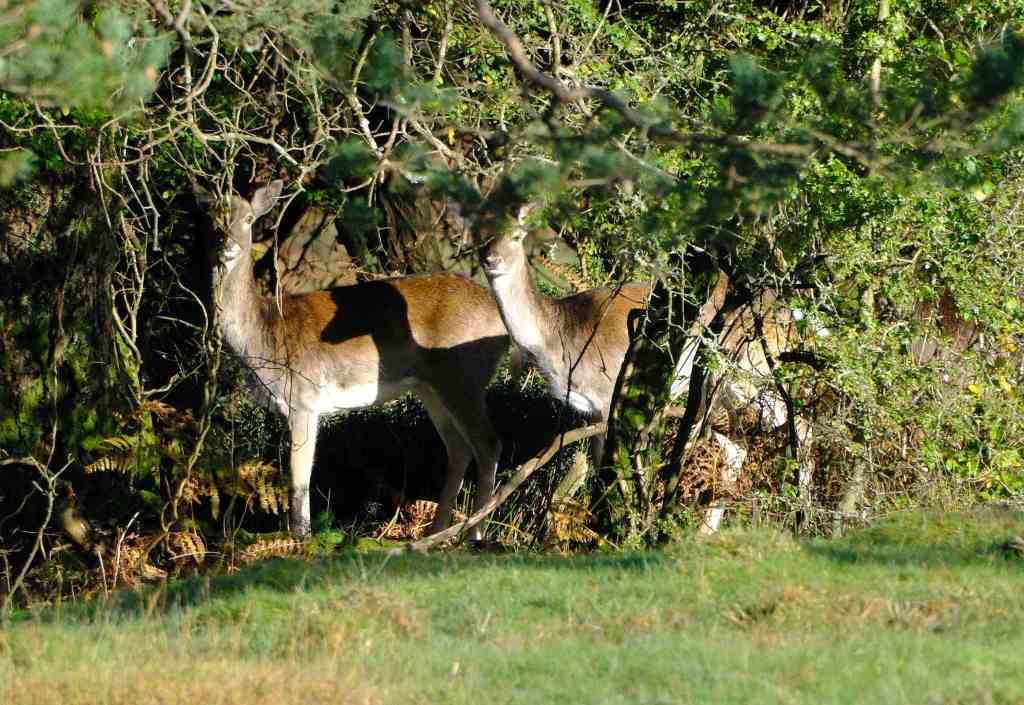
And a small heard of young Fallow Deer.
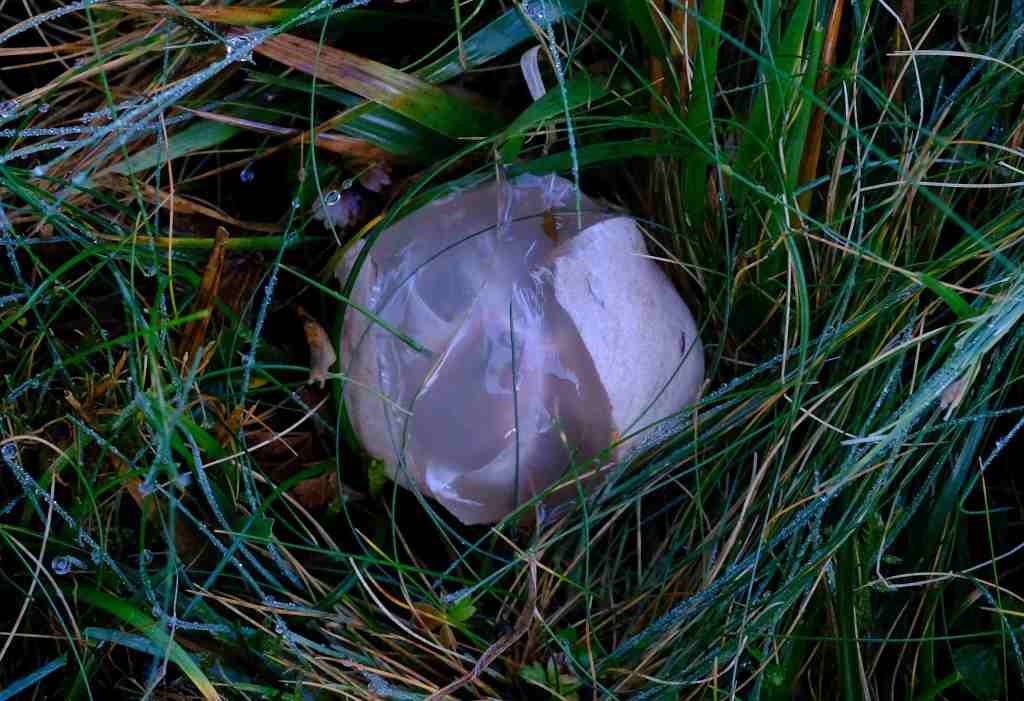
I wanted to take another look at the Devil’s Fingers fungus to see if any more of the eggs had erupted. There were about 10 eggs last week but only one had “hatched”. Normally fungi develop quickly so I thought more would have been showing – perhaps the cold wet weather had slowed down their development, so I will try again next week to see if there is more movement.