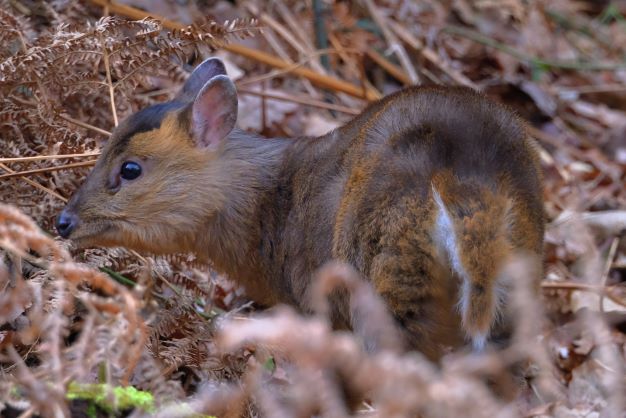
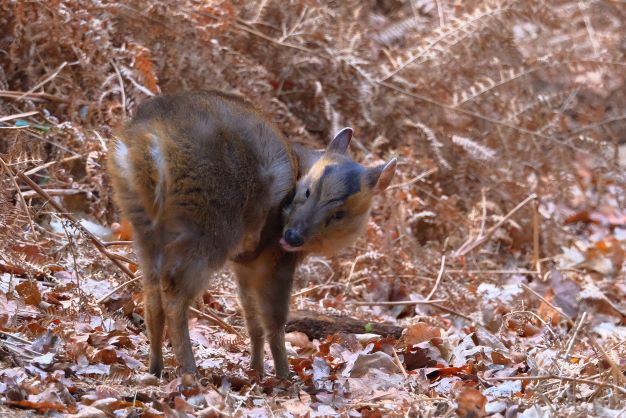
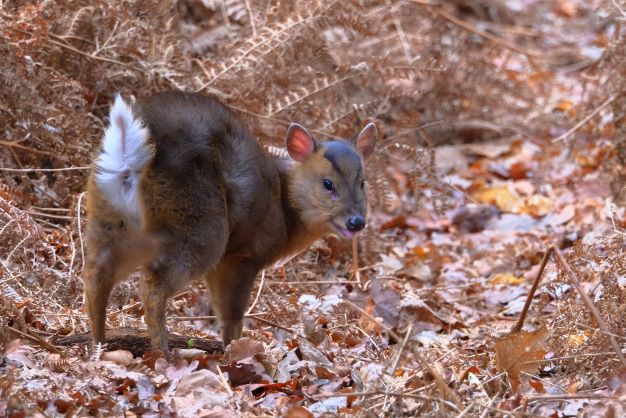
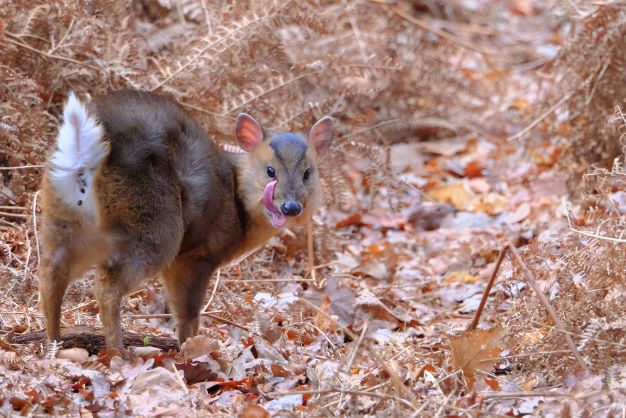
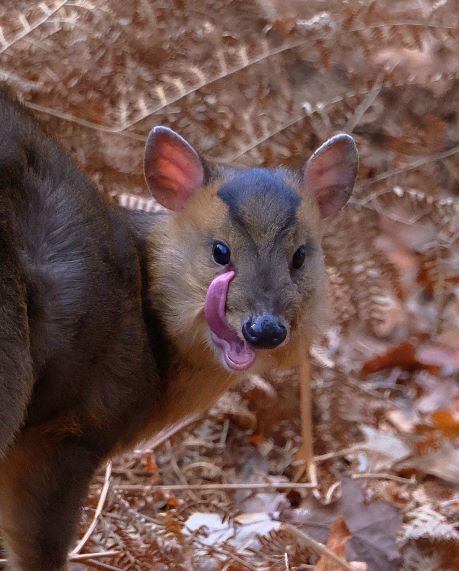
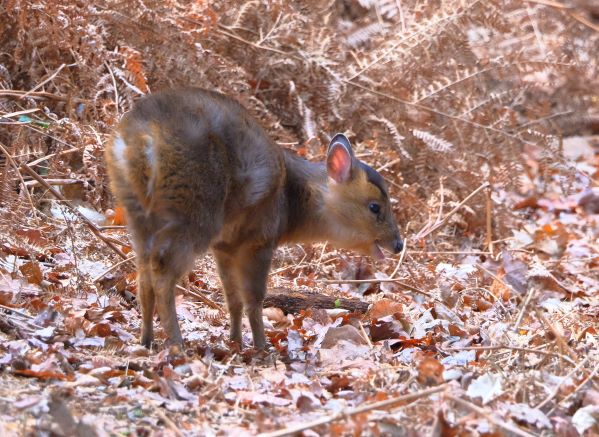
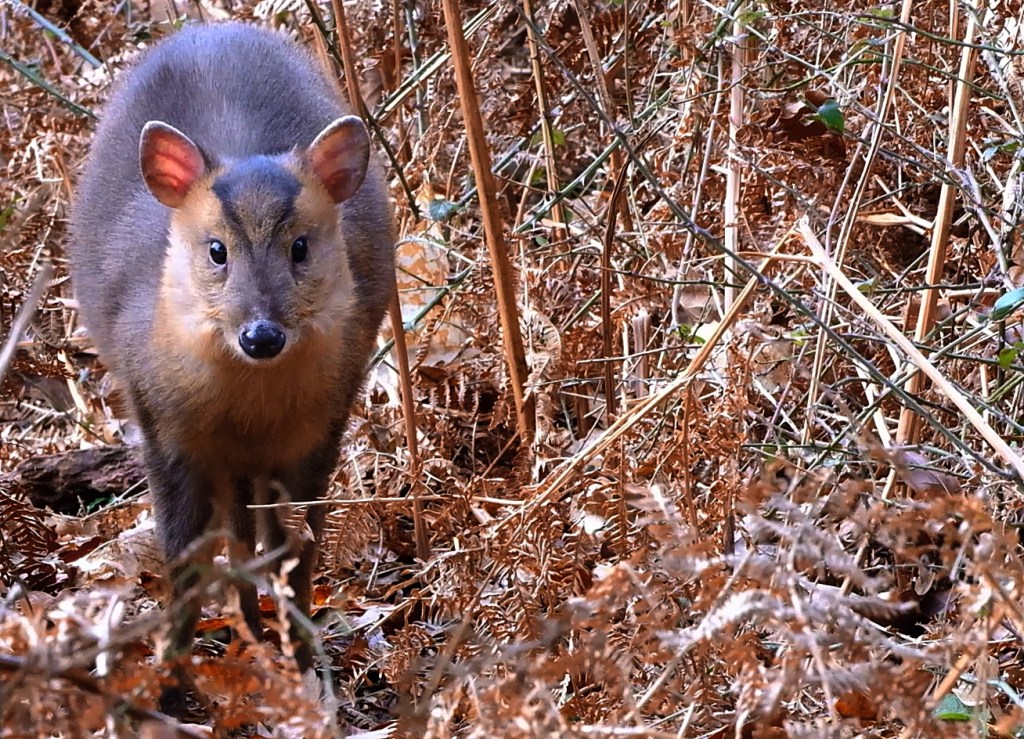
Having recorded some of these small deer on our trail cameras in the past year today we were lucky enough to bump into this lone Muntjac while looking for fallow deer in the New Forest this morning. These shy deer are small and are only about the size of a small dog.
Muntjac is mainly a solitary deer. They use scent to communicate their territories. Individuals do this by rubbing the long v-shaped slits on their foreheads where their frontal glands are onto the ground or branches. They also have two large glands located just in front of the eyes, called the pre-orbital glands. Muntjac frequently lick these with their long tongues, this is thought to help them recognise their own scent.
Video film of Muntjac spotted today repeated in slow motion.
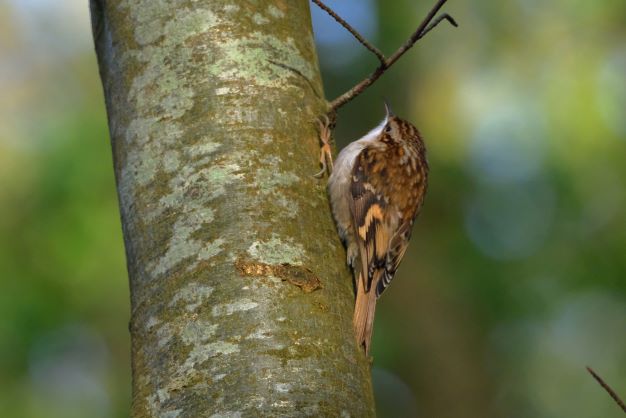
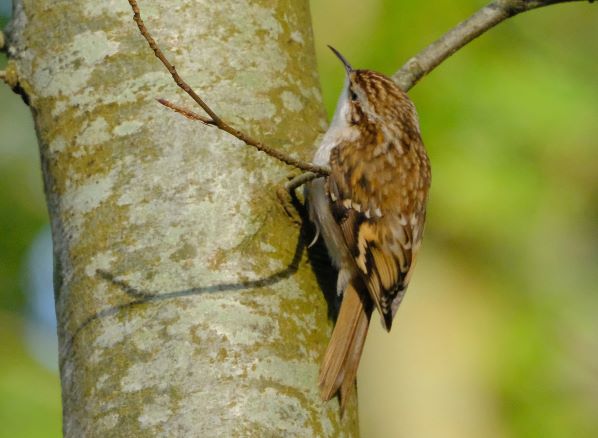
A Treecreeper in the New Forest today – they are a small and very active bird that lives in trees. They have a long, slender, down-curved bill. It is speckly brown above and mainly white below and is very camouflaged and can be hard to see against the tree bark.
In 1079 when William The Conqueror named the area his ‘new hunting forest’, close to 1,000 years later his ‘New Forest’ remains as a National Park. The ancient systems established by William The Conqueror to protect and manage the woodlands and heaths are still in place today.
Hunting Deer required planning, good horsemanship and the ability to handle weapons. It was dangerous. King William’s second son, Richard, and third son, William, were killed whilst hunting in the New Forest as was his grandson, Richard. Hunting was seen at that time as a method of practising many of the skills required for battle.
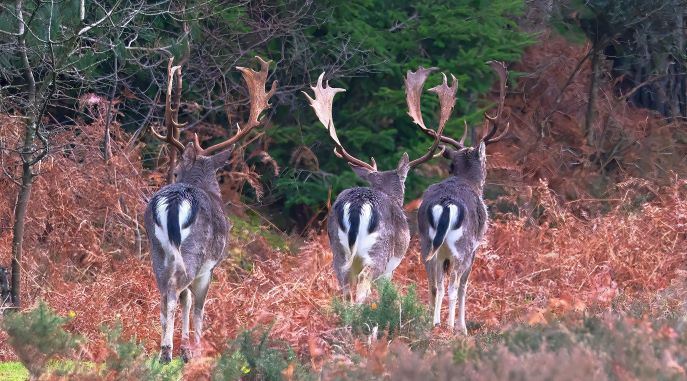
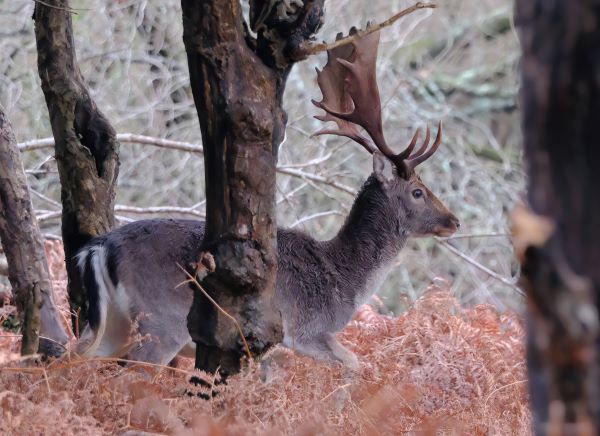
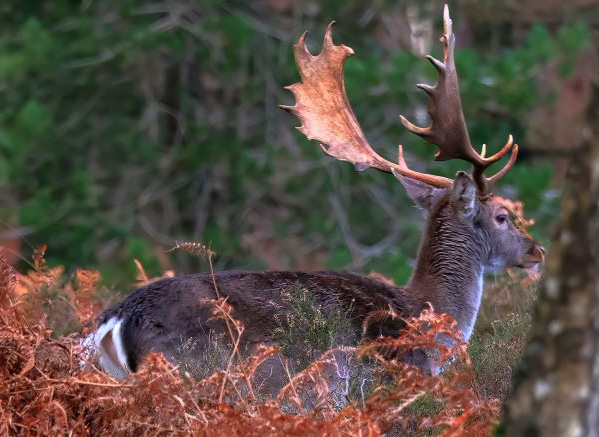
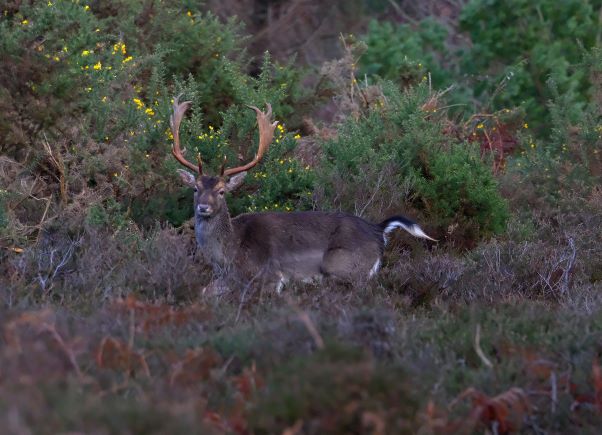
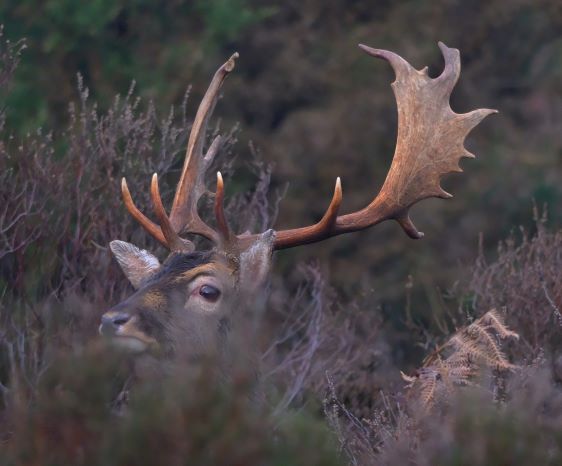
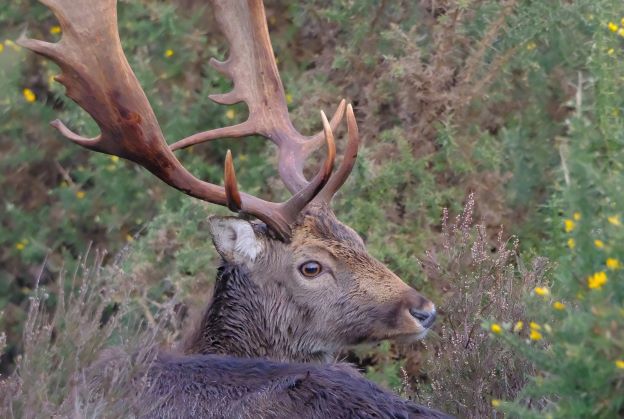
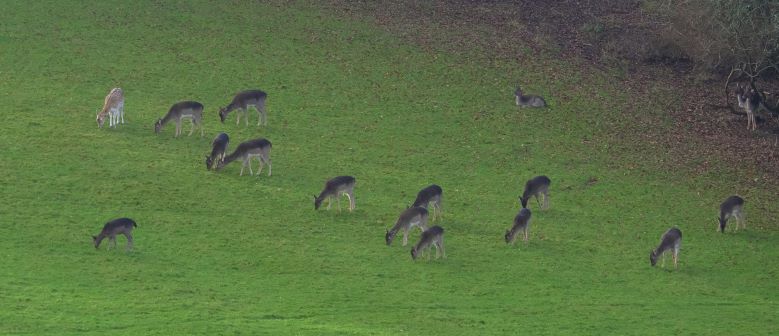
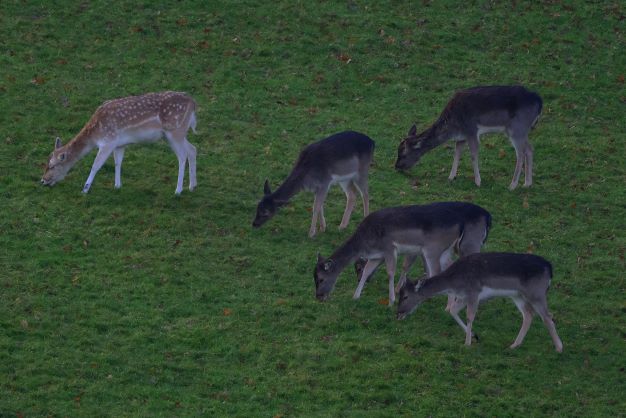
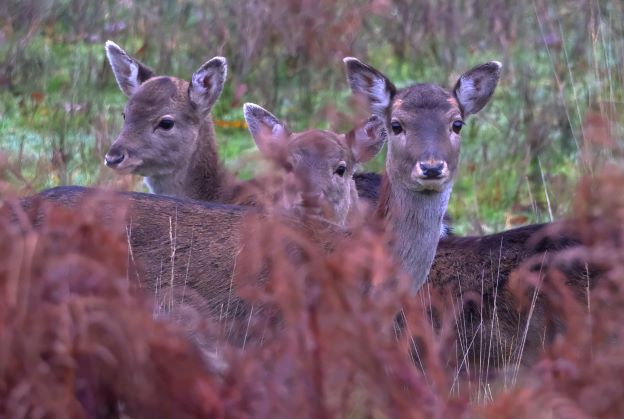
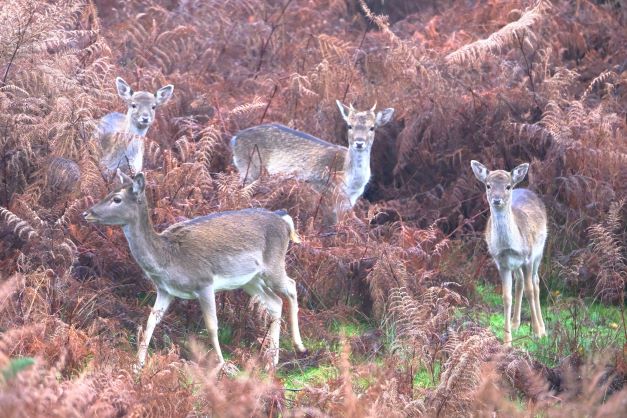
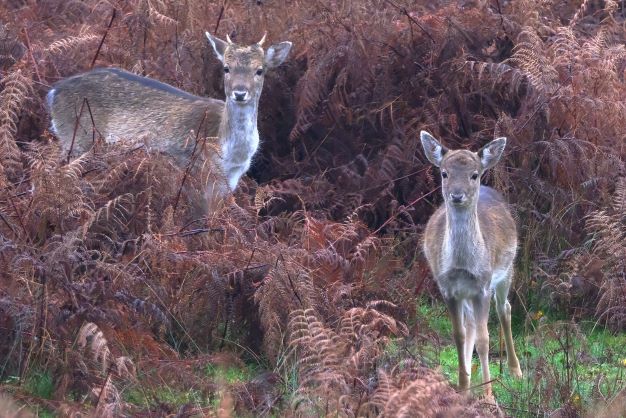
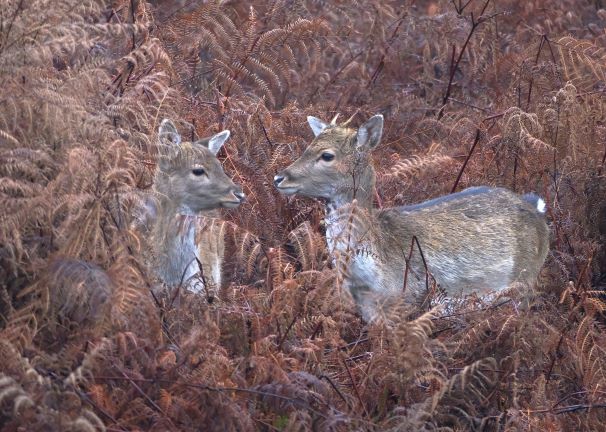
Fallow deer are today the most commonly seen deer in the New Forest. Numbers are maintained at about 1,300 on the Crown lands. Although not a native species to the UK, they have been present since Norman times and have the longest continuous lineage of any deer species in the Forest.
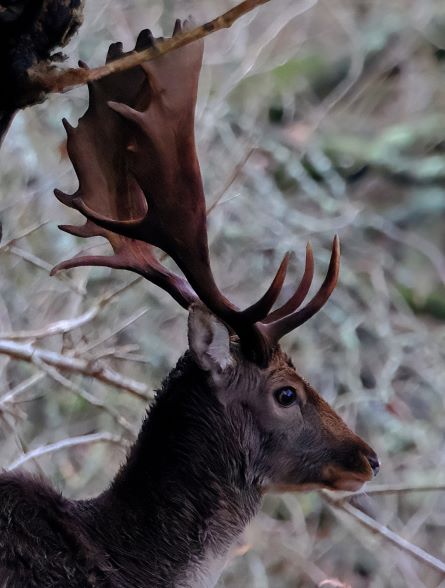
This time of year the Deer keep in their herds – Stags together separate from the young female deer.
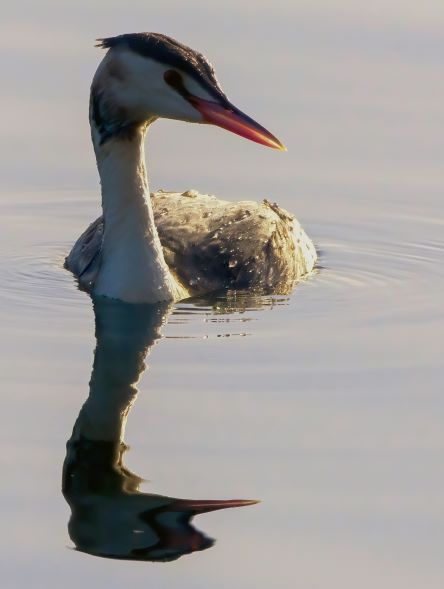
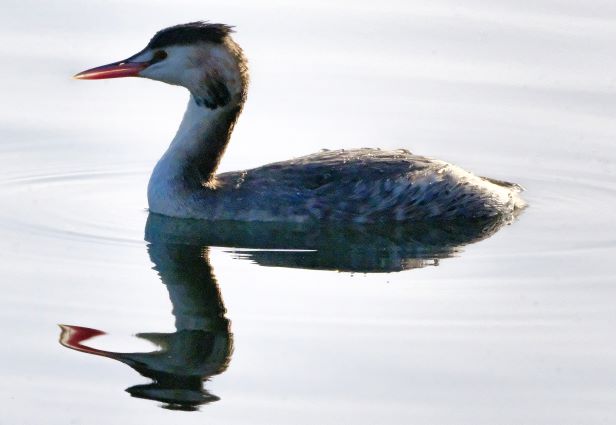
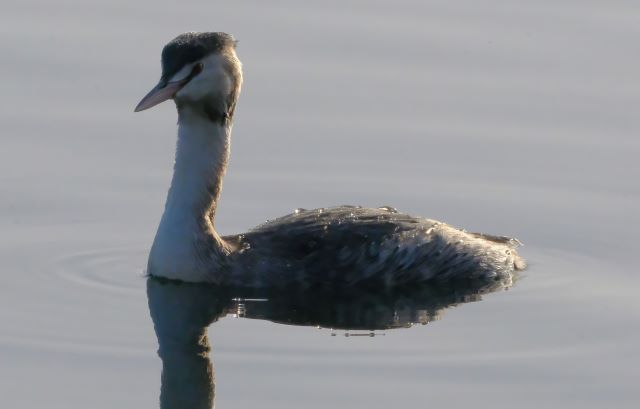
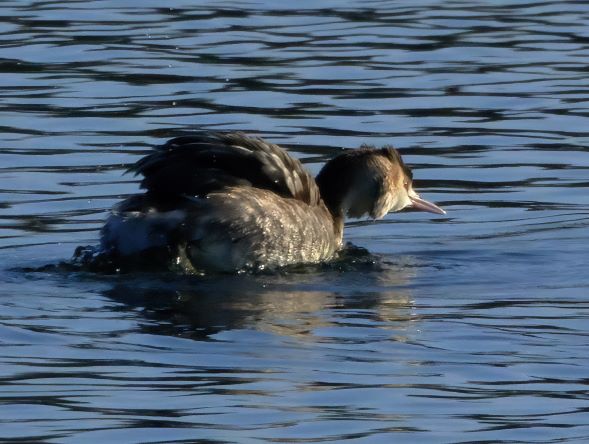
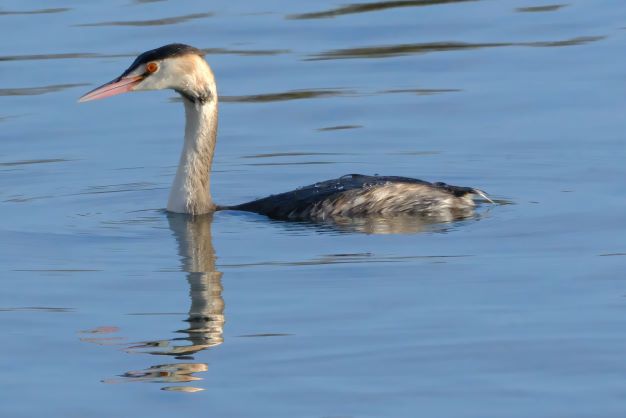
Great Crested Grebe in toned down non-breading Winter plumage.
Then it was gone! Great Crested Grebes dive to feed and also to escape, preferring this to flying. On land, they are clumsy because their feet are placed so far back on their bodies.
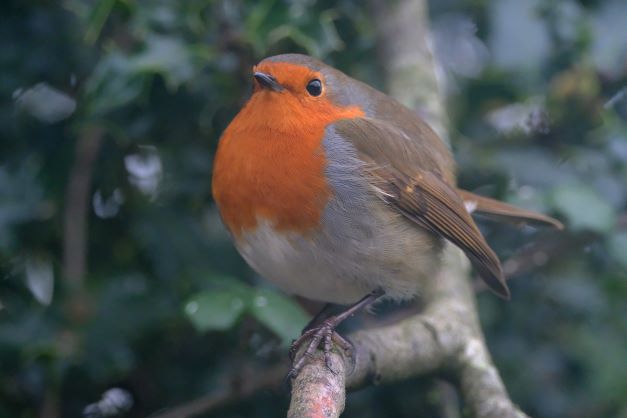
My first full post of the New Year records a morning around Eyworth Pond in the New Forest. All the usual local birds give a splash of colour on another dull day. Also, a few young Fallow deer were on the move on the edge of the woodland.
A trip out to some old gravel pits which are now filled with water and are now a nature reserve Blashford Lakes near Fordingbridge. The area is managed by Hampshire & Isle of Wight Wildlife Trust. Although only 30 miles from home this was my first visit to the reserve.
There is a suggested entrance fee of £4 good parking and a small information area the lakes are large and a telescope is useful as many of the waterfowl are a long way off. Post Code BH24 3PJ.
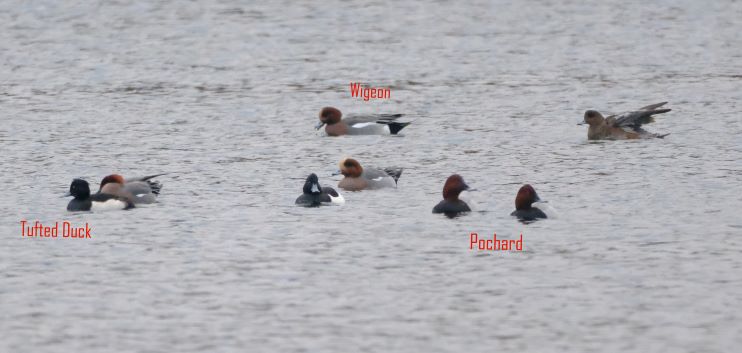
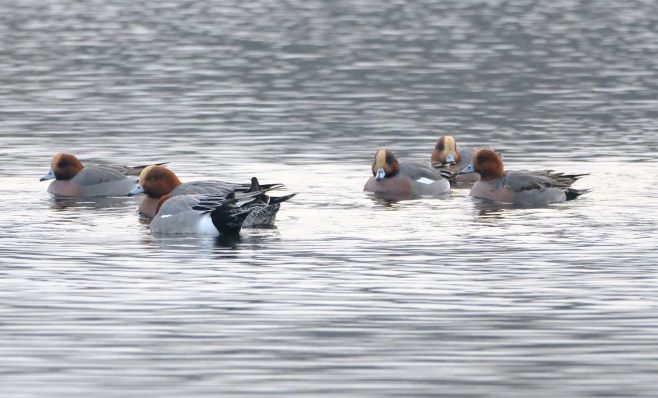
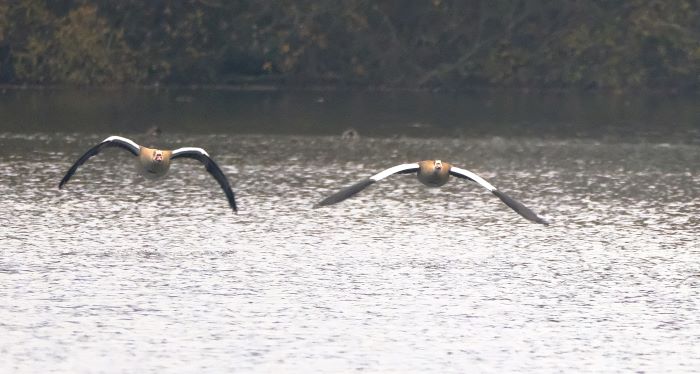
Some interesting bird spots included a Great White Egret {no Photo} Tufted Duck, Wigeon and Pochards as well as a pair of Egyptian Geese.
Great Crested Grebe in winter colours.
Cormorant.
Egyptian Geese.
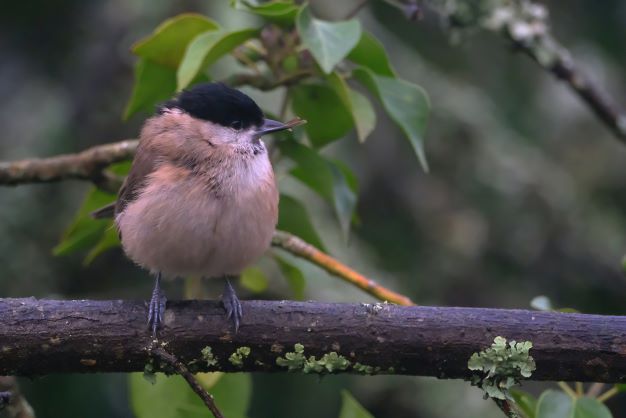
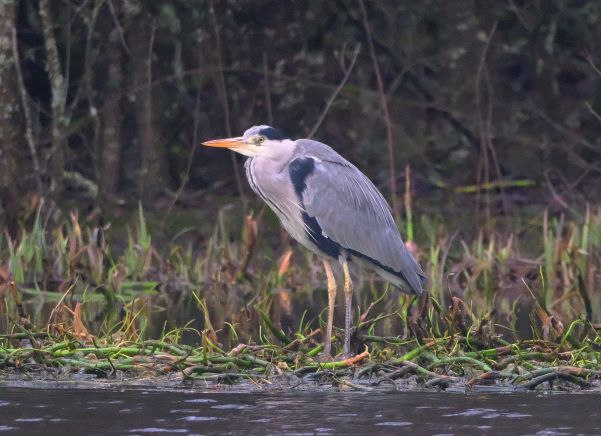
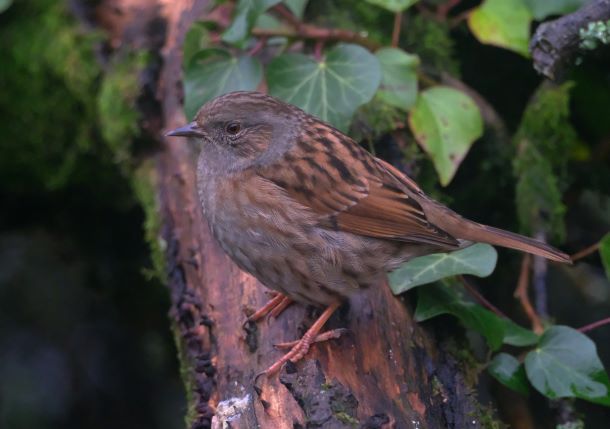
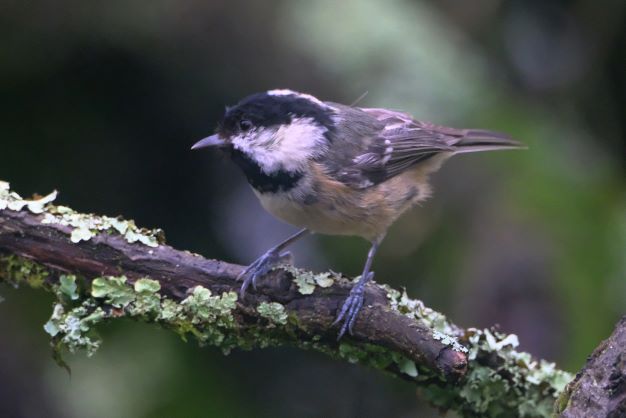
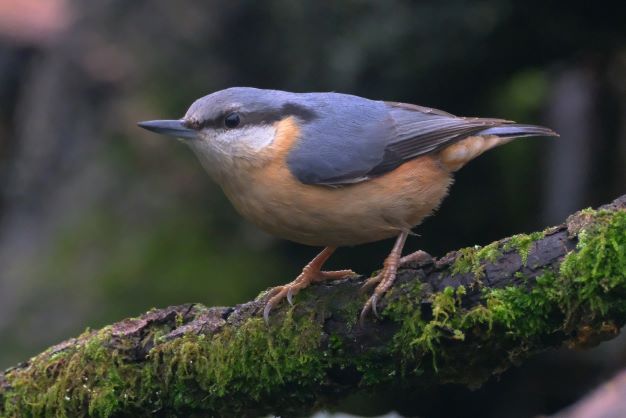
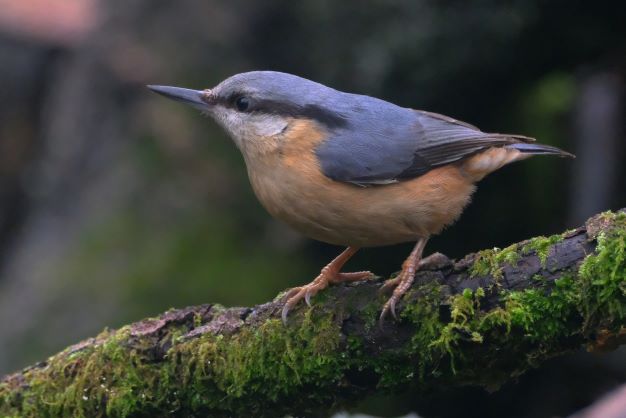
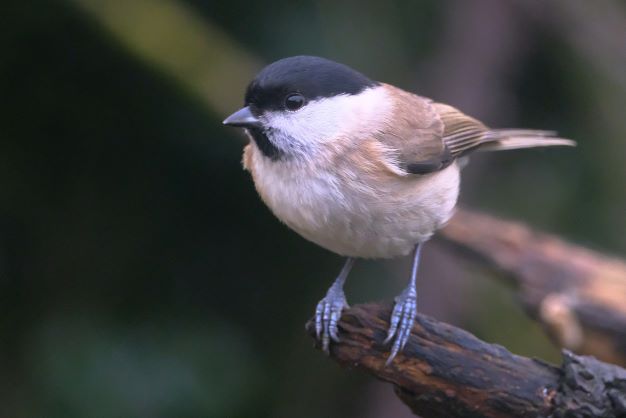
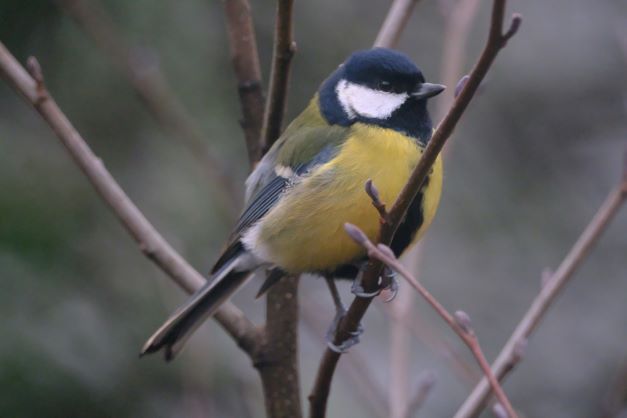
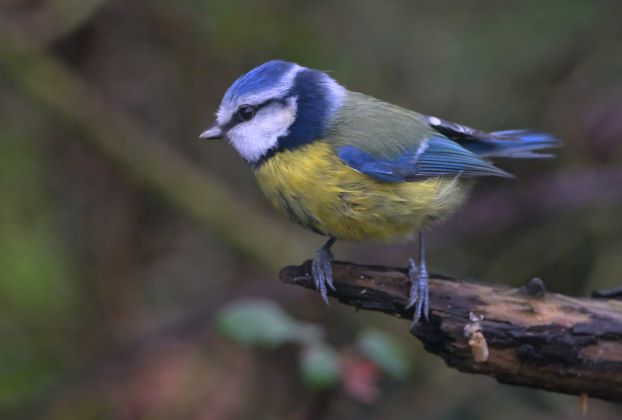
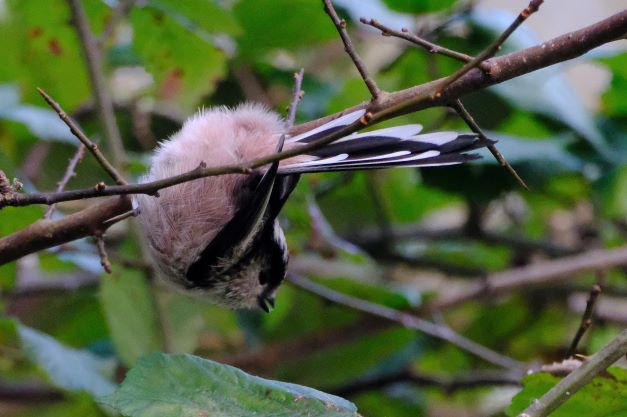
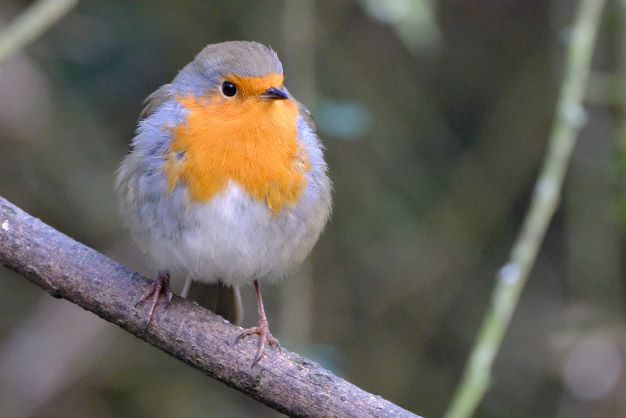
There was also a good number of woodland birds in the Reserve.
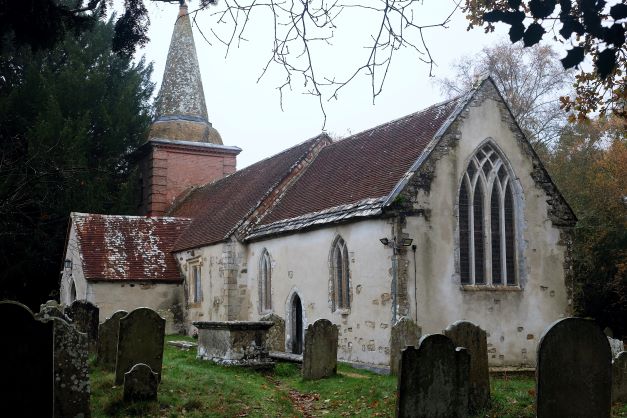
On this dull Wednesday, we stopped off at our favourite New Forest Churches.
St Nicholas Church Brockenhurst is the oldest church in the Forest. It is positioned on a mound, on the edge of the village which may have been a sacred site since pre-Christian times. A church is recorded at Brockenhurst in Domesday but the original Christian church was quite possibly established by Augustinians who established the priory at Christchurch. This church never seems to change except with the seasons. today it looks exactly the same as it did in 1980 when we got married there.
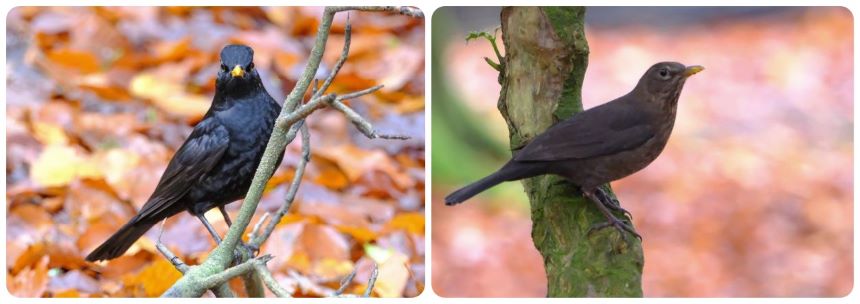
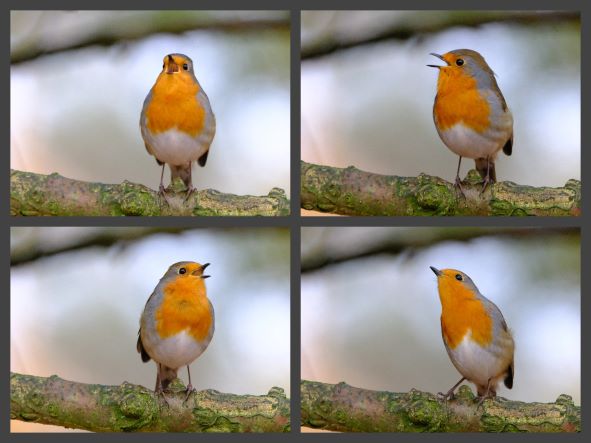
Male and female Blackbird.
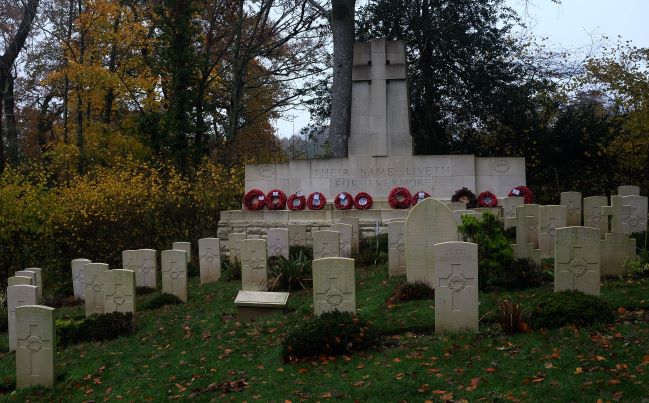
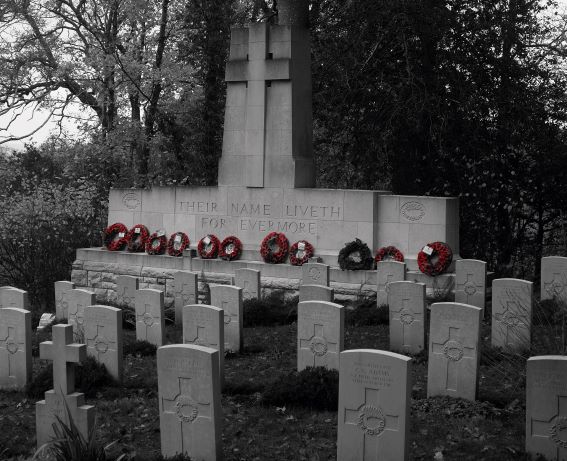
War Graves in the Churchyard.
Details re the war graves copied from Commonwealth war graves commission webpage.
“Due to its proximity to the port of Southampton, its railway connections and an abundance of large houses in the area, Brockenhurst was chosen in 1915 by the War Office to become a hospital centre. Initially, Lady Hardinge’s Hospital (named after the wife of the Viceroy of India) for the Indian troops of the Lahore and Meerut Divisions was established south of the village. This was then replaced by No.1 New Zealand General Hospital in June 1916, after the Indian Divisions were replaced by ANZAC troops. The New Zealand Hospital remained at Brockenhurst until it closed early in 1919. The churchyard contains 106 graves of the First War, of which one hundred are in the New Zealand plot. In addition to the 93 New Zealand graves, there are also three Indian and three unidentified Belgian civilians (employed at the Sopley Forestry camp). On the East side of the New Zealand plot is a memorial incorporating a Cross.”
The snake man.
Harry ‘Brusher’ Mills was a hermit, a resident of the forest, he made his living as a snake catcher. It is said he caught around 30,000 snakes during his 18 years as a snake catcher.
He was a man of few needs who loved the simple life, in a mud hut apart from a spell in the workhouse after catching influenza.
He was a popular character in Brockenhurst, regularly enjoying a tipple at The Railway Inn which today is named The Snakecatcher in his honour.



























 Continued Reflections from my World.