


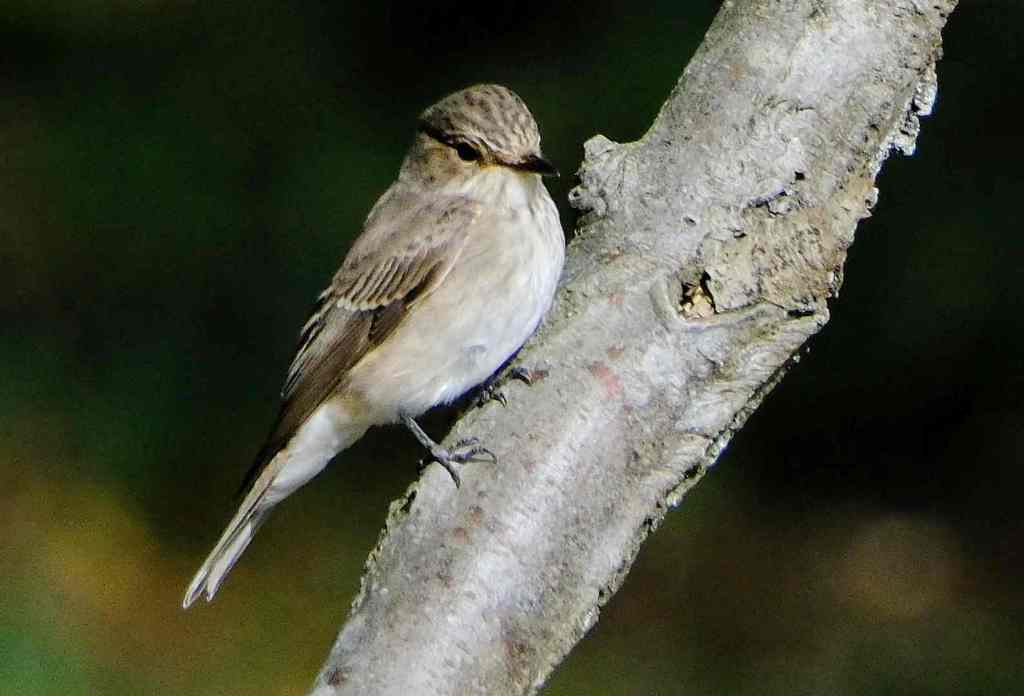
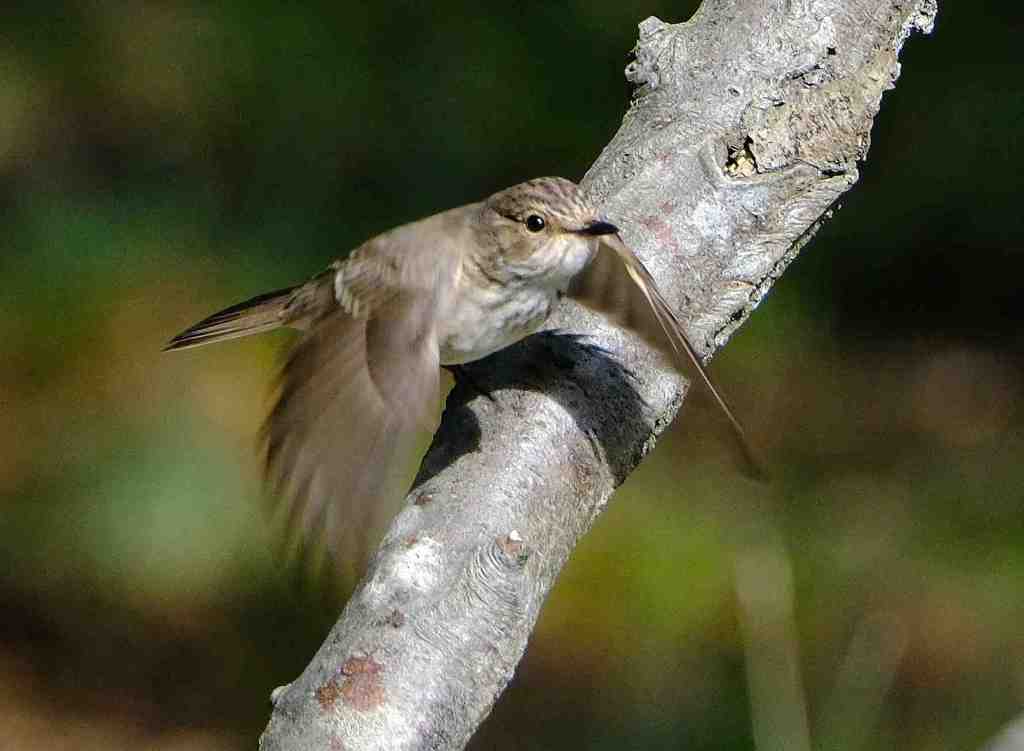
This year has been the best year I can remember for Spotted Flycatchers in the New Forest. Almost on every walk, I see at least one. I think this year, the number of young birds that have fledged has helped boost the numbers on several occasions. I have seen family groups of at least 6
birds.



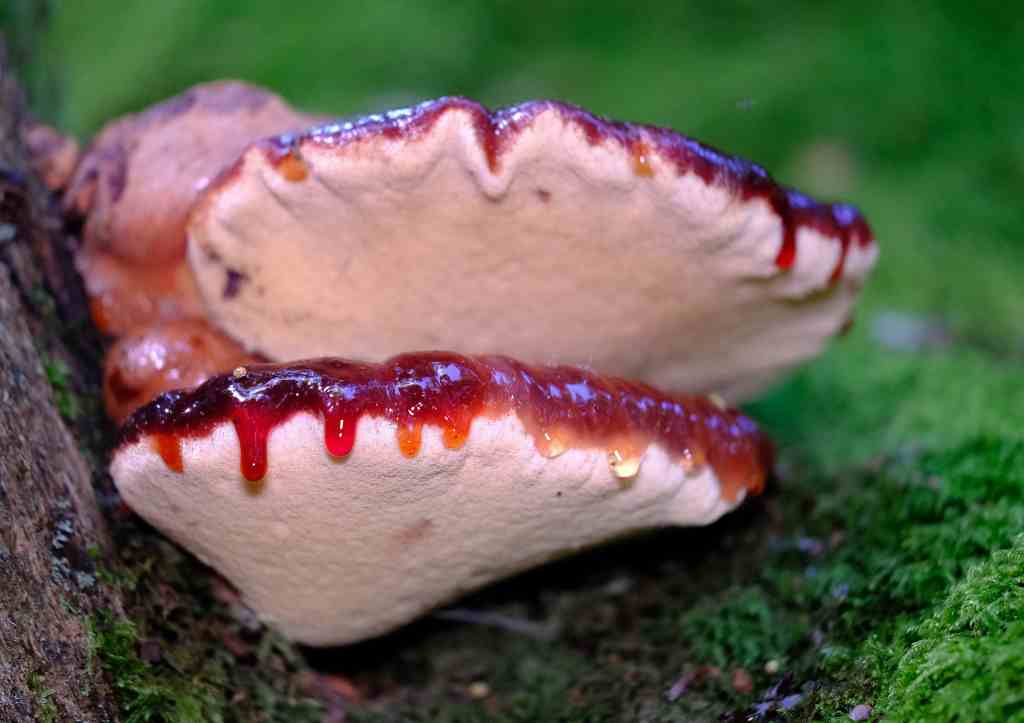
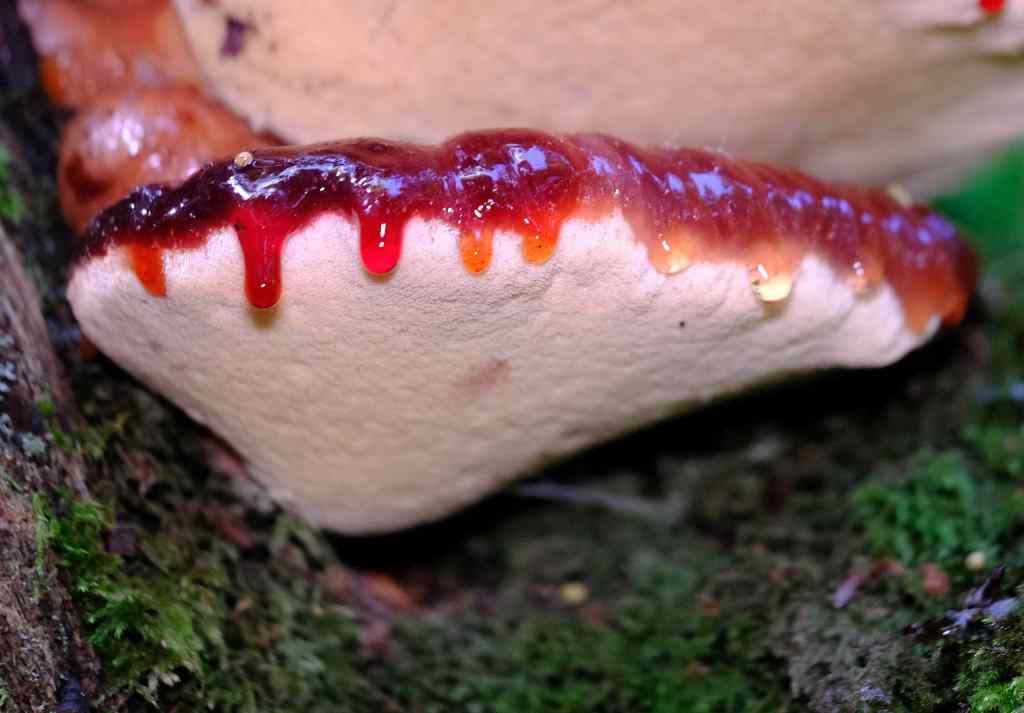
Fistulina hepatica
Another common name for this parasitic bracket is the Ox Tongue fungus. If you cut through the flesh, it does look like a slice of prime beef; however taste is said to be not as good as the appearance. They grow on broadleaved trees, especially oaks and sweet chestnuts, from late summer into autumn.



Today I decided to leave the long lens at home and take a macro lens on our walk, following a stream on the lookout for bugs.
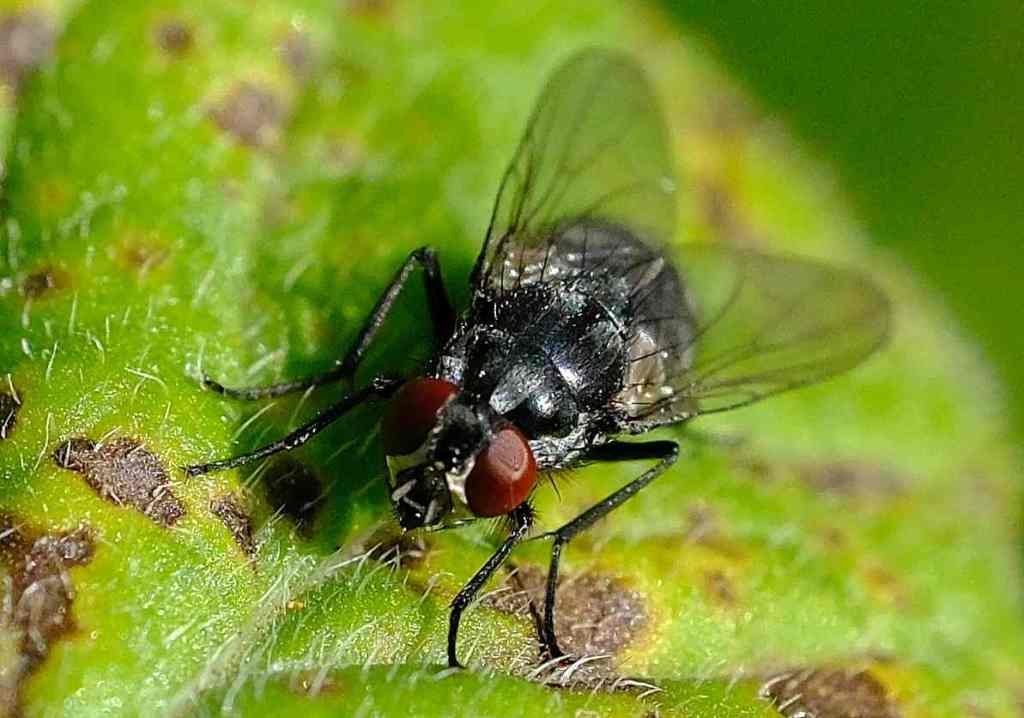
Housefly.

Honey Bee.


Mint Beetle.
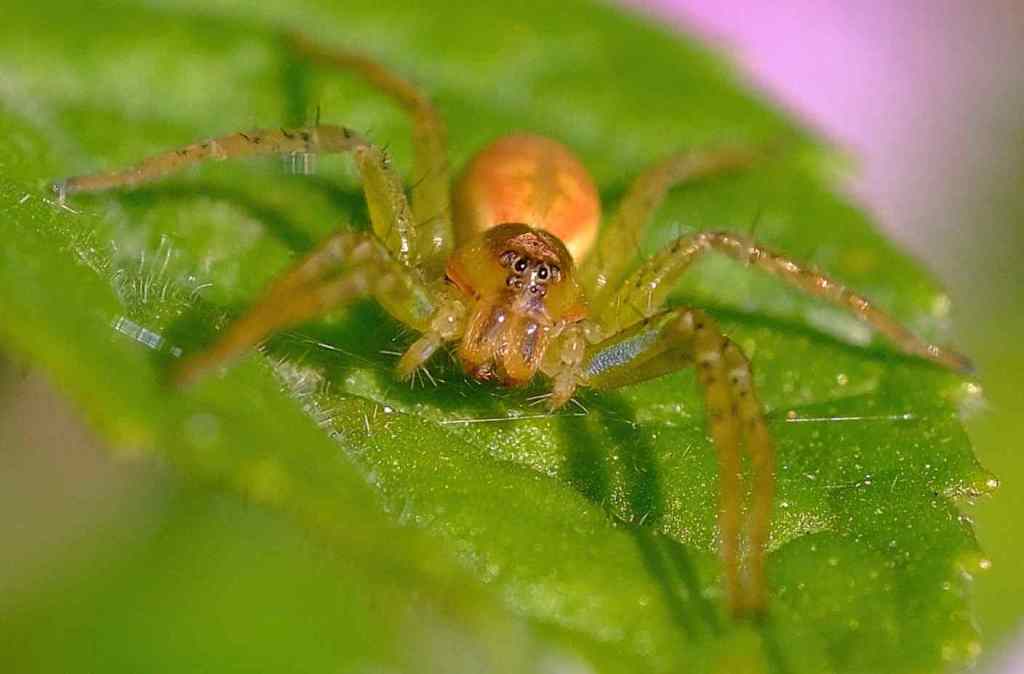

Raft Spider.

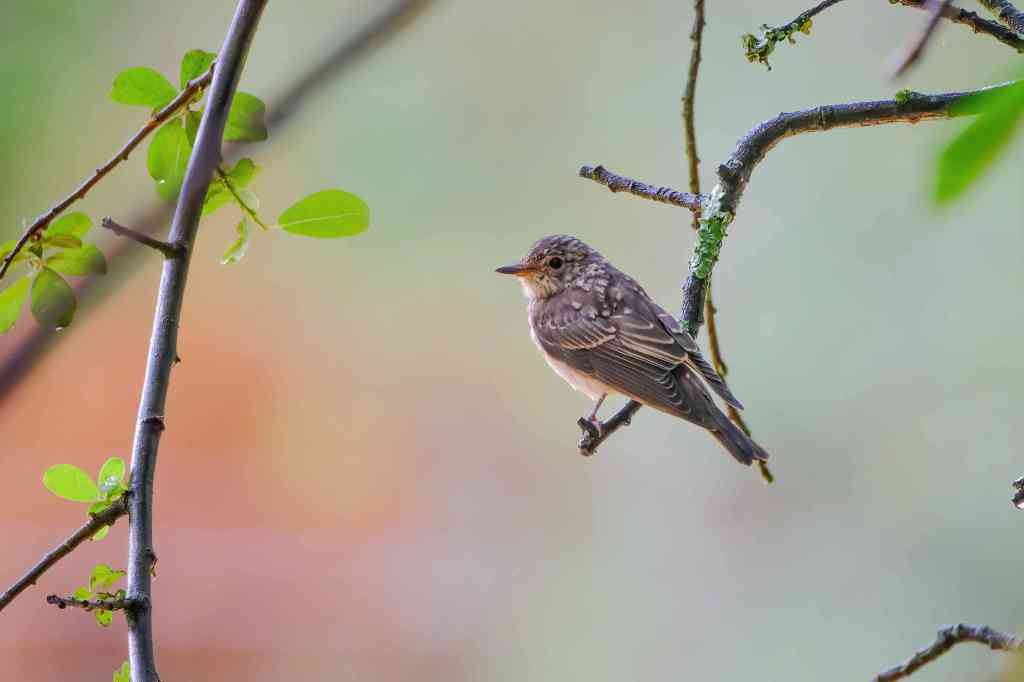
Juvenile Spotted flycatcher, New Forest.


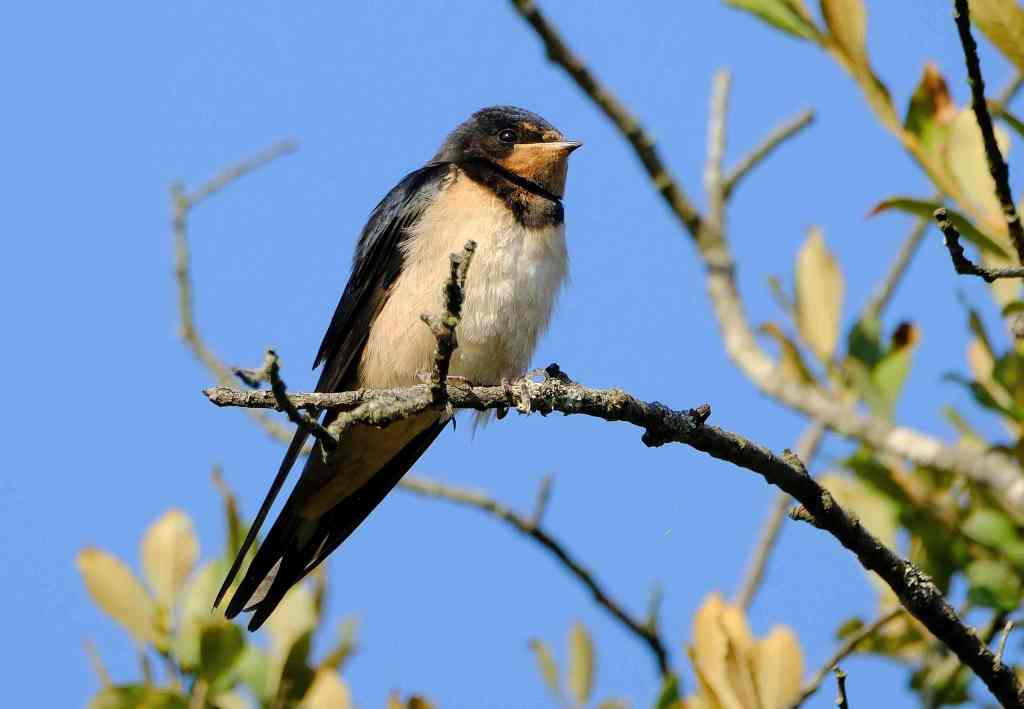
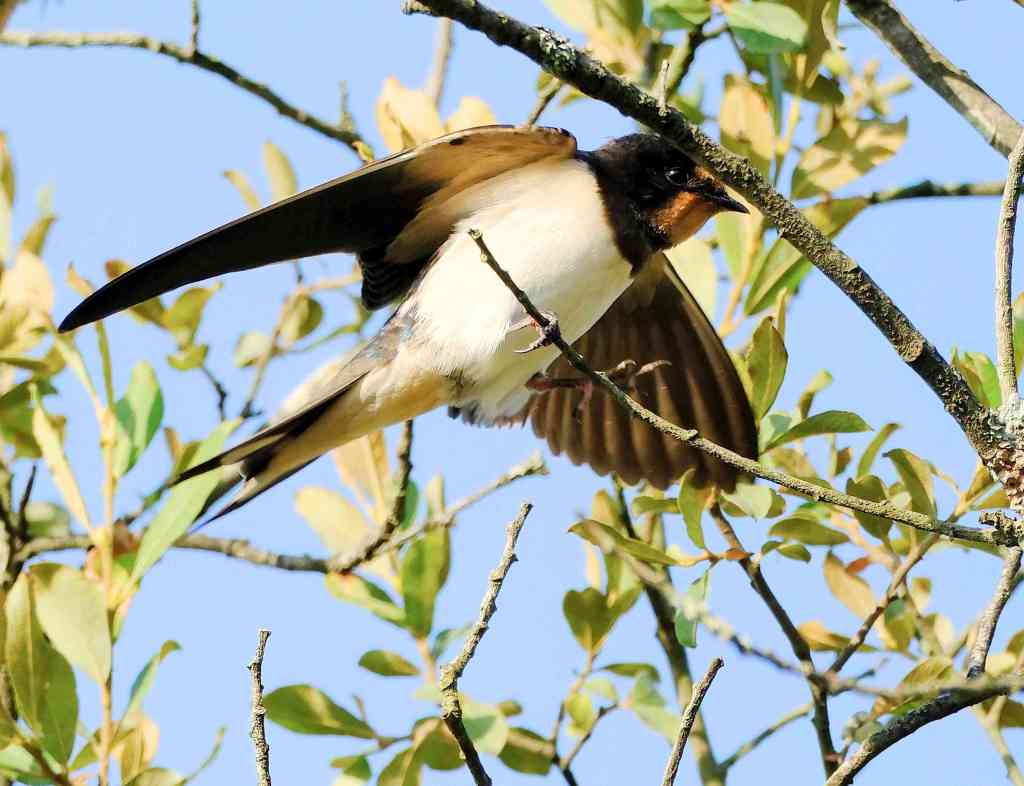
Watching the Swallows, the juvenile birds are now flying and hunting for insects on their own. Parent birds fly with them high in the sky and low across the moor.




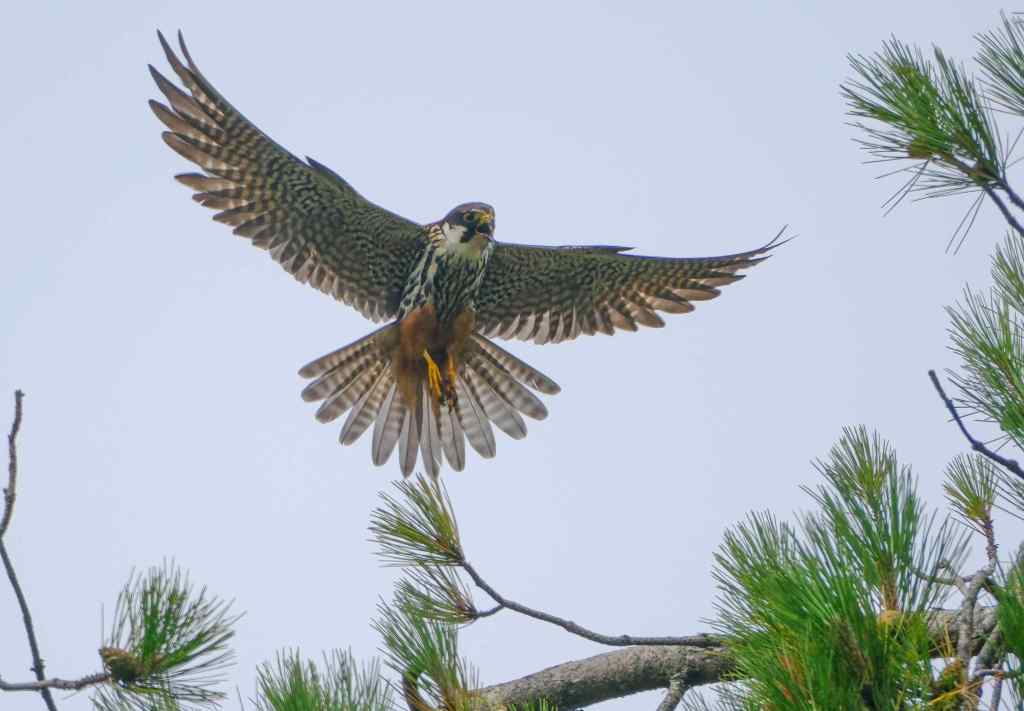
Another visit to watch Hobbies in the New Forest.


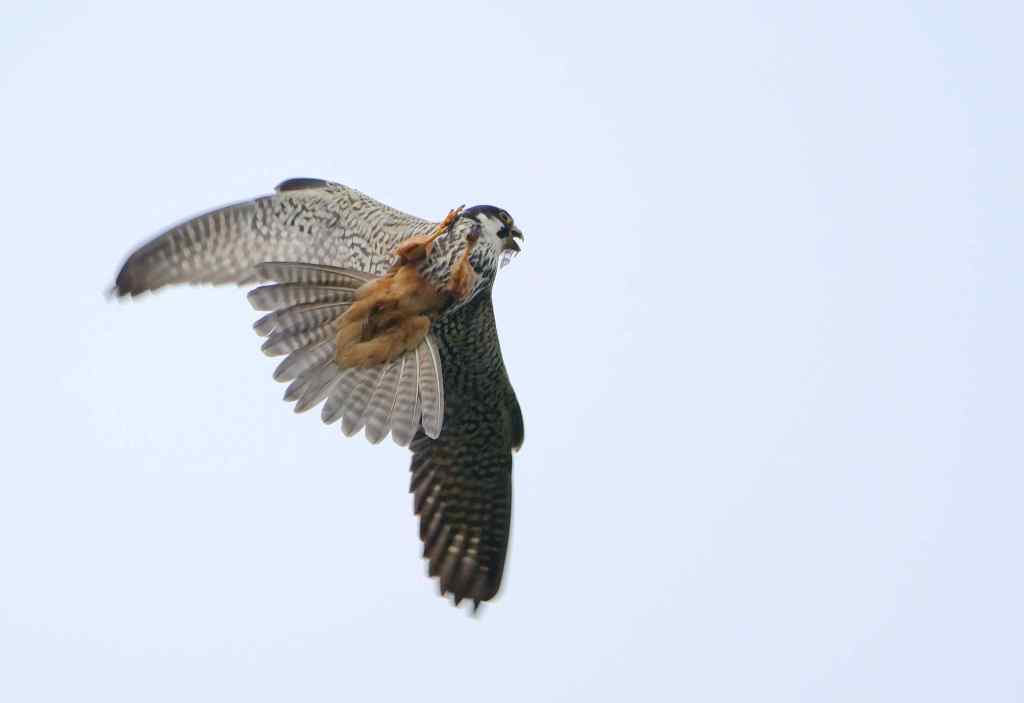
On today’s walk, we came across a family of Hobbies. Their noise high in a pine tree gave away the three youngsters’ position, calling to mum and dad, who were answering their calls and bringing in food. Hobbies are about the size of a Kestrel with pointed wings. Known for their fast flight, chasing large insects such as dragonflies and small birds such as swallows and martins. Prey is often caught in its talons and transferred to its beak in flight. Hobbies can accelerate rapidly in flight and are capable of high-speed aerial manoeuvres.



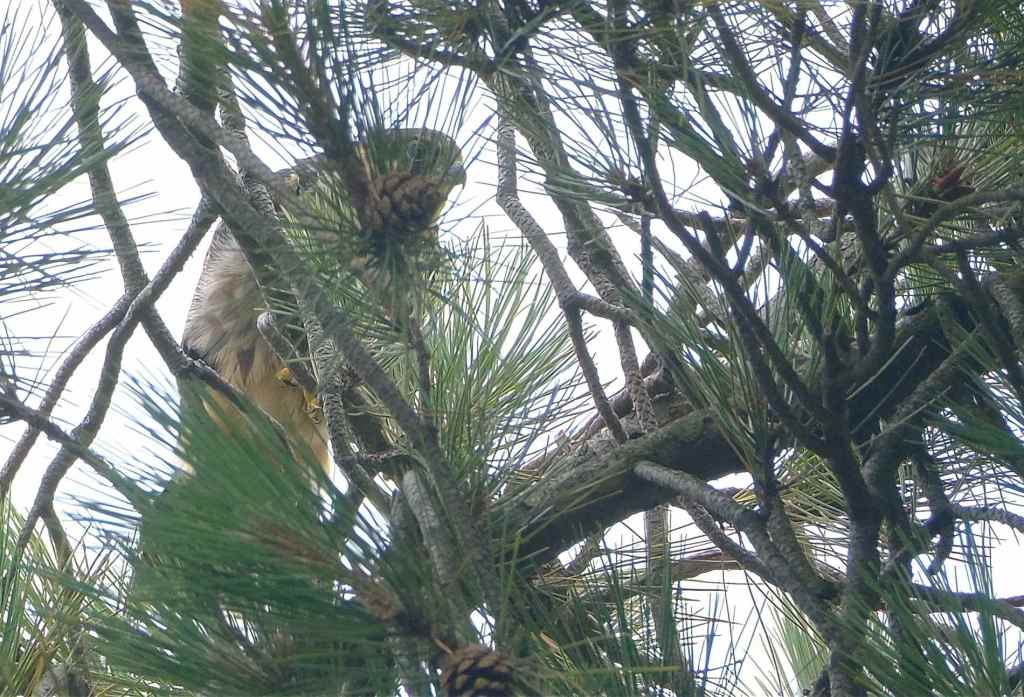
The bottom picture is of one of the youngsters deep in the tree.
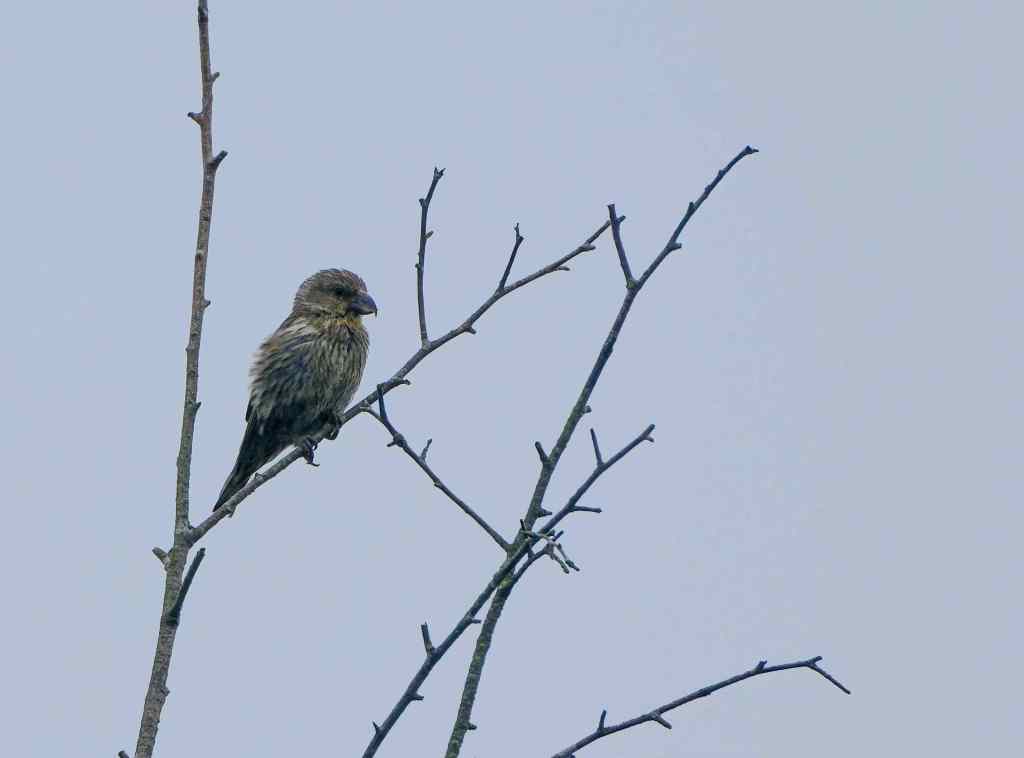
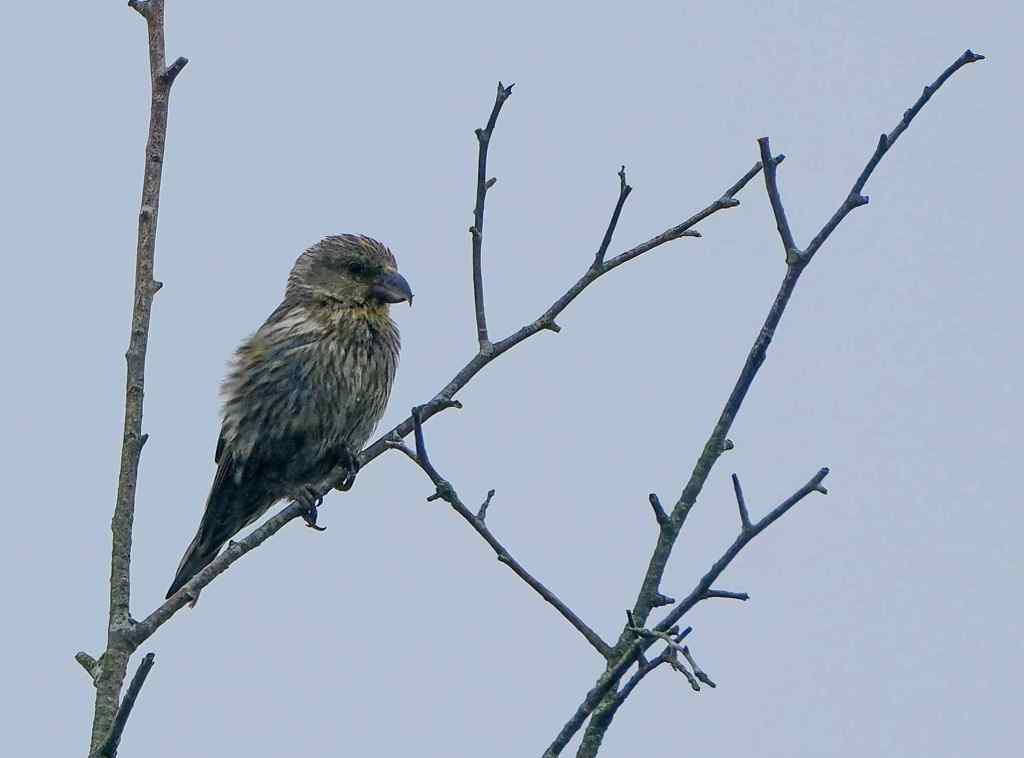
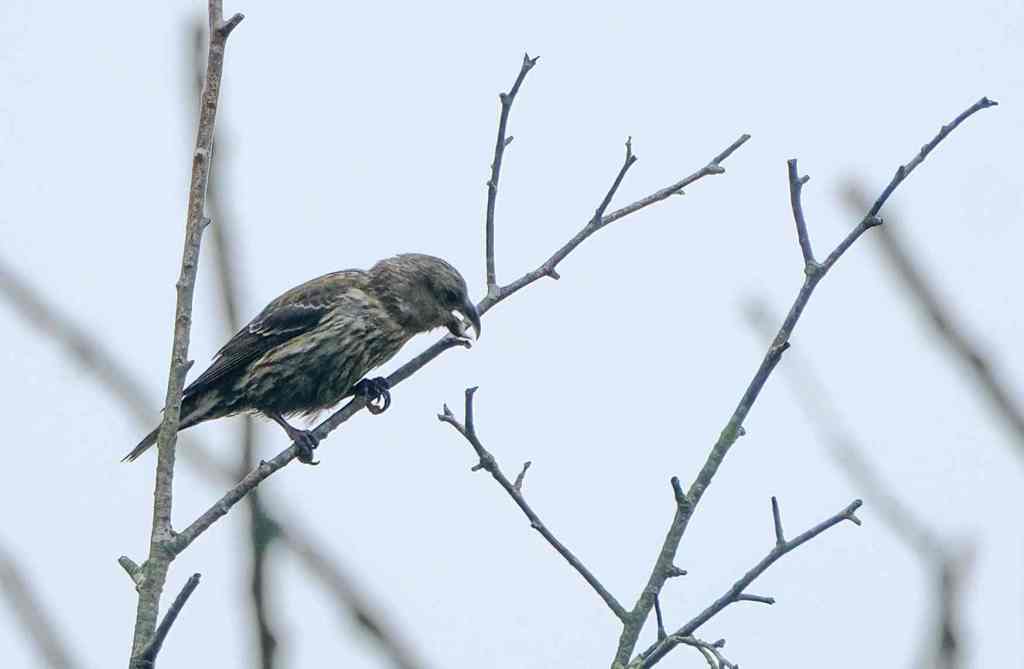
A first for me today in the New Forest was a small flock of Common Crossbills. Males are more brightly coloured than females, with orange-red plumage, in contrast to the females’ grey-green. Both sexes use their distinctive bills to prise open pine cones and extract the seeds.


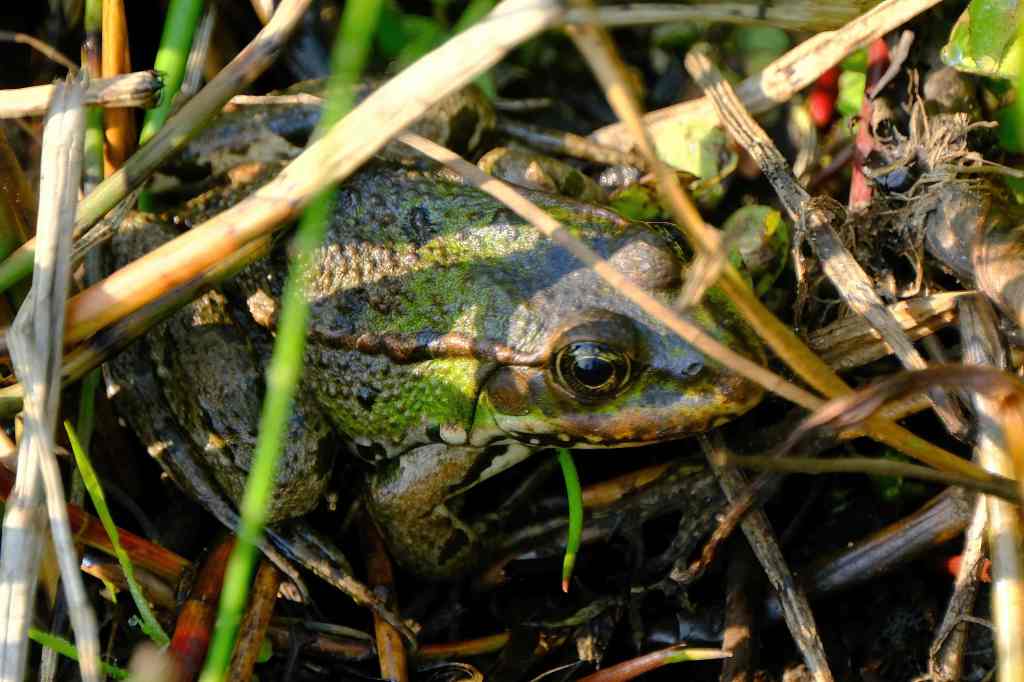
Out in the New Forest yesterday looking of Marsh Frogs.
Marsh frogs are around 50% bigger than a common frog. Their warty skin varies from olive to bright green, with irregular dark blotches. I have posted pictures of green ones today.



 Continued Reflections from my World.