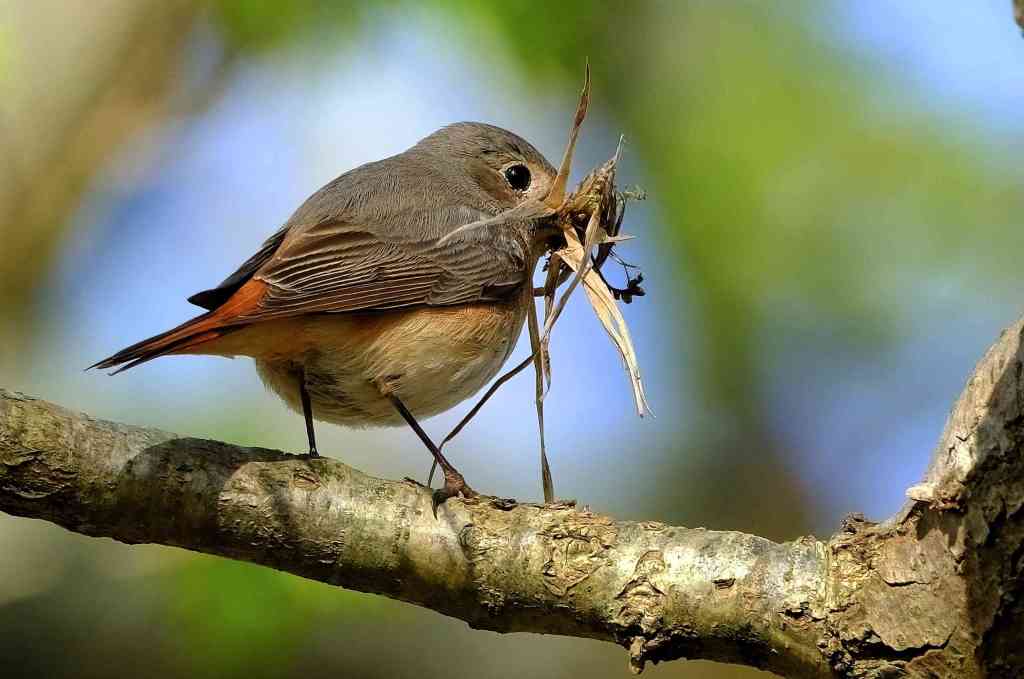
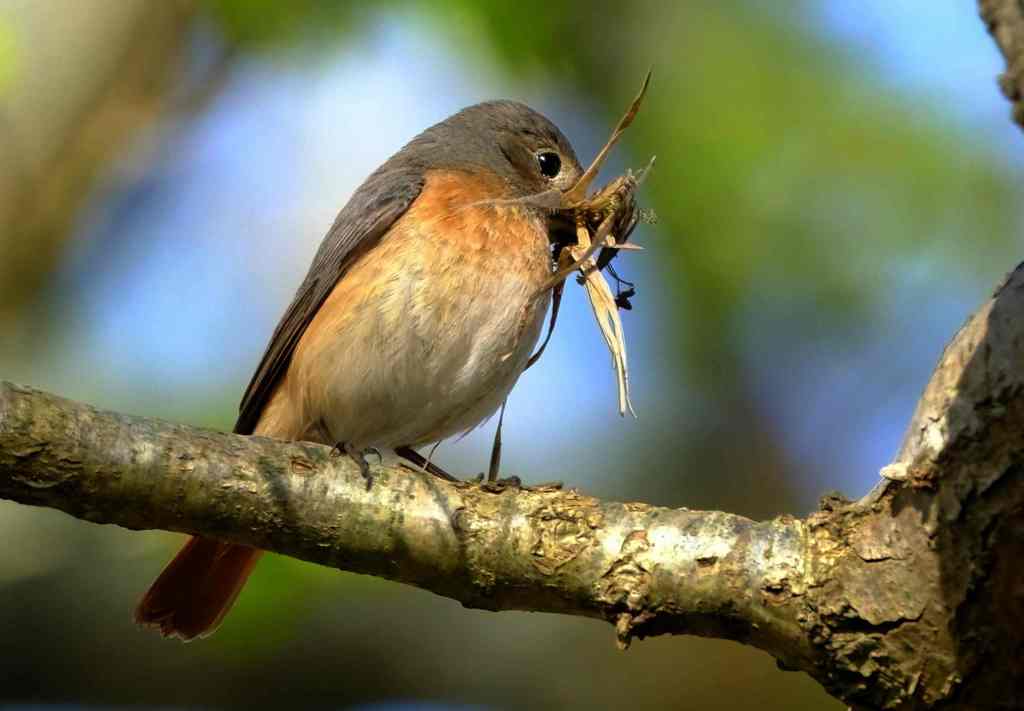
Another female Redstart. A beautiful bird, almost understated compared to the bright male bird.

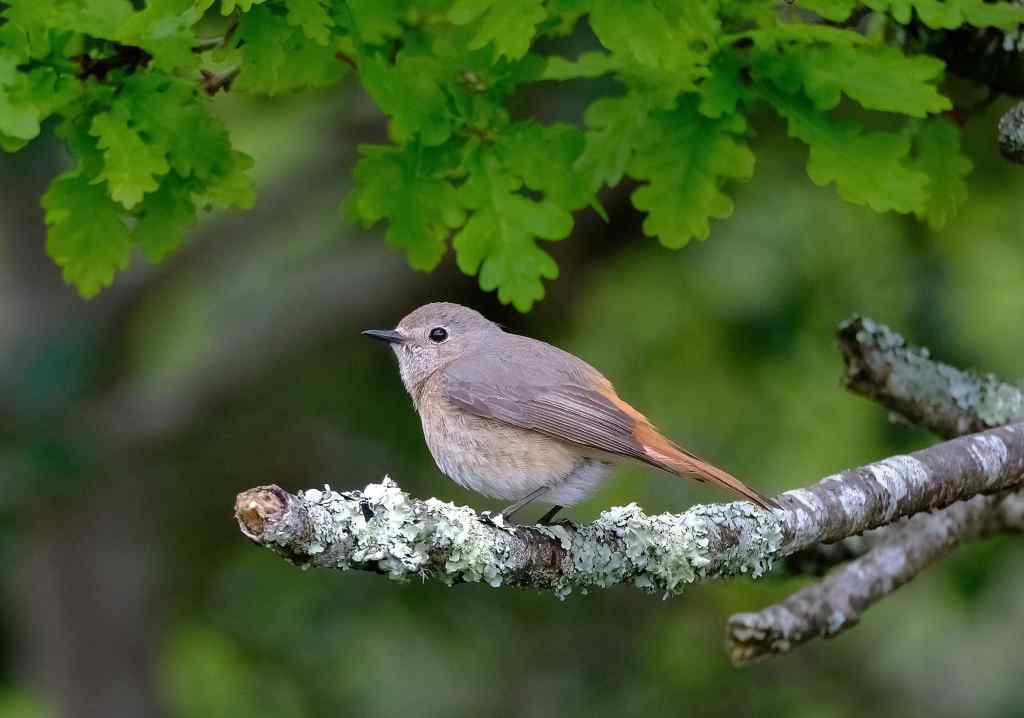
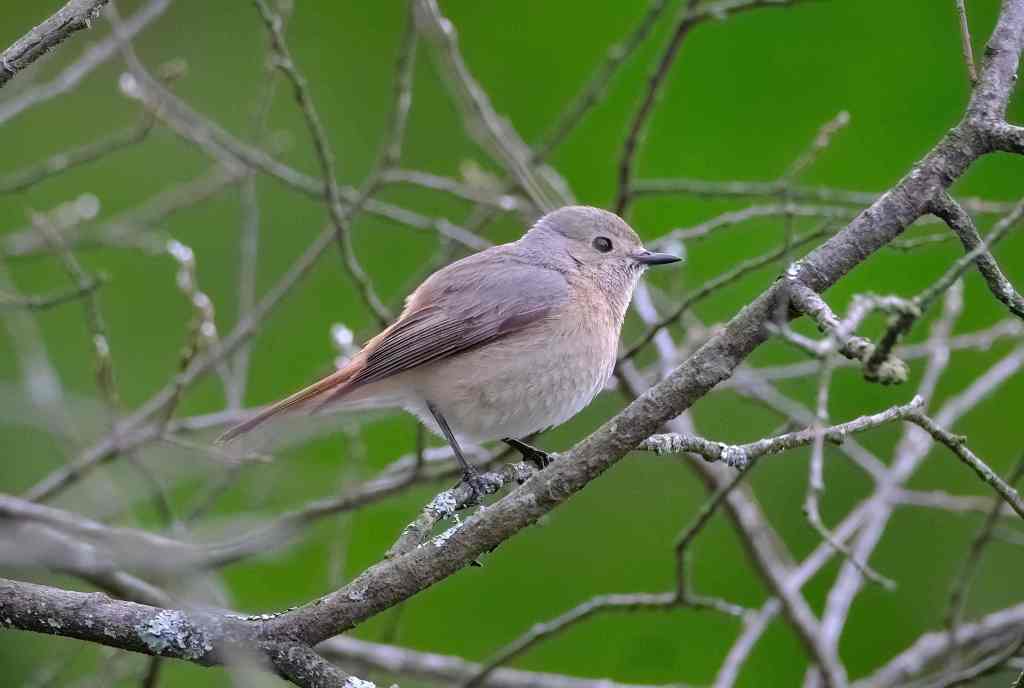
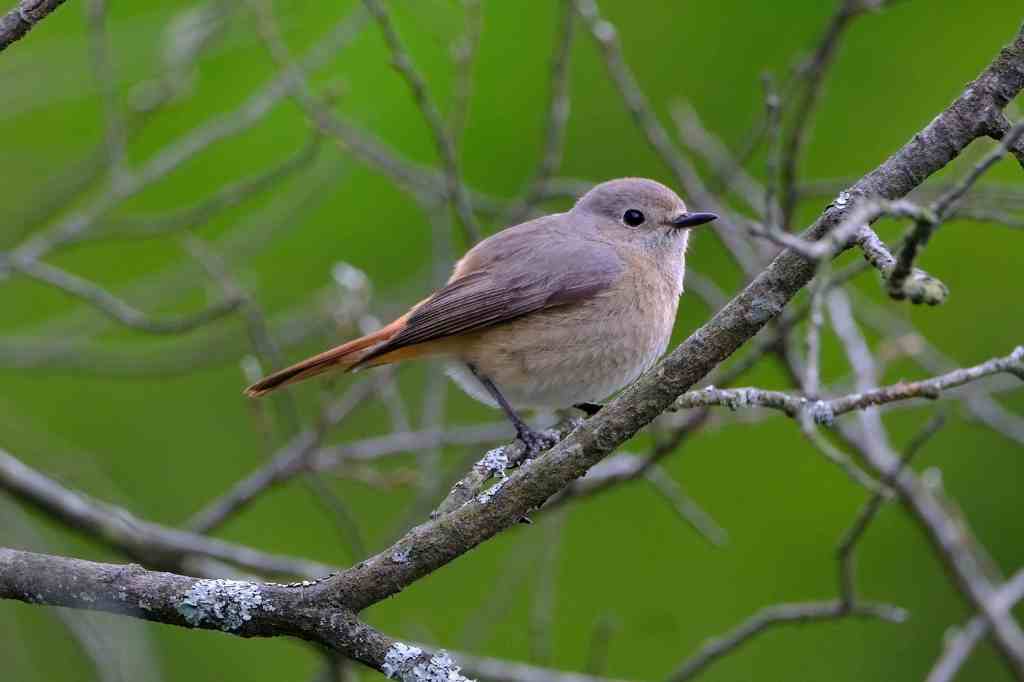
Another female Redstart. A beautiful bird, almost understated compared to the bright male bird.
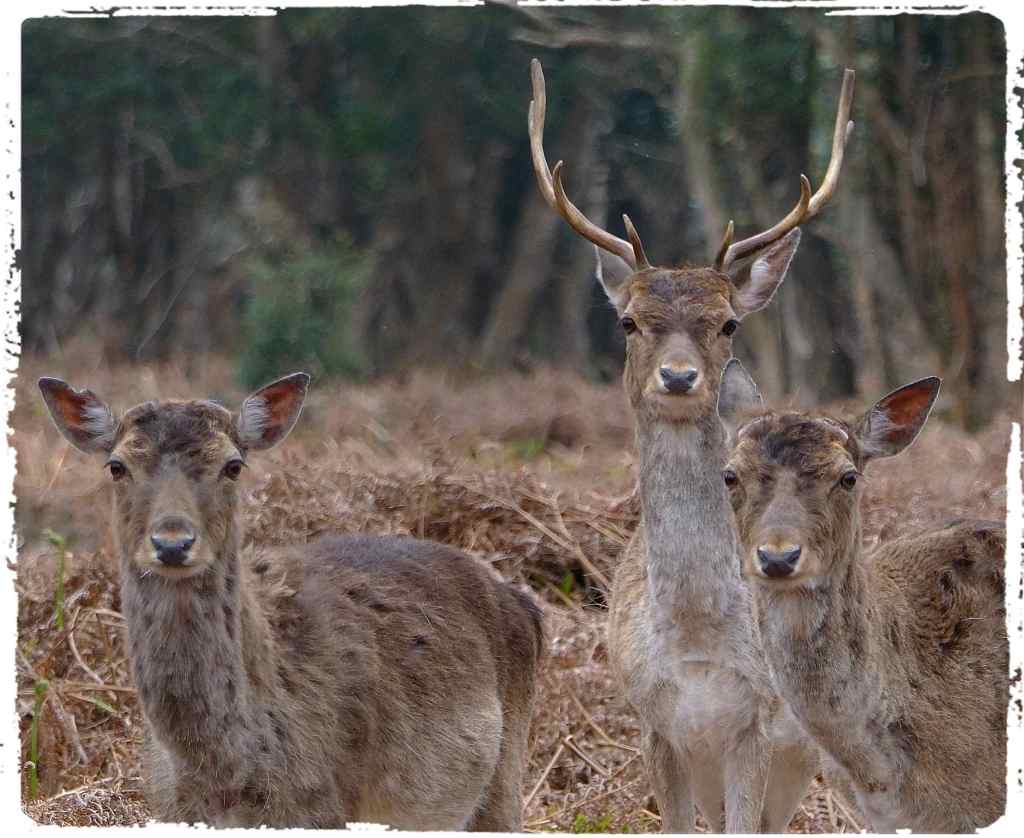
Fallow deer bucks typically cast their antlers annually, usually between April and May. The regrowth of new antlers follows this process. They are initially covered in soft, velvety skin. This skin is later rubbed off, leaving a hardened antler by August or September.
I watched 4 bucks in the New Forest this morning. Three had cast their antlers. The one still with his antlers had taken the alpha role and was dominant in this small group.
I returned to the New Forest where Redstarts were abundant. I had posted pictures of them a few days ago.(mainly male birds) This visit it was female birds which were abundant and they were nest building.

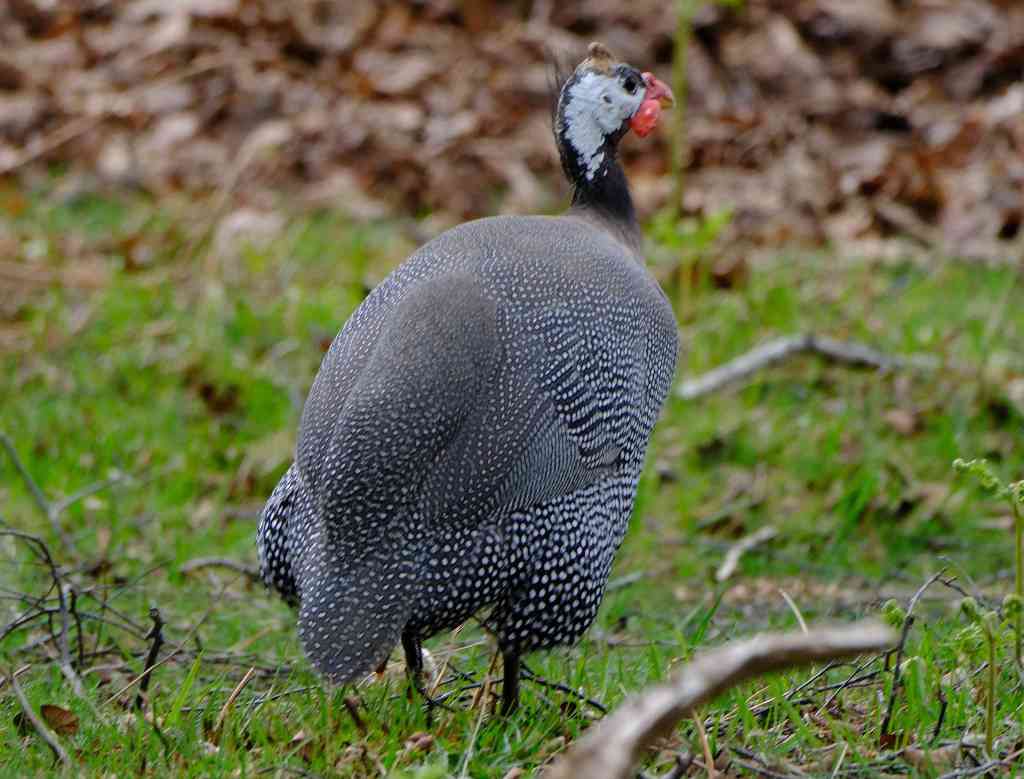
I had an unexpected and strange meeting with some free-range Domestic guinea fowl in the New Forest this morning. They were happy roaming in the woodland.


The Redstart is a bird of deciduous woodland. Many are found in the New Forest, arriving in April and leaving in September or October. They migrate to their wintering location in trans-Saharan Africa. The name Redstart comes from the colour of its tail. ‘start’ is an old colloquial name for tail.
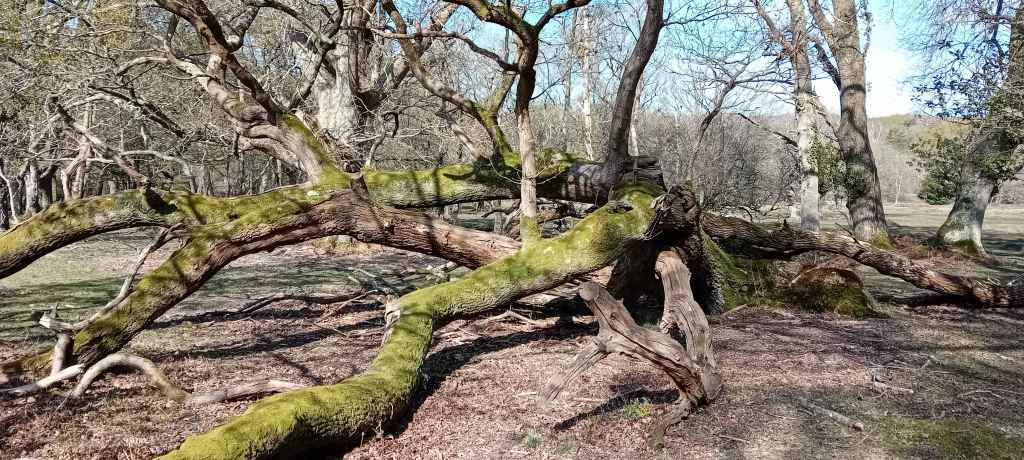
We spotted one in the Forest on Monday. So today, we returned to an area of Oak woodland where we had seen good numbers last year. I was pleased to see they had returned.


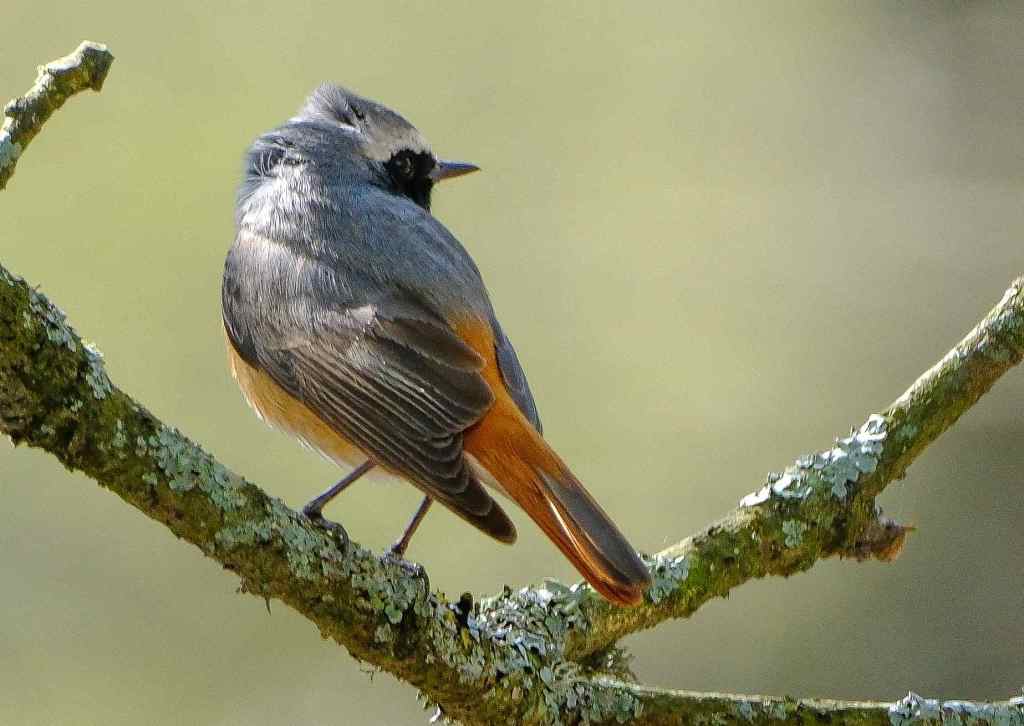

Breeding males are stunning, with slate grey upper parts, black faces and wings and an orange rump and chest. Females and young are browner, with some chestnut tail feathers and pale bellies


Further to my March posts showing Toads mating in a New Forest pond, the spawn has now hatched. A quick underwater film of the Tadpoles.
We had another good day of nature spotting in the New Forest today. We watched Brook Lamprey spawning. A primitive eel-like fish, they are rarely seen. They spend most of their lives as larva buried in the silt of stream beds. Upon turning into adults, they swim upstream to spawn. This is their last act before dying. They Spawn in April and May.
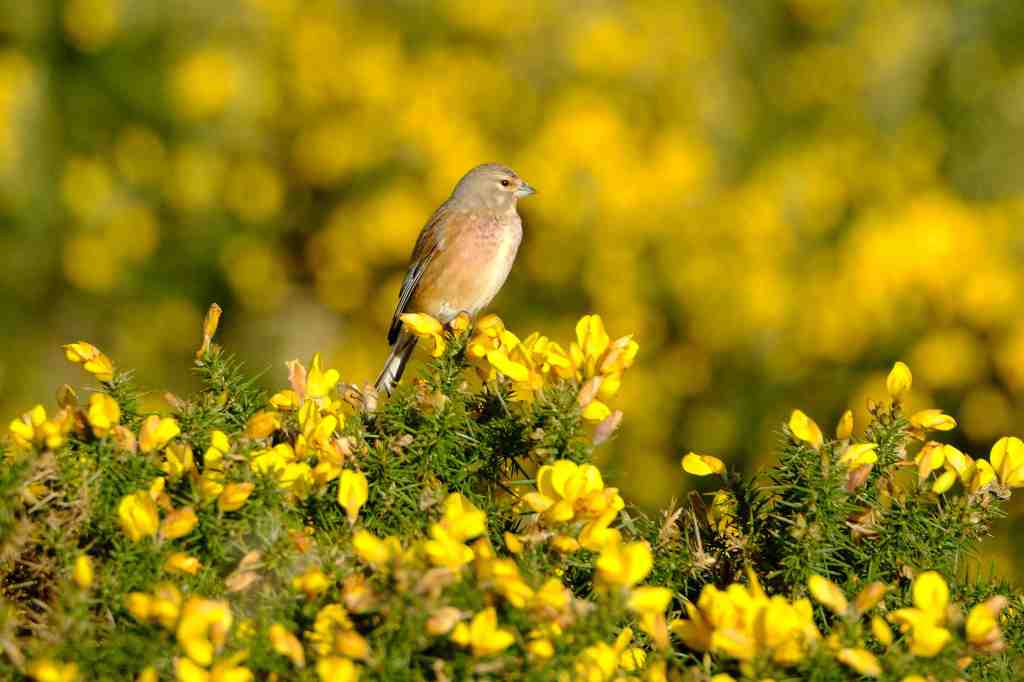
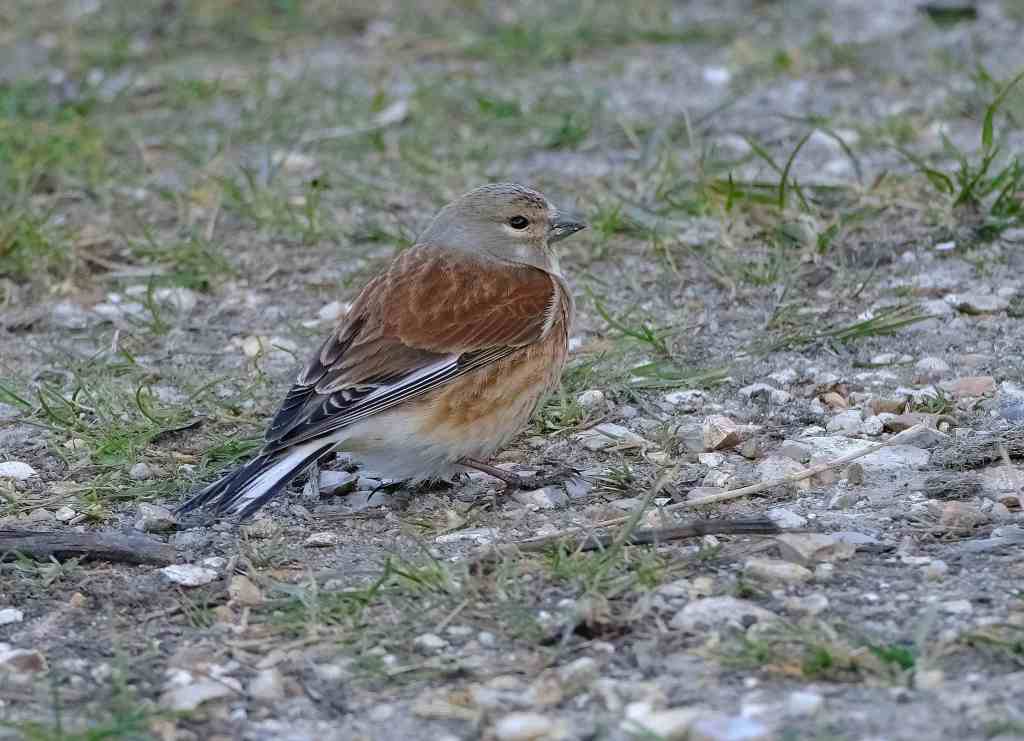
A small finch found on farmland and heathland across the UK.


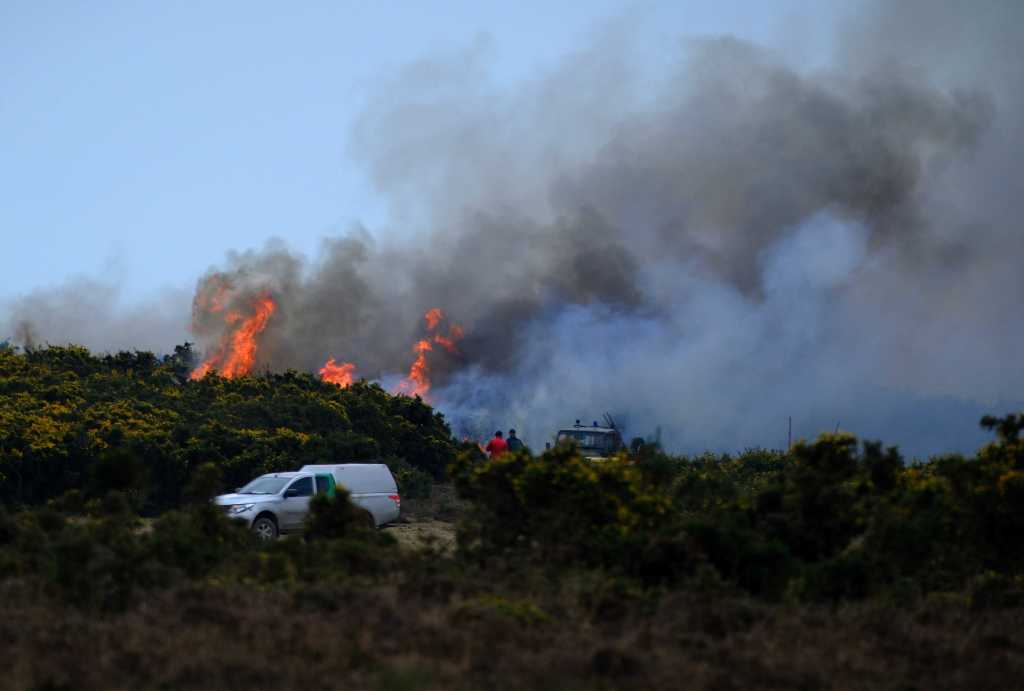
In the New Forest, Forestry England conducts controlled burning of heather and gorse. This helps maintain and enhance heartland habitats. It promotes biodiversity and reduces wildfire risk.

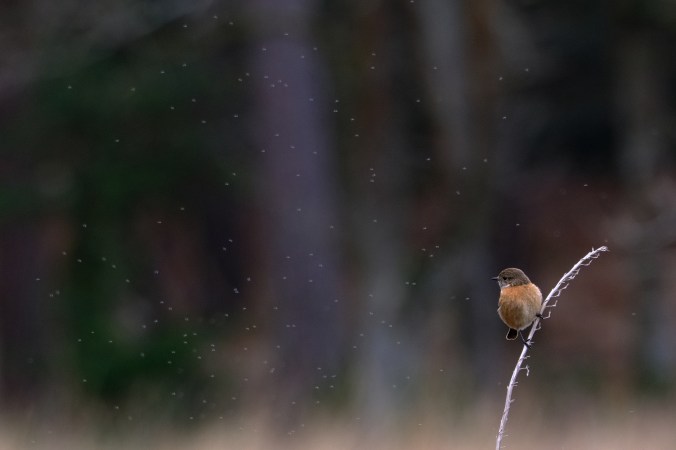
Stonechats mainly eat insects, but they also eat seeds and fruits, especially in the colder periods when insects are scarce.

As you can see in my pictures, there were plenty of insects about today!
 Continued Reflections from my World.