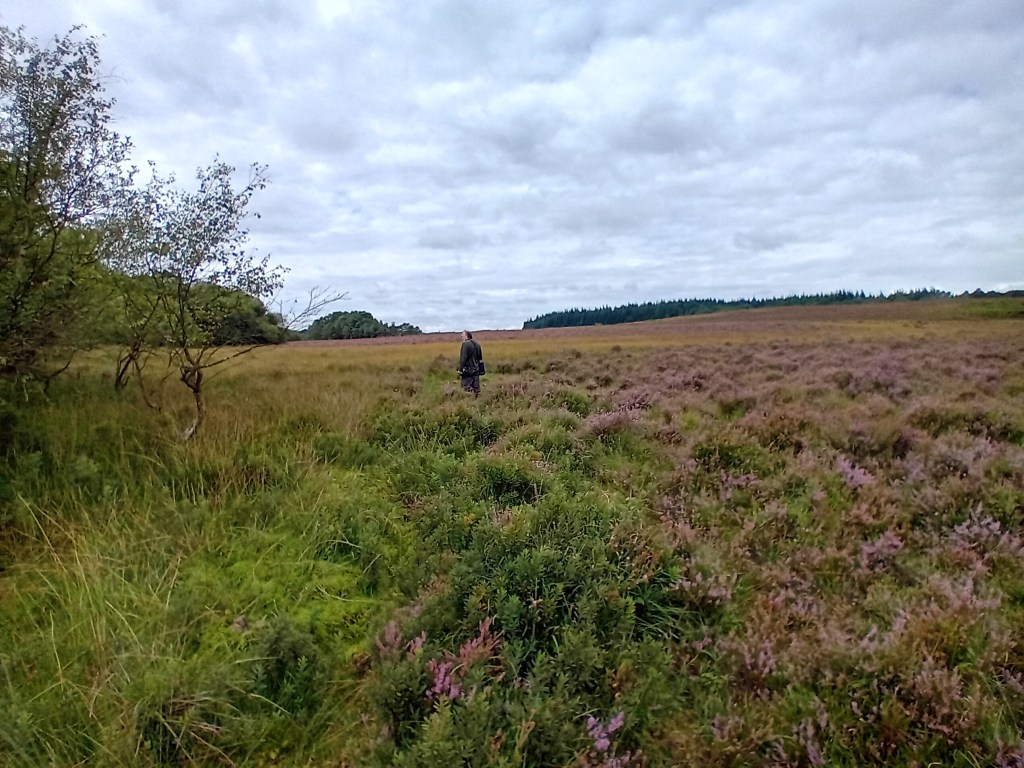
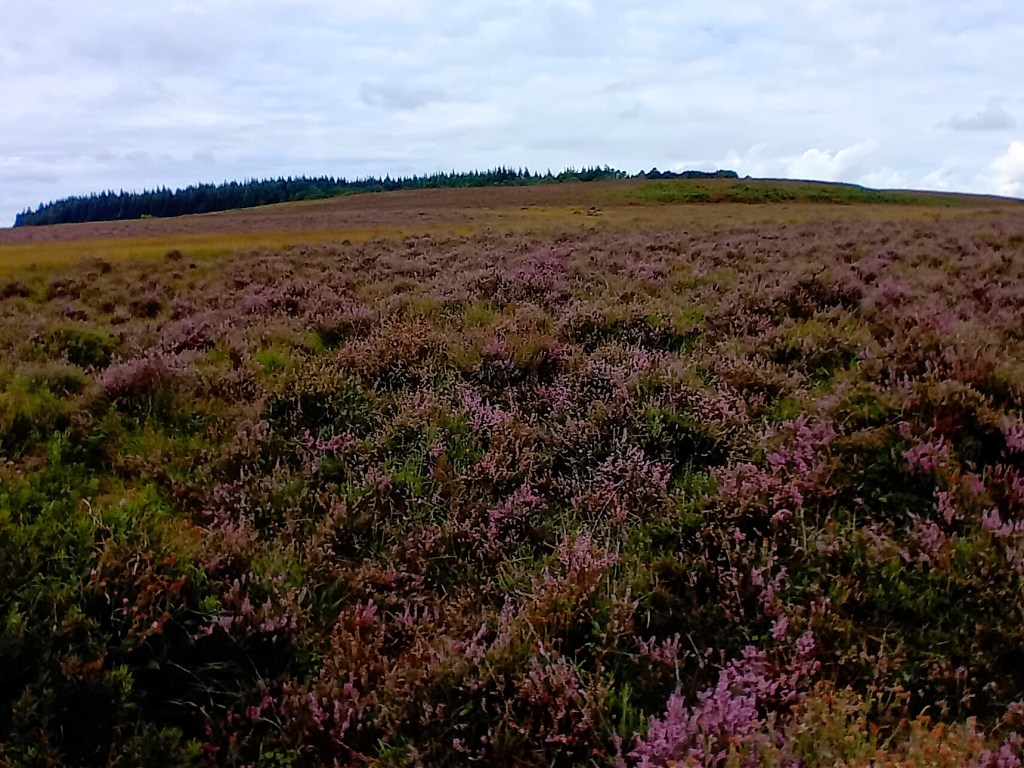
A few hours walking in the New Forest between heavy rain showers.


A few hours walking in the New Forest between heavy rain showers.


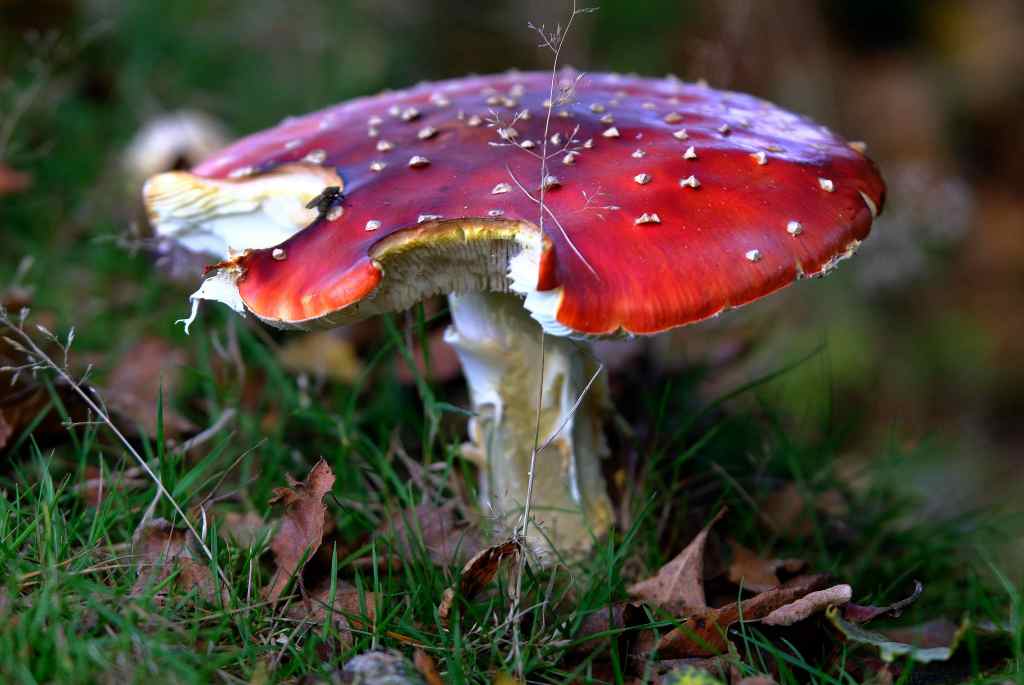
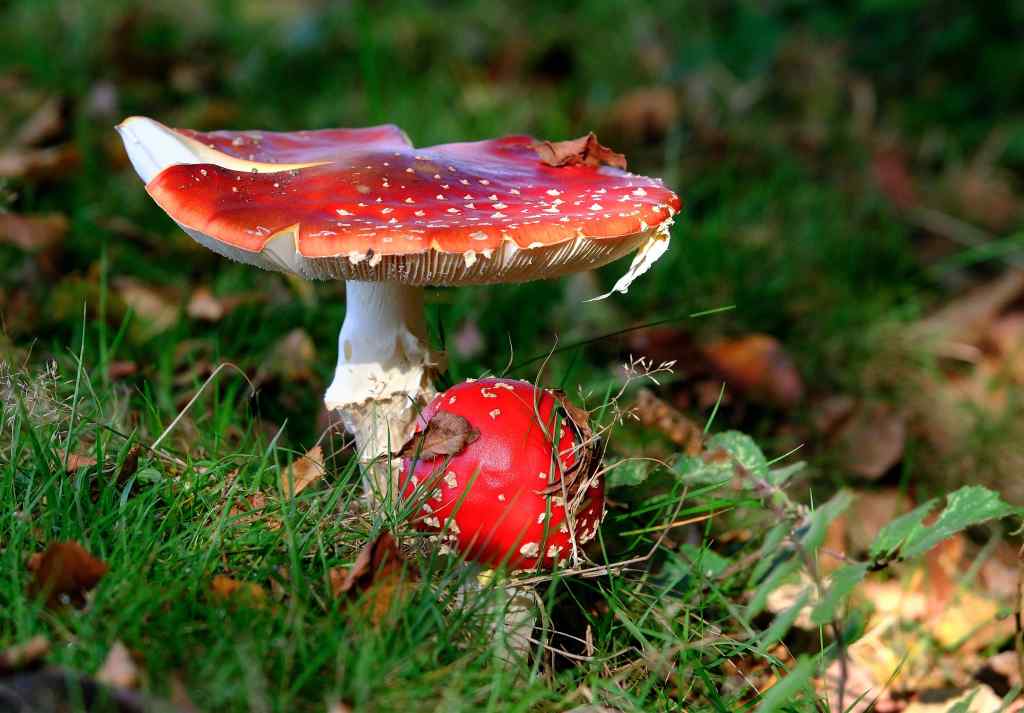
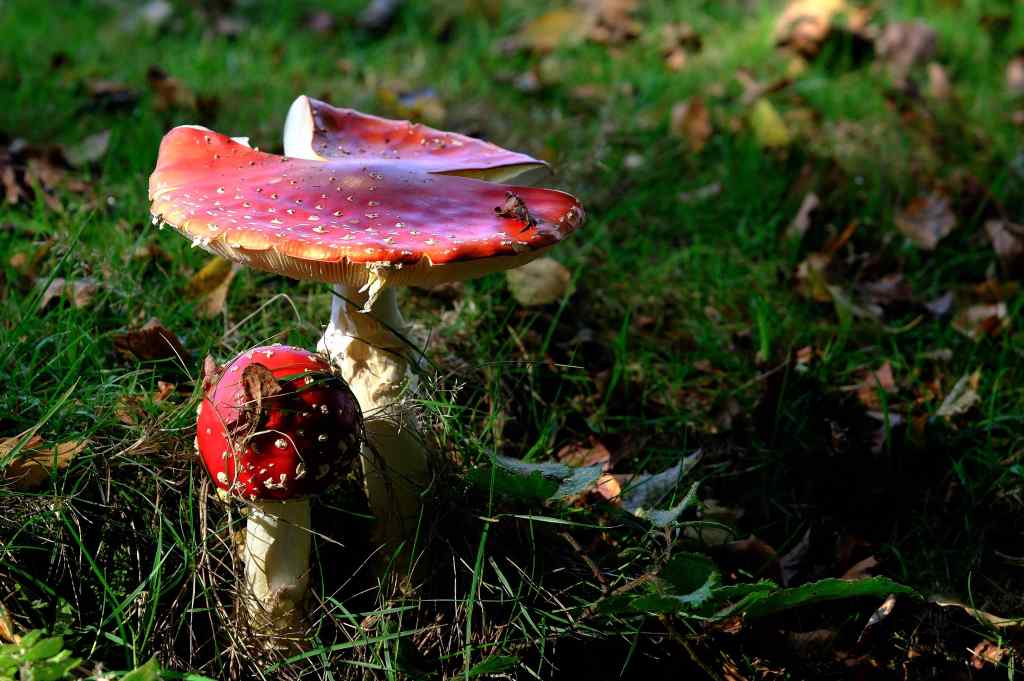
A pictorial post today. Back to the New Forest again looking for fungi, some nice examples are now showing.

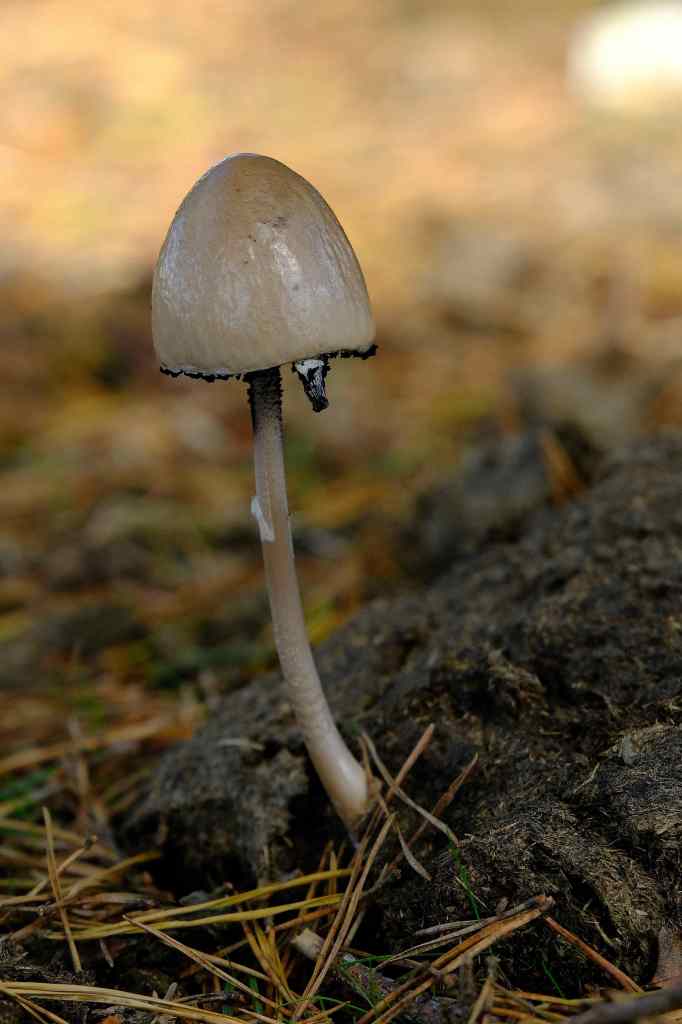
Panaeolus semiovatus. {egghead mottlegill}

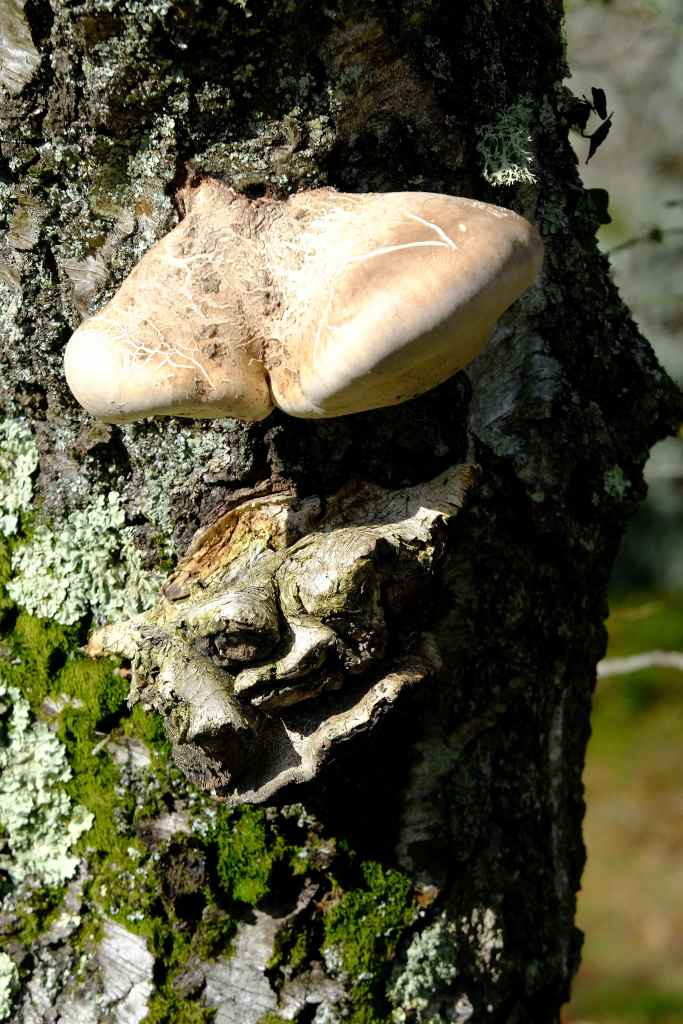
Fomitopsis betulina {Birch Polypore}

Fuligo septica {Dog Vomit slim mould}


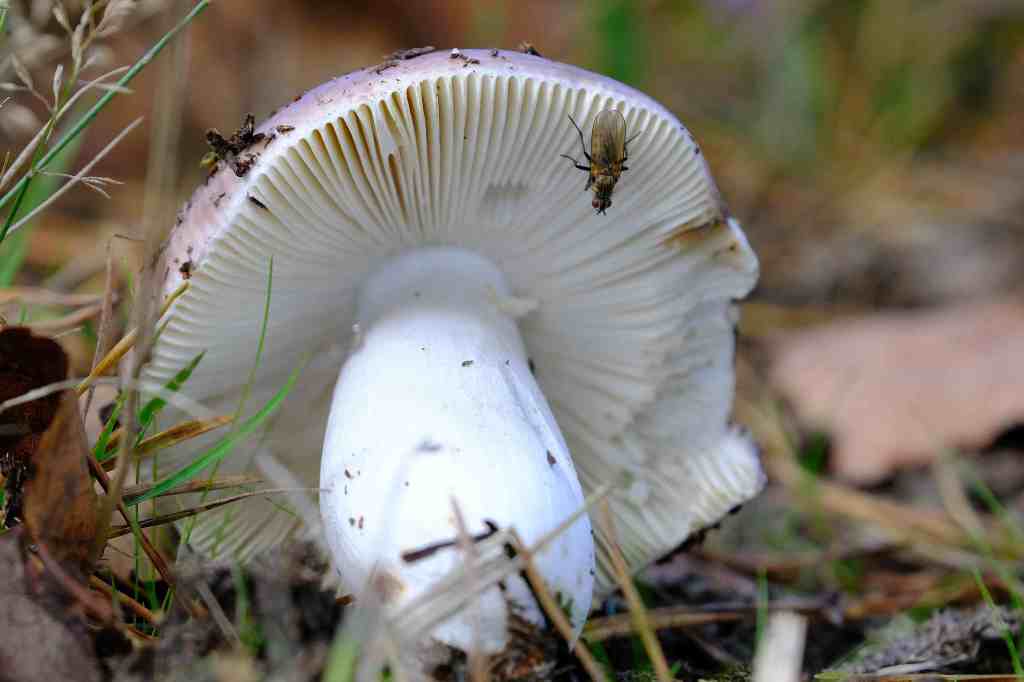
Species of Hylemya fly.

Fly agaric


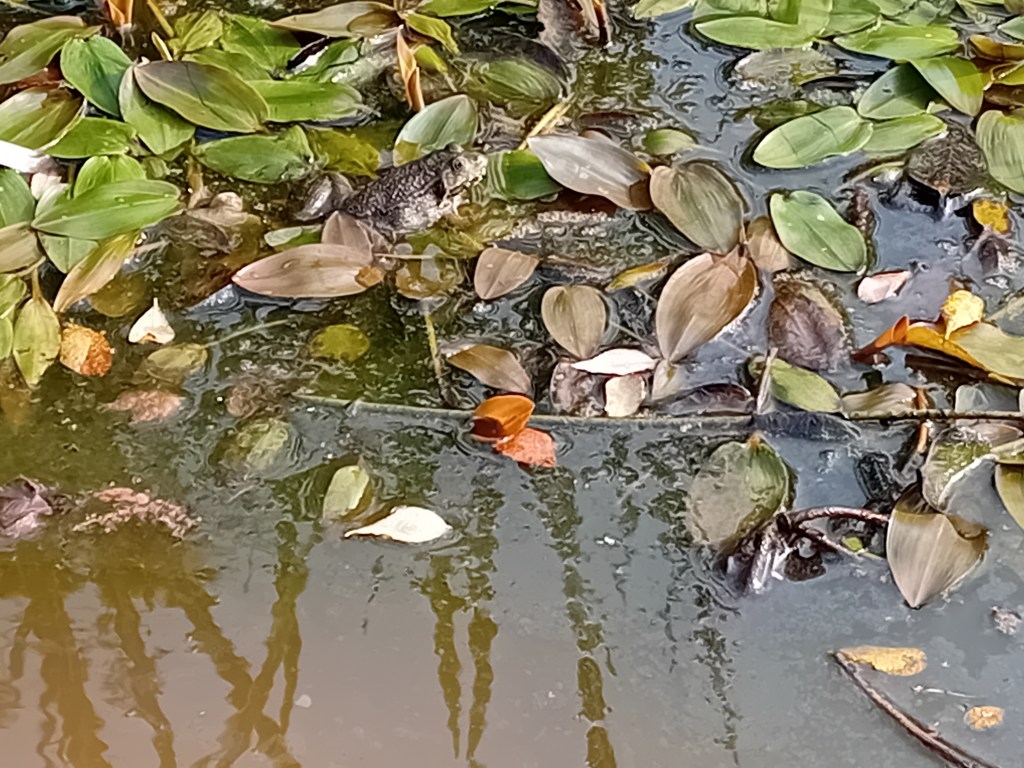
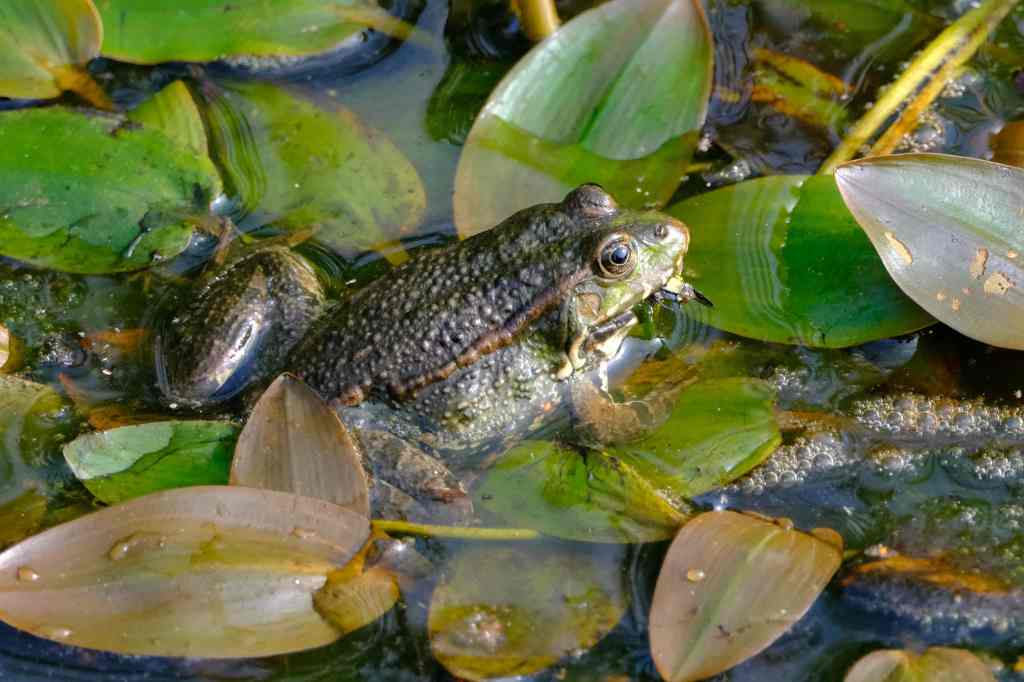
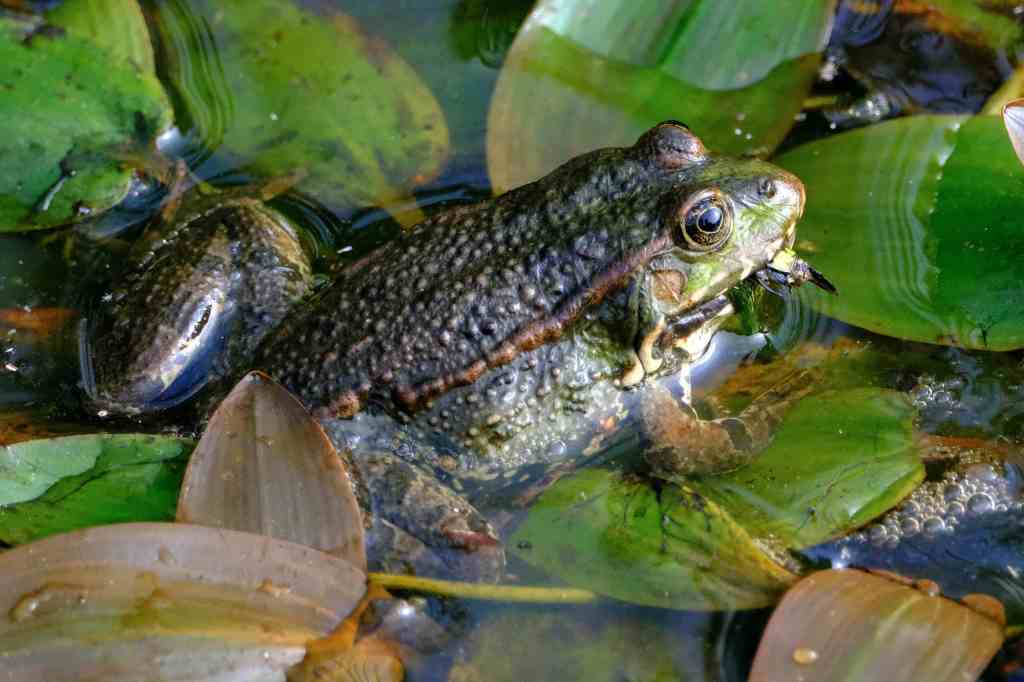
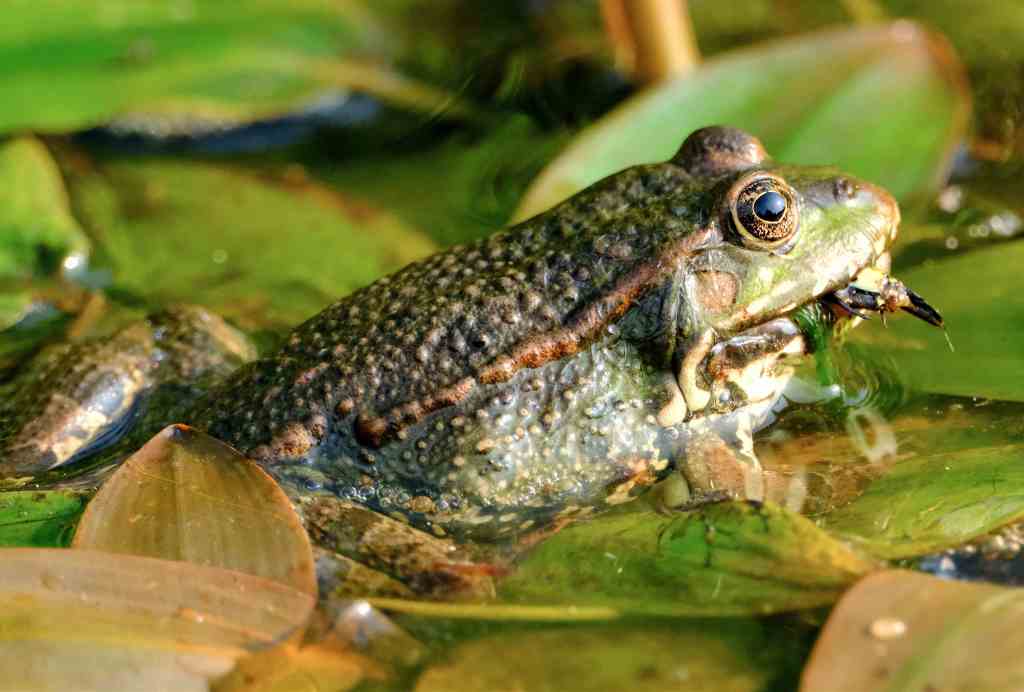
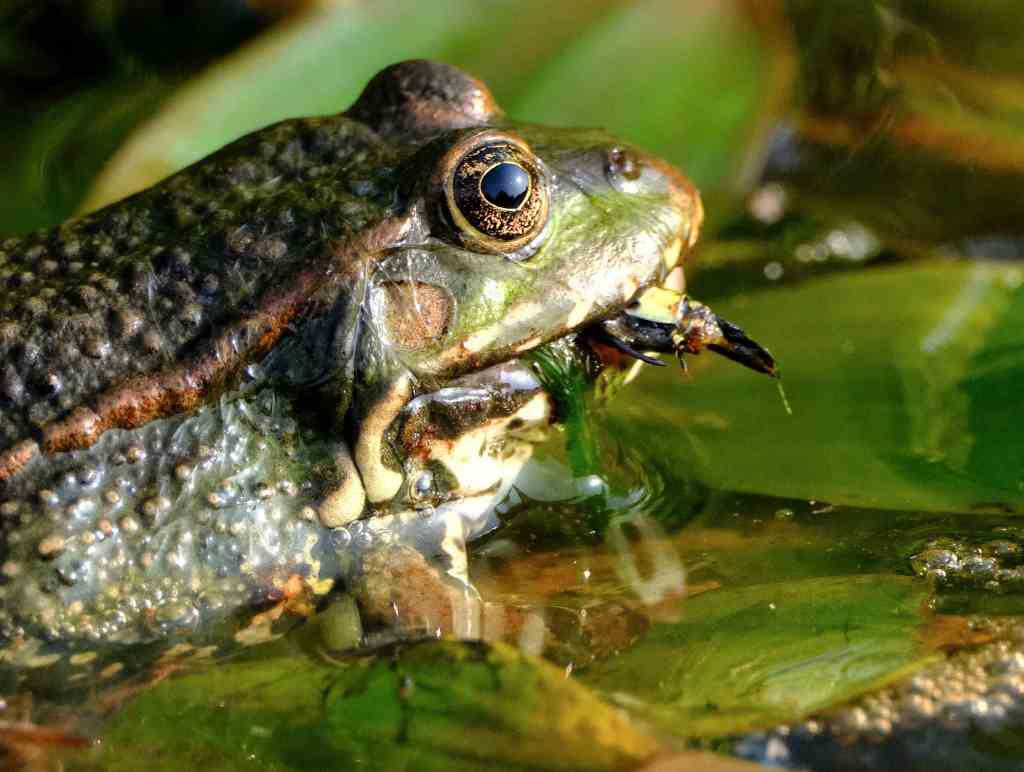
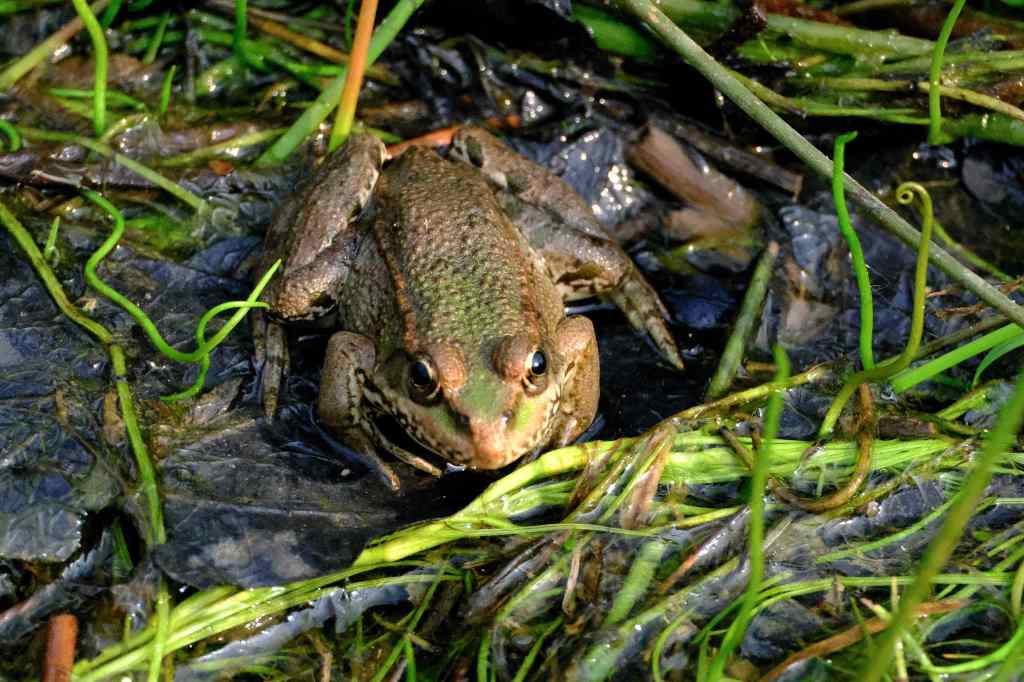
Some more Marsh frogs in the New Forest.
Now we have located the pounds where there are colonies of Marsh frogs in the New Forest it is fairly easy to find some.
Can you see him in picture 1 ? Their camouflage is fairly good.


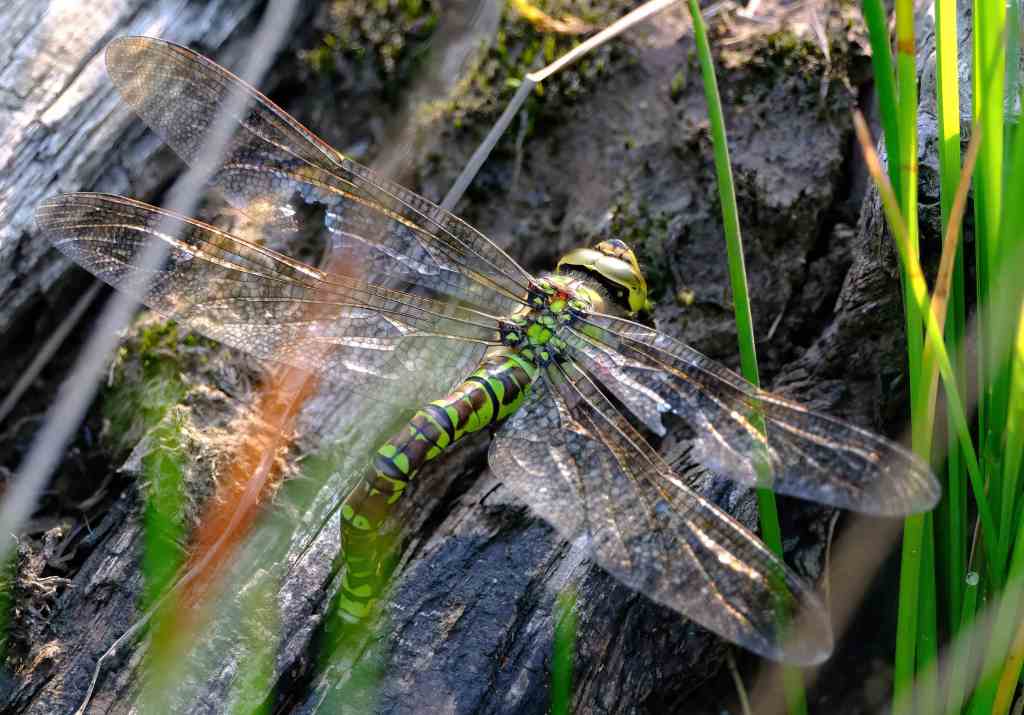
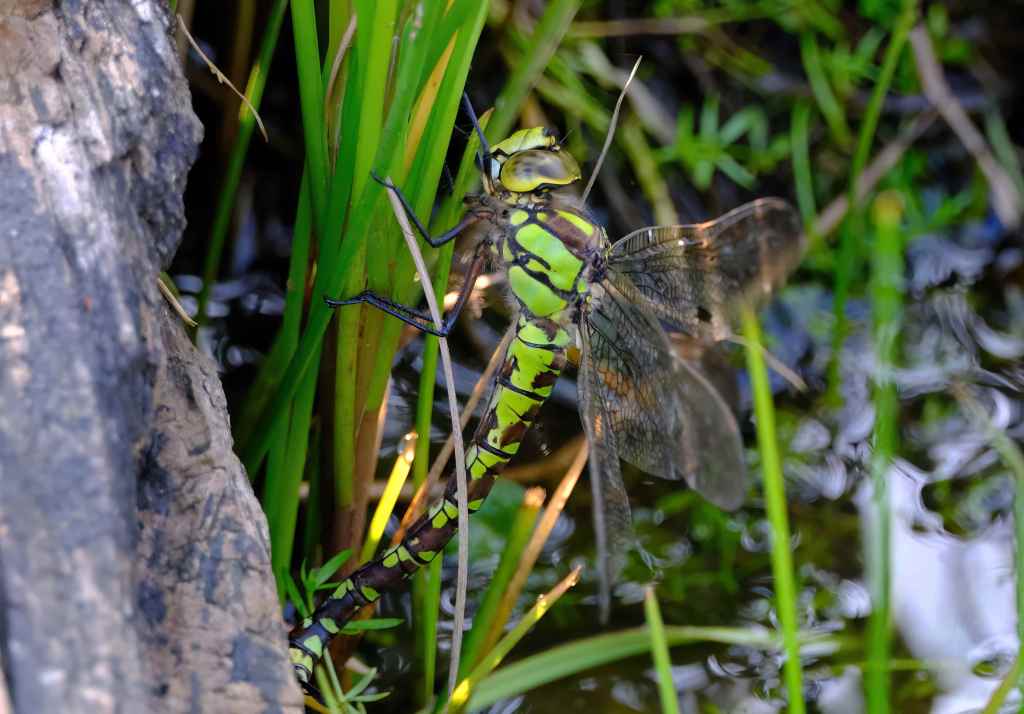
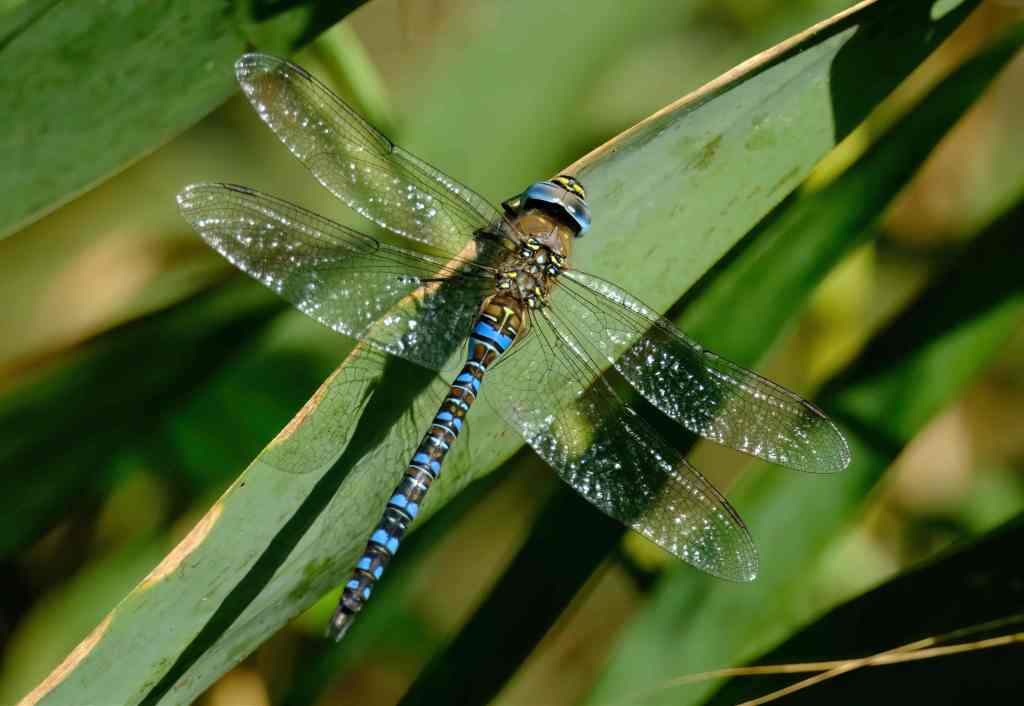
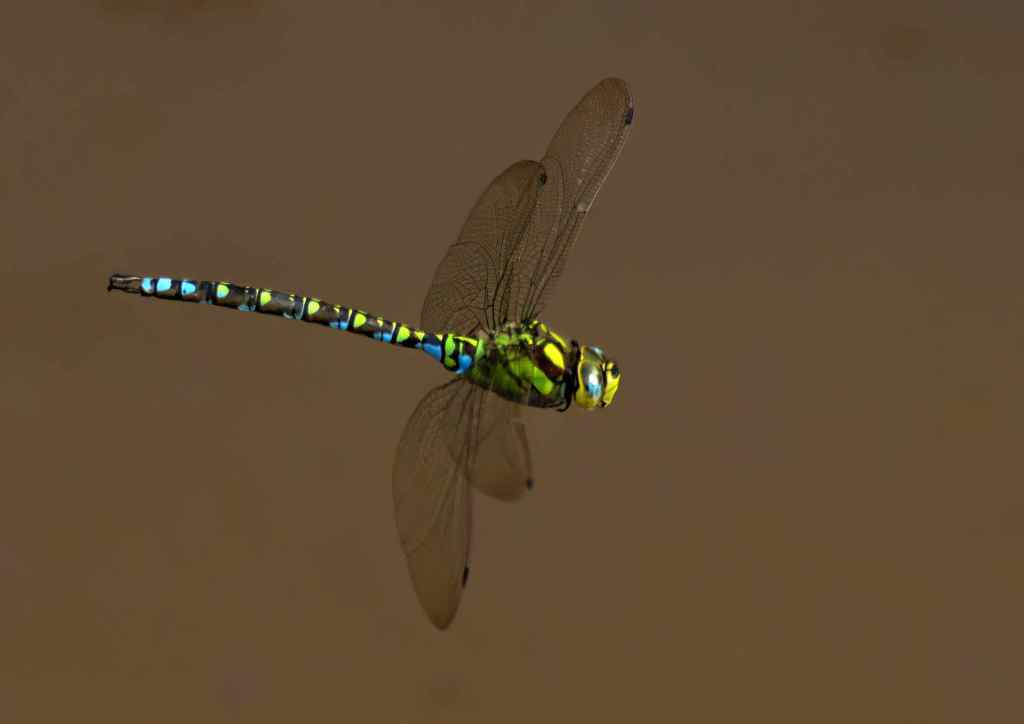
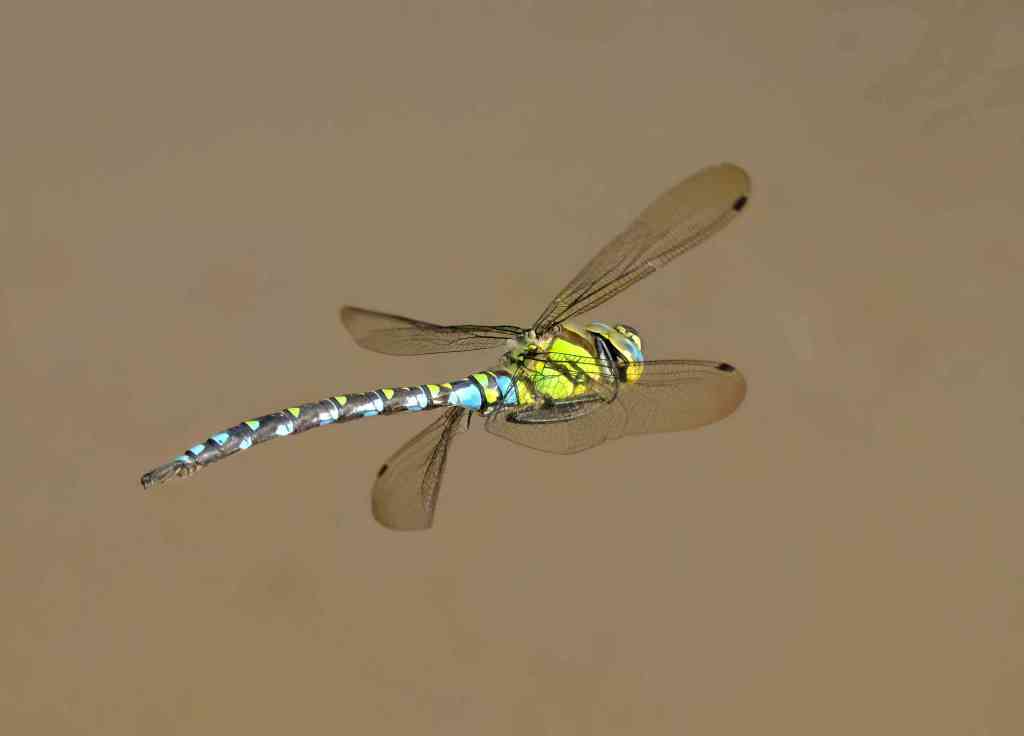
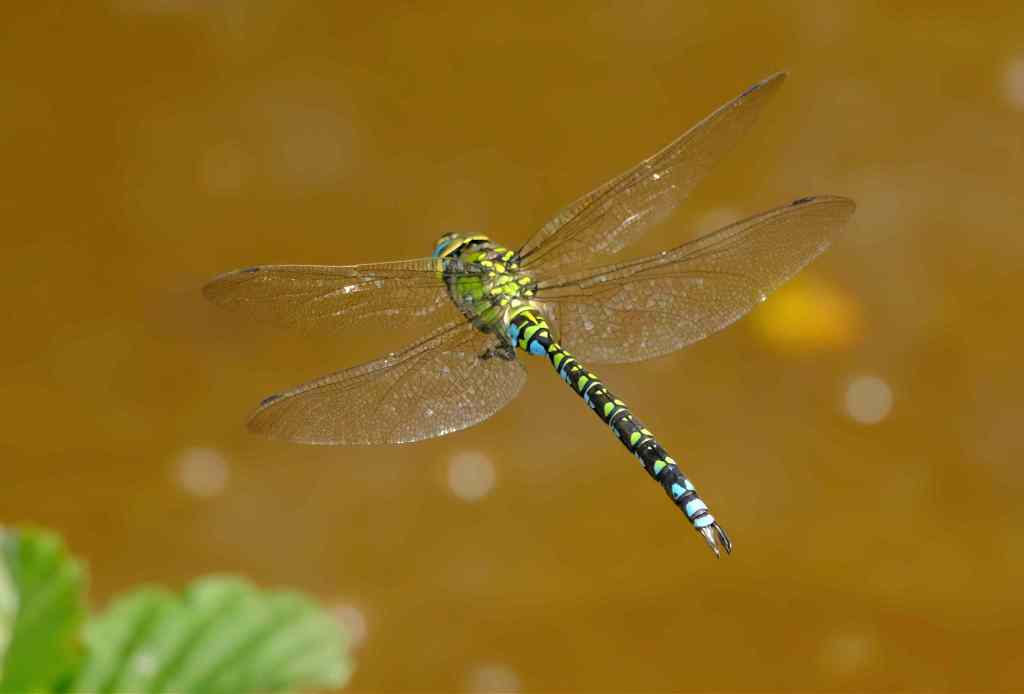
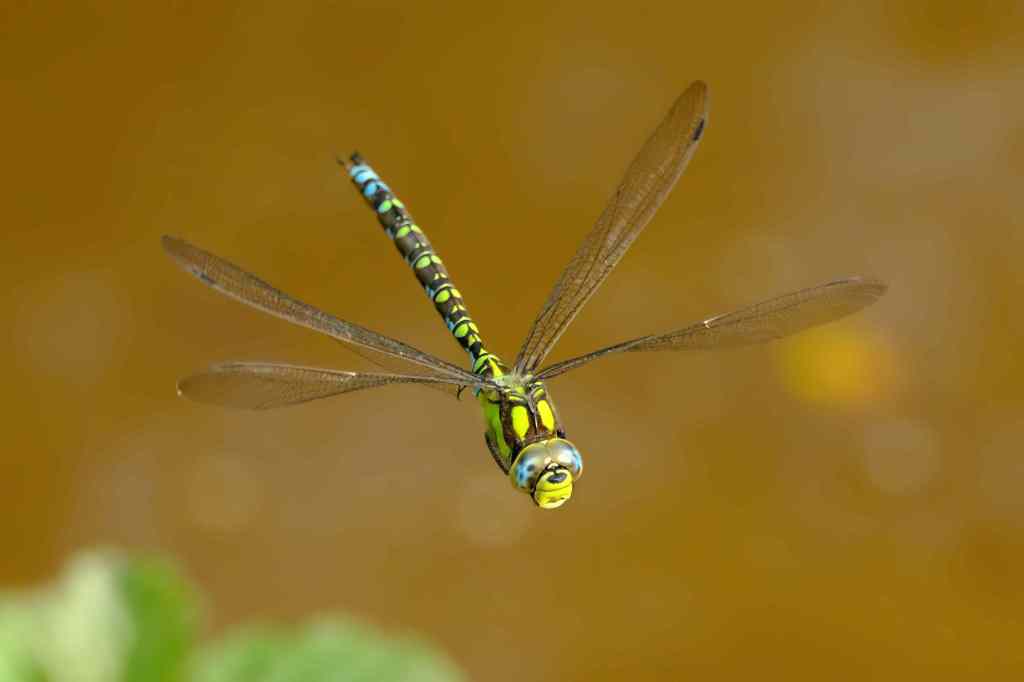
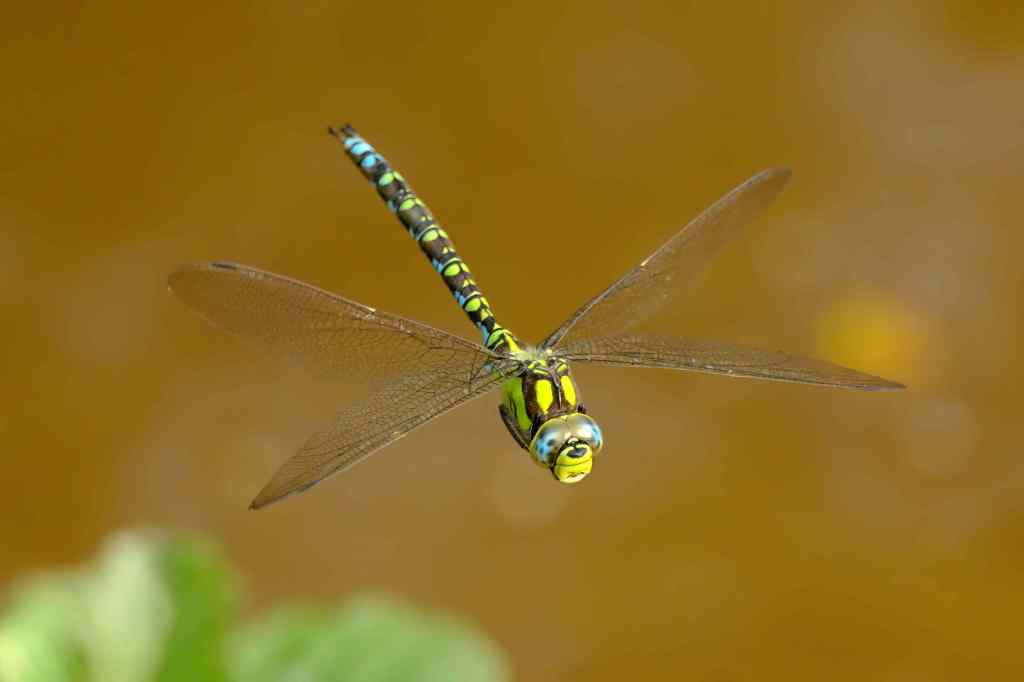
I spent a couple of days concentrating on getting pictures of dragonflies, both at Titchfield Haven and in the New Forest, it will not be long before they are gone until next year they do not survive the fall in temperatures as we move into autumn.
Southern Hawker [female.]


Migrant Hawker.


Southern Hawker [male.]


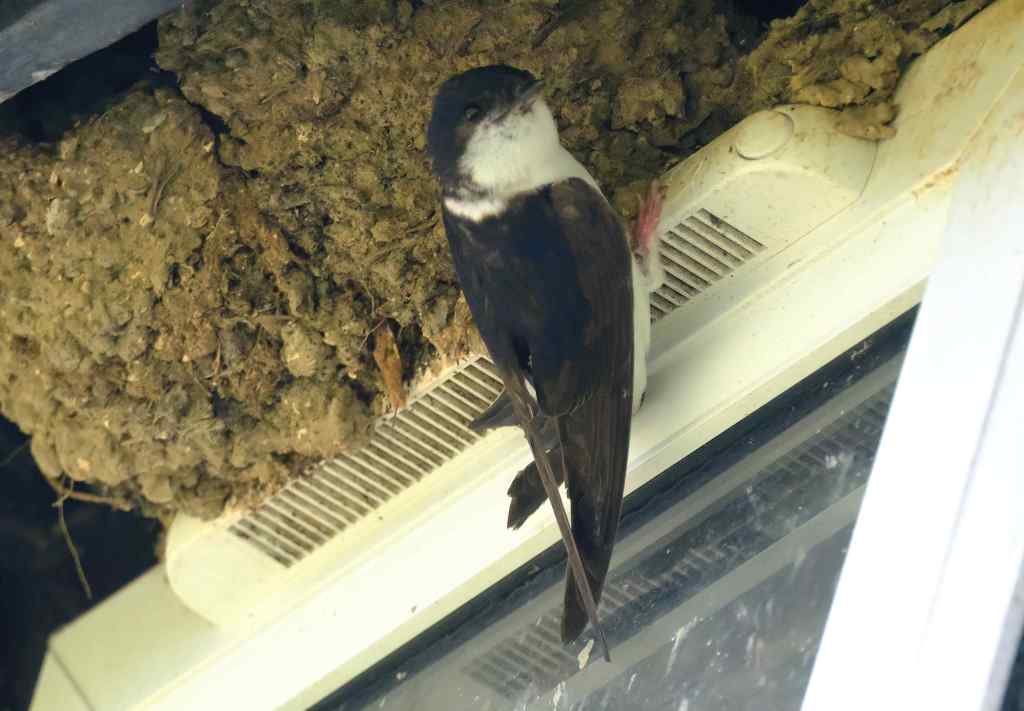
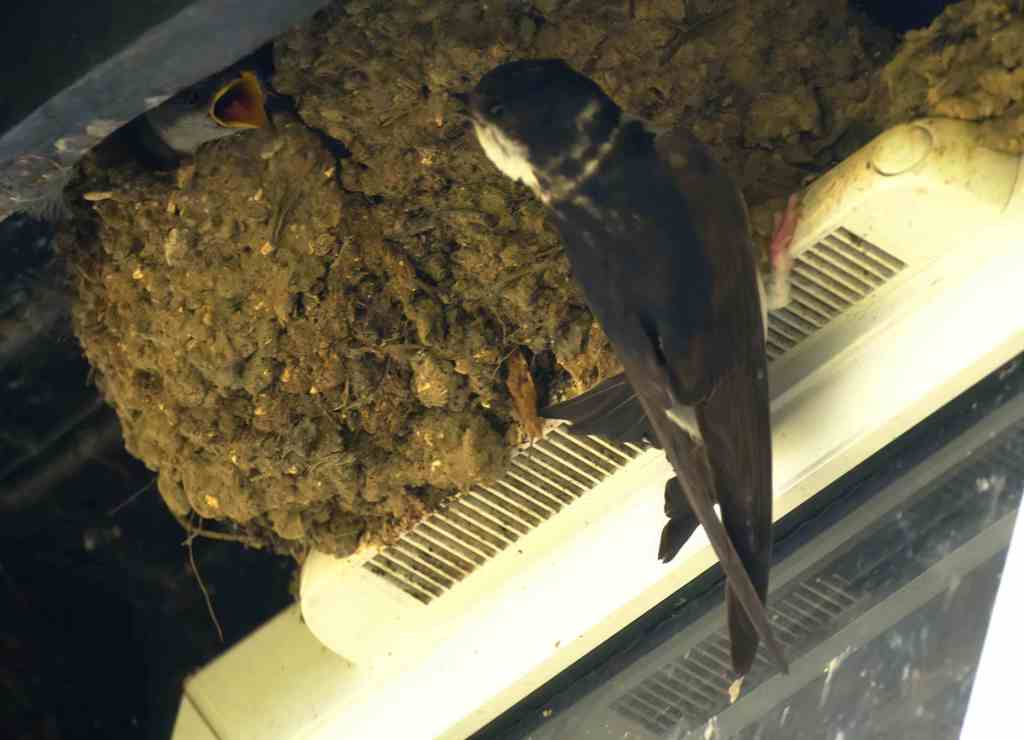
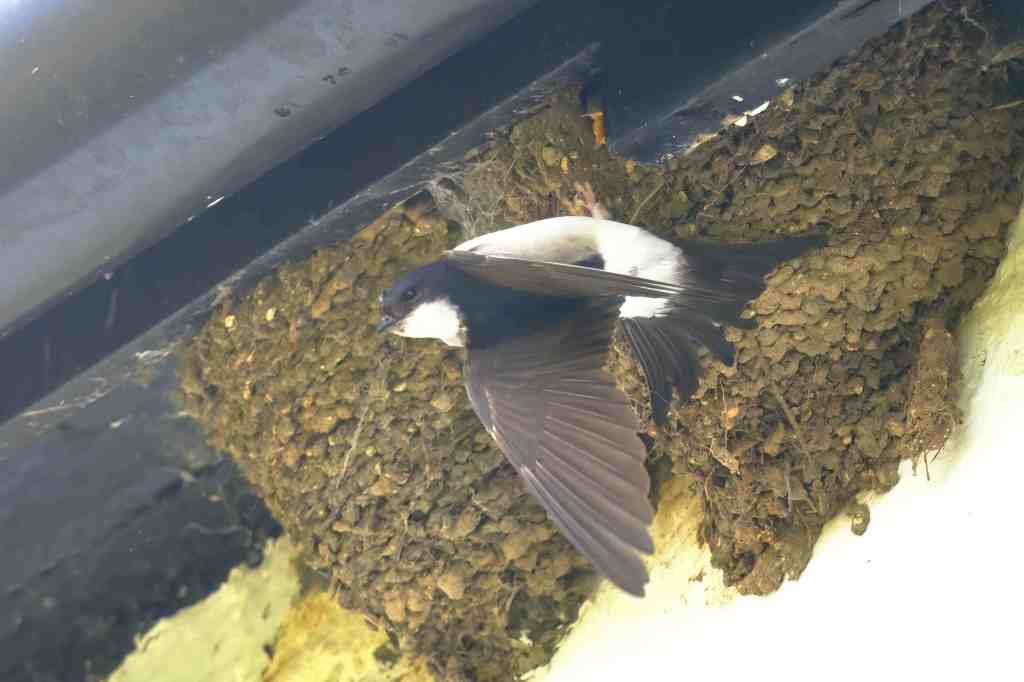
Spotting a few House Martins in the New Forest today was nice. They spend a lot of their time on the wing collecting insects. These little birds build mud nests usually below the eaves of buildings like these I spotted today. They are summer migrants and spend their winters in Africa. Although numerous and widespread, recent declines in numbers earn them a place on the Red List.


Yesterday I spotted a common frog I thought I would post a picture of a marsh frog I photographed last week to give a comparison of these two frogs, {common top picture}


This morning, a walk along a New Forest Stream with a good population of Golden Ringed Dragonflies. Many were “dipping” {depositing eggs into the stream}.


The Raft Spider. Dolomedes fimbriatus


Marsh frogs were regularly imported into the UK from the late nineteenth century and were introduced to the Walland Marsh in Kent in 1935, from Hungary. They originate from the eastern half of Europe into western Asia. There are established populations in the UK, which are now predominantly found in south-east England, with populations in other areas in the south are far west as Devon. Following seeing some in “captivity” in The New Forest Reptile Centre I wanted to see some in the wild as there was said to be an established population in the forest.

On a tip-off with my brother we last year looked at marshland southwest of the national park near Lymington. After unsuccessful trips, we tried again this year and spotted one solitary Marsh Frog last week. Yesterday we returned to look closer and were lucky to spot at least 6.


Some information on how to spot a Marsh Frog


Schedule 9 of the Wildlife and Countryside Act, makes it illegal to distribute or allow the release of Marsh Frogs into the wild.