“Nests on seaside cliffs, often among auks and Northern Fulmar.” This bird, in non-breeding plumage, was in a flock of Black-headed Gulls at Titchfield Haven on Tuesday, a relatively rare sight for us on the Hampshire coast.
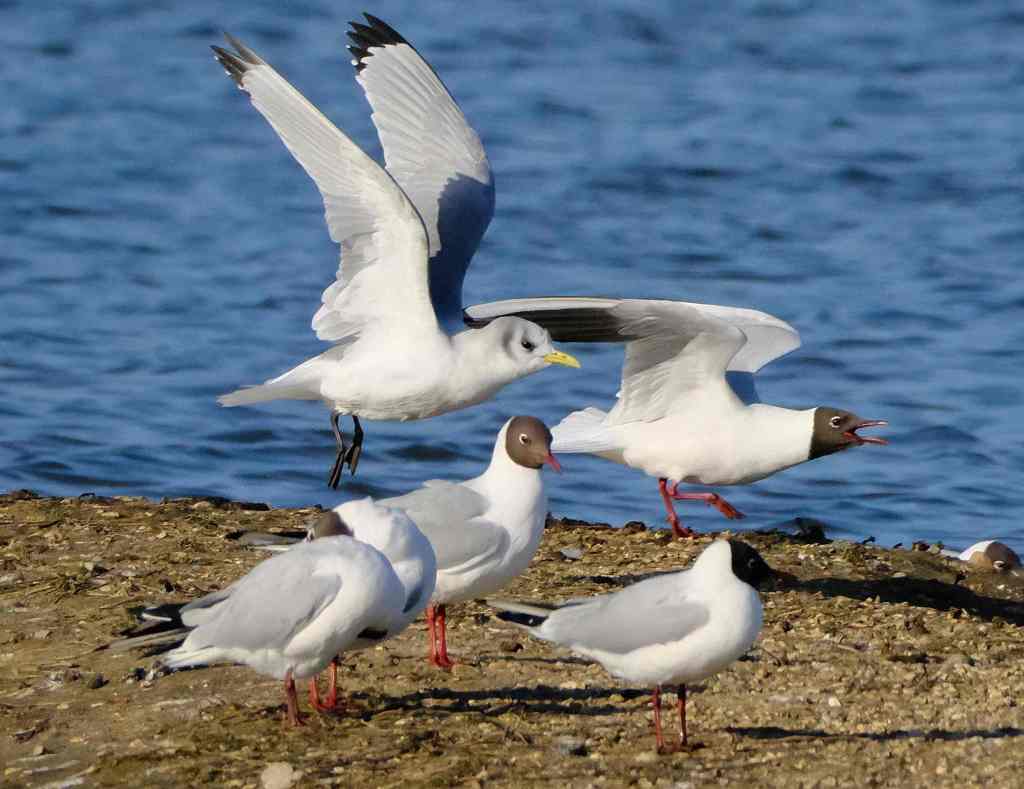
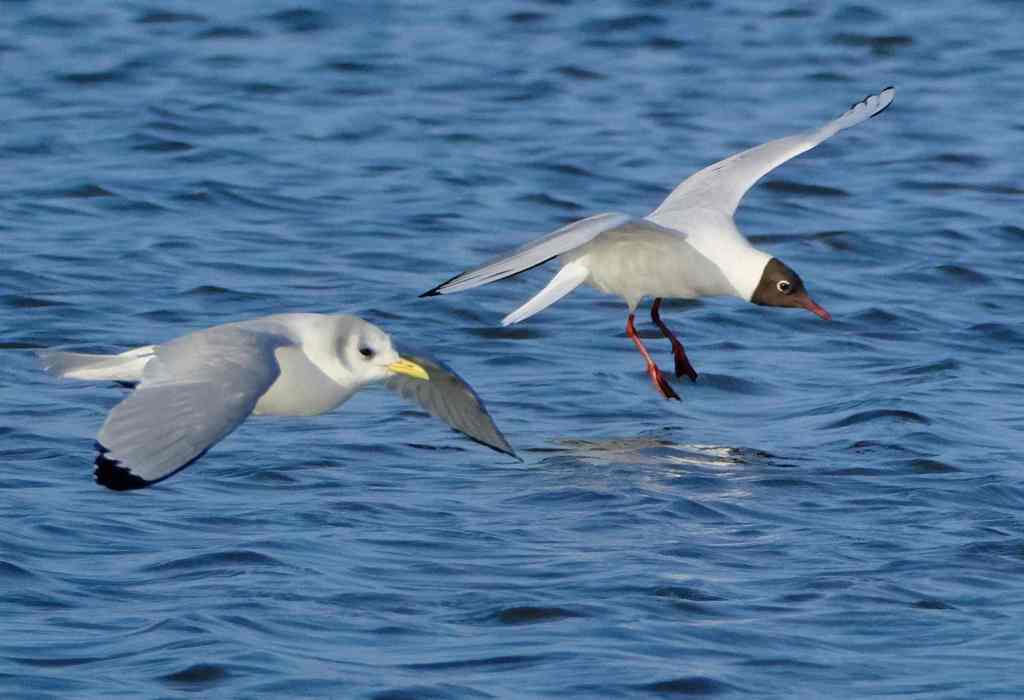
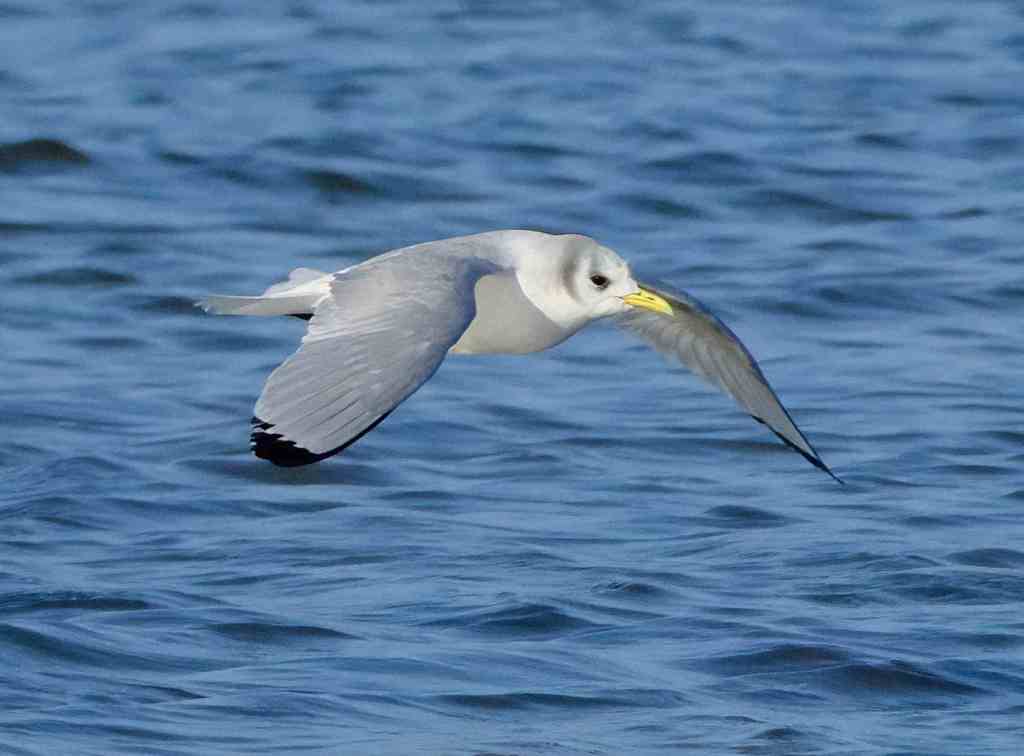
“Nests on seaside cliffs, often among auks and Northern Fulmar.” This bird, in non-breeding plumage, was in a flock of Black-headed Gulls at Titchfield Haven on Tuesday, a relatively rare sight for us on the Hampshire coast.
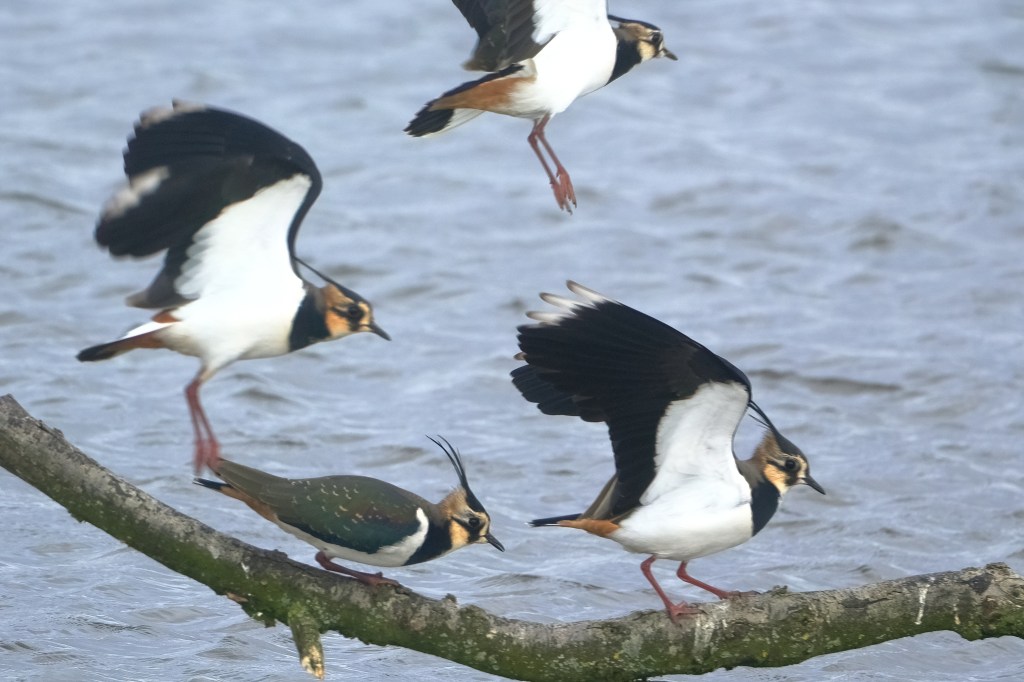
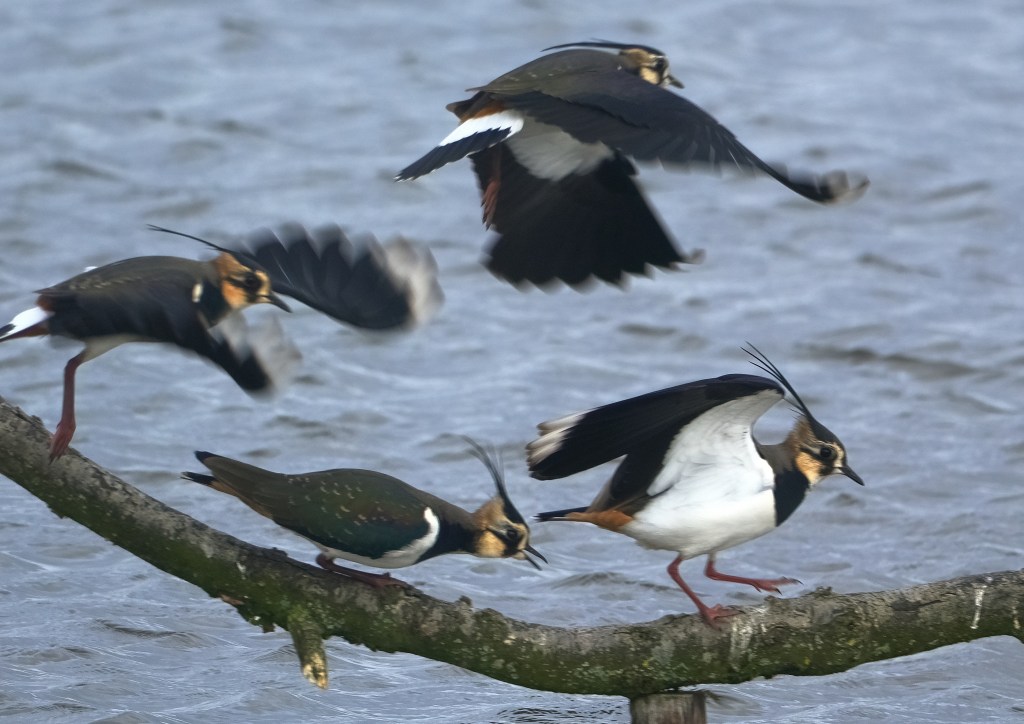
The tide was exceptionally high yesterday, with strong winds in the Solent, so the water in Titchfield Haven was also very high, flooding many of the small islands where the birds roost.
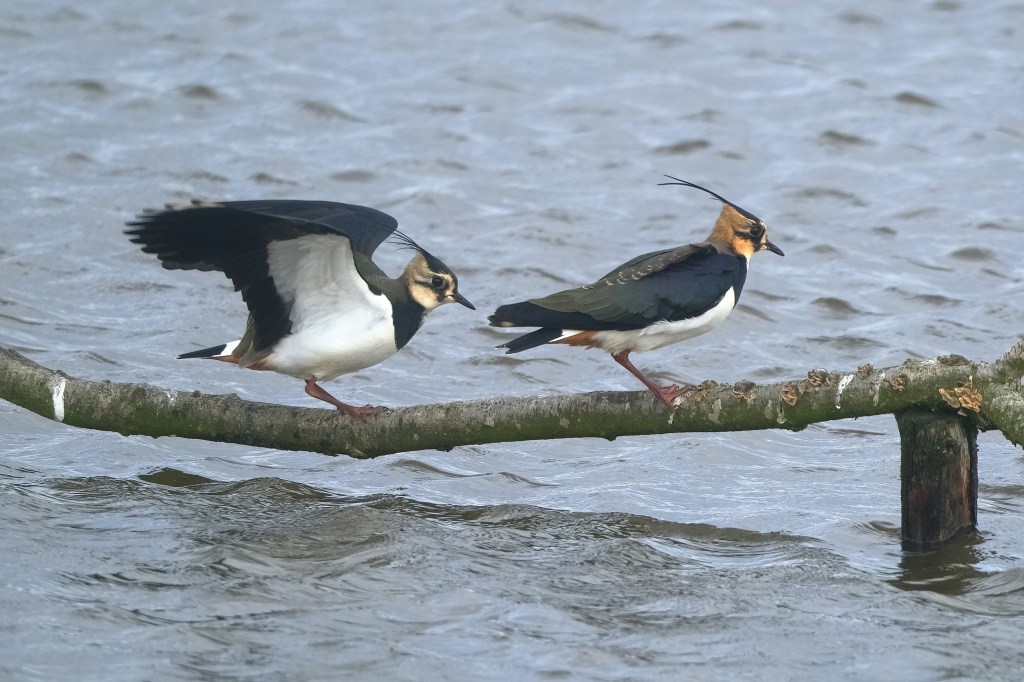
These Lapwings were competing for a place on these wooden posts.
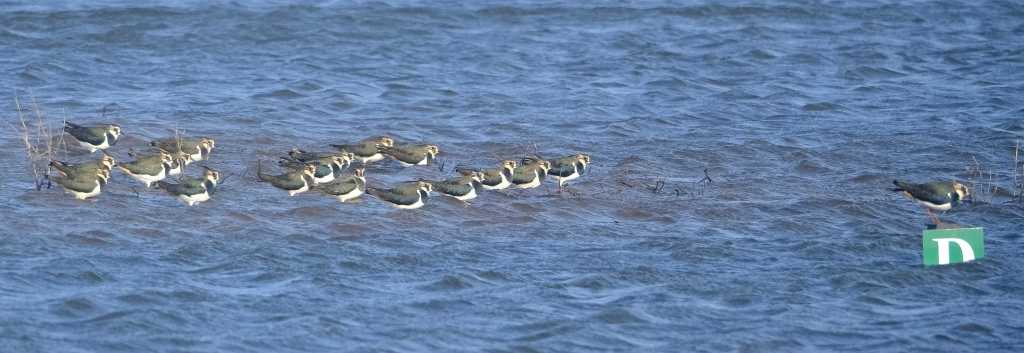
Island D is missing!
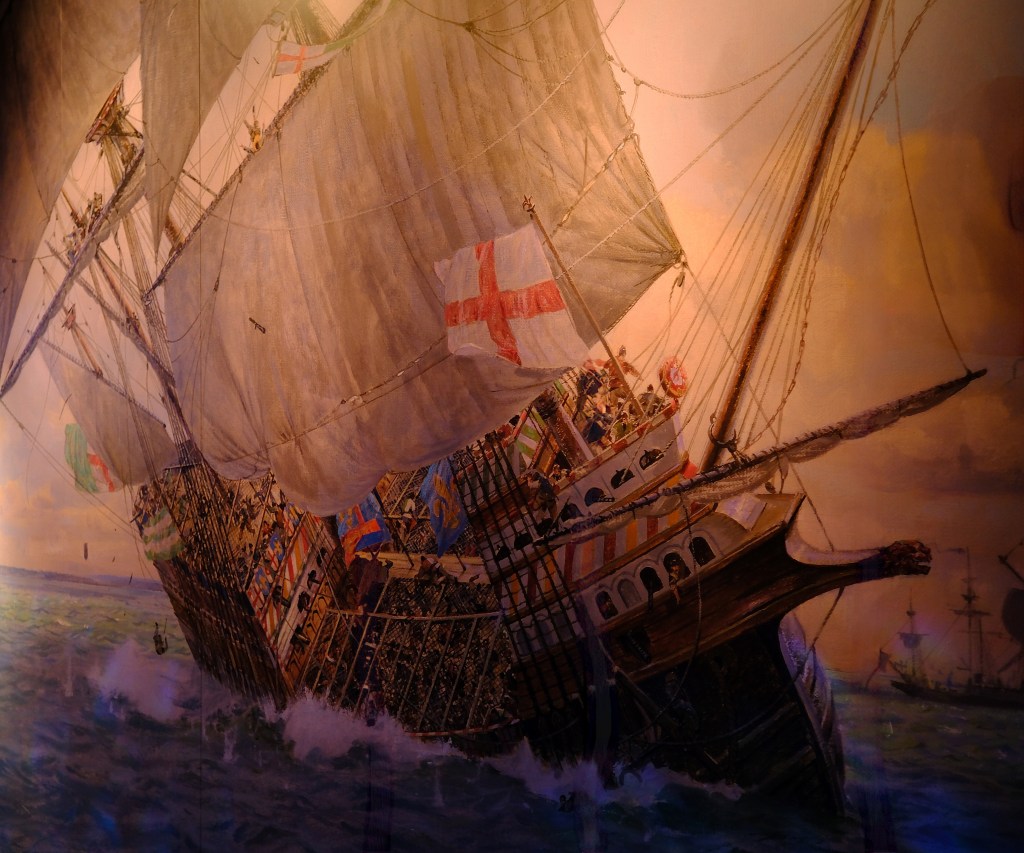
The Mary Rose was Henry VIII, flagship, built in 1511. She famously sank in the Solent in 1545 in full view of Southsea Castle. She took most of her crew of 500 souls with her. She was rediscovered in 1971 and raised in 1982. The part of the wreck that had become buried in the silt survived, and thousands of recovered Tudor artefacts, including personal items and weapons, were recovered.
In 1982, at the age of 22, I watched the raising operation of the Mary Rose live on TV with my grandfather. I remember his comment at the time. “What a waste of money to get a load of firewood off the seabed”!
The museum in Portsmouth Dockyard demonstrates that the salvage of the Mary Rose was a unique opportunity to snapshot into Tudor history. Over 19000 artefacts, along with the remains of the ship and crew, were recovered from the wreck site.
Archaeologists recovered 137 whole longbows and 172 part bows. There were also 3,500 arrows. Before the recovery of the Mary Rose, there were just 5 surviving longbows from medieval England known to exist.






link to the Museum,
1st light on the Hamble River Sunday morning.
Curlew and Spotted Redshank.
Hamble River bird films.
As winter approaches, the number of Sanderlings increase on Meon Shore. This is because the small number of resident birds increased with migratory birds from their breeding grounds in the Arctic Circle arriving.
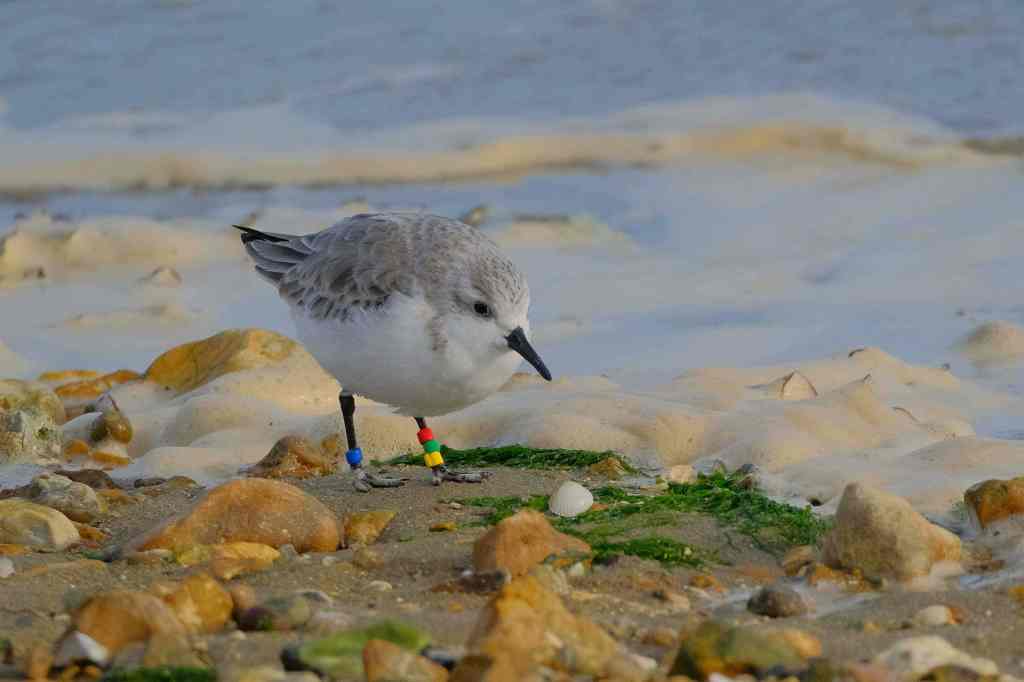


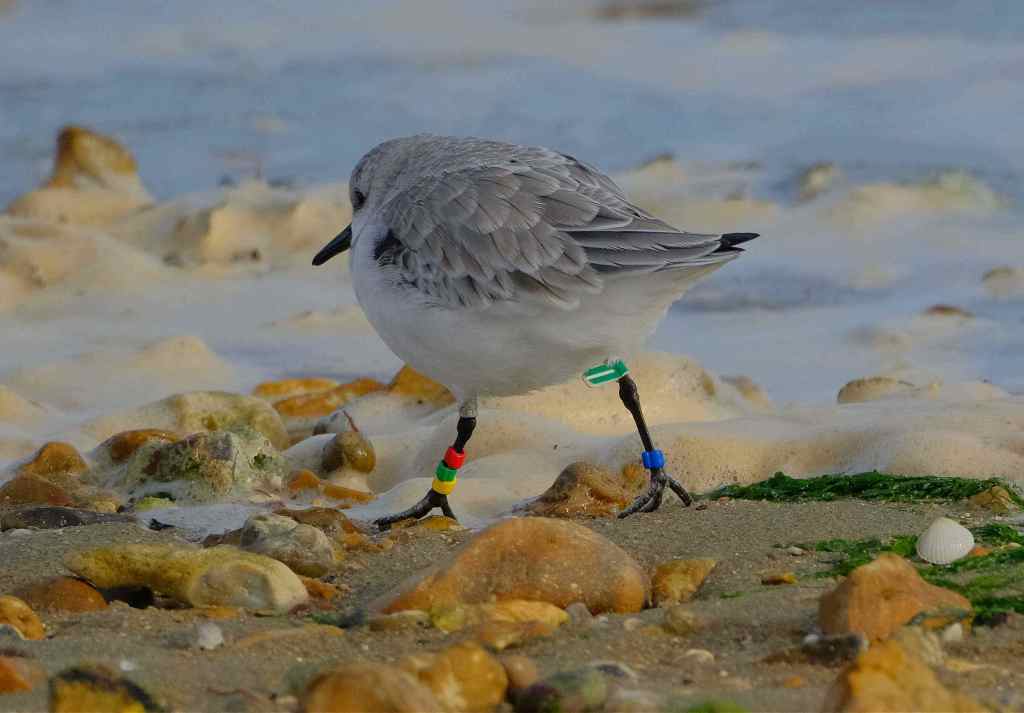
This ringed bird
This ringed bird has been on the beach for a few weeks. Ringed as an adult bird on a nest in NE Greenland on nesting grounds in summer 2025. I am always amazed at how a bird weighing just 60 grams makes this journey each year, then returns to their breeding grounds in the spring.


Over the past few weeks, the number of Ringed Plovers resting on the spit at Meon Shore has been increasing. This post is concentrating on this small wader.
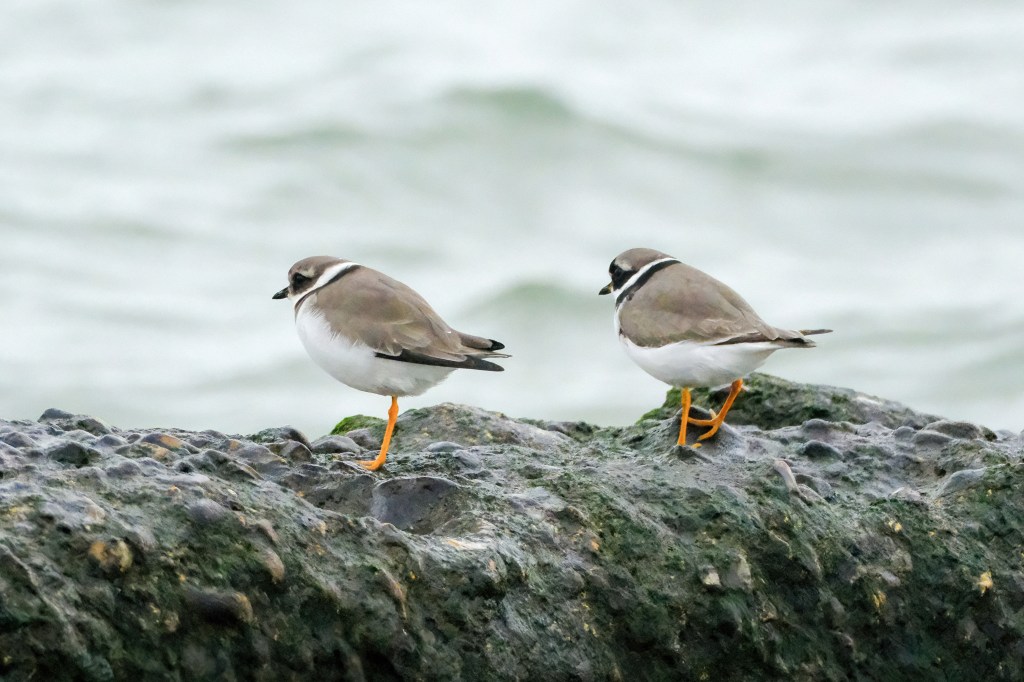
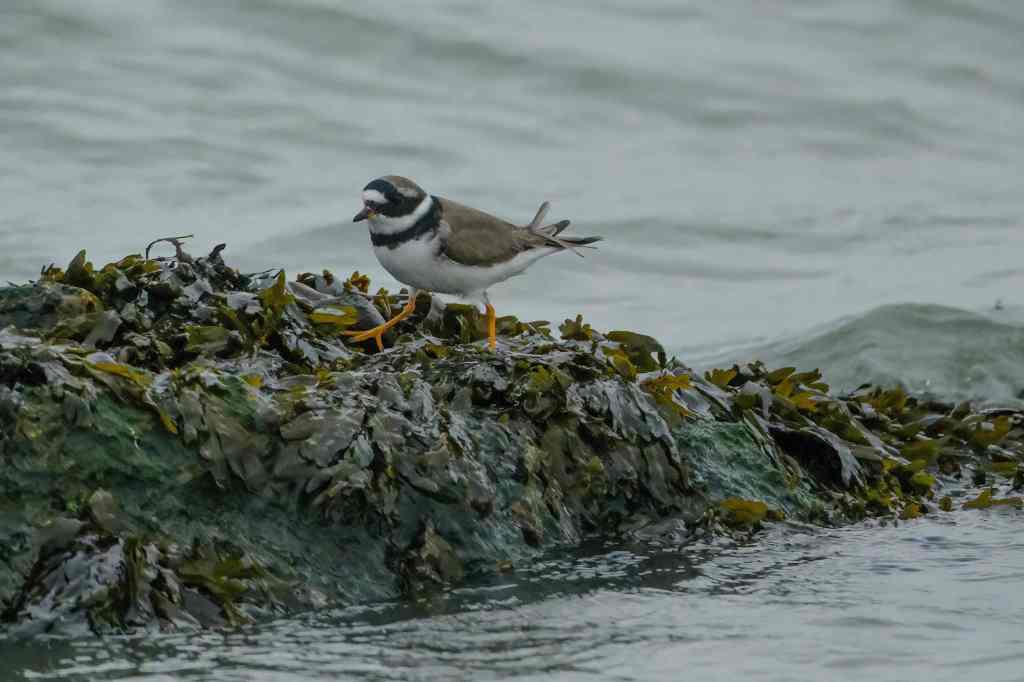
Ringed plovers are described as small and dumpy wading birds with orange legs and a black and white head and breast pattern. They can be seen foraging for small invertebrates and crustaceans in a characteristic “stand and watch, run, peck” pattern.
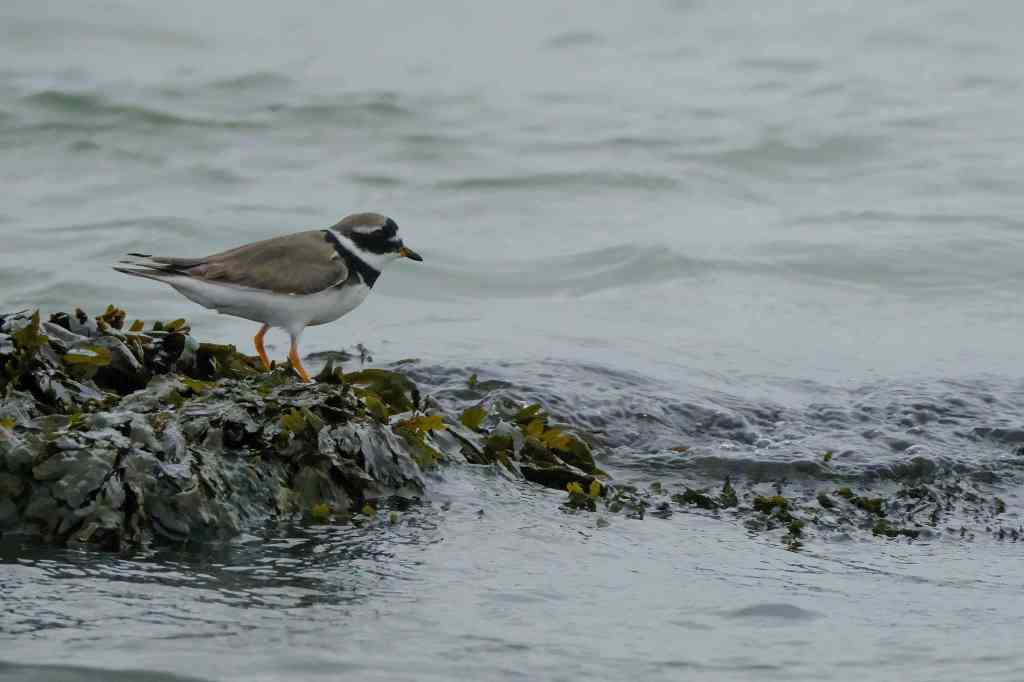
UK numbers ; breeding birds 5,450+ pairs; wintering 42,500 birds

The birds group up beach and will fly together in small flocks.
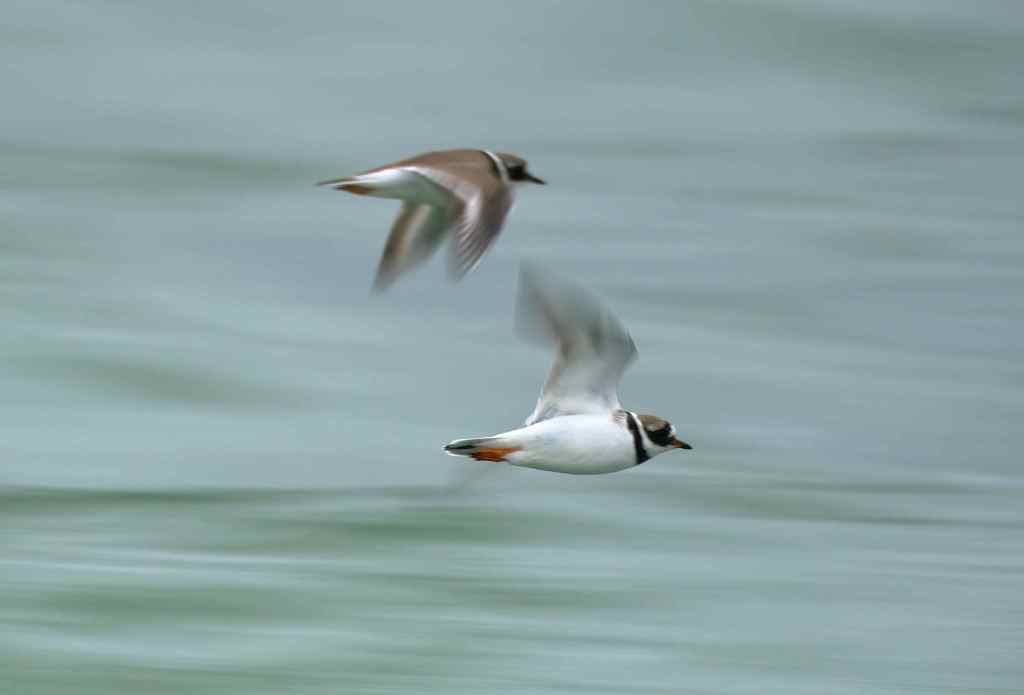
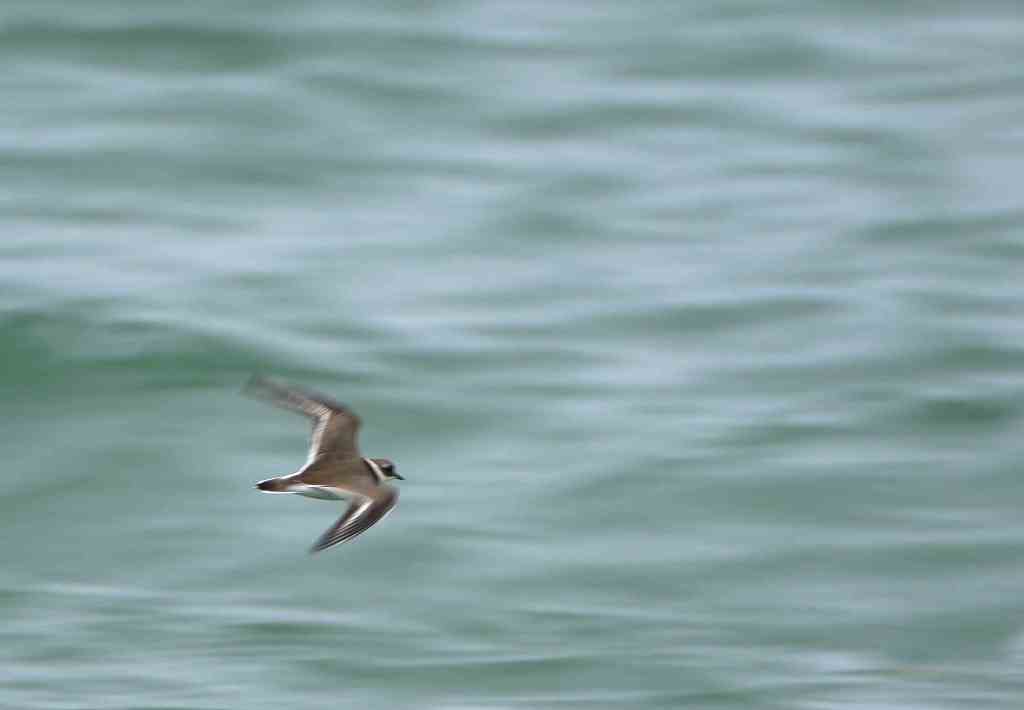
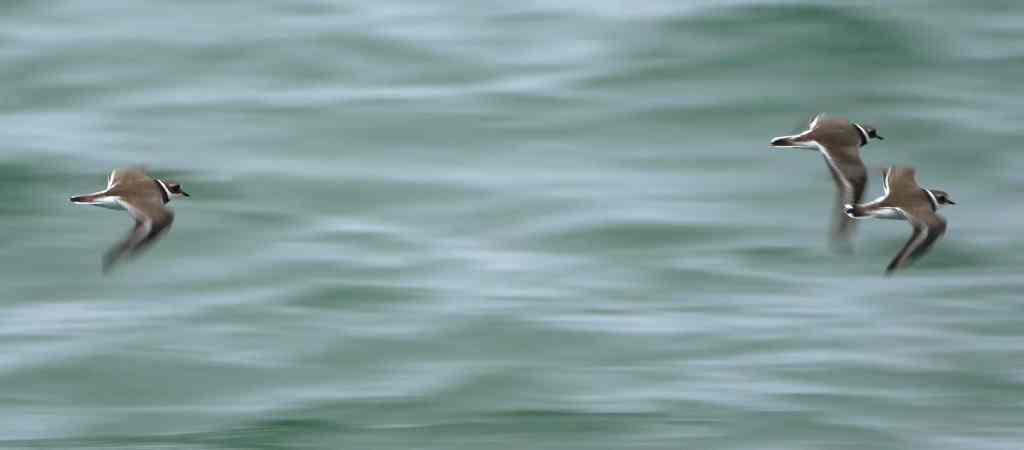

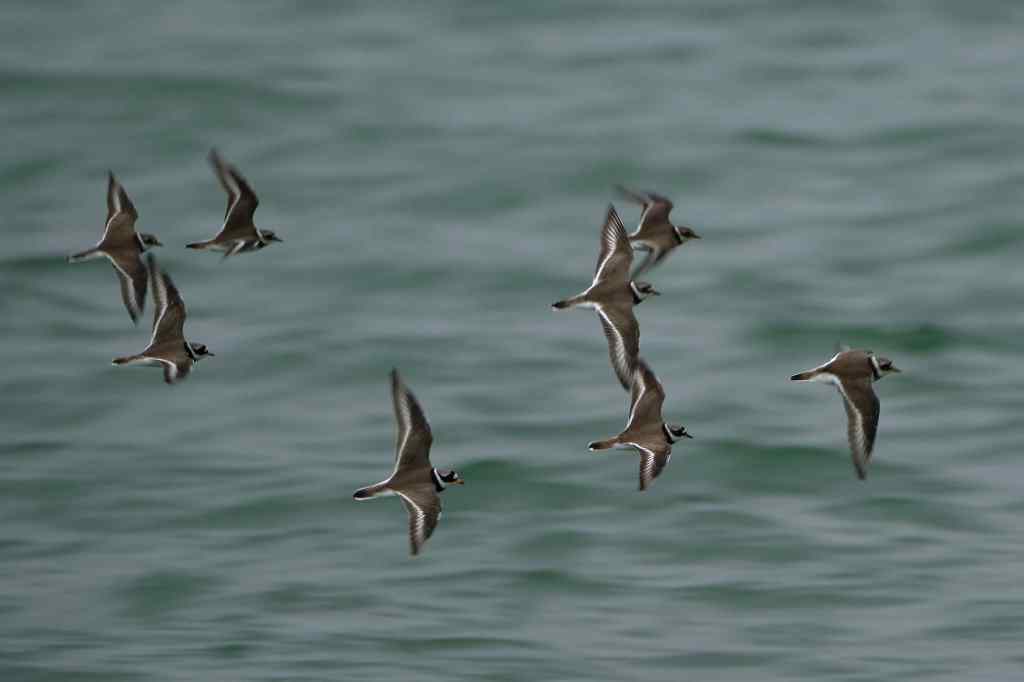
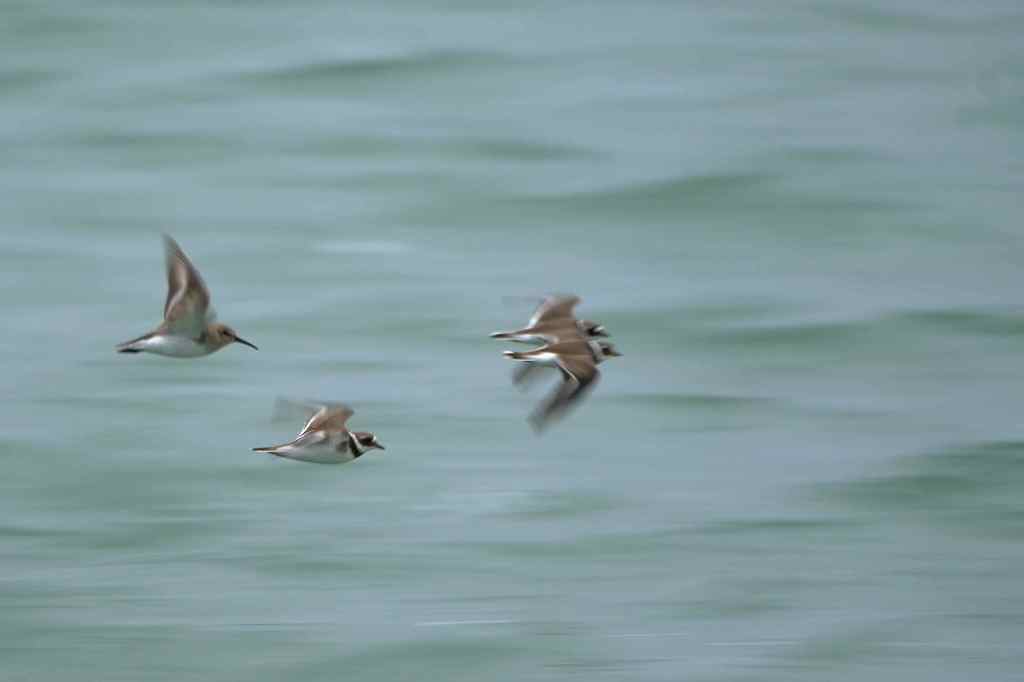
Note in the last picture, a Dunlin has tagged on!
Were the River Test meets Southampton Water is the small town of Eling. Eling is now part of the city of Southampton, has a long history of its own. The quay dates back over a thousand years; a medieval tidal mill was the centre of settlement it was once a hub for industries such as shipbuilding and timber. Today, the mill is open to the public, the area has light industry, and private boat mooring.


A walk early this morning, started from Eling and followed Southampton Water down towards Marchwood. The unofficial path follows the water opposite the city’s container terminal, giving both views of the workings of the docks and mudflats.




Engineers need a head for heights for pilon work!

Some interesting wildlife on the walk. Starting with Little Egret.


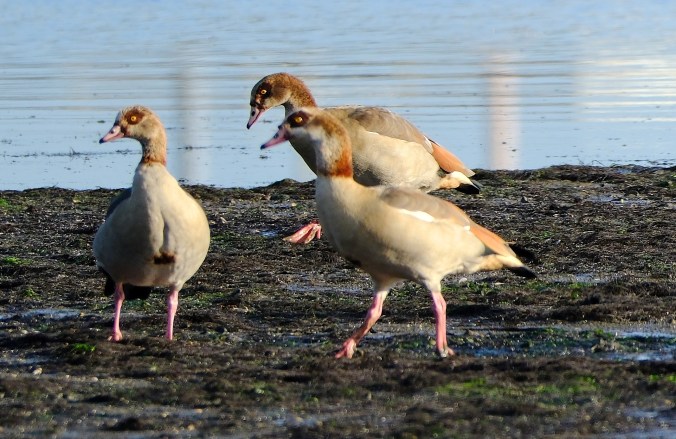
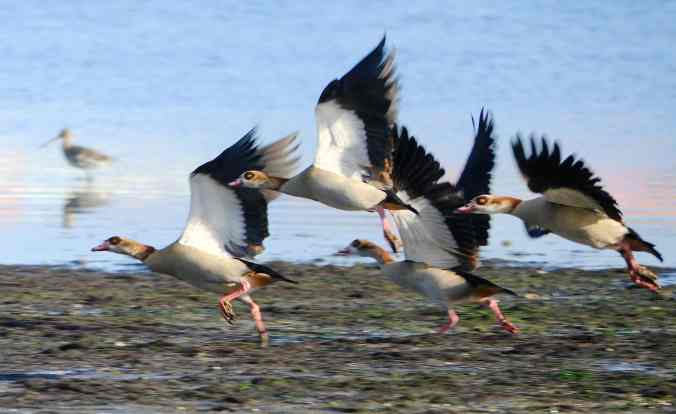
Egyptian geese. This goose is related to the Shelduck. It was introduced to ornamental ponds, but escaped into the wild, where it’s now successfully breeding. In 2009, it was officially declared a non-native species.

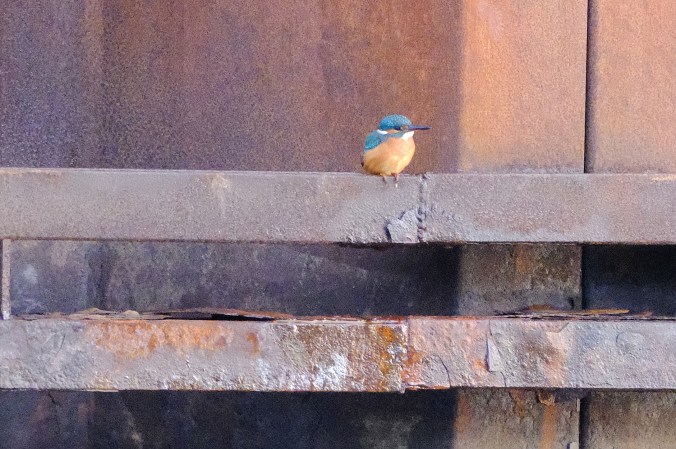
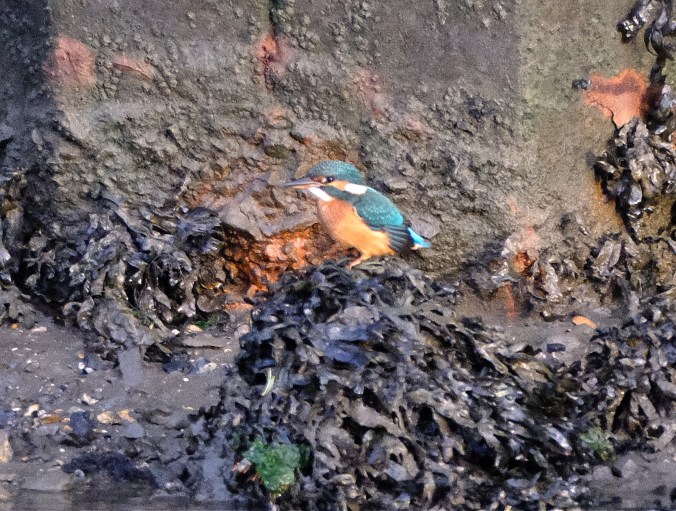
Very distant Kingfisher.
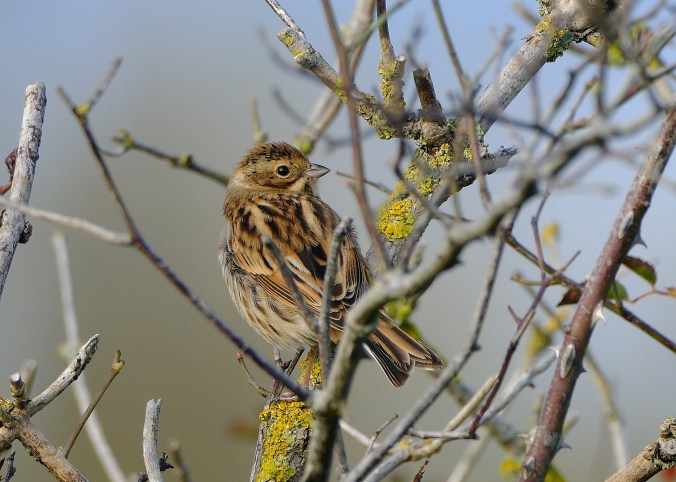
Female Reed Bunting.

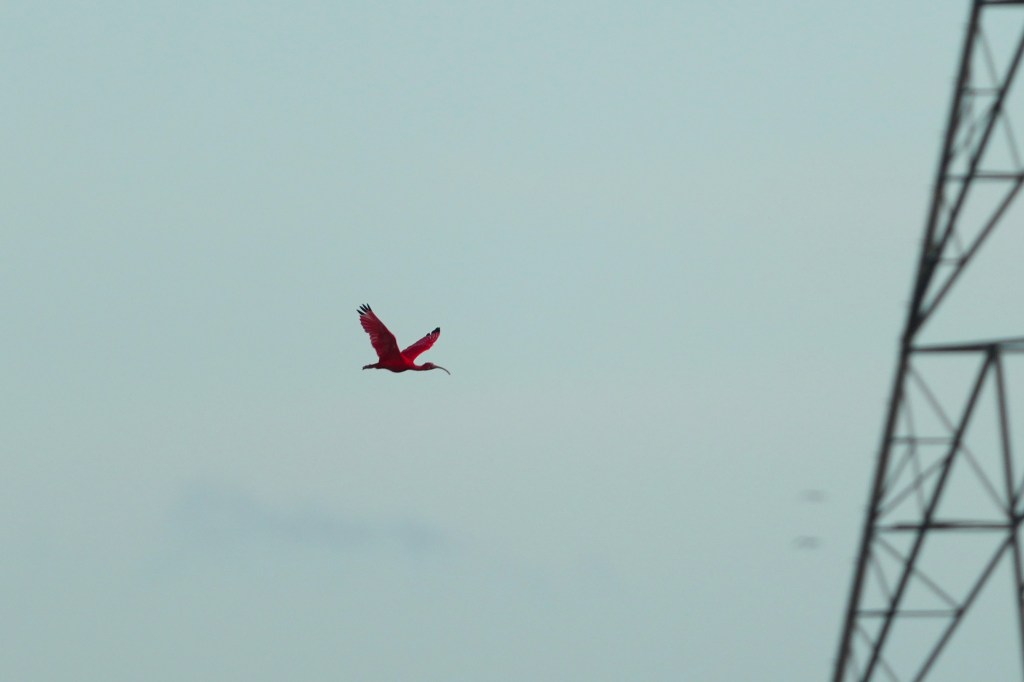
Scarlet Ibis, not very clear pictures, but this bird was some distance off. A surprise sighting of a non-native Scarlet Ibis! It seems several of these South American natives escaped from a local bird park a few months ago.

 Continued Reflections from my World.