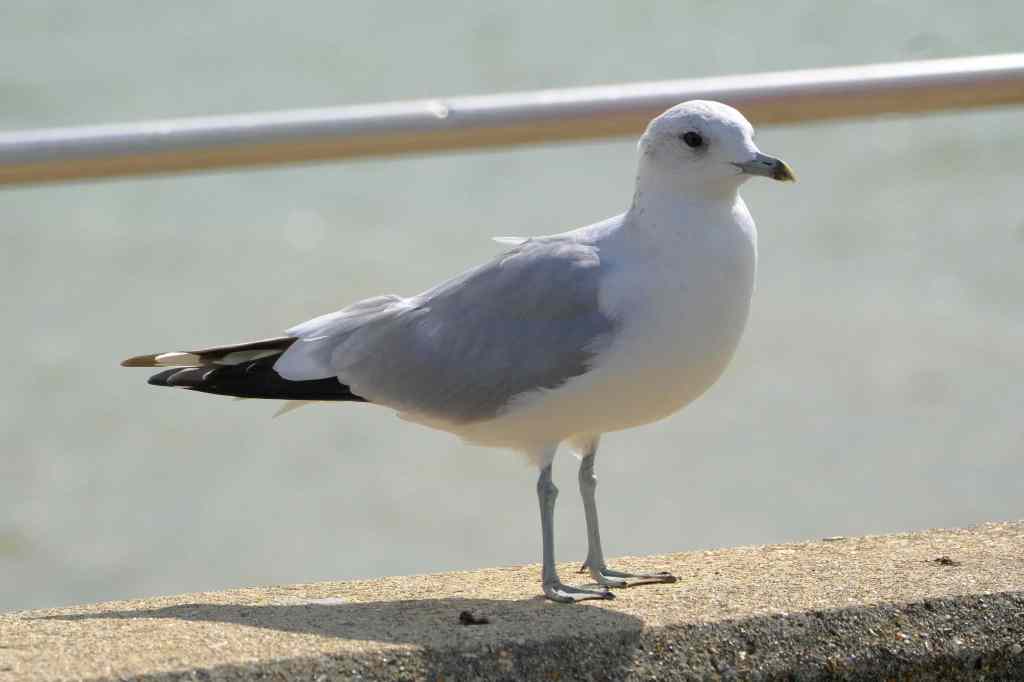
The Common Gull looks like a smaller version of the Herring Gull, with greenish/blue legs and a yellow bill. Despite its name, it is not common.
Conservation status: Red
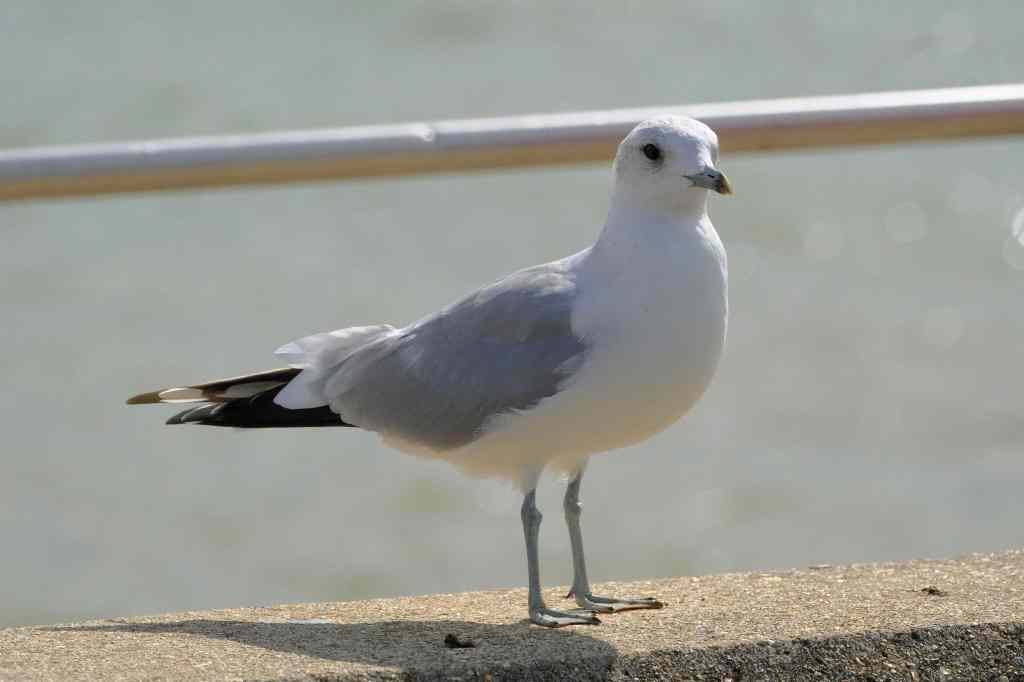
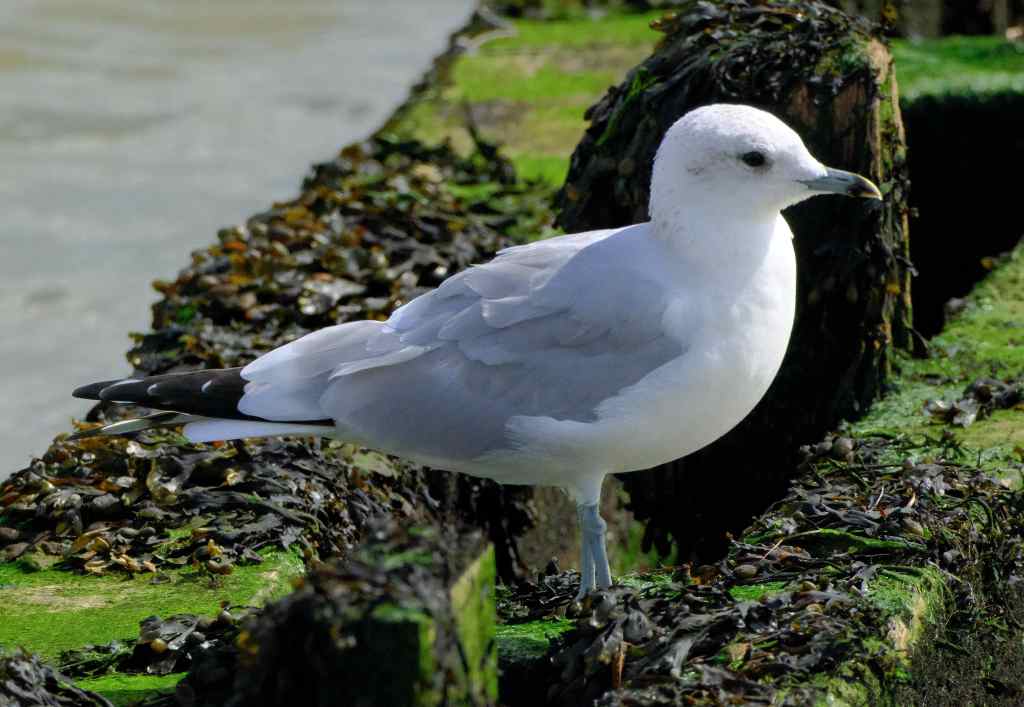

More from Thursday’s boat trip to Hurst Spit. From1544, Hurst Castle has guarded the entrance to the Solent; on Hurst Spit, its strategic location meant the castle was destined to be a powerful fortress.
From its beginnings as one of King Henry VIII’s chain of artillery fortresses in 1544, the Victorians extended the fort into a large artillery battery along with other forts across the Solent on the Isle of Wight.– It remained in military use until 1956, playing an active role through both World Wars.
Currently, the castle is undergoing extensive repairs to a 38-metre section of the Victorian east wing wall, and gun emplacements that collapsed on 26th February 2021 following severe storm damage and coastal erosion that undercut its foundations


Below is a stock photo of the storm damage before repairs began.

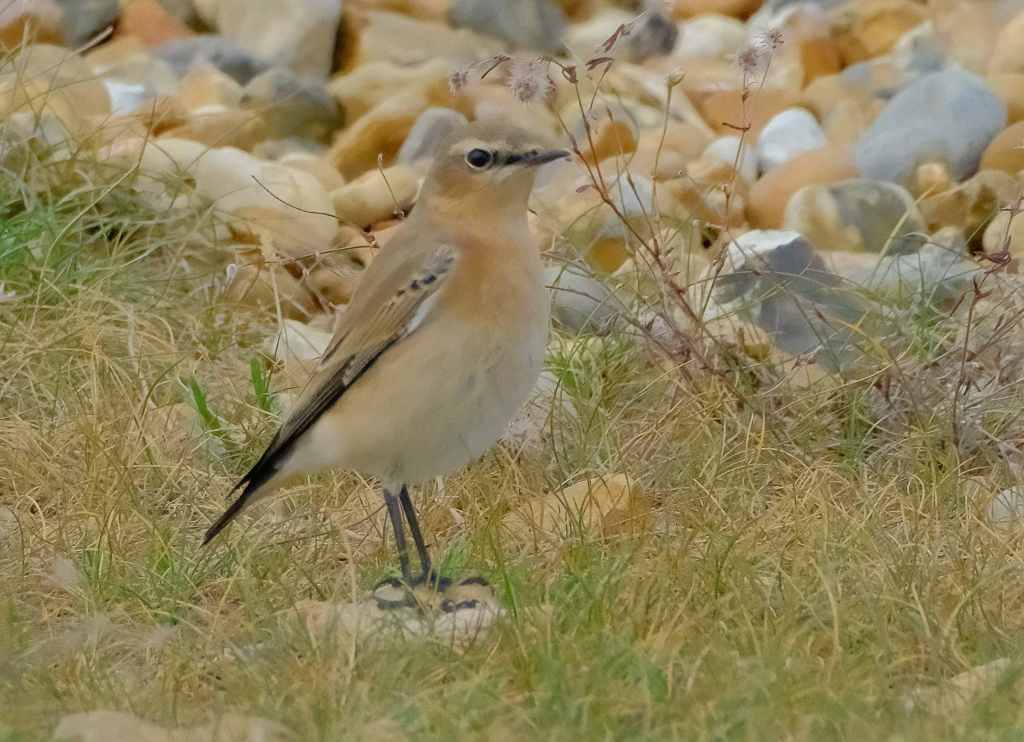
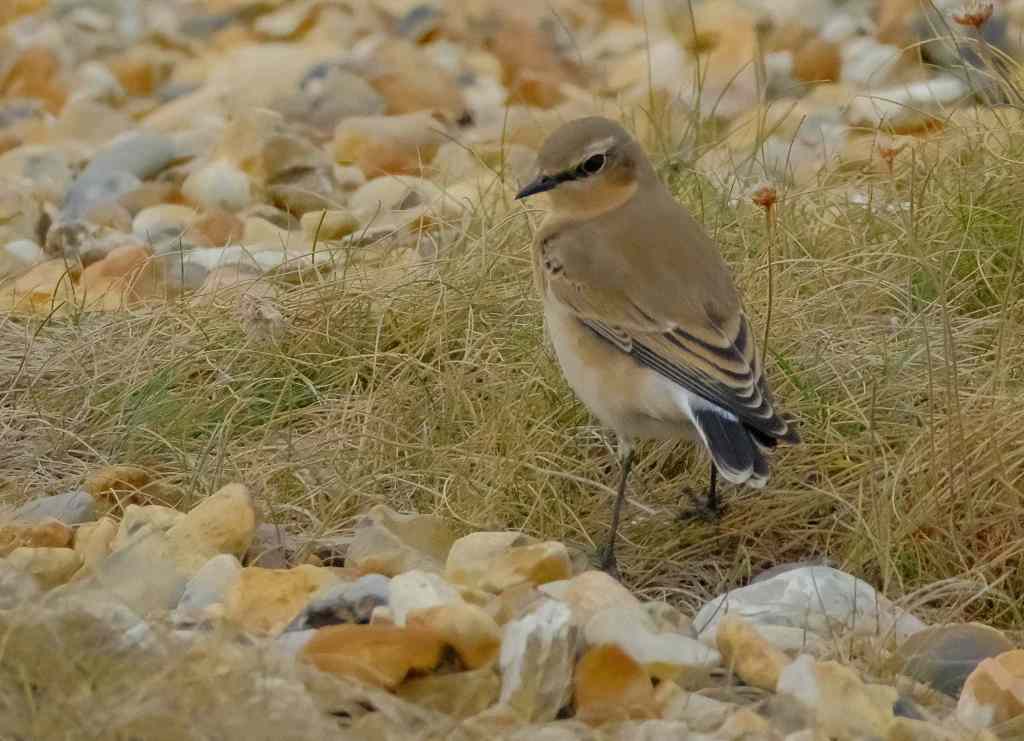
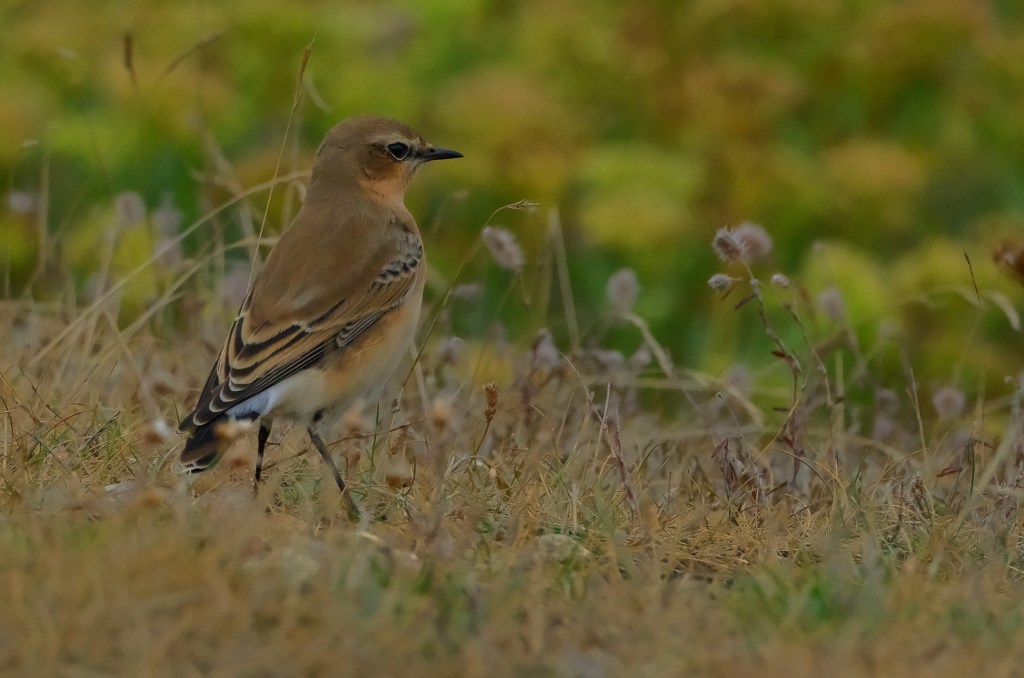
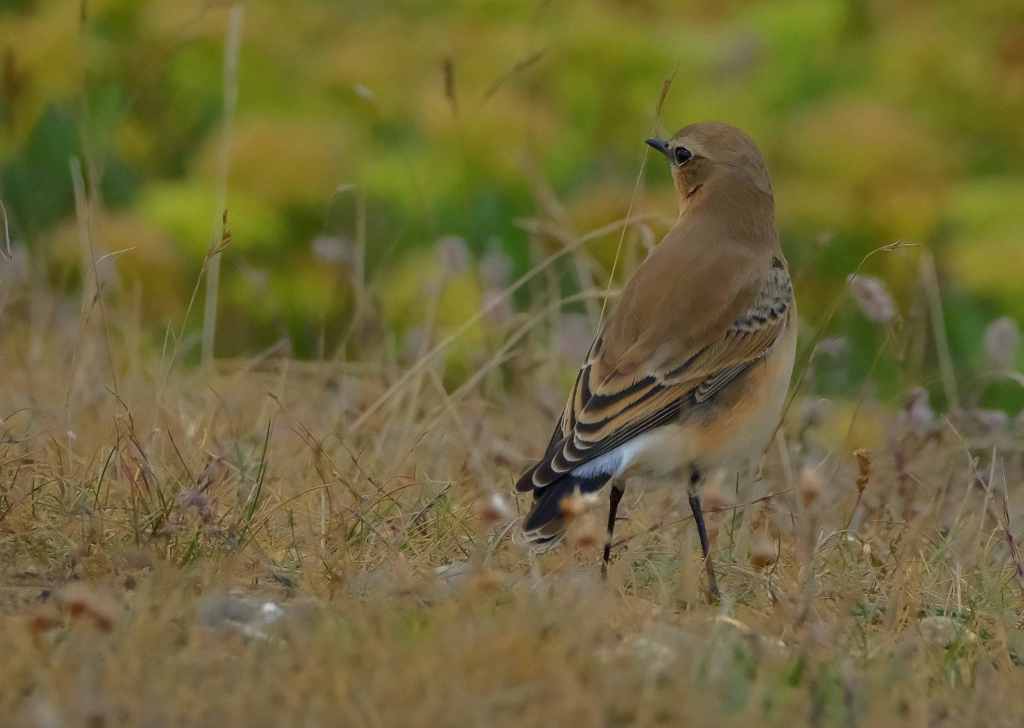
A UK robin-sized chat, the wheatear is a summer visitor, arriving here in early March and leaving in September for its African wintering grounds. There were several of these good-looking birds on Hurst Spit today. They are mainly ground-dwelling birds. It hops or runs on the ground looking for food.
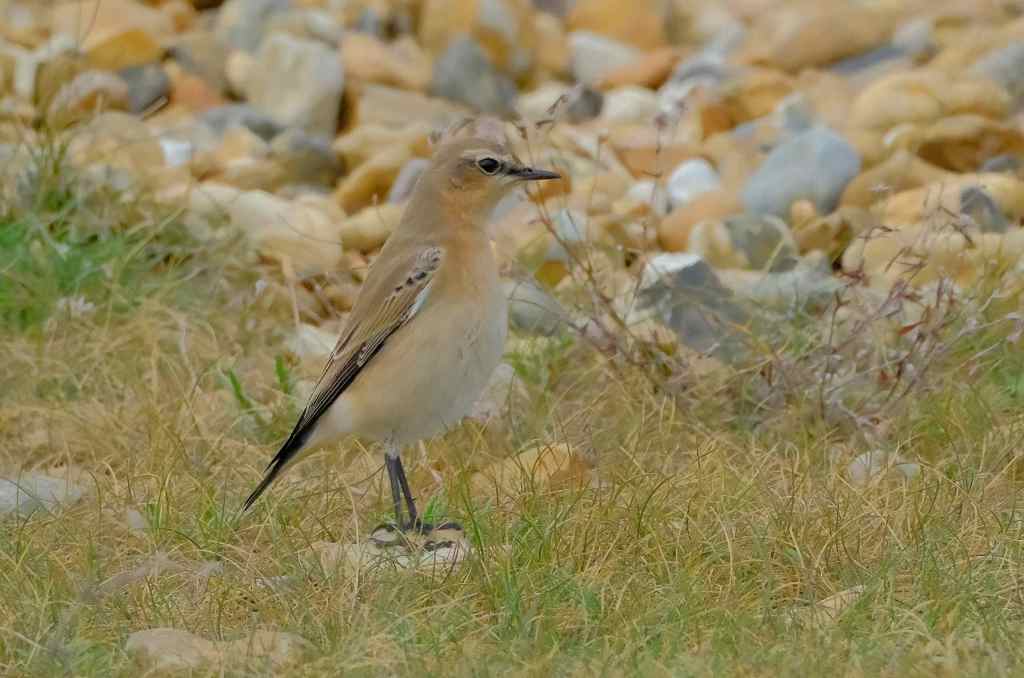
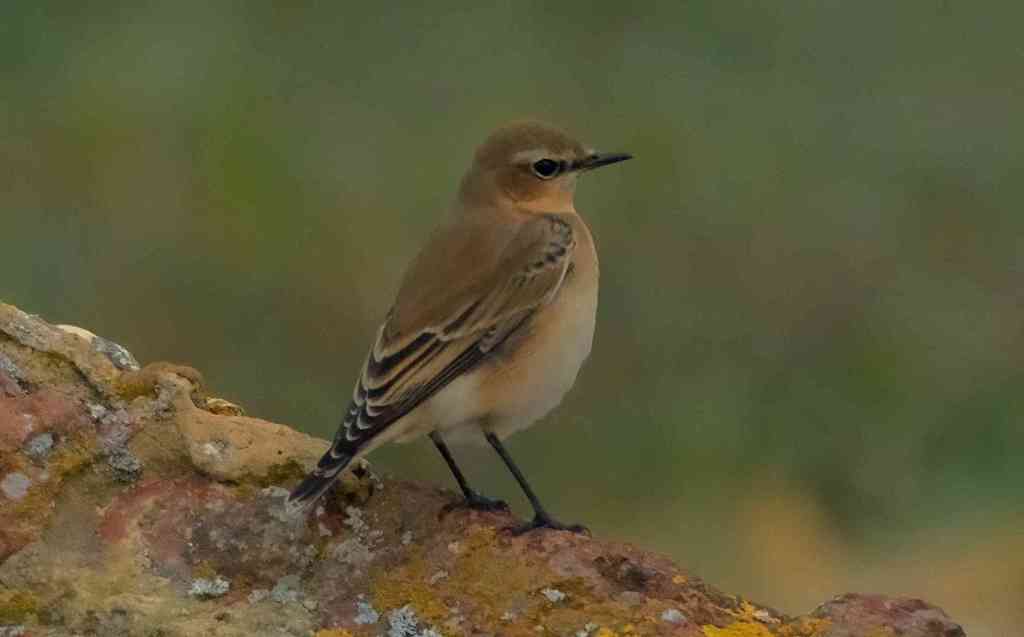
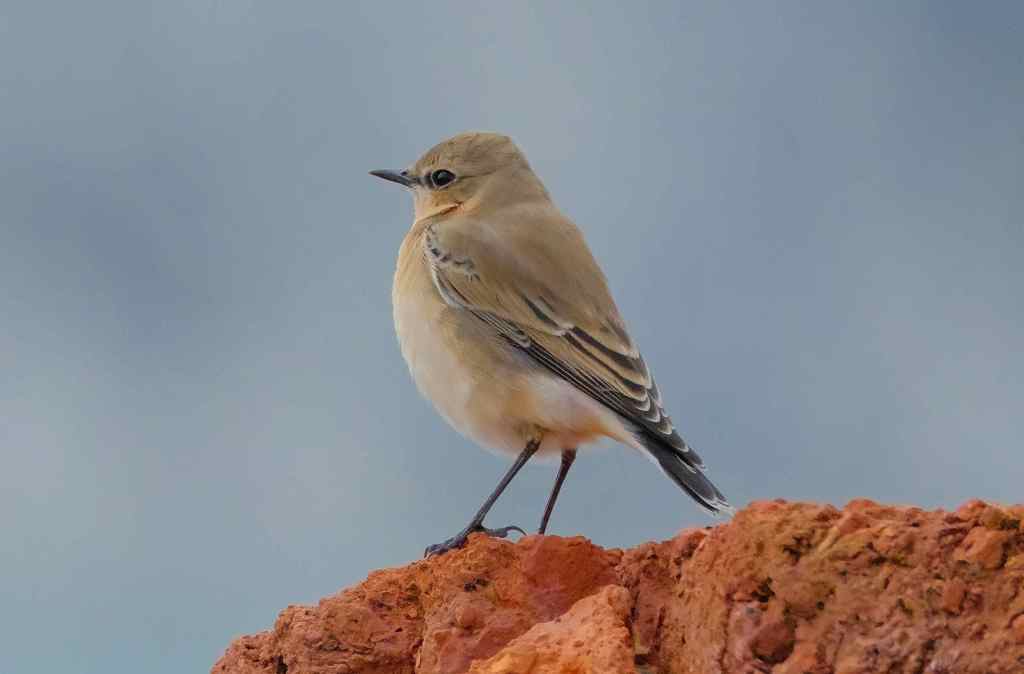
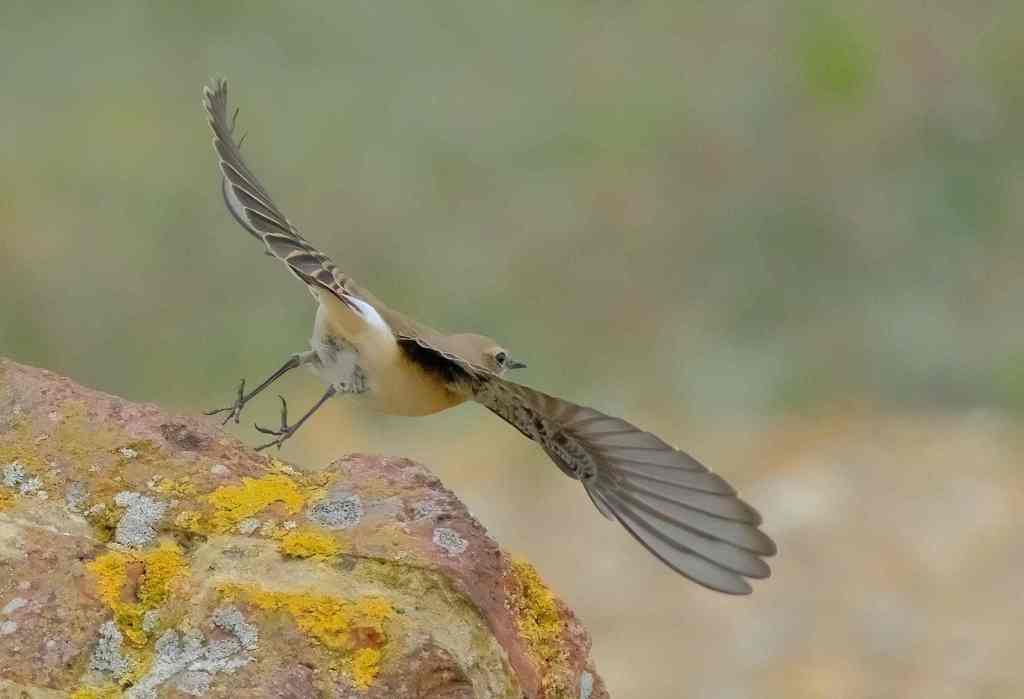
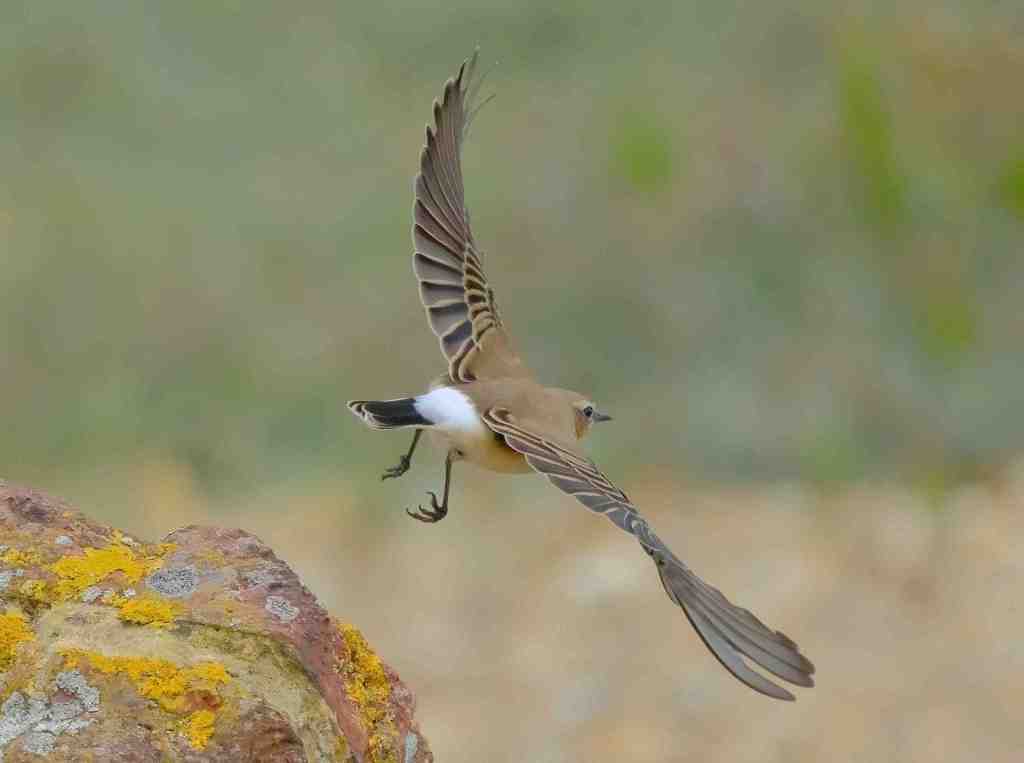
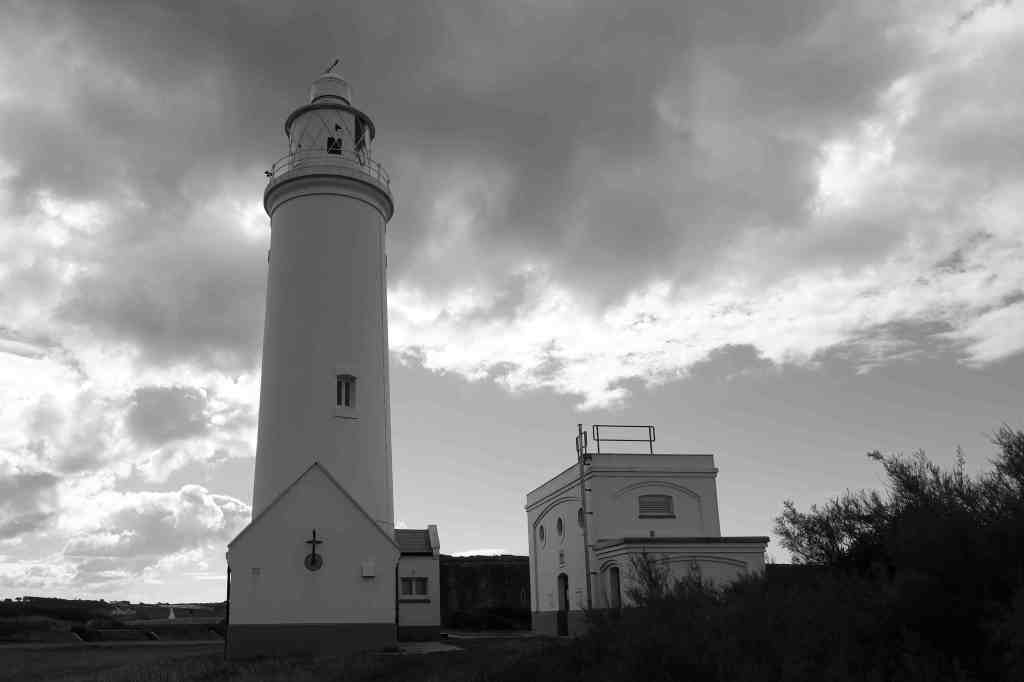
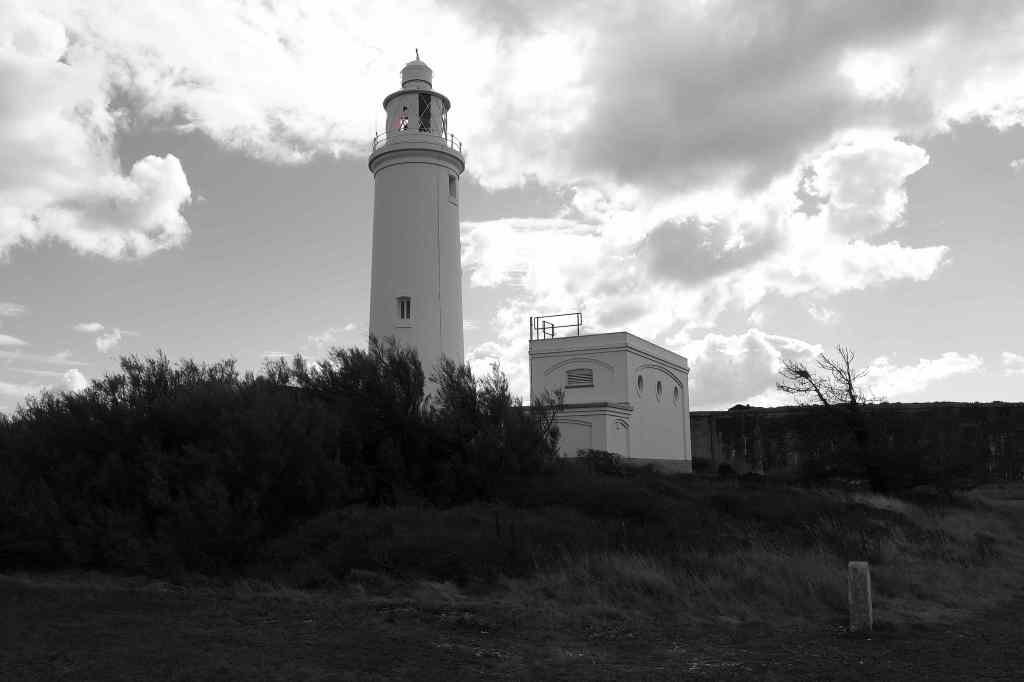
Today we took a small ferry to Hurst Castle. On the spit, there is a lighthouse.
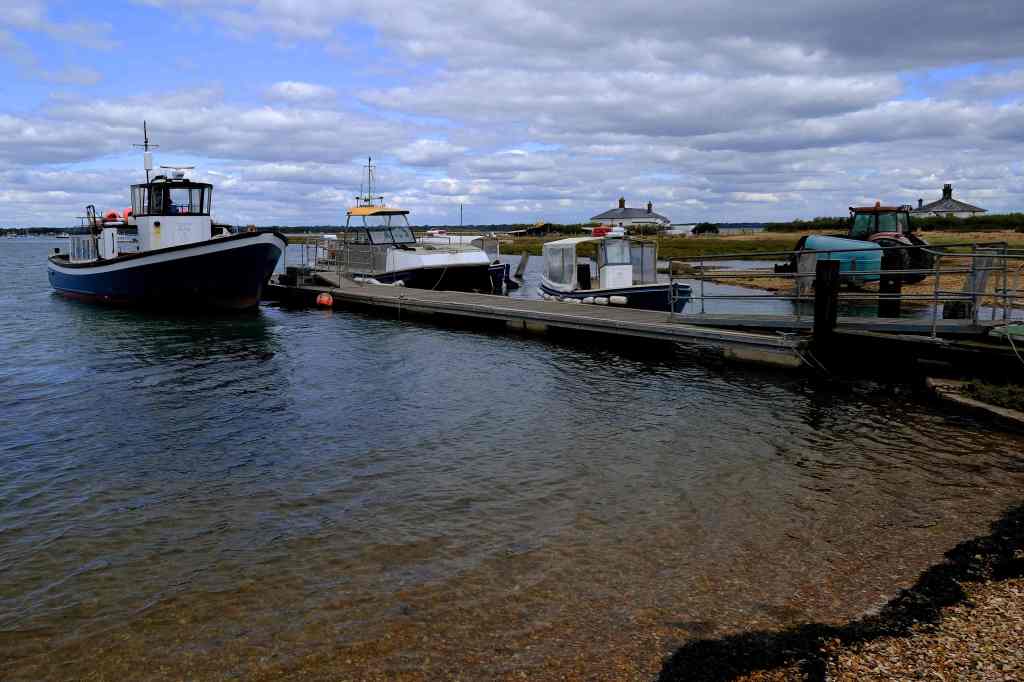
Hurst Point Lighthouse was built by Trinity House in 1867 to guide vessels through the hazardous western approaches to the Solent
The lighthouse was automated in 1923 and is now monitored and controlled from Trinity House’s Planning Centre in Harwich, Essex.
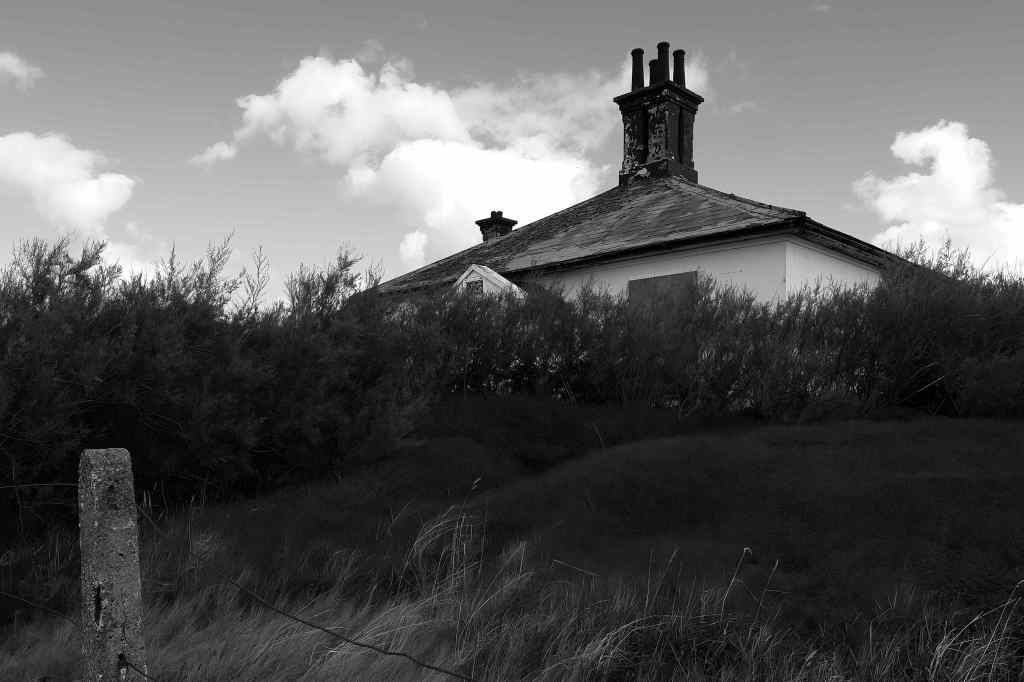
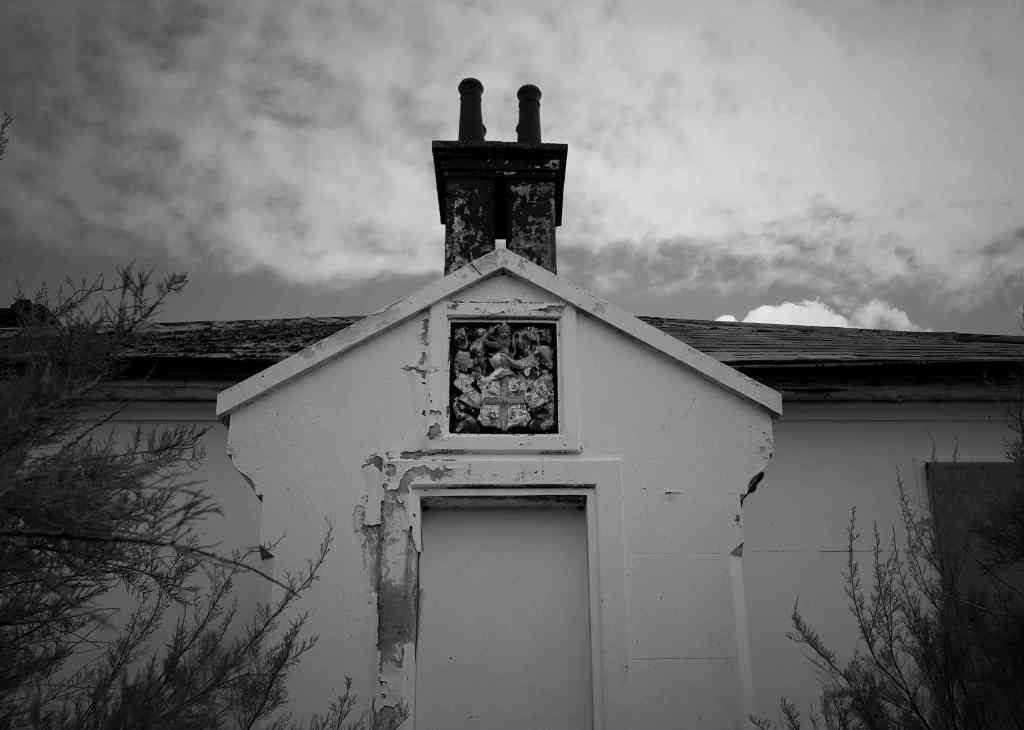
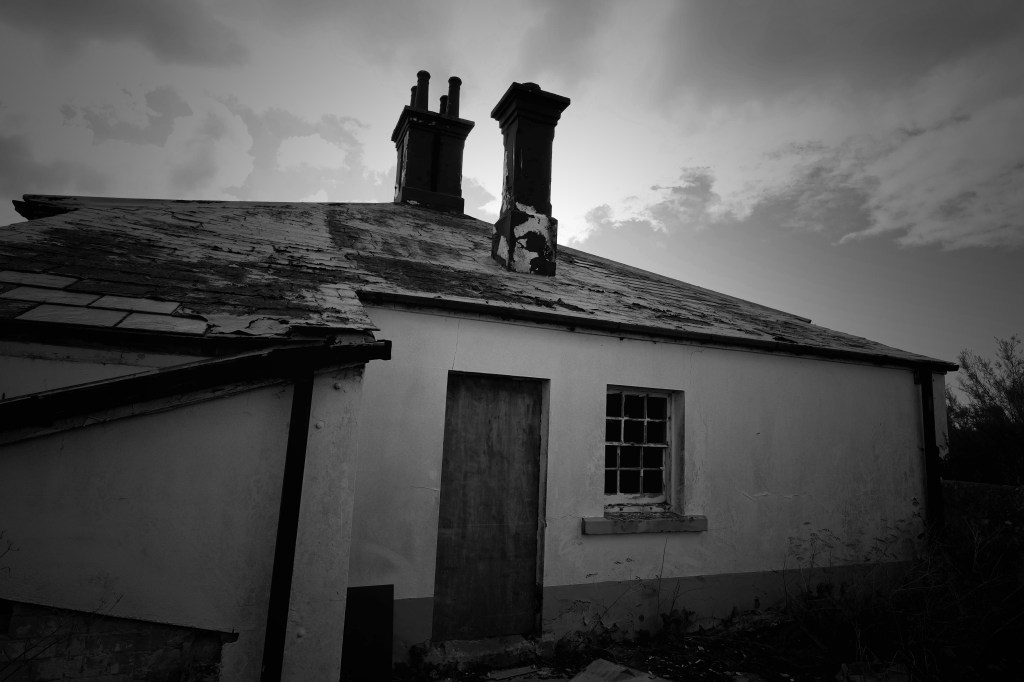
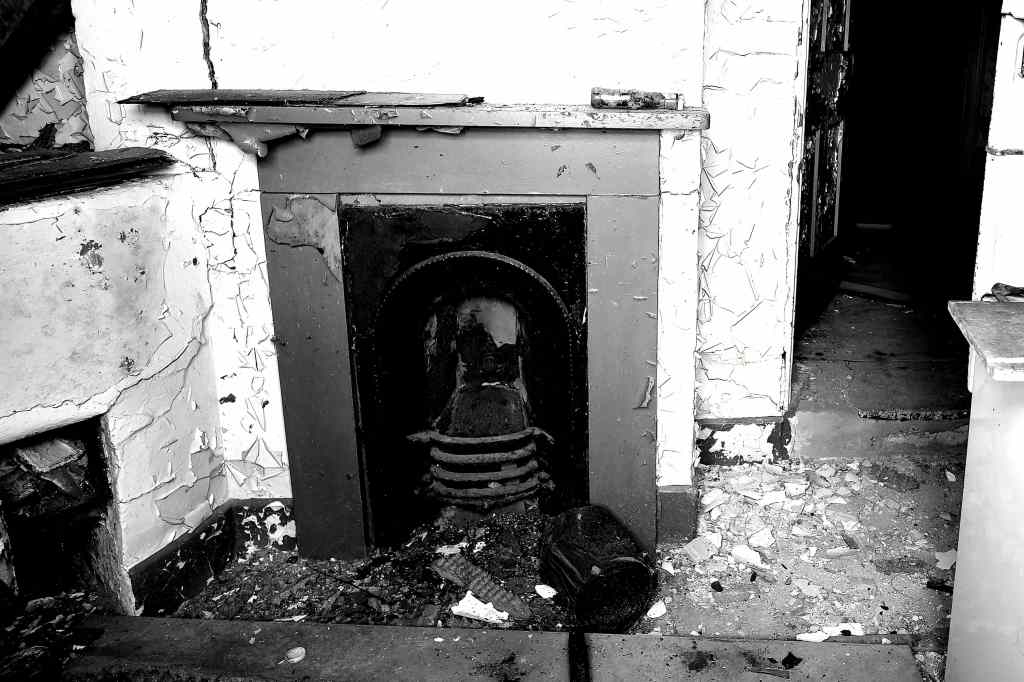
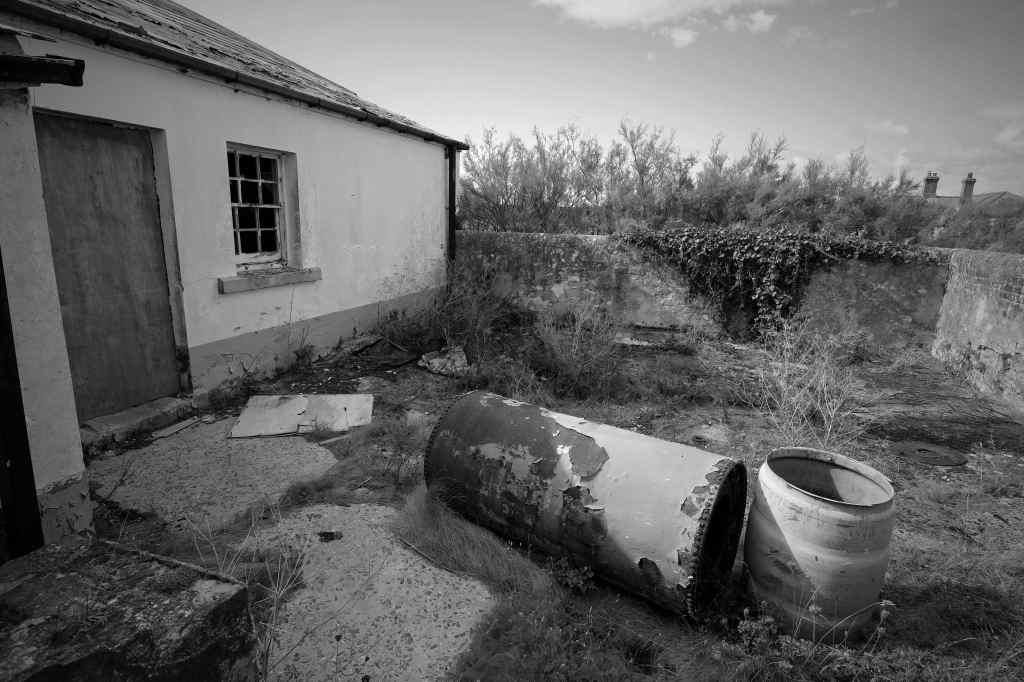
The old keeper’s cottages have fallen into disrepair.
Along the River Hamble from Warsash, a favourite short walk for Sunday morning. Nothing new today but some old favourites
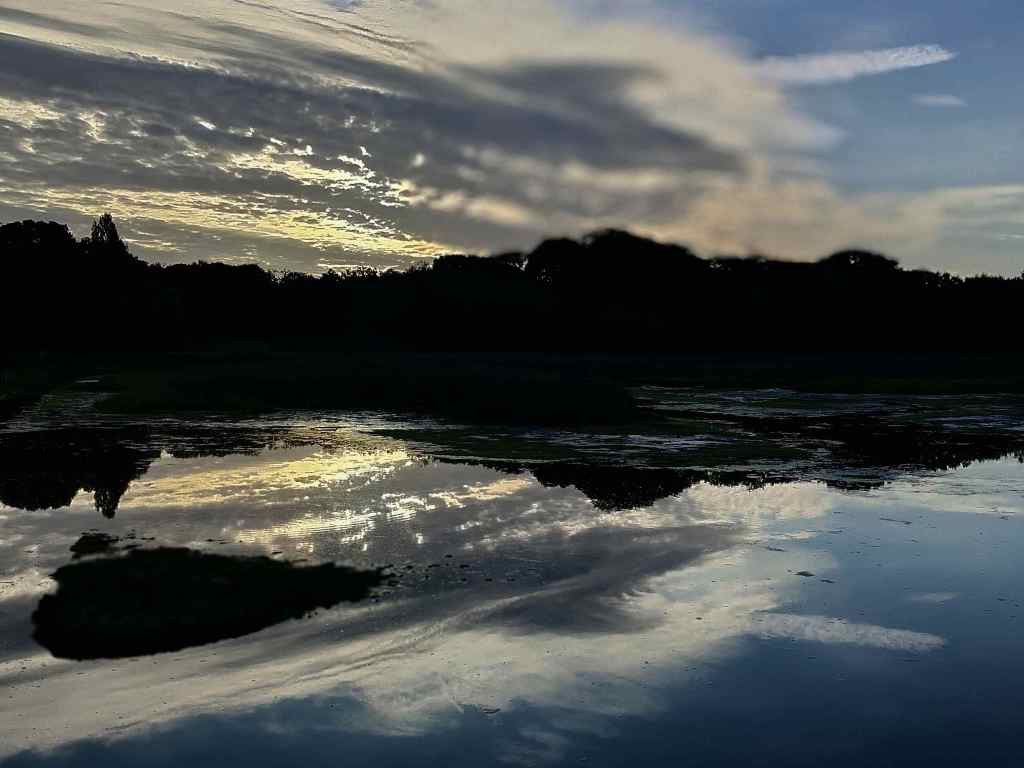
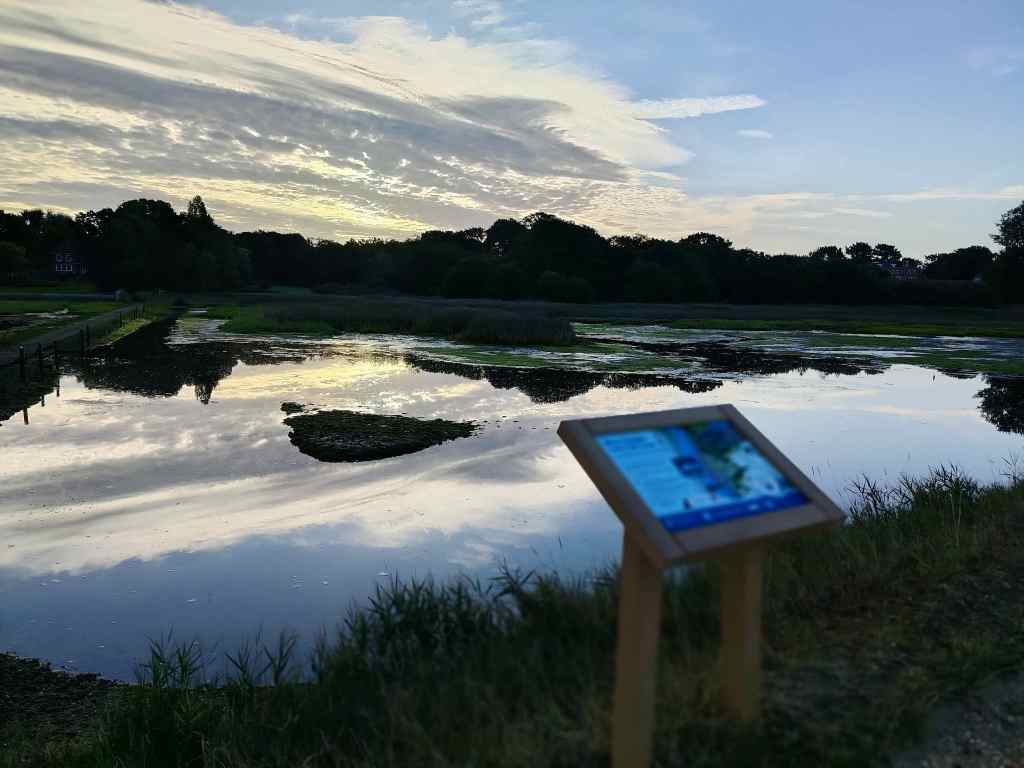
The tide was on the turn and starting to come in.
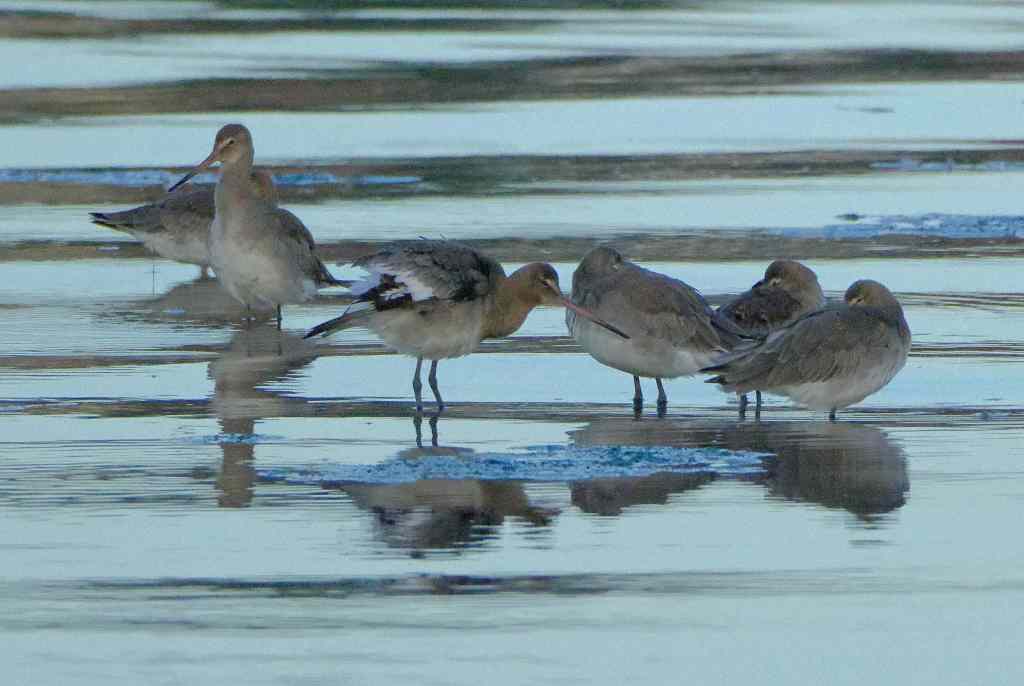
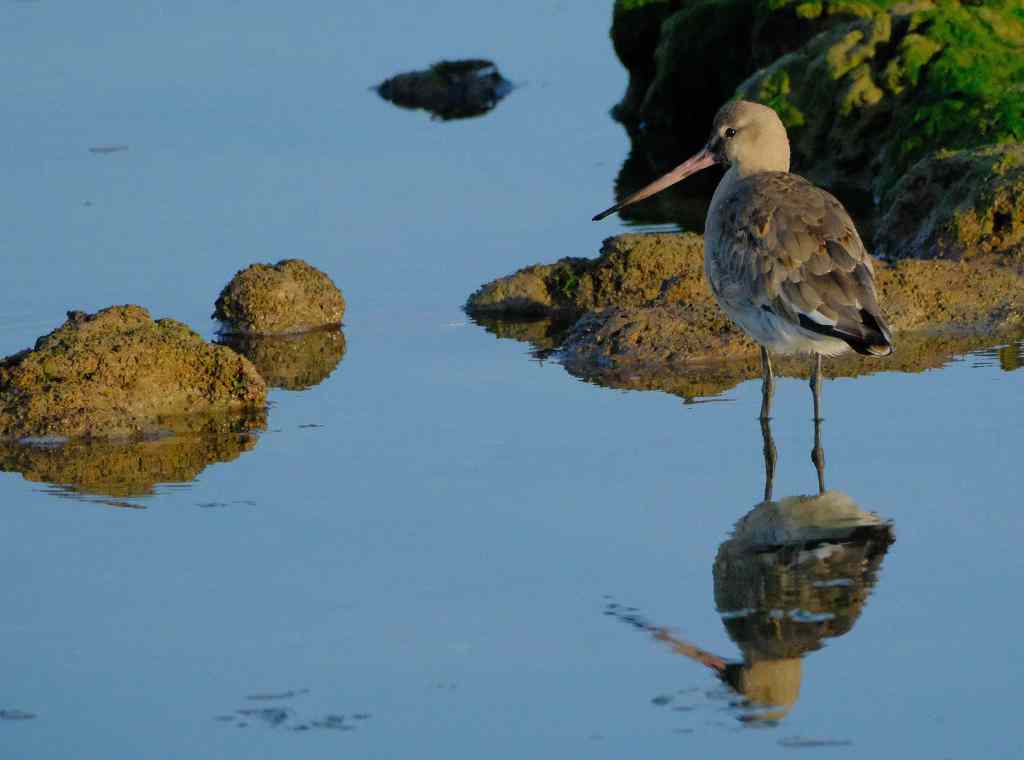
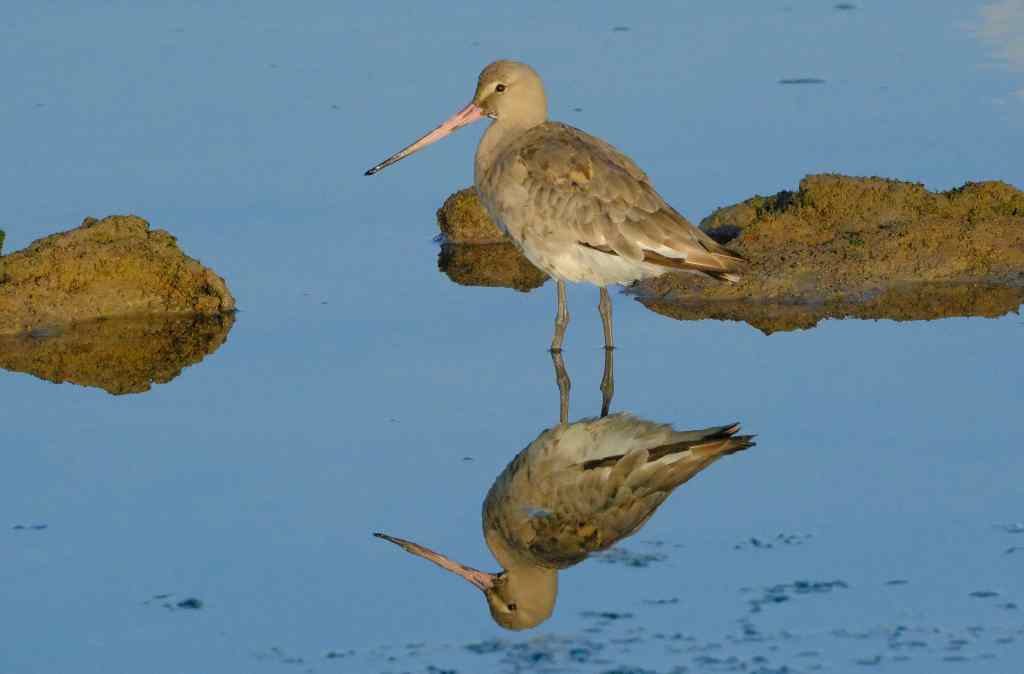
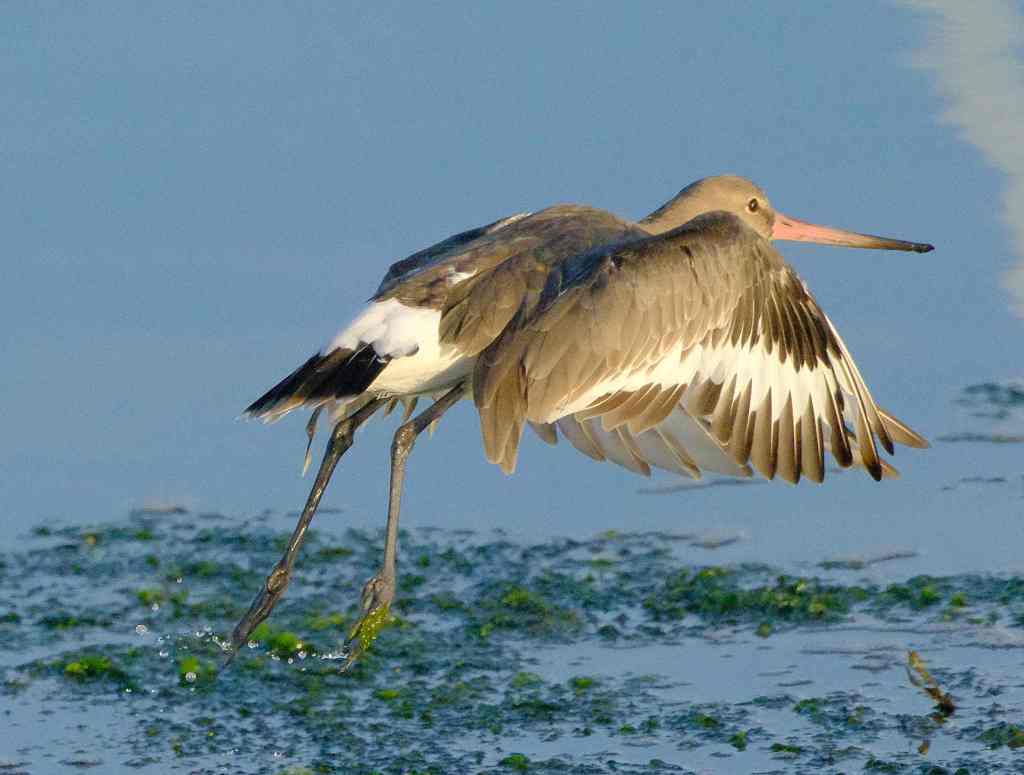
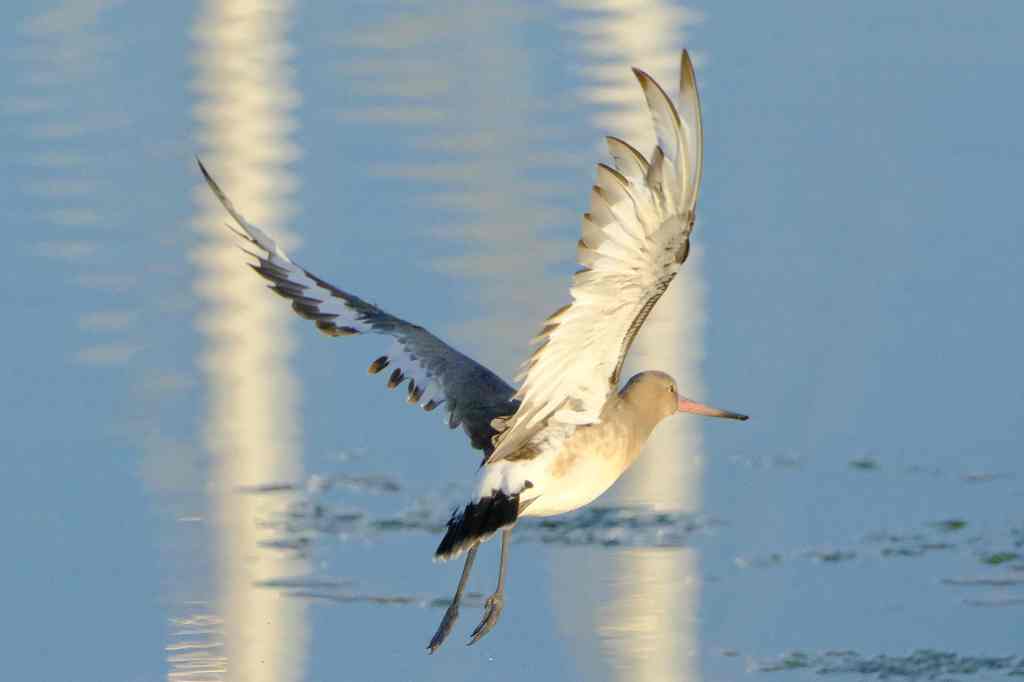
Blacktail Godwitts – there were good numbers of these waders, which have now lost their summer breeding plumage.
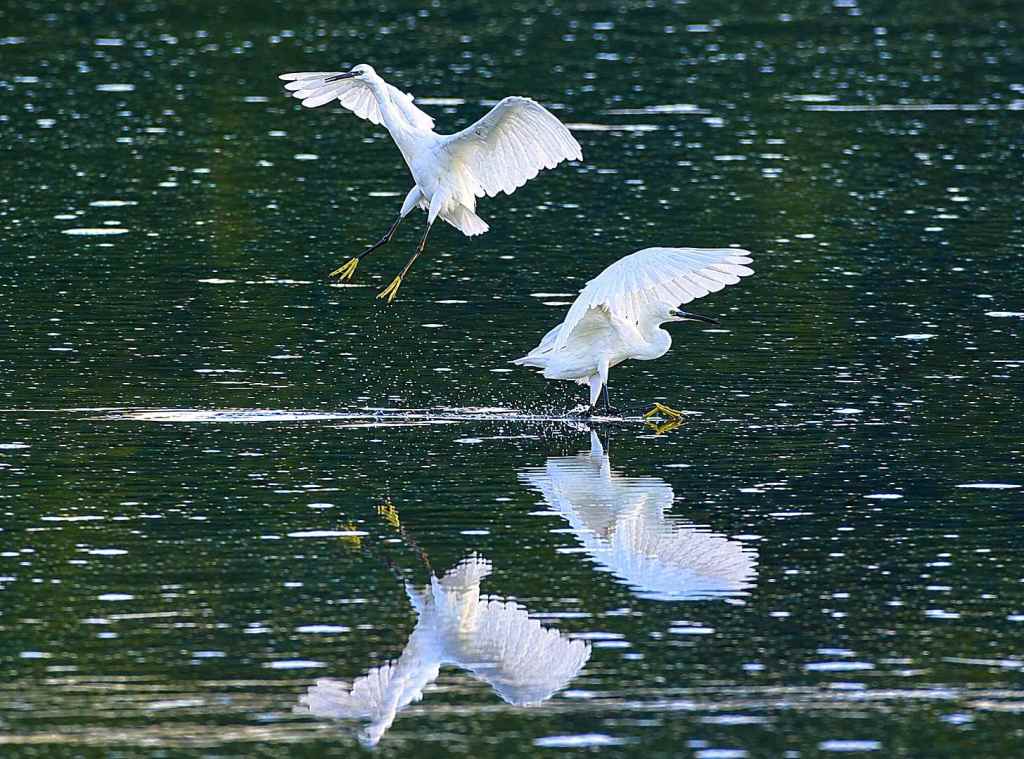
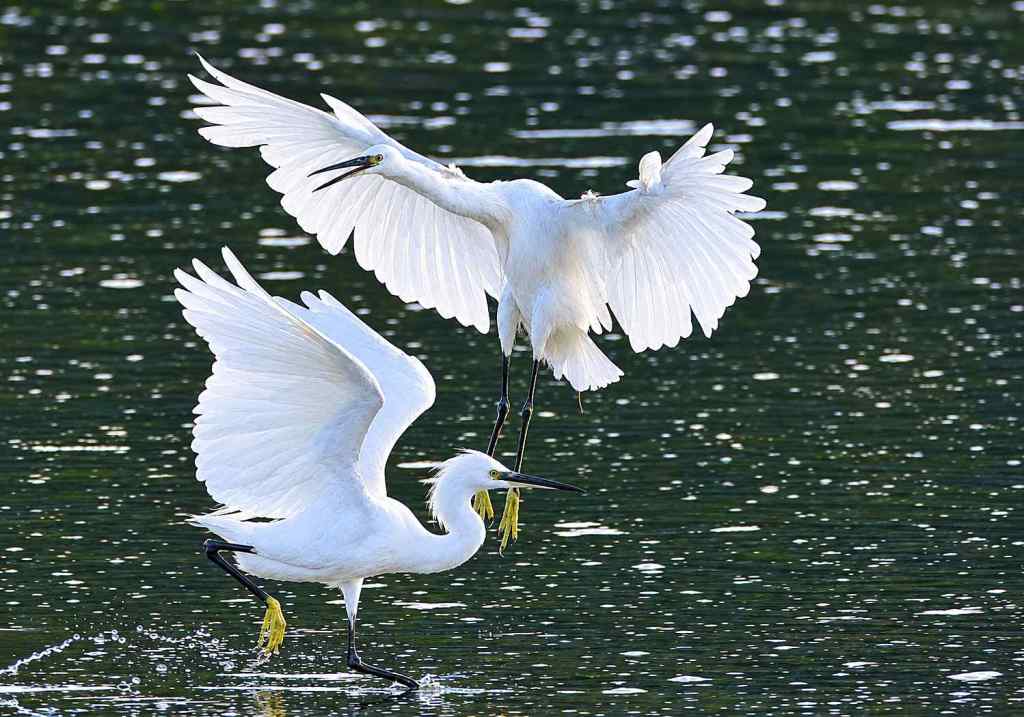
A high number of Little Egrets were on the river and in the surrounding areas.
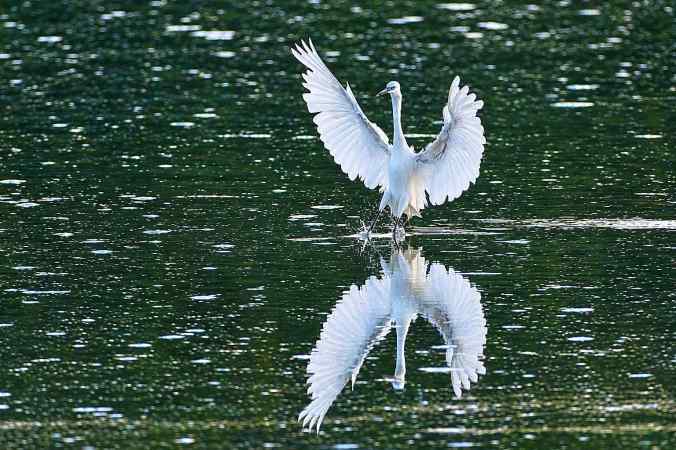
Turnstone
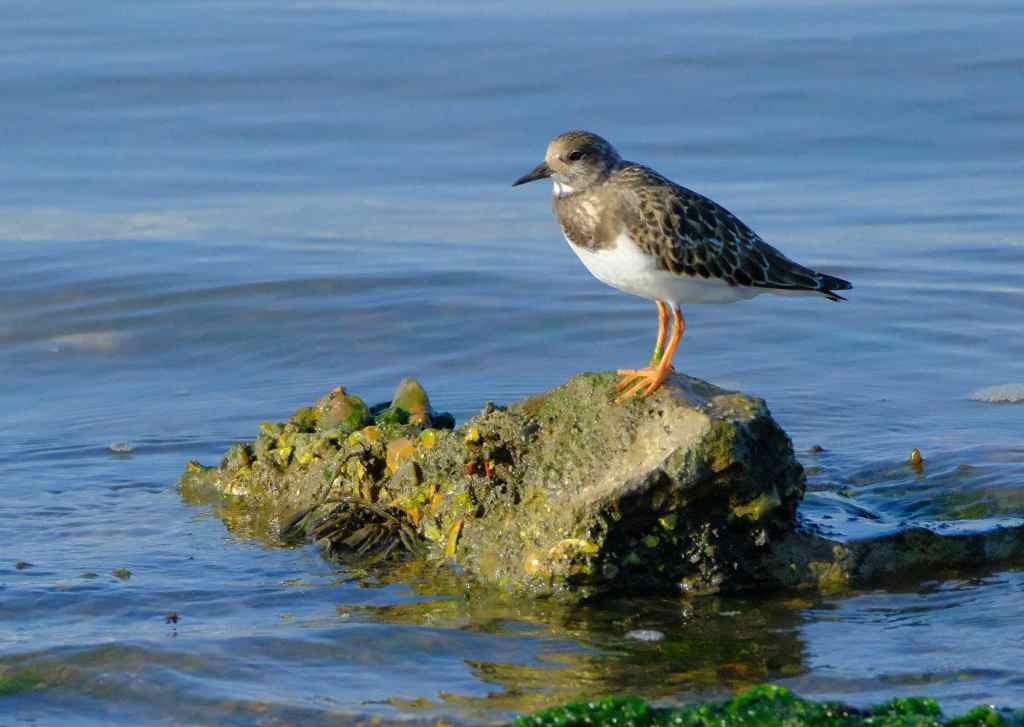
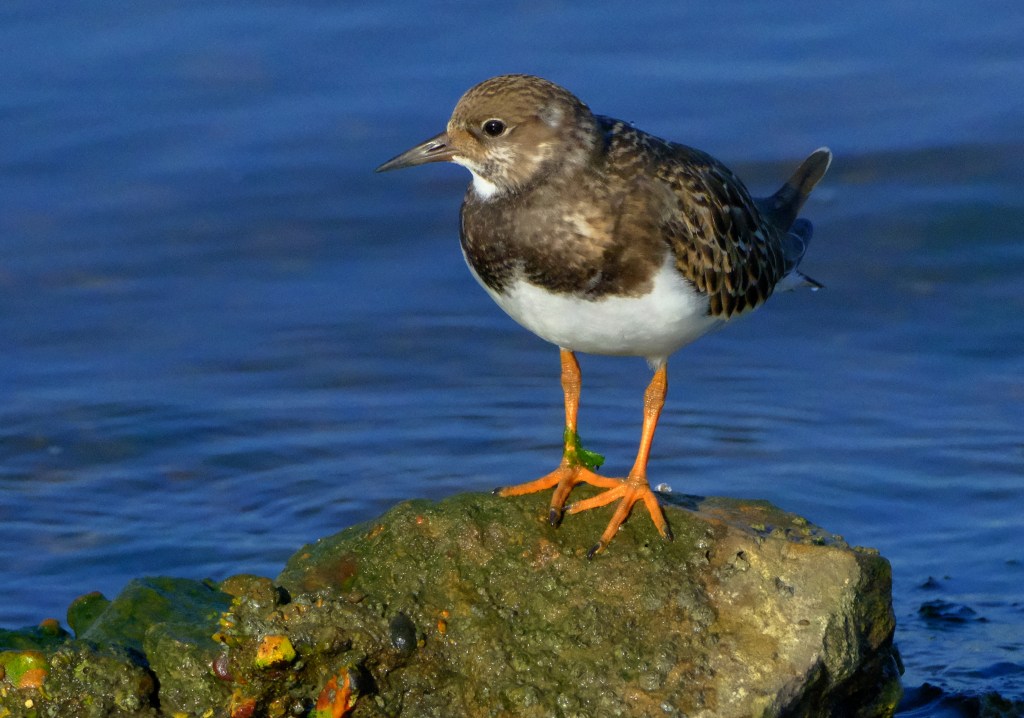
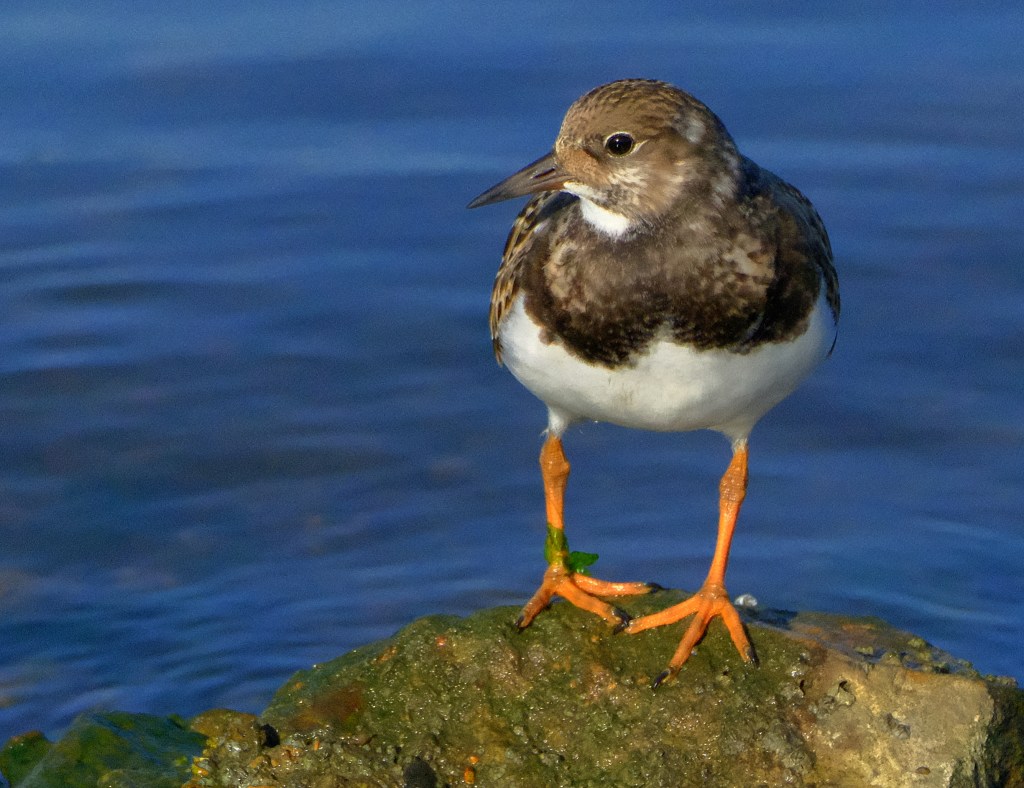
Ring Plover.
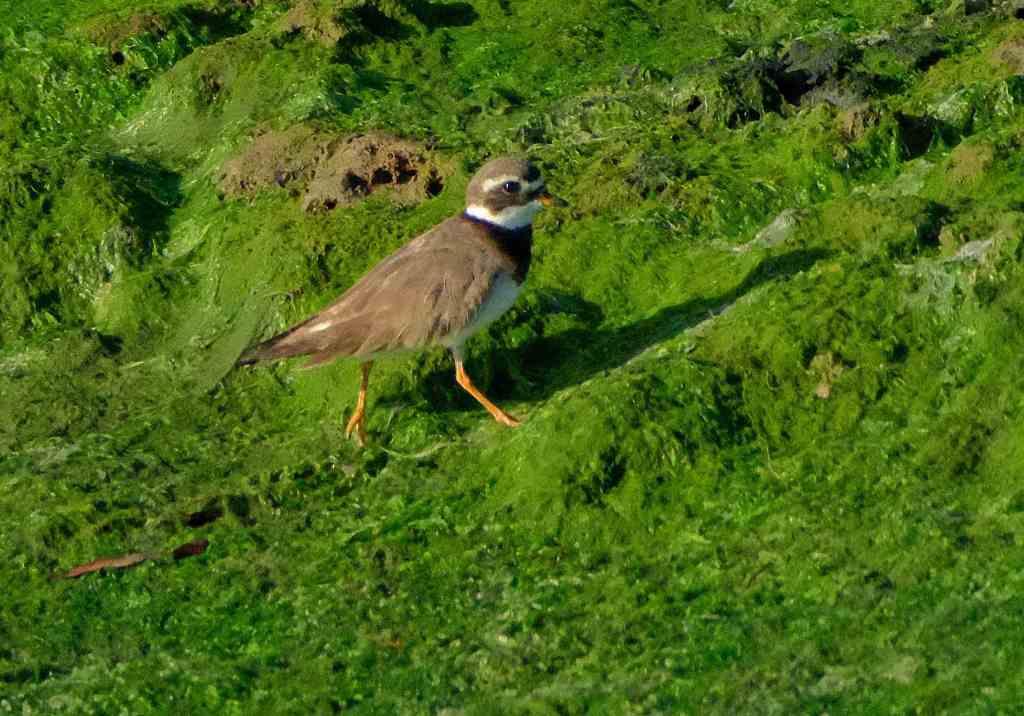
Photo blog.
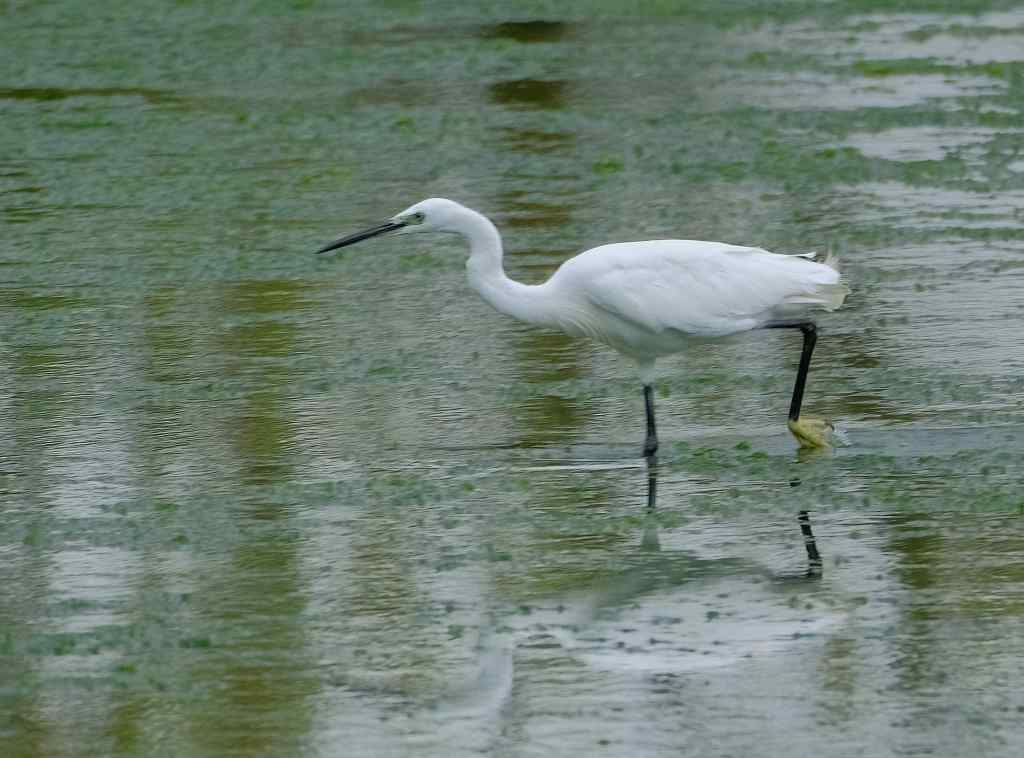
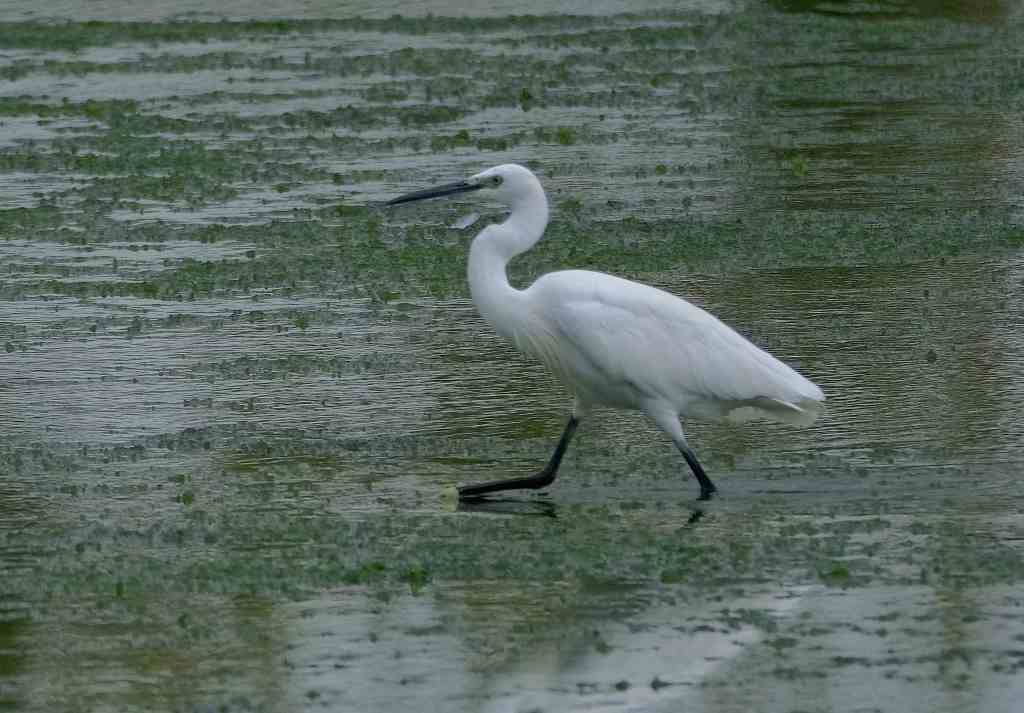
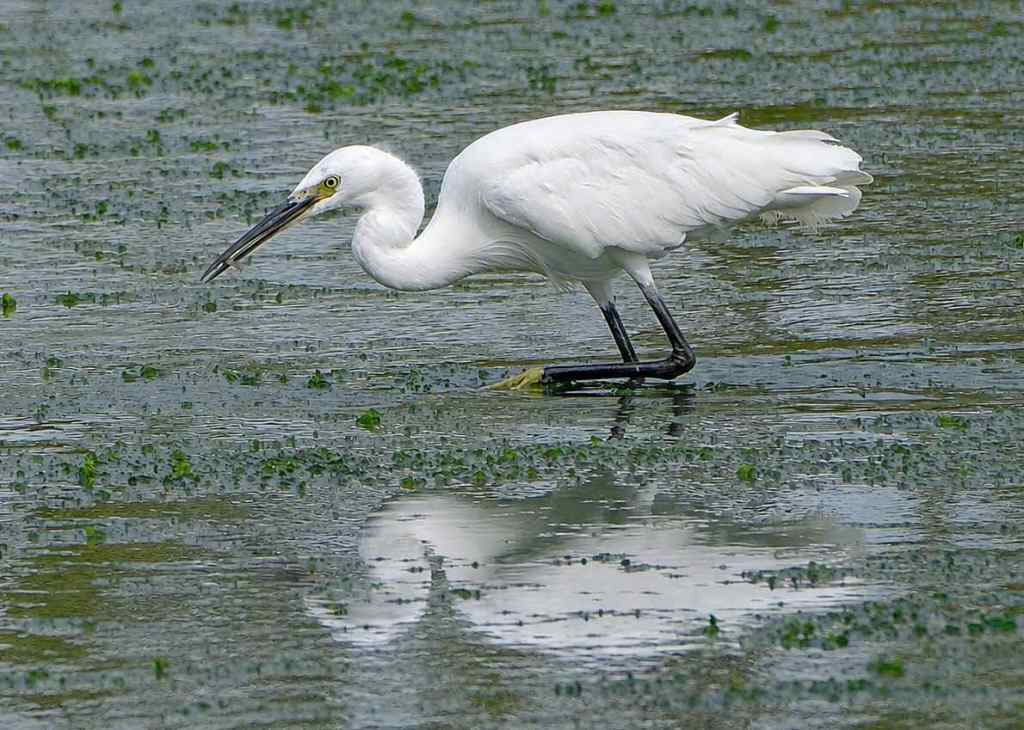
Photo Blog.
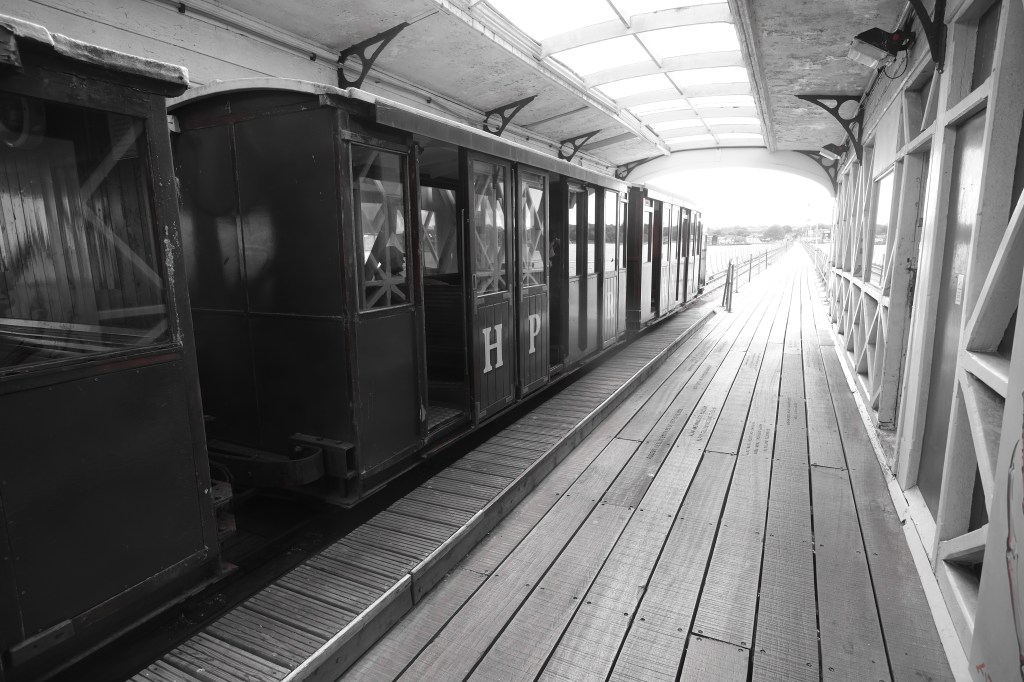
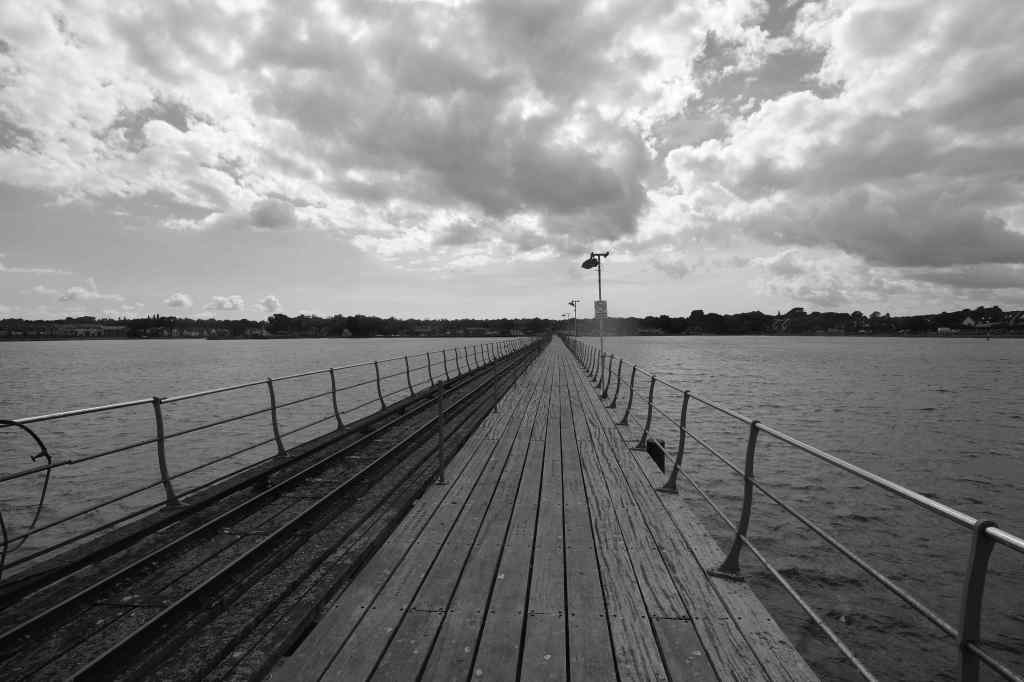
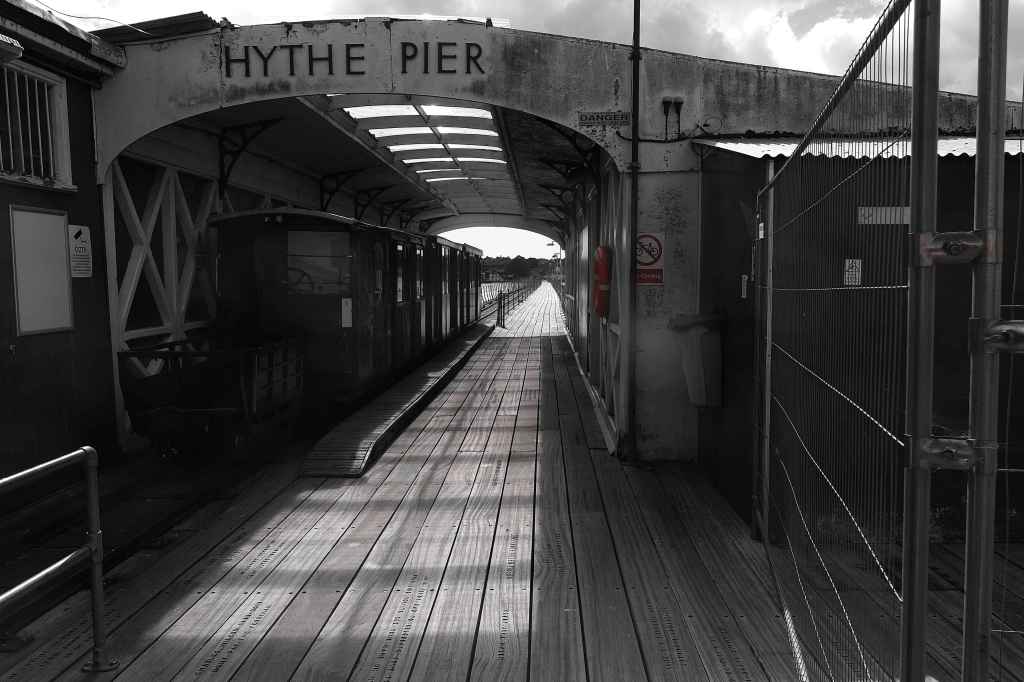
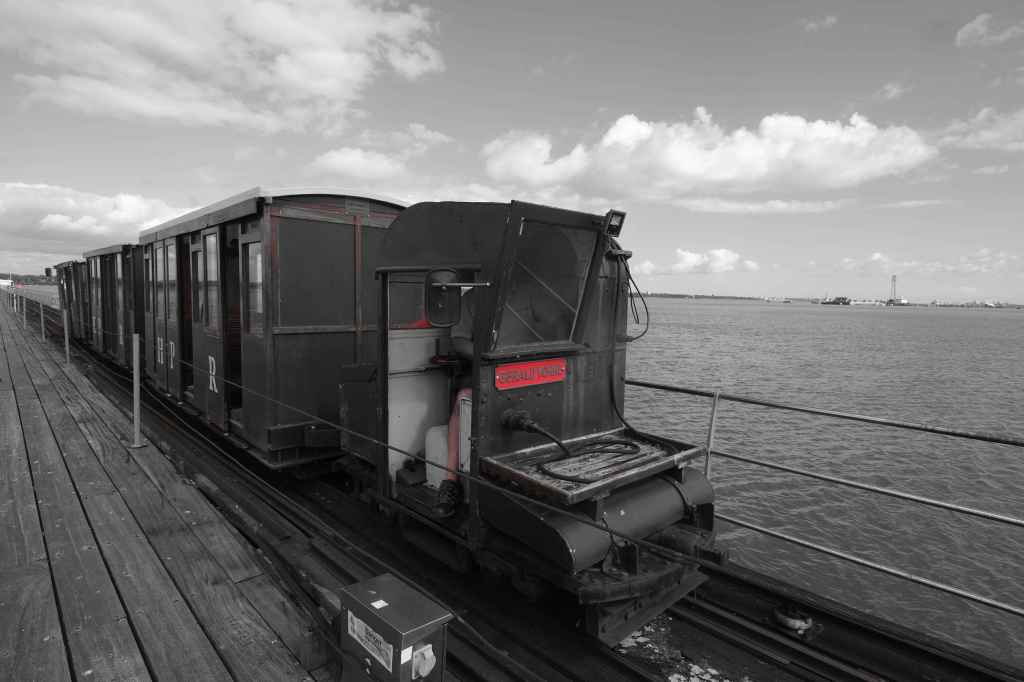
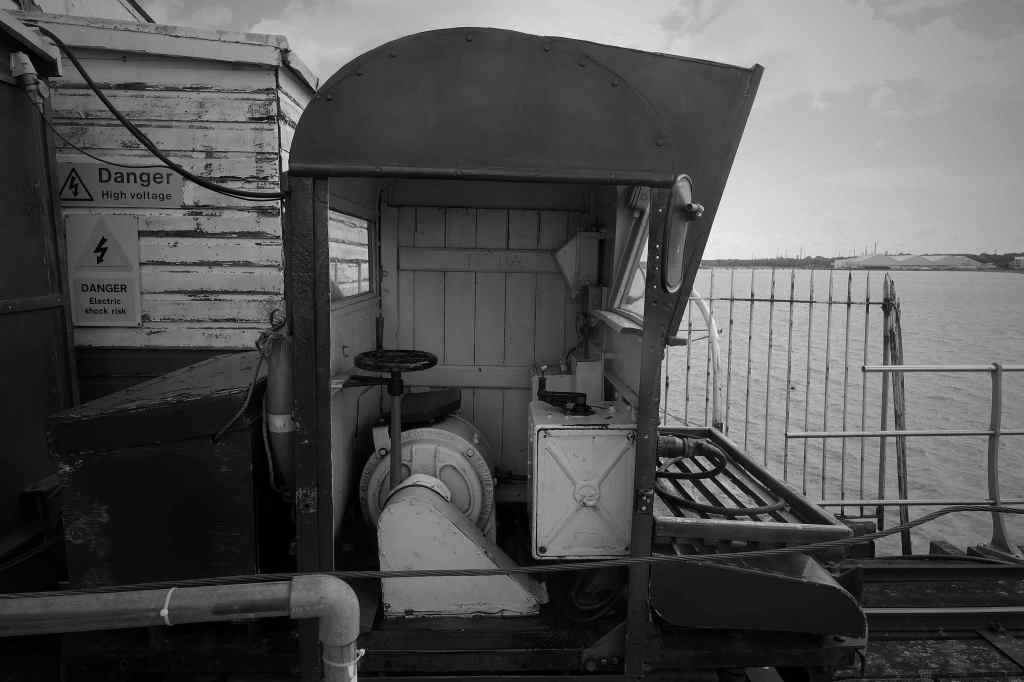
Hythe Pier stretches 700 yards from the centre of Hythe to the deep water channel of Southampton Water. It is the 7th-longest pier in the UK. It carries a pedestrian walkway on its northern side and the Hythe Pier Railway on its southern side.
The railway is the oldest continuously operating public pier passenger train in the world. The narrow gauge trains date from WWI, now electric but originally battery powered, they were used in a mustard gas factory.
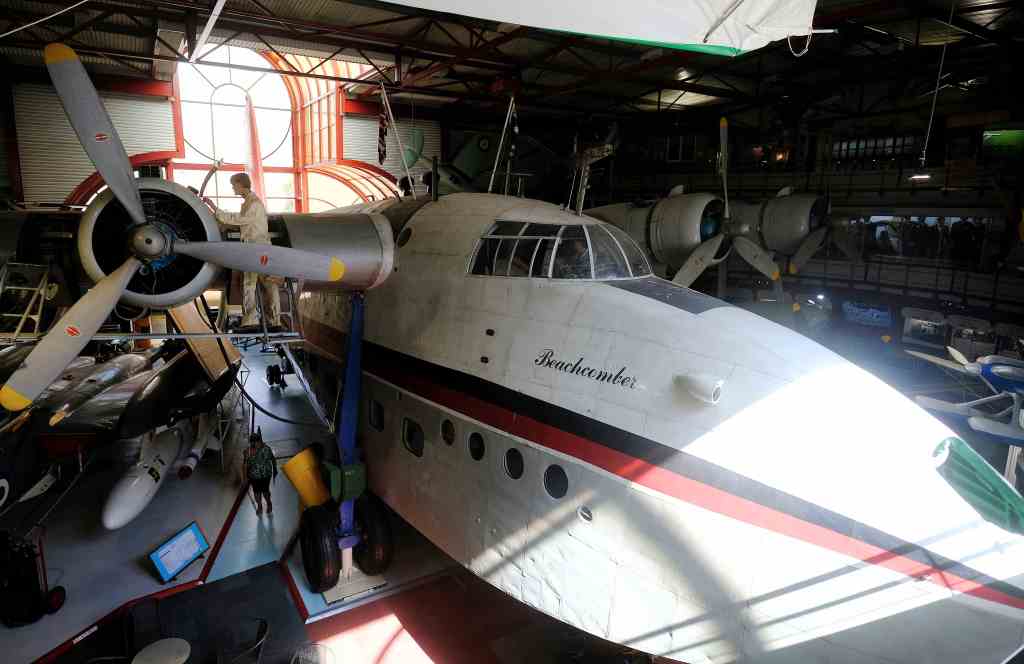
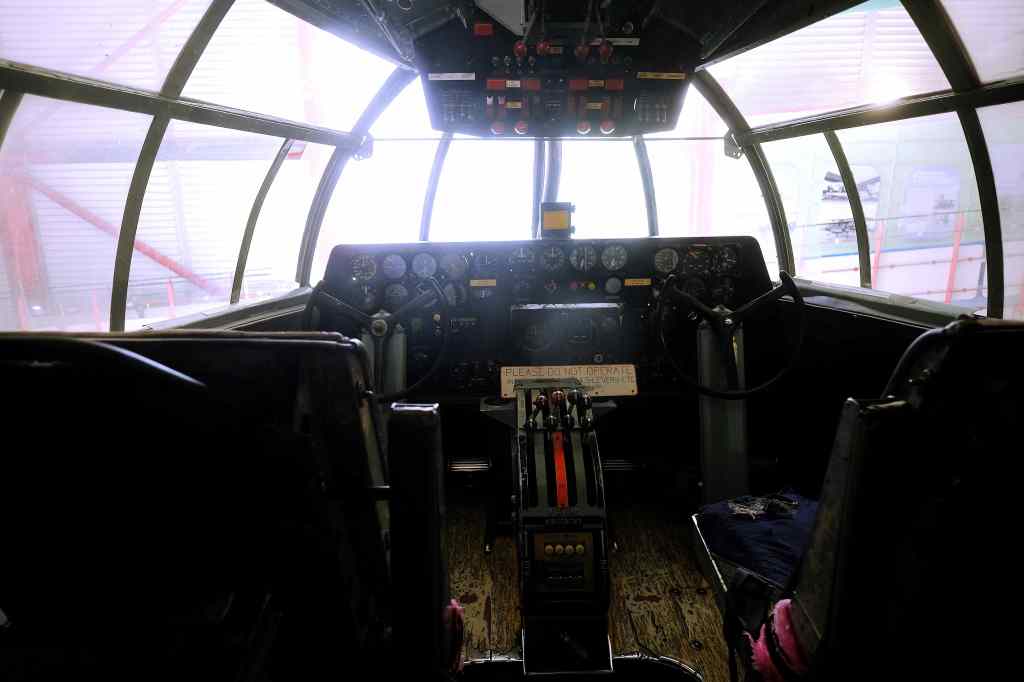
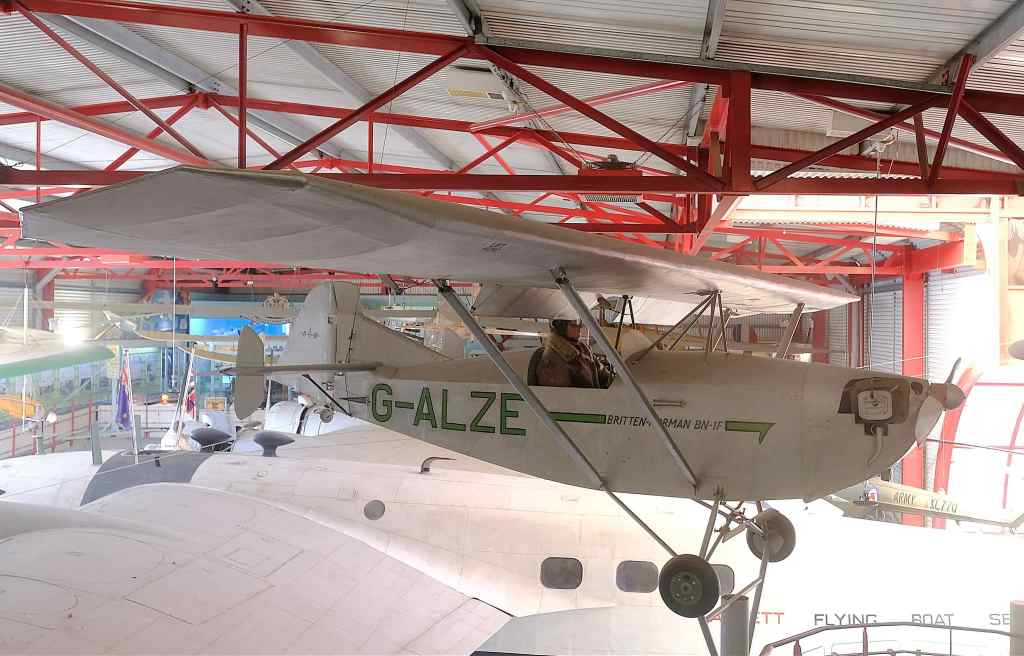
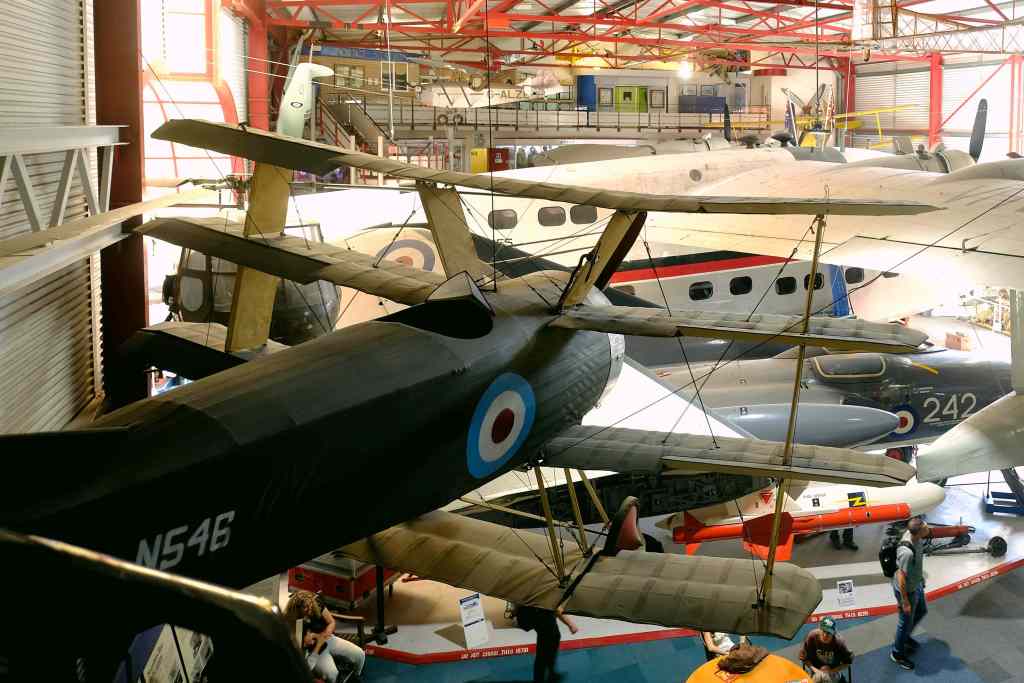
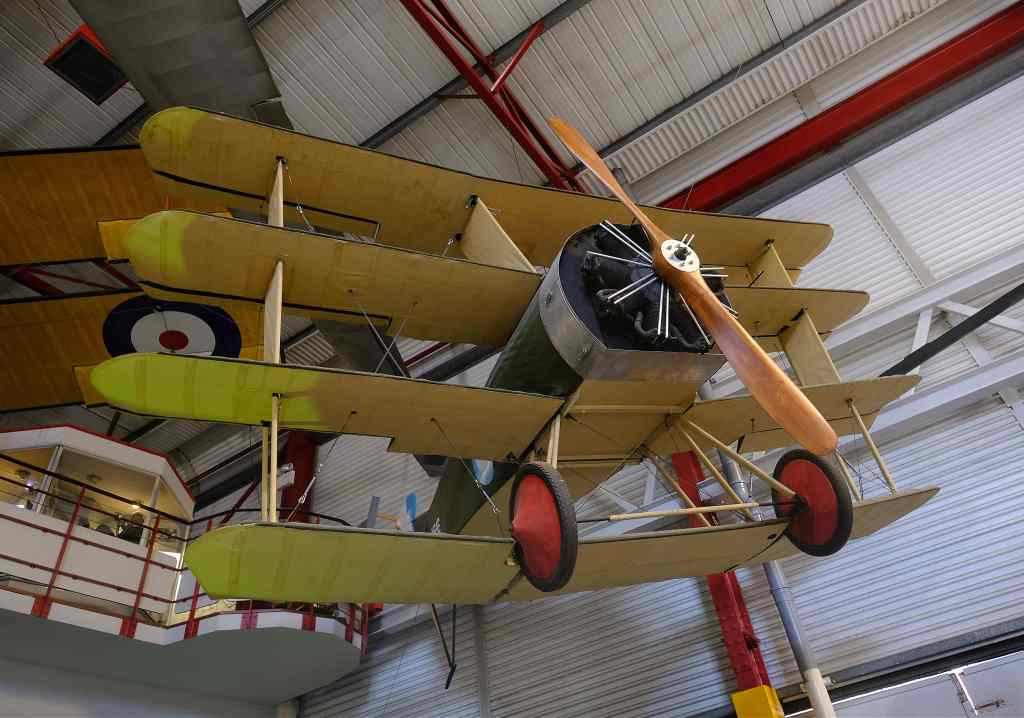
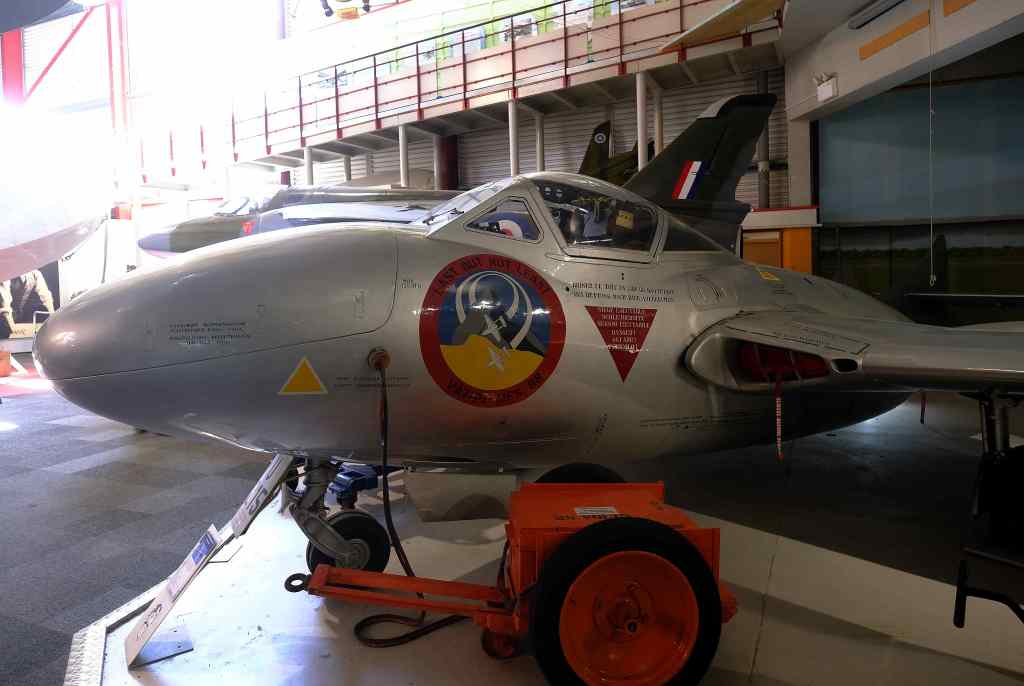
A visit to the Solent Sky Museum, Southampton.
Southampton is the birthplace of the Supermarine Spitfire, the iconic fighter aircraft that played a pivotal role during World War II, symbolizing resilience and innovation in aviation design. Designed by R J Mitchell and 1st built at the Supermarine works at Woolston.
Southampton was also the home to the largest flying boat operation in the world, until the late 1950s, when long-haul jet flights started to replace flying boat services
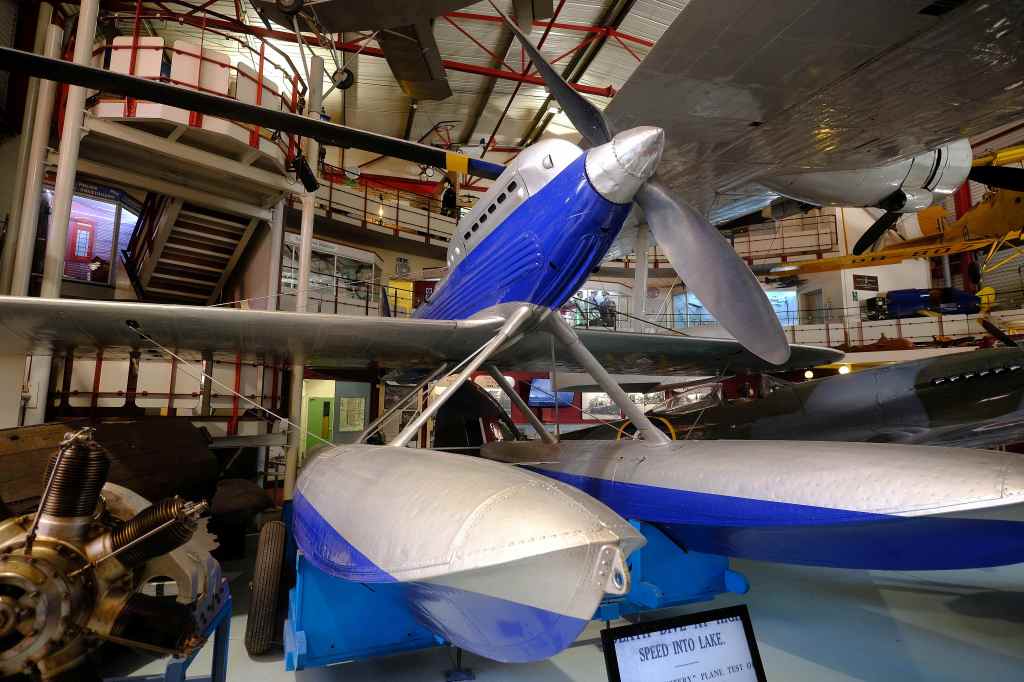
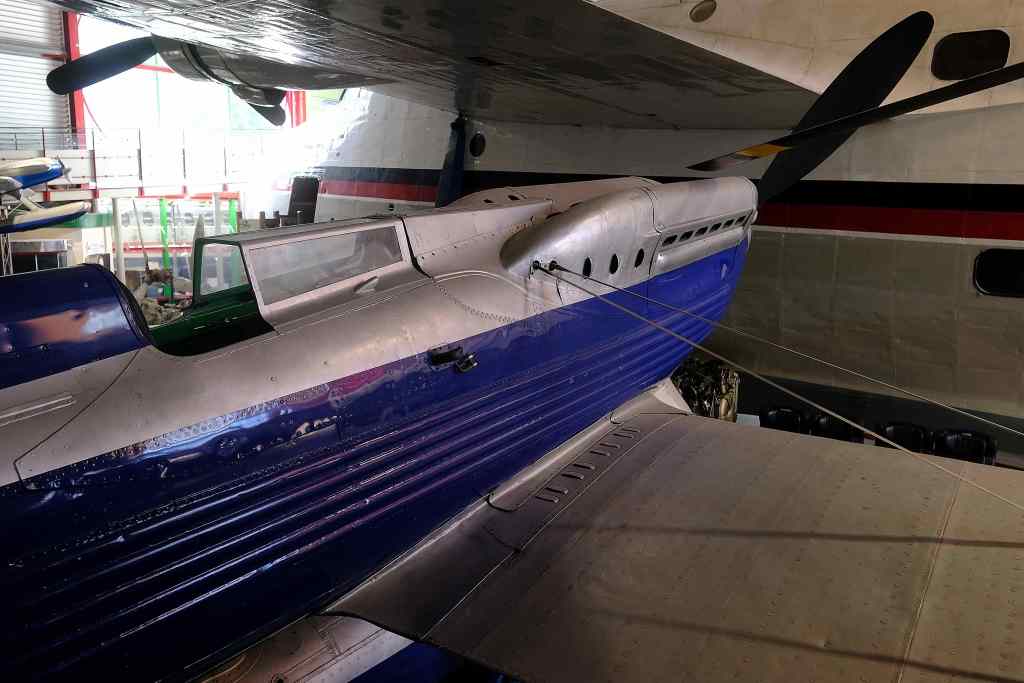
The Schneider Trophy Air Race attracted the best pilots and engineers from around the globe. Racing seaplanes went to top speeds of over 400 mph. The route of this speed race took place over the Solent. On show is the Supermarine S6A from 1929, a testament to design excellence