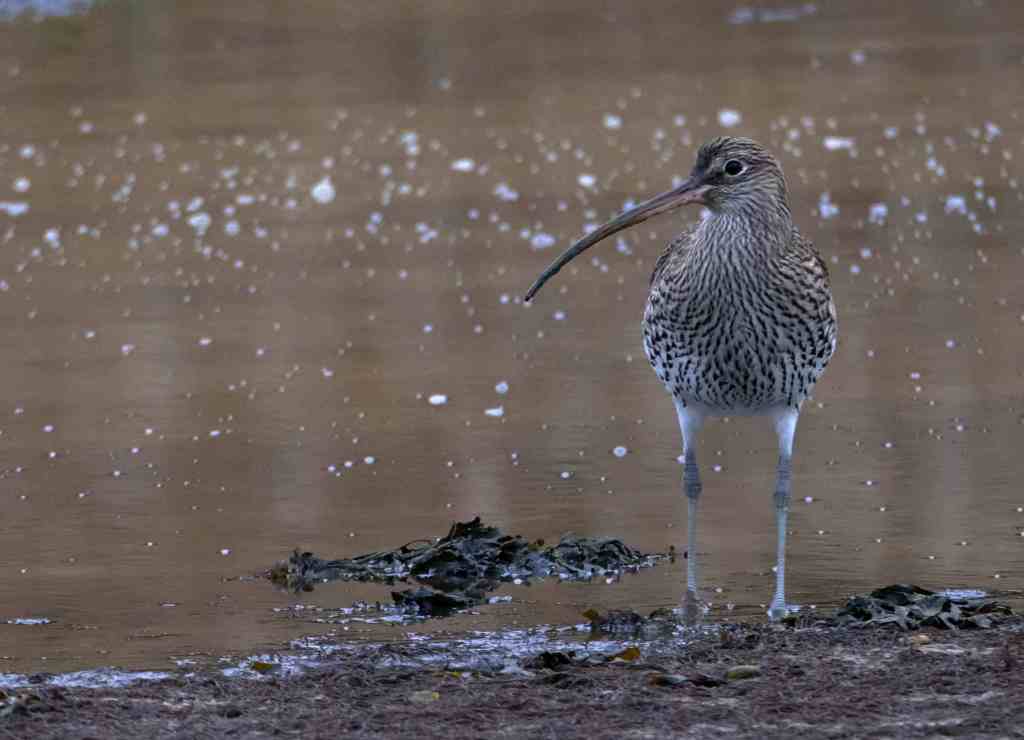
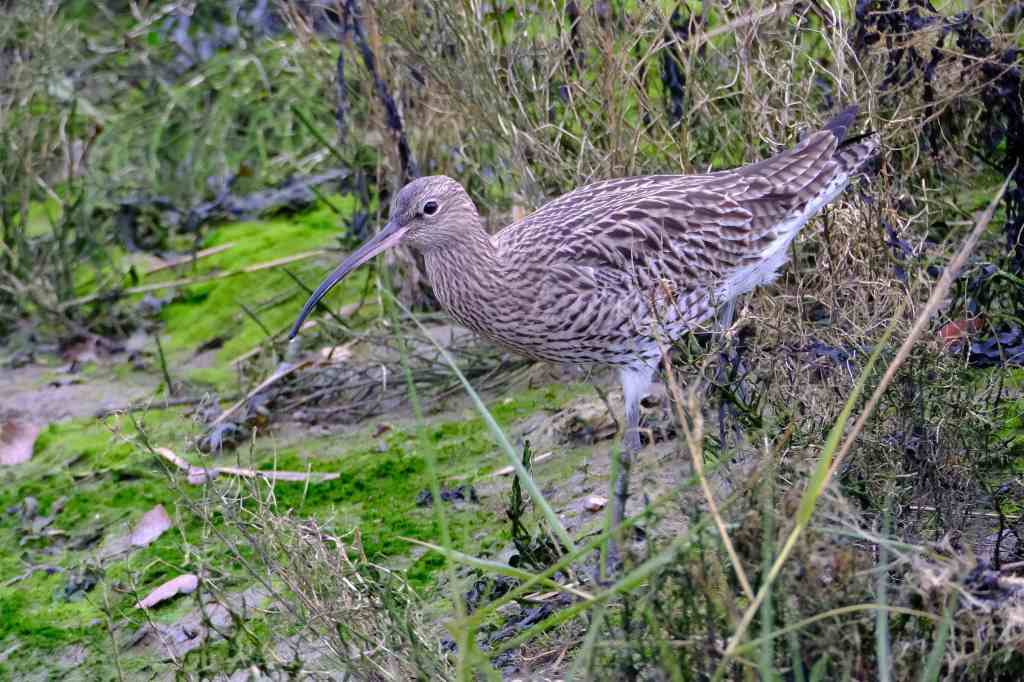
The Curlew is the largest European wading bird, found on estuaries in winter and moors in summer. Look for its down-curved bill,

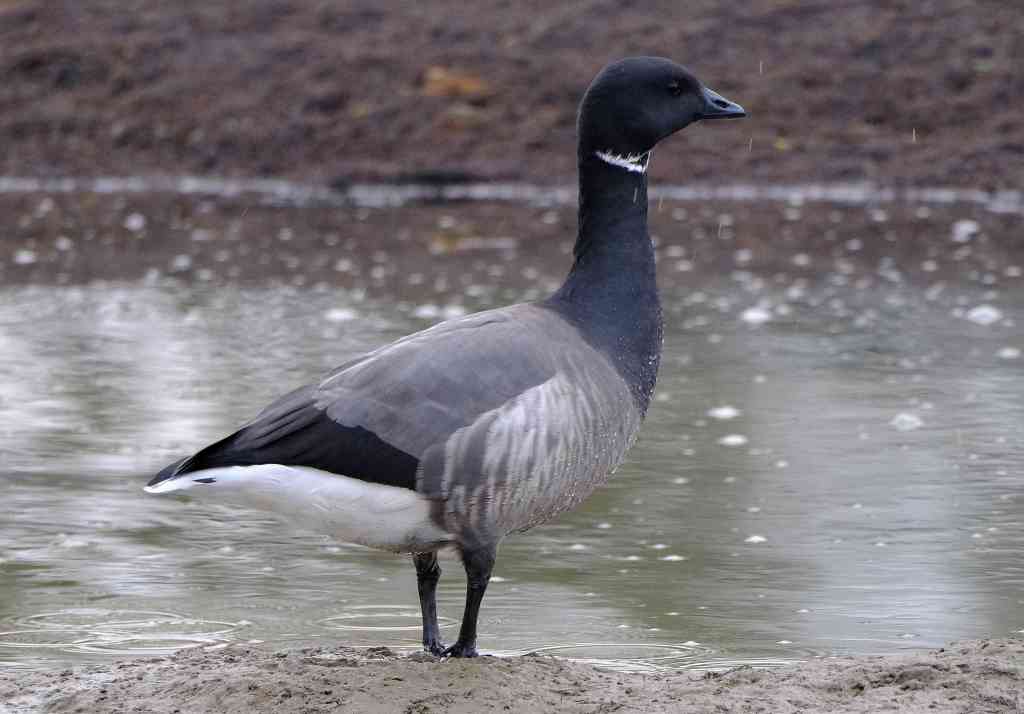
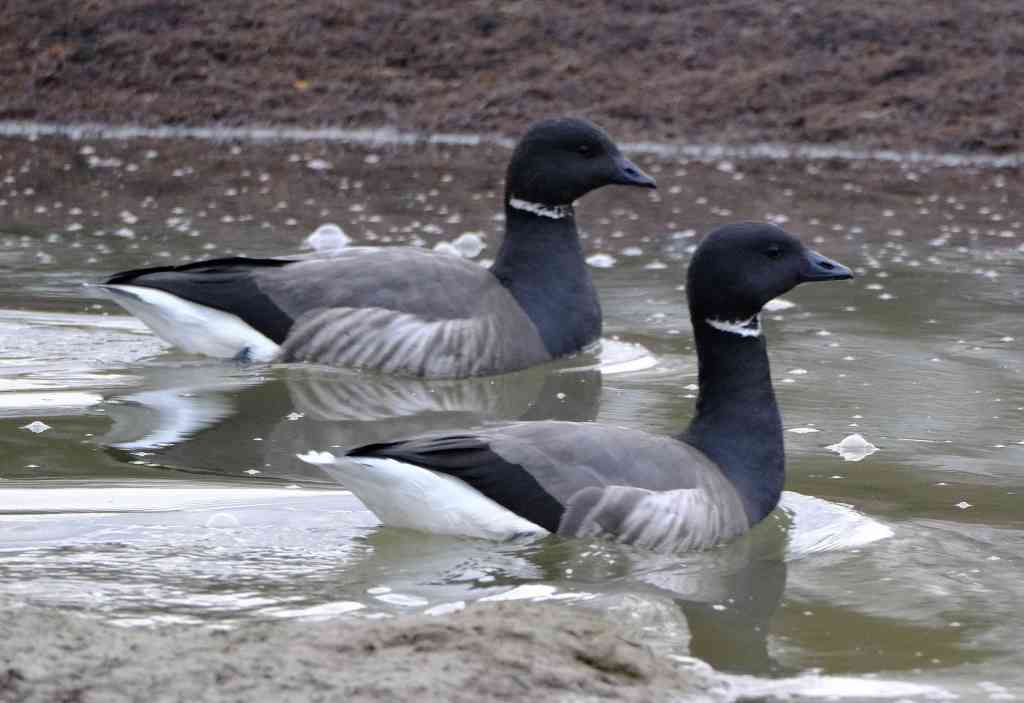
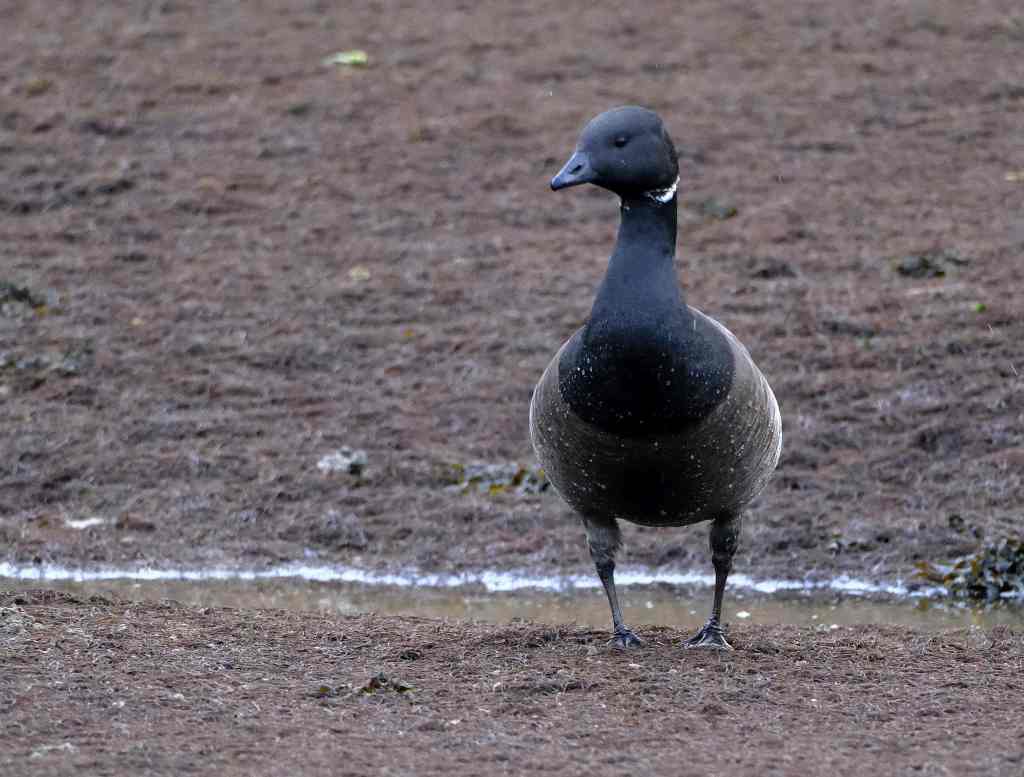
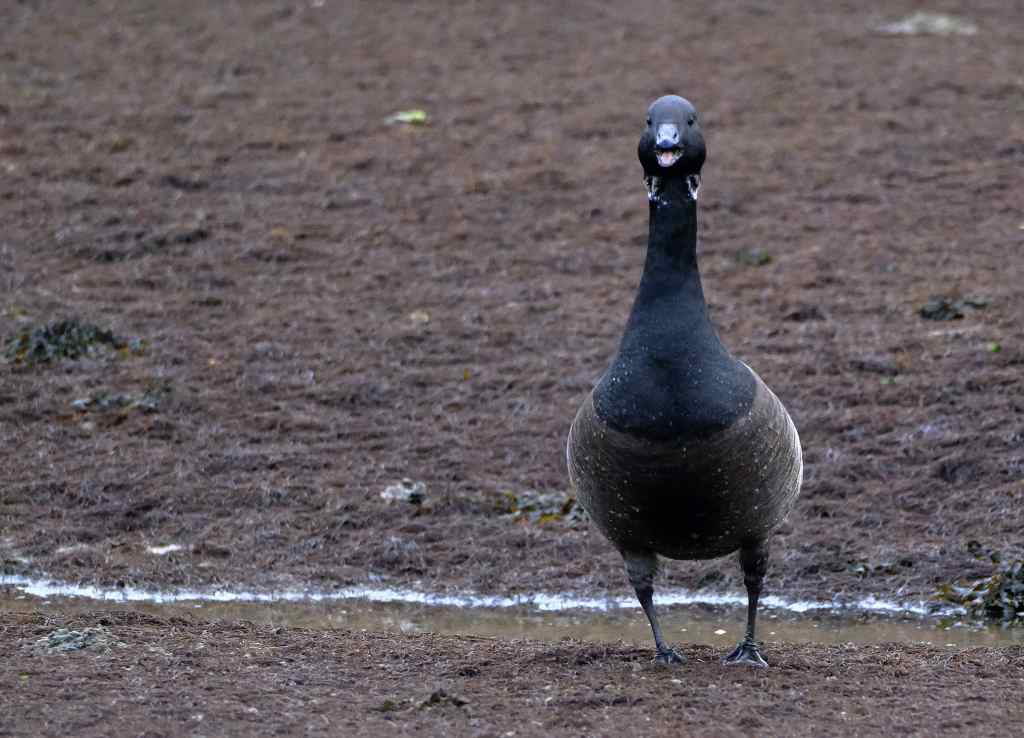
The Brent Goose is a small, dark goose – of similar size to a Mallard Duck.
The Curlew is the largest European wading bird, found on estuaries in winter and moors in summer. Look for its down-curved bill,
The Brent Goose is a small, dark goose – of similar size to a Mallard Duck.
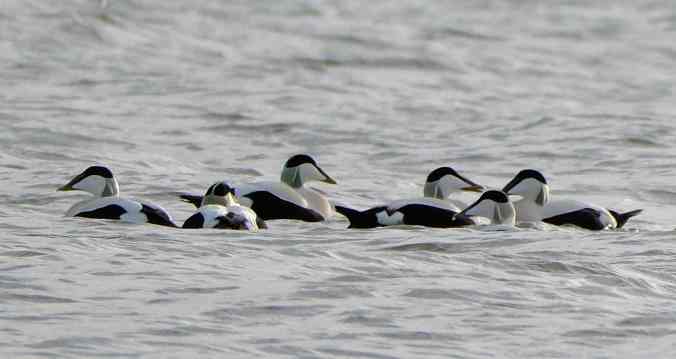
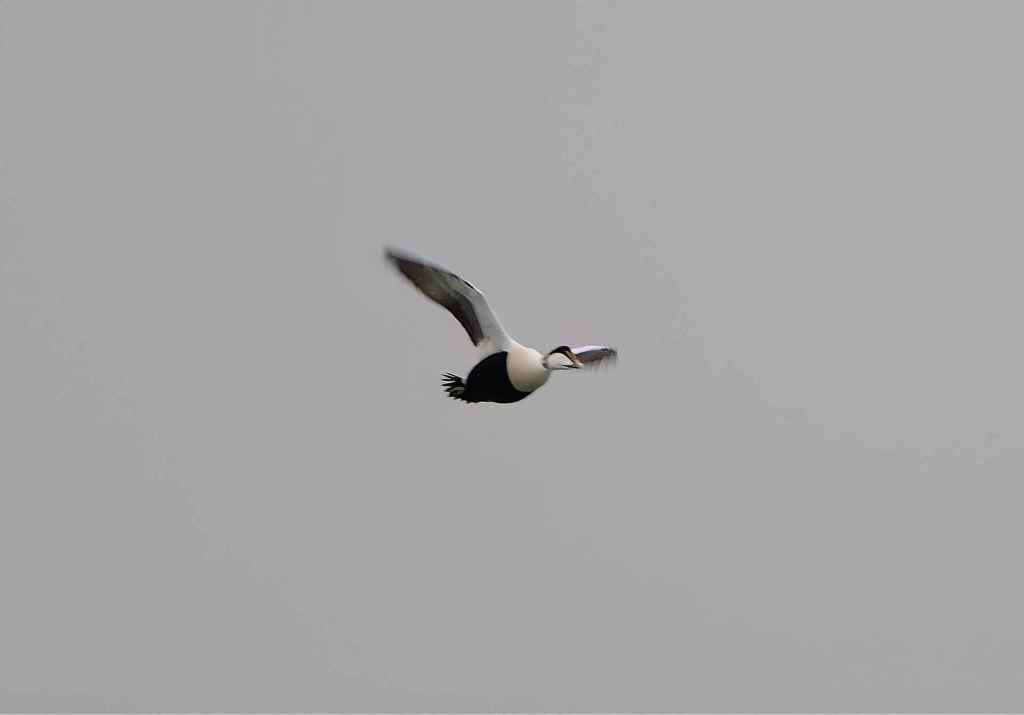
An eider raft is a large group of Eider Ducks that float close together on the sea. These rafts happen in the winter after they finish nesting. {Eider nest in the UK but are much further north than here} They stay close together to find food like shellfish and crustaceans by diving into the water
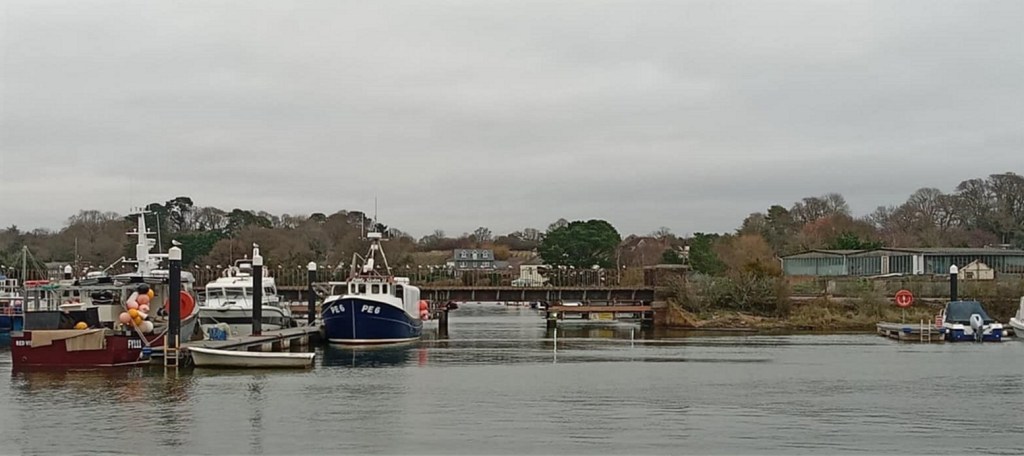
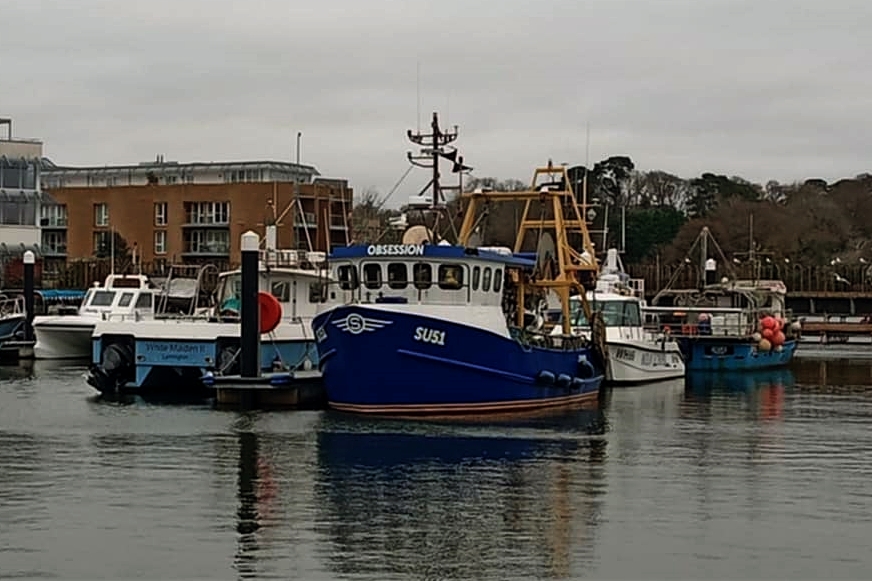
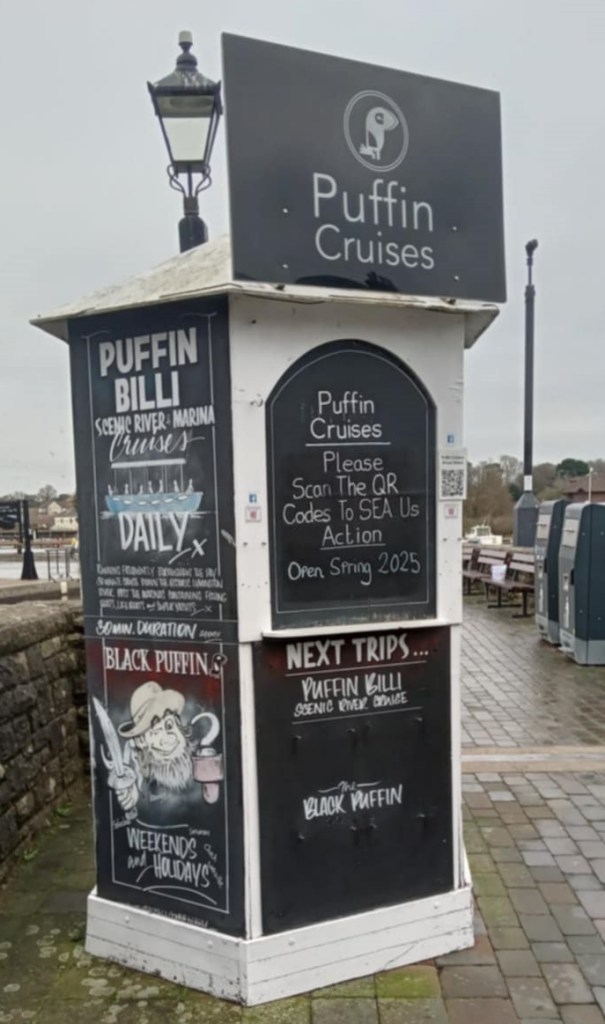
Lymington Quay on the Beaulieu River on the edge of the New Forest hints at its fishing past but now meets up with the modern leisure sailing world.

Eider Duck and Little Egret from Meon Shore.

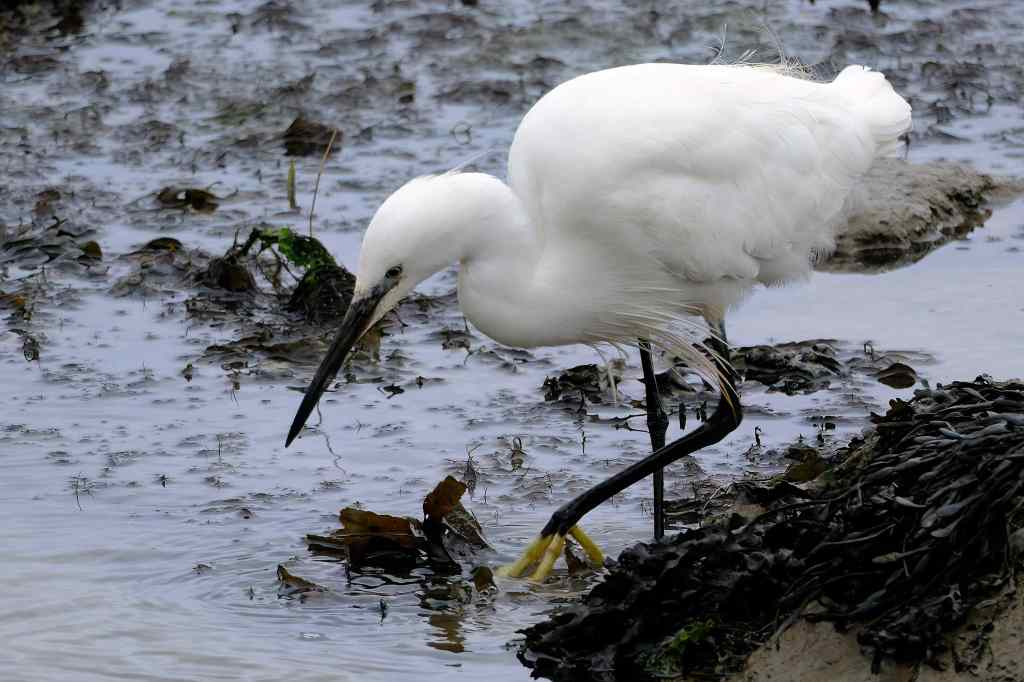

Little Egret Hamble River.
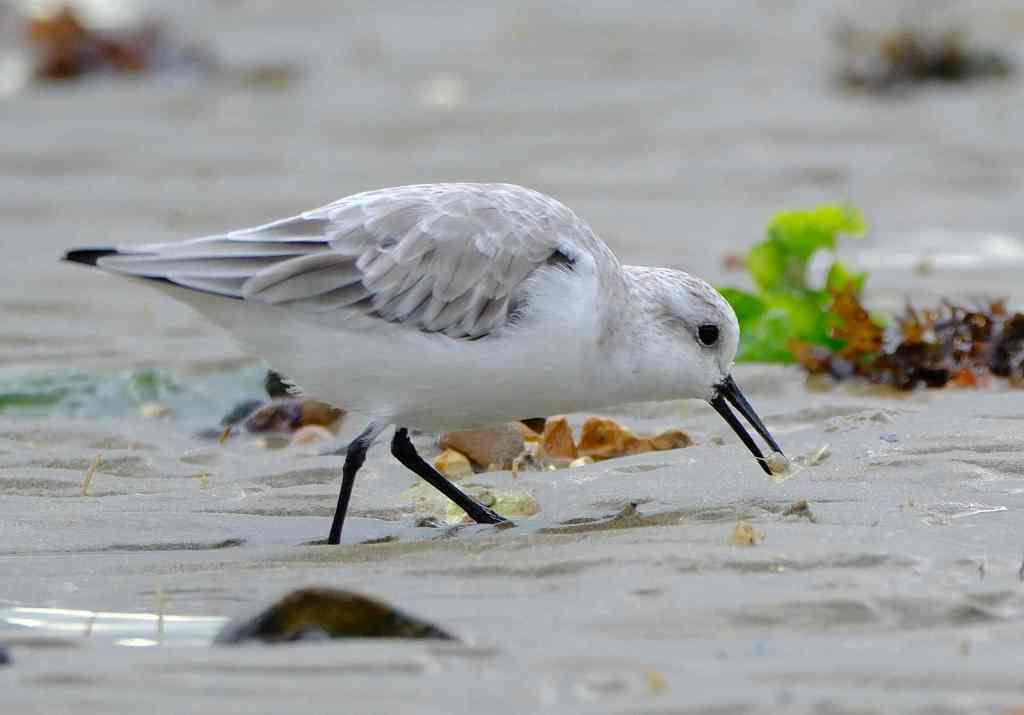
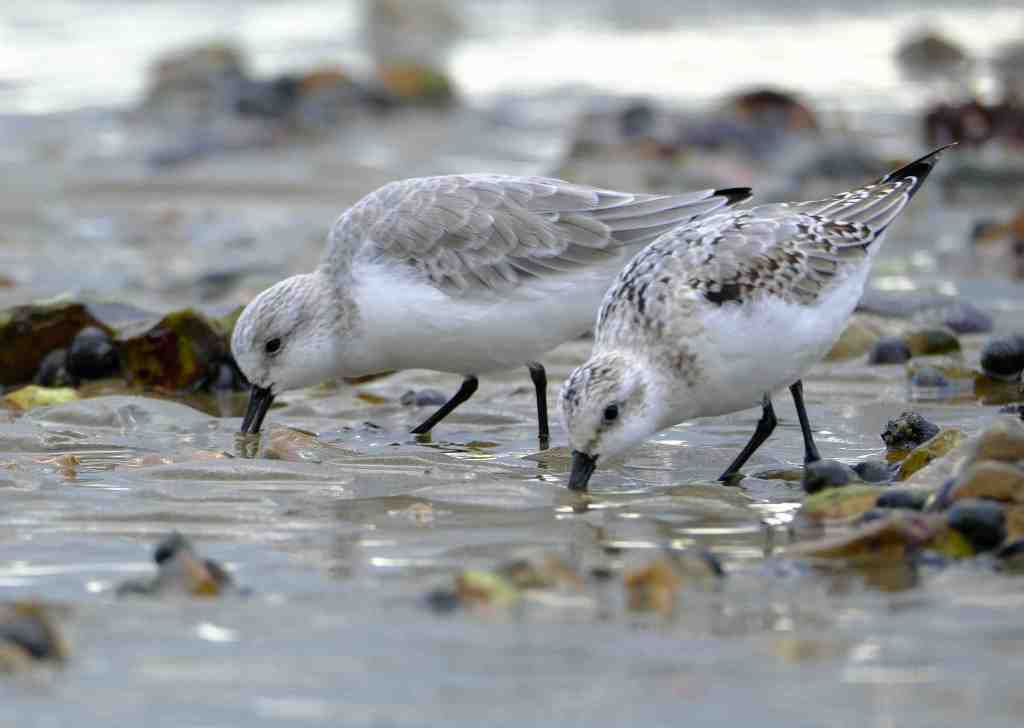
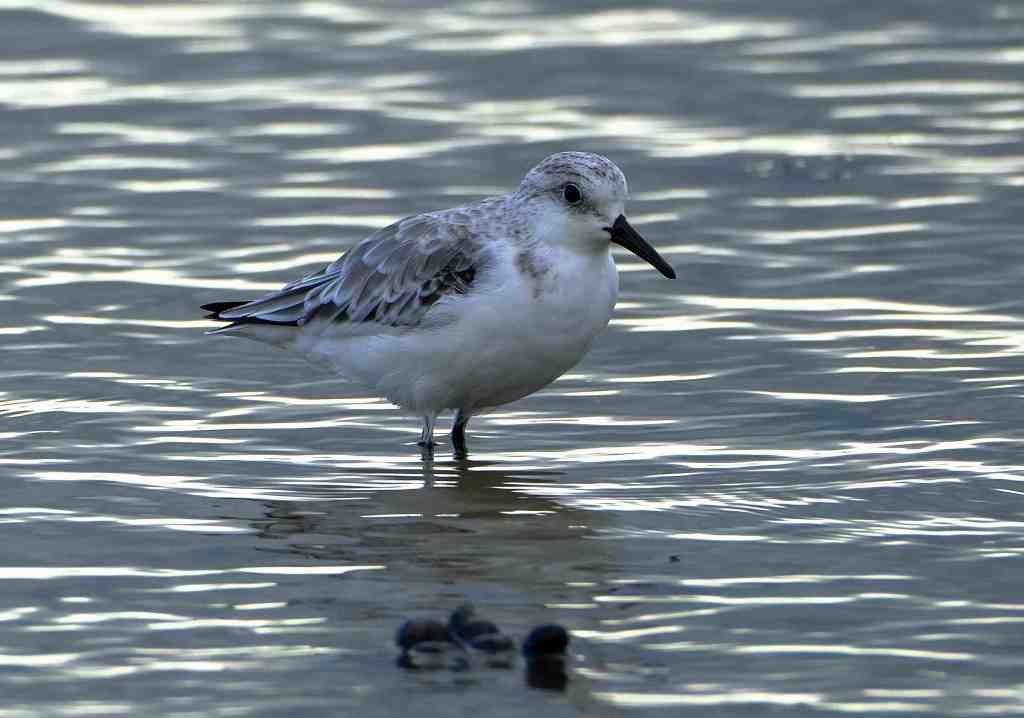
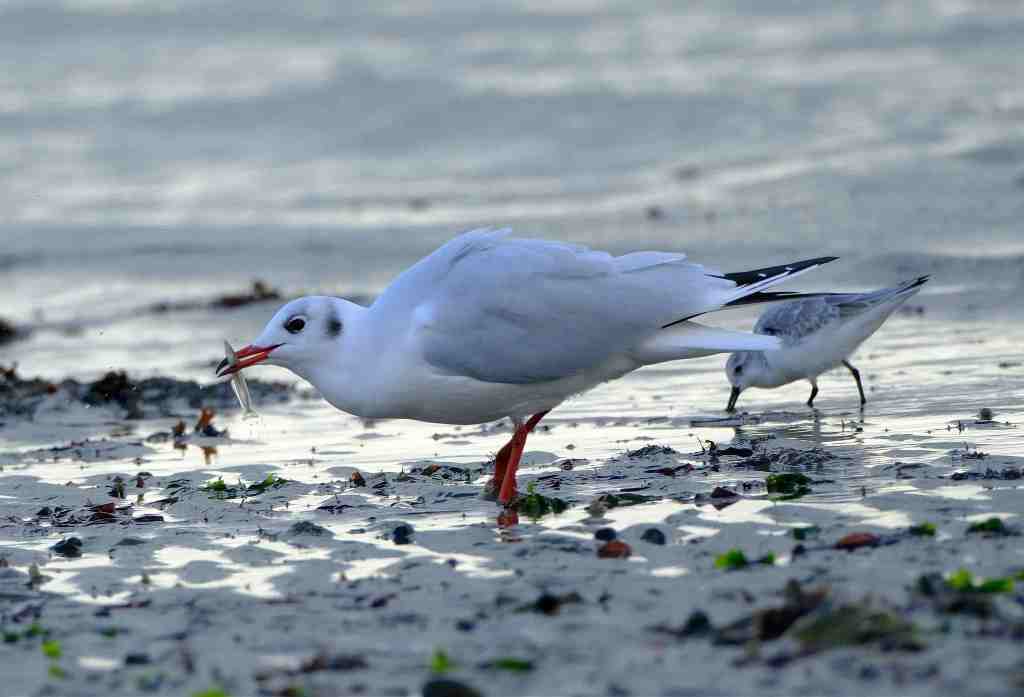
I spent a few hours on the beach watching the Sanderlings on Meon Shore.



A visit to Southsea near Portsmouth allowed me to visit the D-Day museum. Within the museum is The Overlord Embroidery, which was commissioned in 1968 by Lord Dulverton. It is 83 metres long and made up of 34 panels, all hand-stitched.
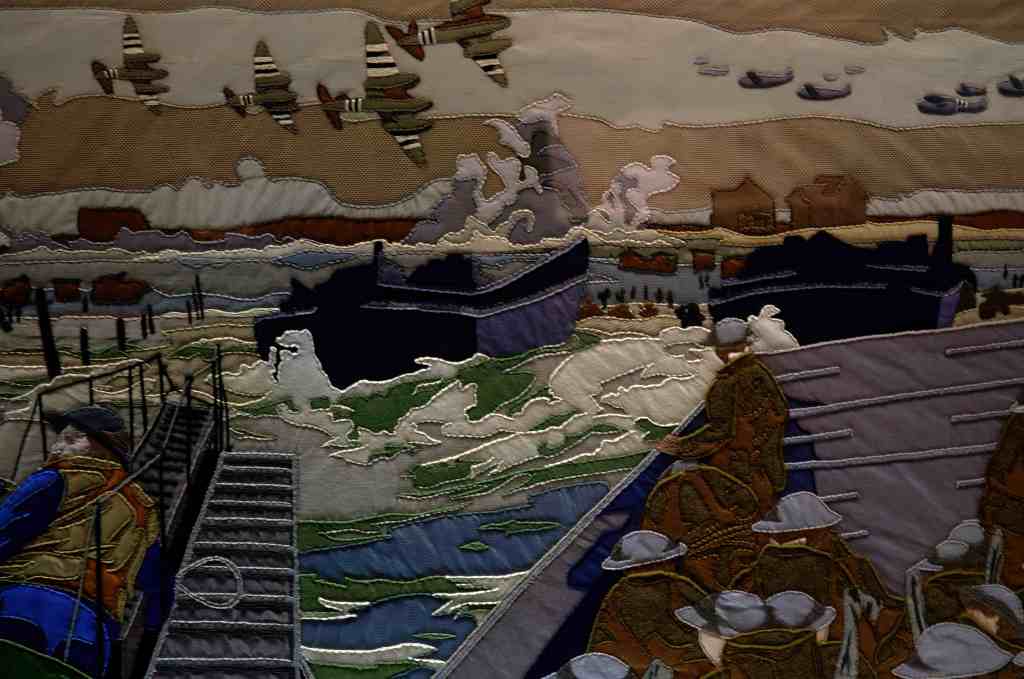
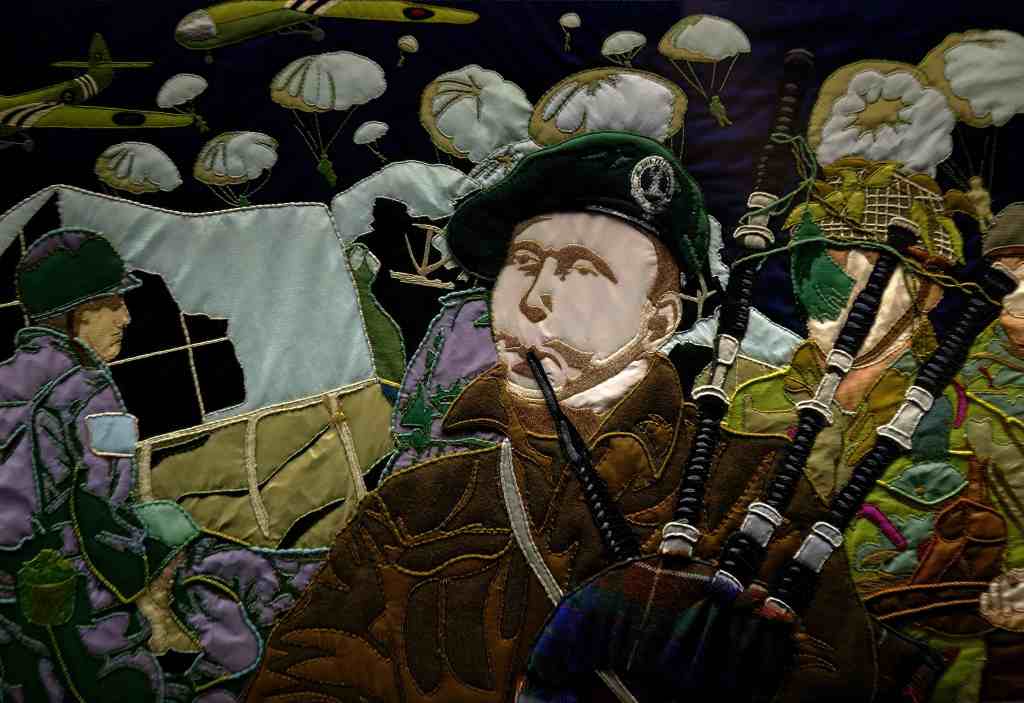
T

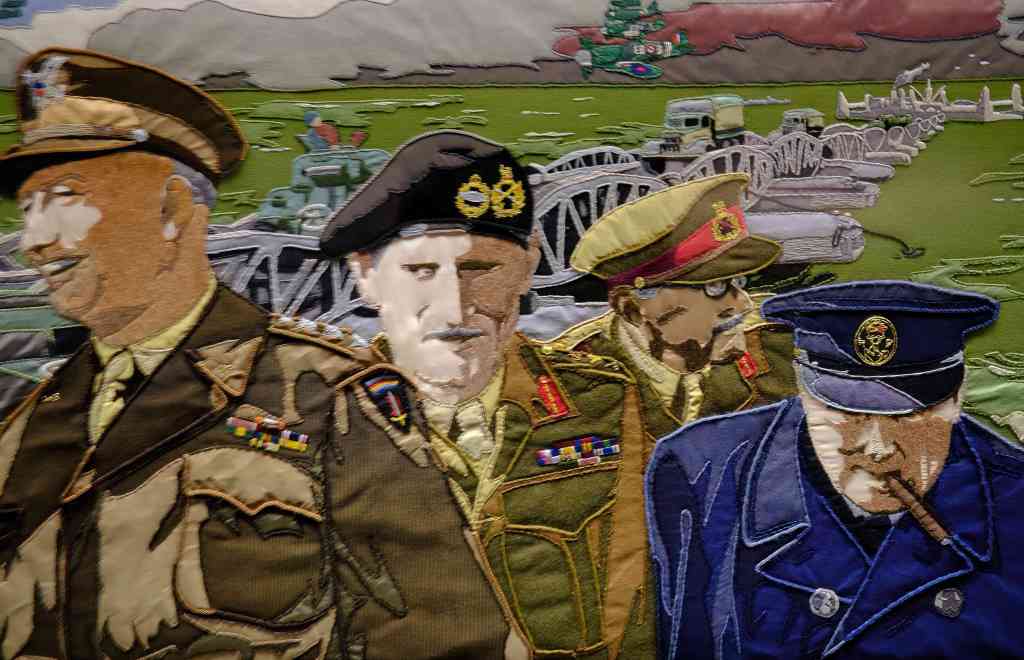
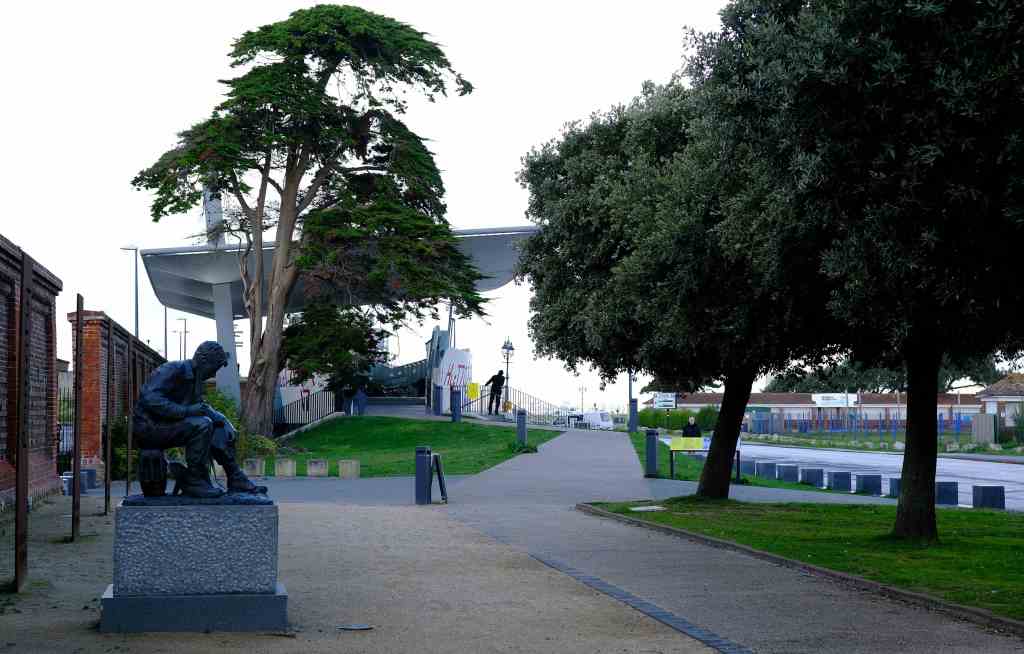
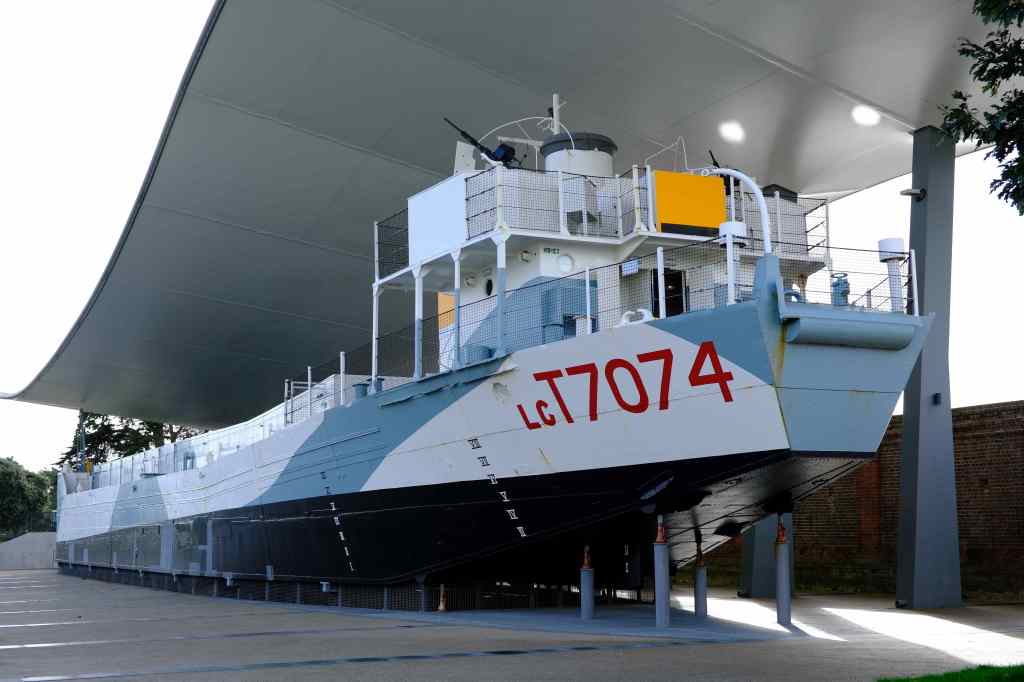
Operation Overlord was the codename for the Battle of Normandy, the Allied operation that launched the successful liberation of German-occupied Western Europe during World War II. The operation started with the run-up to D-Day on 6 June 1944 with the landings (Operation Neptune). A 1,200-plane airborne assault preceded an amphibious assault involving more than 5,000 vessels. Nearly 160,000 troops crossed the English Channel on 6 June, and more than two million Allied troops were in France by the end of August.
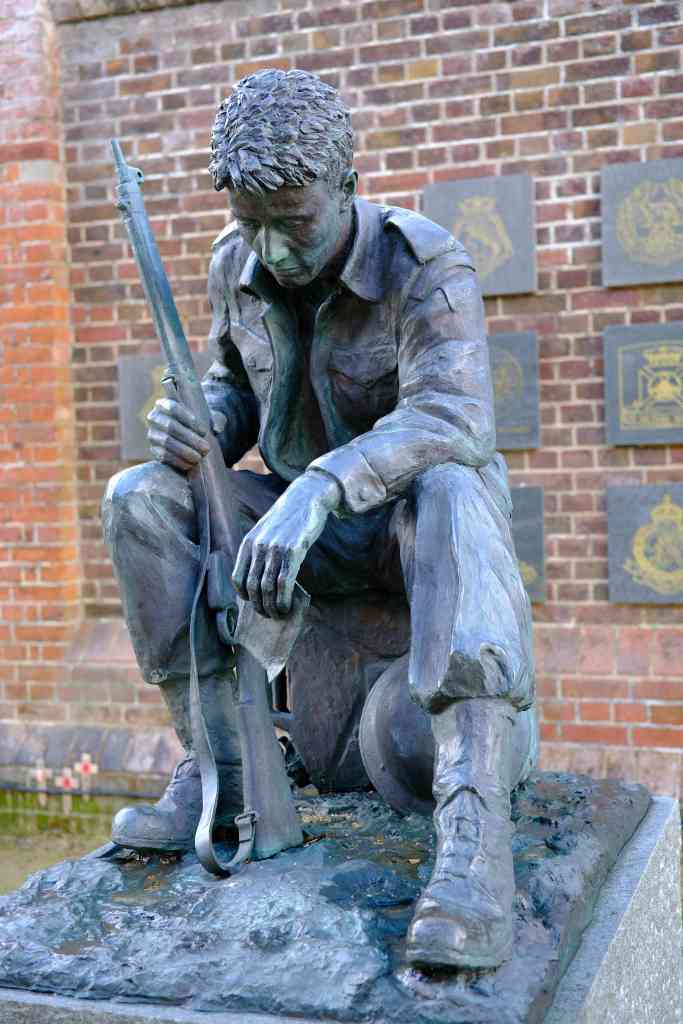

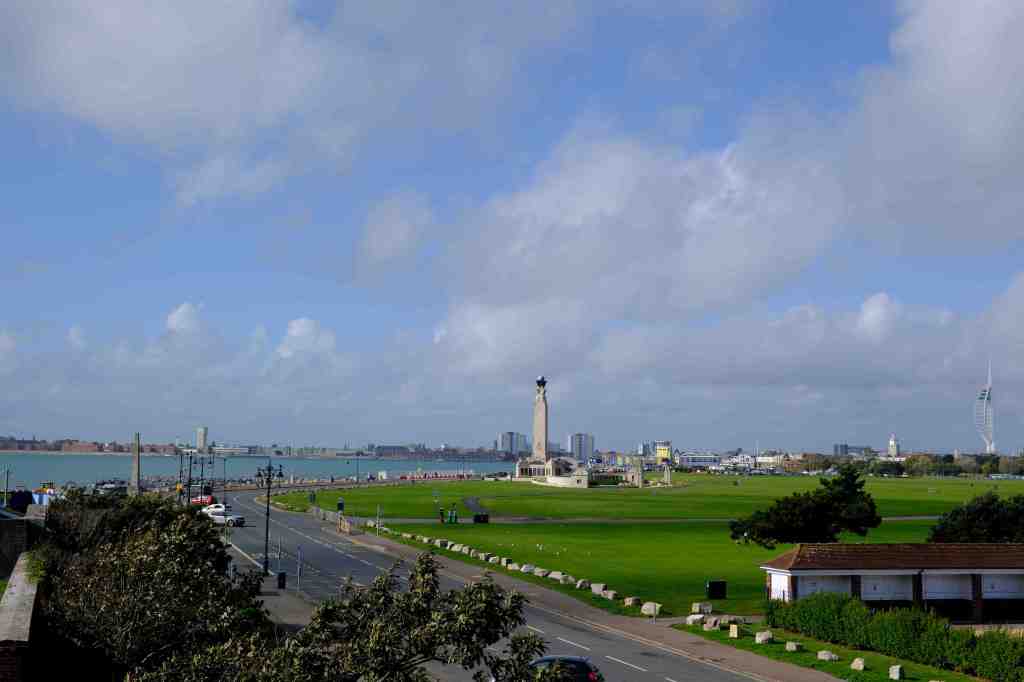
Royal Navy War Memorial Southsea Parade.
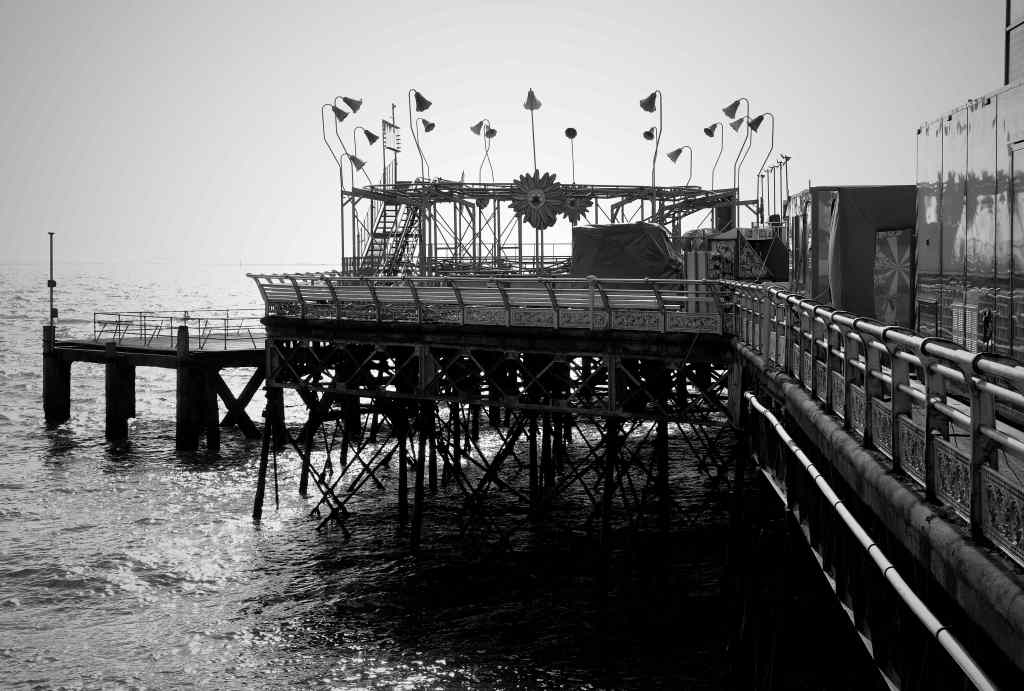
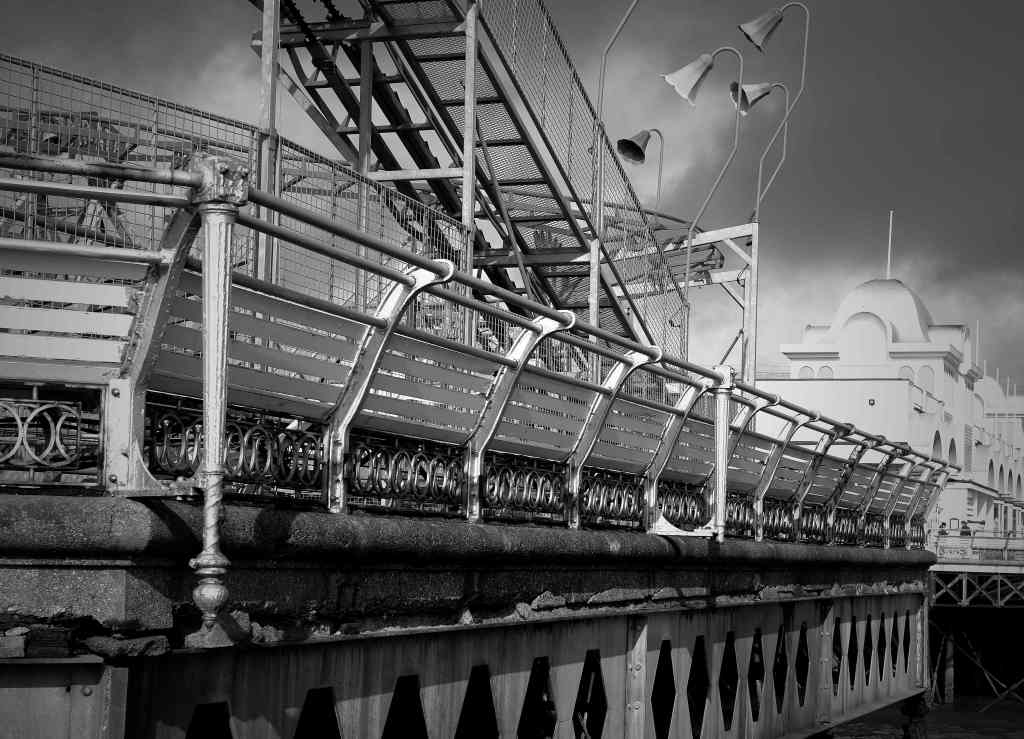
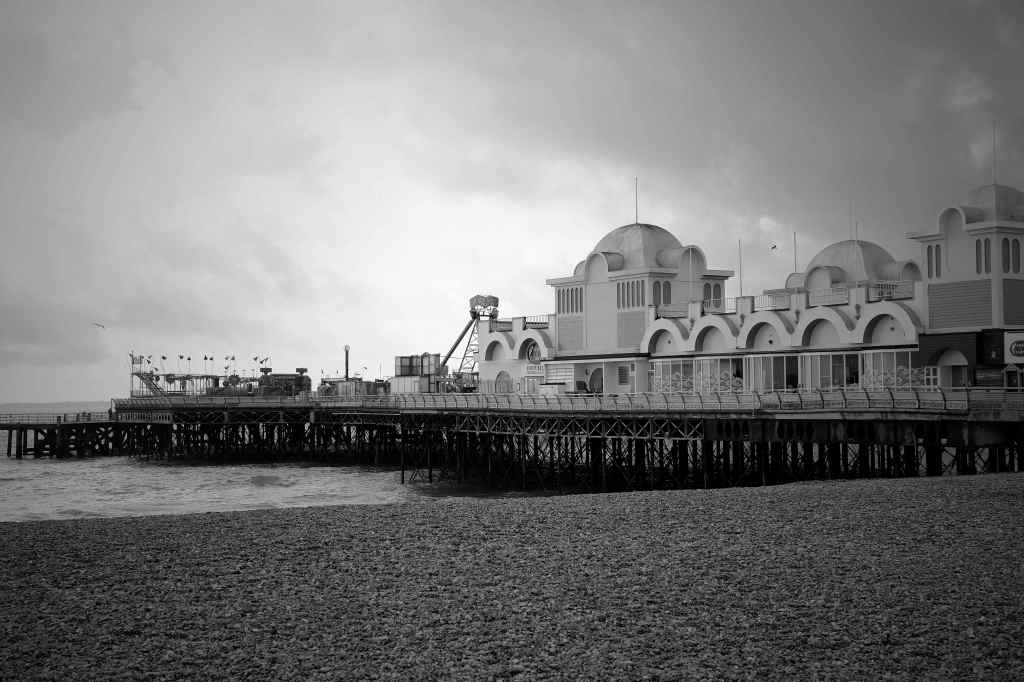
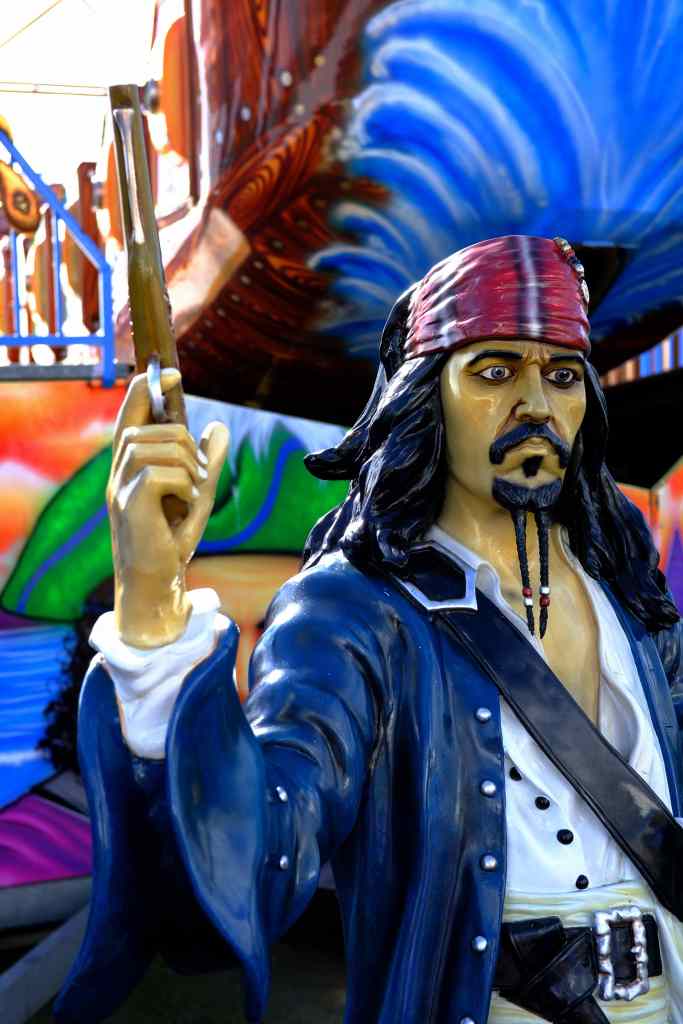
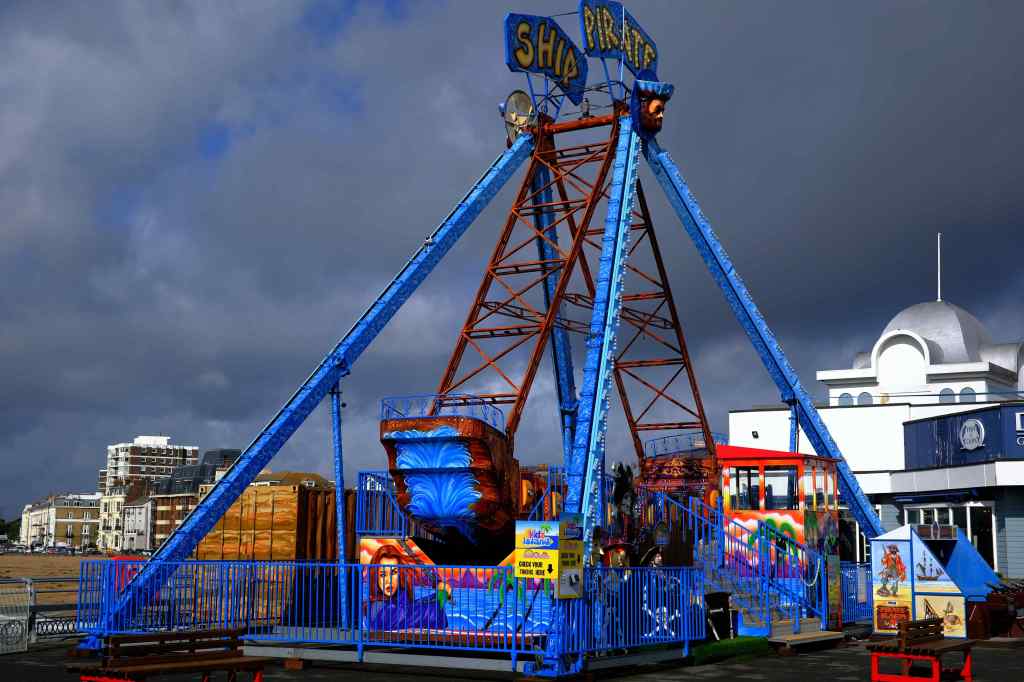
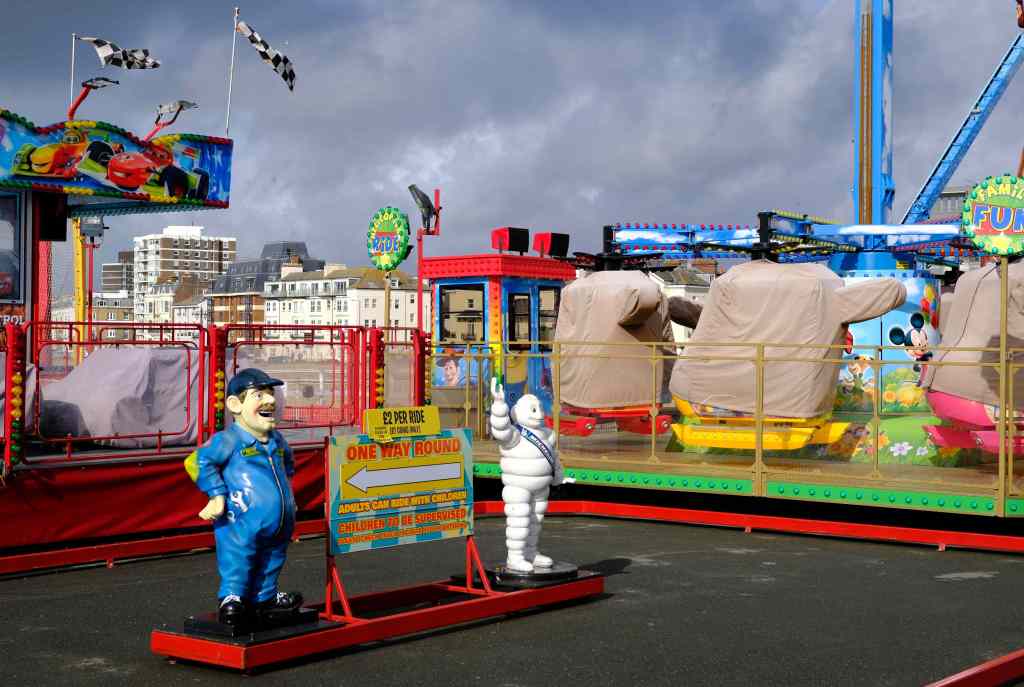
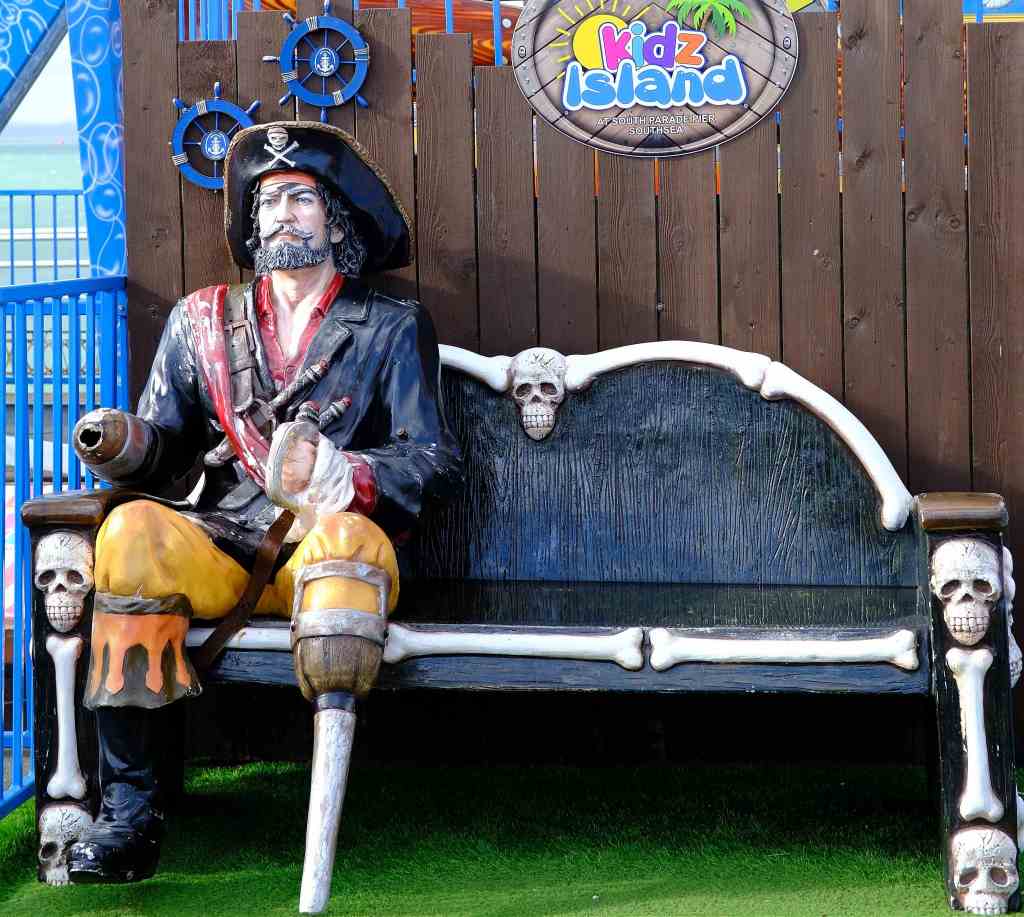
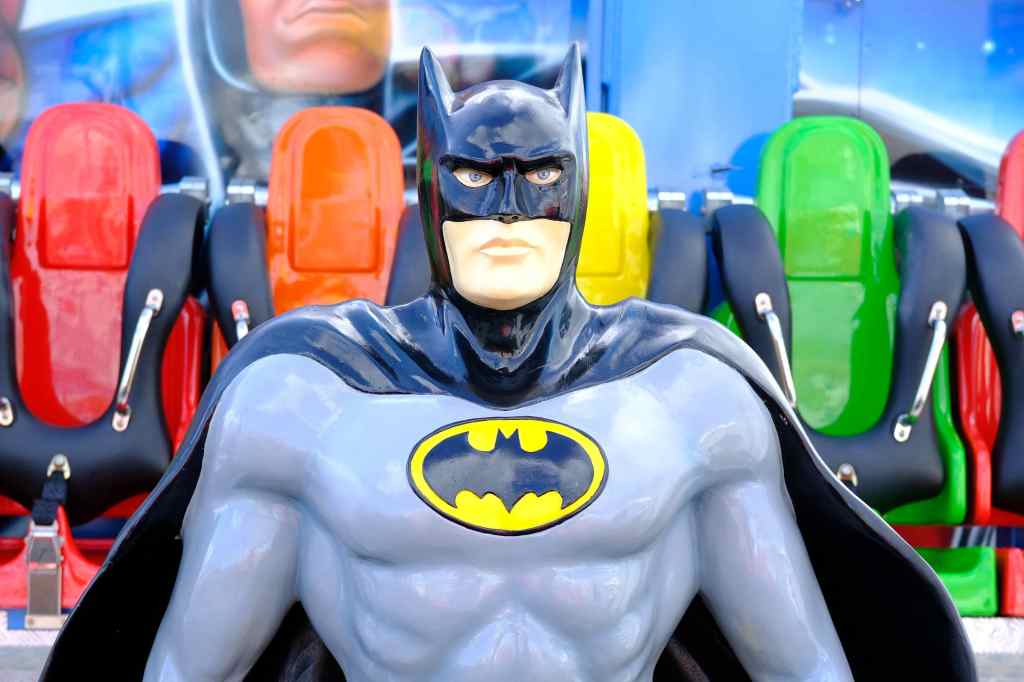
End of the pier and the end of the season Southsea Hampshire. The people have gone home the lights are turned off and the paint has faded.




Red sails in the sunset
Way out on the sea
Carry my loved one
Home safely to me
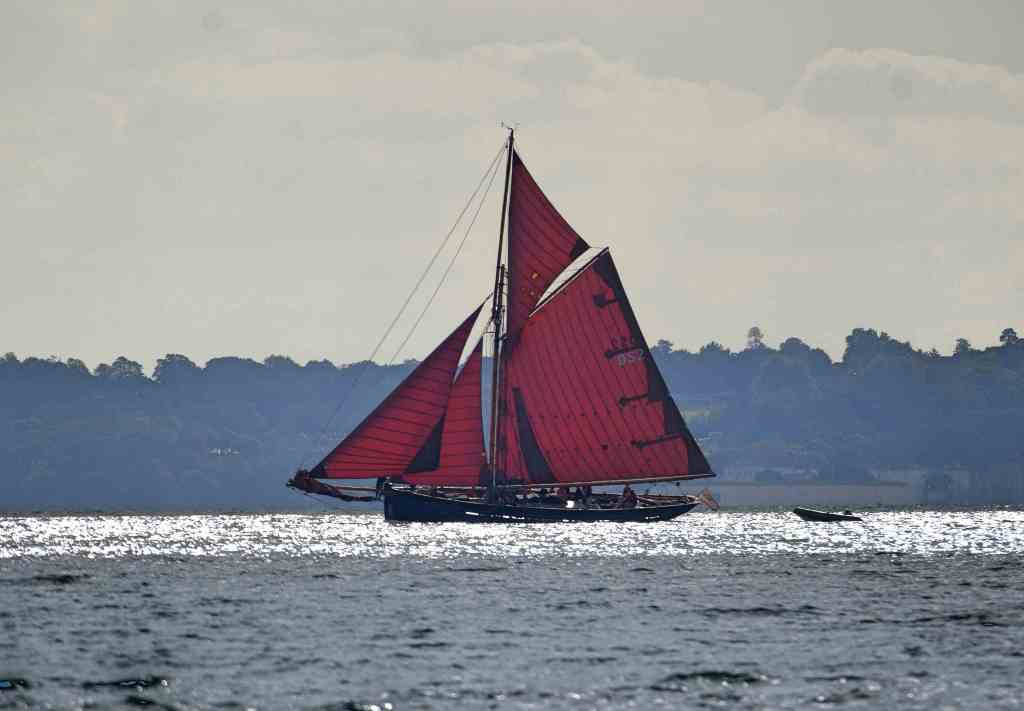
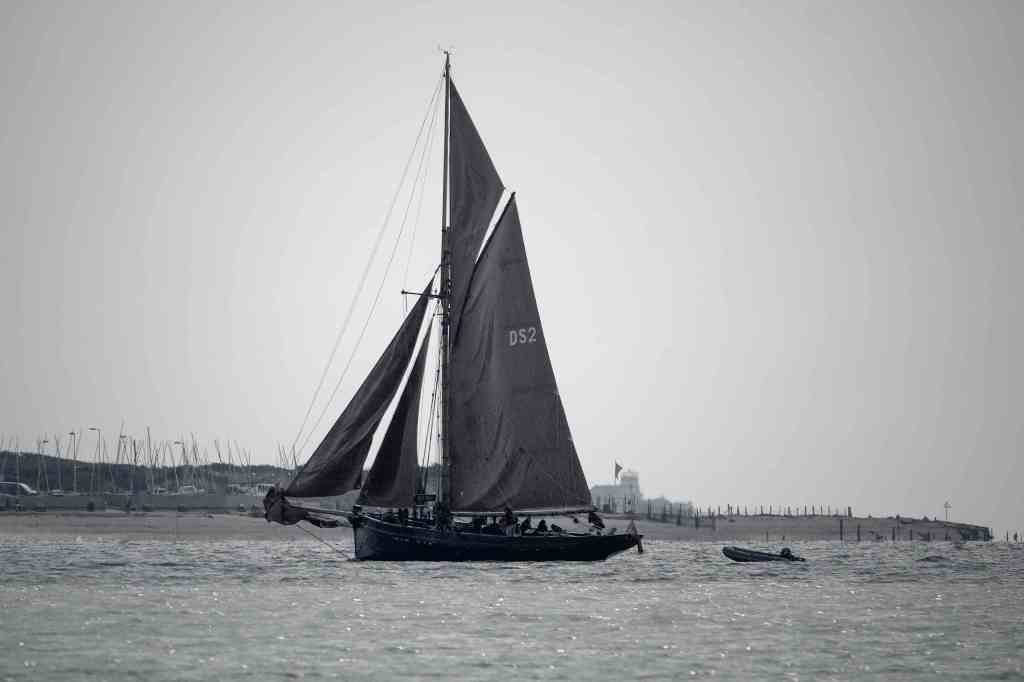
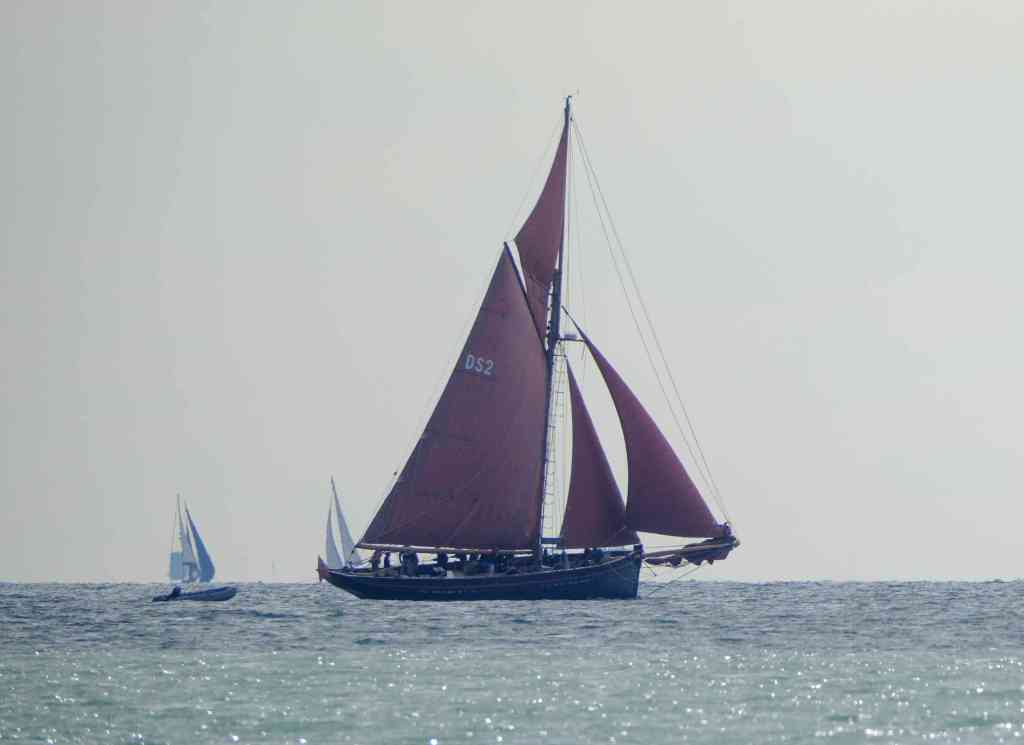
Red Sails in the Sunset lyrics by songwriter Jimmy Kennedy. {written in 1935}
Into the Solent – continued part 2.
After visiting the forts we turned and headed back towards Portsmouth. In the distance out towards the nab tower, we could see ships waiting at anchor to enter the port.

Tuesday had been wet and windy but Wednesday the day of our trip was sunny and flat calm.
There is a passenger Hovercraft service from Southsea to the Isle of Wight. Hovertravel provides the fastest Isle of Wight ferry it is said to be the world’s only year-round passenger hovercraft service. The service takes you directly to the shore at Southsea or Ryde in just 10 minutes.


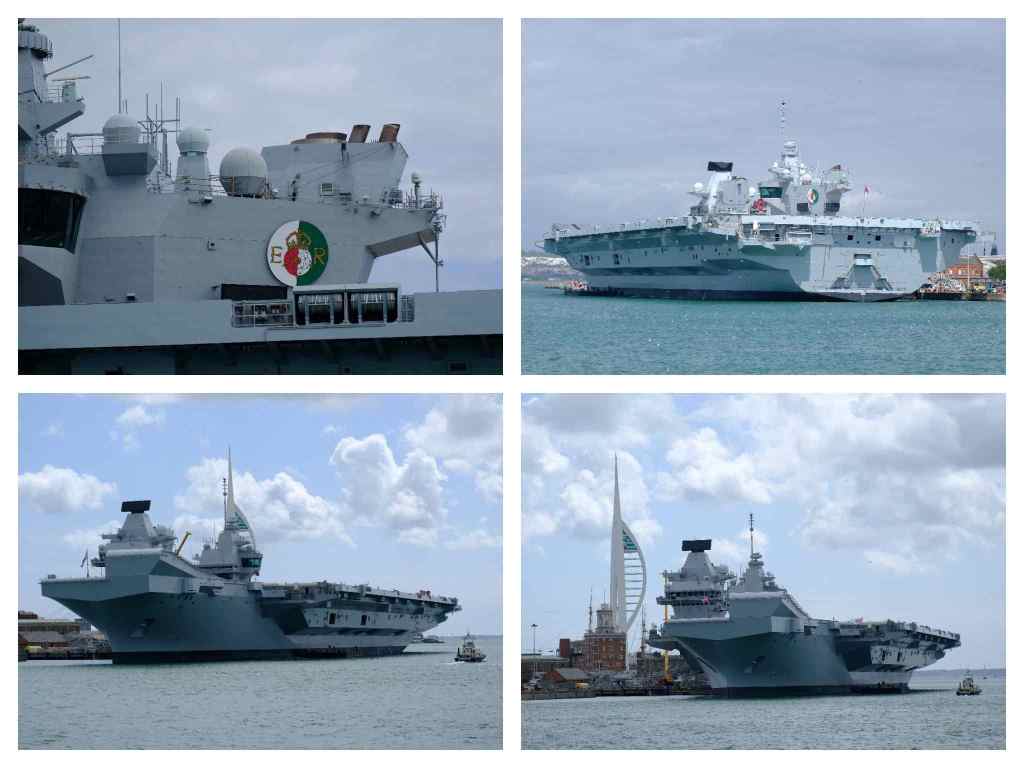
Outside Portsmouth Habour are 2 rows of 3 lights these mark the channel for HMS Queen Elizabeth and her sister ship HMS Prince Of Wales.
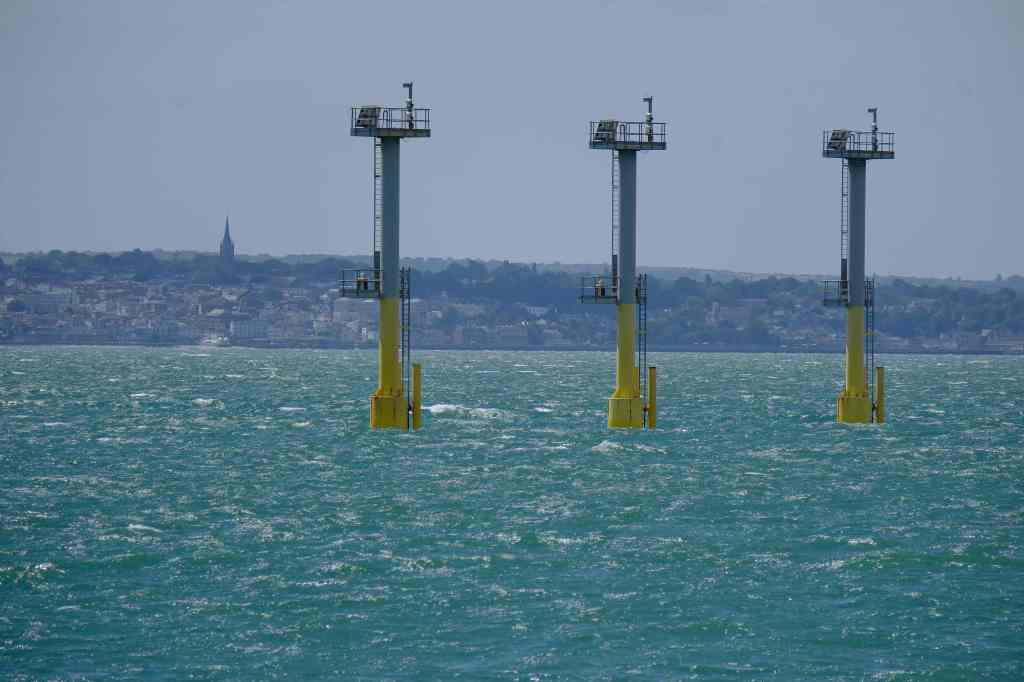
The harbour entrance into Portsmouth Harbour is only around 200 m wide. A tight squeeze for our Aircraft Carriers!
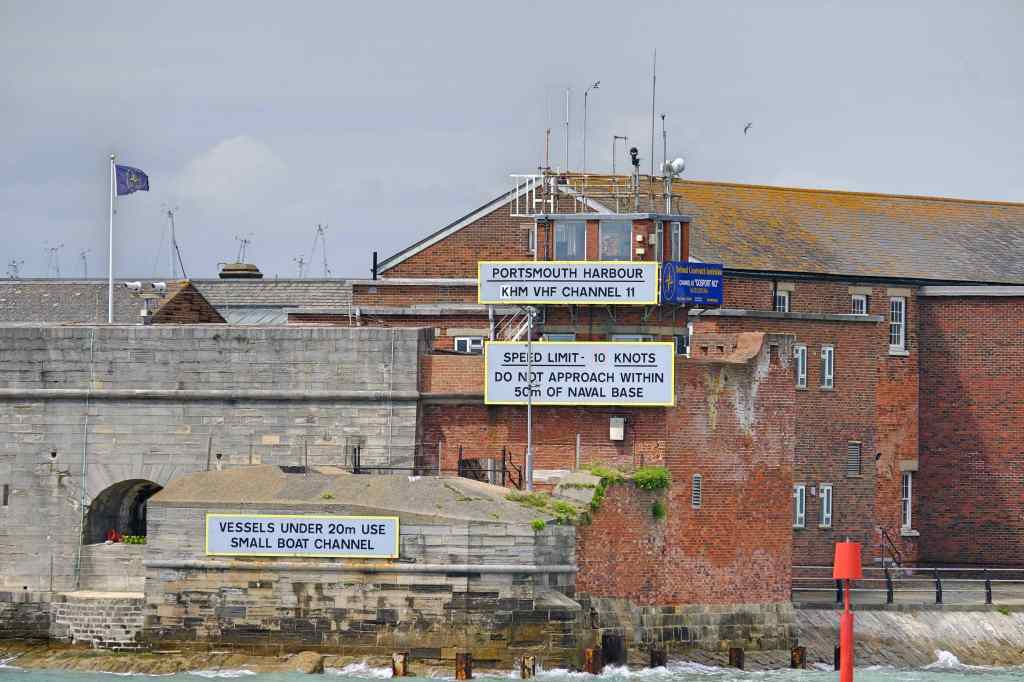
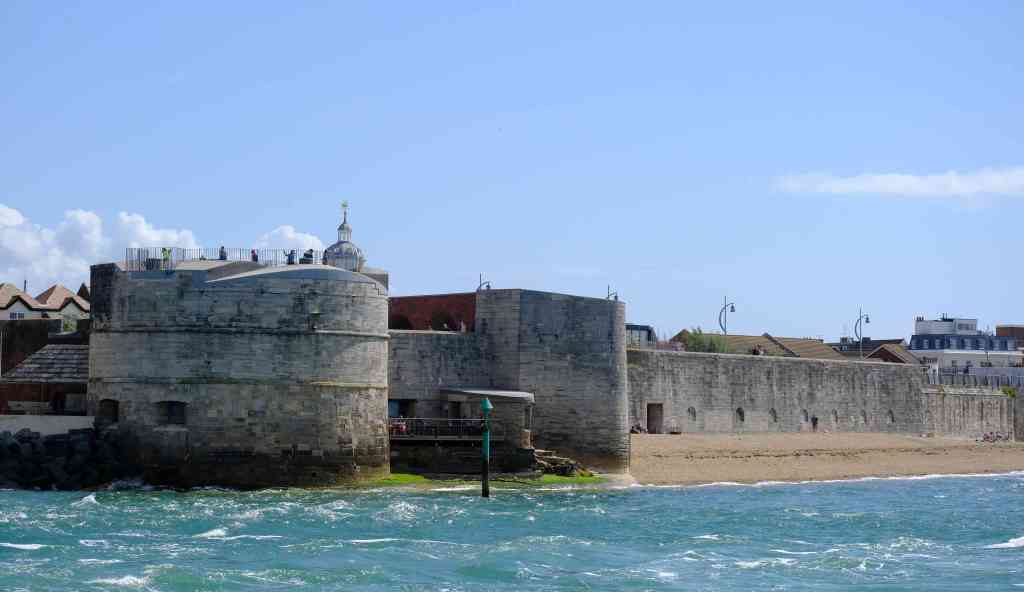
Once into the Harbour, we proceeded past the Spinnaker Tower and historic dockyard into the Naval dockyard.
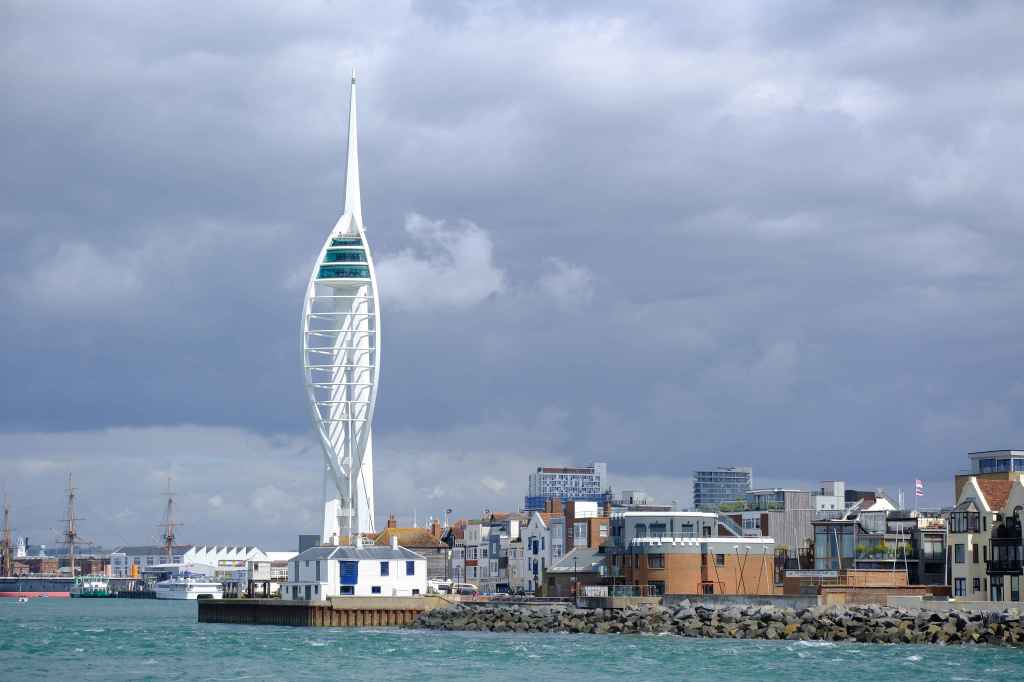
The Spinnaker Tower is a 170-metre (560 ft) observation tower A landmark it is the centrepiece of the redevelopment of Portsmouth Harbour, Its building was supported by a National Lottery grant. there are viewing platforms near the top.

HMS Warrior is Britain’s first iron-hulled, armoured warship, she was launched in 1860, {around the same time as the forts}The pride of Queen Victoria’s fleet she was powered by steam and sail, – the largest, fastest and most powerful ship of her day and had a massive effect on naval shipbuilding of that time. Warrior was, in her time, the ultimate deterrent however within a few years, she was obsolete. Today, she is restored and back afloat and open to the public.

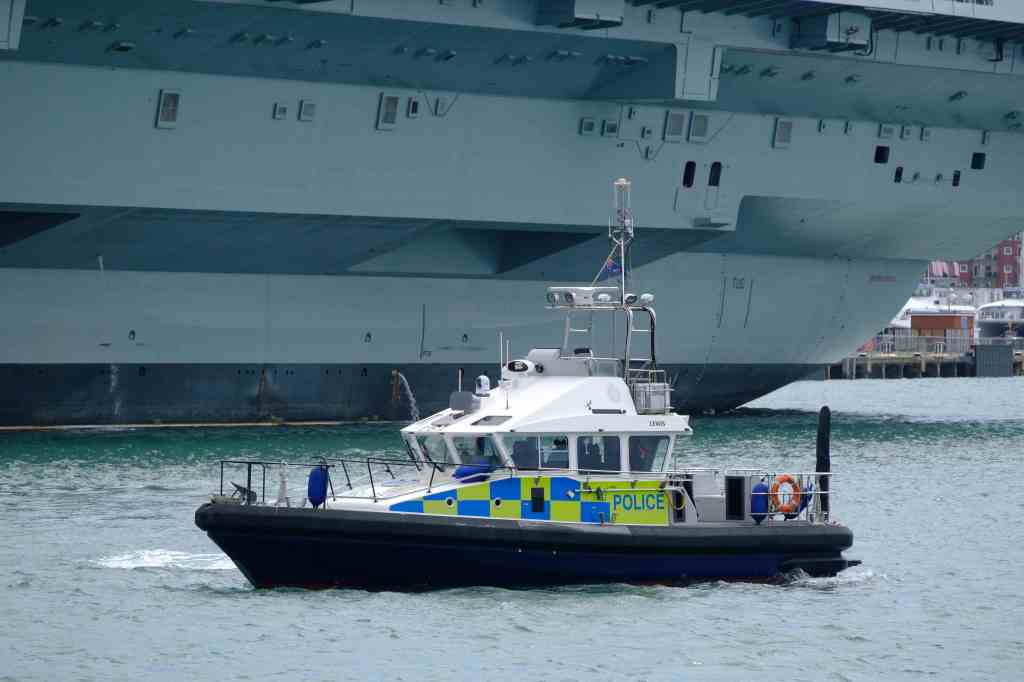
We were escorted into the Naval Dockyard. MOD police which ensure no craft gets too close the warships.
HMS Queen Elizabeth was in port the 1st of our 2 Aircraft Carriers which are the largest and most powerful vessels ever constructed for the Royal Navy. They each weigh 65,000 tonnes, have a top speed of over 25 knots per hour and a range of 10,000 nautical miles. Her Length is 284 m (932 ft)
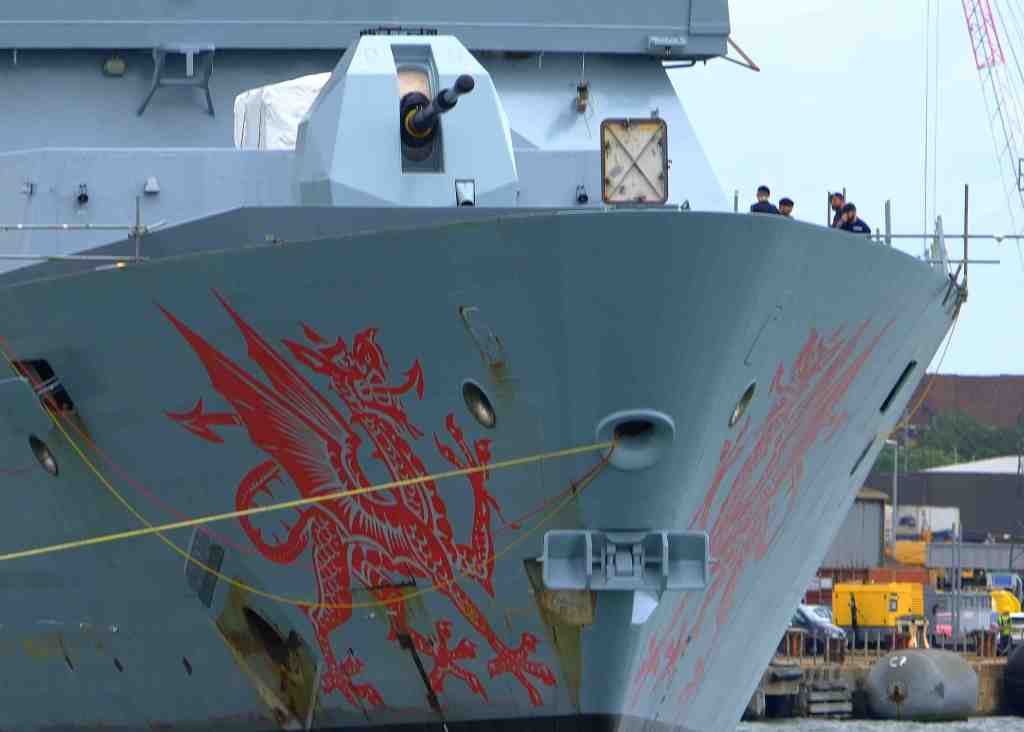
HMS Dragon Type 45 is a Daring-class air-defence destroyer. She was launched in November 2008 and commissioned in 2012

HMS Diamond D34 another Daring-class was undergoing replenishment, further in the dockyard.
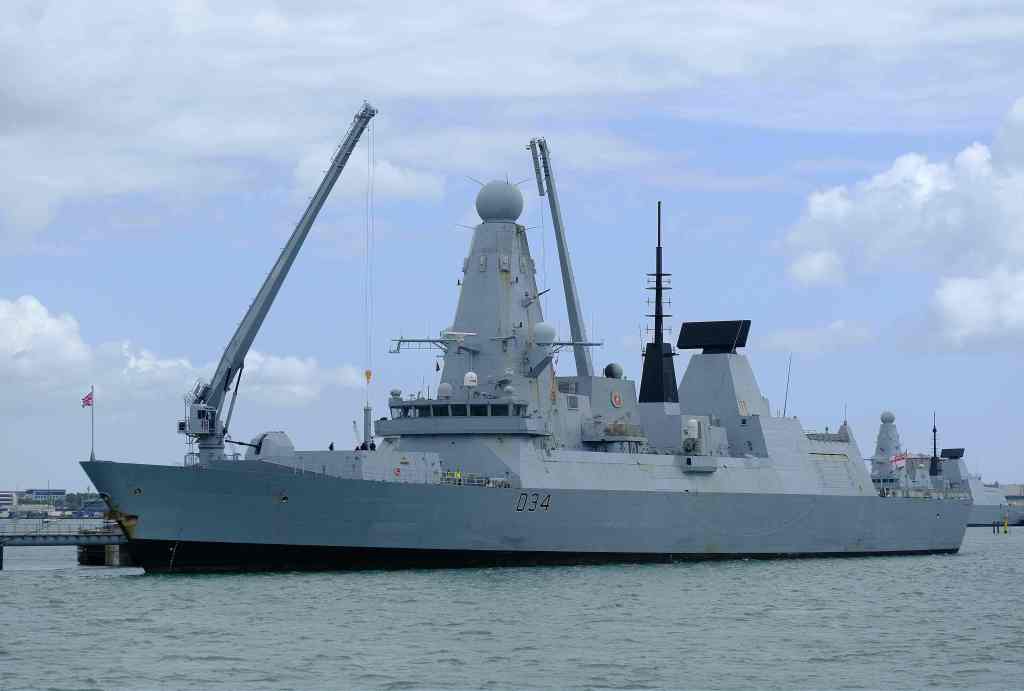
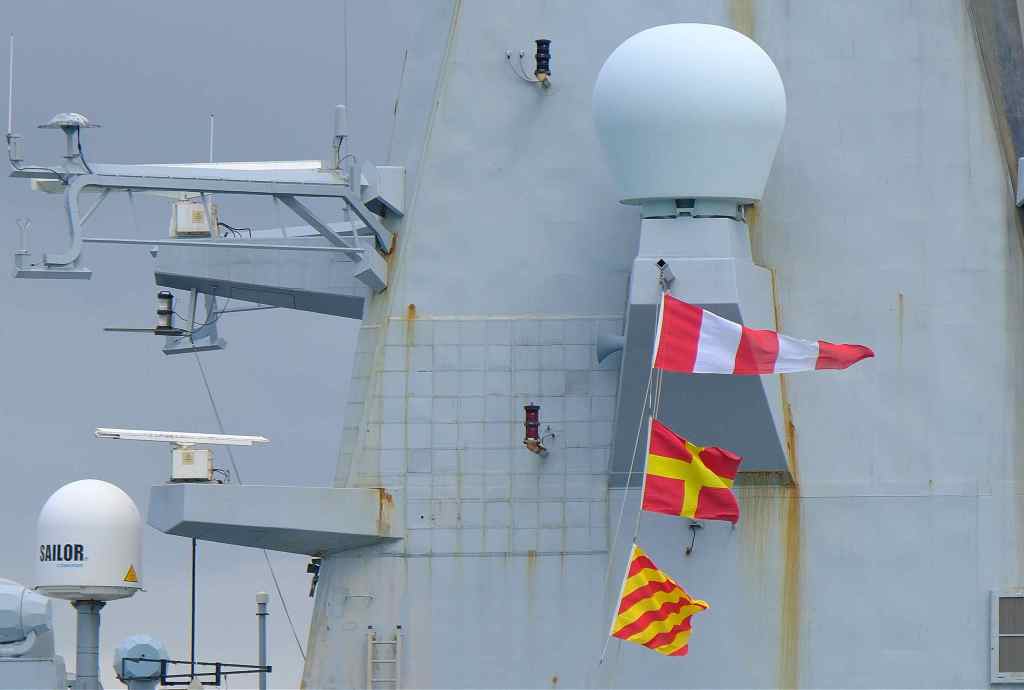
Note the barge with crane alongside, the signal flags read -top one CODE, then ROMEO then YANKEE – this means “slow down and no wash as you pass. The ship is being replenished.” I guess not munitions as no explosive flags were flying.
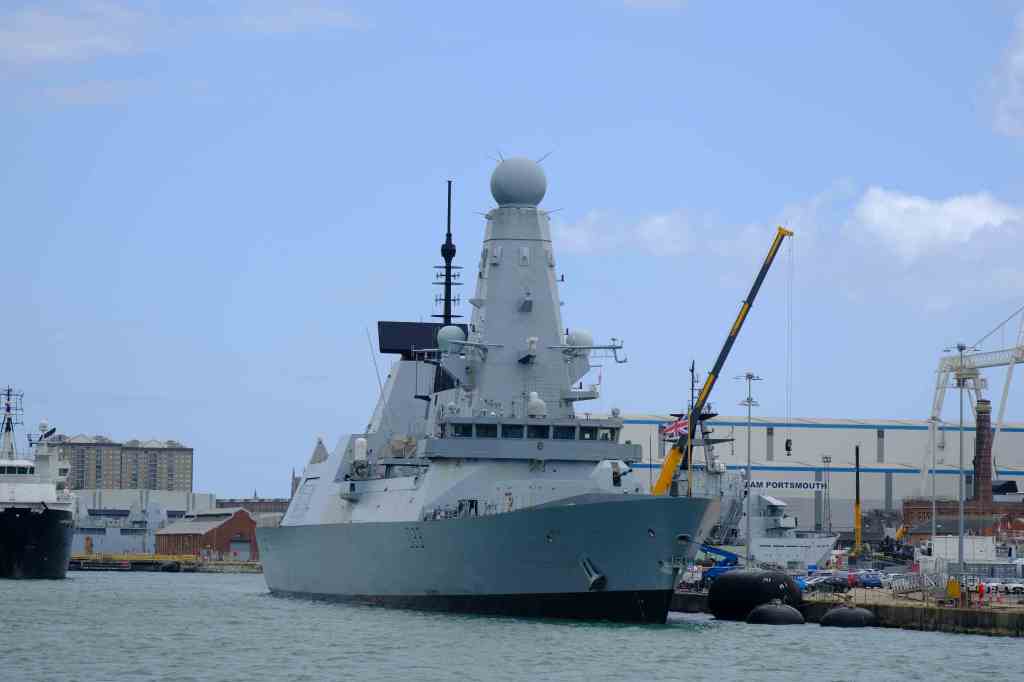
The 3rd Daring-class in port was HMS Dauntless {D33}
Decommissioned Royal Navy Type 23 Frigates HMS Monmouth F235 and HMS Montrose F236 stand awaiting their fate or scrapping on the “trots” at Portsmouth.

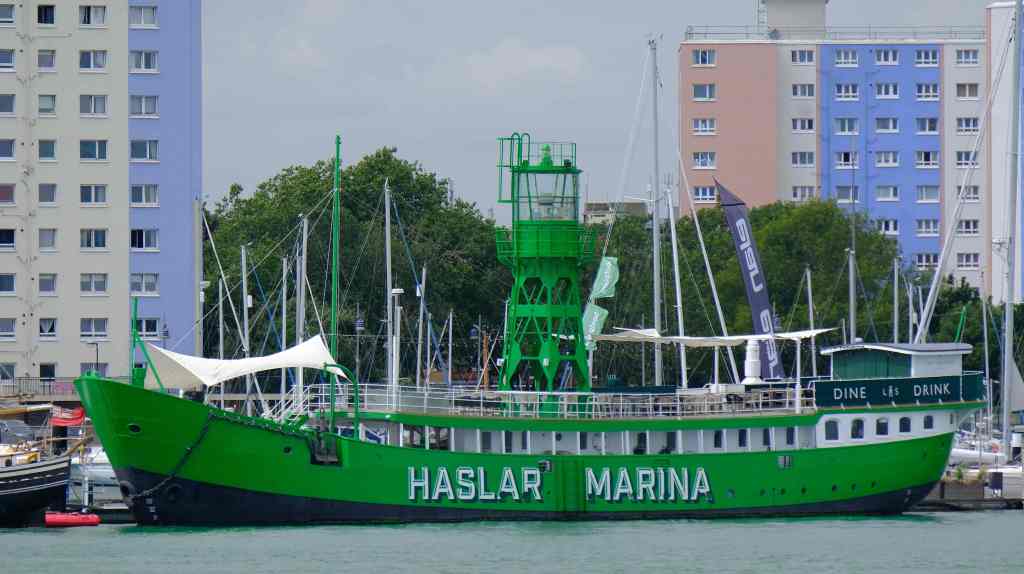
Leaving the Naval part of the dockyard we passed this old Lightship, now a nightclub and a Border Force patrol boat.

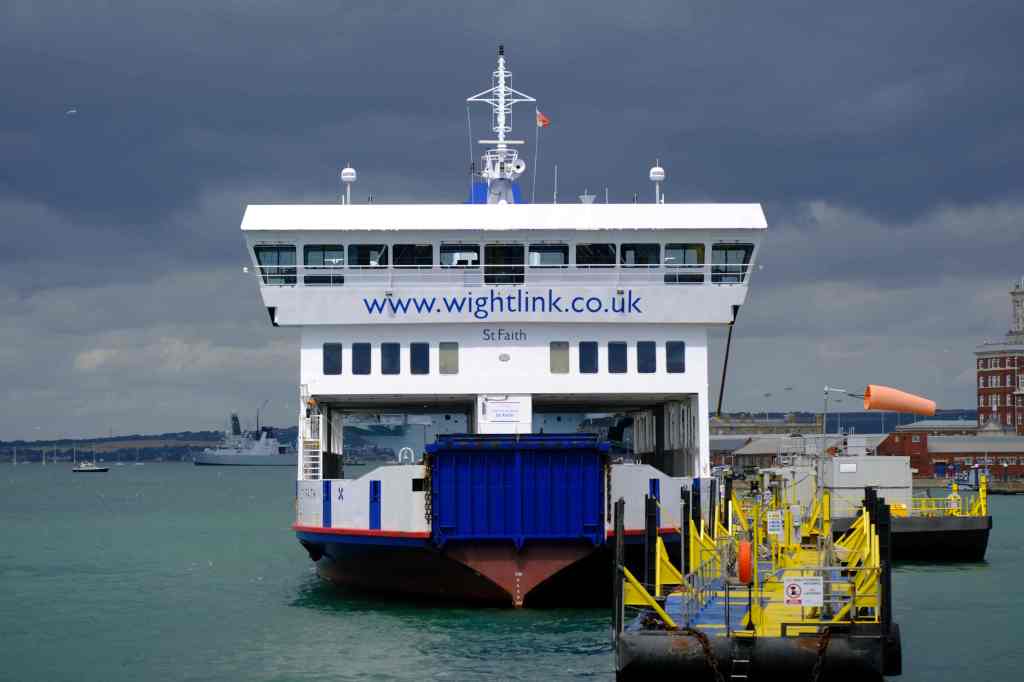
The tour ended from where we started,- a great day out on this Gosport ferry cruise.
 Continued Reflections from my World.