A juvenile Common Tern on Meon Beach.
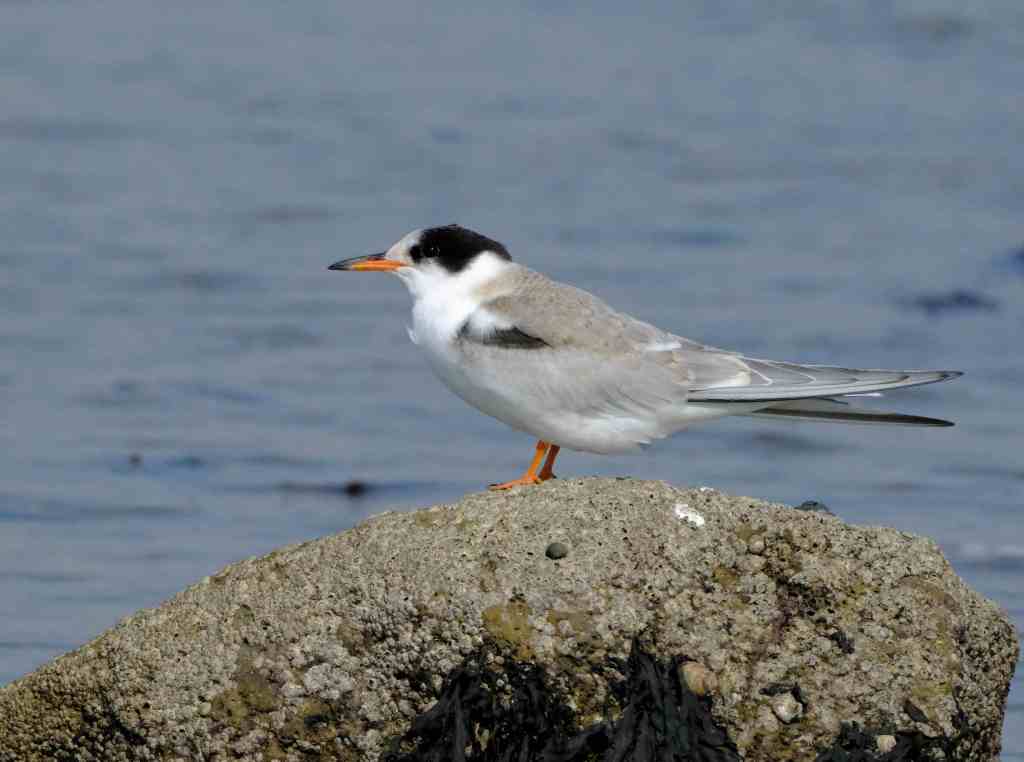

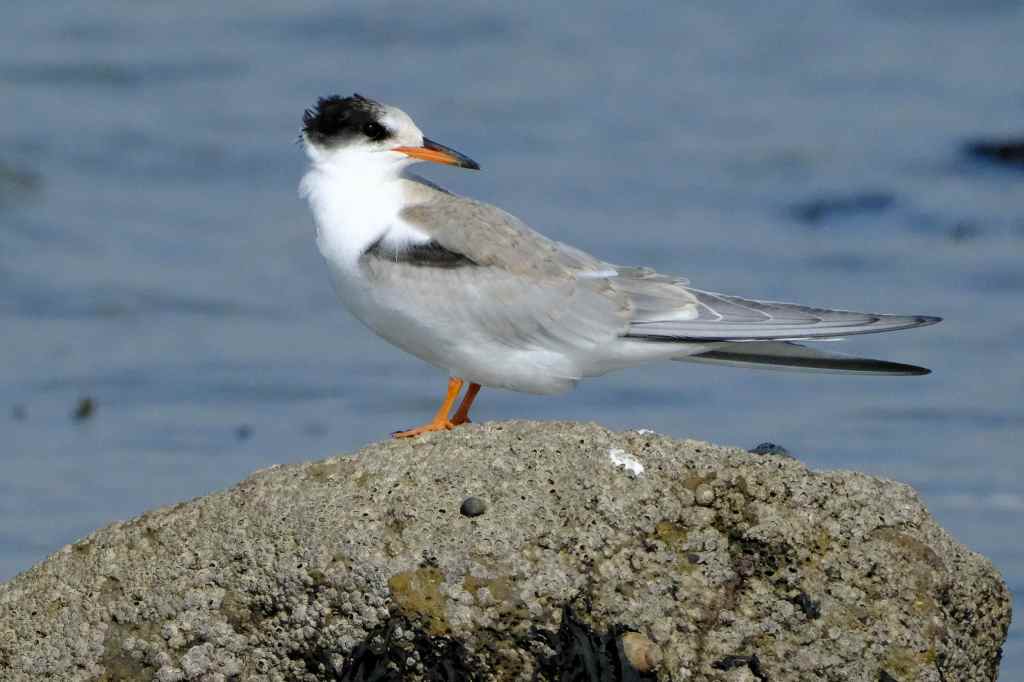
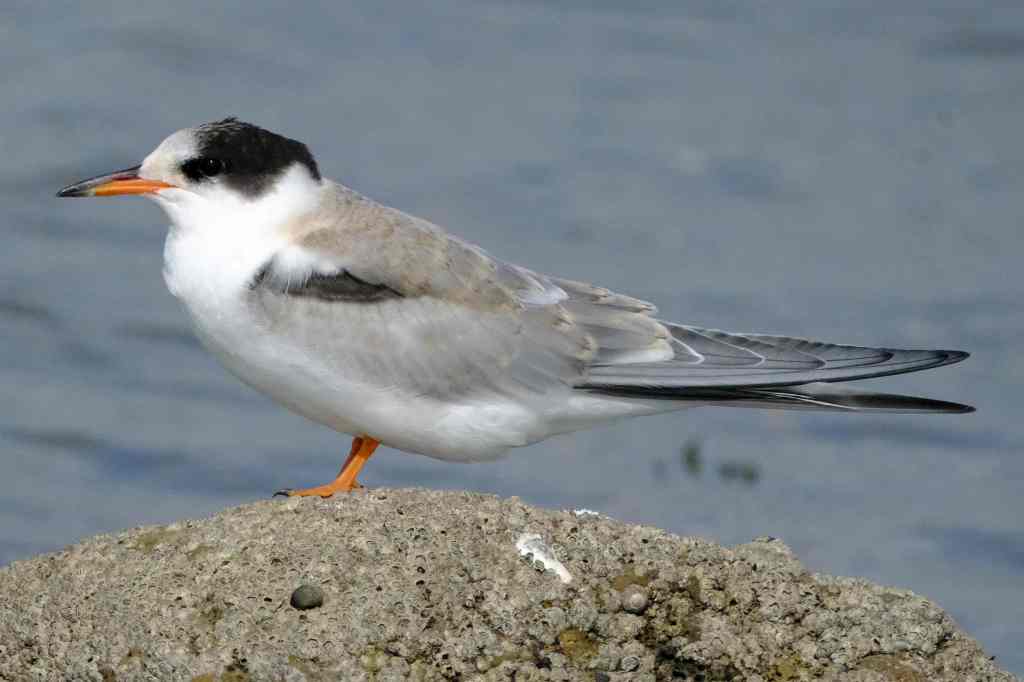
A juvenile Common Tern on Meon Beach.
Seeing and hearing a distant Spitfire over the Solent I decided to call into Solent Airport on my way home today. There were two Spitfires on the ground.
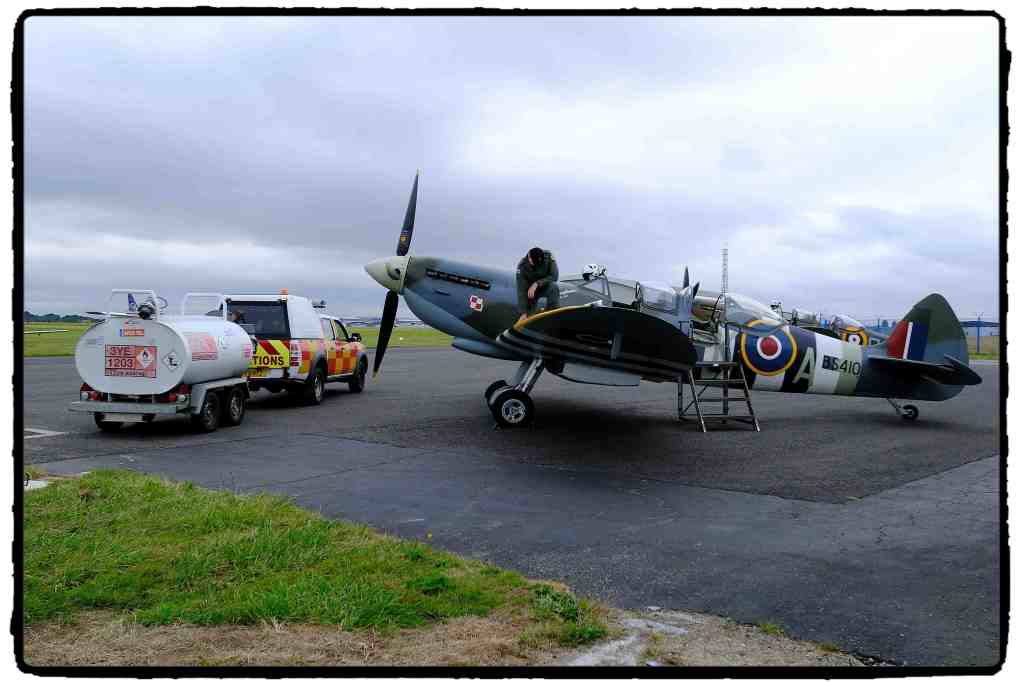


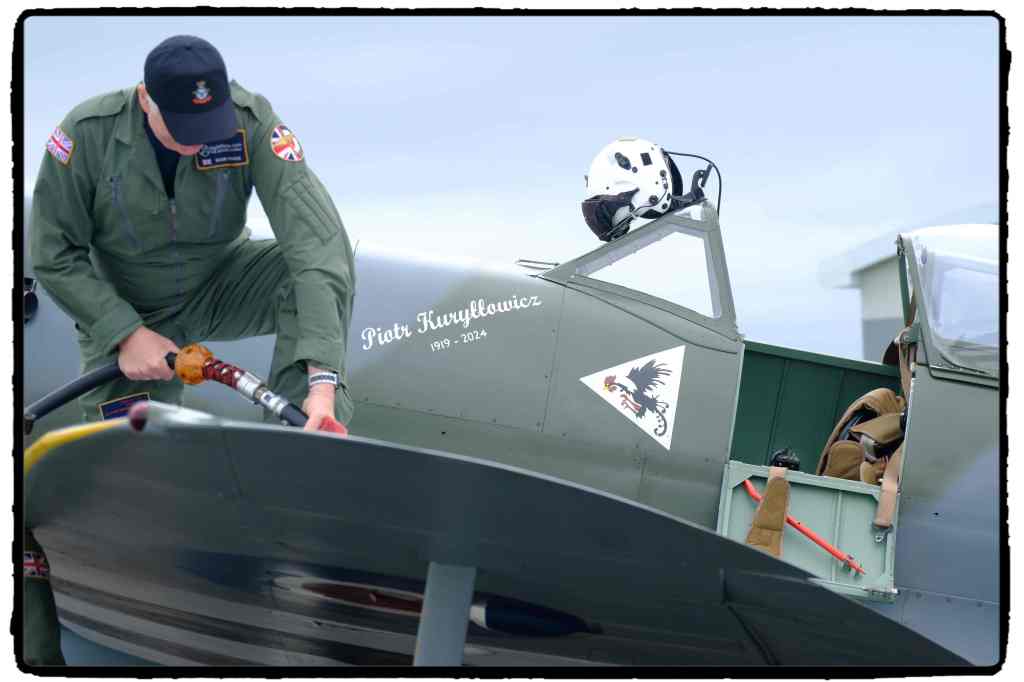


Piotr Kuryłłowicz, 1919 -2024.
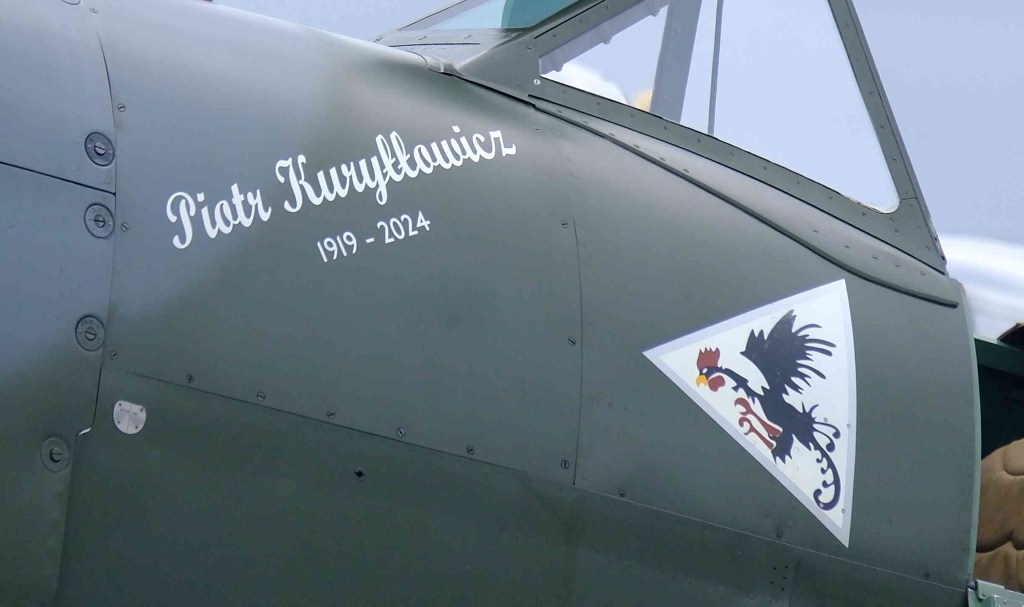
The name on the side on BS410 got me googling.
Piotr Kuryłłowicz died on March 13, 2024, at the age of 104 the last known veteran of the 315th Fighter Squadron “Dębliński” from a Polish Siberian family, Piotr Kuryłłowicz, like many pilots at that time, began his aviation career with training at the Military Gliding Camp in Ustianowa. Shortly after that, he joined the Aviation Cadet School in Dęblin. As a graduate of the famous accelerated XIII officer promotion course, he was evacuated on September 18, 1939, to Romania, from there he got to France, and then on to Great Britain.
While in Great Britain as a Flying Officer with service number 780962, he underwent training at 55 Operational Training Unit at RAF Aston Down. He fought in the 317th Fighter Squadron “Wileński” and the 315th “Dębliński”. It was while serving in this unit that, on Tuesday, May 13, 1943, he took off from RAF Northolt and was shot down over France, by either a Focke Wulf or ME 109.Kuryłłowicz – parachuting near Occoches, he was captured and sent to the German POW camp – Stalag Luft III in Żagań.
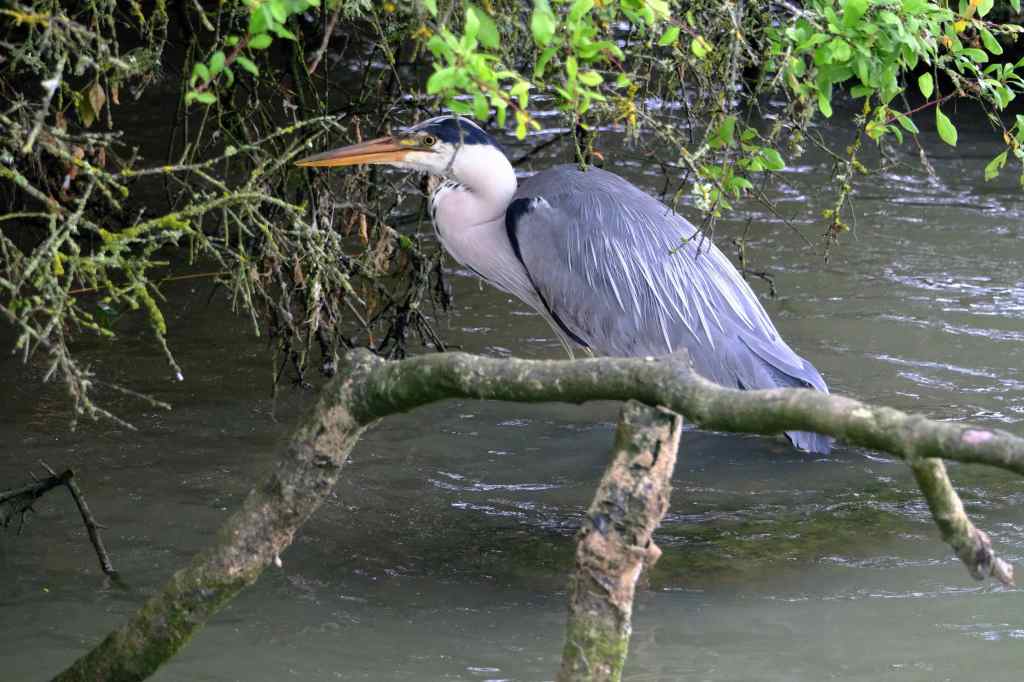
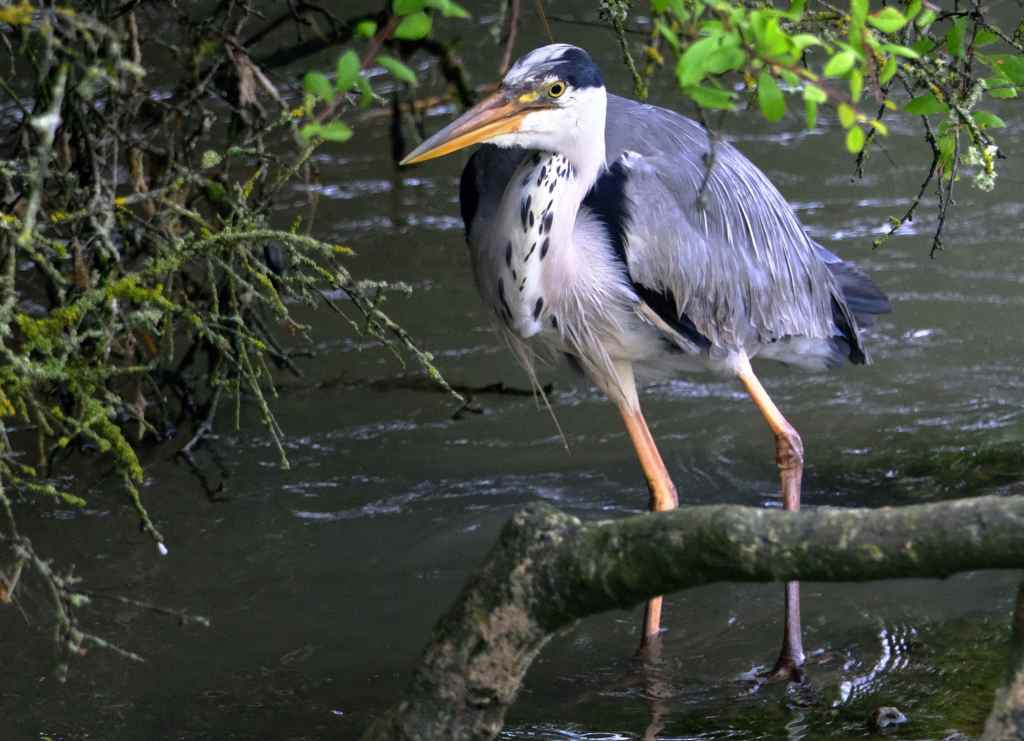
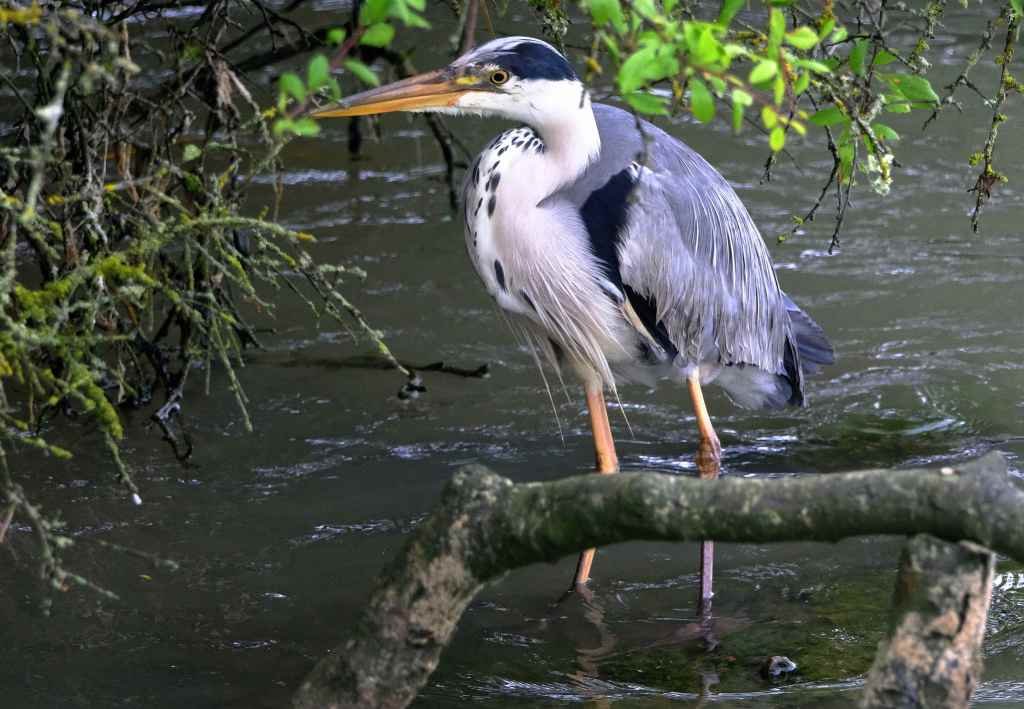
At the Little Bridge at Titchfield Harbour where the River Meon reaches the sea, there is a favourite spot under the bushes where a Grey Heron likes to fish. Often people miss him! If you wait for a while he may come out into full view.








As we approach the 80th anniversary of D-Day I visited the village of Warsash on the River Hamble. Today Naval vessels and Landing Craft have been replaced by pleasure boats.


I decided to record my visit to Titchfield Haven Nature Reserve as a video.
At the end of the film is a Shelduck out at sea with her chicks – It is amazing watching these little birds journey in the choppy waters.
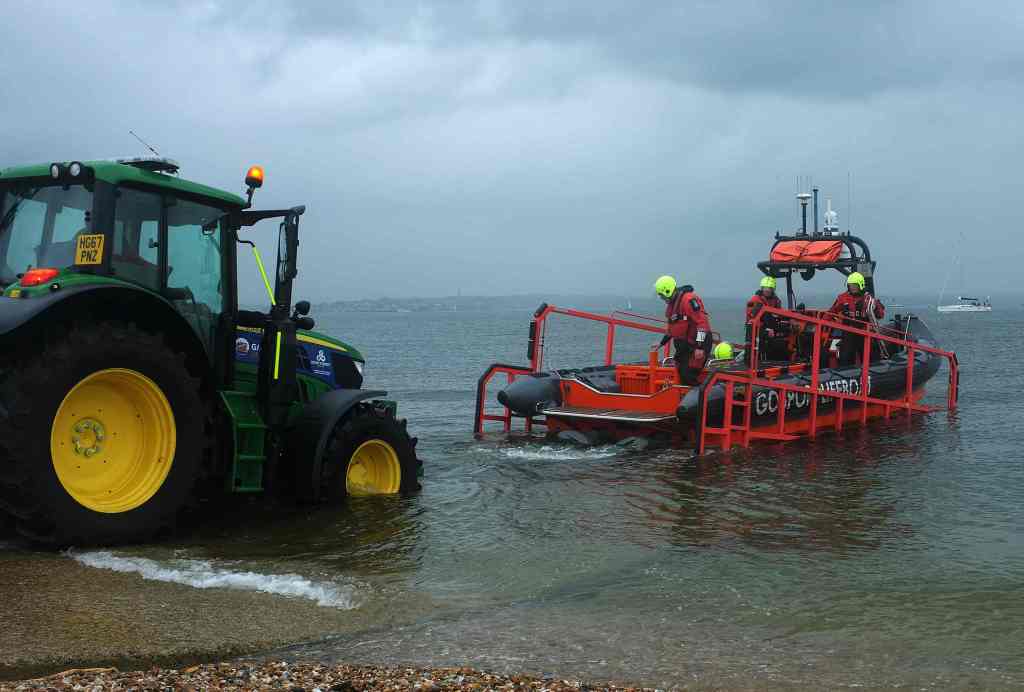
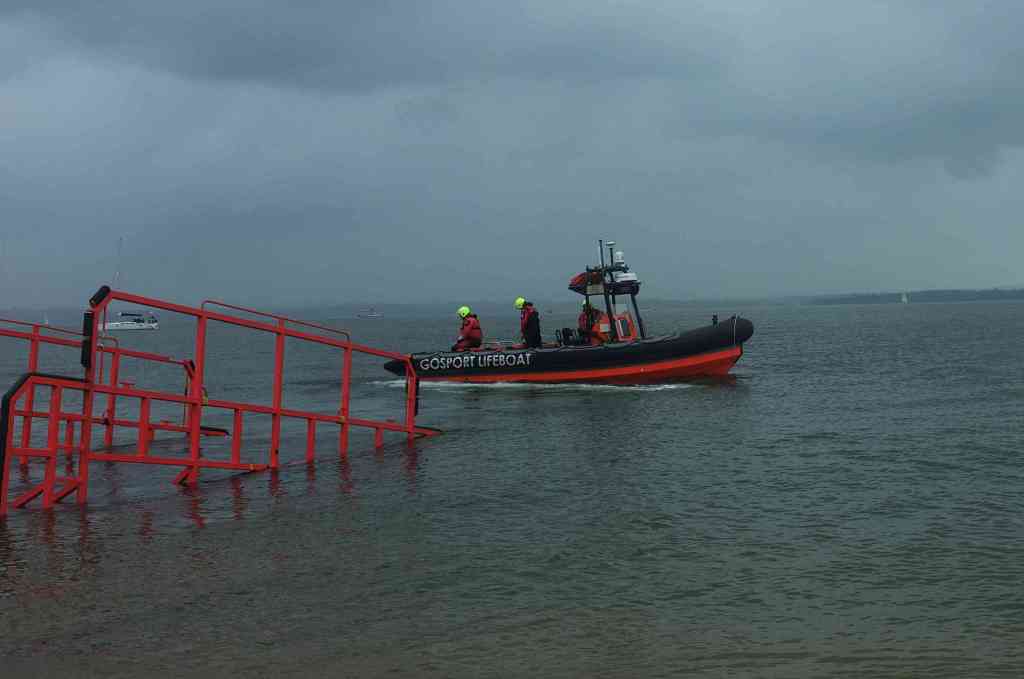
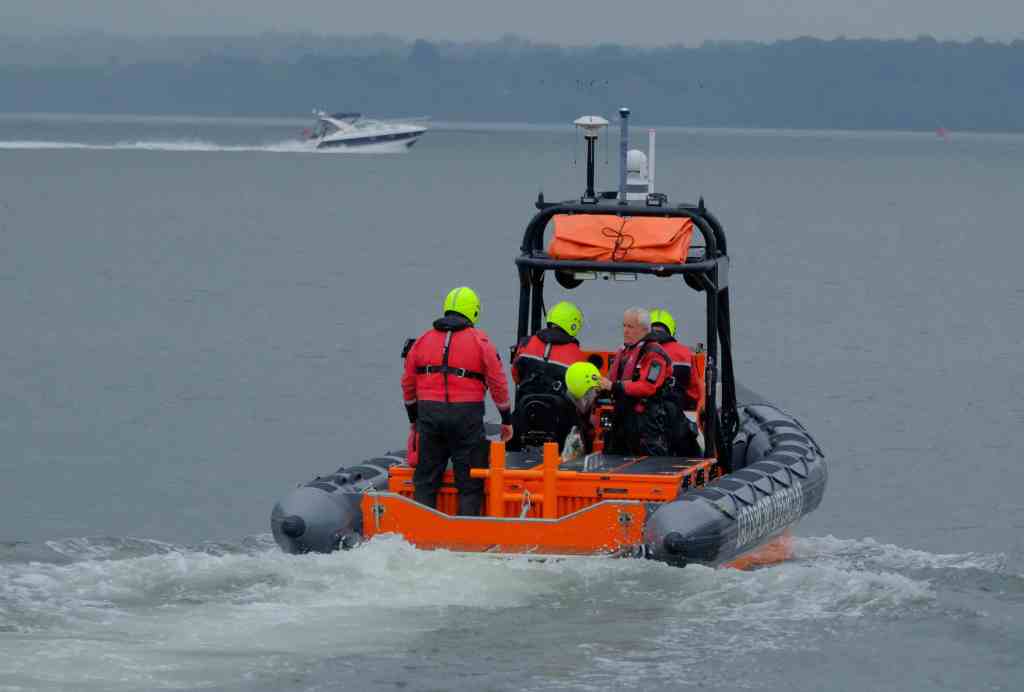
A few hour’s walk out to Gilkicker Fort on this wet morning and a stop to take a look at Gosport and Fareham Inshore Rescue Service.
Gosport Lifeboat Station is a volunteer-operated independent lifeboat station located near the Gilkicker peninsula at Gosport – it operates lifeboat services in the Solent from Portsmouth Harbour to Titchfield Haven. There are 235 Royal National Lifeboat Institution (RNLI) lifeboat stations around the United Kingdom, and there are 65 lifeboat stations which are not owned or managed by the RNLI, GAFIRS is one of these. Like the RNLI, All Lifeboat services work with HM Coastguard their equipment, training, and procedures comply with the Maritime and Coastguard Agency’s Rescue Boat Code of Practice.







Around the docks. Southampton. Street Life






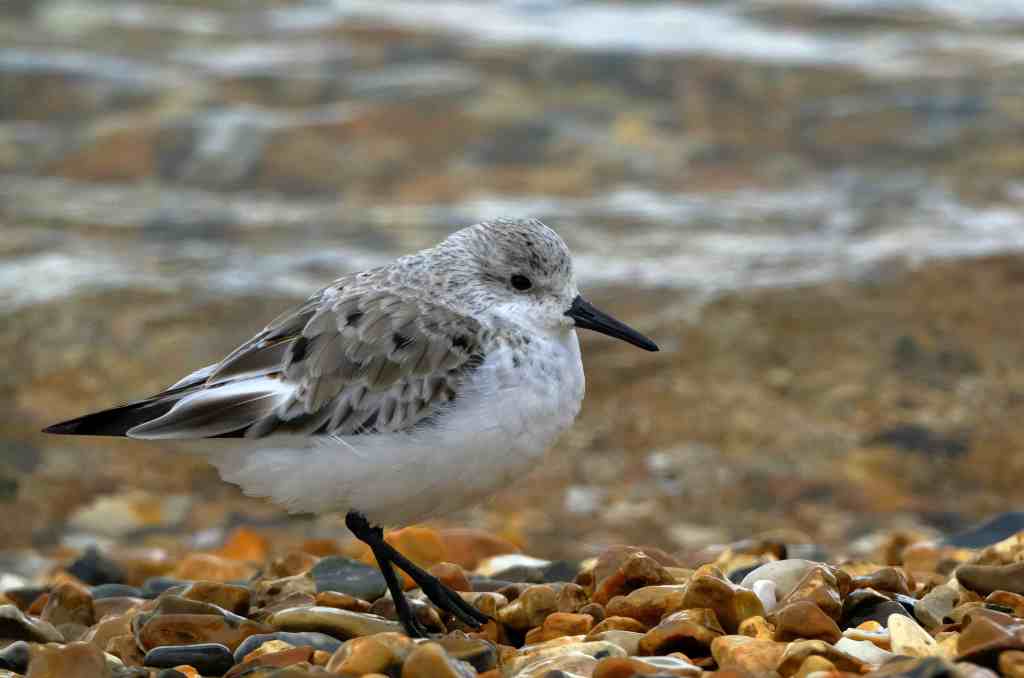
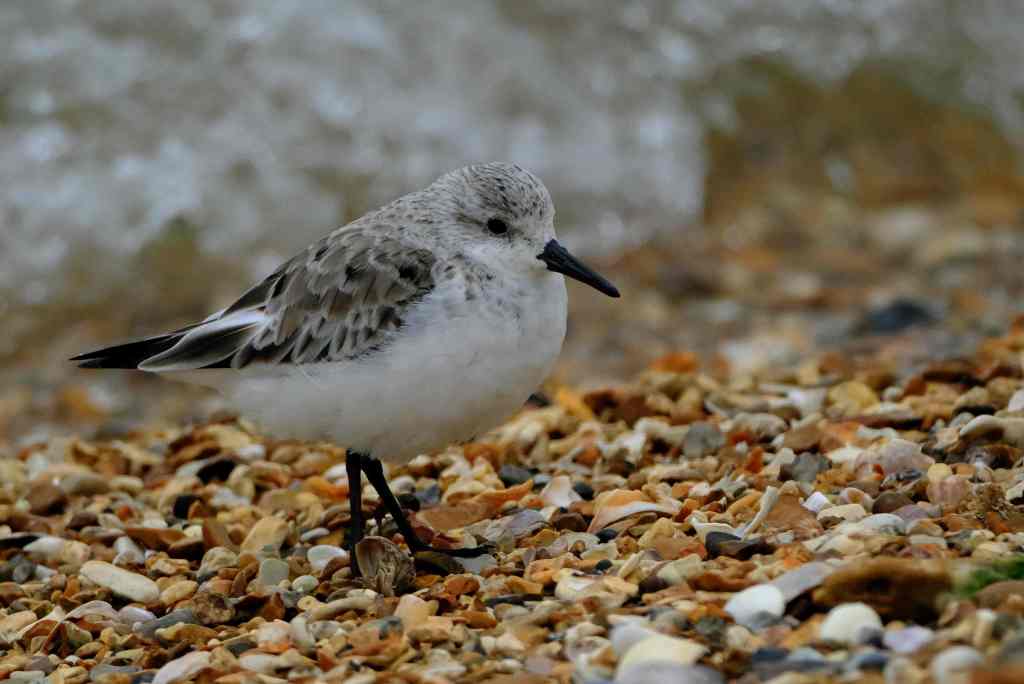
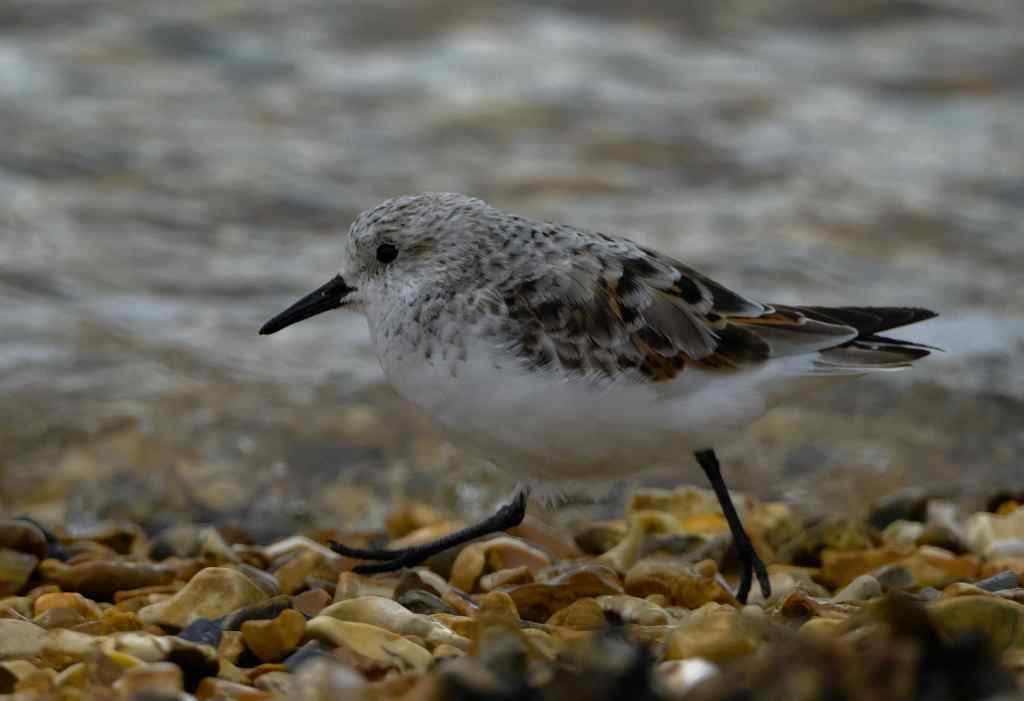
Sanderlings have a distinctive run/walk this is partly due to only having 3 toes on each foot, they are missing the hind toe. They run like wind-up little clockwork toys.

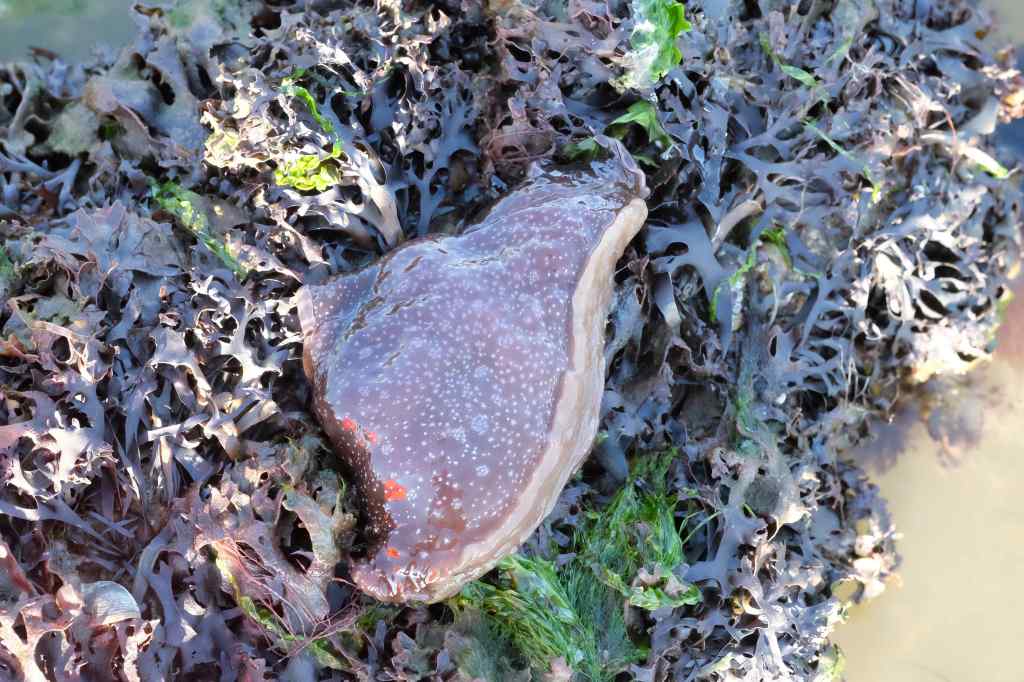
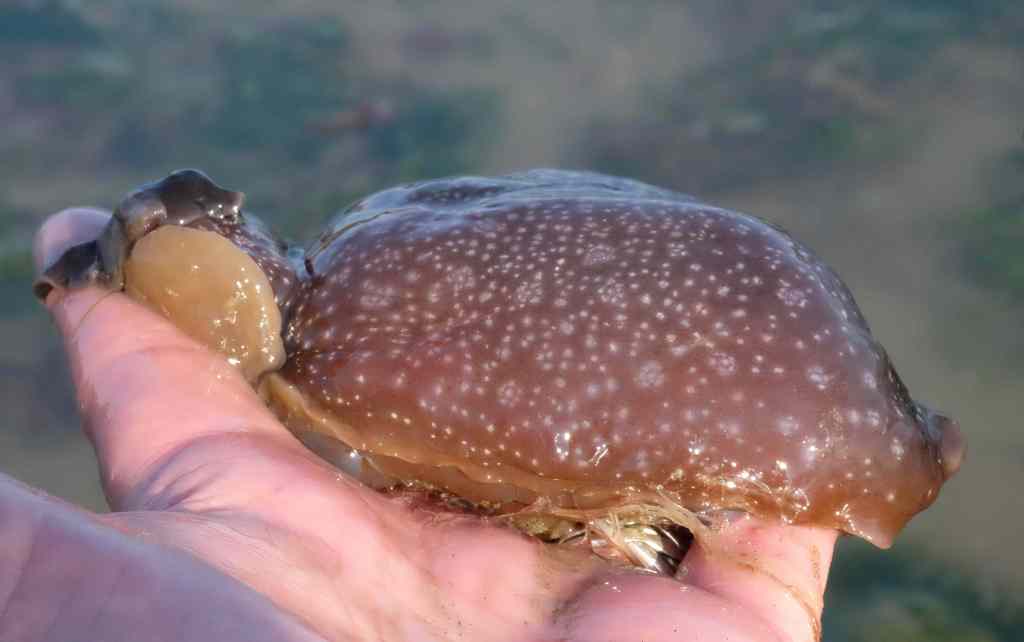
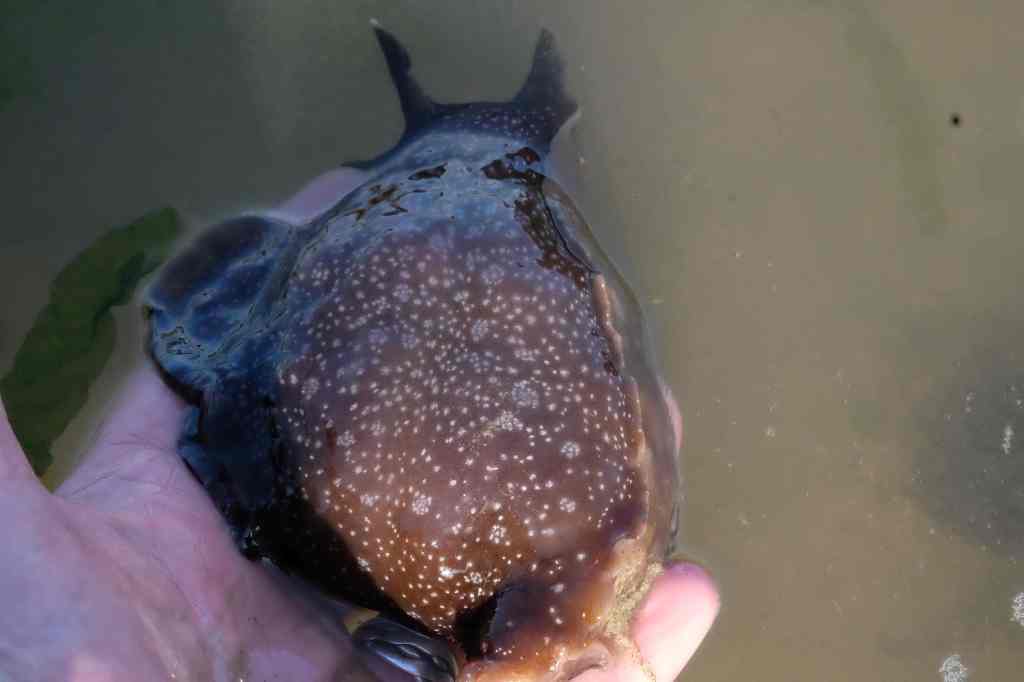
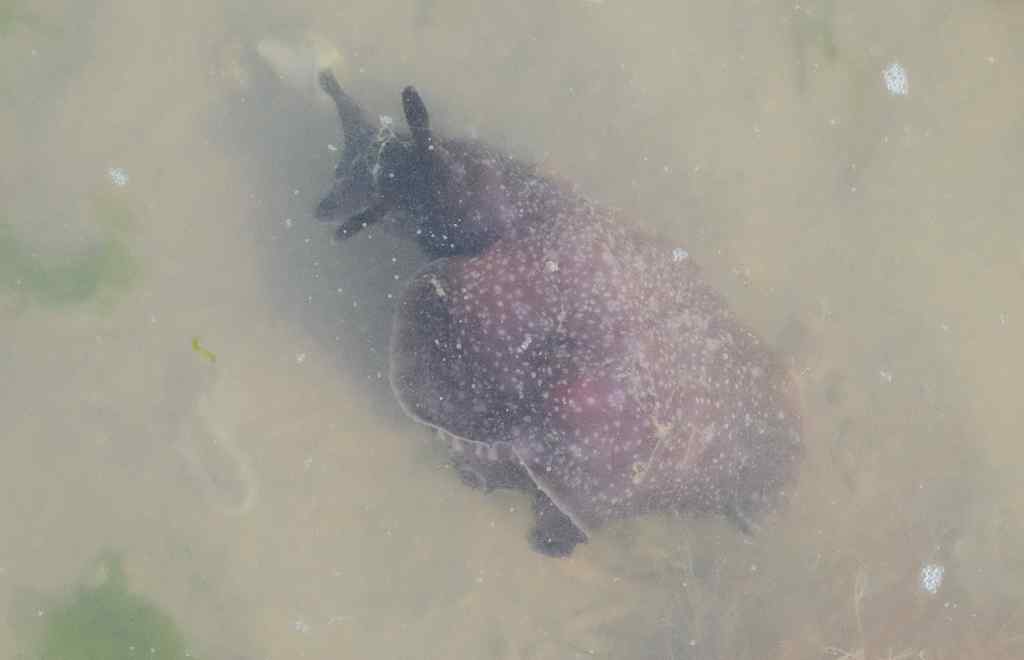
Commonly known as sea hares, The clade Anaspidea are medium-sized to large opisthobranch gastropod molluscs with a soft internal shell made of protein. Sorting out some memory sticks I came across these pictures I took at Meon Shore Beach in the summer of 2019. I have only ever found 2 of these interesting creatures and have not seen one since this sighting.