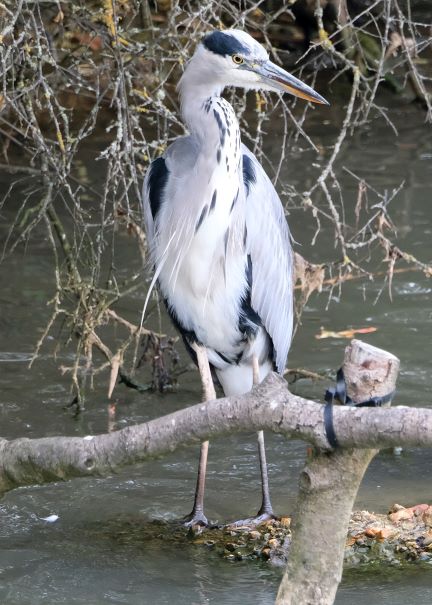
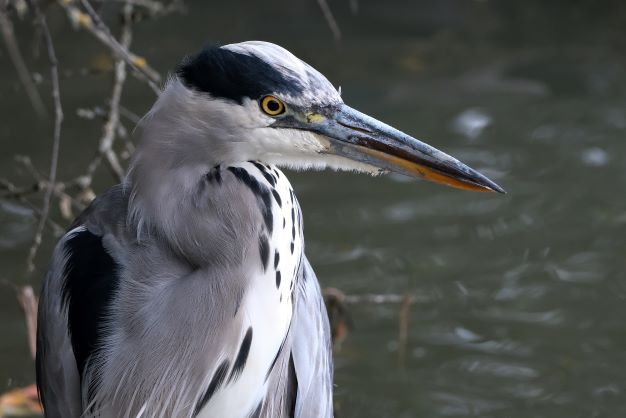
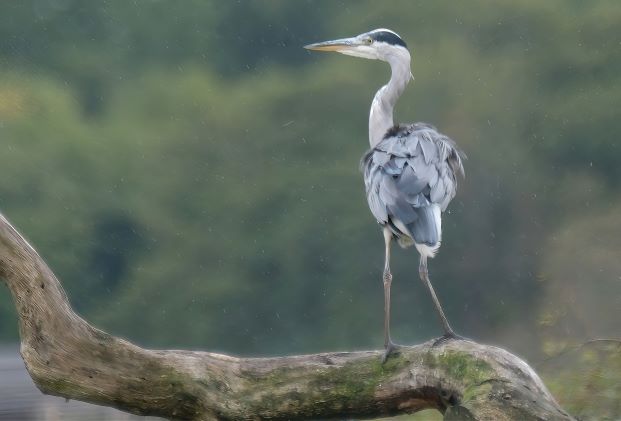
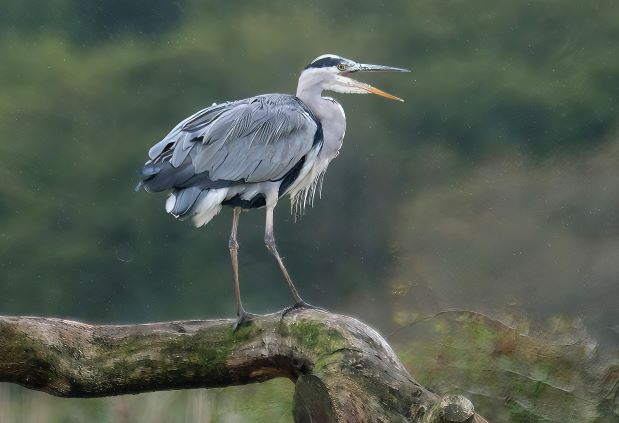
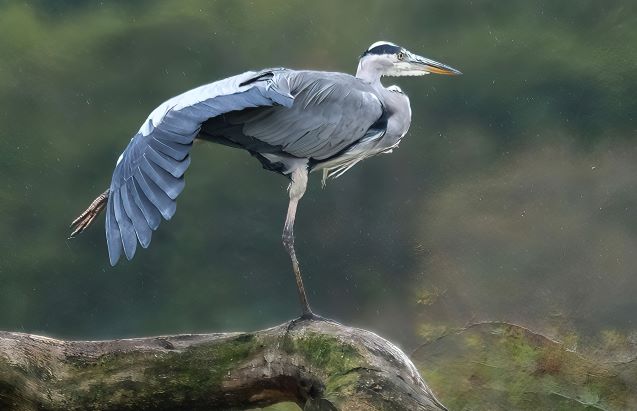
Some views of a Grey Heron.


I thought this photograph gives a good chance to see the size of the Grey Heron with a Little Egret.


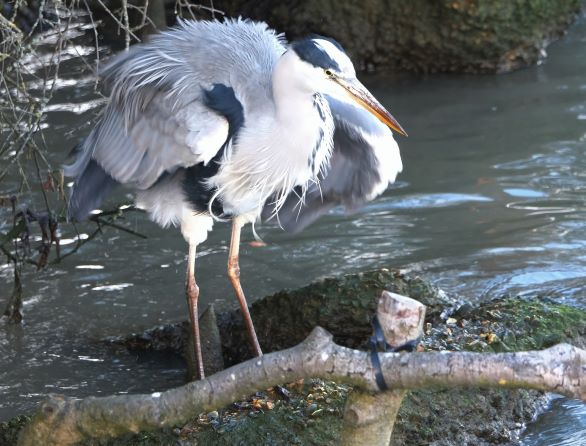

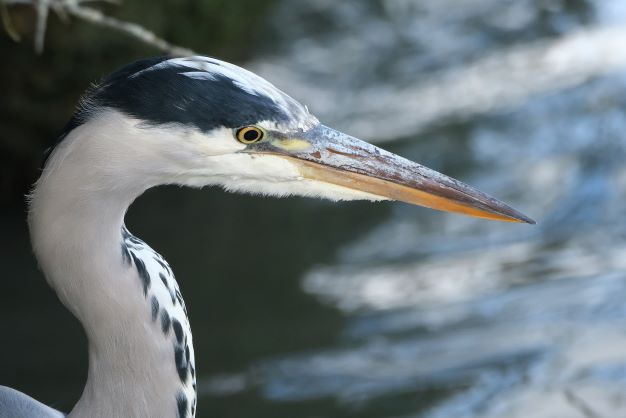
Some views of a Grey Heron.
I thought this photograph gives a good chance to see the size of the Grey Heron with a Little Egret.

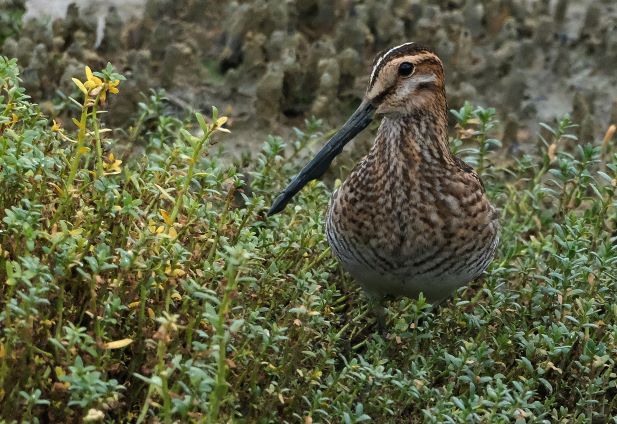
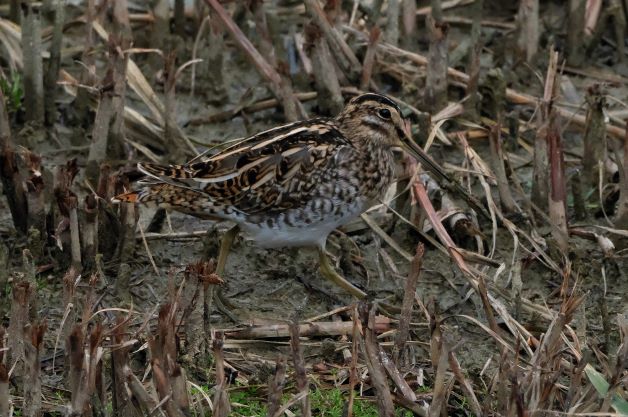
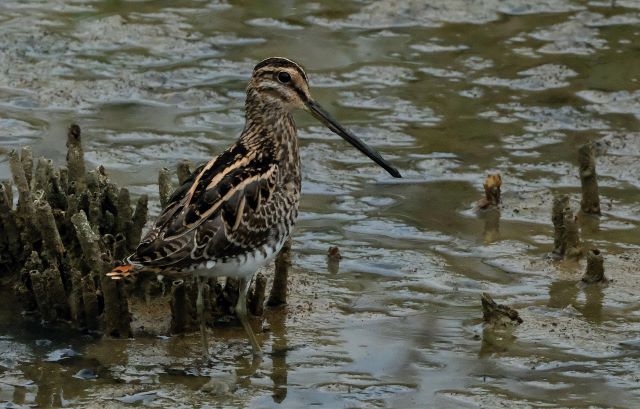
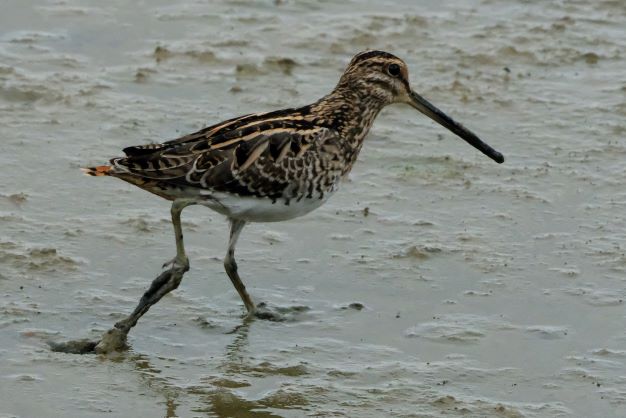
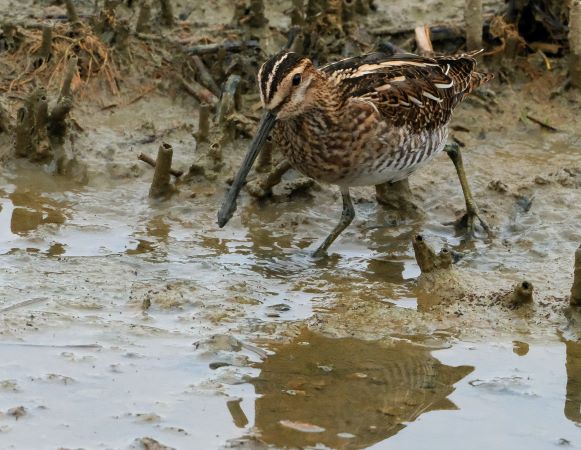
The numbers of Snipe have started to increase as we approach winter. In winter, birds from northern Europe join our resident birds. The RSPB states there are around 80,000 breeding pairs of these birds in the UK this numbers increase to over 1 million birds.


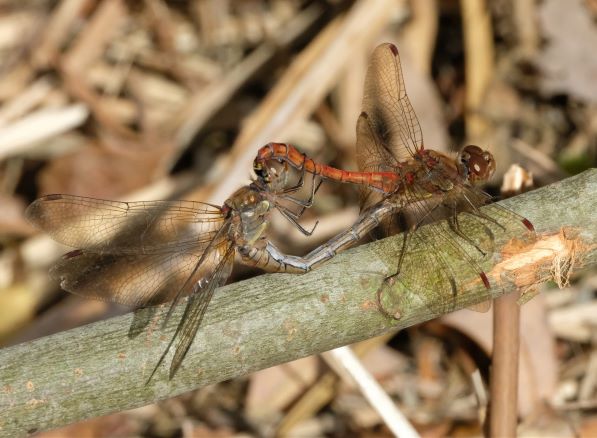
Around a small pond, a lot of Dragonflies (Common Darters) were mating and dipping. It seems late in the year so I wonder if this is because of the drought we had in the summer and the loss of egg-laying water at that time.


In the above picture there a 10 Dragonflies this was just a small amount of the actual there!

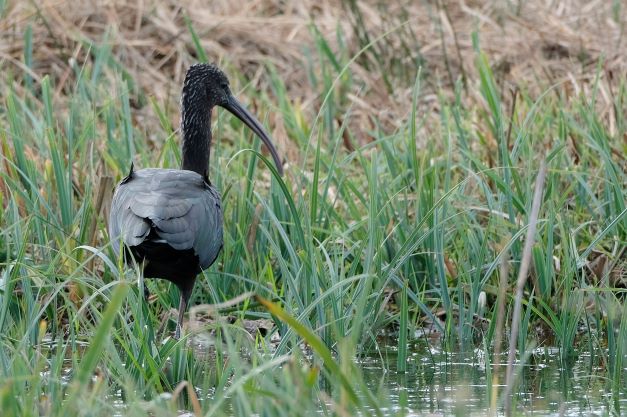
Finally able to get some fairly close pictures of a Glossy Ibis in Titchfield Haven Nature Reserve.
These birds breed in parts of Southern and Southeast Europe and are only occasional visitors here. In recent years sightings here have become more common. This year I have seen up to 4 birds at one time in a couple of locations on the Hampshire coast.

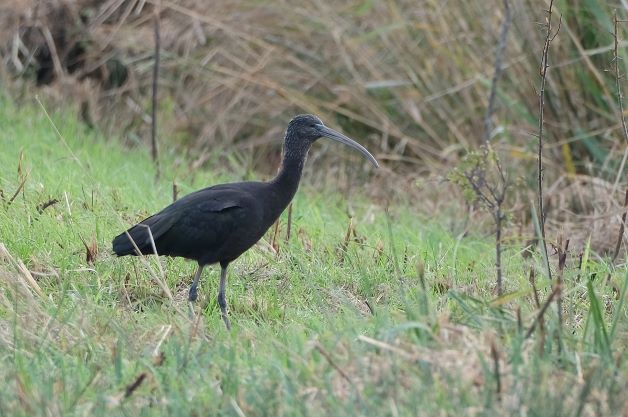
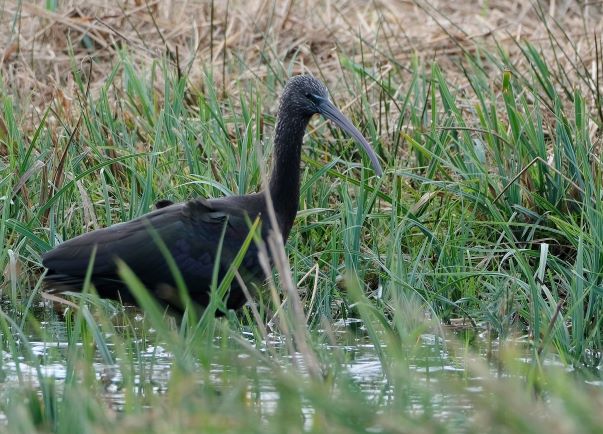

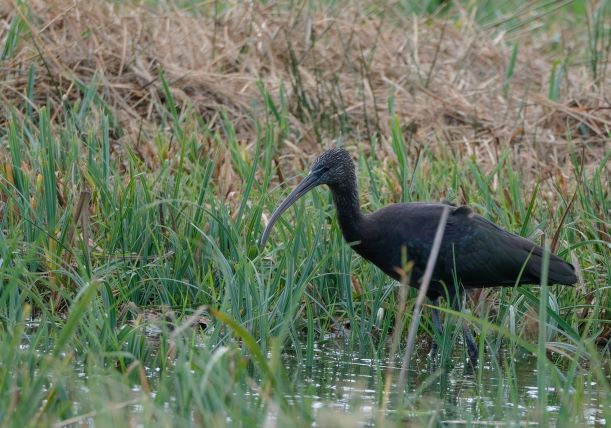
Length: 55-65cm
Wingspan: 88-105cm
Weight: 630g
The bridge over the entrance of the River Meon where it enters into the Solent via Tichfield Harbour is always a good place to spot some birds. Today with the high winds. there were a number of birds sheltering out from the wind below the bridge.
Our first view over the bridge gave us a view of 2 Little Egrets and a Grey Heron.




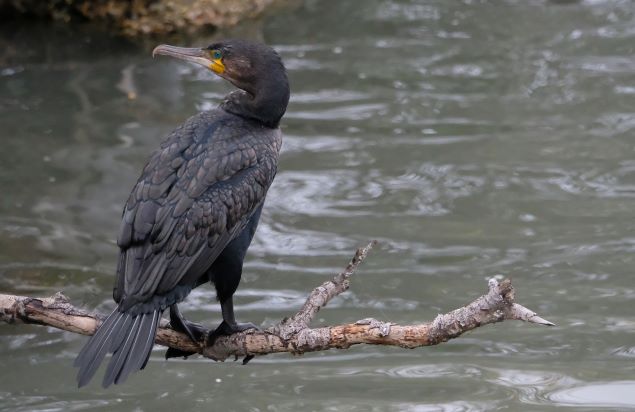
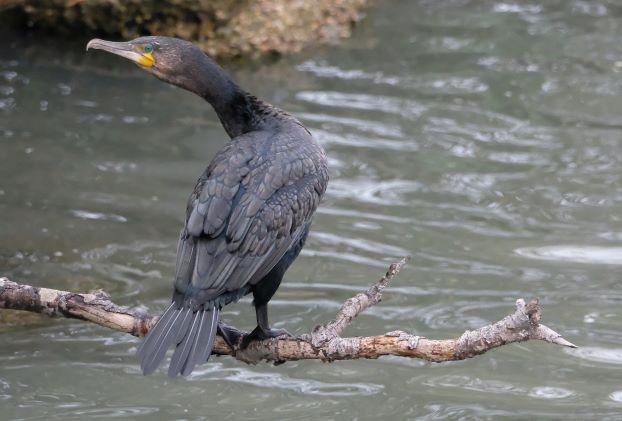
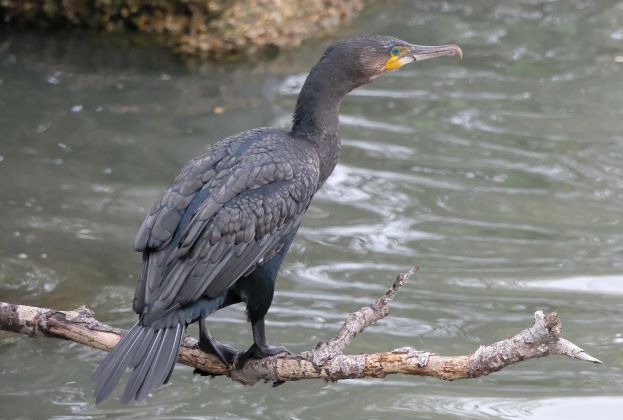
Later on, there was a Cormorant perching on the branch where the Egret was earlier.
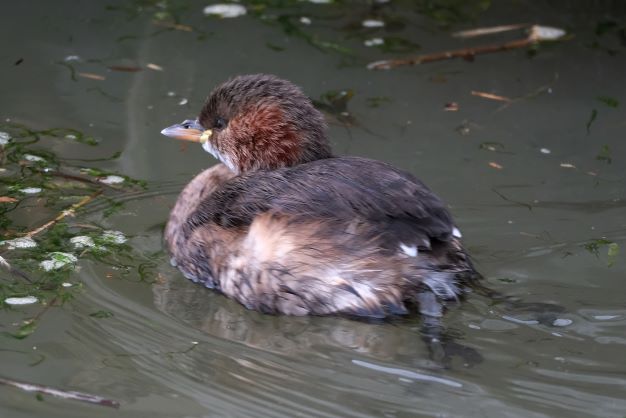
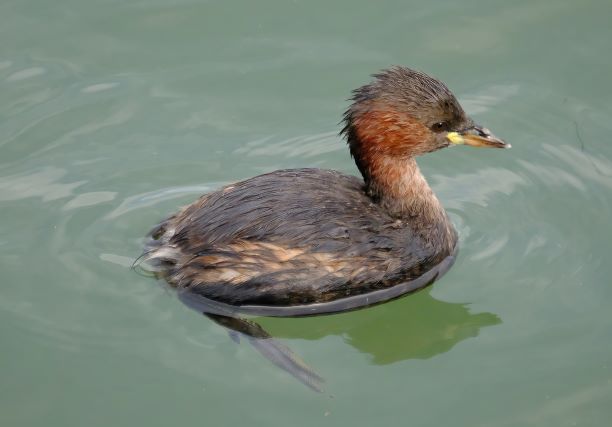
On the other side of the bridge in the harbour was a Little Grebe.

Wordless Wednesday.


The little grebe, also known as dabchick, is a member of the grebe family of water birds. they are a small bird with a weight:100-140g. They eat – Insects, larvae and small fish.
UK breeding:5,300 pairs
UK wintering:16,000 individuals

Female

Male


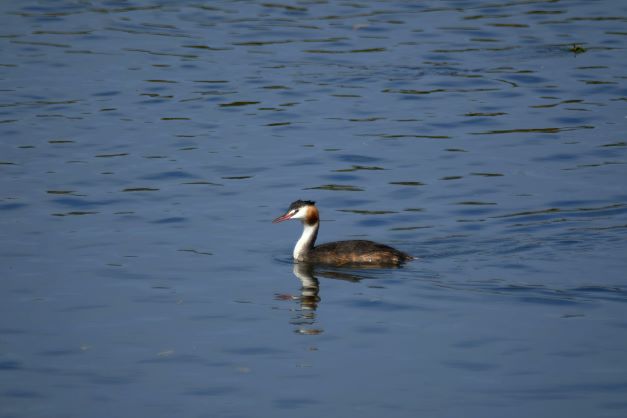
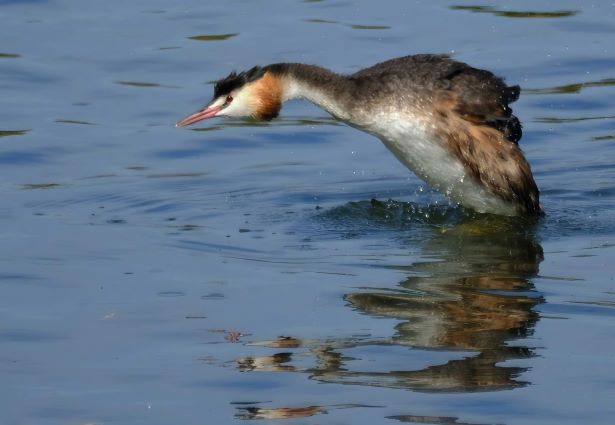
This elegant waterbird with ornate head plumes led to its being hunted for its feathers, almost leading to its extermination in the UK. The wintering population increases so I hope to get some closer sightings of this bird as we move into autumn and winter.
UK breeding:4,600 pairs
UK wintering:19,000 individuals


#wordless Wednesday.
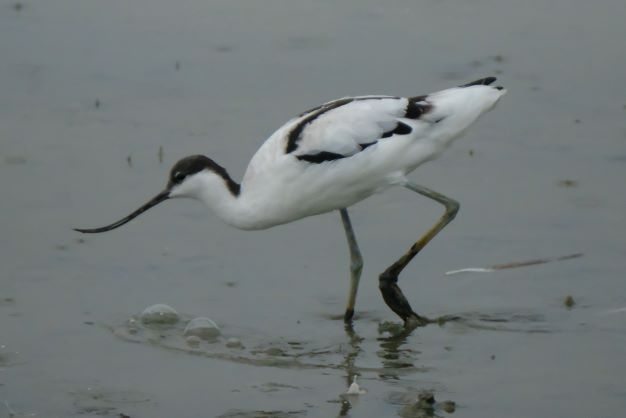
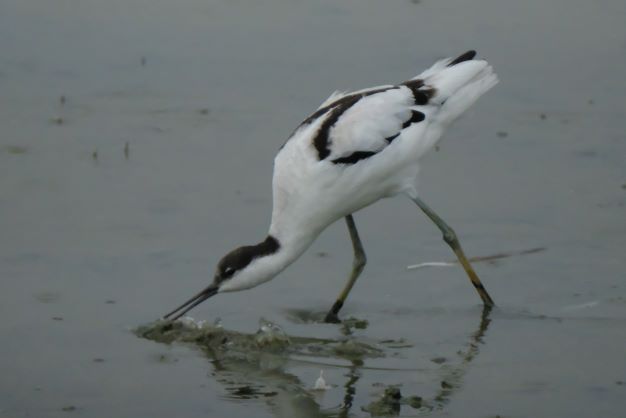
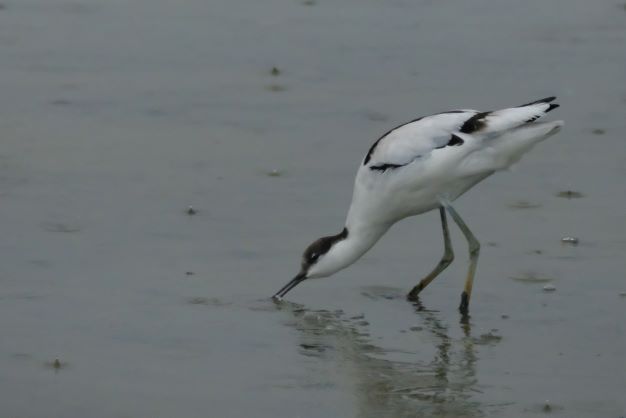
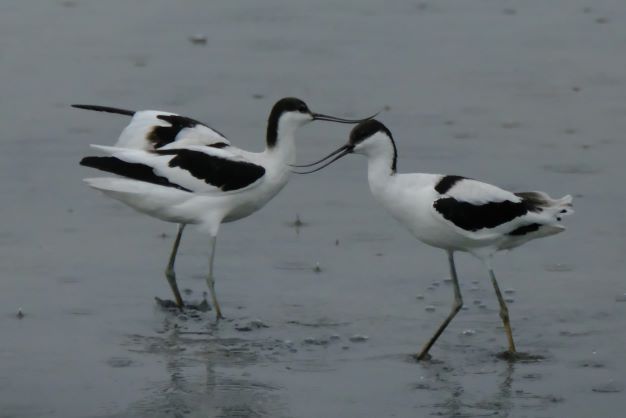
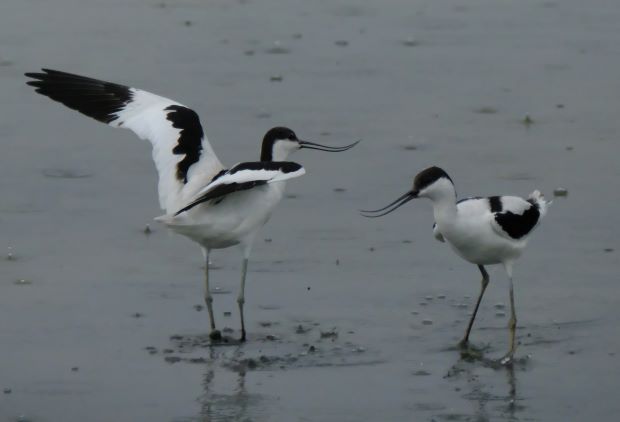
Extra Avocet pictures from Titchfield Haven Nature Reserve. Avocets are a great conservation success story during the 19th century, this beautiful bird was extinct in the UK. During WW2 coastal land and beaches in East Anglia were closed and flooded as a defence against invasion. This enabled Avocets to recolonise the area from war-torn Europe.
The population is now recorded as UK breeding:1,500 pairs UK wintering:7,500 birds in Europe:37-54,000 pairs.
Avocets are the emblem of the RSPB (Royal Society for the Protection of Birds) and they symbolise the bird protection movement in the UK.



 Continued Reflections from my World.