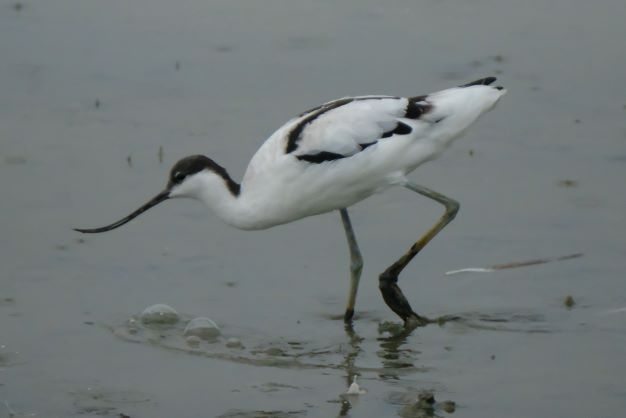
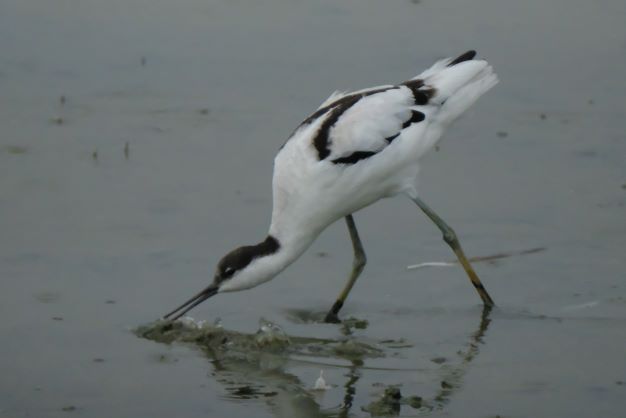
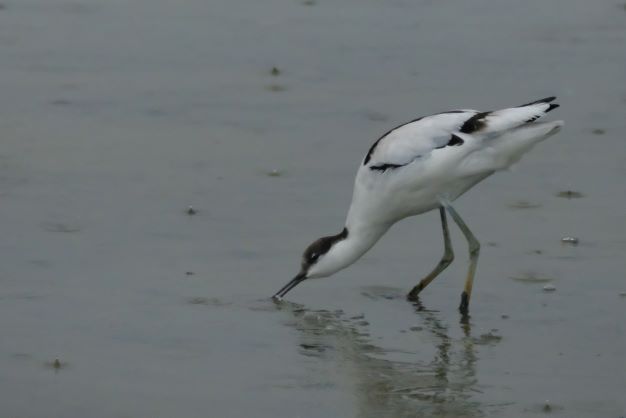
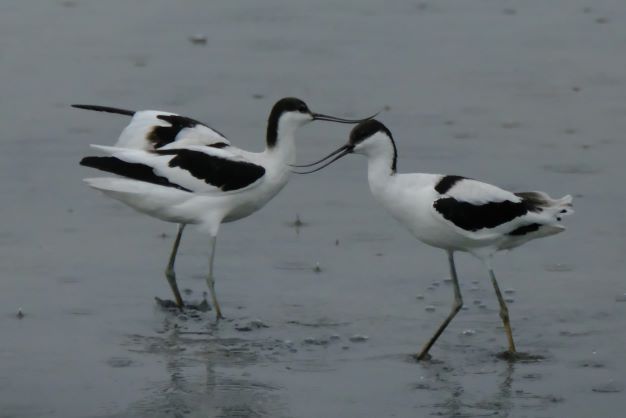
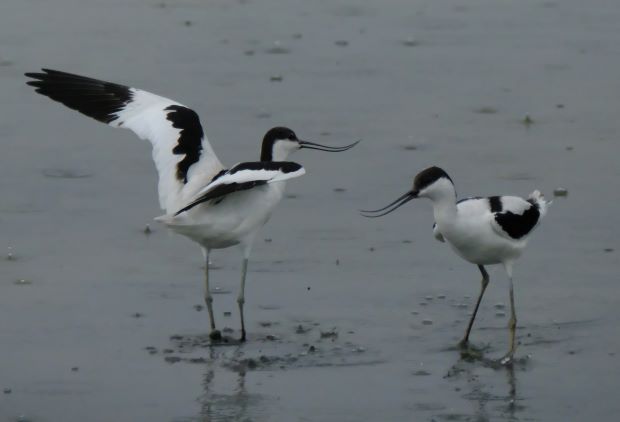
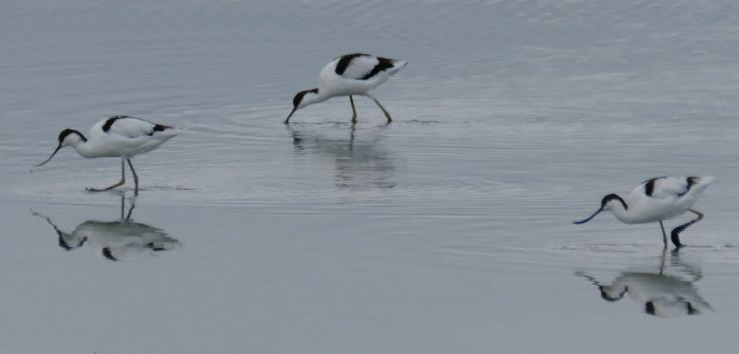
Extra Avocet pictures from Titchfield Haven Nature Reserve. Avocets are a great conservation success story during the 19th century, this beautiful bird was extinct in the UK. During WW2 coastal land and beaches in East Anglia were closed and flooded as a defence against invasion. This enabled Avocets to recolonise the area from war-torn Europe.
The population is now recorded as UK breeding:1,500 pairs UK wintering:7,500 birds in Europe:37-54,000 pairs.
Avocets are the emblem of the RSPB (Royal Society for the Protection of Birds) and they symbolise the bird protection movement in the UK.
Second sighting this year May adult birds were visiting Titchfield Haven.
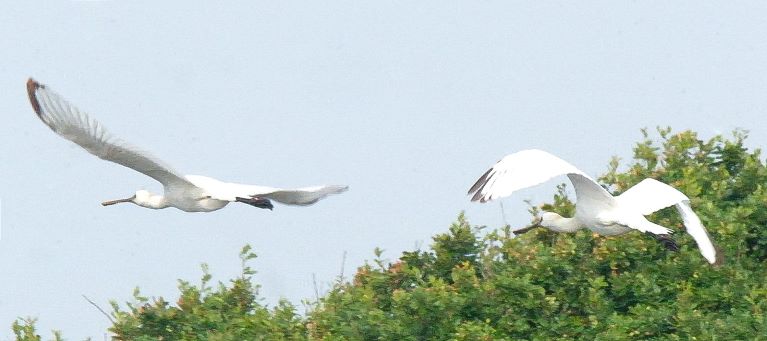
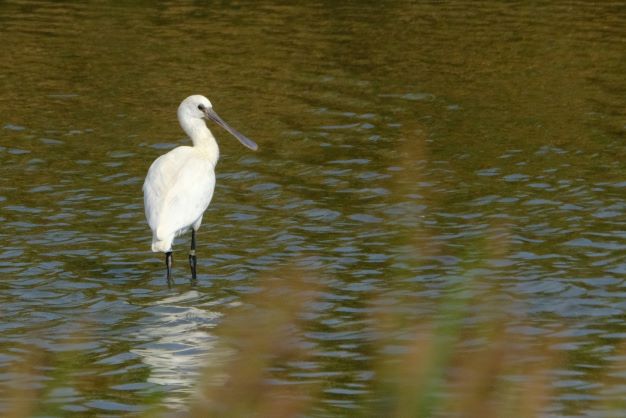
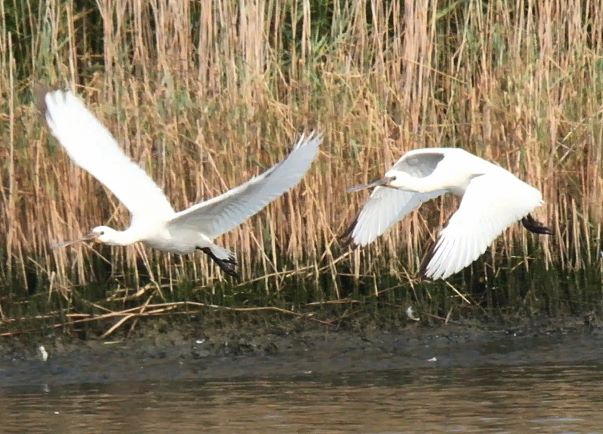
Two juvenile Spoonbills at Titchfield Haven this morning. Although they bred in East Anglia during Medieval times, spoonbills had not bred in Britain for over 300 years until 2010,
Male and female are similar but the female is slightly smaller.
Juvenile spoonbills resemble adults in non-breeding plumage but their bills are pink and lack the yellow tip. black wingtips seen in flight also help identify them as juveniles.
They are quite a rare sight in the UK (50 to 70 ) and only appear in a few locations.
Length: 80 – 90 cm
Wingspan: 120 – 135 cm
Weight: 1.3 – 2 kg
PLEASE NOTE, Any sponsored advertising that you see at the bottom of my posts is NOT endorsed by me and is a down to WordPress I advise you to ignore these unsolicited links.
Birding watching on Meon Shore as the tide comes in.
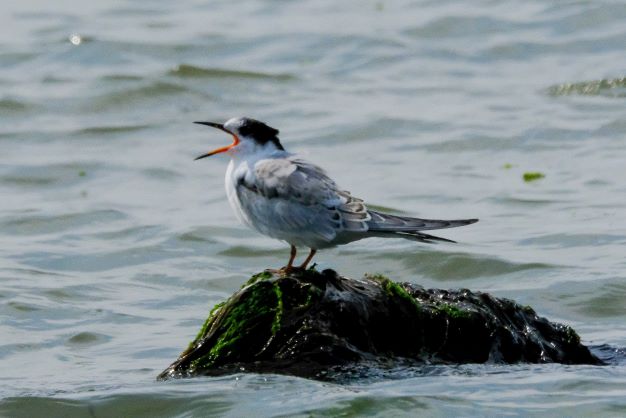
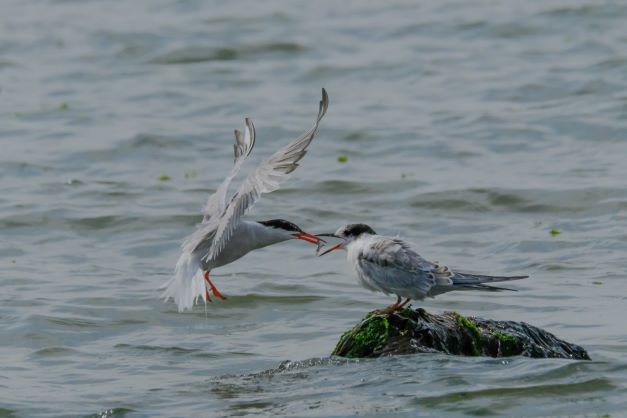
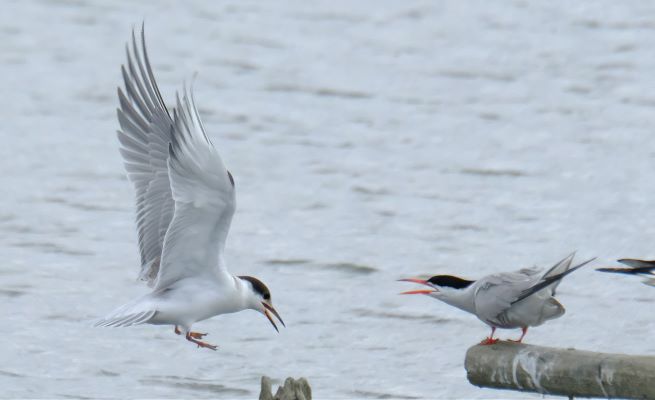
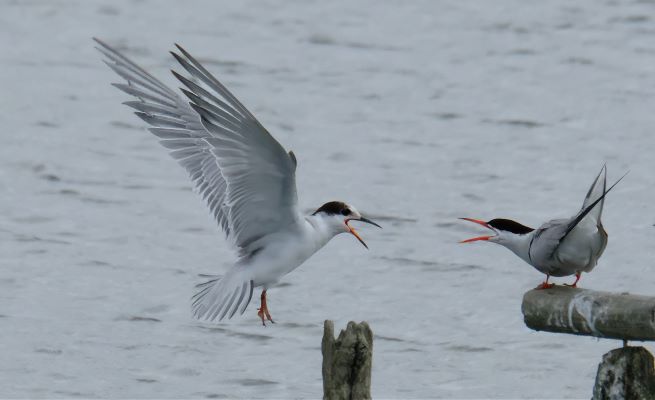
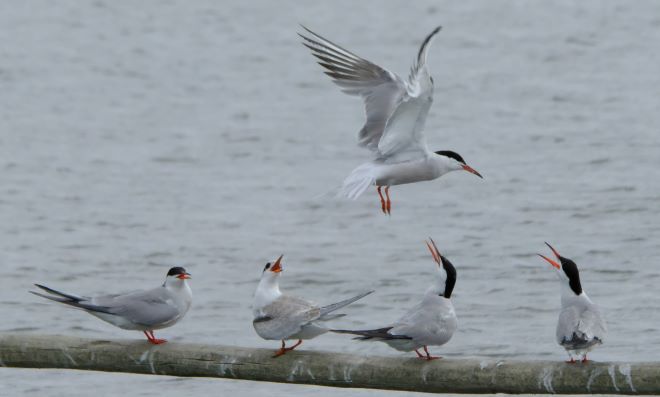
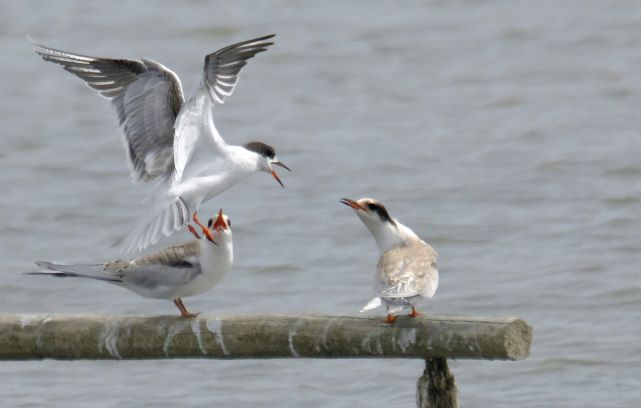
The Common Tern colony at Titchfield Haven Nature Reserve numbers have increased in recent weeks, and parent birds along with their youngsters from other areas have joined our local birds. The birds rest up on the islands in the nature reserve when the tide is high then when the tide is low they rest up on the shingle banks and on the beach. The young birds are now going out into the Solent, to feed diving for small fish and shrimps. The juvenile birds are quickly learning this skill, although their feeding is still being supplemented by their parents. The clock is ticking they have to feed up as they leave our coast towards the end of August and September and migrate to Africa.
These picture shows that the mother knows best and she is undertakes the hard work of catching the meals to feed up one of her youngsters.
The juvenile birds have not fully developed their colouring – it is most noticeable that their black cap does not extend to the top of their bill.
I was pleased with the film I made of this young tern being fed by the adult bird, I thought once the youngster had eaten the large fish it would have been full but it had at least another 4 small fish.
PLEASE NOTE, Any sponsored advertising that you see at the bottom of my posts is NOT endorsed by me and is a down to WordPress I advise you to ignore these unsolicited links.
The Eel has recently suffered dramatic declines and is a protected species. It is famous for its mammoth migration from its freshwater home to the Sargasso Sea where it breeds. I have regularly seen eels being taken by Herons at Titchfield Nature Reserve. I have also found some on the beach.
Statistics
Length: up to 1m Weight: 0.5-5kg Average Lifespan: 15-70 years
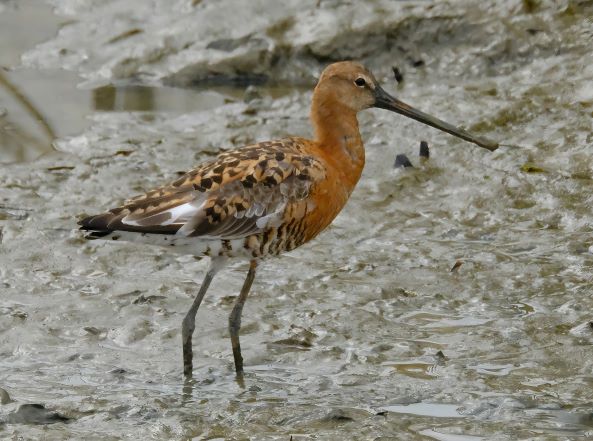
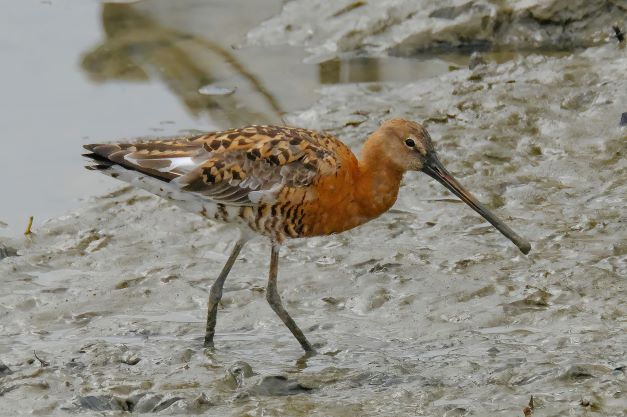
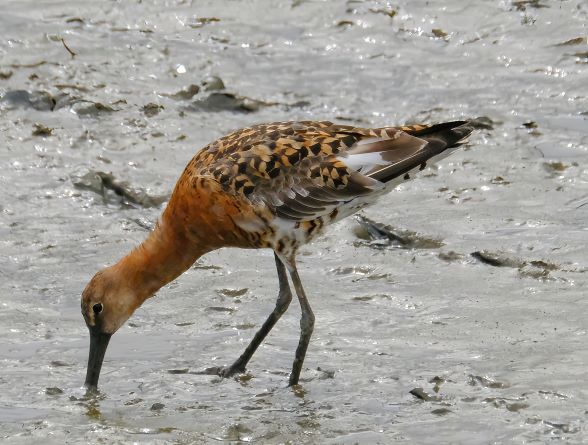
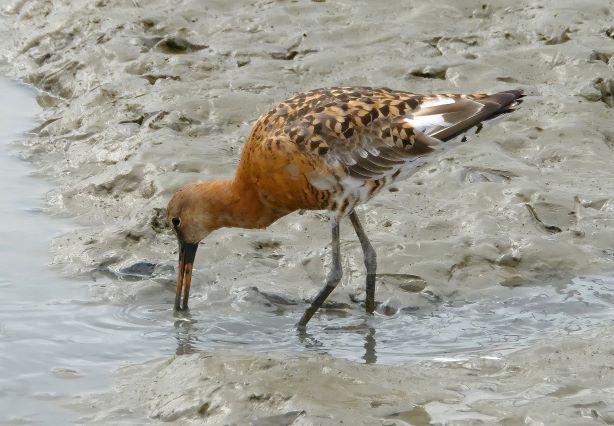
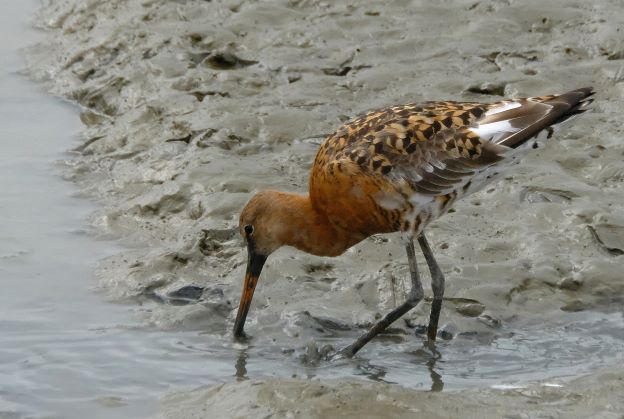
A lone Black-Tailed Godwit (male) at Titchfield Harbour.
This Godwit colour varies depending on its age and the time of year. The male in summer has a stunning colour pattern with a chestnut brown head and neck. The underside is barred with dark brown stripes.
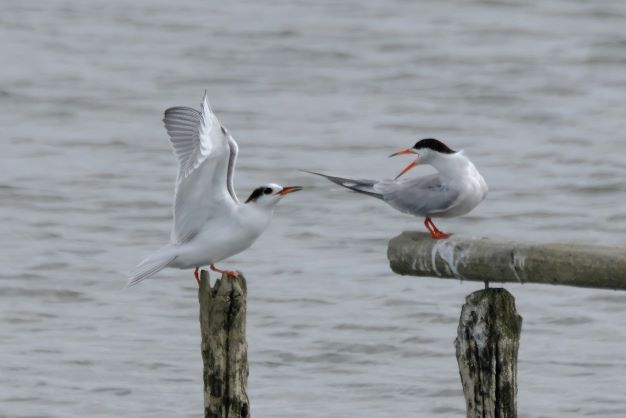
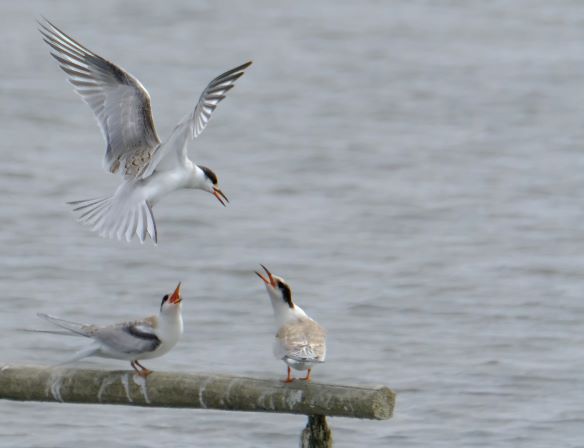
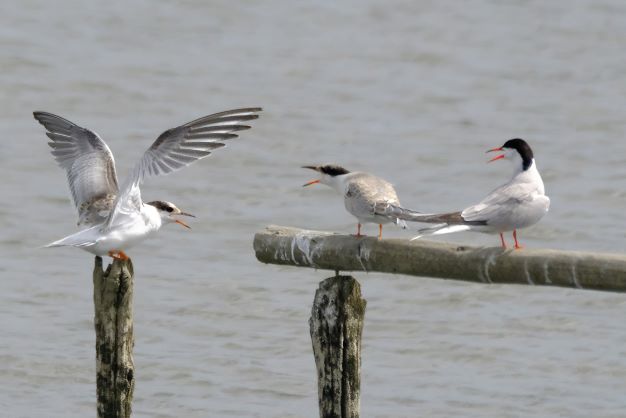
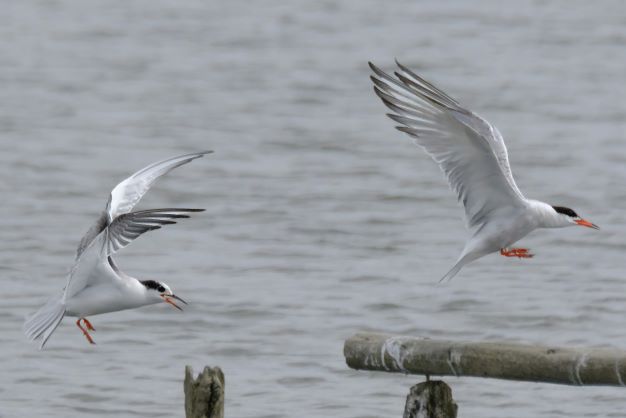
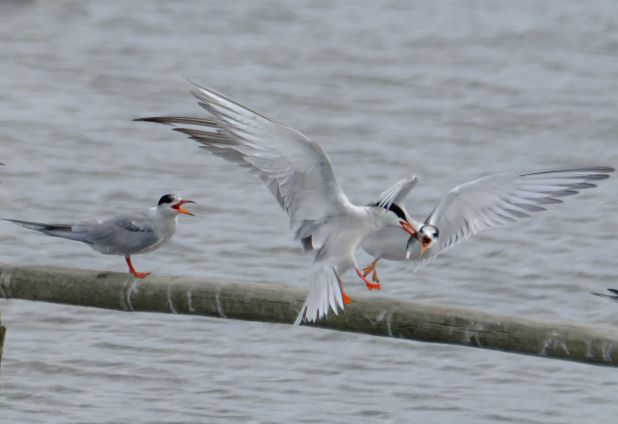
Another visit to Titchfield Haven nature reserve today to watch the Terns. As well as the adult birds lots of juvenile birds learn the ropes before they leave and head off to Africa from their parents.
The juvenile bird is on the left note the black cap not fully developed.
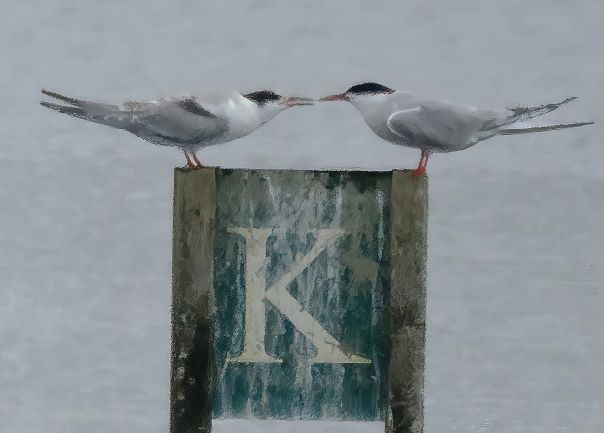
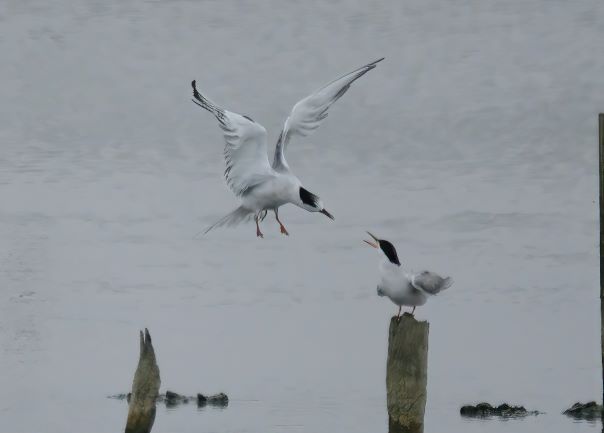
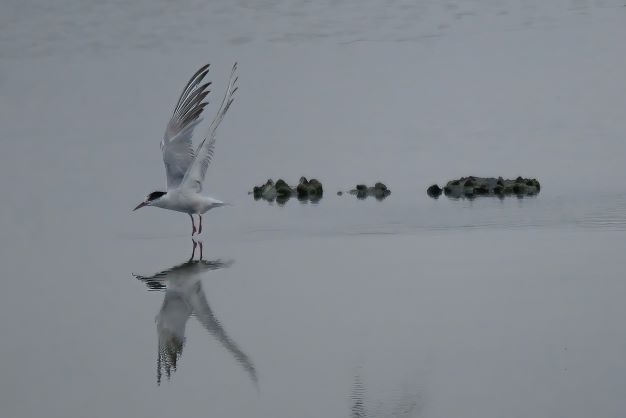
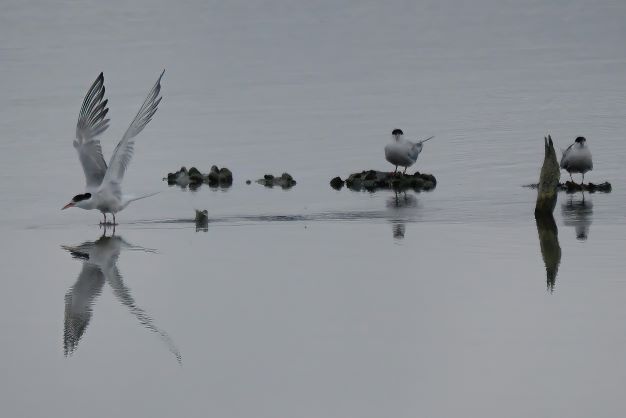
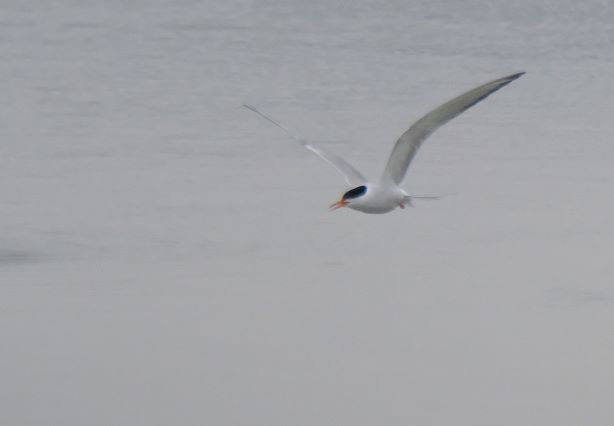
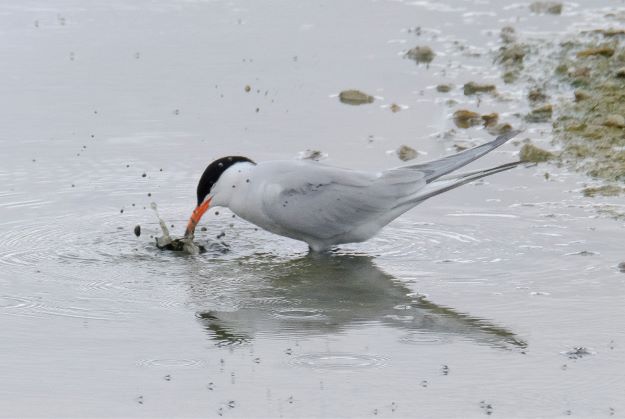
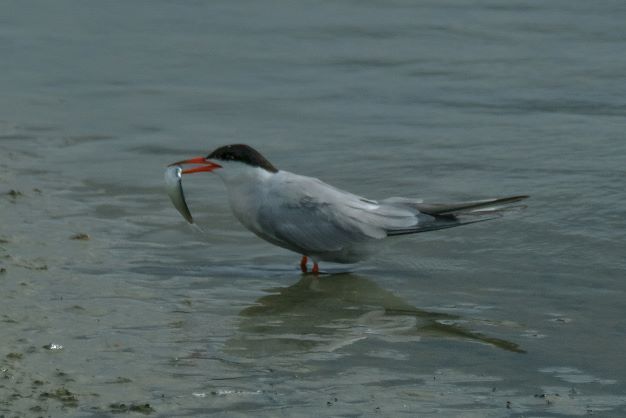
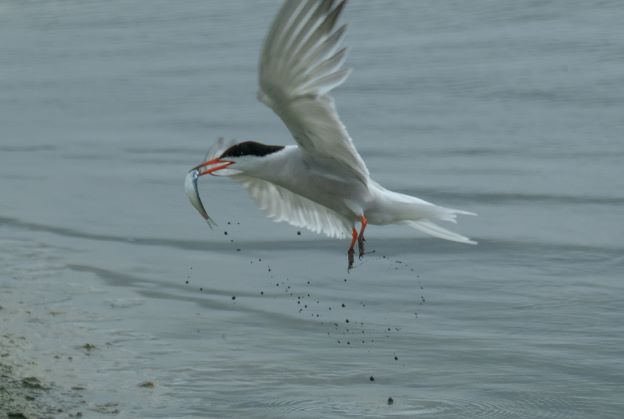
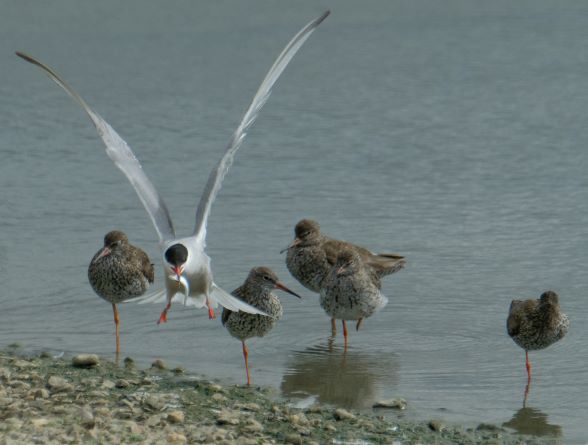
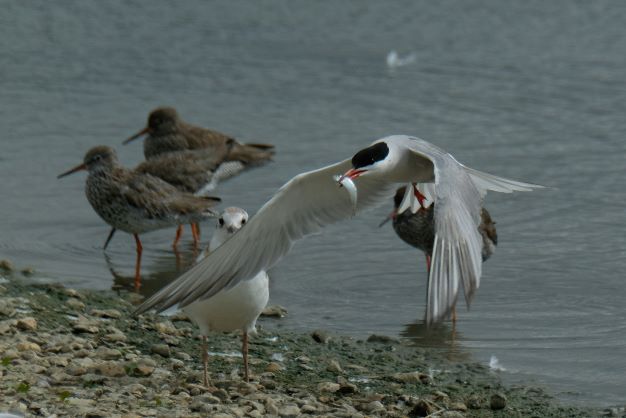
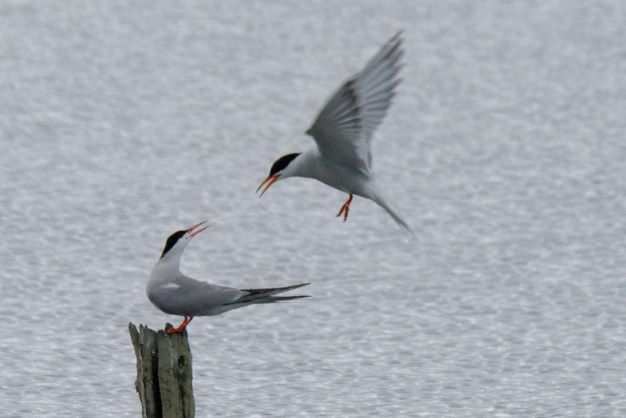
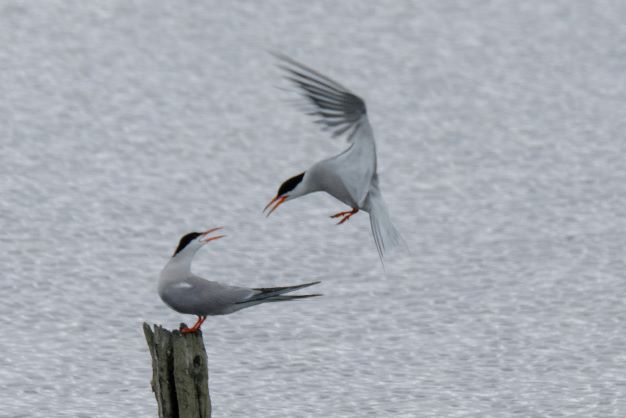
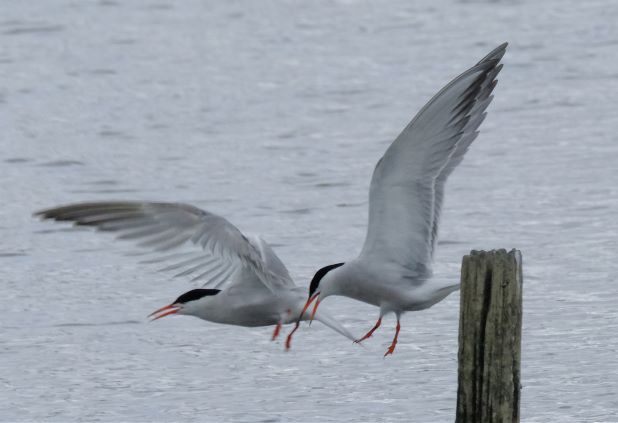
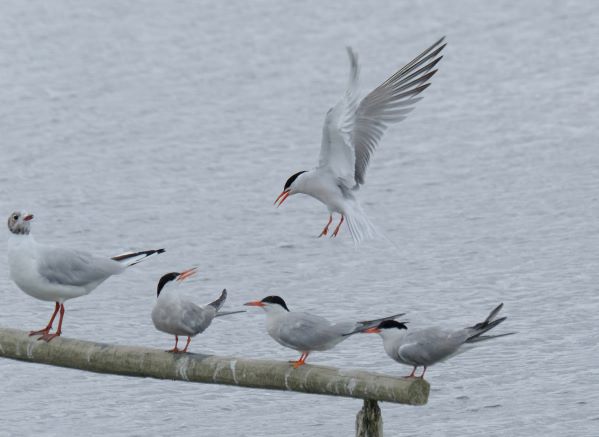
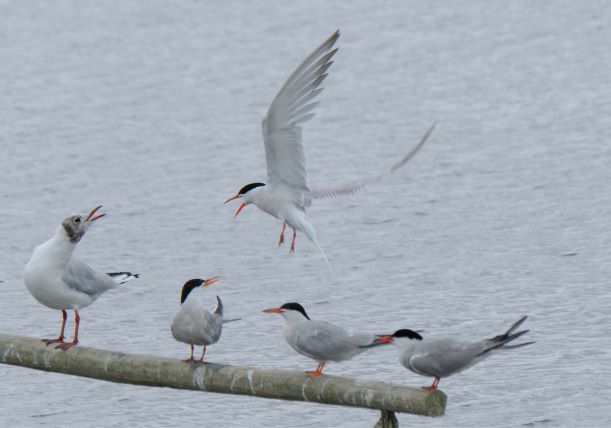
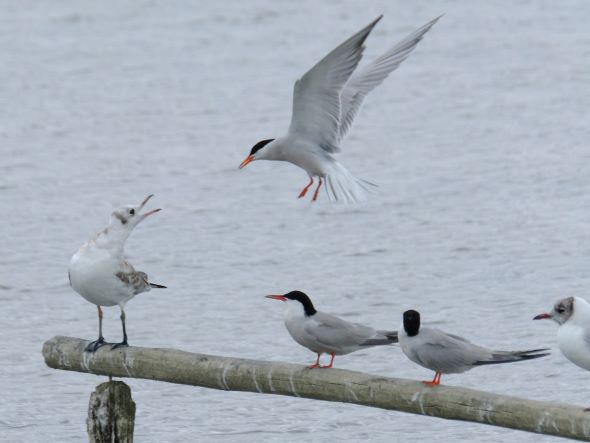
Common Terns at Titchfield Haven Nature reserve. A picture-heavy post. (includes some Red Shank & Black-headed gulls).
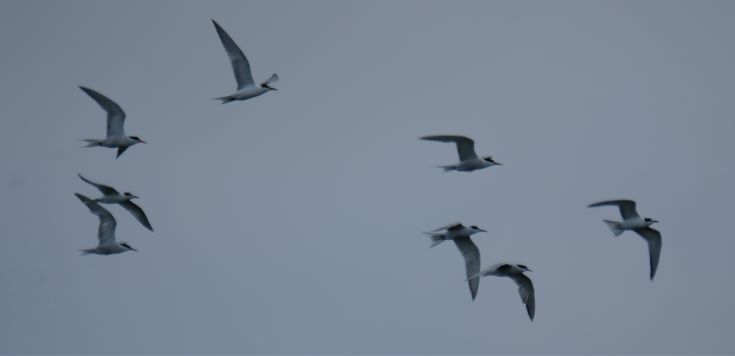
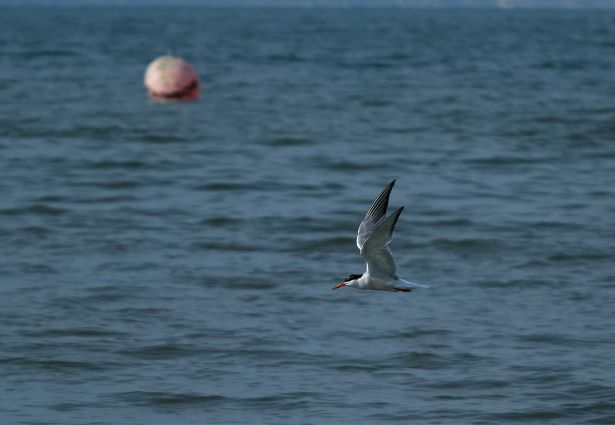
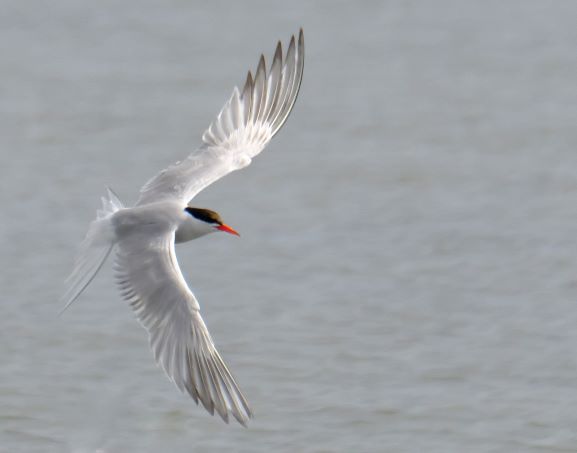
Common Terns are silvery-grey and white birds with long tails that have earned them the nickname sea-swallows They are graceful flight and frequently hover over water before plunging down for fish. They are often noisy. Each year nesting colonies are good at Titchfield Haven. UK breeding:12,000 pairs. I always look forward to their arrival in April and notice their absence when they leave in late August or early September. They migrate South to Africa after the breeding season.
























 Continued Reflections from my World.