Grey Heron doing the walk.
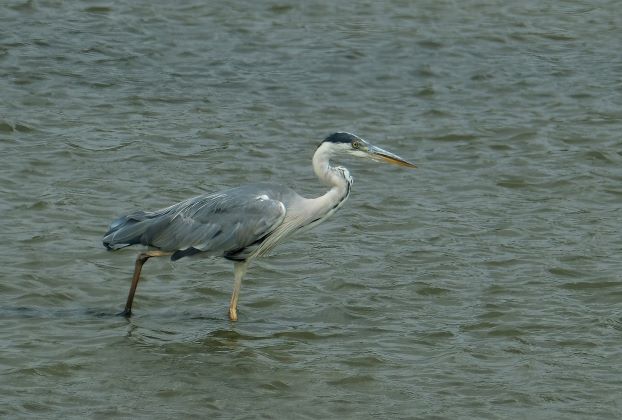
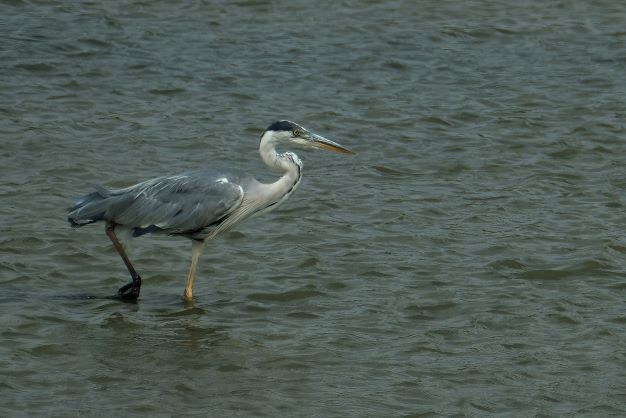
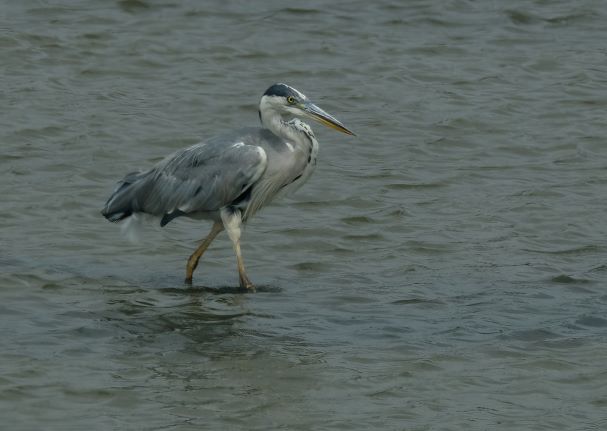
Grey Heron doing the walk.

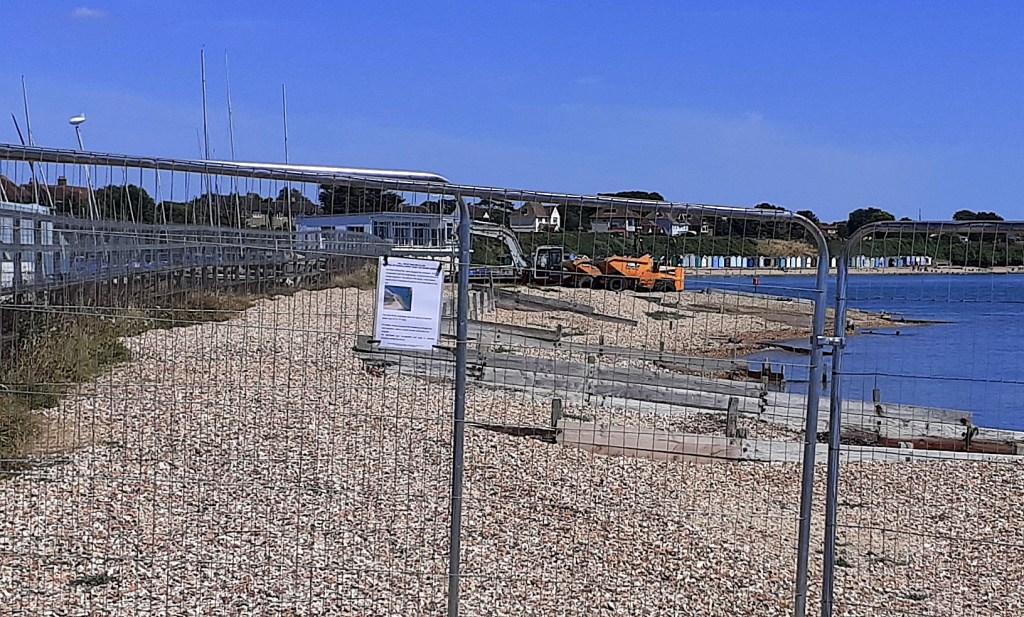
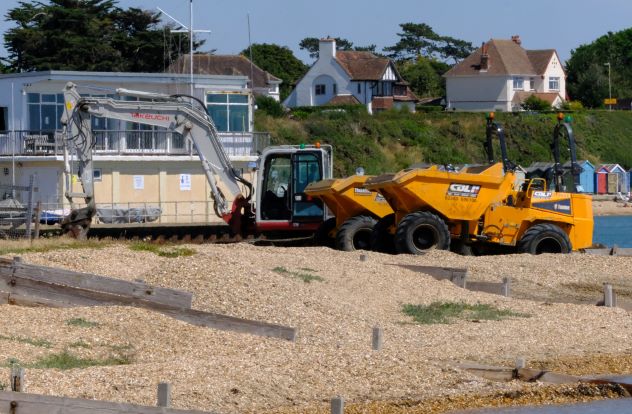
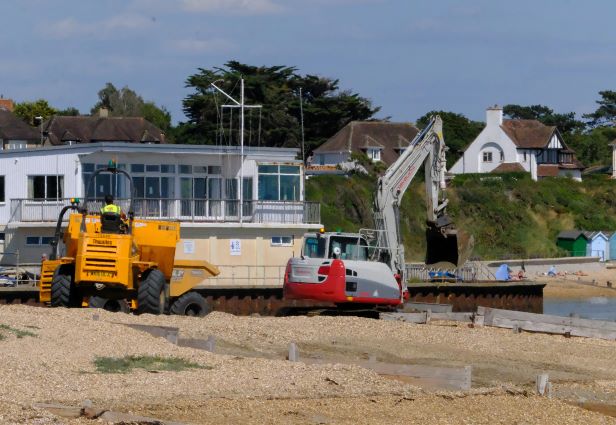
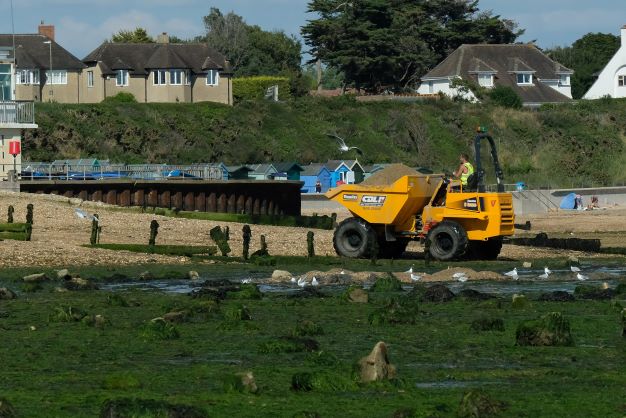
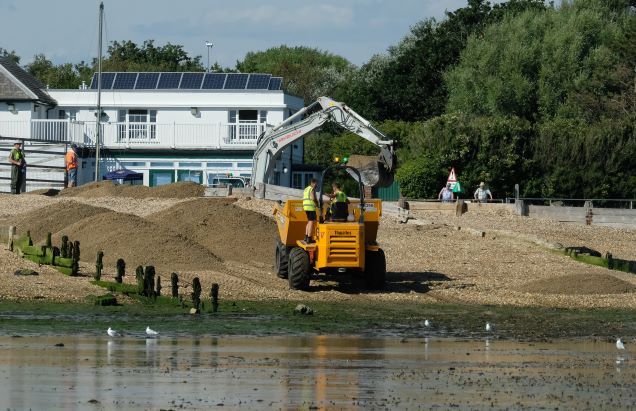
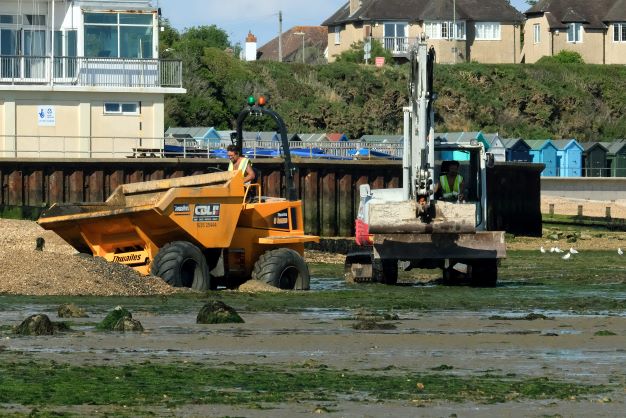
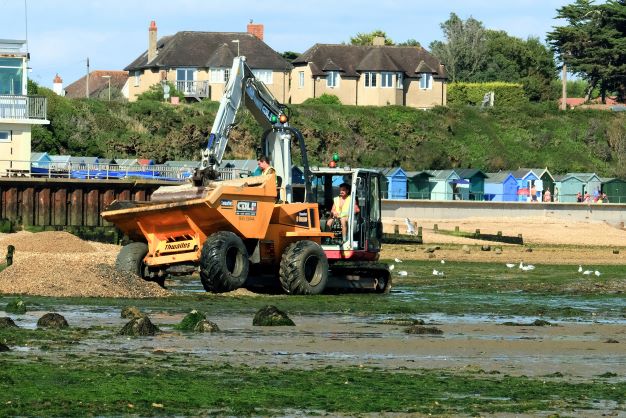
The River Meon allowed sea-going vessels to reach the important trading centre of Titchfield with its large Abbey. Titchfield’s history stretches back to the 6th century. It operated as an important port and market town during medieval times. Ships entered the river at Hill Head and navigated their way up to Titchfield {about 2 miles inland} until as late as the start of the 17th century when silting started to restrict the passage. As the river continued to silt up the Titchfield Canal was built opening in 1611. It was only the second canal existing in Britain at the time. Soon the canal also suffered from silting and the sea trade moved away from Titchfield to nearby Southampton. At the same time as the canal was constructed, the outfall of the River Meon to the sea was dammed, creating the wetlands that now form the Titchfield Haven Nature Reserve. Around 1900 Hill Head consisted of only a few small cottages and fishermen’s wooden sheds located at Titchfield Haven. Over the years a small harbour was constructed for small pleasure boats, where the River Meon continues to flow into Southampton Water. Every few years the mouth of the harbour blocks up with silt and shingle and requires removal to allow its continued use. Over the next few days, the build-up is being removed, and the beach around the spit should be open by early next week.
#Wordless Wednesday
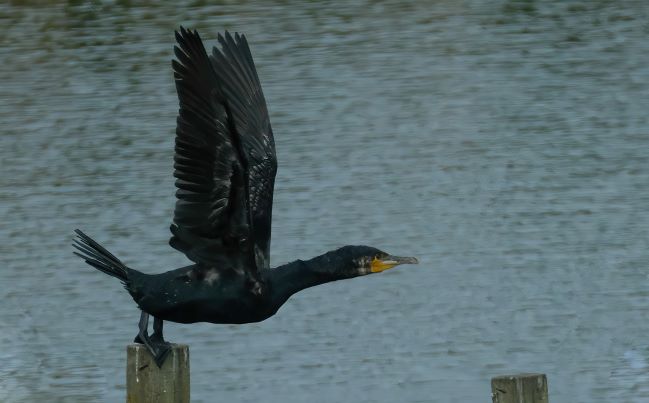
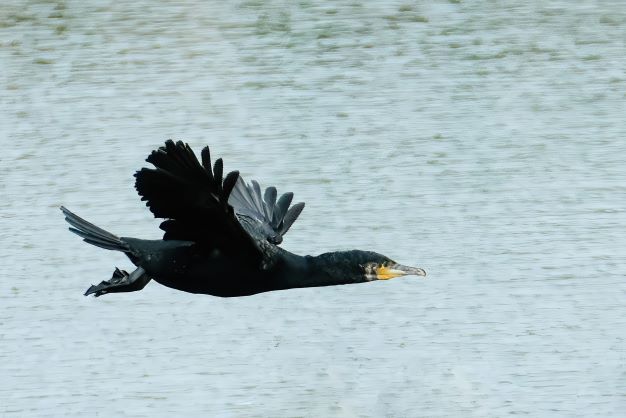
#Wordless Wednesday.


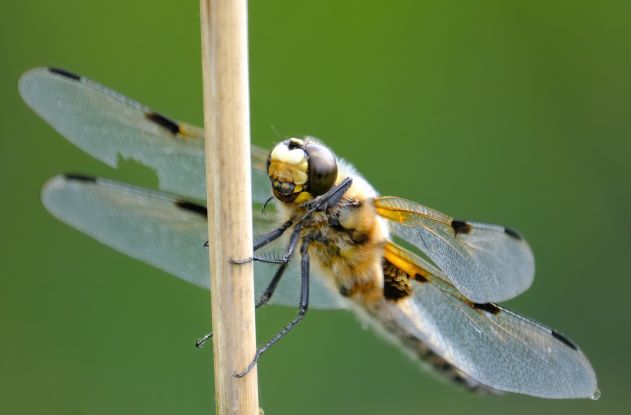
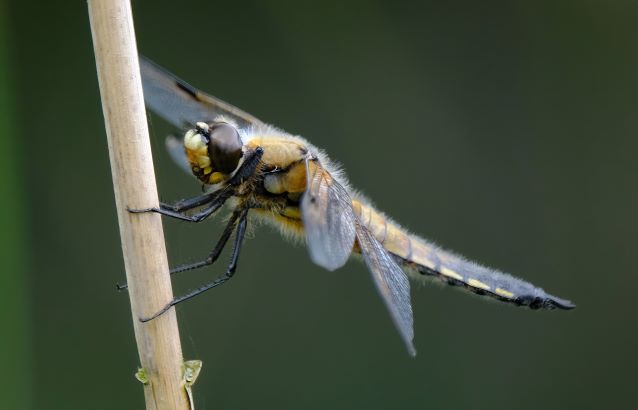
The Four-spotted chaser is easily recognised by the two dark spots on the leading edge of each wing – these spots give this common dragonfly its common name. It can be seen on heathlands and near ponds
Scientific name: Libellula quadrimaculata.

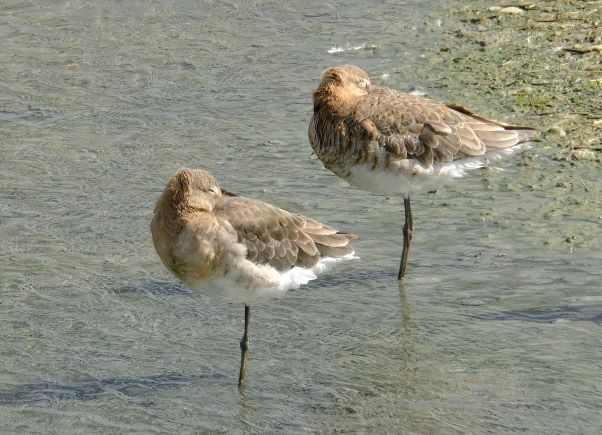
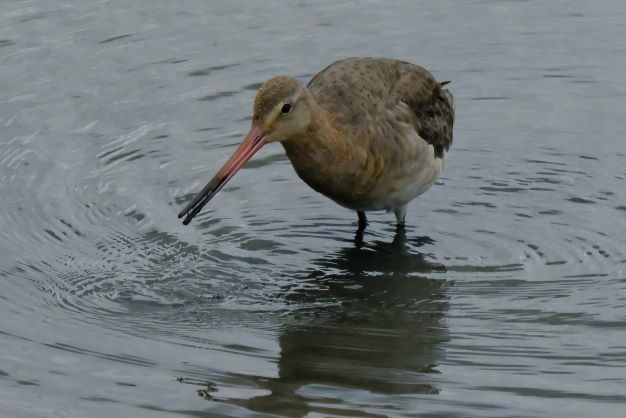
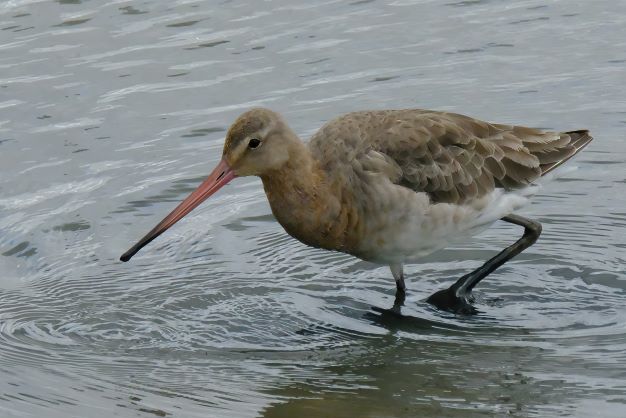
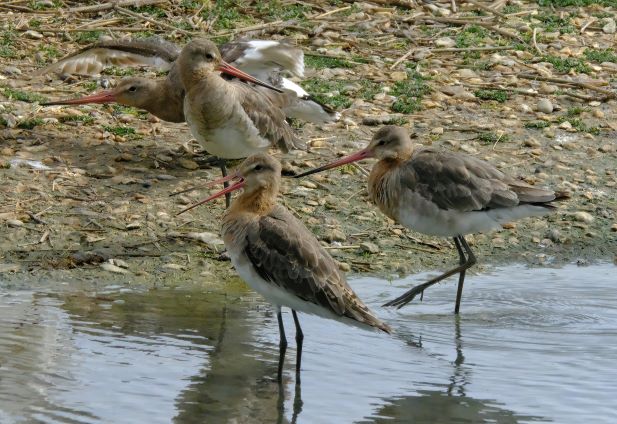
The Black-tailed Godwit is a large, long-legged, long-billed shorebird. ( it is one of Europe’s larger wading birds). A number of these remain in the UK all year rather than migrate to their breeding grounds in Iceland. We are lucky to have a number of these birds all year round in Titchfield Haven


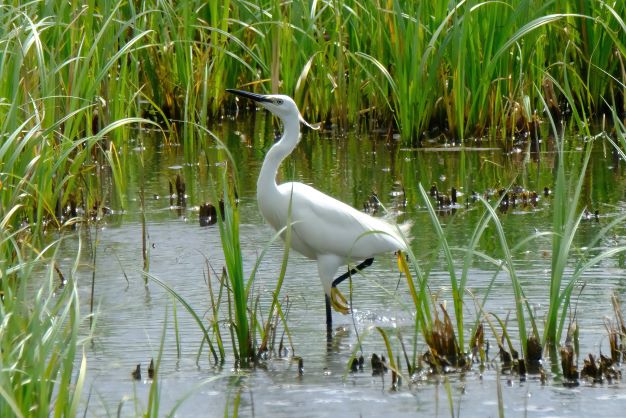
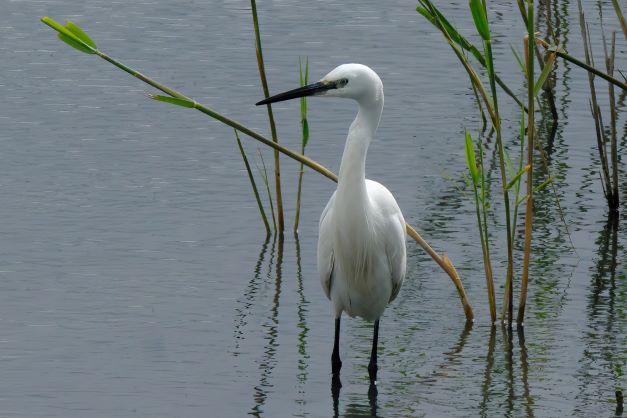
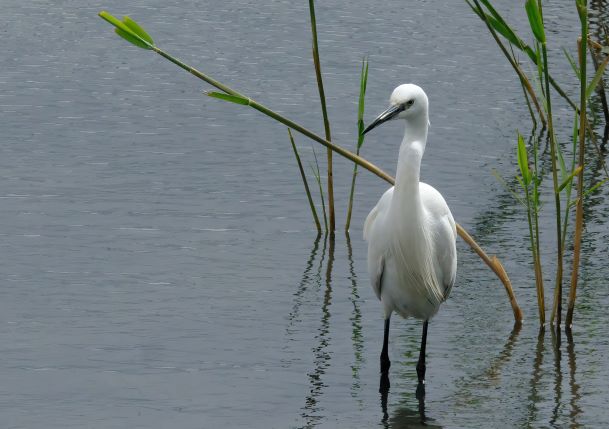
It has been a while since I have had the chance to observe a Little Egret fairly close to me – so I was pleased to see this bird today and get some pictures.
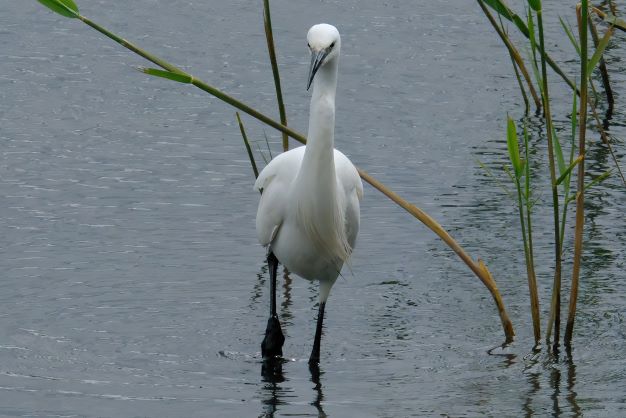
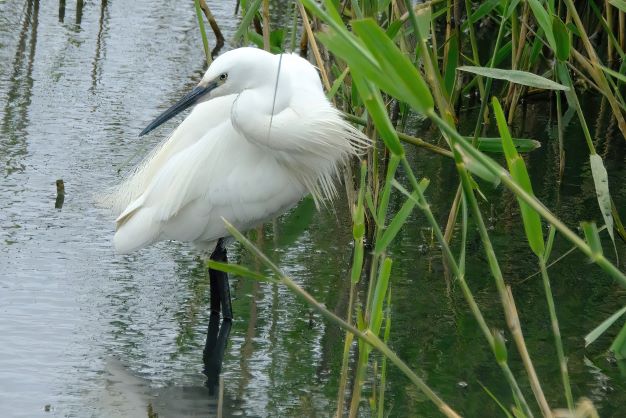
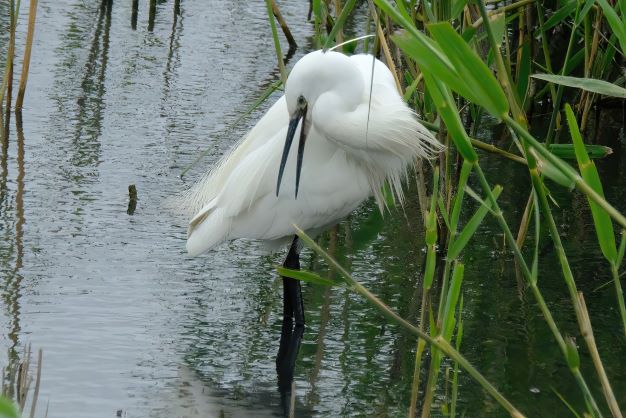
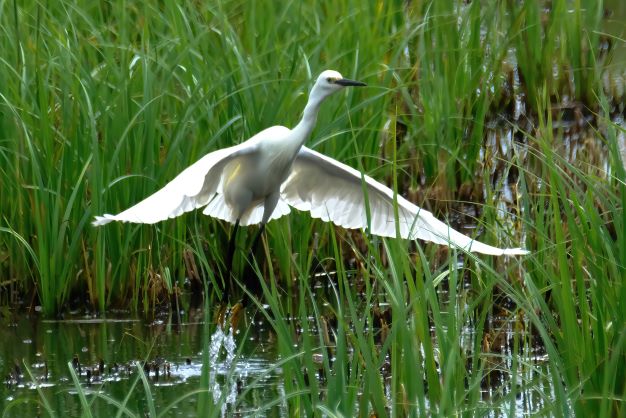
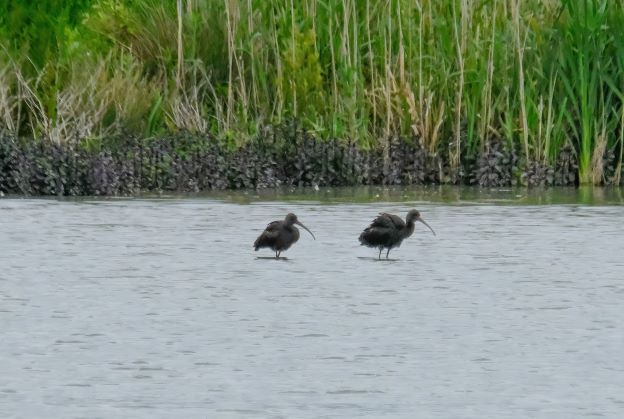
More from Titchfield HavenNature Reserve and today I had another 1st for me with a distant view of a pair of Glossy Ibis. In the UK they are considered rare migrants and winter visitors from SW Europe with typically less than 100 recorded per year although they are increasing – there have been recent reports of this bird on social media on nature reserves near Portsmouth and on the coast of the New Forest. Southampton Water is between these two reserves so I guess a sighting at the Haven was likely.
Both birds were a fair way off but I got a few pictures and a short video.

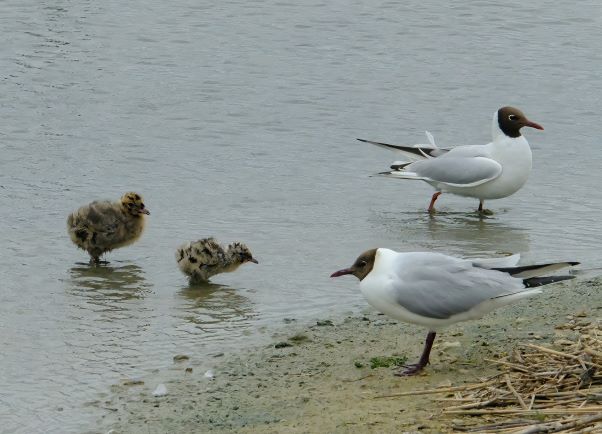
Lots of Black-headed gull chicks are hatching on the islands in the reserve. Many are at their spotty cute stage but as they grow they become rather ugly. A bit like the opposite of the “there once was an ugly duckling” poem by Hans Christian Andersen!
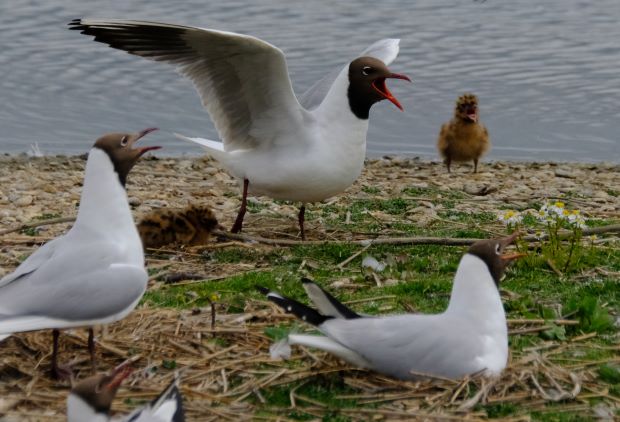
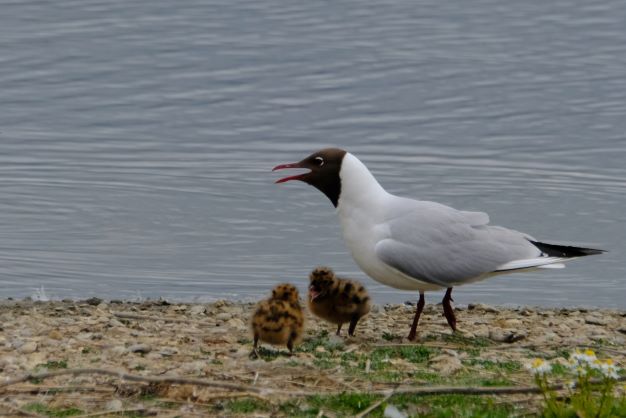
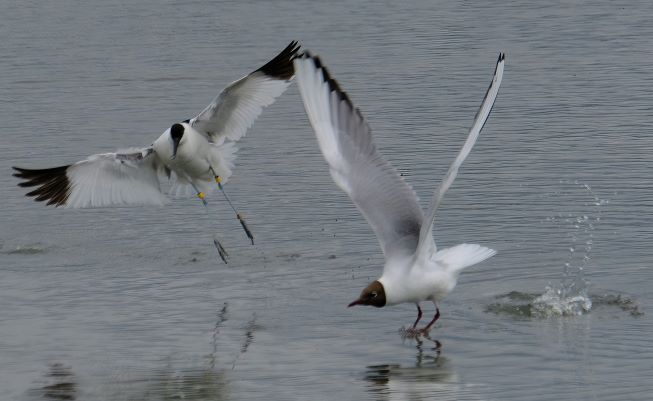
The chicks are in constant danger of predation. Herring Gulls and Black-backed gulls. They fly over the nests putting the Black-headed gulls into a frenzy below a Lesser Black-backed gull lands in the colony but is chased off before it can catch a chick for a meal.
(Spot the Lesser-Black-backed gull -yellow legs feet and beak).

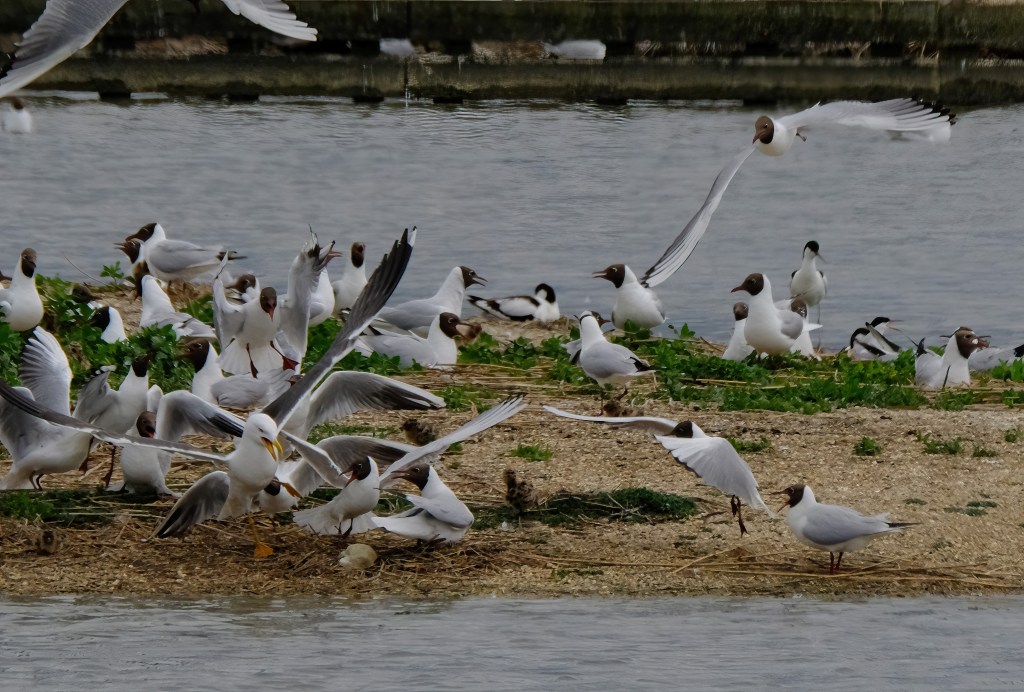

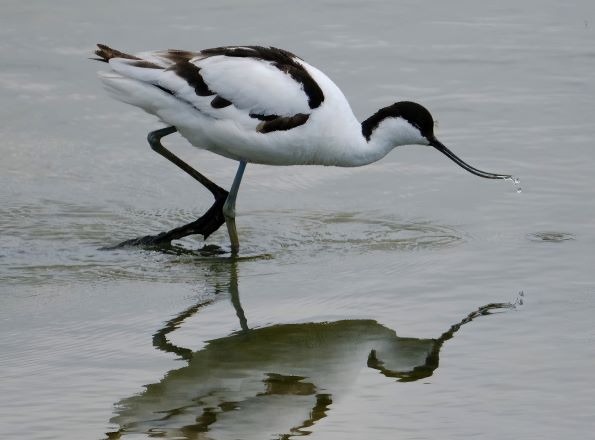
There are a lot of Avocets in the reserve at the moment a few have chicks but are hard to spot at the moment.


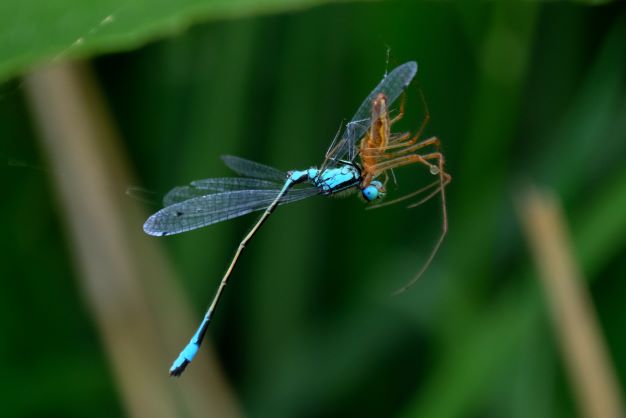
A spider catches a damselfly. The damselfly is truly stuck in the spider’s web the spider drops down and closes in for a meal.
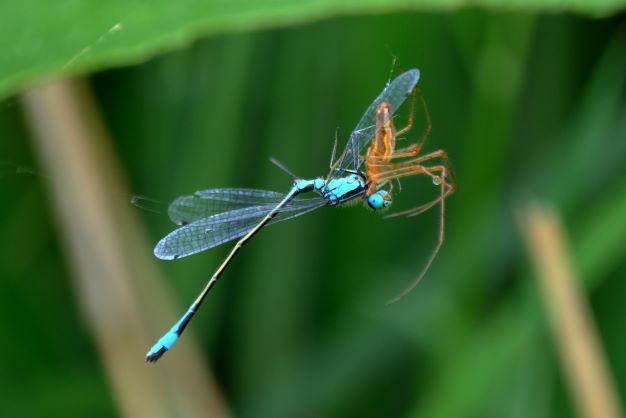
Common Blue Damselfly is the UK’s most common damselfly and can be found around almost any water body,
Black-headed gull chicks have started to appear at the nesting colony at Titchfield Haven.
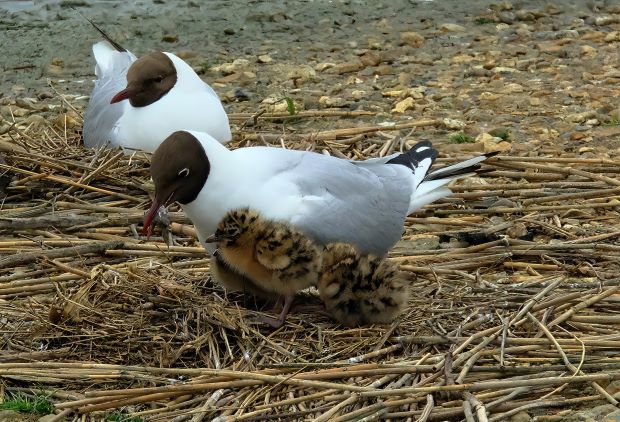
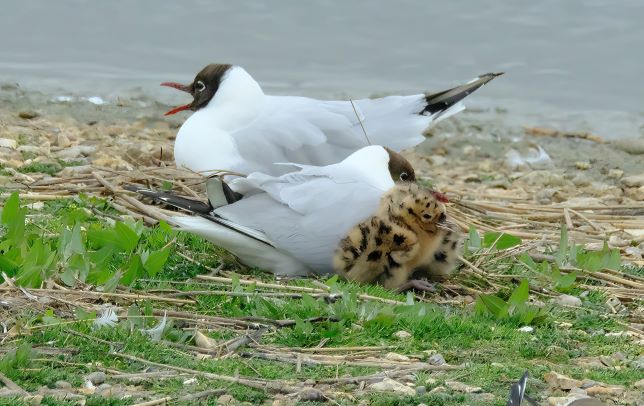


Quite a long film of the nesting colony (note no sound) The chicks are only a few days old but will grow rapidly. There is one slightly older and larger chick in the film.
 Continued Reflections from my World.