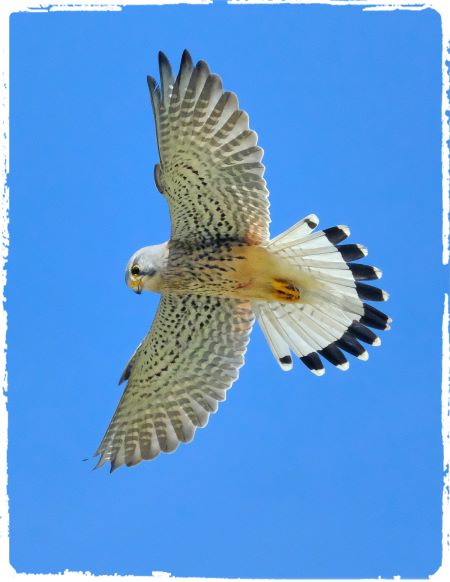
It has been a while since I have had the chance to observe a Little Egret fairly close to me – so I was pleased to see this bird today and get some pictures.


It has been a while since I have had the chance to observe a Little Egret fairly close to me – so I was pleased to see this bird today and get some pictures.


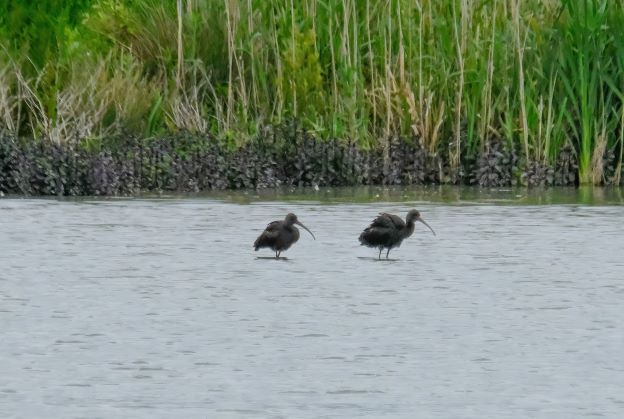
More from Titchfield HavenNature Reserve and today I had another 1st for me with a distant view of a pair of Glossy Ibis. In the UK they are considered rare migrants and winter visitors from SW Europe with typically less than 100 recorded per year although they are increasing – there have been recent reports of this bird on social media on nature reserves near Portsmouth and on the coast of the New Forest. Southampton Water is between these two reserves so I guess a sighting at the Haven was likely.
Both birds were a fair way off but I got a few pictures and a short video.

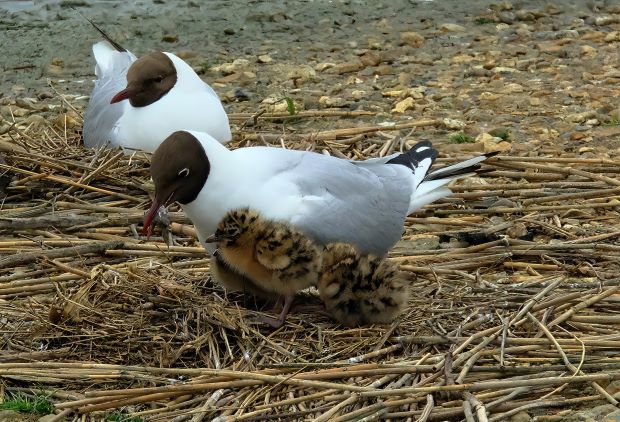
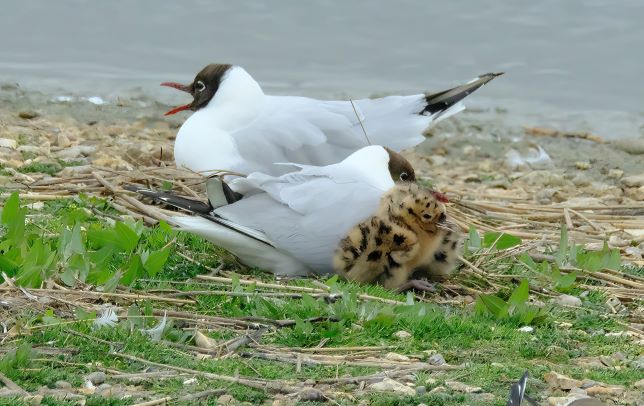
Lots of Black-headed gull chicks are hatching on the islands in the reserve. Many are at their spotty cute stage but as they grow they become rather ugly. A bit like the opposite of the “there once was an ugly duckling” poem by Hans Christian Andersen!
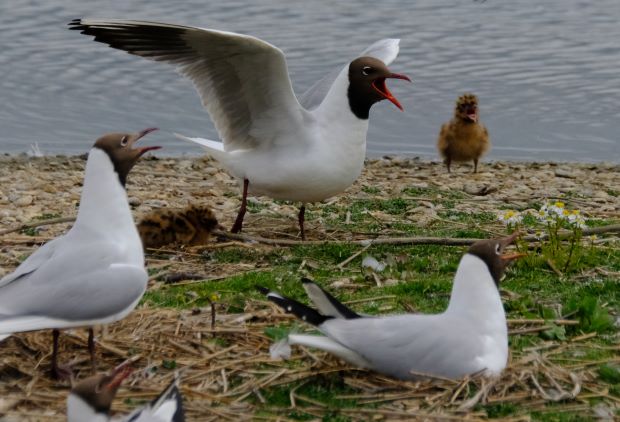
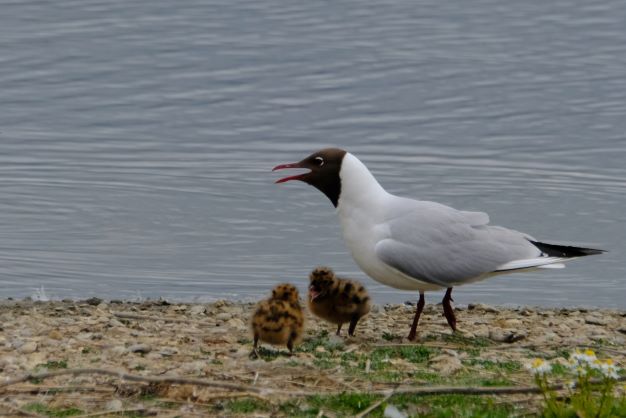
The chicks are in constant danger of predation. Herring Gulls and Black-backed gulls. They fly over the nests putting the Black-headed gulls into a frenzy below a Lesser Black-backed gull lands in the colony but is chased off before it can catch a chick for a meal.
(Spot the Lesser-Black-backed gull -yellow legs feet and beak).

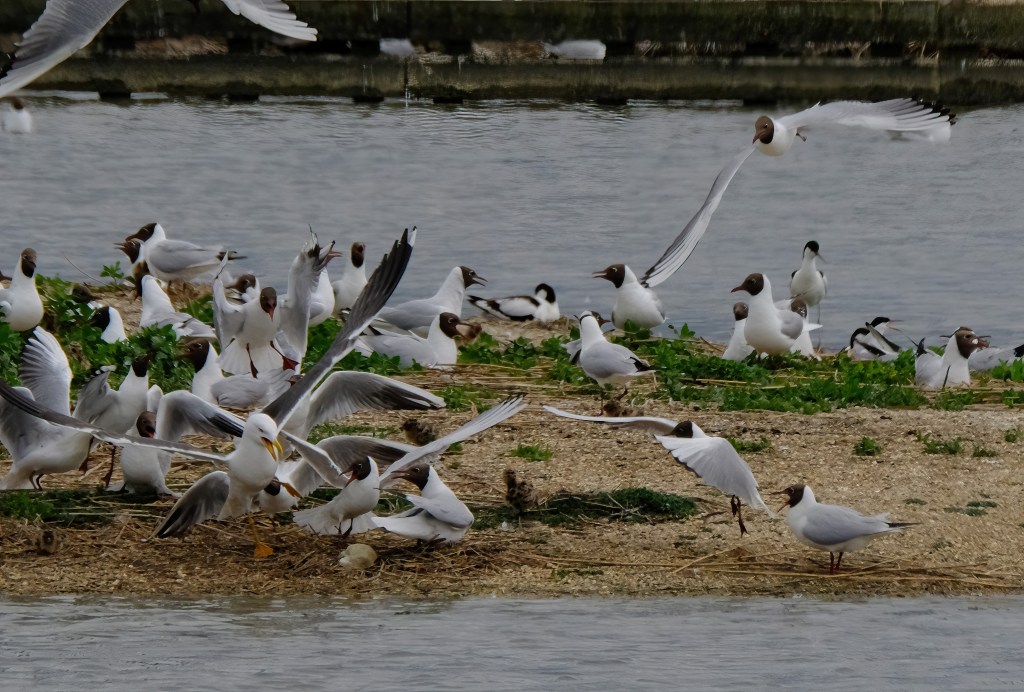

There are a lot of Avocets in the reserve at the moment a few have chicks but are hard to spot at the moment.


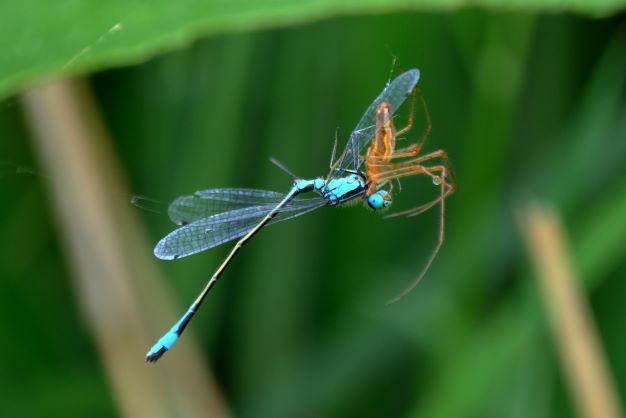
A spider catches a damselfly. The damselfly is truly stuck in the spider’s web the spider drops down and closes in for a meal.
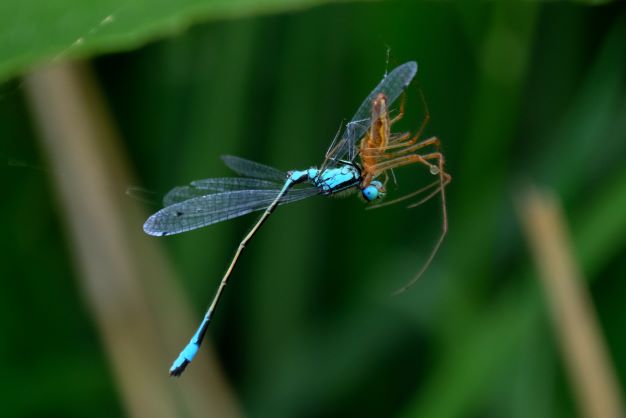
Common Blue Damselfly is the UK’s most common damselfly and can be found around almost any water body,
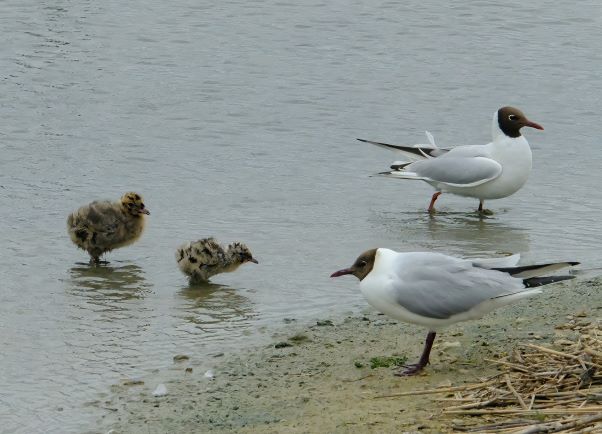
Black-headed gull chicks have started to appear at the nesting colony at Titchfield Haven.


Quite a long film of the nesting colony (note no sound) The chicks are only a few days old but will grow rapidly. There is one slightly older and larger chick in the film.
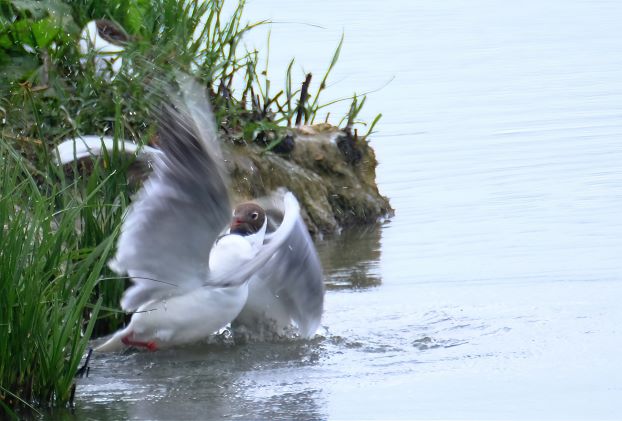
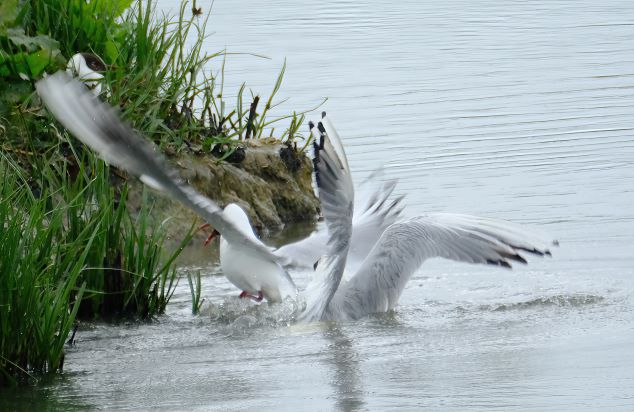
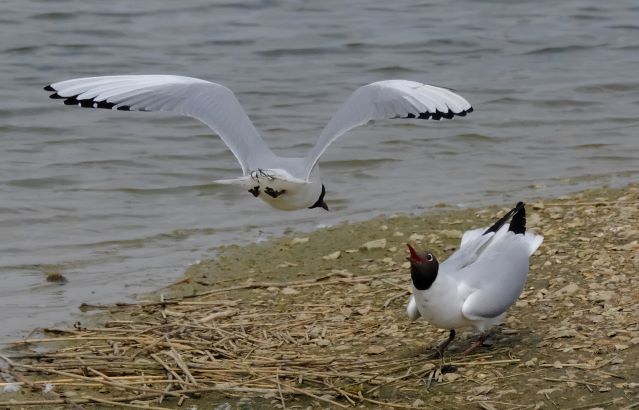
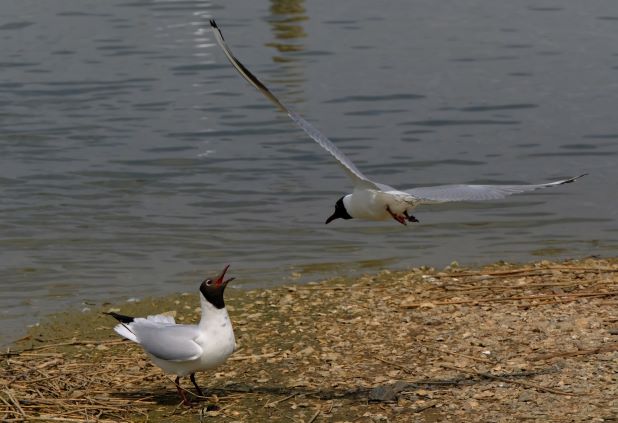
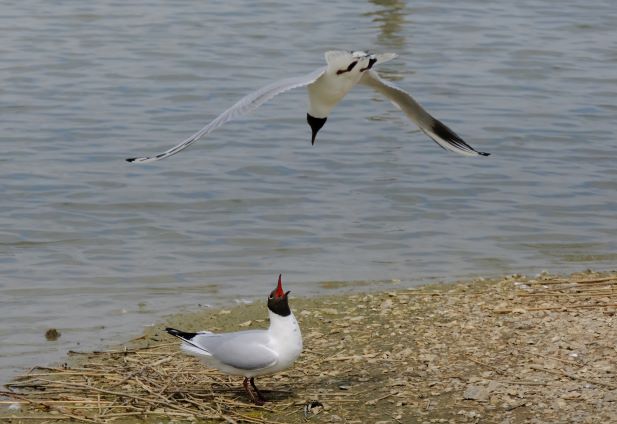
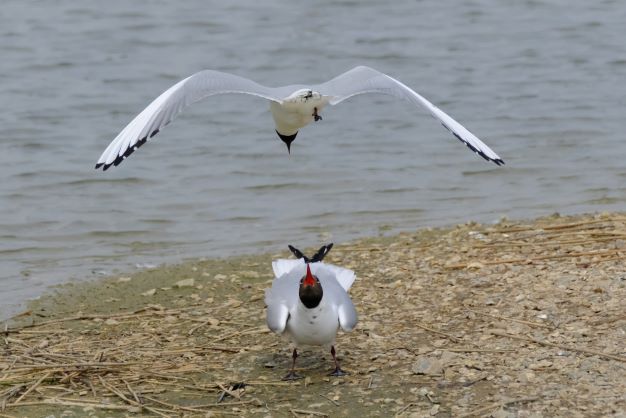
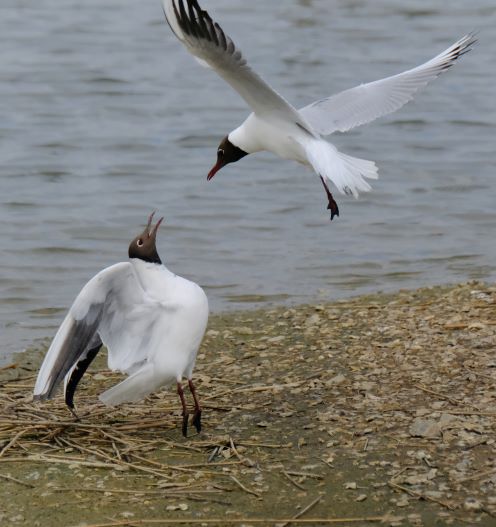
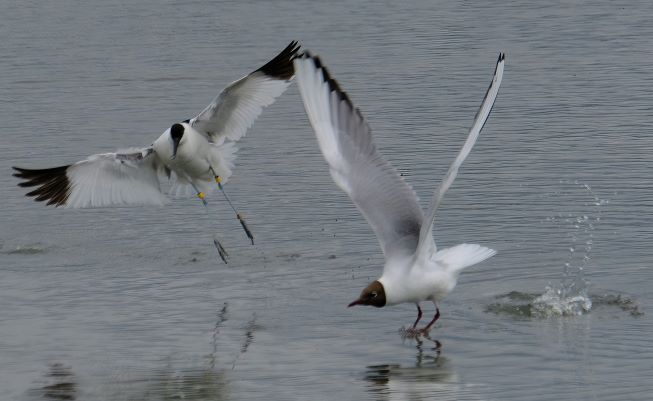
Full-blown scrap over nest site! Black-headed gulls.


#Wordless Wednesday

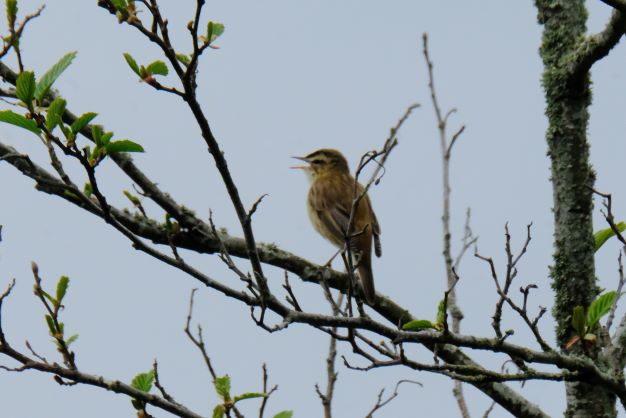
Often heard singing deep in reedbeds, this morning I got a good view of this medium-sized Warbler. This is a bird of the reedbeds and wetlands When spotted singing they are often perched on reeds or in willow bushes.


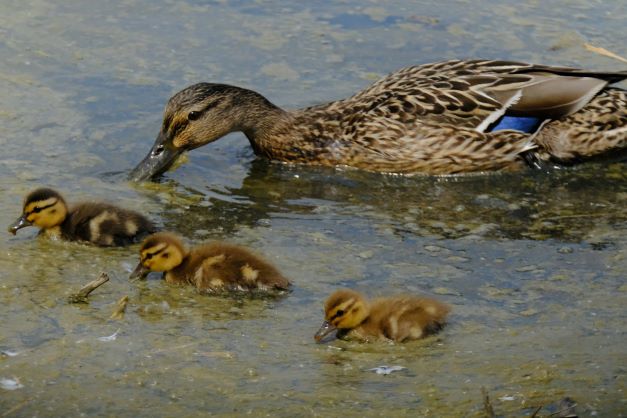
Mallard with ducklings Titchfield Haven.

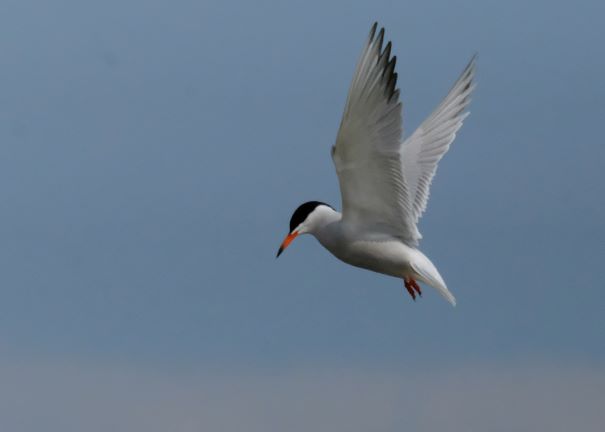
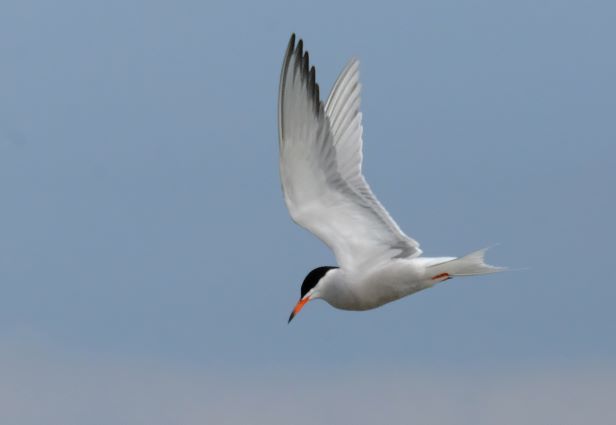
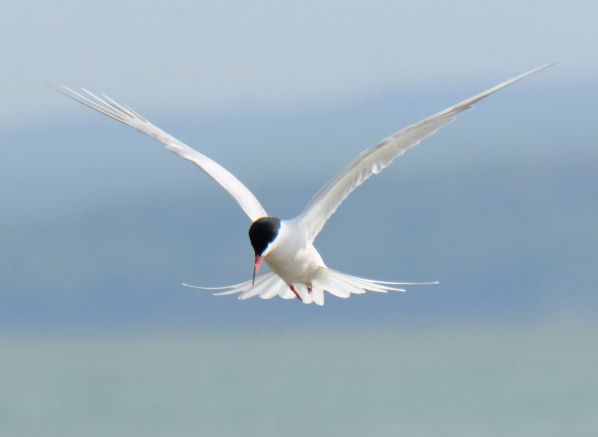
The terns are back in town. Common Terns have arrived back at Meon Shore on the Solent and will be heading into Titchfield Haven Nature Reserve soon to nest.


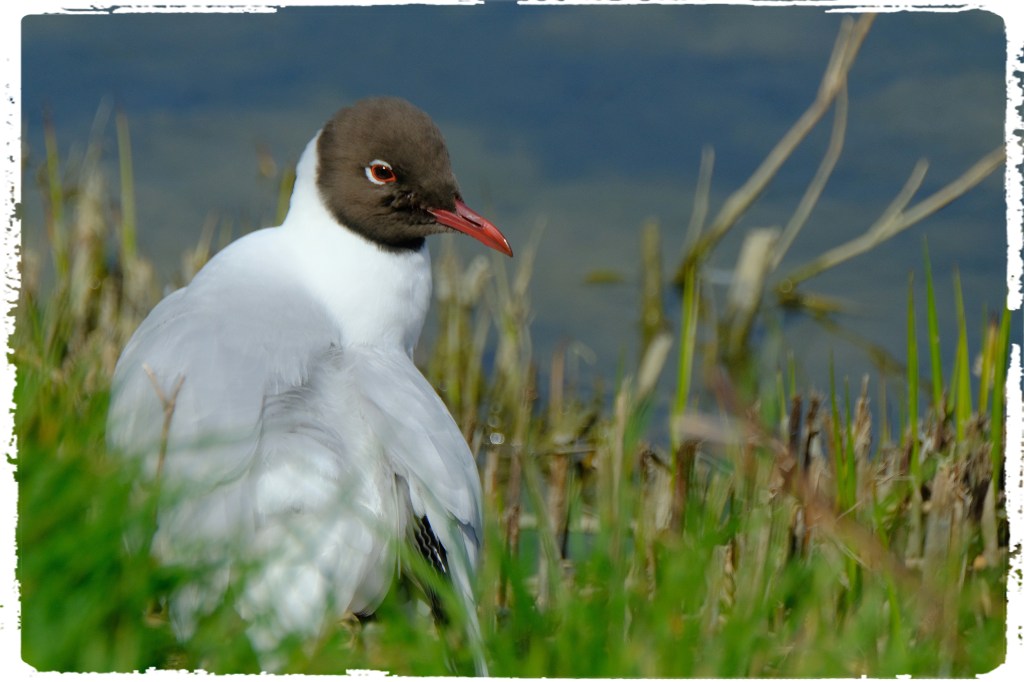
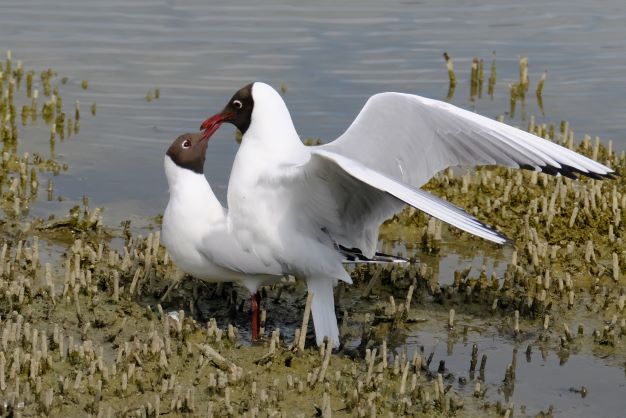
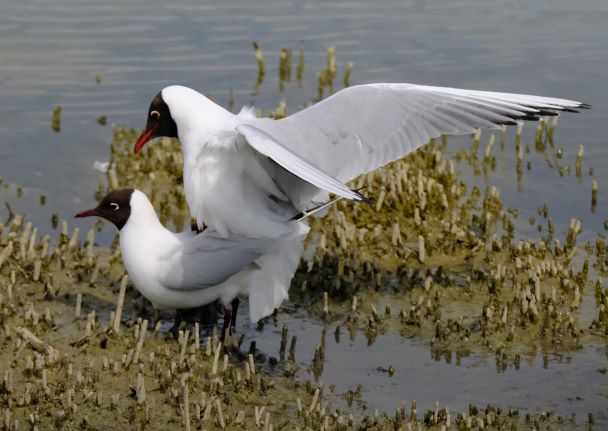
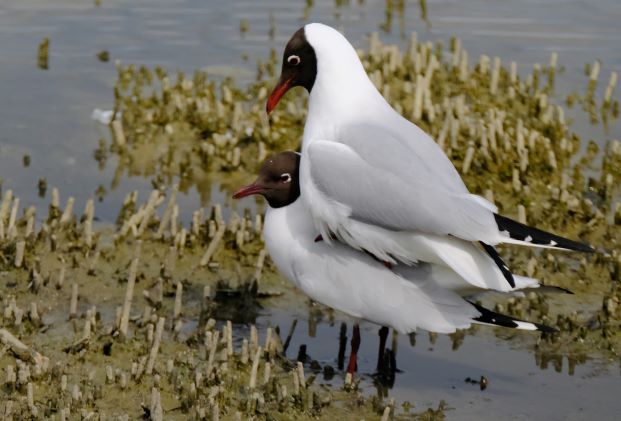
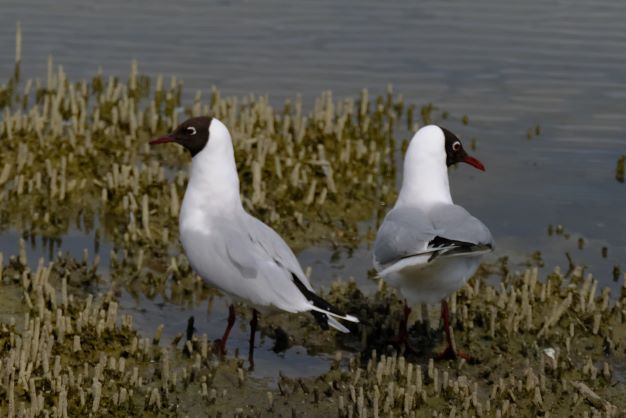
The black-headed gull is the UKs commonest small gull. The black-headed gull has actually a chocolate-brown head in the breeding season (In the winter their heads turn to mainly white ). I have posted pictures many times before as they are a common sight both on the coast and inland area where we live. There is a large breeding colony within Titchfield haven nature reserve. Now we are into April the colony is noisy with birds displaying pairing up and squabbling over nest spots. Many bird watchers will overlook this spectacle for rarer birds that visit our shores. Apart from the noise each year I look forward to this gull’s breeding season.

Length: 35-38cm
Wingspan: 1m
Weight: 250-330g
Average lifespan: 11 years


Black-headed Gulls are opportunistic feeders, they will eat most things taking invertebrates and plant materials, seeds bread, and are fond of chips thrown by tourists at the seaside.


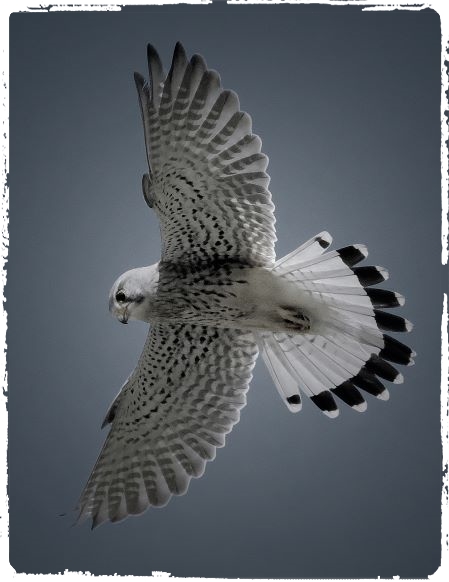
Kestrels are small, chestnut brown birds of prey. They are often seen hovering over fields or by the sides of roads. They feed on small mammals, such as voles, shrews, mice, and small birds. They also feed on invertebrates and worms.