Eider drake crab fishing. He would dive down get a crab, shake its legs off then eat it.
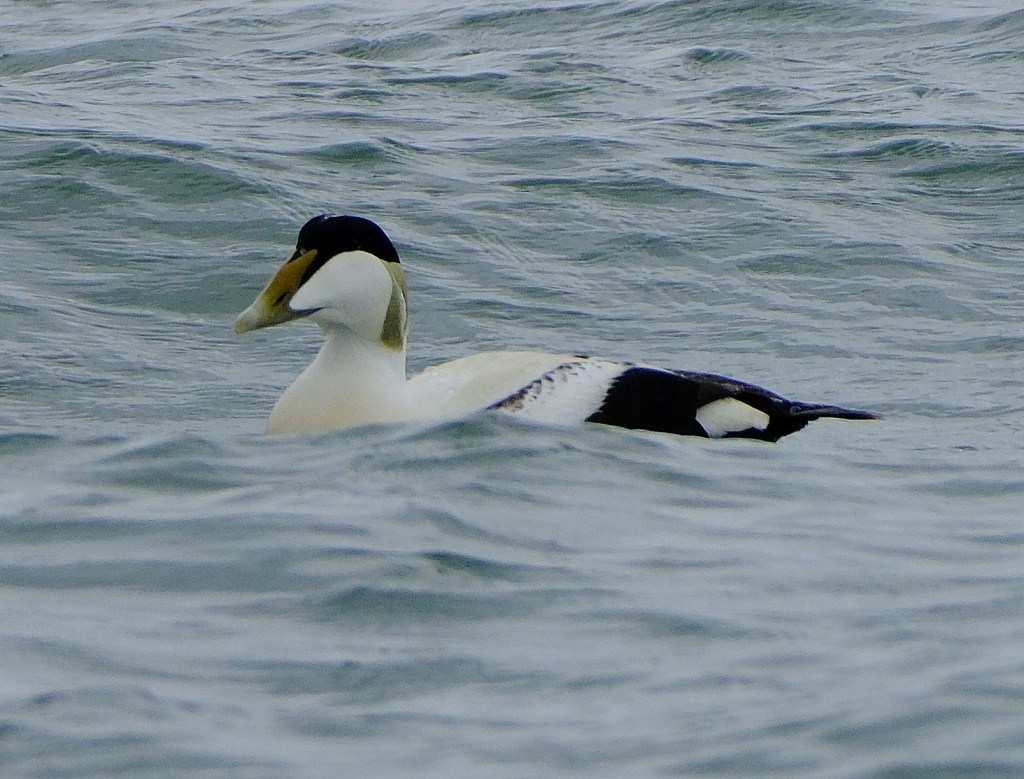

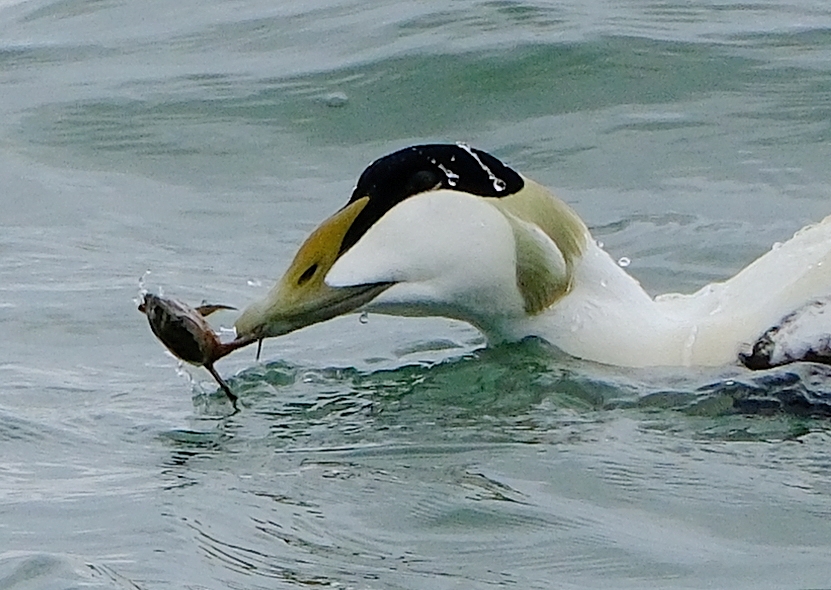
Eider drake crab fishing. He would dive down get a crab, shake its legs off then eat it.
When you see a Cormorant, you automatically see a big black bird. Look closer, and it is full of colour.

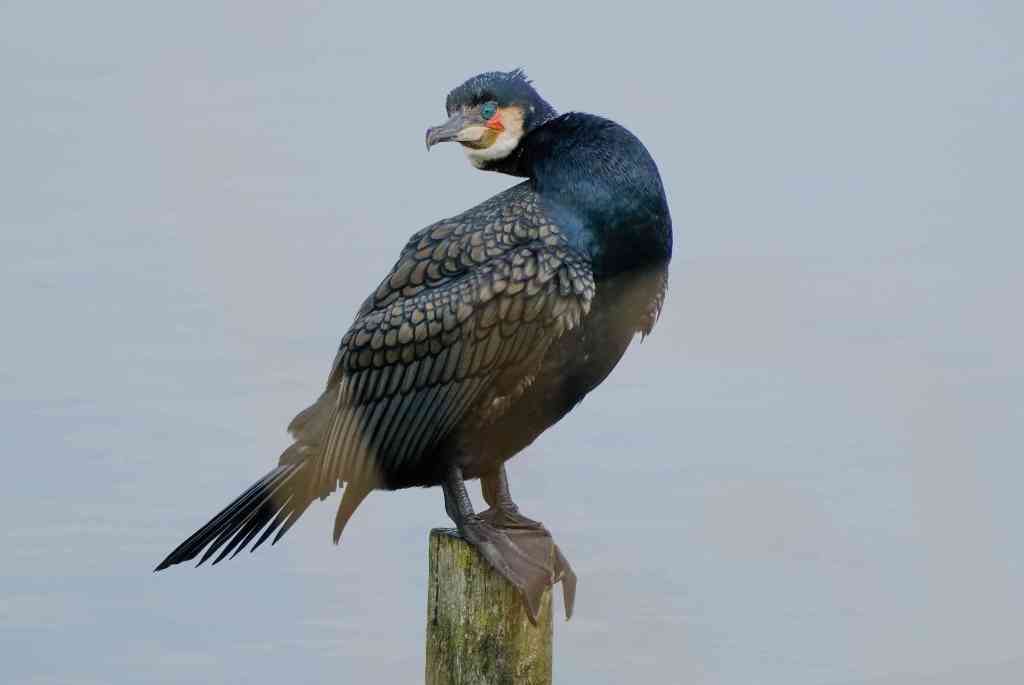
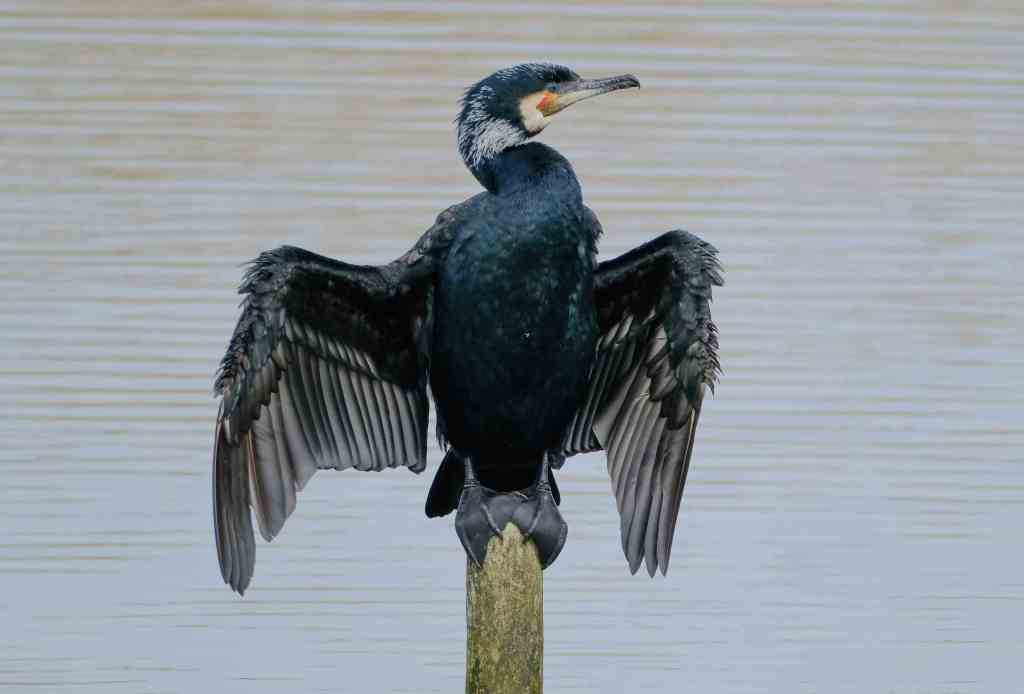
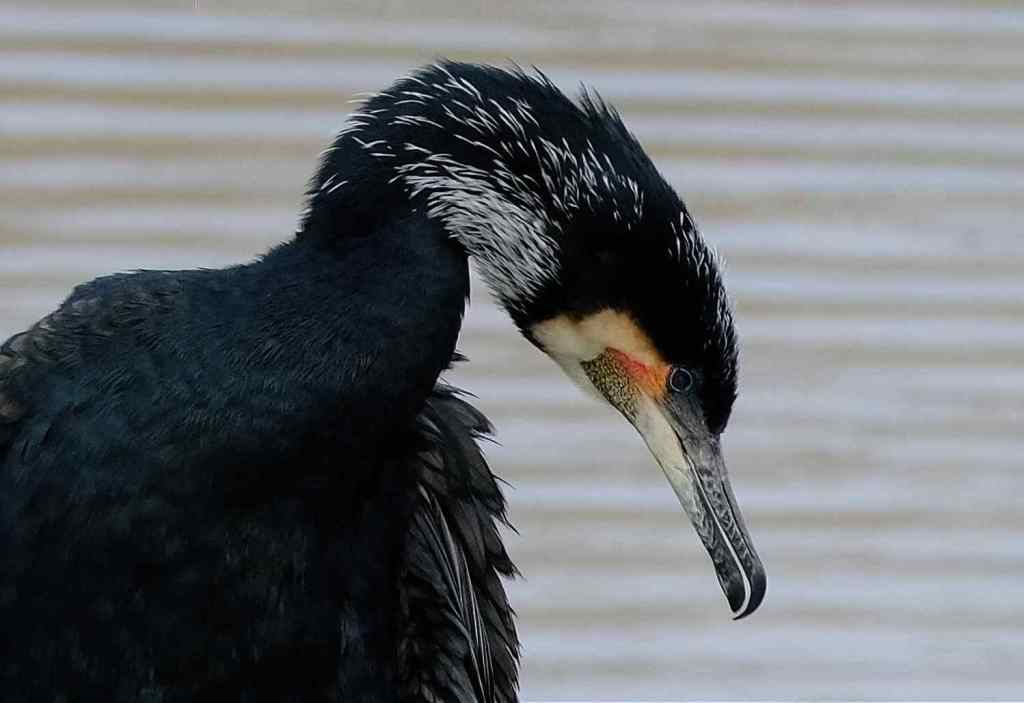

#Wordless Wednesday


Avocets are starting to arrive in good numbers here on the South Coast. Marking the start of their breeding season.
Wordless Wednesday.



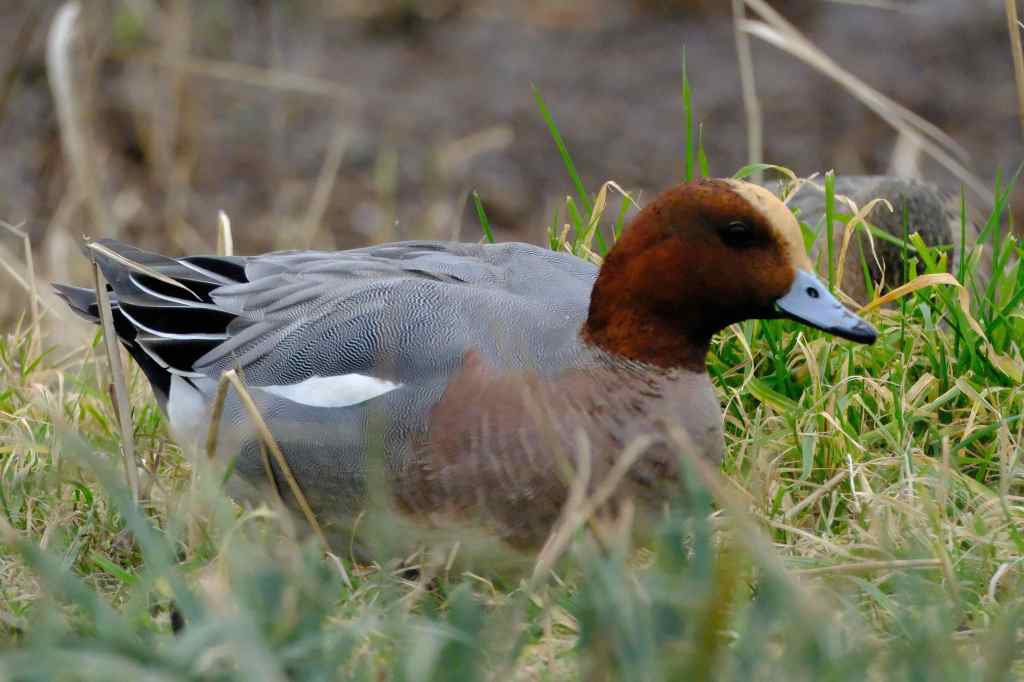
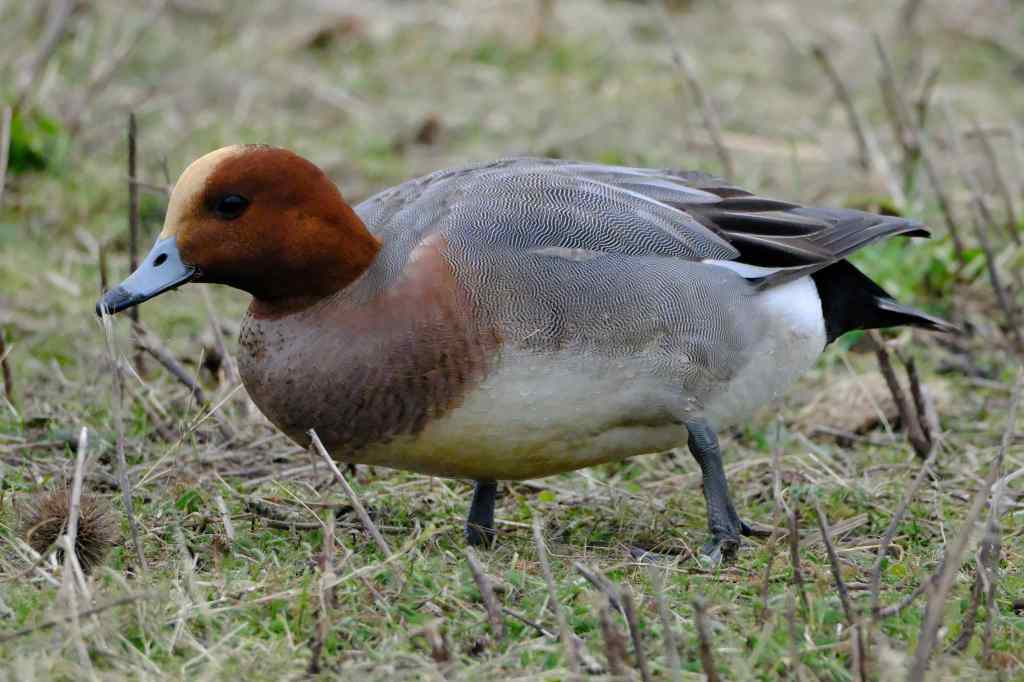
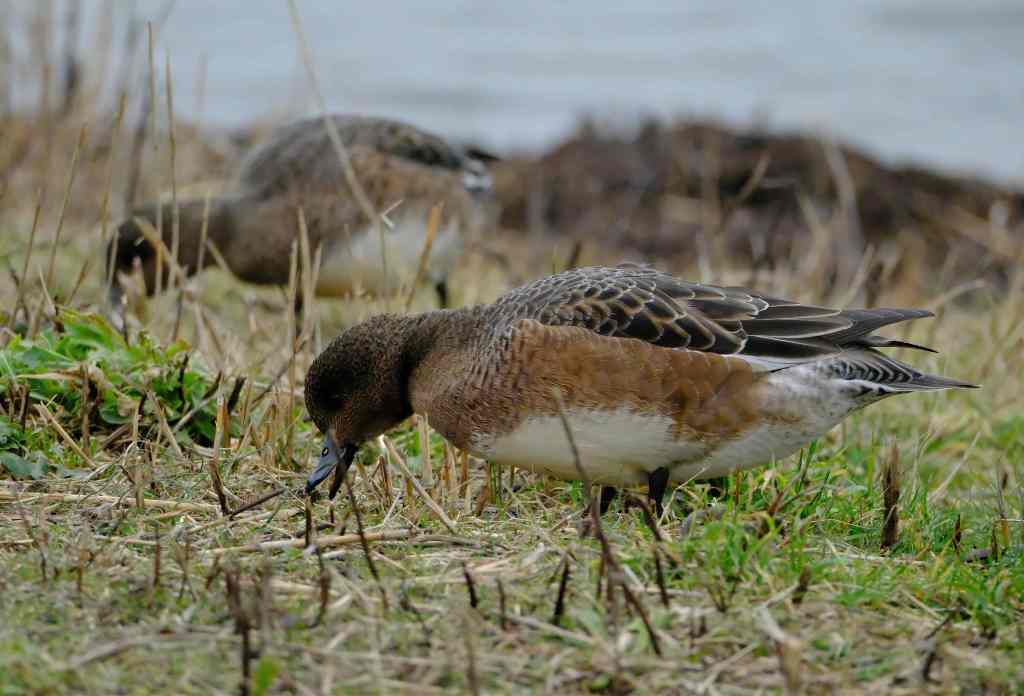
A good number of Wigeon are on-site at Titchfield Haven Nature Reserve at the moment. They are medium-sized dabbling ducks. In the UK they breed in central and northern Scotland. Many birds over winter here these come from Iceland, Scandinavia, and Russia.



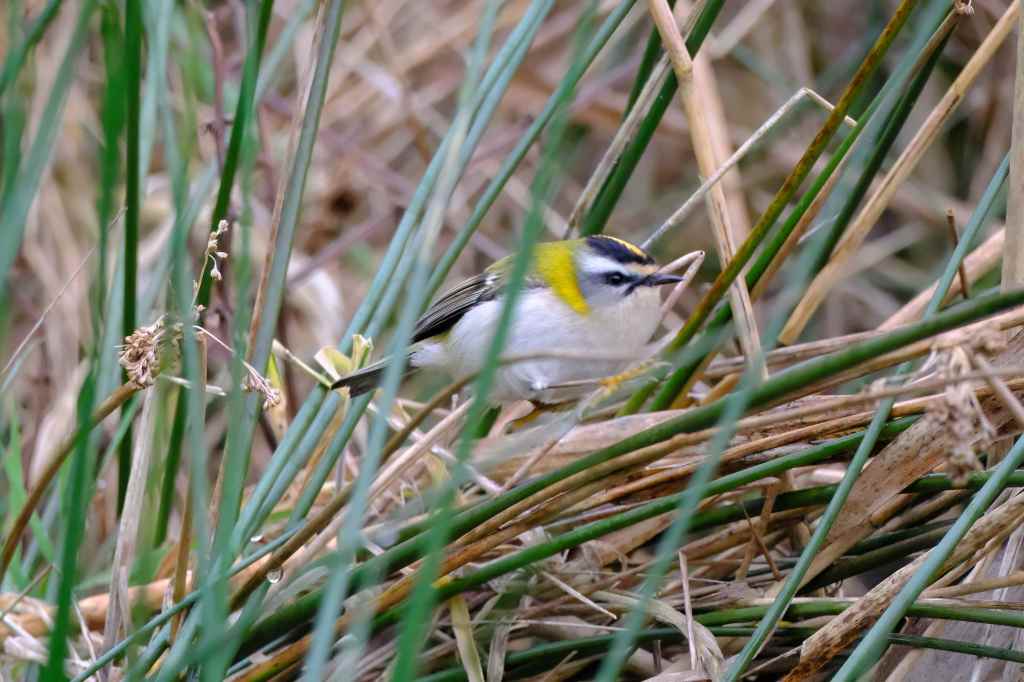
This tiny bird vies with the Goldcrest for the title of the UK’s smallest bird. The Firecrest has a brighter green back, a white belly, and a bronze ‘collar.’ It also features a black and white eye stripe. They have a yellow and black stripe on their heads. They move quickly through trees and bushes in search of small insects.


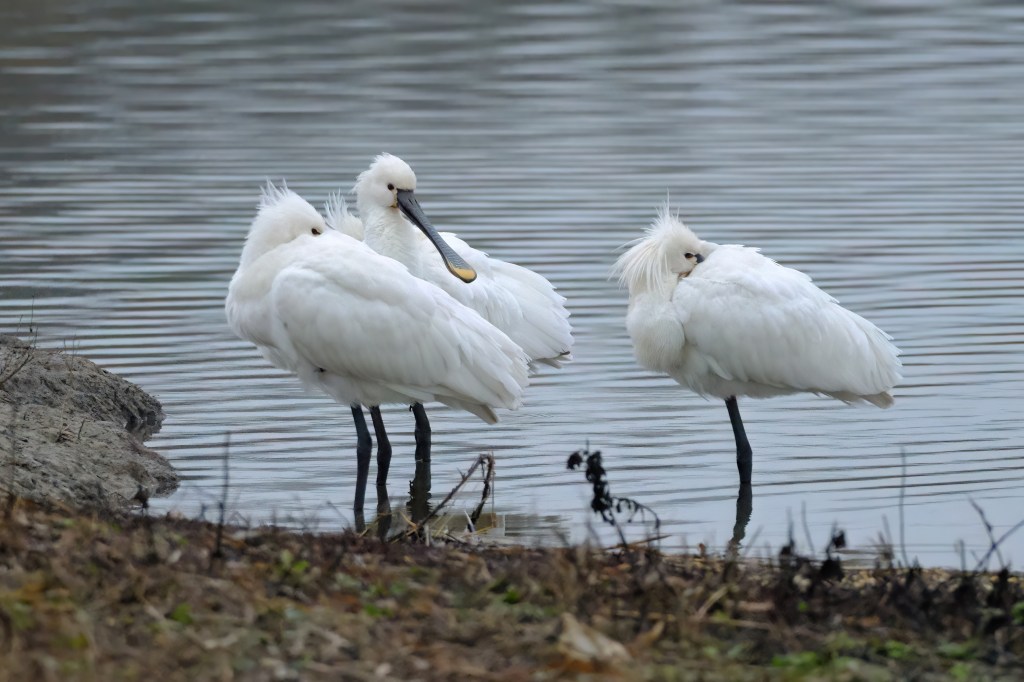
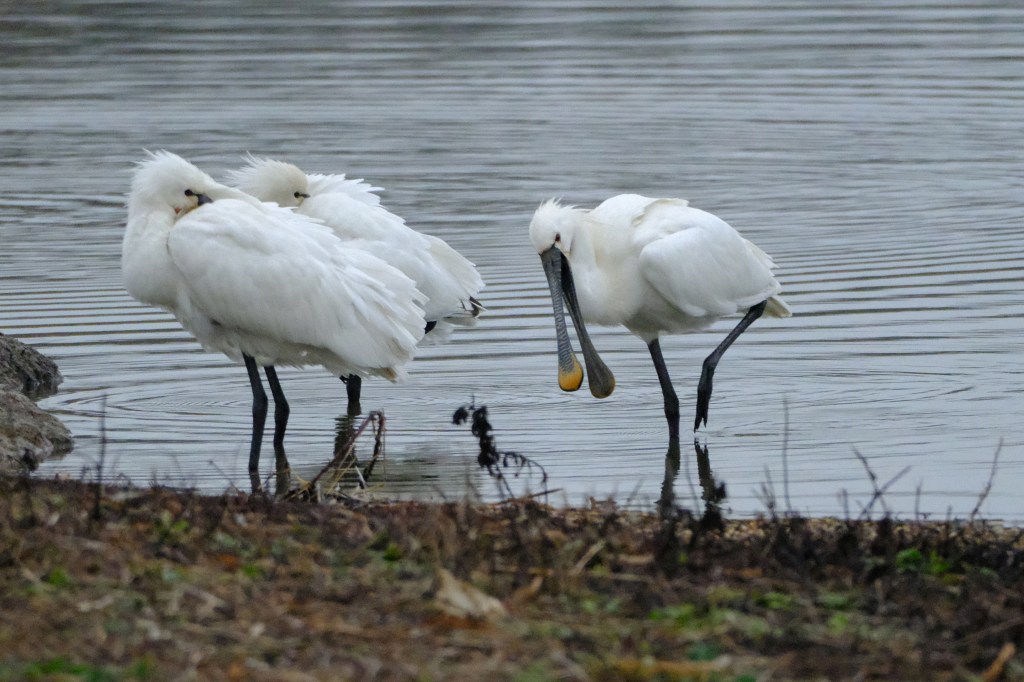
It was another dull day with overcast skies until we spotted the Spoonbills!
Spoonbills arrived back at Titchfield Haven on Monday according to the wardens. This morning we saw 5 birds in the reserve. Several of these birds have been spotted down the coast towards the New Forest at Keyhaven Marshes.



This was my last visit before Christmas to our local nature reserve, Titchfield Haven. A couple of hours’ break there today, but the reserve is closed on Christmas Day.

Common Buzzard on his observation spot.

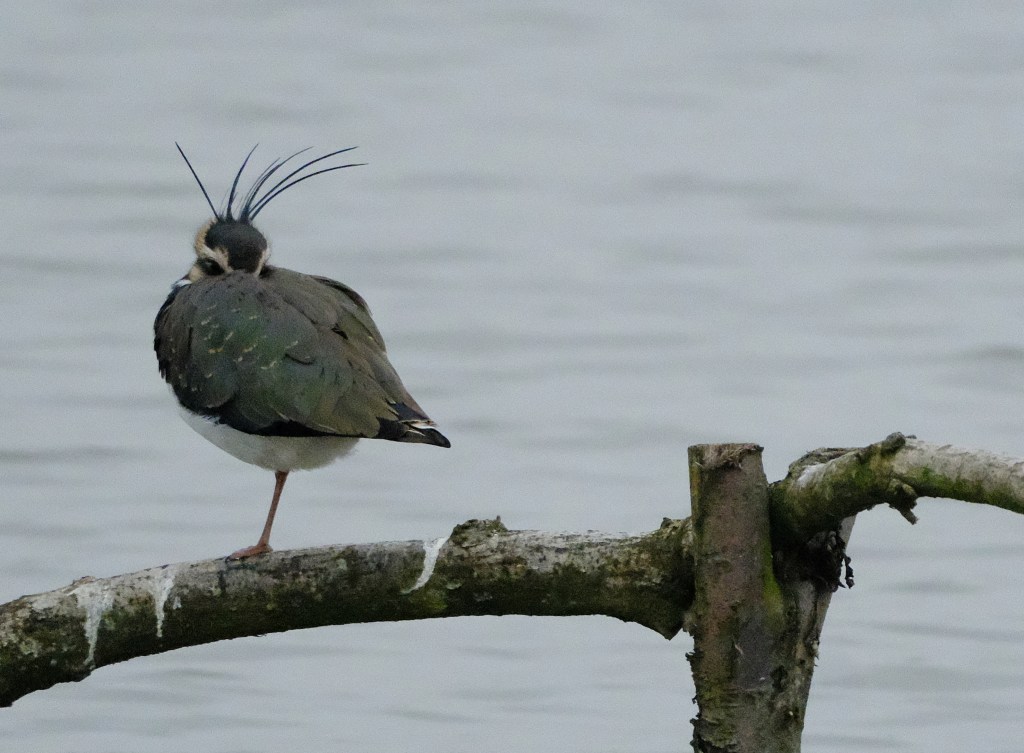
Lapwing landing.

Teal a pretty small duck.


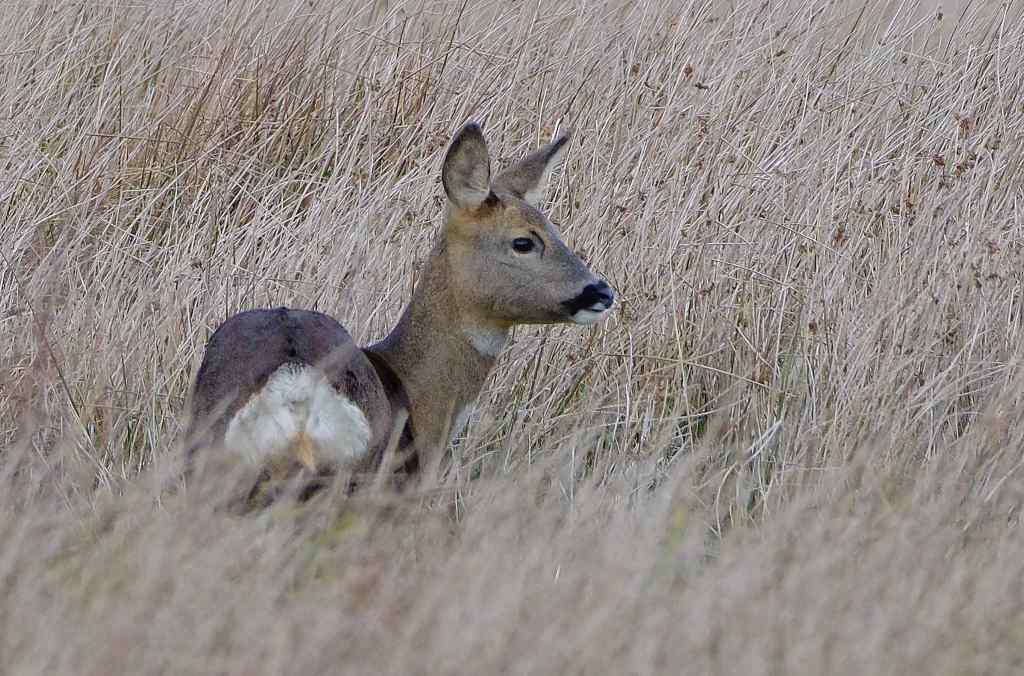
Roe doe.

Mute Swan.

 Continued Reflections from my World.