At the Little Bridge at Titchfield Harbour where the River Meon reaches the sea, there is a favourite spot under the bushes where a Grey Heron likes to fish. Often people miss him! If you wait for a while he may come out into full view.


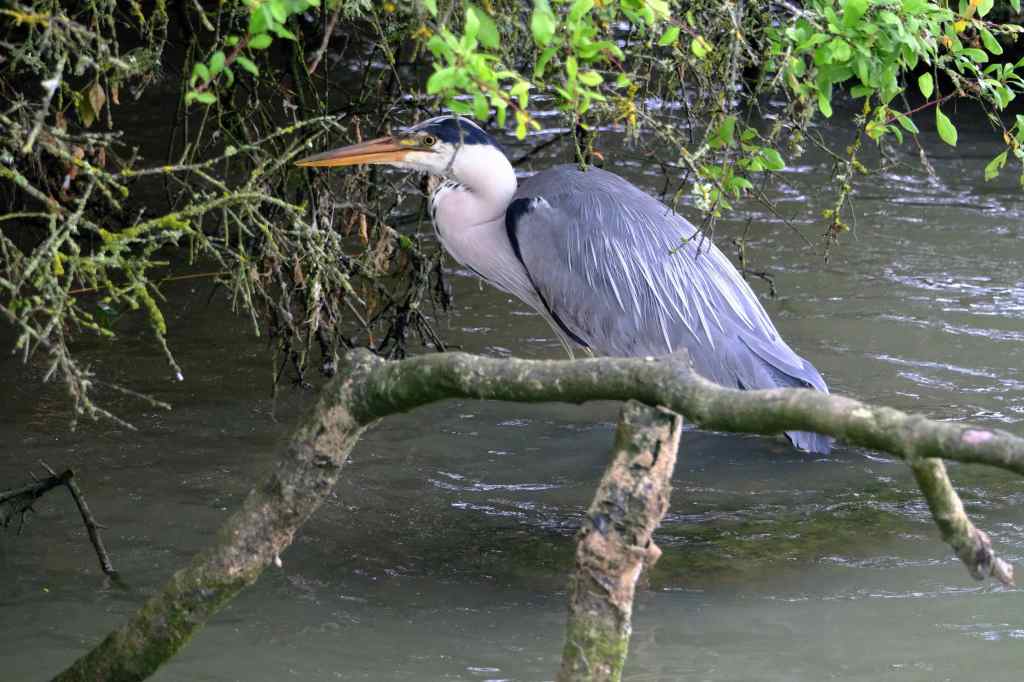
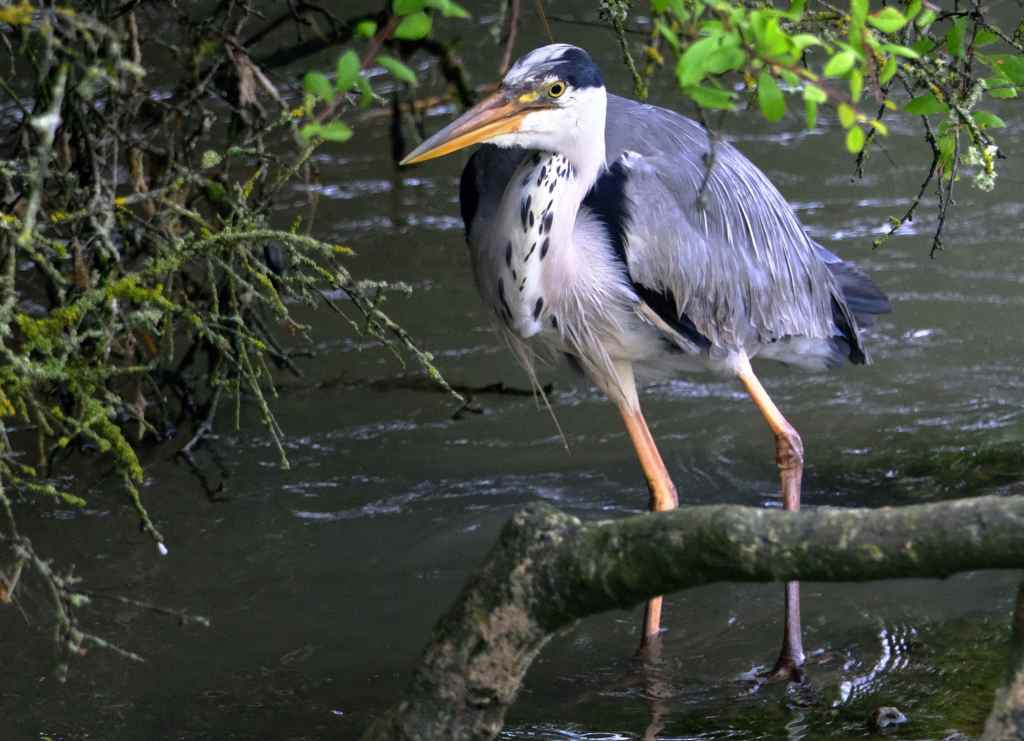

At the Little Bridge at Titchfield Harbour where the River Meon reaches the sea, there is a favourite spot under the bushes where a Grey Heron likes to fish. Often people miss him! If you wait for a while he may come out into full view.
Yesterday we spent time at Titchfield Haven around one of the small ponds looking for Damselflies and Dragonflies.
With a warm morning, there were many to see.
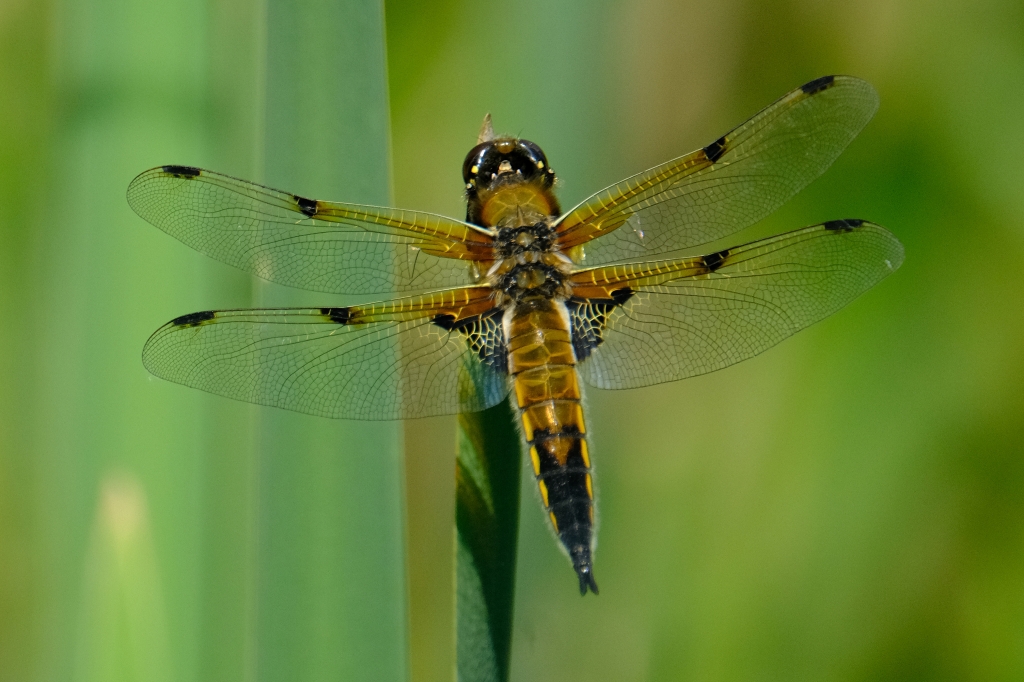
Four-spotted chaser dragonflies out in large numbers.


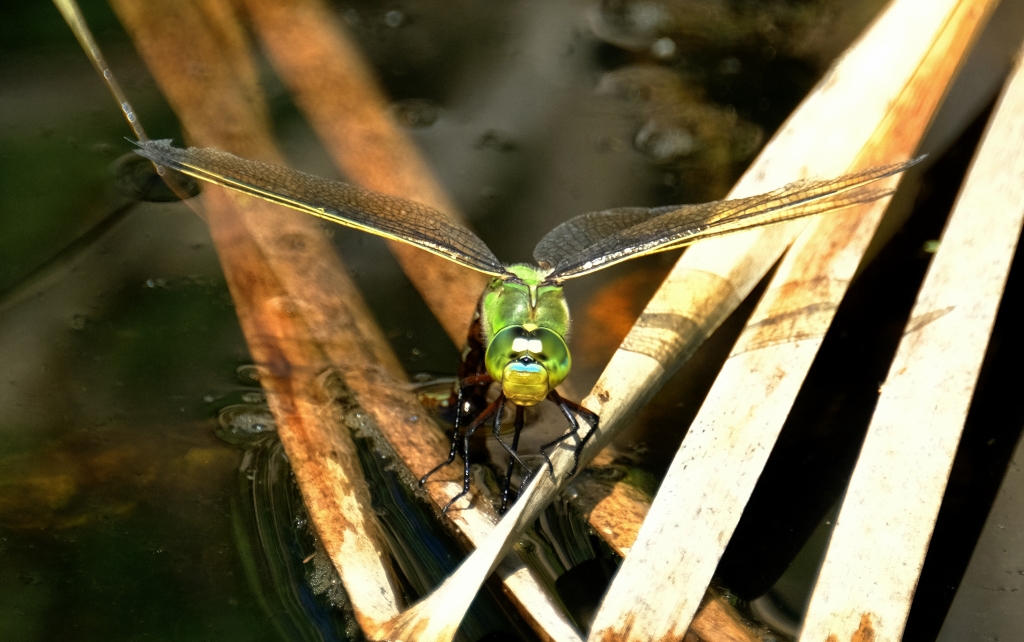
Female blue form Emperor dragonfly “tail dipping” – egg laying.


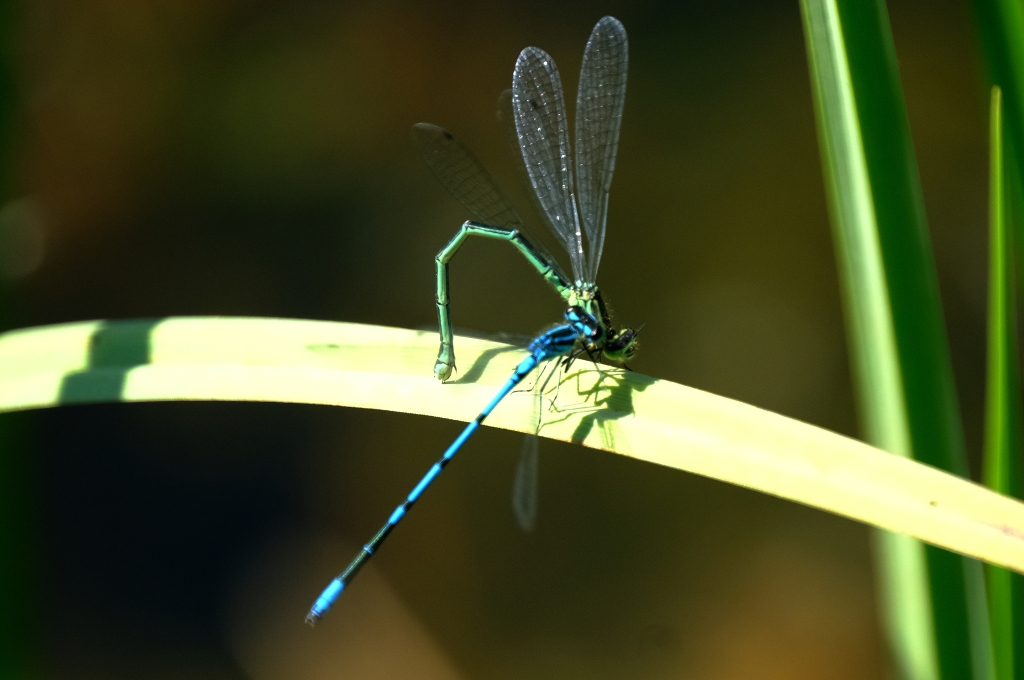
Azure damselfly mating.

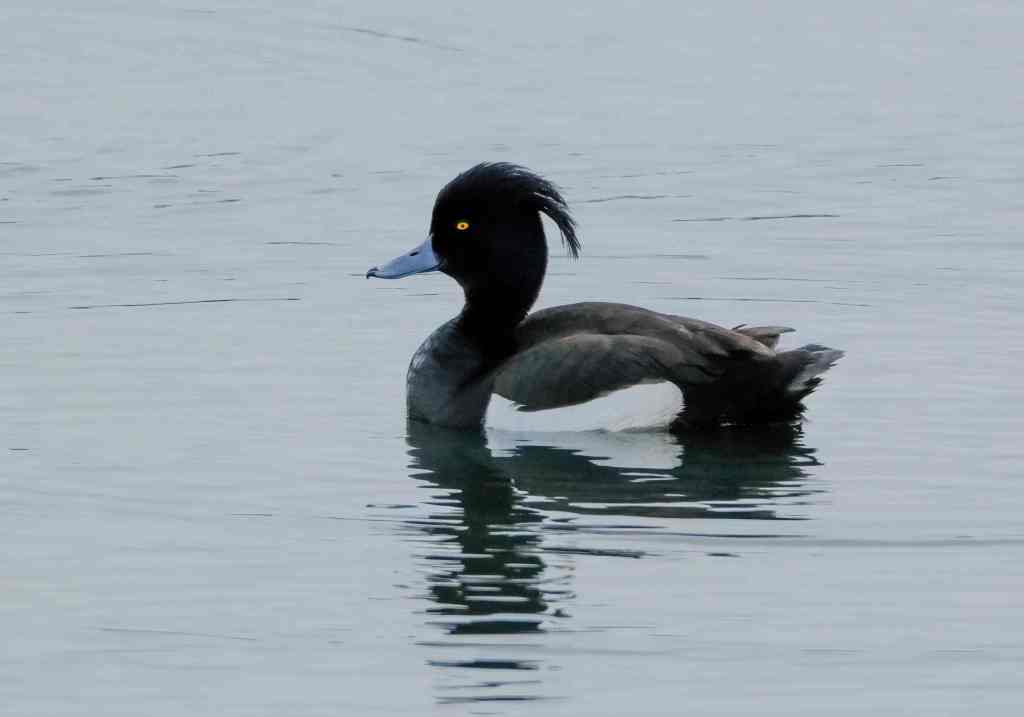
Smaller than a Mallard the Tufted Duck is a medium-sized diving duck the male is black on the head, neck, chest and back, and white on the sides. It has a small crest and a yellow eye. In winter, numbers increase because birds are moving to the UK from Iceland and northern Europe {The female is entirely chocolate-brown, with yellow eyes }.


I decided to record my visit to Titchfield Haven Nature Reserve as a video.
At the end of the film is a Shelduck out at sea with her chicks – It is amazing watching these little birds journey in the choppy waters.
Tetragnatha Montana is a species of long-jawed orb weaver spiders commonly known as the silver stretch spider. These spiders have a habit of extending their front legs into a stick like shape

Now the sun is out Dragonflies and Damselflies are starting to fly.
Four-Spotted Chaser.


Four-Spotted Chaser. This Dragonfly has emerged deformed and missing one wing.

The Chaser below is deformed and missing 1 wing.

Azure Damselfly pair mating.

Hairy Dragonfly.


Banded Demoiselle.

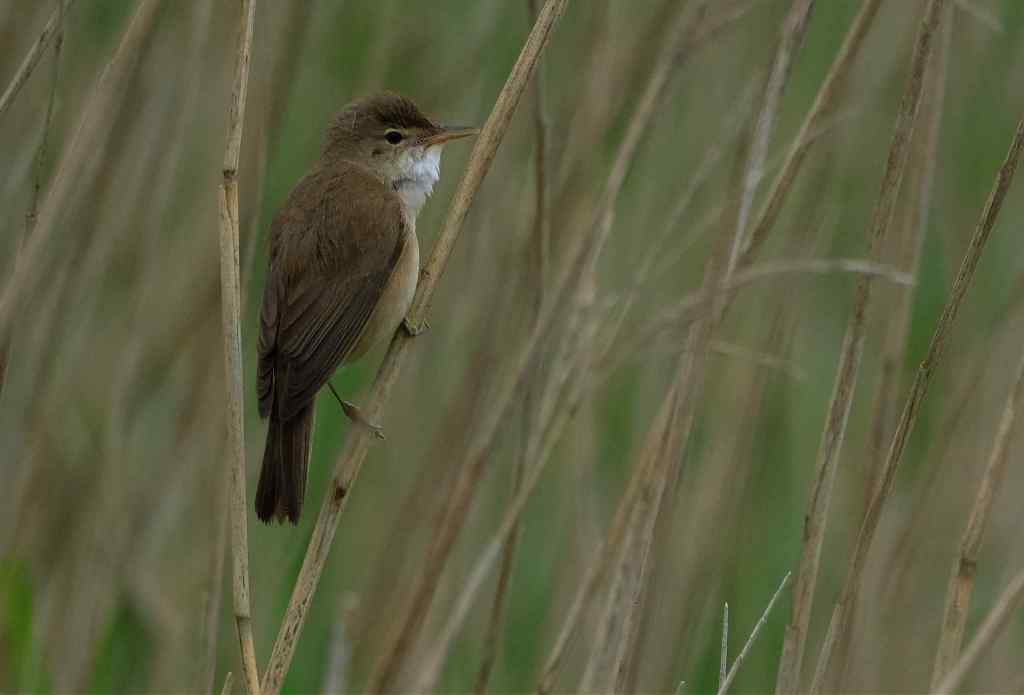
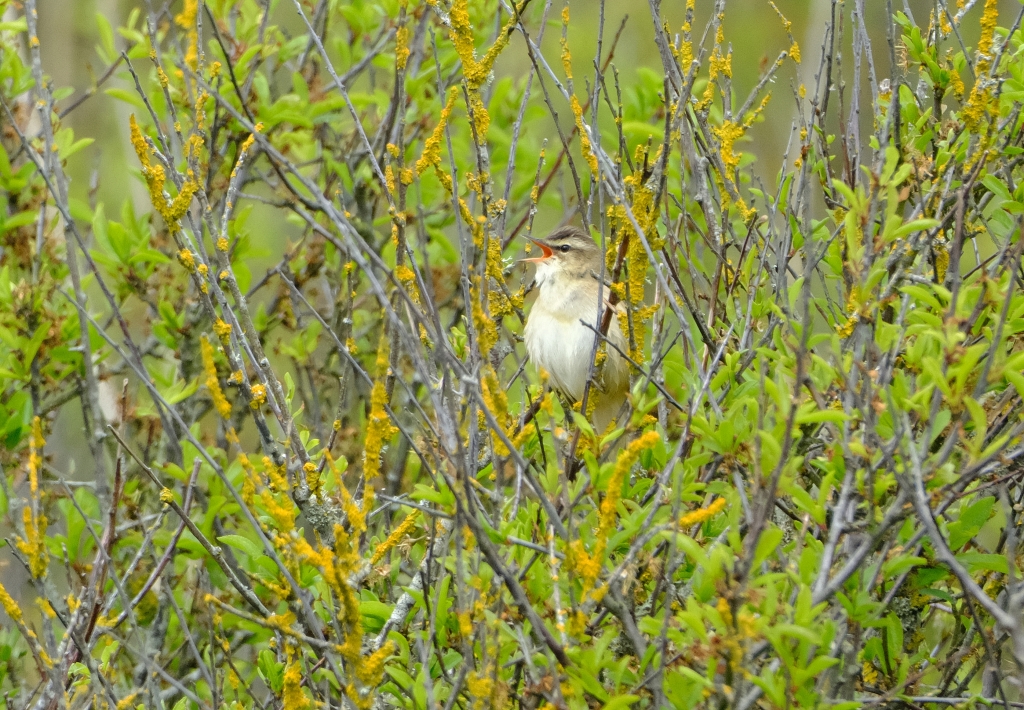
Reed Warbler Titchfield Haven.




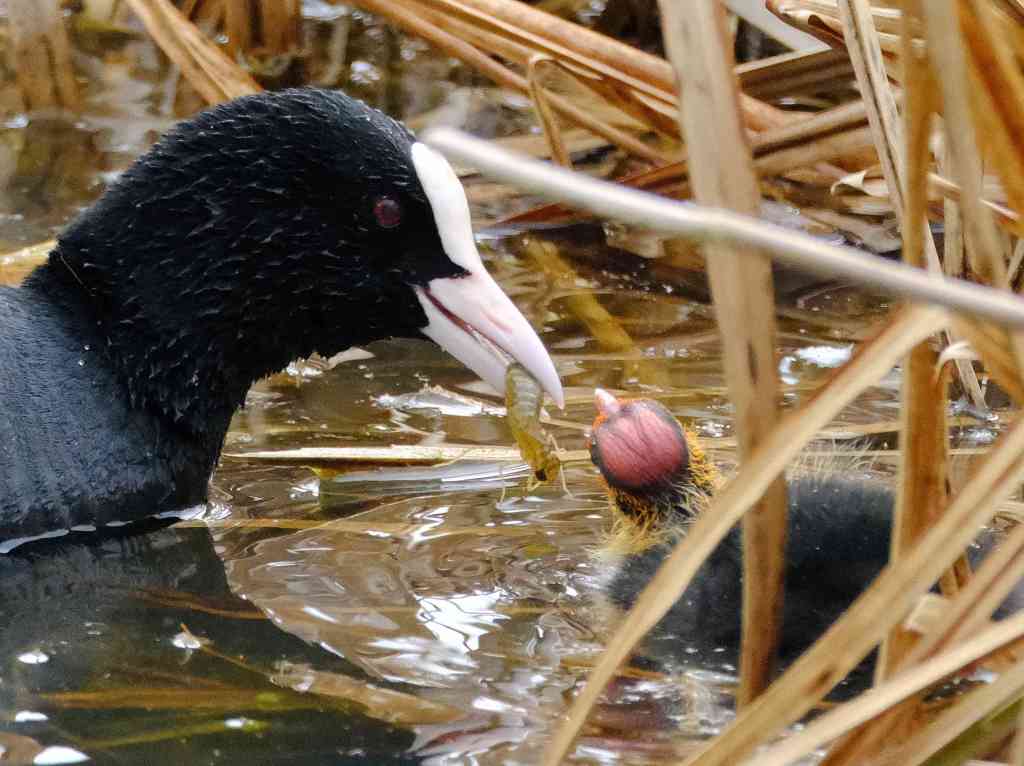


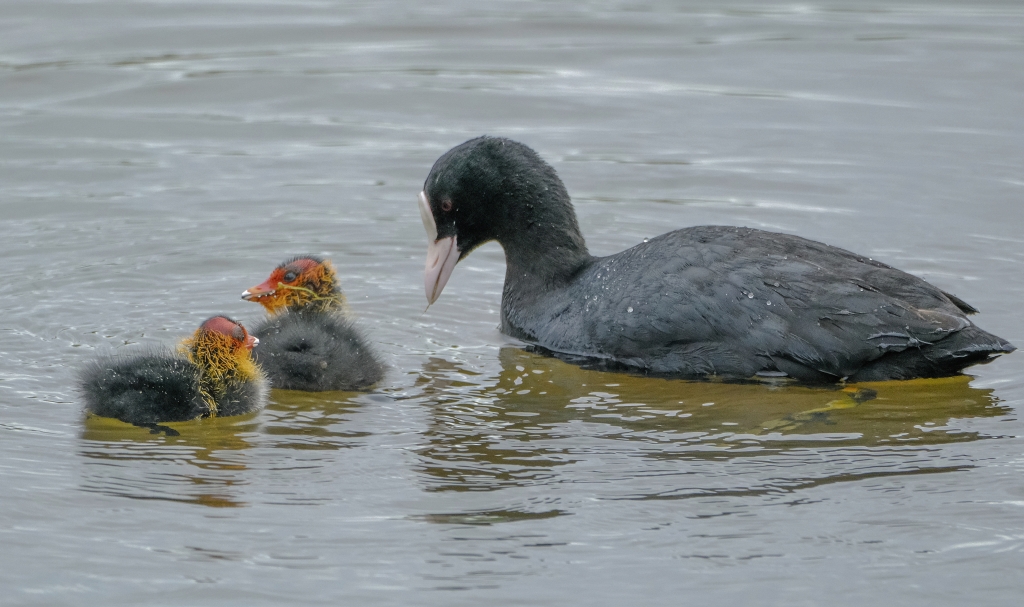
In summer, the Sedge Warbler a medium-sized warbler can be found in marshes, reedbeds and wetlands. they can be spotted singing from reeds or willow trees often perched high up. It is said that males never sing the same song twice, adding new phrases to impress females.




 Continued Reflections from my World.