Happy Badgers.

Still photos taken from trail camera footage.

Some more Badger trail camera footage from The New Forest. This demonstrates good interaction between up to three animals. They seem to be playing; if the rolling around was in anger, I am sure that with their strong jaws and claws, there would be injuries. Our trail cameras are often knocked over, you can see how!

Badgers are the UK’s largest land predator and are one of the most well-known British species. They are famed for their black and white stripes and sturdy bodies, using their strong front paws to dig for food and to perfect their burrows, called ‘setts’.

Length: 75-100cm
Tail: 15cm
Weight: 8-12kg
Average lifespan: 5-8 years

Badgers are protected in the UK under the Protection of Badgers Act, 1992, and the Wildlife and Countryside Act, 1981.

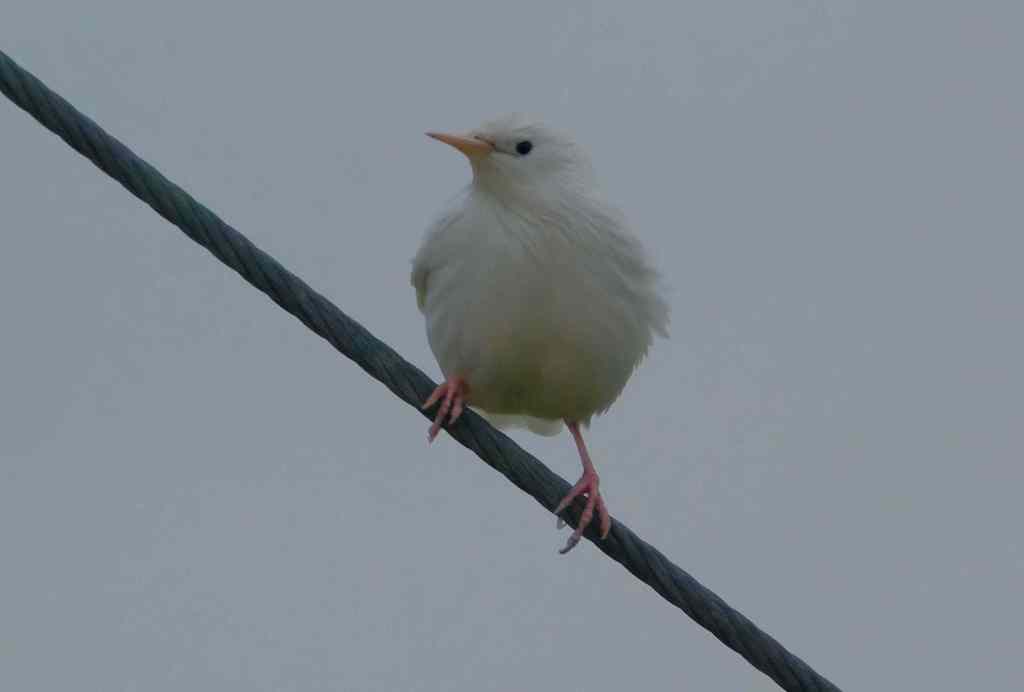
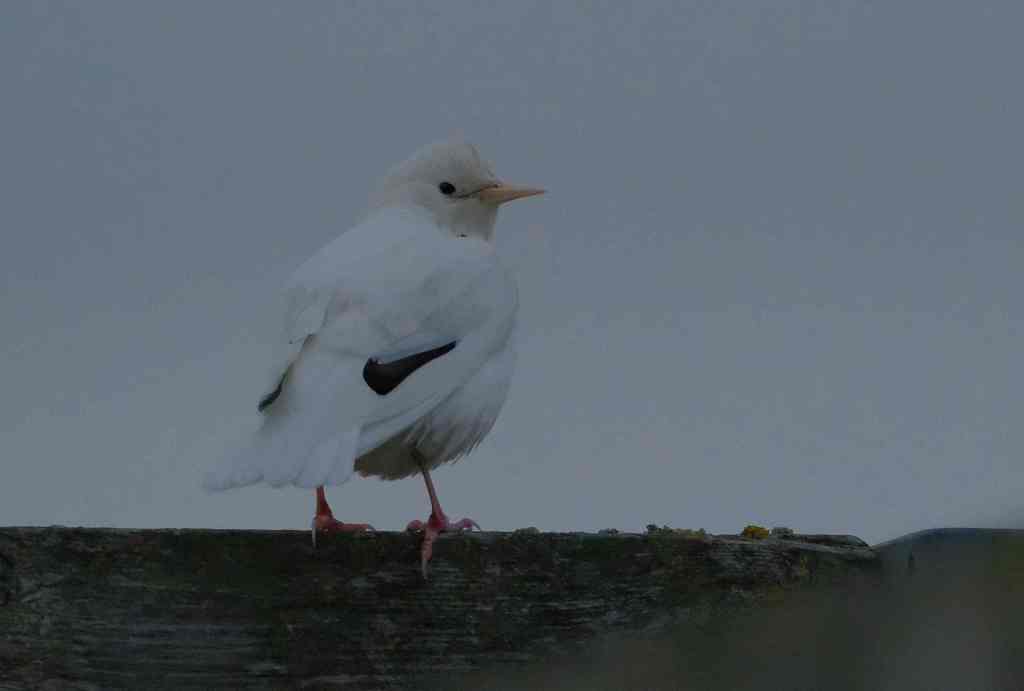
A different Starling.

“Leucism in birds is a genetic mutation that results in a total or partial reduction of colour in a bird’s plumage. This intriguing phenomenon occurs because pigments are deposited only in the feathers of birds, leading to a striking appearance that can vary widely among species. The affected feathers may appear white, pale, or mottled, depending on the extent of the gene’s influence. Interestingly, while the feathers show this alteration, other parts of the bird’s body, including the beak, legs, and skin, maintain their normal colouration.”

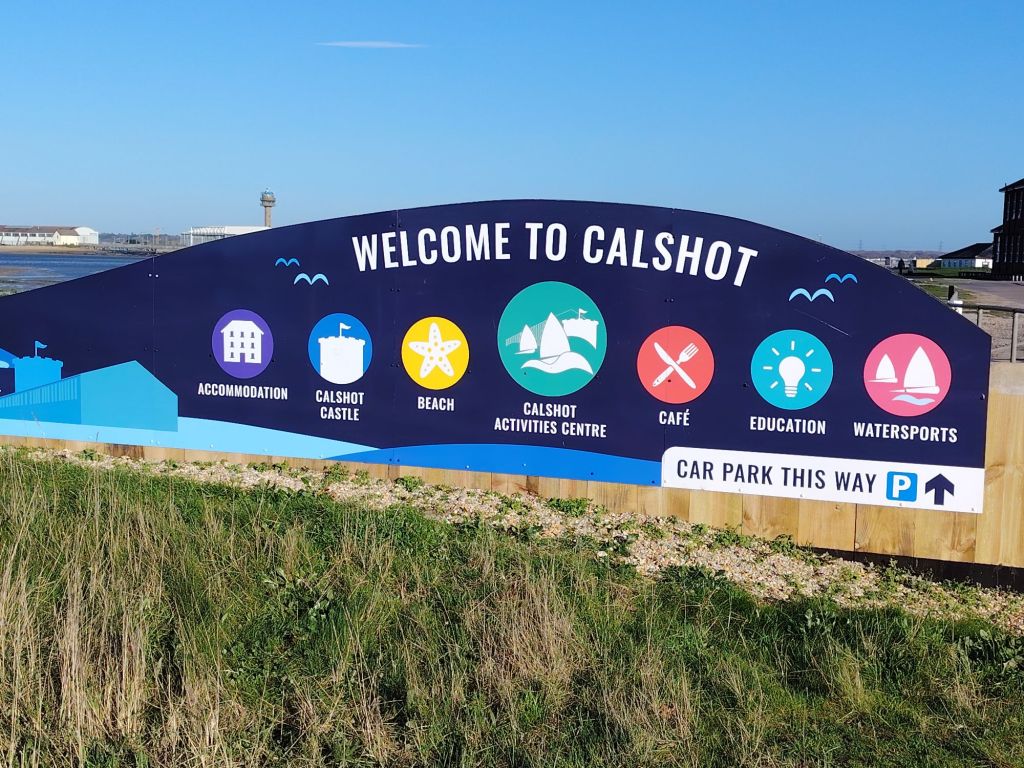
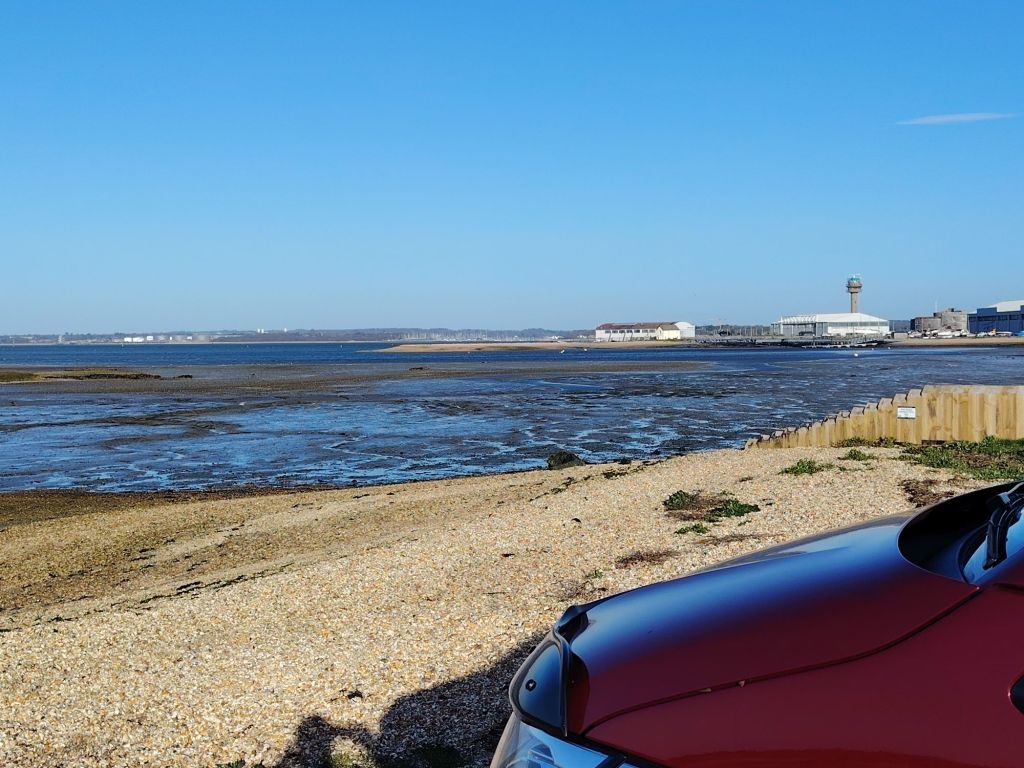
I spotted this white Starling while out for a walk on Calshot Spit

Mr Badger.

In the book The Wind in the Willows, Mr Badger is one of Rat, Toad, and later Mole’s good friends. He’s a wealthy older gentleman who lives in the heart of the Wild Wood, in an extensive underground home. Our Badger sett is in the heart of the New Forest, with many entrances to their subterranean home.

Badgers are our largest land predator, feeding on small mammals, birds’ eggs, worms, fruit and plants.

Our trail cameras picked up some good footage of the Badger last week.

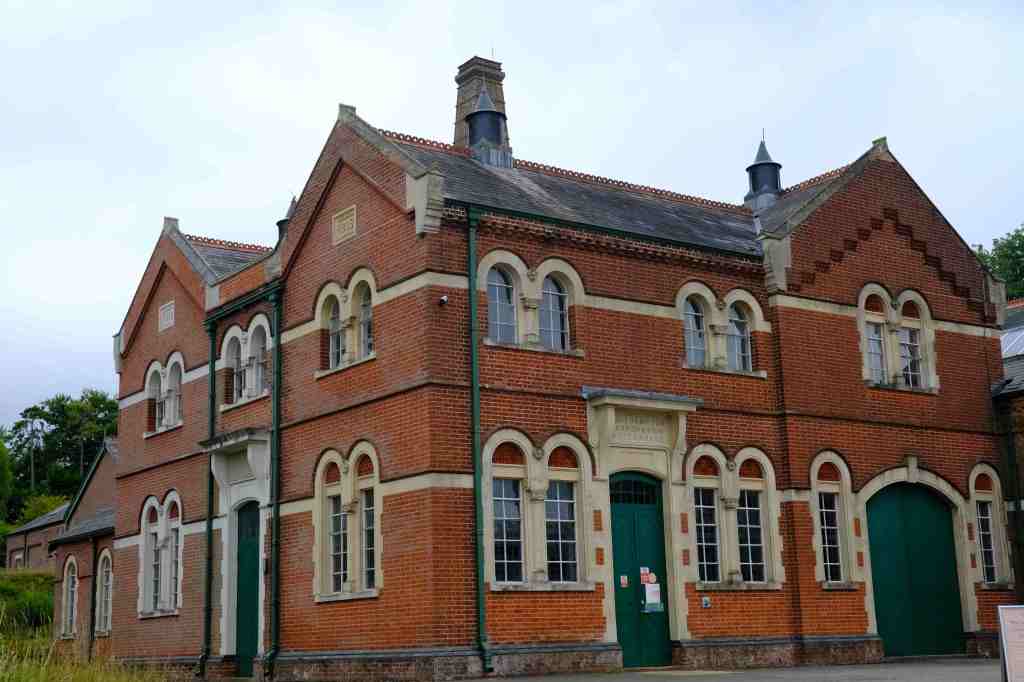
Twyford Water Works.

An open day visit to Twyford Waterworks near Winchester was worth a visit this morning. I had not visited the works since the pandemic, so it was nice to go there again.

The Chalk bedrock under the site acts as a giant sponge, storing rainwater. Wells are sunk into these aquifers, and water is pumped into the underground reservoirs. The site remains in the ownership of Southern Water, and their modern pumps under the site still takes 15 megalitres of water per day, which is put into the public supply. The old part of the site is a Scheduled Ancient Monument and is run by a trust.

The original wells were sunk in 1898, with the steam pumps installed in 1900.

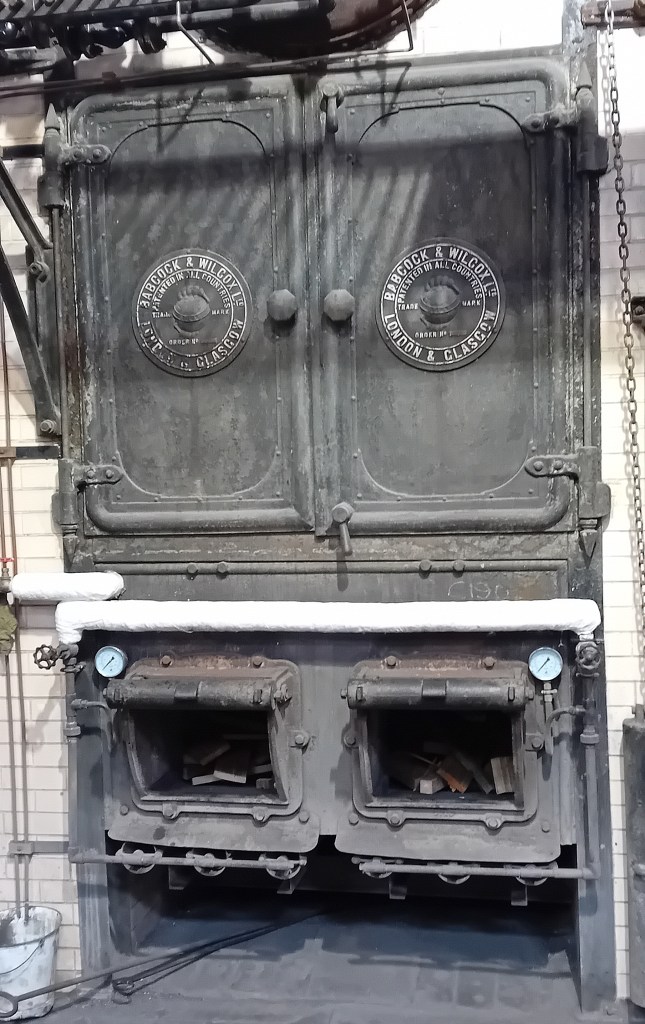
One of the 3 Badcock and Wilcox boilers for the steam engines.

Later 1930s Diesel pumping engine. (One of 3).

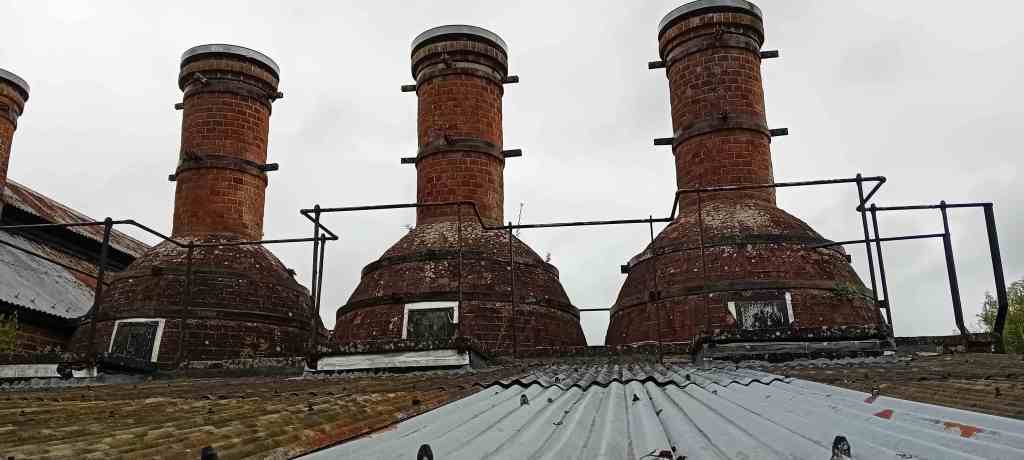
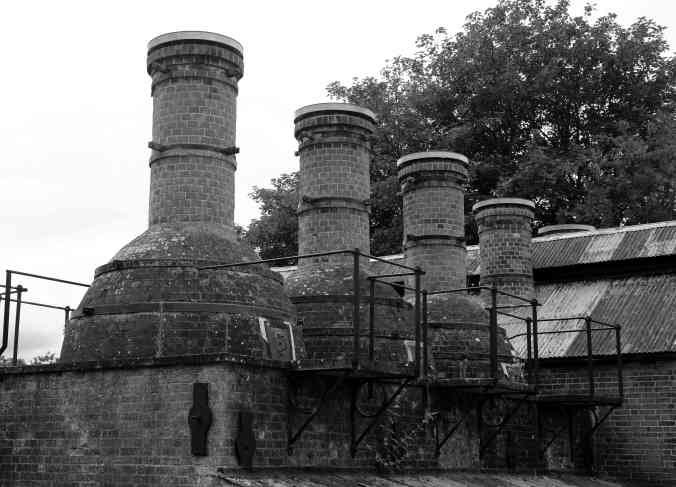
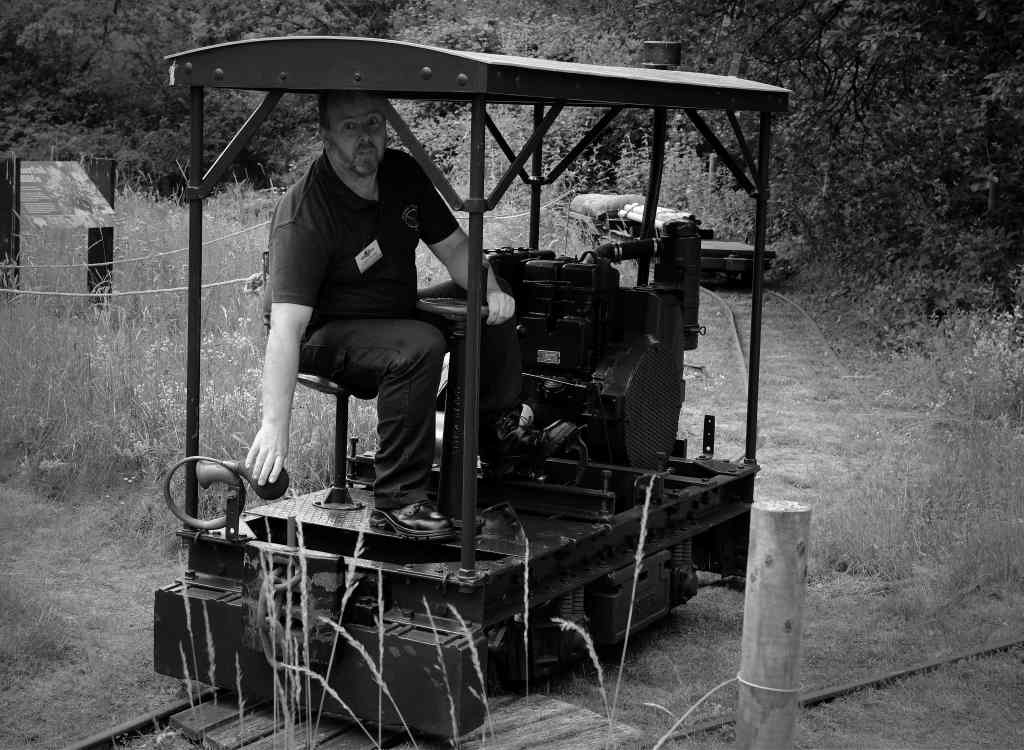
As part of the process, the water was softened, and the site had its own lime kilns. Three extra kilns were added in the 1930s to the original two. Chalk was moved to them from a quarry on a small railway.

The Kilns are known as “flare ” kilns.

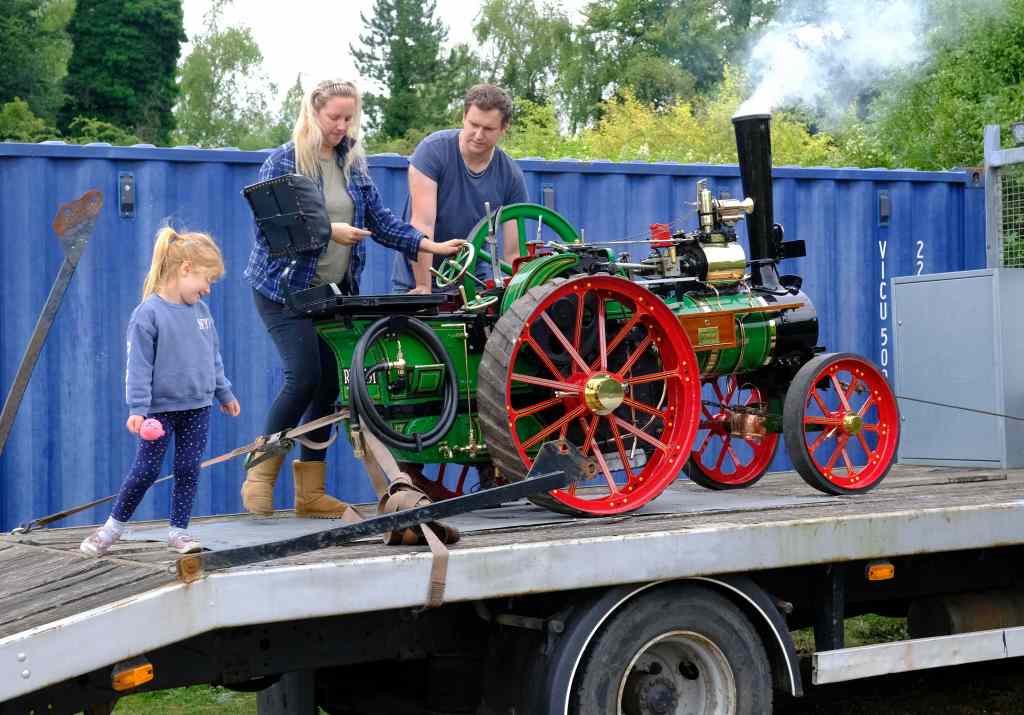
Lister locomotive railway engine

Alone.

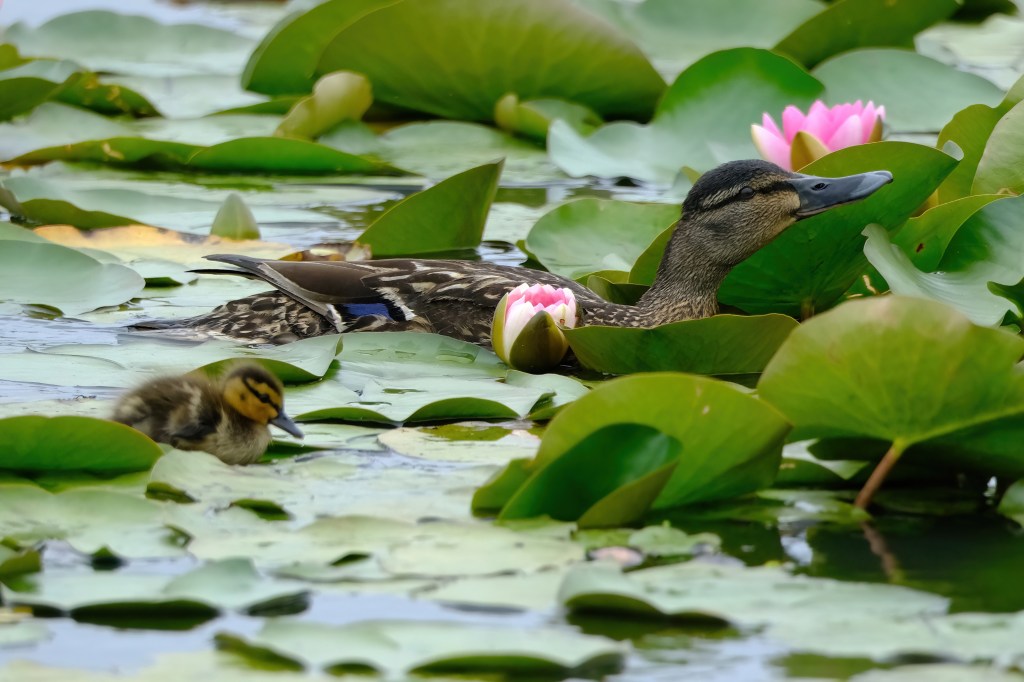
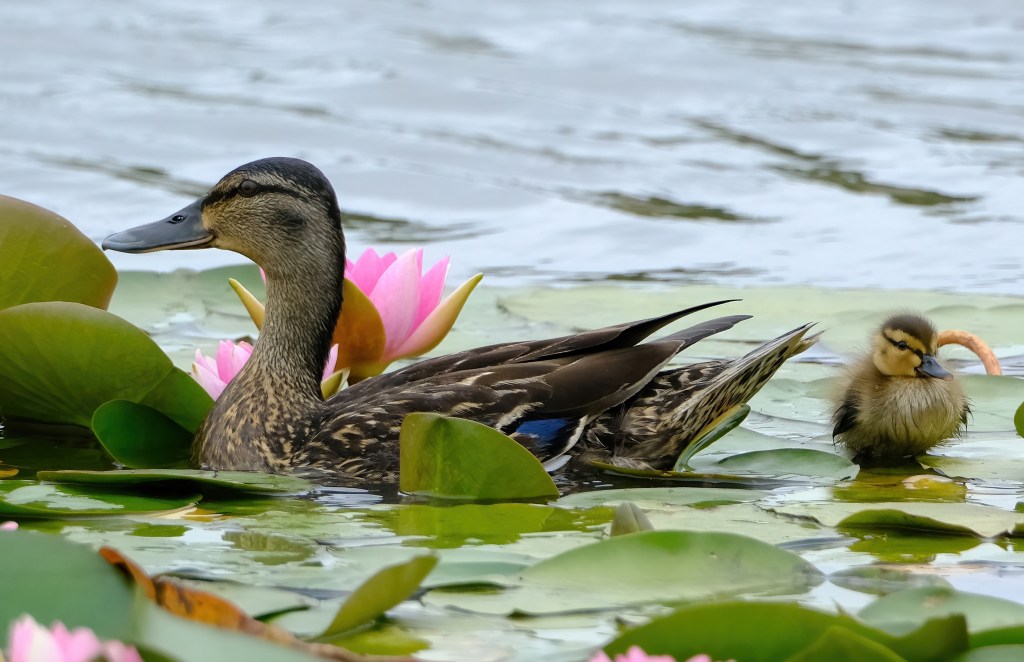
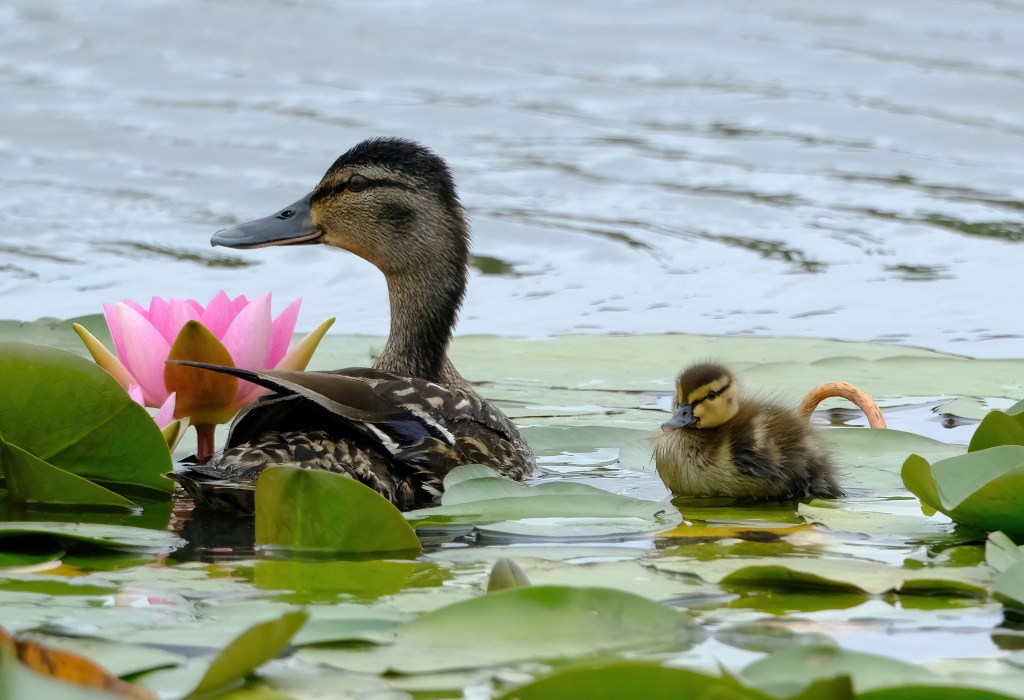
I watched a commotion: a mother duck flying at a Herring Gull. It was sad to see her give up, and the gull fly off with a duckling in its mouth. Walking the other side of the pond, I found her again with only one lone duckling trying to keep it in the water lilies for safety.

New Forest ponies taking a drink.

Magpie

Ruff.

I got to see several male Ruff at Slimbridge Wetland Centre yesterday. There is a small breeding population of ruff in the UK. The Ruff is a large Sandpiper; they get their name from the large ruff of feathers around the males’ neck when in breeding plumage. The colour of the ruff can be white, black or buff. I have seen a few of these birds in non-breeding plumage at the marshes locally to me in Lymington. These birds were fairly plain-looking waders – pale fawn-brown all over, with a paler belly.

Chough.

I visited an area in Pembrokeshire, Wales, on our camping trip where, several years before, I had seen Choughs. On a few miles of rugged coastline, I was lucky to see about 15 birds. This included two family groups – both had two parent birds and at least 3 juvenile birds in their group. One set of chicks had been ringed.

Unfortunately, the weather was very wet with high winds, so getting photographs was challenging.

The Chough—pronounced ‘chuff’— is a member of the crow family, but unlike any crow, it has an orange bill and legs. It is found only on the west of the British Isles. It’s a master aerobatics with dramatic aerial displays of diving and swooping. These birds are rare, with only 500 breeding pairs in the UK and the Isle of Man. They are Schedule 1 species.

They feed on short grassland and coastal heathland, where they probe the ground with their long bill for insects, such as leatherjackets and beetle larvae. Nests are in crevices and fissures, on rock ledges and cliff faces.. The female lays three to five eggs, and both parents help to raise the chicks.

Later in the morning the weather improved so did the light so my pictures improved.

Below is a juvenile bird (ringed), note the paler bill.

Frogs.

In the UK, the most well-known amphibian is the common frog. It is a regular visitor to garden ponds across the country, and it hibernates in pond mud or under log piles.

The marsh frog, a non-native species, was introduced to the UK in the 1930s, with populations establishing in Kent and spreading to other parts of southern England. While most common in the southeast, isolated populations have been recorded further north. Unlike our native frogs, they never stray too far from water. They either are in it, or sat close to it. They are alert and wary as you approach, they will launch themselves into and plop into the water. Last August, we watched a New Forest population.

Today we returned the the same area and spotted them again.