Since yesterday there was a large fire on heathland in the New Forest where we walked last week. Major Roads closed through the forest.100 hectares burning.

Since yesterday there was a large fire on heathland in the New Forest where we walked last week. Major Roads closed through the forest.100 hectares burning.
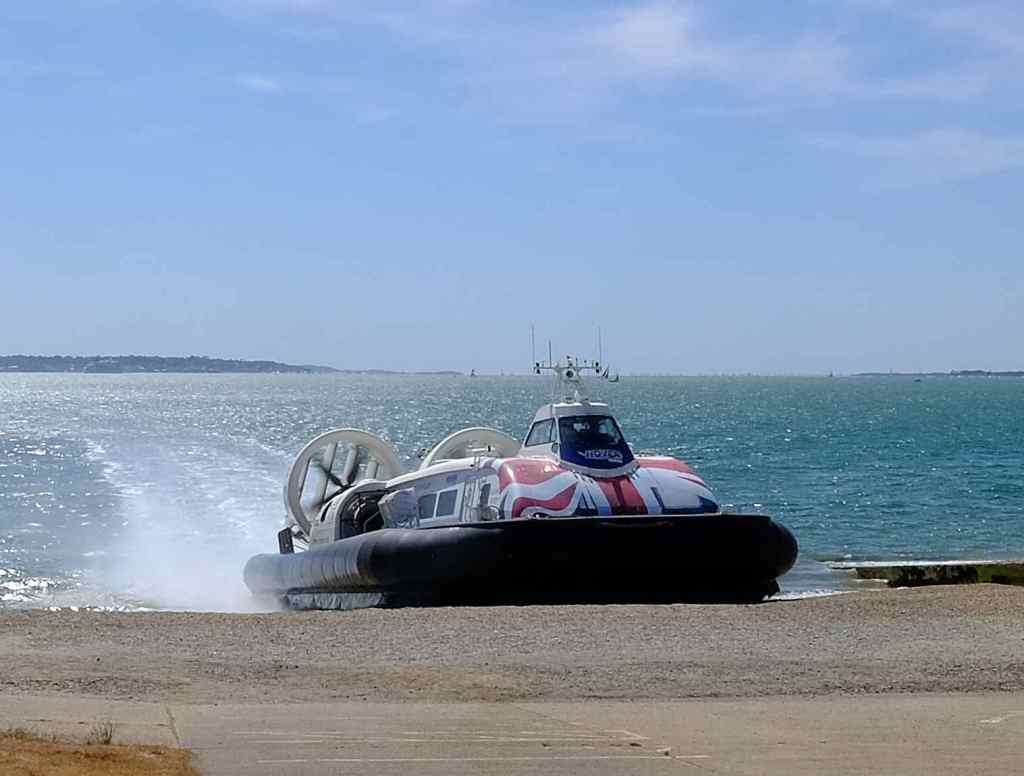
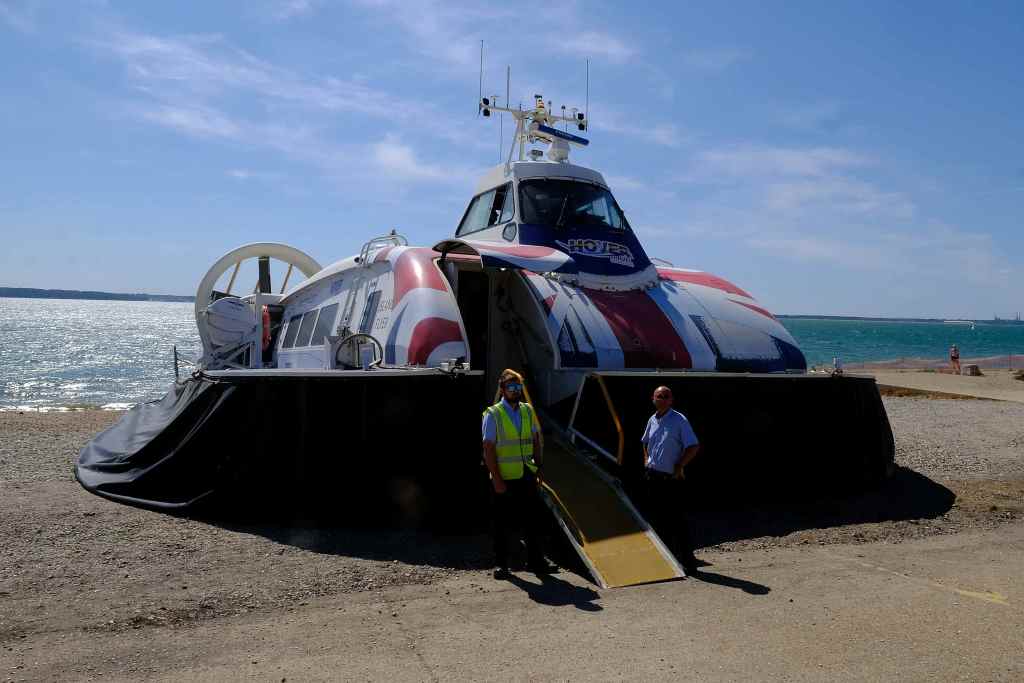
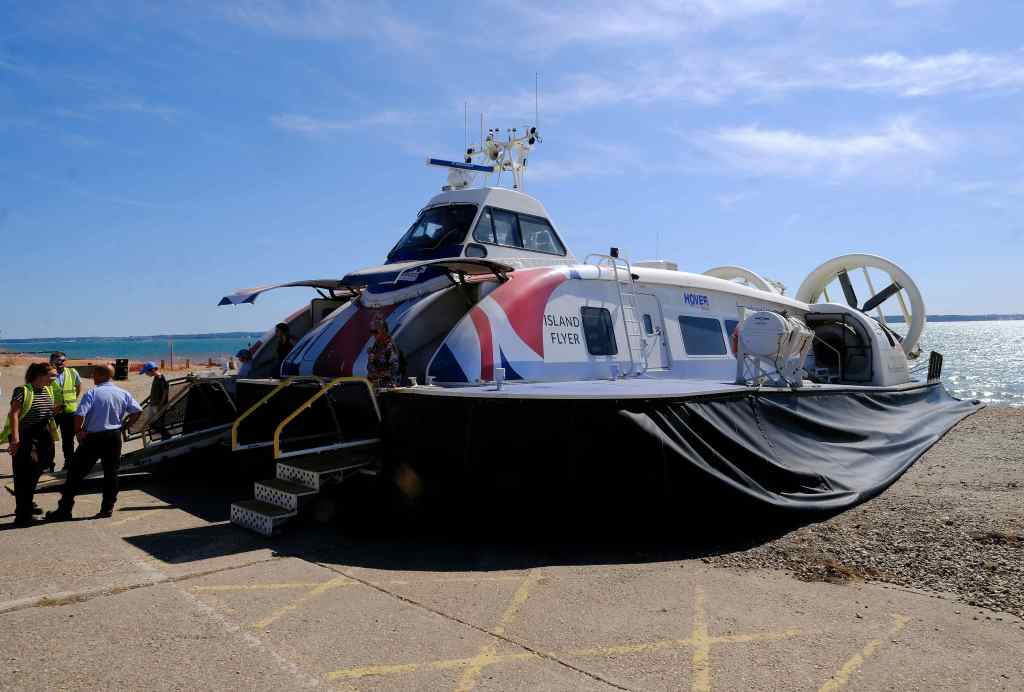
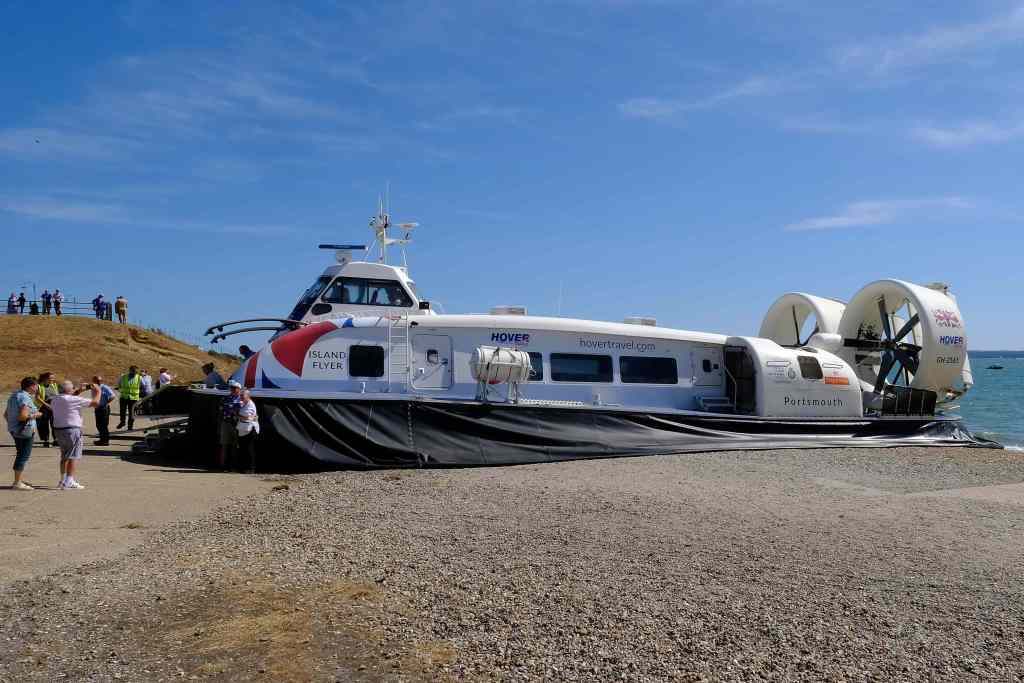
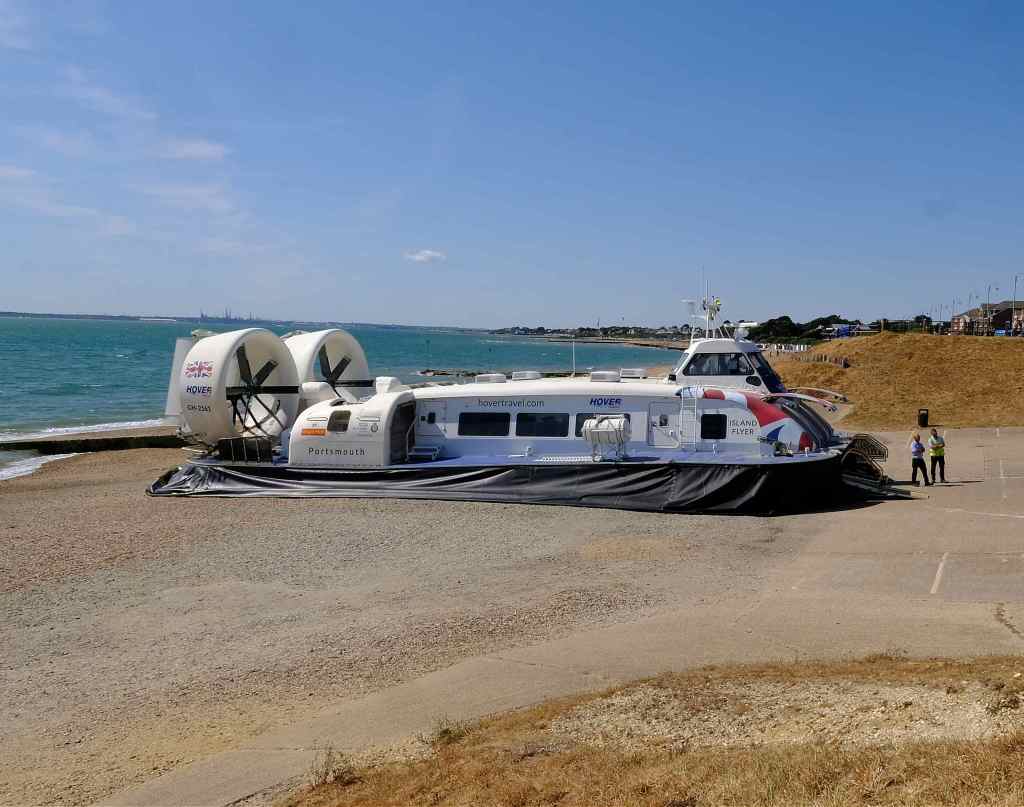
Hovertravel is the world’s longest-running commercial hovercraft service and is the only scheduled passenger hovercraft service in Europe. The service runs across the Solent between Southsea, Portsmouth and Ryde, on the Isle of Wight.
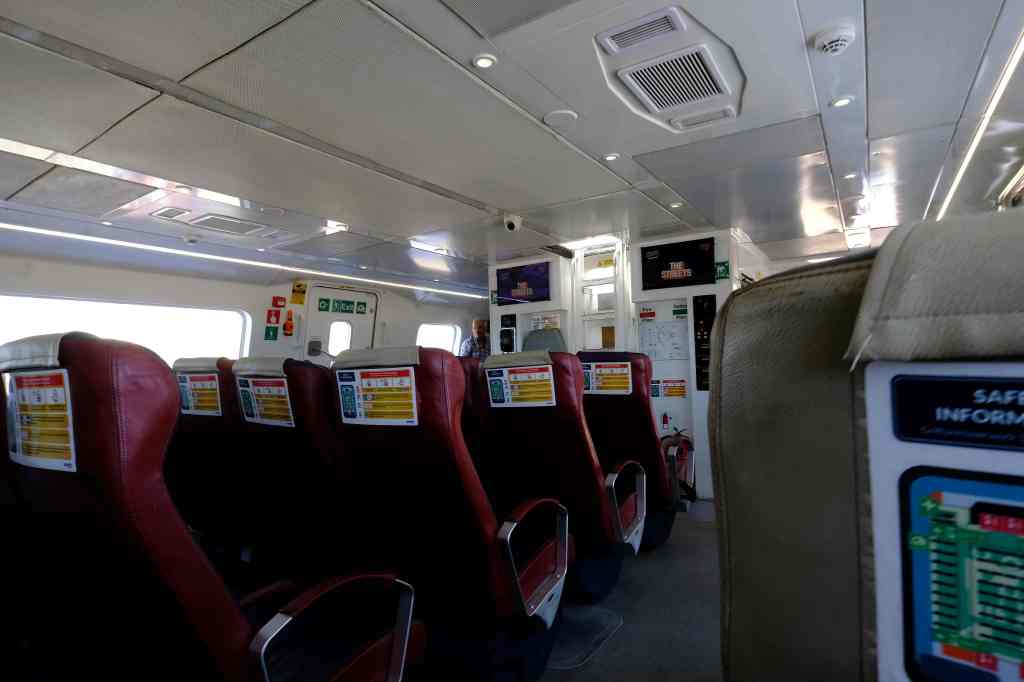
I have never traveled on a Hovercraft until today. Hovertravel has been running a few trips from Lee on the Solent, so I booked a 10-minute trip across the Solent.
Current craft operated are Griffon Hoverwork 12000TD
The Hovercraft began its life in 1955 when inventor Sir Christopher Cockerell tested out his idea for a floating/flying craft by putting a cat food tin inside a coffee tin. To test his ‘hover’ theory, the inventor then blew a jet of air through the gap between the two tins to create a cushion of air, and the Hovercraft was born.
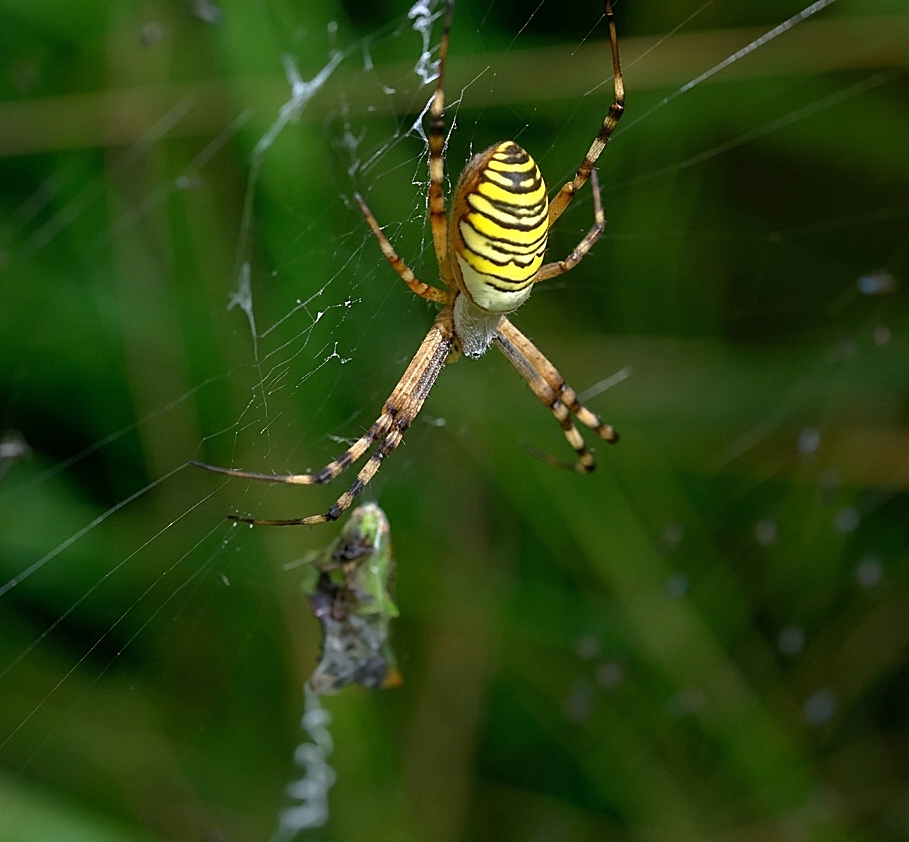
My first Wasp Spiders I have seen for a while.
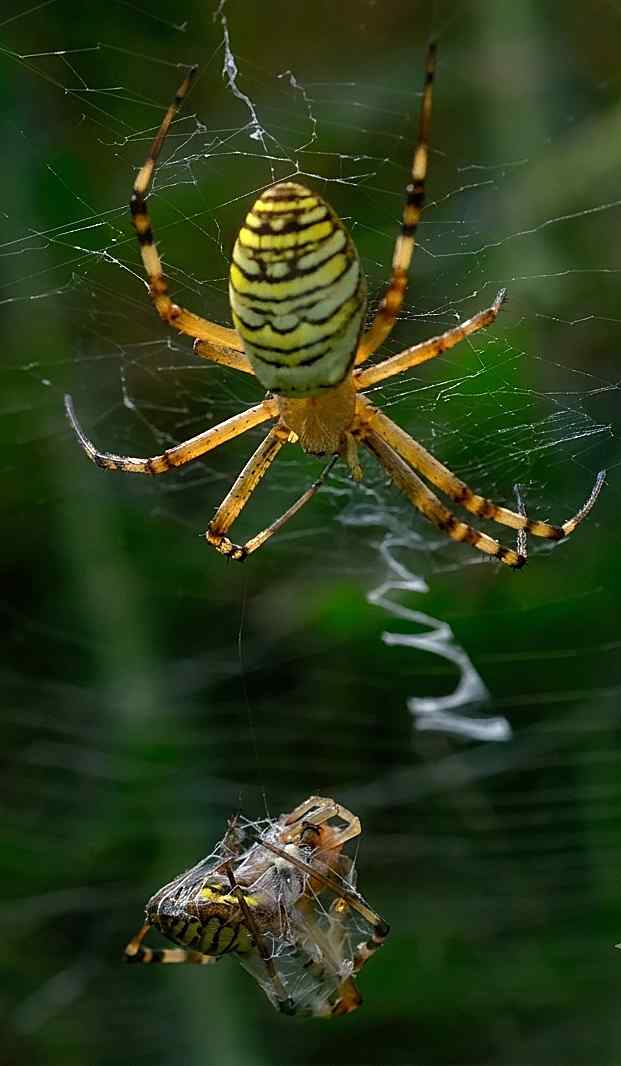
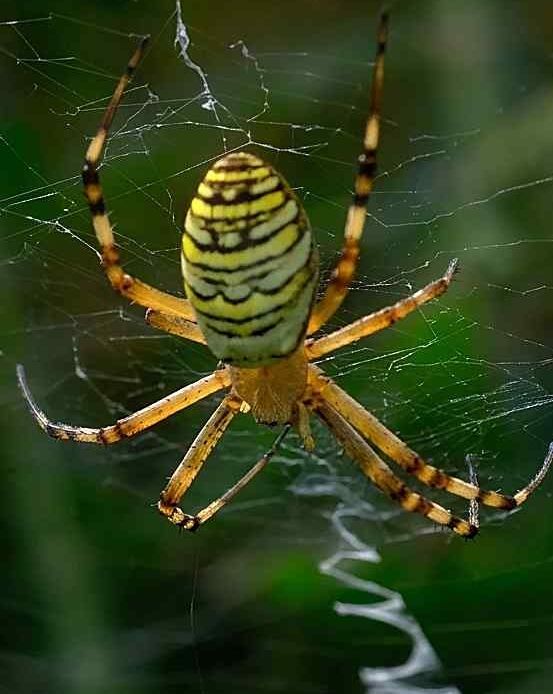
Today made up for it, and I saw a good number. The female wasp spider has yellow, black and white stripes, just like a common wasp. Its legs are also striped. The male is smaller and pale brown.
The 1st picture shows a female spider with a grasshopper wrapped up, ready to be eaten.
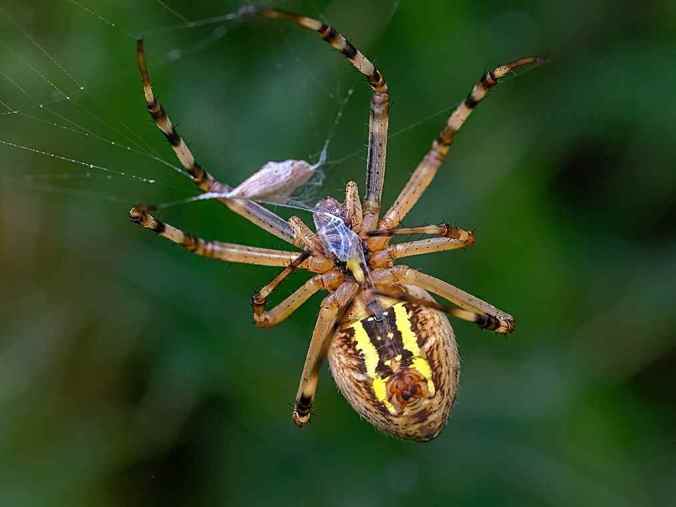
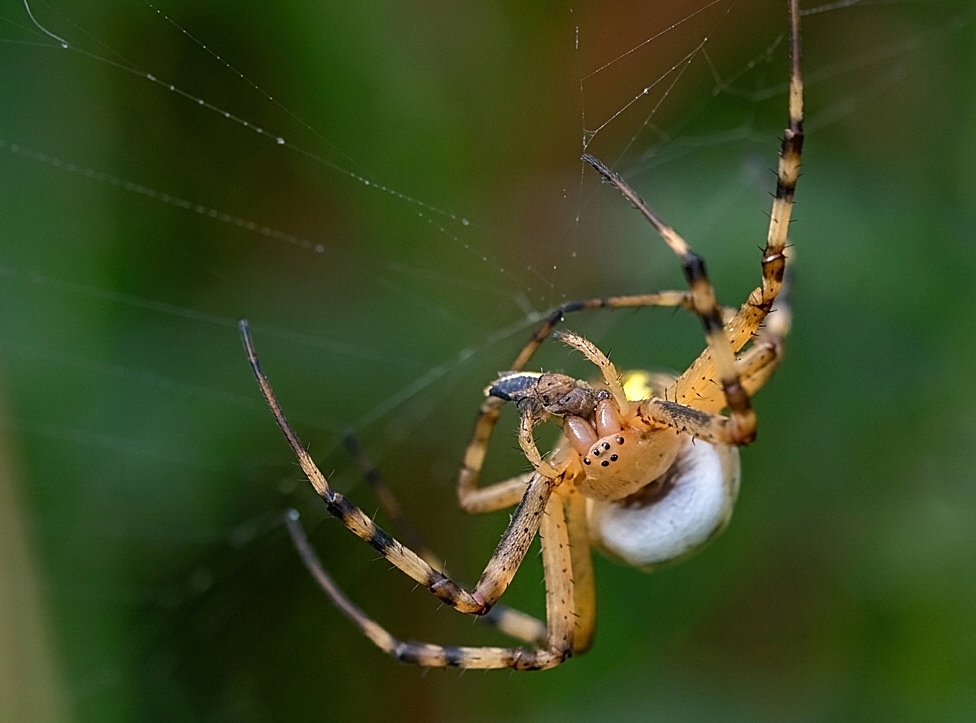
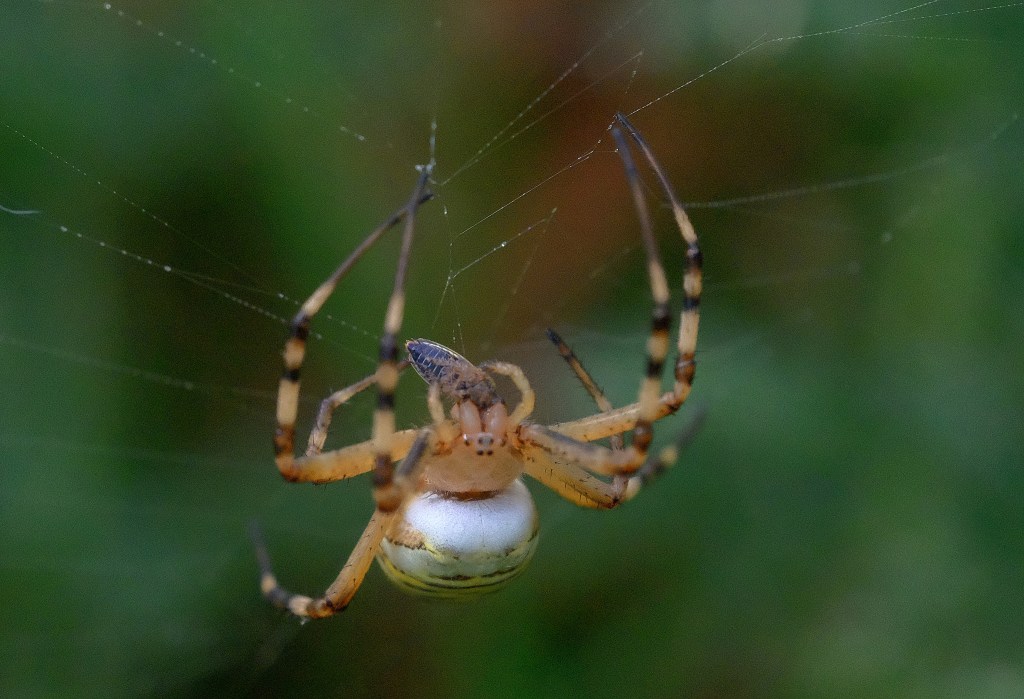
This time, an underside view with prey.
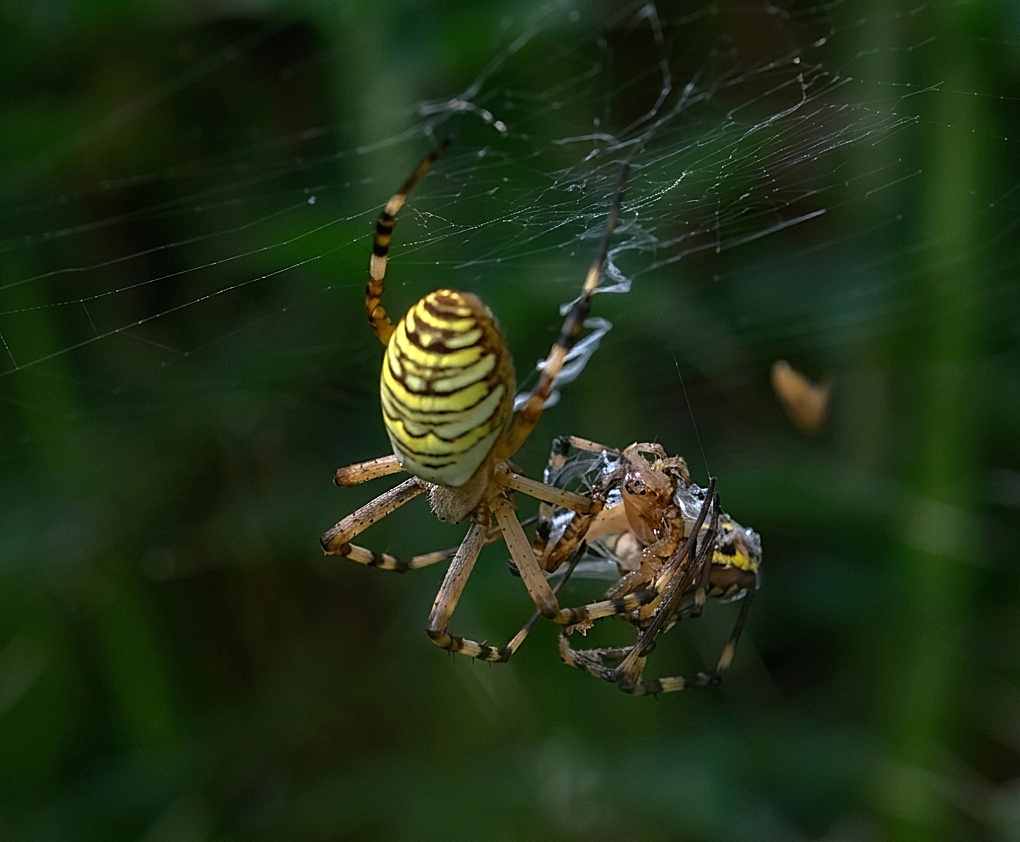
Mating is a dangerous game for males; they wait at the edge of the web until the female has moulted into a mature form, then take advantage of her jaws being soft and nip into mate. However, many males still get eaten during this time. (The male is smaller and pale brown.) The next pictures shows that this female has killed another and will be eating her, something I have not seen before.
Some smaller meals.
Footnote.
Theories About the Zig-Zag Pattern
Warning for large animals: The thick white silk makes the web easy to see so that passing birds, deer, or humans notice it and do not crash into it.(think this is a bit of a non-starter!)
Attracting prey: The silk reflects ultraviolet light in a way that might mimic flowers and lure hungry insects closer.
Camouflage: The design may break up the spider’s outline or hide its body from sharp-eyed predators.
A long-held misconception: People once thought the pattern added physical strength to hold up the web, but researchers found that the silk is too loosely attached to provide stability.

Victoria Pier, later known as The Royal Pier or just Southampton Pier. The 900-foot (270 m) pier was opened on 8 July 1833 by the then Princess Victoria. The pier was built to provide steamer services somewhere to dock. Before the construction of the pier, steamer passengers had to either transit the muddy foreshore or make use of Town Quay. Prior attempts to fund a pier at Southampton failed. In November 1829, the harbour board agreed to construct one. The Southampton Pier Act of 1831 authorised the pier, and the construction was funded through a mortgage. The pier was designed by Edward L. Stephens, a Royal Navy officer. In 1847, a horse-drawn tramway was constructed to link the pier to Southampton Terminus railway station and by 1871, the tramway had been extended to the end of the pier, 5 years later, the trams were replaced by light steam locomotives.
As a child, I remember visiting Mayflower Park with my father when my mum would be shopping in the city centre, and we would often walk to the end of the pier. Dad would show me the Supermarine S.6A seaplane on display partway down the pier, a veteran of the 1929 Schneider Trophy. He was interested in flying boats, as he had worked for one of the operators in the 1950s, which had a Terminal near the pier.

Over the years, the pier fell into disrepair and closed at the end of 1979. The 1930s “wedding cake” style gatehouse replaced the Victoria gatehouse, which was reopened as a restaurant in 1986.
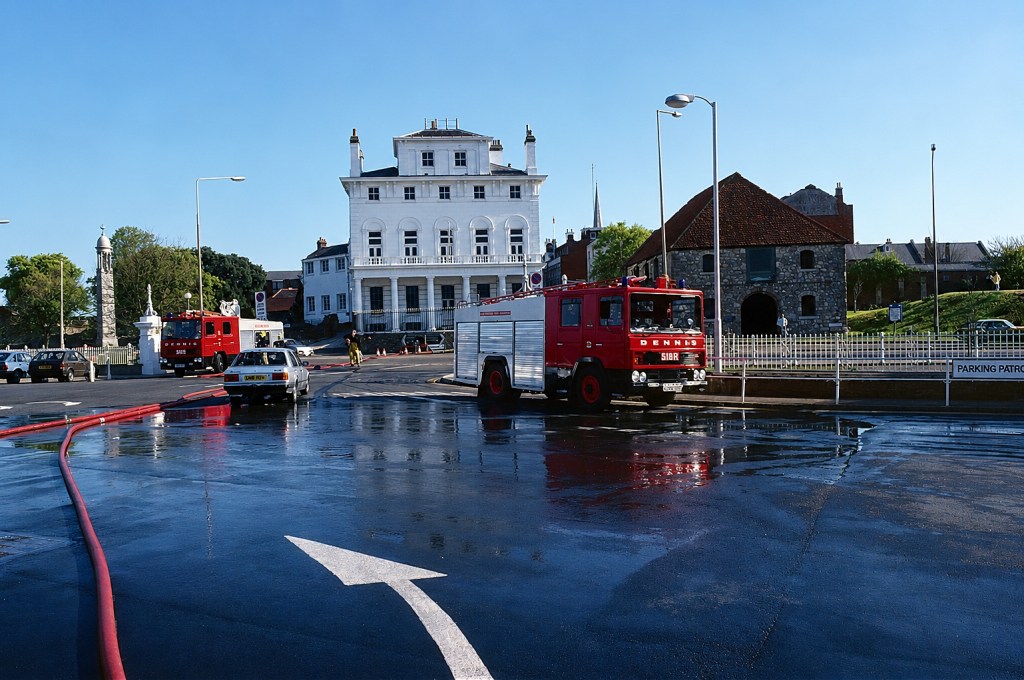
Sorting through some of my old photographs on 35mm slides, I came across some pictures of the fire that destroyed Southampton pier. On the morning of 4 May 1987, fire destroyed many of the structures at the end of the pier. I was living in our 1st house in Sholing when I learnt from Radio Solent local news that the pier was on fire. I took my camera and went across the Itchen Bridge to Mayflower Park. From there, I took a series of photographs documenting the death of our pier. I have posted the one picture of the fire on the odd Facebook feed in the past and seen it reposted without any credit for it!
My brother copied my original pictures from 35mm slides to digital files. I then cleaned the images with software, as nearly 40 years of storage had added dust and marks to the pictures. I was pleased with the results.





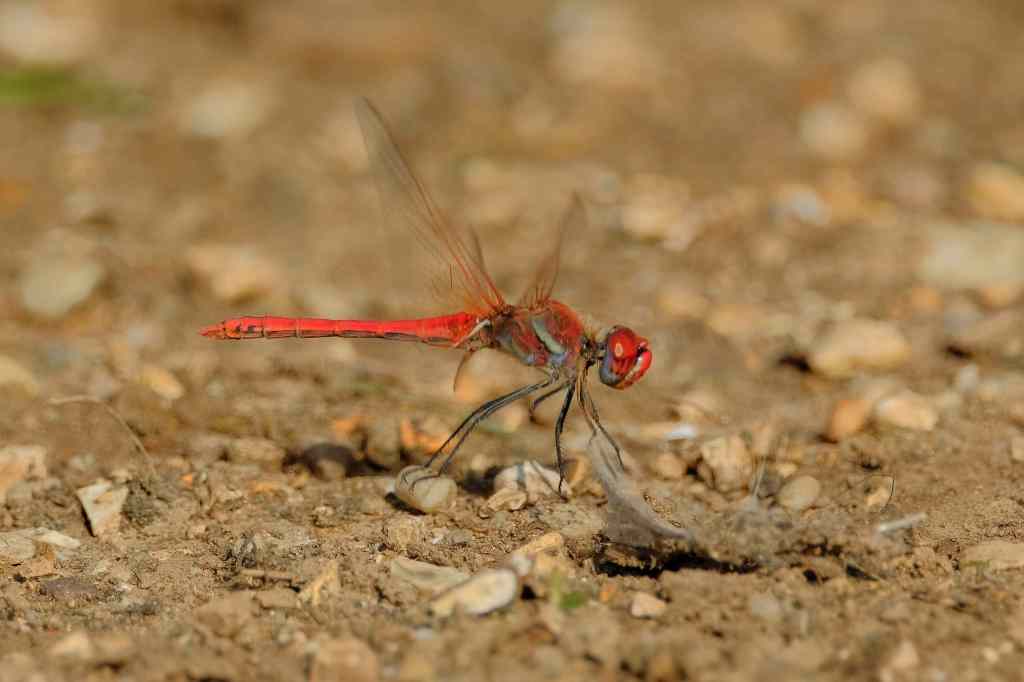
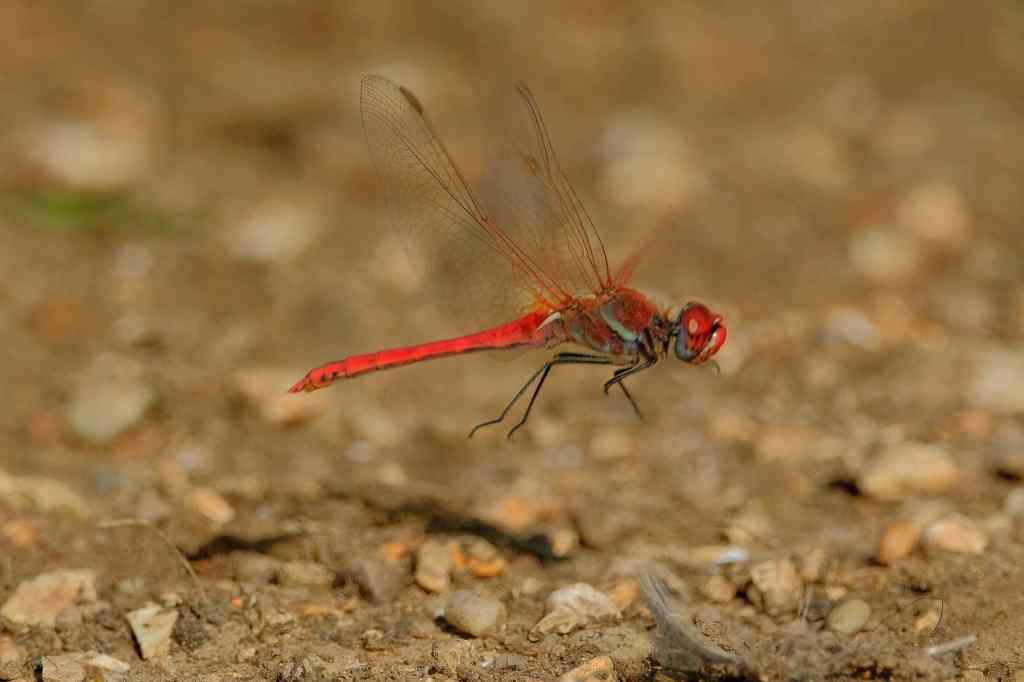
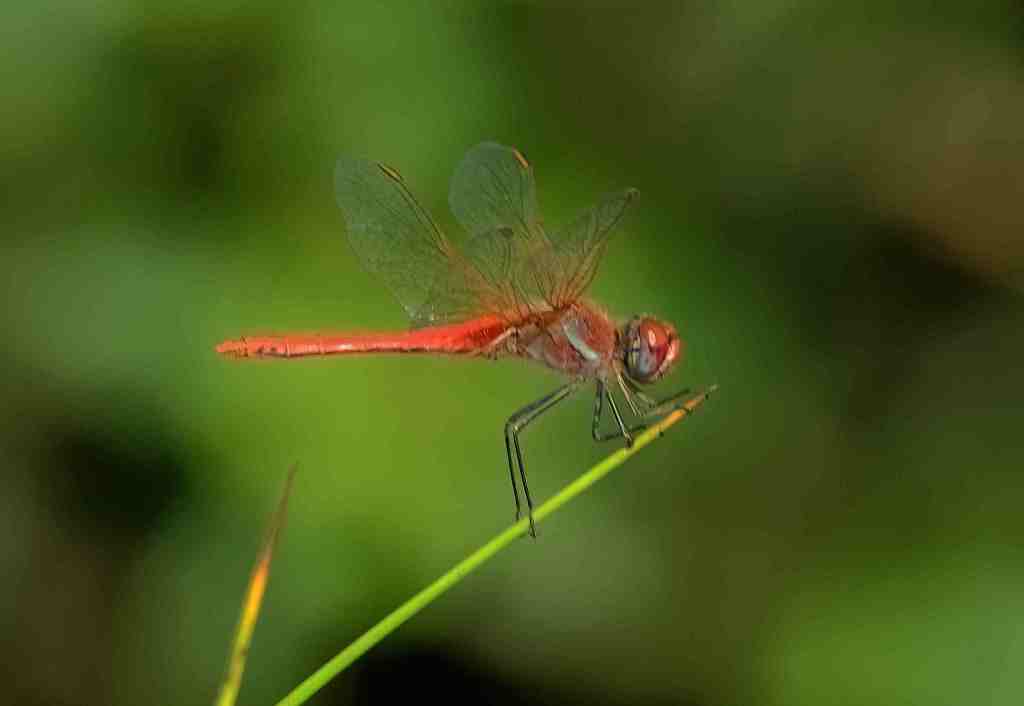
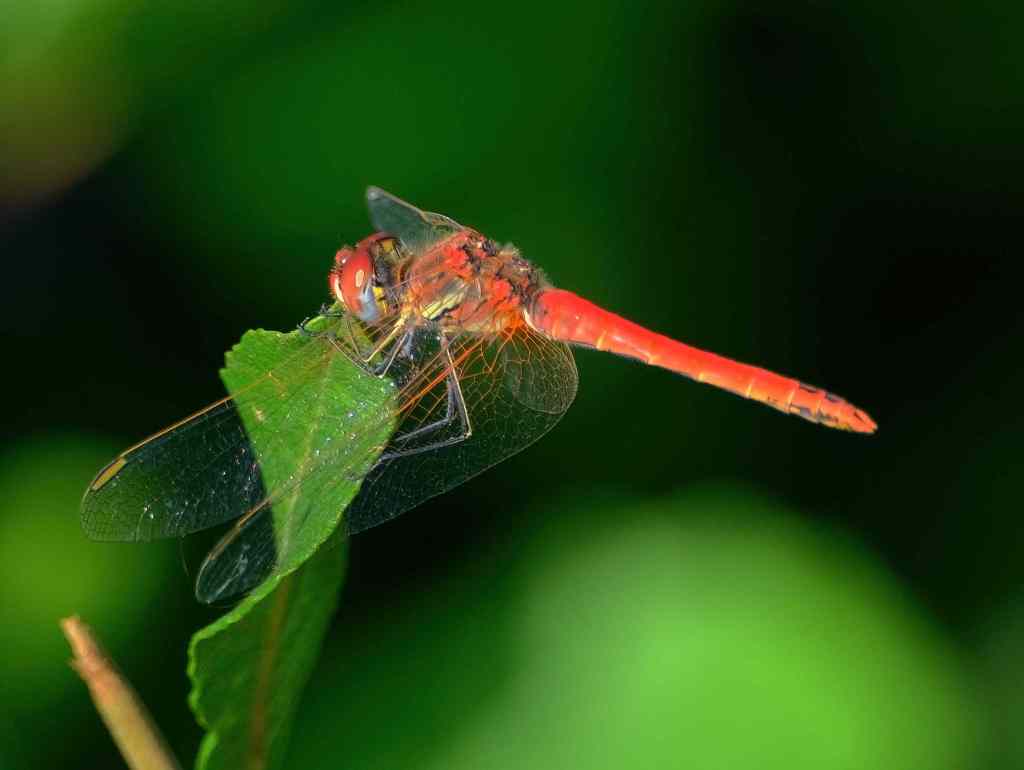
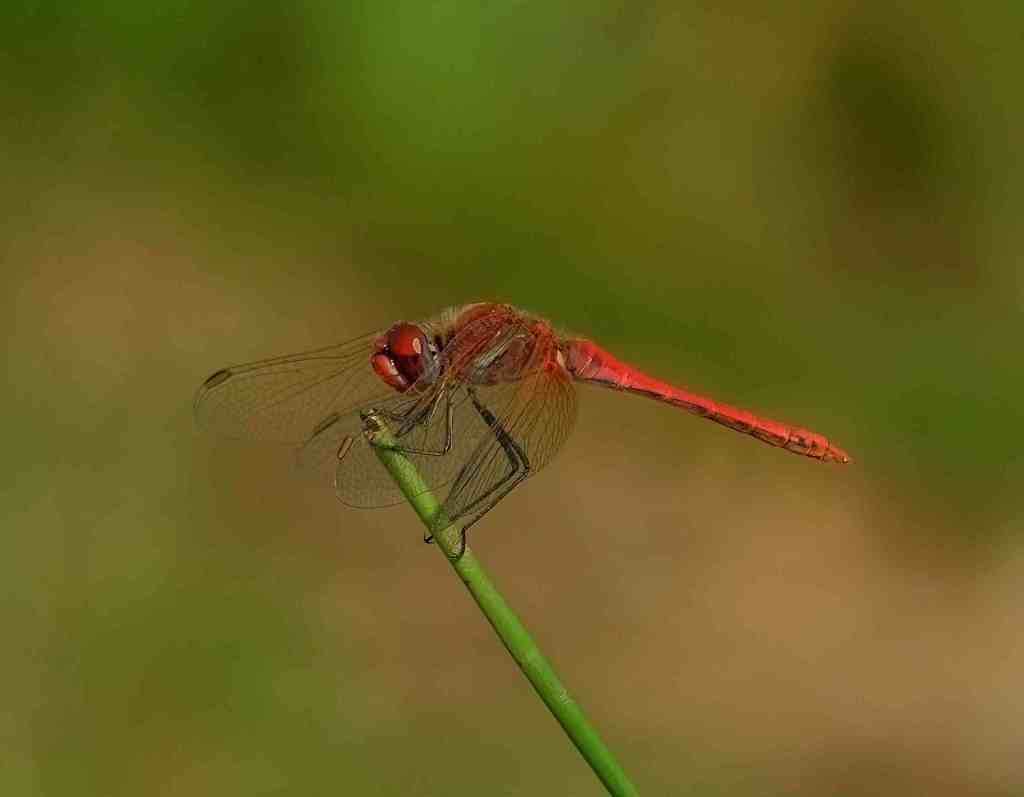
A hot walk in the New Forest during a “heatwave” and spotted a new dragonfly, 1st for me. Red-veined Darter. According to the British Dragonfly Society, this dragonfly is a fairly frequent migrant, principally to southern Britain, with scattered sightings elsewhere. Numbers spotted have been increasing since the 1980s. Breeding has been observed regularly, but the colonies are not yet stable.
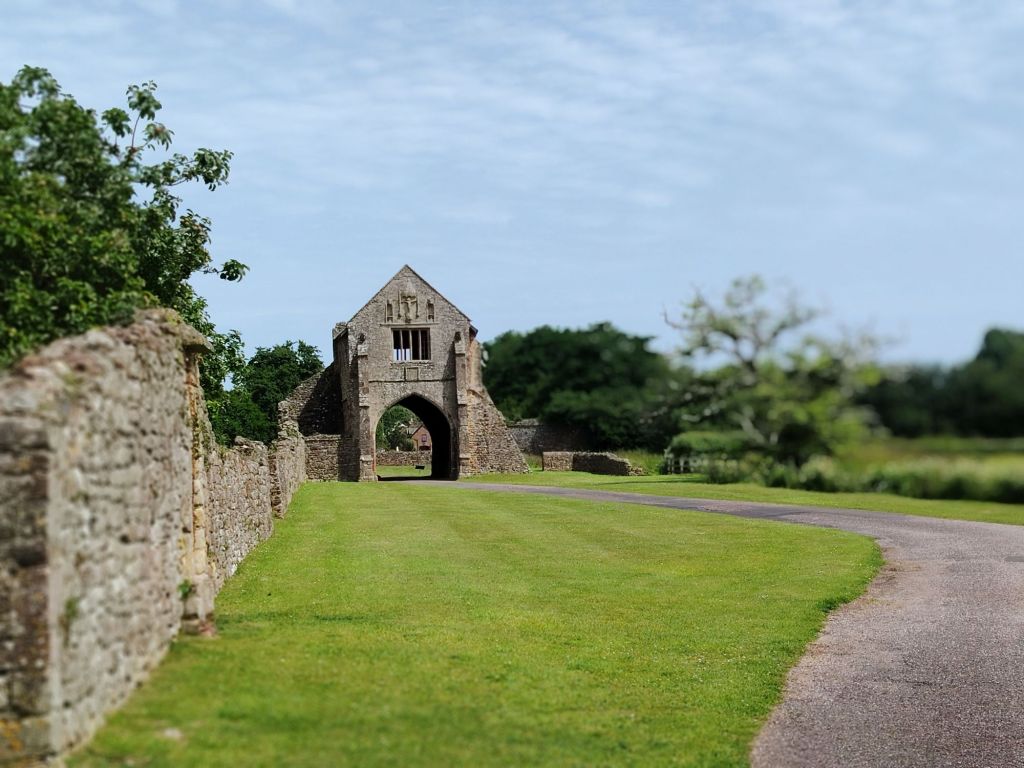
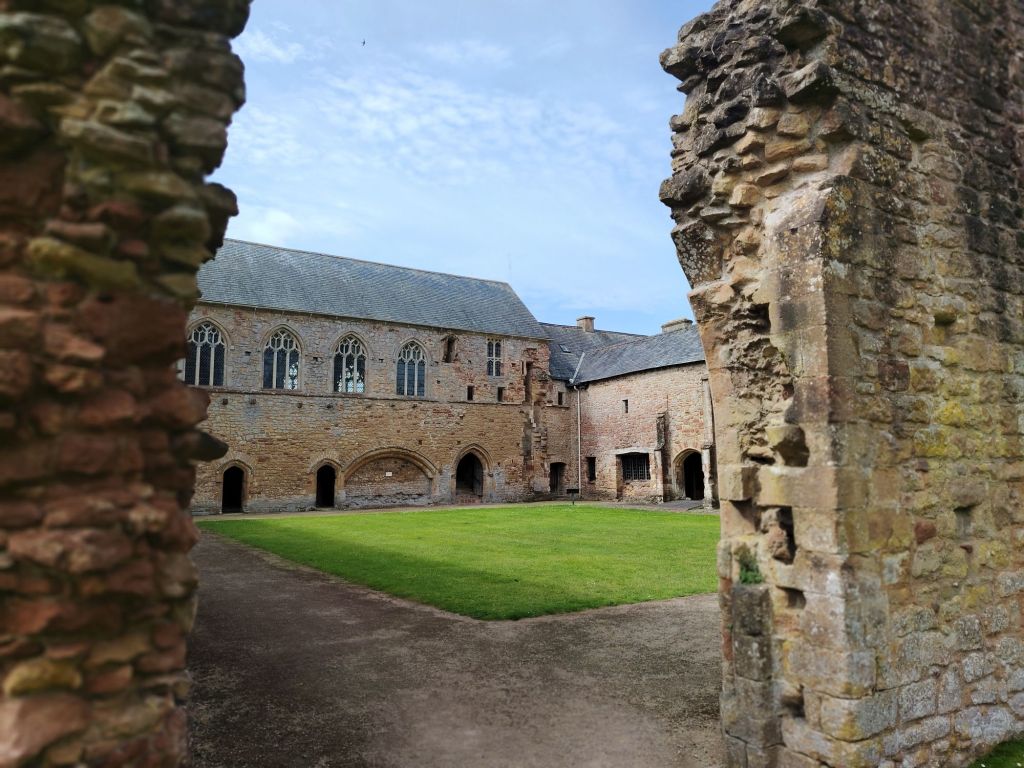
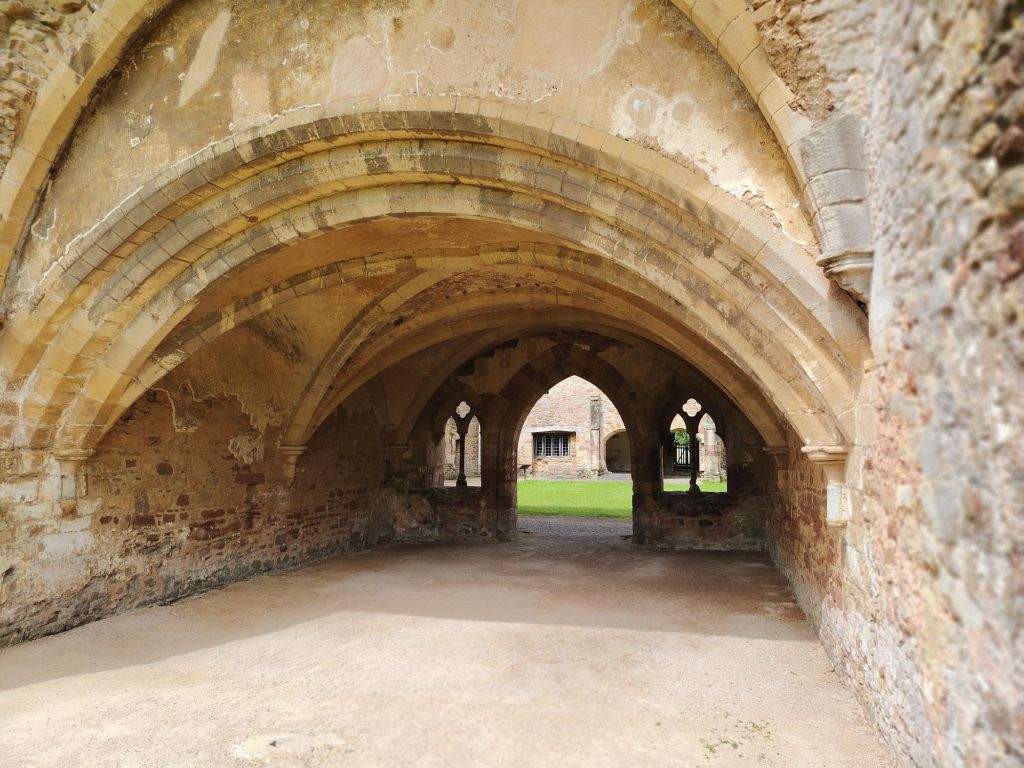
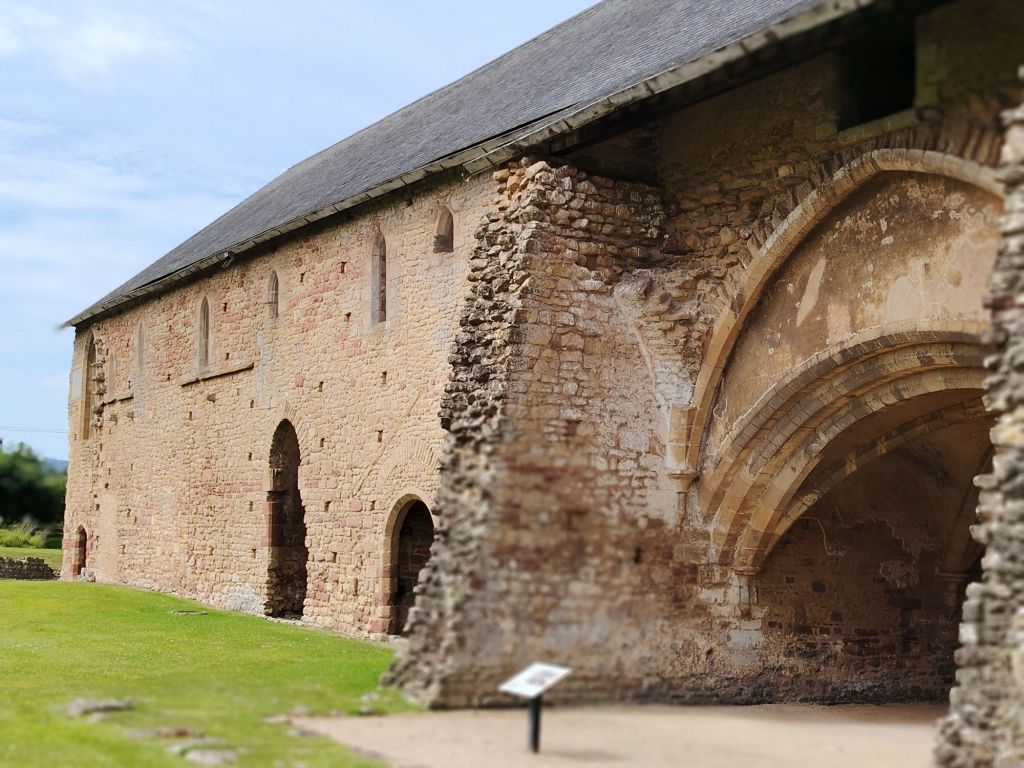
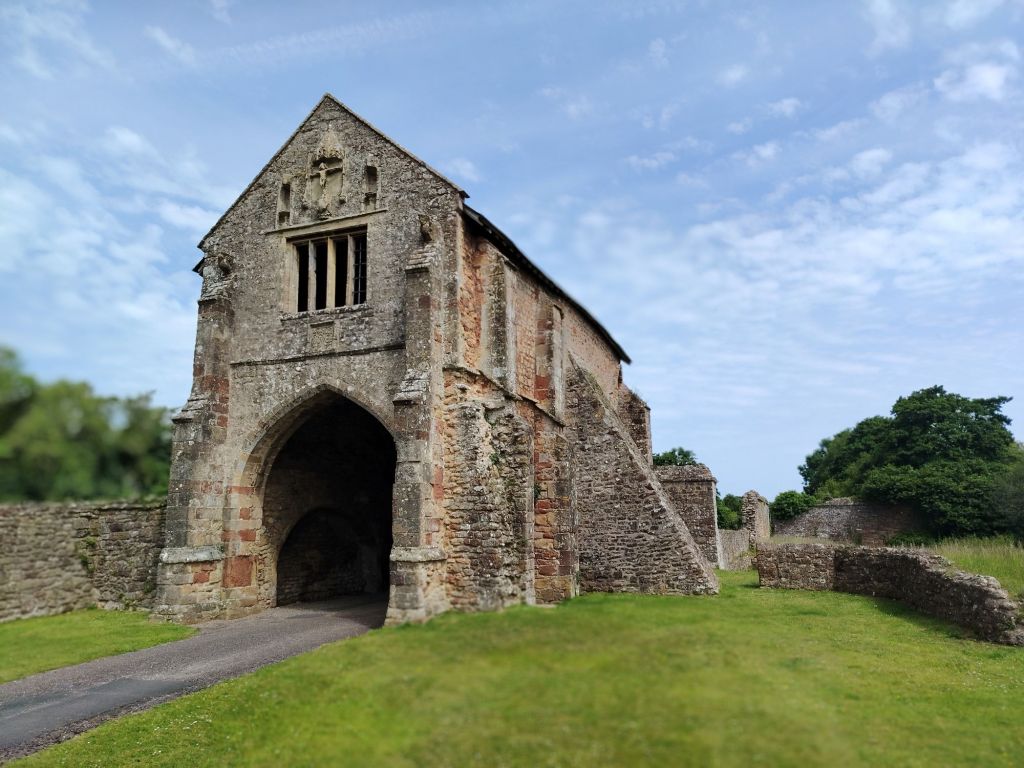
Now managed by English Herritage This 800 year old, abbey in Somerset housed a community of Cistercian monks for almost 350 years. Home to 28 monks. The whole monastery was complete by the late 13th CENTURY, 200 years later the monks lavished funds on renovating the cloister buildings and creating a magnificent new dining hall.
After the abbey’s suppression in 1536 the church was destroyed, but the cloister survived fairy intact today.
A place for quiet and reflection.
After a wet Monday and a Tuesday morning, the rain stopped, and the sun came out, so did the Dragonflies and Damselflies.
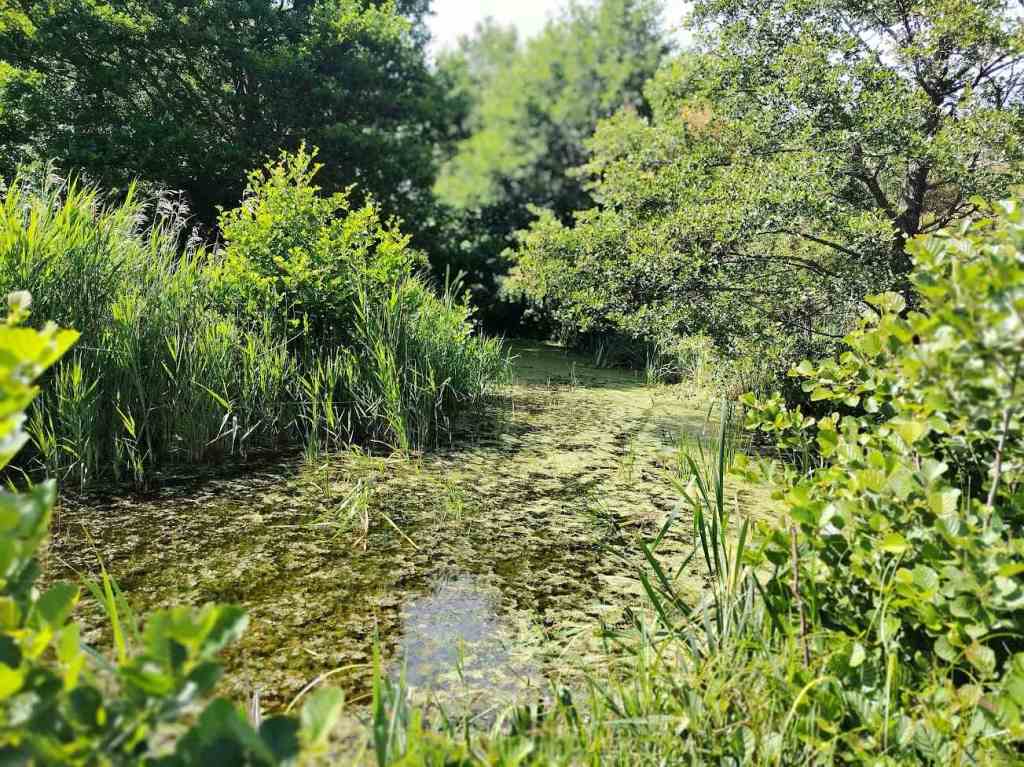
Titchfield Haven Nature Reserve.
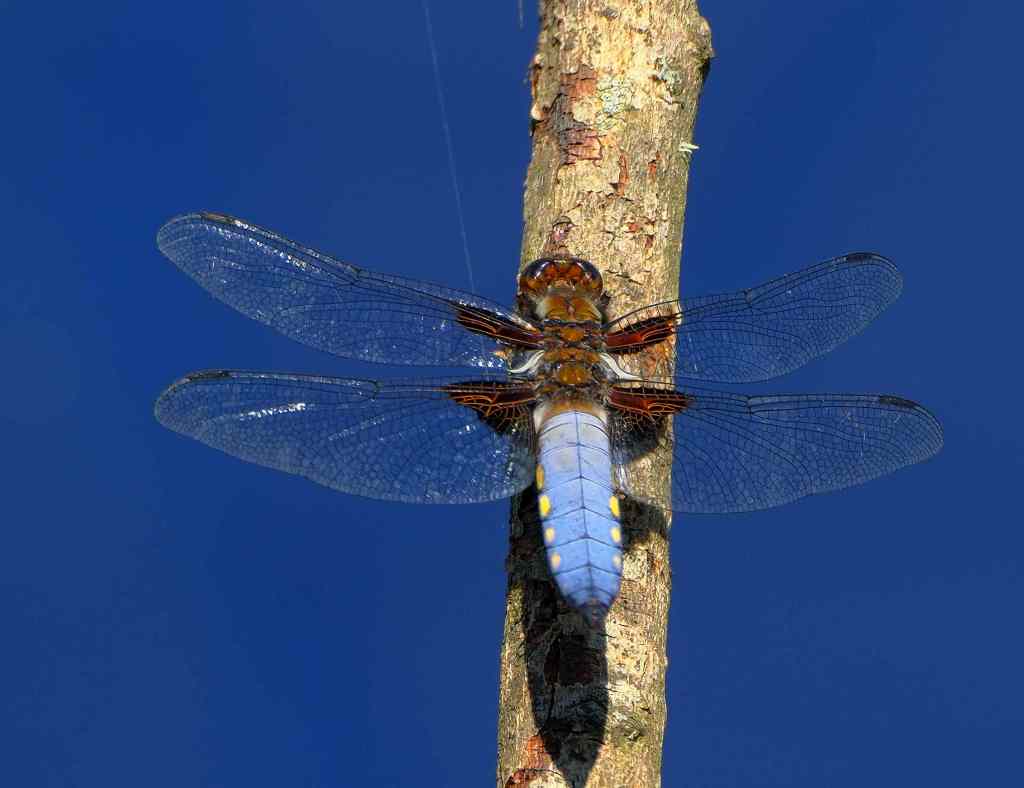
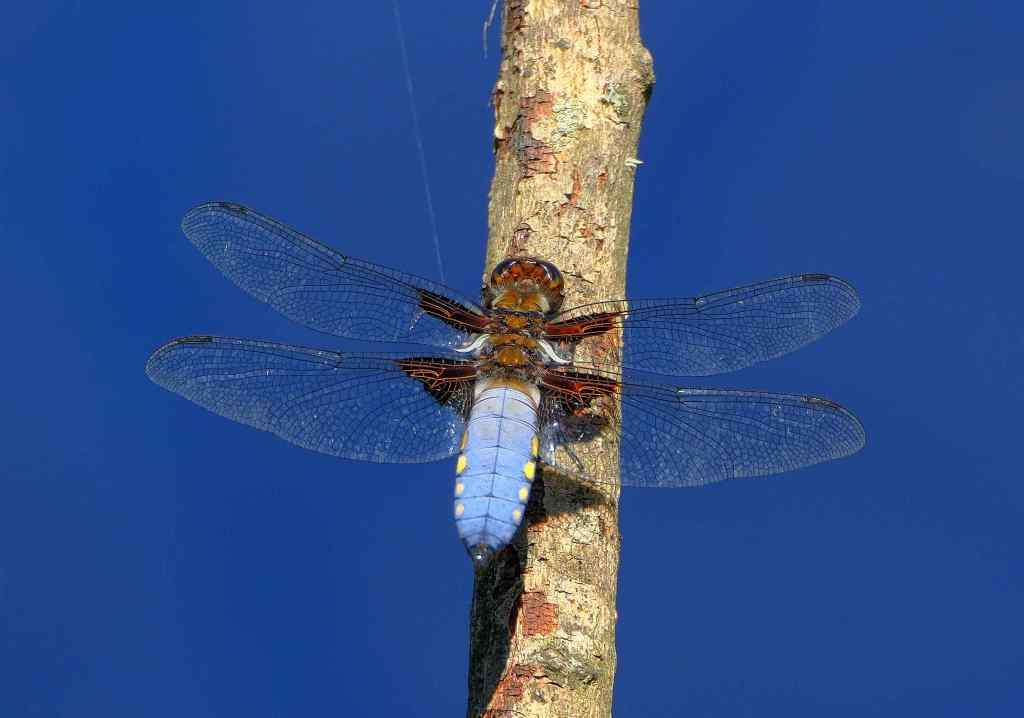
Broad-bodied Chaser (male)
Azure Damselflies.
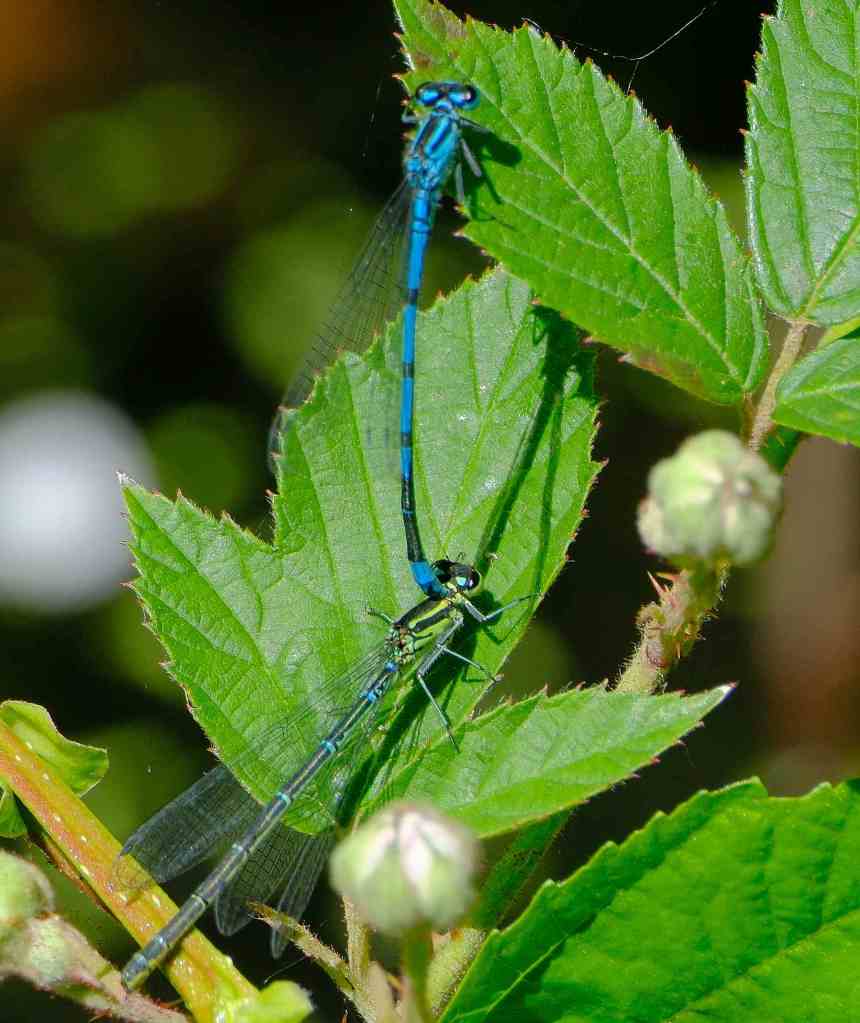
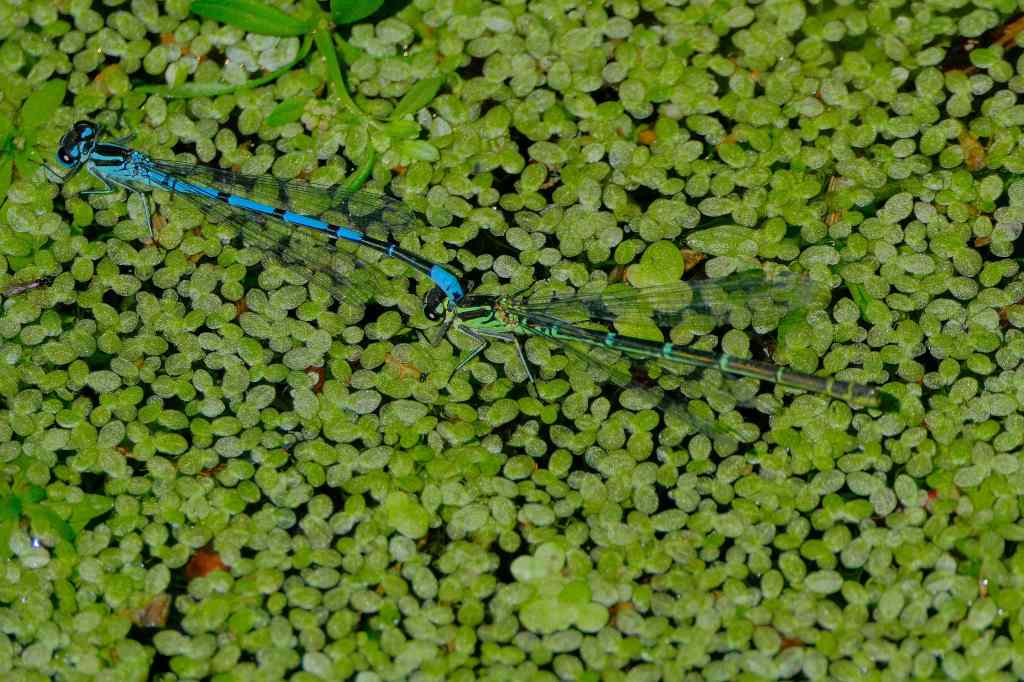
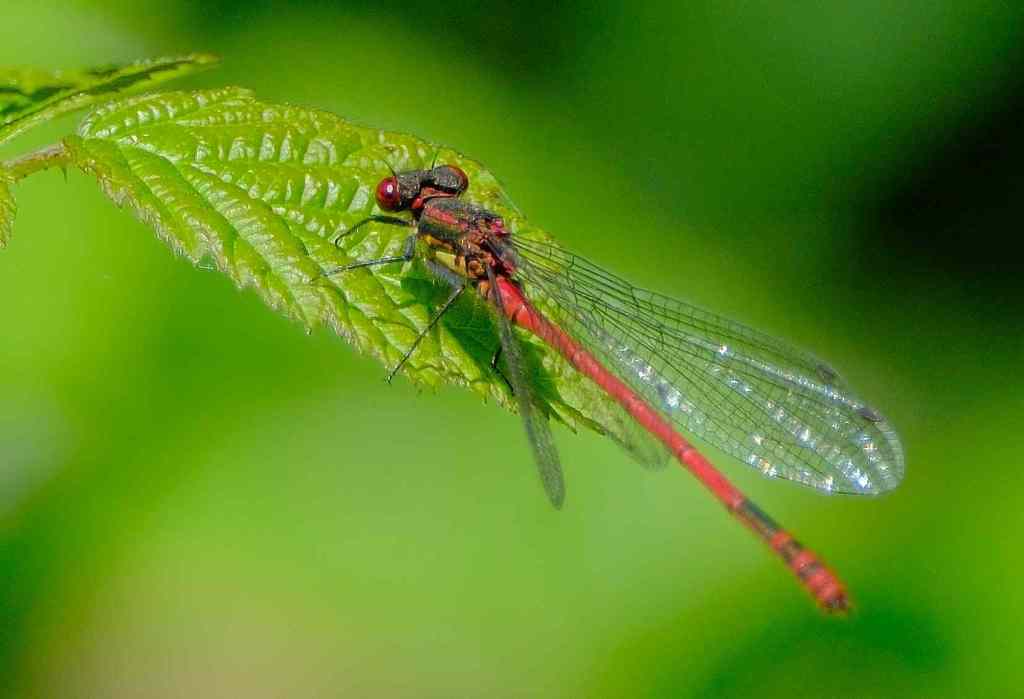
Large Red Damselfly.
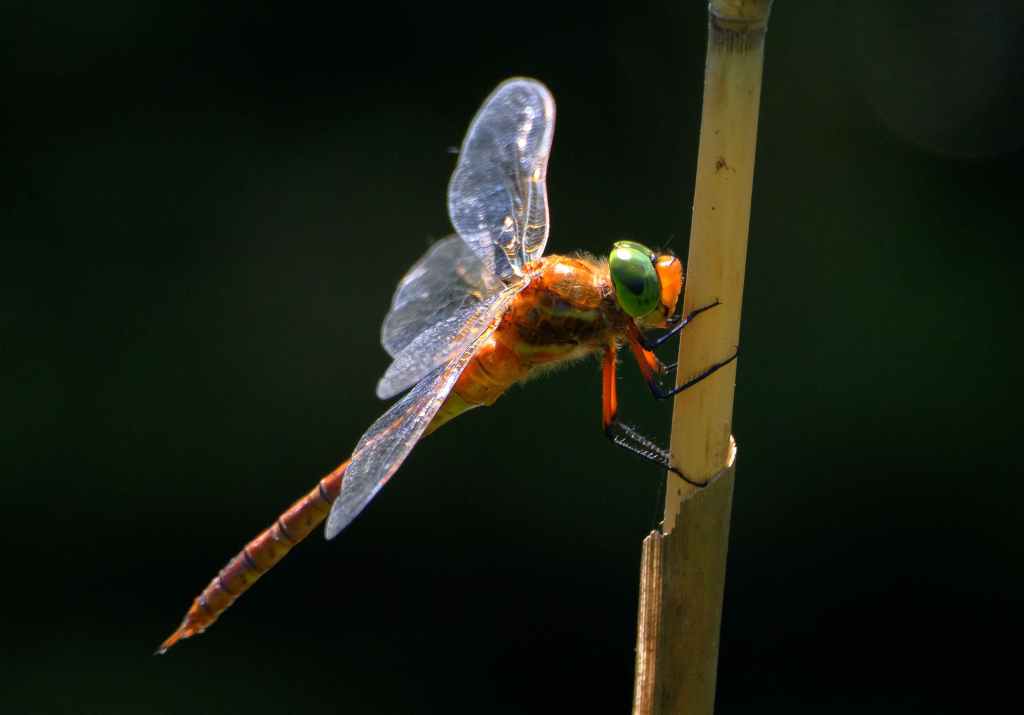
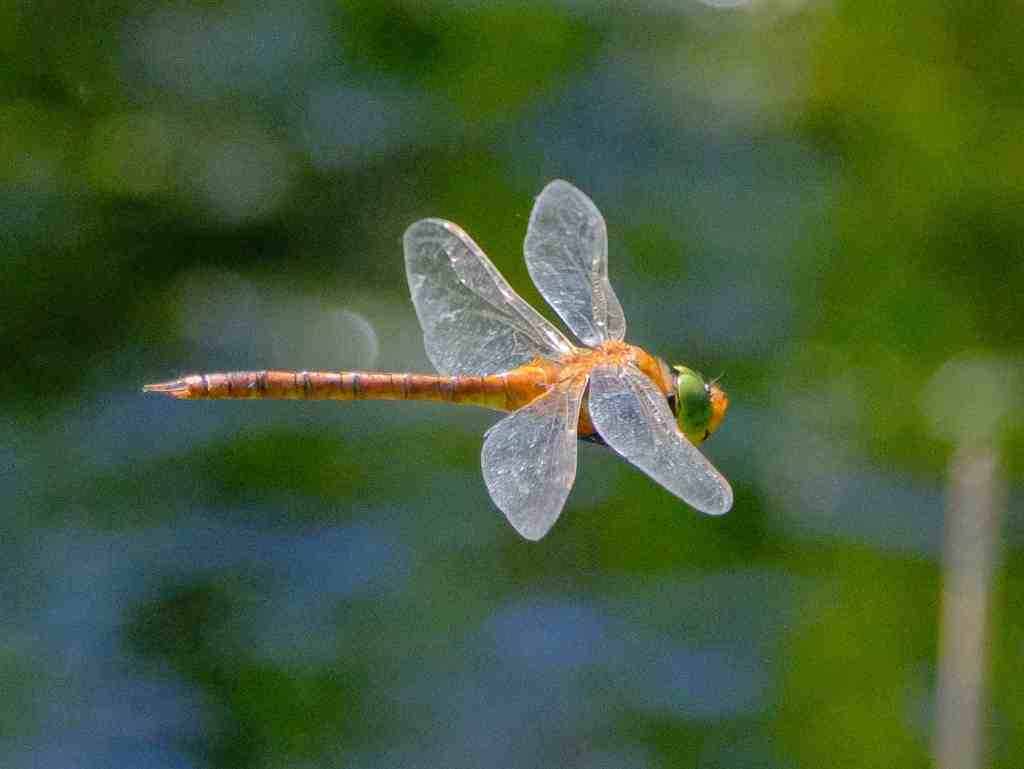
Norfolk Hawker.
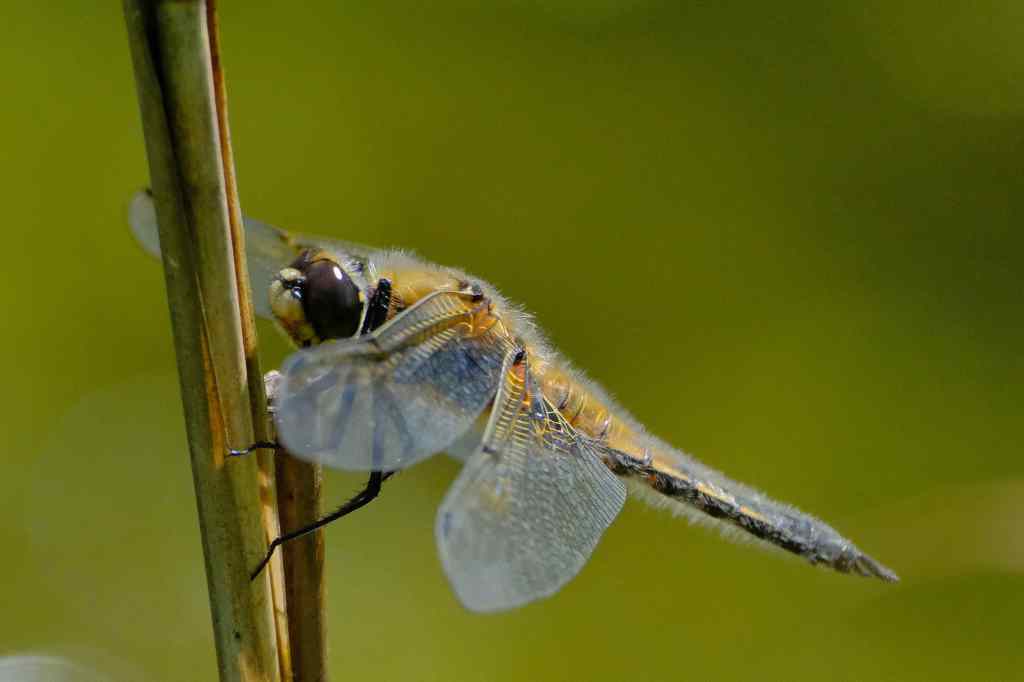
Four-spotted Chaser.
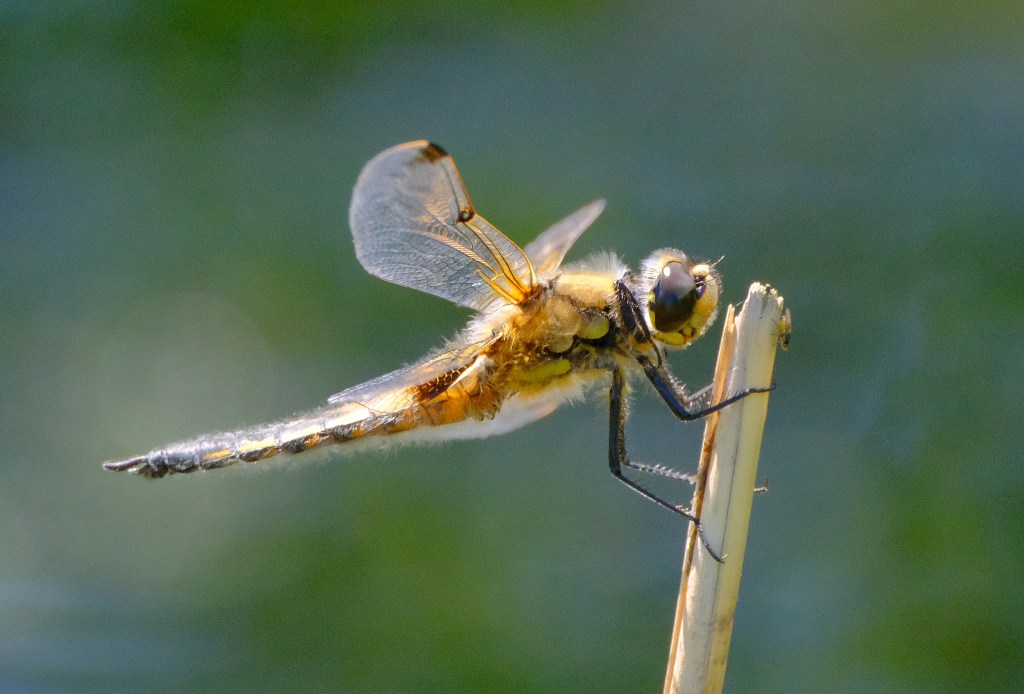
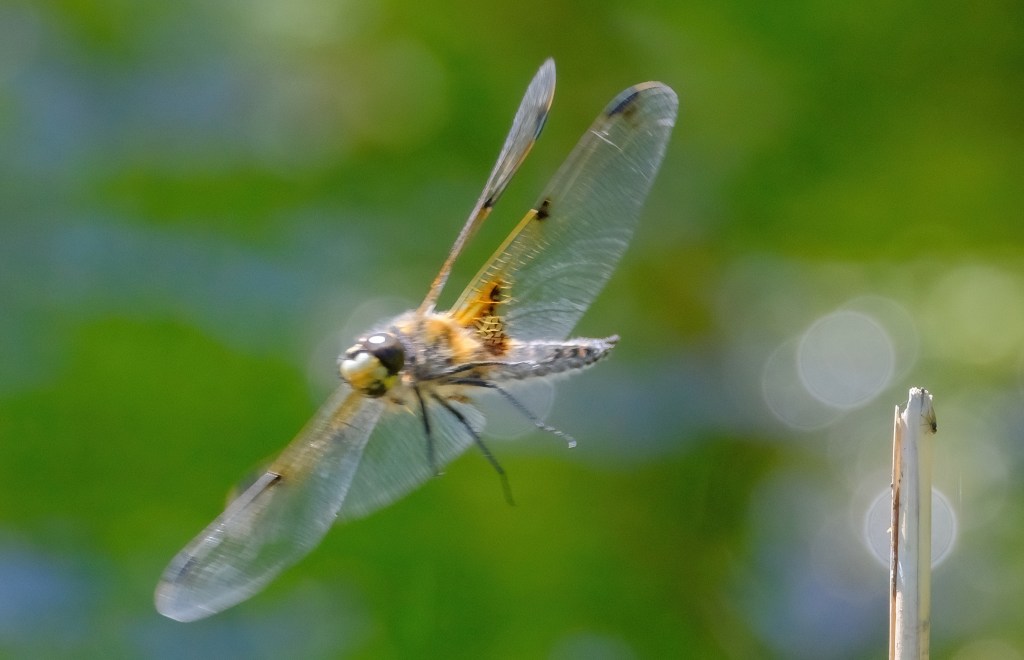
A few hours around Hatchet Pond in the New FOREST
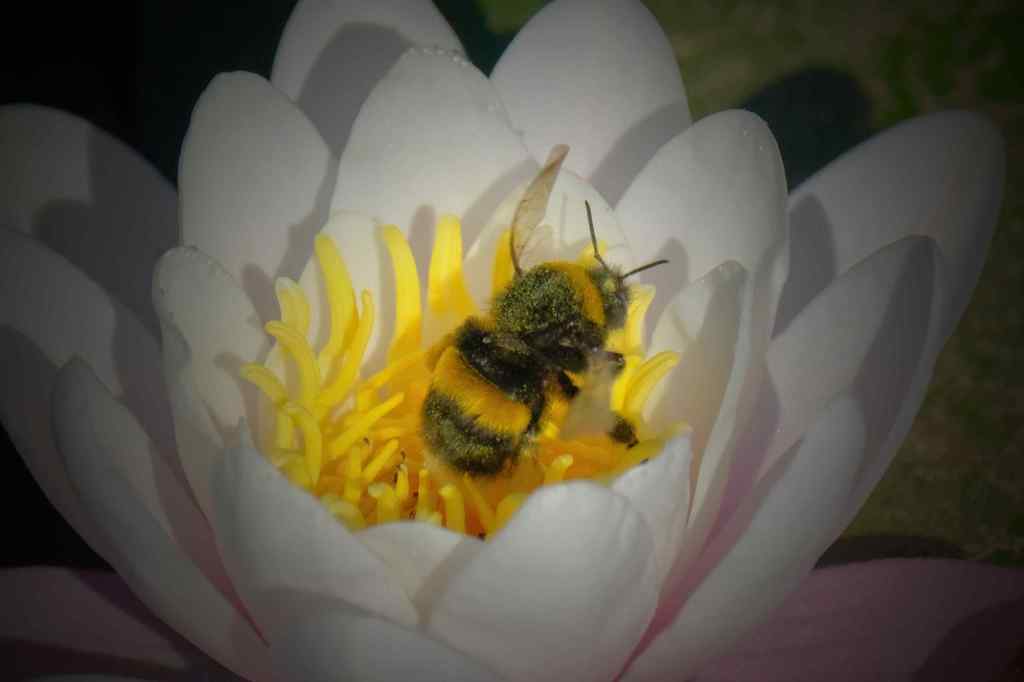
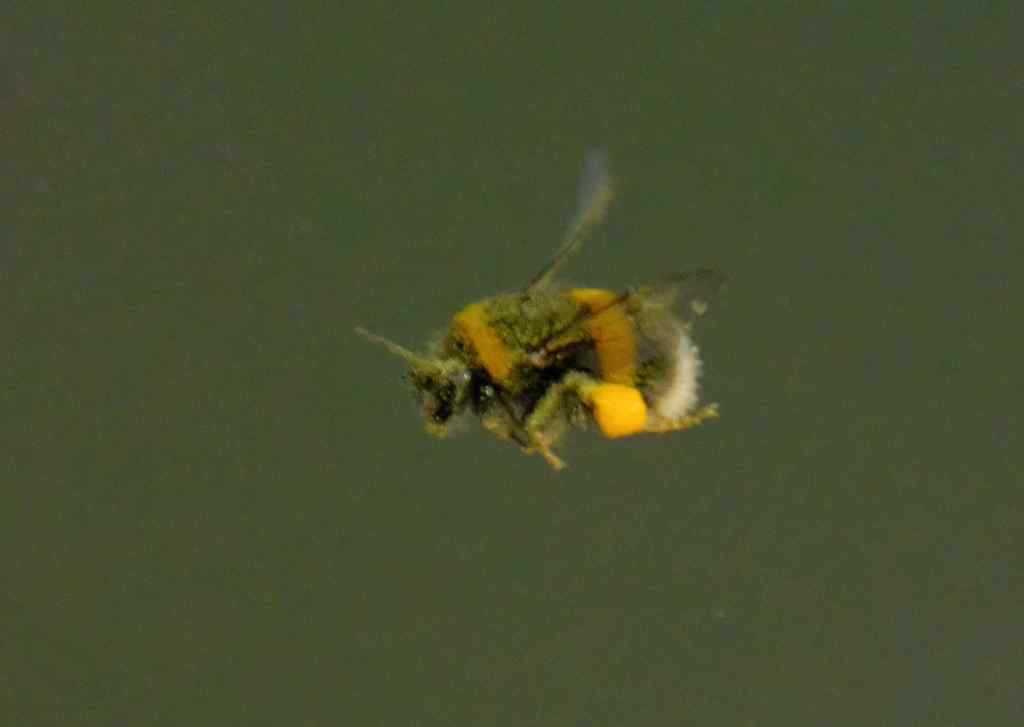
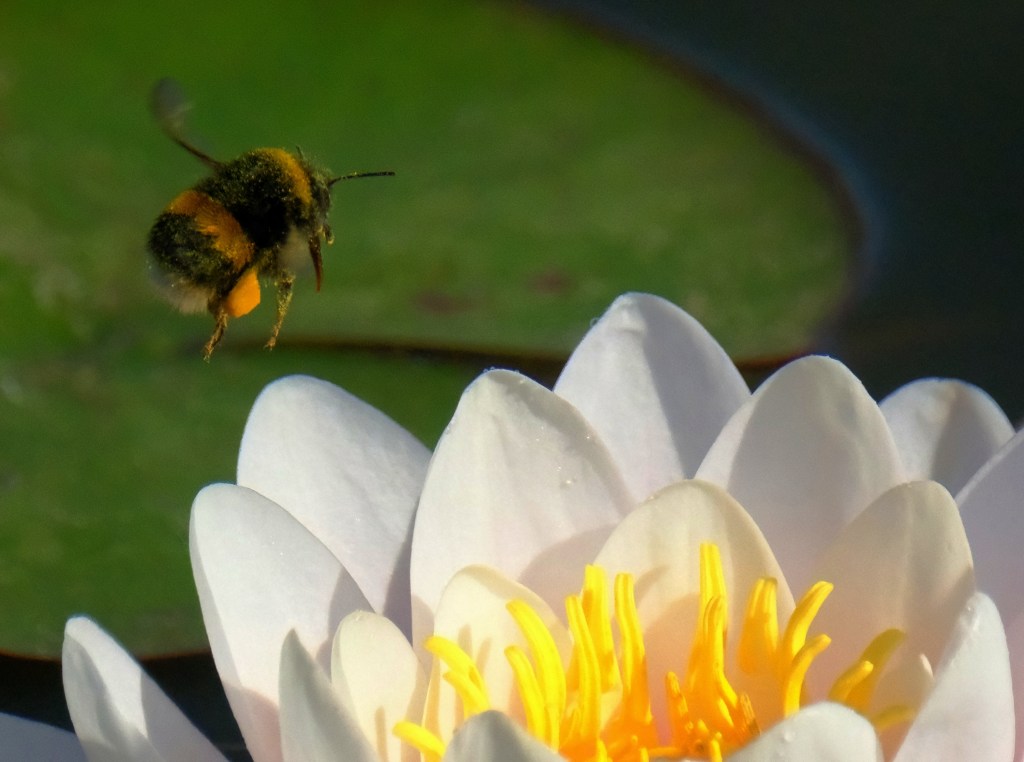
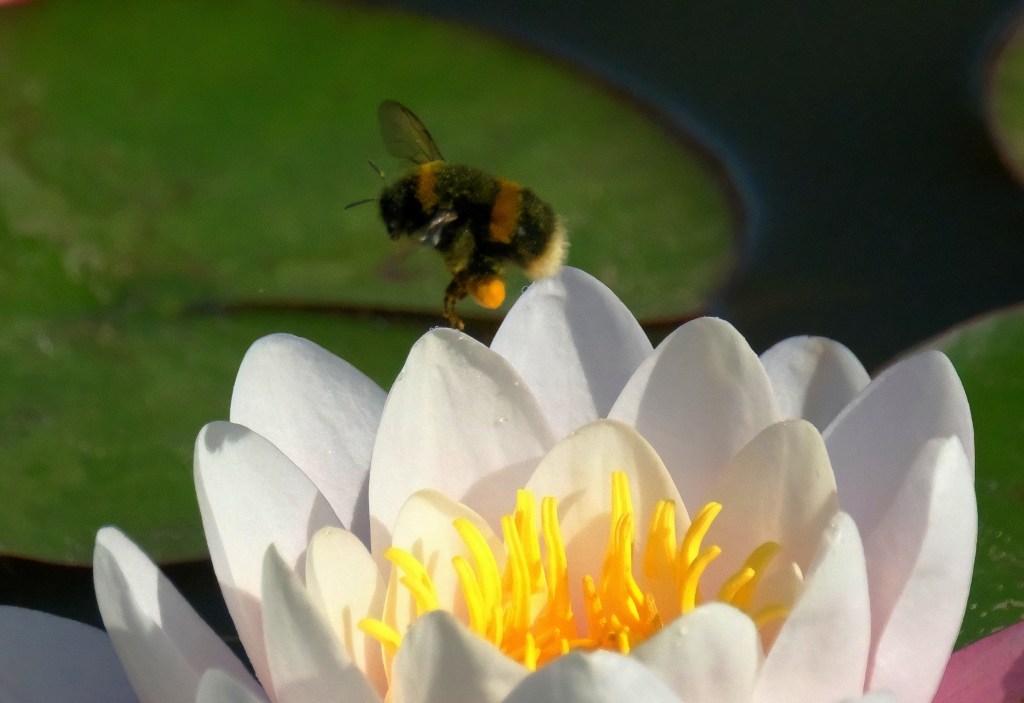
Bumble Bees on Water Lillie flowers. Thought I would try some in-flight shots.
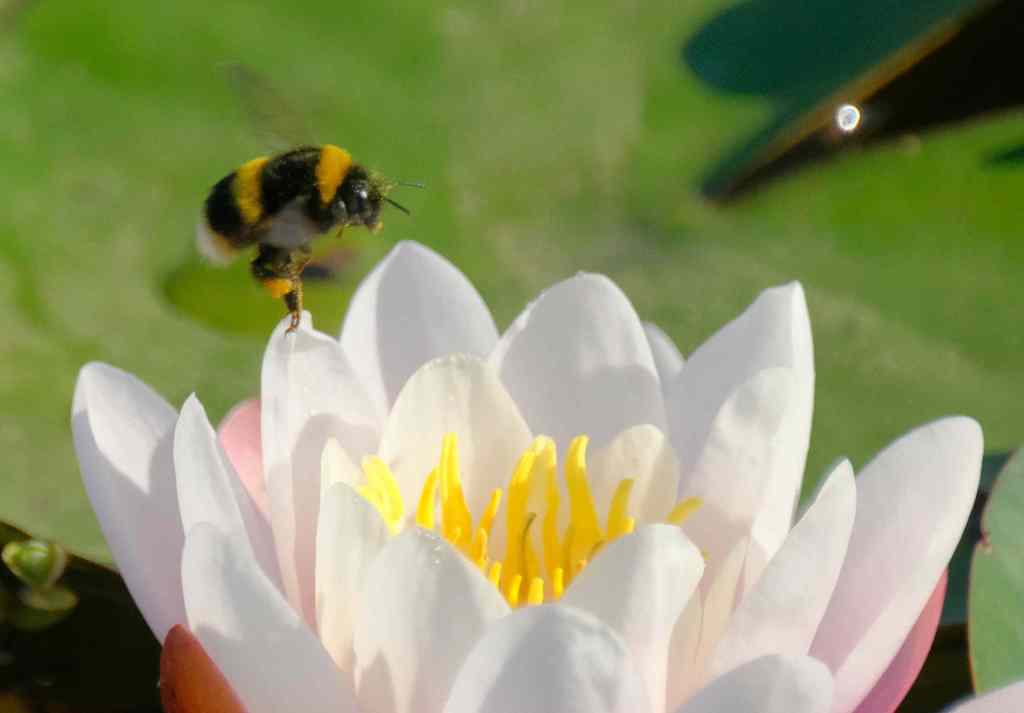
There are 24 different species of bumblebee in the UK.
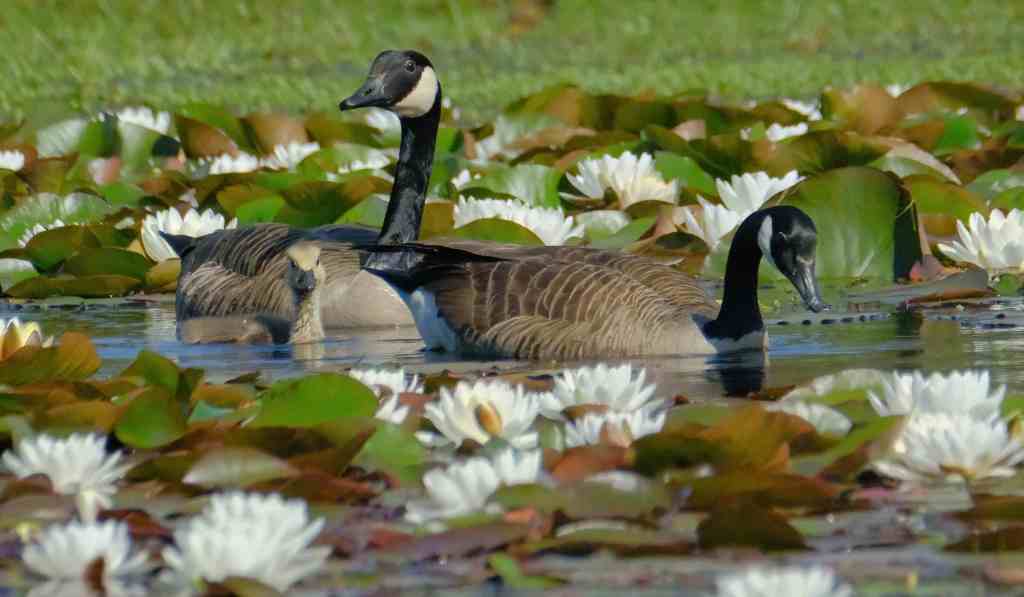
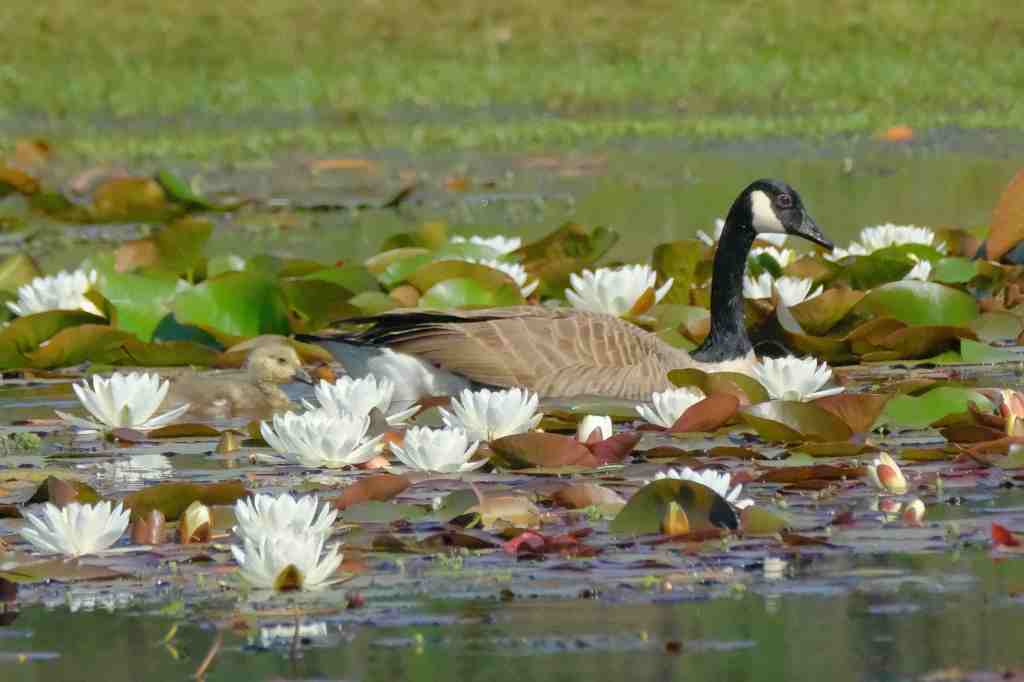
Canada Geese with just 1 gosling.
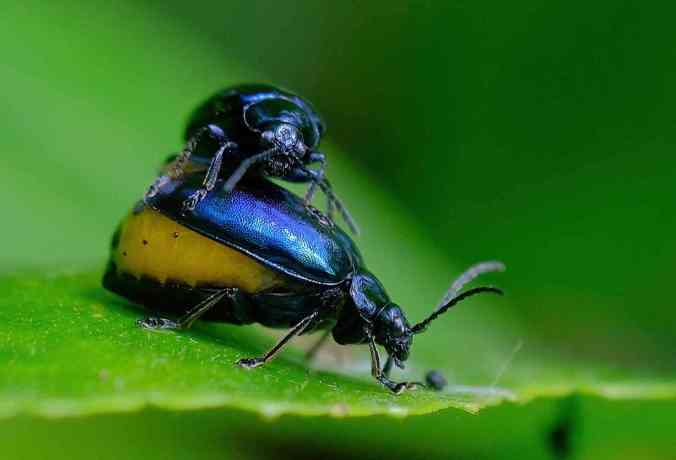
Little things spotted at Titchfield Haven Nature Reserve while on a Sunday morning walk.
Alder Beetle – mating pair.
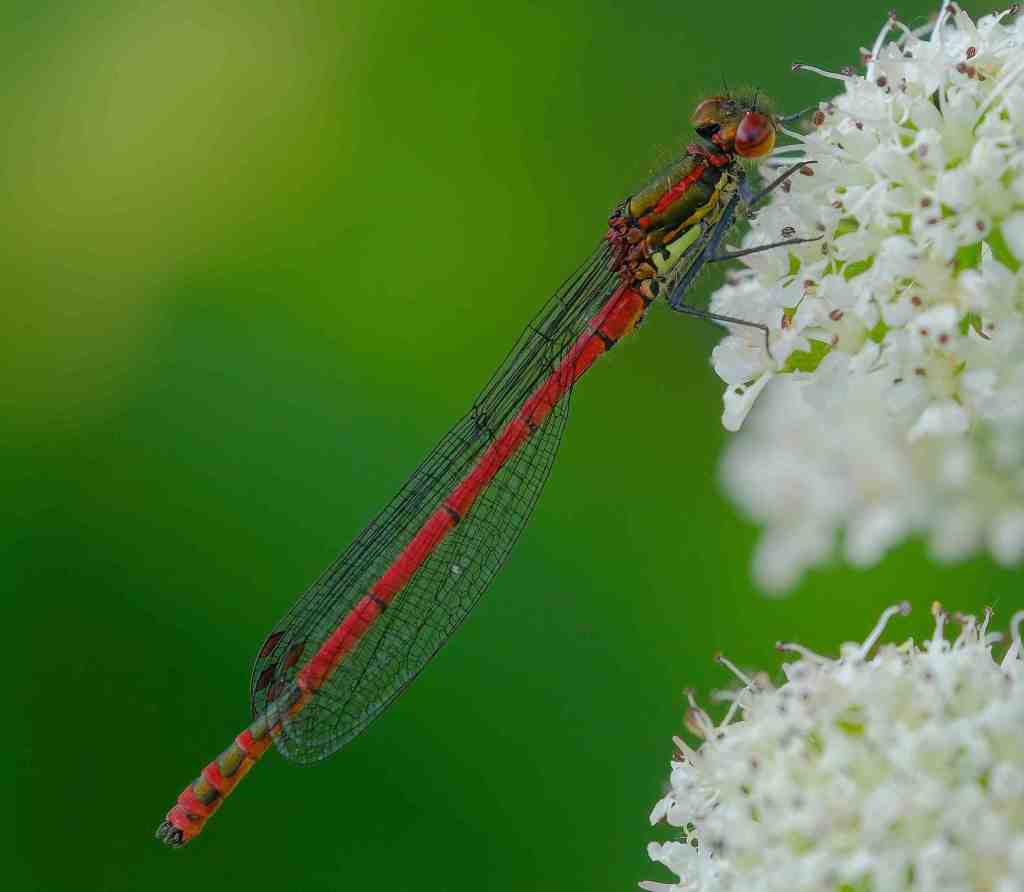
Large Red damselfly.
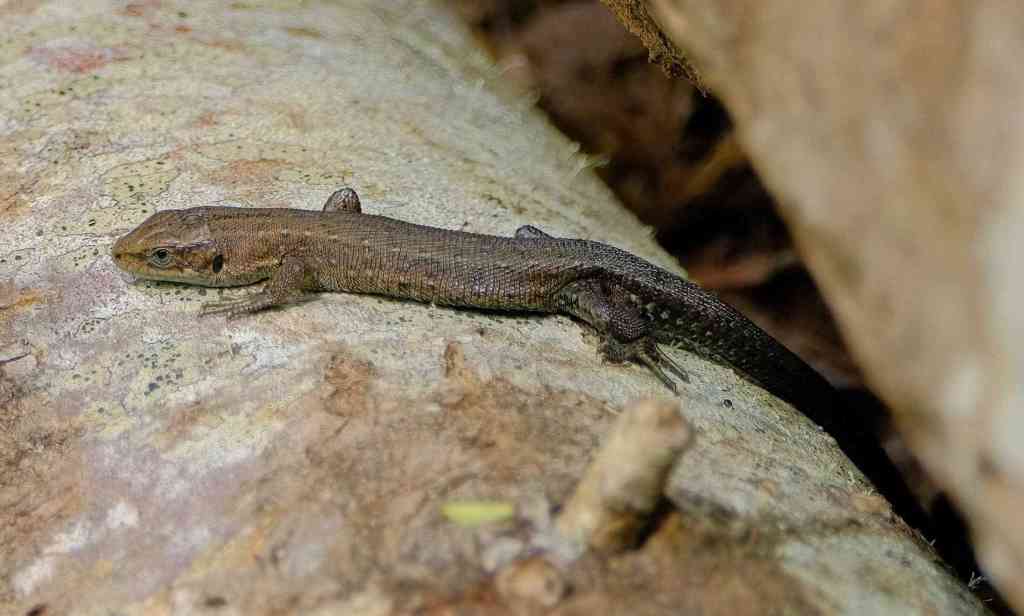
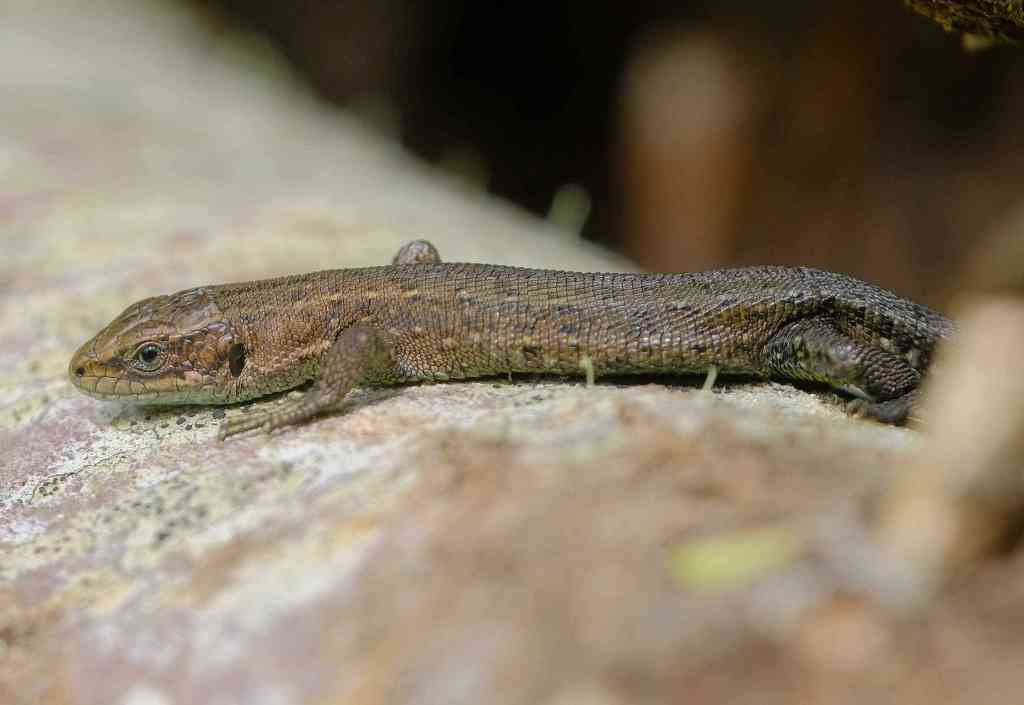
Common Lizard enjoying some sun.
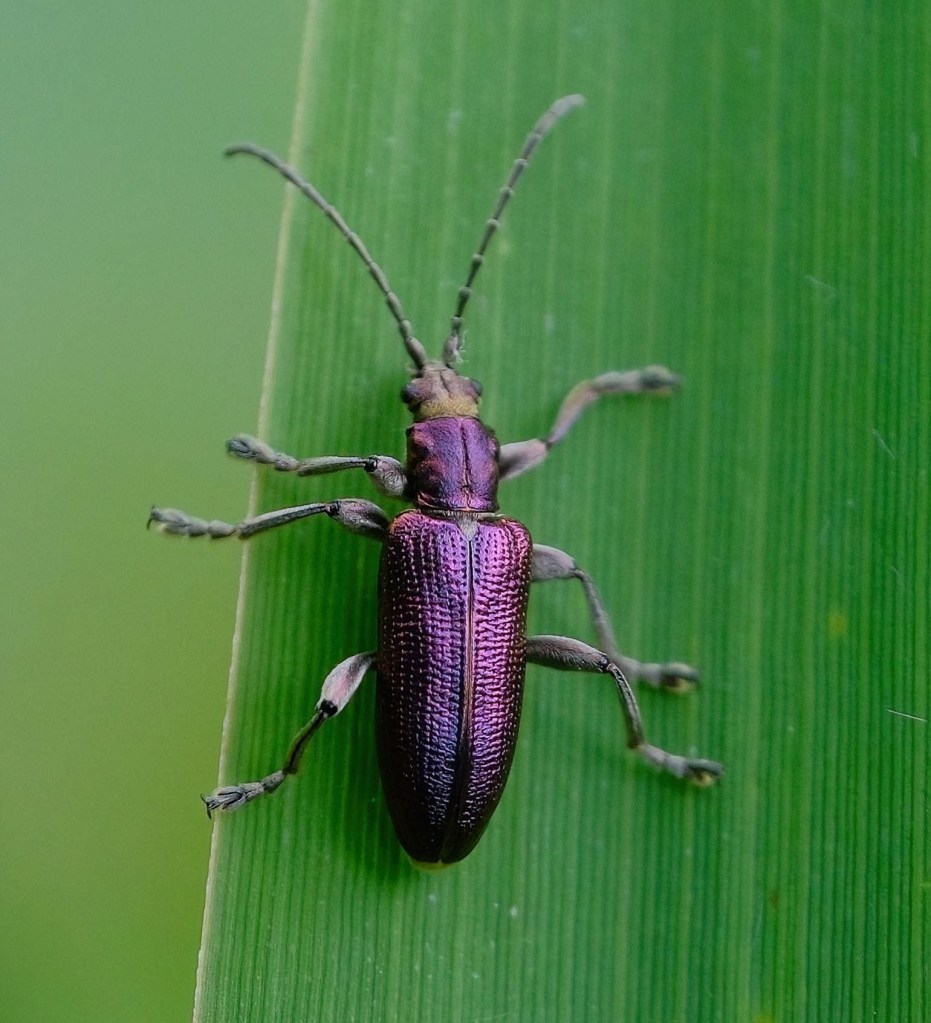
I believe this is a Little Reed Beetle.
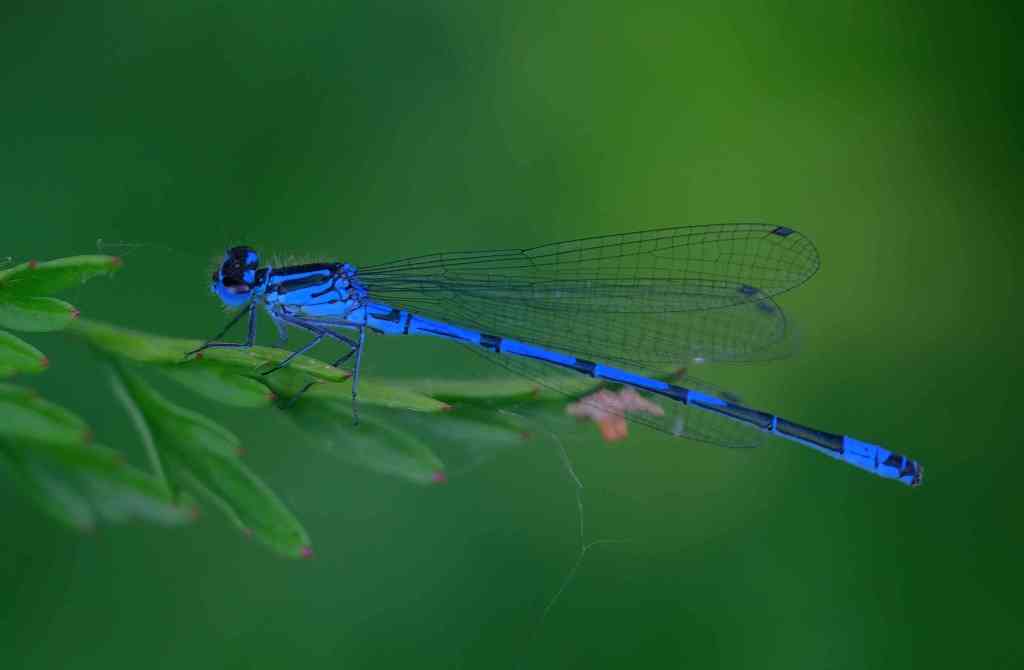
Azure Damselfly {male}.
Bee.
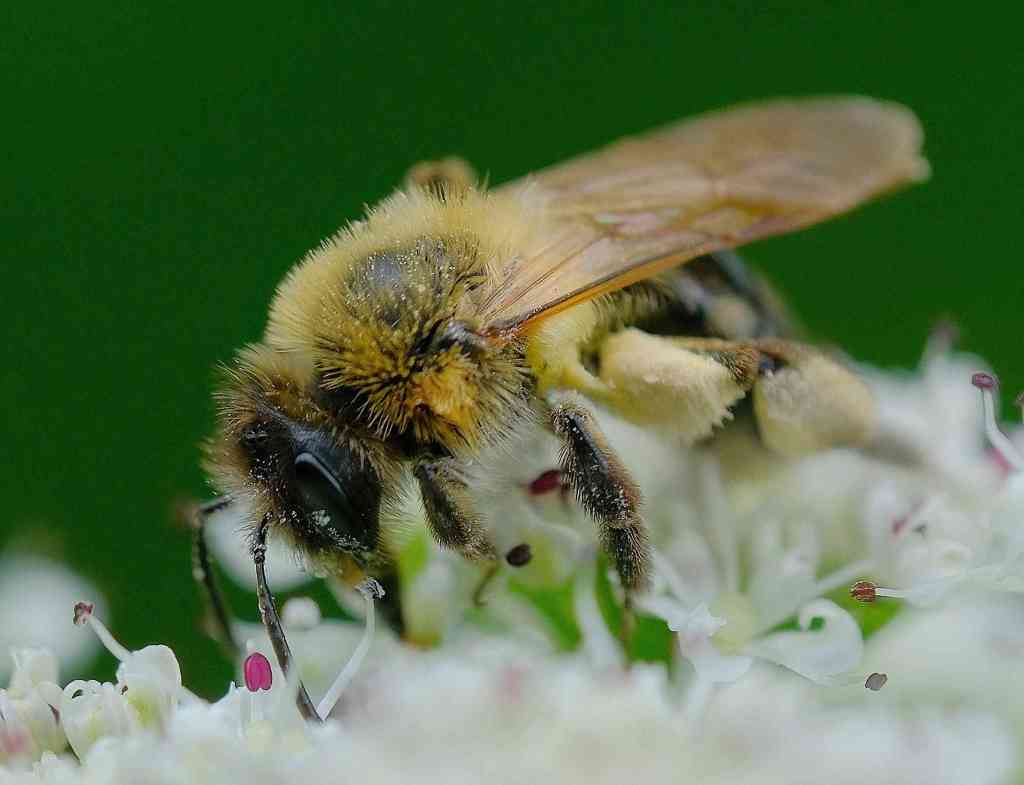
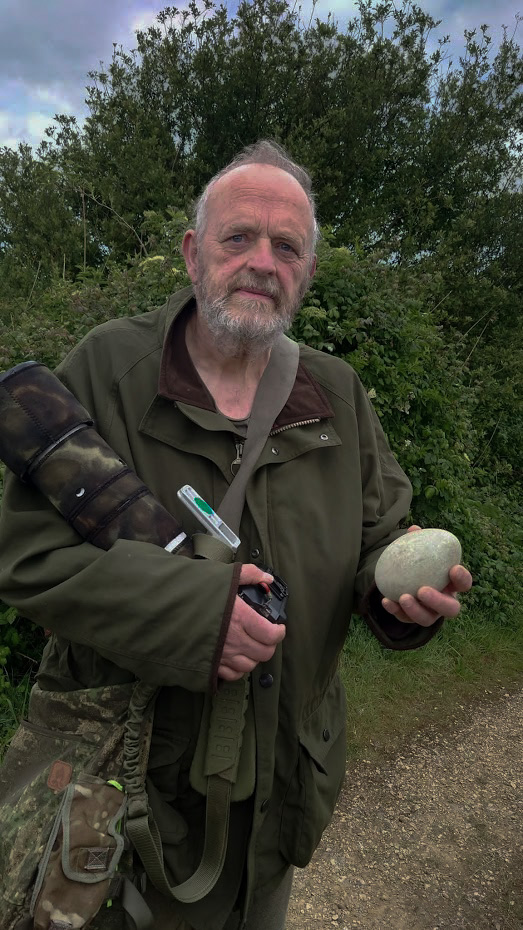
Something a bit larger.
Picked up a Mute Swan egg on the path.
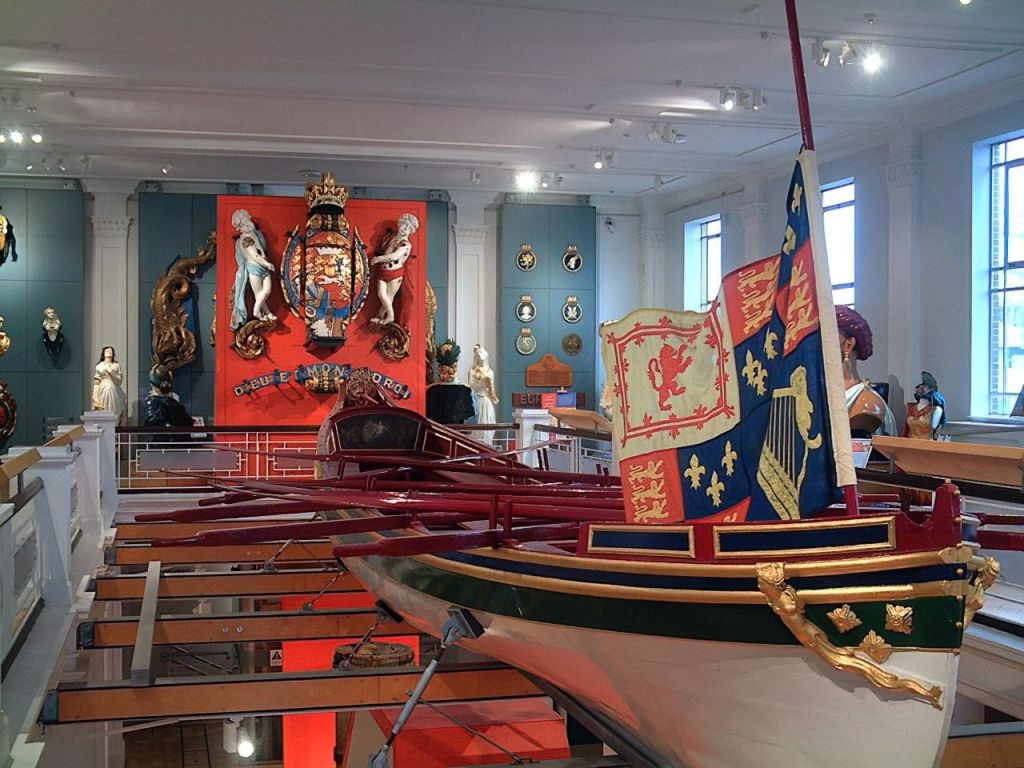
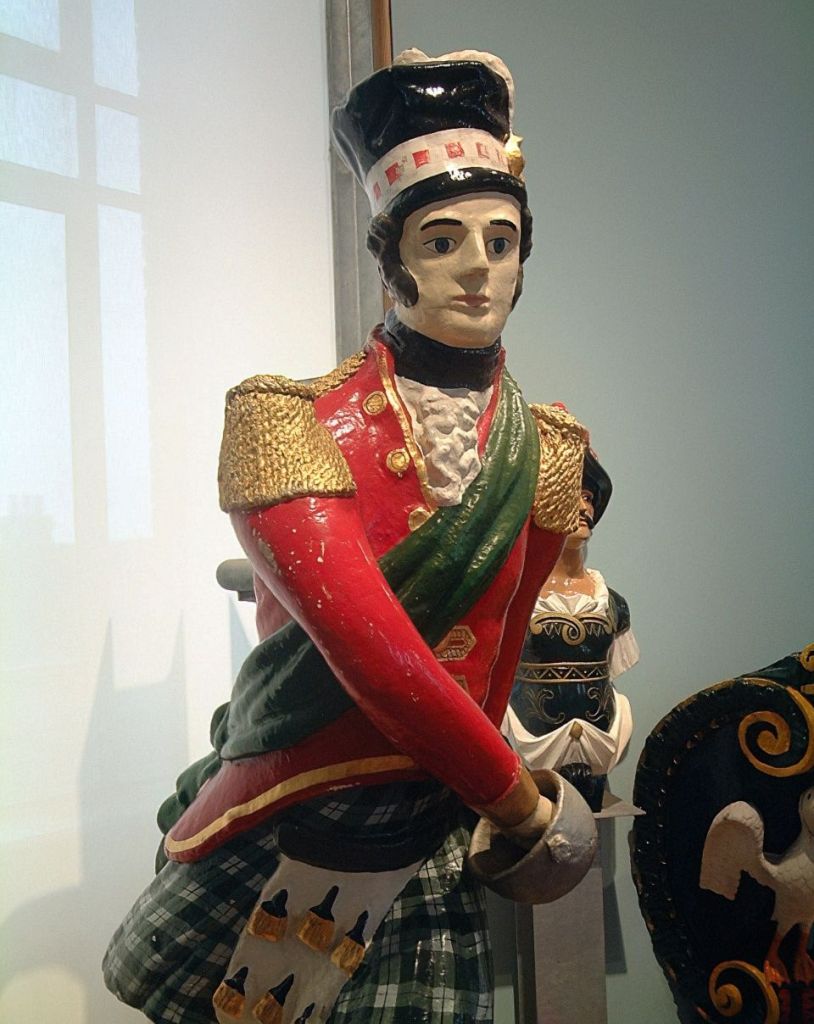
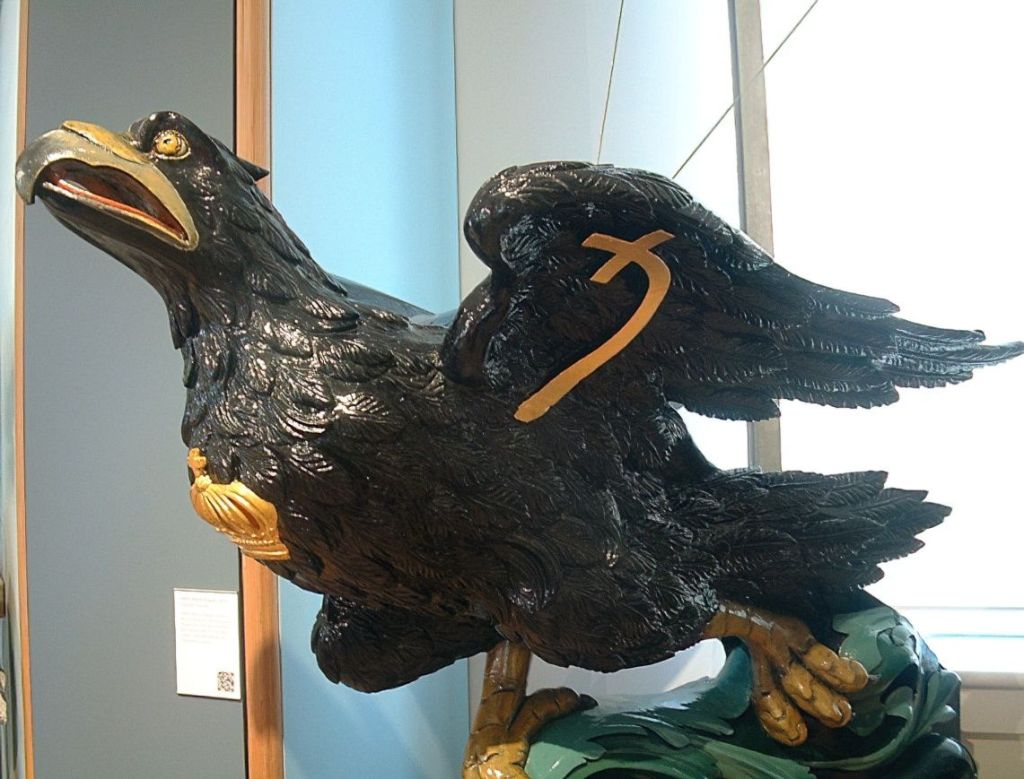
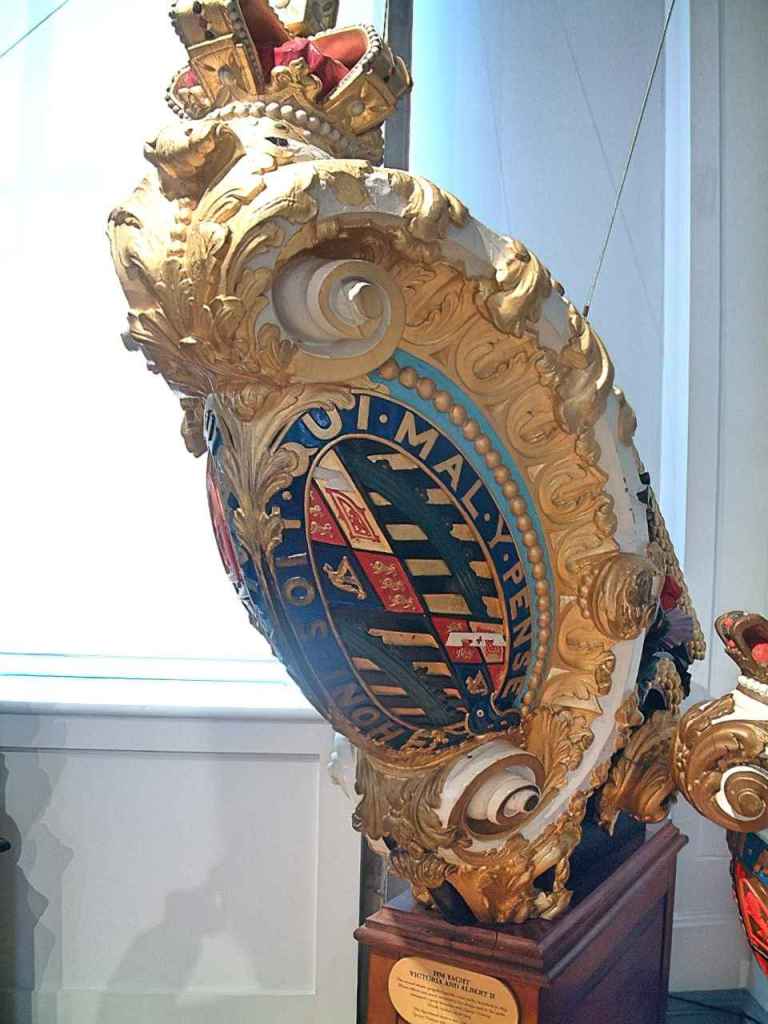
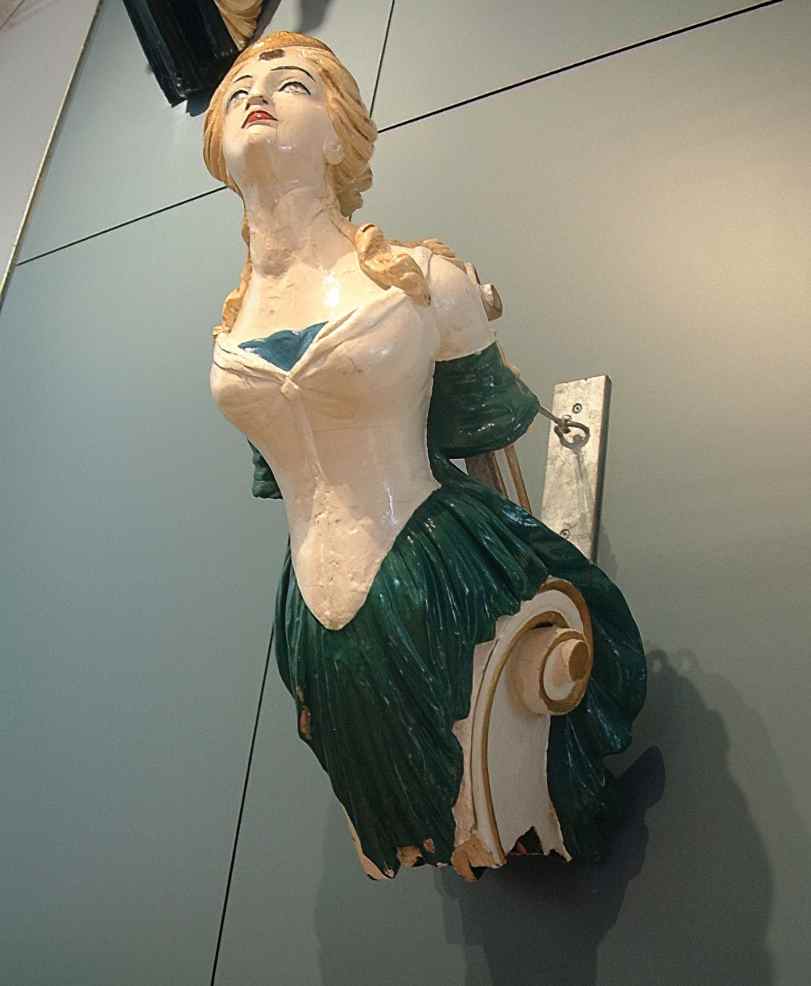
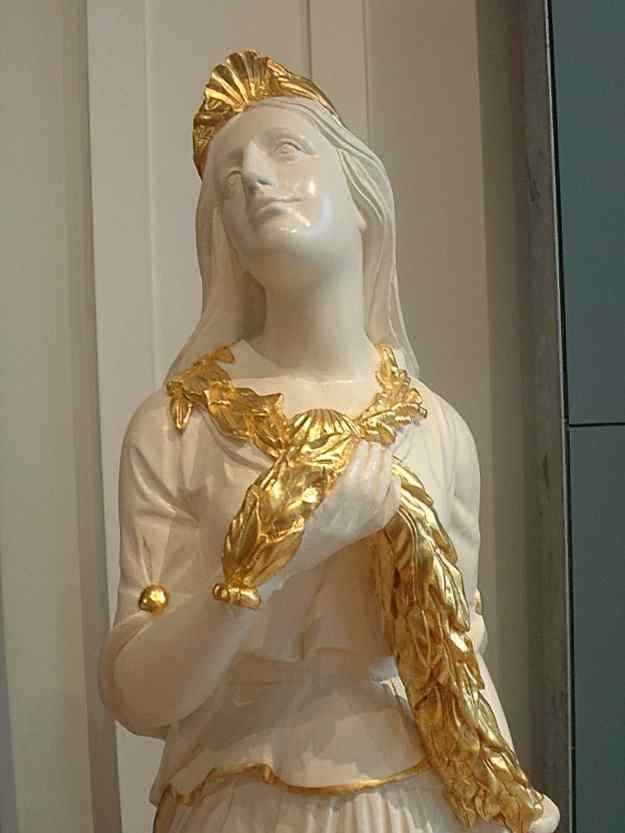
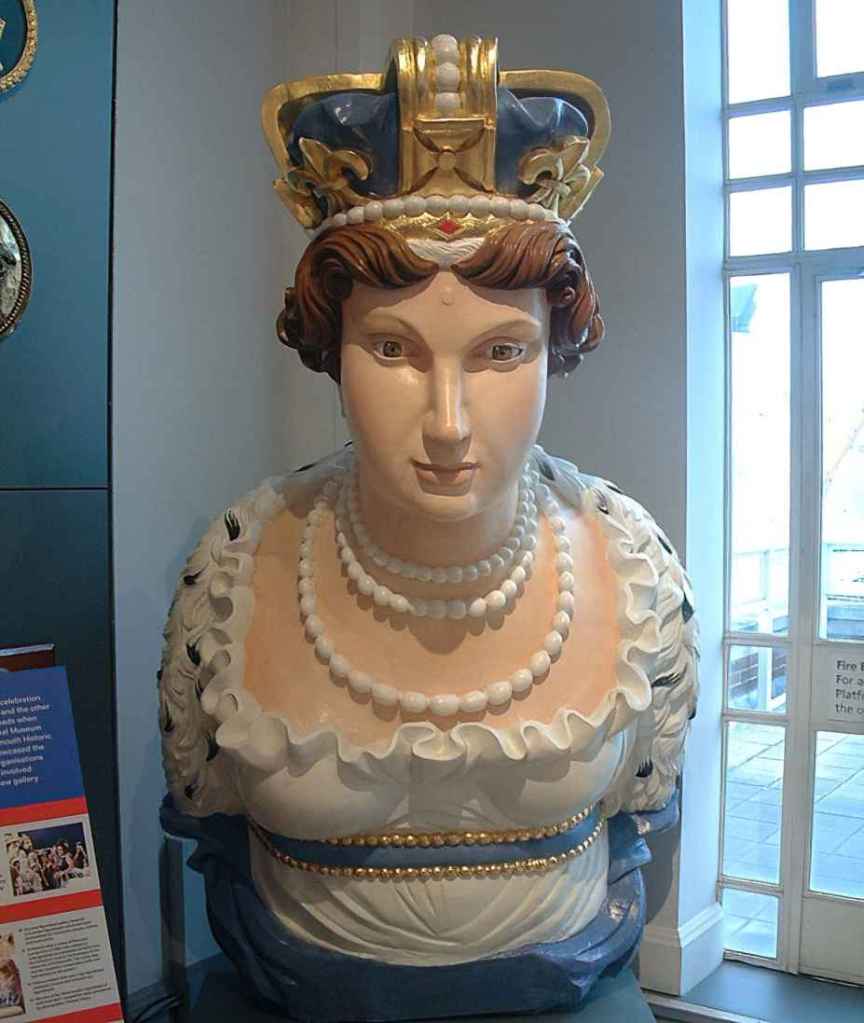
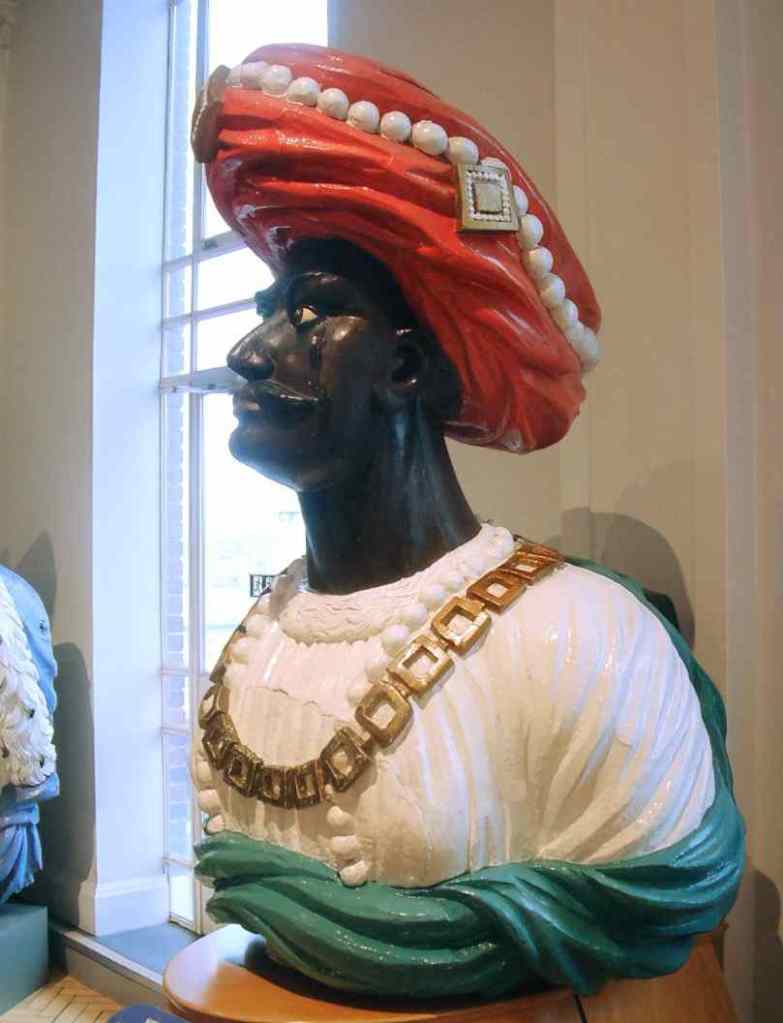
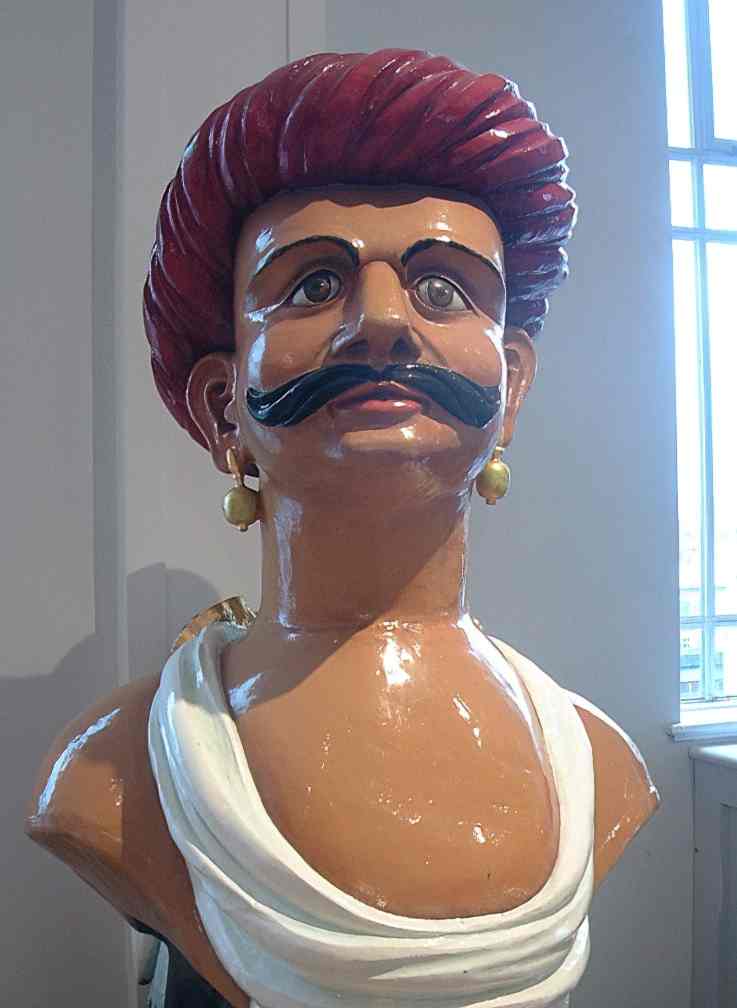
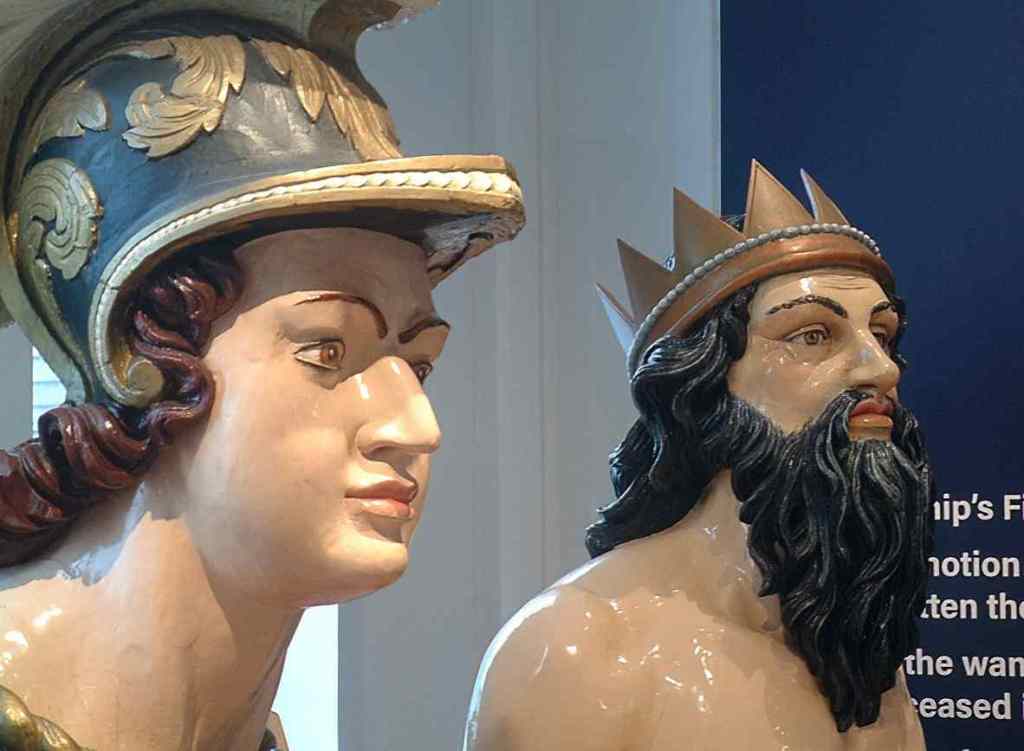
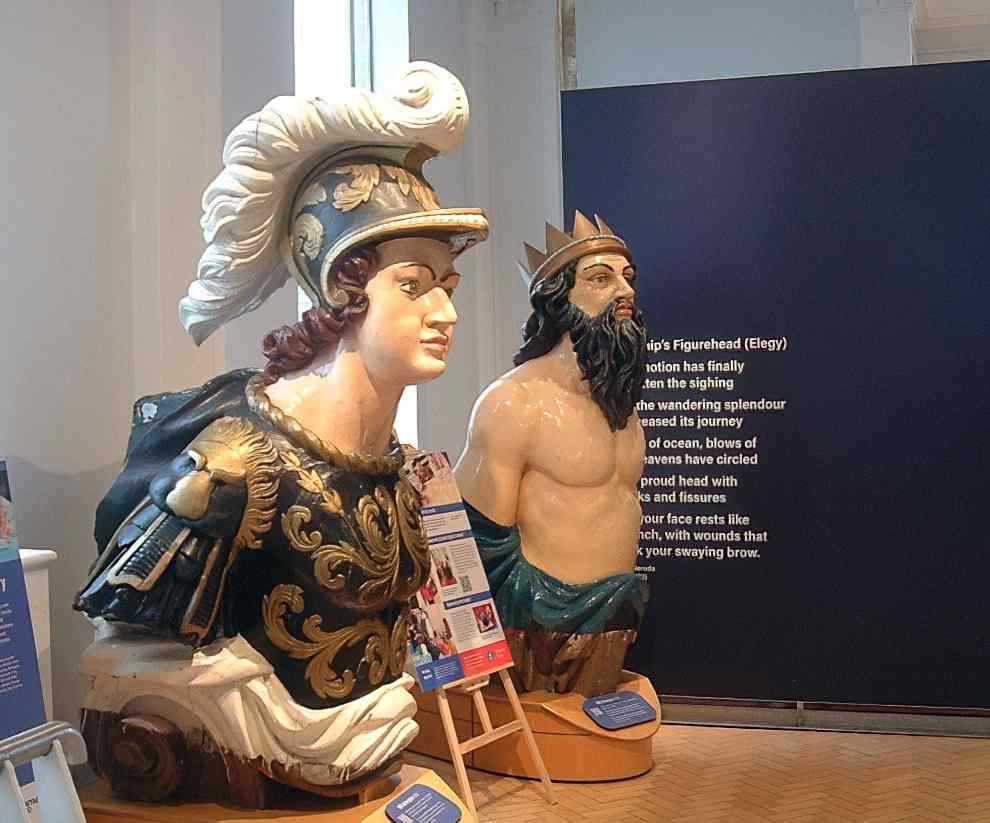
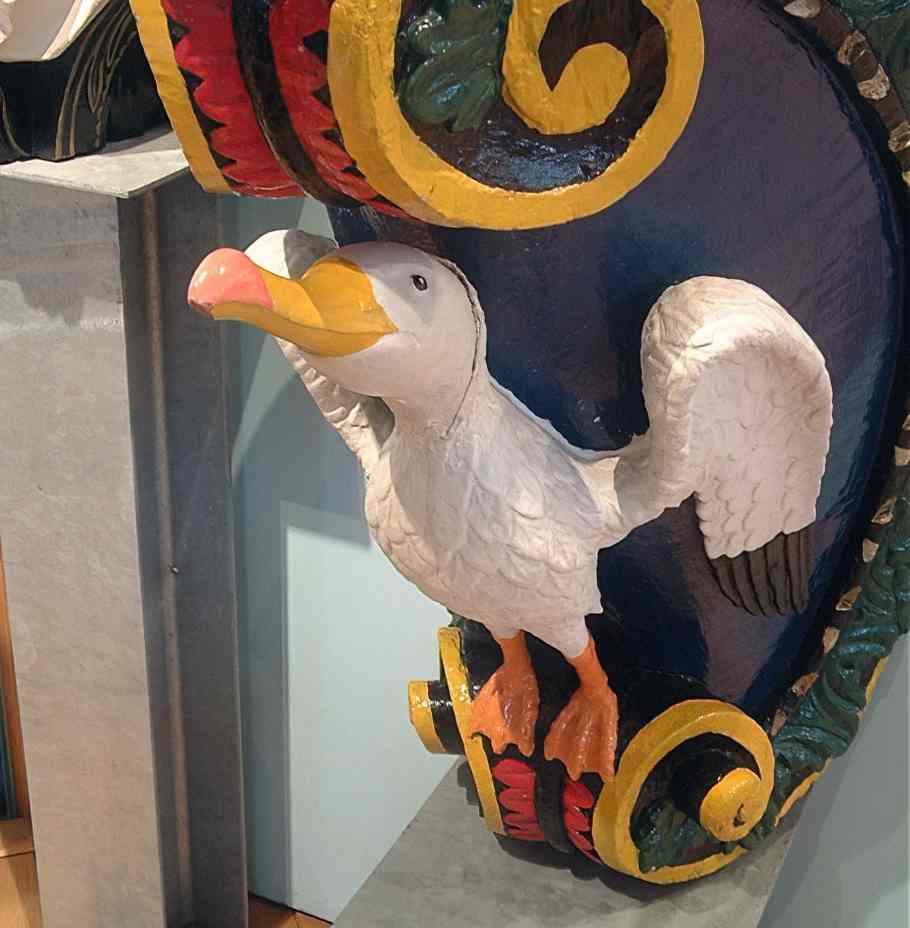
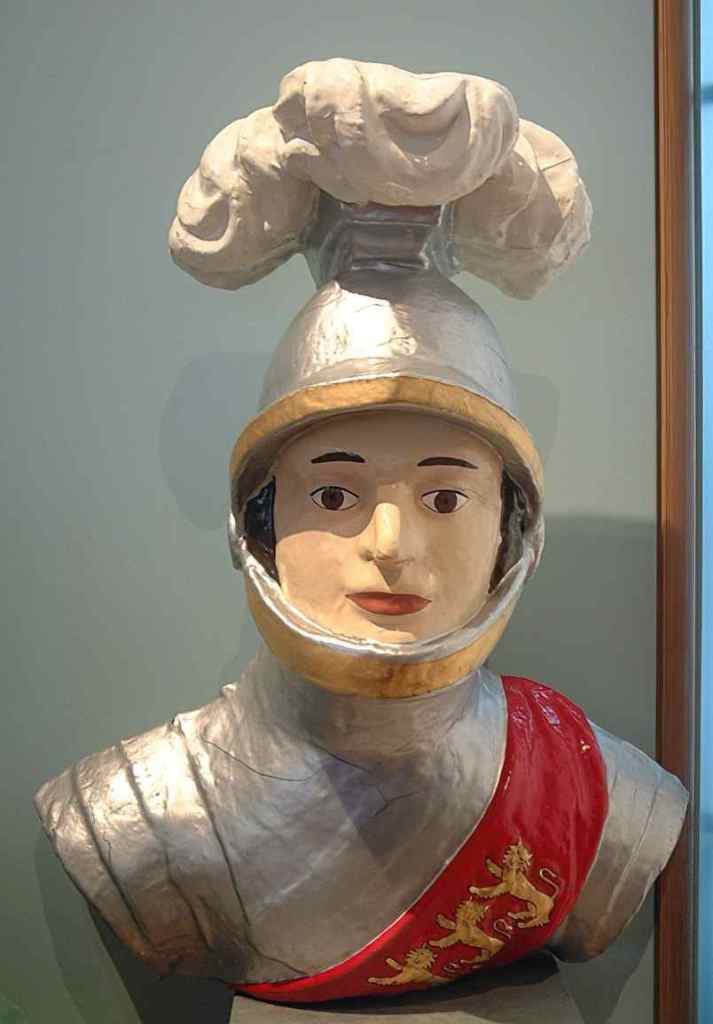
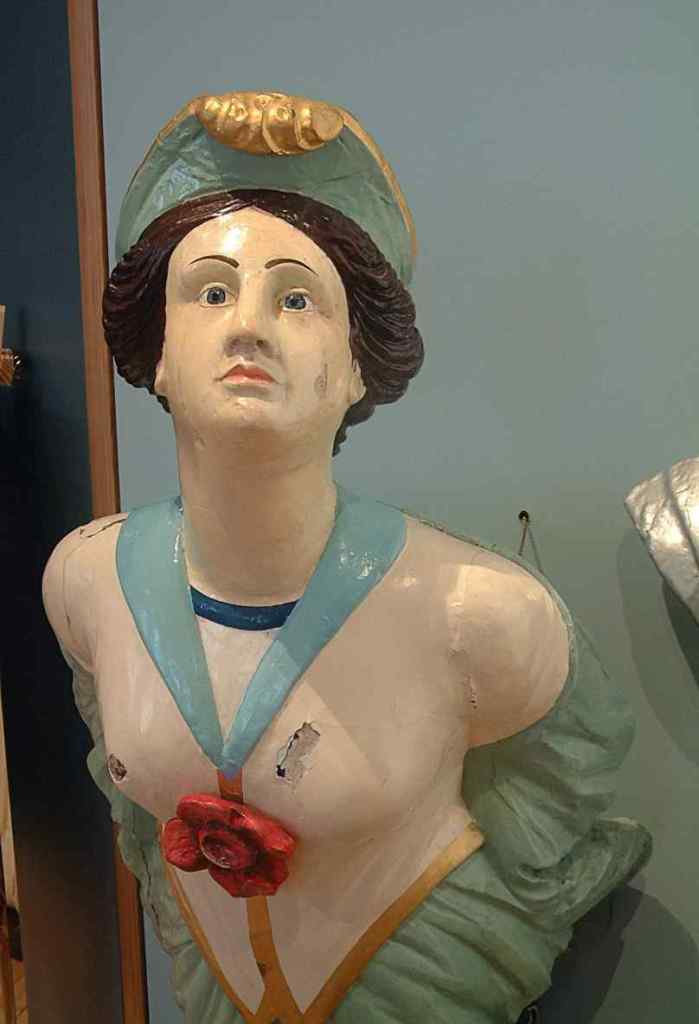
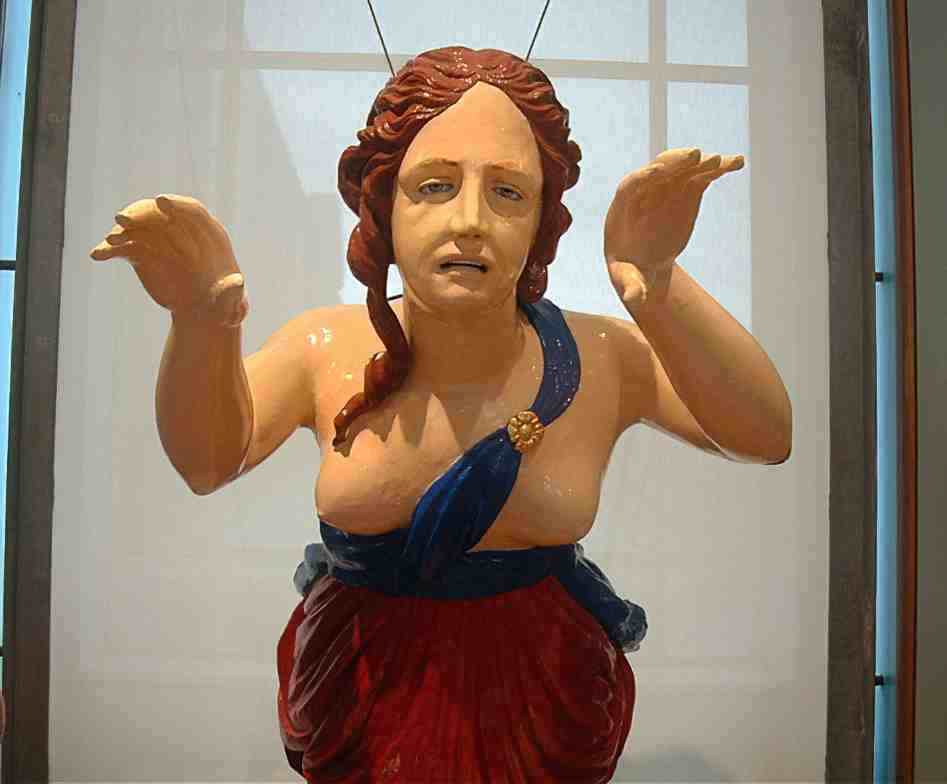
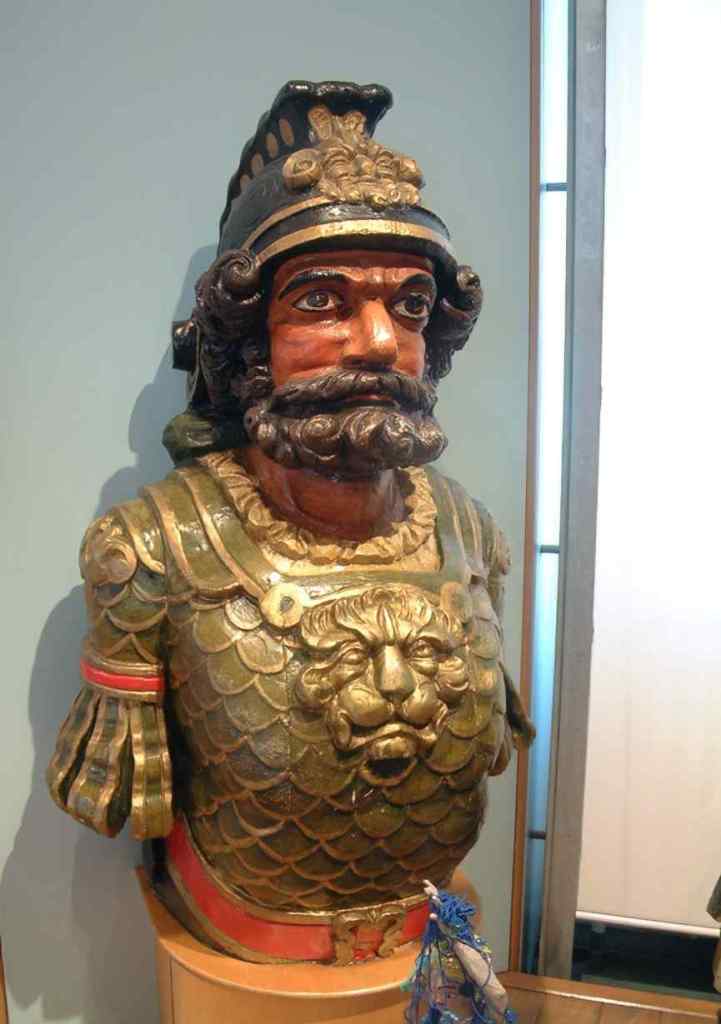
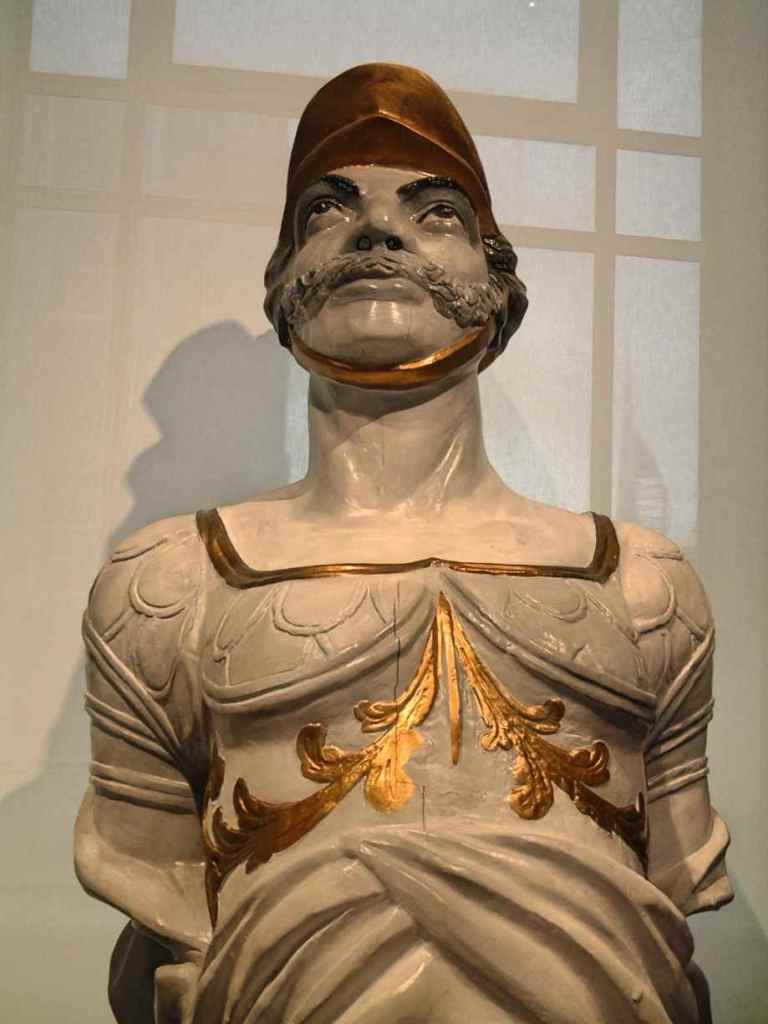
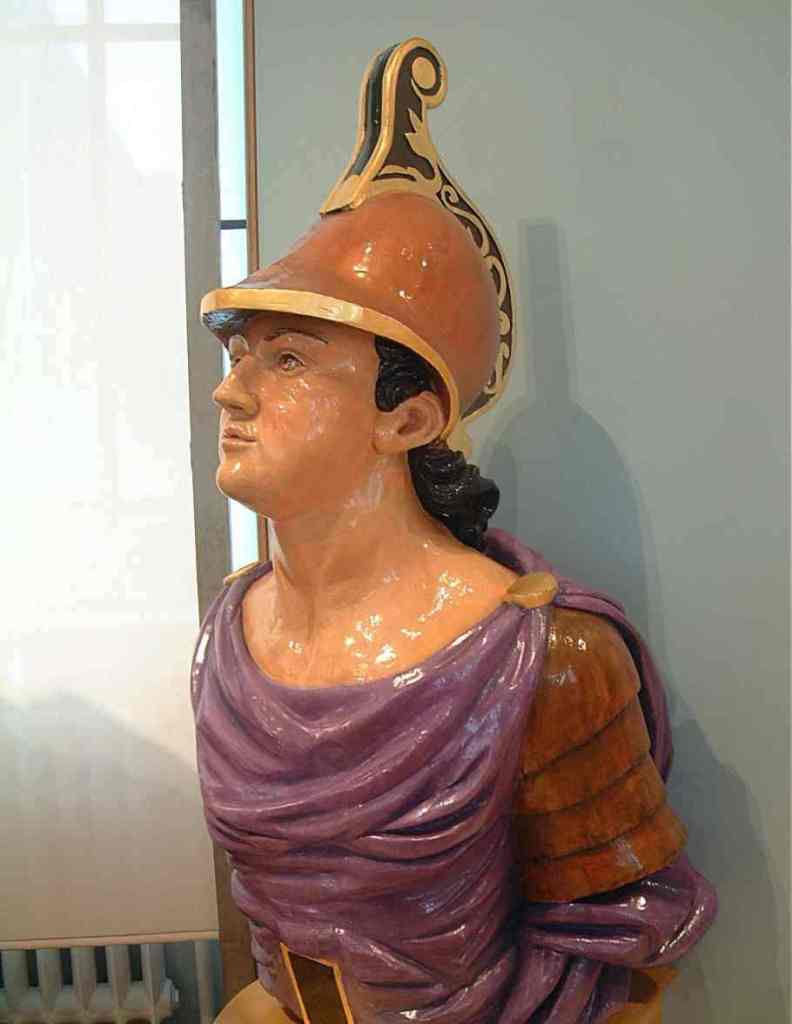
The National Museum of the Royal Navy at Portsmouth Historic Dockyard has a great collection of figureheads.
A figurehead is a carved wooden decoration often found at the bow of ships, typically designed to represent the name or role of the vessel. These sculptures served not only as decorative elements but also as symbols of a ship’s identity and character, intertwining artistry with functionality. In contemporary settings, ships’ badges have emerged to fulfil a similar role, providing visual symbolism yet without the historical significance and craftsmanship associated with traditional figureheads.
In 1796, the British Admiralty attempted to abolish figureheads entirely on new ships due to changing maritime practices and the evolution of naval warfare. However, this order was not fully embraced by shipbuilders and sailors. Many mariners believed that a ship devoid of a figurehead would bring bad luck, as these carvings were thought to have protective powers over the vessel and its crew. The figurehead was thus seen as a guardian spirit, a belief that persisted despite the Admiralty’s directives.
During the 19th century, as maritime technology advanced from sail-powered wooden ships to steam and iron constructions, the bowsprit—where figureheads were typically fixed—started to fade into obsolescence. With the transformation of ship design, the practical need for figureheads diminished, leading to their gradual decline in naval architecture.
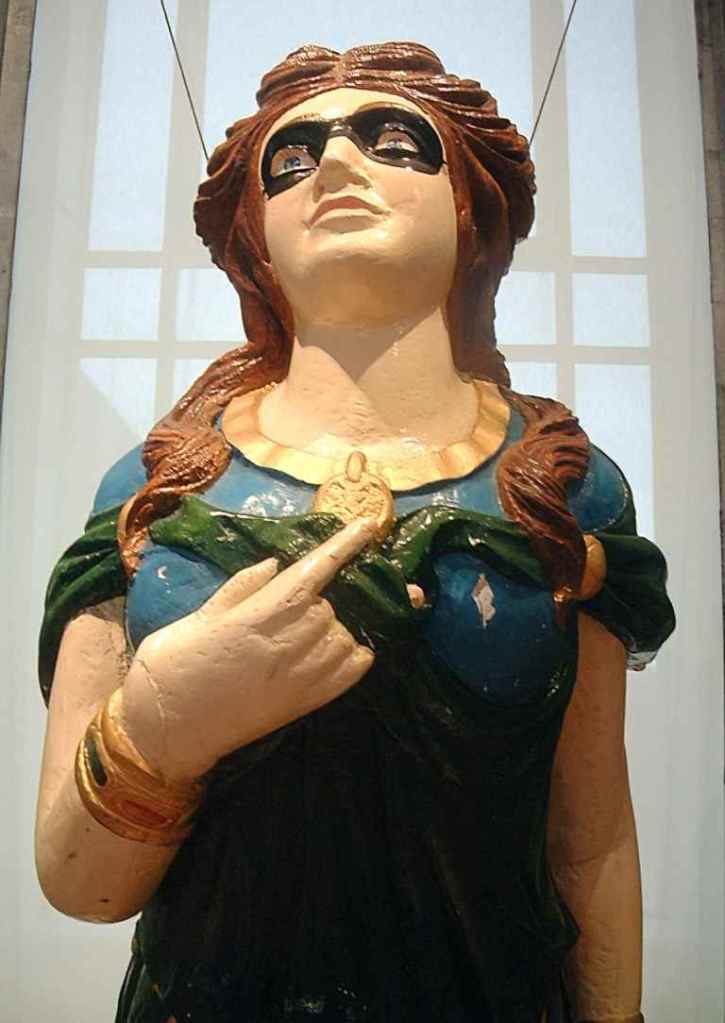
The last Royal Navy ship to showcase a figurehead was the HMS Espiegle. The name “L’Espiegle,” meaning frolicsome in French, aptly described the carved figurehead, which depicted a woman adorned with jewel-encrusted bangles and a striking masquerade mask. This artistic representation was meant to convey a sense of playfulness and allure, embodying the ship’s spirit. The HMS Espiegle was eventually broken up in 1923.