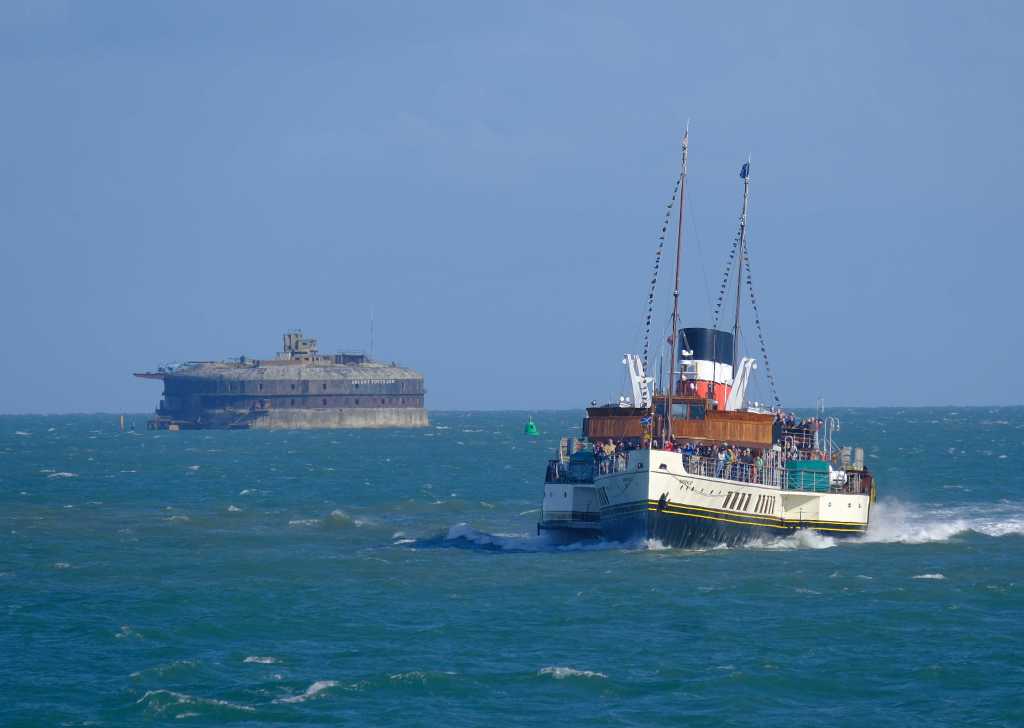
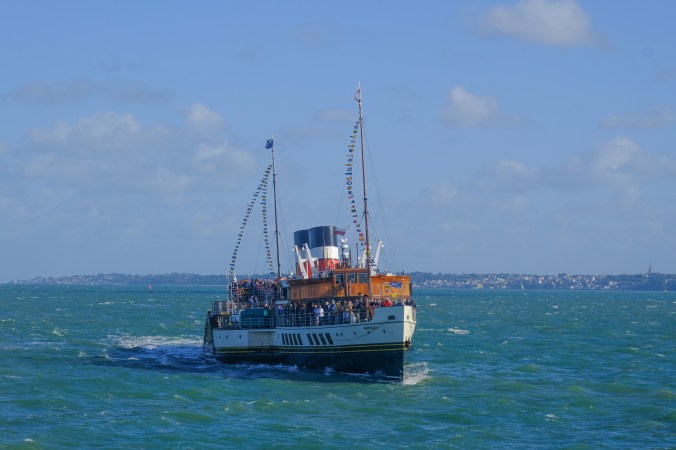
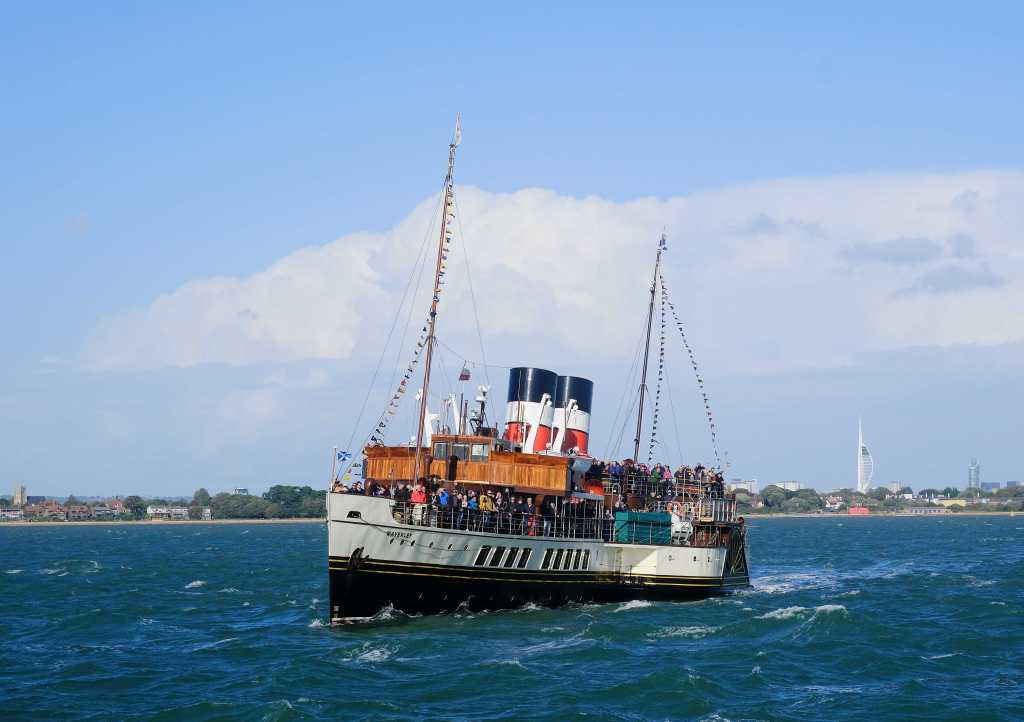
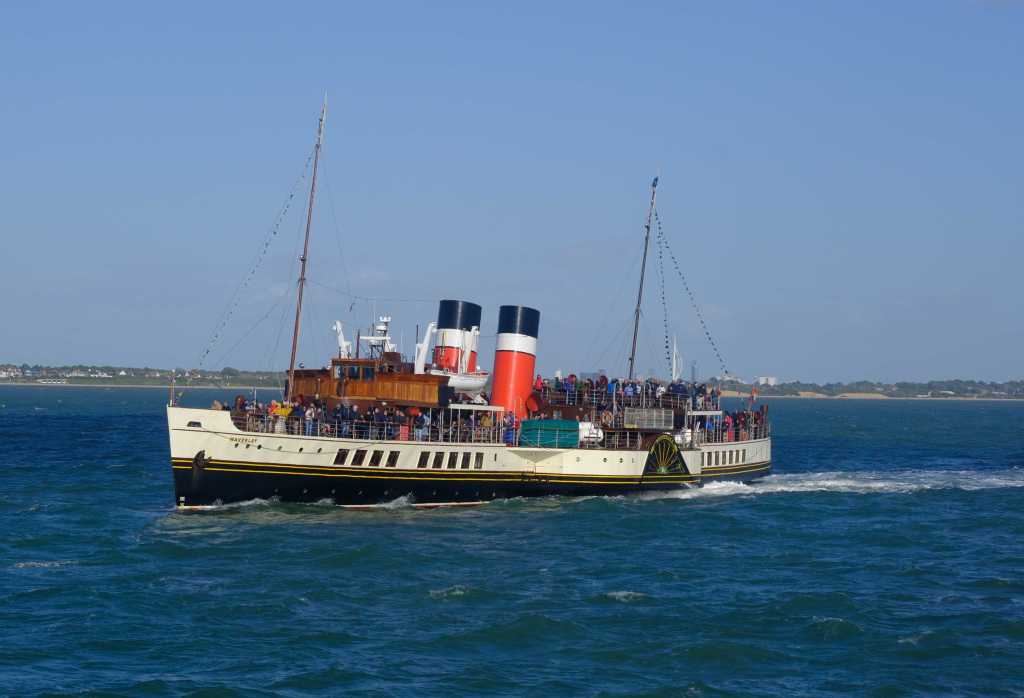
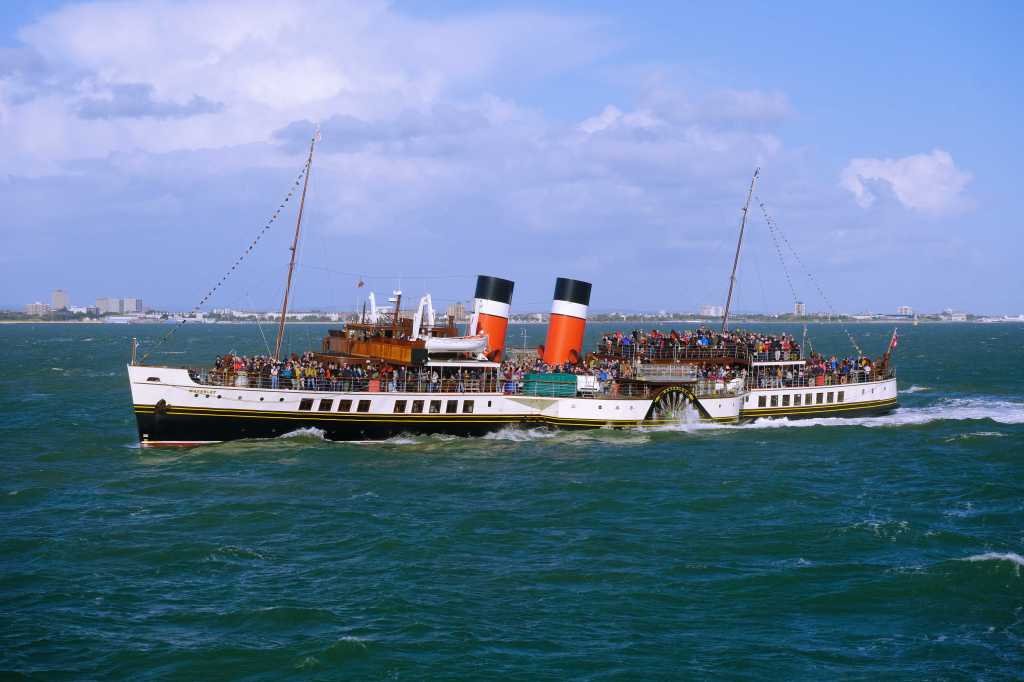
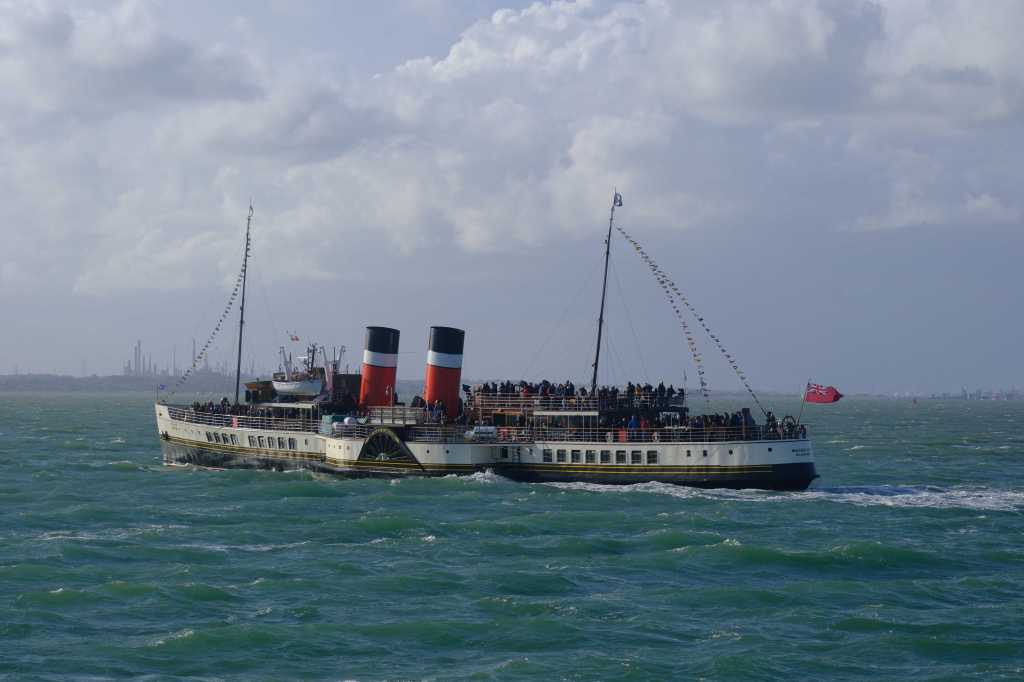
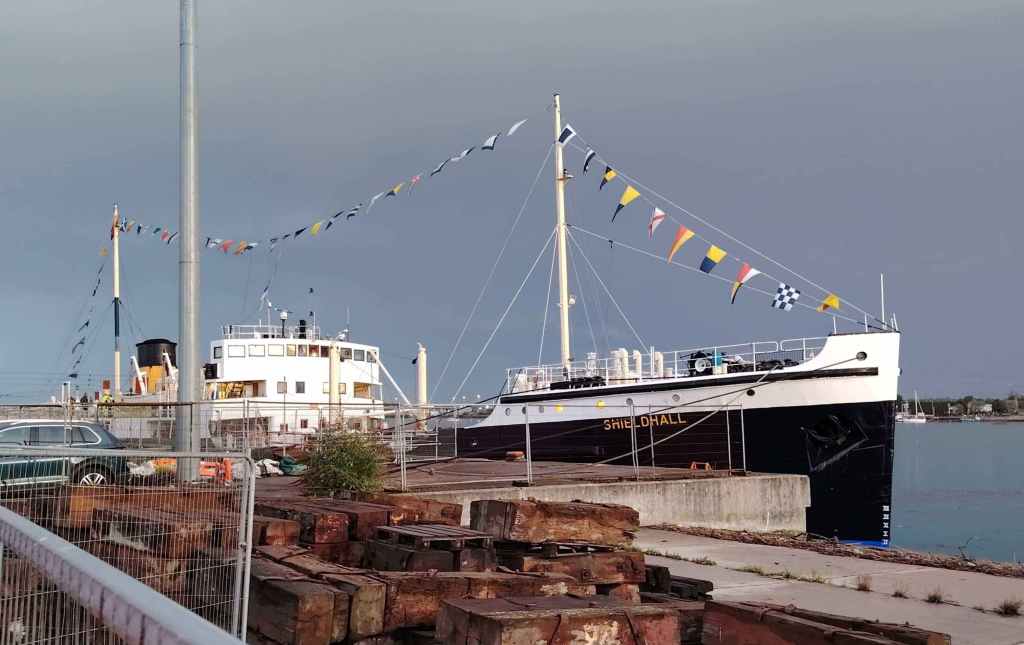
Back in the Spring, we booked a trip on the SS Shieldhall yesterday, the weather held, and the promised rain held off. We had a 7-hour trip – 2025 is set to be a special year for Shieldhall, built in 1955, as she celebrates her 70th birthday. SS Shieldhall is the largest working steamship in Britain. The trip was down Southampton Water and into the Solent. We met up with the historic Paddle Steamer Waverley just off the Isle of Wight. PS Waverley was built in 1946 and is the last seagoing passenger-carrying paddle steamer in the world. She is also steam-powered. Both ships are on the National Historic Fleet Register. In the past, I have sailed on both these ships, but it is always a treat to step back in time and travel at a slower pace.
Part 1: Leaving Southampton Docks and heading down Southampton Water.
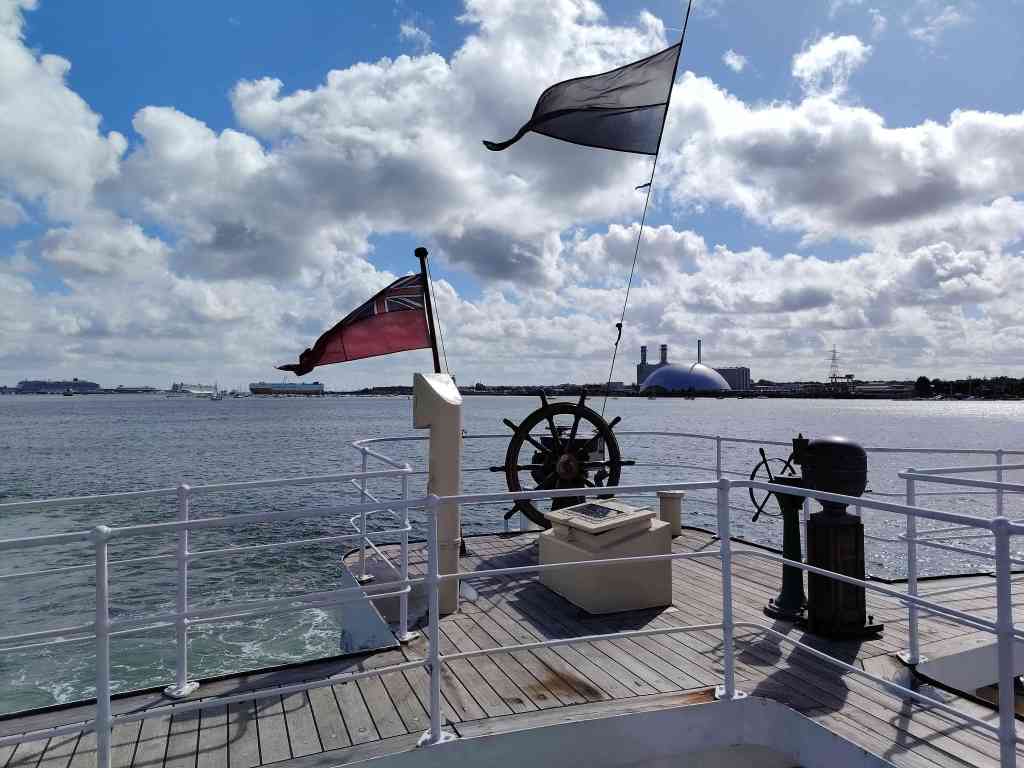
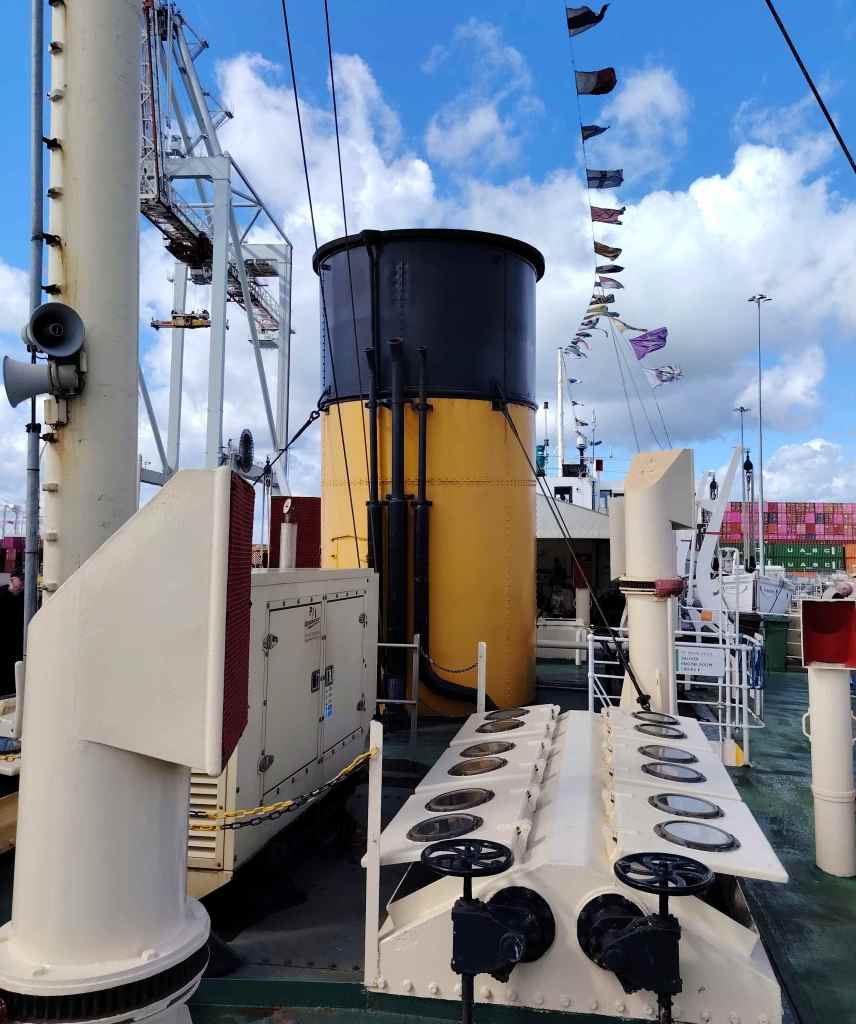
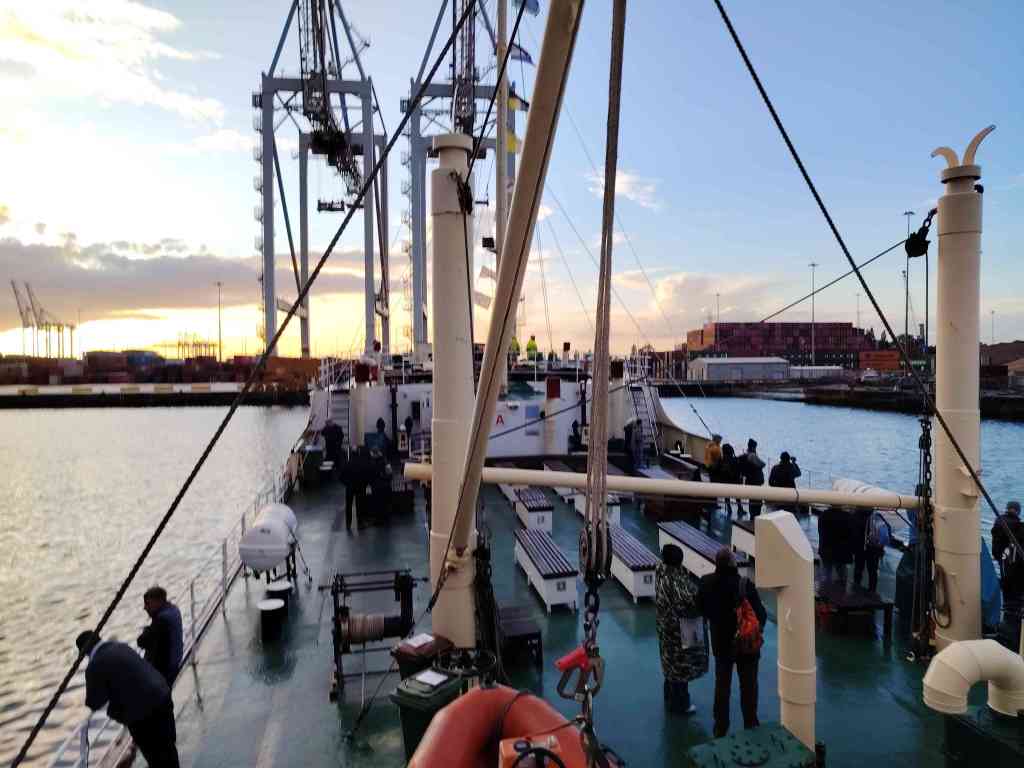
Leaving 110 Berth, Southampton Docks. View of the emergency steering gear.
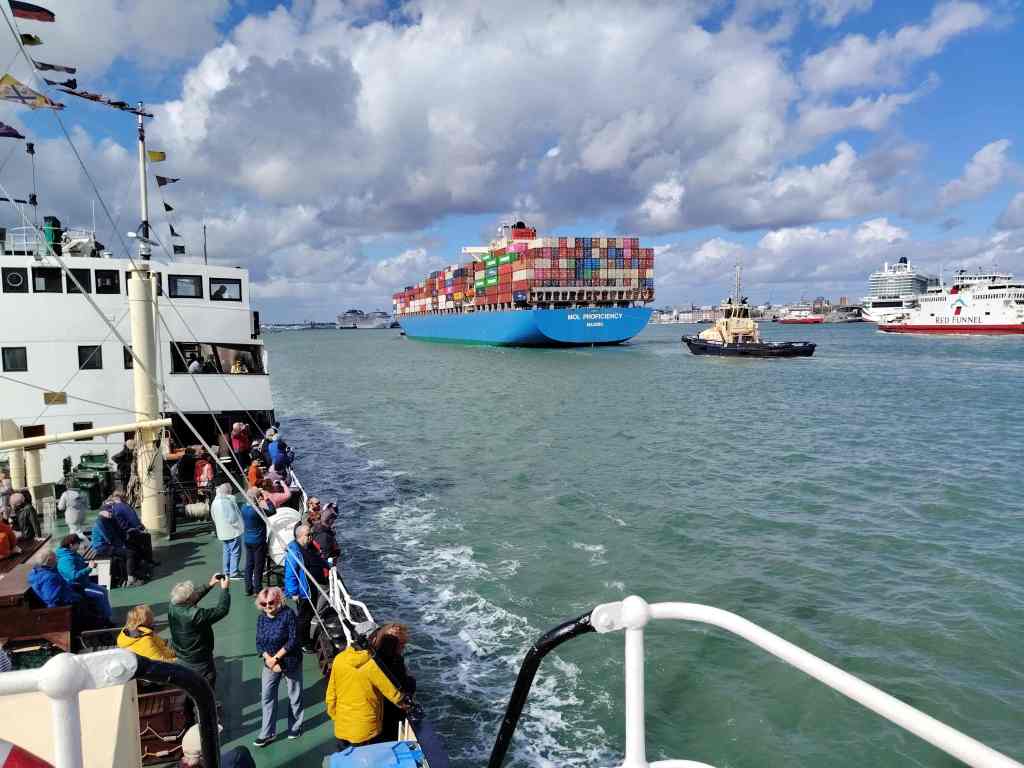
Passing shipping in Southampton Water. Container Ship and Isle of Wight Ferry.
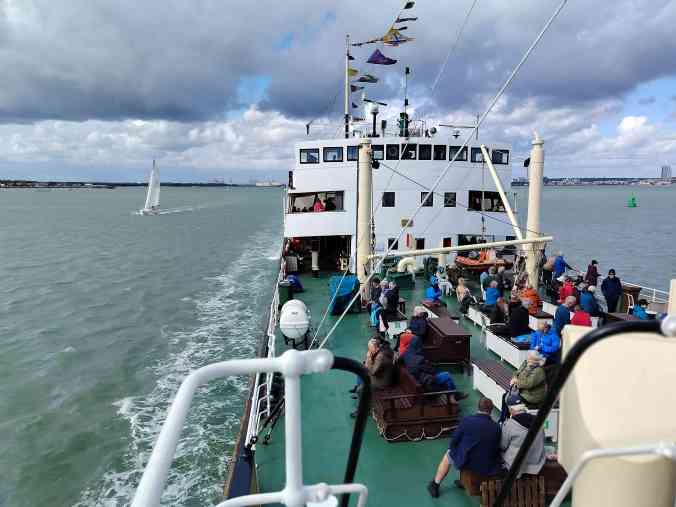
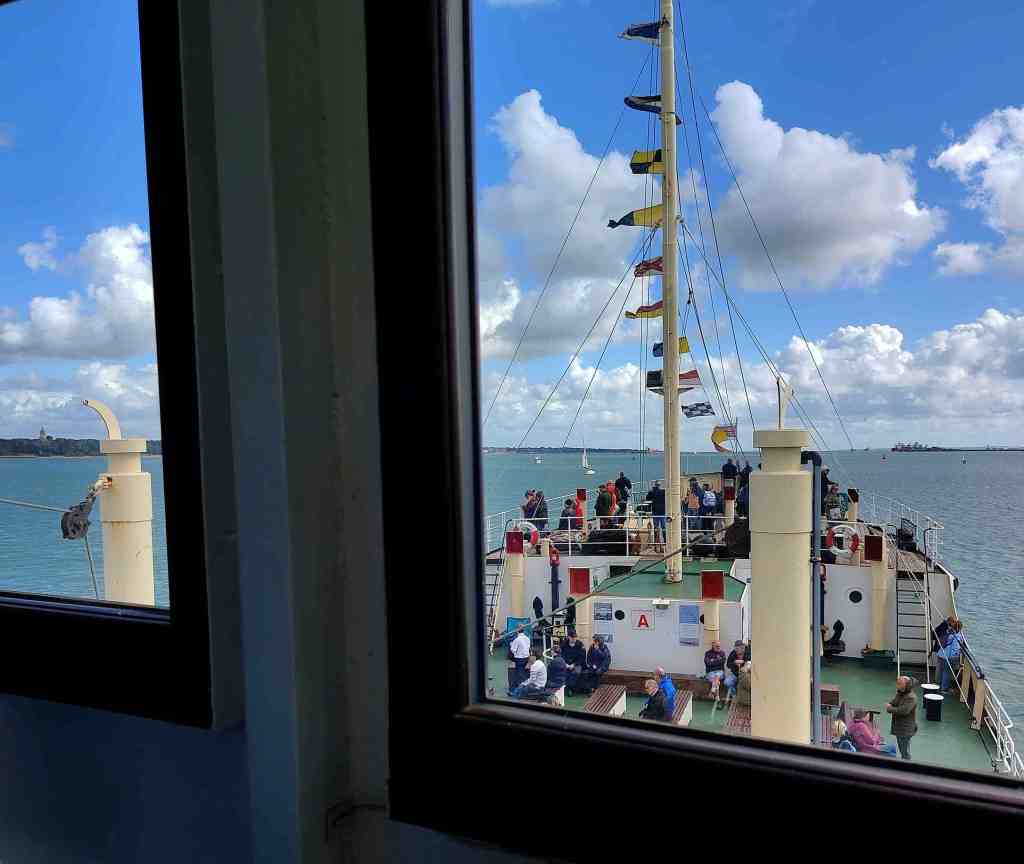
The Bridge.


Engine room.

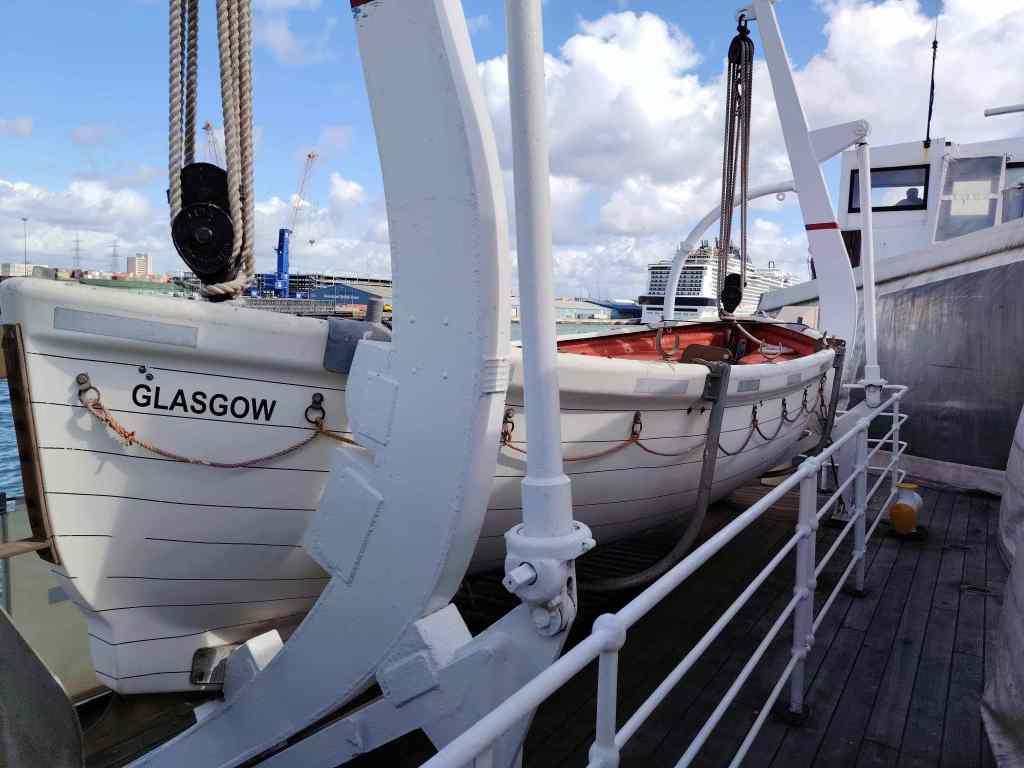
Lifeboat.
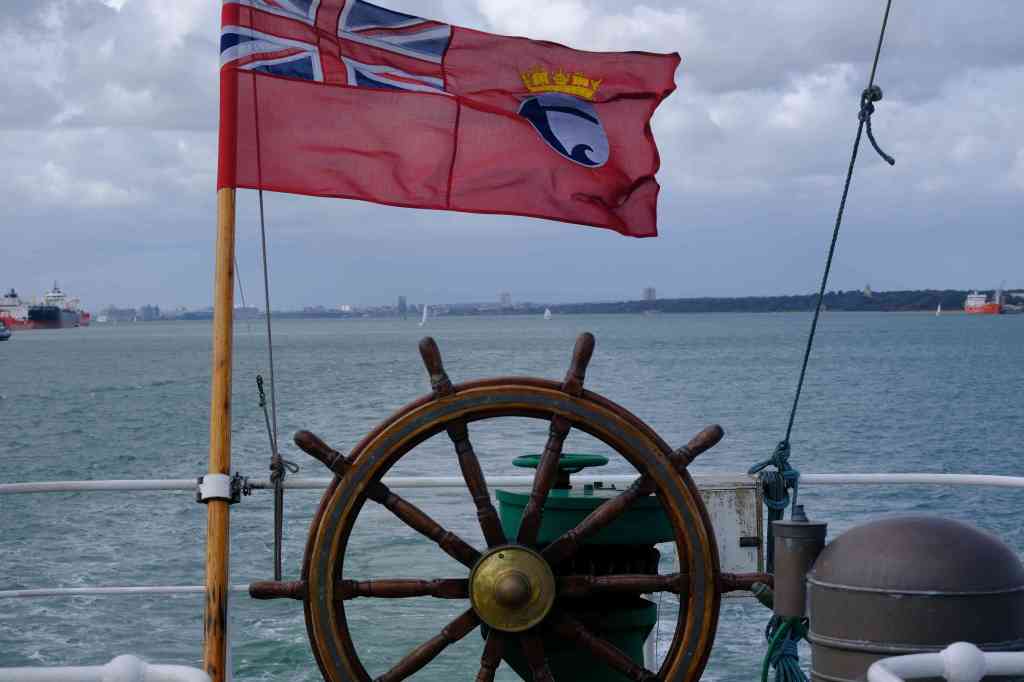
Part 2: Meeting Paddle Steamer Waverley.

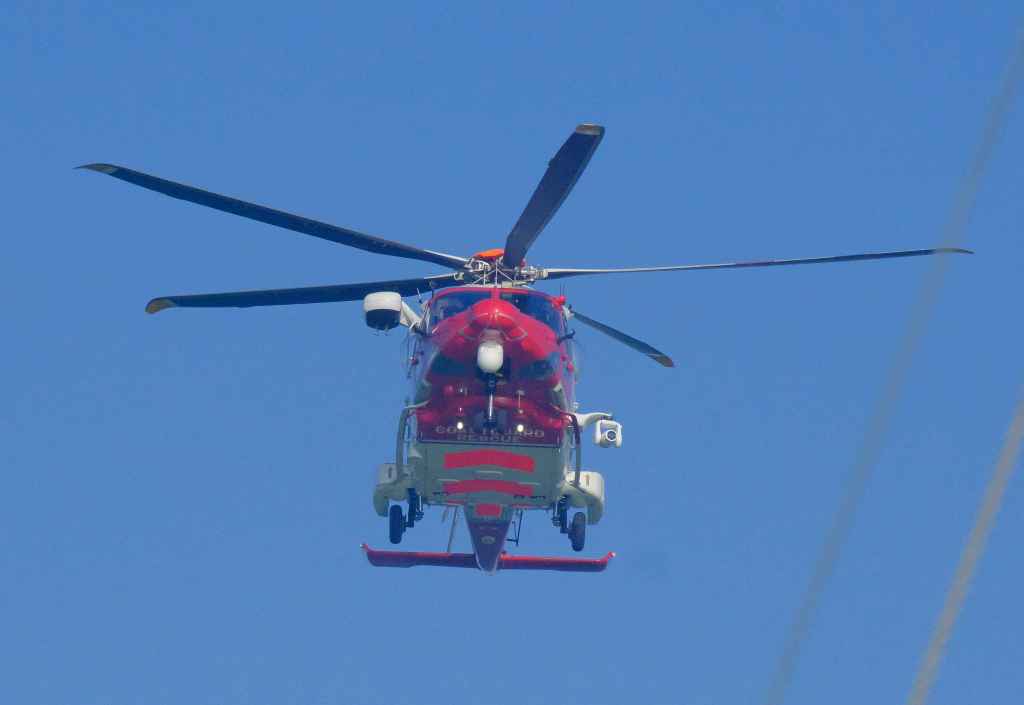
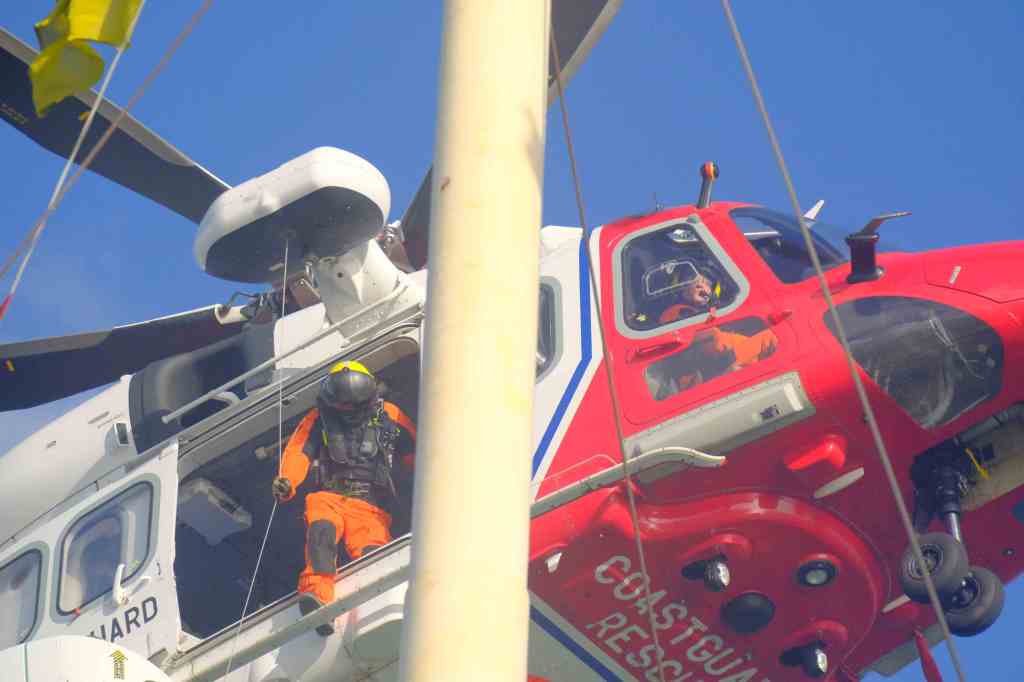
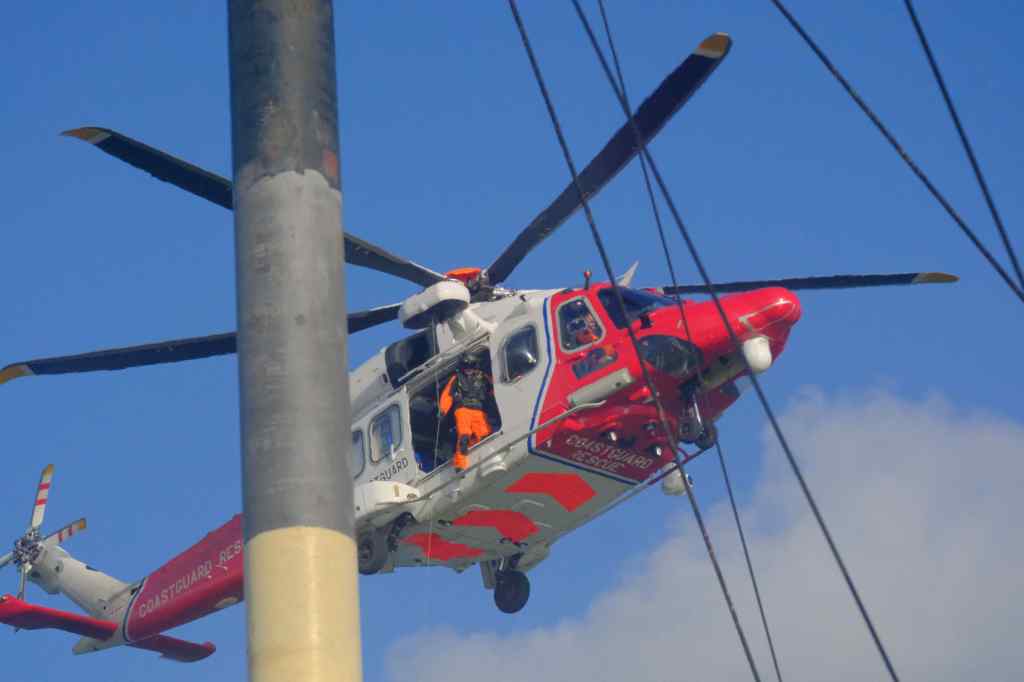
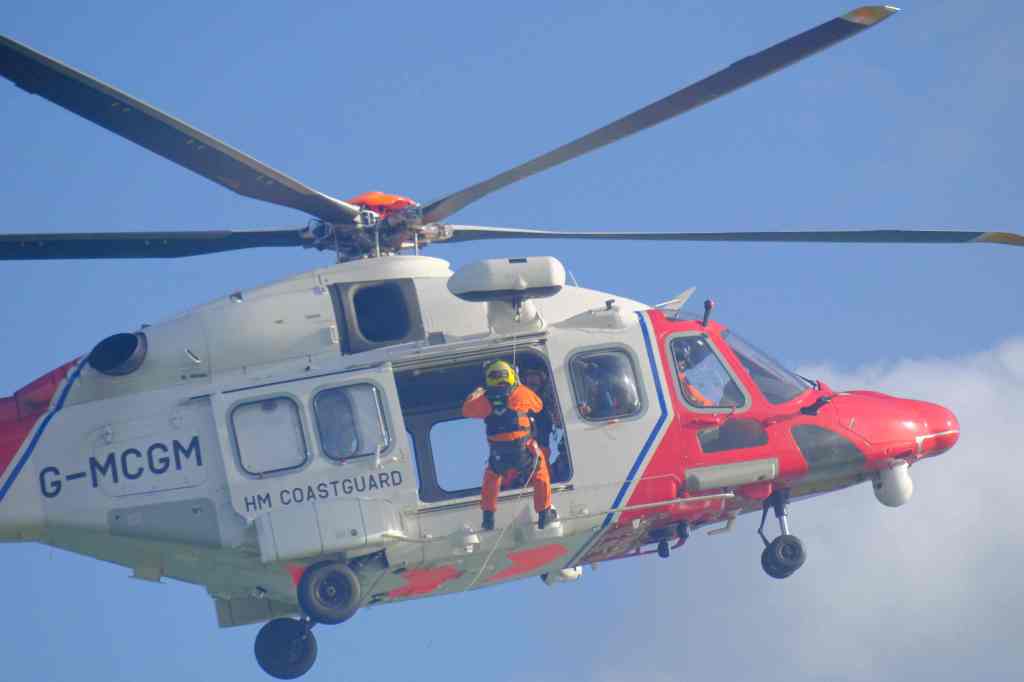
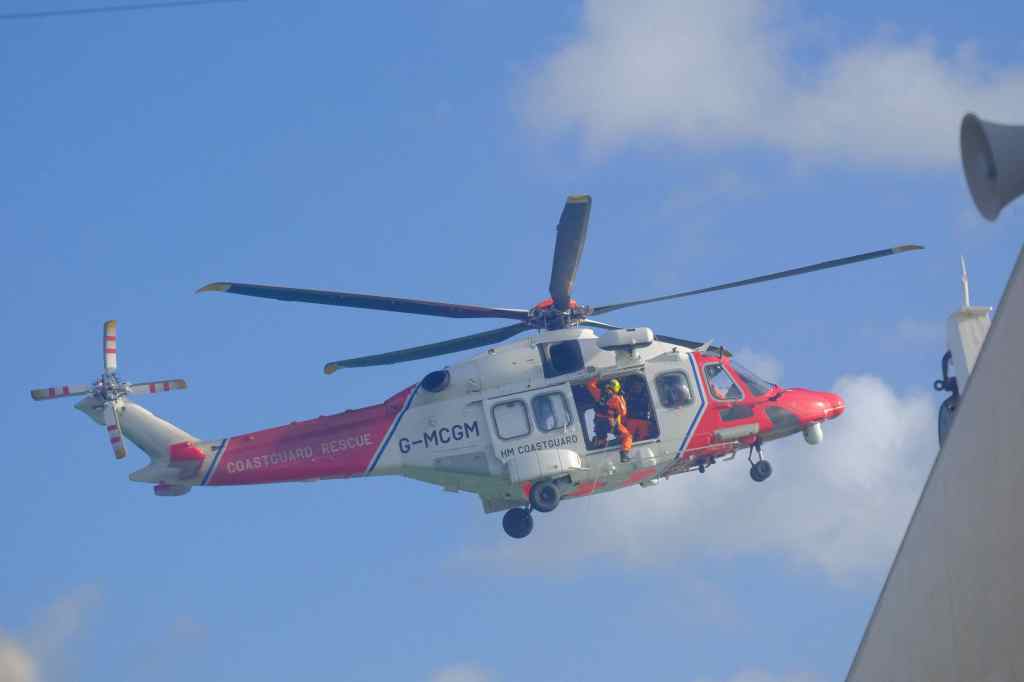
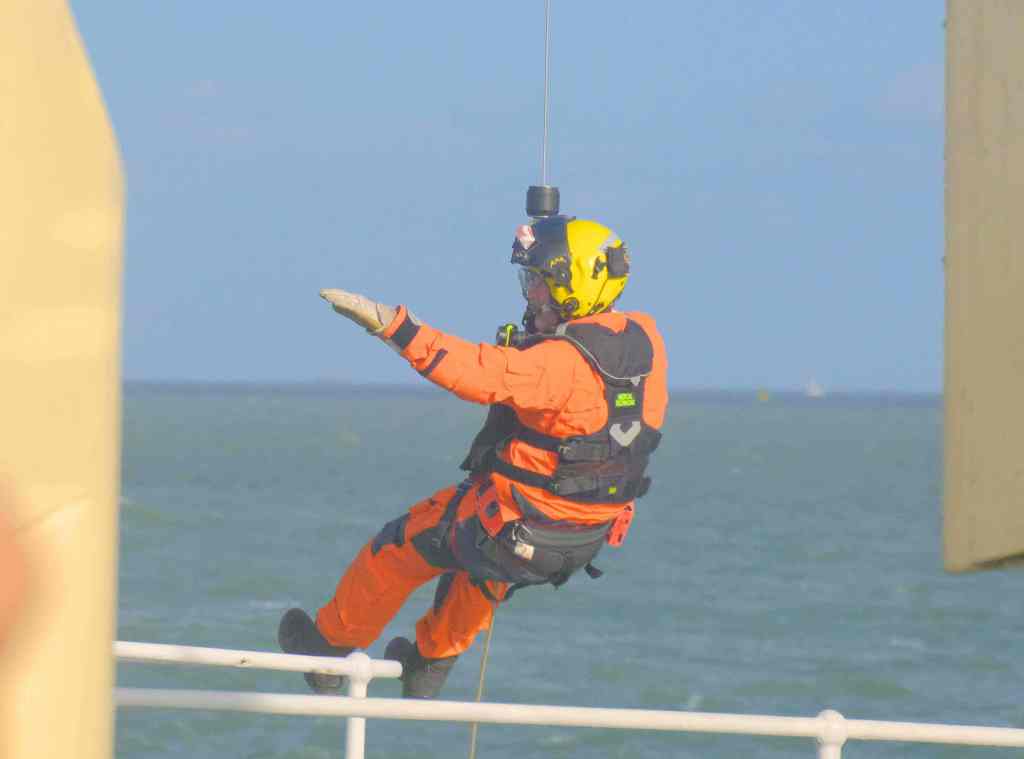
Part 3: A Visit from the Coastguard.
The Team on the Shieldhall have a good rapport with Solent Coastguard and undertakes exercises with them. We were lucky to have an exercise with the Solent Coastguard helicopter. The unit, currently operates two Leonardo AW189 helicopters and is staffed and maintained by Bristow Helicopters Ltd under contract with the Maritime and Coastguard Agency. These aircraft are available 24/7 to respond to coastal and maritime emergencies, often working with lifeboat crews and other emergency services. They operate from their base at Lee on Solent.
You must respect both the skill of the aircrew in putting a winchman on the deck of a moving ship with all the wires and superstructure.


Part 4: Return to port.
After a great trip, once the helicopter departed, we sailed back to Southampton. In the last hour of the trip, the weather broke, and heavy rain came in. We arrived in port at approximately 1900 hours.

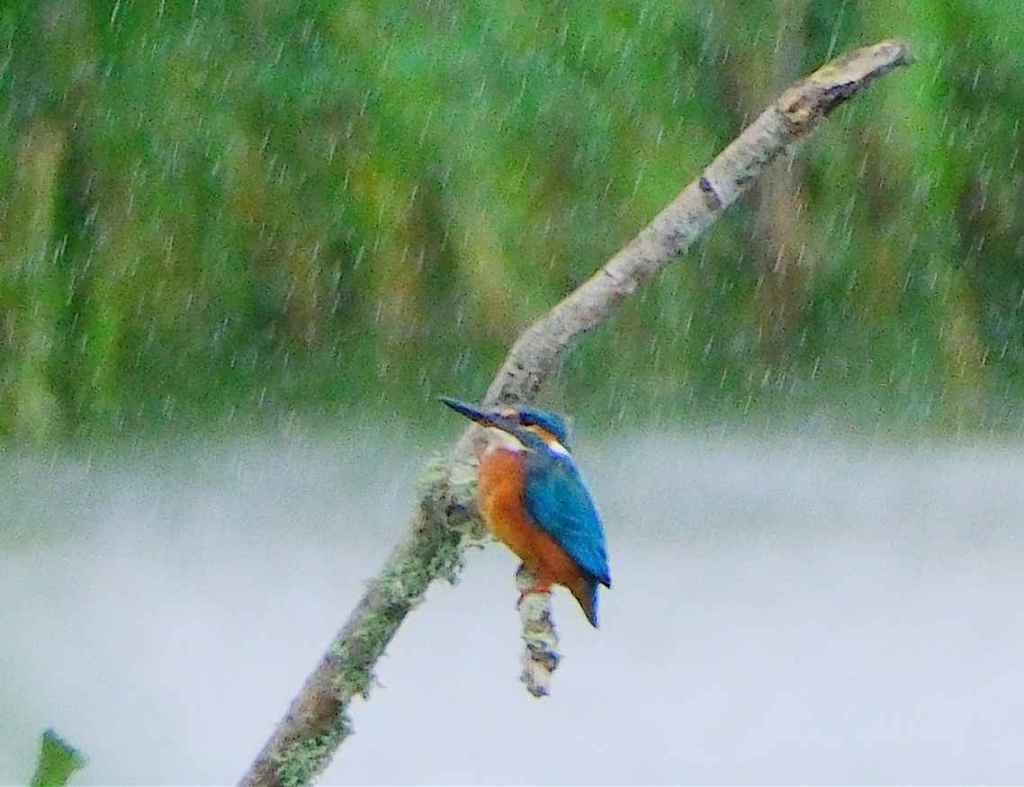
Heavy rain continues, and the forecast predicts ongoing showers most of the day, so the advantage at Titchfield Haven is that you can dodge the showers and keep dry in the bird hides.
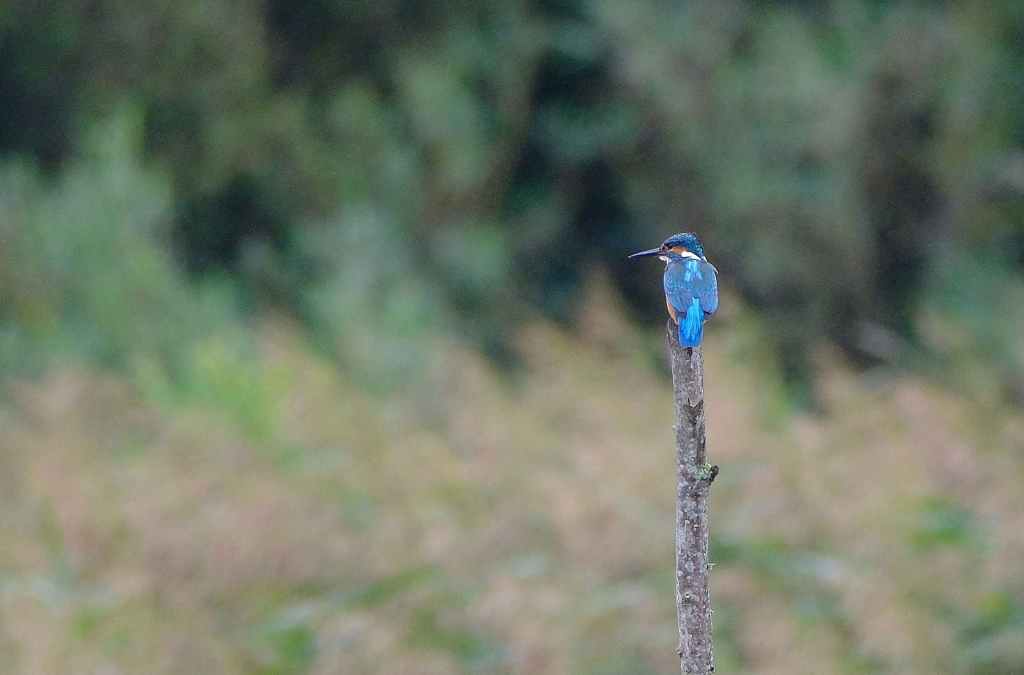
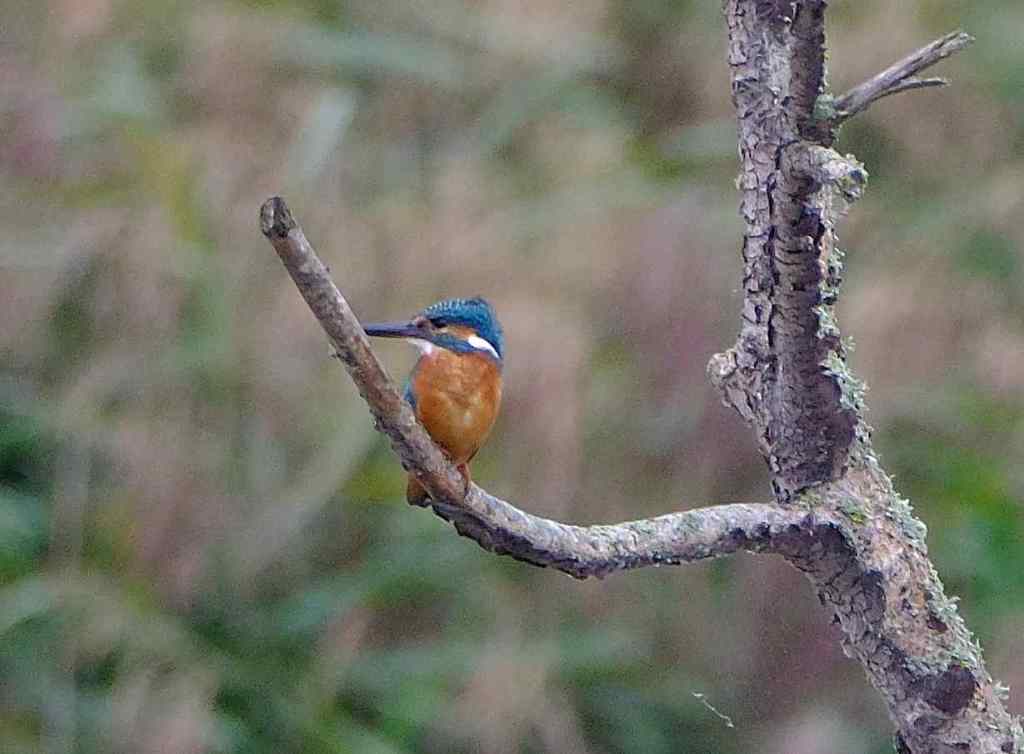
Finally spotted a Kingfisher, although some 60 metres away, they have been avoiding me for the past couple of months.

Another first for me and a rare sighting in the UK. A very distant Grey Phalarope.

An Arctic-breeding wader that sometimes arrives on UK coasts after storms. Under 200 birds are seen each year.
I also saw a Ruff, one of two that are at the Haven at the moment, now in their winter plumage; they are still a good-looking wader.
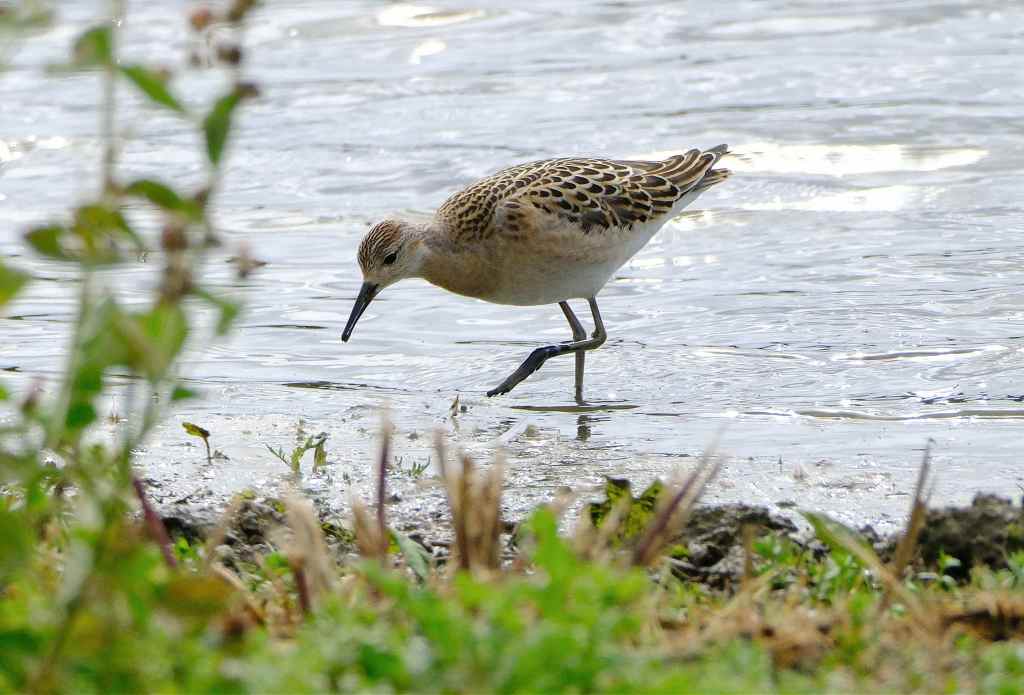


Below is a post showing the Ruff in summer plumage.https://skylid.travel.blog/2025/06/17/ruff/
Ruff’s are a member of the sandpiper family – some Common Sandpiper were also at the Haven this morning.


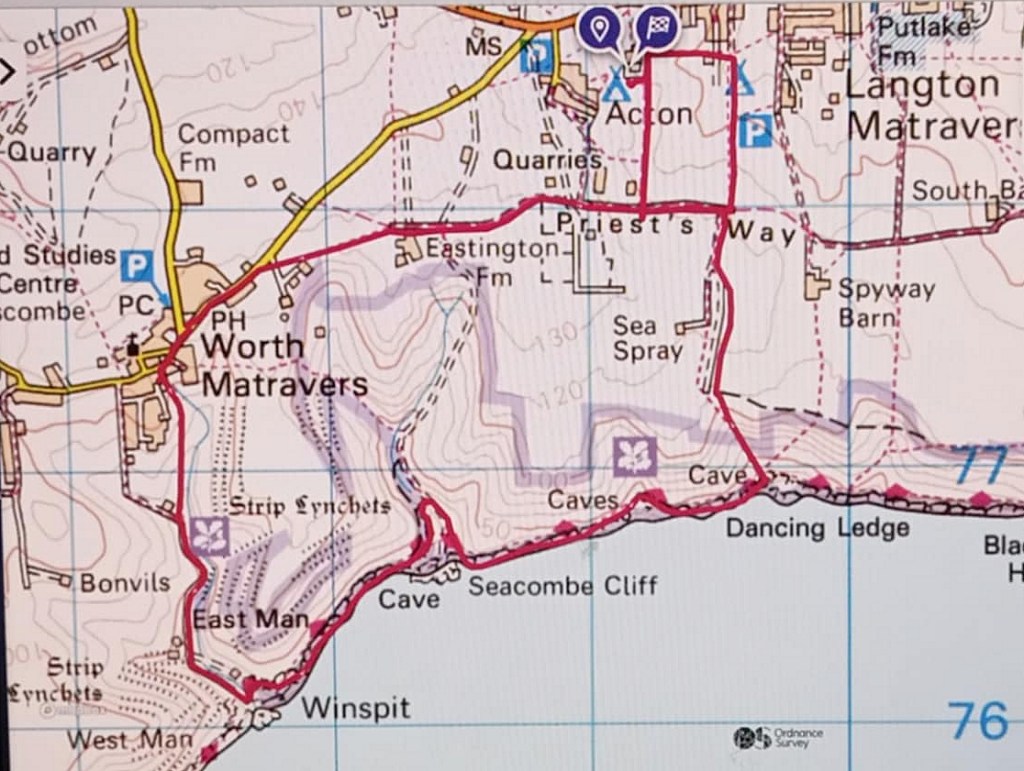
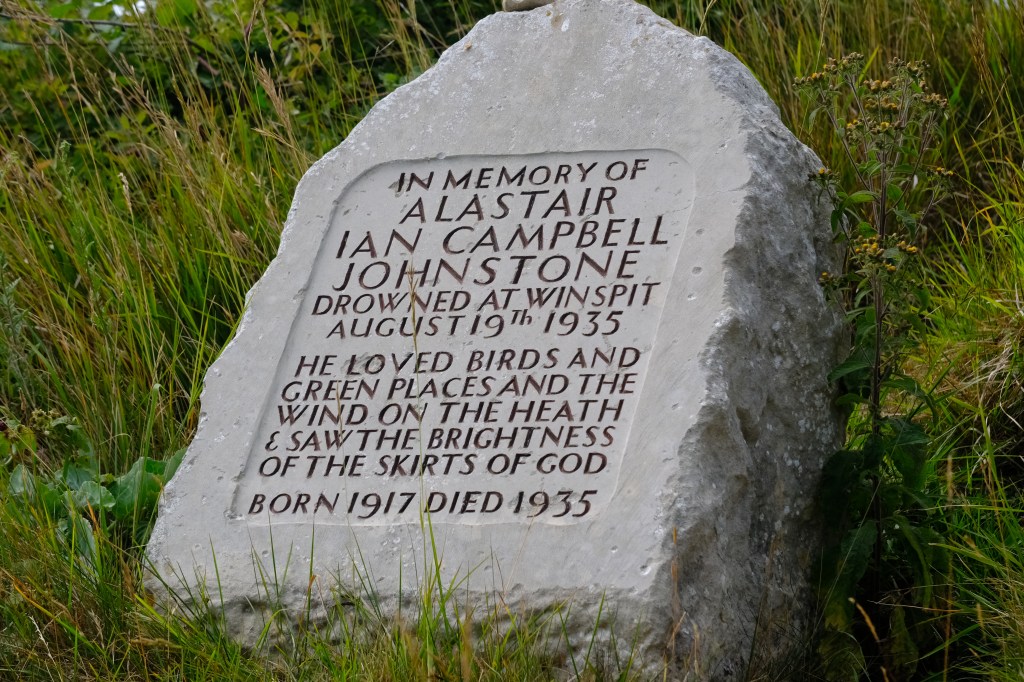
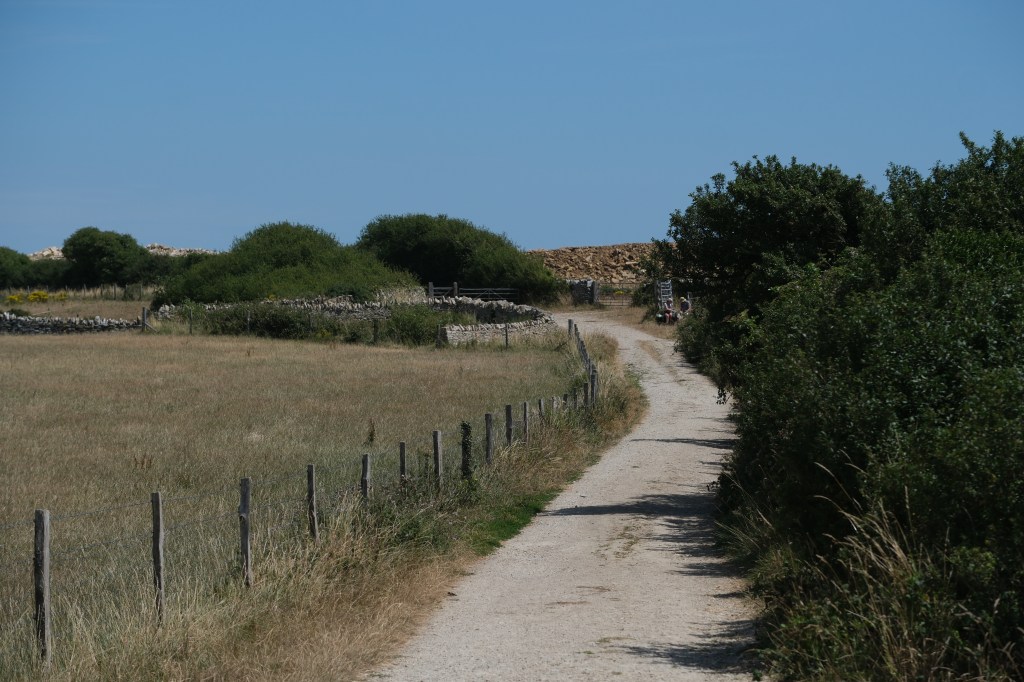
On Wednesday, our walk was a circular route of approximately 7 miles, starting from our campsite at Acton Fields, and then heading down to the coast at Dancing Ledge, along the coast to Winspit. The coast in Purbeck is dotted with quarries and caves, a legacy of the stone-cutting industry. Then back inland “uphill” to Worth Matraver and along the Priests Way back to the van.


A few hours taking in the cool sea breeze this evening.
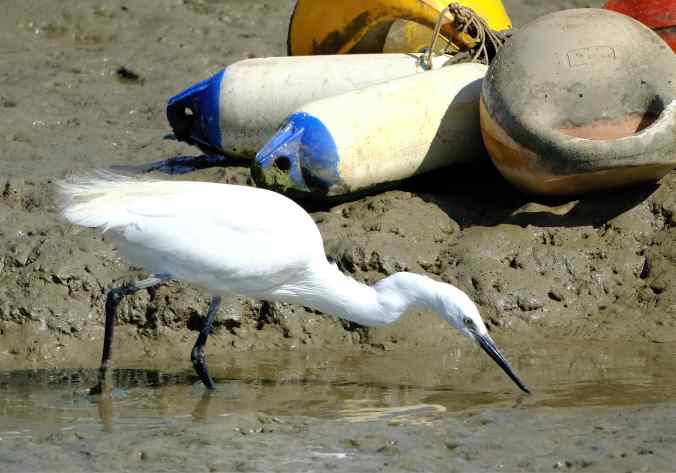
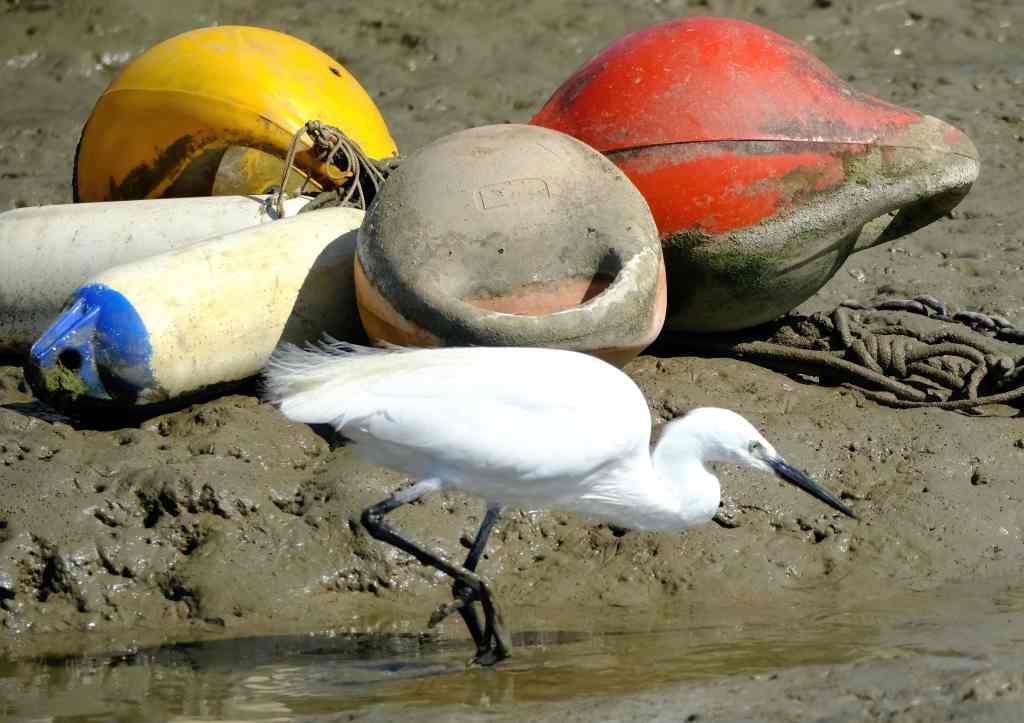
Little Egret in the harbour at Titchfield Haven.

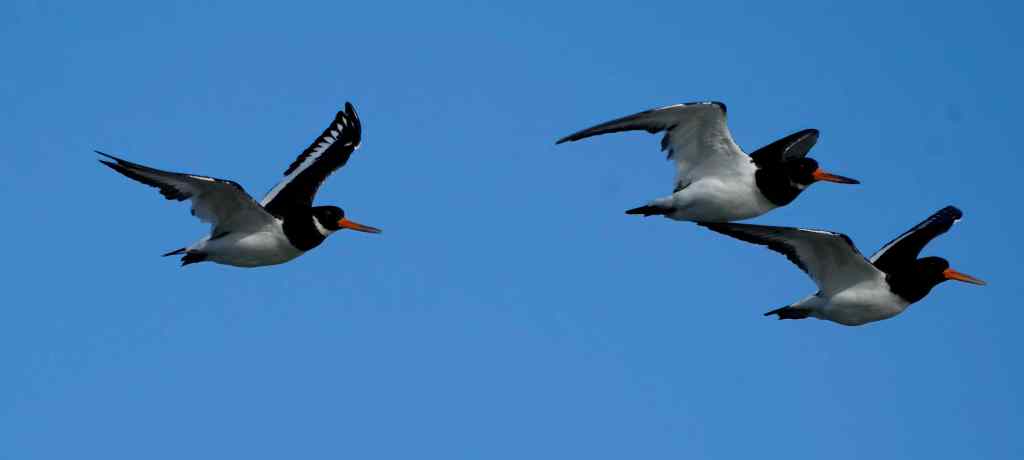
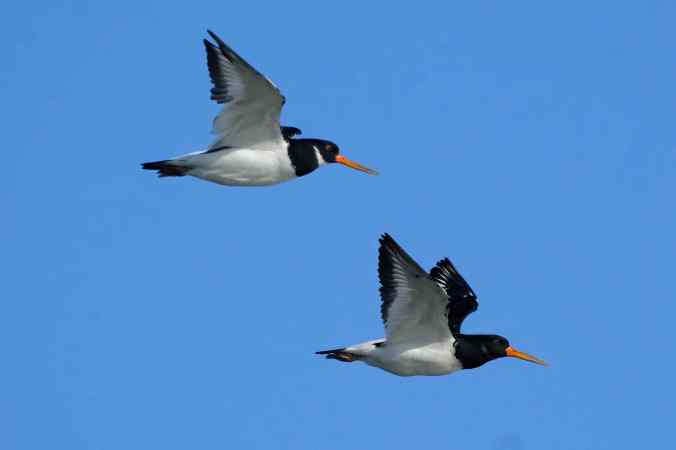
Flypast Oystercatchers heading inland as the tide comes in.
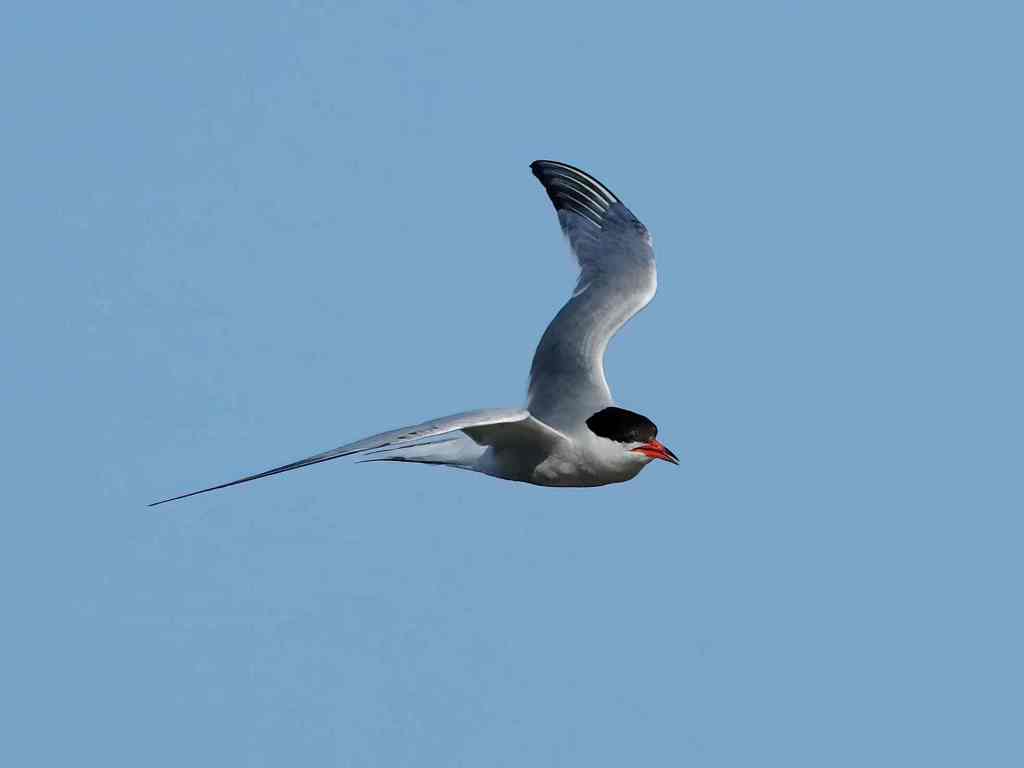
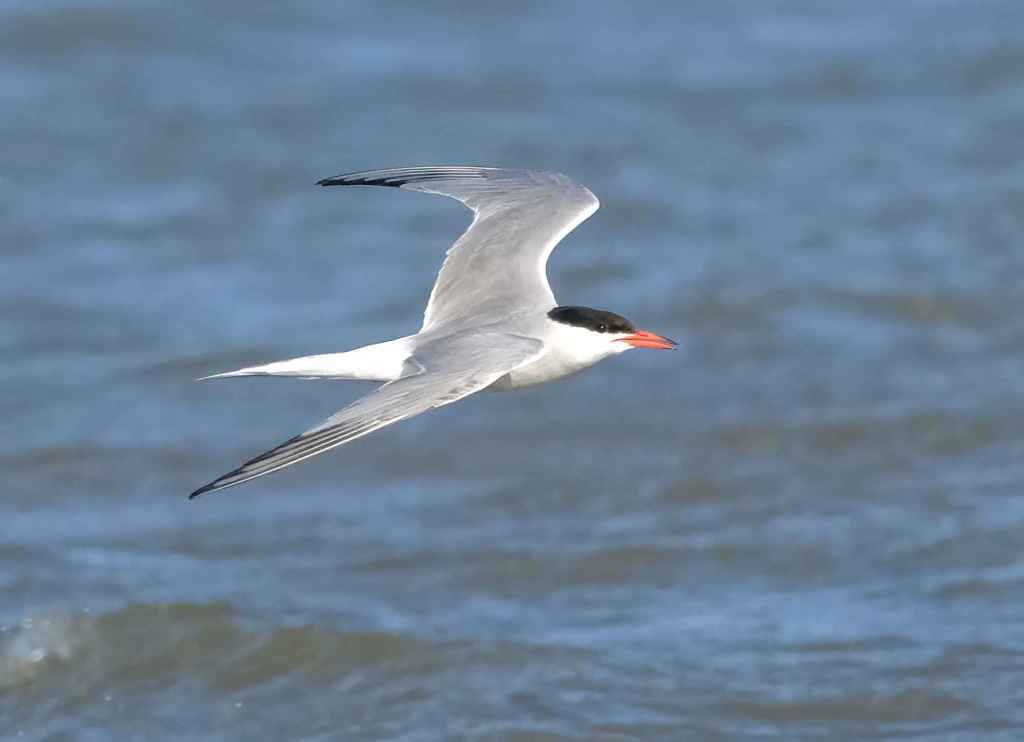
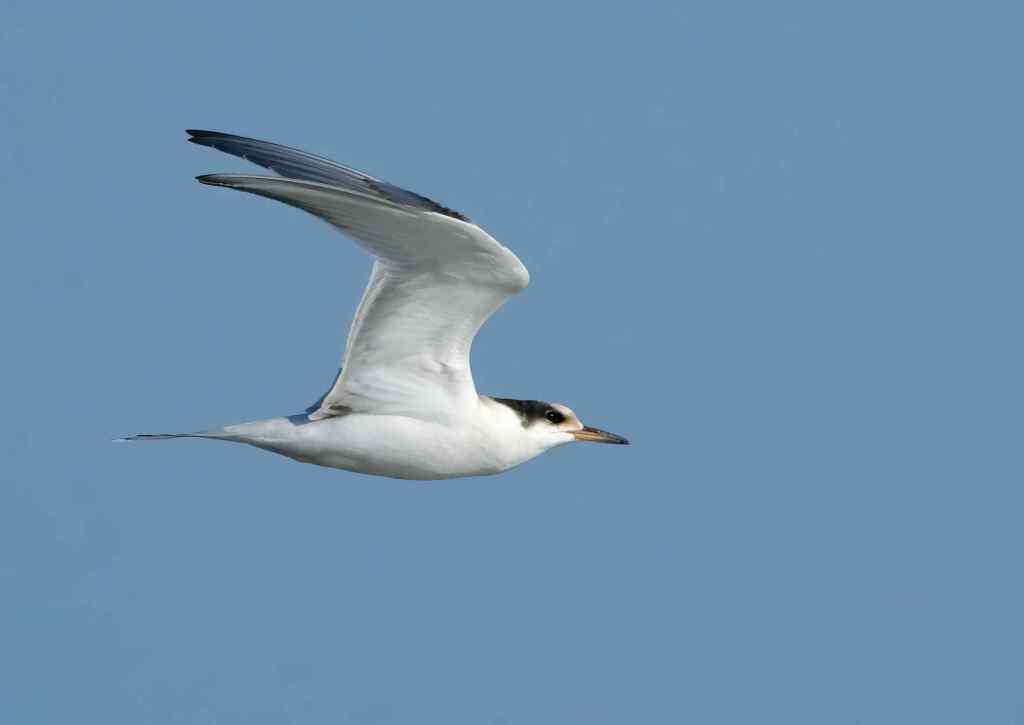
Common Terns fishing including some juveniles.




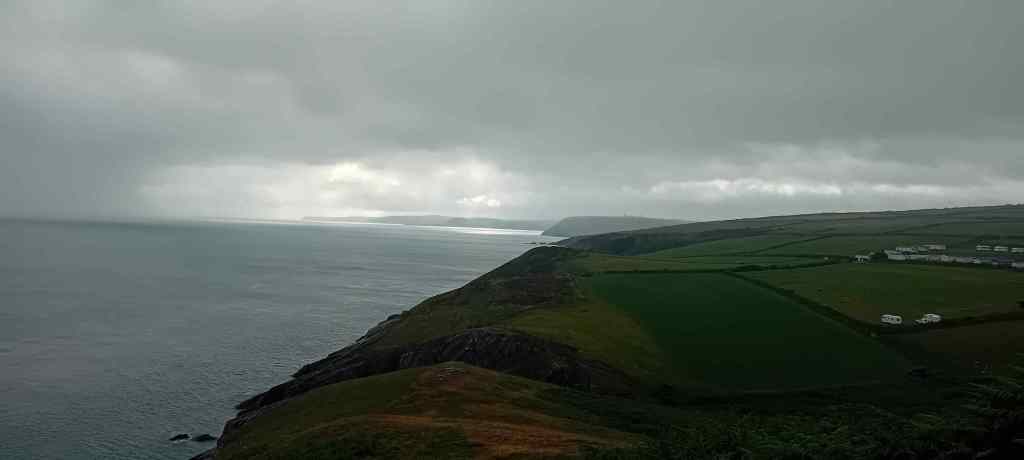
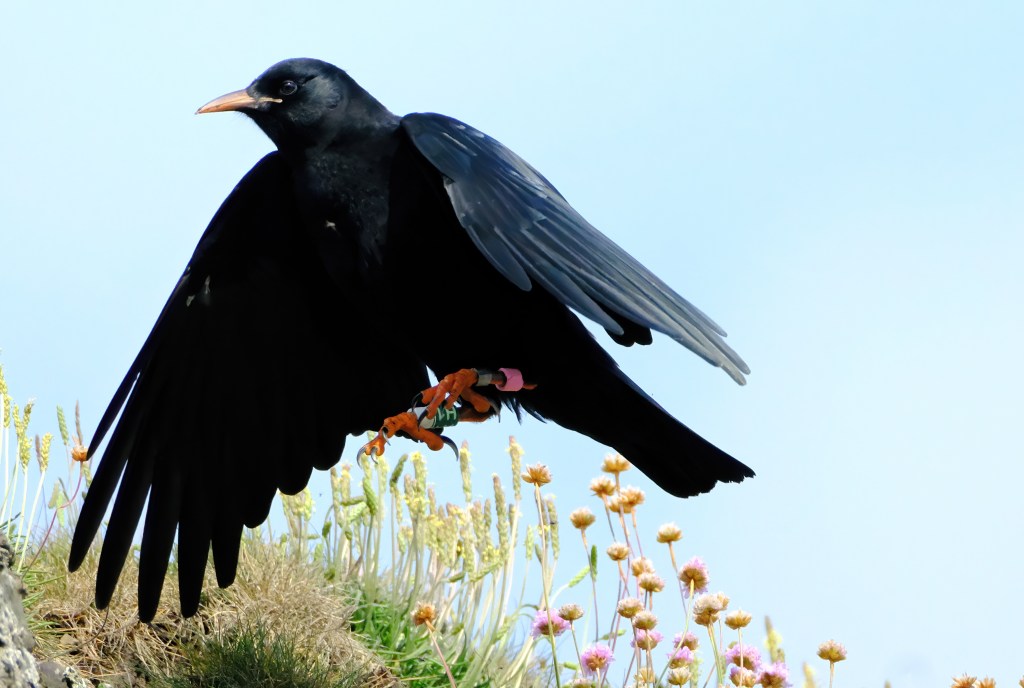
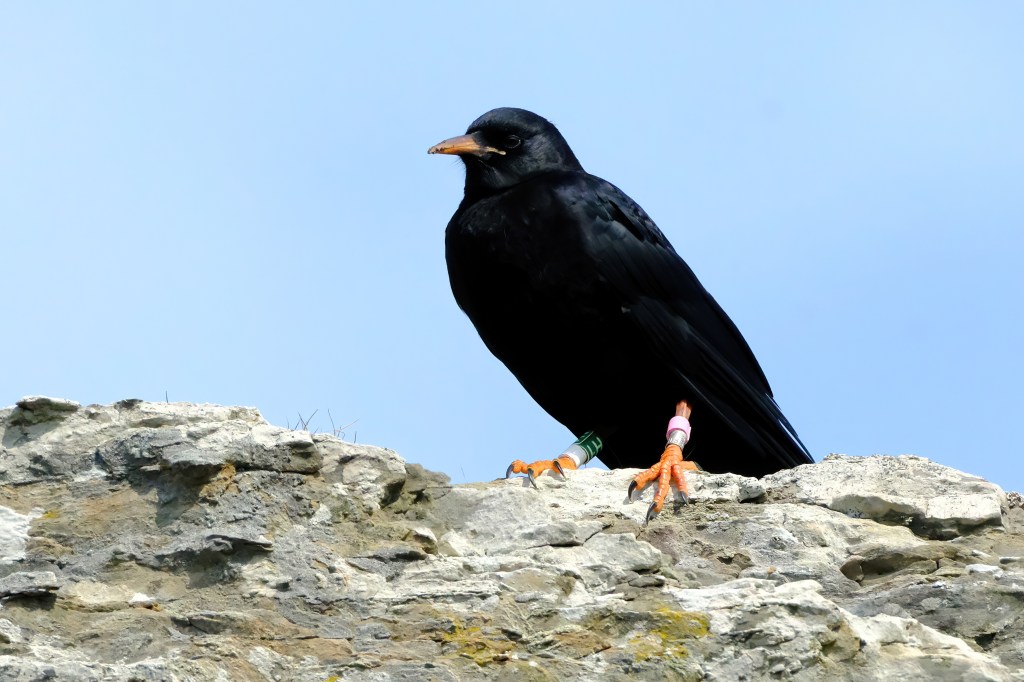
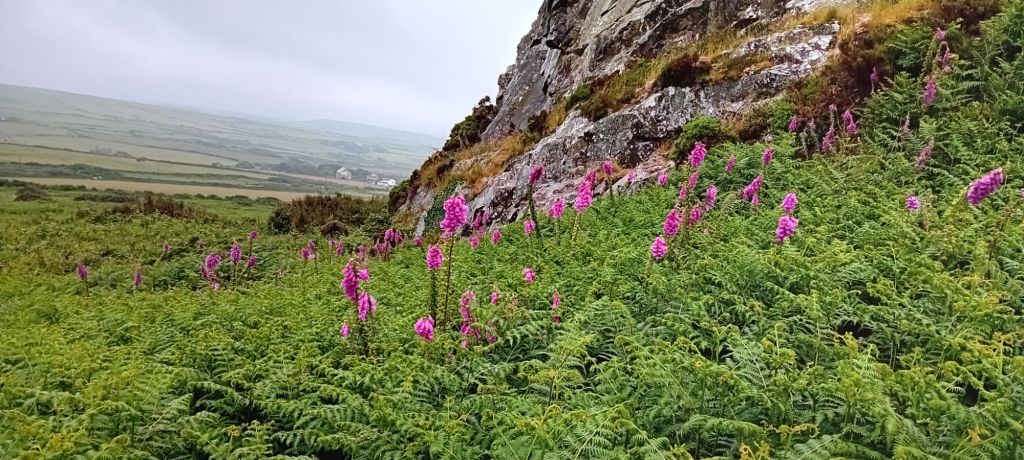
I visited an area in Pembrokeshire, Wales, on our camping trip where, several years before, I had seen Choughs. On a few miles of rugged coastline, I was lucky to see about 15 birds. This included two family groups – both had two parent birds and at least 3 juvenile birds in their group. One set of chicks had been ringed.
Unfortunately, the weather was very wet with high winds, so getting photographs was challenging.
The Chough—pronounced ‘chuff’— is a member of the crow family, but unlike any crow, it has an orange bill and legs. It is found only on the west of the British Isles. It’s a master aerobatics with dramatic aerial displays of diving and swooping. These birds are rare, with only 500 breeding pairs in the UK and the Isle of Man. They are Schedule 1 species.
They feed on short grassland and coastal heathland, where they probe the ground with their long bill for insects, such as leatherjackets and beetle larvae. Nests are in crevices and fissures, on rock ledges and cliff faces.. The female lays three to five eggs, and both parents help to raise the chicks.
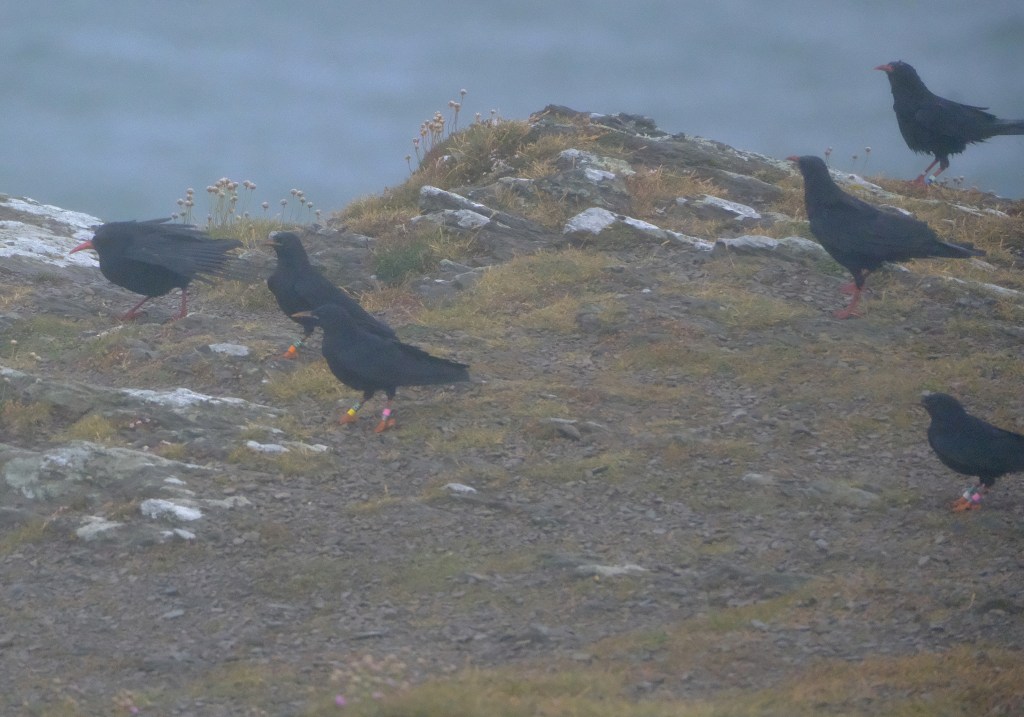

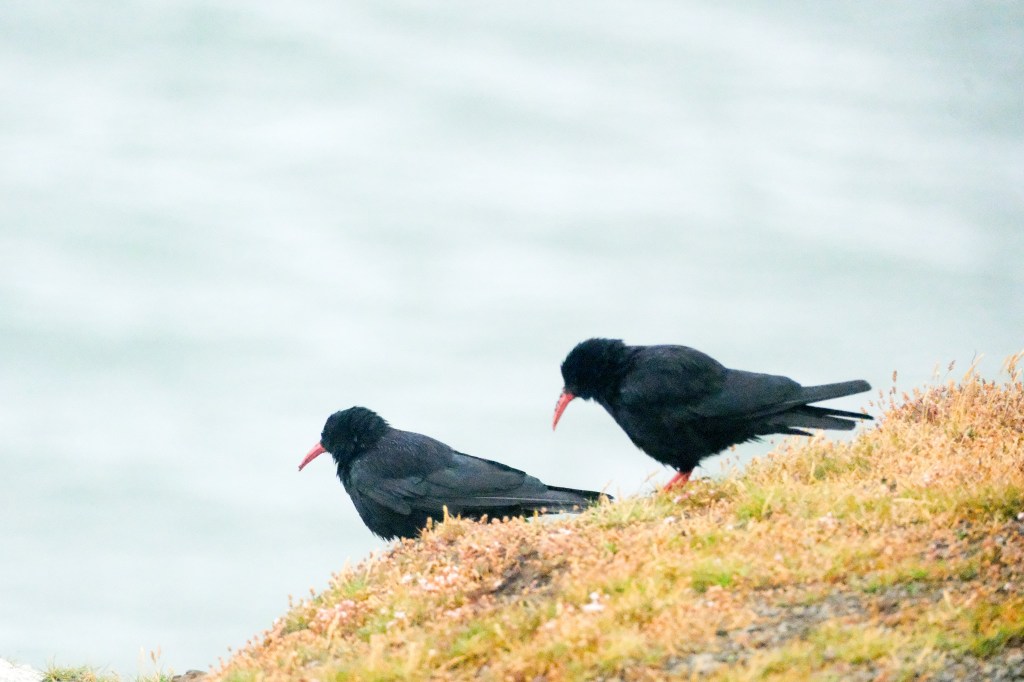
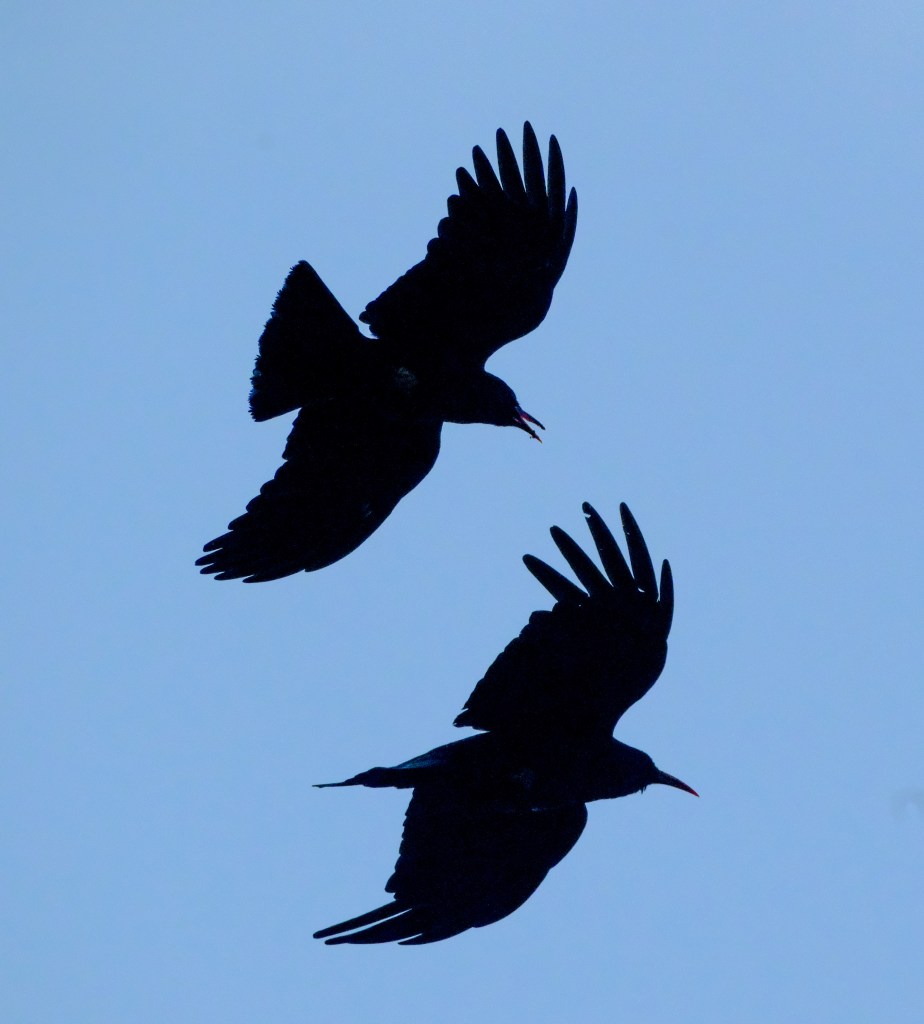
Later in the morning the weather improved so did the light so my pictures improved.

Below is a juvenile bird (ringed), note the paler bill.

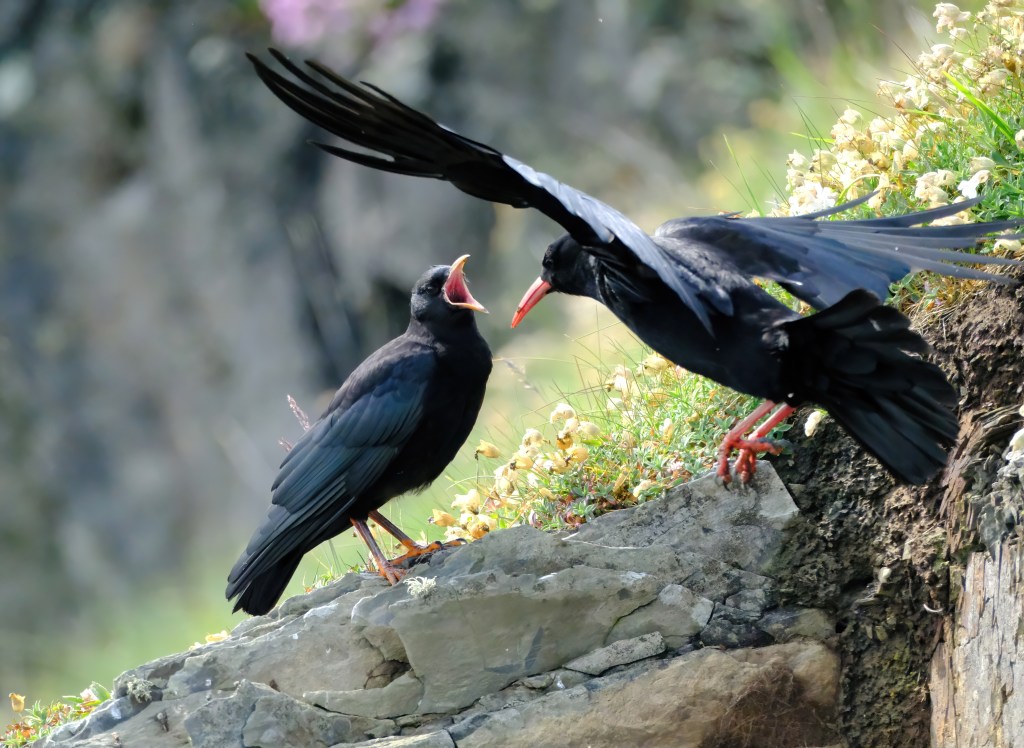
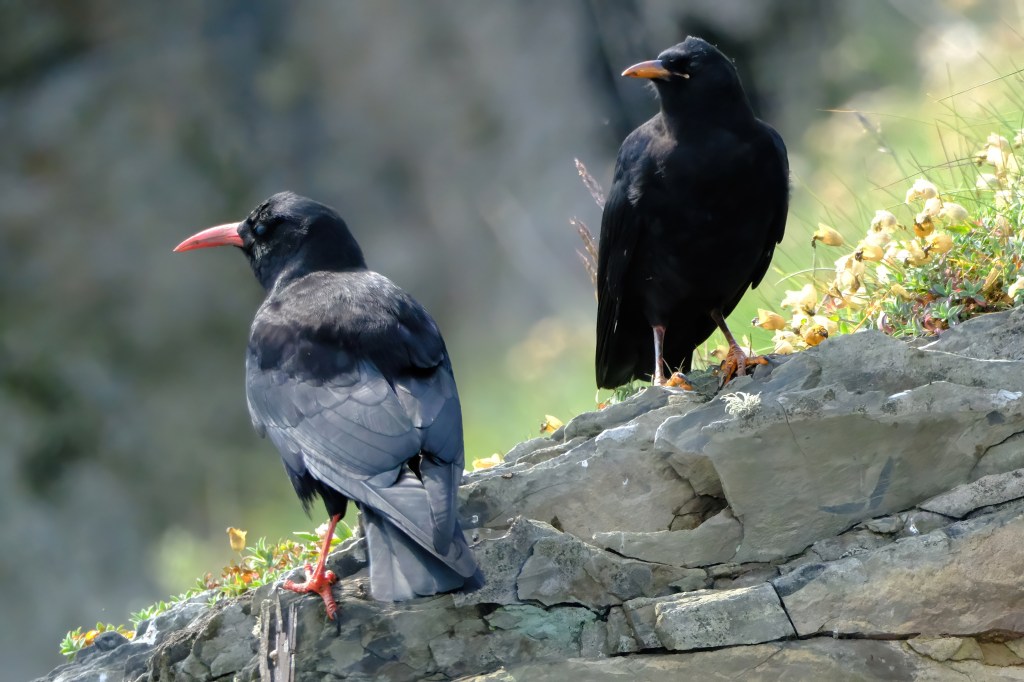


I’ve been away since last week, touring in West Wales. Poor or no wifi, so no posts. It rains a lot in Wales! Some good coastal nature spotting to follow. Posted from a smartphone.
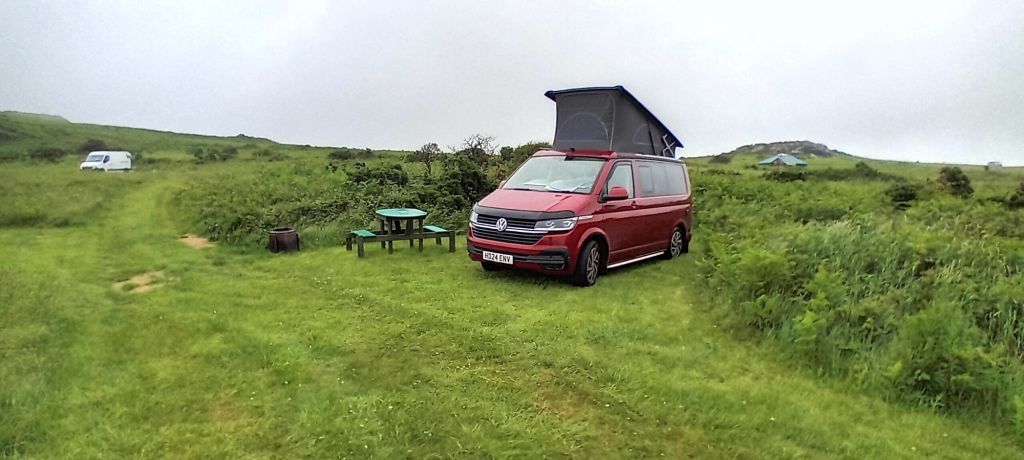
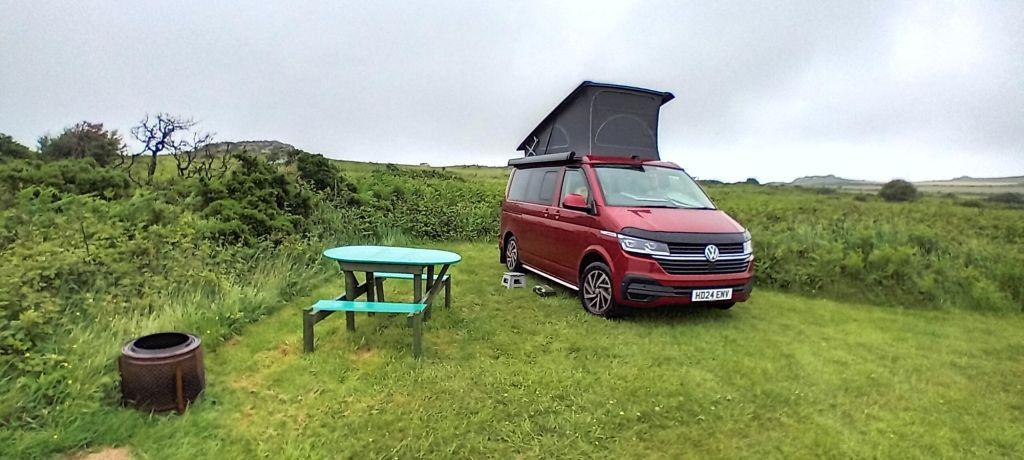

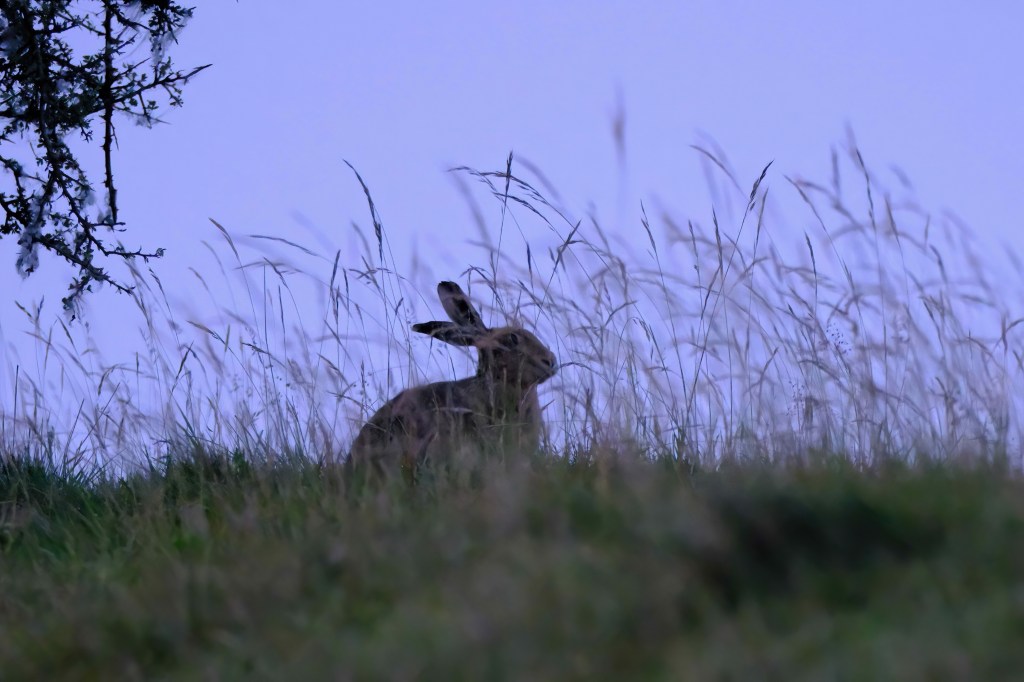
Without (much) hesitation, and with a weather forecast giving a bright Sunday morning until around lunchtime, when my brother suggested a 04:30 hrs start to see if we could spot the Barn Owl we had spotted on the South Downs a few weeks earlier, it was a “go”!
As we left for the half-hour drive, it was already getting light. However, a noticeable chill was in the air, so I opted for a fleece over a waterproof jacket.


25 years ago, the Government were stating they were going to bury the electricity cables in places of natural beauty such as national parks, well it never happened and we are told more pylons will be needed to link solar farms to the national grid as they are too expensive to go underground. I see WordPress now has an AI section, so I asked it to generate a picture of Pylons at Stonehenge! {NB-1st and last time I will post a A1 picture}

Sadly, no Barn Owl was out morning hunting, but good numbers of Brown Hares were about.
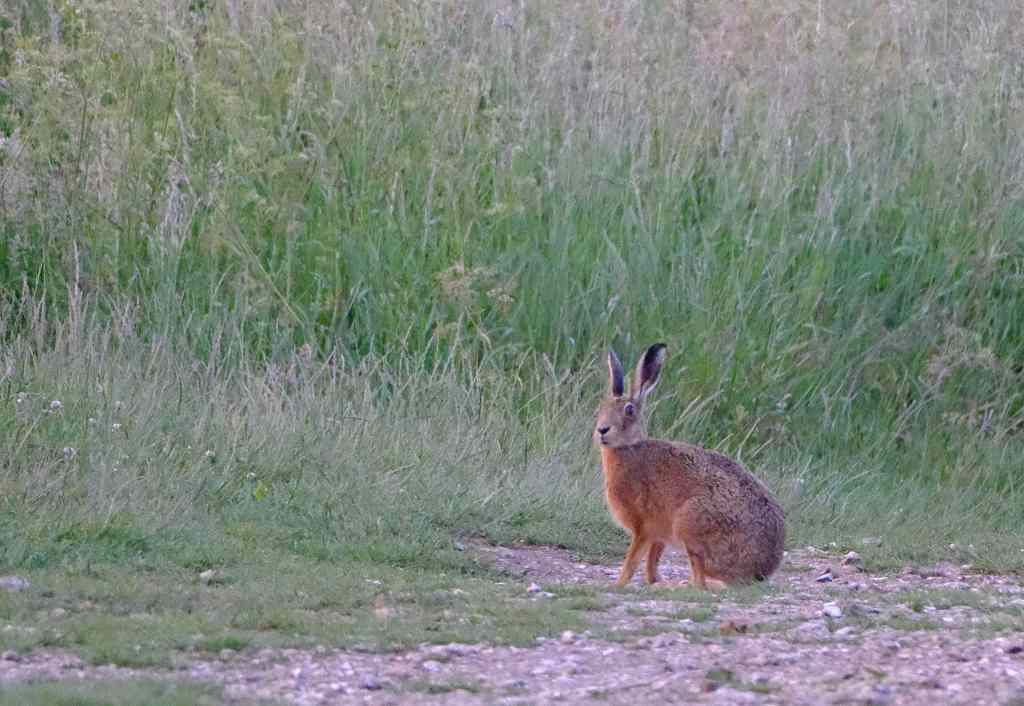
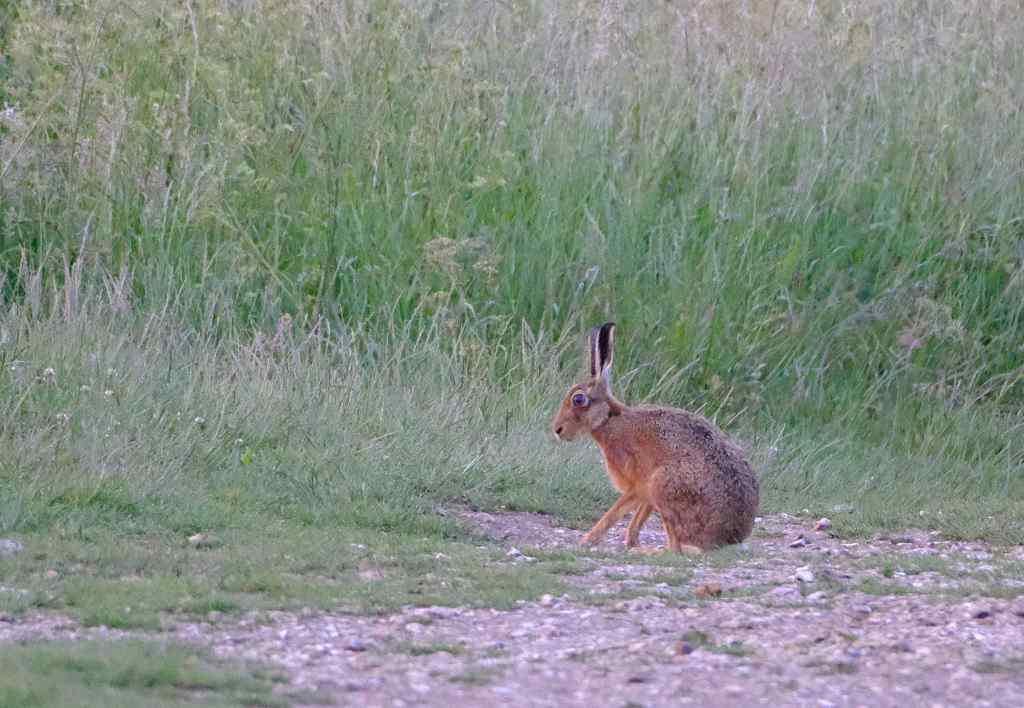


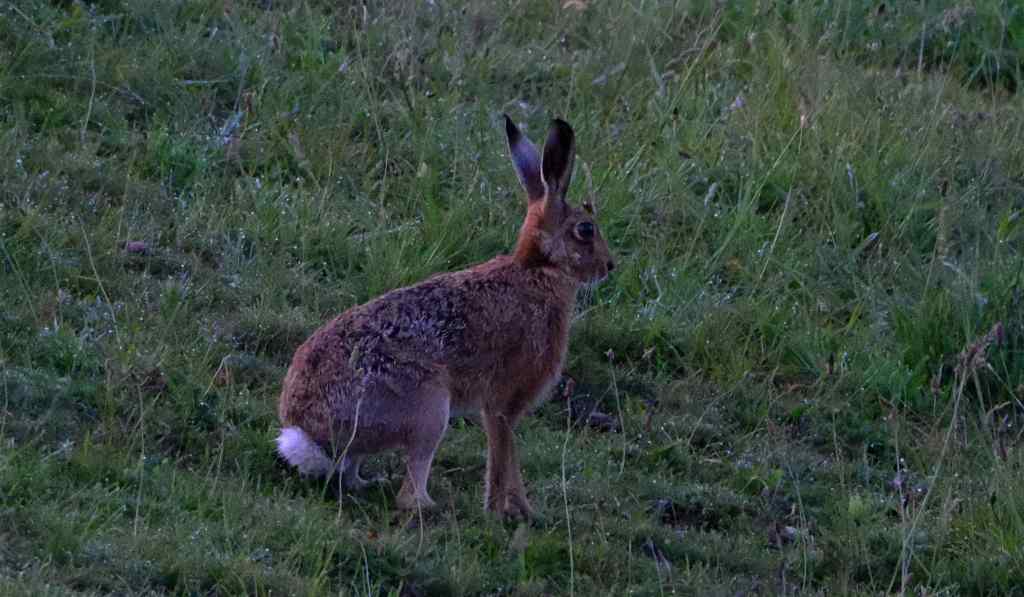
The next hare was a Rabbit!

Turning to head back, rain clouds were heading in. All the crows just landed, sadly, I missed them in the air as it was a great sight with that sky.

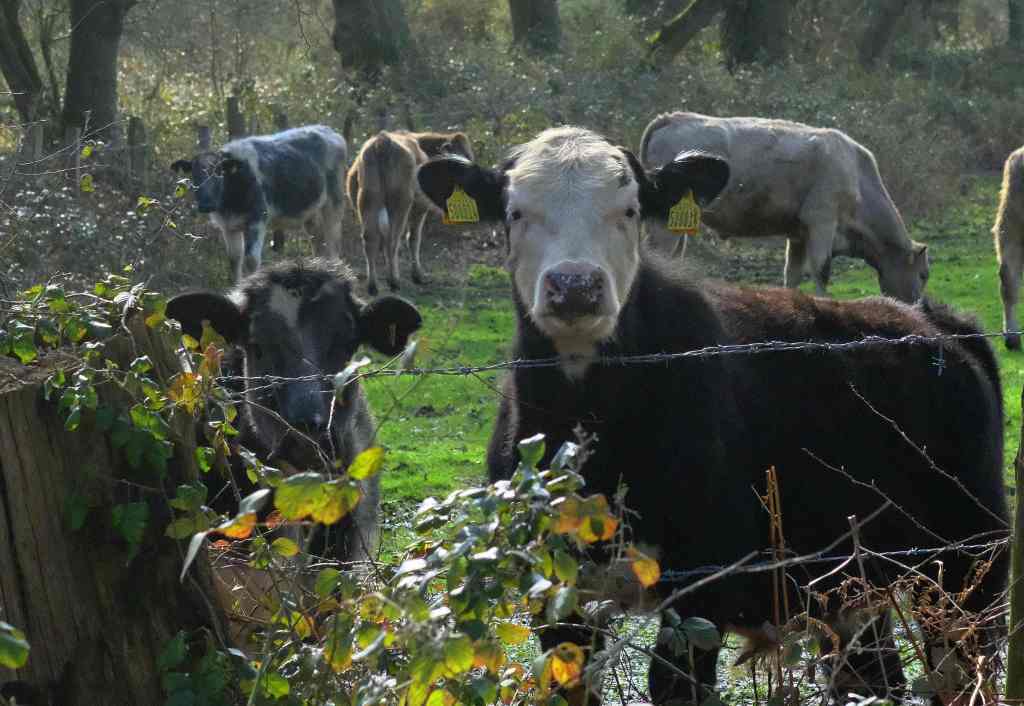
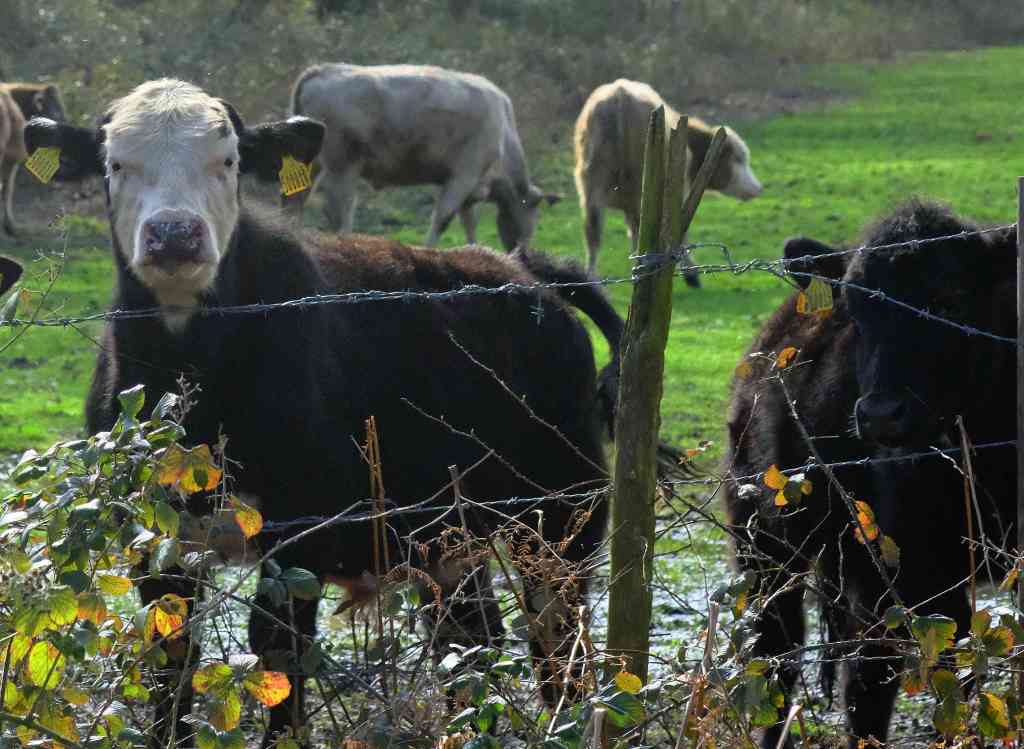
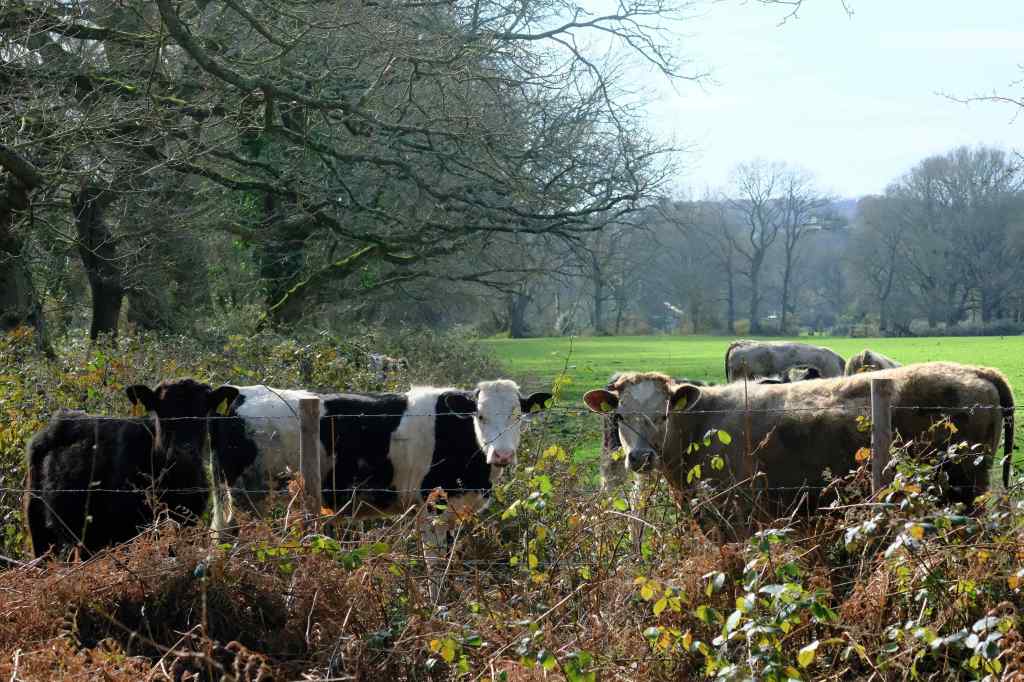
With a few rather interested in us, Hereford Cattle, we took a wide detour off the footpath close to farm buildings.
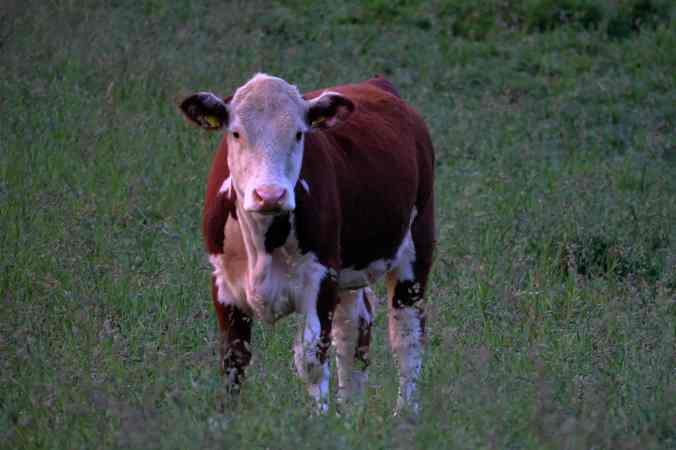
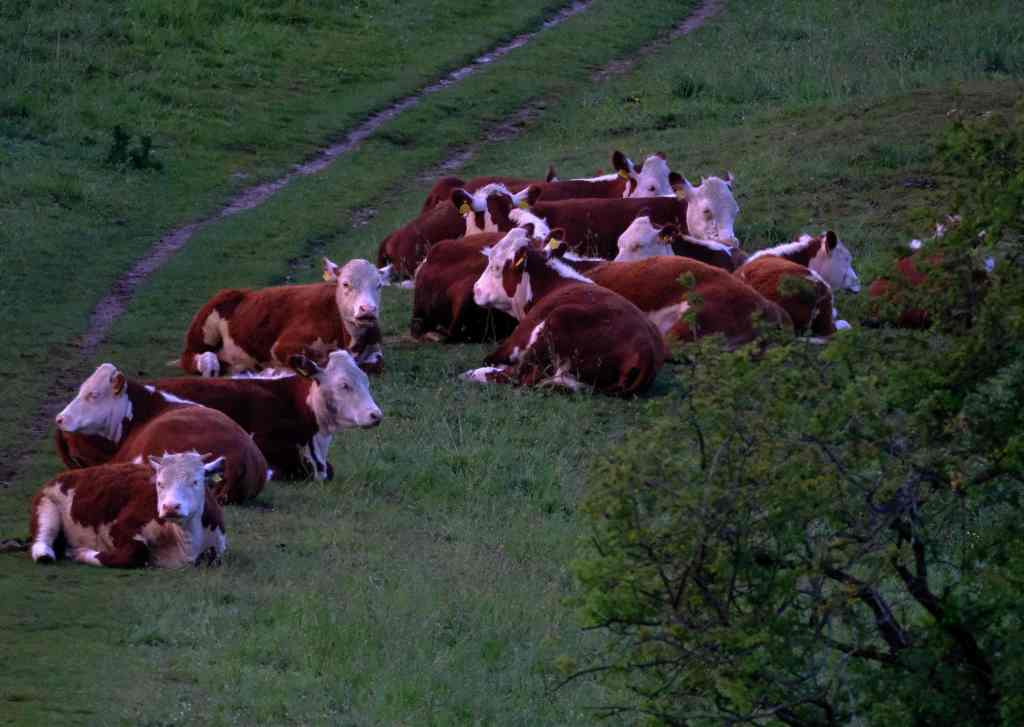
This allowed us the opportunity to look into the barn where we had seen the Owl in flight previously.
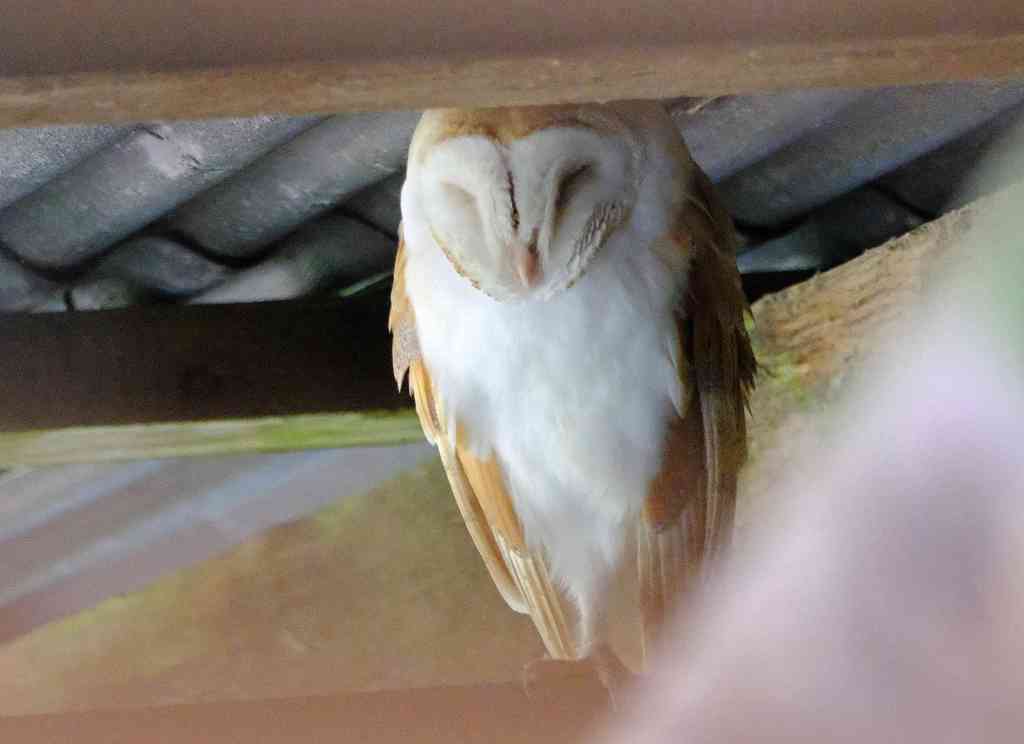
Looking through a hole in the barn wall (marked with a yellow arrow) was the Barn Owl on the other side, fast asleep. Obviously, despite our early start, it was not early enough!


After nice bright weather for a couple of weeks, we had a wet, grey day today, and the forecast says it is with us until early next week. On the positive my water butts in the garden are now full of water.
So, pictures today from Titchfield Haven are more like pictures from a winter’s day. Not very nice under sail in the Solent.

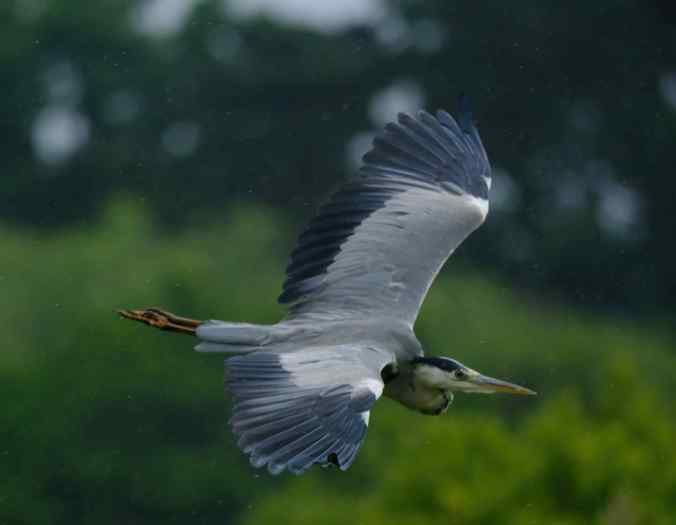
Grey Heron.
Little Egret.

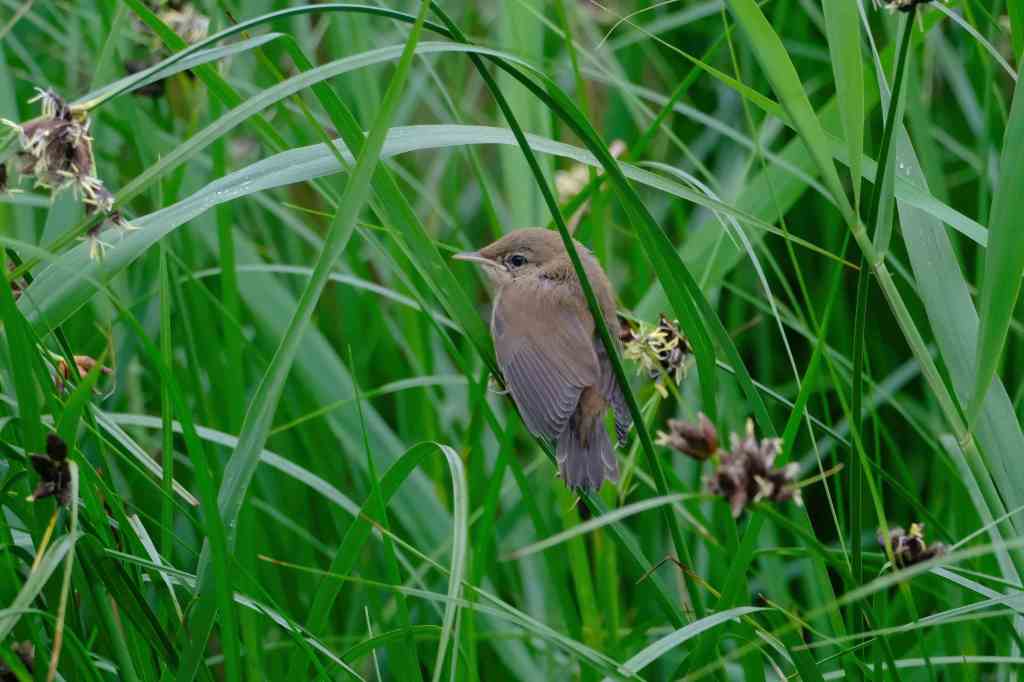
fledgling Reed Warbler.


Yesterday (12th January).
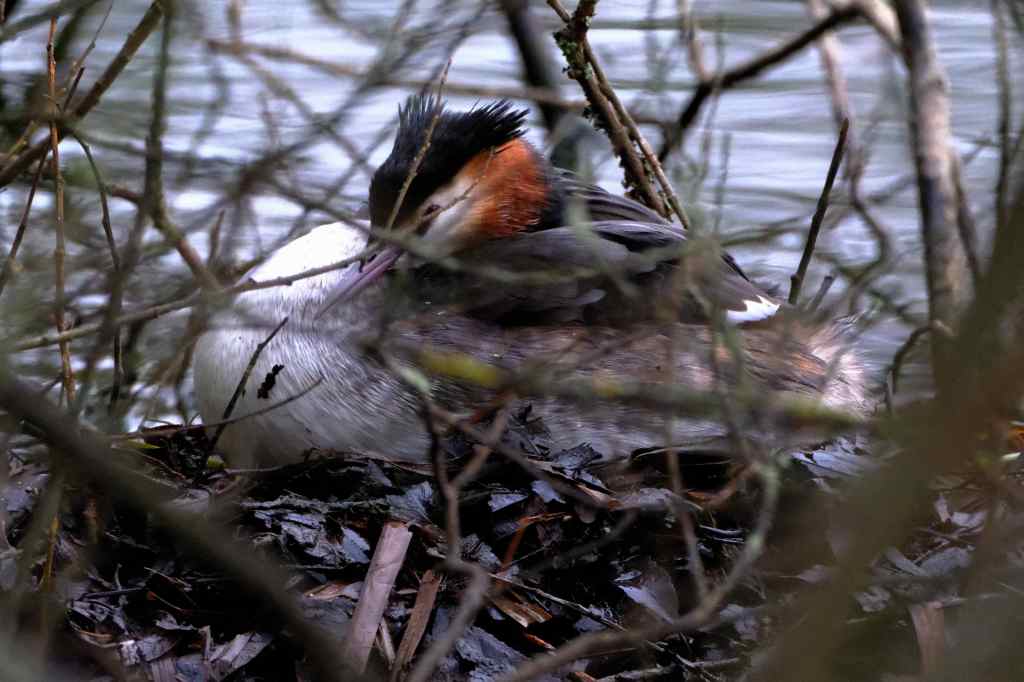
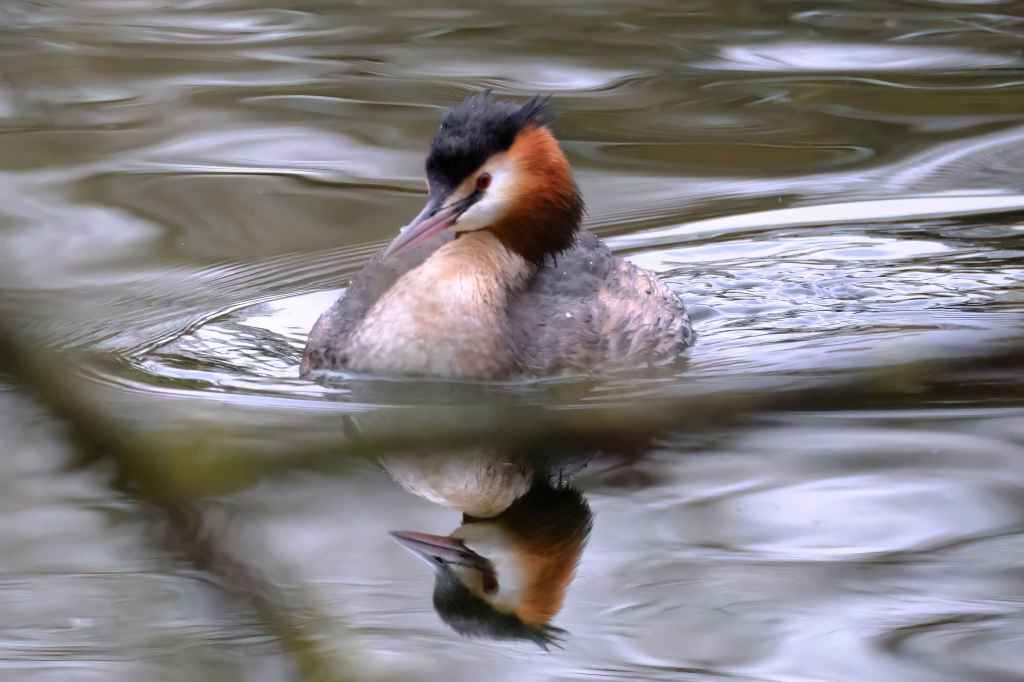
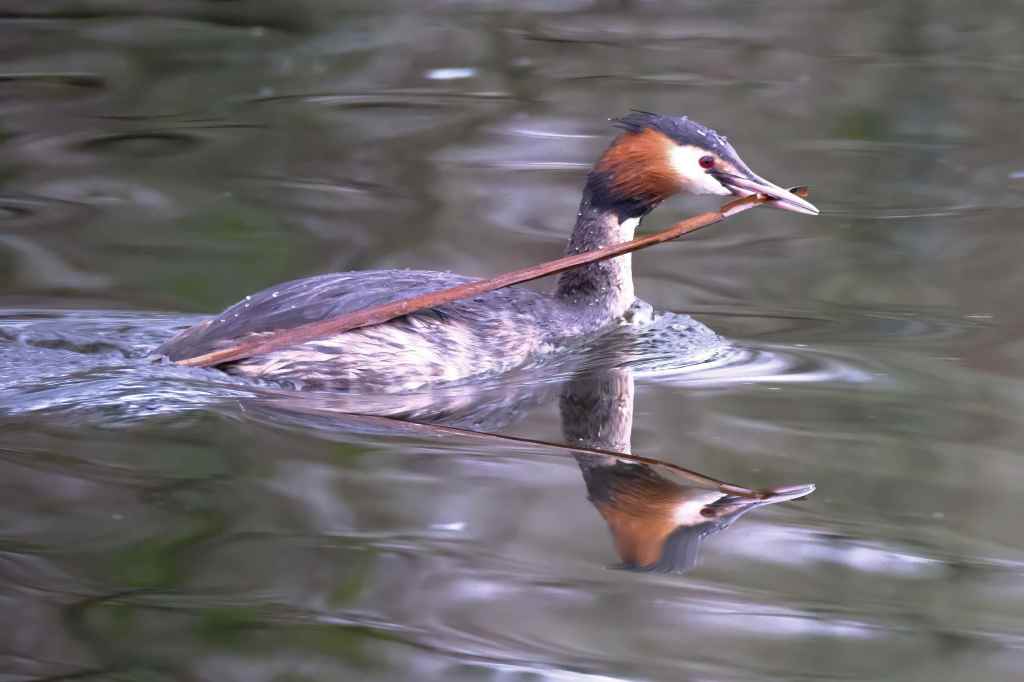
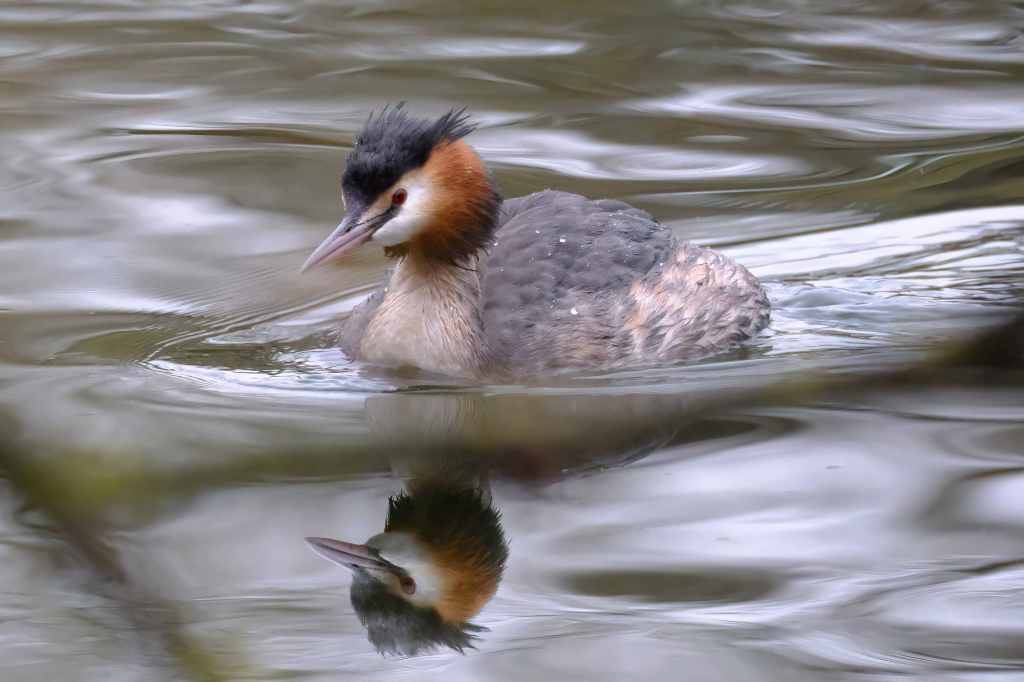
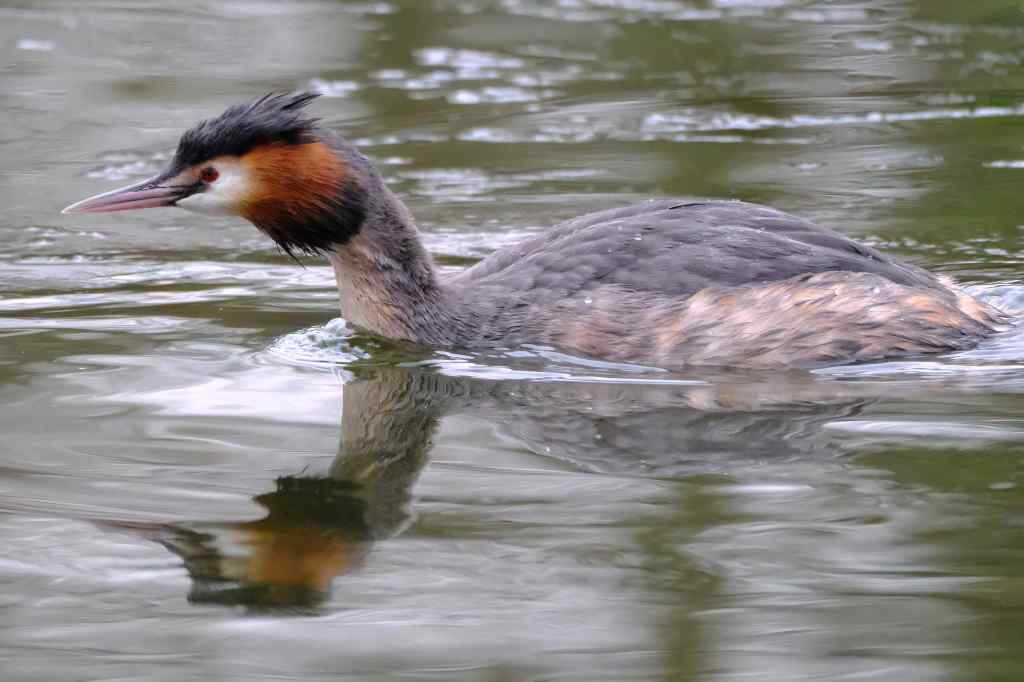
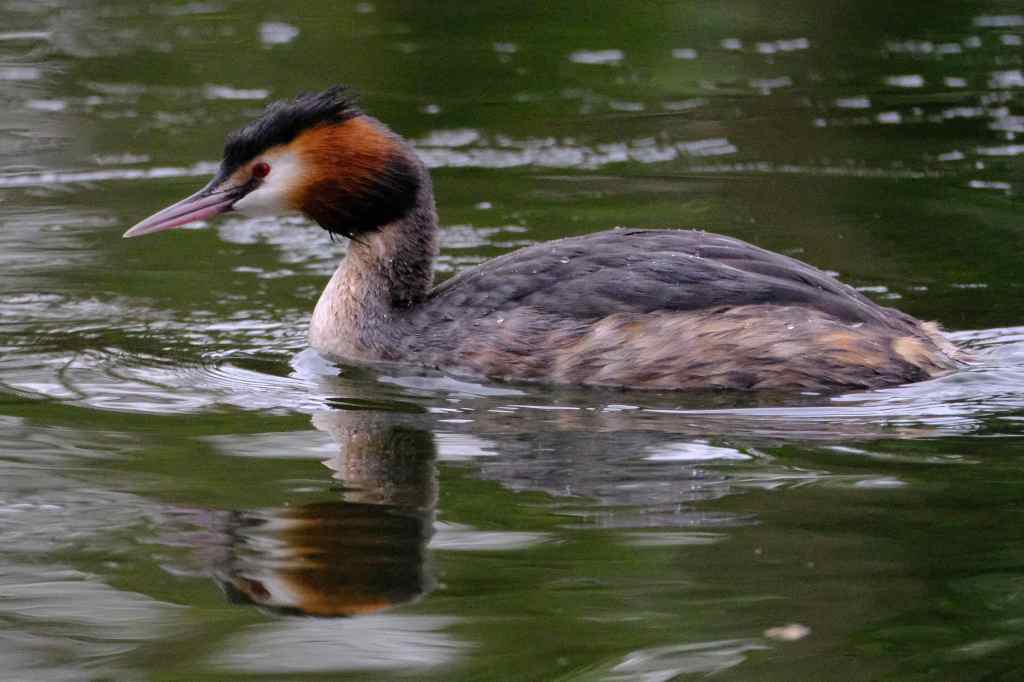
Large parts of our local lake were frozen. I was surprised to see a pair of Great Crested Grebes building a nest. Further on I was even more surprised. A second pair had built a nest and one of the birds was sitting on it.
 Continued Reflections from my World.