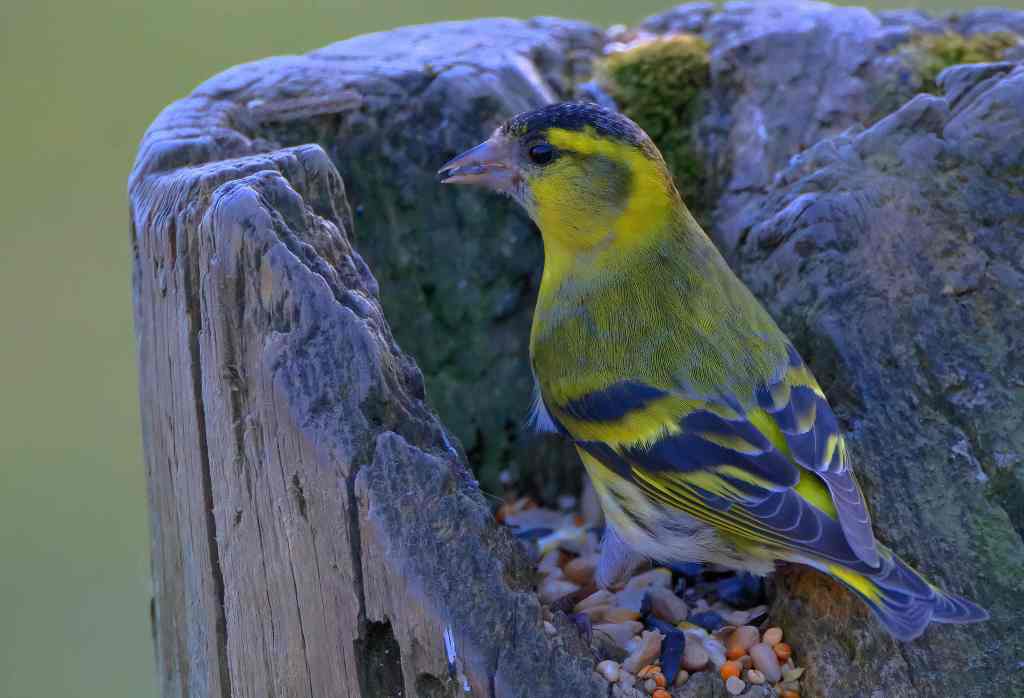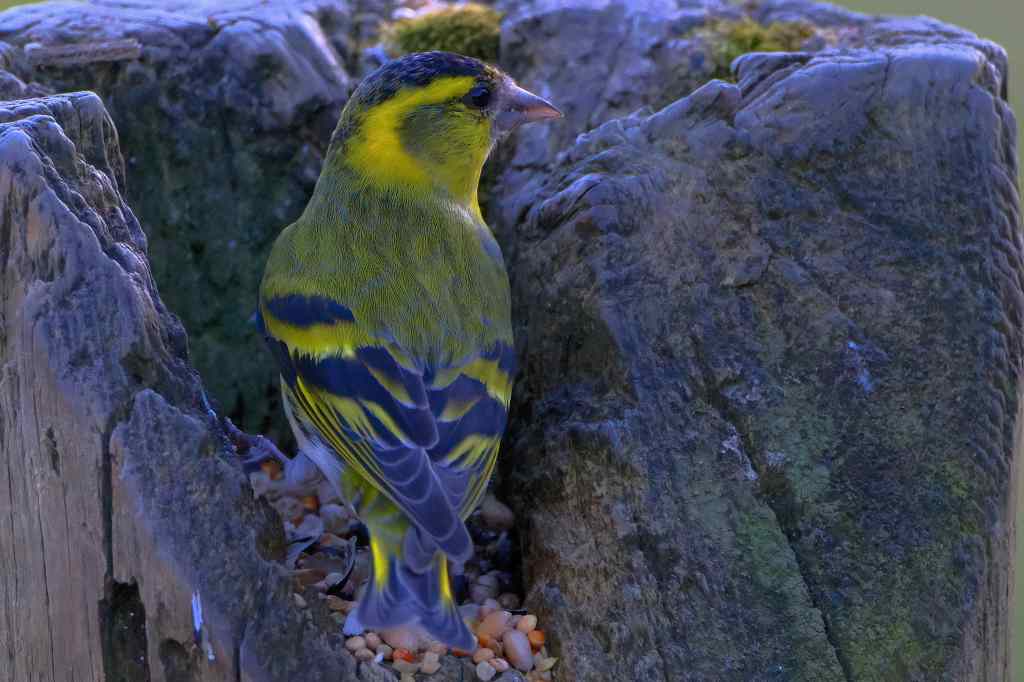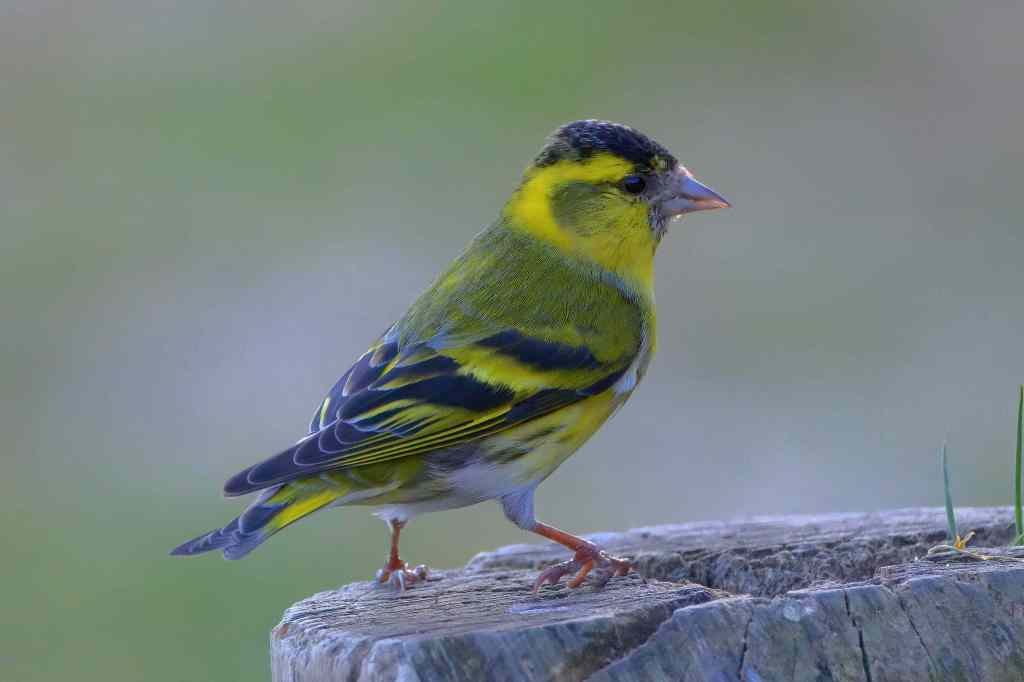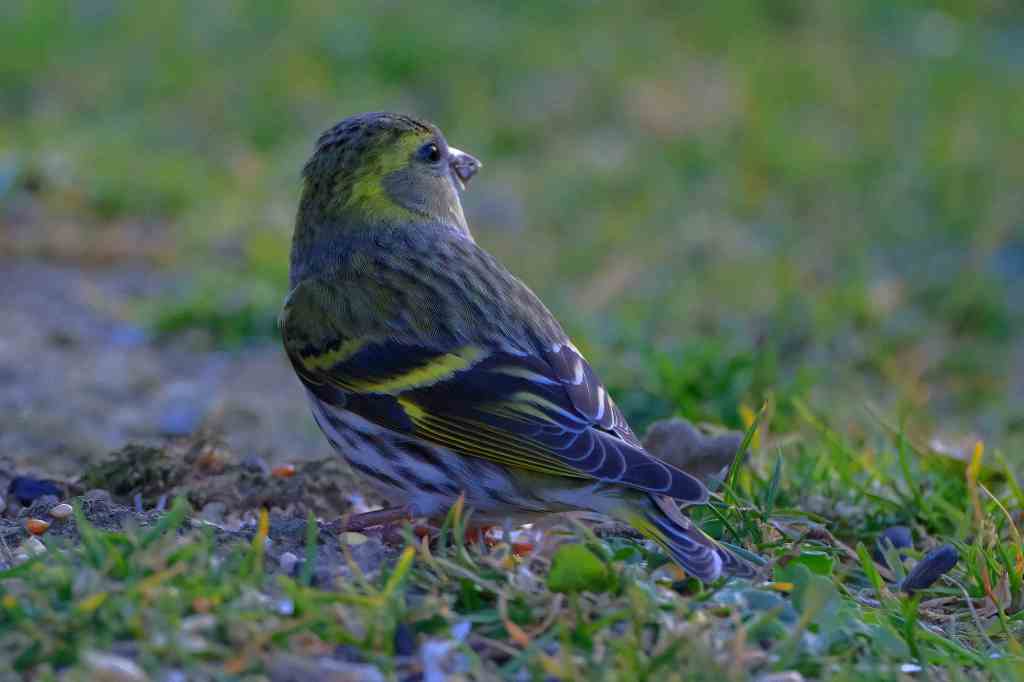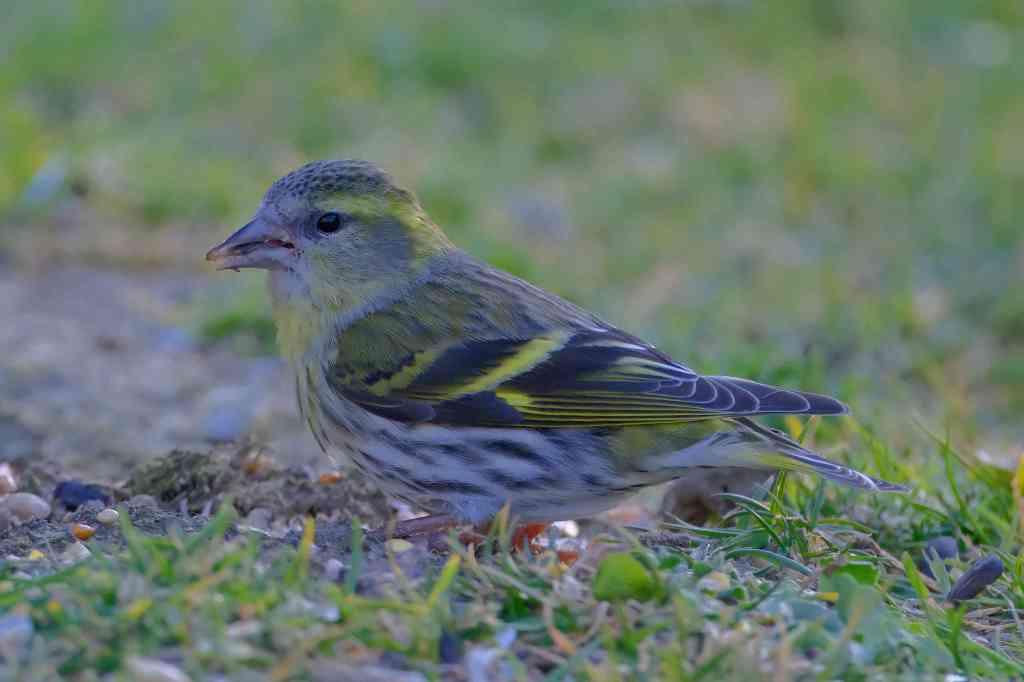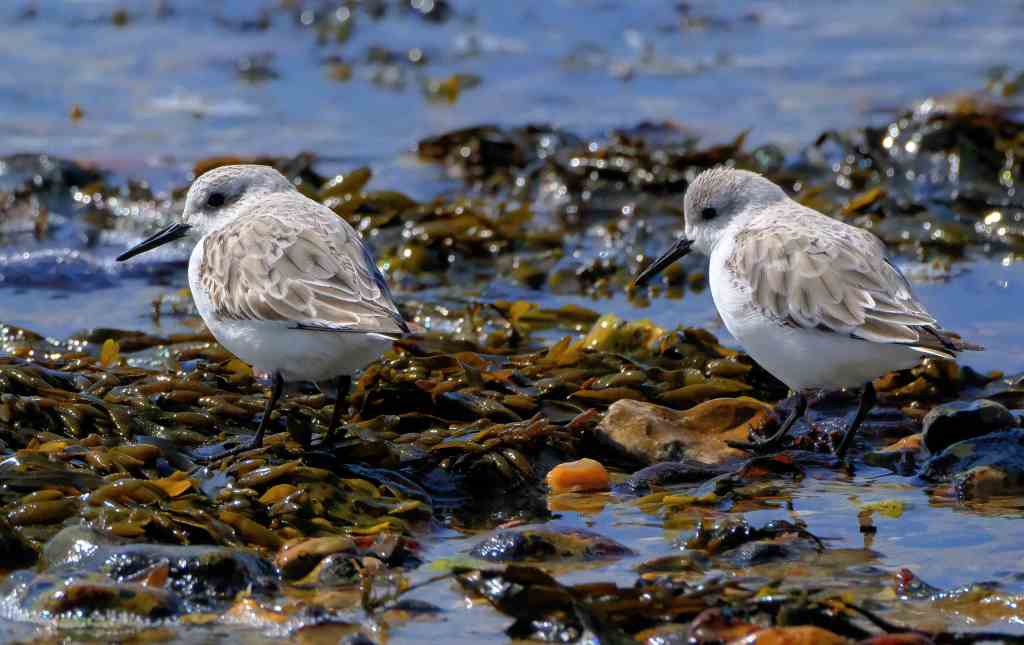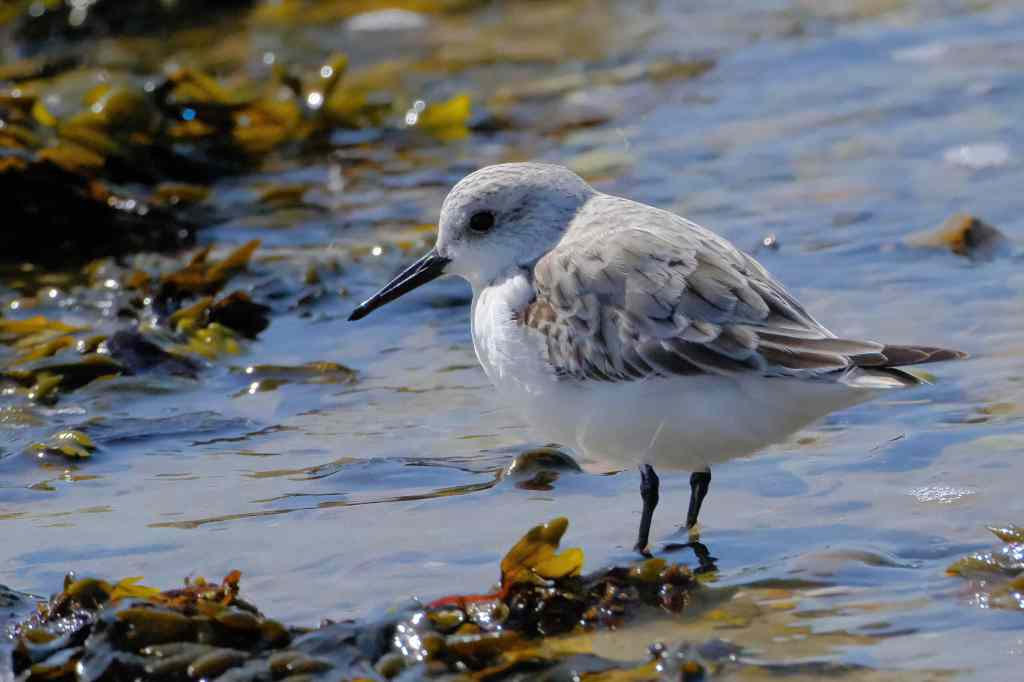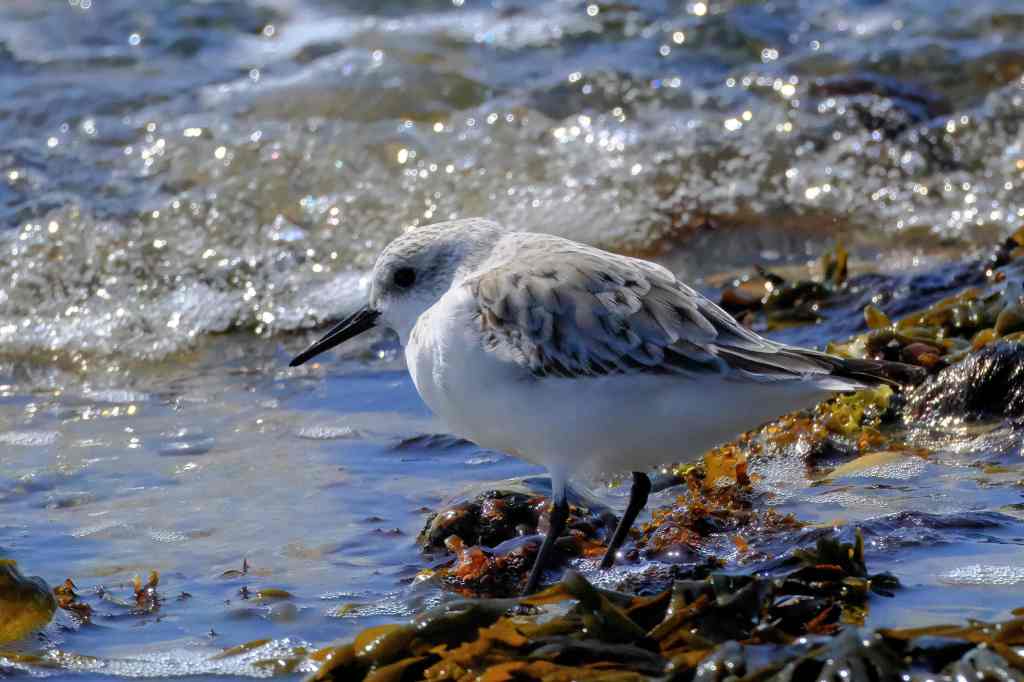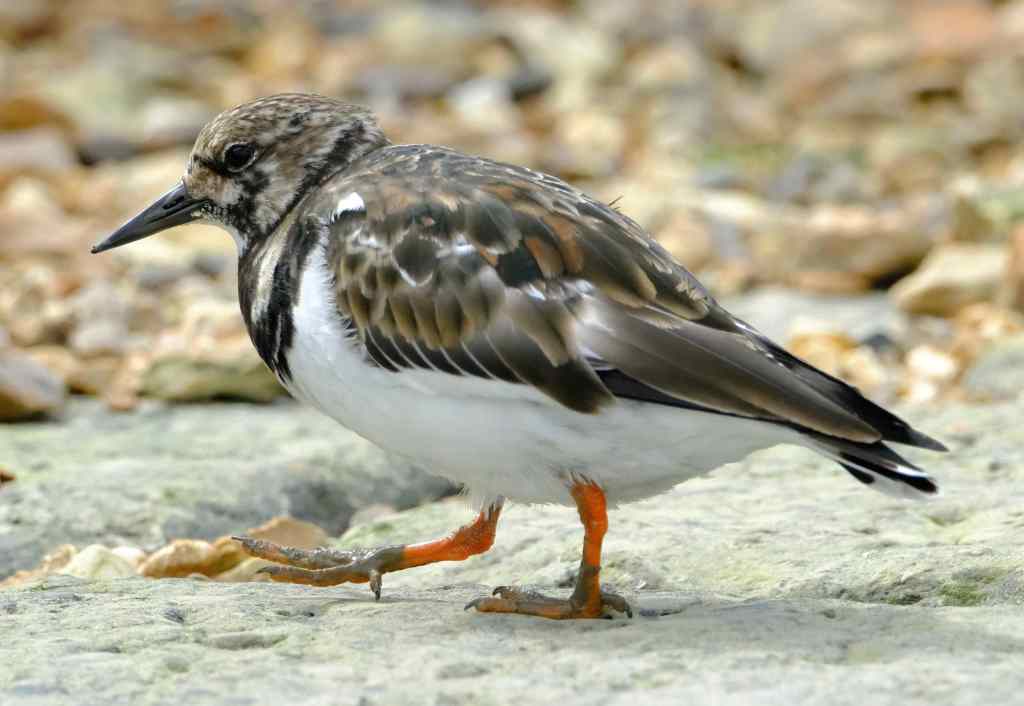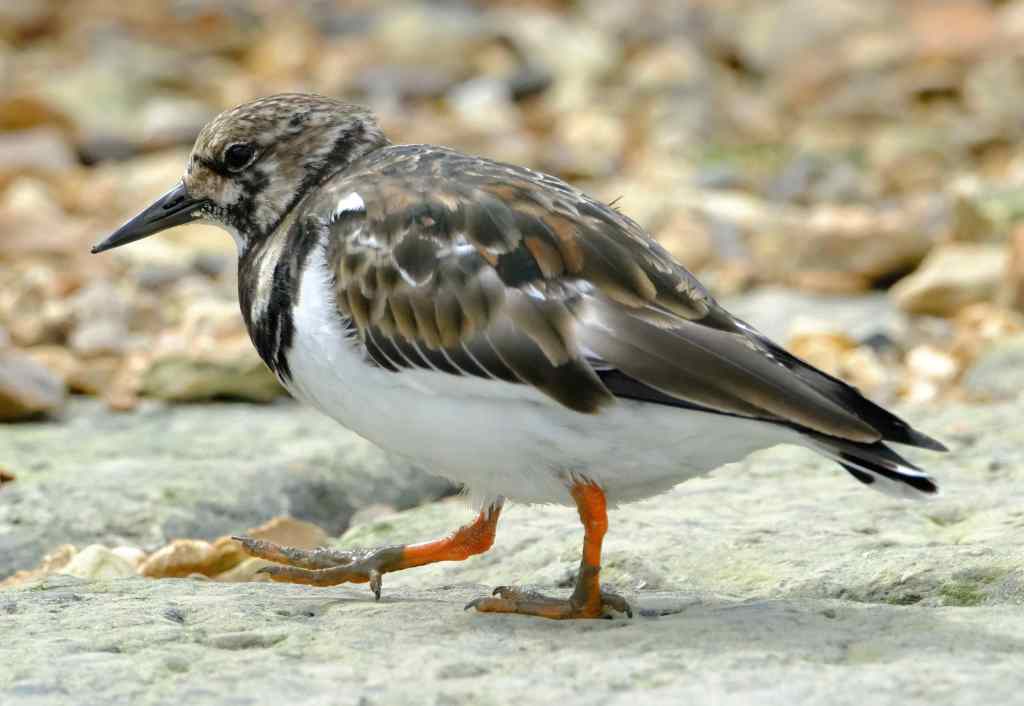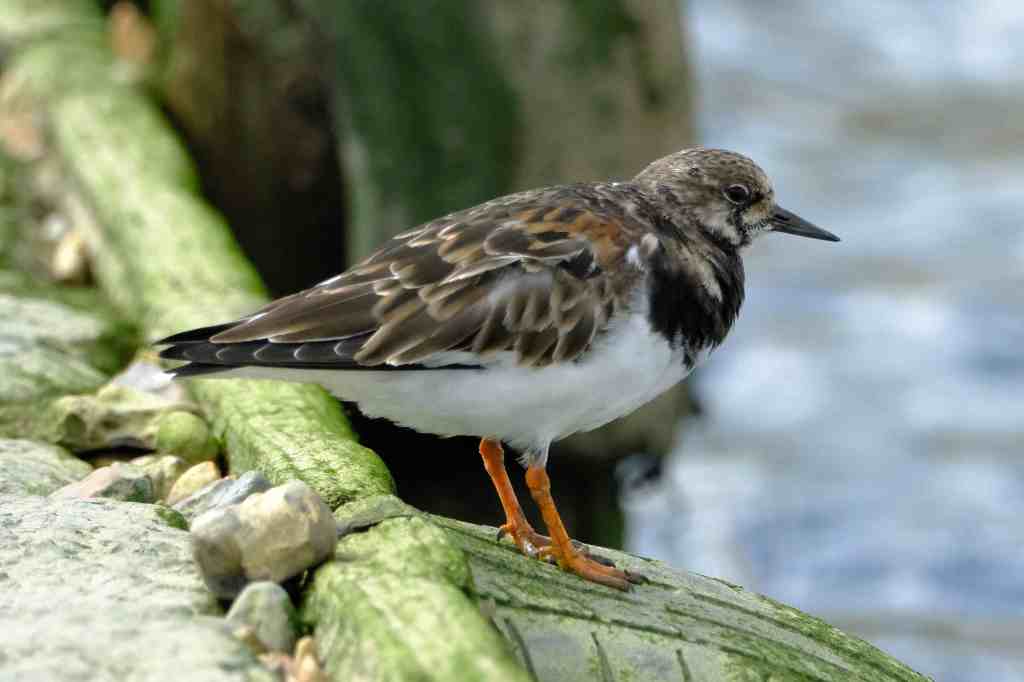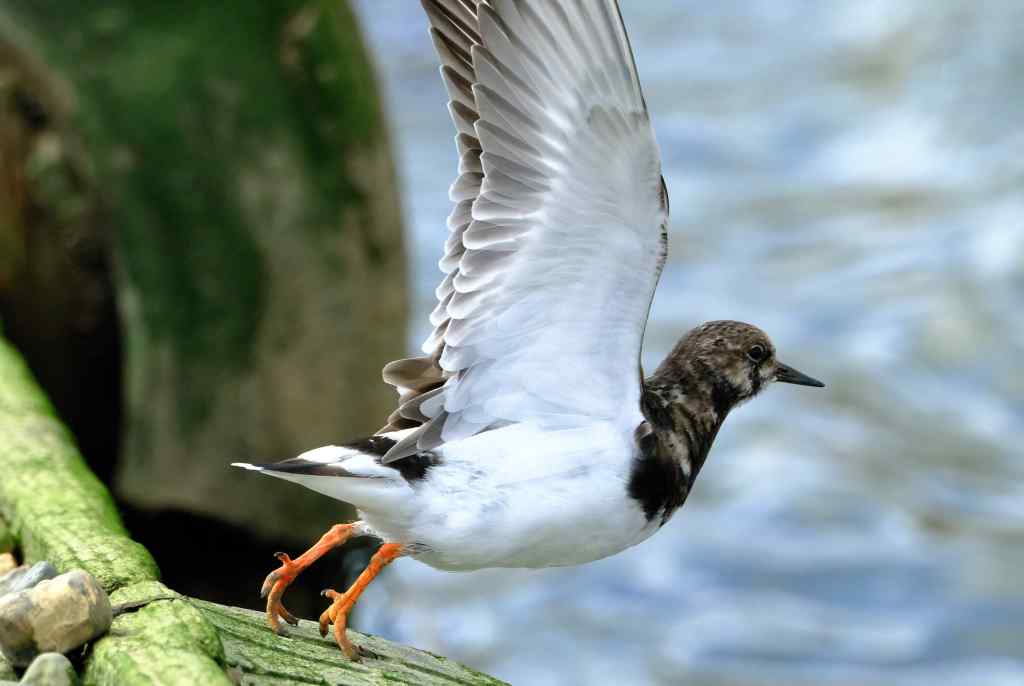
Look down.

The fungi season has started, and now every walk I look down as well as up!

Amanita muscaria, commonly known as the fly agaric, is always a thrill to see, adding colour to the woodland floor.

Warrior.

I 1st remember seeing HMS Warrior as a hulk from the bridge at Pembroke Dock in Wales. That was back in the 1970s. She was towed there on 13 March 1929, where she served as a floating oil jetty. For the next fifty years, the ship lay just offshore from an oil depot at Llanion Cove. In August 1979, Warrior began her 800-mile journey to a temporary home in the Coal Dock at Hartlepool, where the £9 million restoration project, largely funded by the Manifold Trust, commenced.

Launched in 1860, HMS Warrior was Britain’s first iron-hulled, armoured battleship. She was the pride of Queen Victoria’s fleet and the largest and fastest ship of her time

This innovative ship signalled a significant evolution in the Royal Navy, being powered by steam and marking the first departure from traditional wooden ships.

Today, she is open to the public at Portsmouth Historic Dockyard.

HMS Warrior is a real mix between modern and old.

Boats, Dog Walkers, Joggers & Birdwatchers.

A Sunday morning walk up the Hamble River from Warsash, with the tide coming in, and some good views of waders.

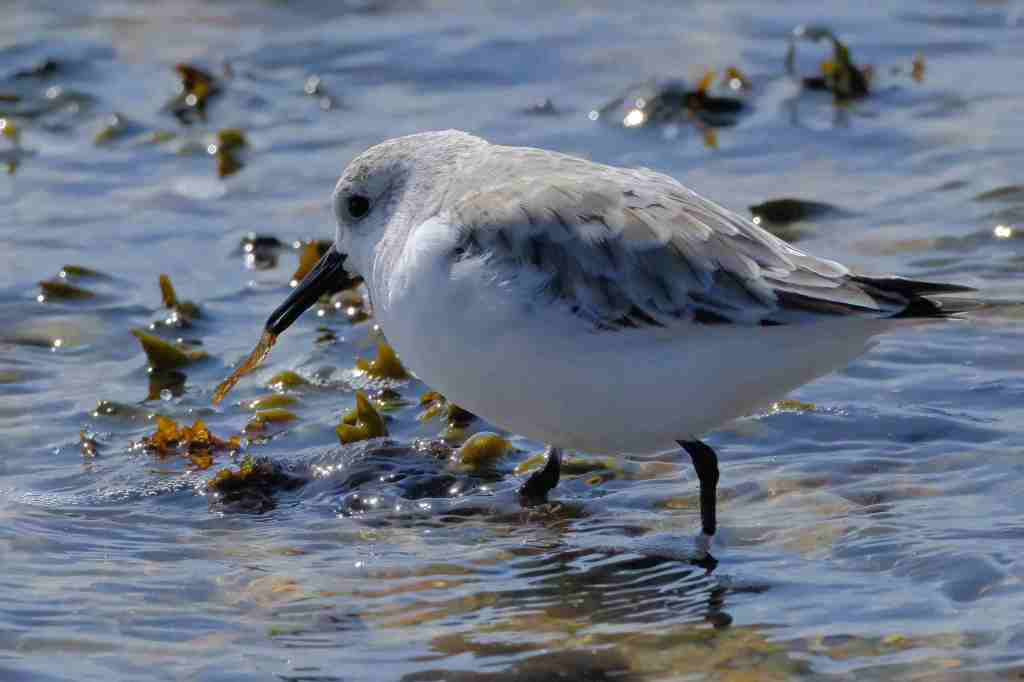
The well-made-up footpath is a Sunday morning favourite for many from Joggers, walkers, dog walkers and cyclists. The cafe in the boat yard at each end of the walk does a good trade in cakes and coffees. As the tide comes in, many waders move closer to the path and seem not too bothered by the people hurrying along the path. For bird watches, this gives us a chance to get some close views of birds that may normally be far off on the tide line.

Curlew. The Curlew is the largest European wading bird, found on estuaries in winter and moors in summer. 

Little Egret. 5 or so Little Egrets were along our walk today, a bird 1st recorded in the UK in 1989. Today, over 600 pairs breed and 4500 winter here. I still recall when they were a rare sight.

A Greenshank with a Spotted Redshank in winter plumage, fishing for small invertebrates.

Cormorants drying their wings.- As their wings are less waterproof than other waterbirds, they are often seen drying their wings.

Another boat trip.

Back in the Spring, we booked a trip on the SS Shieldhall yesterday, the weather held, and the promised rain held off. We had a 7-hour trip – 2025 is set to be a special year for Shieldhall, built in 1955, as she celebrates her 70th birthday. SS Shieldhall is the largest working steamship in Britain. The trip was down Southampton Water and into the Solent. We met up with the historic Paddle Steamer Waverley just off the Isle of Wight. PS Waverley was built in 1946 and is the last seagoing passenger-carrying paddle steamer in the world. She is also steam-powered. Both ships are on the National Historic Fleet Register. In the past, I have sailed on both these ships, but it is always a treat to step back in time and travel at a slower pace.

Part 1: Leaving Southampton Docks and heading down Southampton Water.

Leaving 110 Berth, Southampton Docks. View of the emergency steering gear.

Passing shipping in Southampton Water. Container Ship and Isle of Wight Ferry.

The Bridge.

Engine room.

Lifeboat.

Part 2: Meeting Paddle Steamer Waverley.

Part 3: A Visit from the Coastguard.

The Team on the Shieldhall have a good rapport with Solent Coastguard and undertakes exercises with them. We were lucky to have an exercise with the Solent Coastguard helicopter. The unit, currently operates two Leonardo AW189 helicopters and is staffed and maintained by Bristow Helicopters Ltd under contract with the Maritime and Coastguard Agency. These aircraft are available 24/7 to respond to coastal and maritime emergencies, often working with lifeboat crews and other emergency services. They operate from their base at Lee on Solent.

You must respect both the skill of the aircrew in putting a winchman on the deck of a moving ship with all the wires and superstructure.

Part 4: Return to port.

After a great trip, once the helicopter departed, we sailed back to Southampton. In the last hour of the trip, the weather broke, and heavy rain came in. We arrived in port at approximately 1900 hours.