A master of flight, and a fairly commonly spotted dragonfly along many of the small streams at this time of year. Appearance – striking black body with distinctive yellow bands. Green eyes.
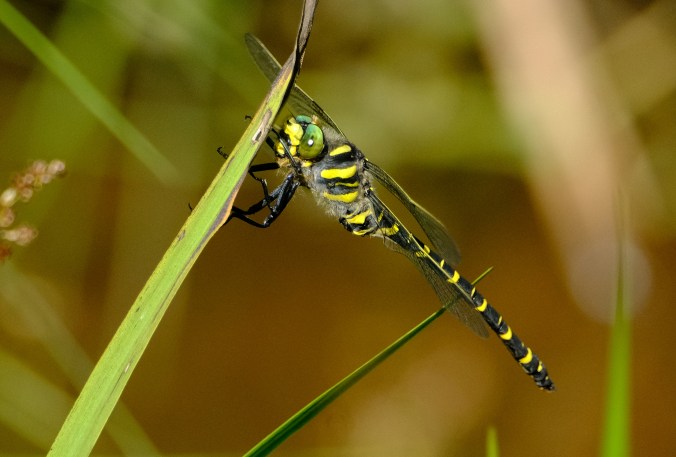


A master of flight, and a fairly commonly spotted dragonfly along many of the small streams at this time of year. Appearance – striking black body with distinctive yellow bands. Green eyes.
#Wordless Wednesday
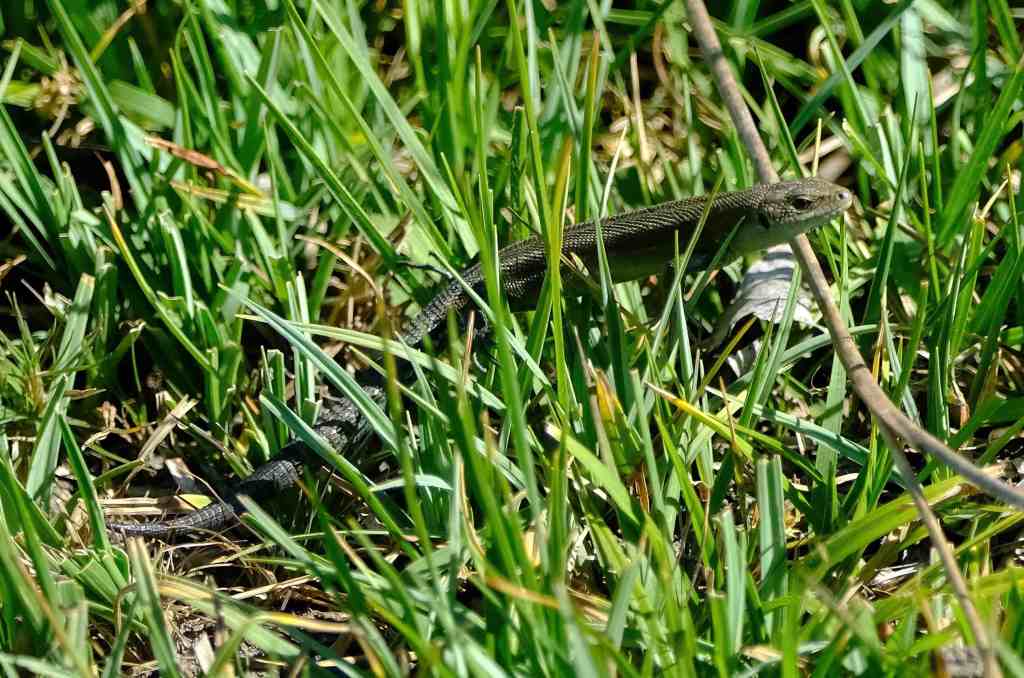

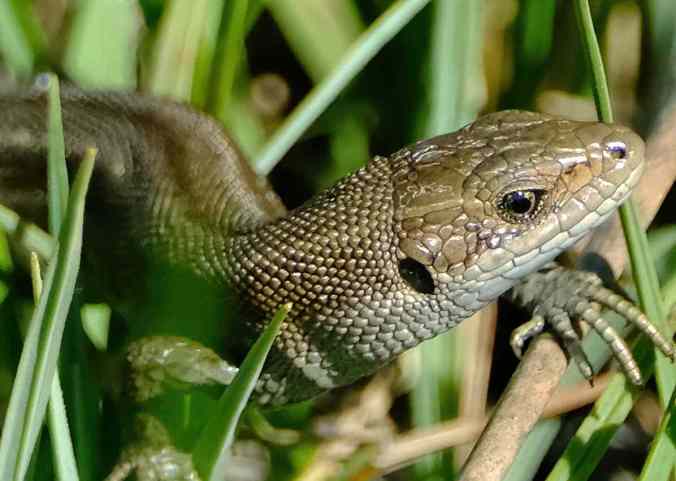
A few hours taking in the cool sea breeze this evening.
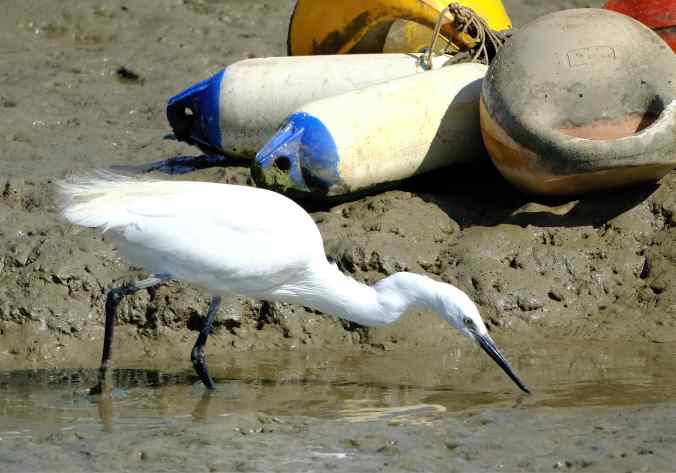
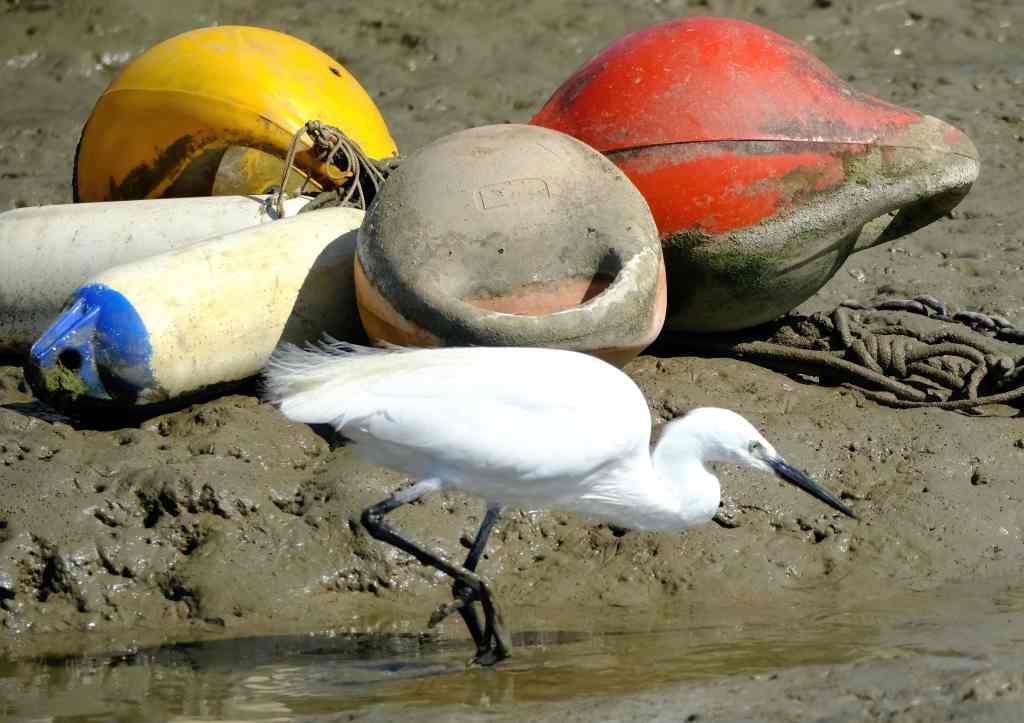
Little Egret in the harbour at Titchfield Haven.

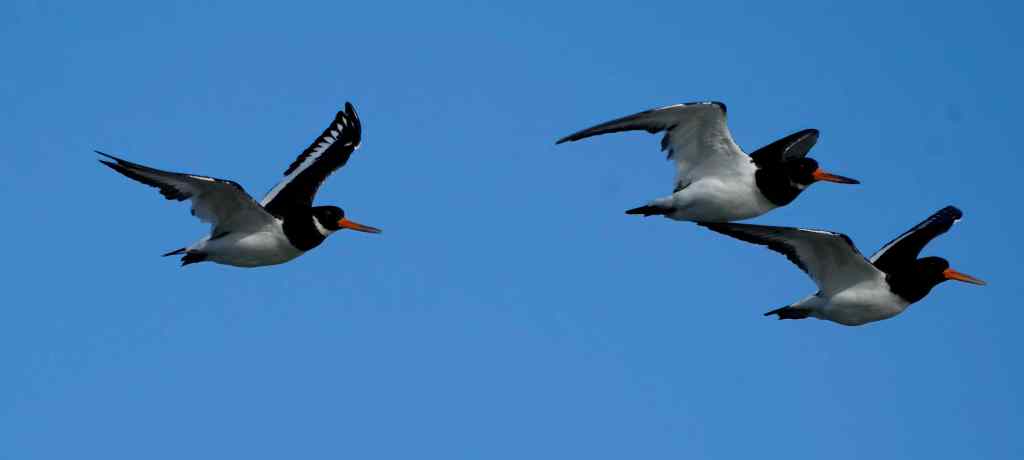
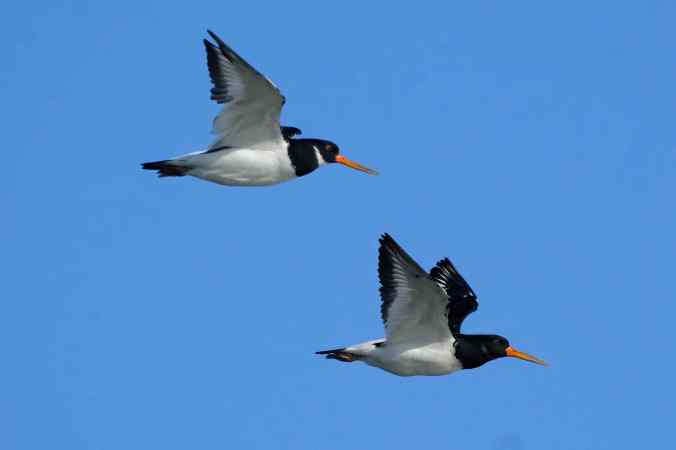
Flypast Oystercatchers heading inland as the tide comes in.
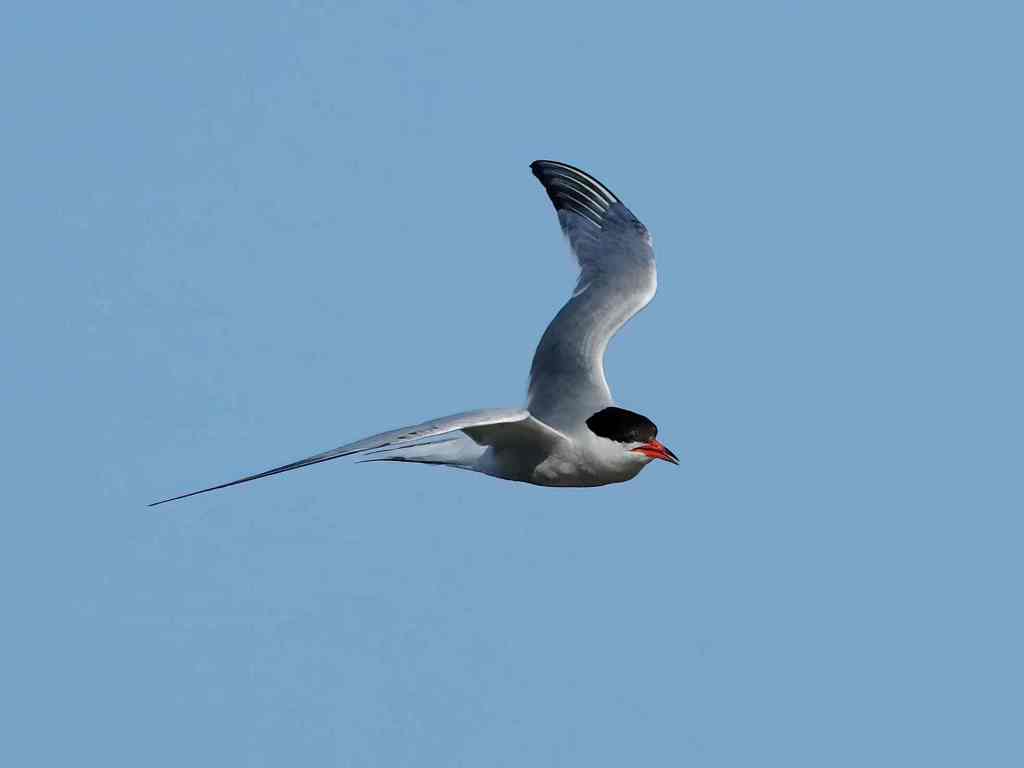
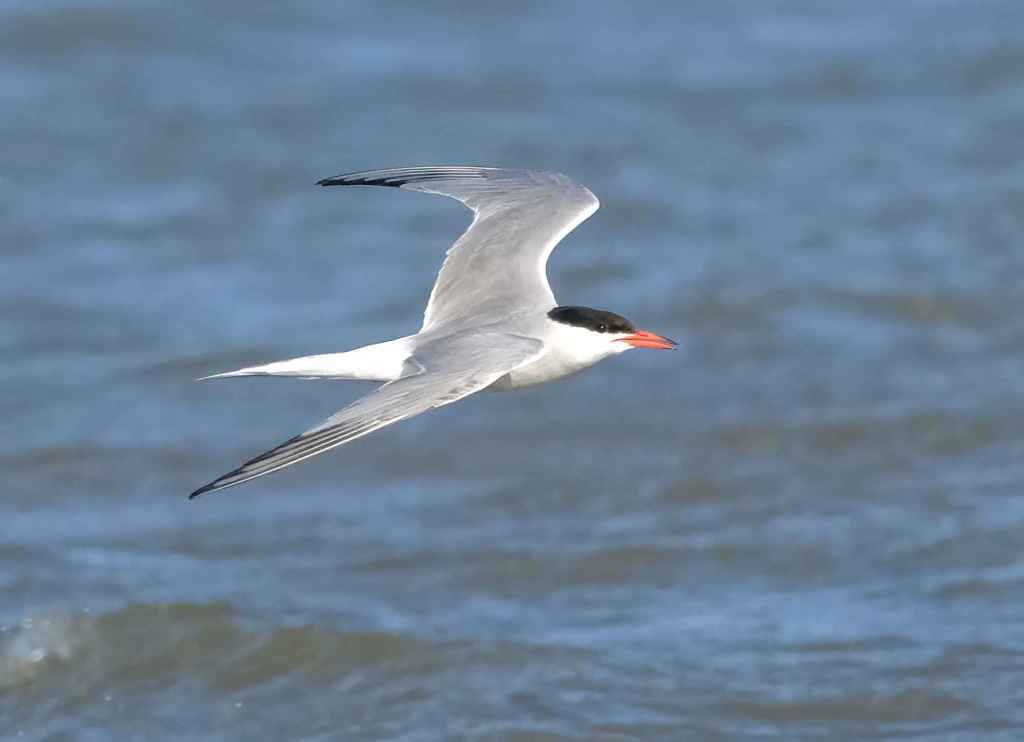
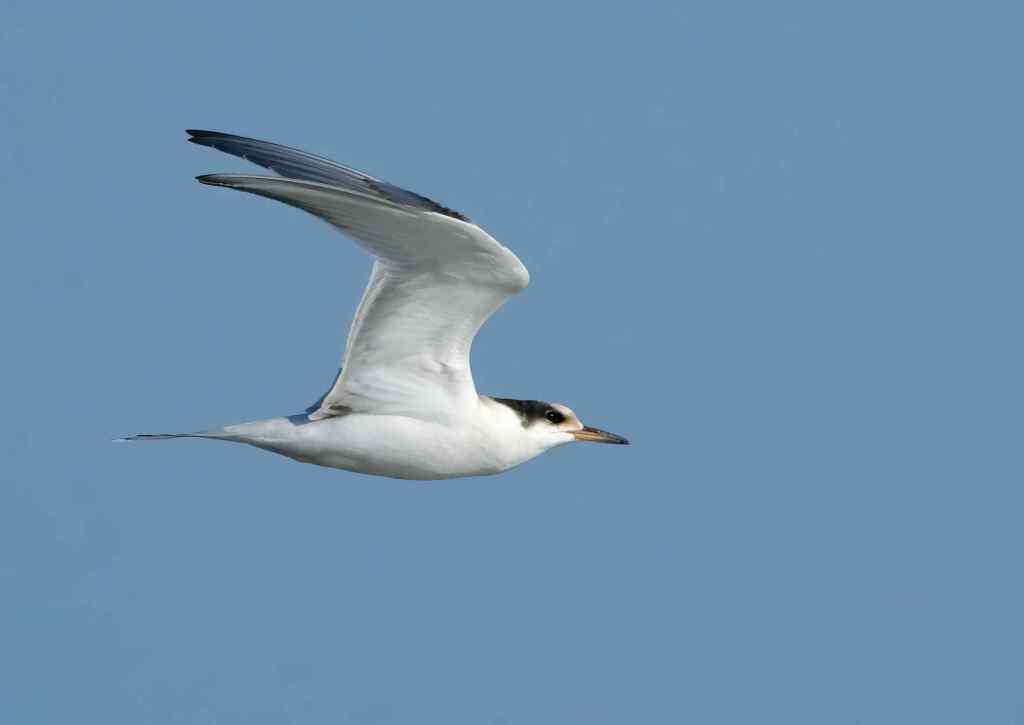
Common Terns fishing including some juveniles.




An open day visit to Twyford Waterworks near Winchester was worth a visit this morning. I had not visited the works since the pandemic, so it was nice to go there again.
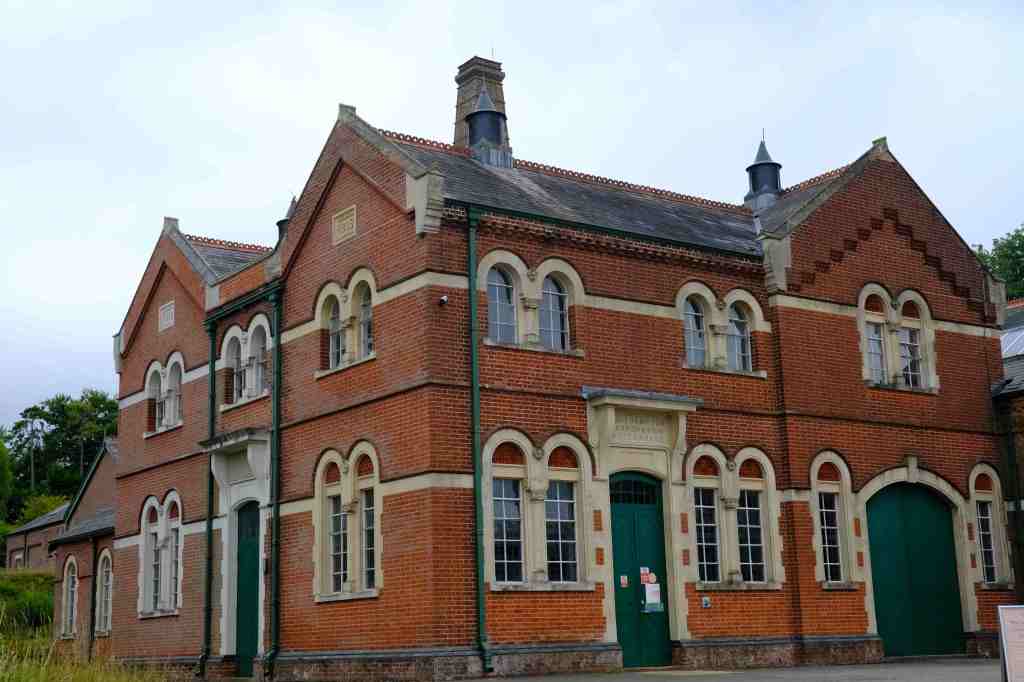

The Chalk bedrock under the site acts as a giant sponge, storing rainwater. Wells are sunk into these aquifers, and water is pumped into the underground reservoirs. The site remains in the ownership of Southern Water, and their modern pumps under the site still takes 15 megalitres of water per day, which is put into the public supply. The old part of the site is a Scheduled Ancient Monument and is run by a trust.
The original wells were sunk in 1898, with the steam pumps installed in 1900.
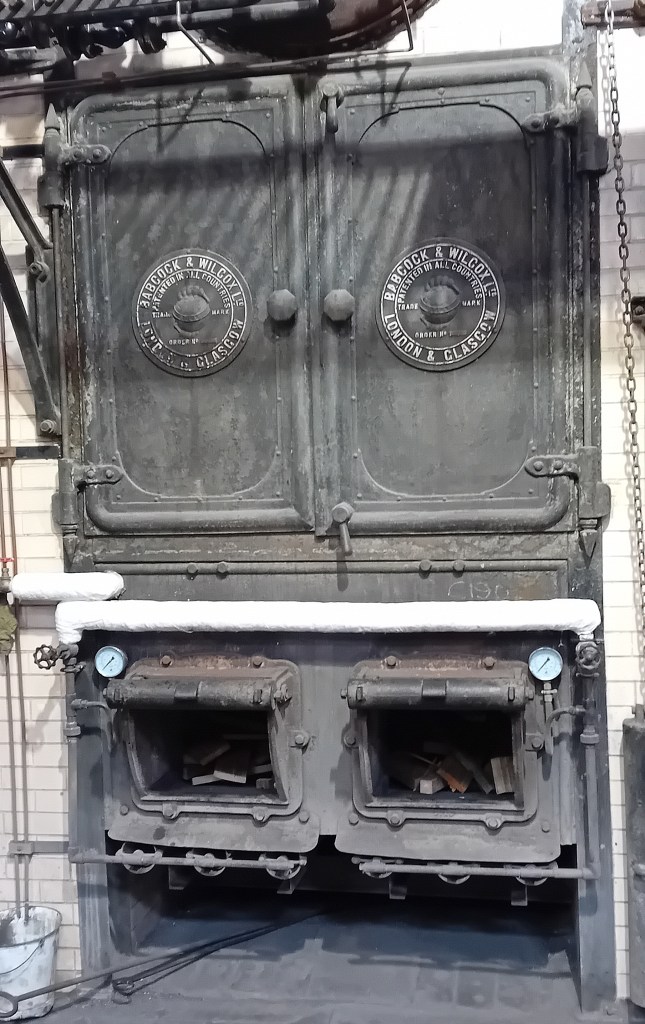
One of the 3 Badcock and Wilcox boilers for the steam engines.

Later 1930s Diesel pumping engine. (One of 3).
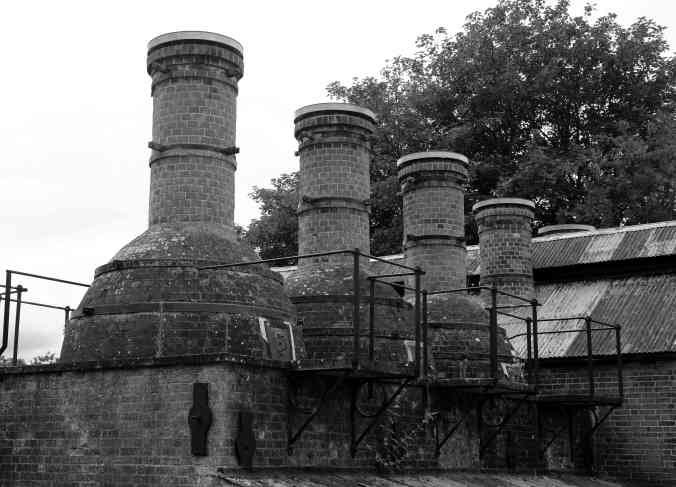
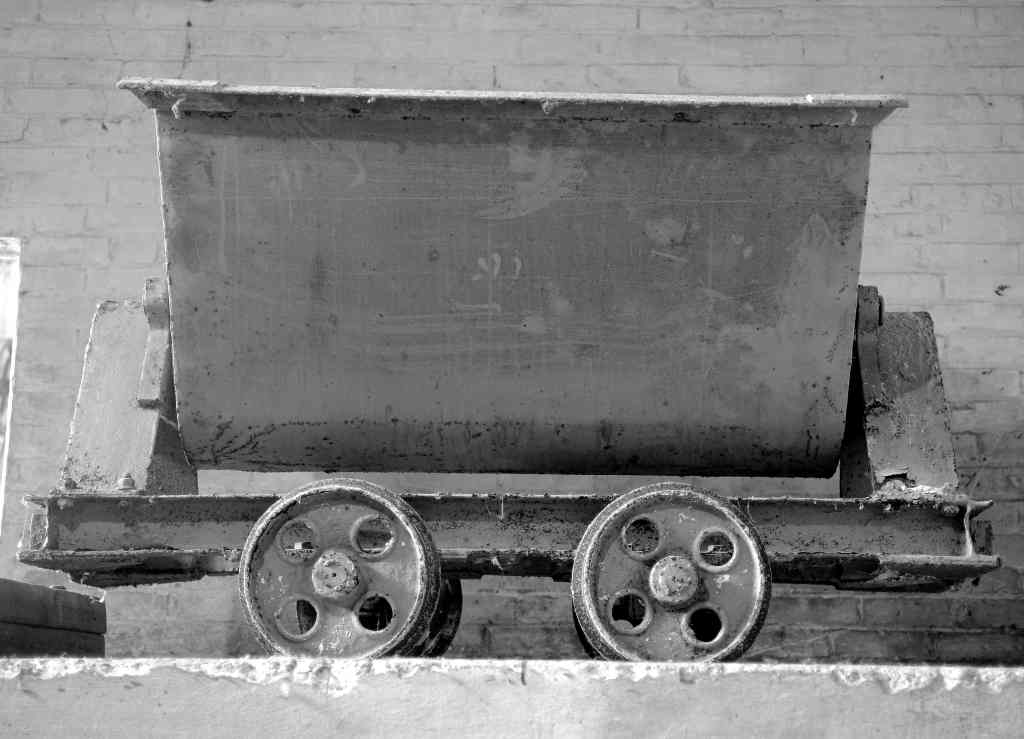
As part of the process, the water was softened, and the site had its own lime kilns. Three extra kilns were added in the 1930s to the original two. Chalk was moved to them from a quarry on a small railway.
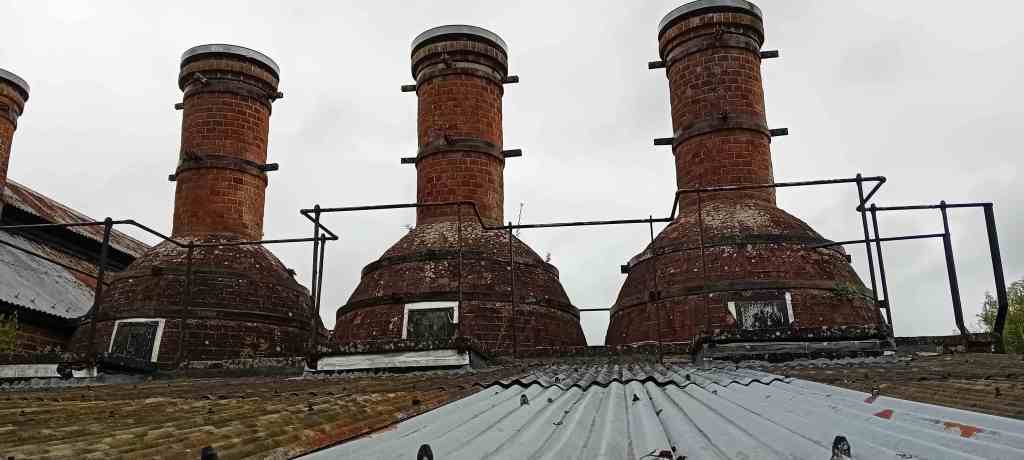
The Kilns are known as “flare ” kilns.

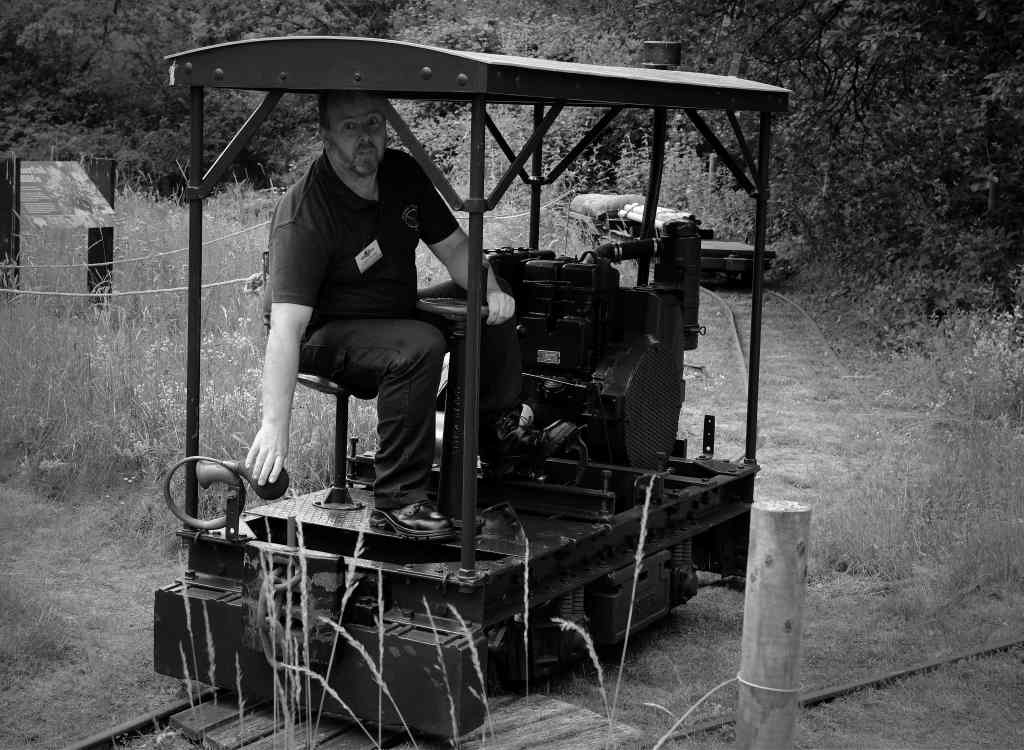
Lister locomotive railway engine



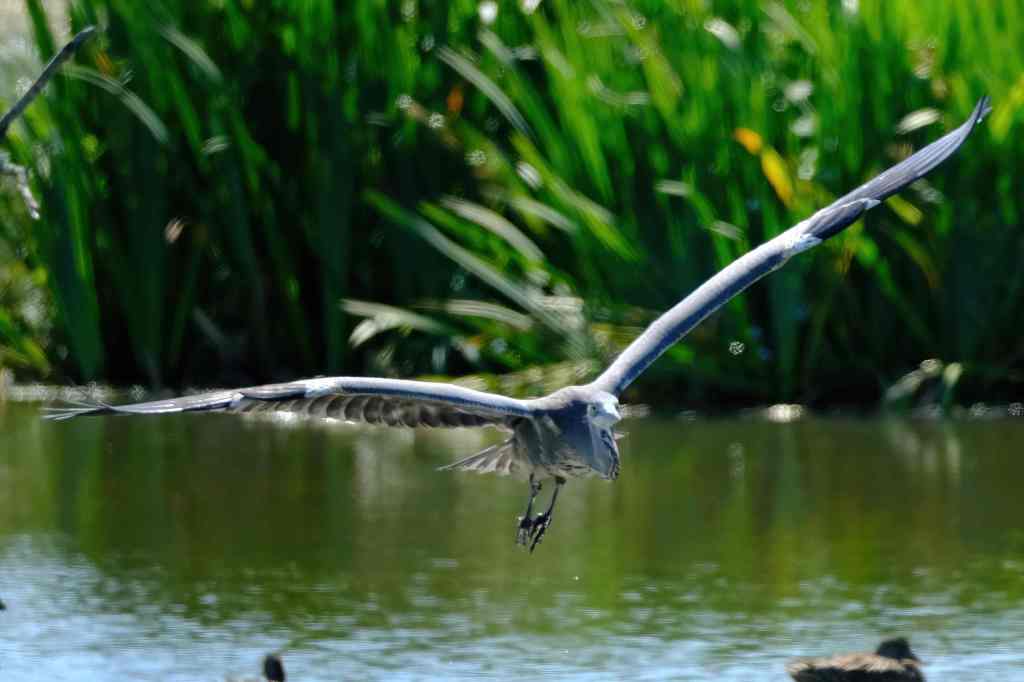
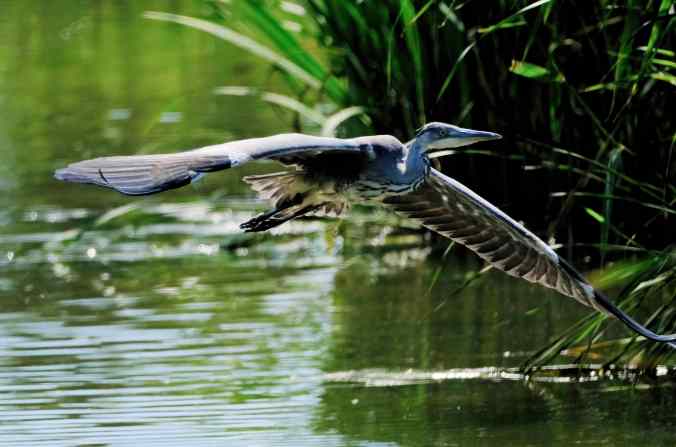
Grey Heron and Great White Egret in competition for the same fishing spot and airspace at Titchfield Haven; after a bit of argy-bargy, they flew off in different directions.
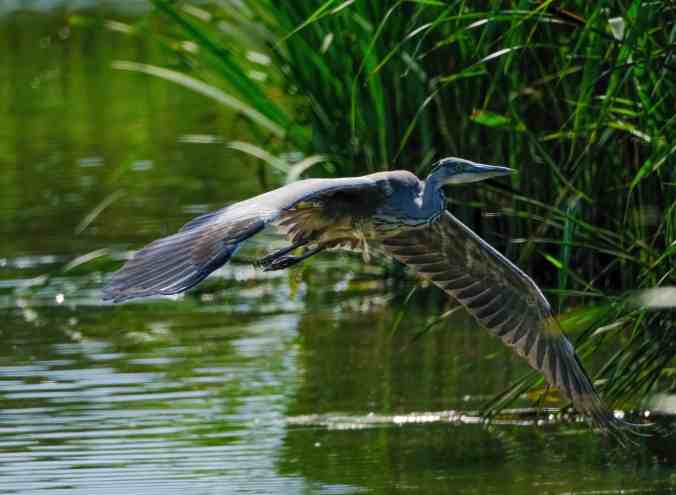
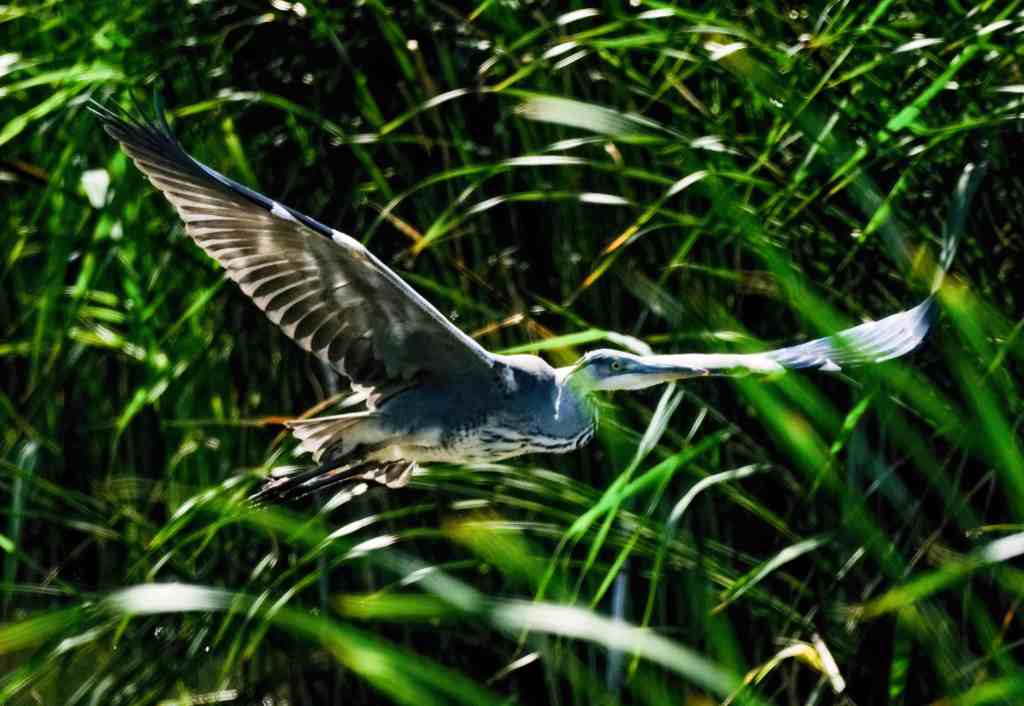
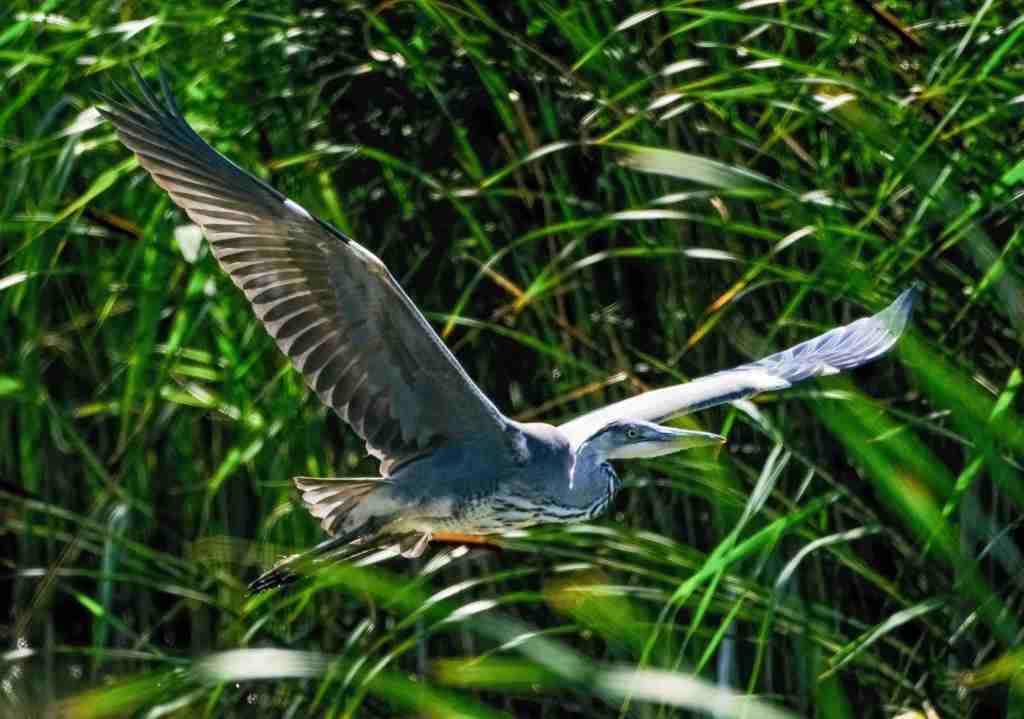
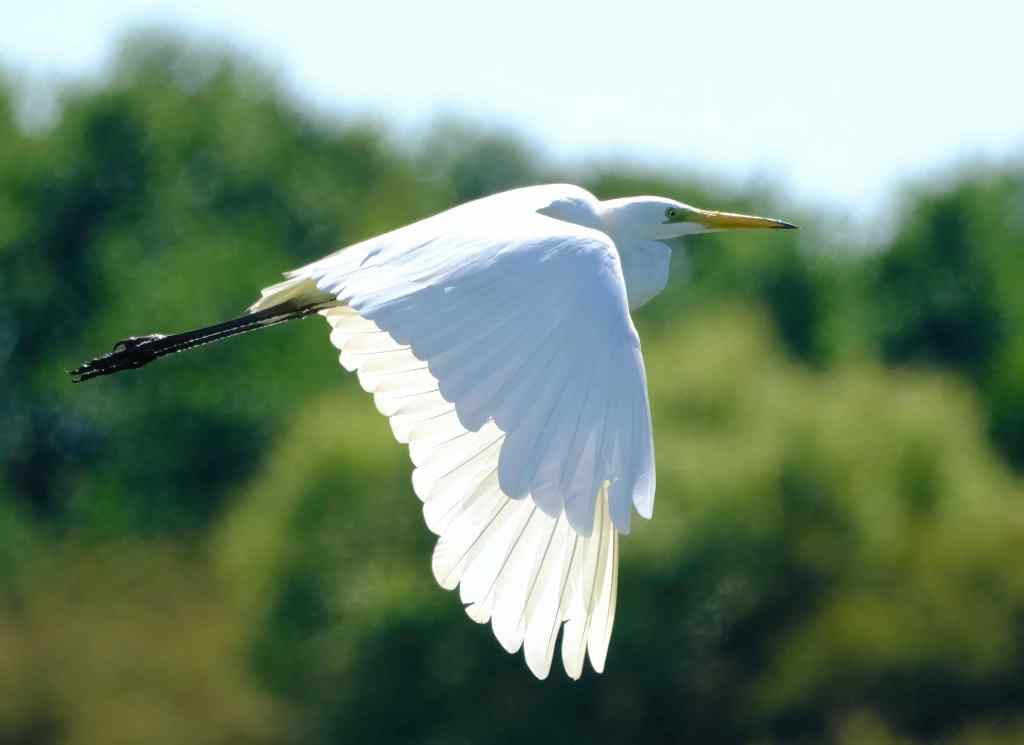
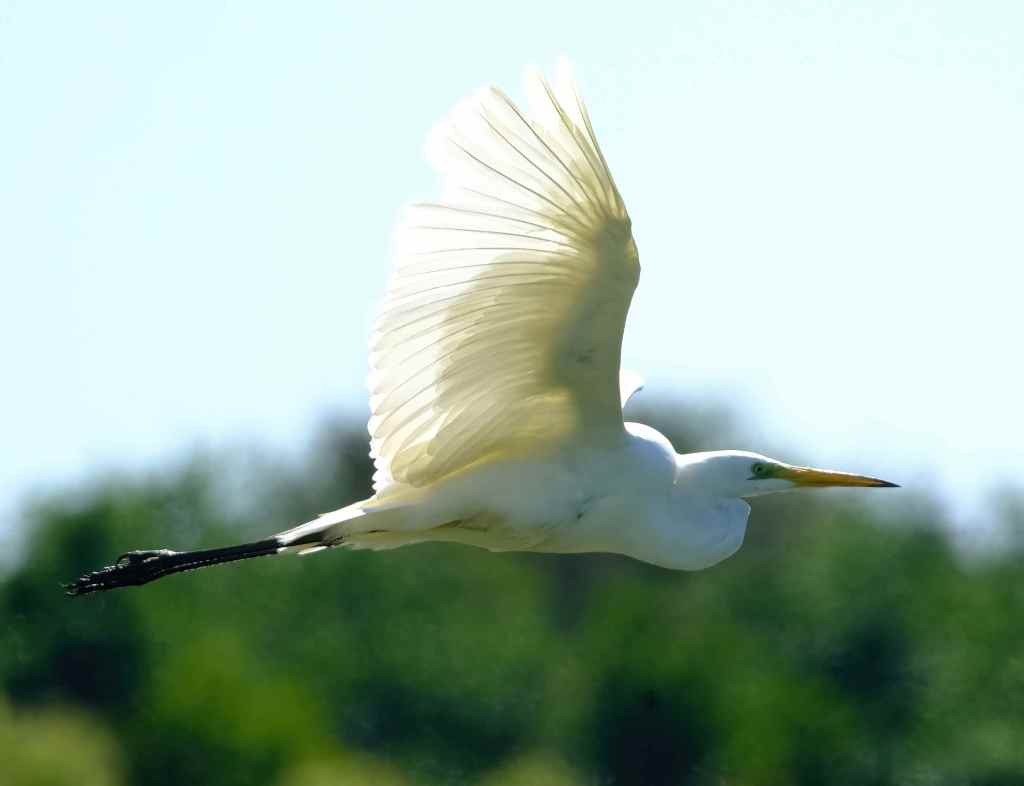
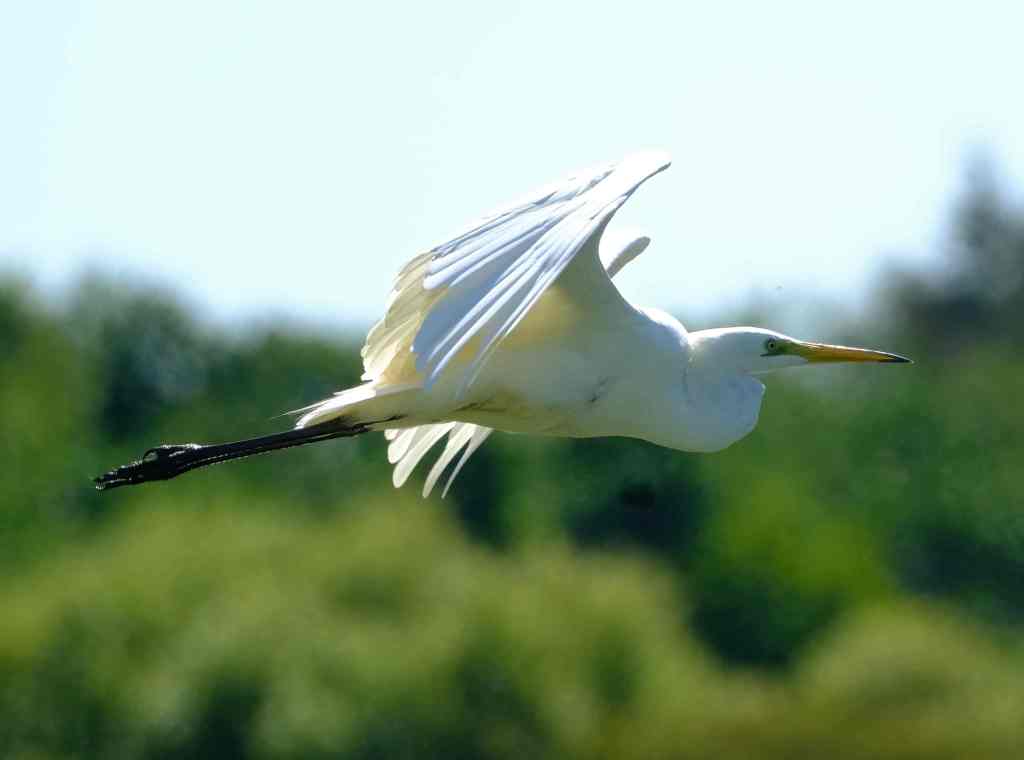
With the heat wave earlier in the week we stayed by the sea to catch the cooler sea breeze . Common Terns were fishing off the beach.


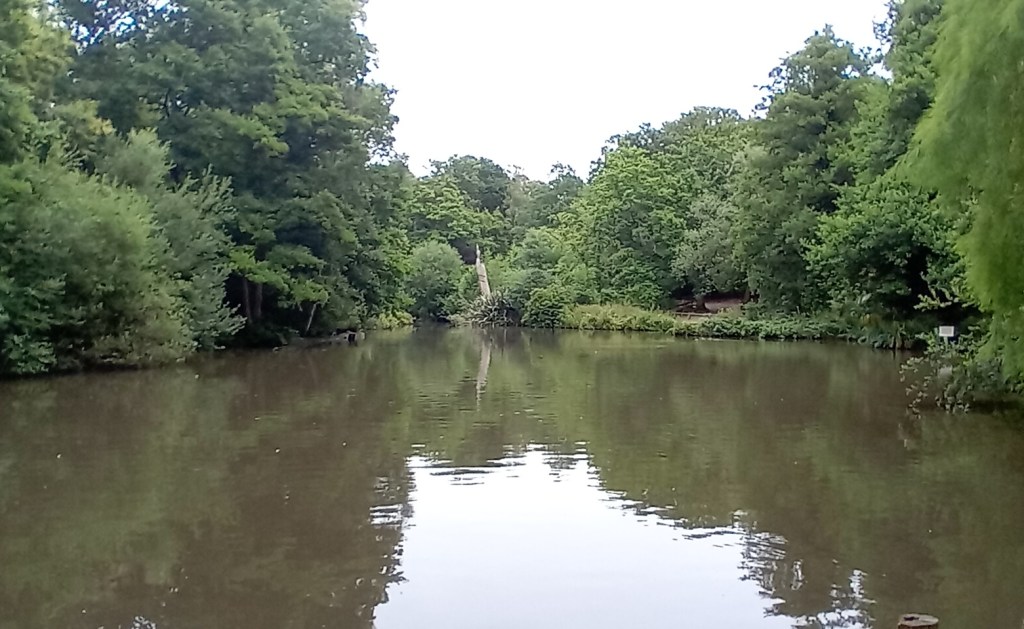
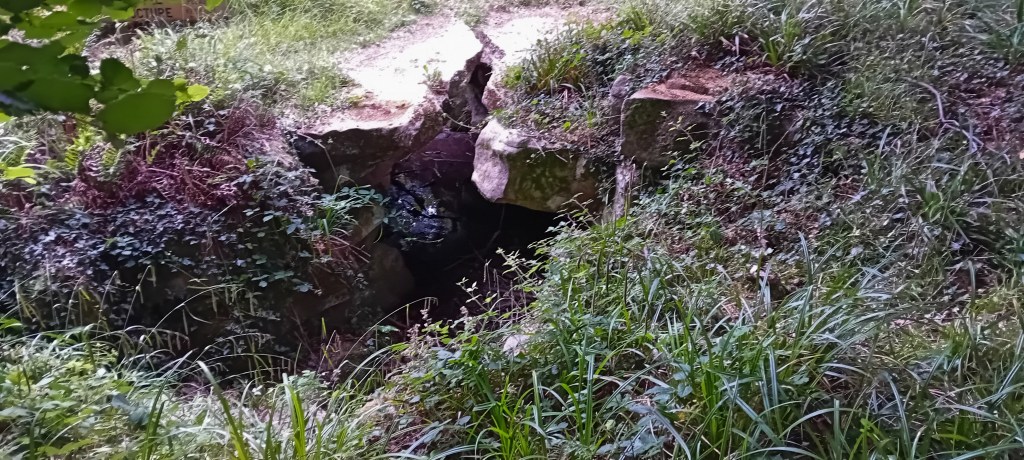
Holly Hill Park is situated on the eastern banks of the River Hamble, north of Warsash. The land is now owned by the council but was once the gardens of a long-lost mansion. As part of this, the mansion the grounds were landscaped, the stream was dammed to form a large lake and further damming was done to create a series of terraced lakes within the valley, rocky outcrops, cascades, and a grotto were made by Pulham Company. They made artificial rocky outcrops with their ‘Pulhamite’ mixture of Portland stone and cement poured over rubble, and individually moulded into shape. {date around 1870} A sunken garden was added in 1936 on the site of a large glasshouse. The building suffered from neglect and was eventually demolished. Fareham Borough Council purchased Holly Hill in 1954.



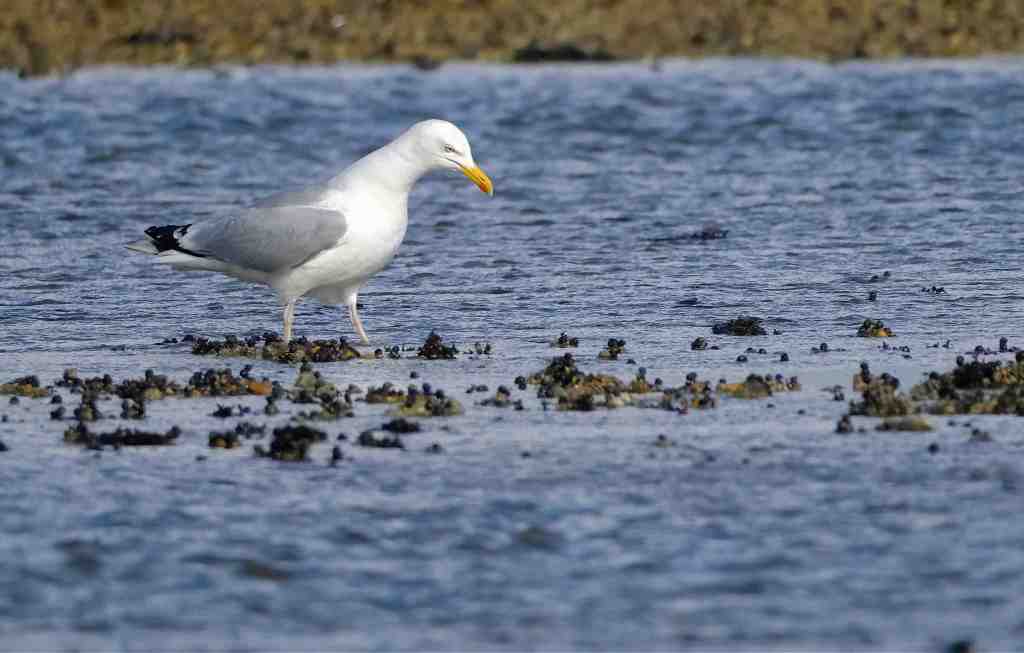
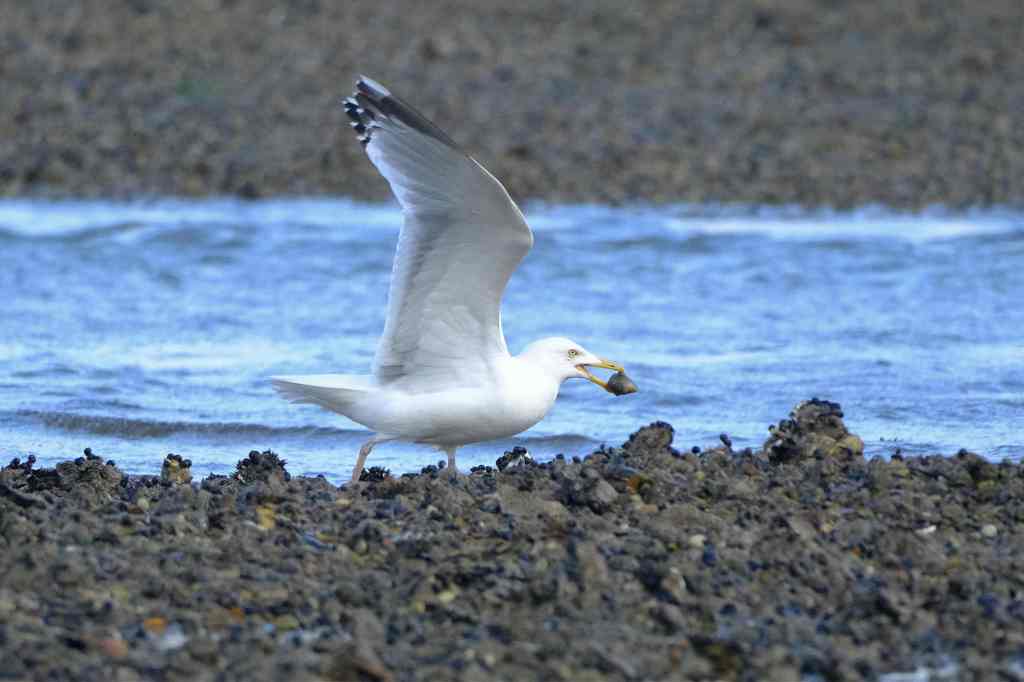
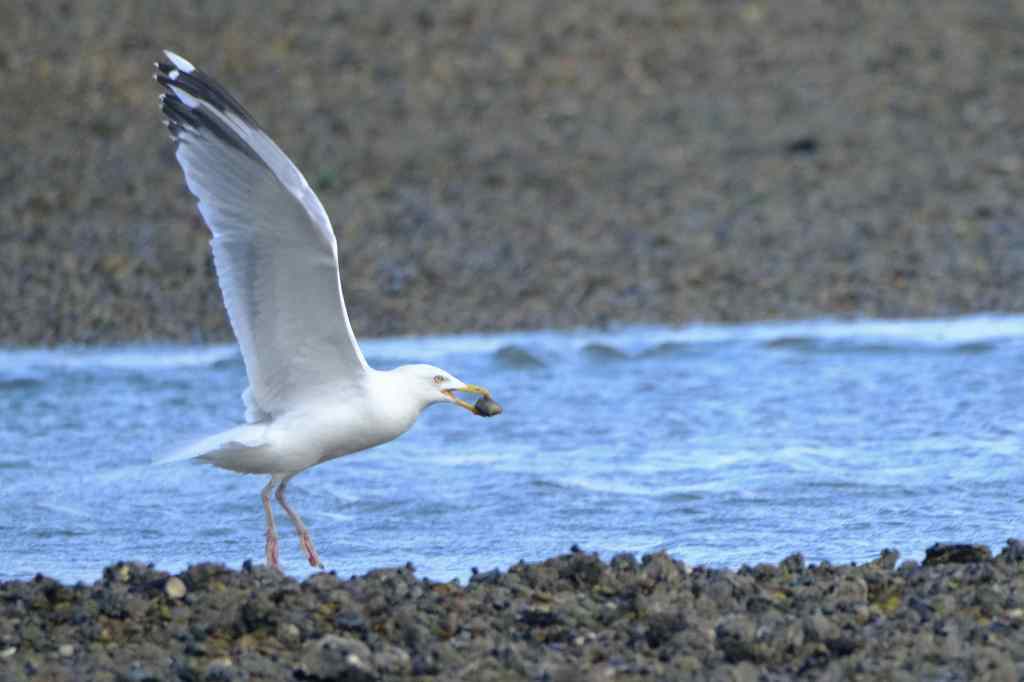
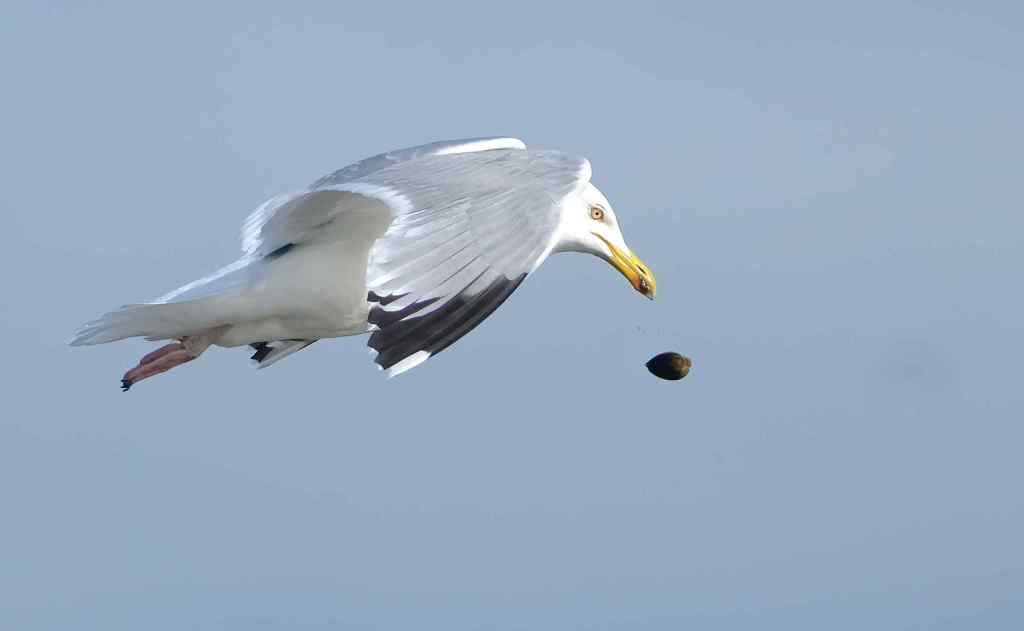
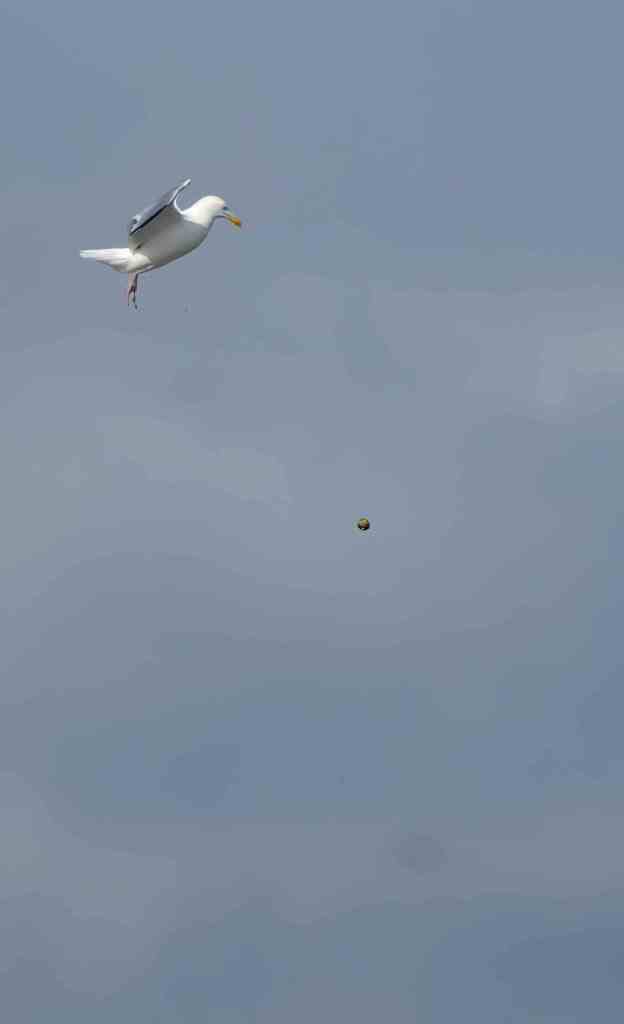
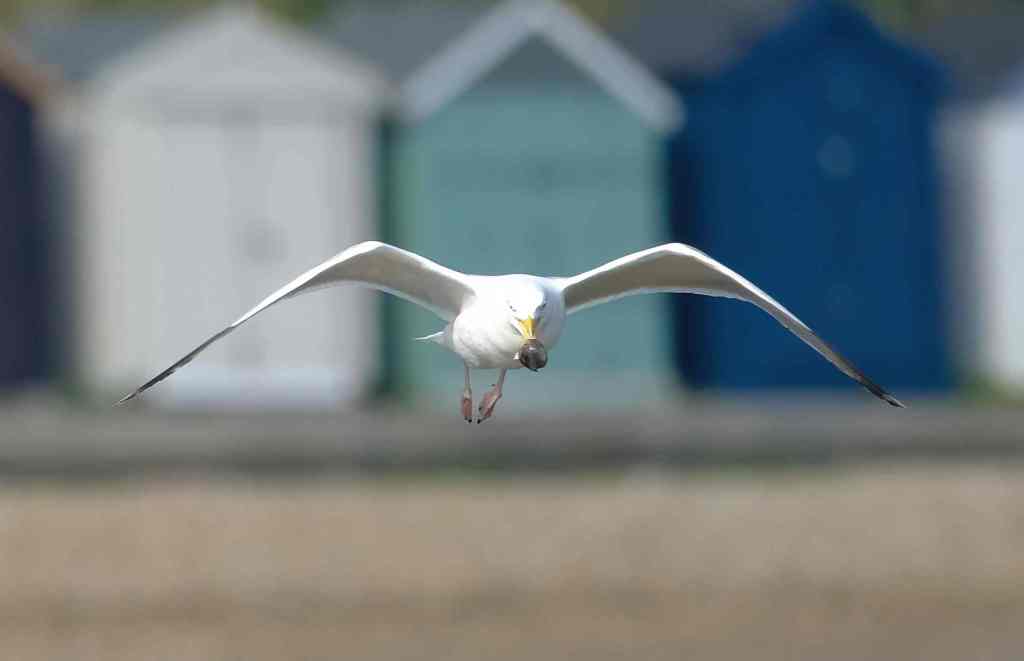
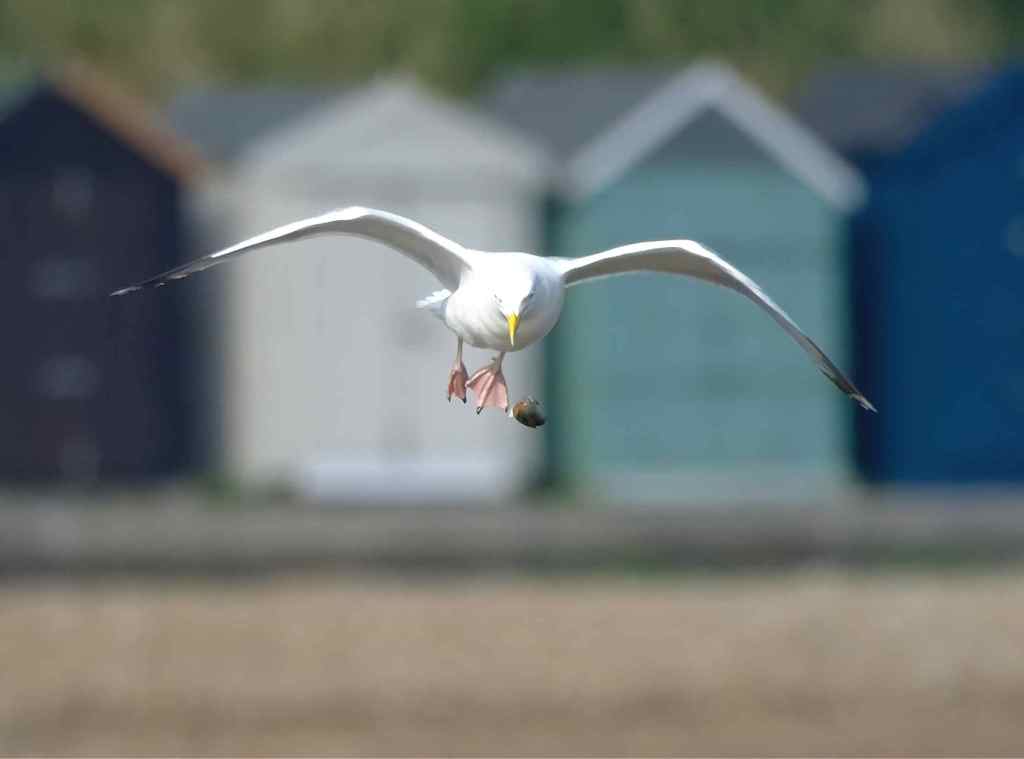
Herring Gulls drop clams from a height, smashing them open on the stony shore to get a meal. It seems to take 2 or 3 drops to open them. The pictures tell the story.



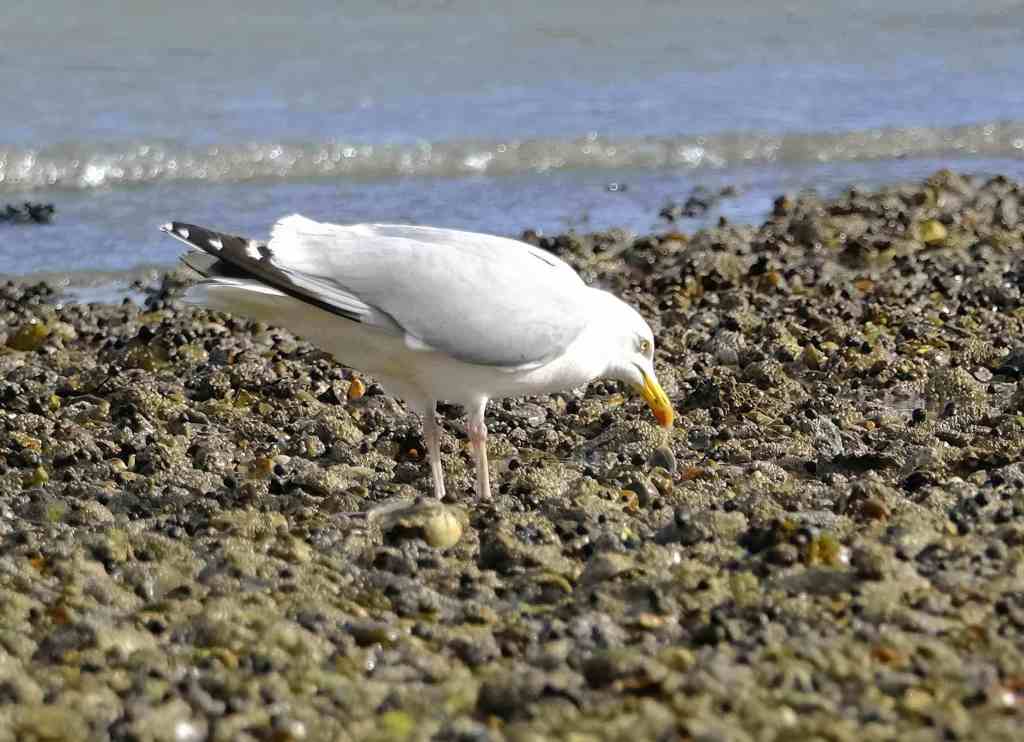
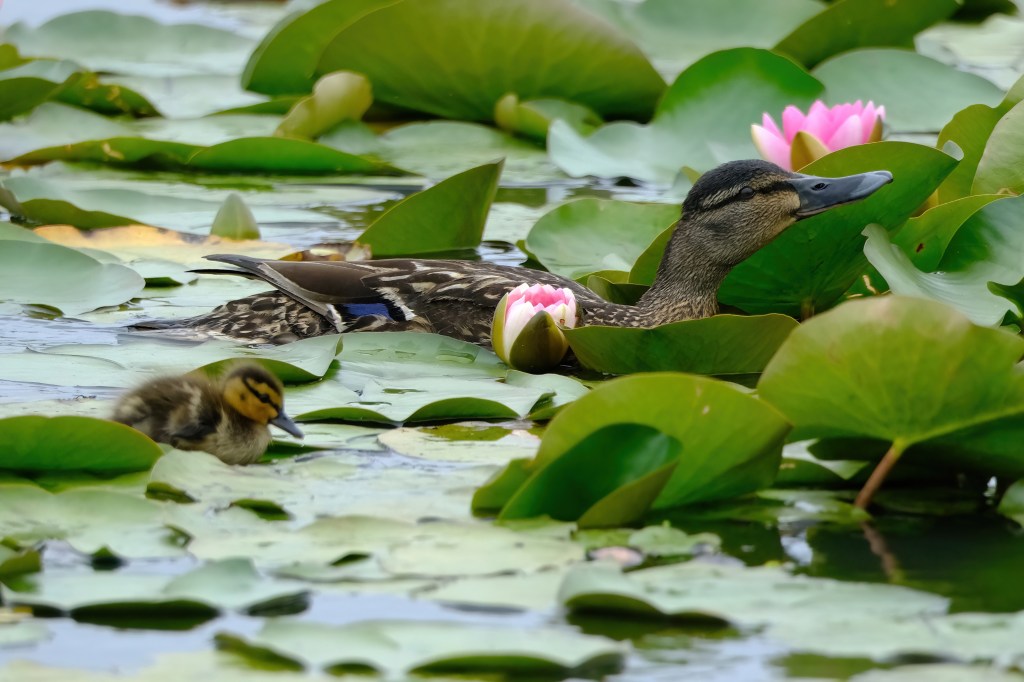
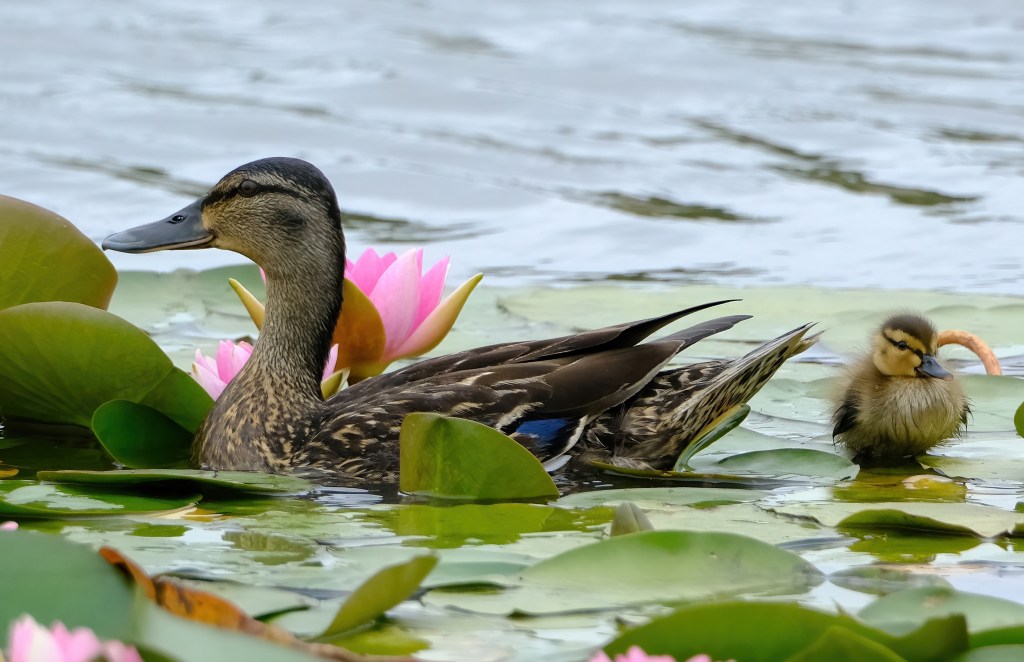
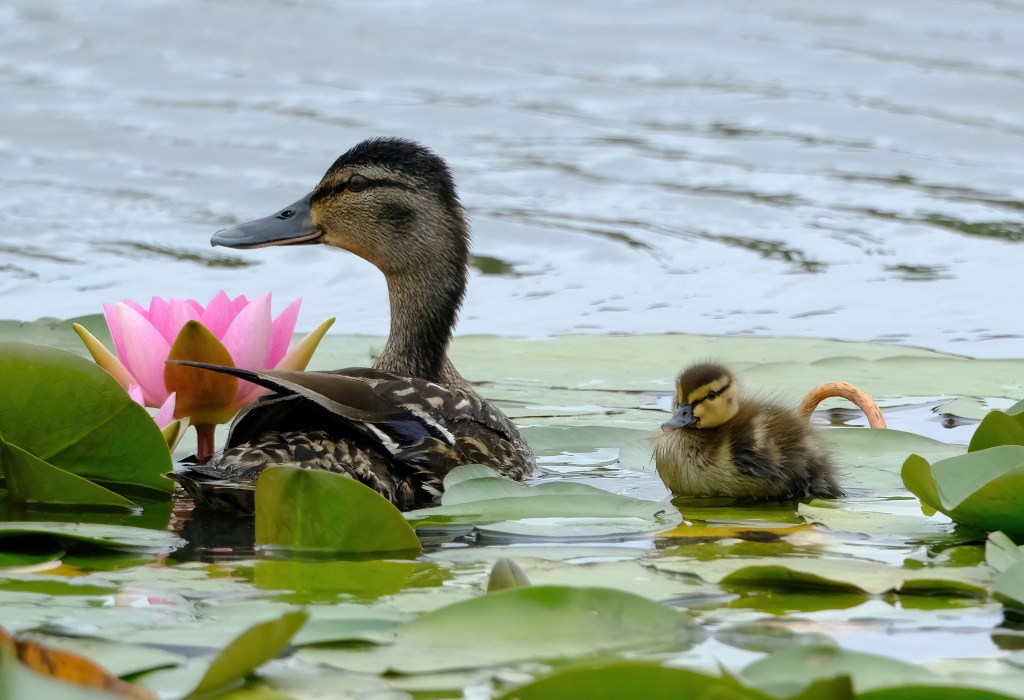
I watched a commotion: a mother duck flying at a Herring Gull. It was sad to see her give up, and the gull fly off with a duckling in its mouth. Walking the other side of the pond, I found her again with only one lone duckling trying to keep it in the water lilies for safety.



New Forest ponies taking a drink.

Magpie


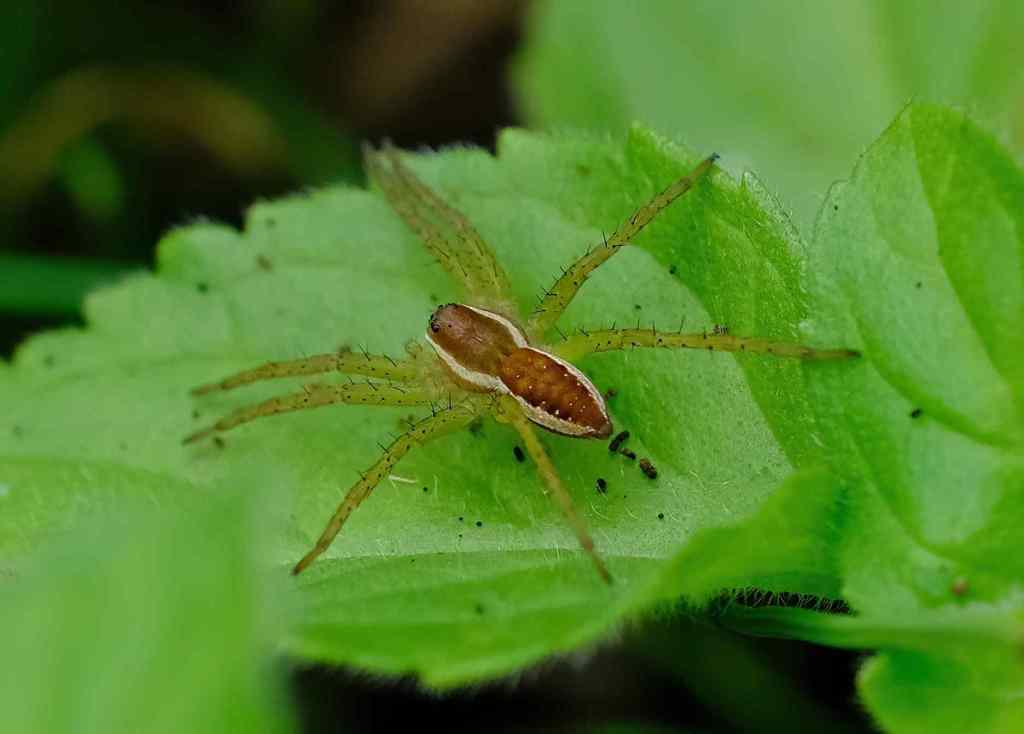
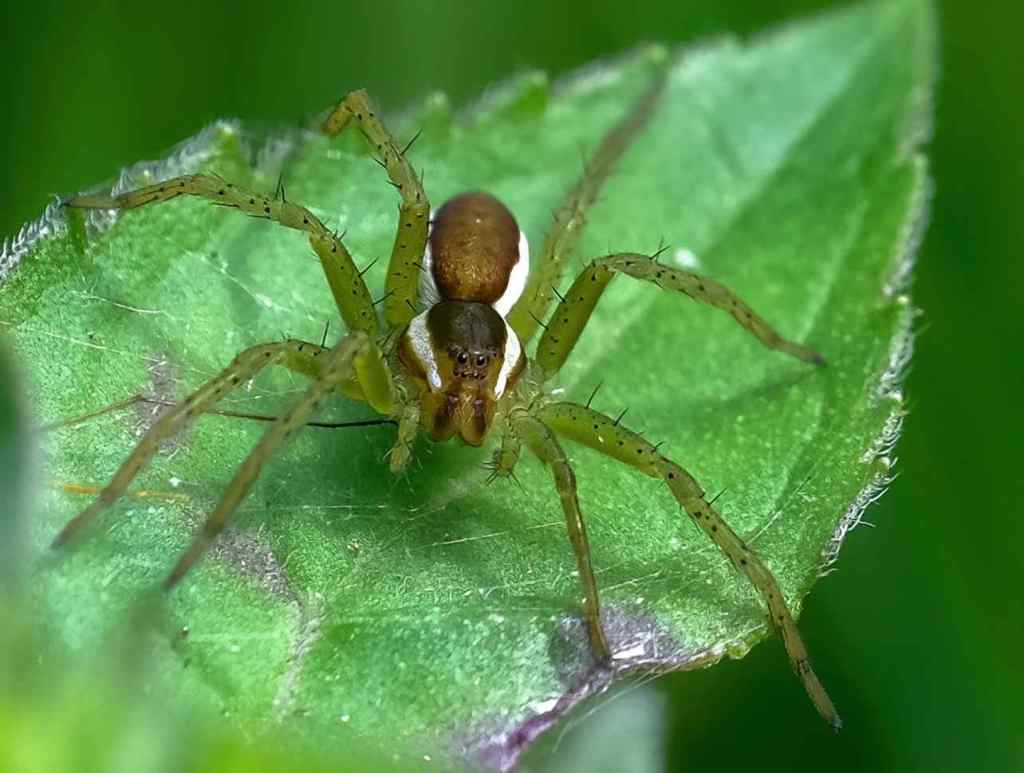
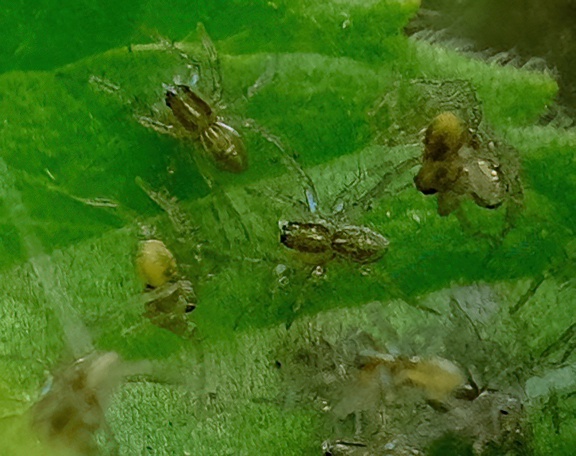
Looking for Raft Spiders again in the New Forest, we found a good population in the usual place. Some 16 adult spiders along the stream were viewed. along with several nests which were full of baby spiders. The spider in the 1st picture was eating a “Daddy Longlegs”.



 Continued Reflections from my World.