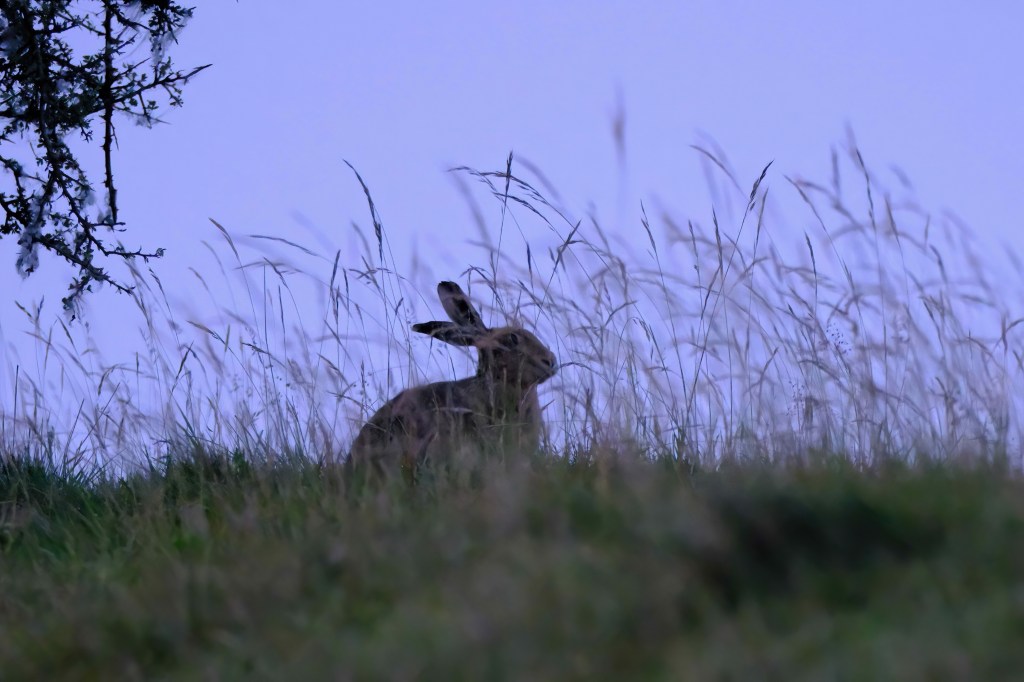
Without (much) hesitation, and with a weather forecast giving a bright Sunday morning until around lunchtime, when my brother suggested a 04:30 hrs start to see if we could spot the Barn Owl we had spotted on the South Downs a few weeks earlier, it was a “go”!
As we left for the half-hour drive, it was already getting light. However, a noticeable chill was in the air, so I opted for a fleece over a waterproof jacket.
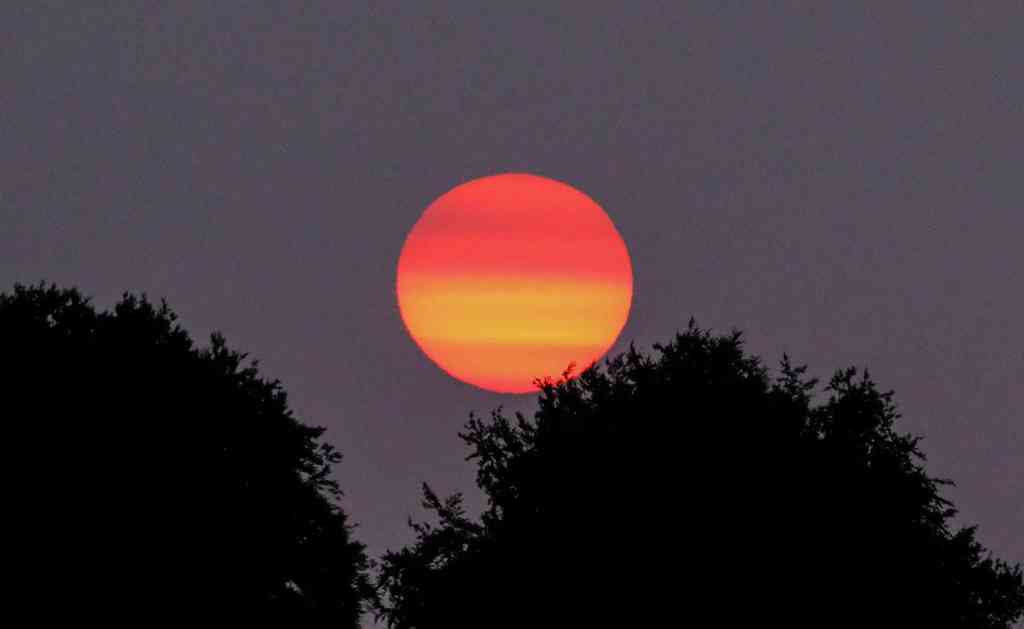

25 years ago, the Government were stating they were going to bury the electricity cables in places of natural beauty such as national parks, well it never happened and we are told more pylons will be needed to link solar farms to the national grid as they are too expensive to go underground. I see WordPress now has an AI section, so I asked it to generate a picture of Pylons at Stonehenge! {NB-1st and last time I will post a A1 picture}

Sadly, no Barn Owl was out morning hunting, but good numbers of Brown Hares were about.
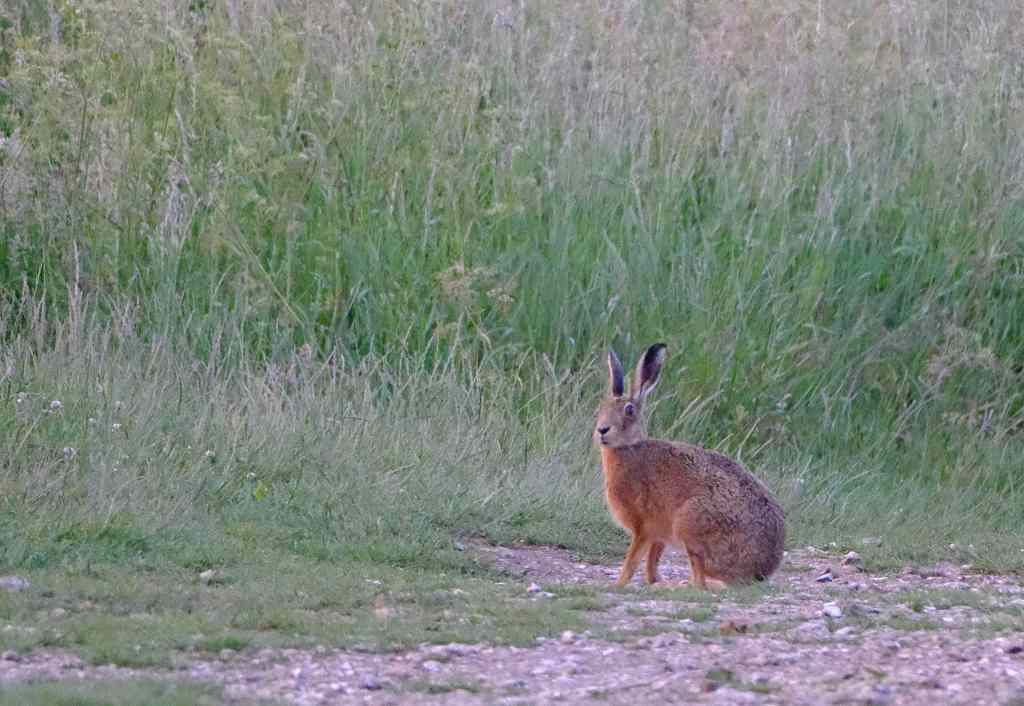
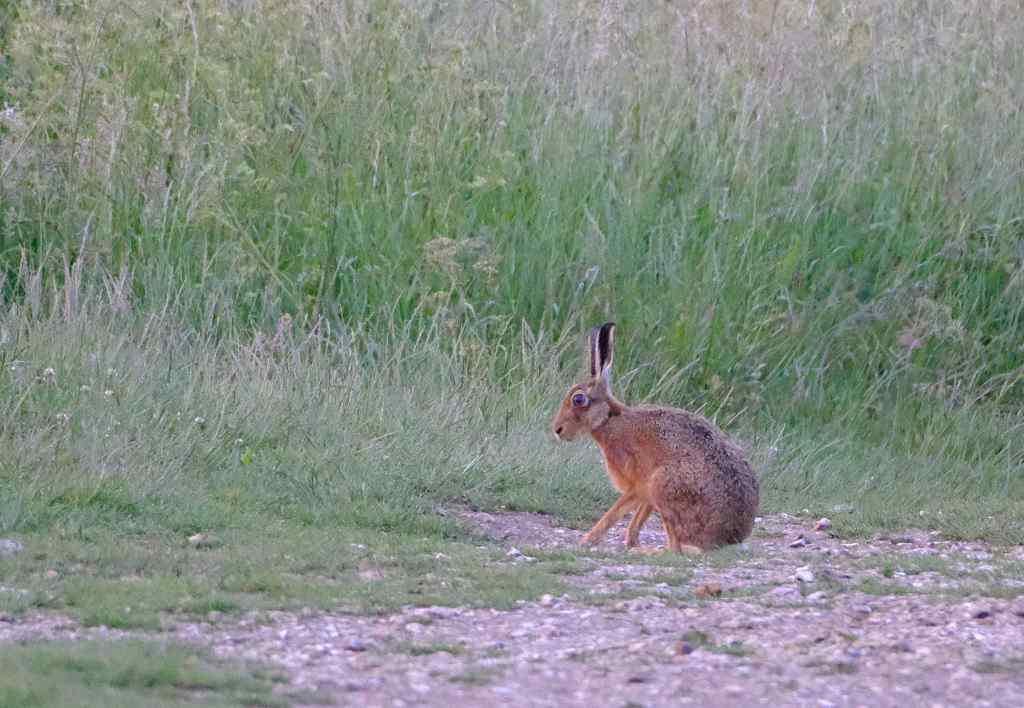


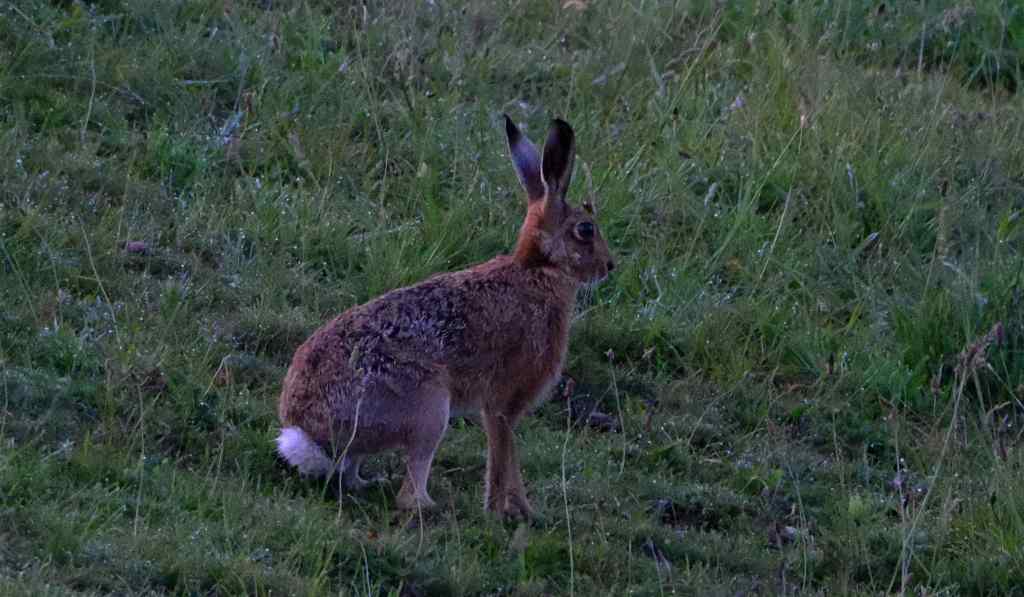
The next hare was a Rabbit!

Turning to head back, rain clouds were heading in. All the crows just landed, sadly, I missed them in the air as it was a great sight with that sky.

With a few rather interested in us, Hereford Cattle, we took a wide detour off the footpath close to farm buildings.
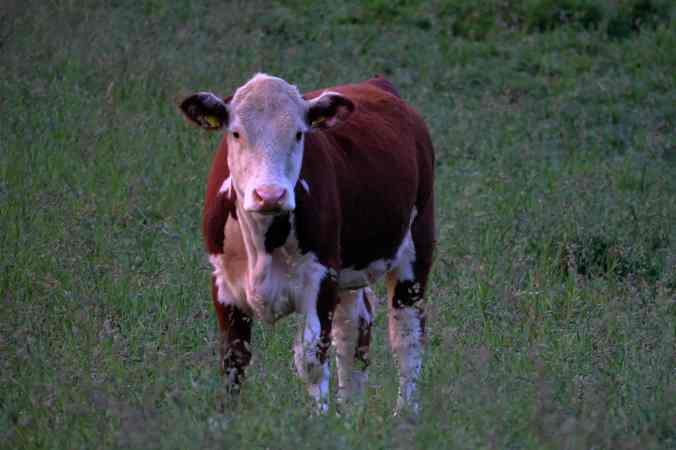
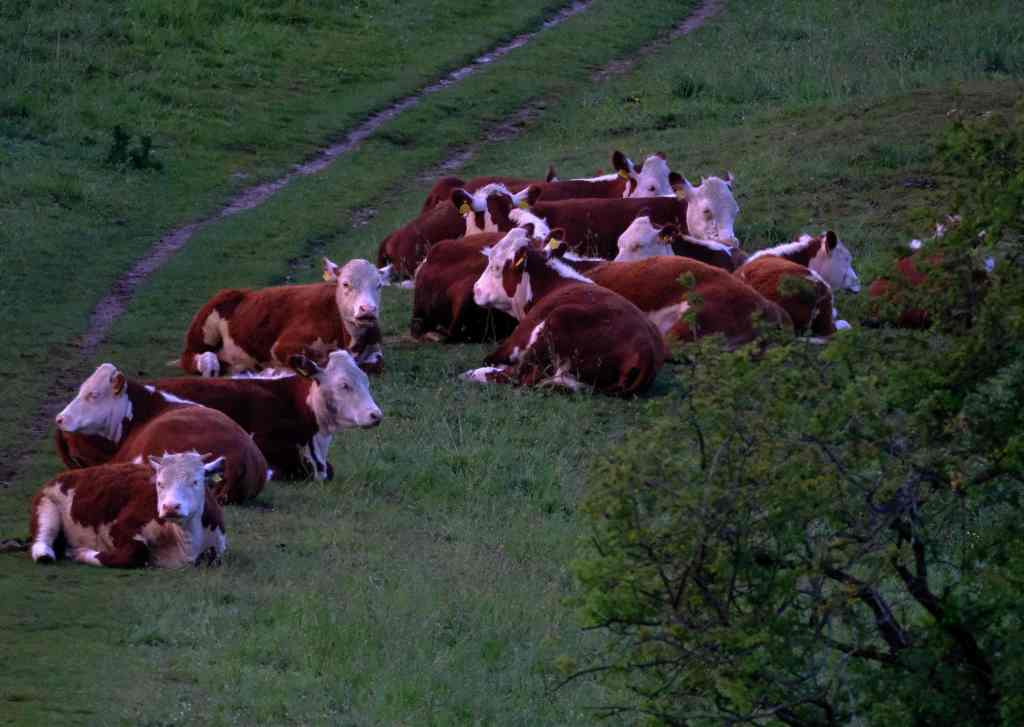
This allowed us the opportunity to look into the barn where we had seen the Owl in flight previously.
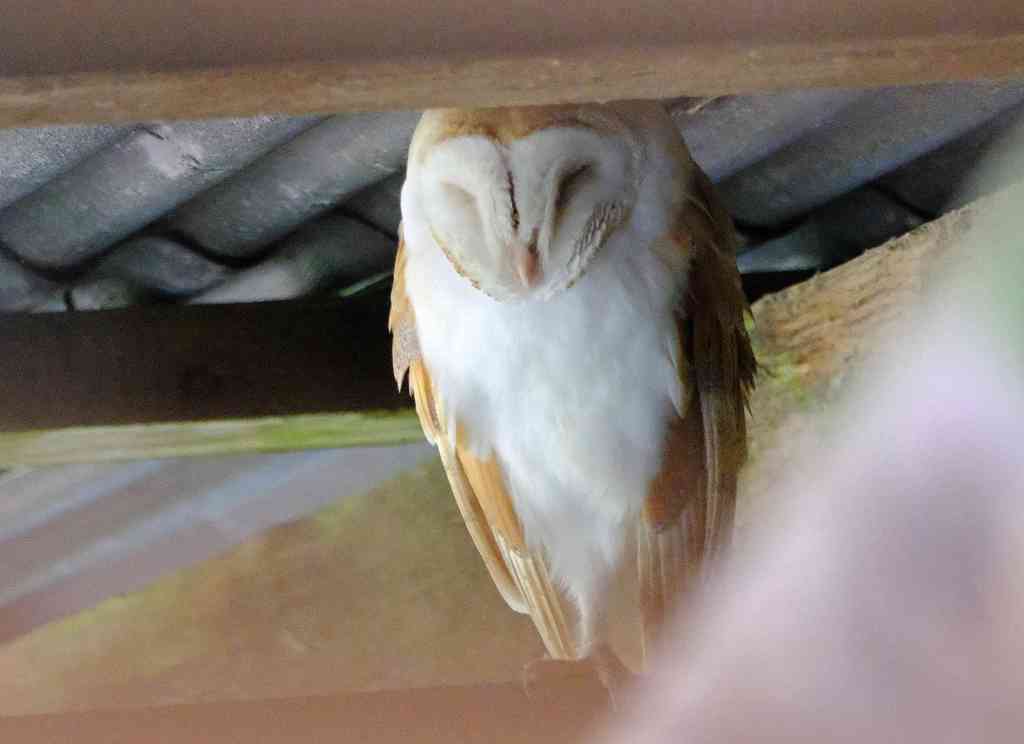
Looking through a hole in the barn wall (marked with a yellow arrow) was the Barn Owl on the other side, fast asleep. Obviously, despite our early start, it was not early enough!

























 Continued Reflections from my World.