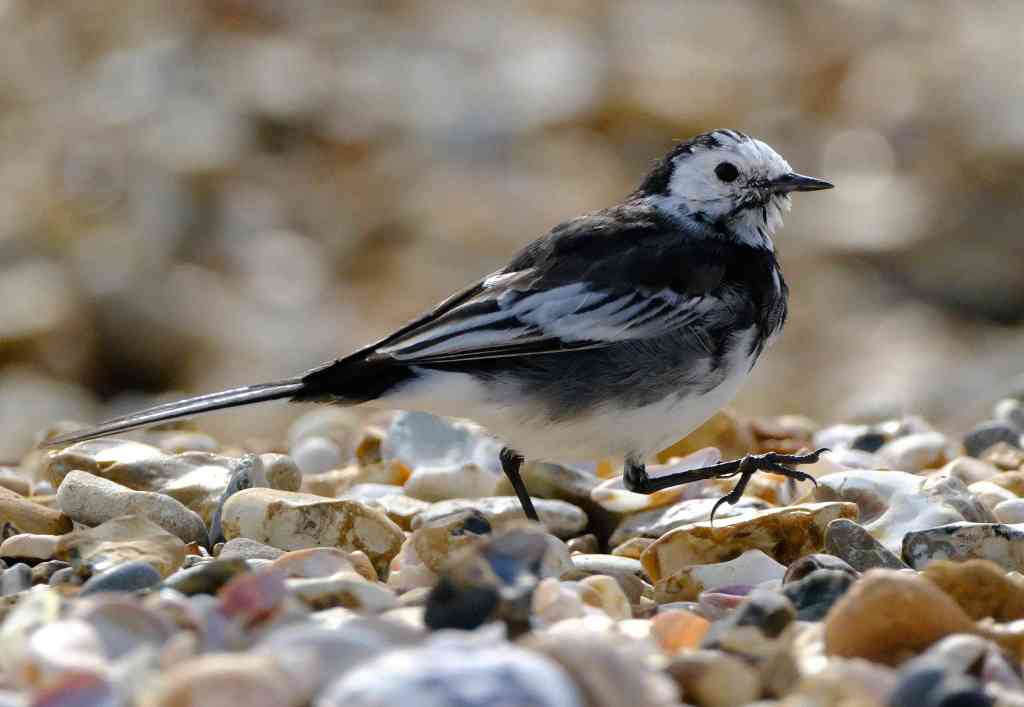
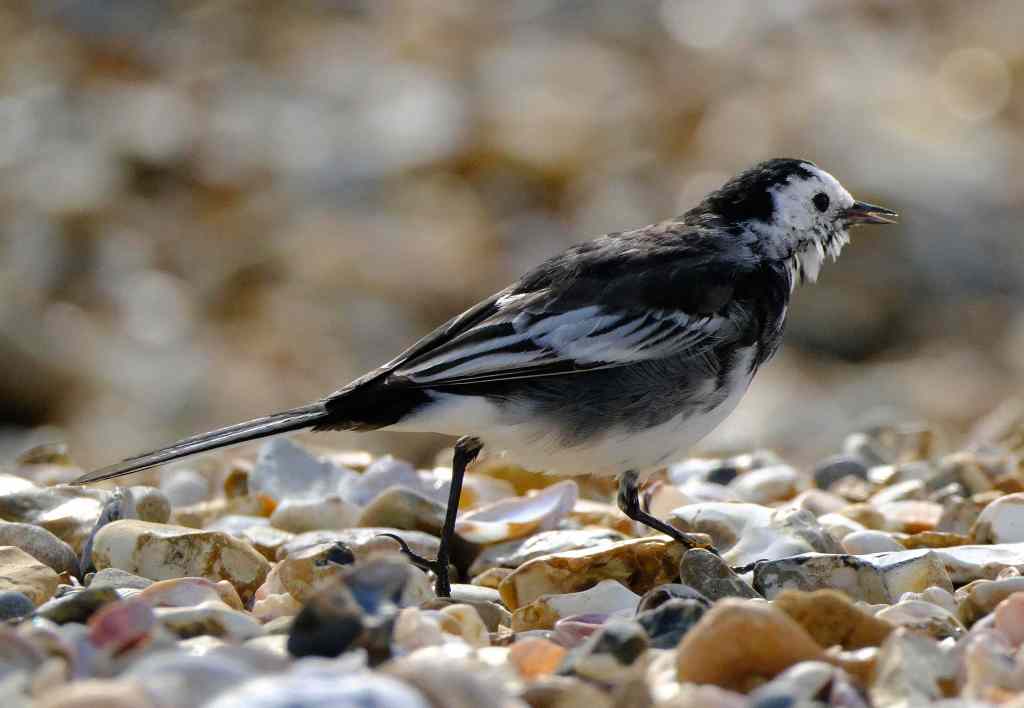
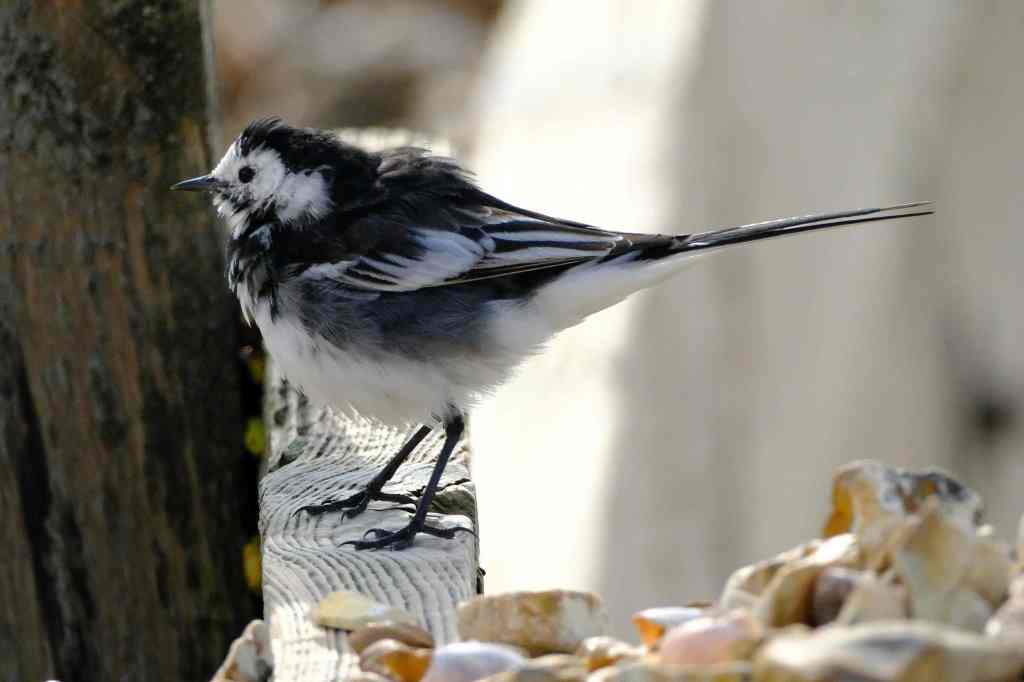
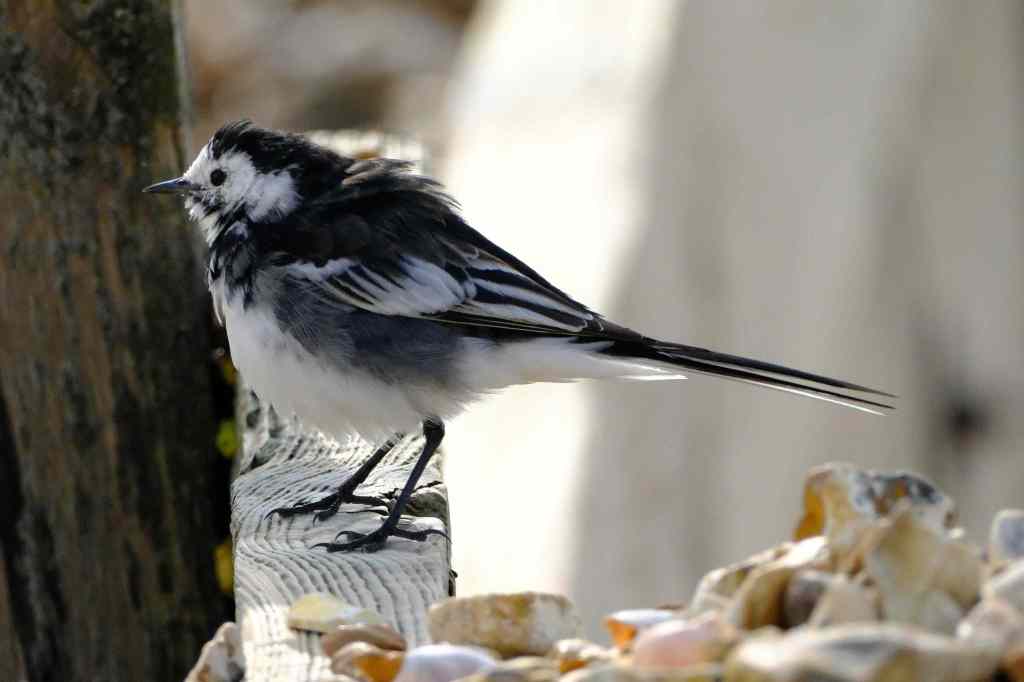
A Pied Wagtail on Meon Shore Beach. Frantically wagging their long tail up and down is an easy way to ID these little birds. I regularly see Pied and Grey Wagtails and very occasionally Yellow Wagtails. Their favourite food is insects.
Still, the photographs below are stitched together and run fast to show tail wagging.
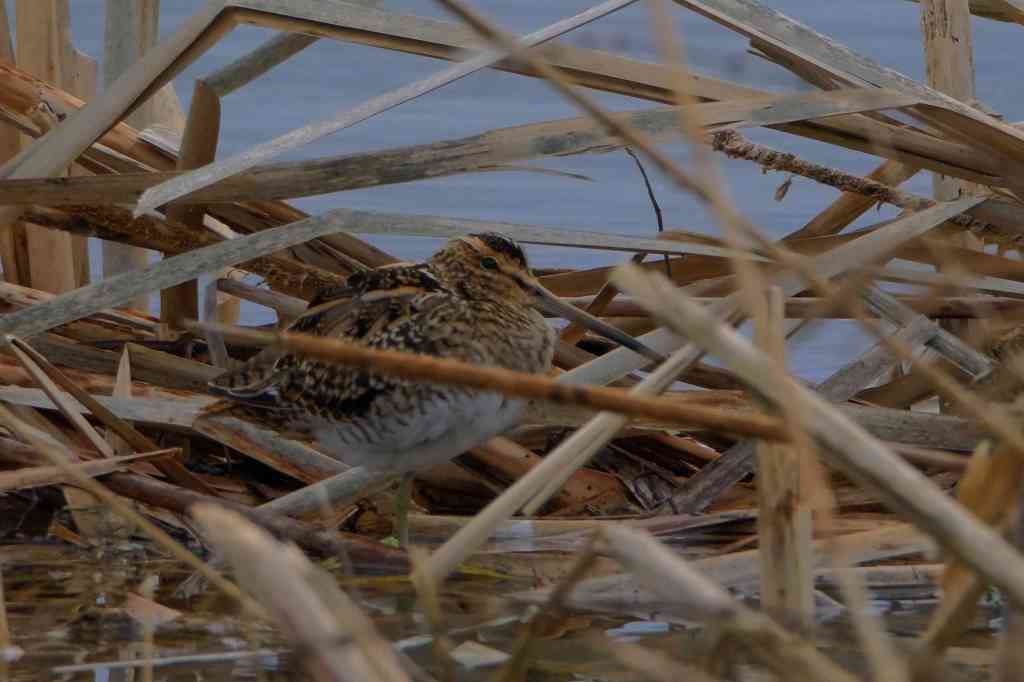
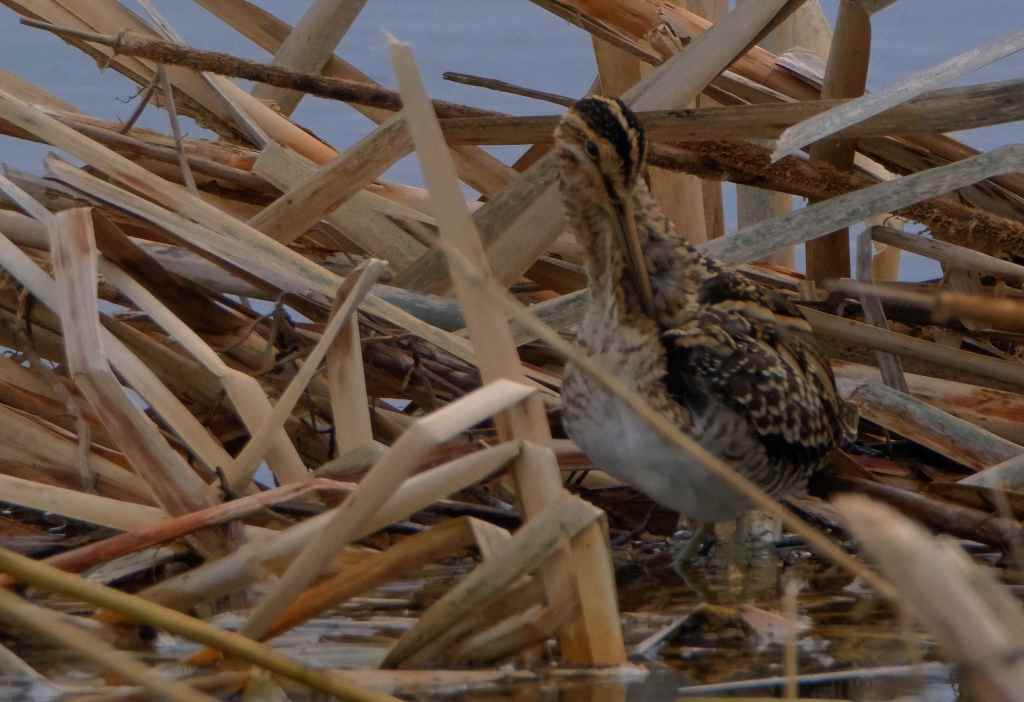
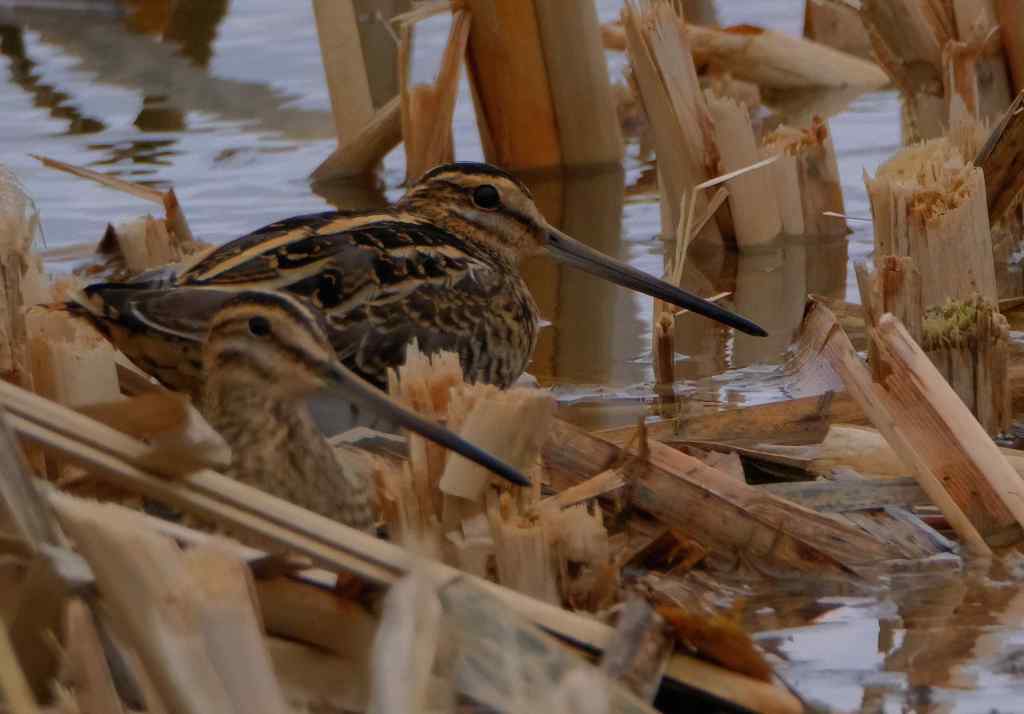
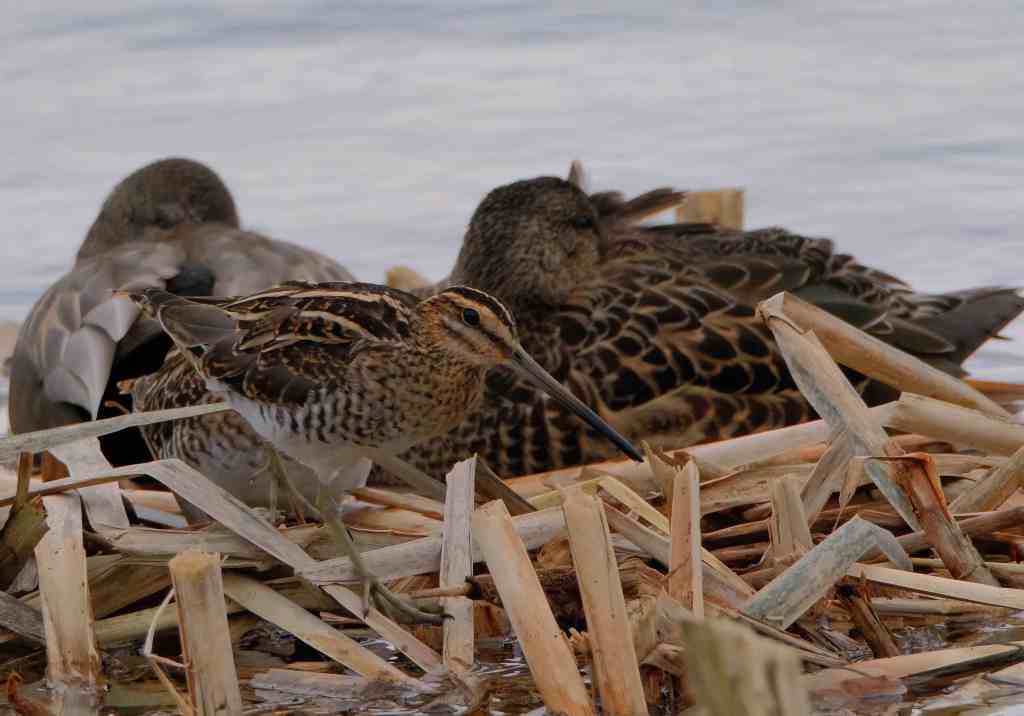
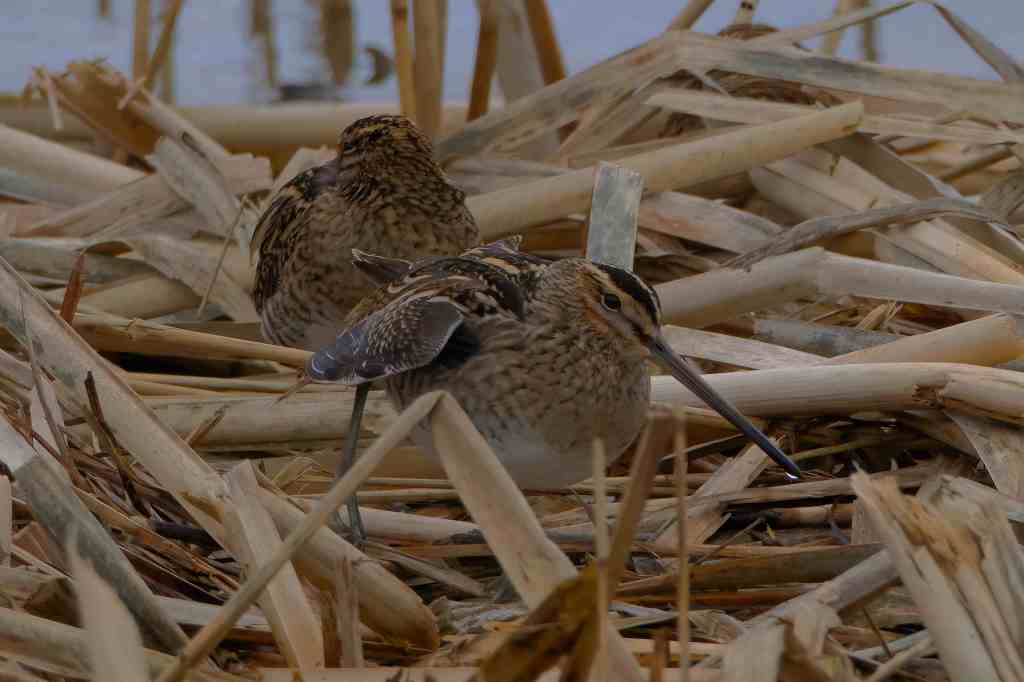
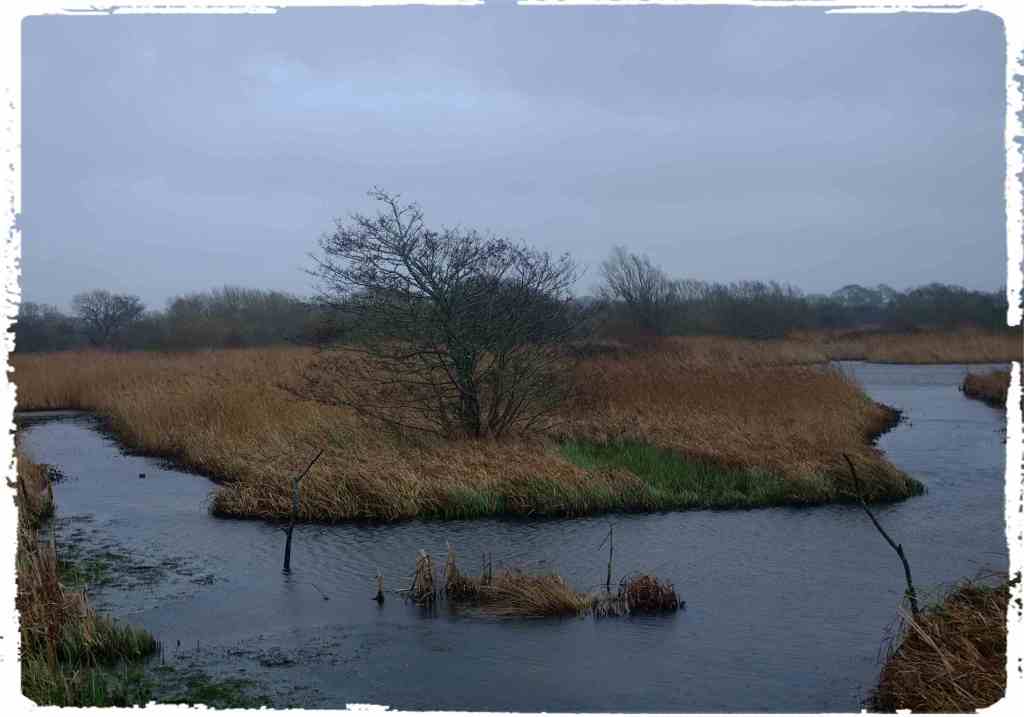
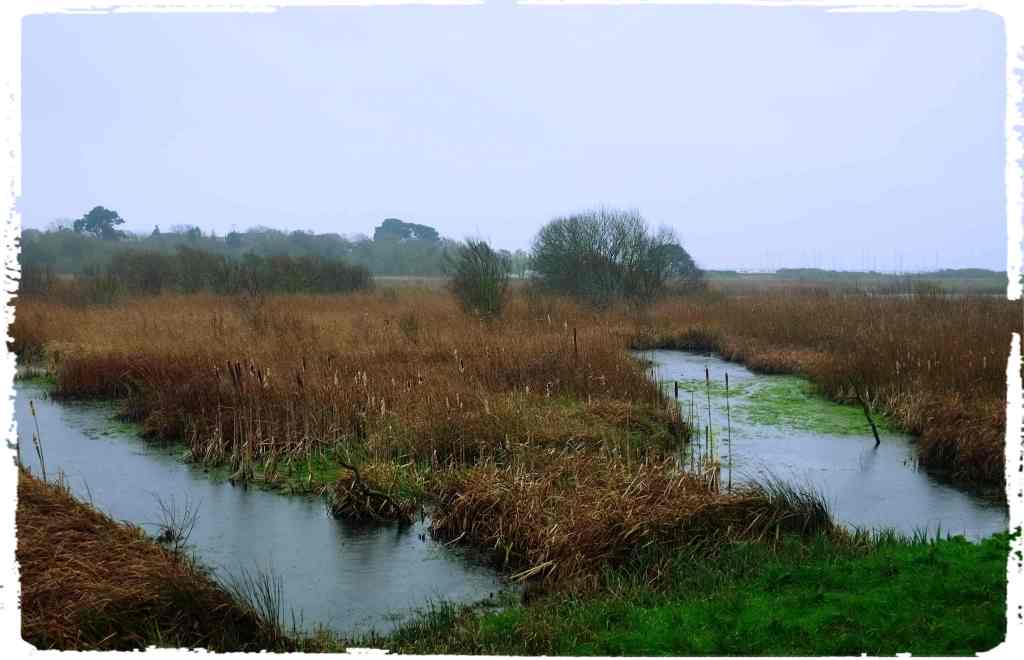
The snipe is a medium-sized wader, they are found in marshes, wet grassland and on moorlands, they use their long, probing bill to find insects, earthworms and crustaceans in the mud. There were a good number of Snipe at Titchfield Haven this morning.
The Snipe is another bird that is so camouflaged that it blends very well into its habitat. They are often invisible until they move. There are 3 birds in the picture below I only saw 1 when I took the picture.
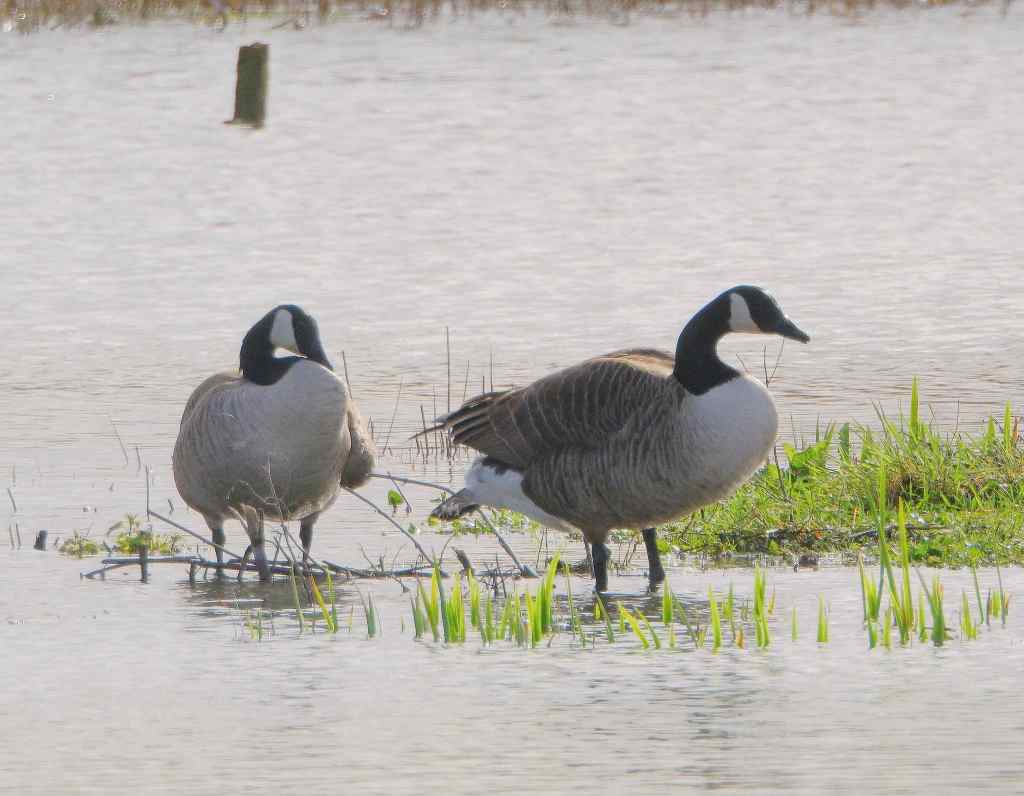
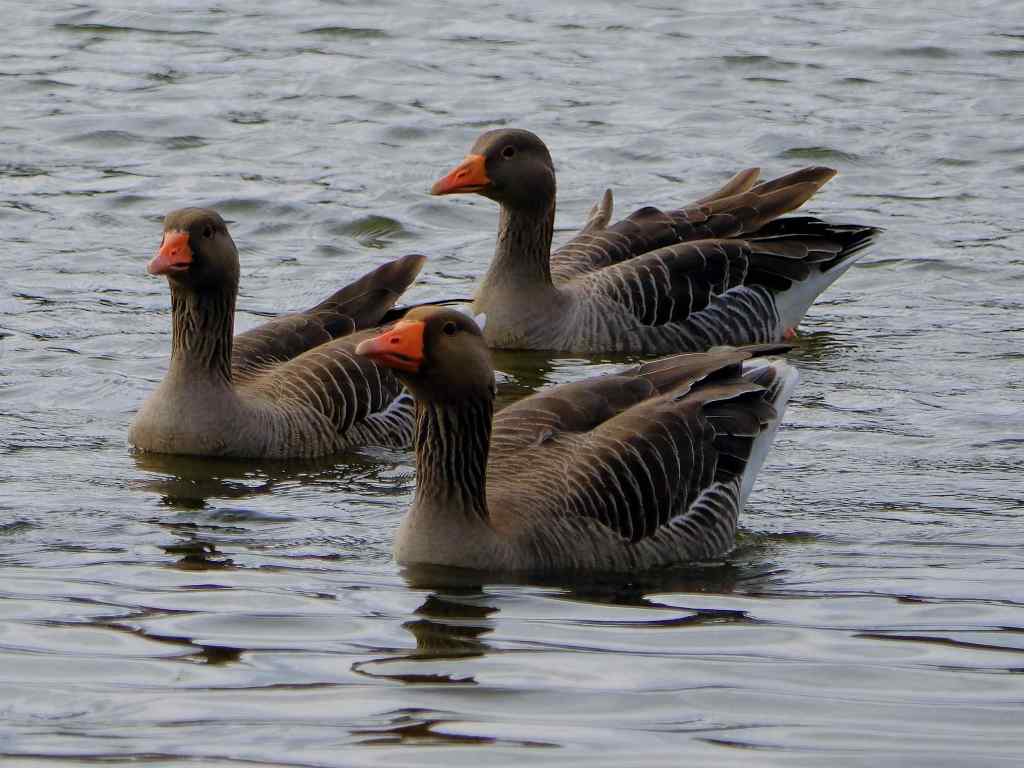
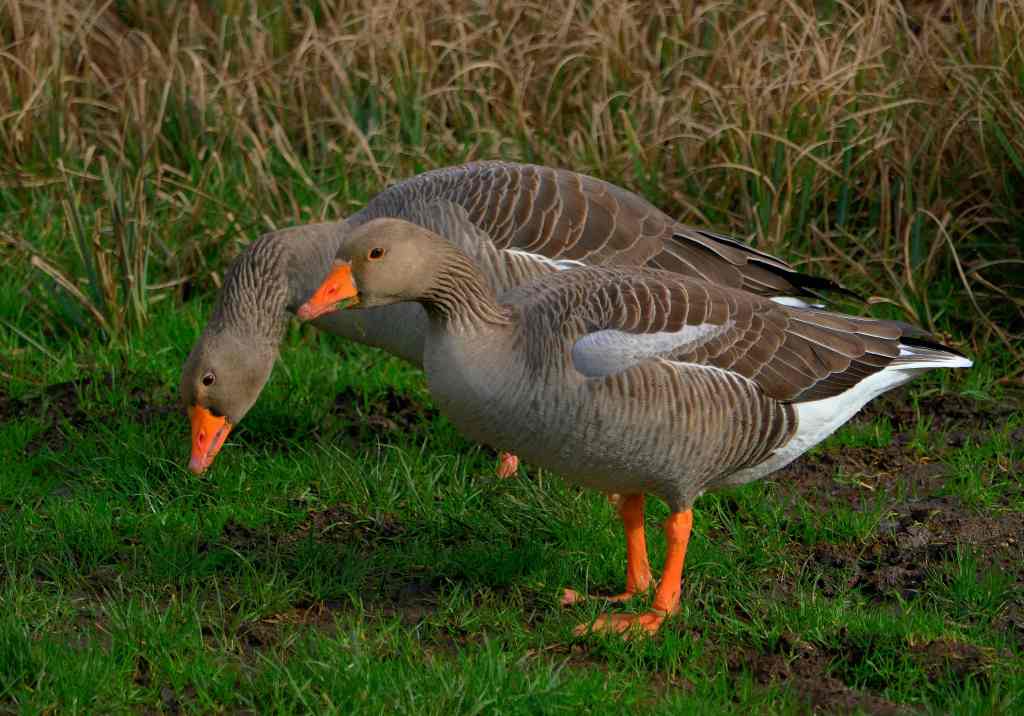
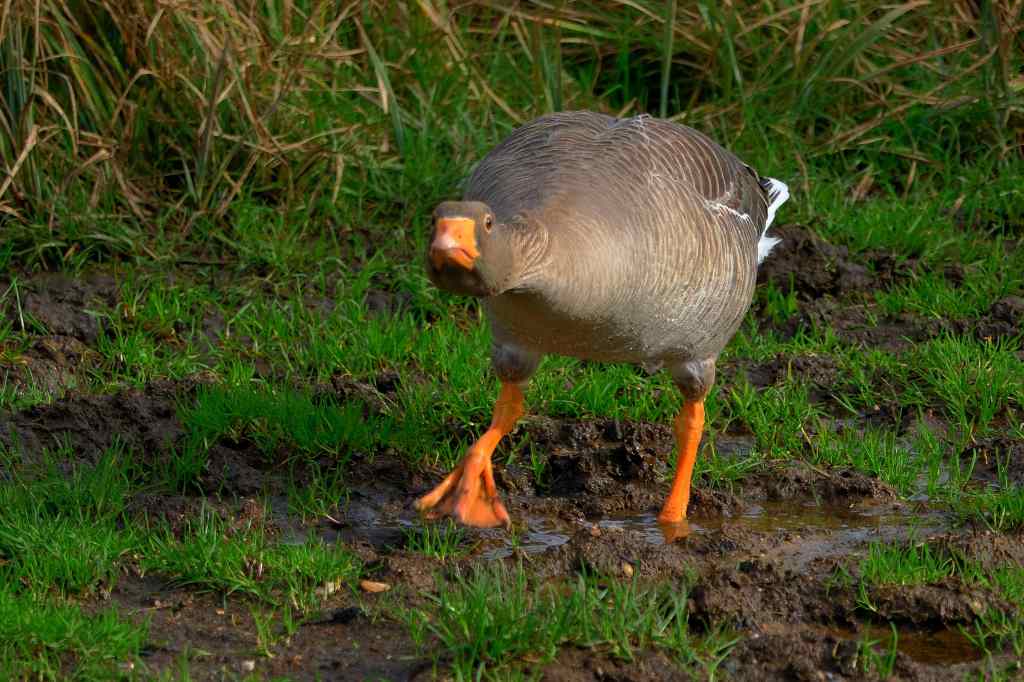
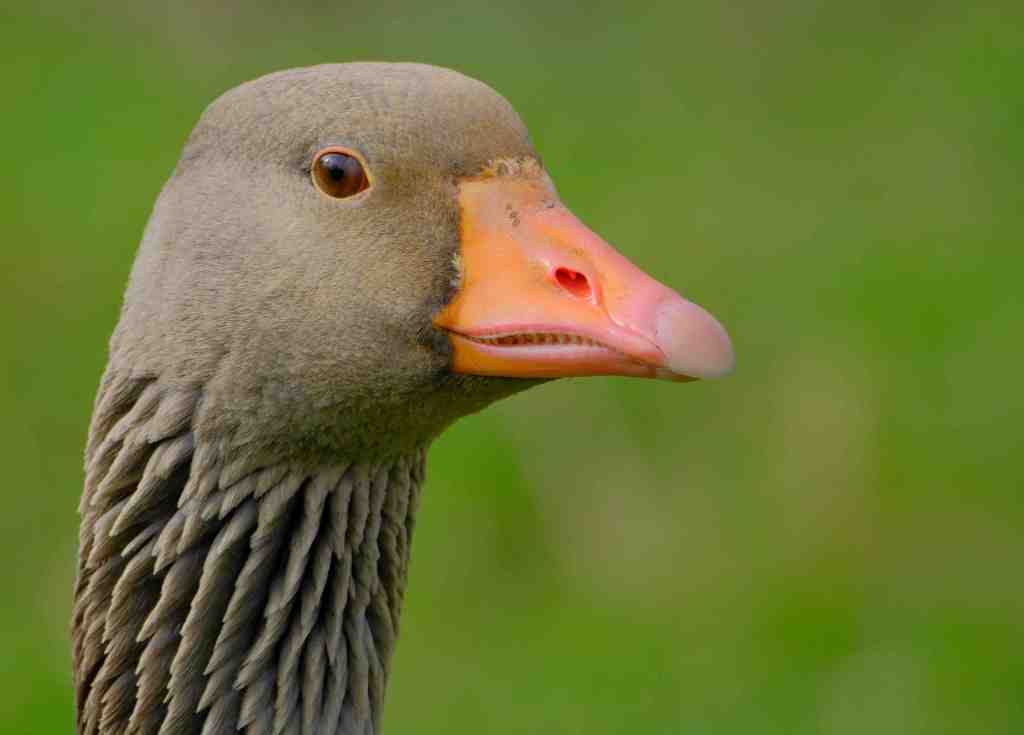
Our commonest native goose, the greylag. They are found around gravel pits, lakes and reservoirs all year round in southern Britain. These tend to be semi-tame birds. The native birds and wintering flocks found in Scotland these truly wild geese.
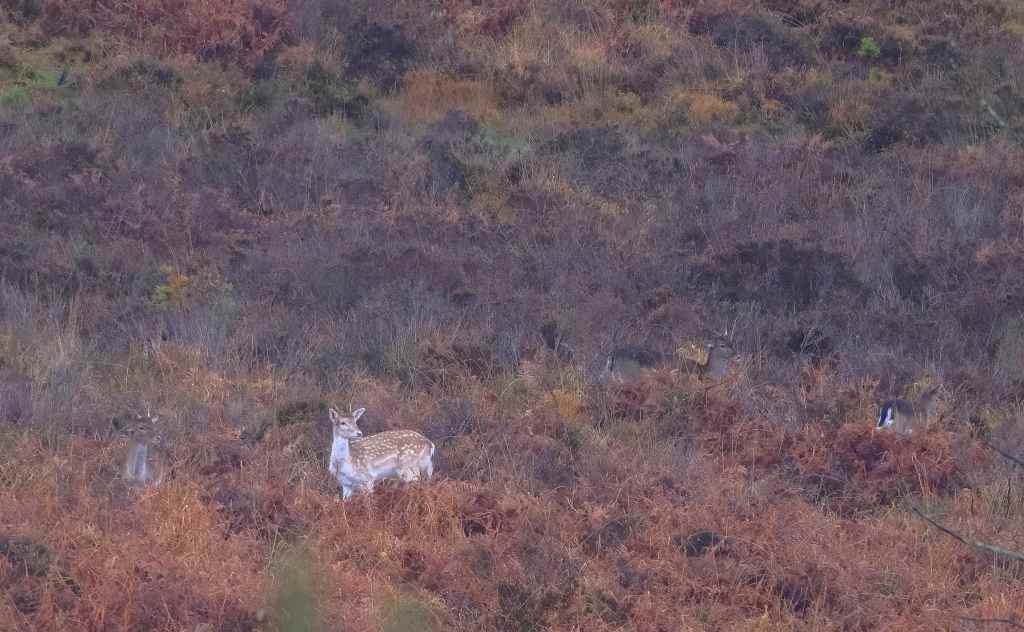
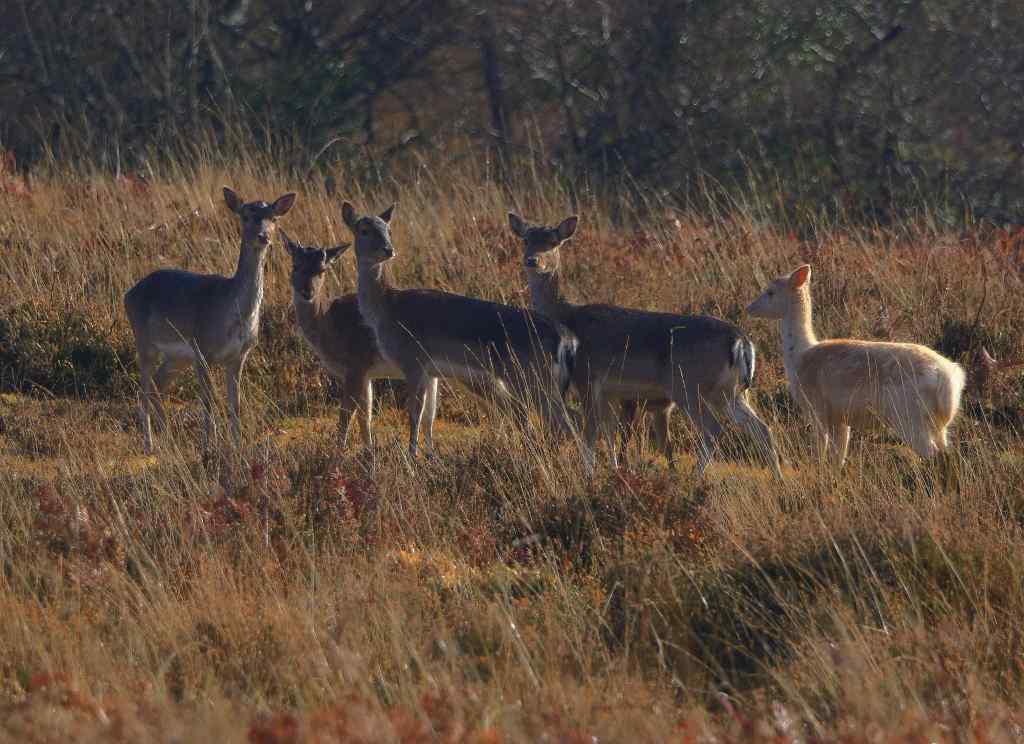
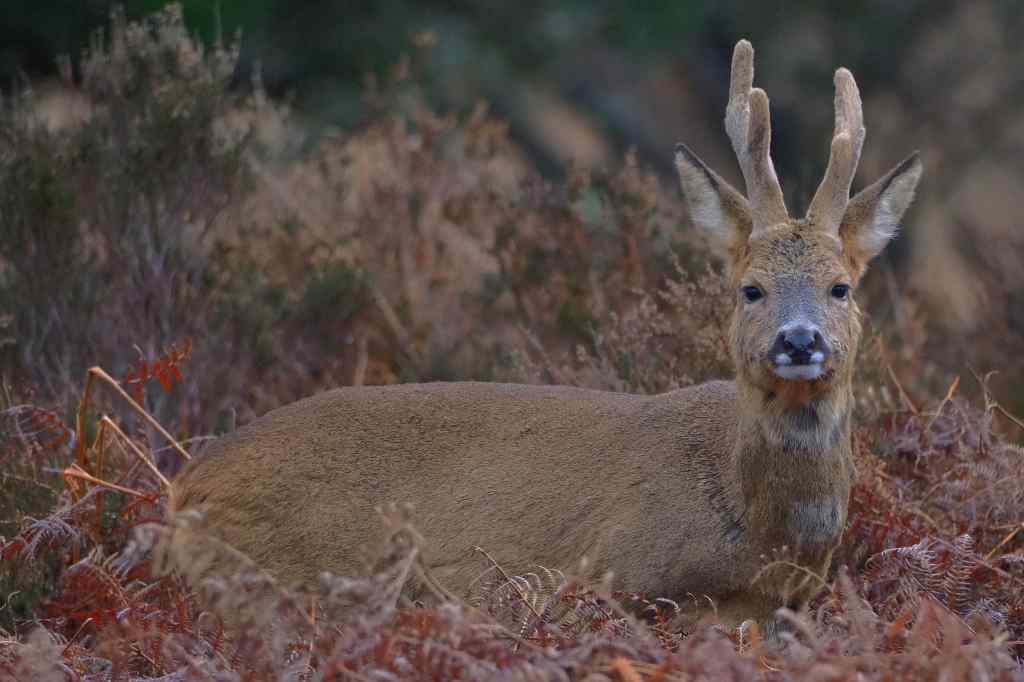
Back to the New Forest for a walk today but in rather damp conditions – several groups of Fallow Deer spotted and a single mature Roebuck with a good set of antlers in velvet.
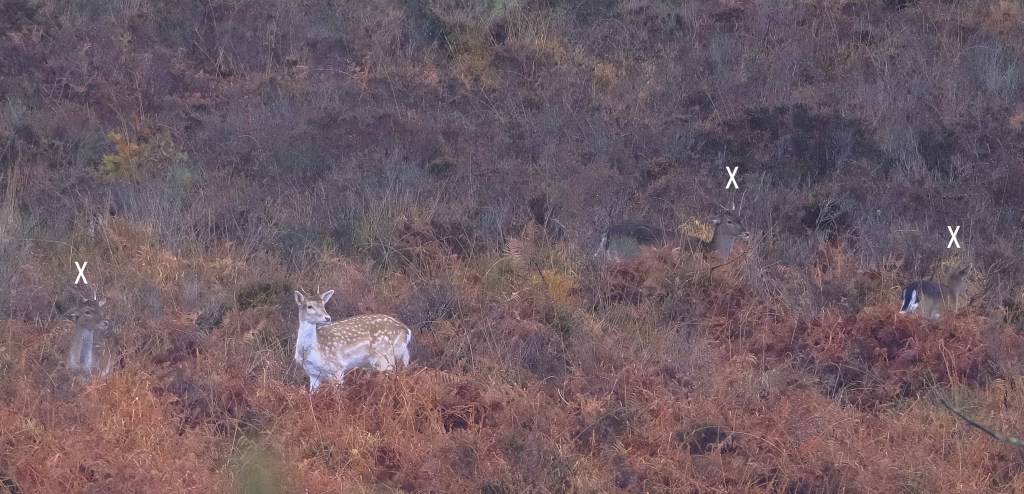
I spend a lot of time considering natures camouflage – some of the Fallow Deer in the forest are very pale in colour as this young buck is – he was easily spotted at quite a distance the 3 other darker deer are well hidden. I would not have seen any deer if the pale buck was not there!
” Well, I saw one over there”. “So let’s take a look”.
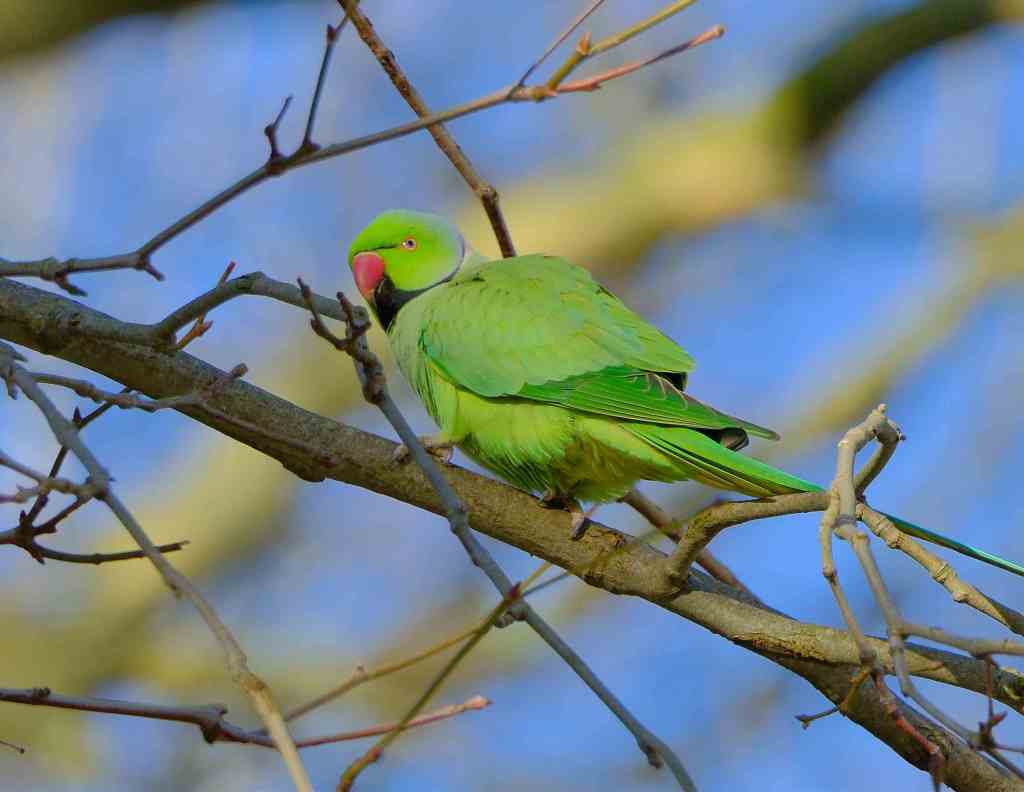
With the sun out I thought it was a good morning to make a visit to take a look at the local Ringed-necked parakeets to see if they were looking for nest holes.
The birds had found a hole which they were checking out. The male bird watched on as the female checked out the hole. ( the male parakeet has the neckband).
I hope this will be the chosen hole to nest in as I will be able to monitor it during the nesting season.
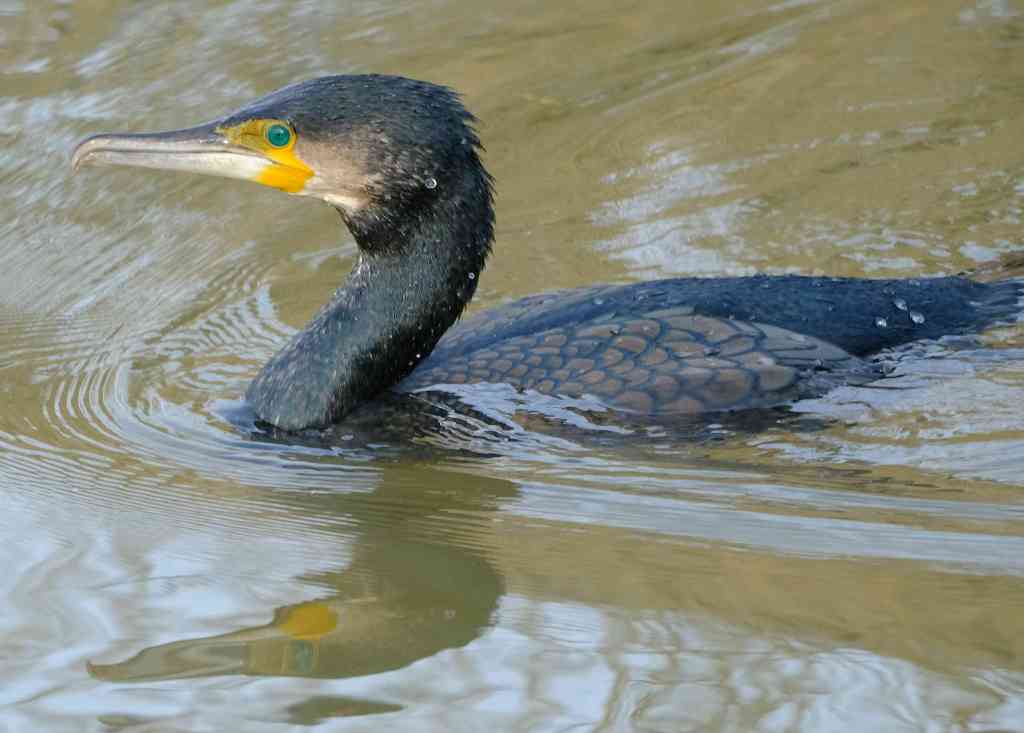
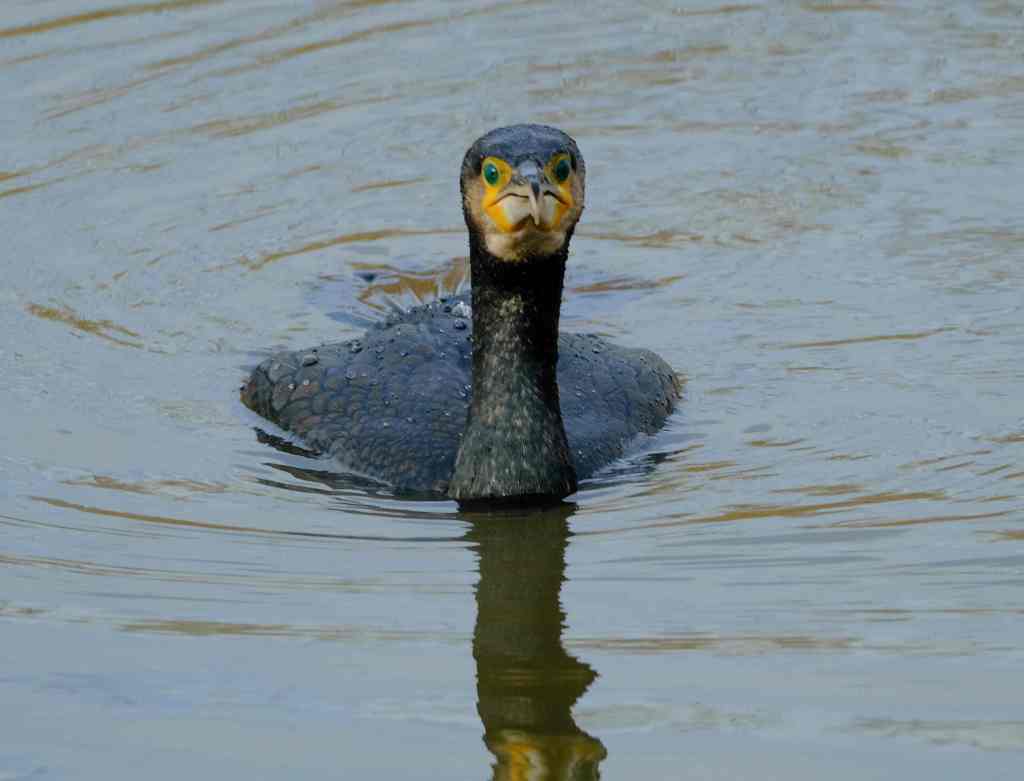
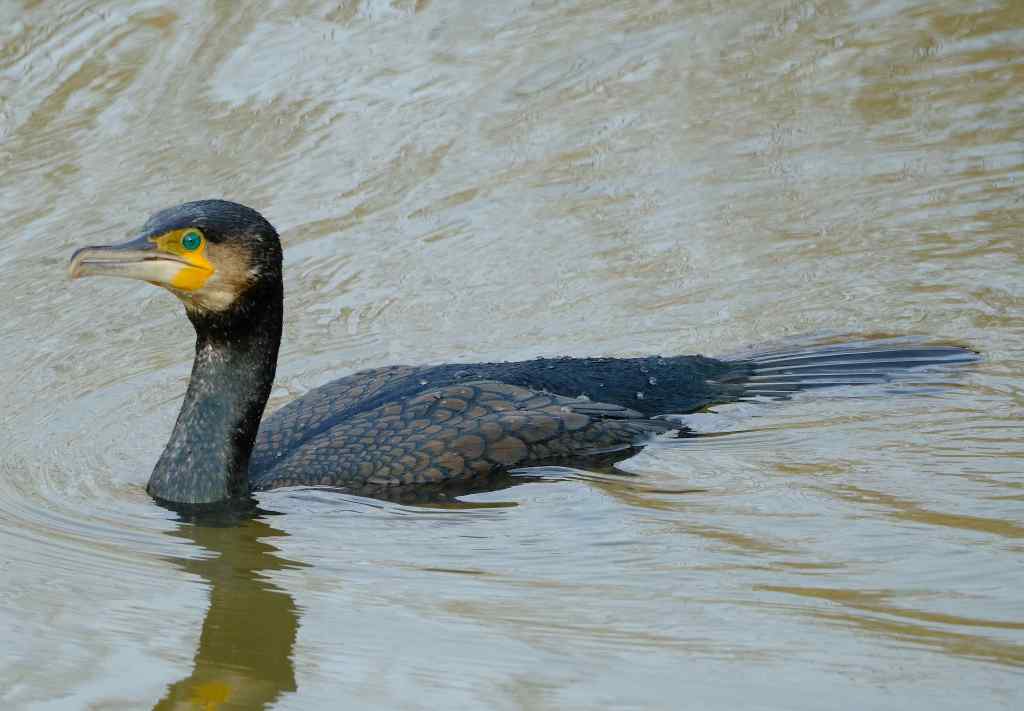
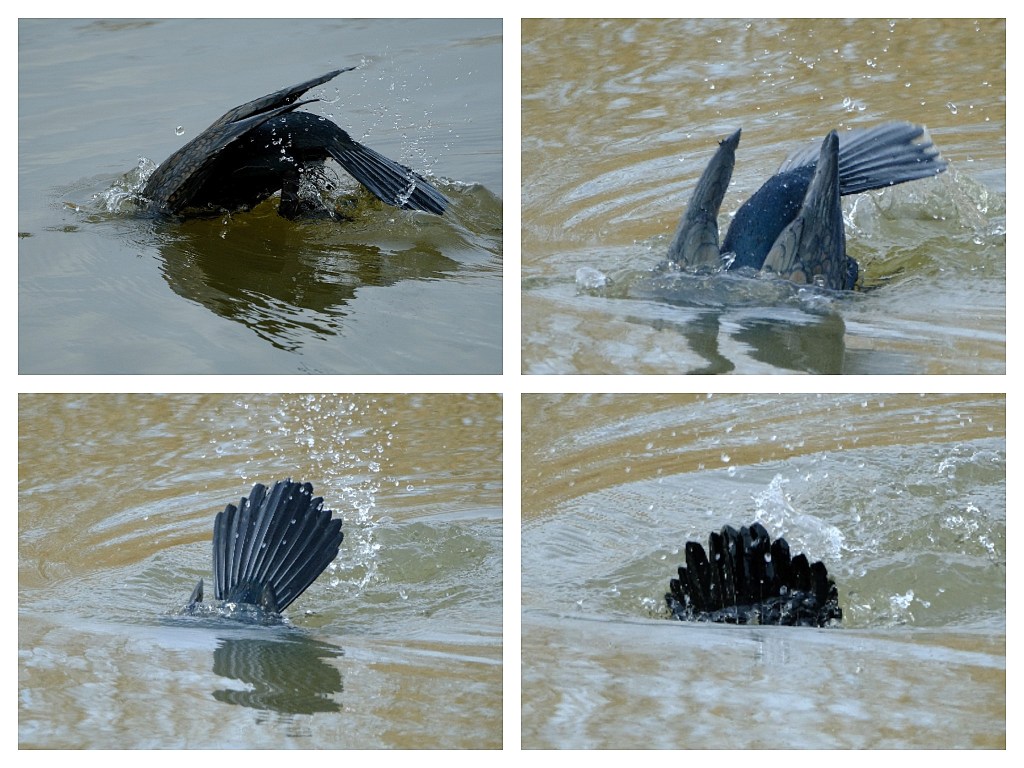
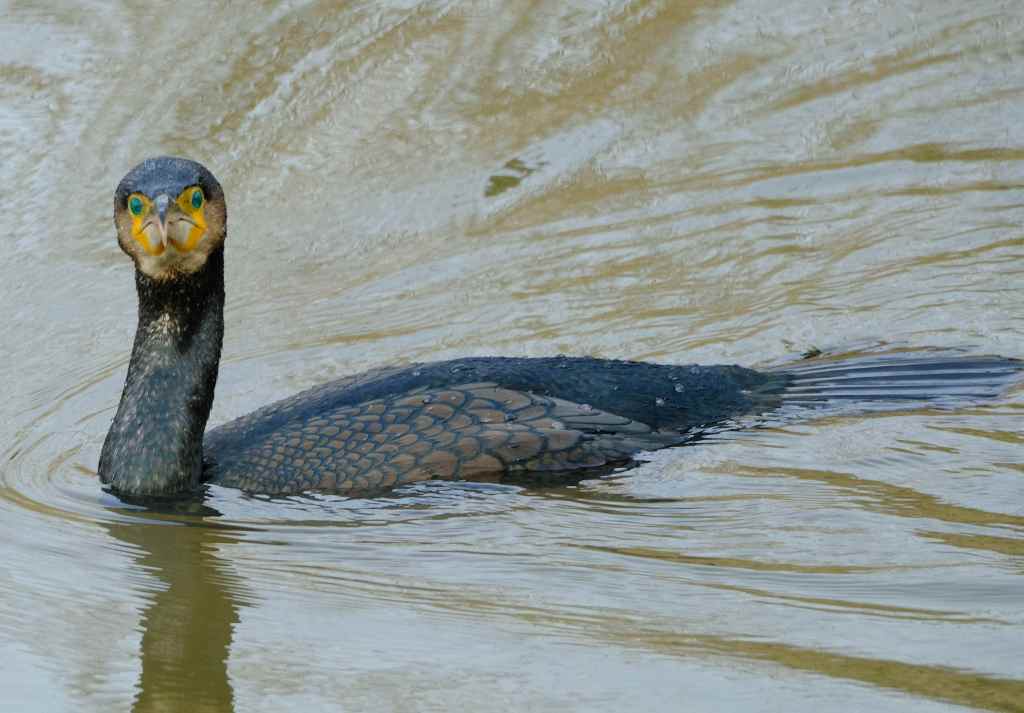
Cormorants are great divers for fish -although this one was unlucky while I watched the action.
Cormorant fishing is a traditional fishing technique that fishermen have used in China and Japan. They train the birds to catch fish. It was once a successful fishing method, today it serves the tourism industry. It is no longer used anywhere except in southwestern China.
To control the birds, the fishermen tie a loose rope near the base of the bird’s throat. The snare does not stop the bird from swallowing small fish but prevents the bird from swallowing larger fish, these are held temporarily in their gullet. When a cormorant has caught a fish in its throat, the fisherman brings the bird back to the boat to regurgitate the catch.

















 Continued Reflections from my World.