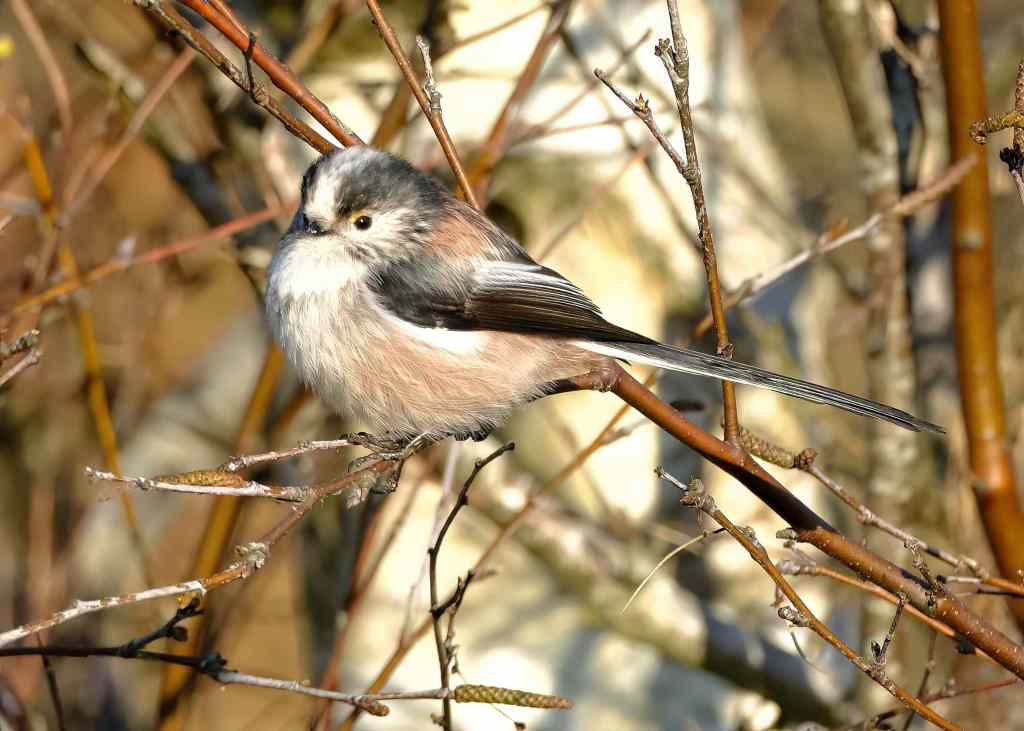
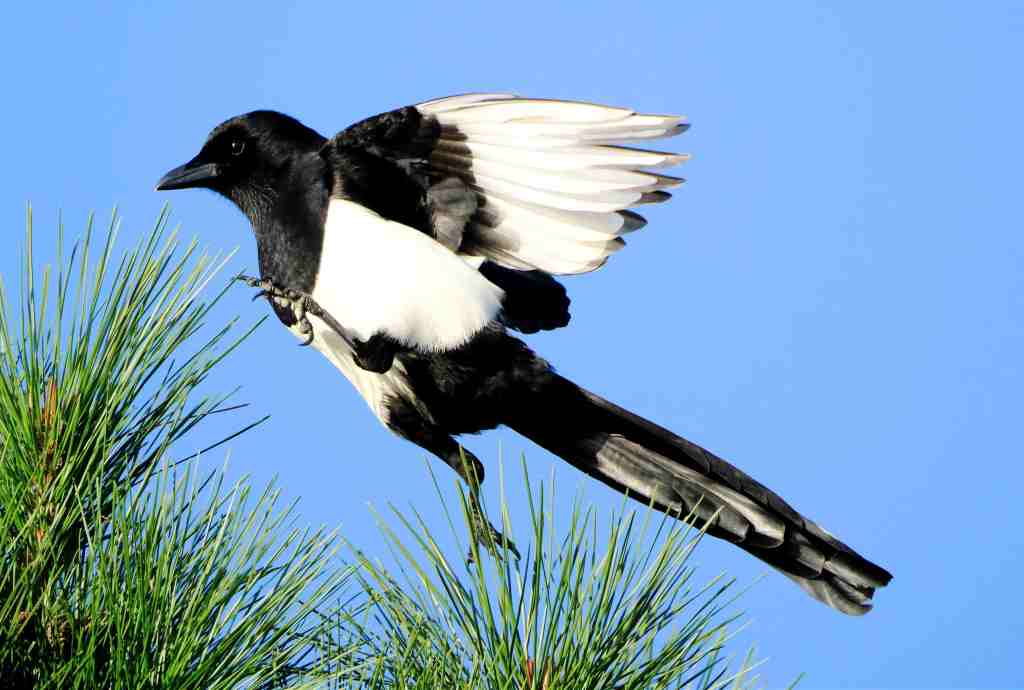
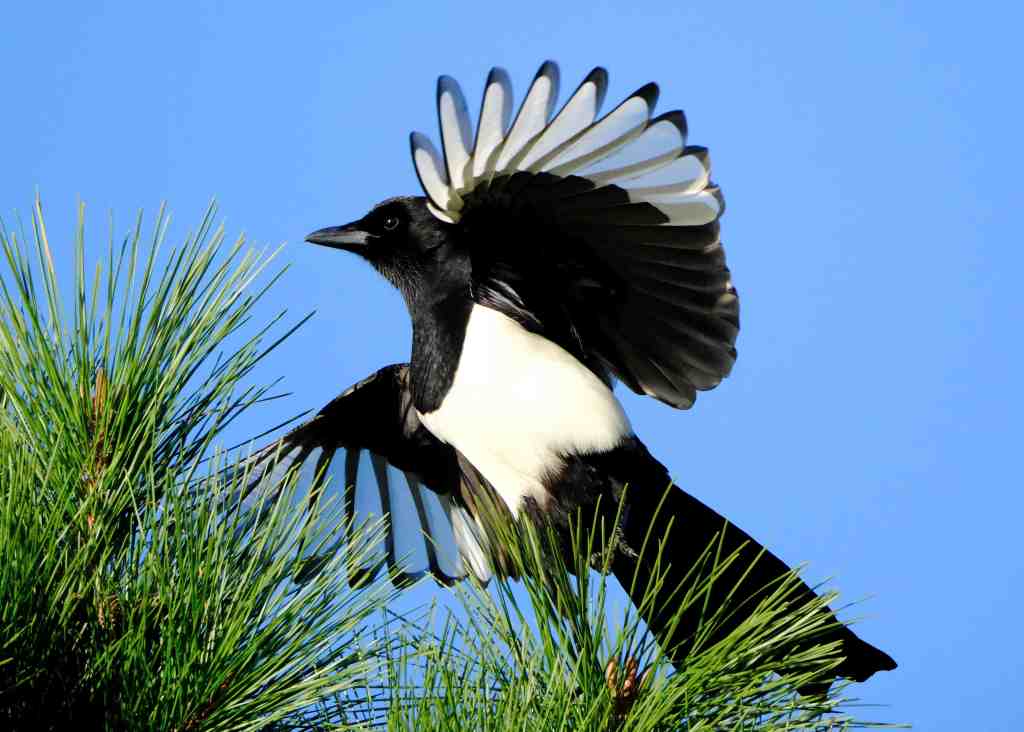
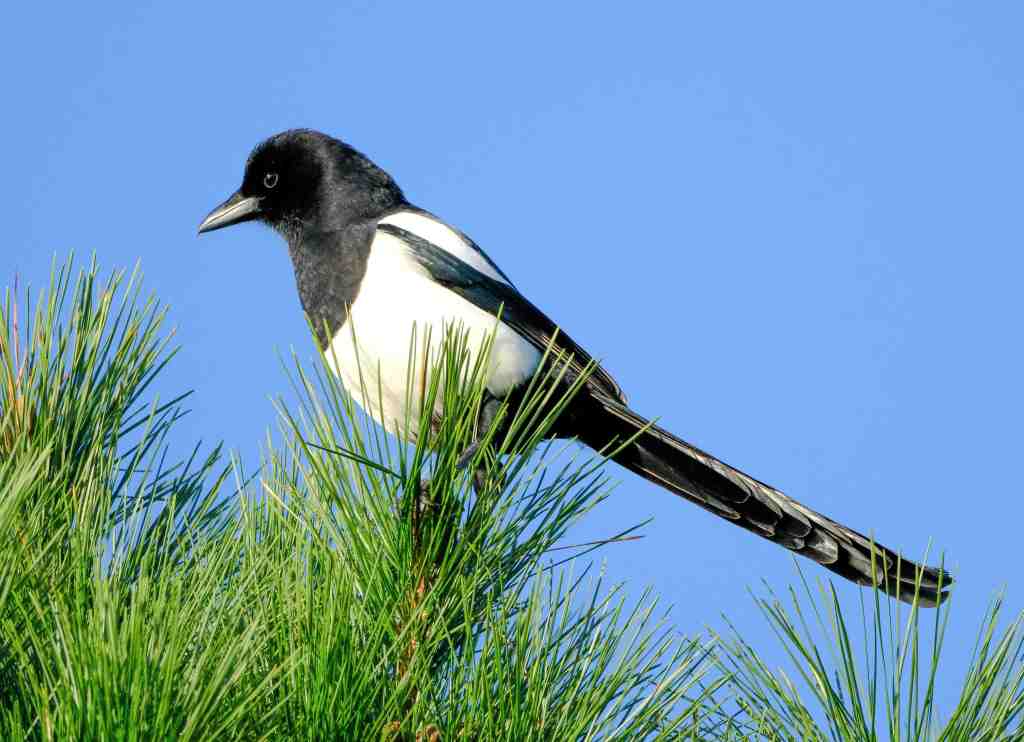
There are many variations of the Magpie rhyme, but one of the most common versions is the version that I know :-
One for Sorrow,
Two for joy,
Three for a girl,
Four for a boy,
Five for silver,
Six for gold,
Seven for a secret never to be told.
Eight for a wish,
Nine for a kiss,
Ten a surprise you should be careful not to miss.
Eleven for health,
Twelve for wealth,
Thirteen beware it’s the devil himself.


When I grow up – I will be like Dad. A young Fallow Deer buck and an adult. On most walks in the New Forest once you get away from people on mountain bikes and dog walkers – walk quietly through the enclosures and across the moorland of the National Park rarely do I not see some deer.


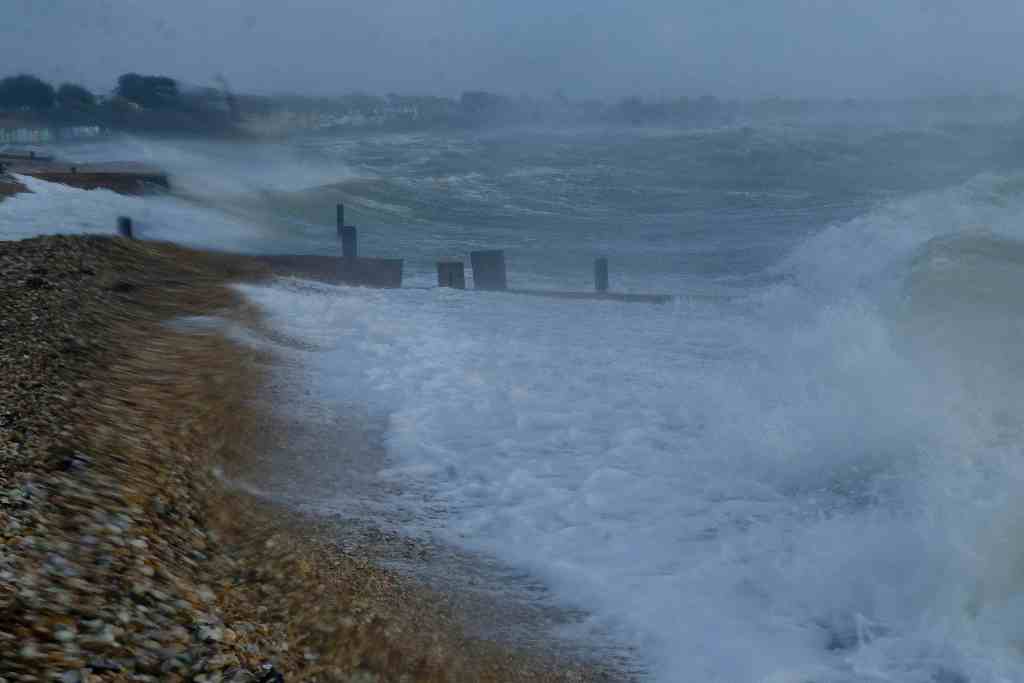
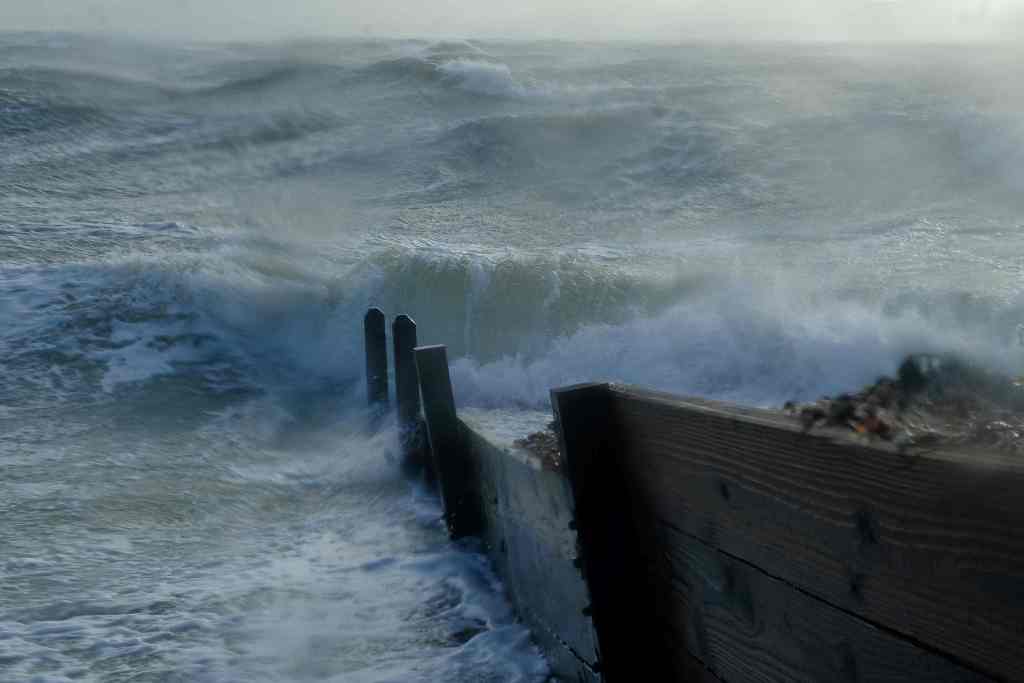
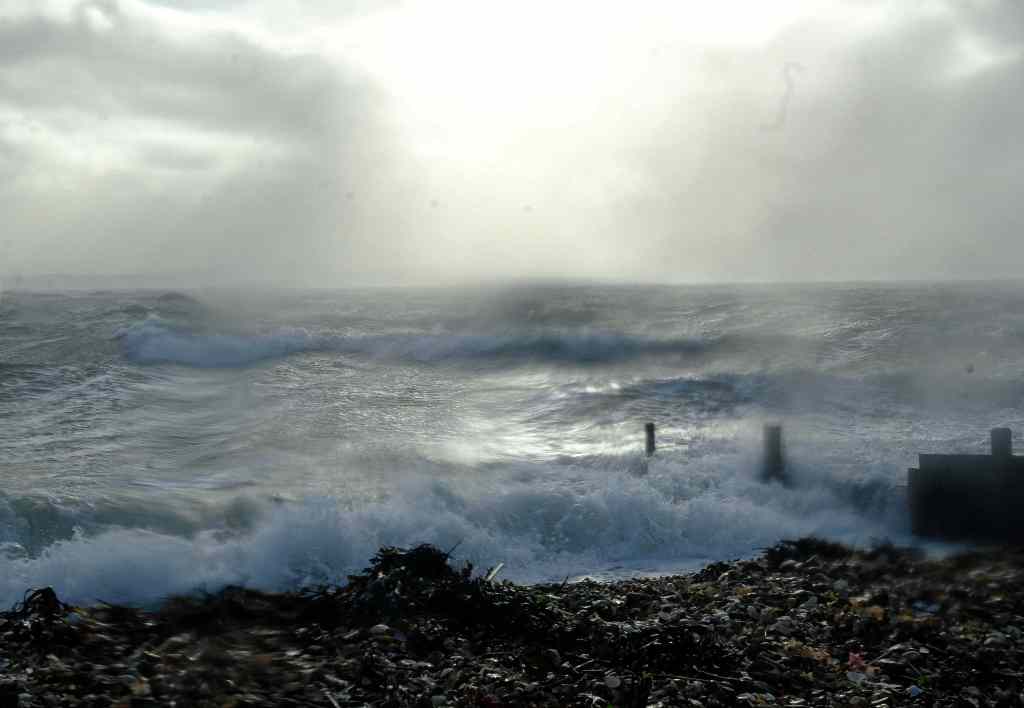
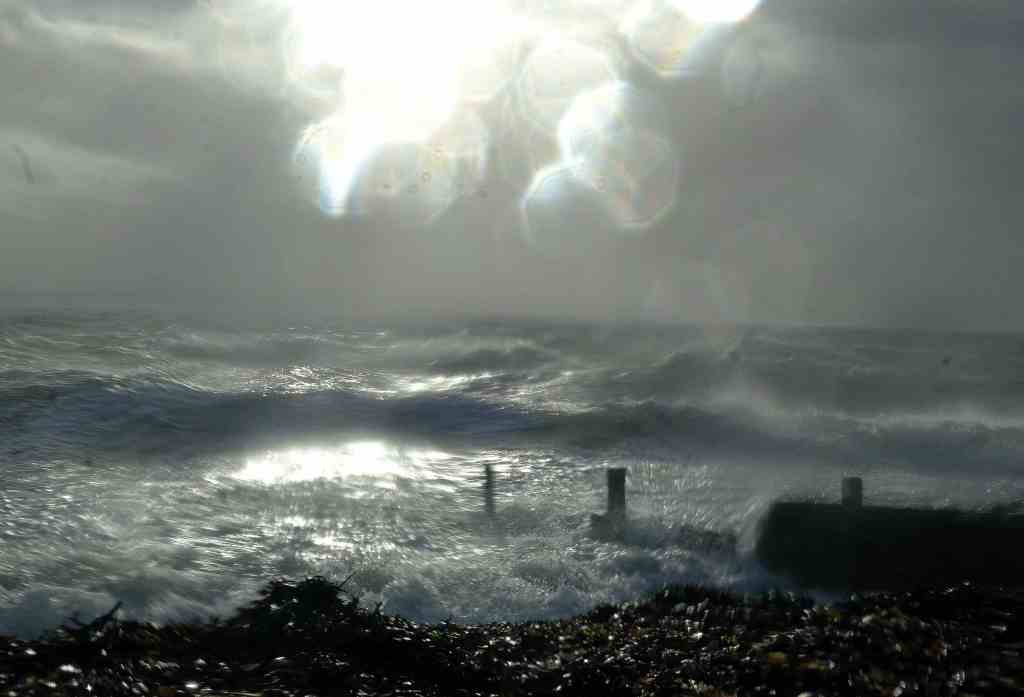
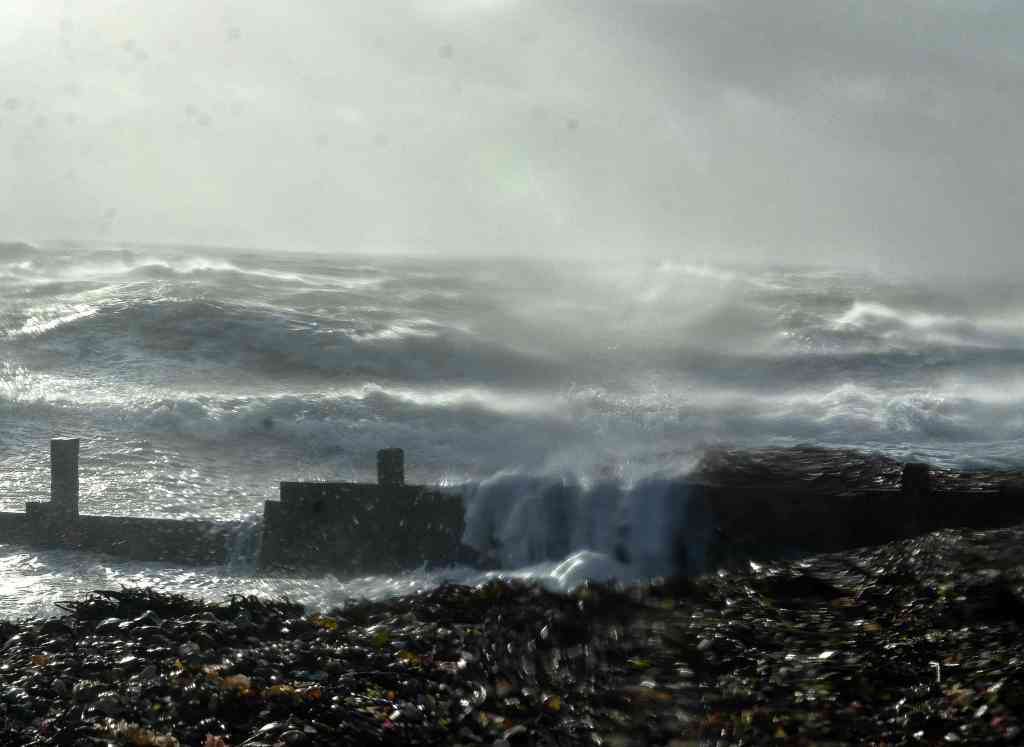
The edge of Storm Henk gives us a bashing, along the Solent Coast.
Into another year – doesn’t time fly? It seems only the other day it was a new century. It seemed everyone was out for a New Year’s walk this morning.
The “pink” ferry across the Hamble River was doing a good trade. Running on demand from Hamble village to Warsash the fare is £2.50 each way. Today’s walk was a regular route from Swanwick Marina to Warsash and back a 4-mile round trip. All on the flat.

All the usual bird sightings along the river.
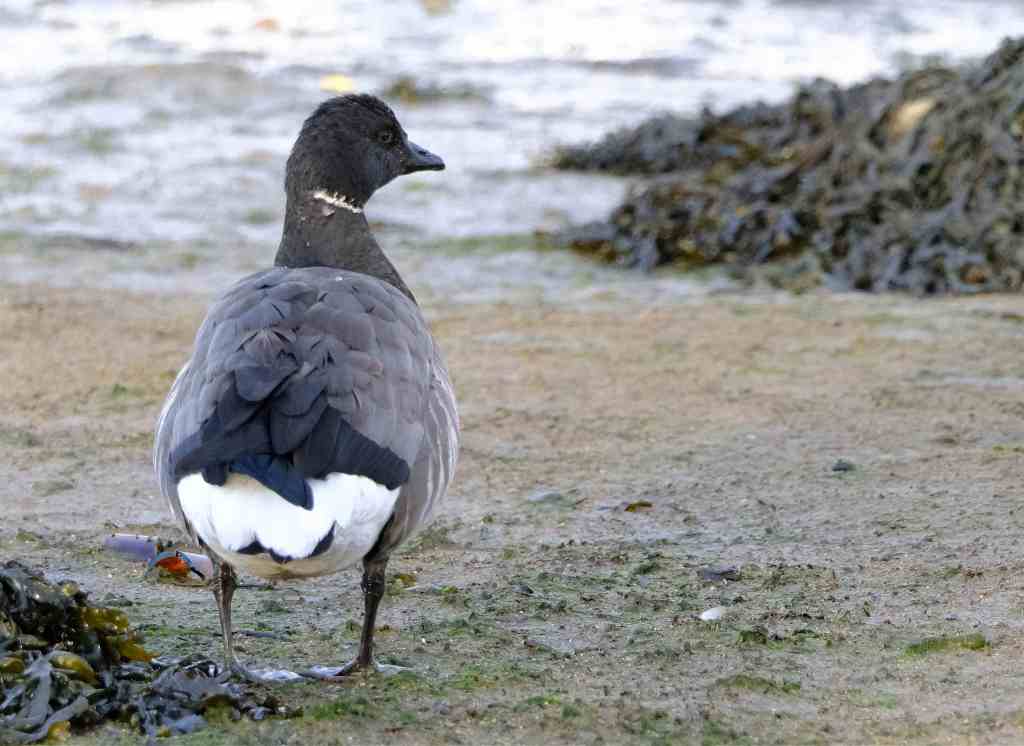
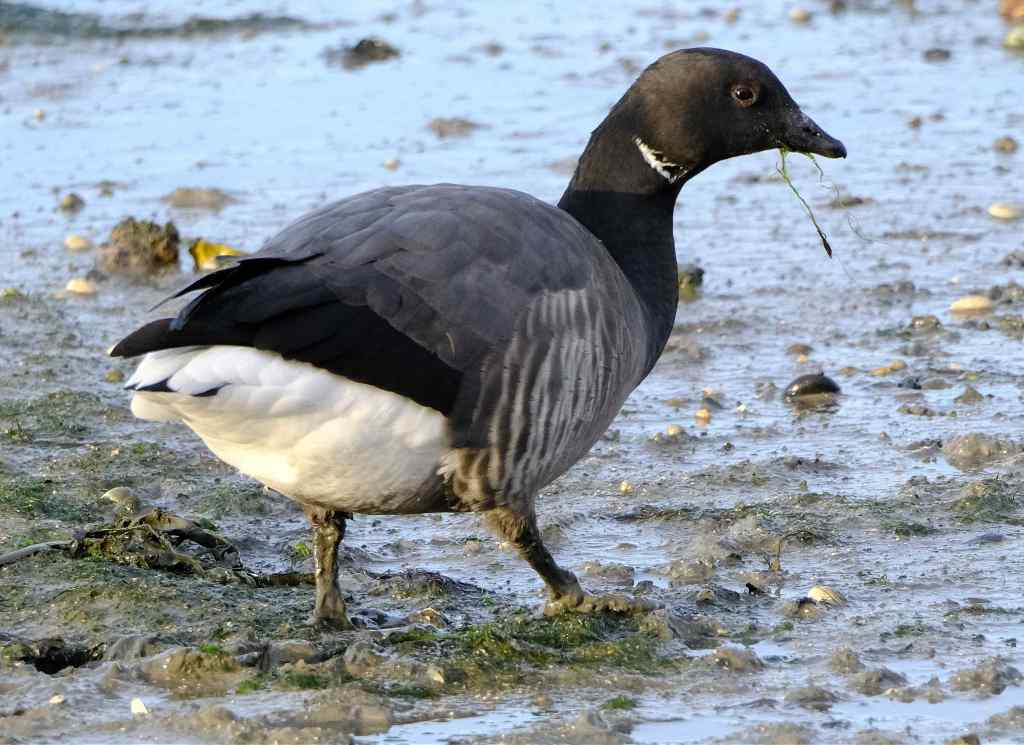
Brent Geese.
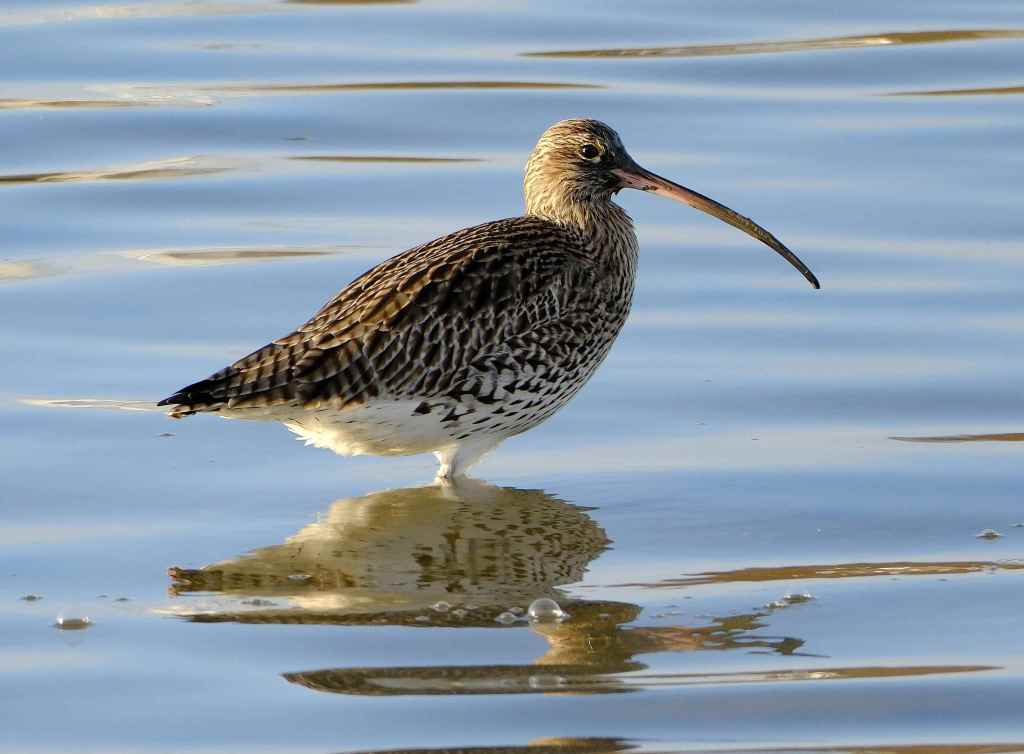
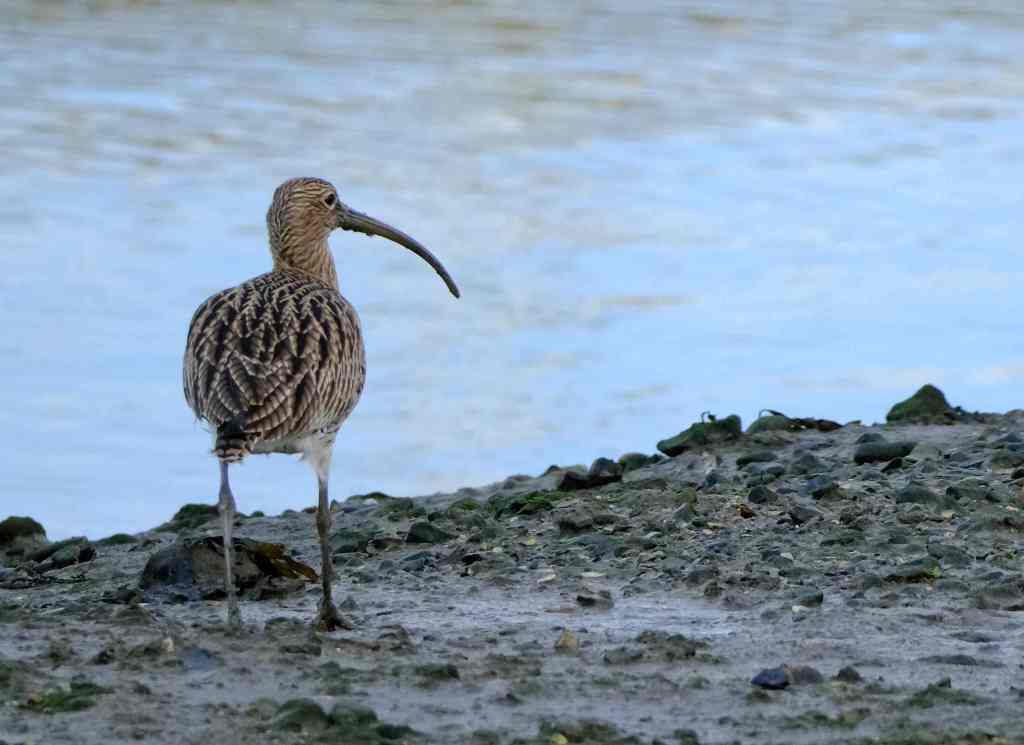
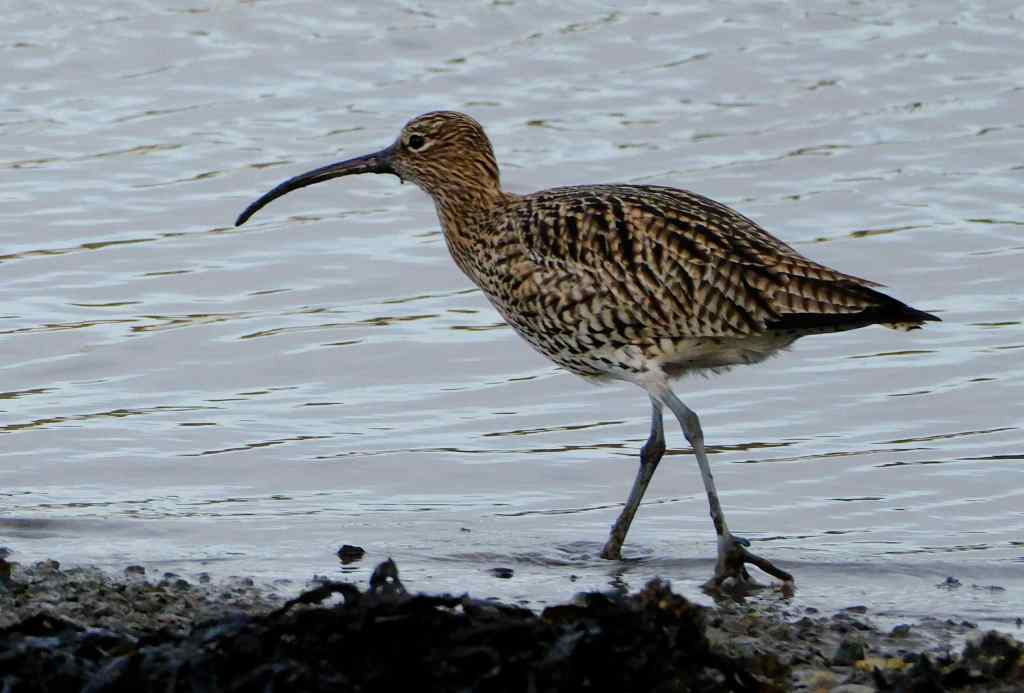
Curlew. Being our largest wader it is only a bit smaller than a Brent Goose.
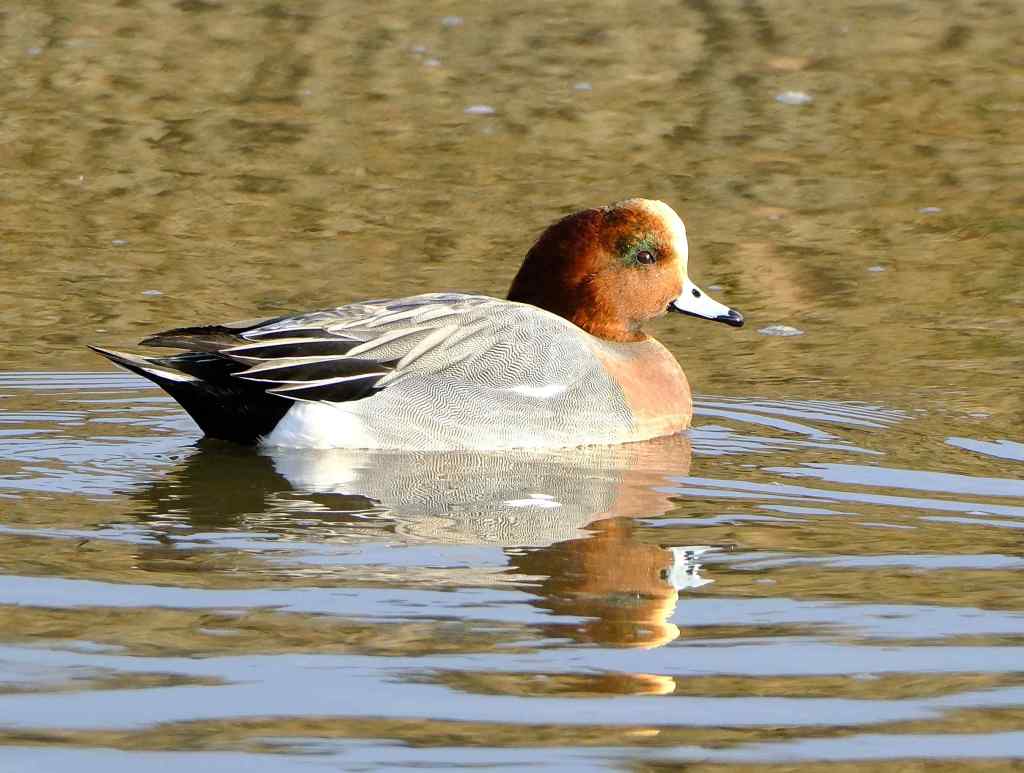
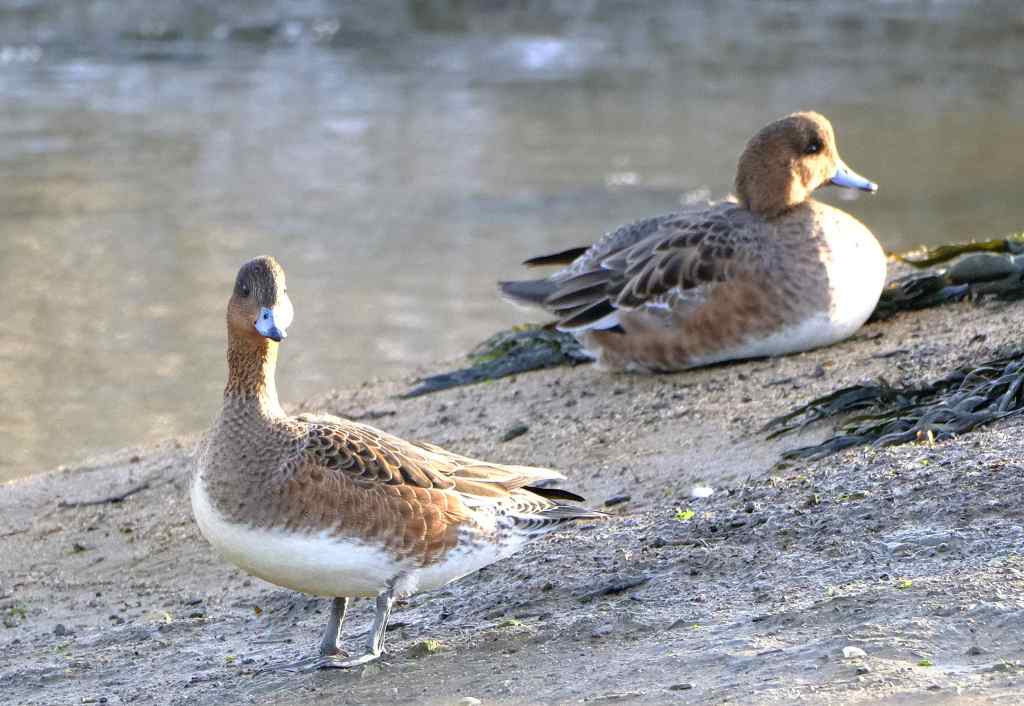
Male Wigeon followed by 2 pictures of the female.

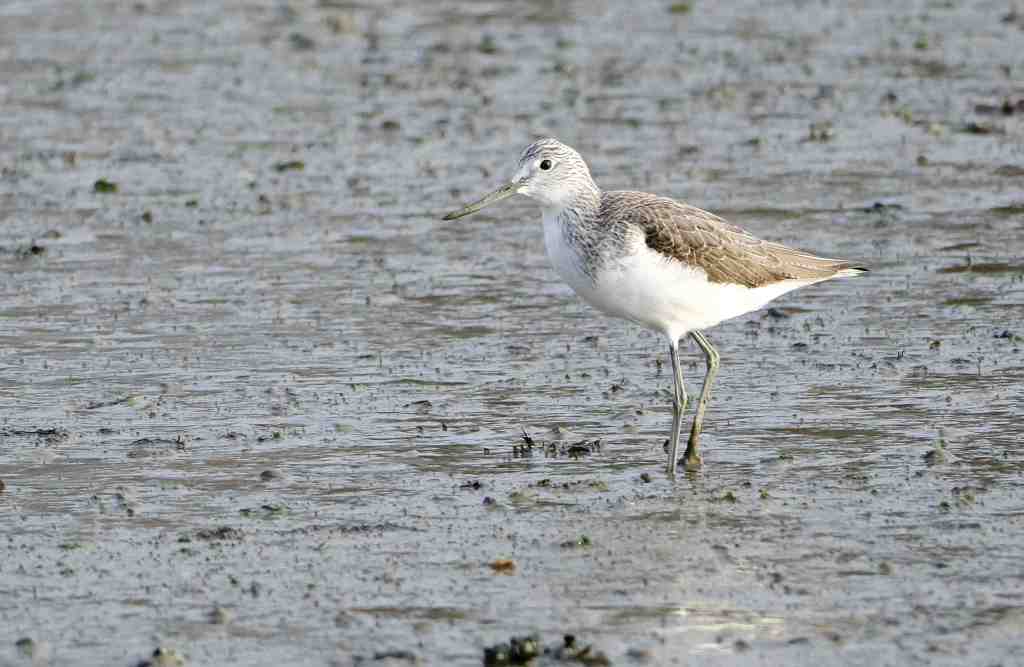
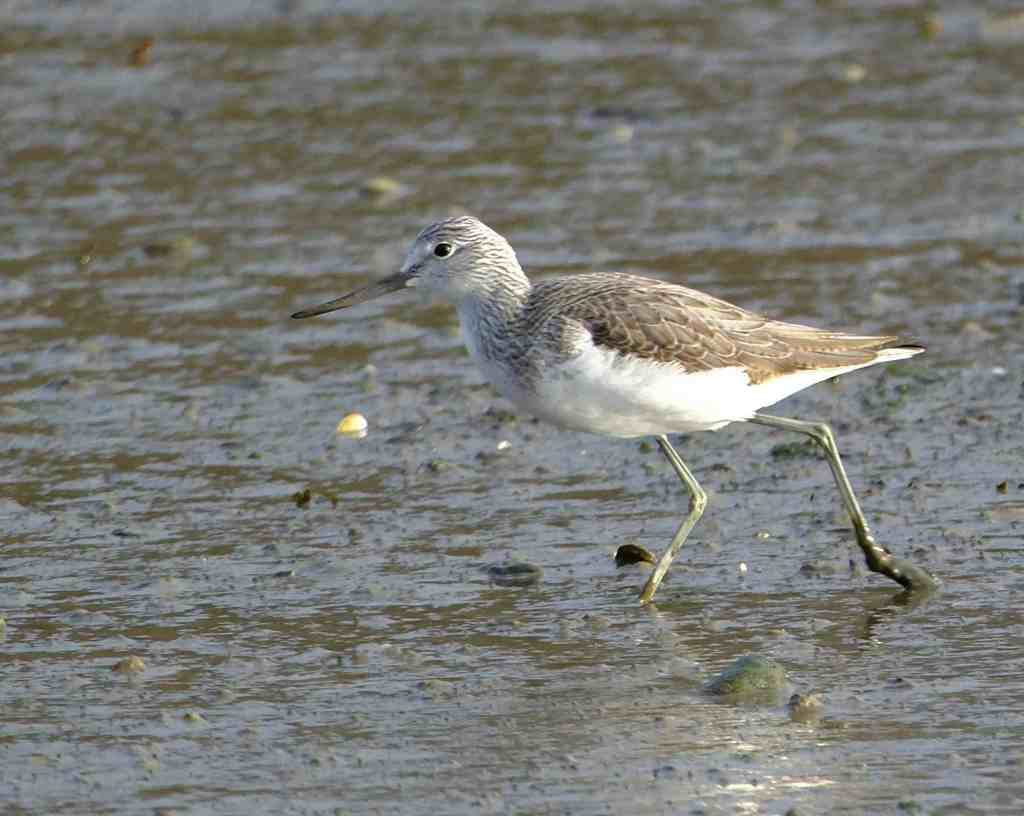
Greenshank.
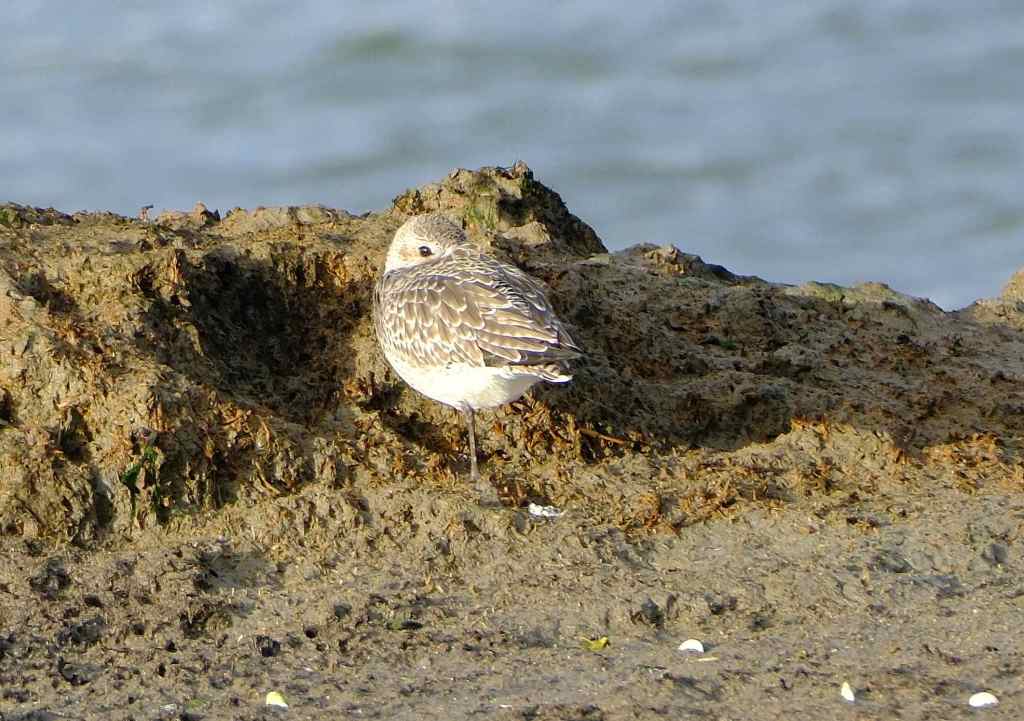
Grey Plover.

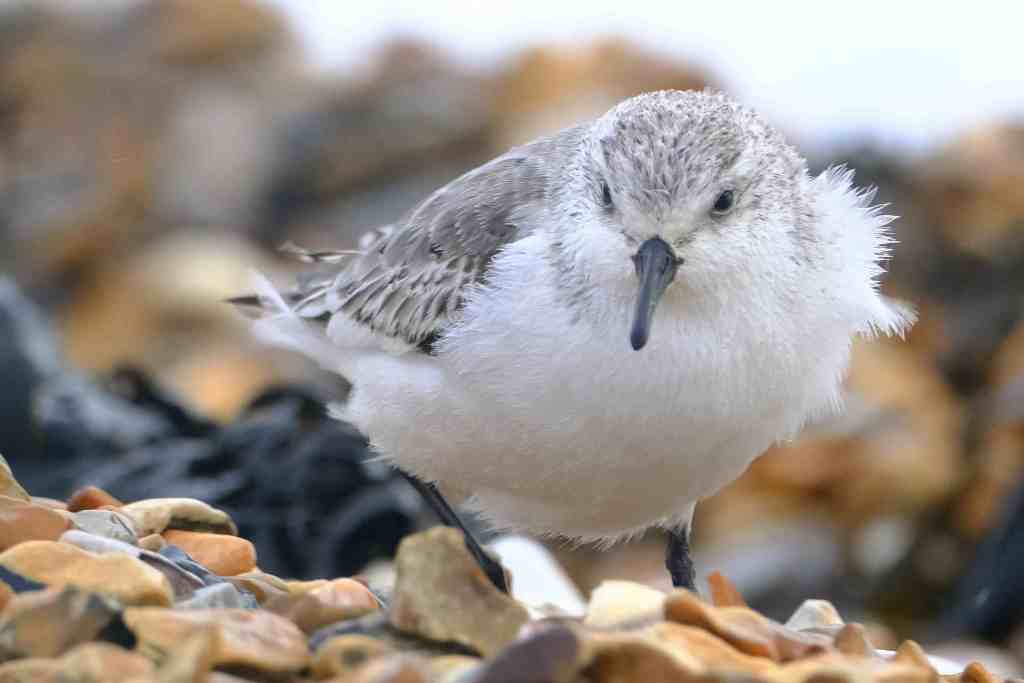
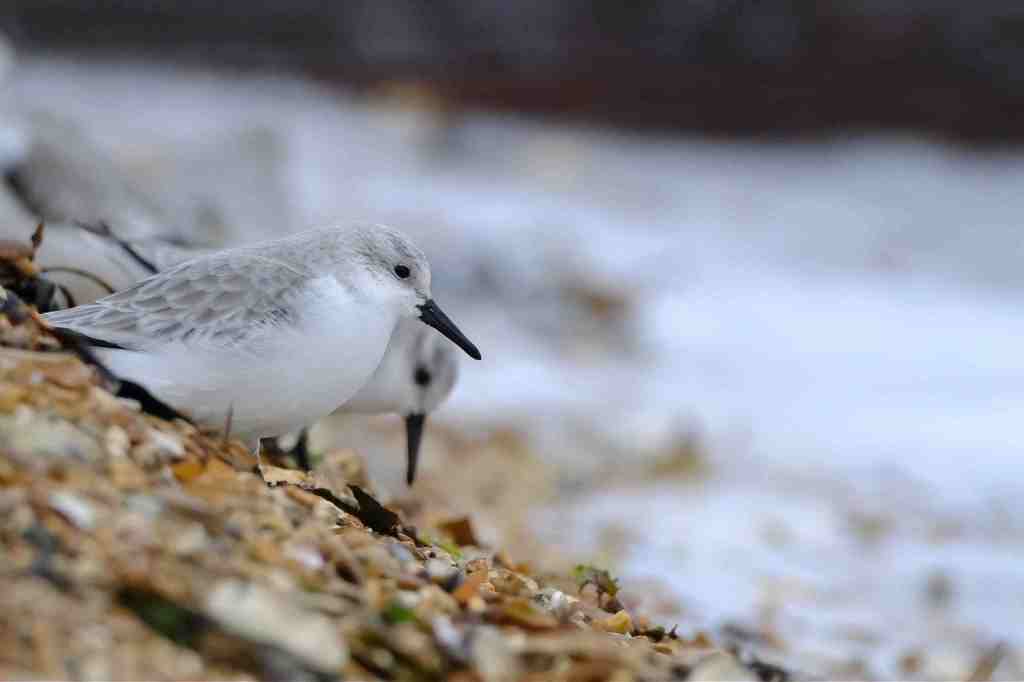
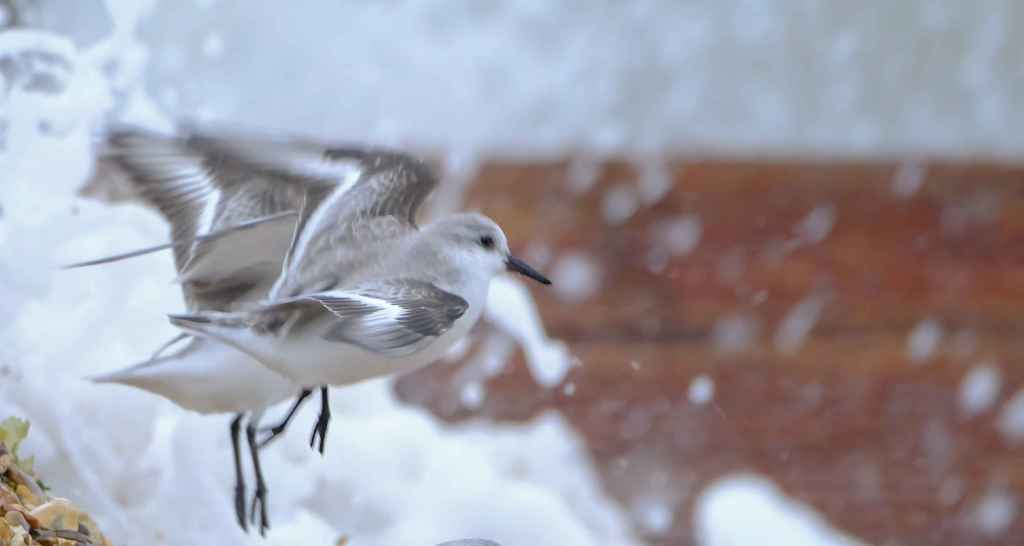
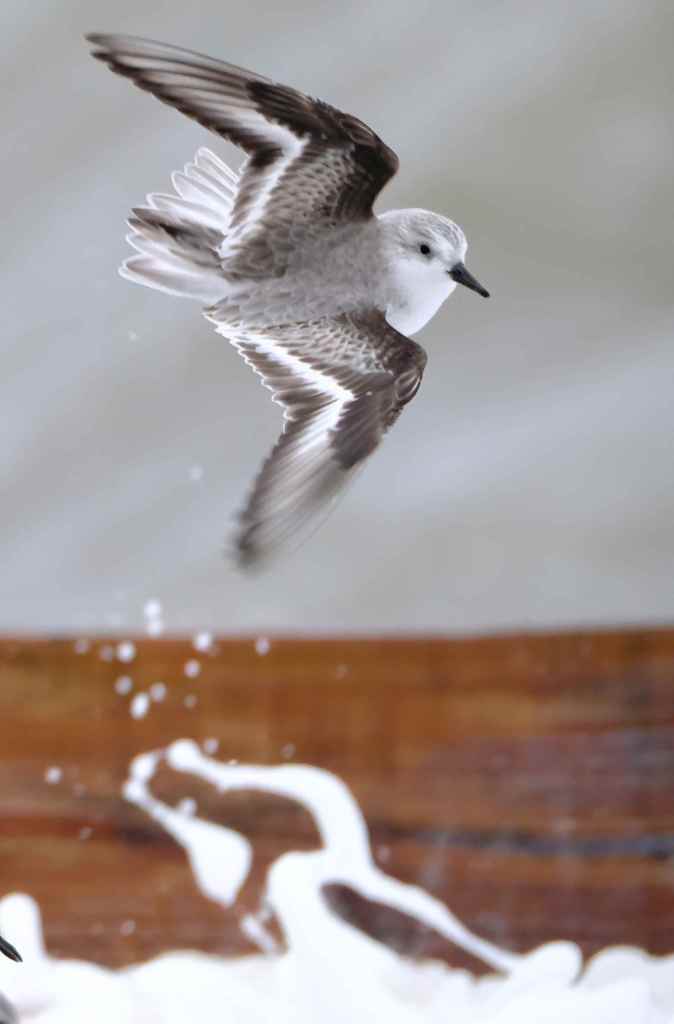
An enjoyable morning at the coast watching one of my favourite shoreline birds the Sanderlings. My last outing of 2024 and although stormy I could settle down behind one of the groins and watch these little birds dancing with the waves.
The name derives from Old English sand-yrðling, “sand-ploughman”. These little birds are in the Sandpiper family they are a passage migrant spending the winter on our coast before going north to their breeding grounds their Arctic breeding grounds.

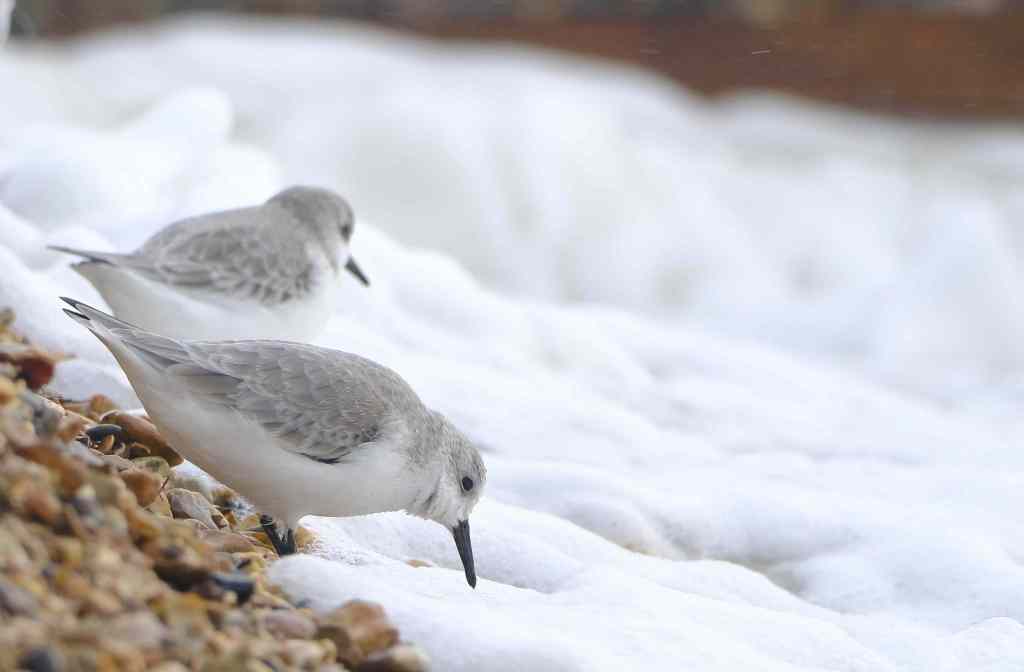
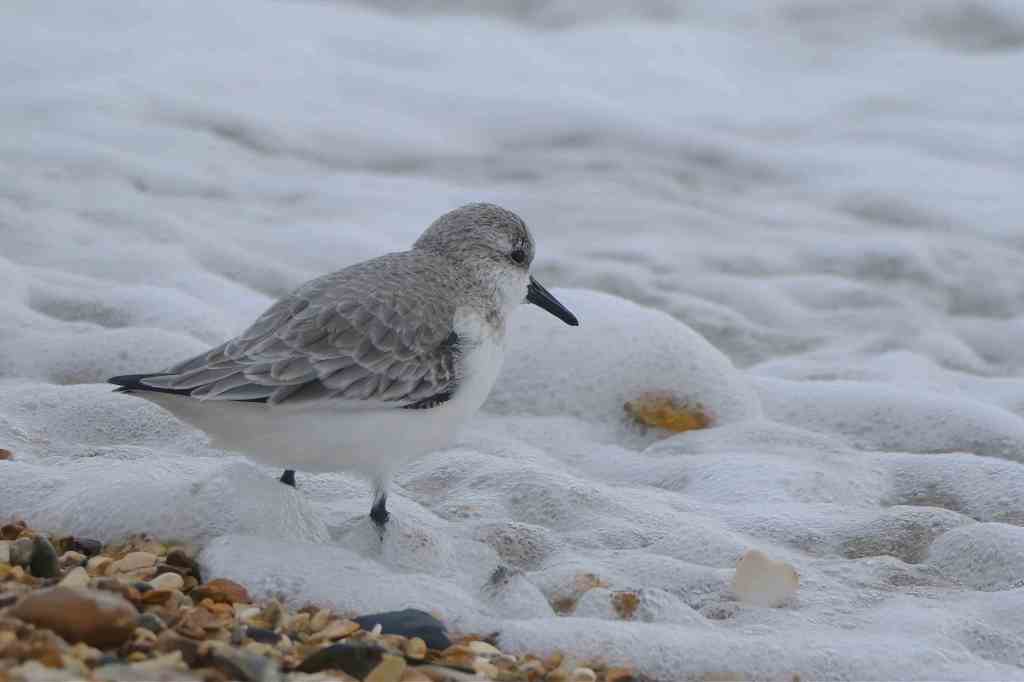
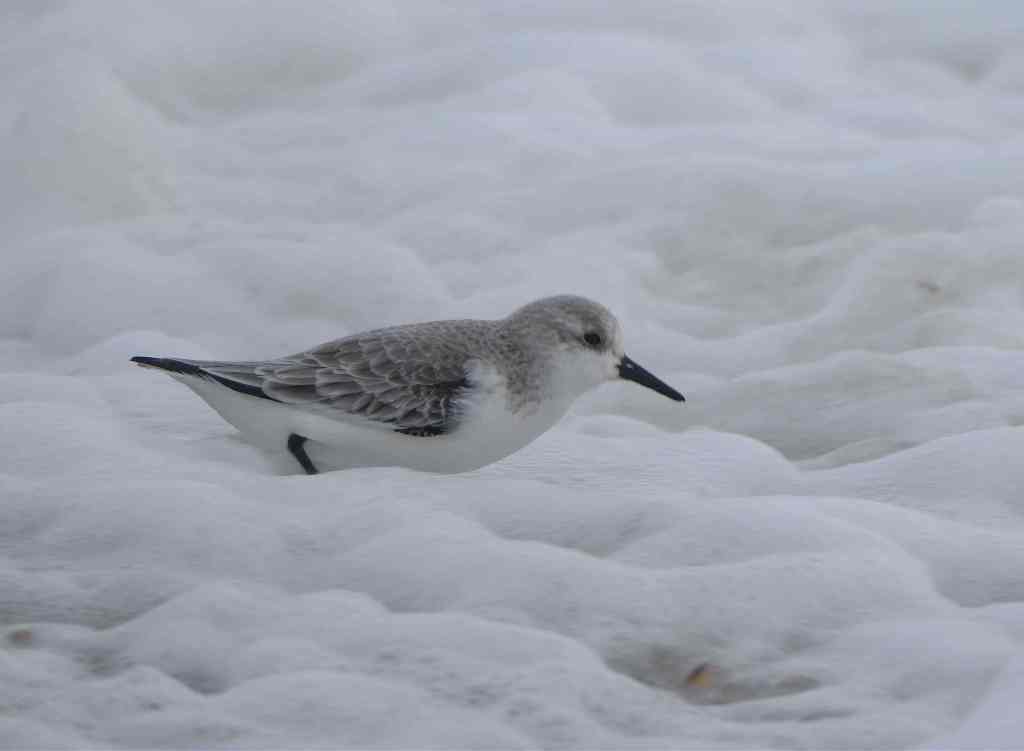

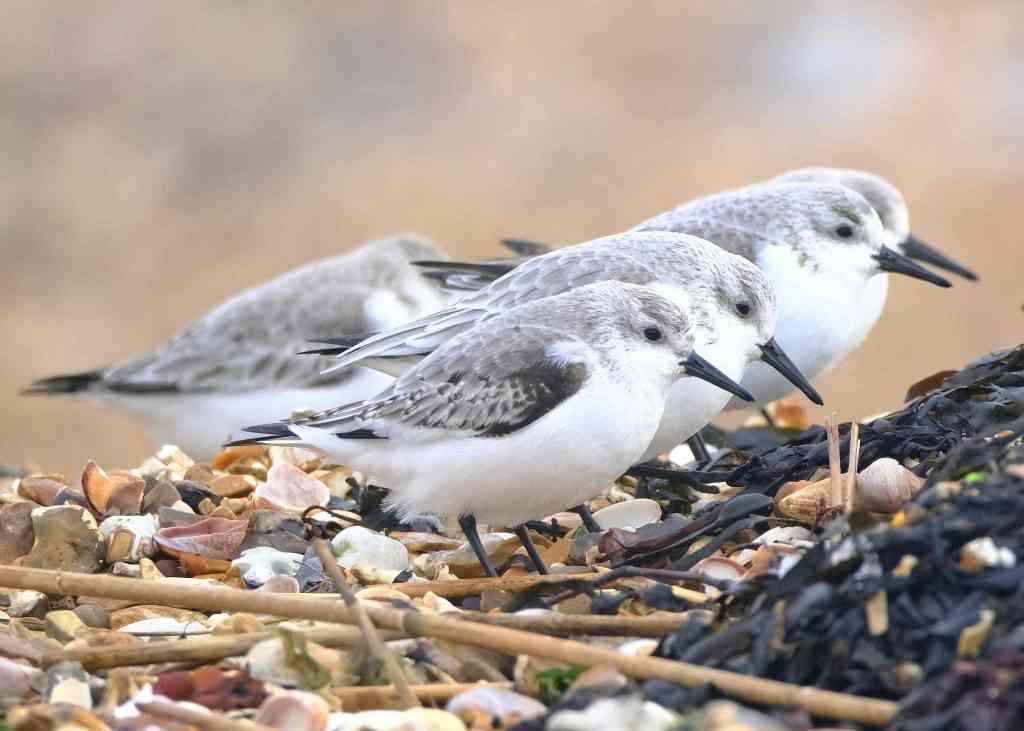


Another storm touched landfall this morning Storm “Gerrit” hit Meon Shore off Titchfield Haven at about 10.30 this morning. Sanderlings struggle with a very high tide simultaneously as the storm force wind.
Photography in extreme conditions!



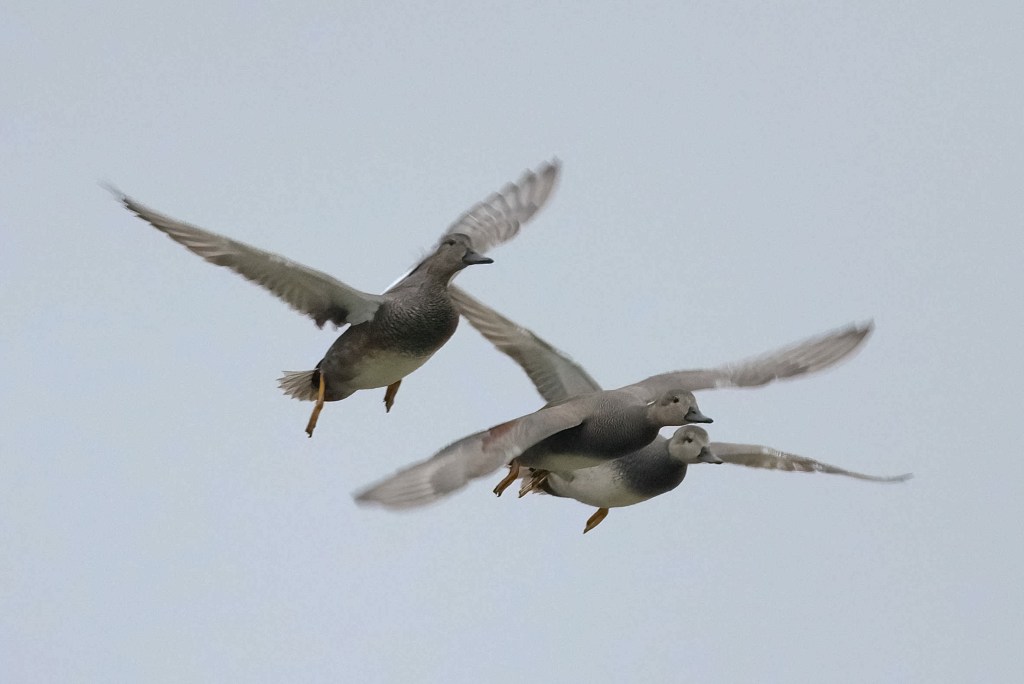
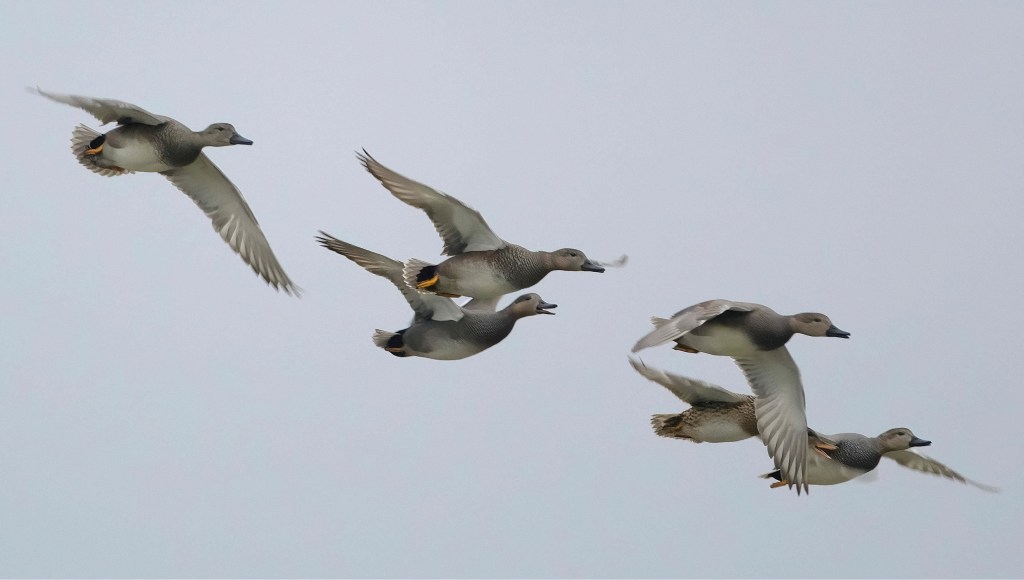
A group of Gadwall take off.
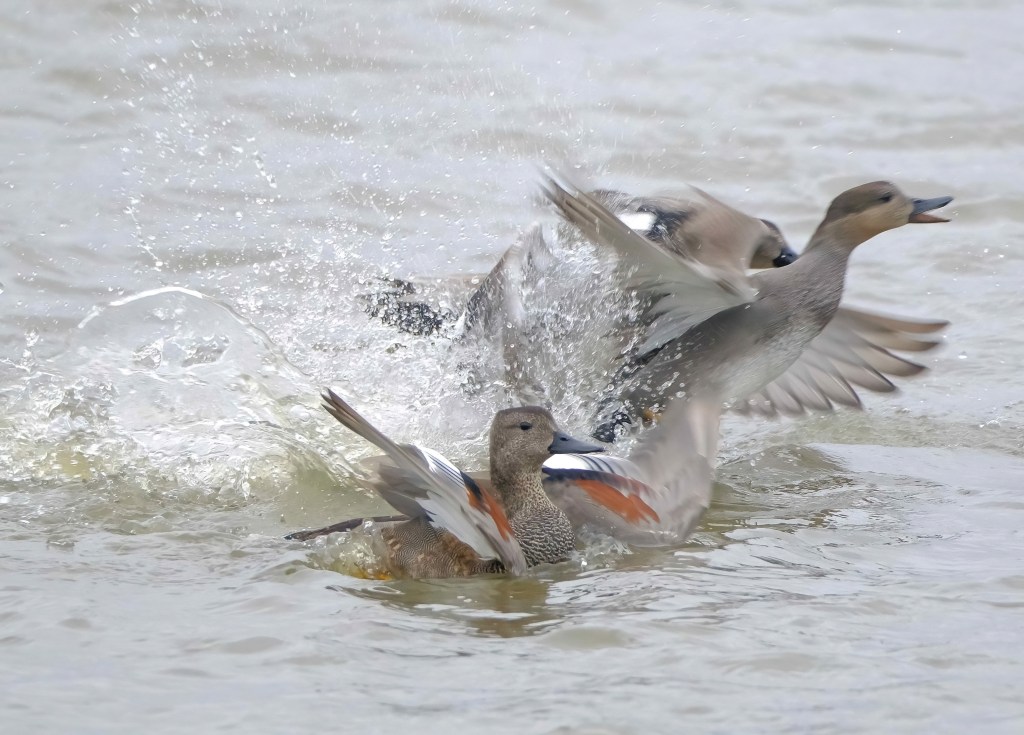

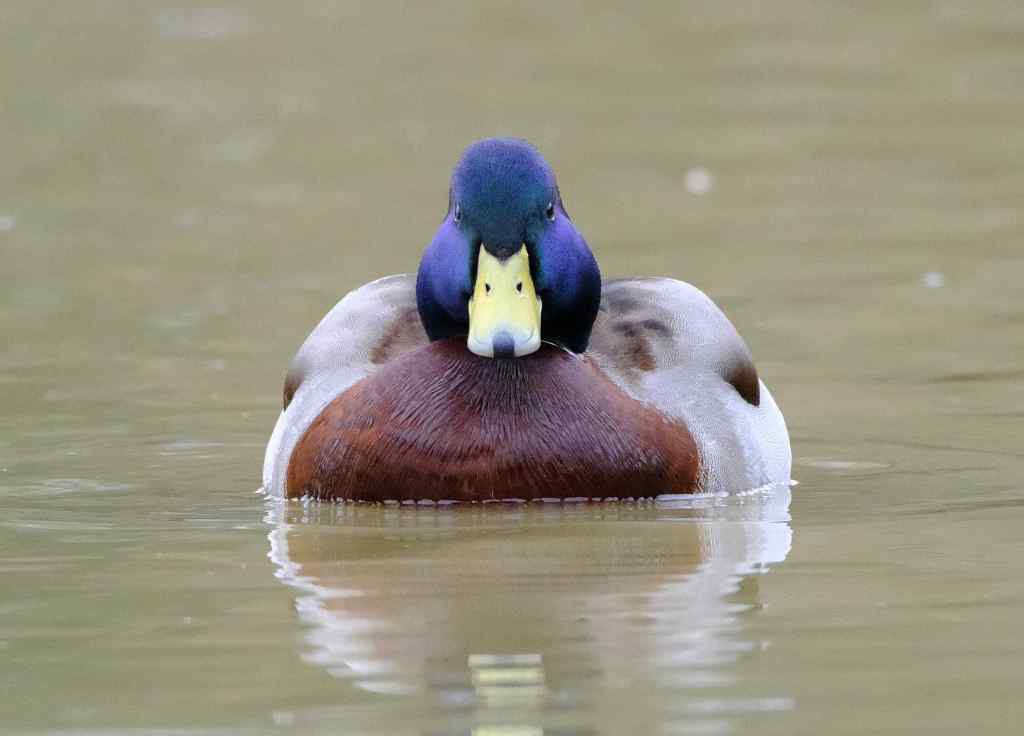
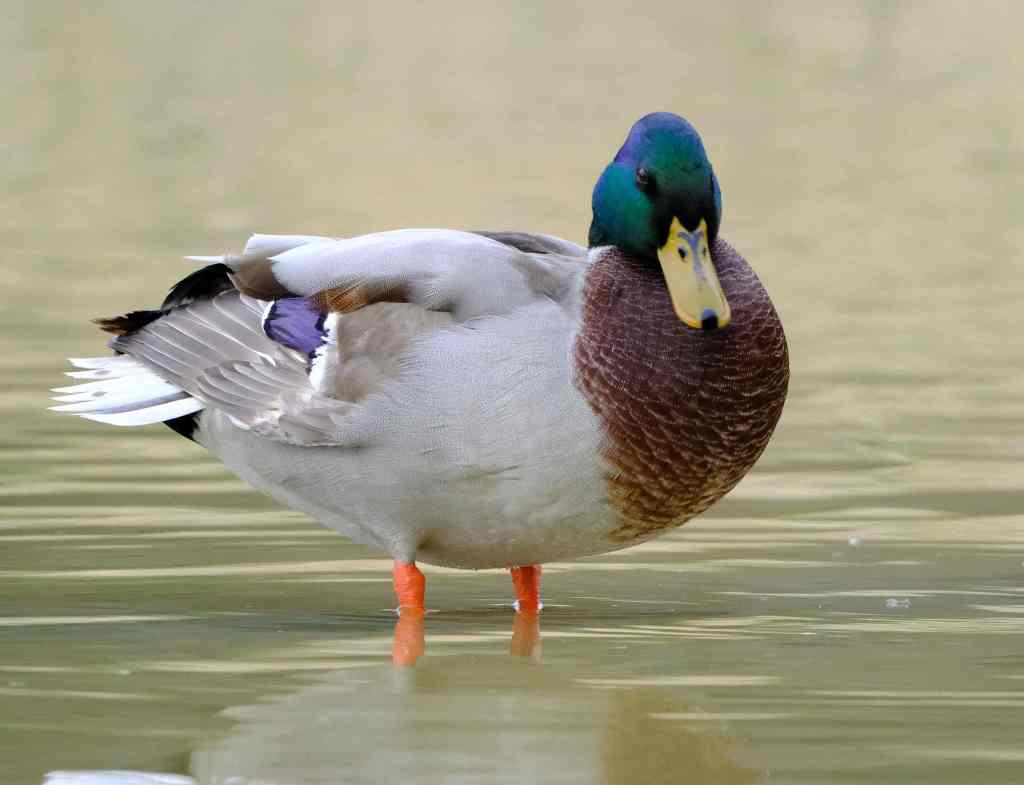
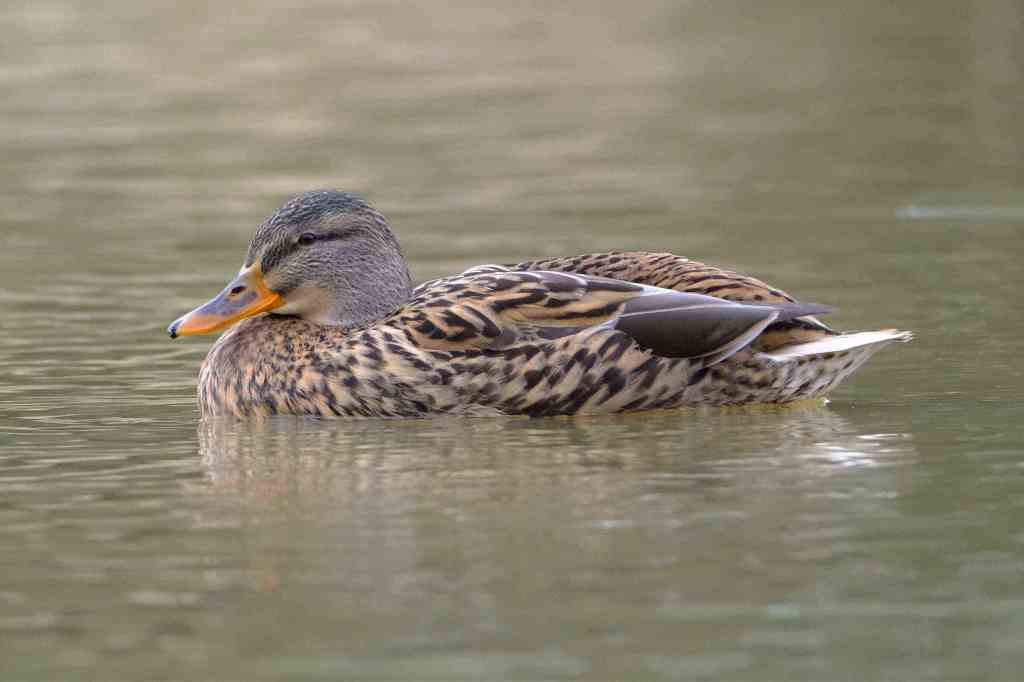
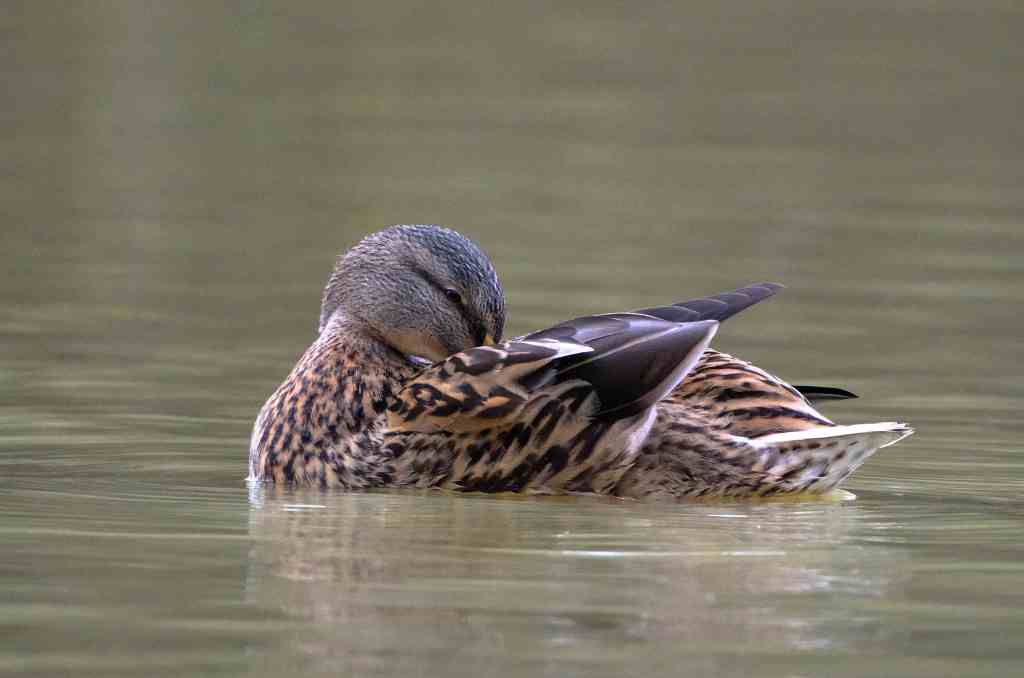
So common is and we have all grown up with Mallard ducks around us so we often overlook this handsome dabbling duck. The Mallard is a large and heavy-looking duck. The male has a dark green head, and a yellow bill. They are mainly purple-brown on the breast and grey on the body. The female is mainly brown with an orange bill. Mallards breed in all parts of the UK


 Continued Reflections from my World.