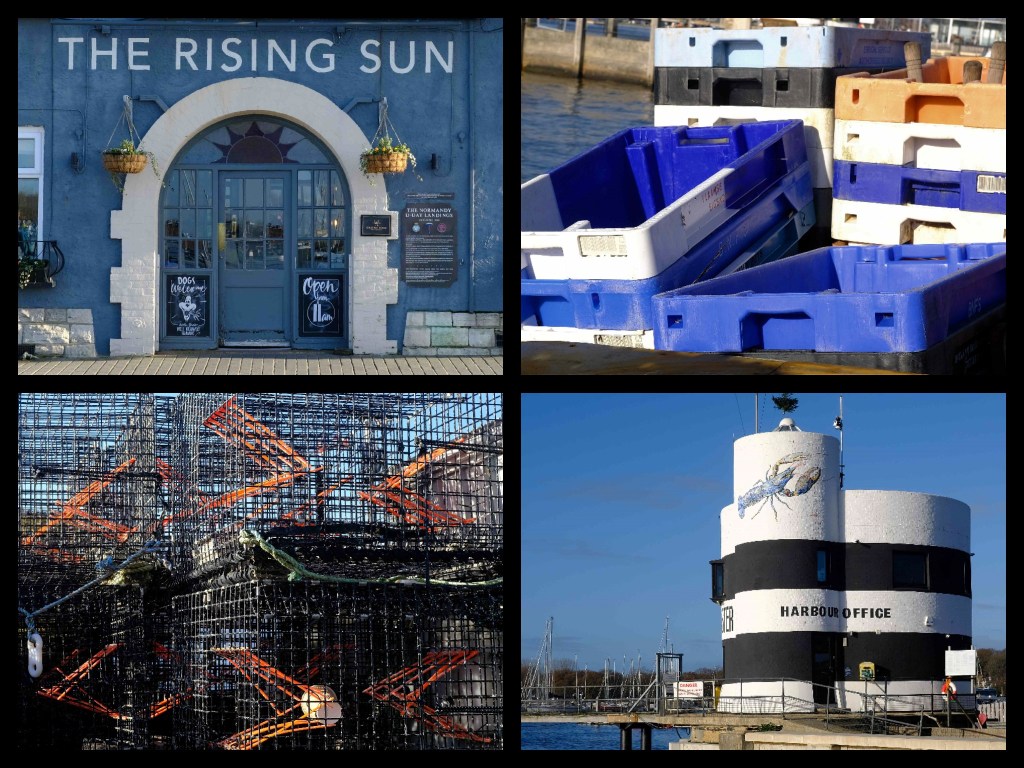
A walk this afternoon from Warsash Harbour car park up the River Hamble to Bursledon and back.
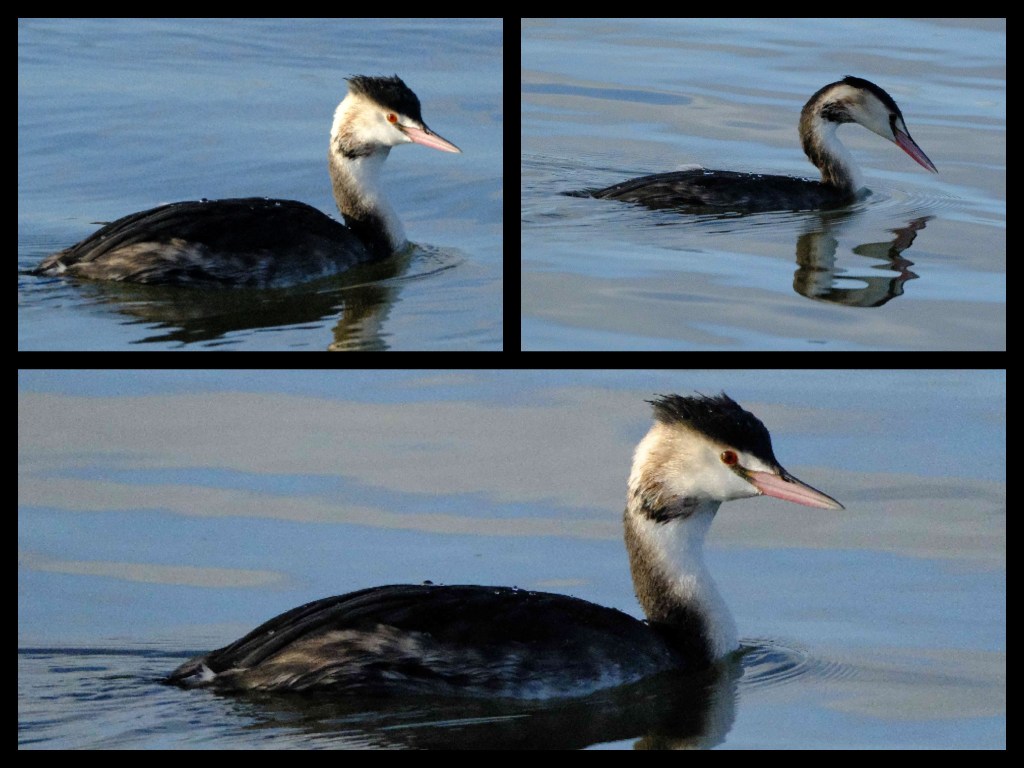
A Great Crested Grebe fishing on the river. These birds seem to spend more time in the sea and rivers than in lakes and ponds in our area this time of year. I guess there is no risk of the water freezing and preventing them from feeding.
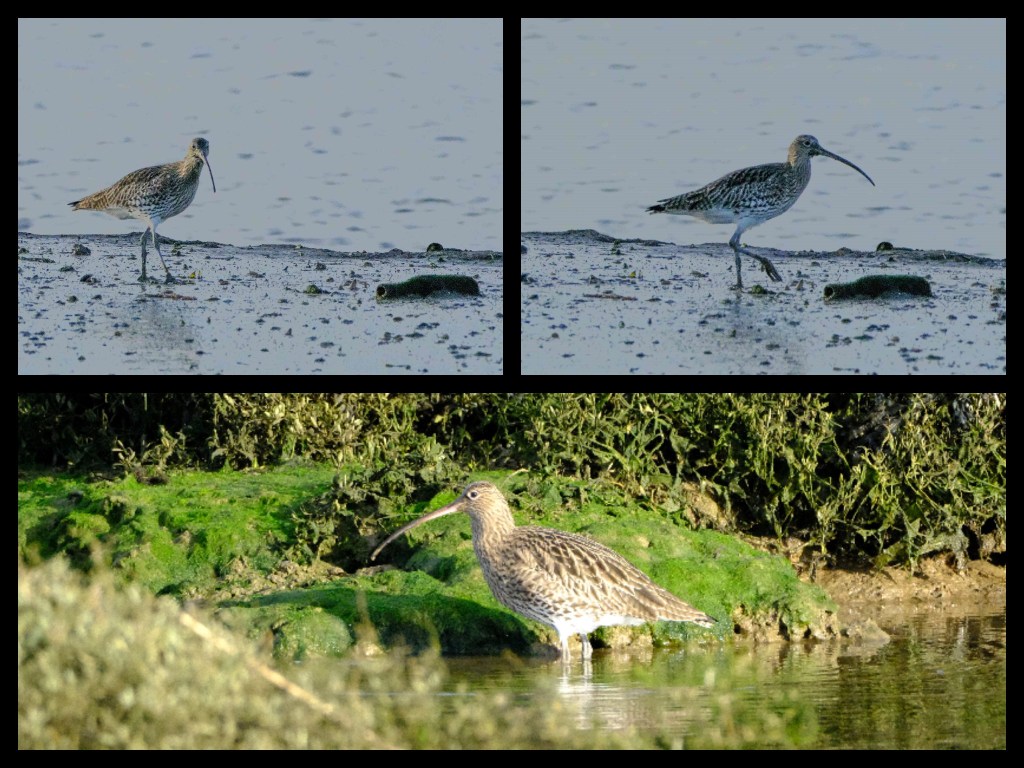
Britans largest wader the Curlew.
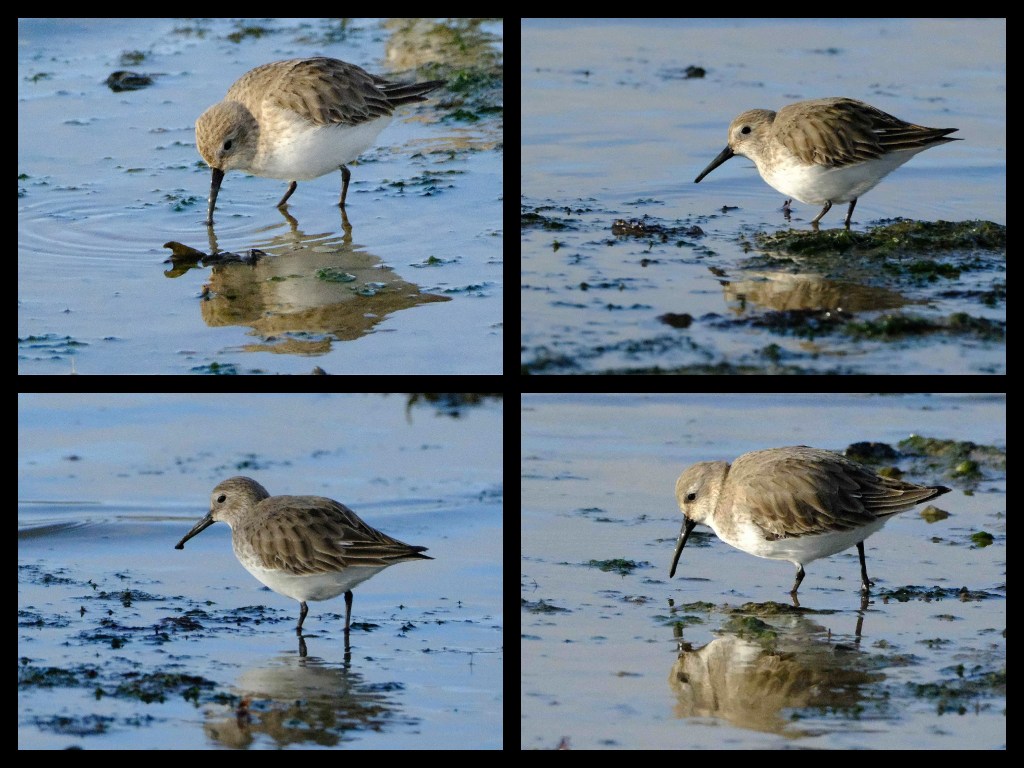
I normally take photographs of Sanderlings on the muddy banks of the Hamble Dunlin favour this environment whereas the Sanderlings prefer the sandy shore at Meon beach.
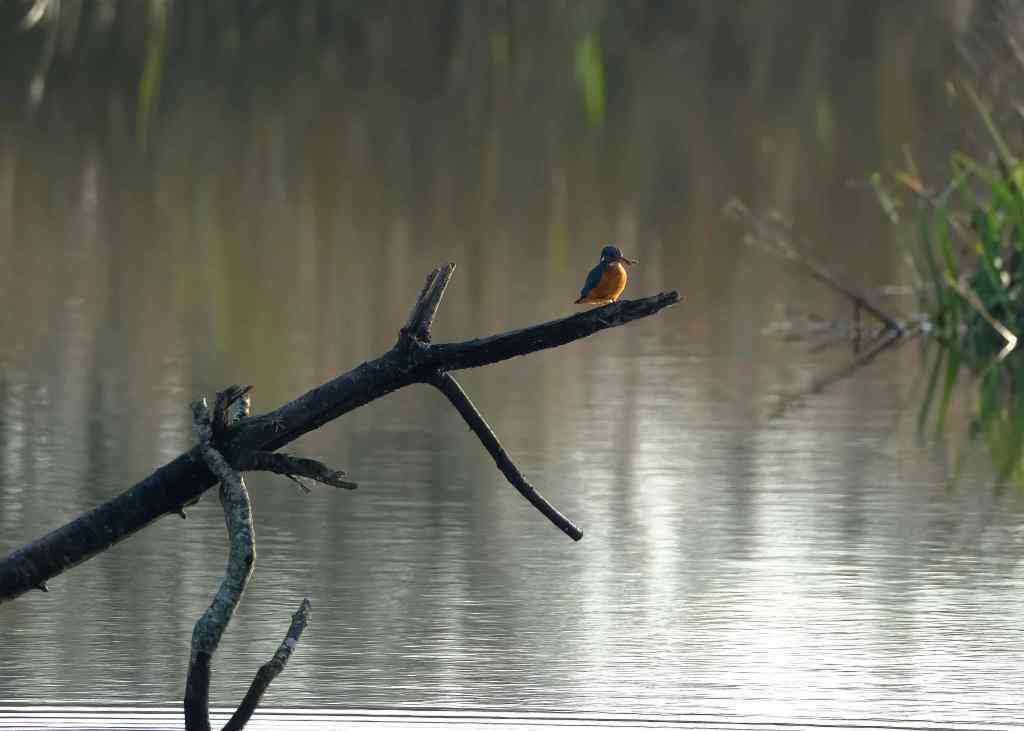
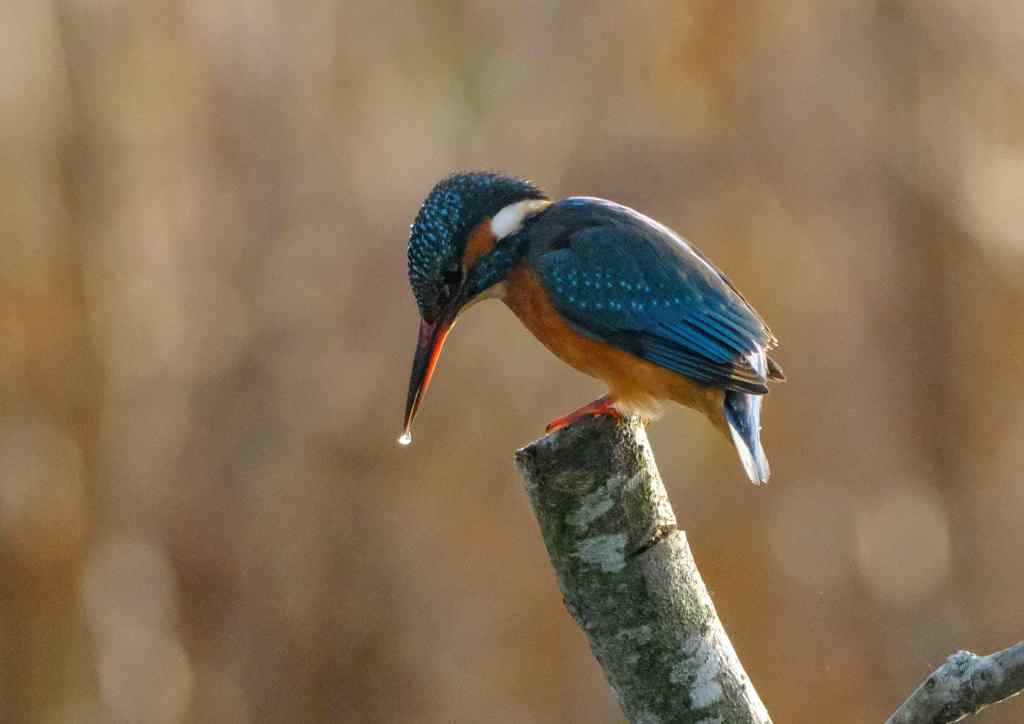
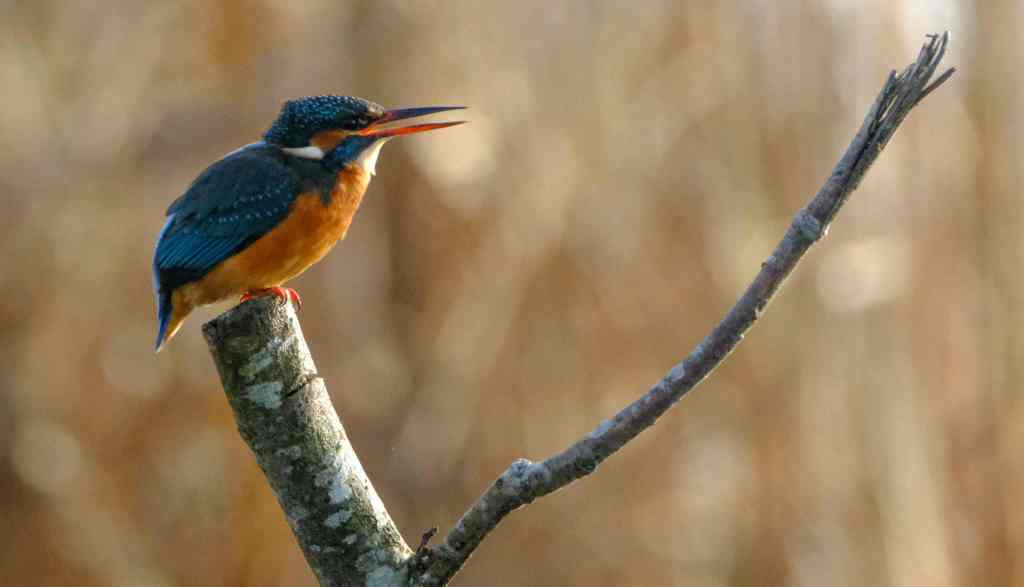
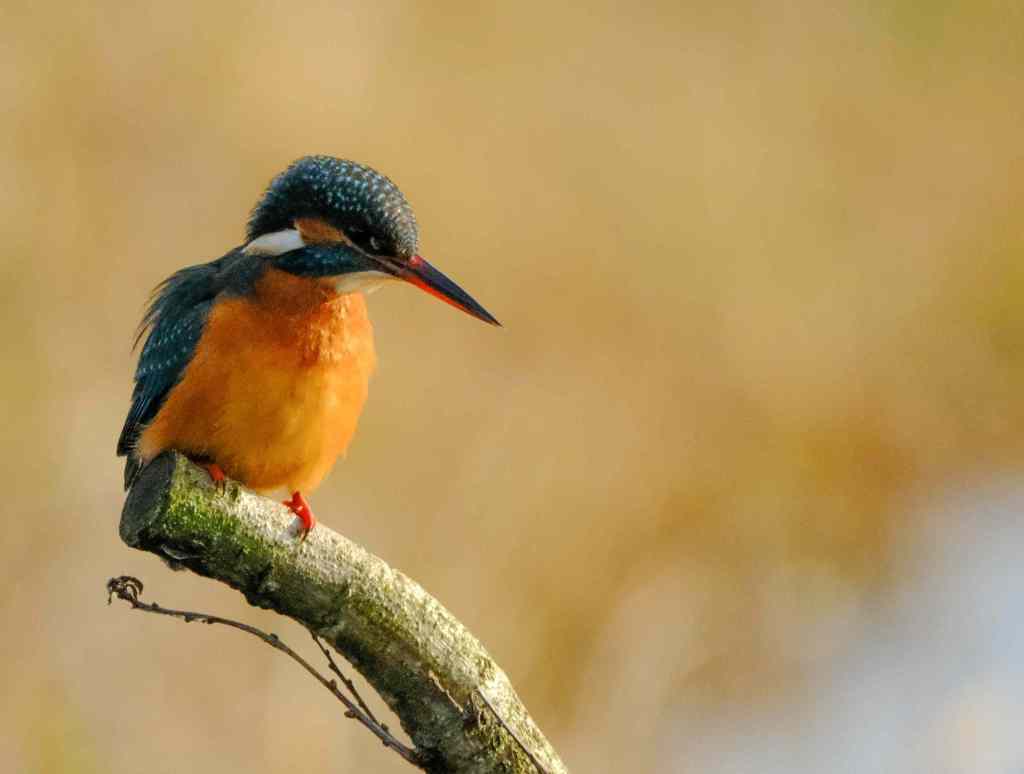
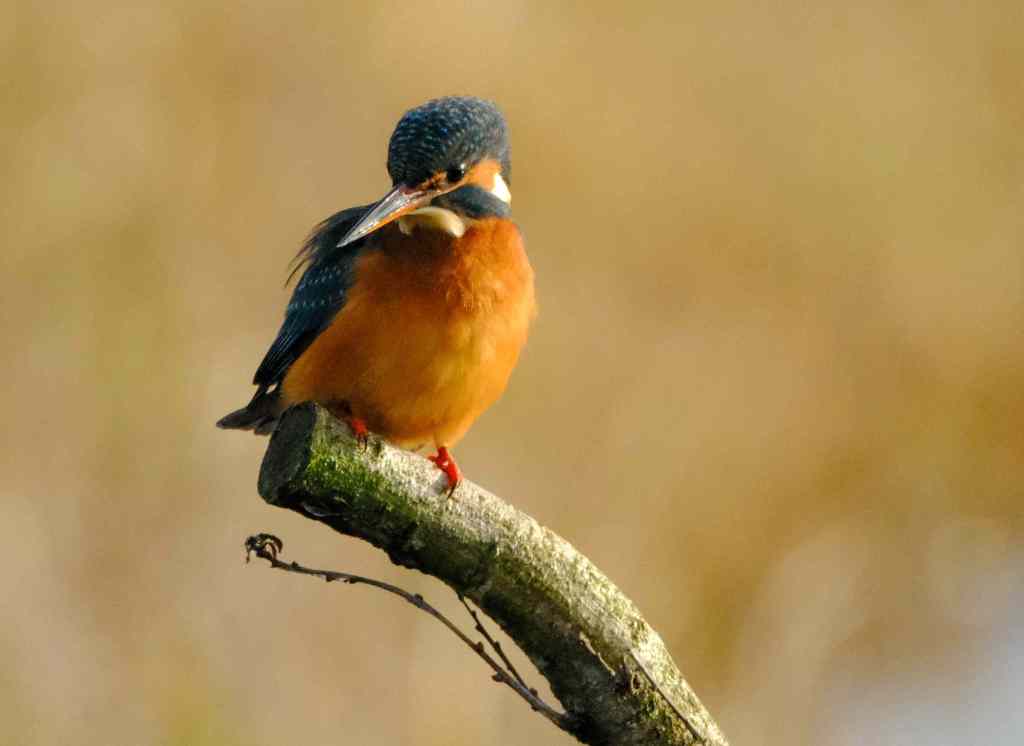
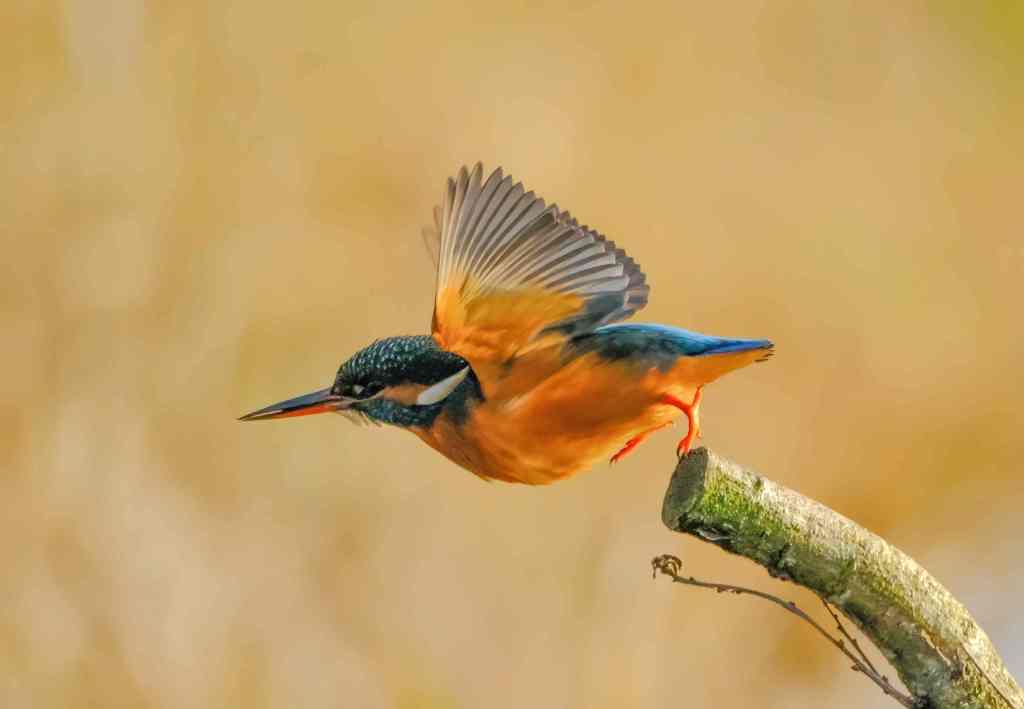
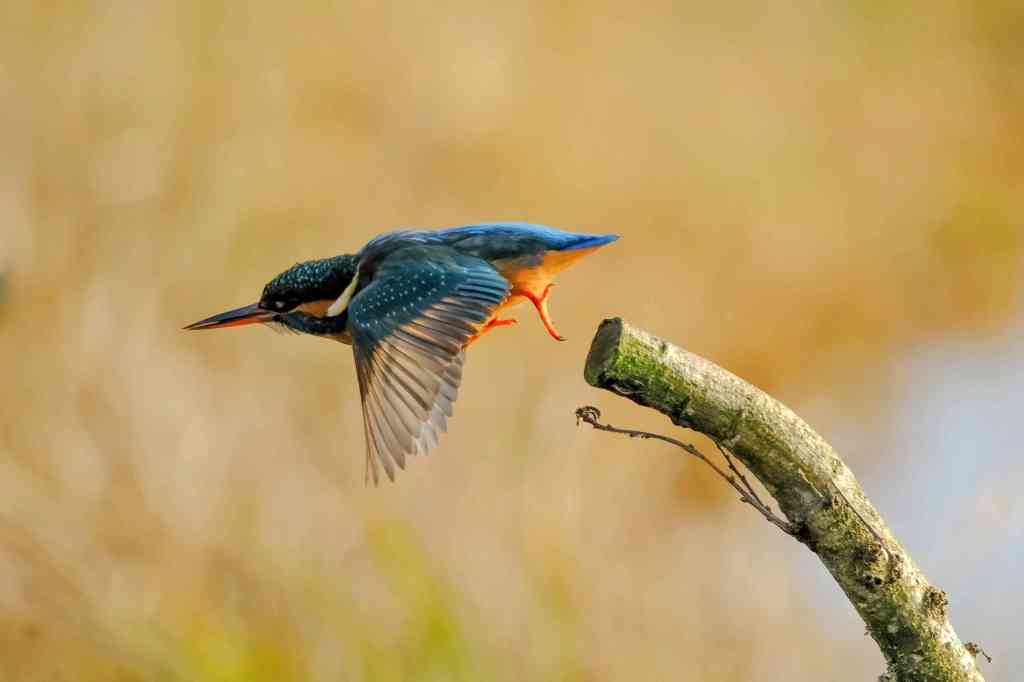
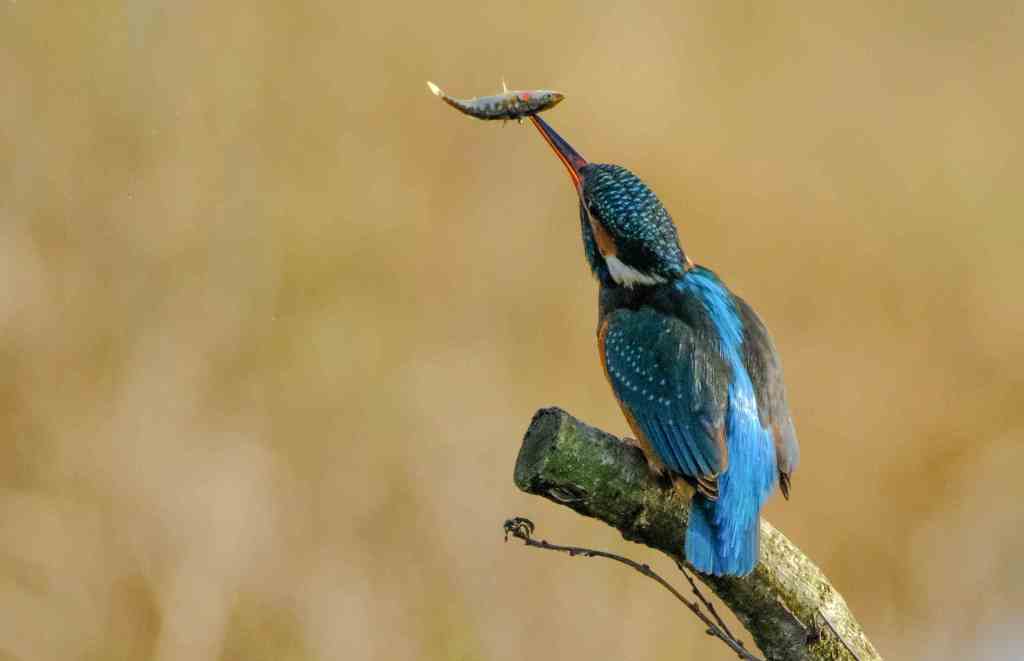
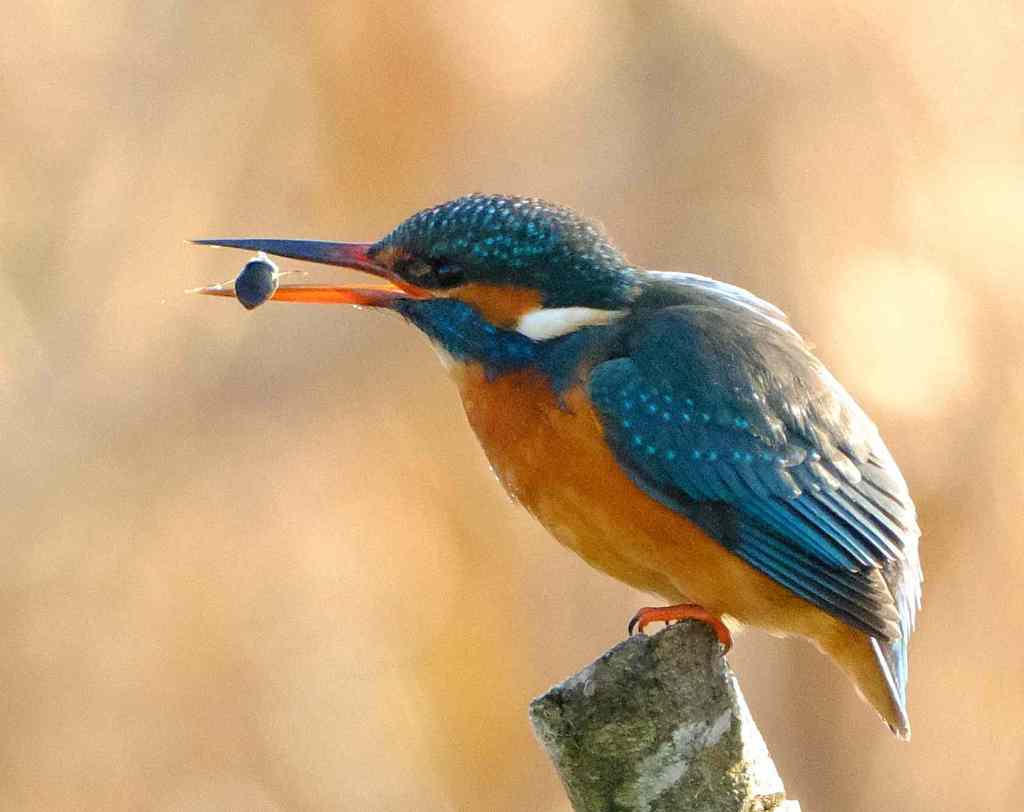
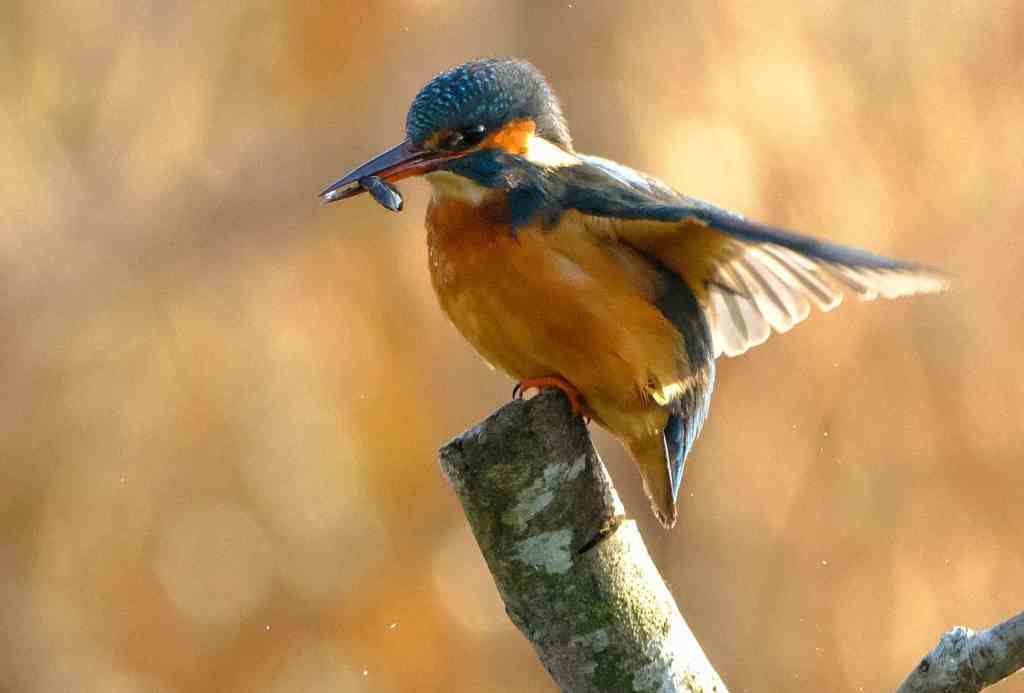
The King of the fishermen? I spent a few hours this morning watching this female Kingfisher. The female bird is identified by her orange lower mandible. She was feeding on many small Sticklebacks.
Entering December our weather has jumped fully into winter. This morning was cold damp and misty. A walk along Southampton Water from the Village of Warsash on the River Hamble to Solent Breezes was rather dark and windswept.
The warmest thing was the view across Southampton Water to Fawley Refinery where a flare is burning.
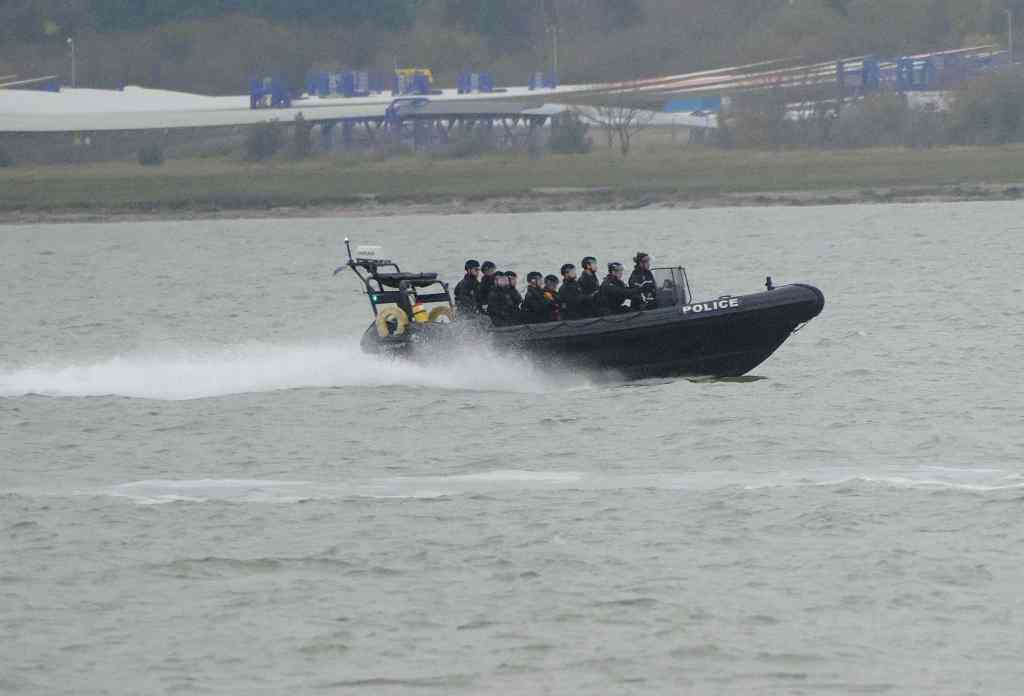
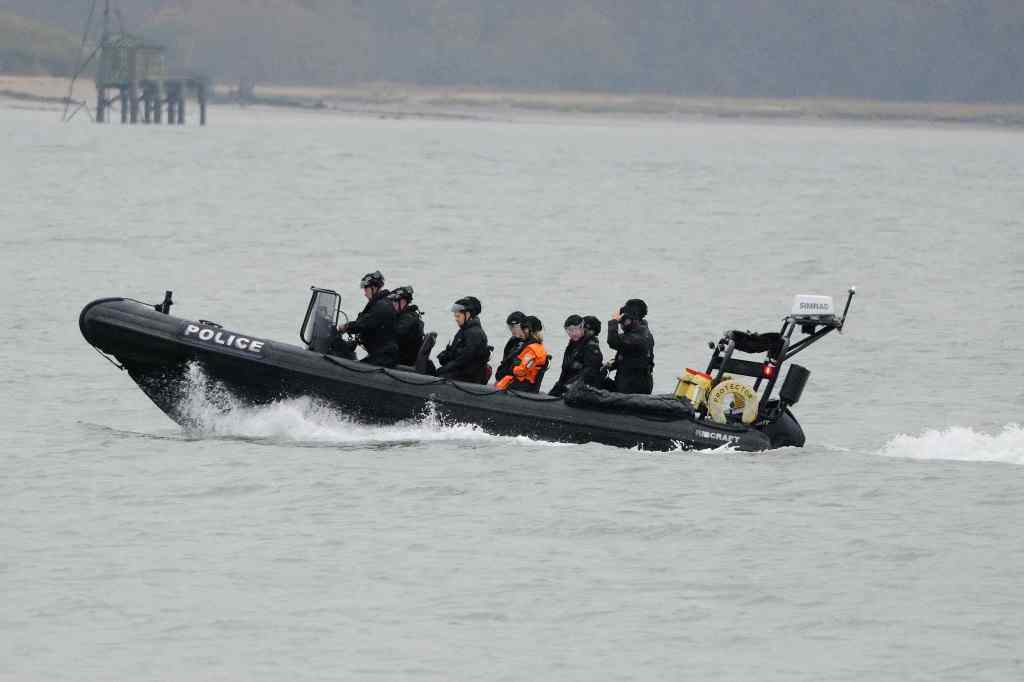
Two boats of Hampshire Police Marine unit in action.
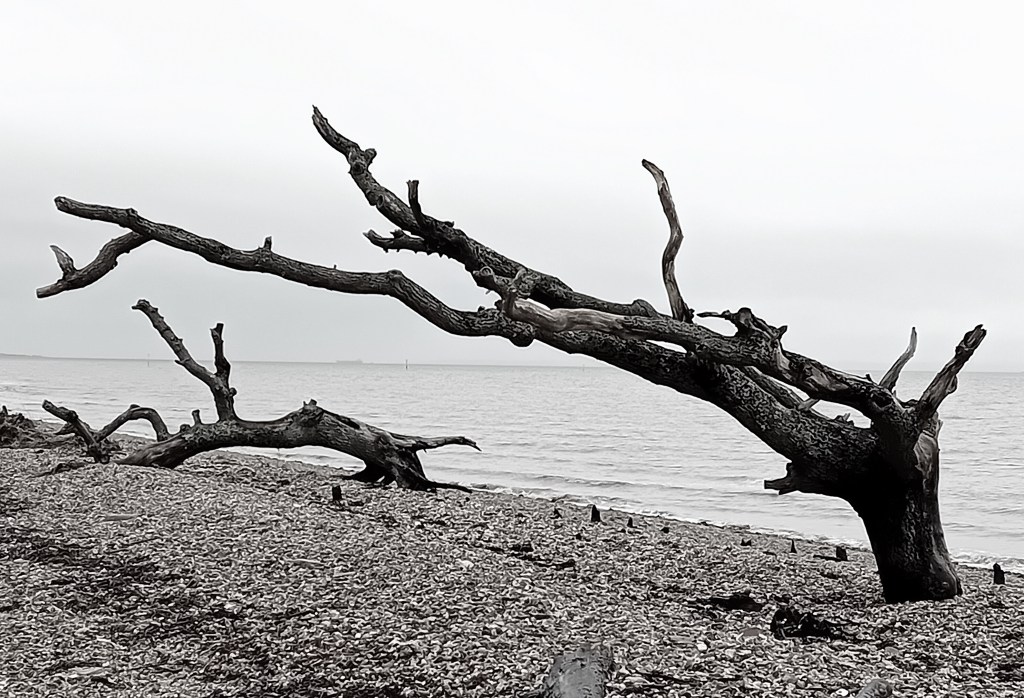
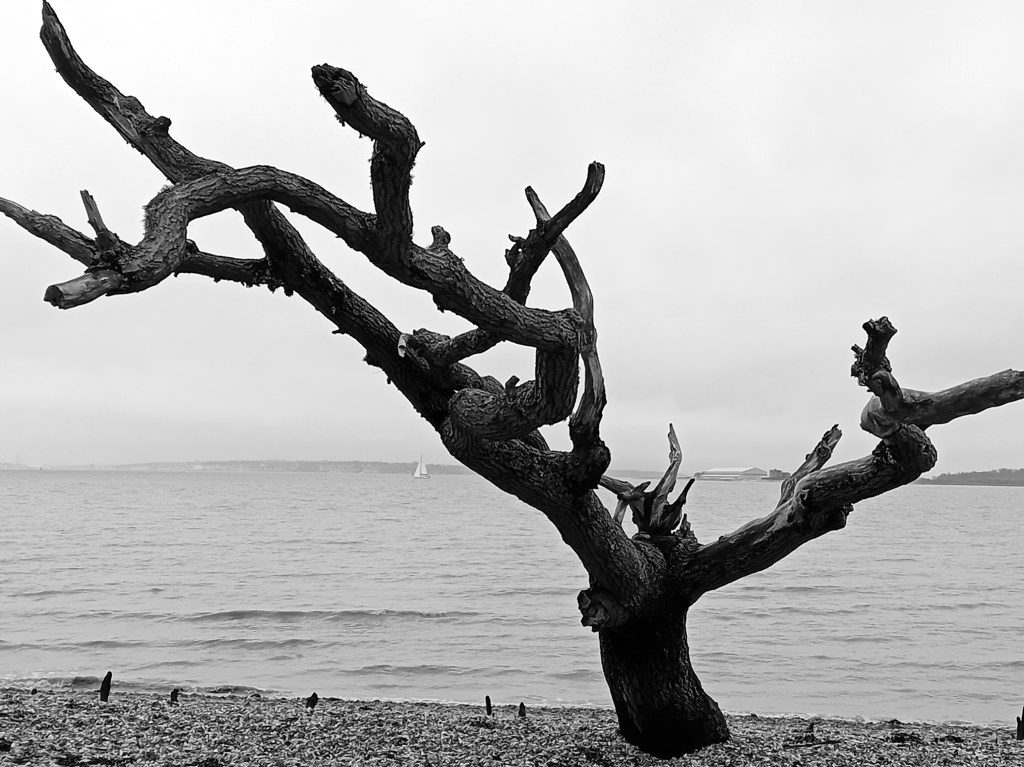
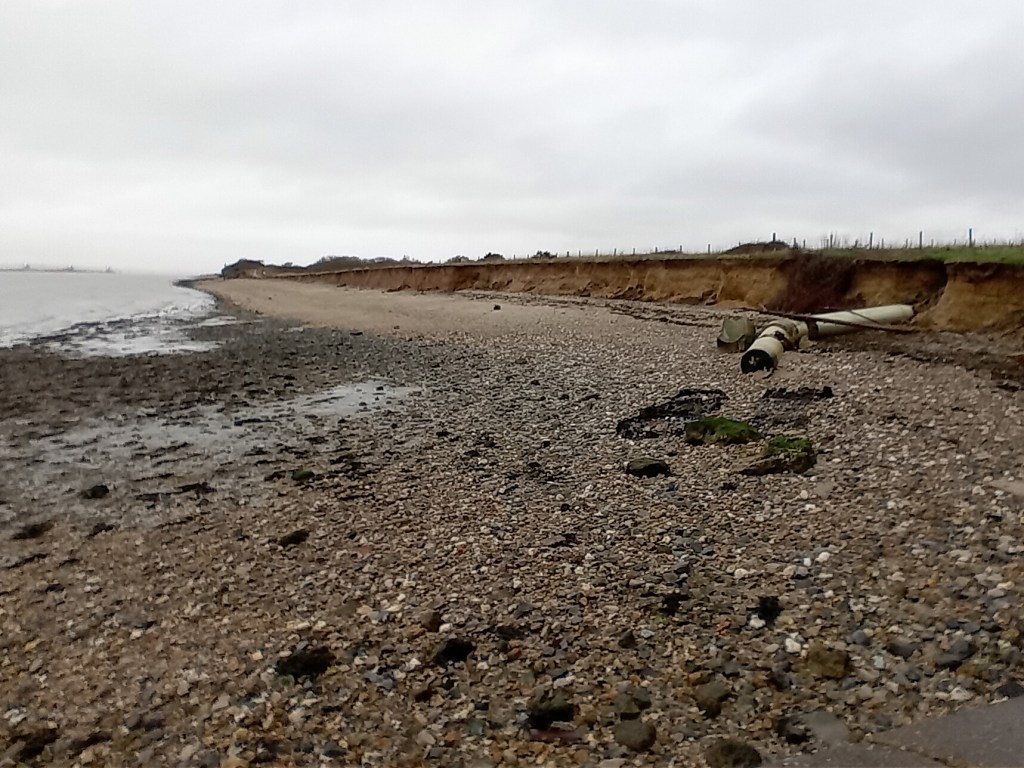
Beach views.
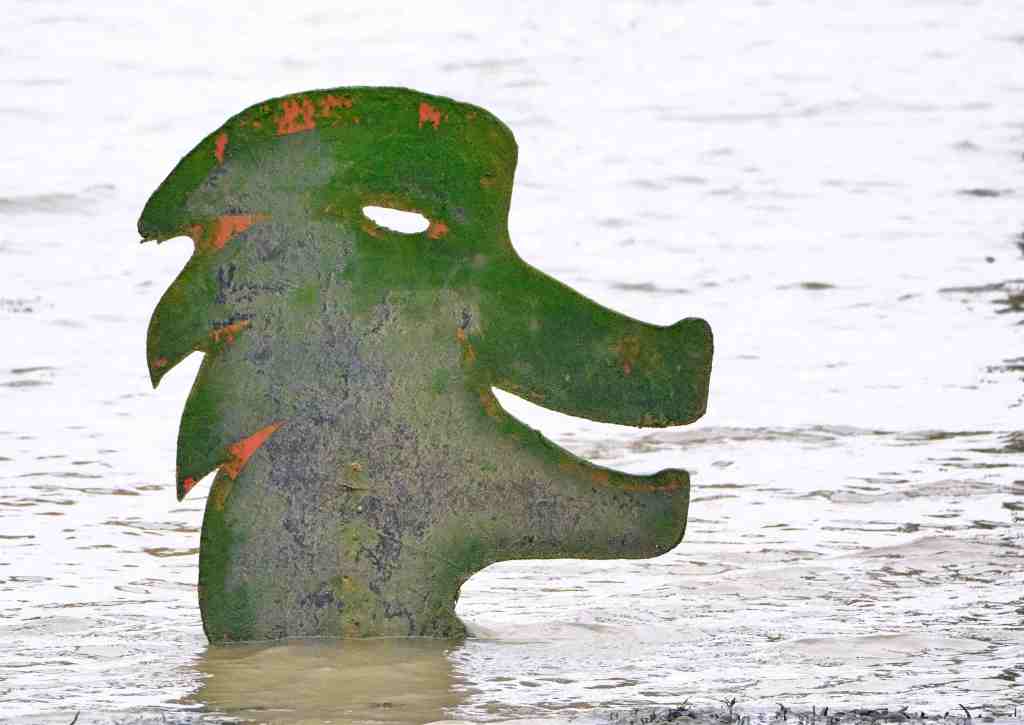
Sea Monster!
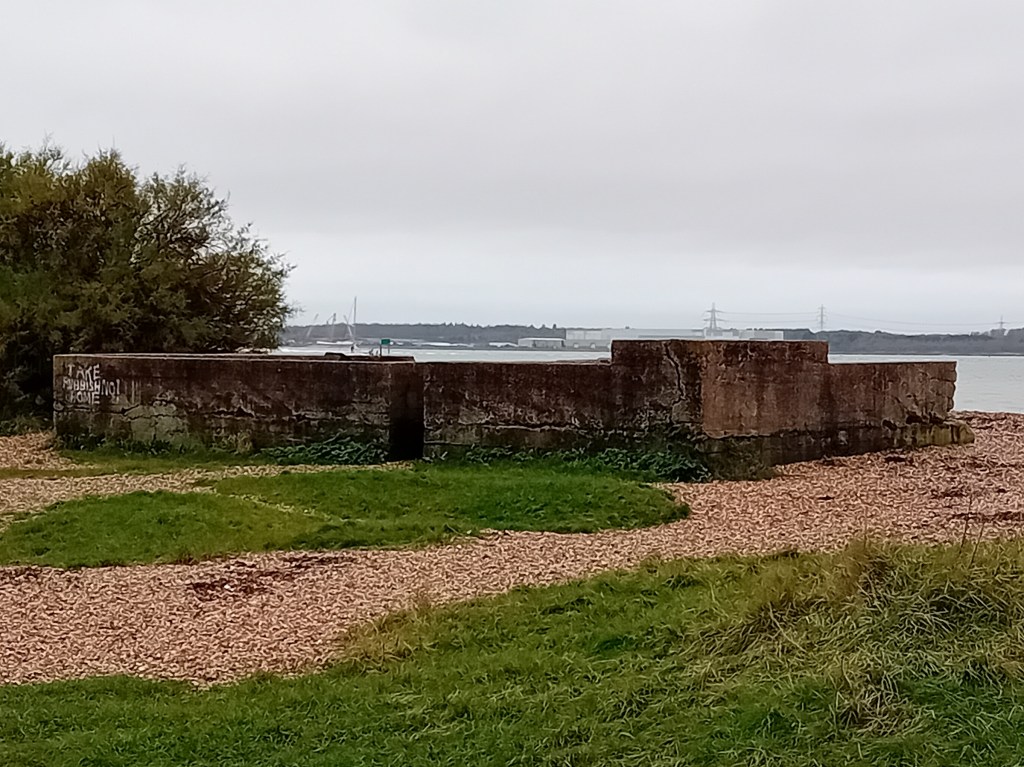
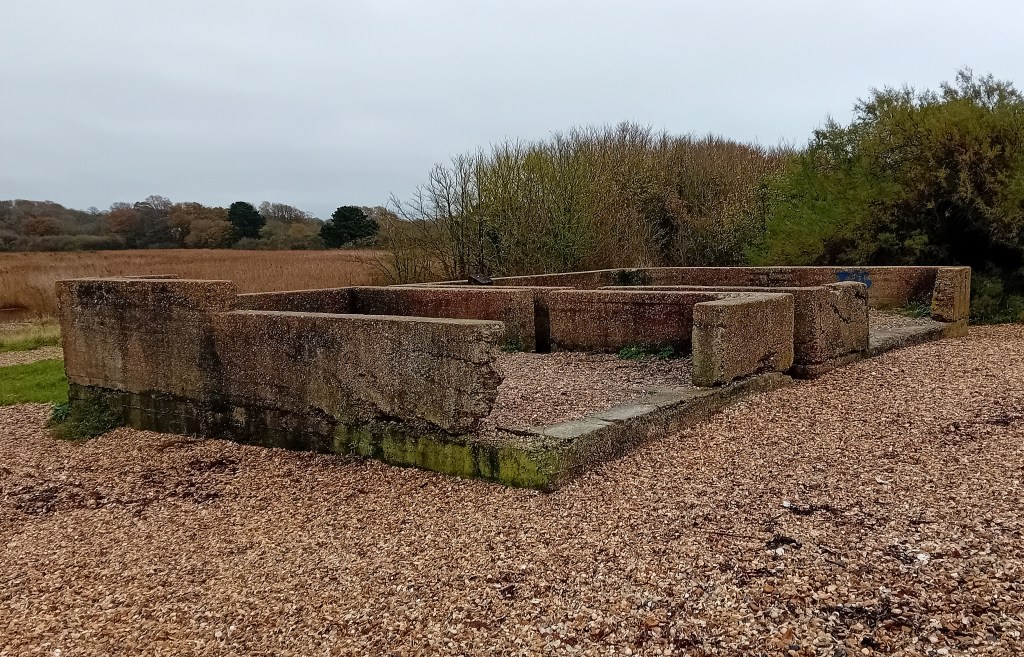
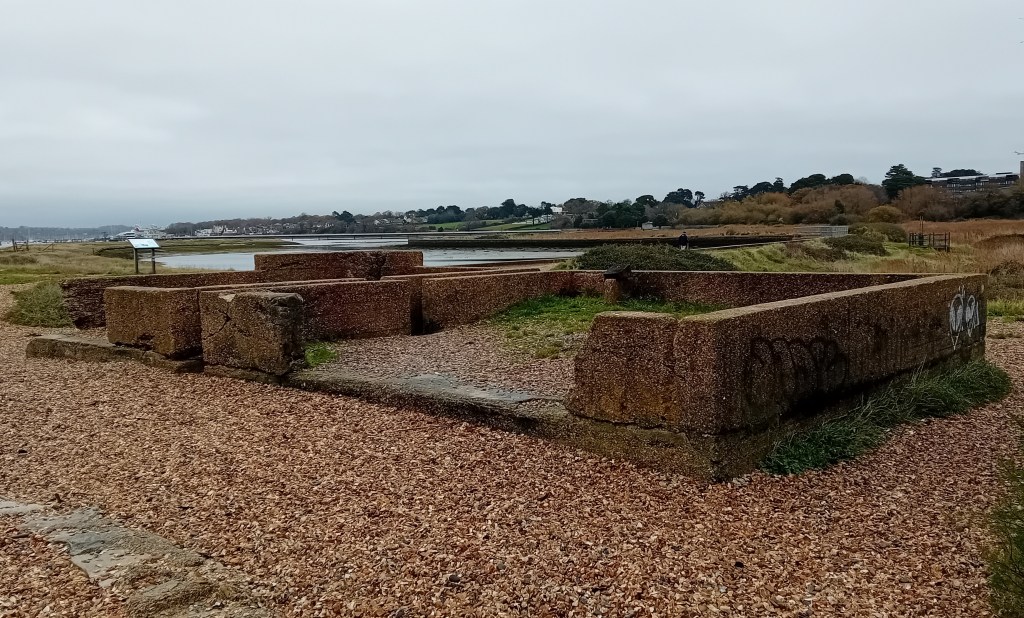
WW2 Bofurs anti-aircraft and range finder platform gun platform. Positioned at the mouth of the River Hamble where it joins Southampton Water. Another platform is further up the Hamble River and a third is at Hamble Point. The German Luftwaffe navigated using the river to reach Southampton and the Docks.
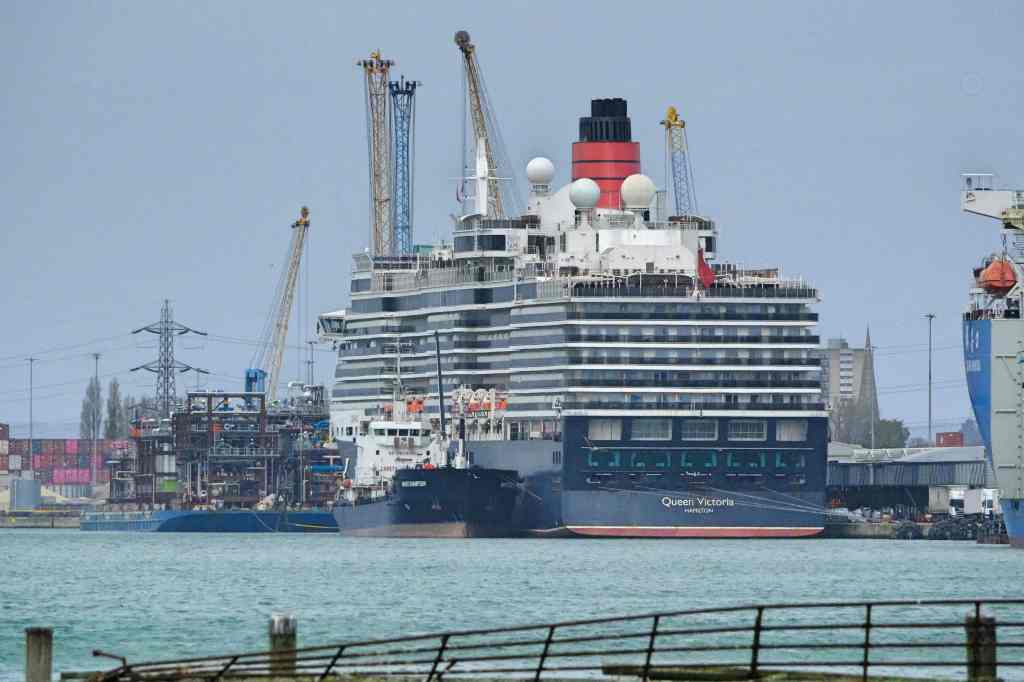
I spent Friday morning visiting Town Quay and Mayflower Park Southampton. A few large ships were in port. Including the Queen Victoria – One of the Cunard fleet. The liner has a crew of 913 and can accommodate 2,061 passengers.
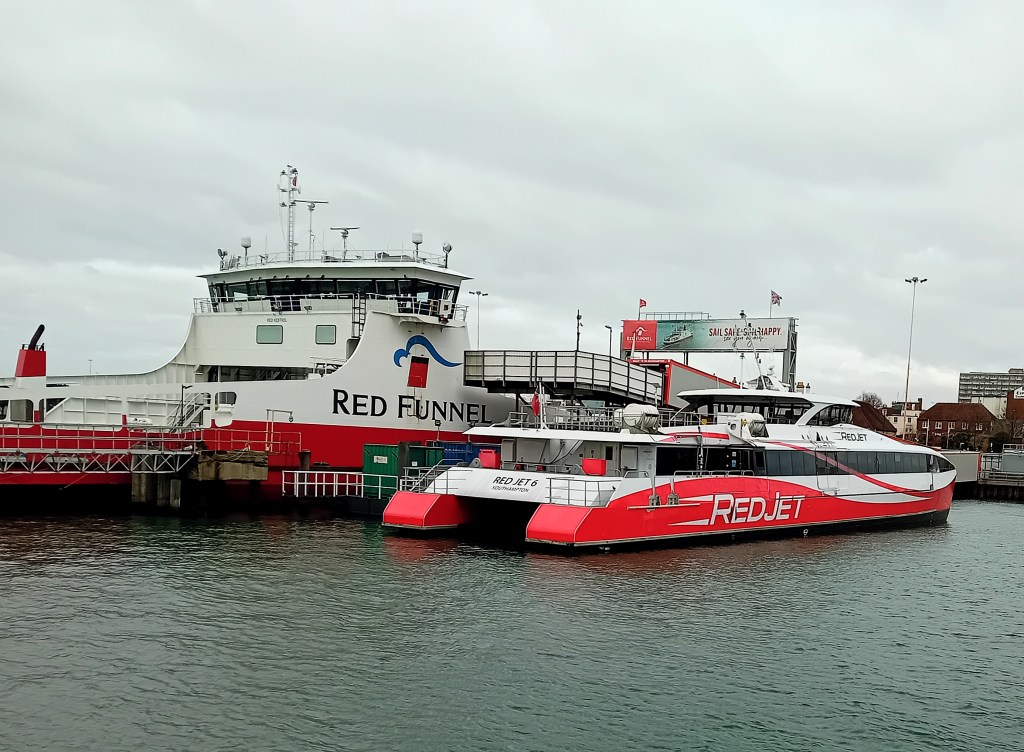
Red Funnel Ferries – Services run from Town Quay Southampton to Cowes on the Isle of Wight. The ferry takes about an hour and the fast jet passenger service takes just under 30 minutes.
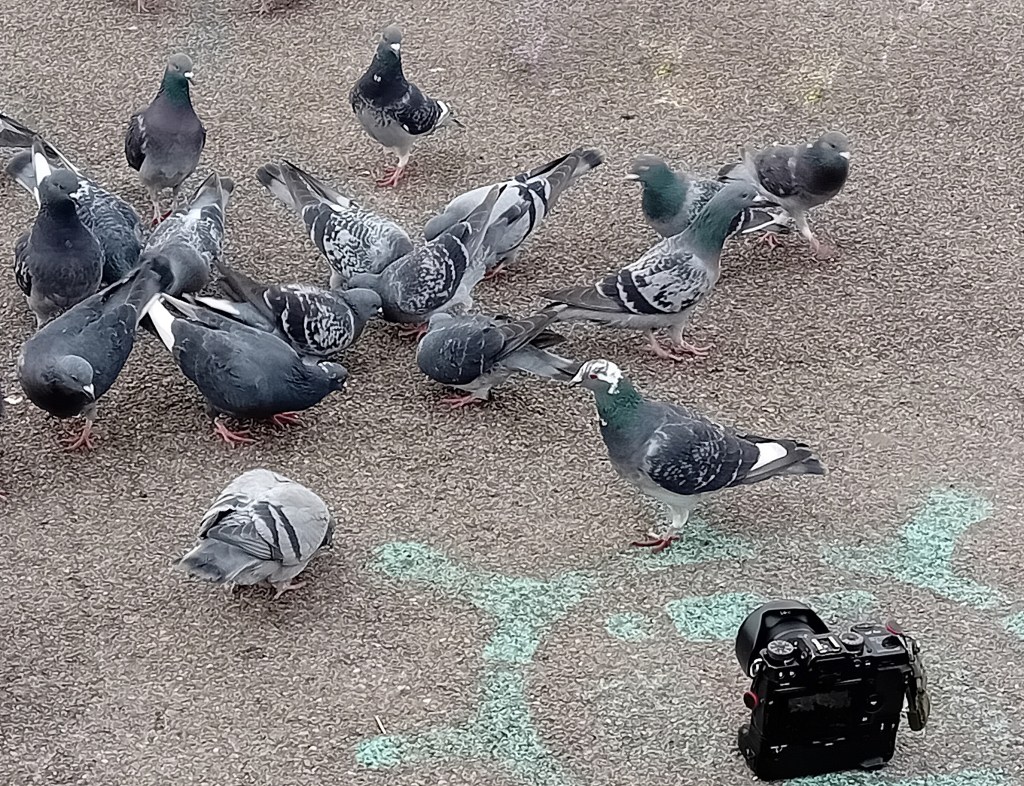
I set my camera on the ground scattered some bird seeds – pressed record and waited.
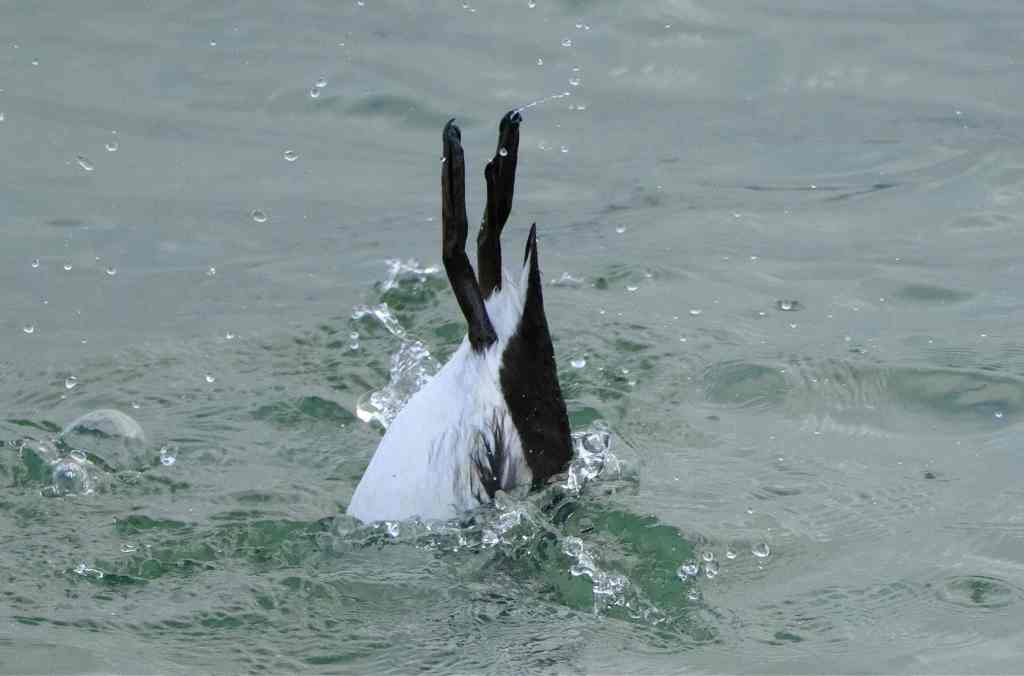
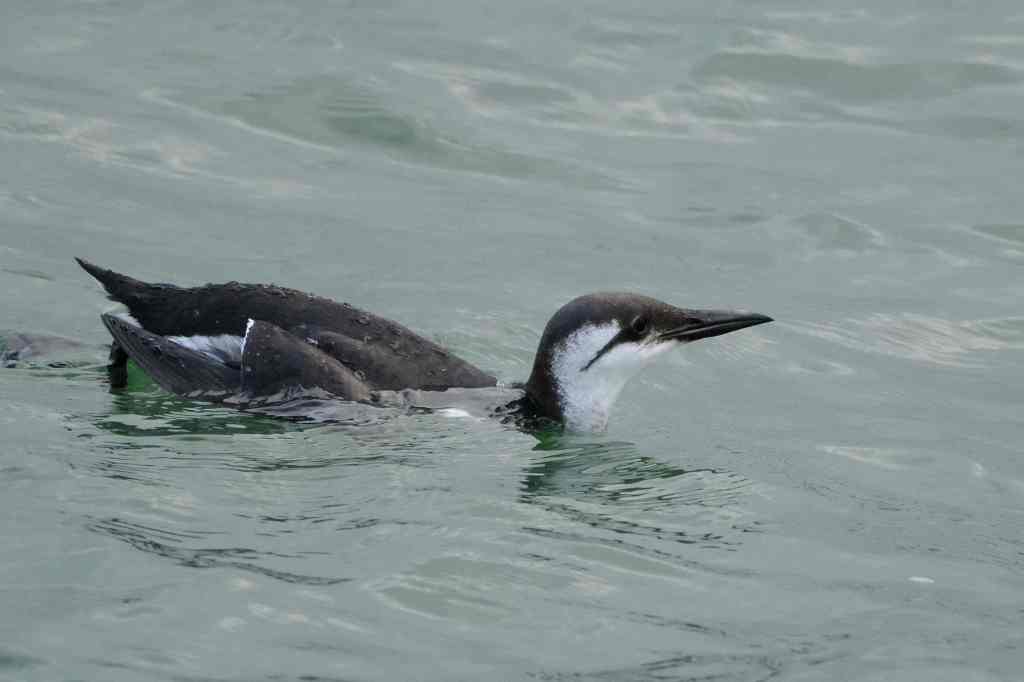
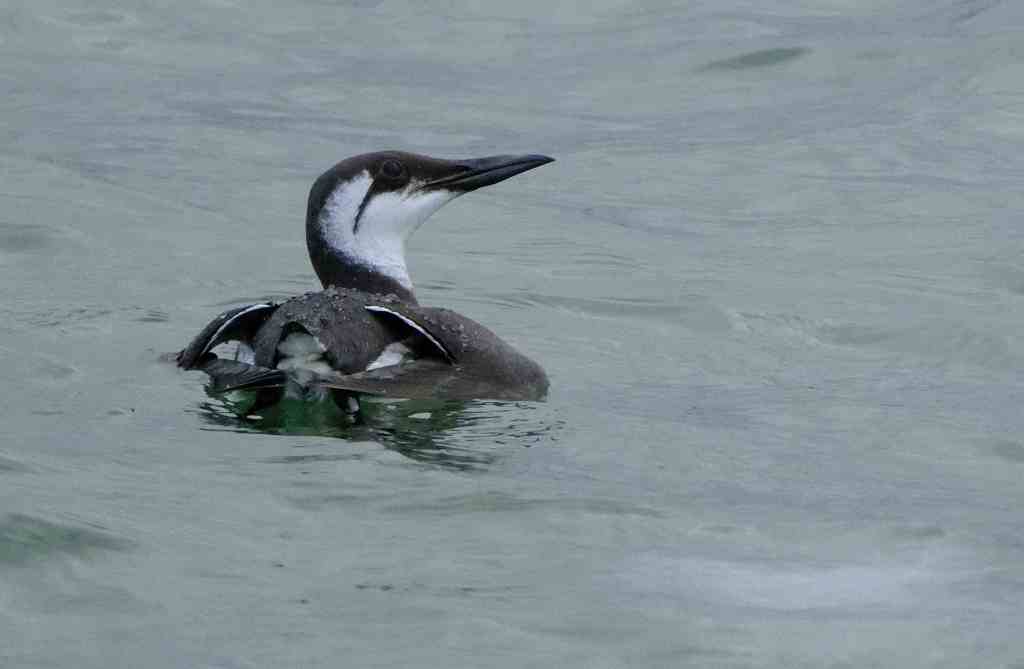
A surprise sighting was a lone Giullemott fishing off the end of Town Quay. A bird I have seen often along our coasts but only in areas where there are stretches of steep cliffs. Considered a common bird and found in large breeding colonies. They come to land only to nest, spending the rest of their lives at sea.
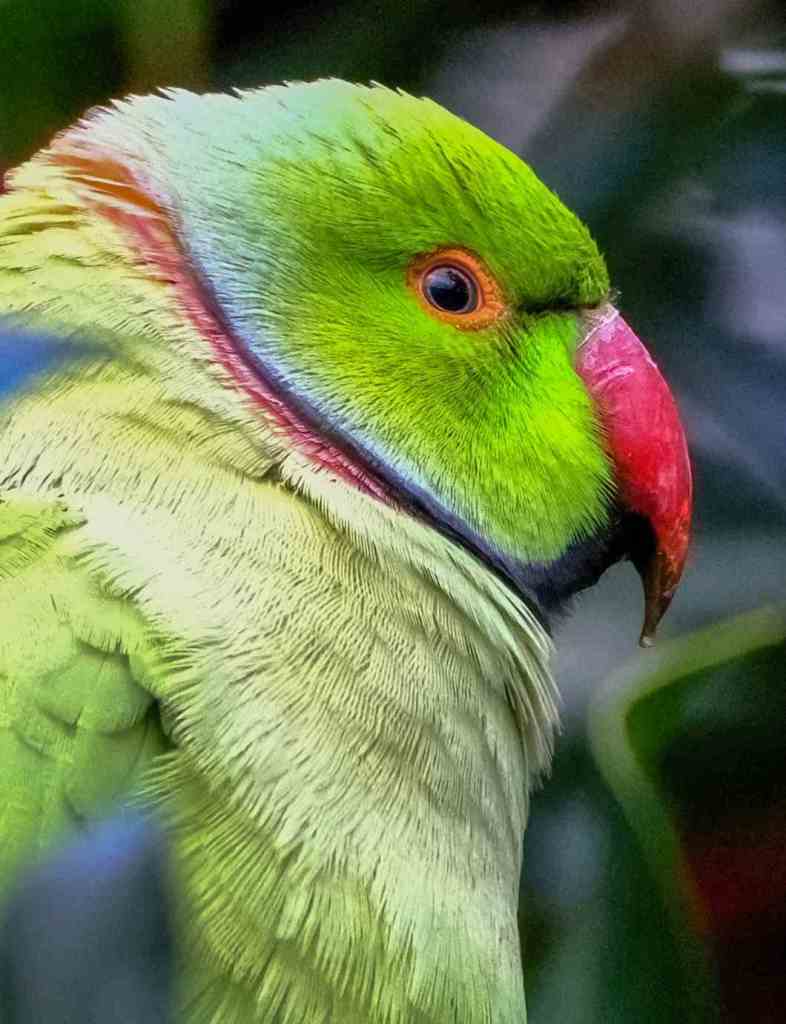
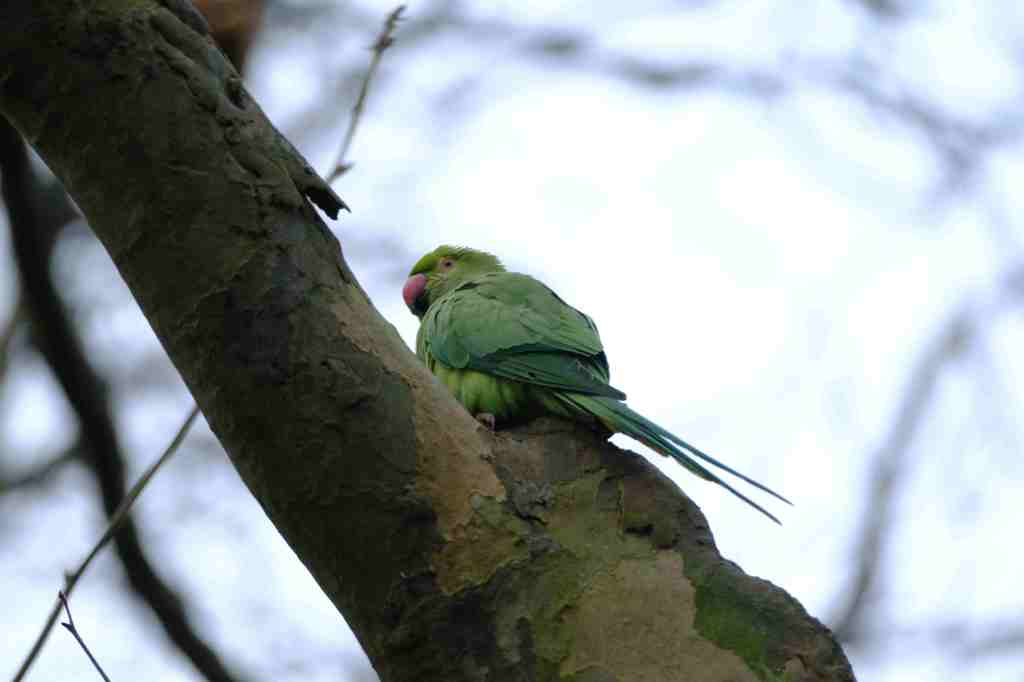
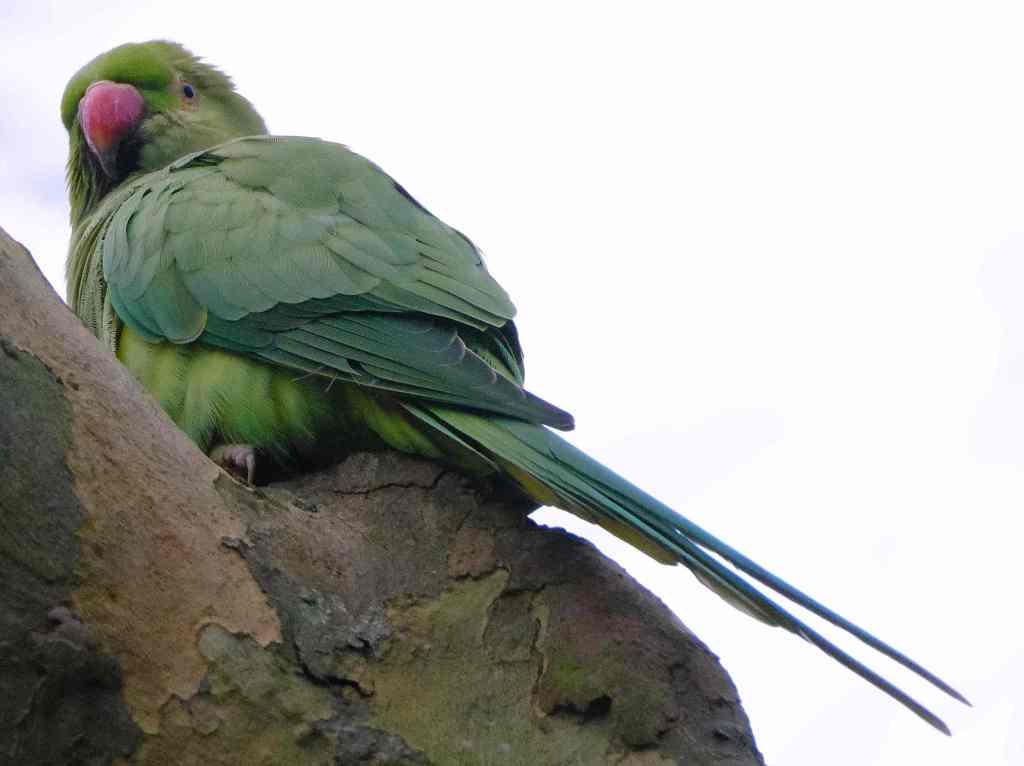
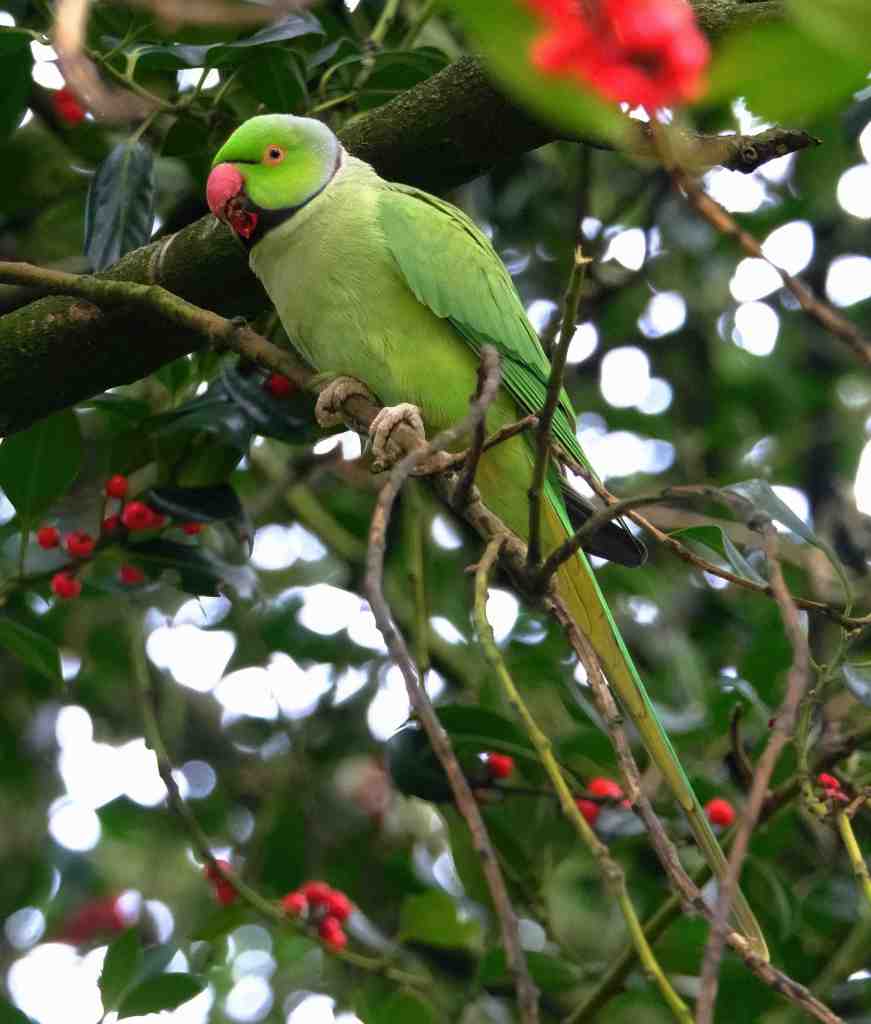
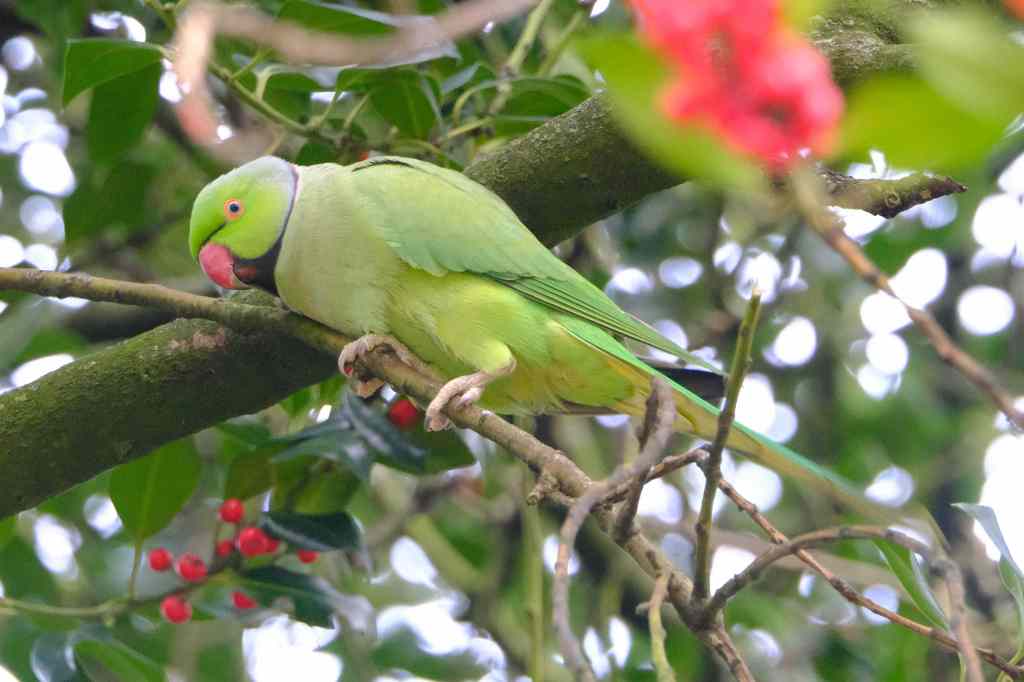
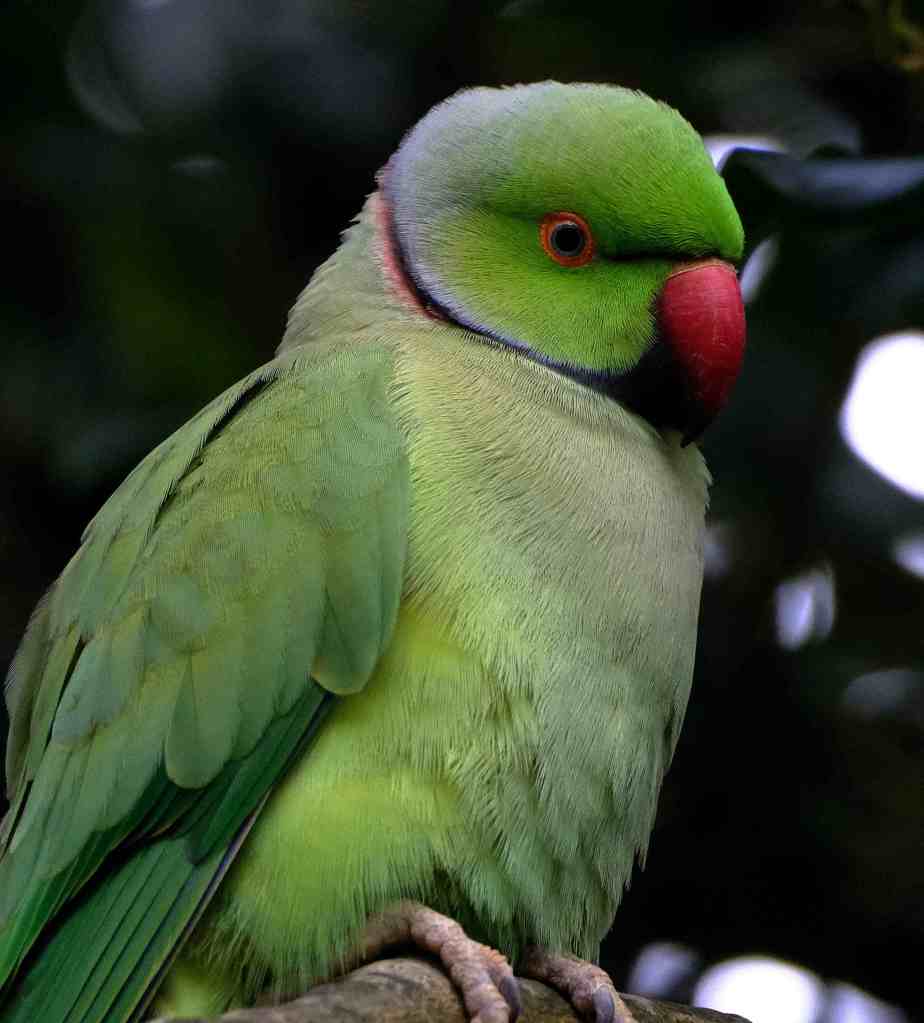
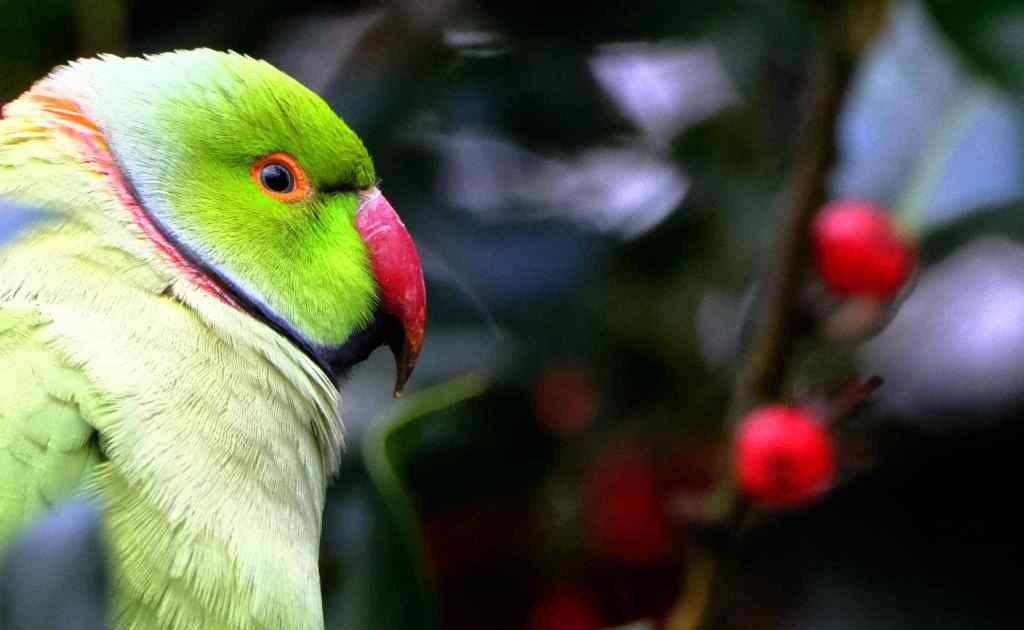
As the trees are losing their leaves which opens up the views into their branches I thought it would be worth a look at the city parks for the resident Ring-necked Parakeets they were about. I saw 3 birds today but there may have been more. They were enjoying the Holly berries for lunch today.
A walk across Stoney Cross around the edge of the WW2 airfield today’s nature walk gave a few gifts, although no deer sightings today.
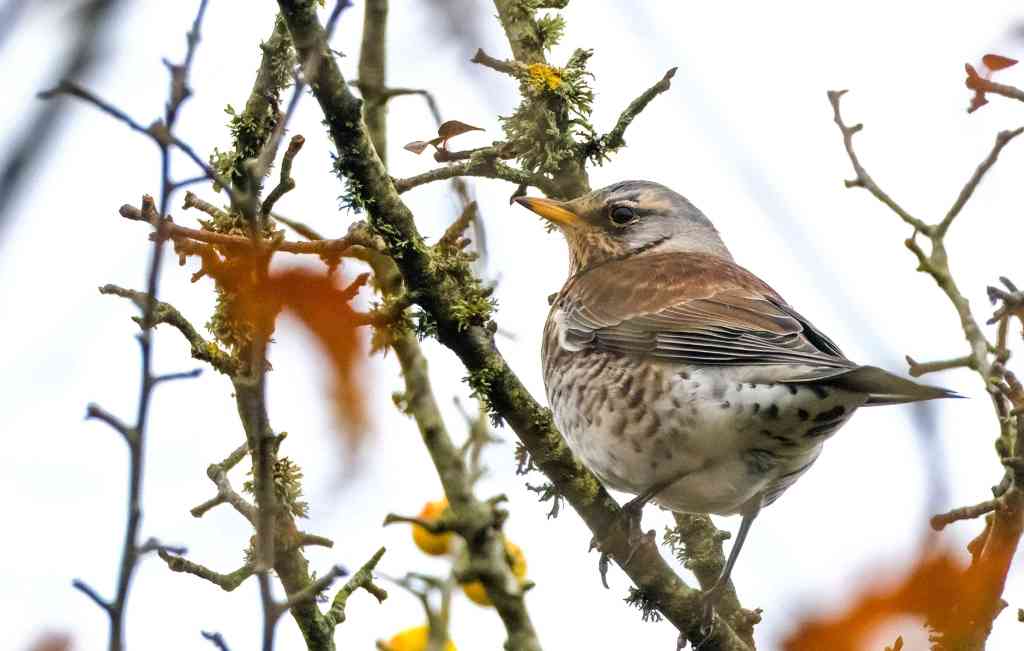
Large flocks of “Fieldfare” were everywhere but not keen to stay for me to take a photograph or two! Fieldfares are large and colourful thrush. They are social birds, wintering in the UK. Flocks can be ten or twenty birds to several hundred strong. The flocks are noisy and the birds chuckle as they fly between trees looking for the best berries. Finally today and after trying for the last 3 weeks I got a couple of shots.
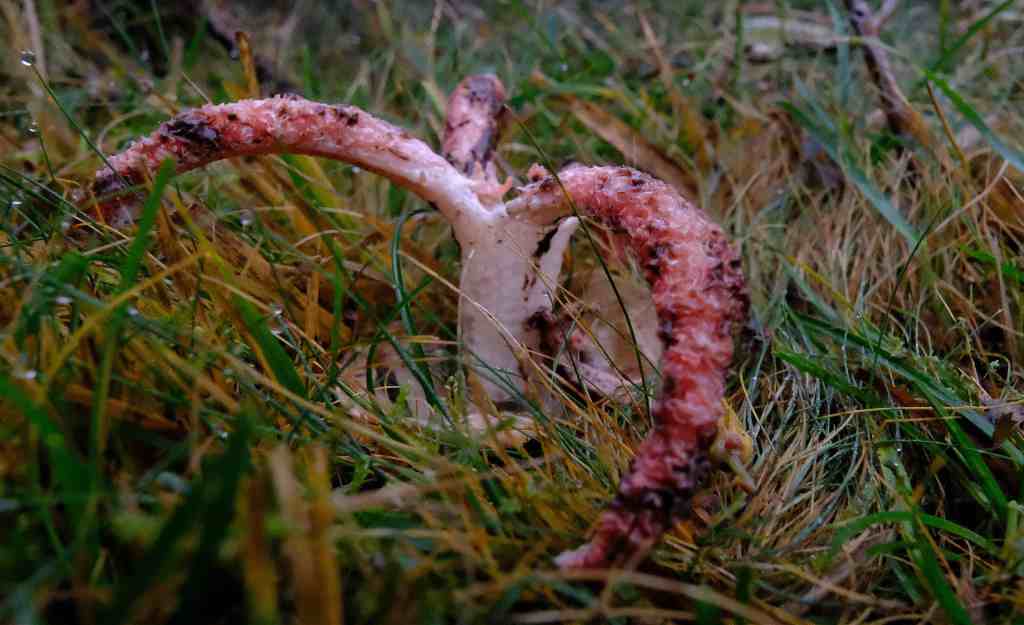
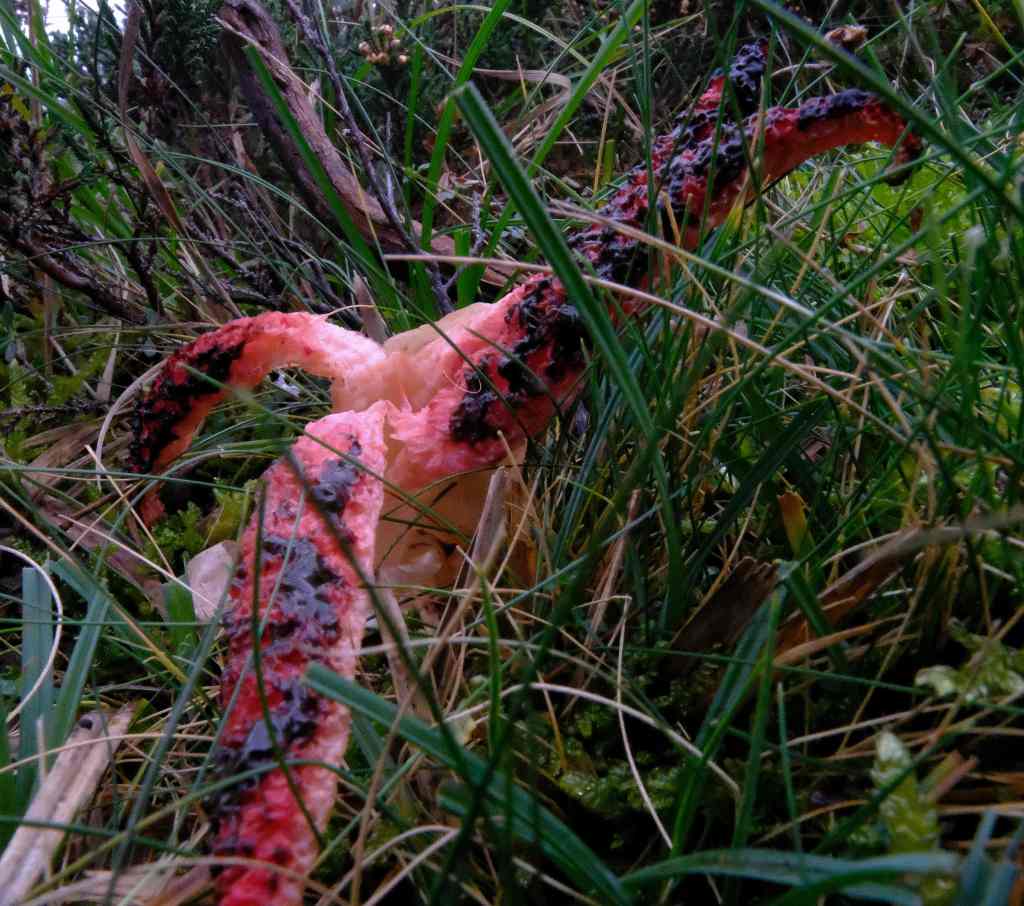
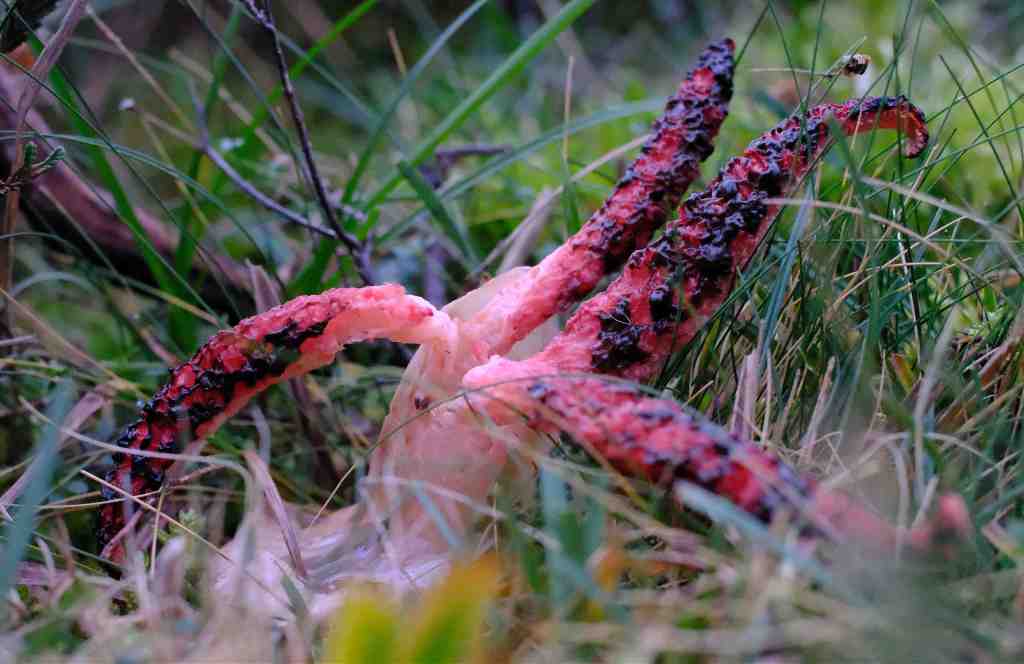
The Devil’s Fingers fungus [Clathrus archeri], this rare fungus I posted pictures of a few weeks ago has now gone over but others have now grown.
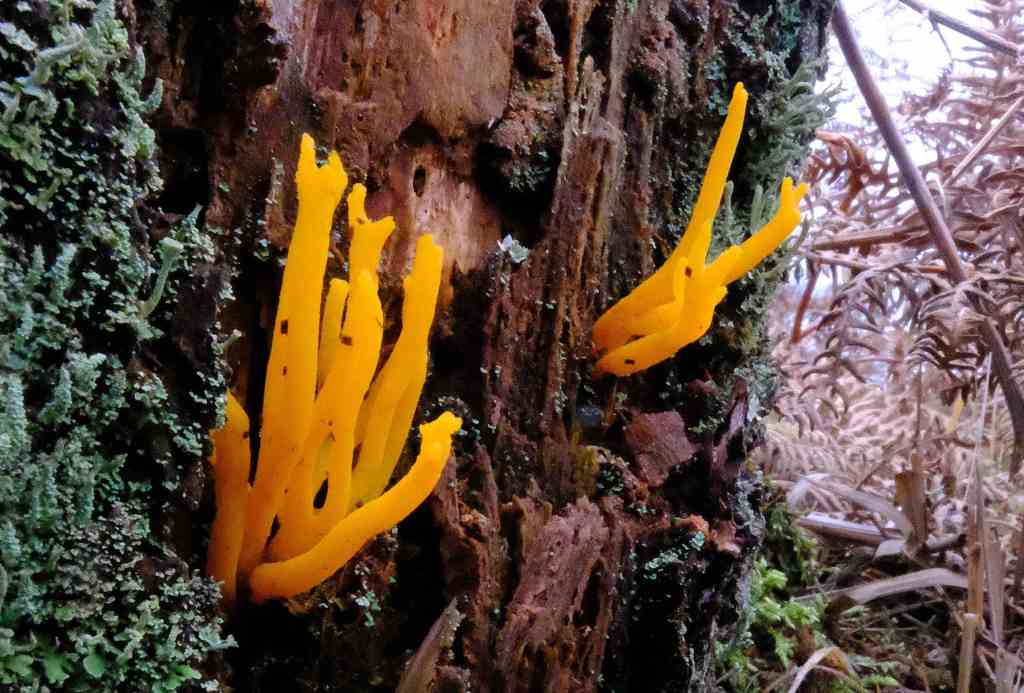
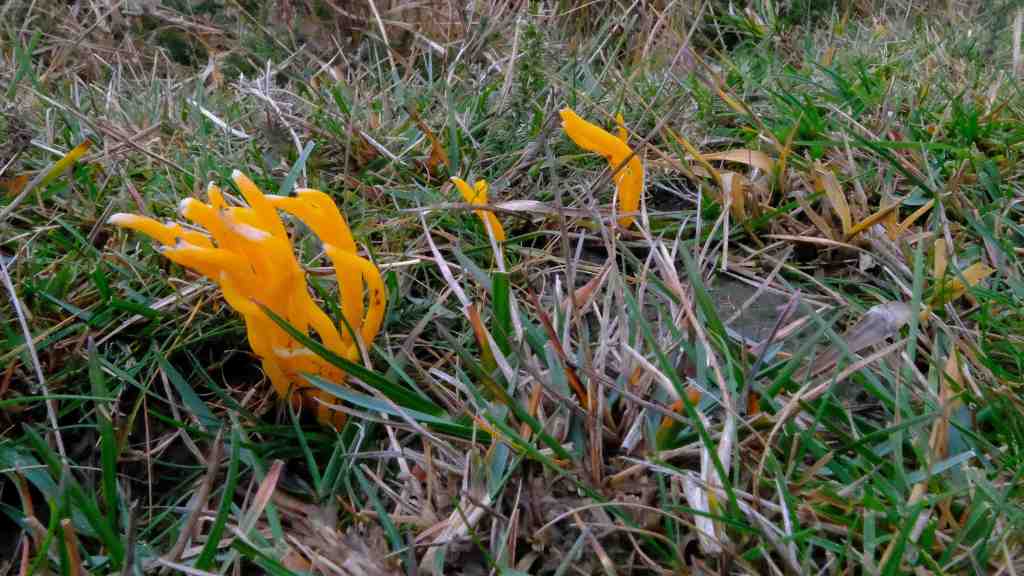
Another fungus spotted was a Yellow Stagshorn – {Calocera viscosa} – It is a Jelly Fungus which grows on decaying conifer wood, typically stumps and roots. This was a 1st for me this year.
A muddy walk along the Titchfield Canal. The canal is a two-mile watercourse between the village of Titchfield and the coast at Titchfield Haven. Starting at the sea I quite like the wall art that had appeared on the back of the toilet block. In my view one up on some of the so-called tags which are appearing everywhere and I am told is art.
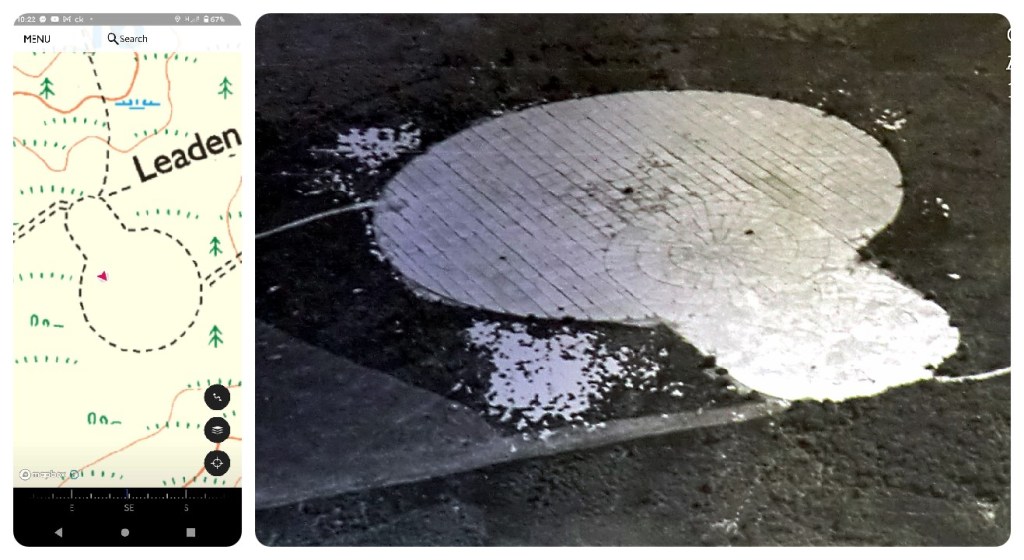
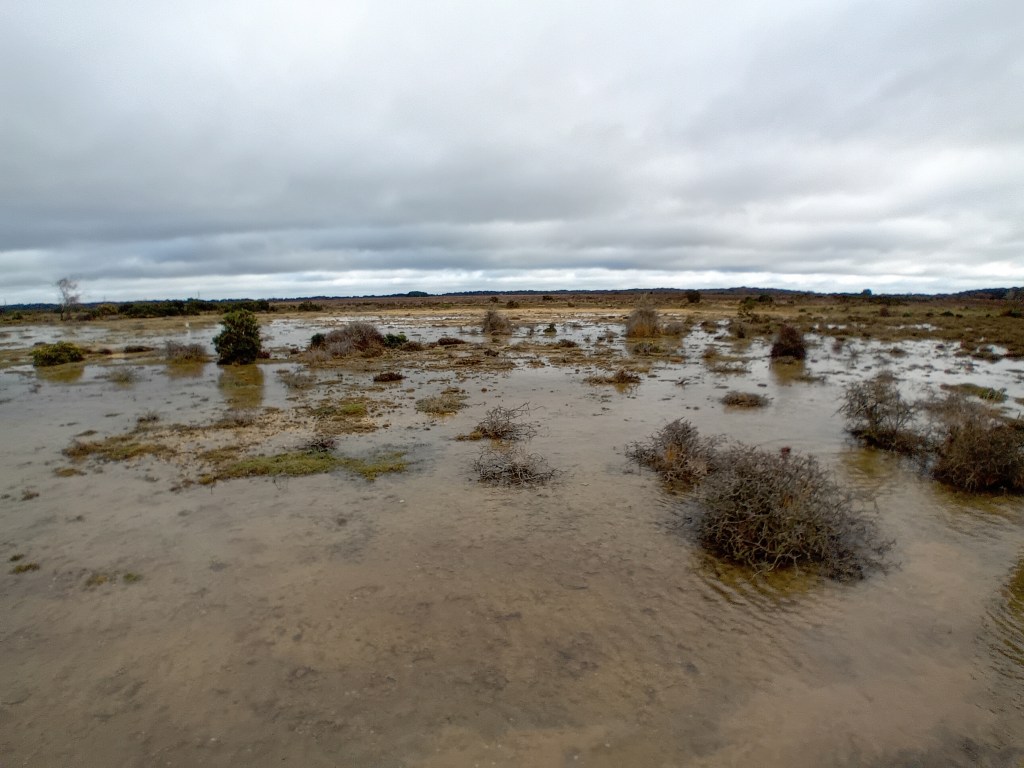
Today was an open-heath walk within the former World War 2 bombing range on Ashley Heath near the village of Godshill and 5 miles northwest of Lyndhurst The range was used by aircraft from the Aeroplane & Armament Experimental Establishment at RAF Boscombe Down, nr Salisbury. The range was used for training and testing, all types of munitions fired or dropped from British aircraft were tested here first, except live incendiaries due to the fire risk. Barnes Wallis’s prototype Bouncing bombs used in Operation Chastise by the Dambusters and the Grand Slam bomb were tested on the site. Several different types of targets were built on the range including air-to-ground attack, mock ship targets, aircraft pens, gun emplacement, bomb fragmentation areas, and what is said to have been some Submarine pens. There were two small grass airstrips, observation shelters, and towers. The site was used both in daylight and night targets were illumination targets specifically for night bombing practice.
Our walk today was the 1st in this area of the New Forest with the aim of seeing the remains of a large target. Known as target number 2.
The shape of the target is visible from the ground the concrete wall around the target was removed for construction materials in the 1970’s
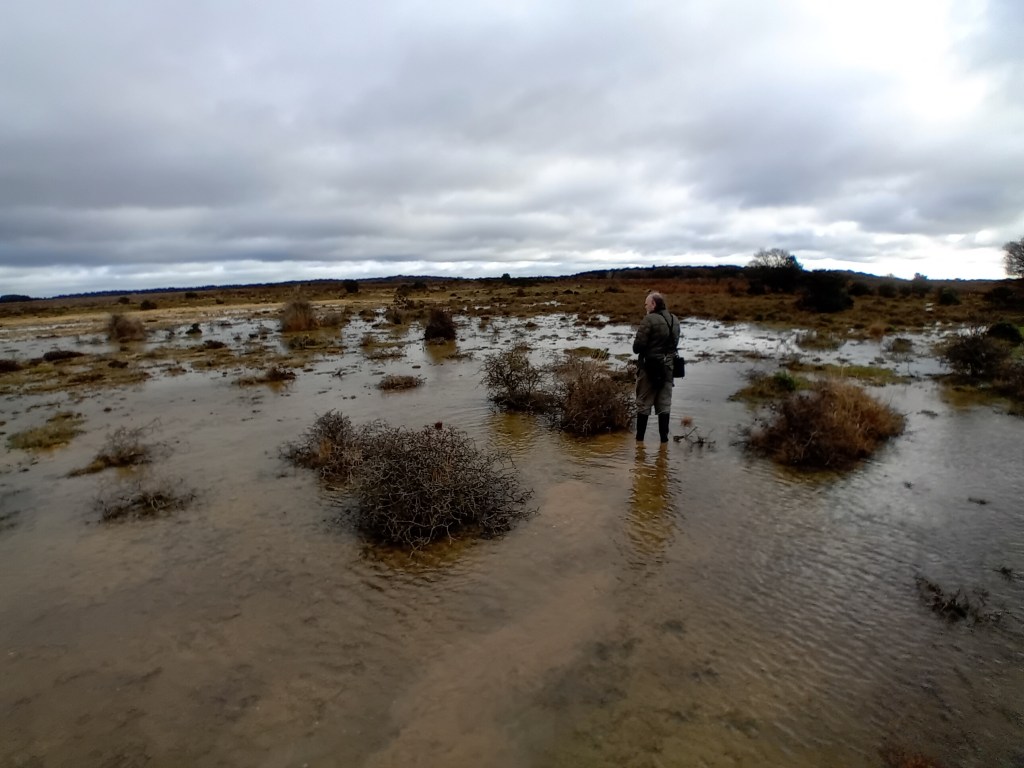
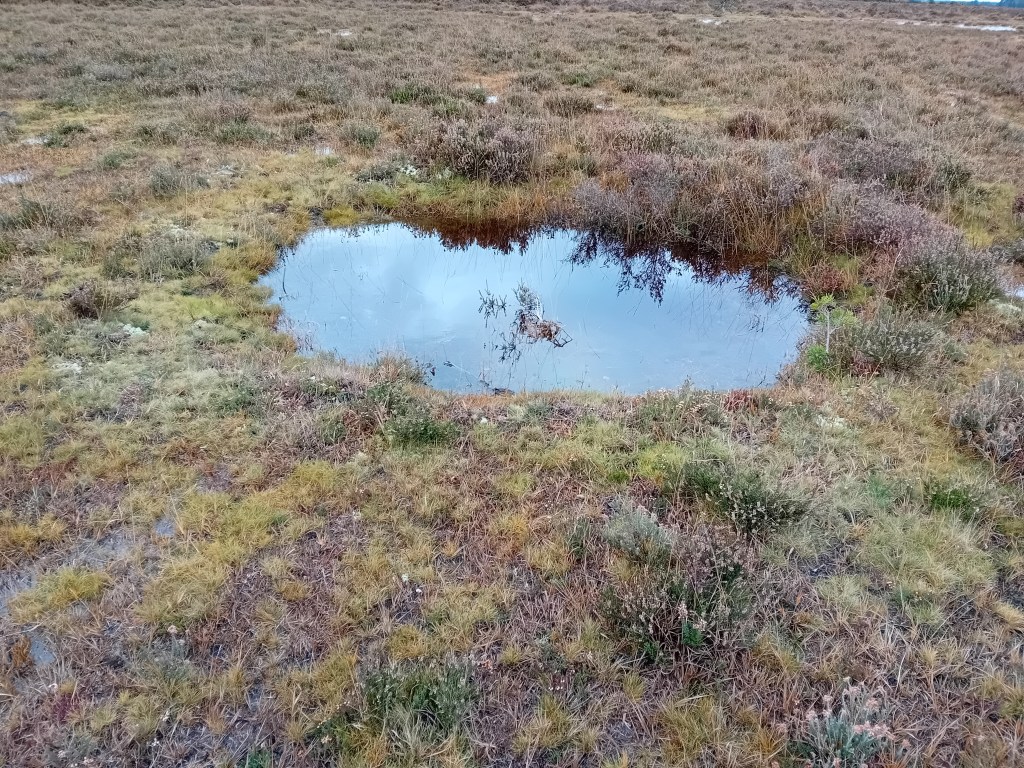
Many small ponds are on the heath most are water-filled bomb craters.












 Continued Reflections from my World.