#Wordless Wednesday.
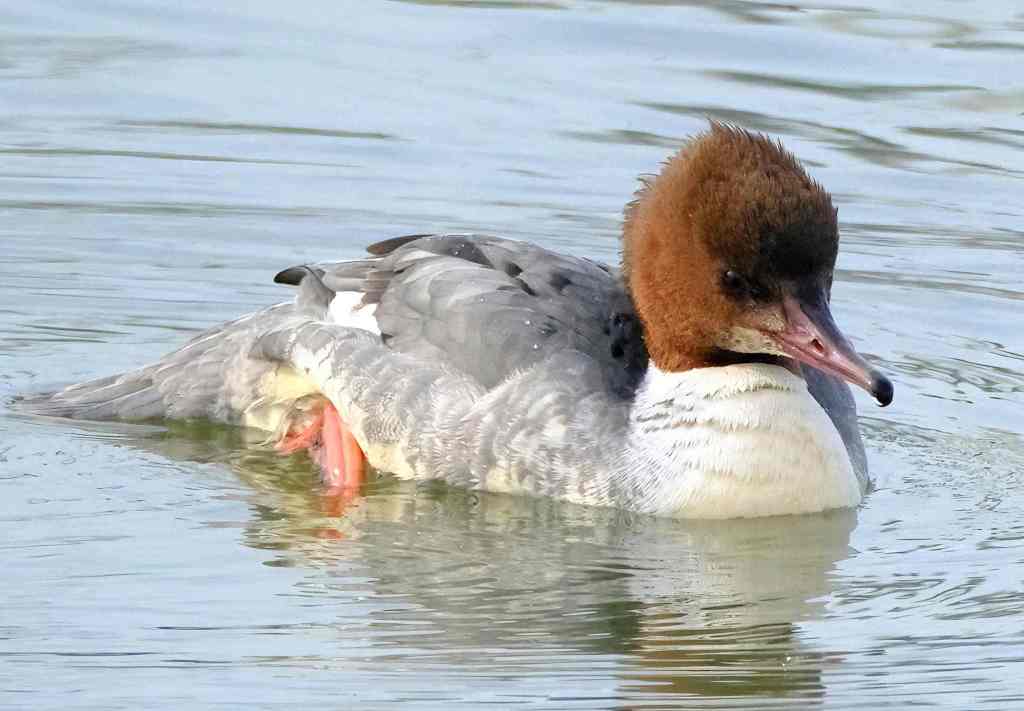
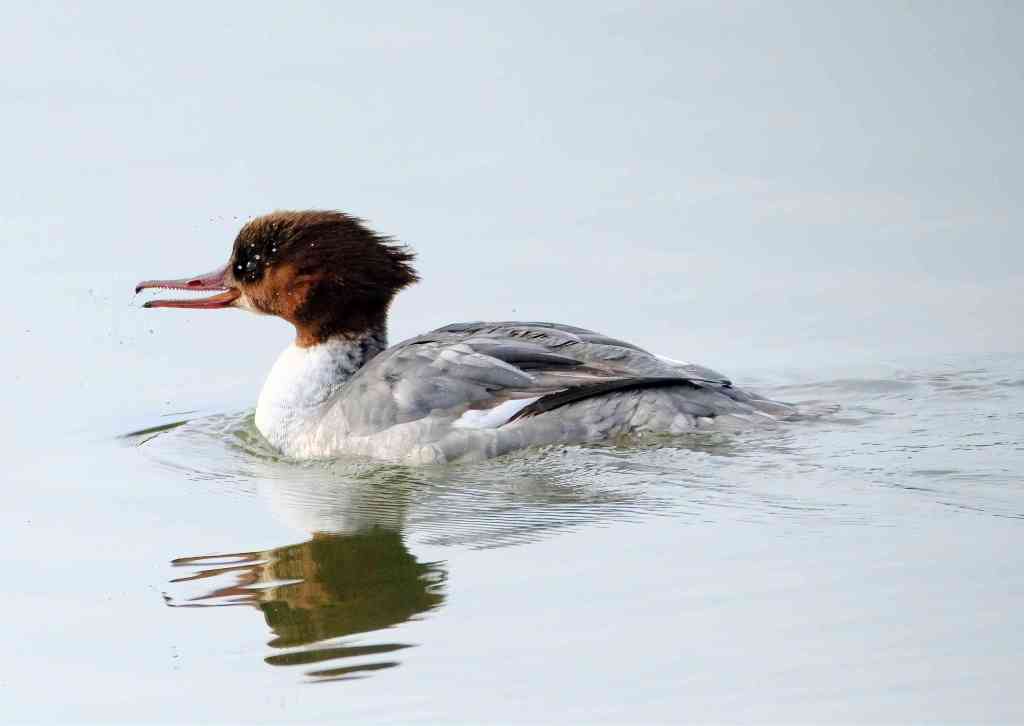
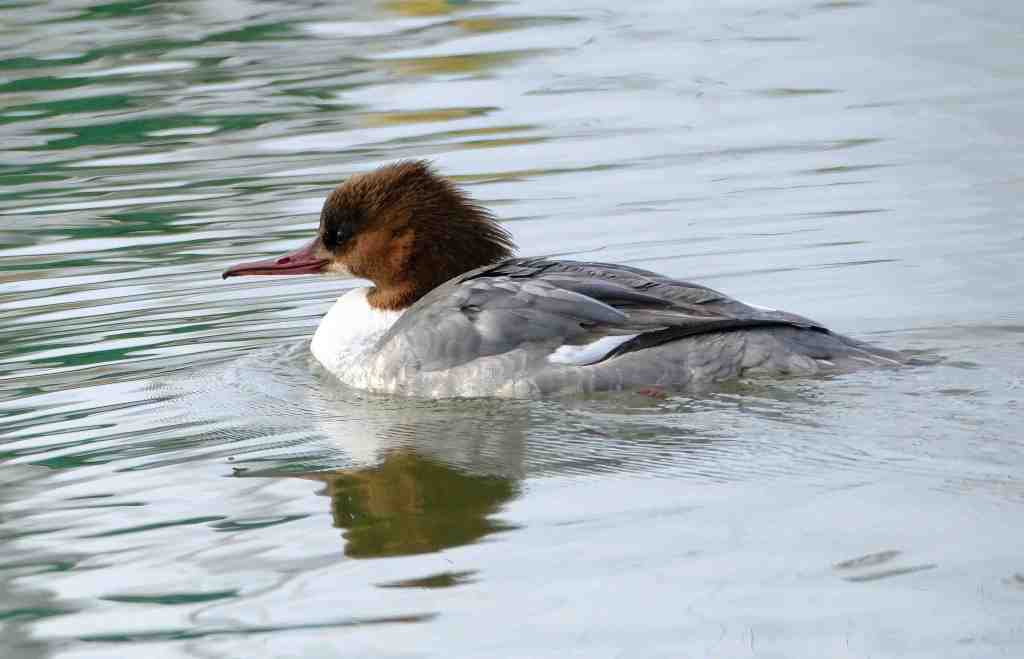
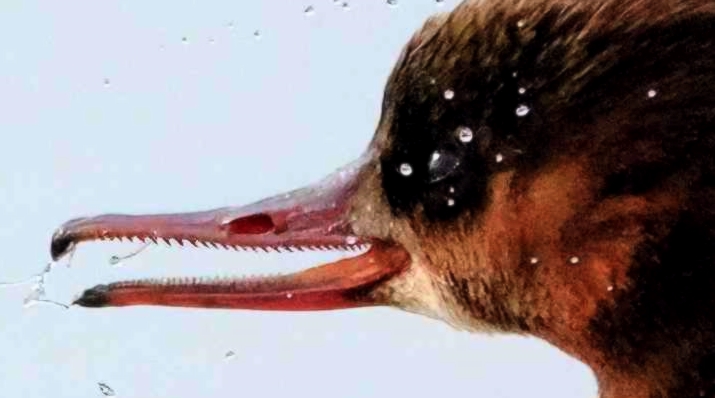
Goosander.
This diving duck is a member of the sawbill family, named for their serrated bills, that they use for catching fish. A largely freshwater bird, the Goosander first bred in the UK in 1871. This female was in the harbour at Titchfield Haven {the male has a green head and their body has more white}


Wagtail.
A Pied Wagtail on Meon Shore Beach. Frantically wagging their long tail up and down is an easy way to ID these little birds. I regularly see Pied and Grey Wagtails and very occasionally Yellow Wagtails. Their favourite food is insects.
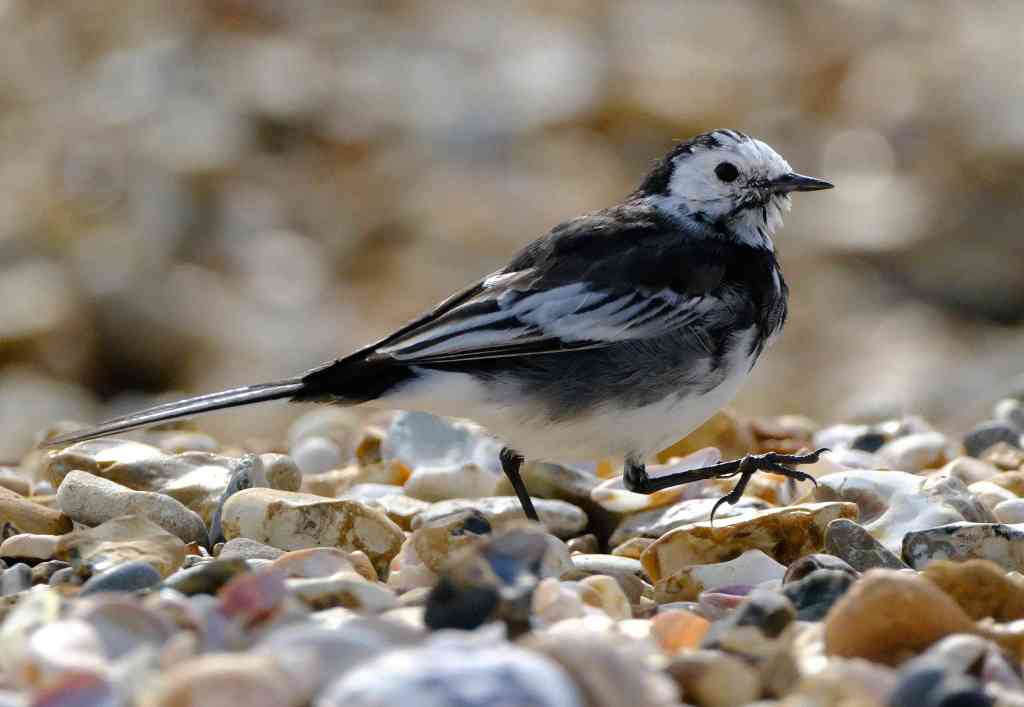
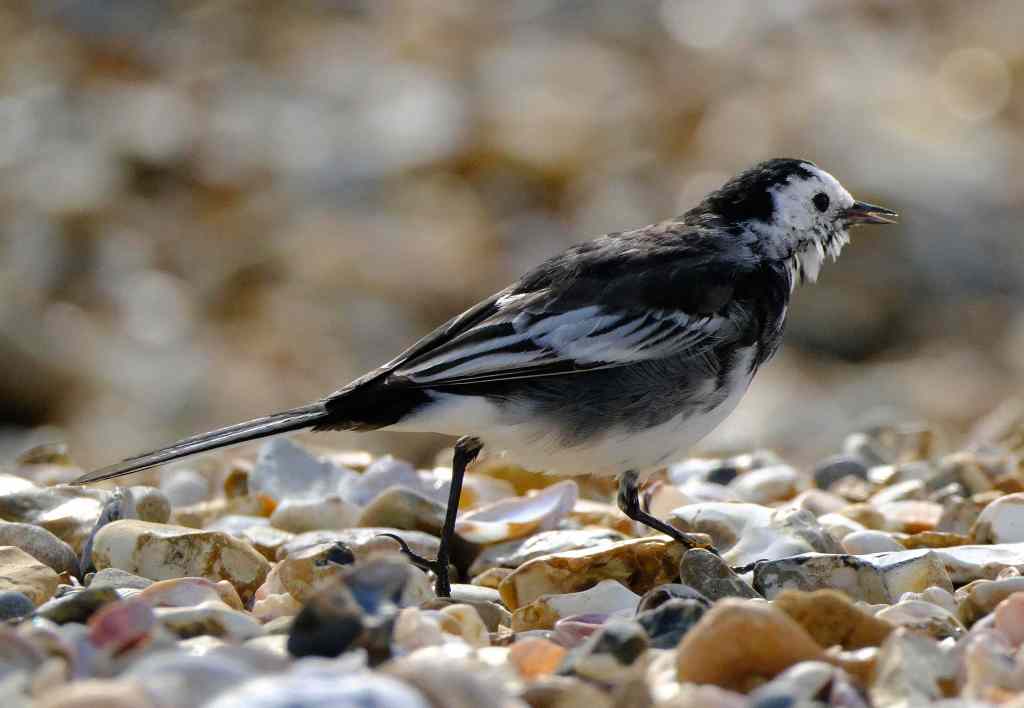

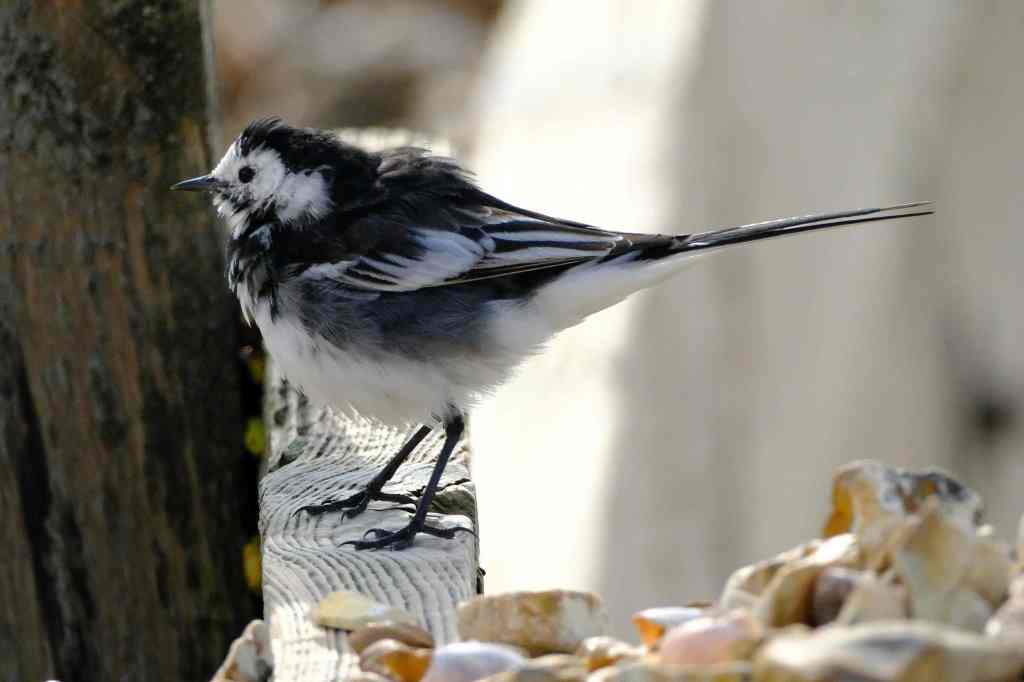
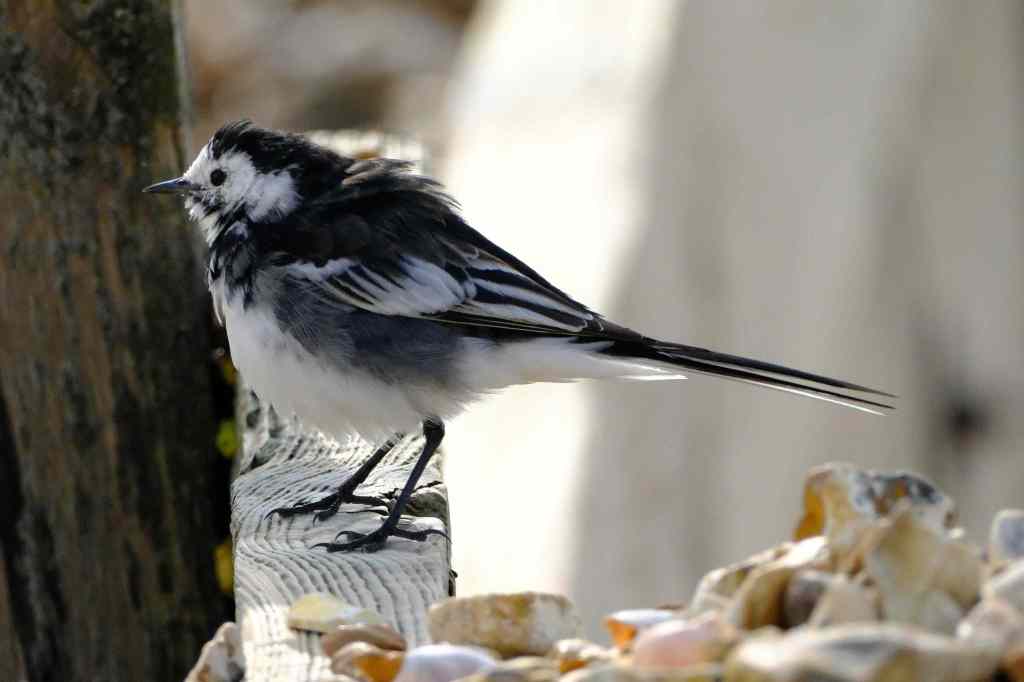
Still, the photographs below are stitched together and run fast to show tail wagging.
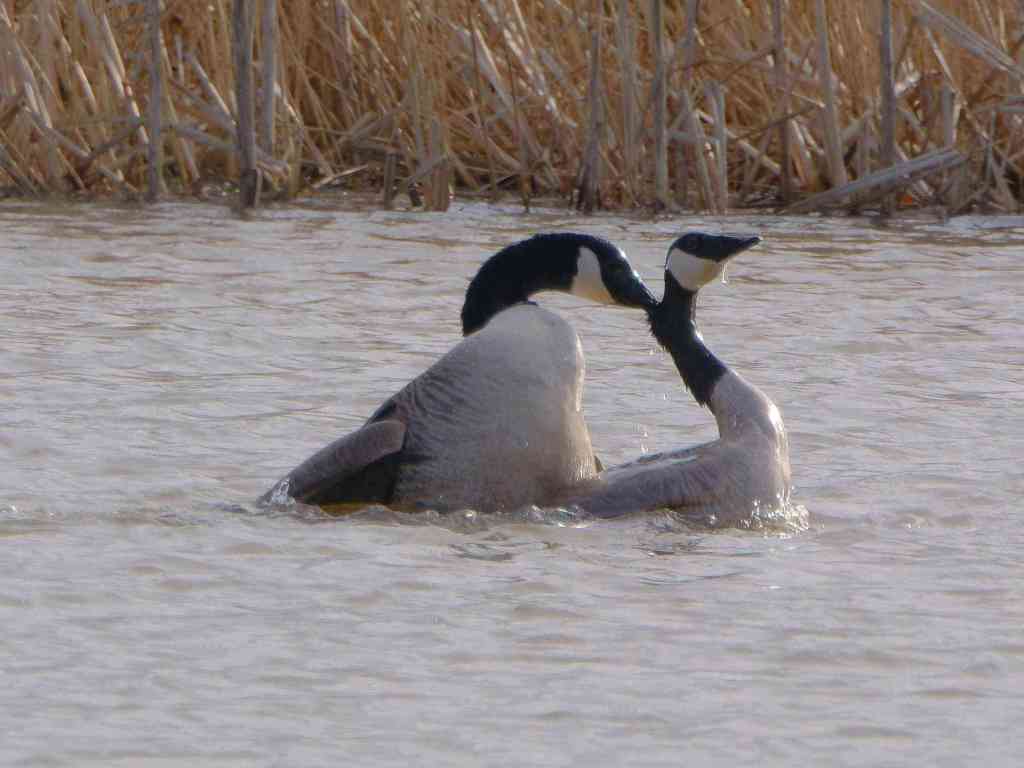
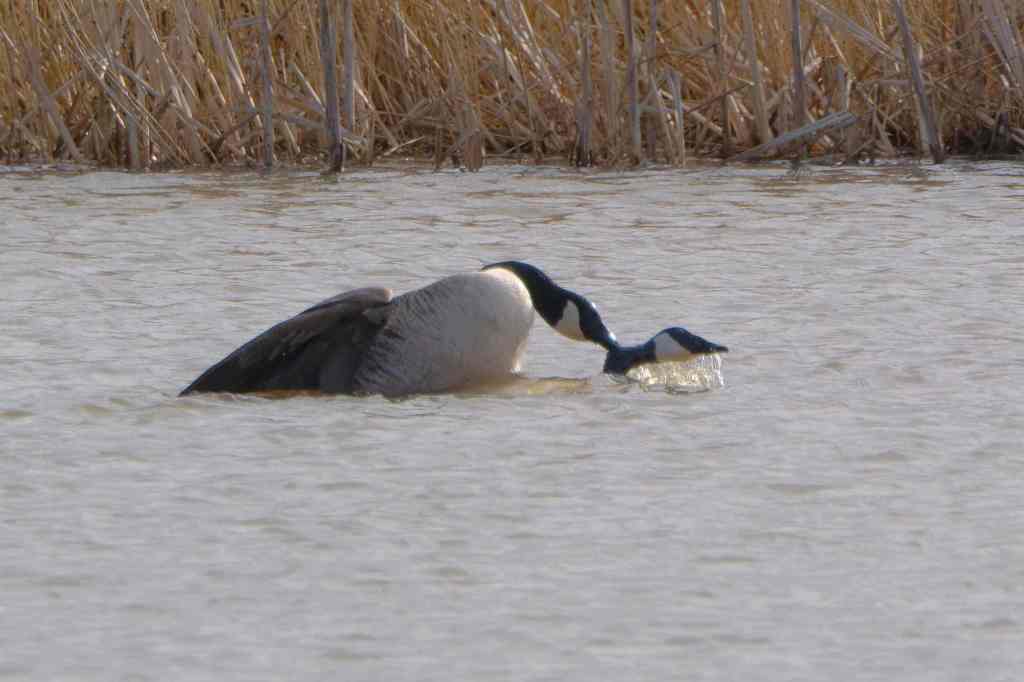
The mating game.
Spring is in the air.

Snipe.
The snipe is a medium-sized wader, they are found in marshes, wet grassland and on moorlands, they use their long, probing bill to find insects, earthworms and crustaceans in the mud. There were a good number of Snipe at Titchfield Haven this morning.
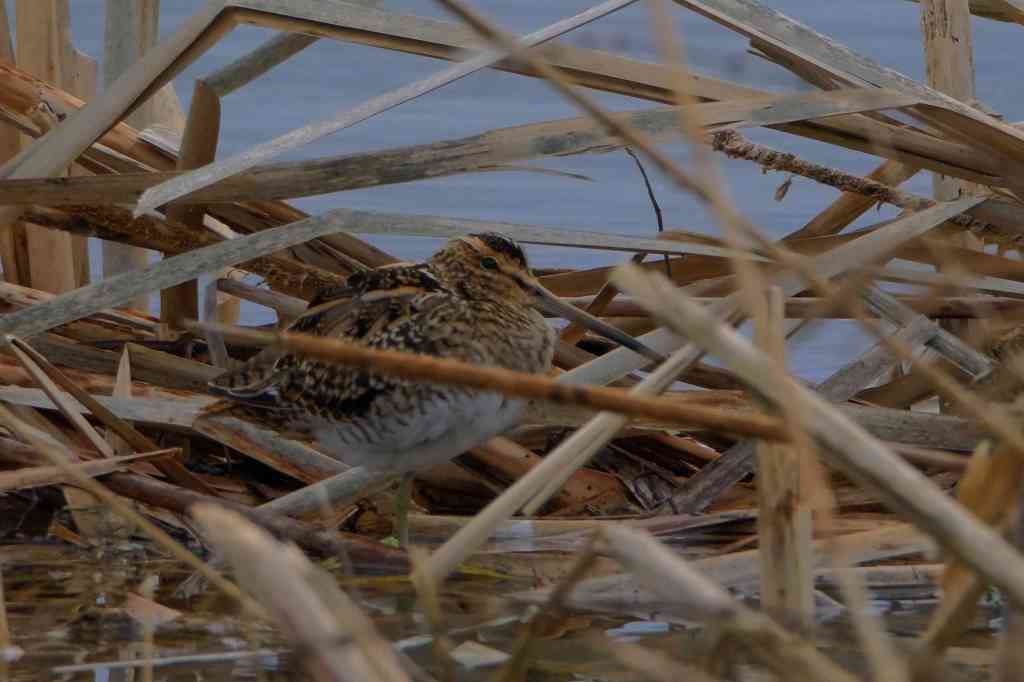
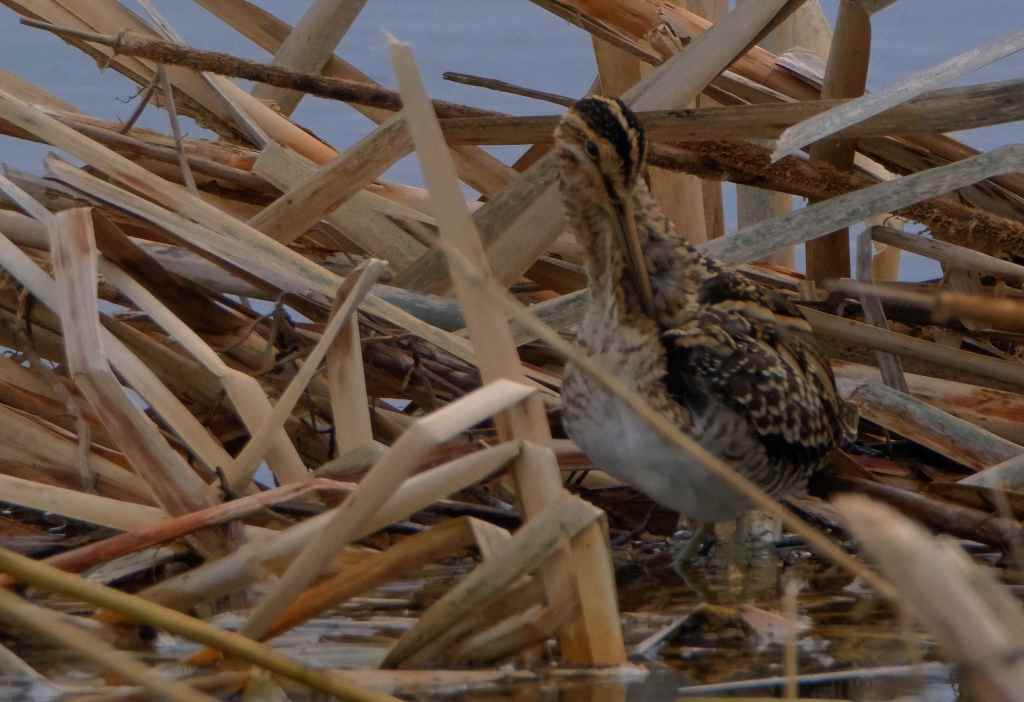


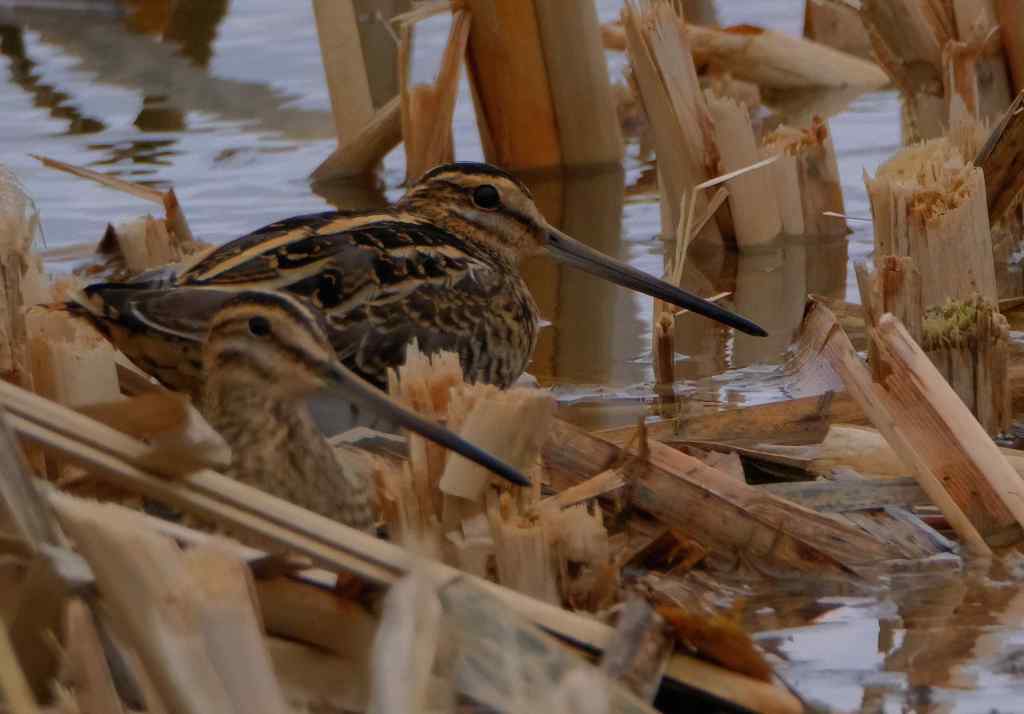
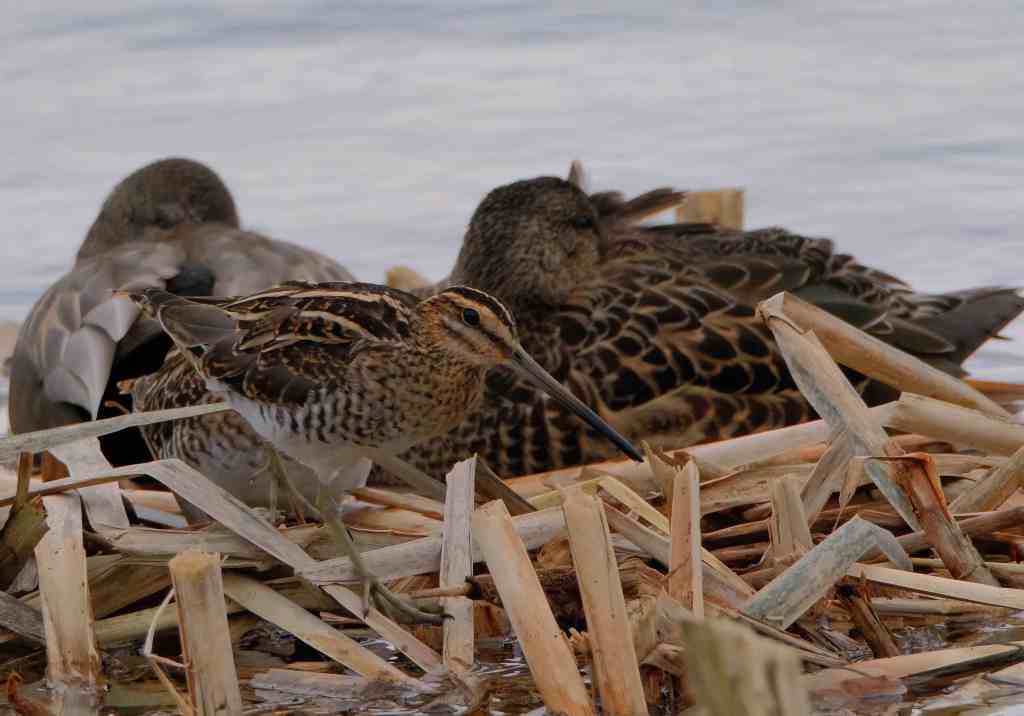
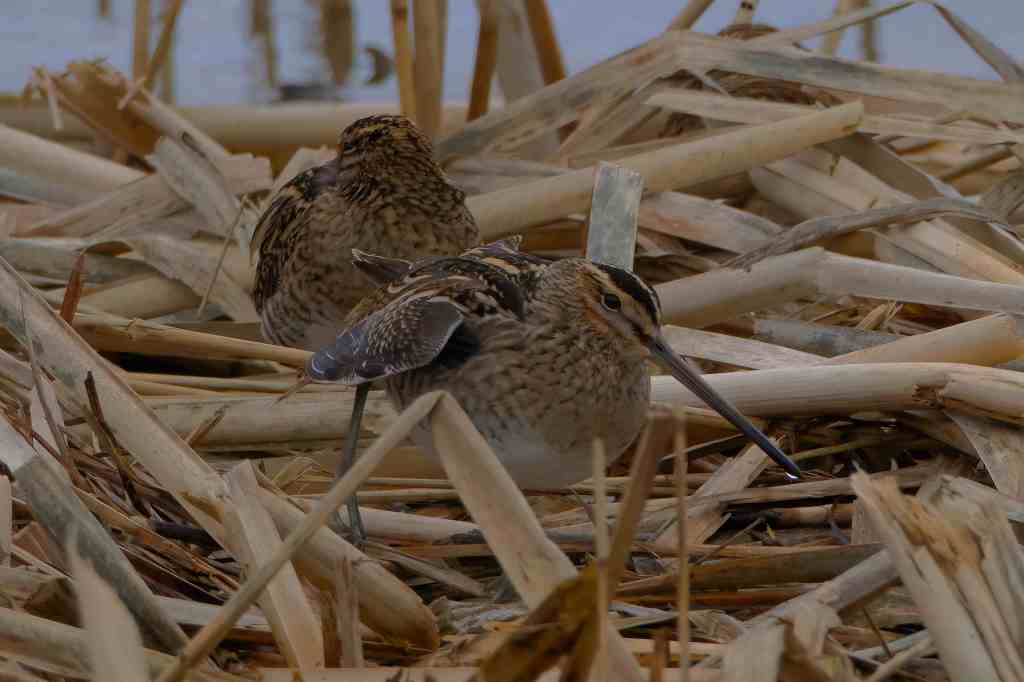

The Snipe is another bird that is so camouflaged that it blends very well into its habitat. They are often invisible until they move. There are 3 birds in the picture below I only saw 1 when I took the picture.

Moon
View of the moon tonight from my garden.
fuji HX2s with 150-600mm. handheld 60th sec.

Rain!
#Wordless Wednesday

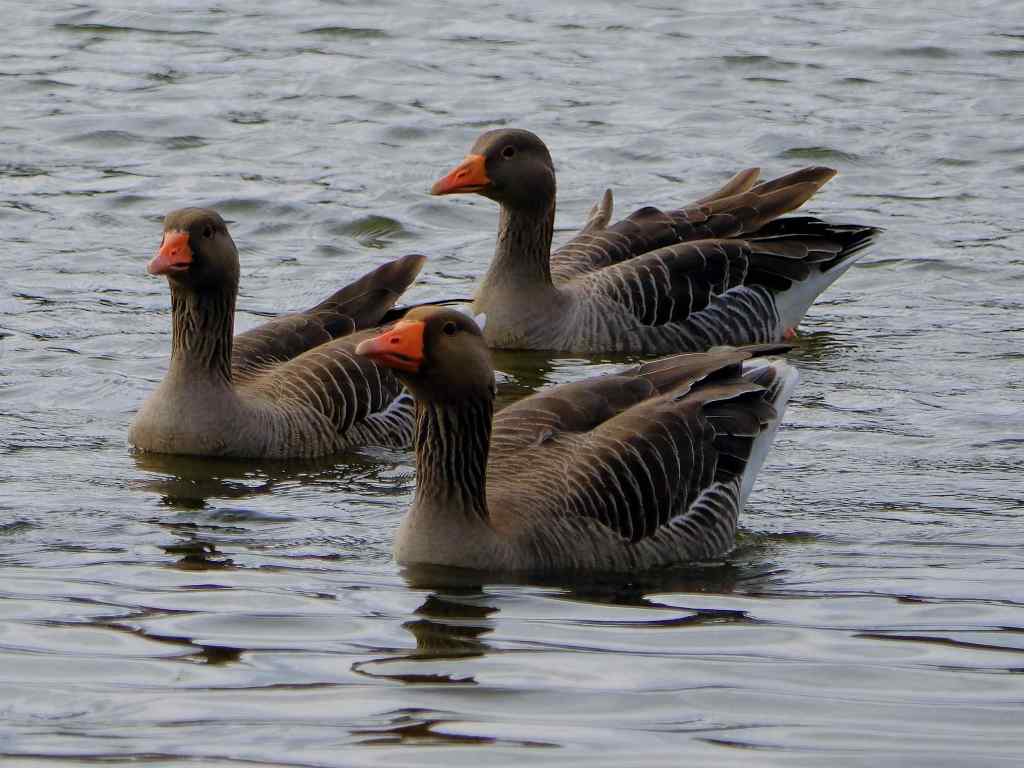
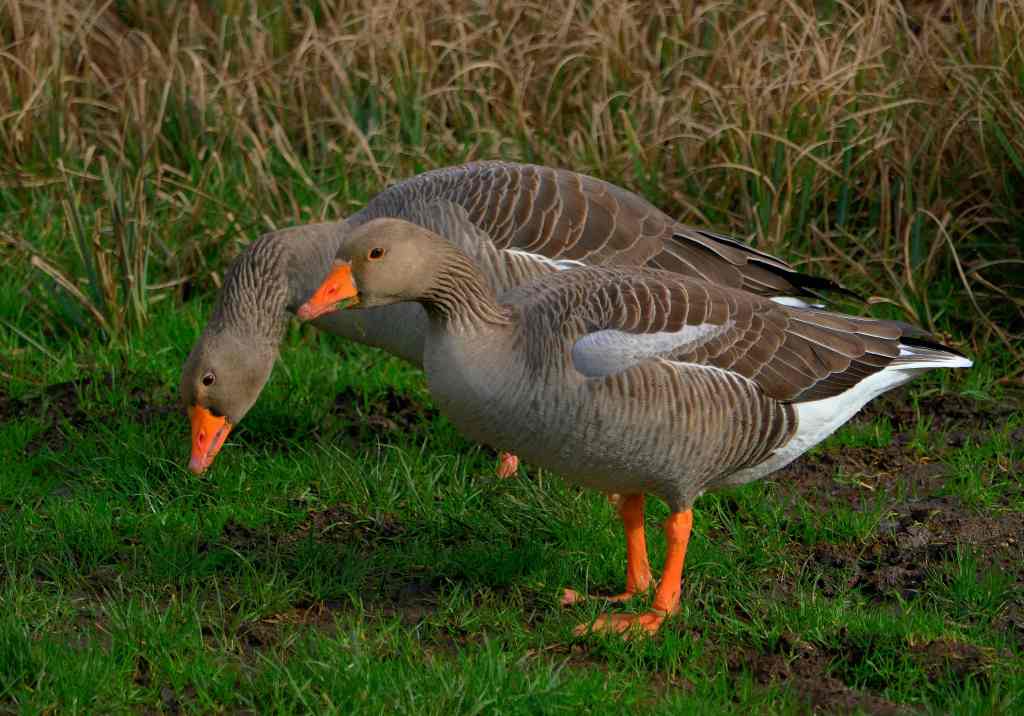
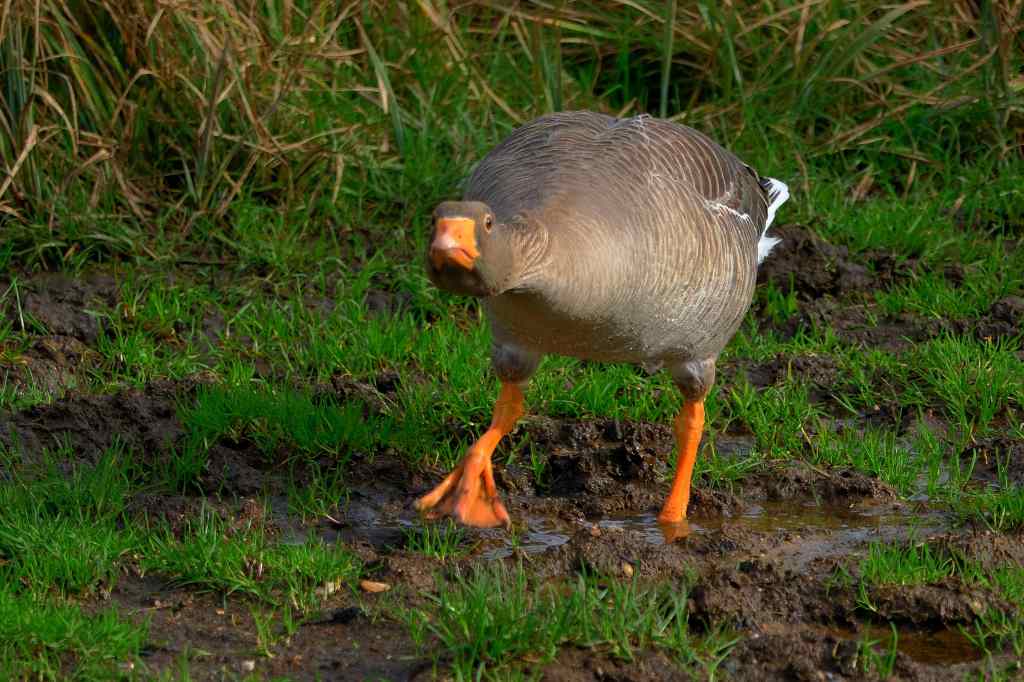
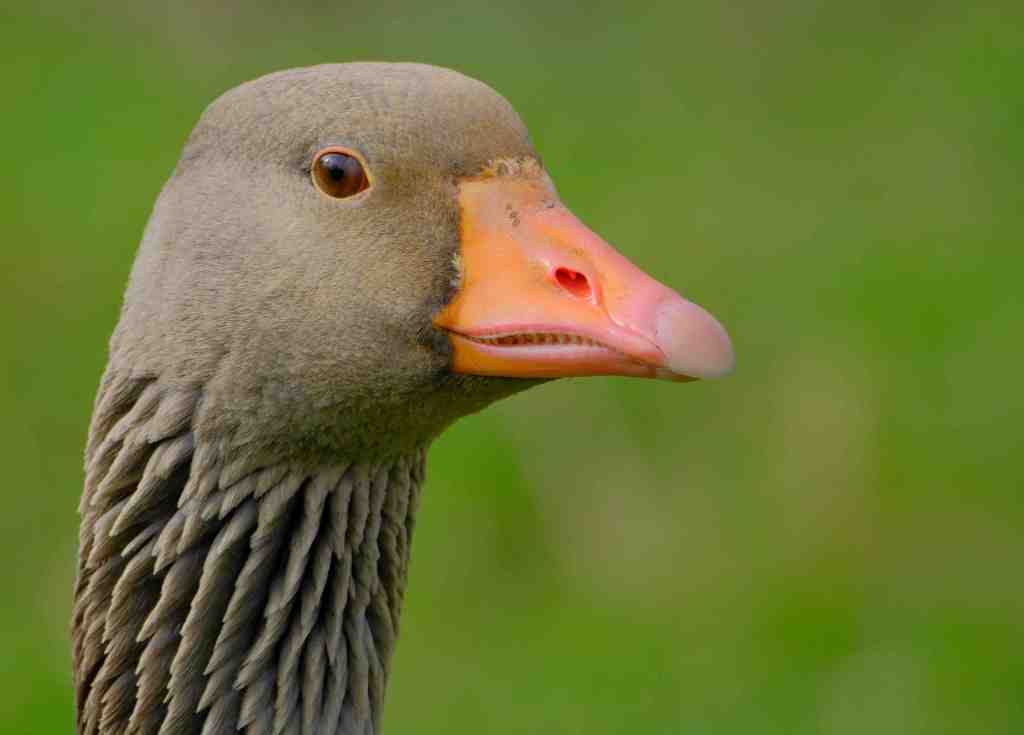
Greylag
Our commonest native goose, the greylag. They are found around gravel pits, lakes and reservoirs all year round in southern Britain. These tend to be semi-tame birds. The native birds and wintering flocks found in Scotland these truly wild geese.


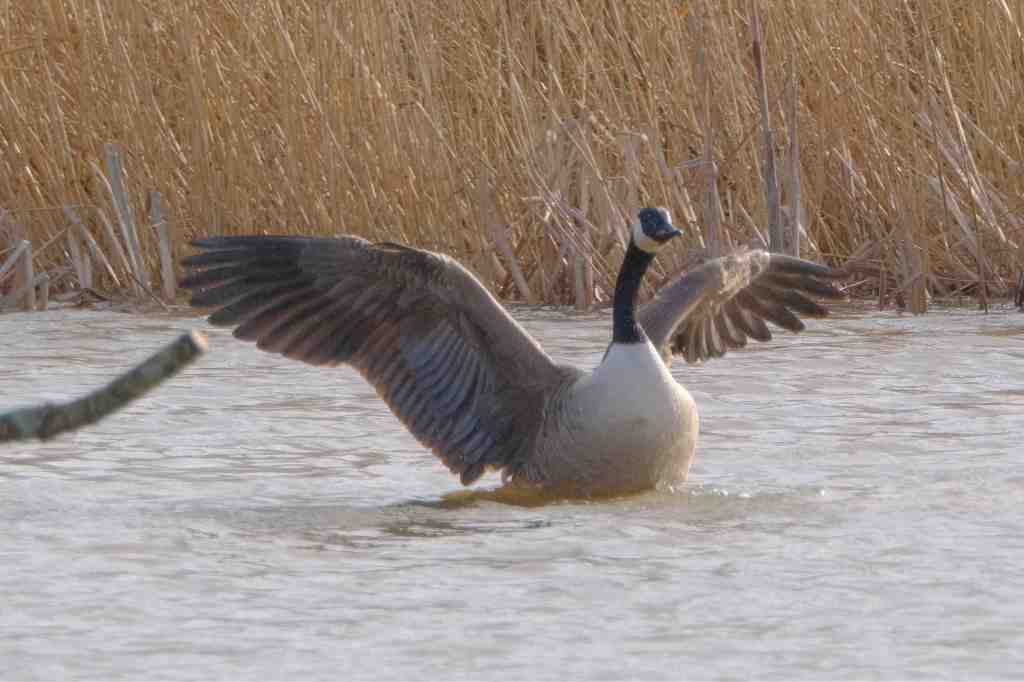
A bit of a flap
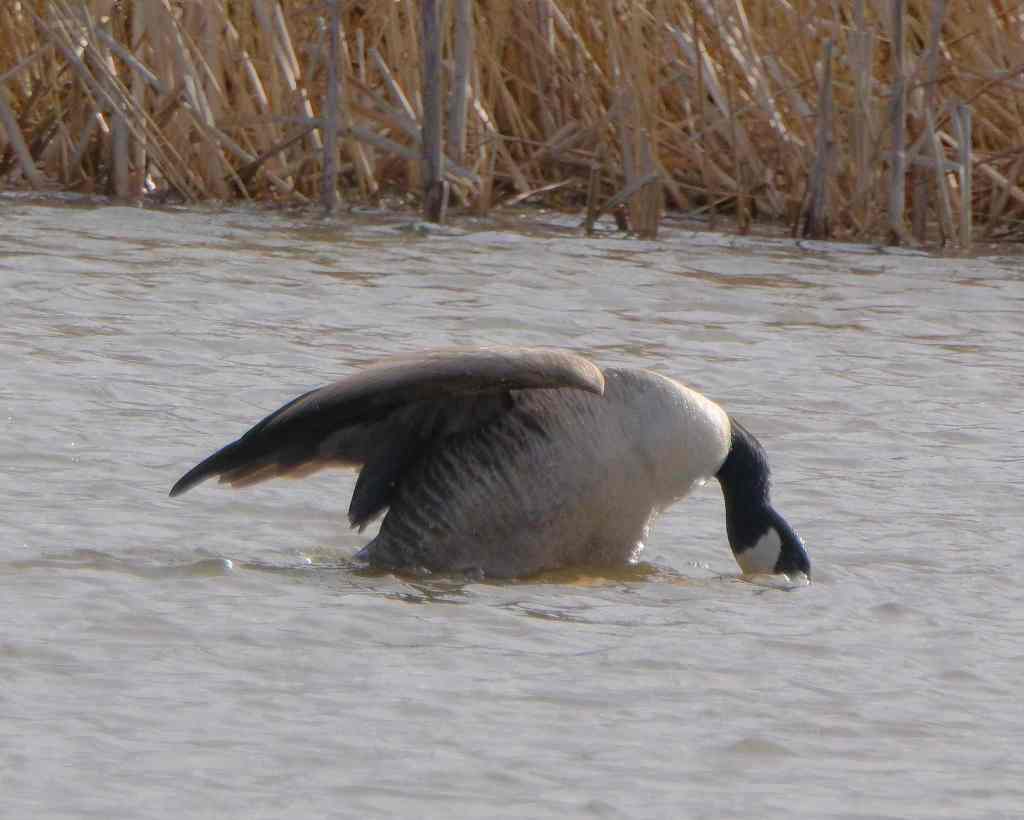
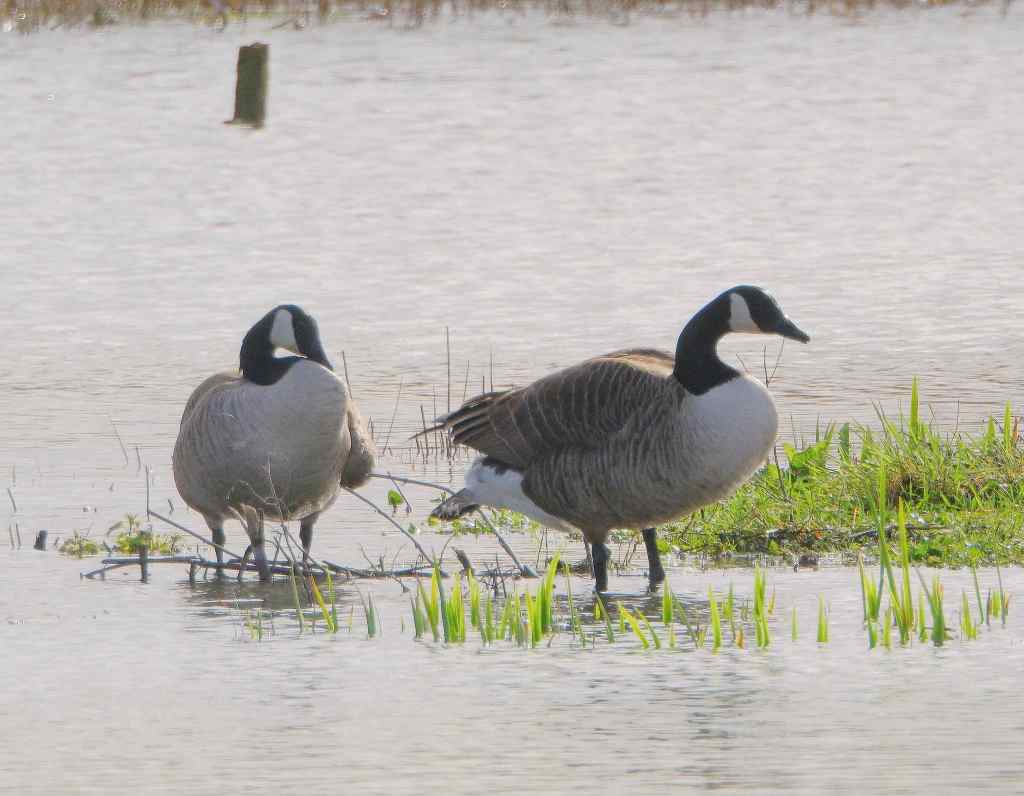
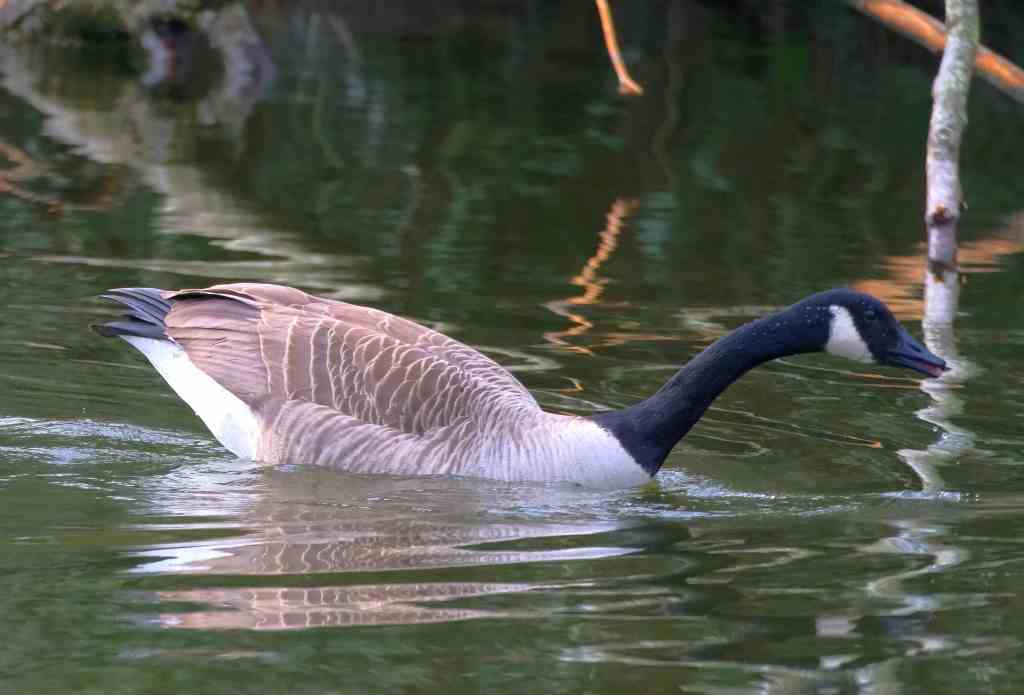
Canada Goose making a flap.


Deer.
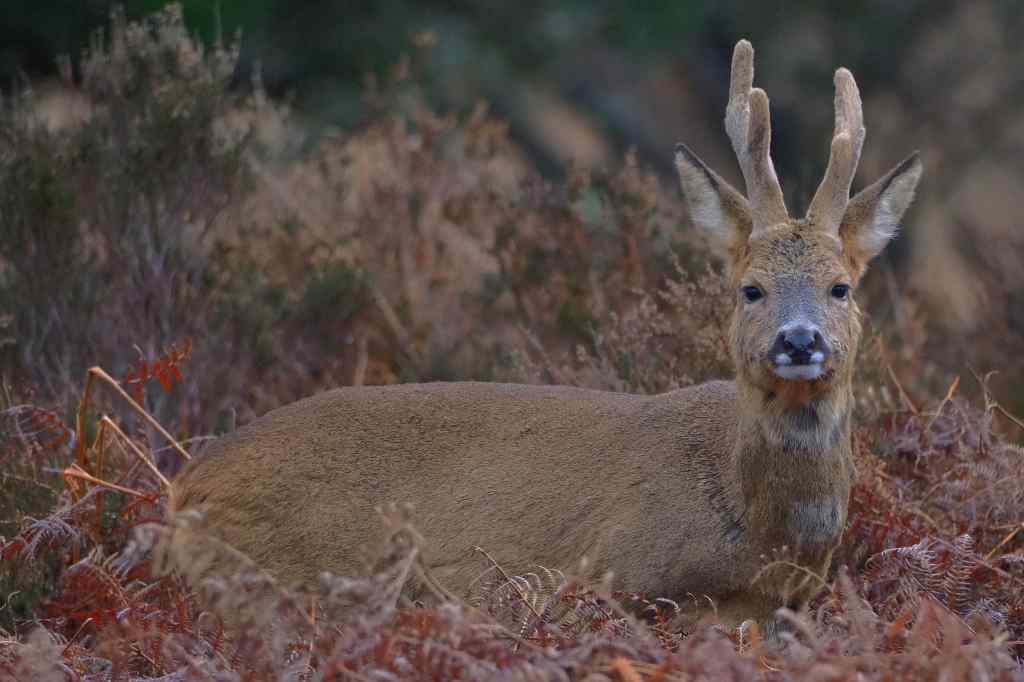
Back to the New Forest for a walk today but in rather damp conditions – several groups of Fallow Deer spotted and a single mature Roebuck with a good set of antlers in velvet.
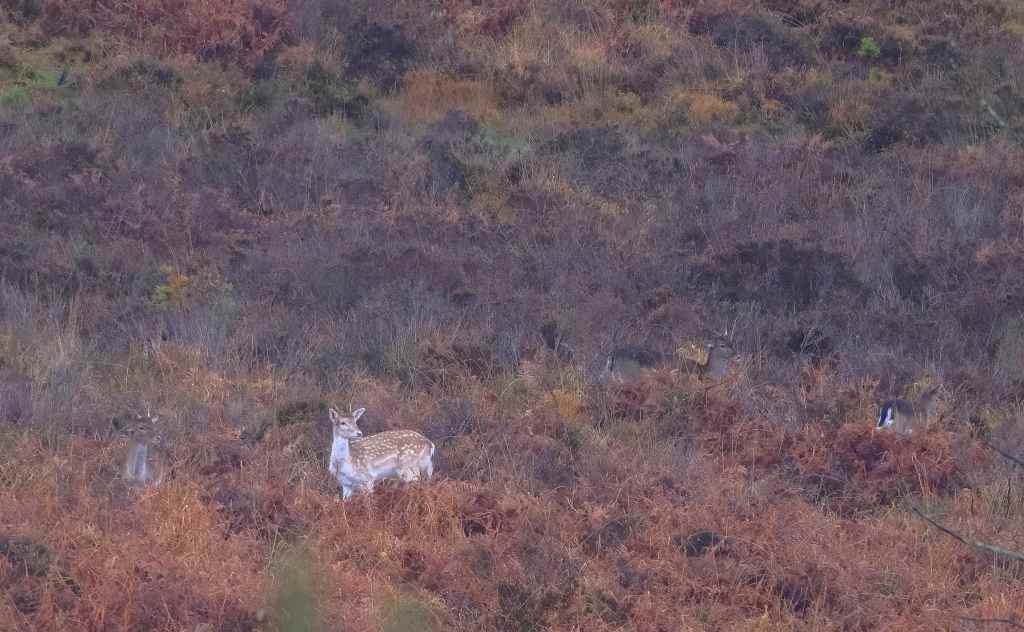
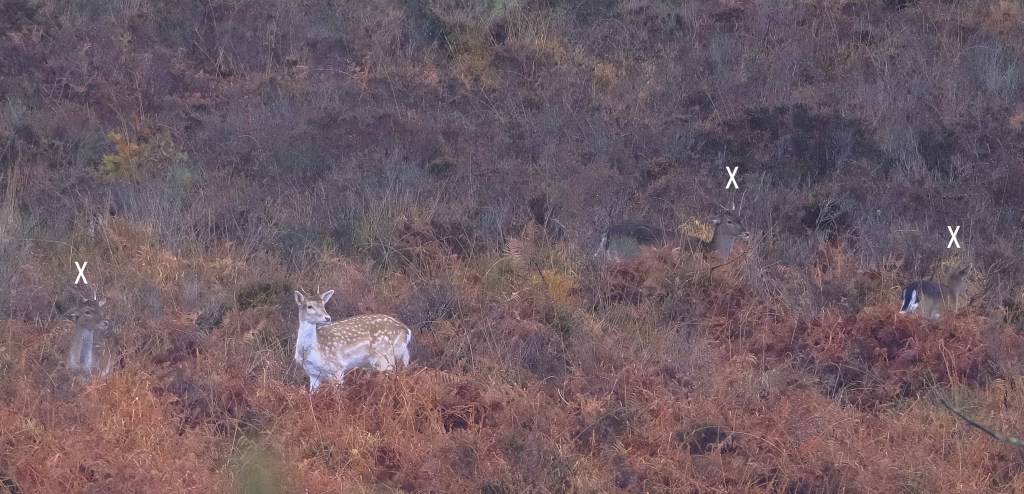
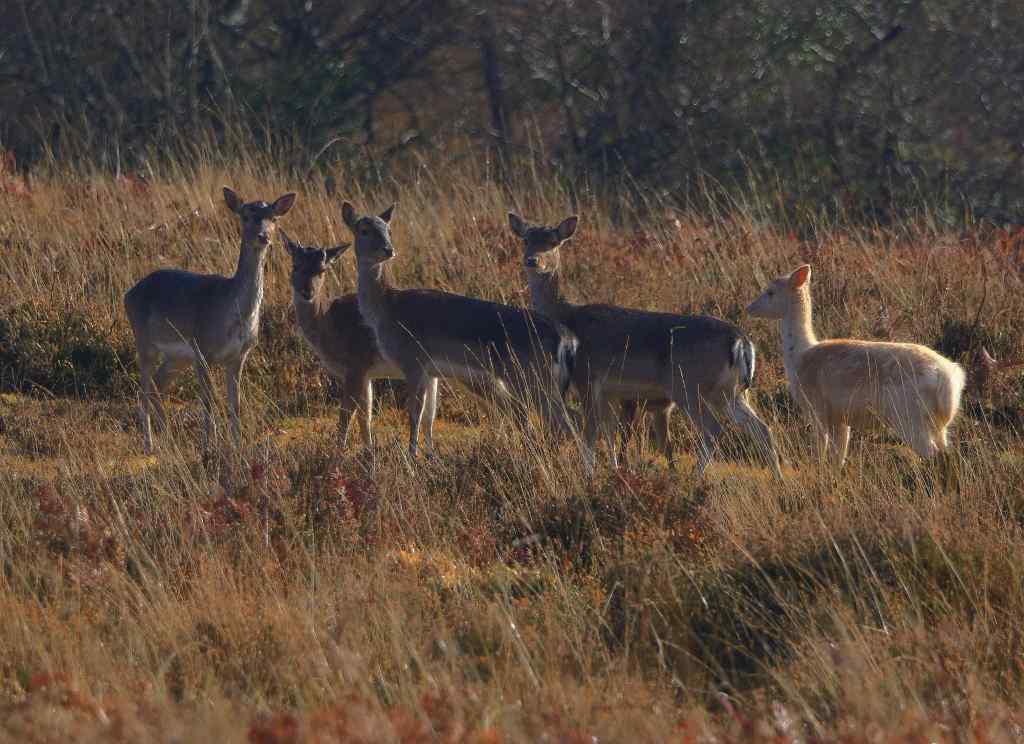
I spend a lot of time considering natures camouflage – some of the Fallow Deer in the forest are very pale in colour as this young buck is – he was easily spotted at quite a distance the 3 other darker deer are well hidden. I would not have seen any deer if the pale buck was not there!
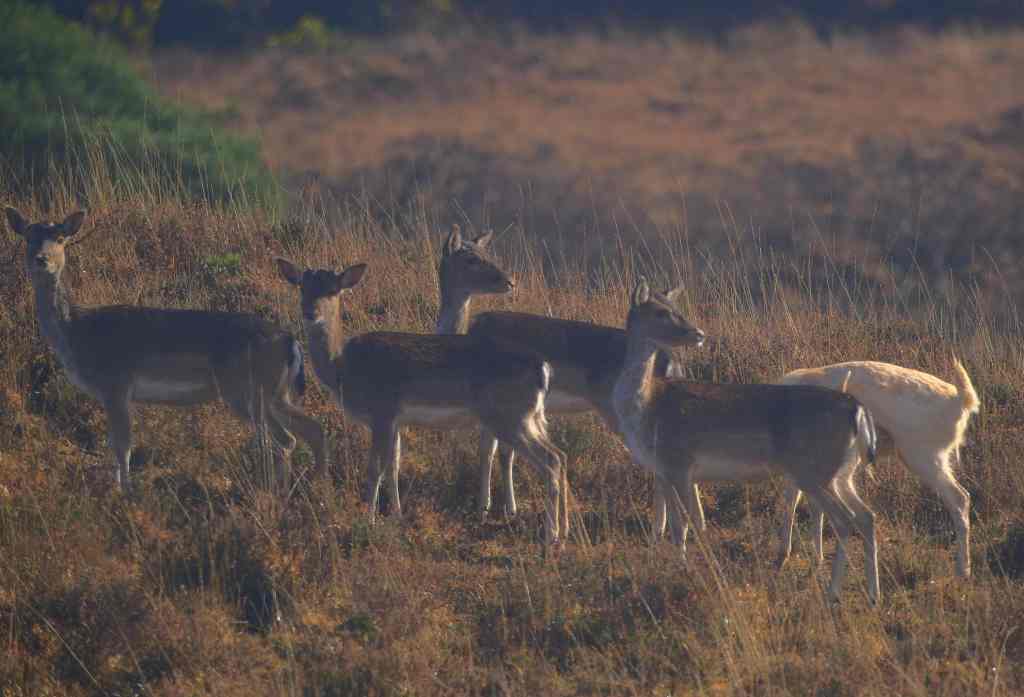
This group of hinds has a white member


Roebuck.