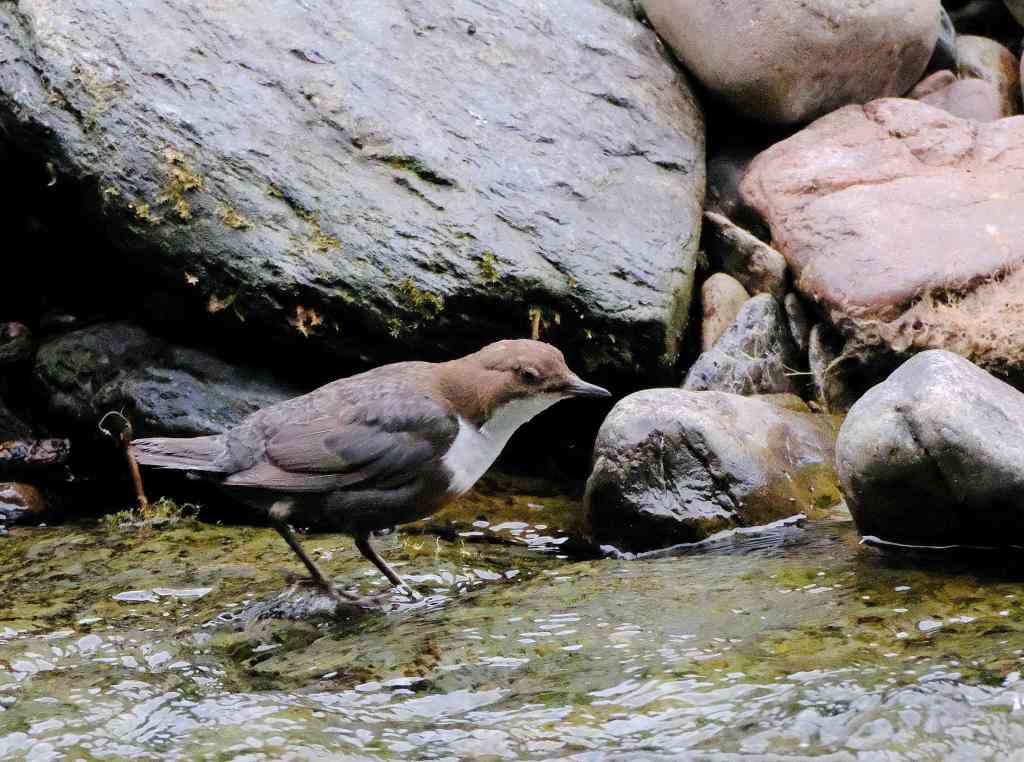
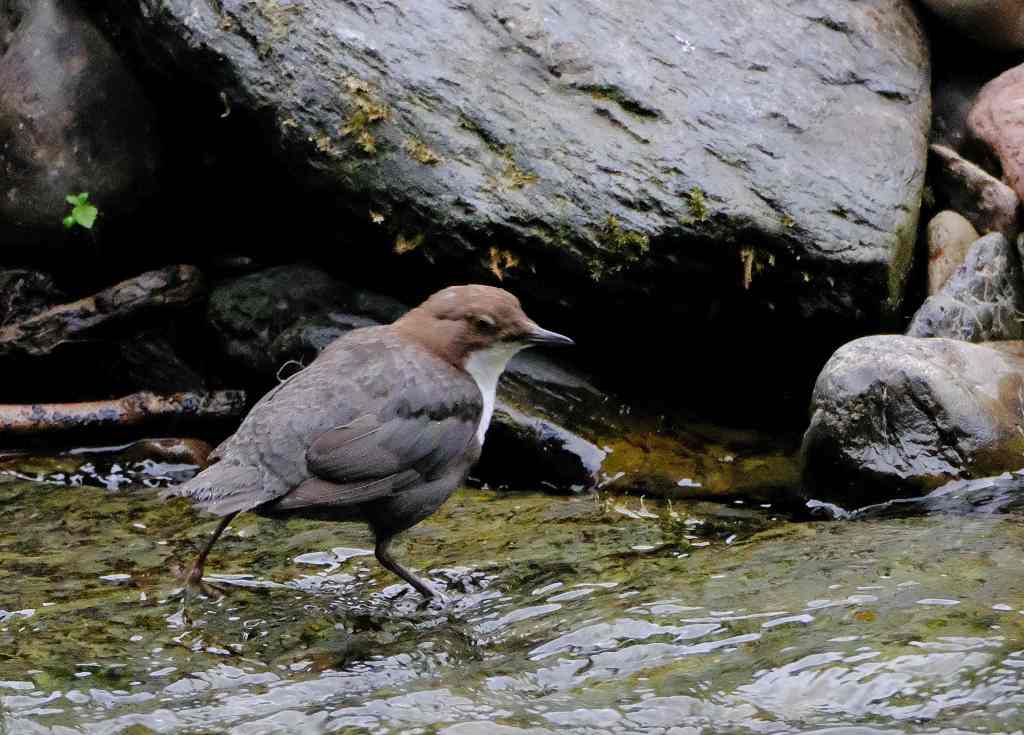
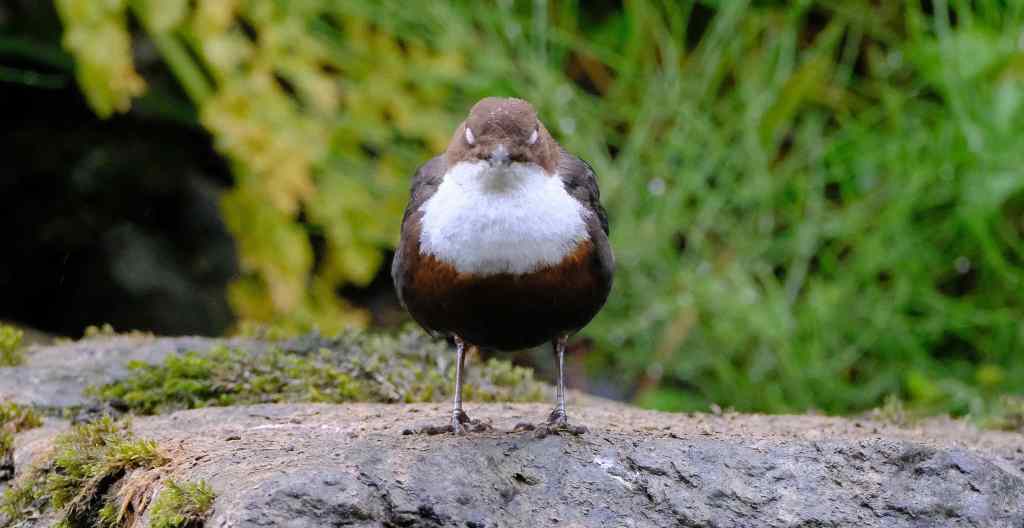
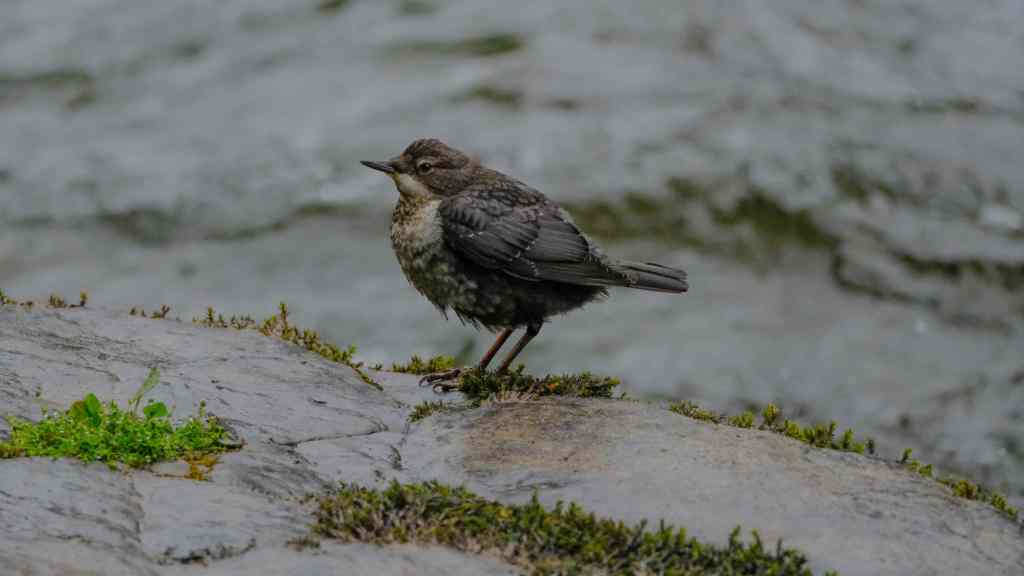
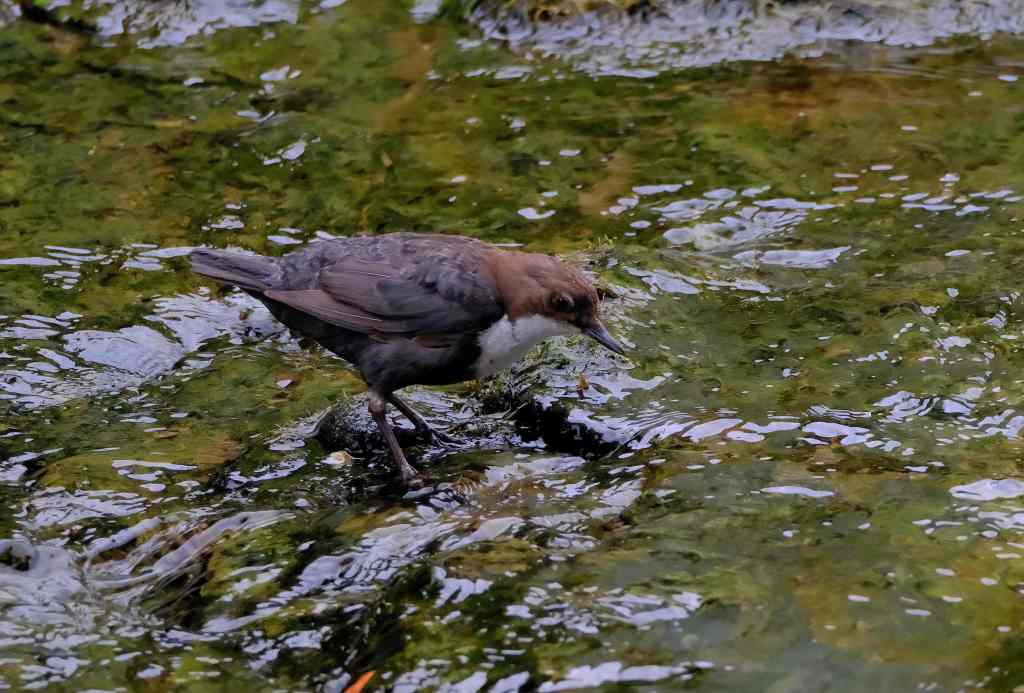
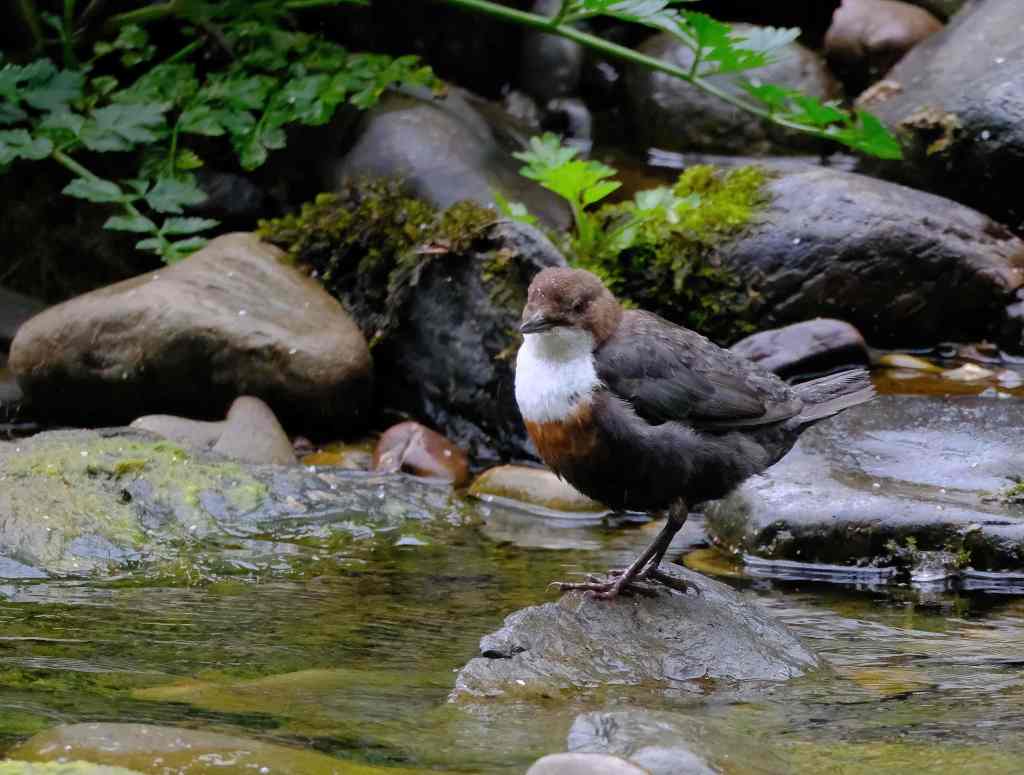
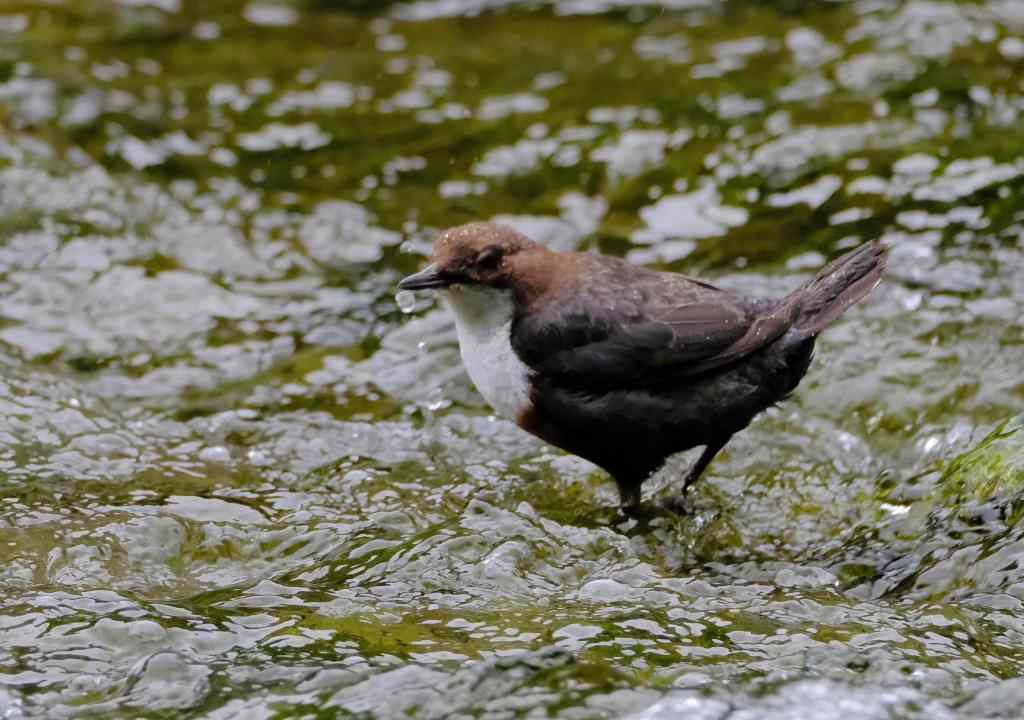
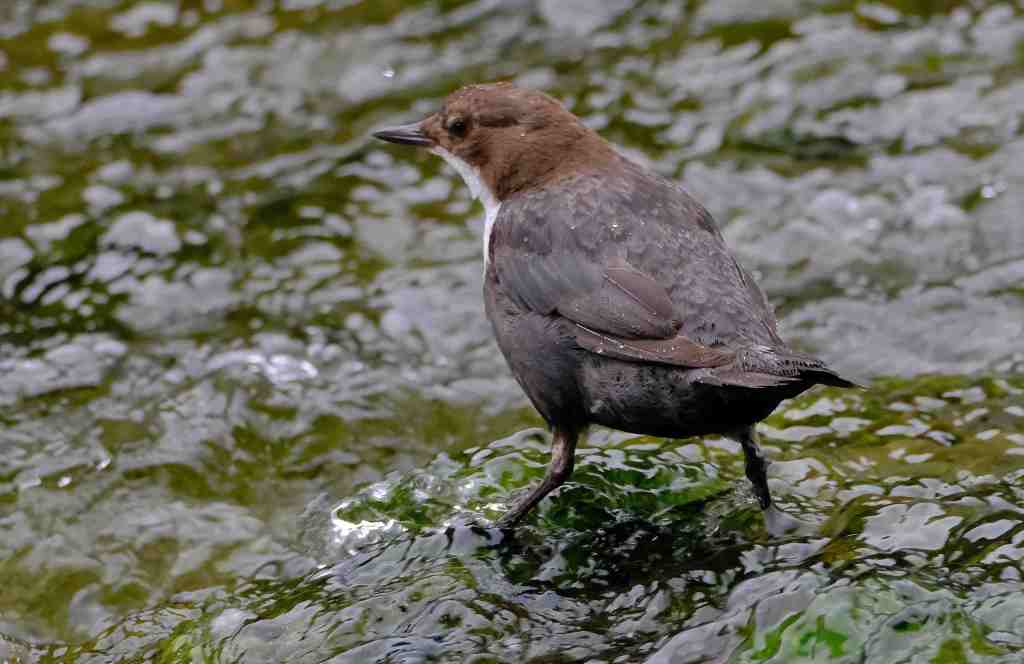
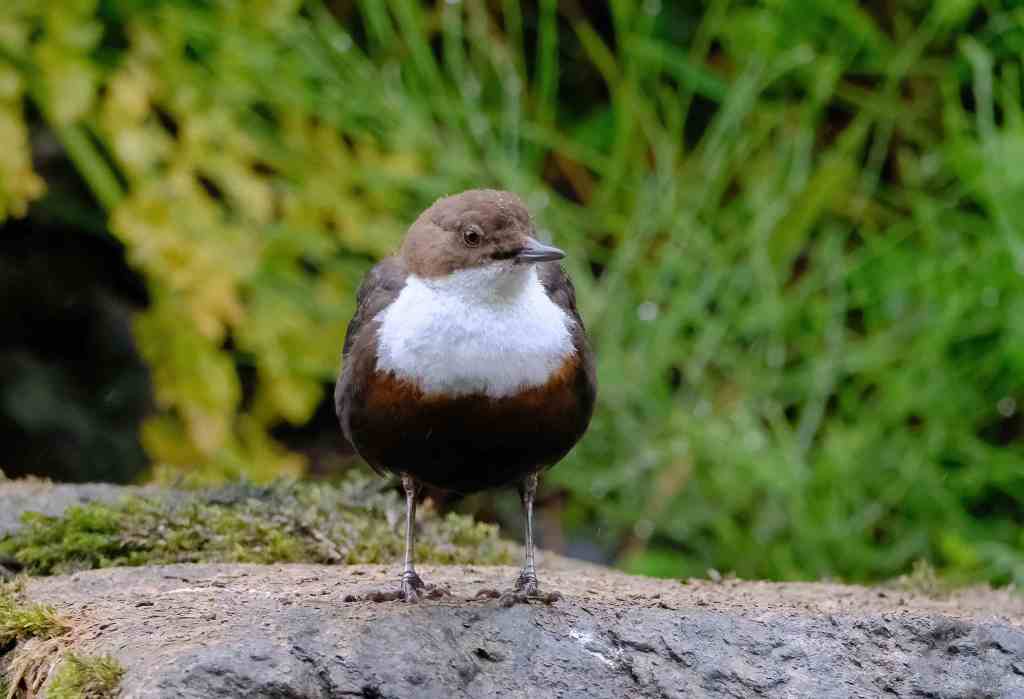
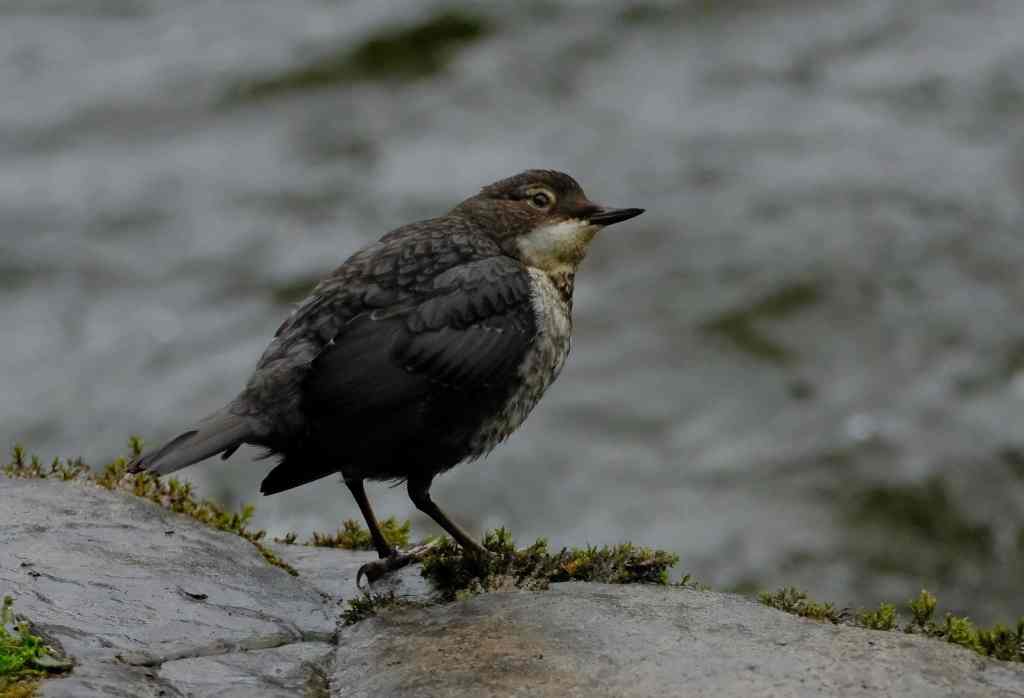
Some extra pictures of Dippers on the River Lyn Somerset.
Dippers have a NIctitating Eye Membrane, an extra eyelid to help them see underwater and protect their eyes They also have white surfaces to the eyelids, conspicuous when the eyes are blinking. (see picture below).
A walk from Lynmouth up the river towards Watersmeet.
We have been away for a few days on Exmoor in the campervan. An objective of our trip was to see if I could find some Dippers. Dippers are a short-tailed, plump birds found on fast-flowing rivers and streams. When perched on a rock it habitually bobs up and down and frequently cocks its tail. They can be seen bobbing up and down on a stone in the fast-flowing river. They feed on underwater insects by walking straight into, and under, the water.
As well as several adult birds I also saw a juvenile bird.
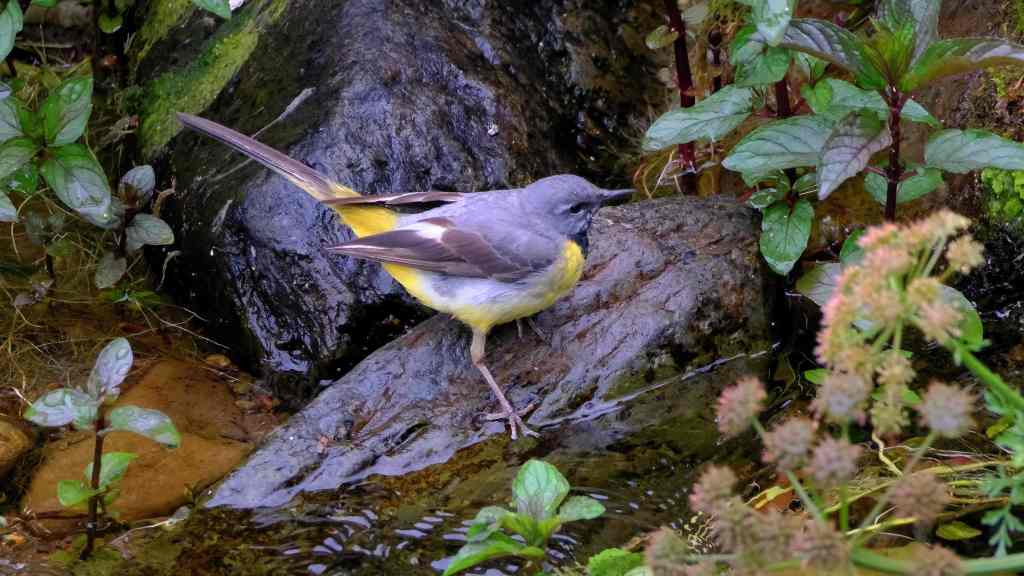
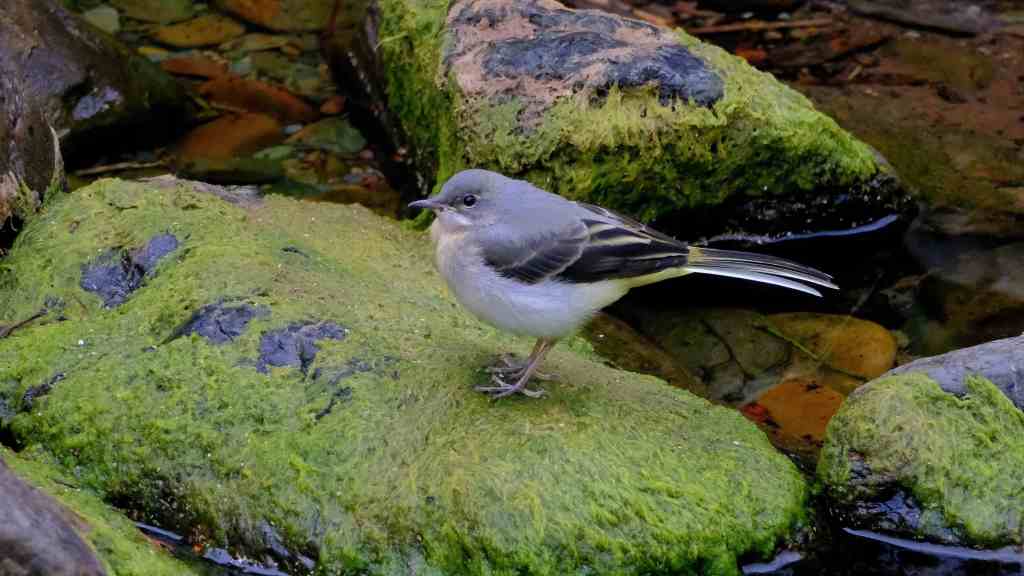
There was also a family of Grey Wagtails on the river walk.
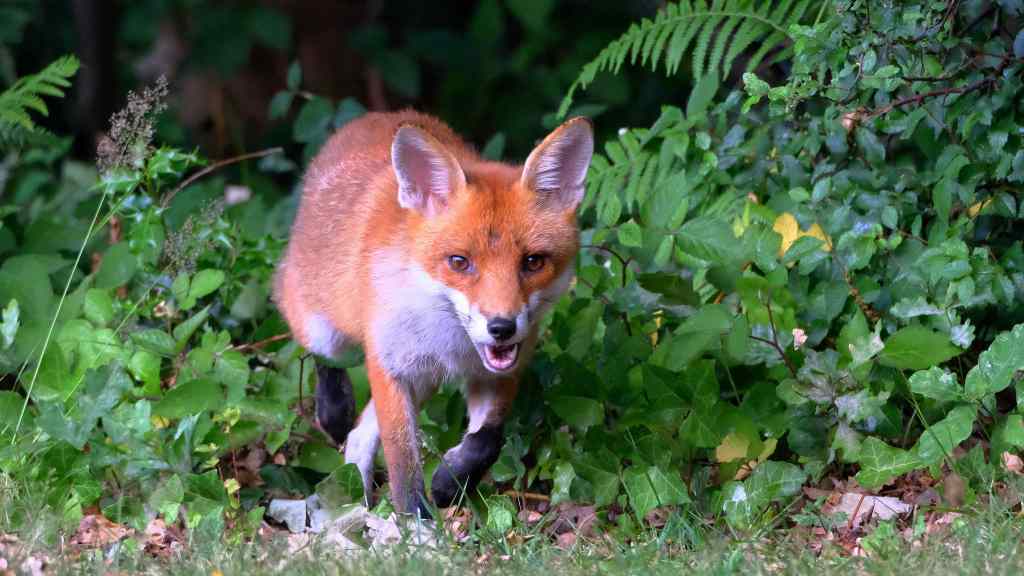
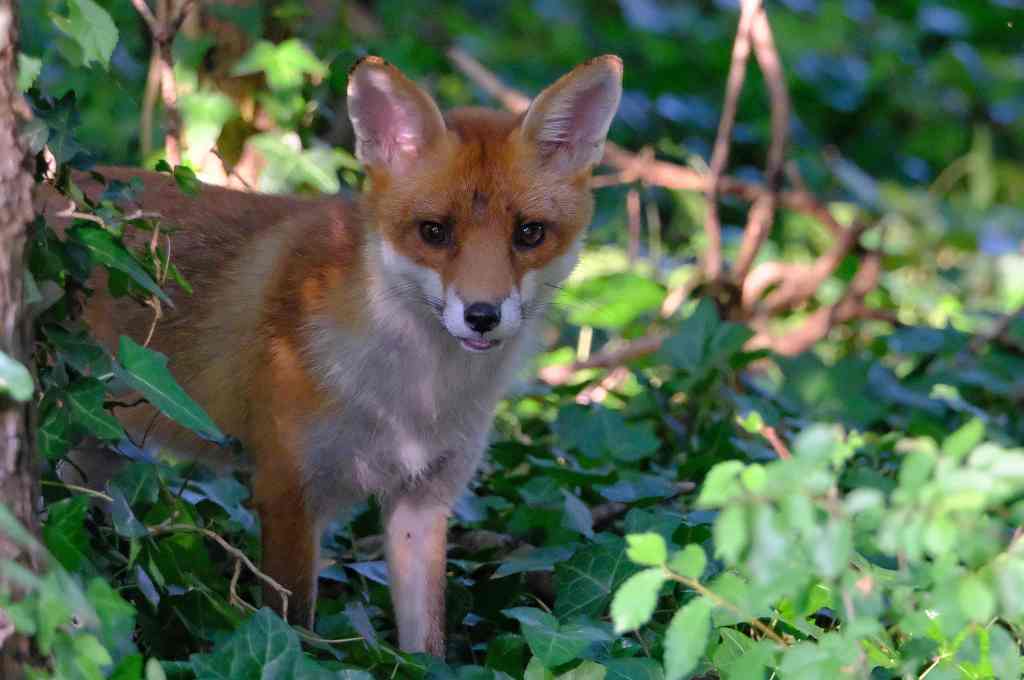
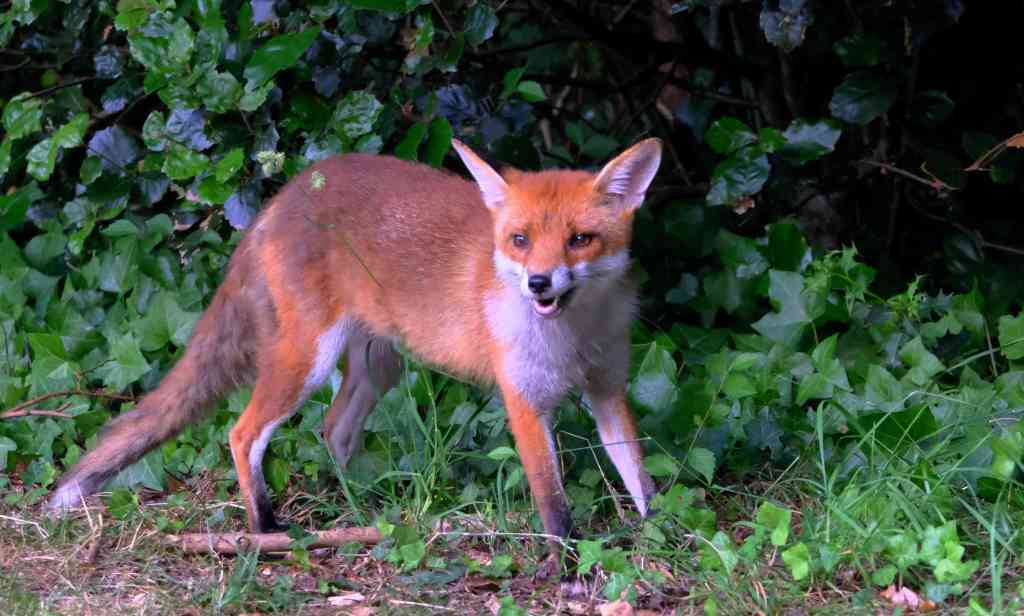
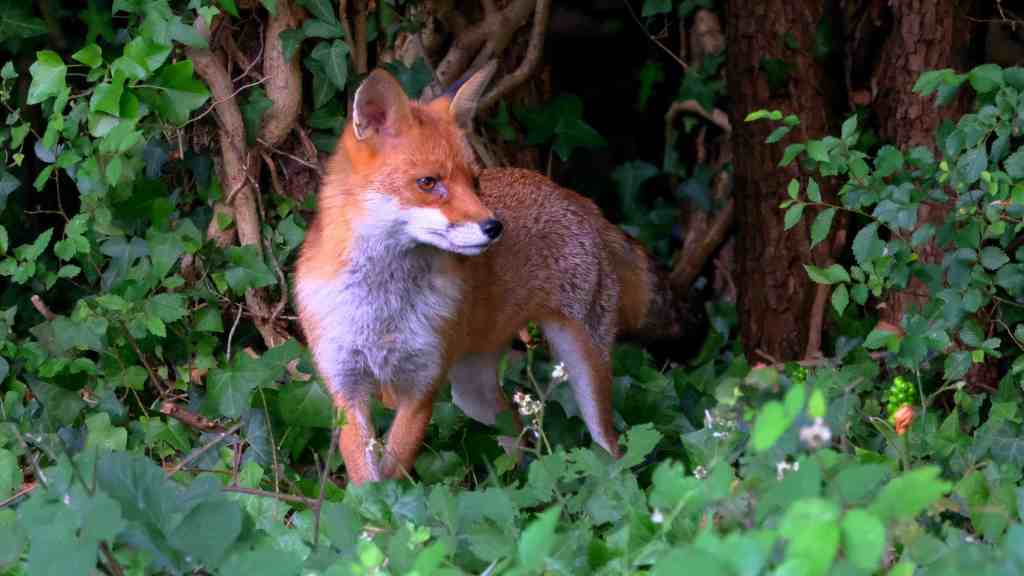
Some close encounters with a local fox family. This is a very picture-heavy post.
Red foxes are found across all of the UK. (They are only absent from the Scottish Islands, except for the Isle of Skye.) Many numbers live in towns. It is estimated that the UK has a population of 240,000 animals.
Fox dig out dens to provide a safe underground space that is mostly used for raising fox cubs, also called kits. Foxes are scavengers and eat almost anything they can find, including insects, earthworms, fruit, berries, birds, small mammals, carrion and scraps left by humans.
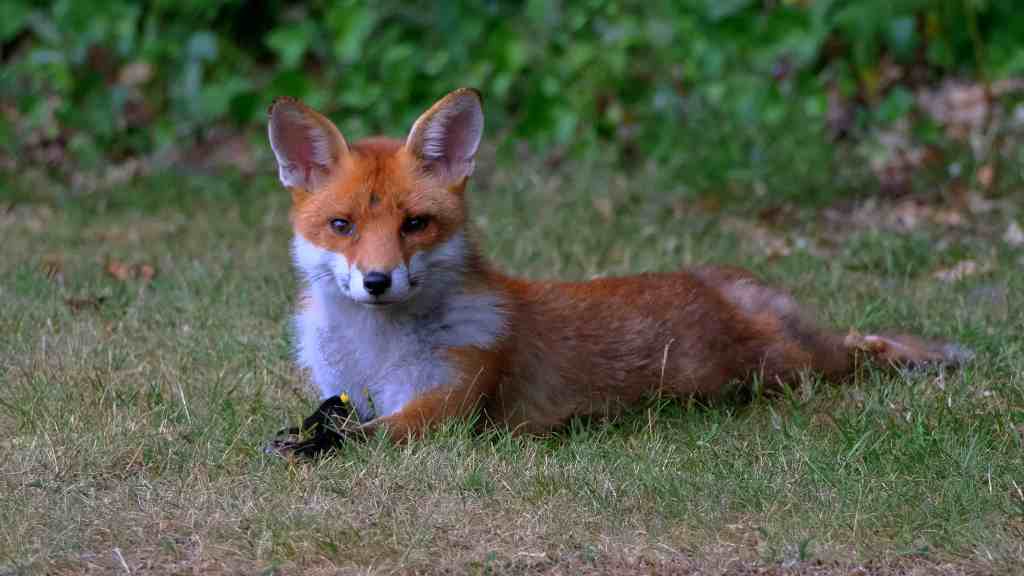
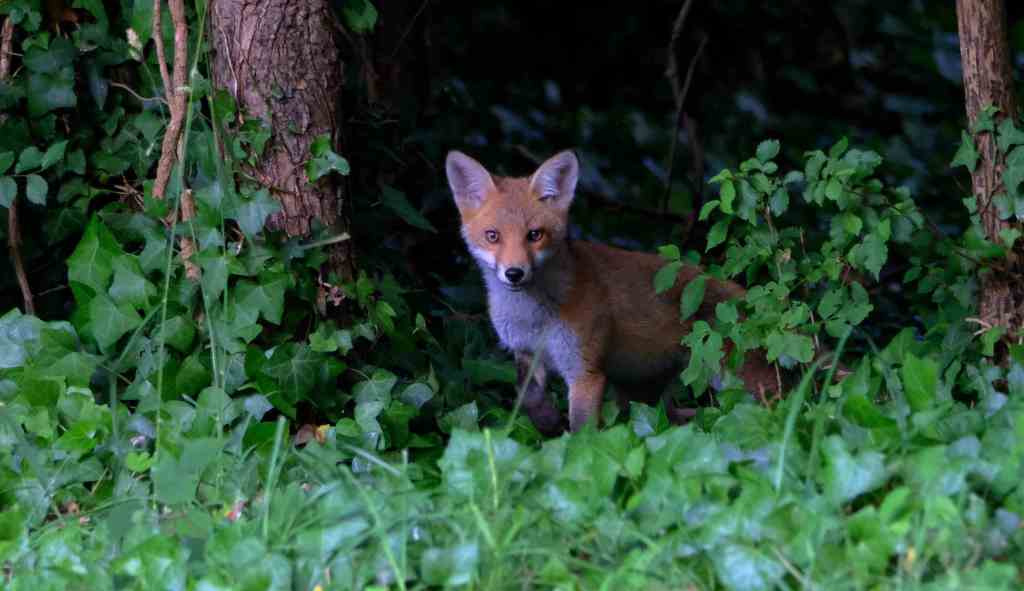
I was wondering if would I see any foxes where I watched them last evening. When I arrived at the location this youngster was sat on the lawn enjoying the evening sunshine. Soon others came out of the adjacent woodland.
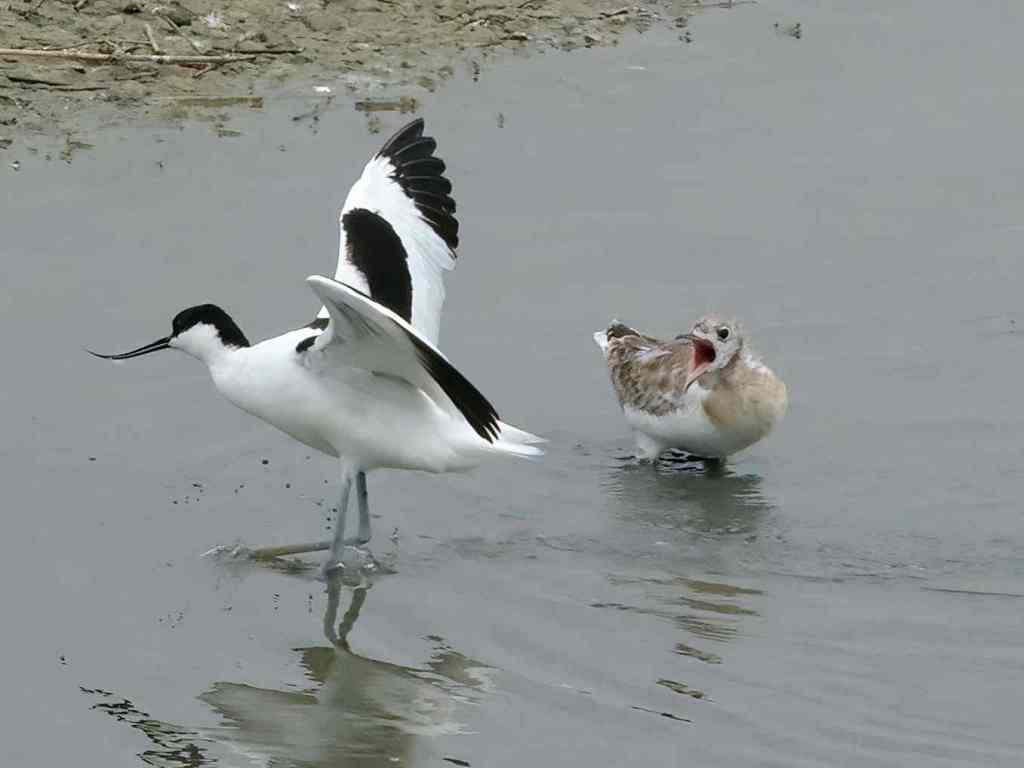
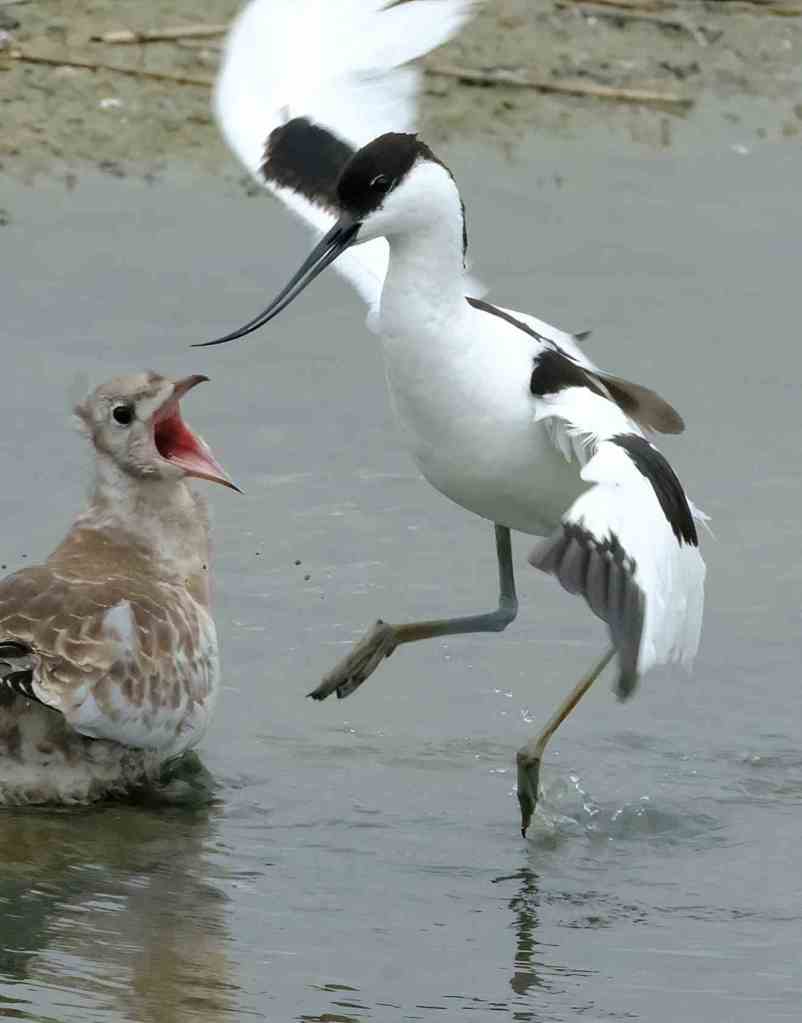
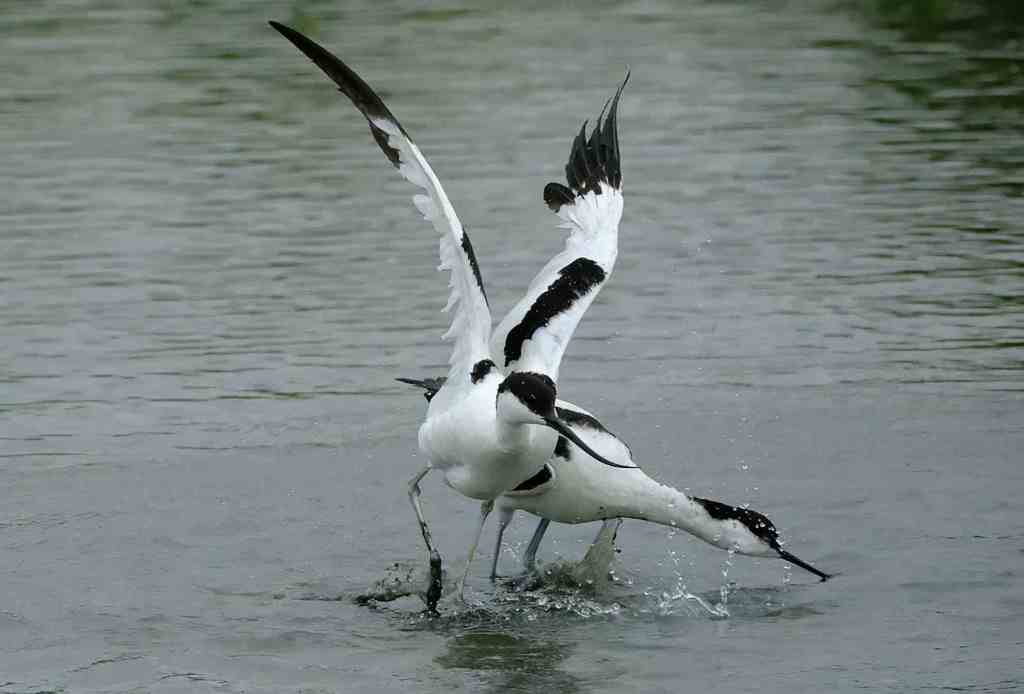
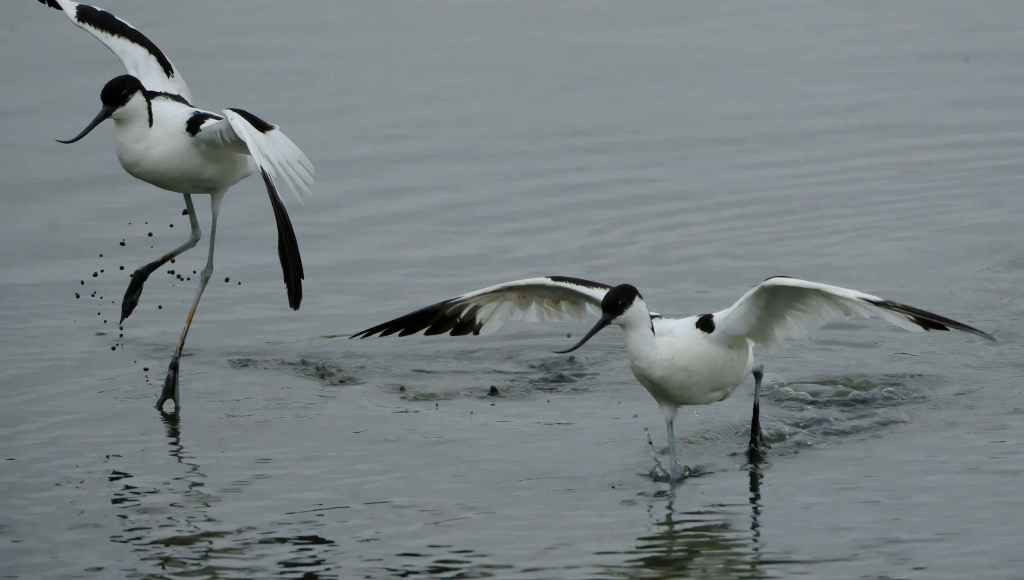
The parent Avocets (male and female) keep a close eye on their chicks – get too close and there is “trouble”. Yesterday’s post was about the clashes where Avocets getting too close. Today’s pictures were also taken yesterday show a juvenile black-headed gull overstepping the line!
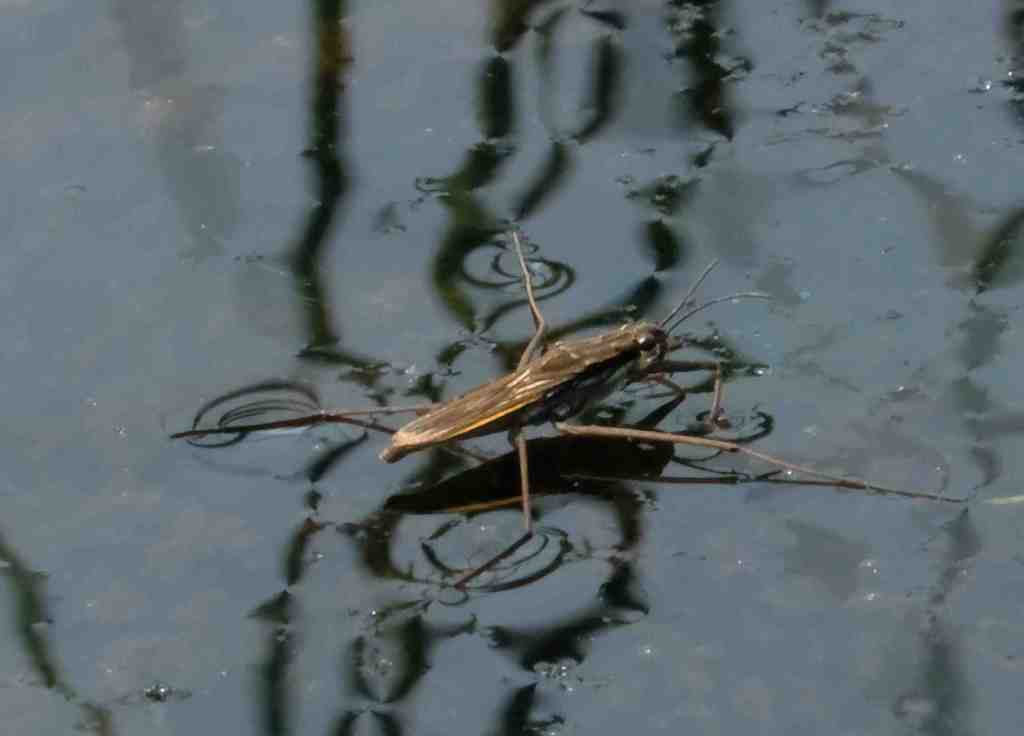
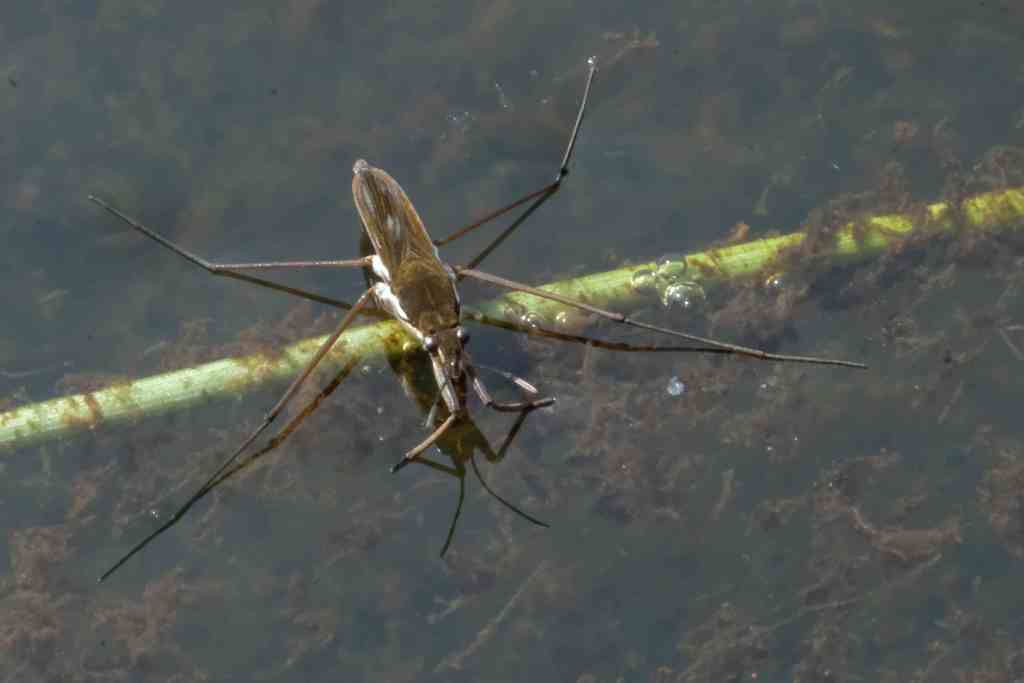
The Gerridae are a family of insects in the order Hemiptera, commonly known as water striders, water skeeters, water scooters, water bugs, pond skaters, water skippers, water skimmers or puddle flies. Since childhood, I have called them water skimmers.
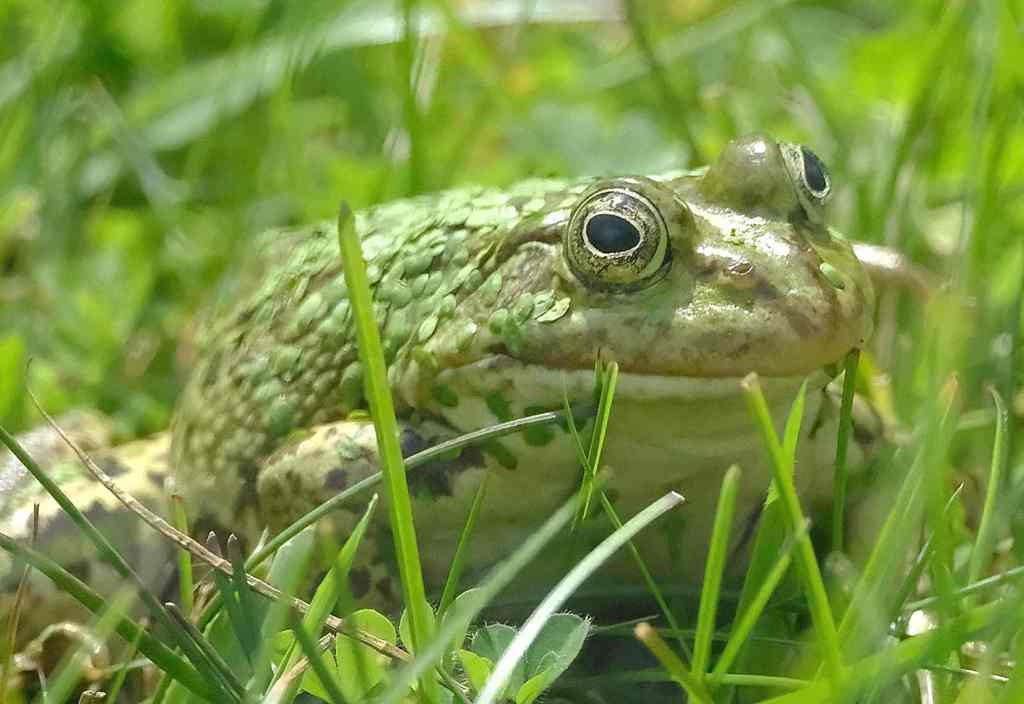
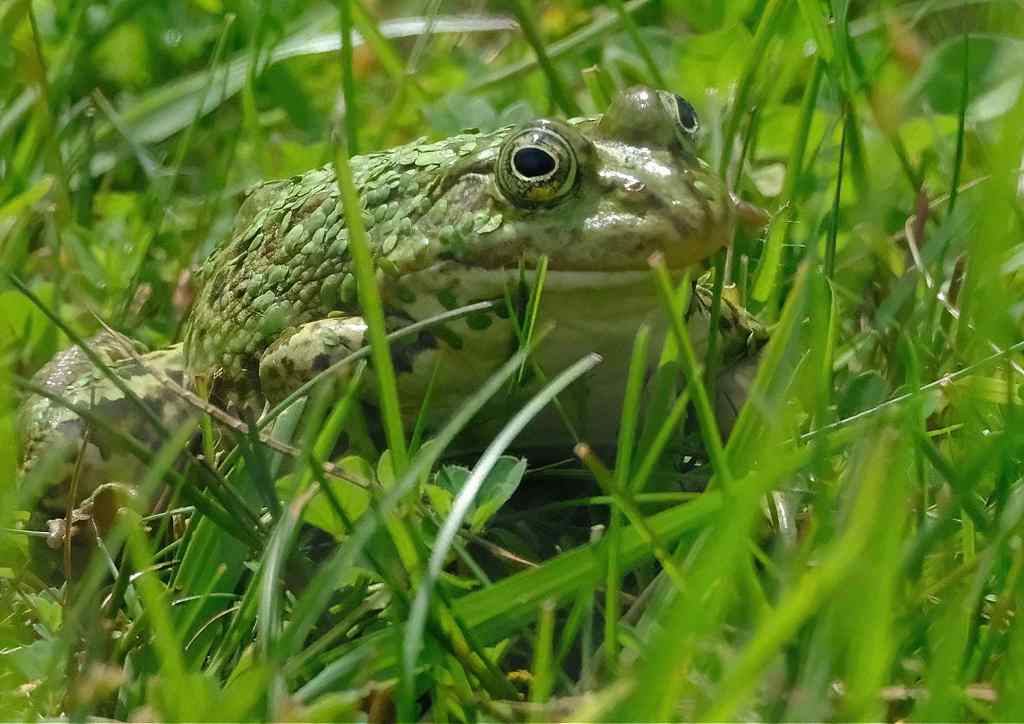
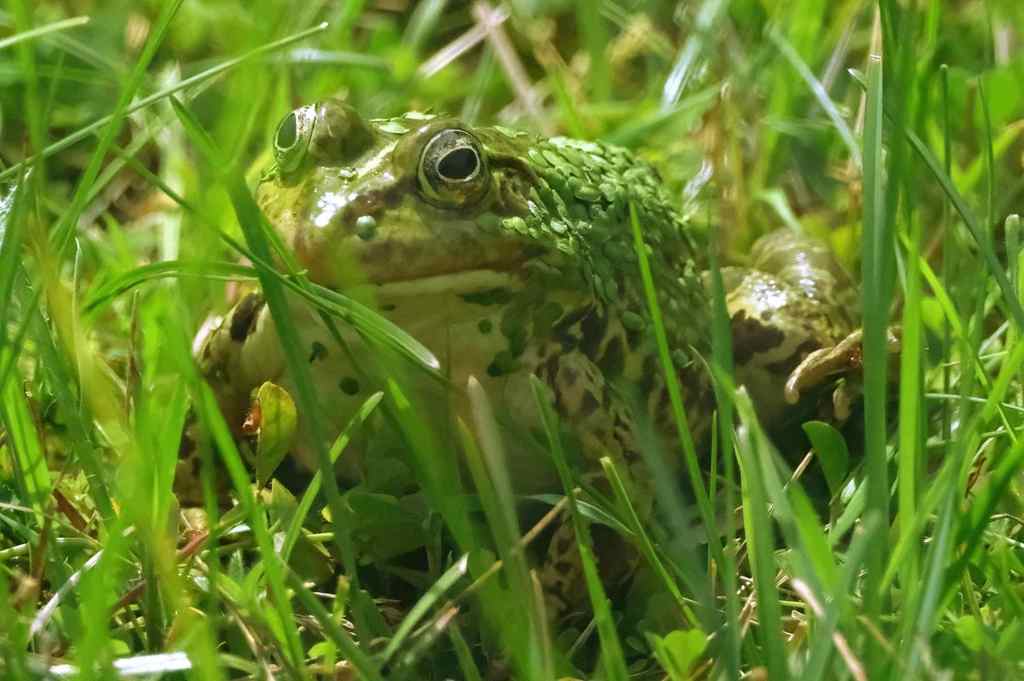
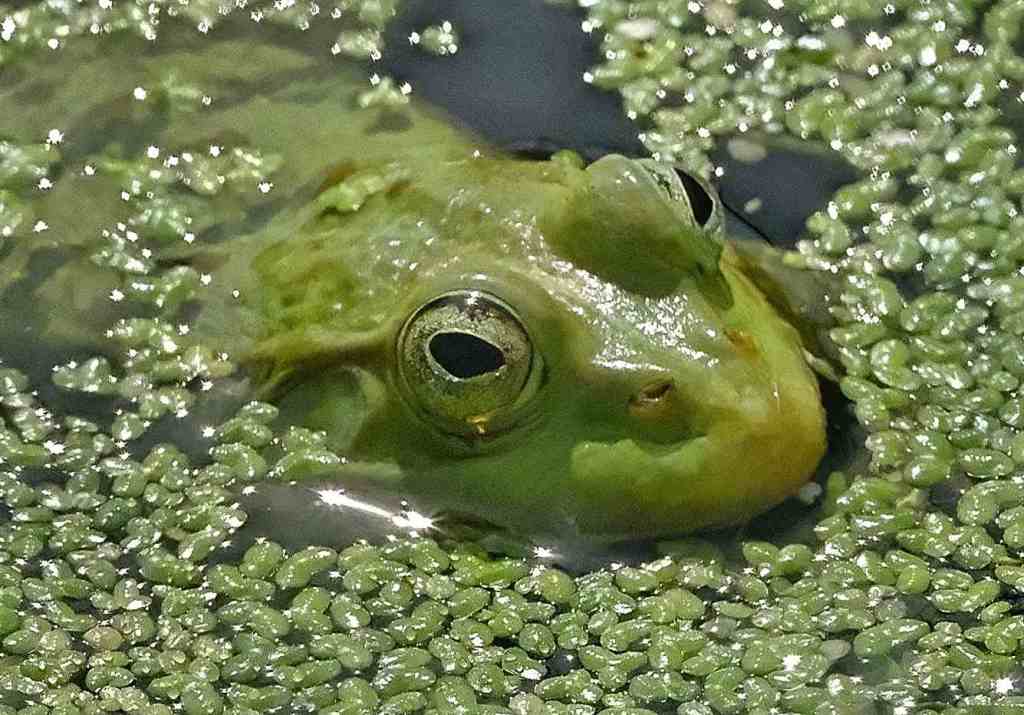
Marsh Frogs are Europe’s largest frogs they are not naturally found in the UK. They were introduced to Romney Marsh in Kent in the 1930s and they have spread throughout the southeast. There are colonies in the New Forest.
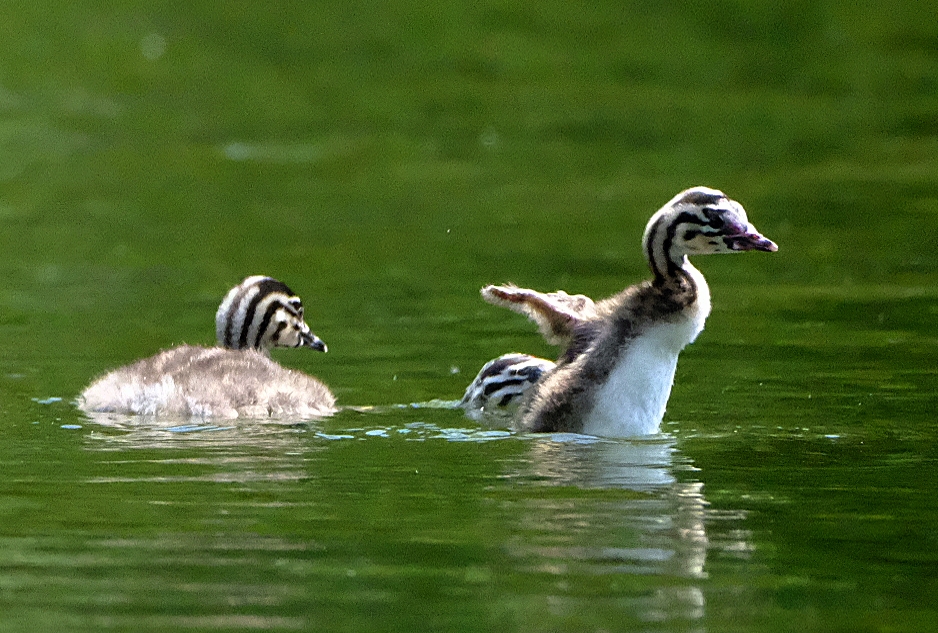
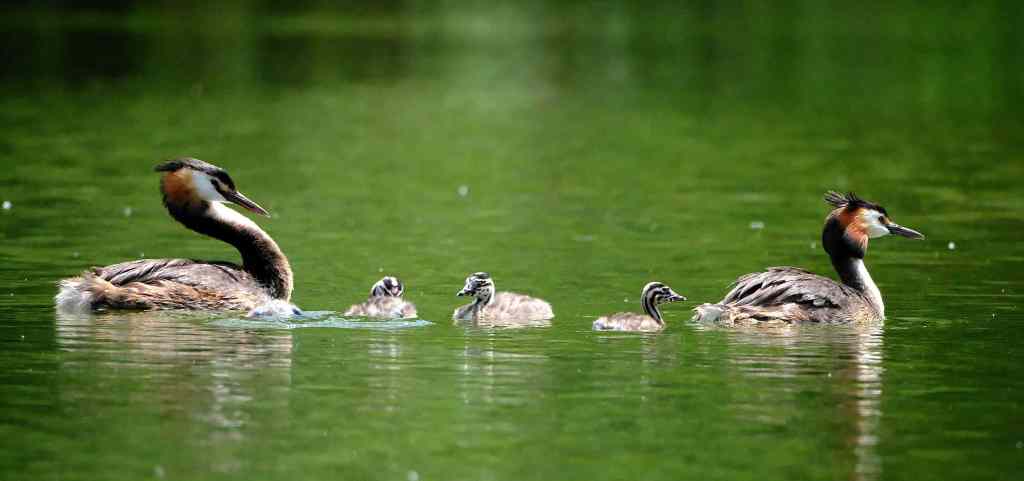
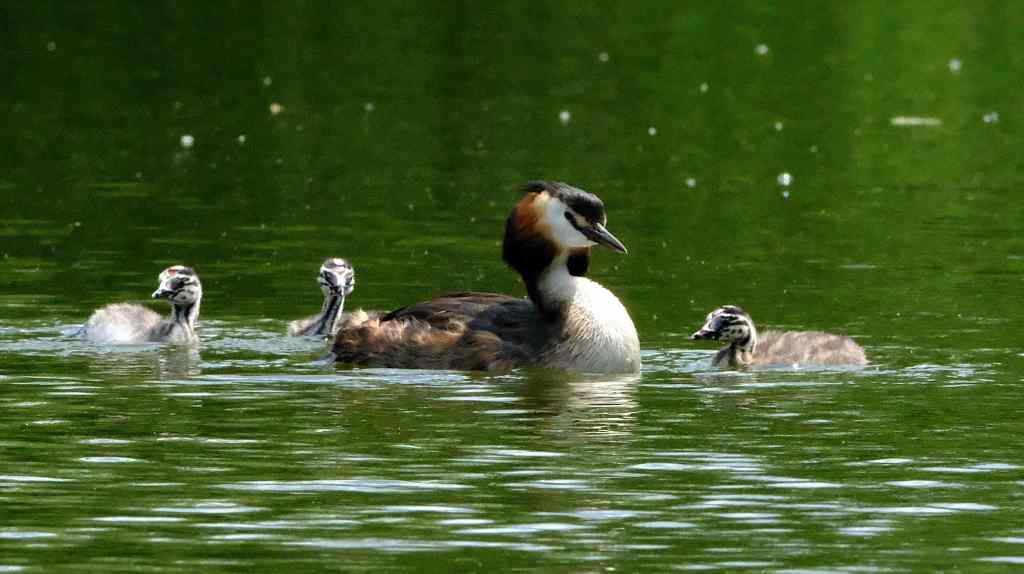
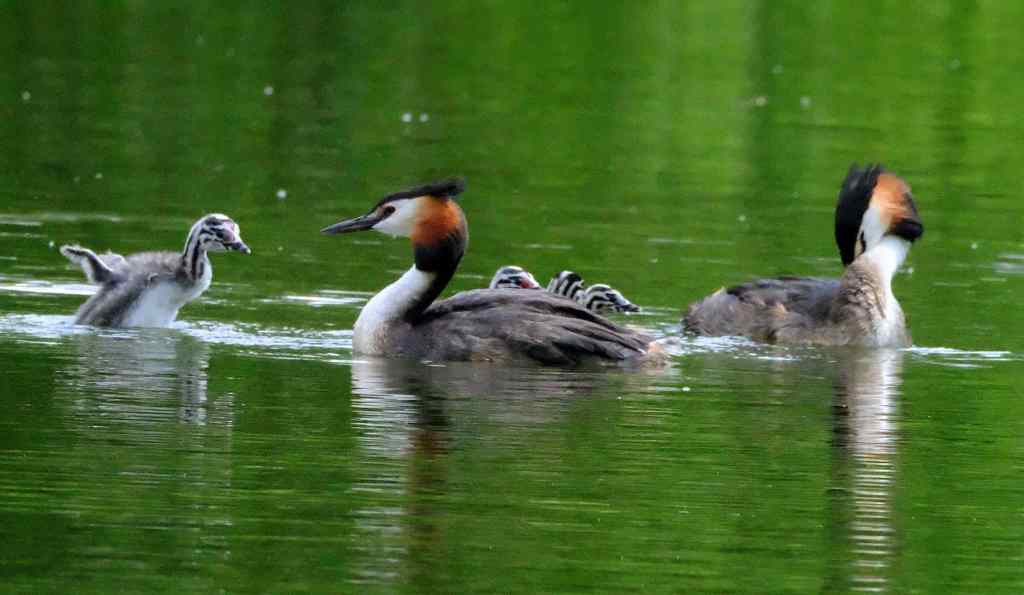
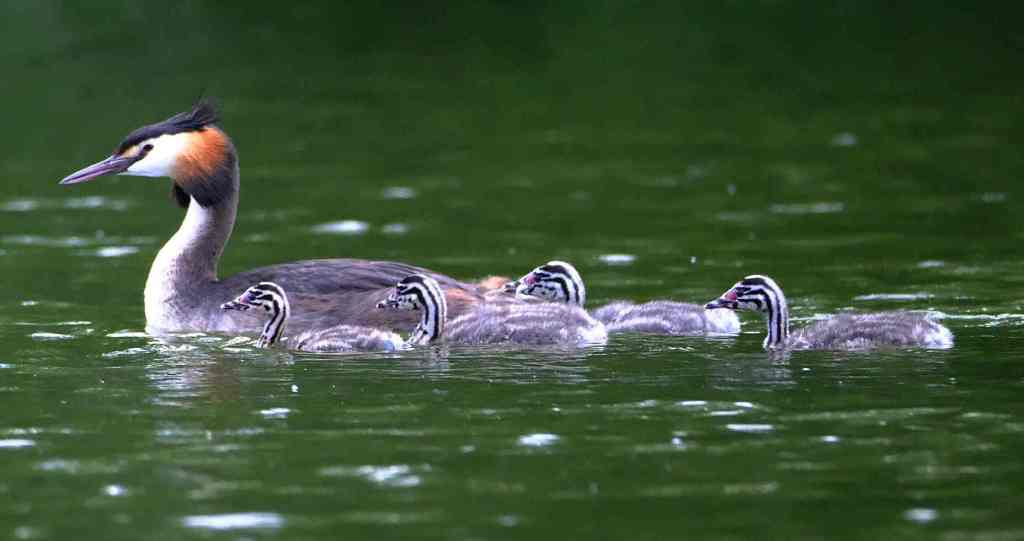
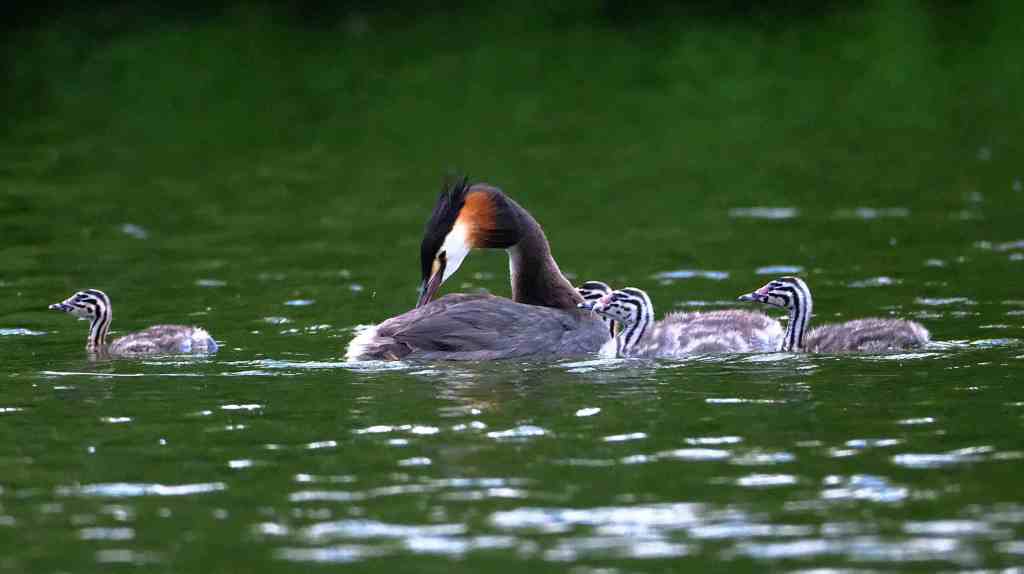
Another visit to see how the Great Crested Grebe family is doing. All four chicks have grown over the last week. Mum and Dad are both looking after the chicks who are spending more in the water rather than on the backs of their parents.




























 Continued Reflections from my World.