Trail camera.

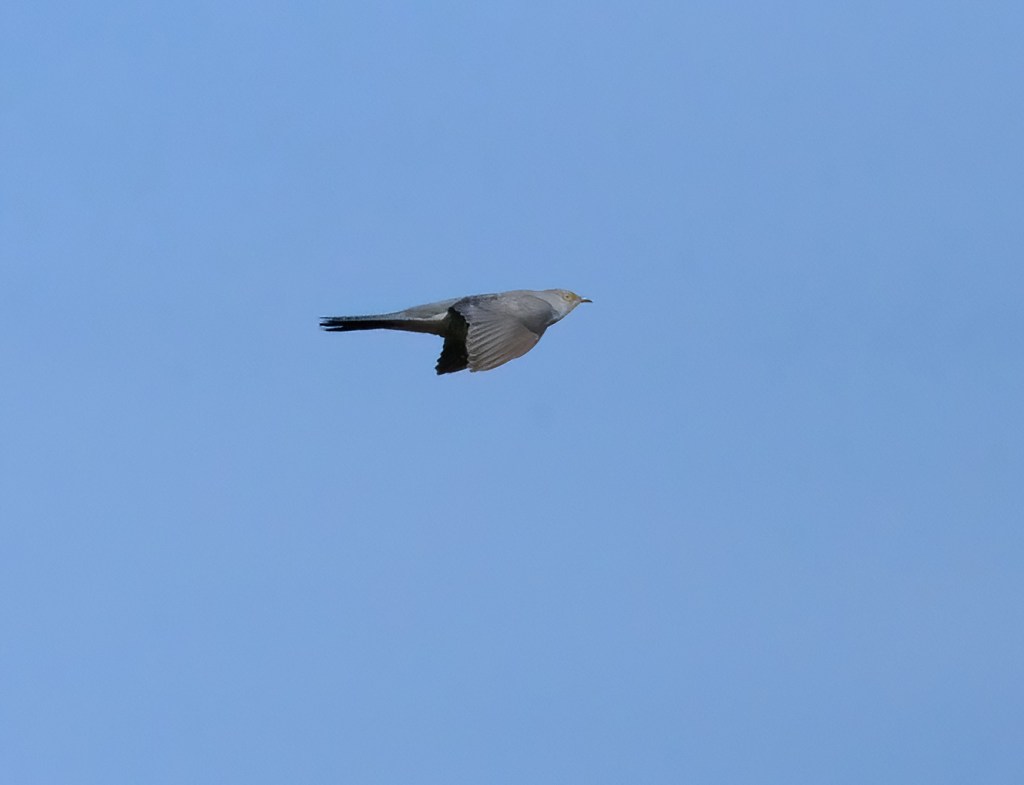
Yesterday we collected our trail cameras placed at a Badger Sett in the New Forest. It was great to see several Cuckoos en route (see yesterday’s post).

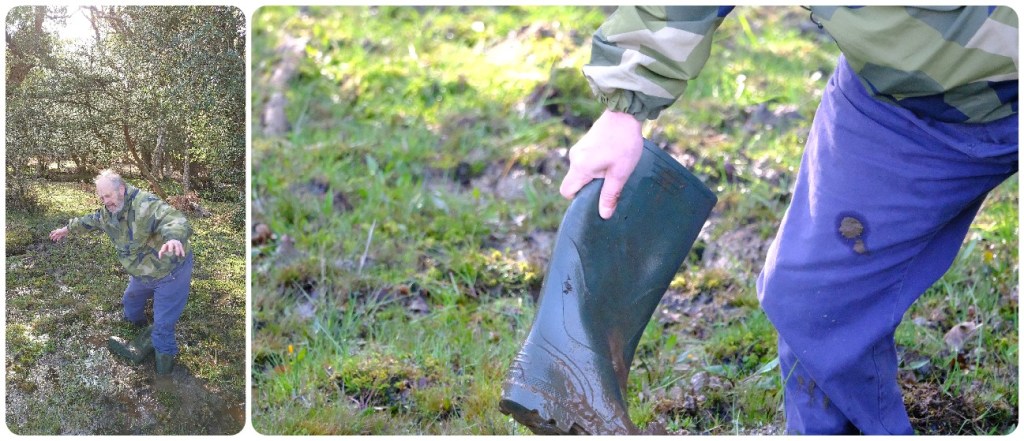
Got a bit muddy in the process trying to get some photos of a small fungus.

In the UK and Ireland, it is known as the Bog Beacon,( in the USA it is commonly referred to as the Swamp Beacon.) This little fungus occurs only in very wet places and looks like a flower popping out of the water.

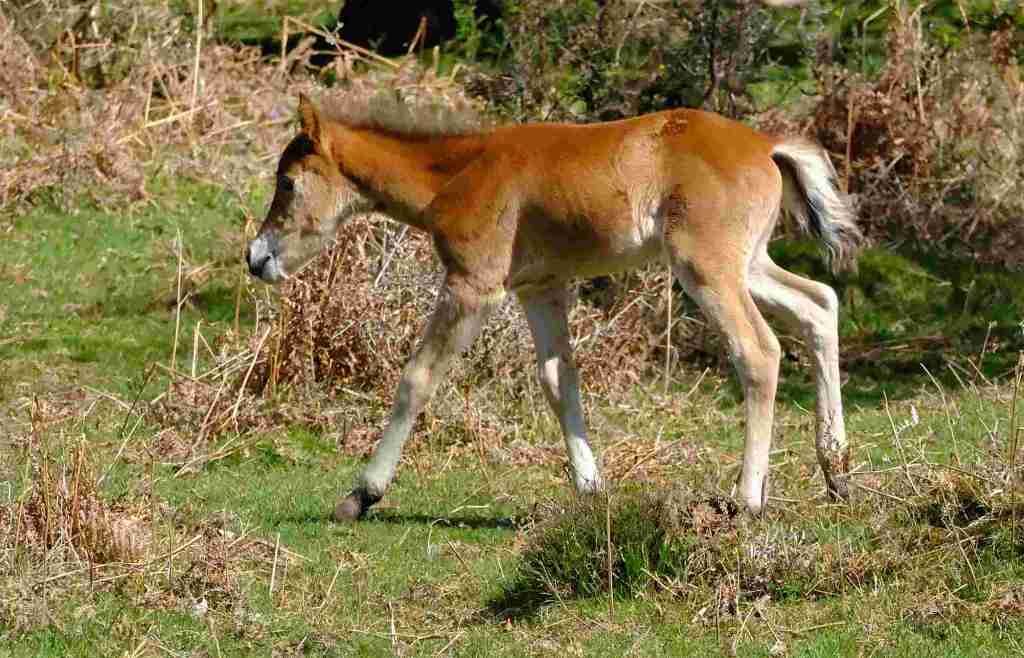
1st New Forest Pony foals of the year were also spotted during today’s walk.
The camera had some good Badger footage.
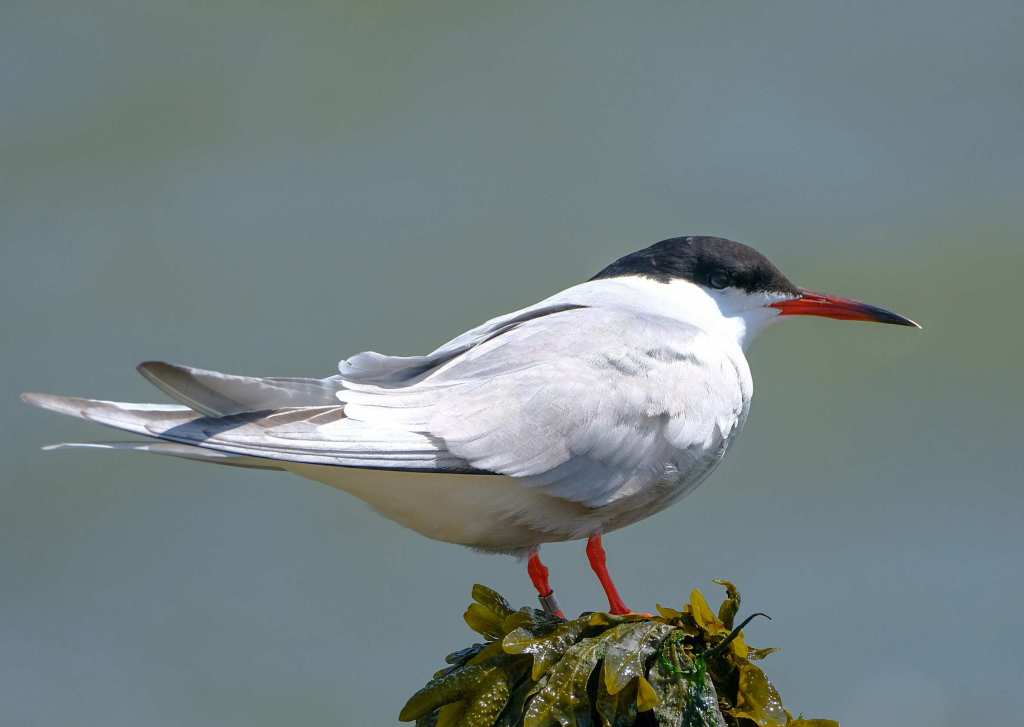
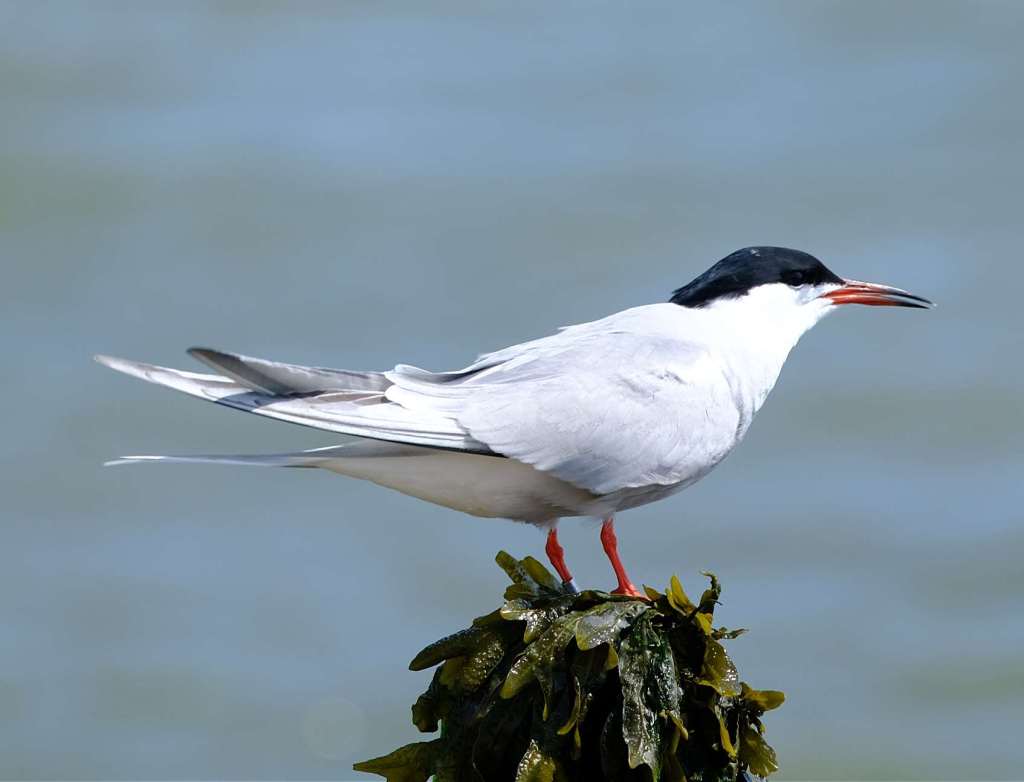
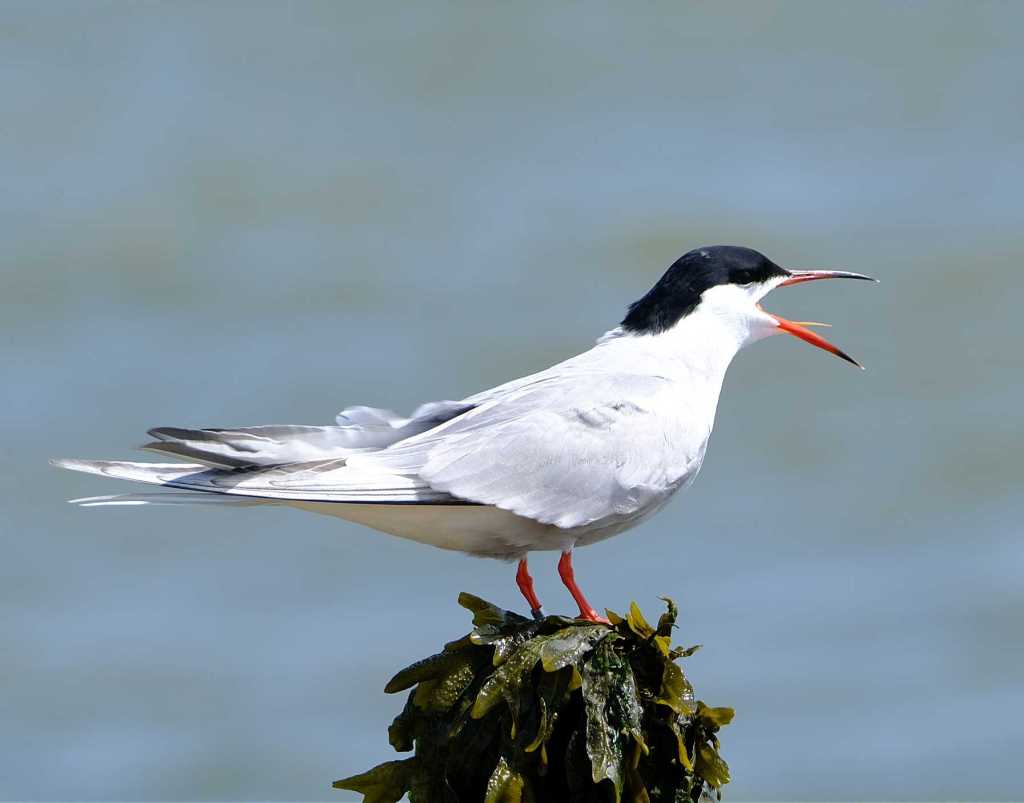
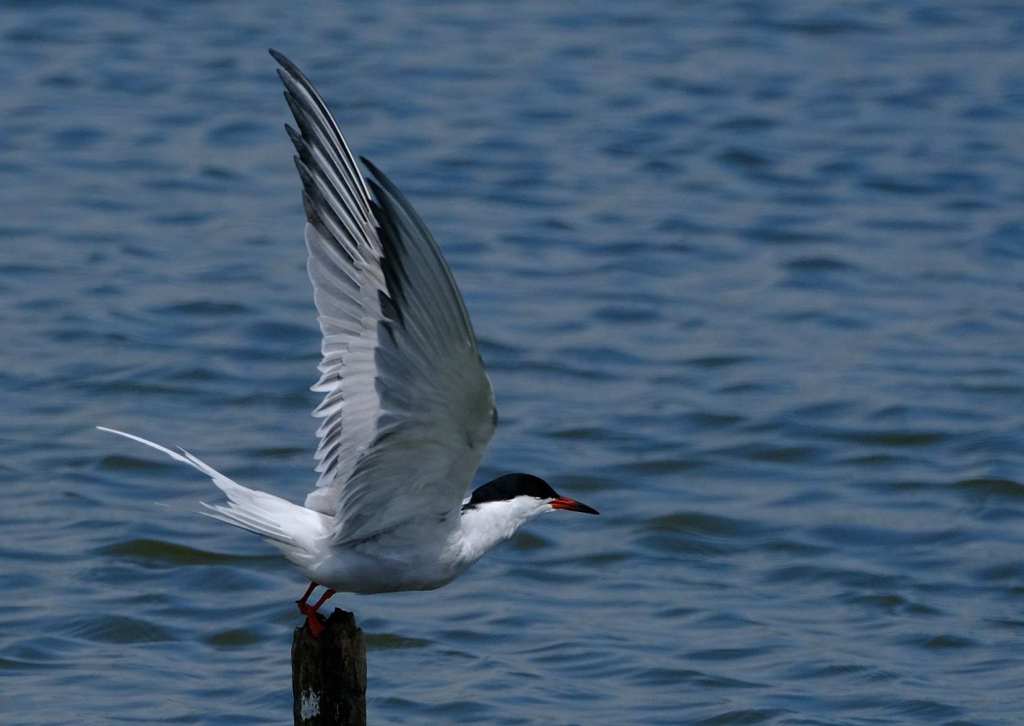
The return of the terns.

Common Terns have returned to the Solent and Southampton Water in the past week – I always look forward to their arrival and their numbers are increasing daily as they reach our shores from Africa. My 1st pictures this year which I am very pleased with. I have until September to practise when they will again leave.
A Sunday Stroll.
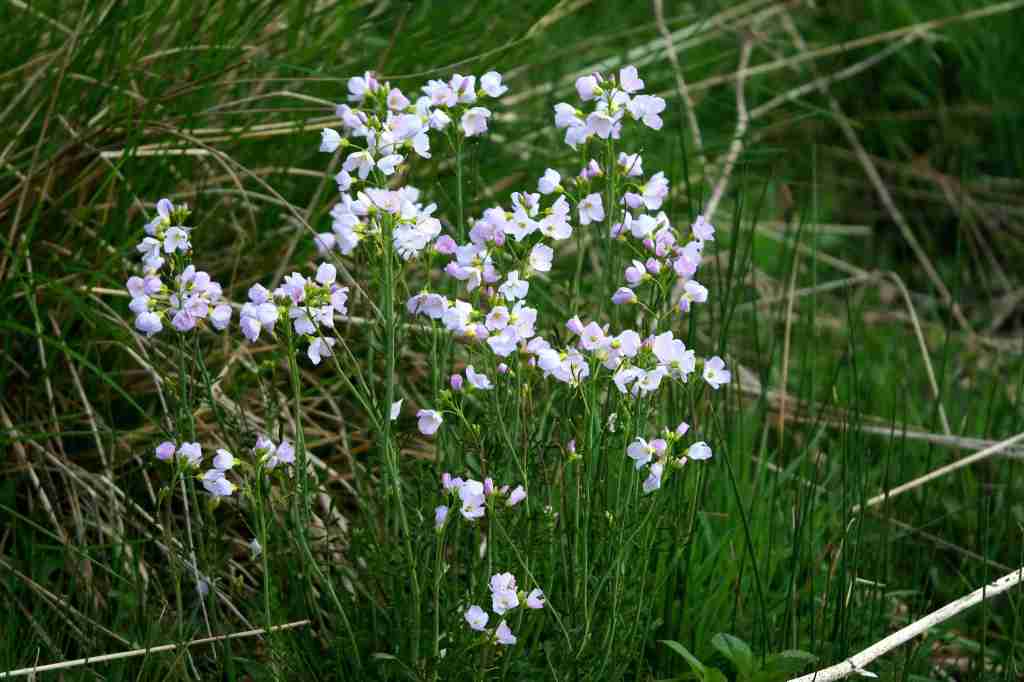
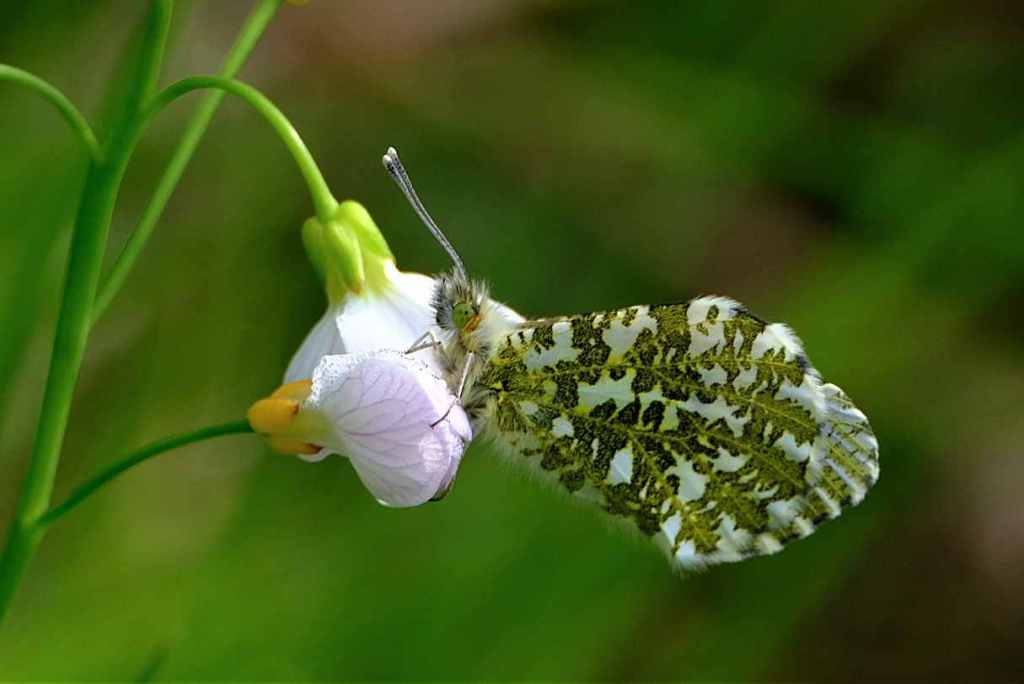
A plant that favours the Water Meadow is The Milkmaid, a member of the mustard family it is also known as the lady’s smock or Cuckoo flower. The flowers; colour can vary from pale lilac to white. A food plant for the Orange-tip butterfly caterpillars – this female Orange-tip had found the Milkmaid flowers.

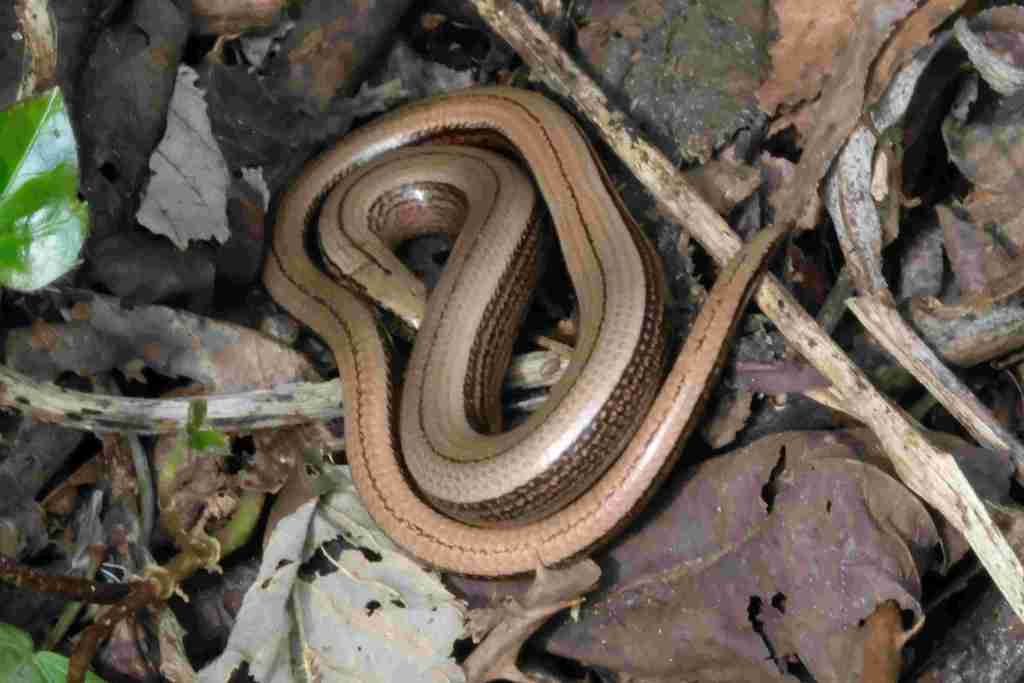
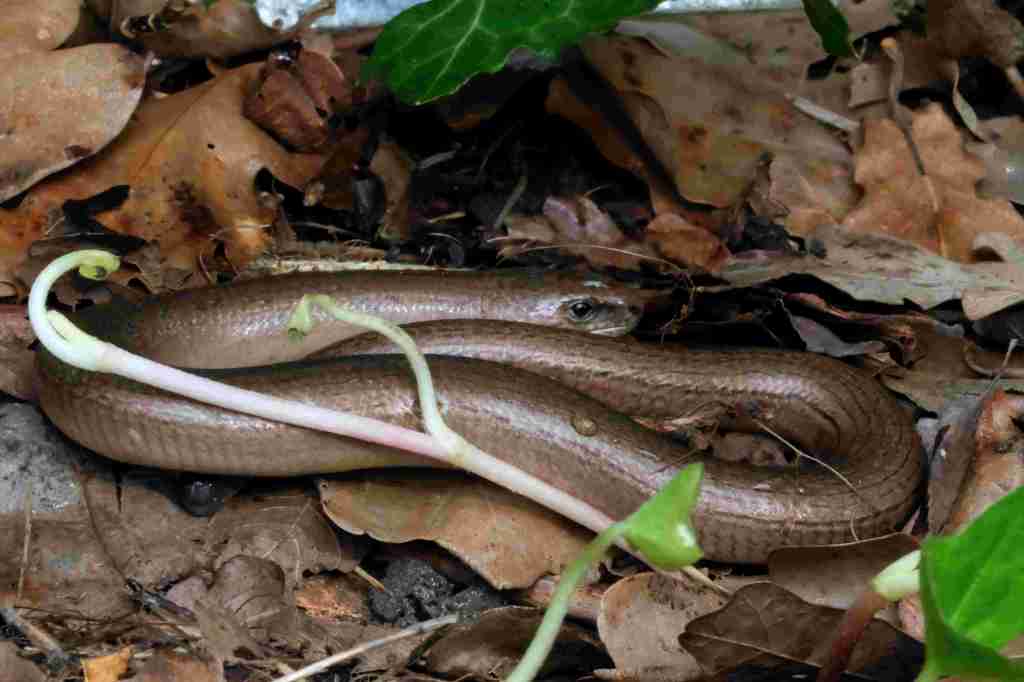
Today’s lucky spot was some Slow Worms. Mistaken by many for a snake Slow worms are legless lizards.

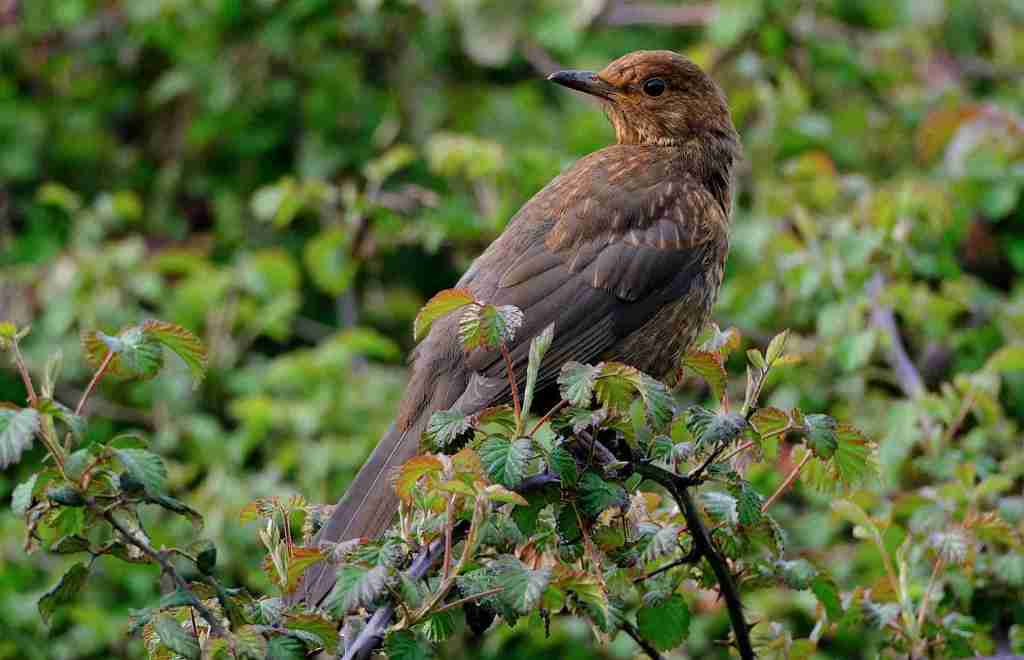
A female Blackbird.

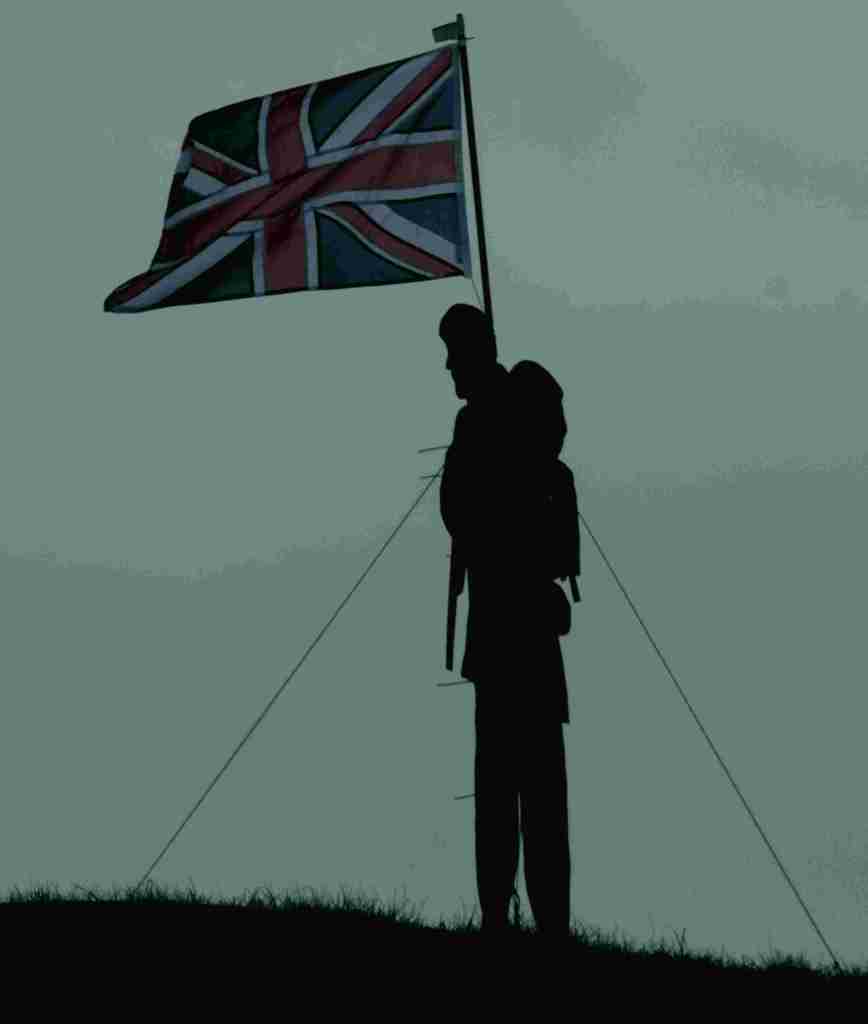
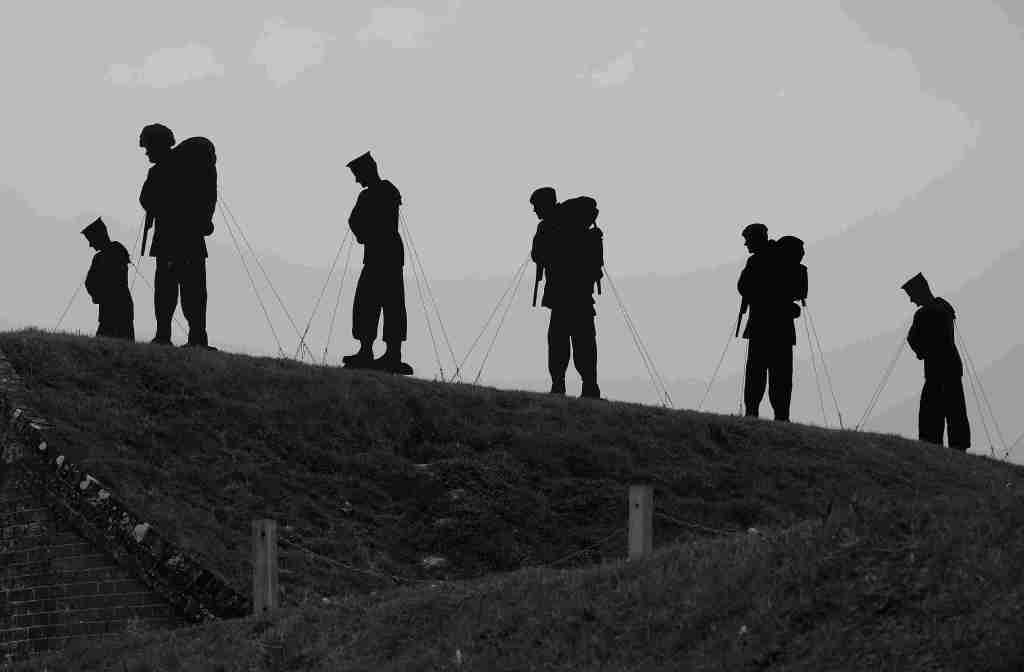
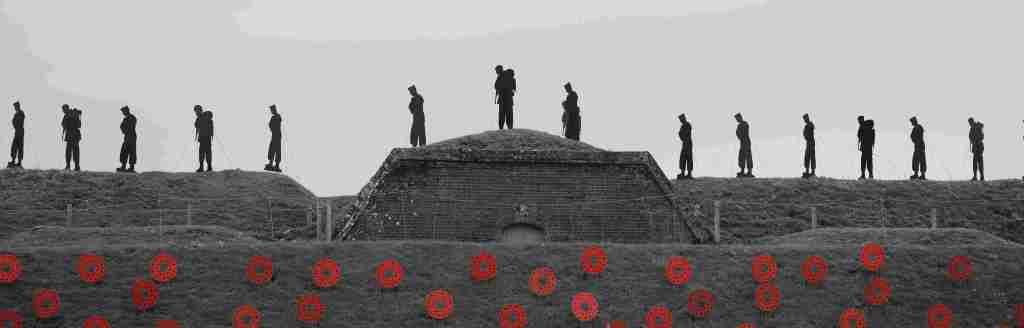
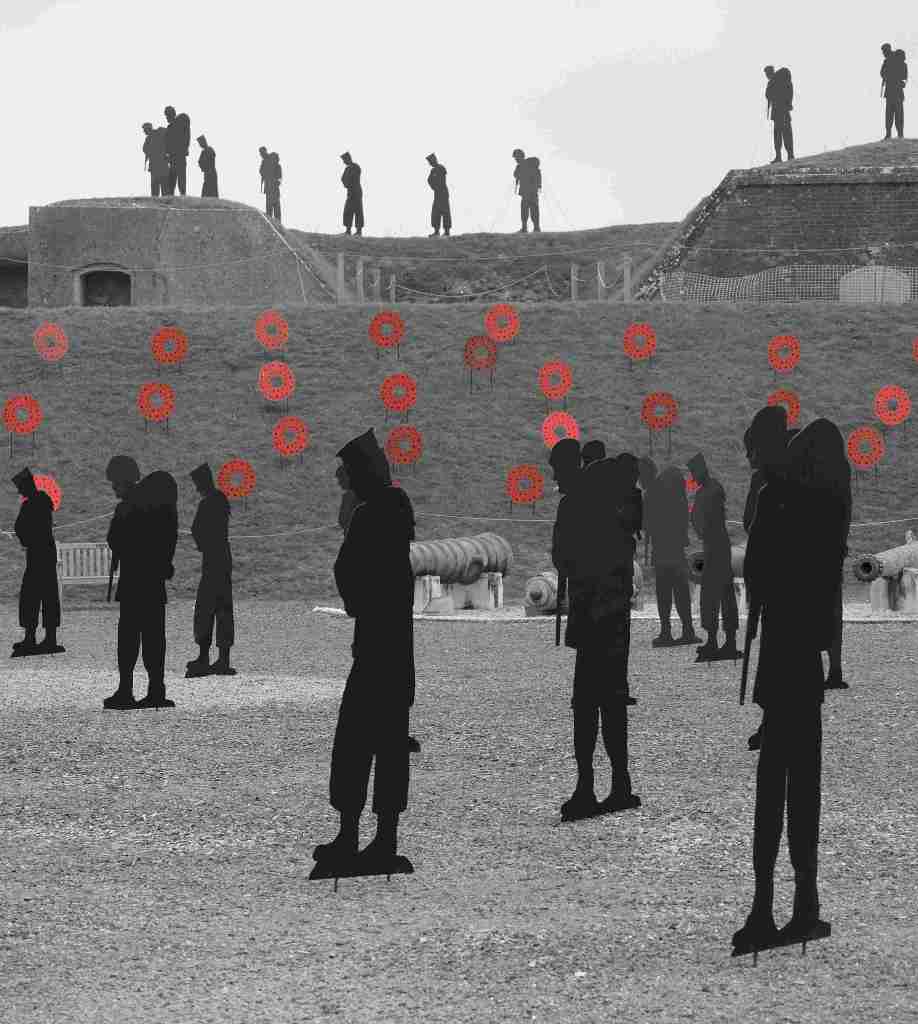
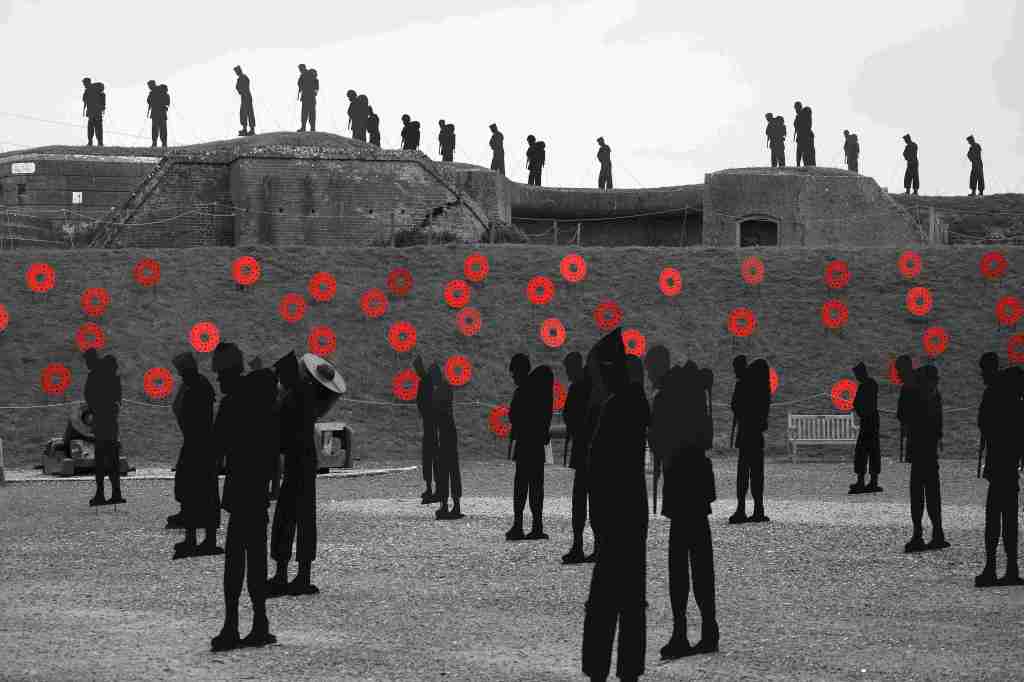
Standing with giants.

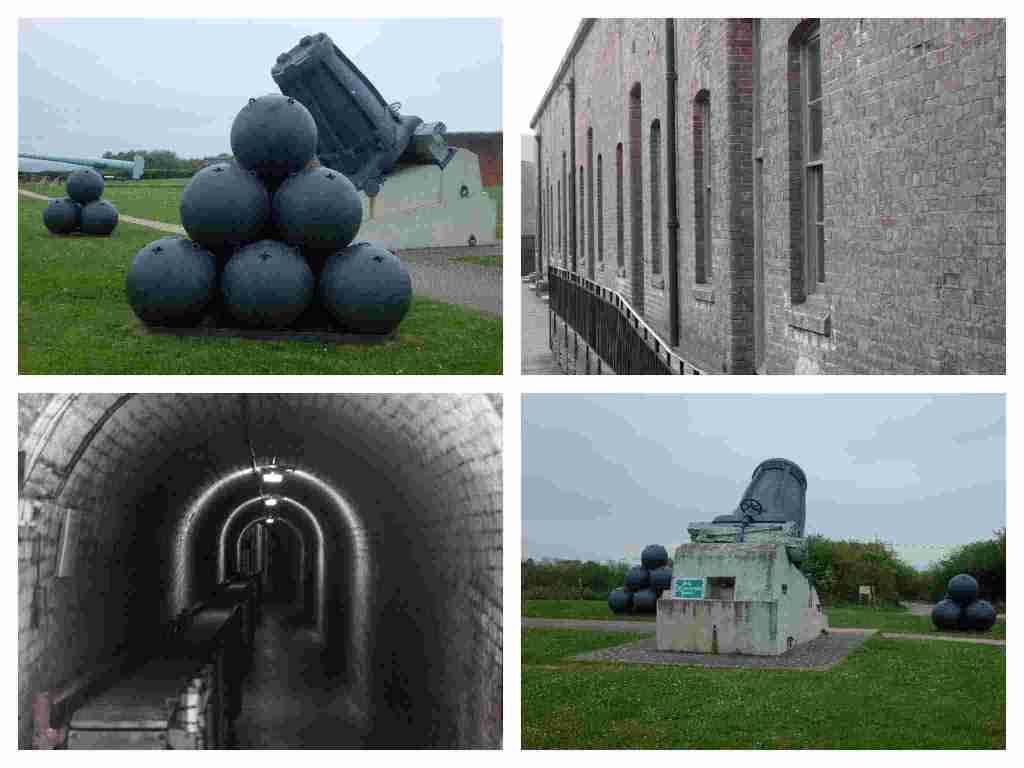
Fort Nelson, near Portsmouth, is home to the Royal Armouries’ national artillery and historic cannon collection. The fort was built in the 1860s to protect against a potential invasion by the French, it was one of a ring of land and sea forts around the Naval base at Portsmouth. The invitation never came and the forts became known as “Palmerston’s Follies” after Prime Minster, Lord Henry Palmerston, who commissioned the forts.

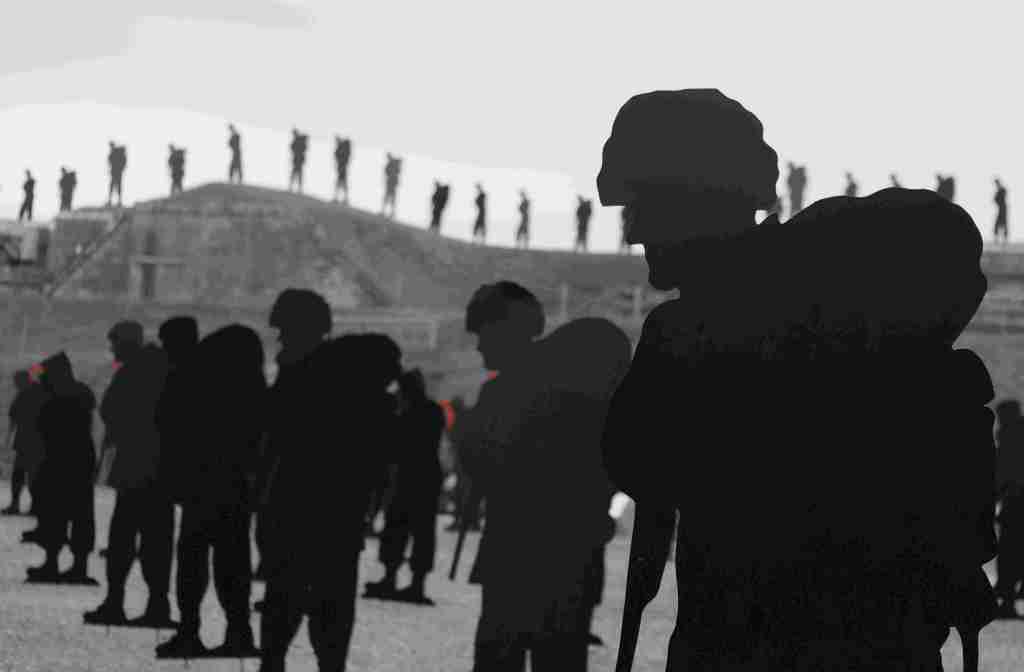
I visited Fort Nelson today to see an art display “Standing with Giants” It is a tribute honouring those who lost their lives in the Falklands Conflict. The installation is silhouetted figures of the 258 who died in Falklands War in 1982.

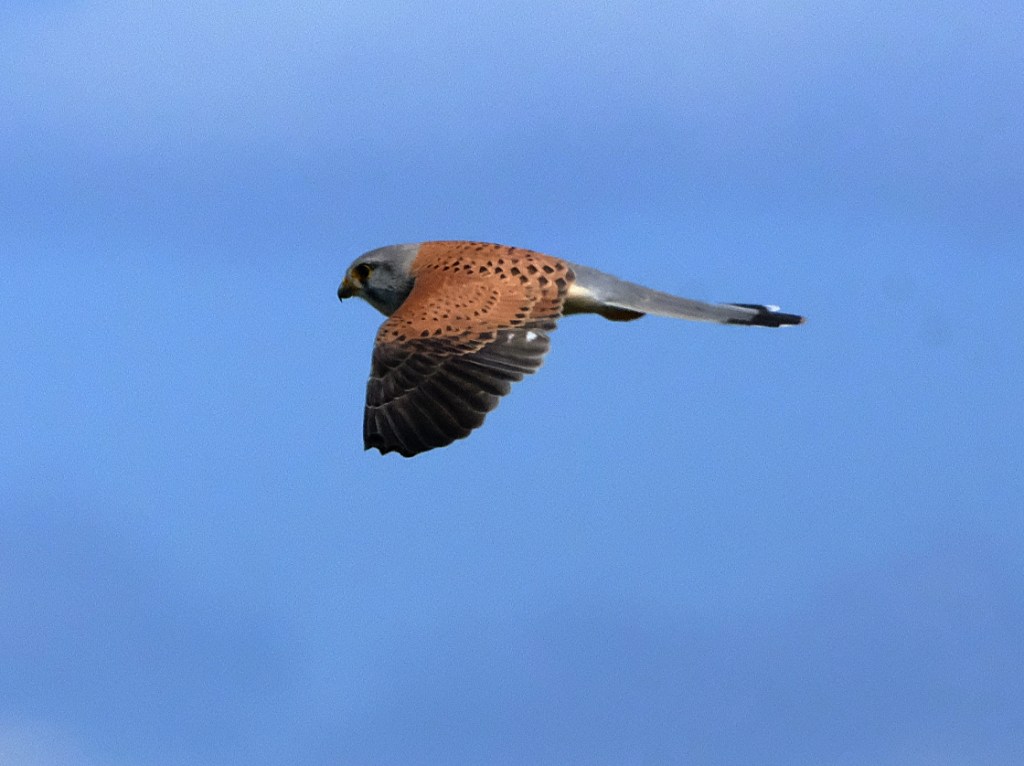
Kes!

Every time I see a Kestrel in the hover it reminds me of the book by Barry Hines – A Kestrel for a Knave published in 1968. A book we had to read a school – set in a mining area in Northern England, the book follows Billy Casper, a young working-class boy troubled at home and at school, who finds and trains a Kestrel whom he names “Kes”.

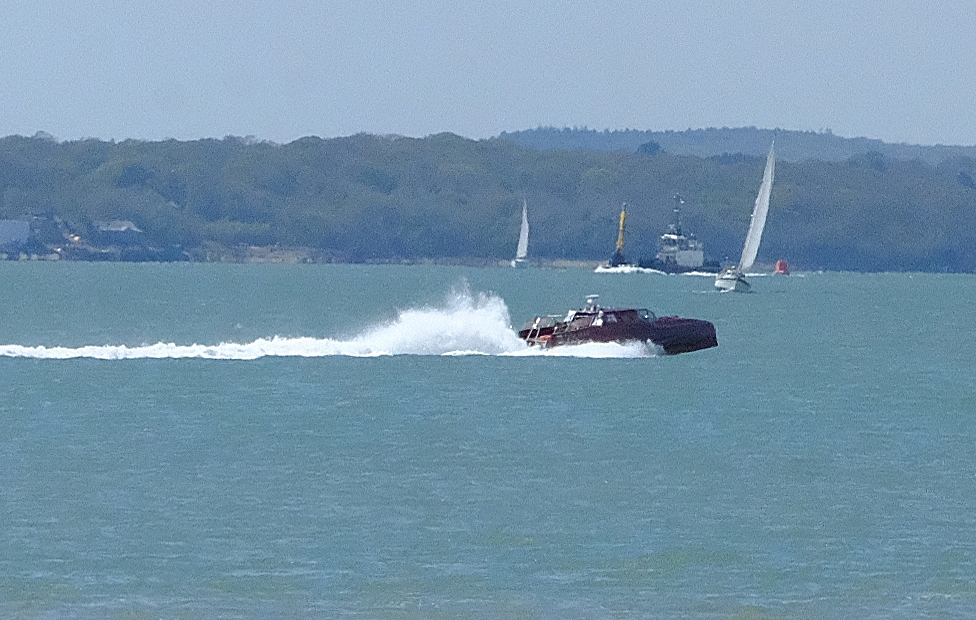
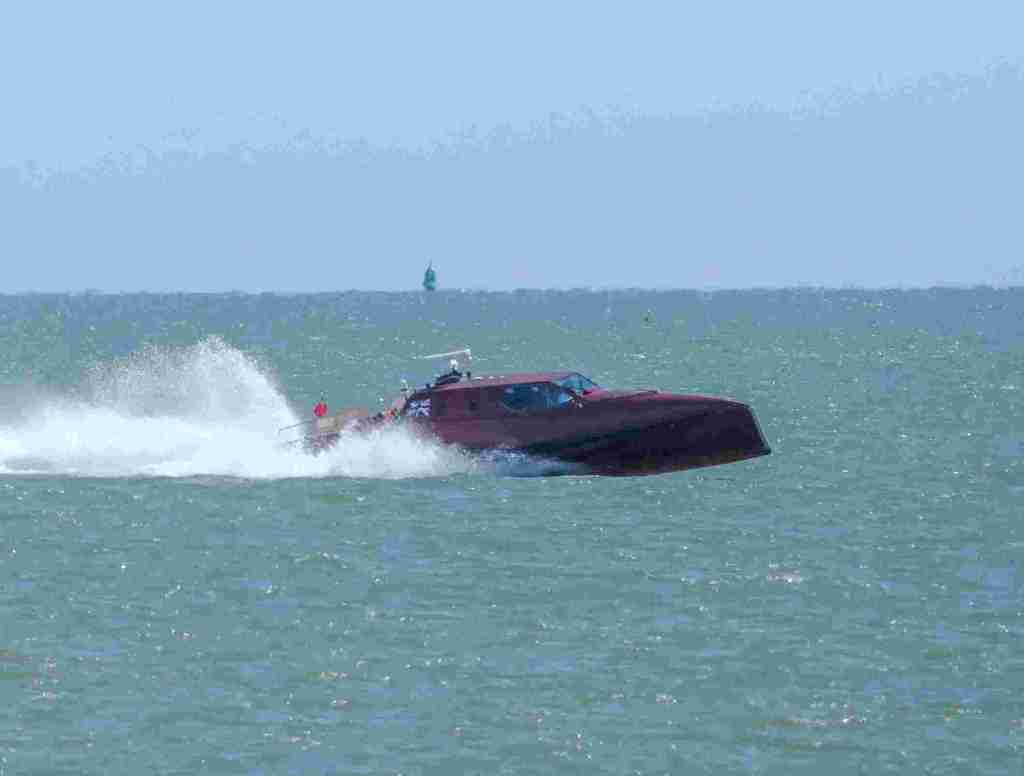
V.S.V.

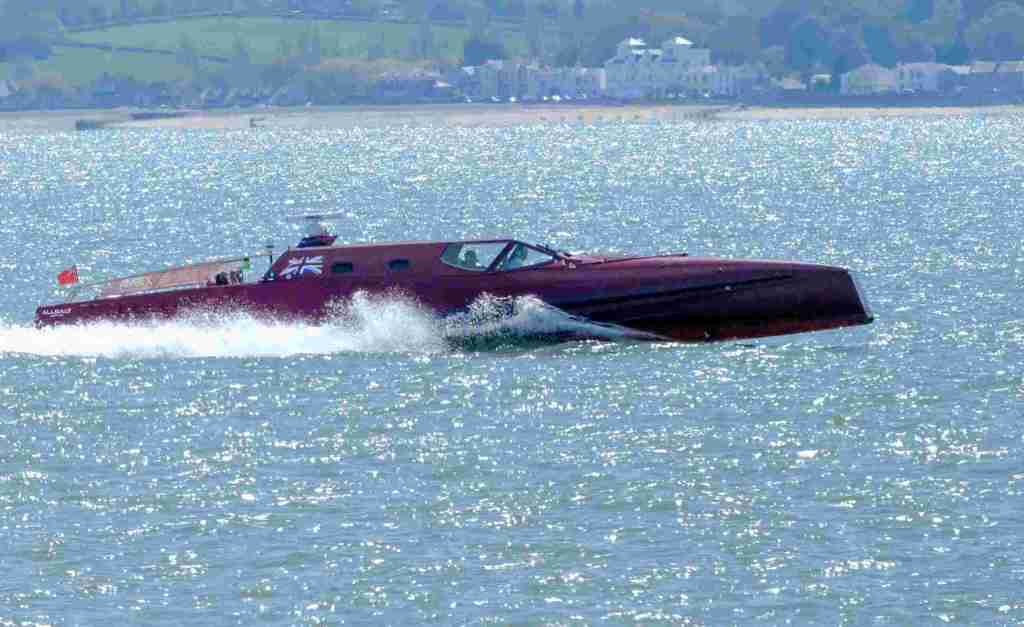
What goes on the Water at nearly 60 mph and prefers to pierce waves rather than jump over them. The Very Slender Vessels concept is simple – instead of slamming across the top of waves, it is designed to slice through them. Adopted by several military and enforcement services around the world. It had a hull low to the water, making it harder to detect on radar.

Spotted in the Solent this afternoon.