Grey Heron – showing nature’s natural camouflage – mudflats Calshot Point Southampton Water.
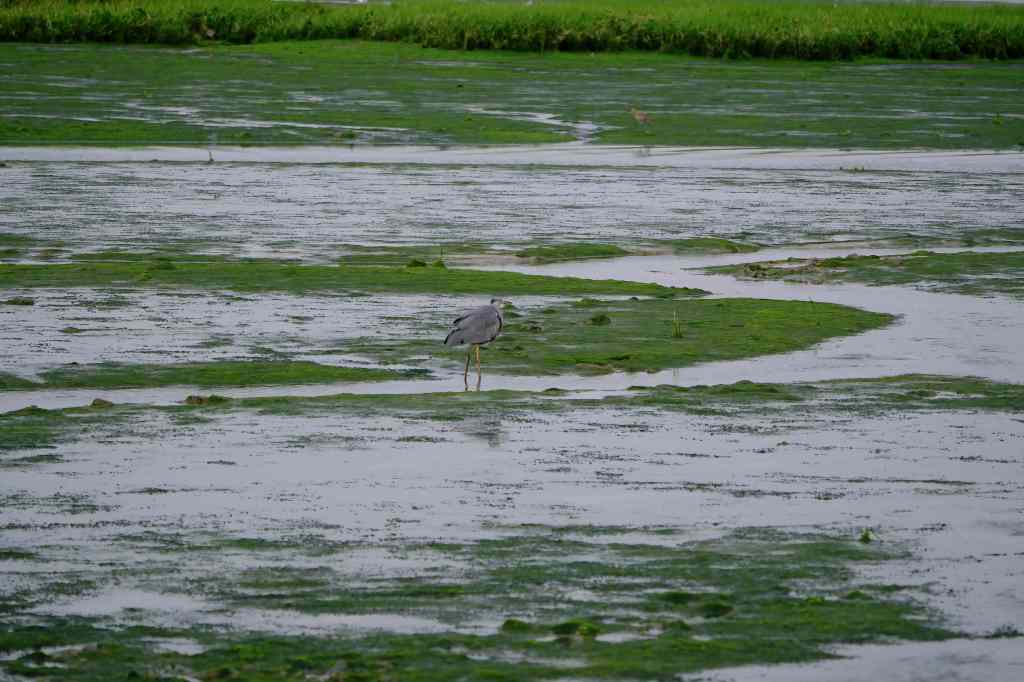
Close-ups of the same bird.
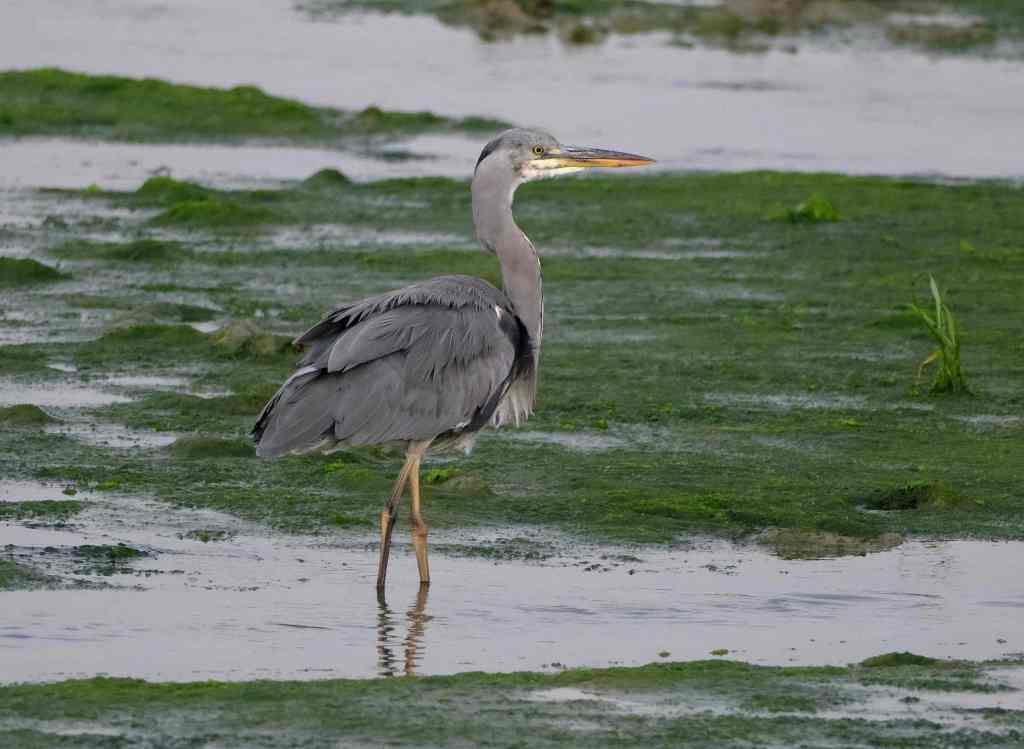
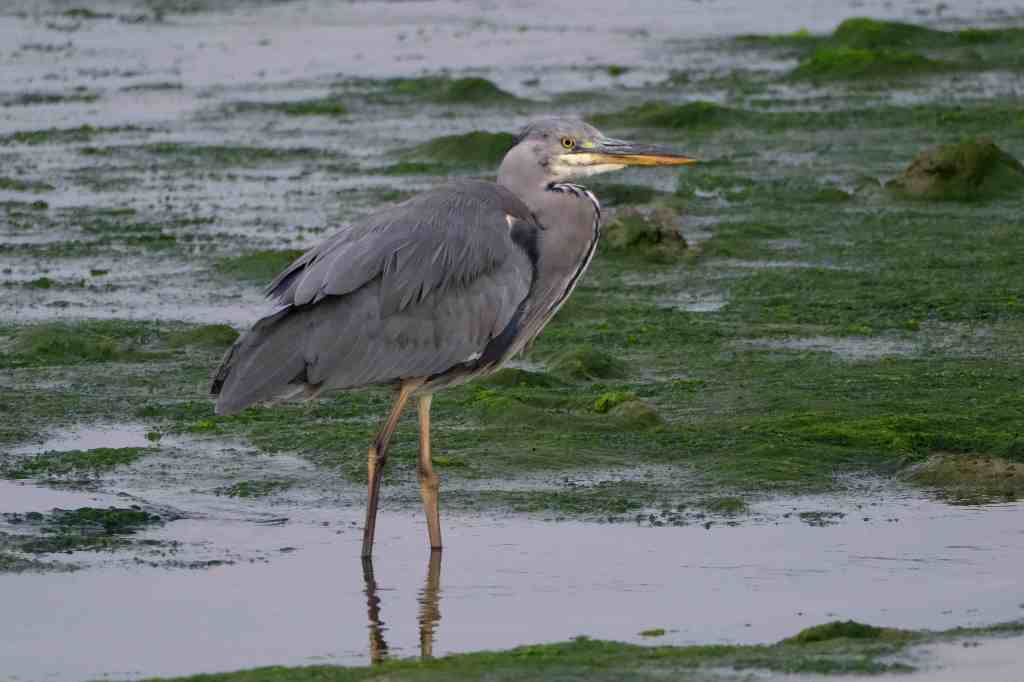

Grey Heron – showing nature’s natural camouflage – mudflats Calshot Point Southampton Water.
Close-ups of the same bird.
#Wordless Wednesday

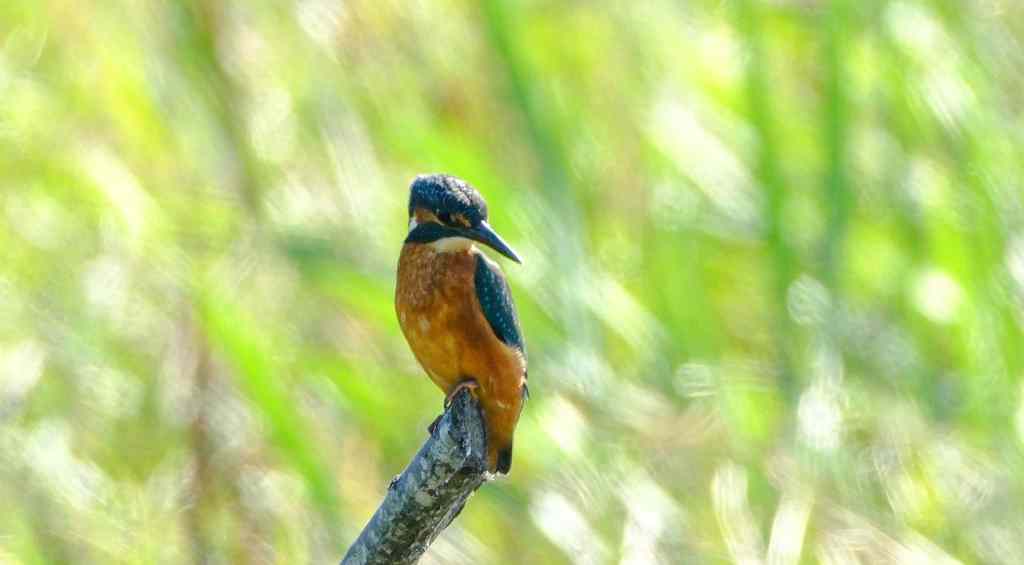
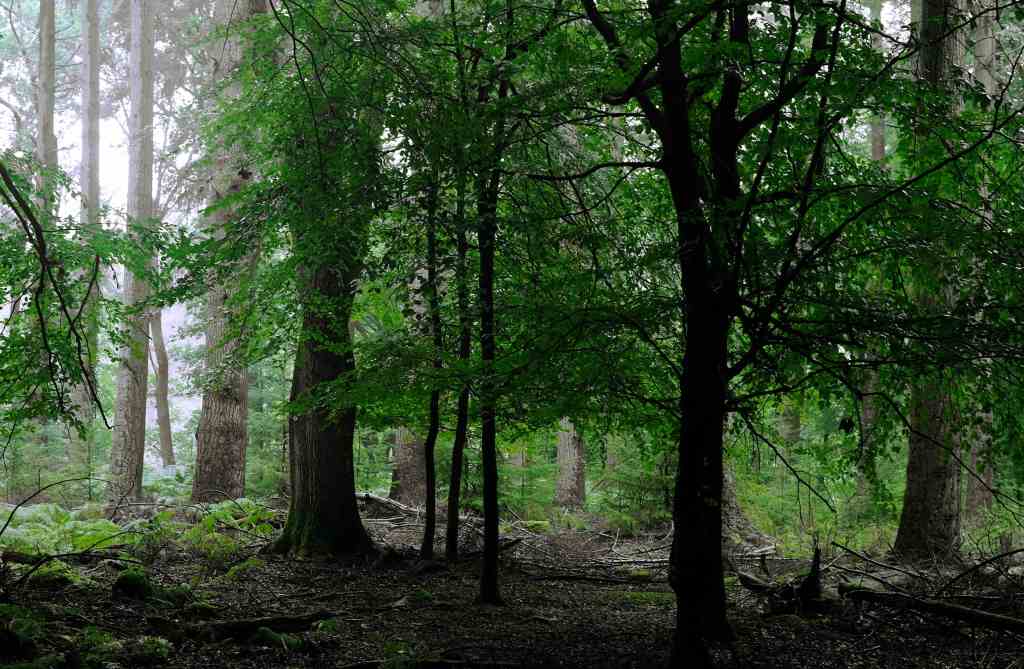
Due to the nonstop heavy rain, this morning walk was under the trees on our forest walk.

Tree views set on monocrome with green highlighted.


Forest Pony brands on an old wooden forest pen.

Garden visitors or just passing through. Yesterday morning I thought I was dreaming as I woke I heard parrots! The noise got louder and interrupted by the cackle of Magpies. Our garden is small and divided at the bottom of the garden by large Beech and Sycamore trees.
Four Ring-necked parakeets were high in the Beech trees eating the beach nuts. With their strong beaks they can easily remove the nuts from the husks. At this point the Magpies try to steal the nuts.


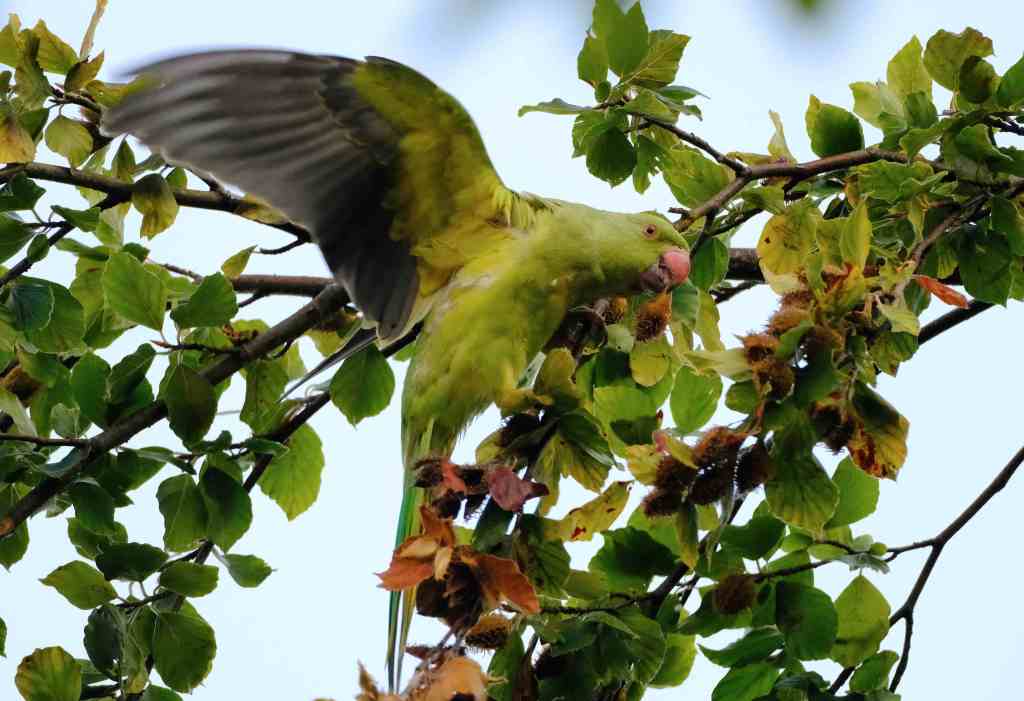
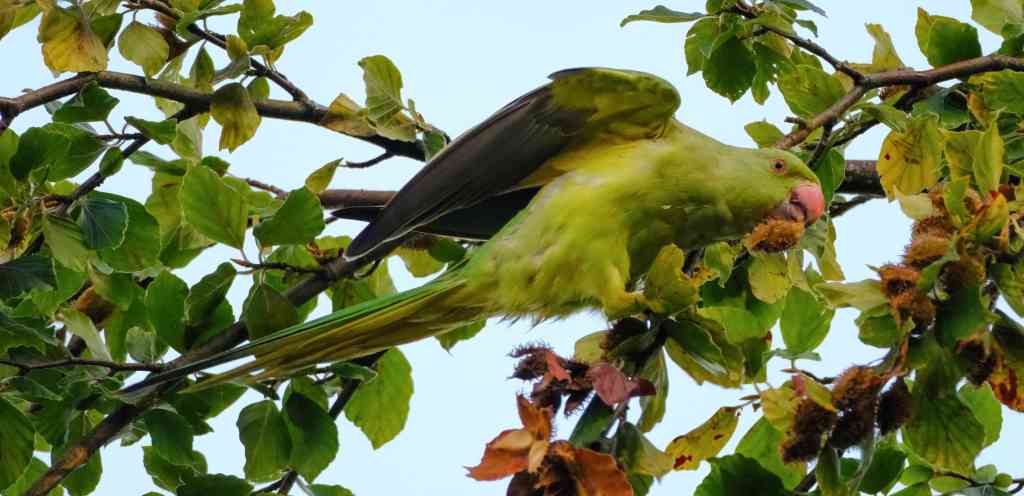

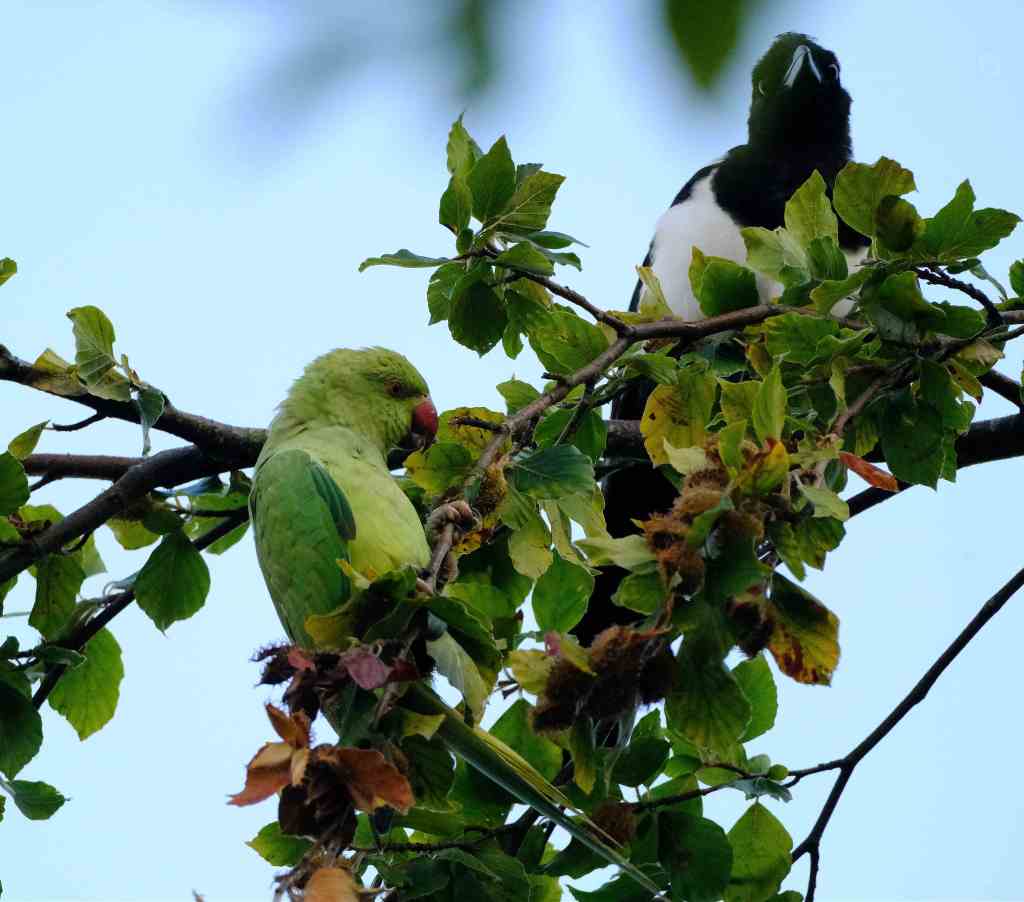
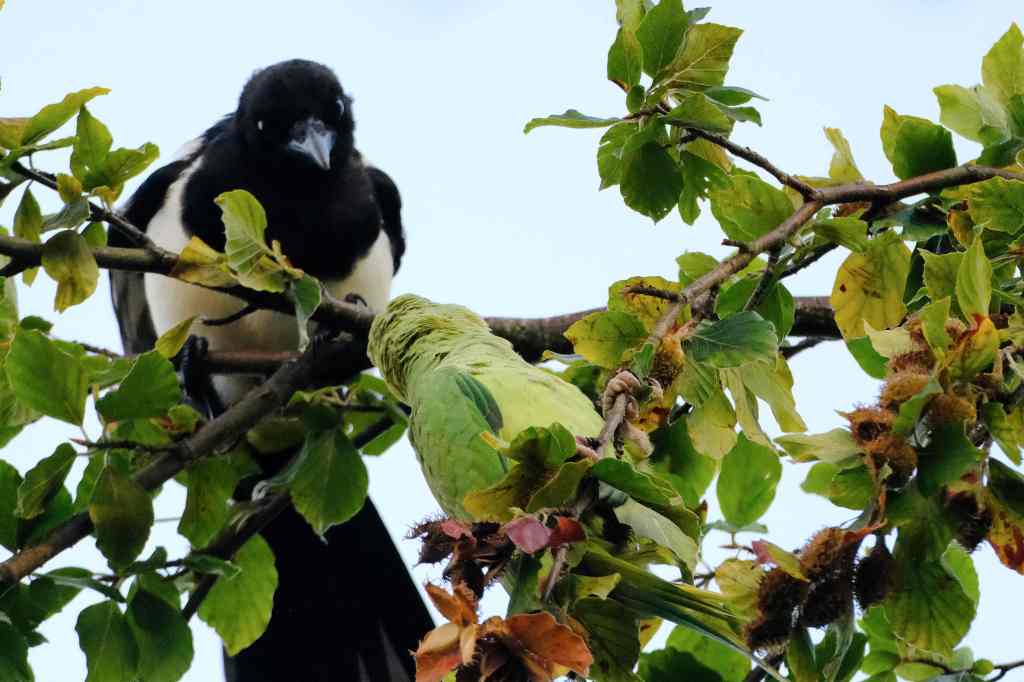
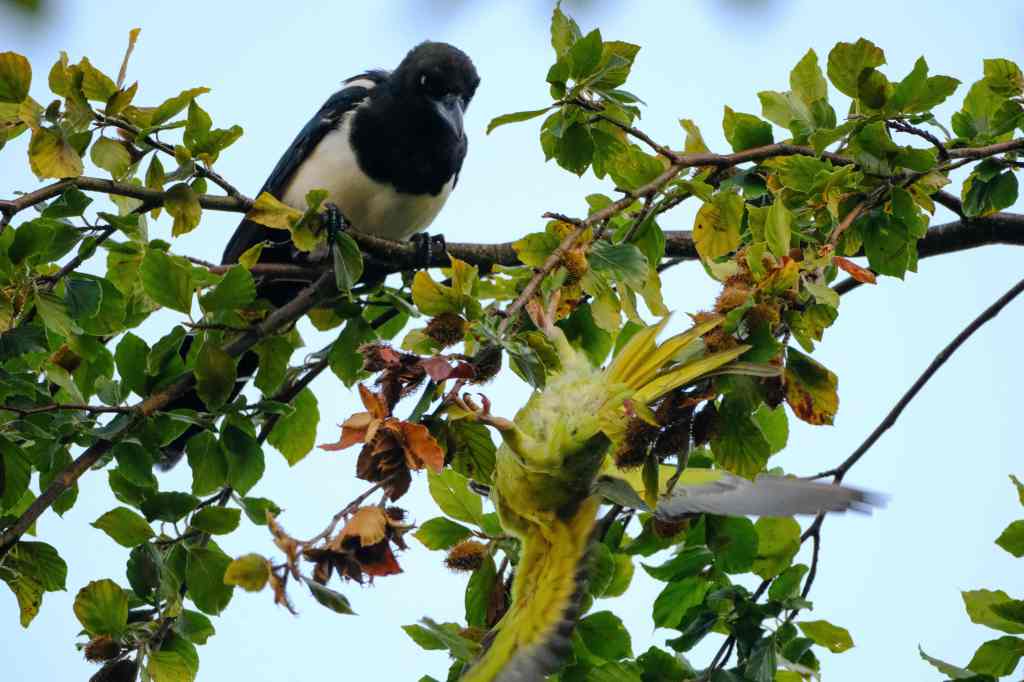
Yesterday evening and this morning the sound of parakeets are again in the trees although I did not see them again.
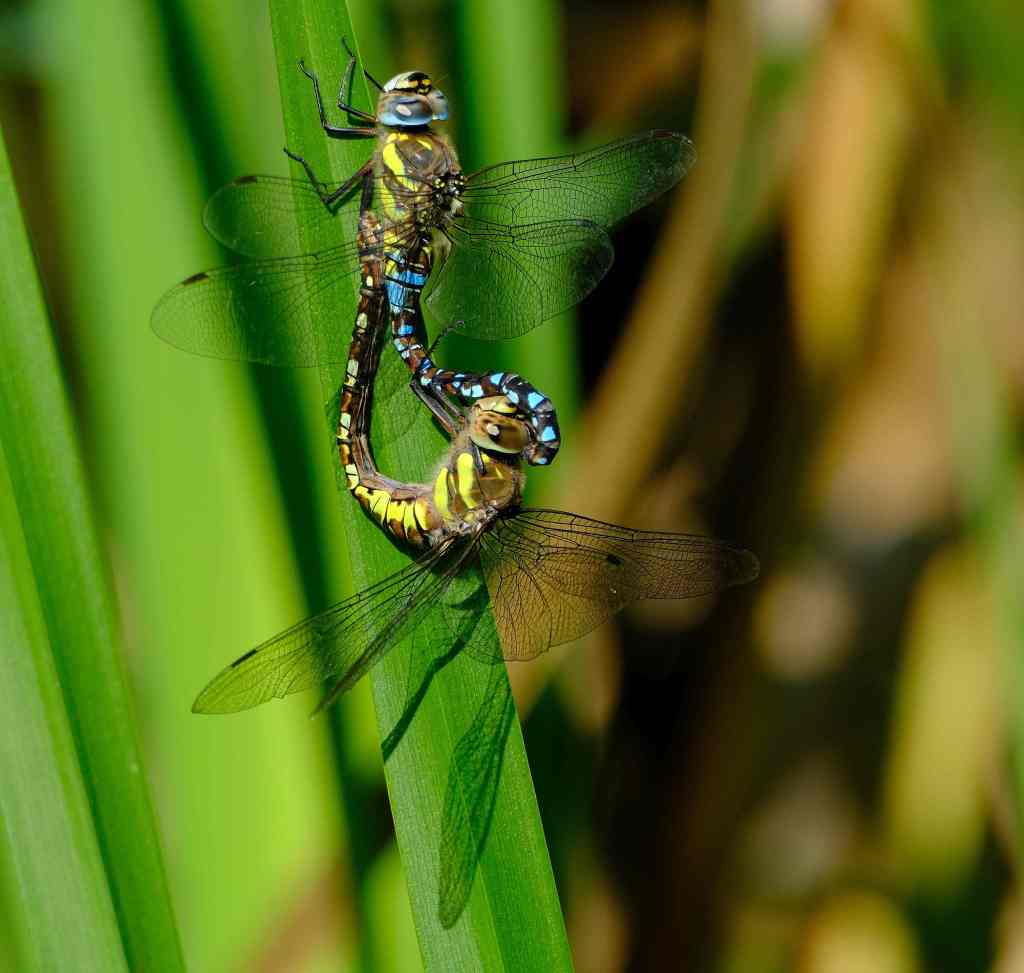
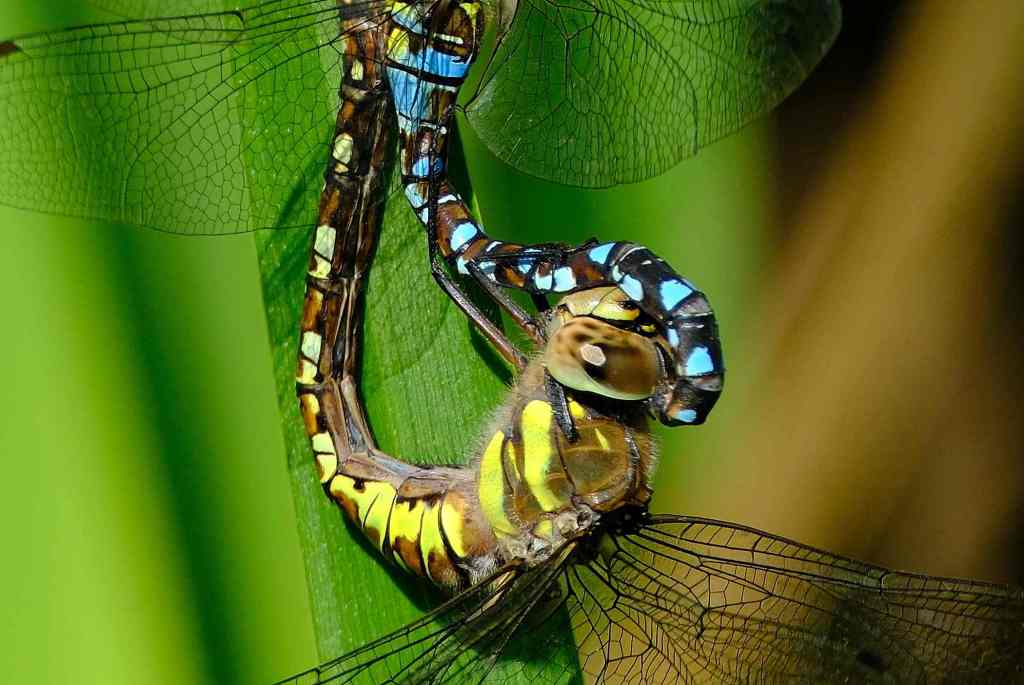
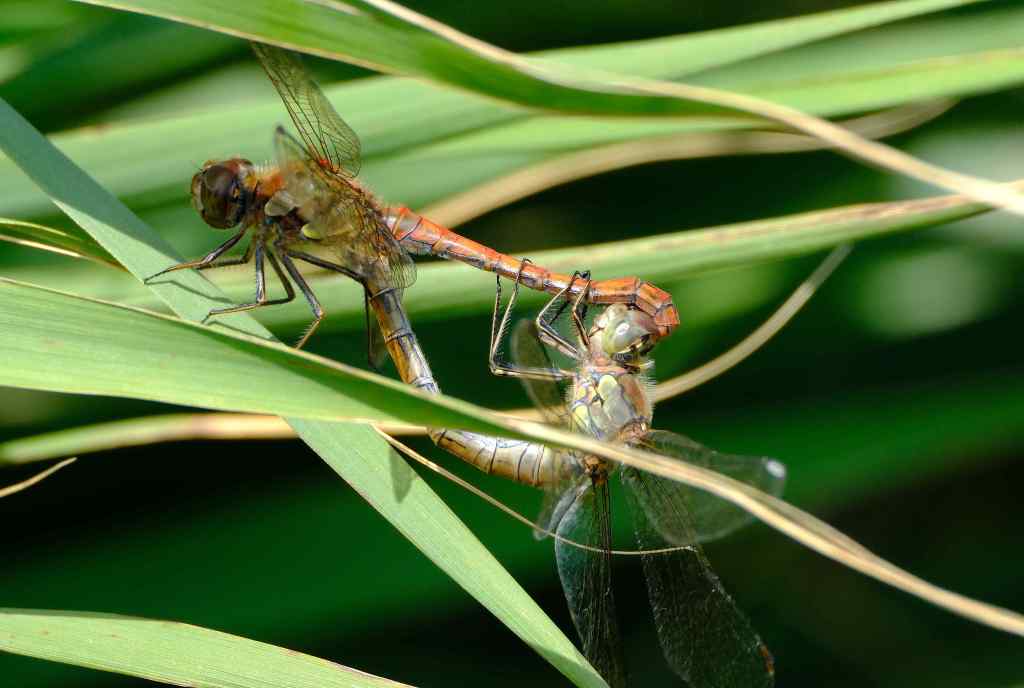
Pair of mating Common Darter dragonflies at Titchfield Haven

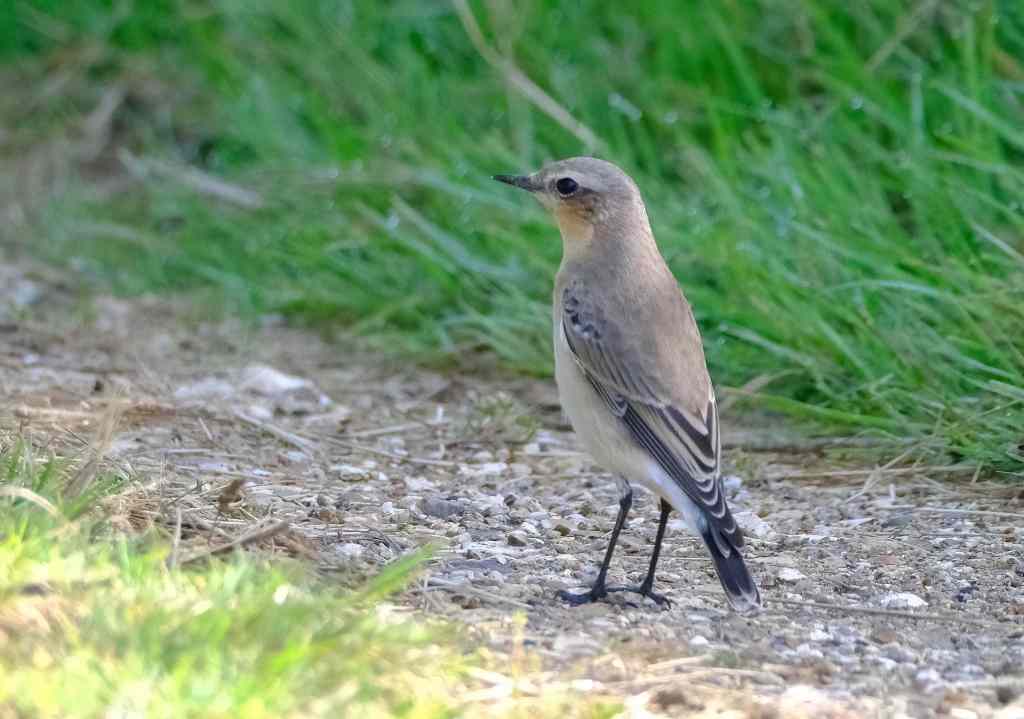
Around this time of year on our local beaches Wheatears start to appear. This bird was near Meon Shore this morning at Titchfield Haven. It will have bred in the north of the UK and is on passage back to central Africa for the winter.


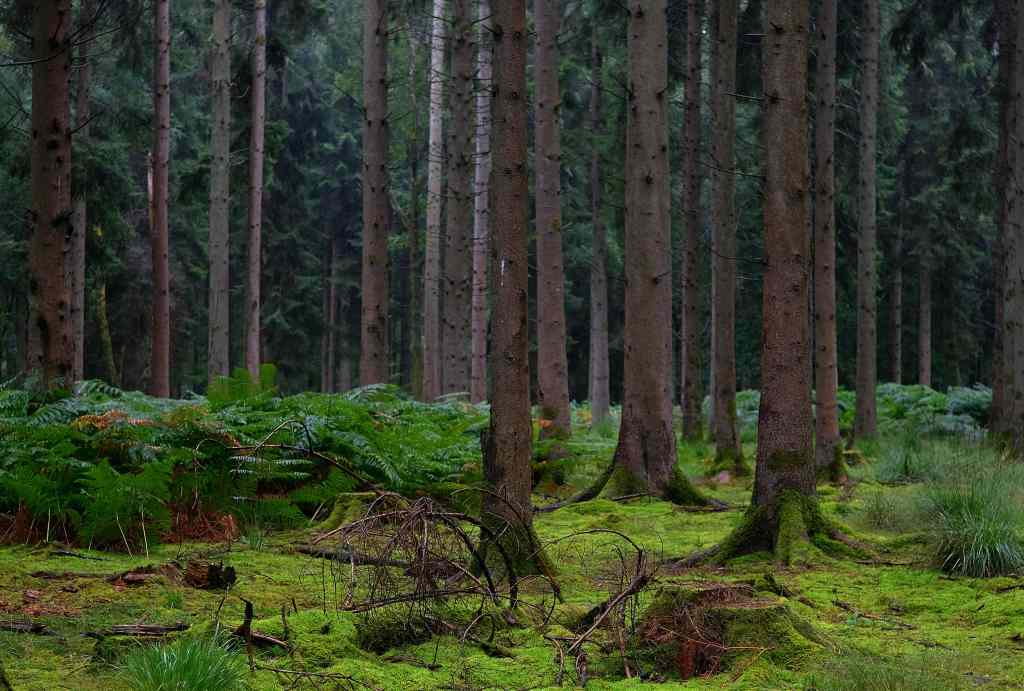
Rhinefield House was once a private country mansion in the heart of the New Forest. Today it is a hotel. The house was built in the 1880s with a huge garden and ornamental ponds. Many non-native trees were planted along the track leading to the house. Dwellings were on the site since the New Forest was first proclaimed by William the Conqueror in about 1097.
Trees that can be seen include giant redwoods and Douglas firs. In fact, the two tallest trees of the New Forest are here, a pair of redwoods standing on each side of an open grassy ride.


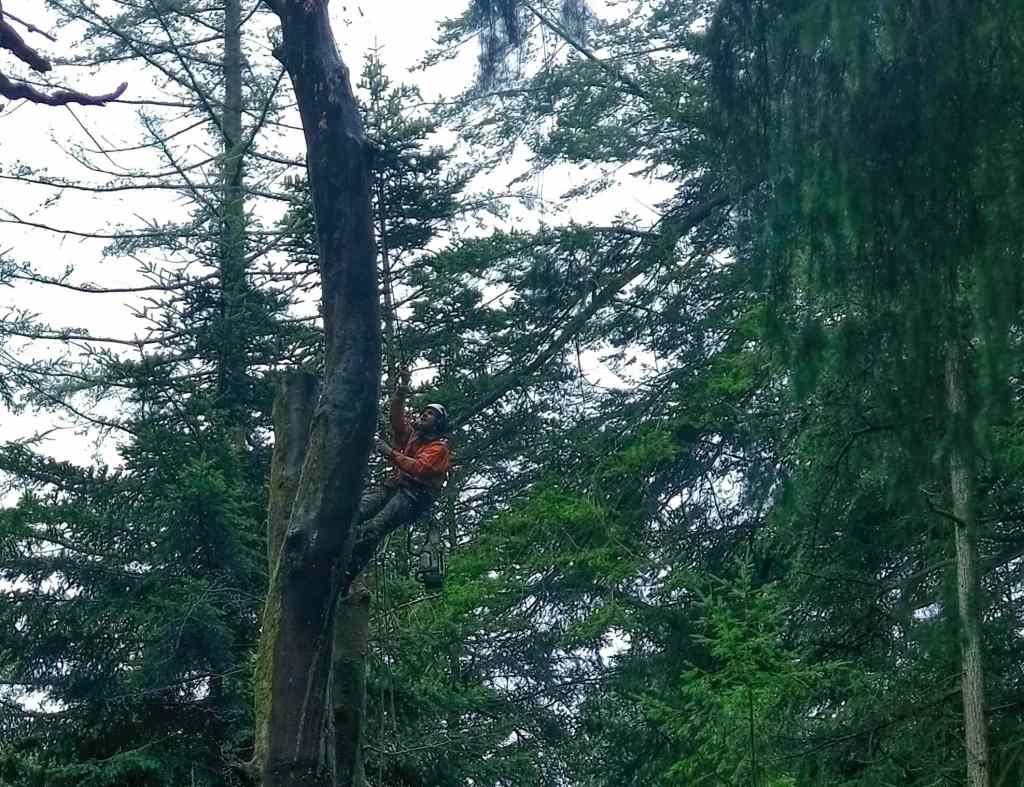
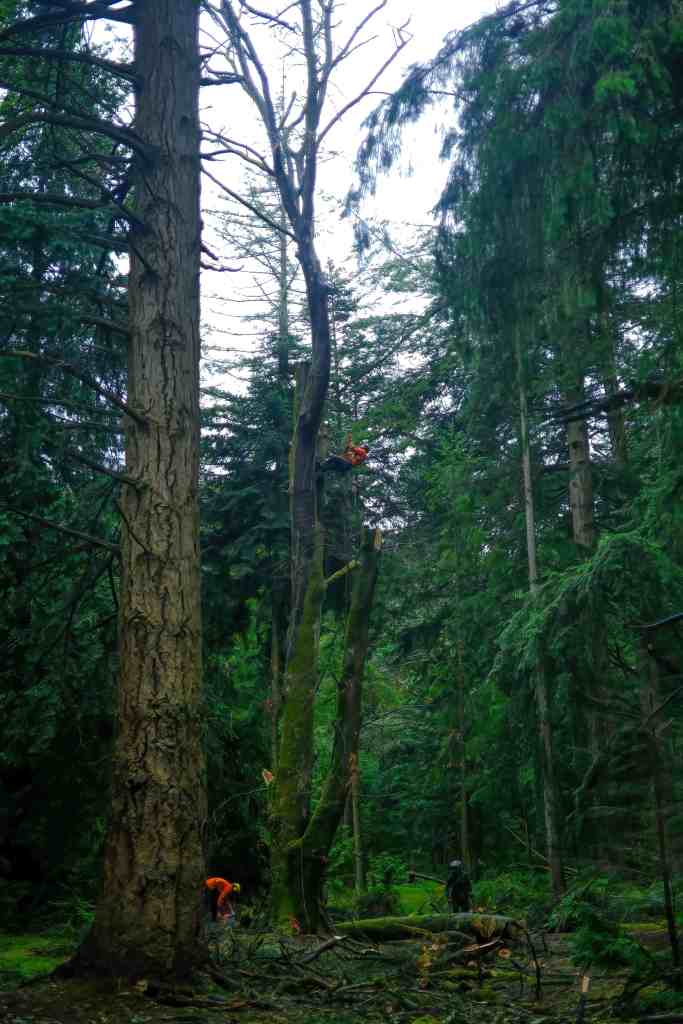
After a walk around a local lake, I thought I would practise filming a local radio-controlled sailing club where sailing their model yachts. This hobby looks to be a relaxing pastime with no noise to disturb others or the wildlife in the Park.
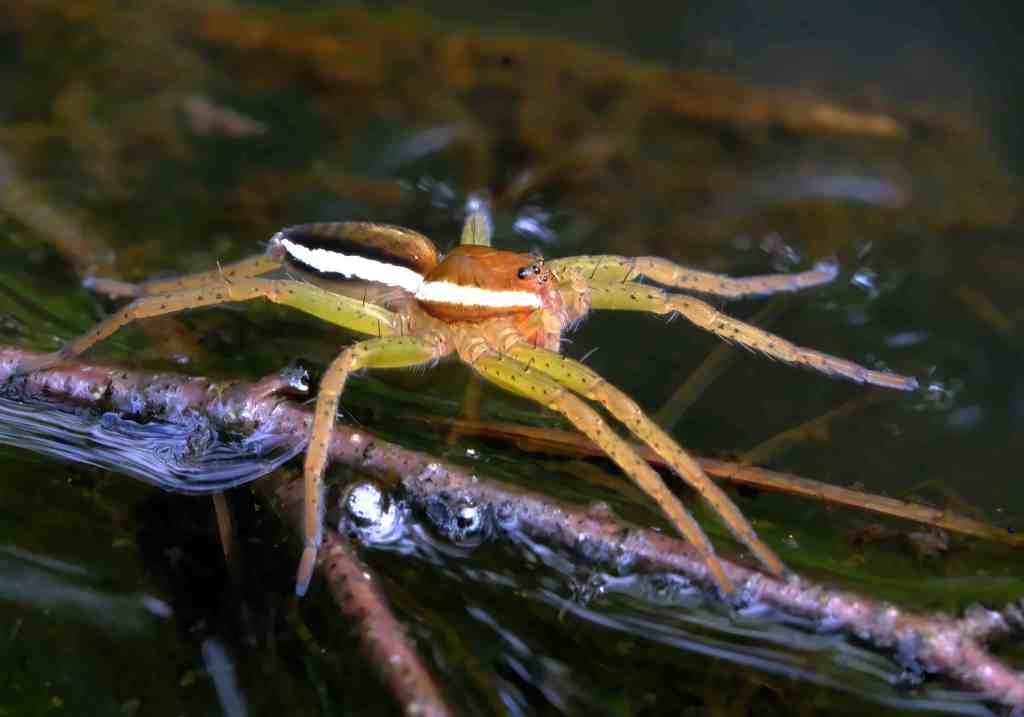
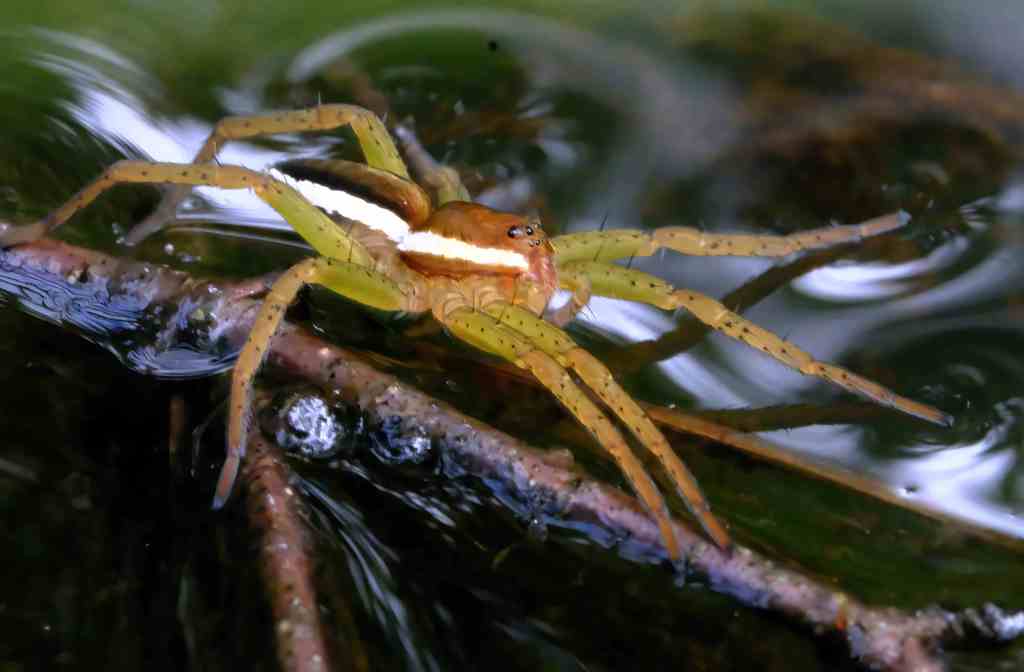
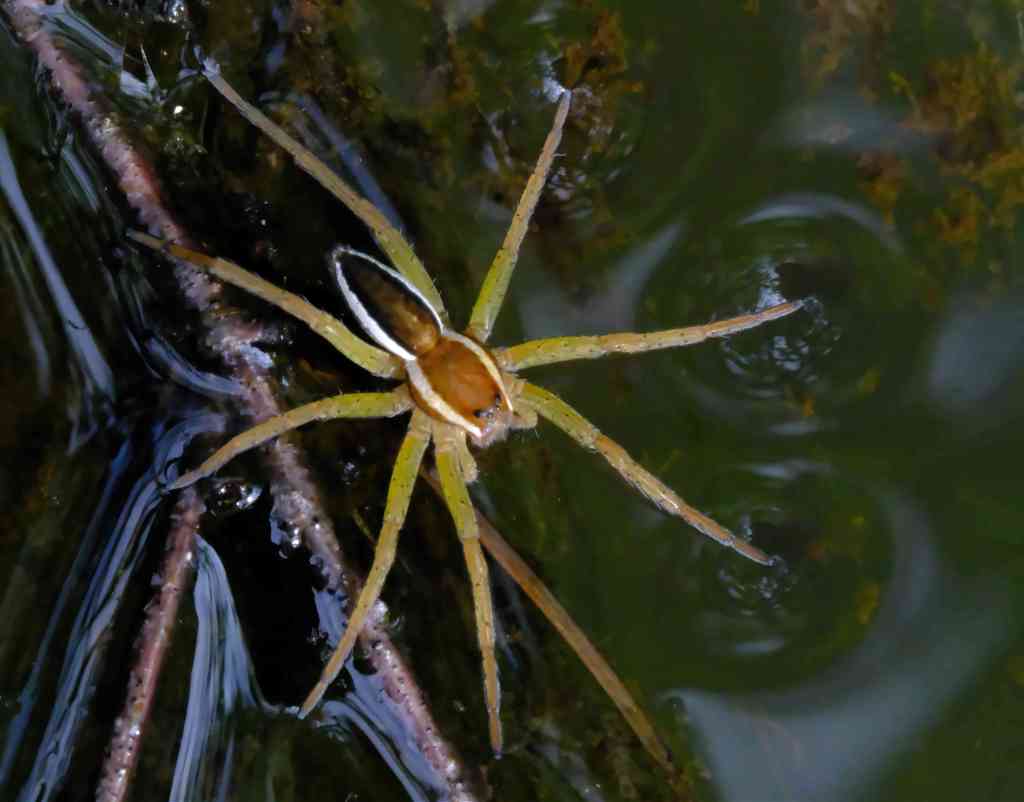
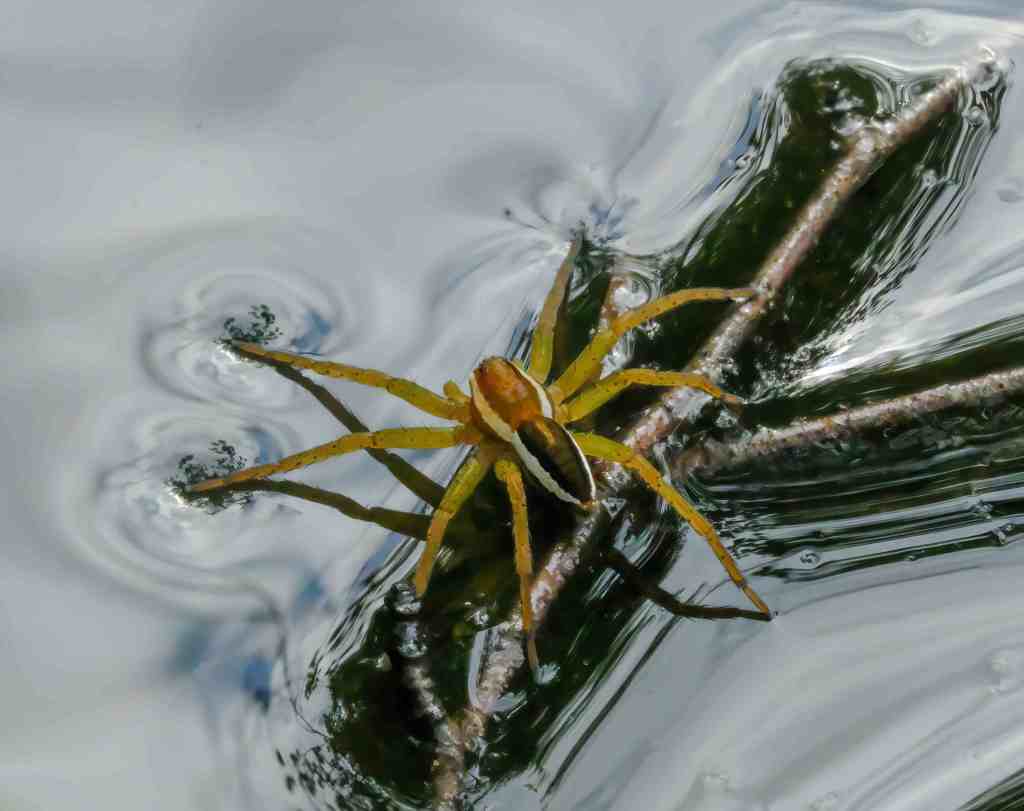
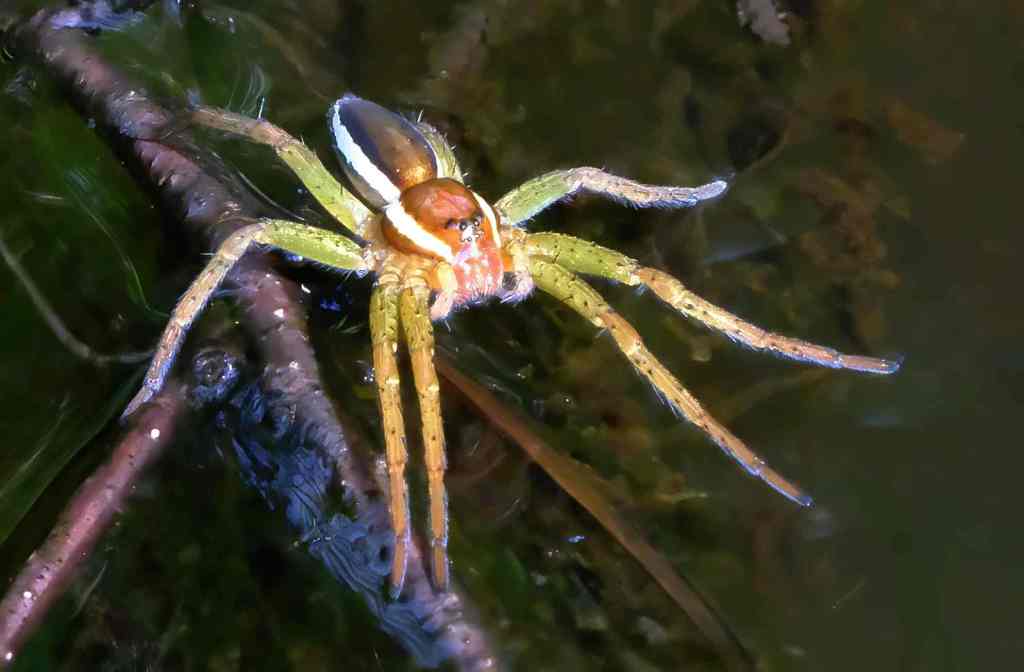
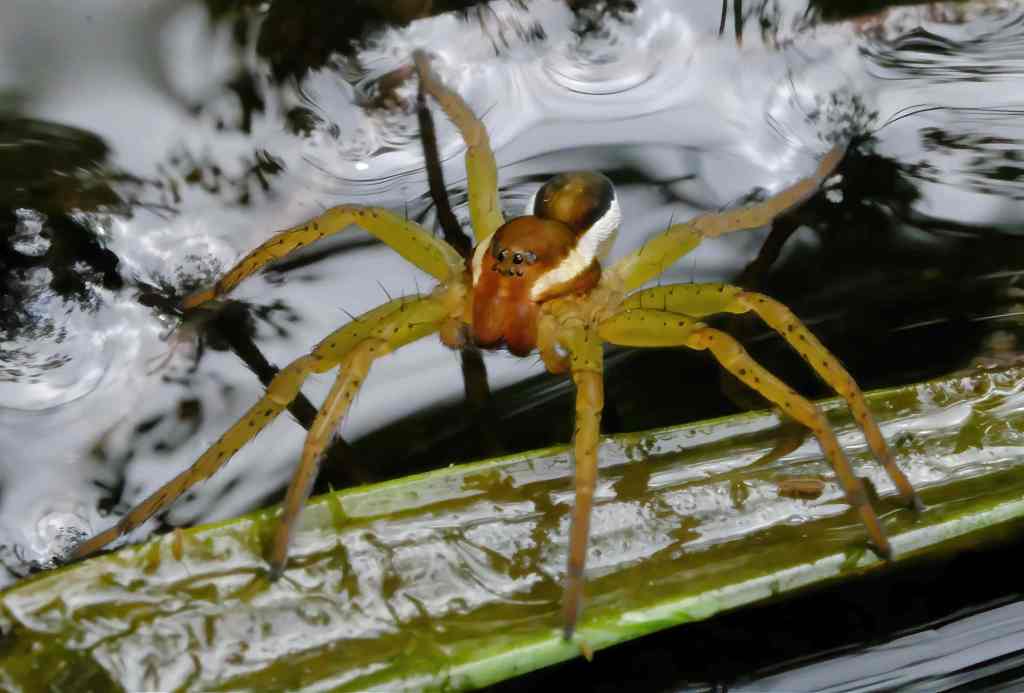
Another study of Raft Spiders (Dolomedes fimbriatus) (& a post). The adult male Raft Spider is 9 -16mm & the female a larger 13-22mm. They are found in wet lowlands and heaths & upland mires. Widespread in Southern England on wet heaths & scattered colonies throughout the rest of Britain. We have found a stream in the New Forest where they seem abundant. Here they seem to favour wild mint growing on the edge of the small stream where they wait for a passing meal – dropping down to walk on the water’s surface to catch their prey.
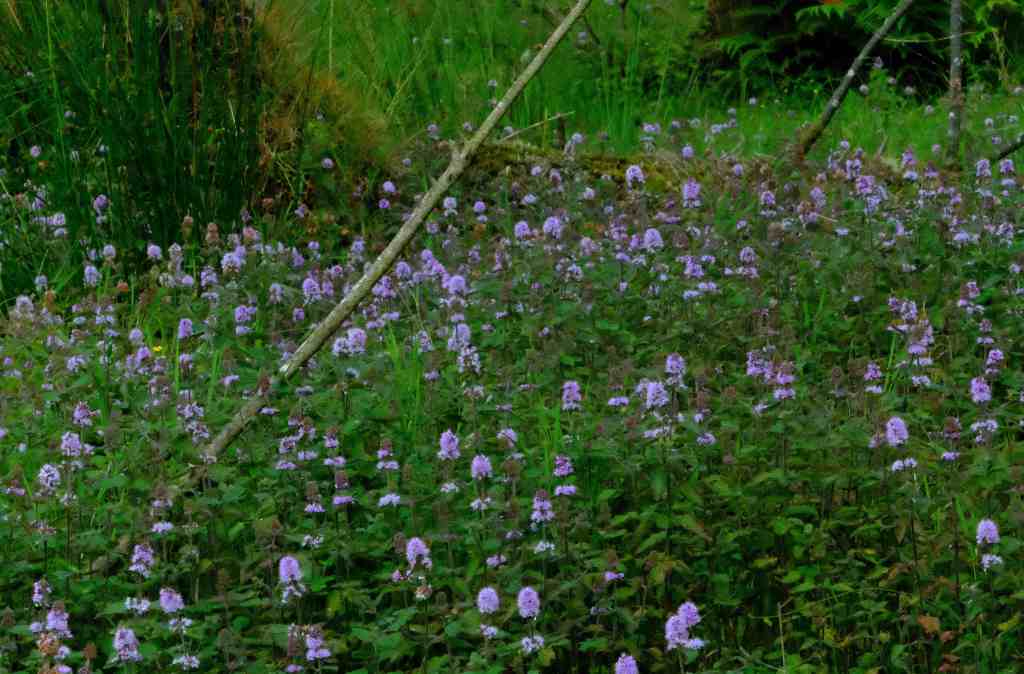
Wild mint bed in the New Forest.