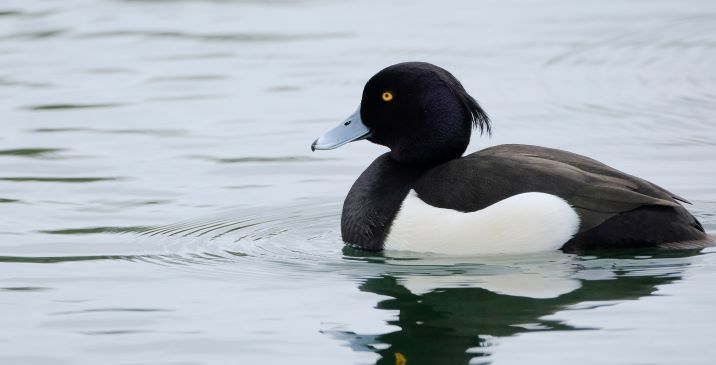
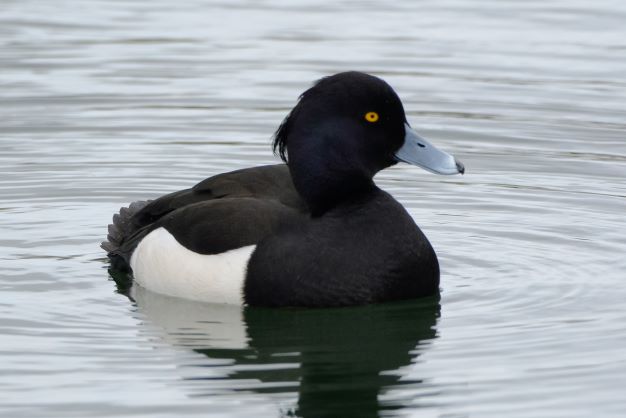
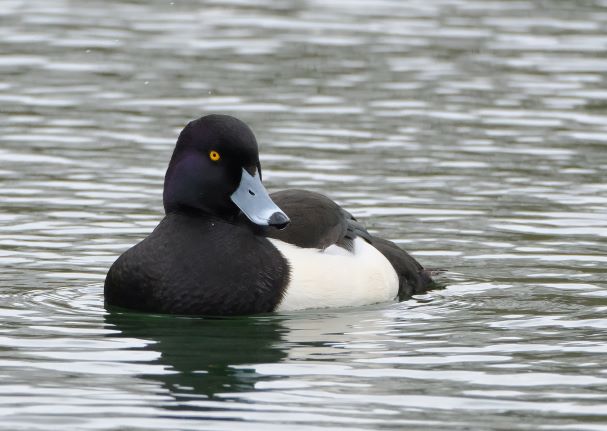
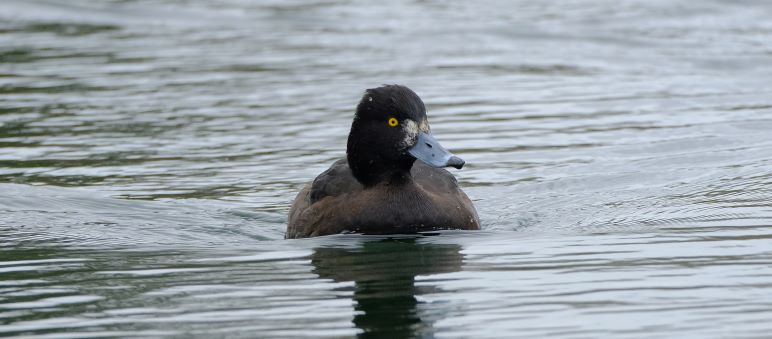
Tufties.

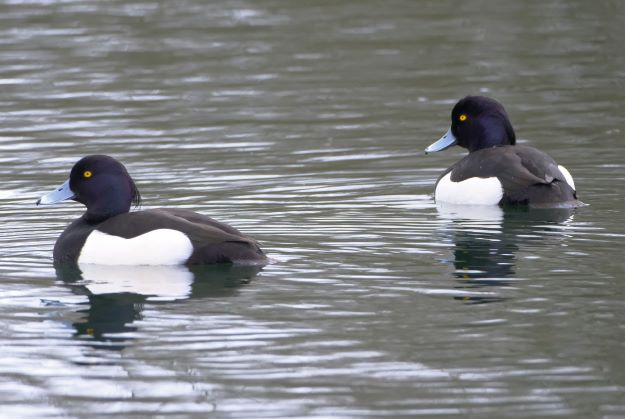
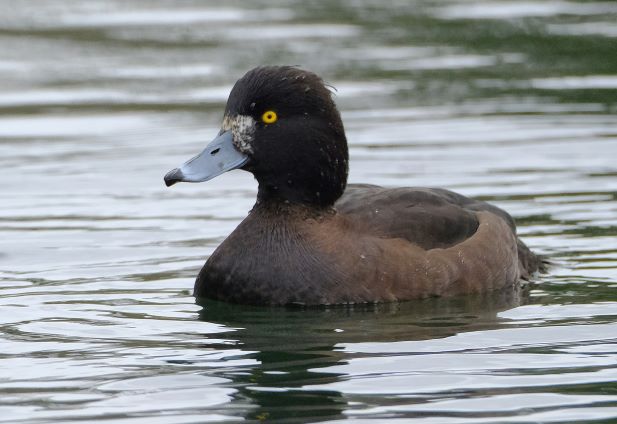
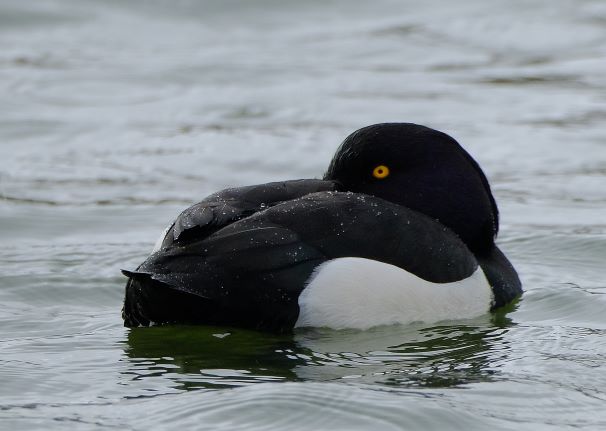
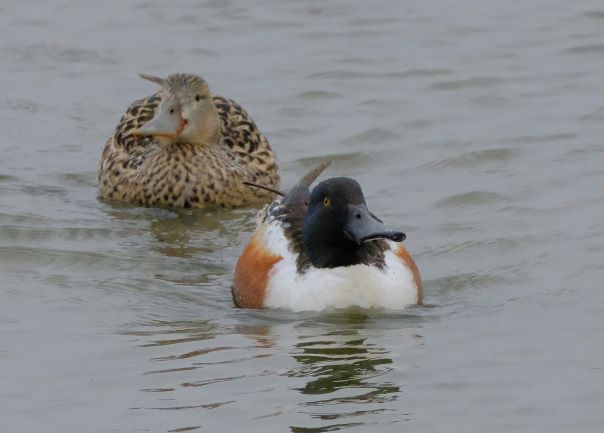
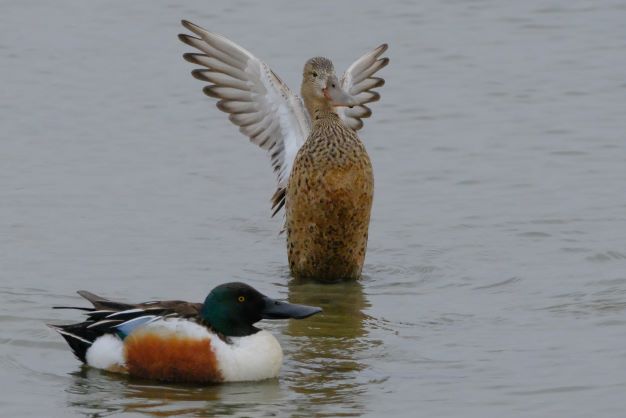
Some more views of Tufted Ducks – these were on the old mill pond at Bishop’s Waltham near Winchester.
The drakes are black and white with a golden eye and sport a tuft. The hens are more camouflaged and brown in colour.
As kids, we called Tufted ducks Tufties.
On the water.

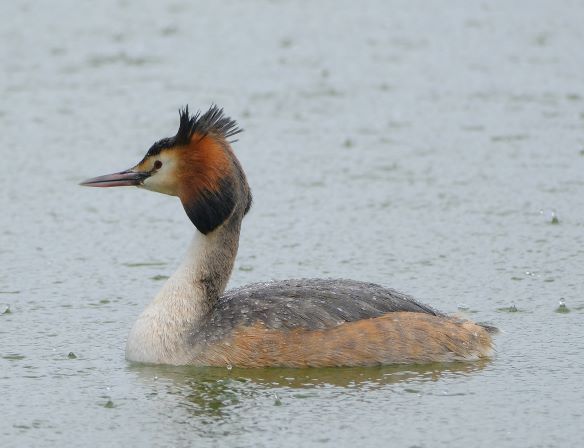
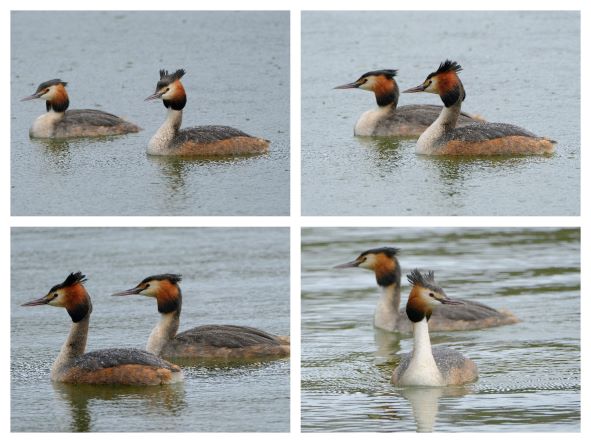
Another visit for an hour on a wet Friday morning to a local Lakeside park with the aim of watching the resident Grebes, it was nice to see 6 birds in 3 pairs so I am hopeful there will be some nests this year.

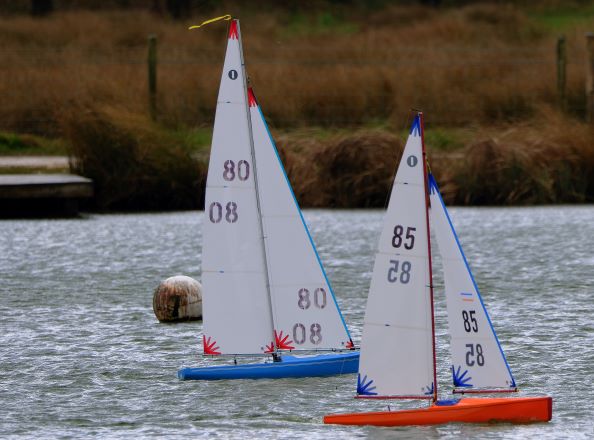
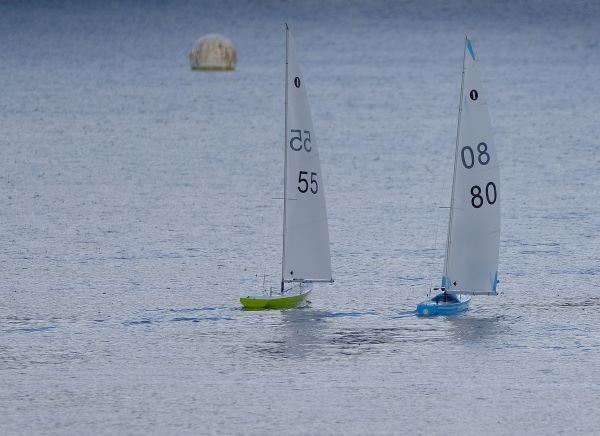
A local radio-controlled yacht group were sailing their pond yachts on one of the lakes, this quiet past-time does not conflict with the life on the water.

Tufted Ducks are smaller than the mallard. They have a small crest although you can not see it in my photographs.

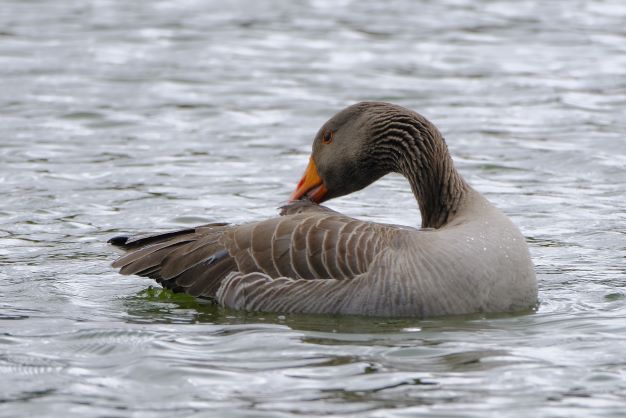
Graylag geese seem very at home with the visitors and allow you to get close to them.

Good or not so good.

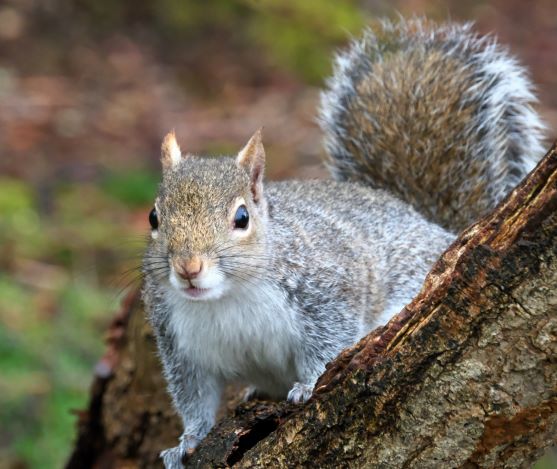
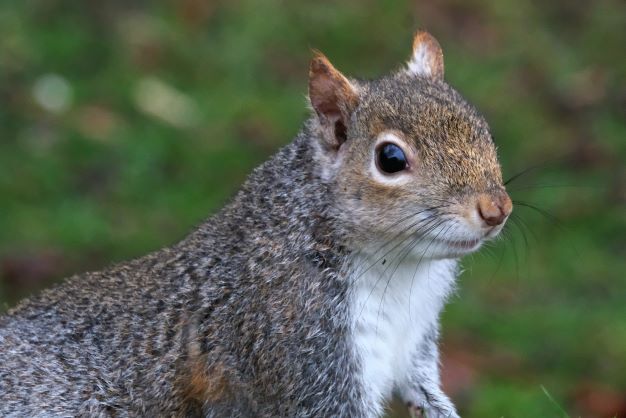
The grey squirrel was introduced into the UK in the 1870s from North America as an ornamental species to populate the grounds of stately homes. Introductions occurred until 1930. At this time the damage caused by the grey squirrel was recognised and it was made illegal to release a grey squirrel into the wild. Grey squirrels have rapidly spread and colonised much of mainland England with detriment to our wildlife, especially the native red squirrel, and tree species.

However, watching Grey squirrels is a pastime for many and despite their negative effect on native wildlife.

Along the river.

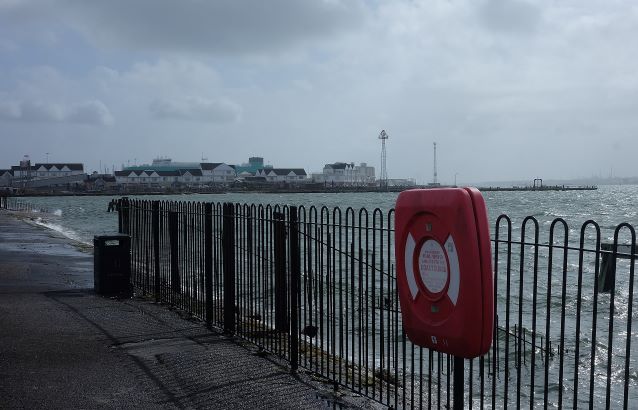
Another walk down the River Hamble dry but very windy – hard to stand up at times!

Curlew.

Dark-bellied Brent goose.

Wigeon.

Greenshank. There are less than 1,000 Greenshanks in the whole country during the winter, but soon they will be heading North towards their breeding grounds.

Common Redshank.


Lesser black-backed gulls.